Engineered environmental reagents customized for process optimization, sludge dewatering, and molecular aggregation across global industrial applications.
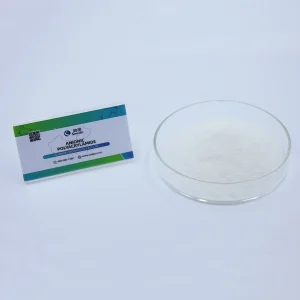
Deciphering the molecular configurations, charge densities, and hydrodynamic properties of Anionic Polyacrylamide.
Anionic Polyacrylamide (APAM) is a highly water-soluble linear polymer synthesized via the copolymerization of acrylamide monomers and acrylic acid (or other carboxyl-bearing comonomers). Under neutral to alkaline aqueous environments, the carboxylic acid groups along the hydrocarbon backbone undergo ionization, yielding negatively charged sites. This negative charge density dictates the polymer's conformation in solution and governs its interaction with positively charged particulates, metallic hydroxides, and mineral suspensions.
The operational efficiency of APAM rests upon two core thermodynamic and kinetic phenomena: charge neutralization and polymer bridging. When introduced into a system containing positively charged particles (or particles pre-conditioned with inorganic coagulants like PAC or PFS), the anionic segments of the APAM chain adhere to the particle surfaces, reducing their Zeta potential. Simultaneously, the ultra-long polymer chains (typically boasting molecular weights ranging from 5 to 25 million Daltons) extend into the bulk solution, capturing multiple particles in a web-like configuration. This process forms highly dense, rapid-settling macro-flocs, significantly optimizing phase separation interfaces.
Choosing the correct APAM formulation requires careful consideration of three main parameters: molecular weight (MW), hydrolysis degree (charge density), and solution viscosity. High MW variants yield larger flocs due to longer polymer backbones, making them ideal for gravity settling systems. Conversely, medium MW variants are preferred in centrifugation or filtration operations where shear resistance is critical. The degree of hydrolysis determines the charge alignment, which must match the ionic properties of the target fluid.
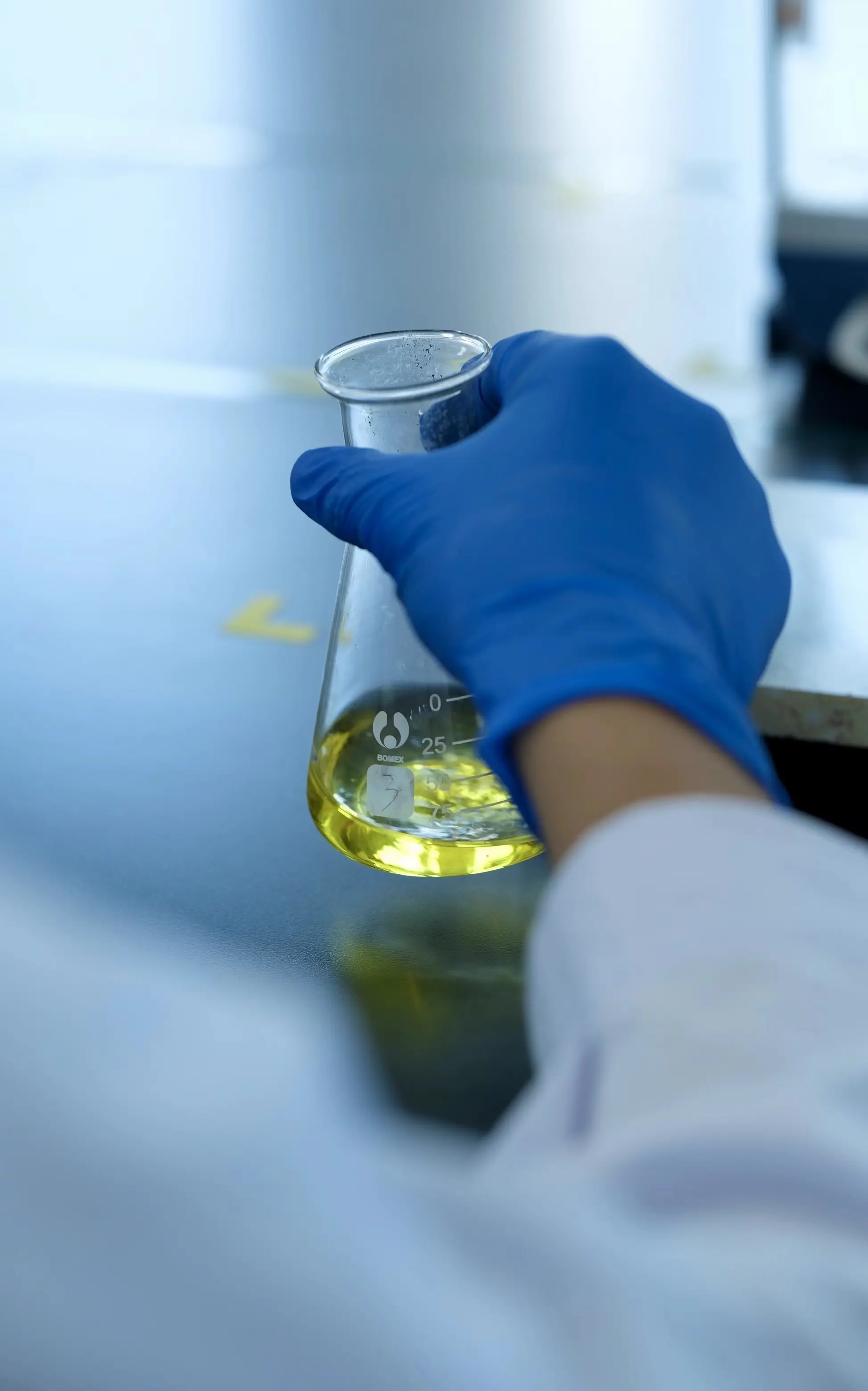
Established in 2011, Smedic Technology Co., Ltd. has developed into a leading, integrated environmental agent provider. We coordinate advanced research and development, manufacturing excellence, global distribution, and professional engineering consultancies. We focus on providing custom chemical systems, field-level support, and process optimization strategies for municipal wastewater, industrial effluent processing, mining, and oil extraction industries.
Smedic is a prominent brand in high-end wastewater treatment chemicals. We offer over 80 environmental protection products, and our annual production capacity exceeds 1 million tons. Operating from our central headquarters in Beijing, we manage dedicated manufacturing bases in Hebei, Guizhou, and Shanxi, alongside ten OEM partner facilities and strategic warehousing hubs across Shandong, Anhui, Guangxi, and Sichuan. Our service networks span 20+ provinces in China and export to global industrial markets.
Our solutions support over 600 urban sewage treatment operations and 1,000 industrial facilities, treating more than 20 million tons of wastewater daily. This large-scale operation helps us continually optimize our formulas for better performance and cost efficiency.
Tailoring polymer molecular architectures to meet specific field conditions and regional water chemistry challenges.
In modern mineral extraction—including coal washing, alumina production, and base metal recovery—APAM acts as an essential sedimentation aid. It accelerates the separation of solids from wash water, optimizing water recovery and preventing tailing pond overflows. This is especially useful in regions with strict environmental regulations like Latin America and Australia.
Designed for rapid settling, our APAM series removes suspended colloidal organic matter, metallic oxides, and fine silts. It is widely used in high-rate clarifiers and municipal activated sludge processes globally. In North America and Europe, our APAM helps facilities comply with strict effluent standards while reducing operational costs.
For mature oilfields in the Middle East and North America, APAM is used to modify the mobility ratio of injected water. By increasing water viscosity, it drives trapped crude oil toward recovery wells. Our formulations are engineered to resist thermal degradation and high salinity levels, ensuring stable performance in harsh reservoir conditions.
A guide to selecting the right APAM formulation based on target parameters and application requirements.
| Product Grade | Molecular Weight (Million Daltons) | Hydrolysis Degree (%) | Effective pH Range | Primary Application Fields | Key Technical Features |
|---|---|---|---|---|---|
| APAM-HW-25 | 22.0 – 25.0 | 15% – 25% | 6.0 – 9.0 | EOR, Oilfield Profile Control, Paper Making | Ultra-high viscosity retention under high shear stress. |
| APAM-MW-18 | 16.0 – 18.0 | 20% – 30% | 5.0 – 10.0 | Coal Washing, Tailings Clarification, Sand Washing | Accelerated settling velocity with clear supernatant separation. |
| APAM-LW-12 | 10.0 – 12.0 | 10% – 20% | 6.0 – 8.5 | Industrial Wastewater, Sludge Thickening | Good compatibility with metallic salts and secondary polymers. |
| APAM-VH-35 | 15.0 – 20.0 | 30% – 40% | 7.0 – 11.0 | High-pH Effluent Treatment, Chemical Sludge Coagulation | High charge density for strong binding with positively charged colloidal solids. |
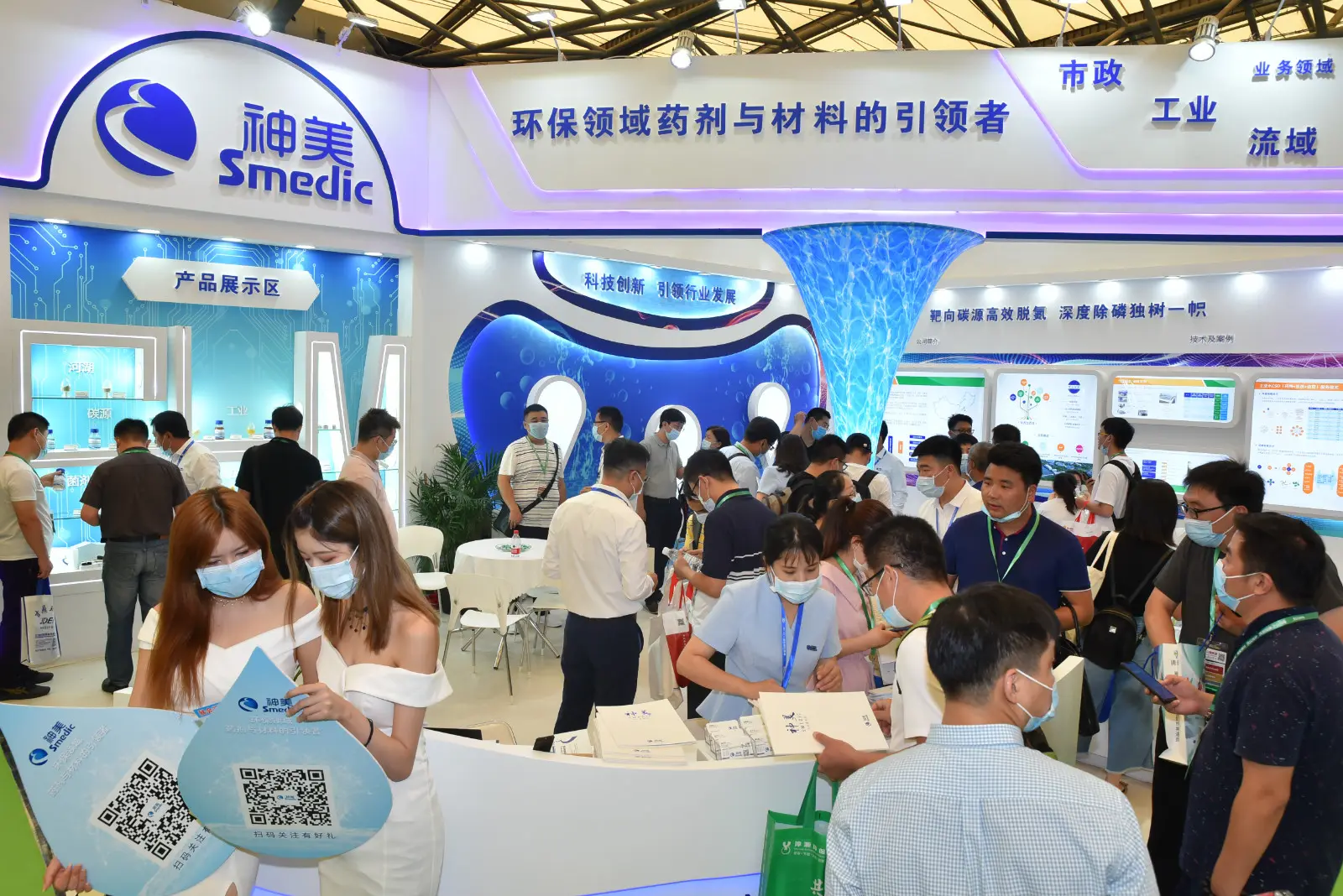
As a global supplier, Smedic manages supply chain risks through integrated manufacturing and logistics. We handle the entire production process, starting from the synthesis of acrylamide monomers (AM) using clean enzymatic methods, followed by polymerization into APAM powders and emulsions. This vertical integration helps insulate our supply chains from external raw material market fluctuations.
With an annual capacity of over 1 million tons, our production bases in Hebei, Shanxi, and Guizhou utilize modern automation systems to maintain high quality control. Our regional warehouses in major industrial areas ensure fast shipping times to domestic ports, reducing transit times to international destinations.
We work with international logistics providers to offer customs clearance, container consolidation, and flexible shipping options. This reliability helps keep global client operations running smoothly without chemical inventory shortages.
Pushing the boundaries of macromolecular chemistry through collaborative academic research and patent development.
Our research and development program operates through a network of 1 academy, 3 research institutes, and 5 production bases. Smedic has established joint labs with Shandong University and the Beijing University of Technology. We also partner with Peking University and Tianjin University to commercialize new technologies, and we host an expert workstation with the Tsinghua University Association of Senior Scientists and Technicians.
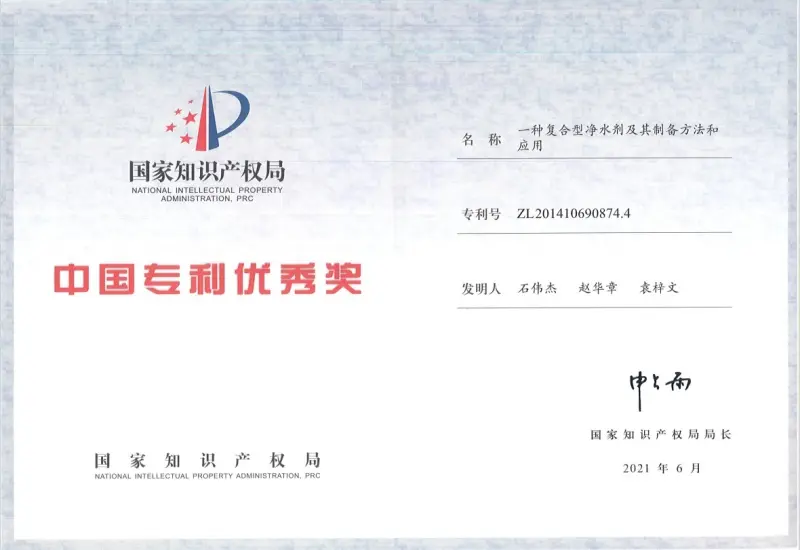
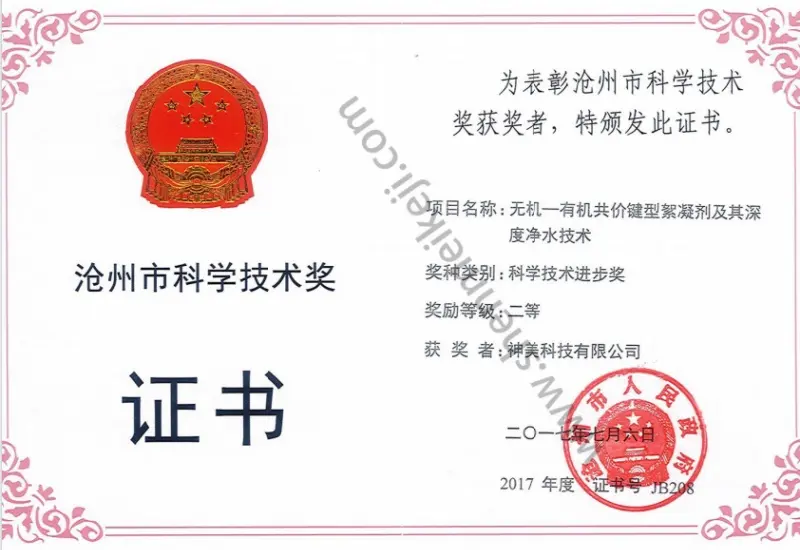
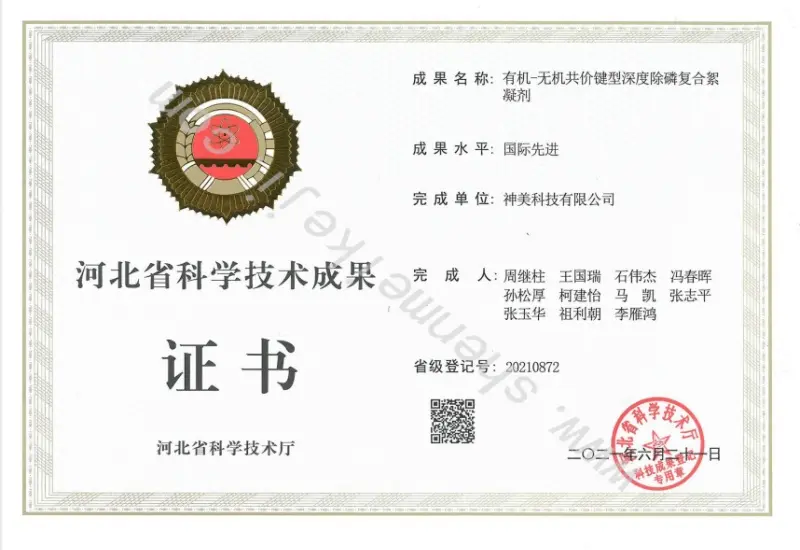
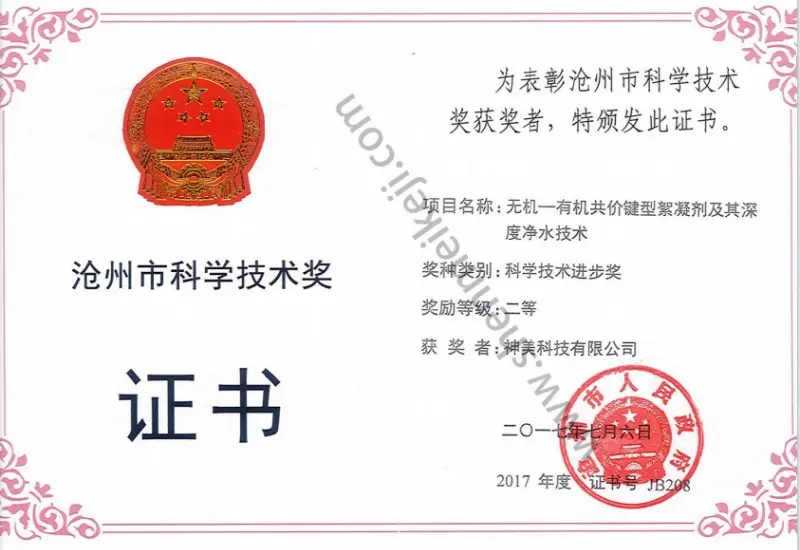
A key milestone from these collaborations is the development of our Inorganic-Organic Covalent Bond Flocculant. This hybrid polymer bonds inorganic coagulants and organic polymer chains at the molecular level, allowing both coagulation and flocculation to happen in a single dosing step. This technology won the 22nd China Patent Award and the First Prize for Technological Invention from the China Petrochemical Industry Association.
Our research roadmap focuses on developing biodegradable bio-based polymers to reduce carbon footprints, as well as ultra-high-temperature resistant polymers for deep reservoir oil recovery. We continue to design new chemical formulations to meet the evolving demands of our clients.
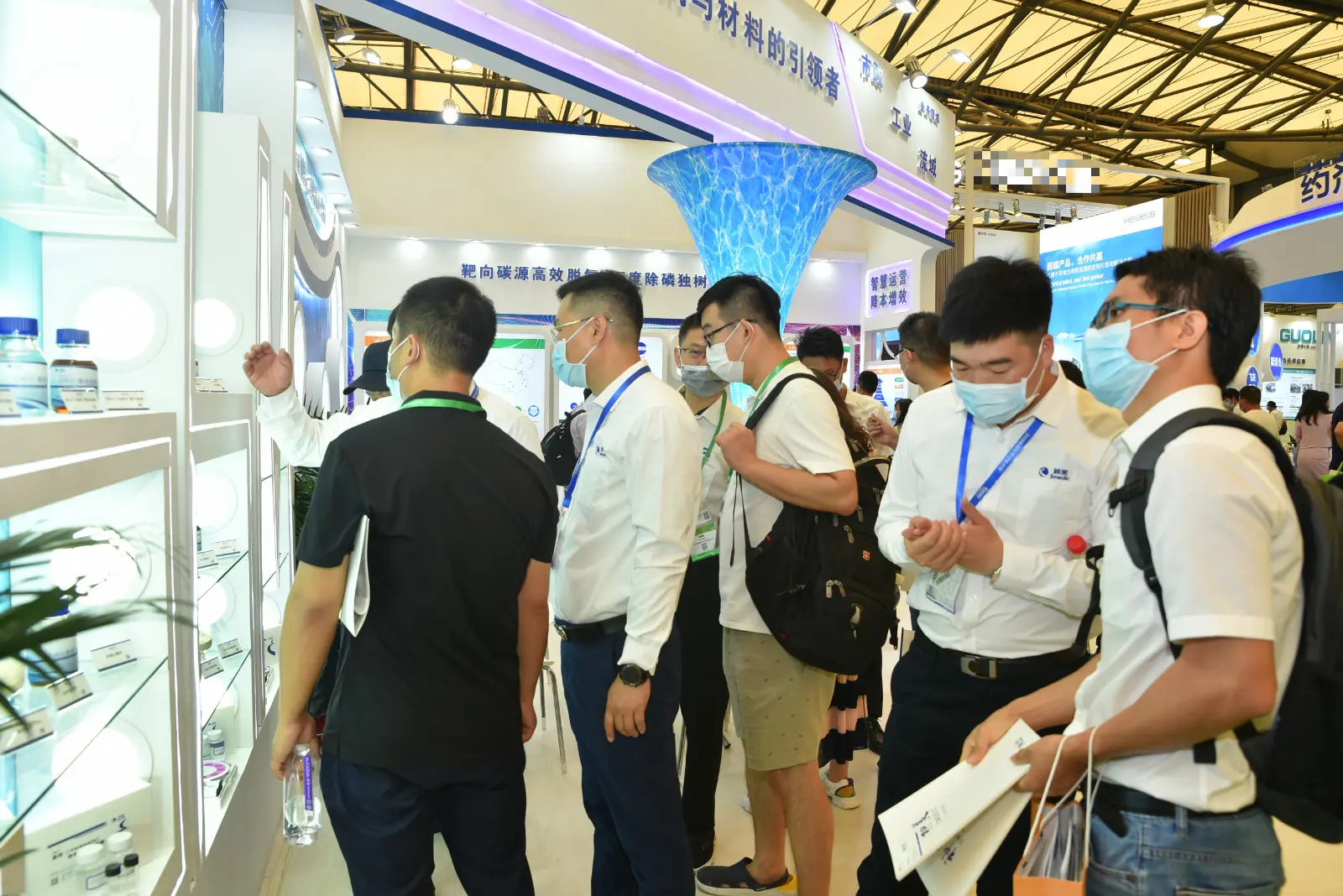
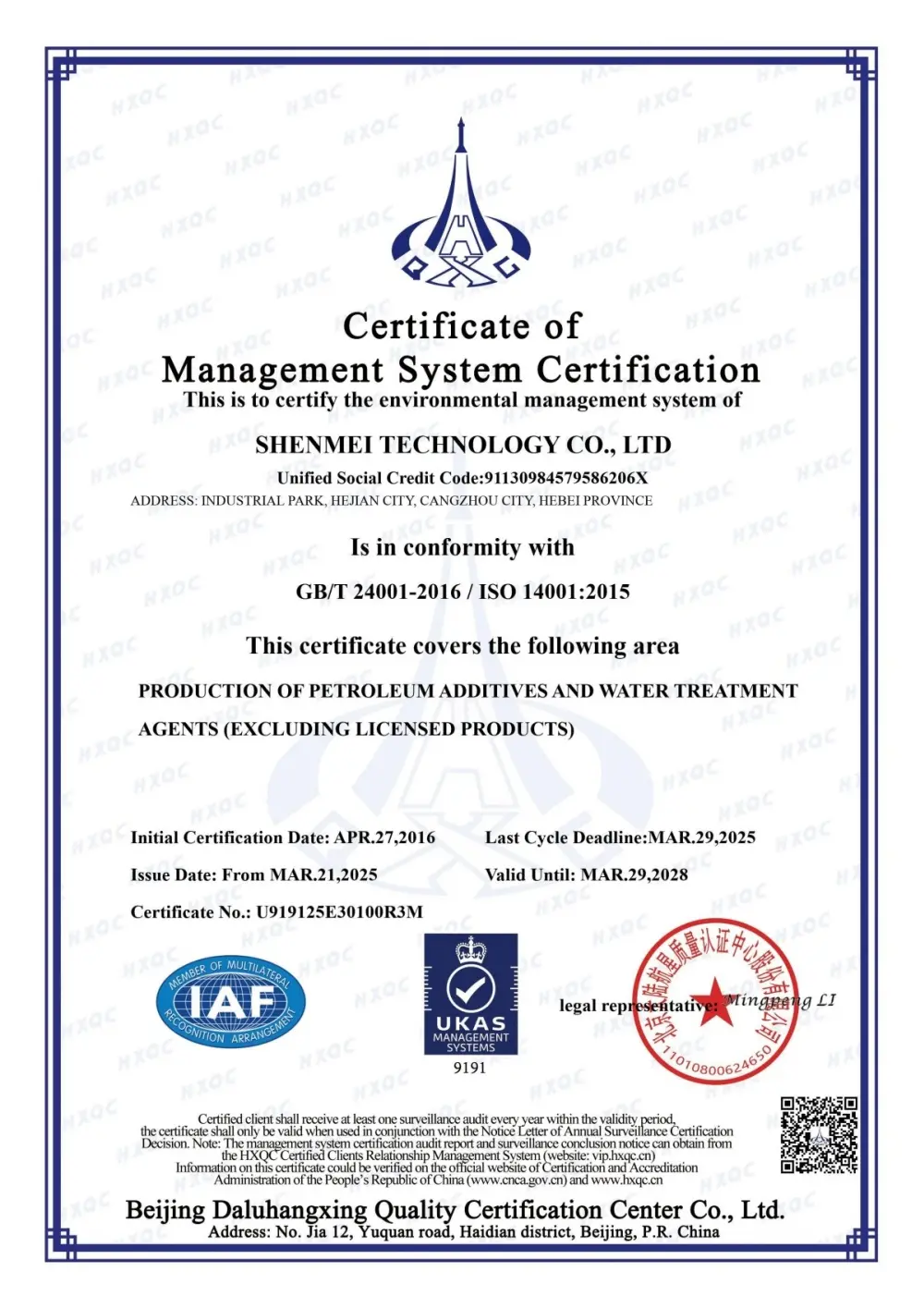
Demonstrating our commitment to compliance, intellectual property, and environmental standards.
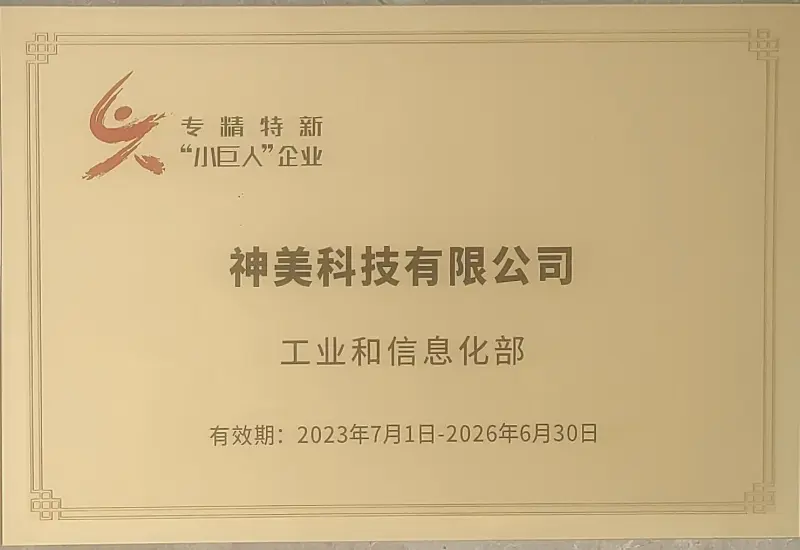
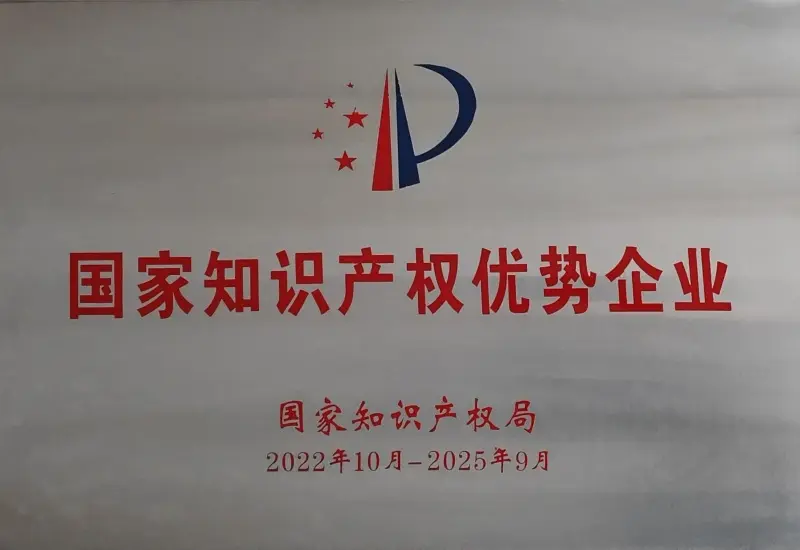
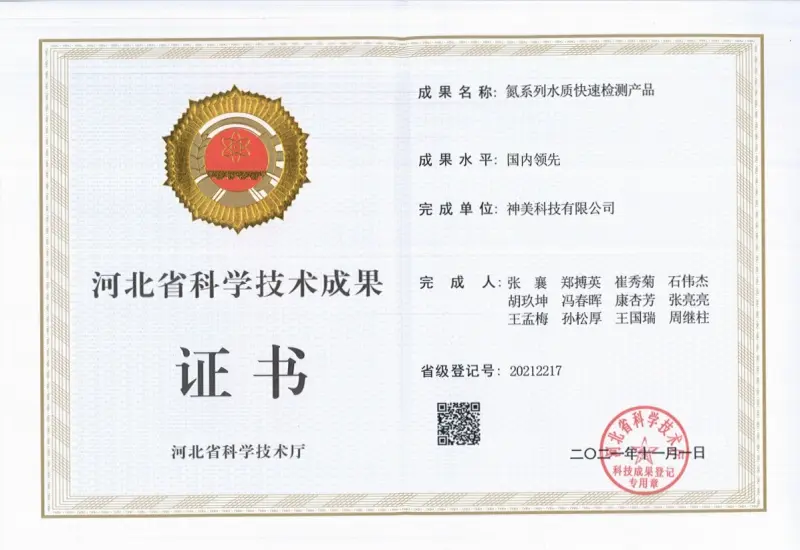
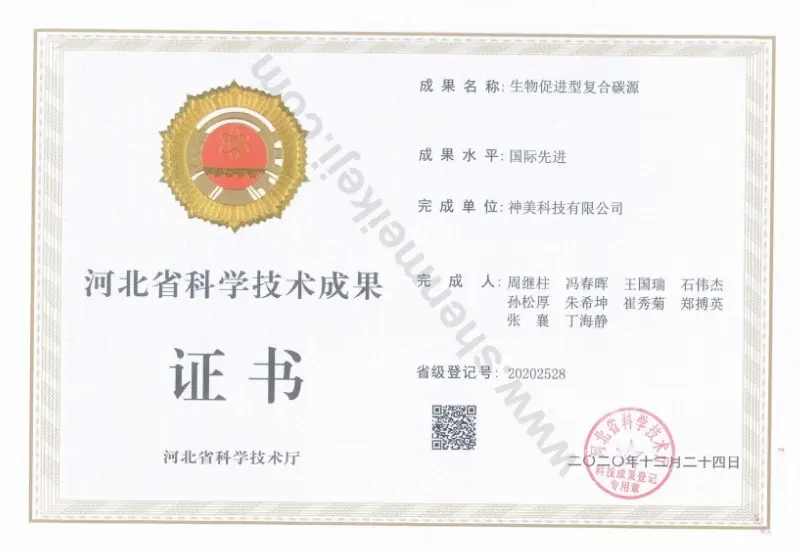
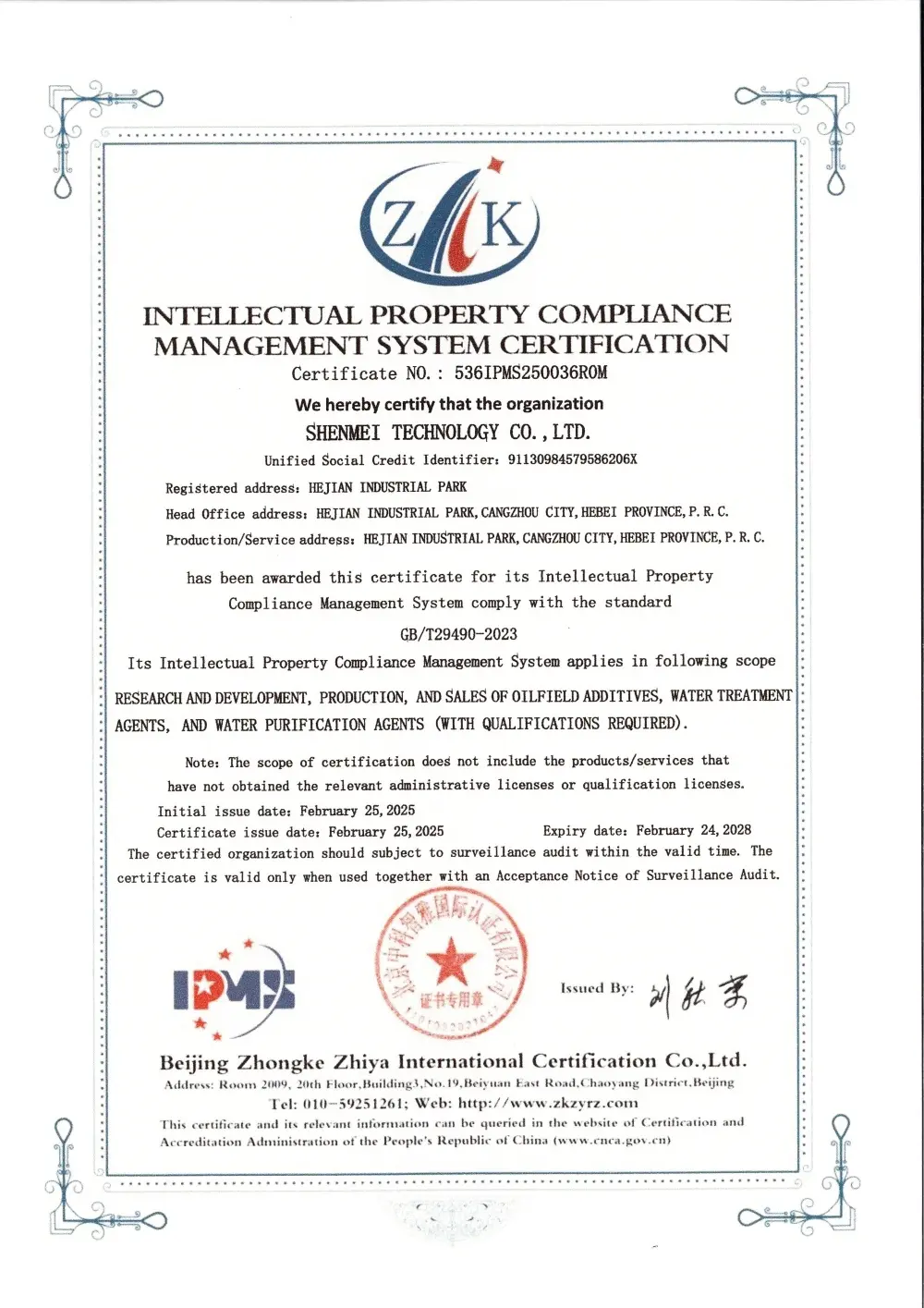
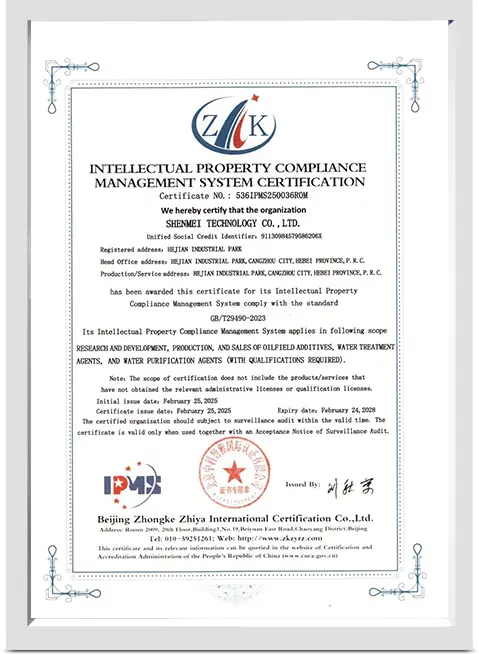
Our manufacturing and operational processes comply with global quality standards. Smedic has been granted over 60 Chinese patents, including more than 40 invention patents and 20 utility model patents. We have also participated in drafting over 10 national and industry standards for water treatment chemicals in China, including standards for composite carbon sources and sodium acetate reagents.
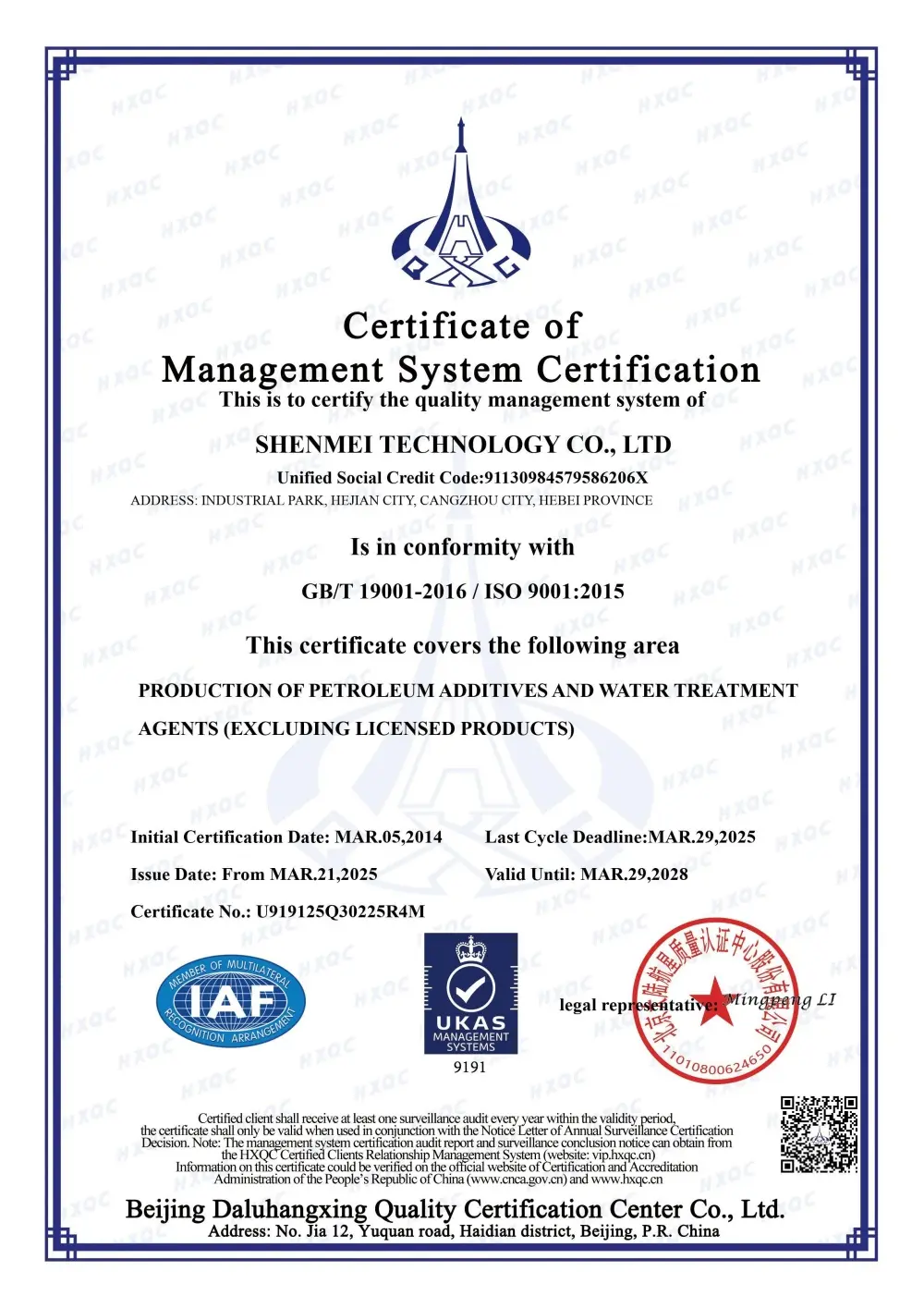
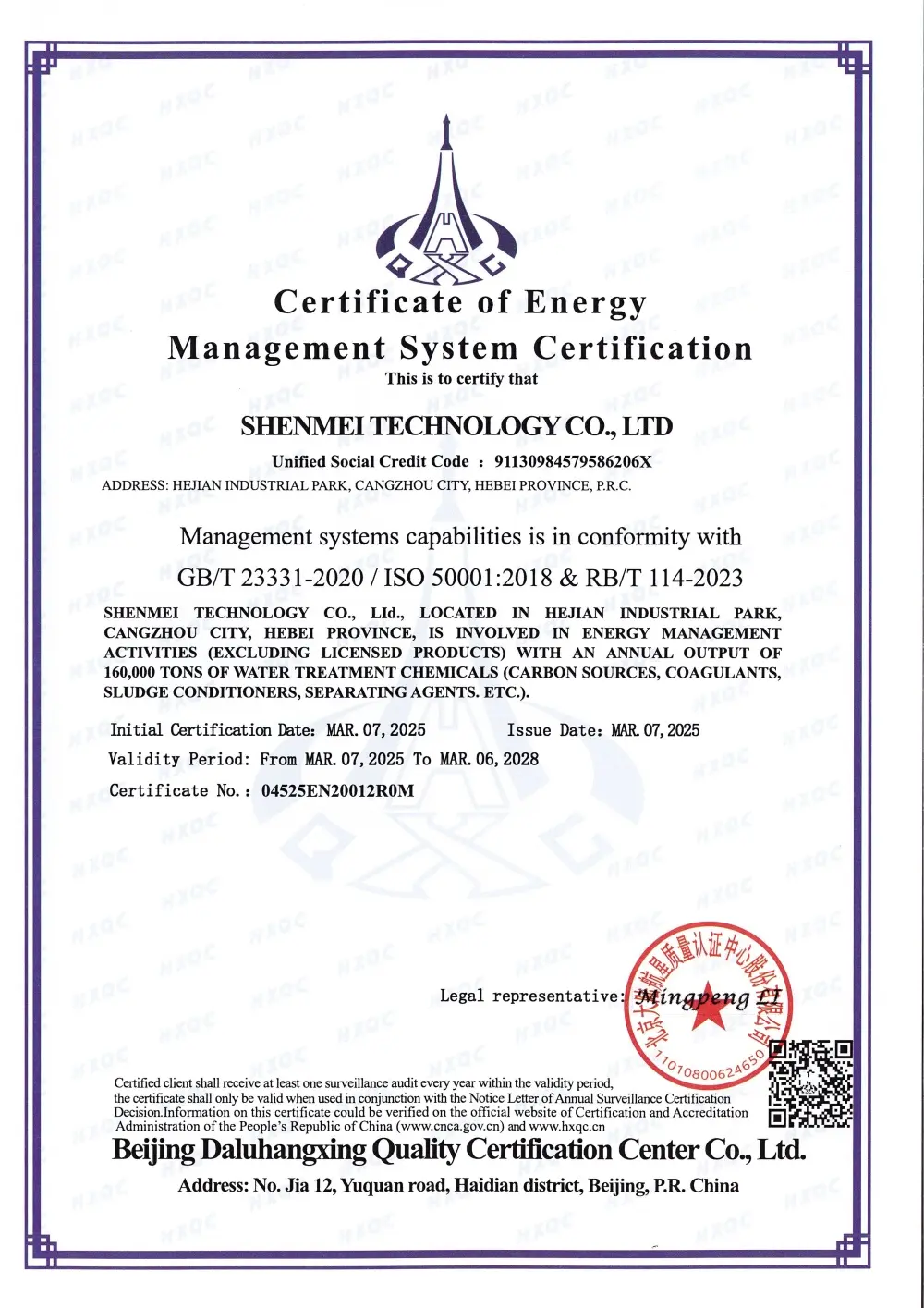
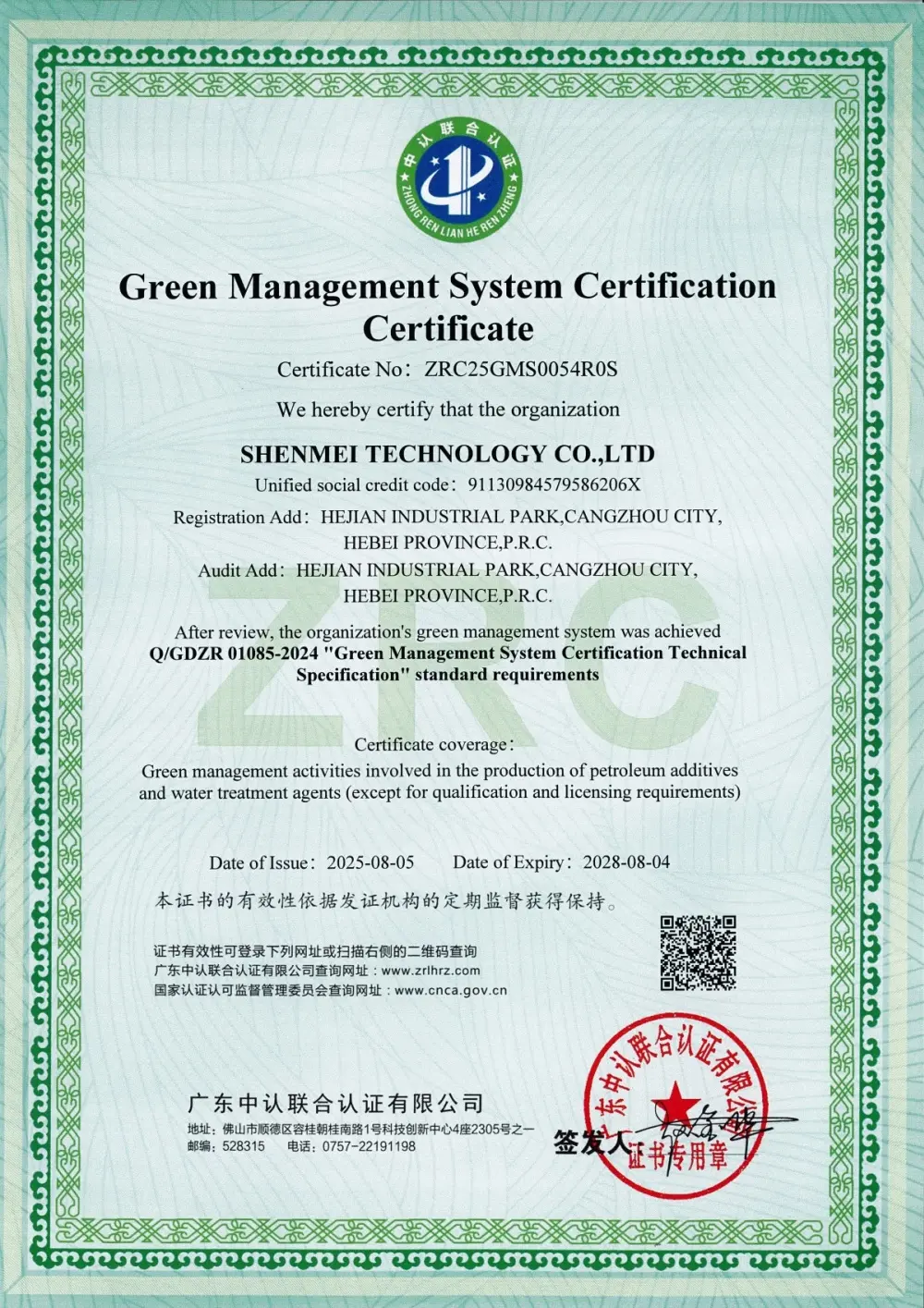
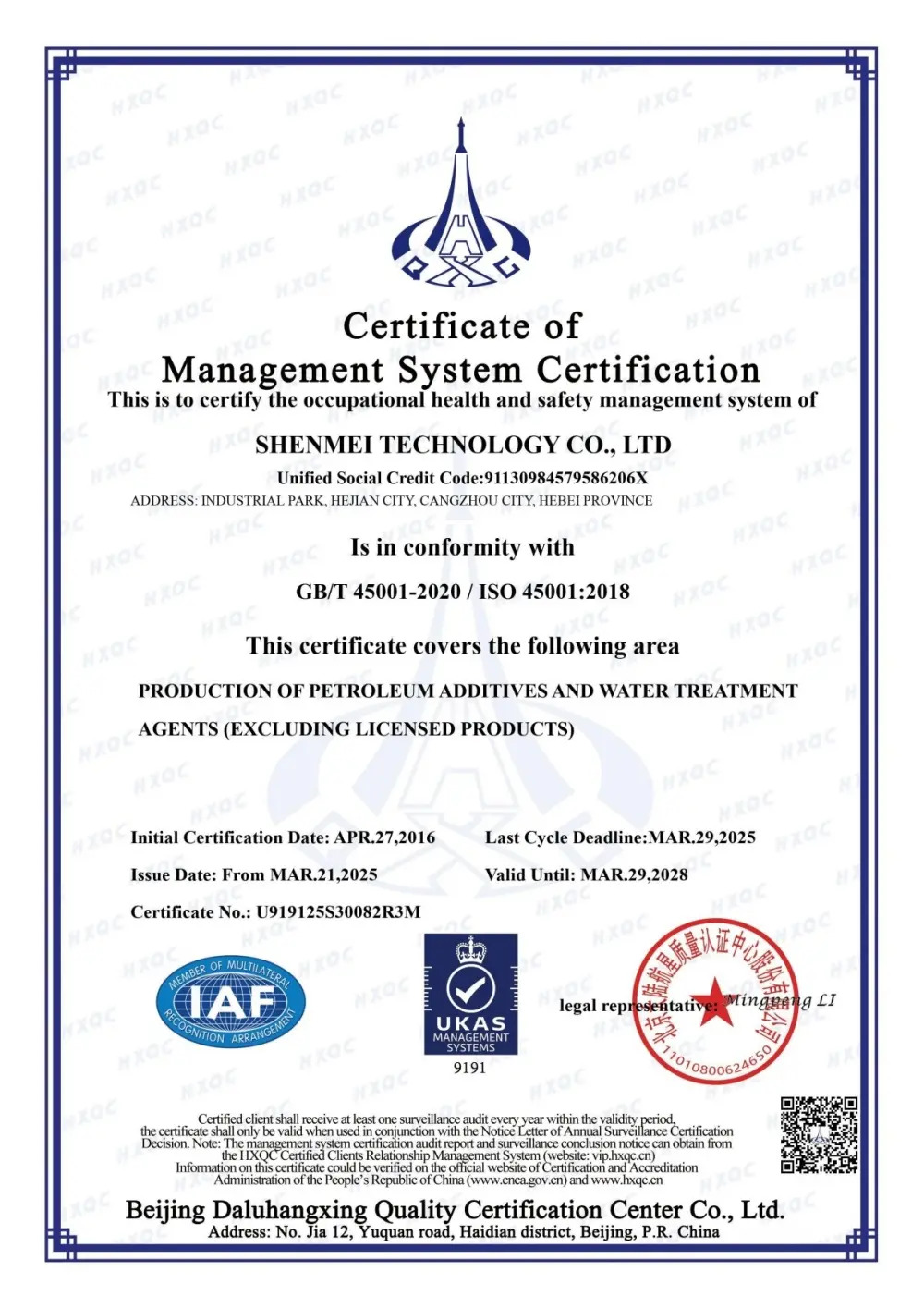
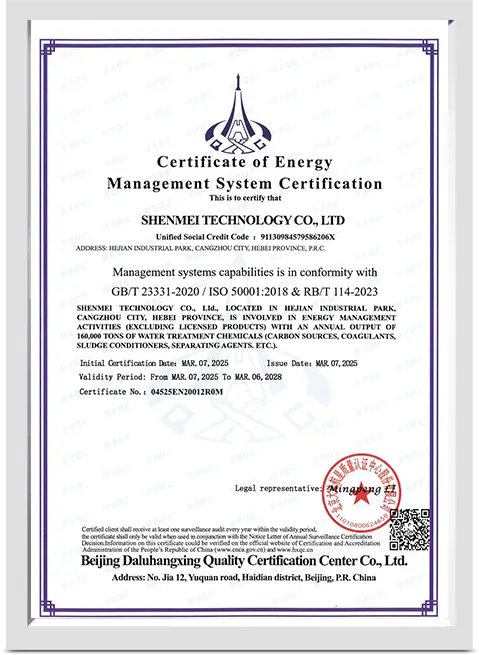
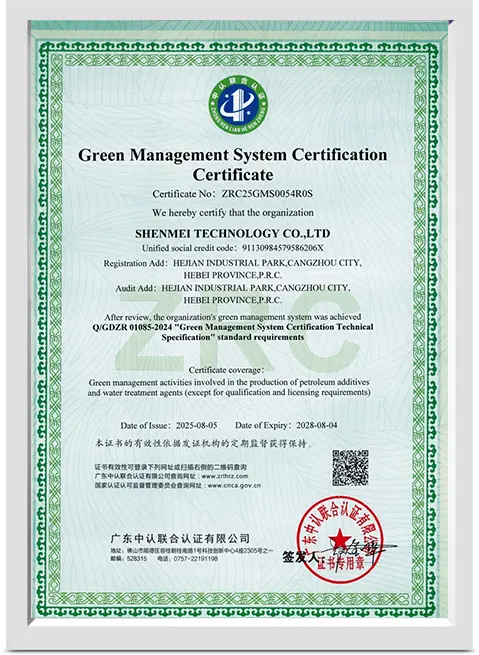
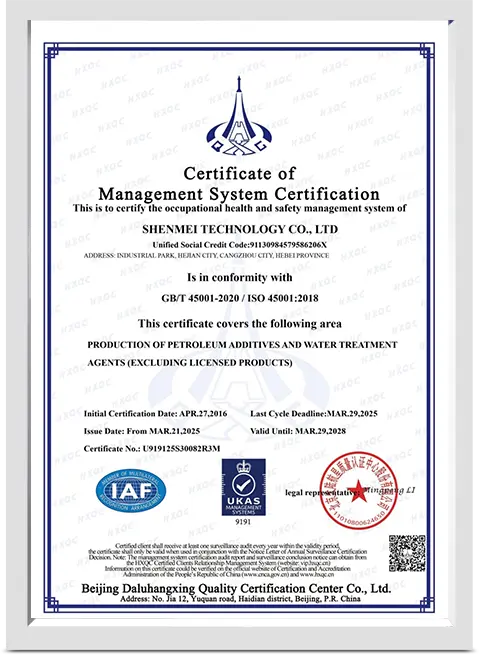
Our facilities are certified under ISO 9001 (Quality Management), ISO 14001 (Environmental Management), and ISO 45001 (Occupational Health and Safety). Our products comply with REACH regulations for export to European markets and meet NSF/ANSI Standard 60 criteria for drinking water applications, ensuring safety and performance.

Answers to technical and operational questions regarding anionic polyacrylamide flocculant systems.
A complete portfolio of water treatment chemicals, including scale inhibitors, defoamers, and coagulants.
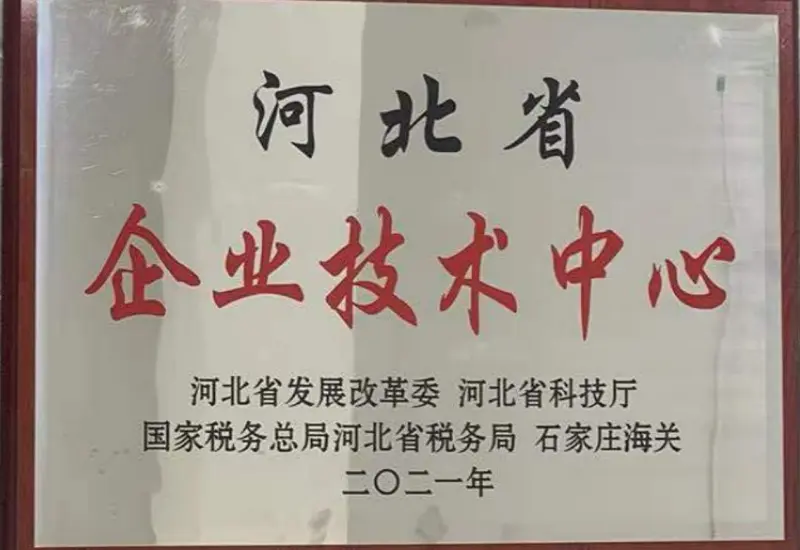
Independent laboratory testing, state enterprise accreditations, and industrial manufacturing certifications.
 Smedic Tech