Membrane Chemicals Suppliers & Exporters

High-Performance Formulations, Scale Inhibitors, Defoamers, and Environmental Protection Agents for Global Municipal & Industrial Water Infrastructure

Primary Industrial Formulations Portfolio

Explore our cutting-edge, high-efficiency membrane scale inhibitors, corrosion control agents, and specialized heavy metal removal complexes tailored for harsh operations.
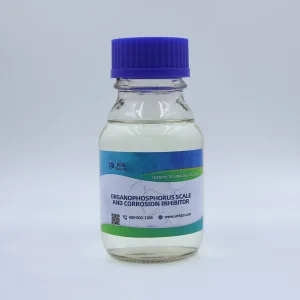
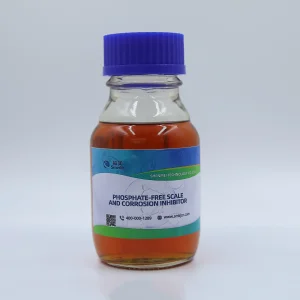
Executive Whitepaper: Strategic Advancements in Membrane Chemicals & Process Integration

In modern industrial manufacturing and municipal infrastructure, the reliance on high-performance separation technologies is absolute. Systems including Reverse Osmosis (RO), Nanofiltration (NF), Ultrafiltration (UF), and related water purification arrays form the backbone of energy production, chemical synthesis, semiconductor manufacturing, and circular wastewater economies. However, these systems face severe operational threats from scaling, chemical fouling, biological aggregation, and structural degradation. Smedic Technology Co., Ltd. serves the global market as an advanced manufacturer and supplier of environmental protection agents, delivering complex chemical solutions to sustain peak membrane performance, scale control, and heavy metal remediation.

"Effective water chemistry management is no longer merely an operational safeguard; it is a critical driver of thermal efficiency, carbon reduction, and plant lifespan optimization. Smedic Technology provides the high-precision chemicals required to minimize downtime and prevent irreversible membrane fouling across global projects processing millions of cubic meters per day."

Macro-Environmental Challenges & Global Procurement Requirements

Industries across Europe, North America, the Middle East, and Asia are facing stringent water discharge standards and increasing water scarcity. In areas relying on seawater desalination, such as the GCC region, or regions focusing on Zero Liquid Discharge (ZLD) schemes, membrane chemical demand has transitioned from basic antiscalants to custom-engineered formulations. Buyers look for suppliers who can guarantee:

  • Eco-Efficiency and Biodegradability: A shift away from traditional phosphorus-heavy formulations to prevent eutrophication in aquatic receiving bodies. High-quality phosphate-free scale and corrosion inhibitors are critical to comply with European REACH and local environmental regulations.
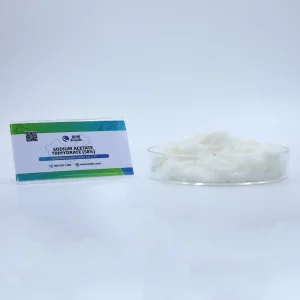
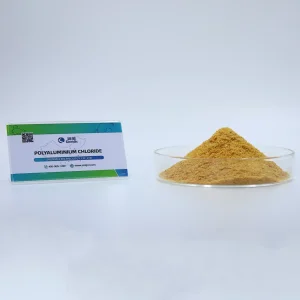
  • High Concentration and Storage Stability: Shipping water globally is cost-ineffective. Global buyers demand concentrated formulas (such as pure solid sodium acetate or high-activity polyaluminum chloride) that remain stable across wide temperature ranges during trans-oceanic shipping.
  • Comprehensive OEM & ODM Customization: Industrial wastewater chemistry changes rapidly by facility. A single product line cannot fit all feedwaters. Highly customized ODM RO membrane scale inhibitors are necessary to address precise ratios of calcium sulfate, barium carbonate, or colloidal silica scaling.

Smedic Technology: Production Scale & Capabilities

Established in 2011, Smedic Technology has evolved into a leading provider of high-end water treatment chemicals, balancing rigorous academic R&D with a robust production network.

2011
Corporate Founding & Infrastructure Establishment
1M+ Tons
Annual Environmental Chemicals Production Capacity
80+ Types
Advanced Water Treatment Formulation Products
20M+ Tons
Daily Water Volume Managed Globally Across Projects

Production Bases and Strategic Network

Headquartered in Beijing, Smedic operates manufacturing facilities in Hebei, Guizhou, and Shanxi, alongside ten OEM partner factories and regional warehousing networks spanning Shandong, Anhui, Guangxi, and Sichuan. This grid ensures a steady logistics pipeline to ports and industrial parks. By servicing over 600 municipal urban sewage plants and 1,000+ industrial wastewater, mineral processing, and oilfield facilities, we provide reliable supply for large-scale operations.
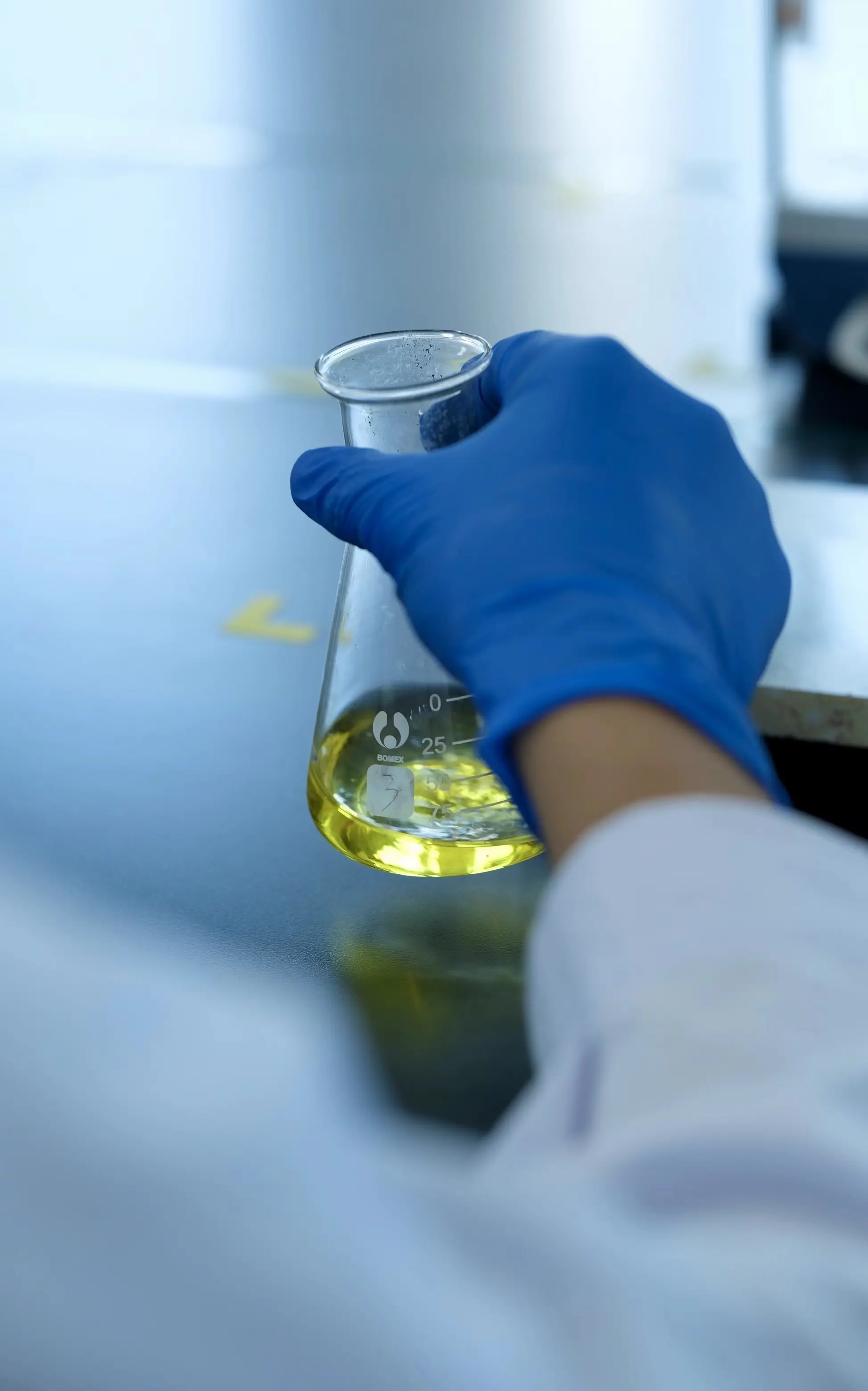
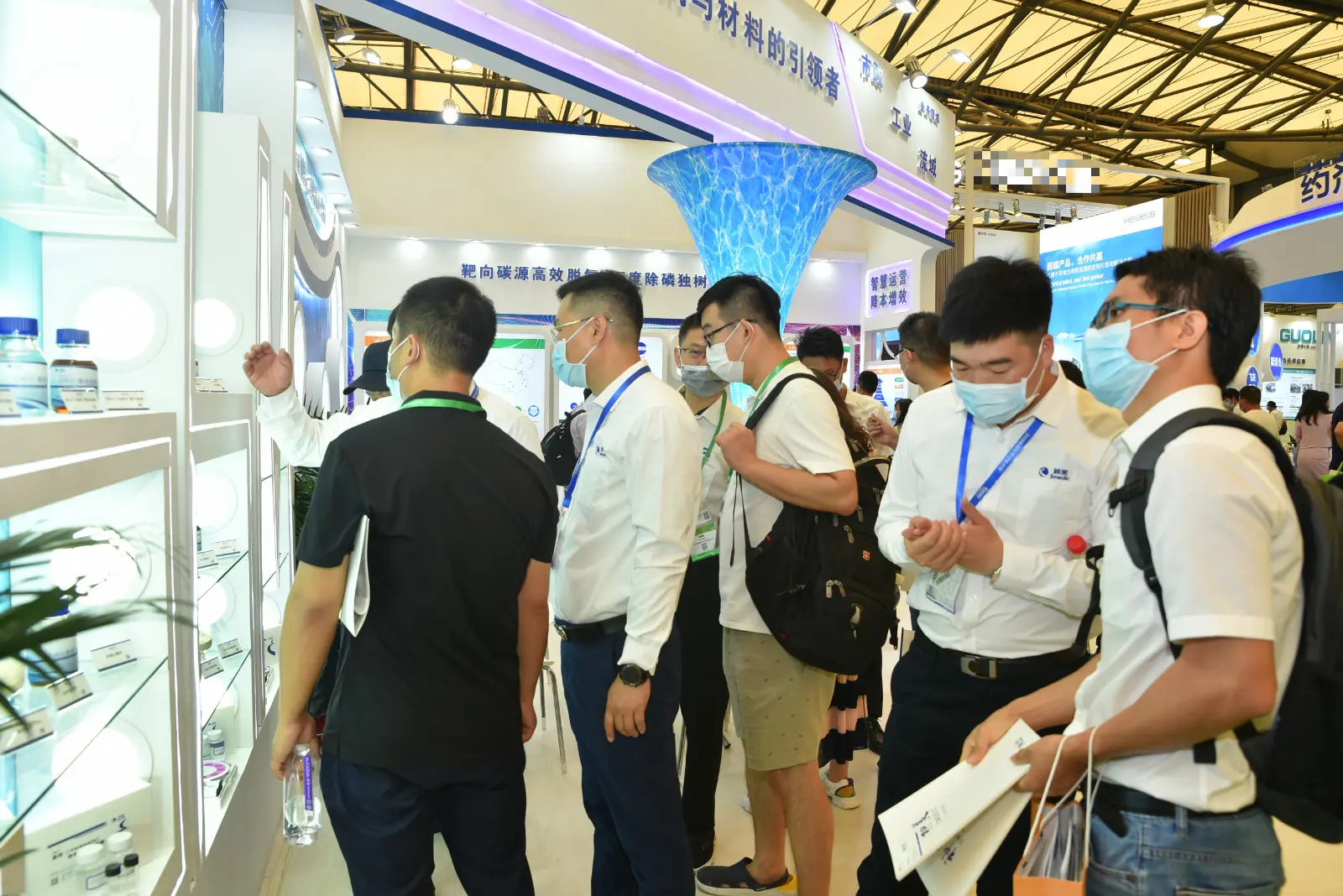
Smedic Production Facility and Laboratory Operations

Technical Roadmap: Chemistry, Mechanisms, & Innovation

To deliver true "Information Gain" to engineers and procurement directors, we analyze the micro-level chemical mechanics that define modern membrane maintenance. Effective chemical management relies on key mechanisms:

🧬

Crystal Modification & Dispersion

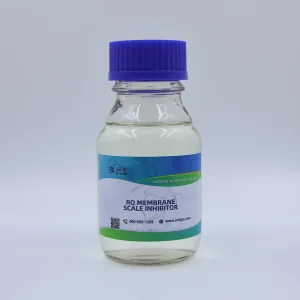
Our organophosphorus and phosphate-free inhibitors work via threshold inhibition. The chemicals adsorb onto growing salt micro-crystals (e.g., calcium carbonate, calcium sulfate), distorting their lattice structure and preventing adherence to hydrophobic membrane surfaces. Dispersants keep these crystals suspended in the reject stream.

🛡️

Organic/Inorganic Flocculation

Smedic's inorganic-organic covalent bond coagulants use charge neutralization and polymeric bridging. By targeting dissolved heavy metals and fluorides, these formulations aggregate contaminants into heavy flocs that drop out of suspension before hitting fine RO membrane channels, preserving flow rates.

🧪

Surface Tension Control

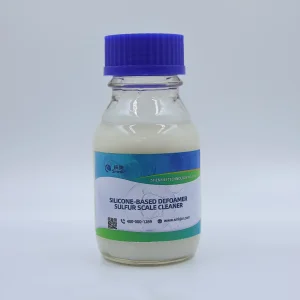
For defoaming applications, such as biological wastewater reactors or mineral processing wash loops, our organic silicone and polyether defoamers lower bubble surface tension. This collapses macro-foam arrays and ensures optimal gas-liquid interfaces without causing membrane fouling.

Deep Dive: Eco-Friendly Phosphate-Free Scale & Corrosion Inhibition

Traditional water conditioning relies heavily on phosphonates (like HEDP, ATMP, or PBTC). While effective, these compounds break down into orthophosphates, which cause environmental concerns. Smedic's R&D has developed green polymeric formulations that achieve excellent scale prevention without phosphorus. By utilizing carboxylic acid, sulfonic acid, and non-ionic active groups on a single polymer backbone, these agents block scale formation even in high-temperature, high-hardness feedwaters.

Advanced Pre-treatment: Heavy Metal and Fluoride Stripping

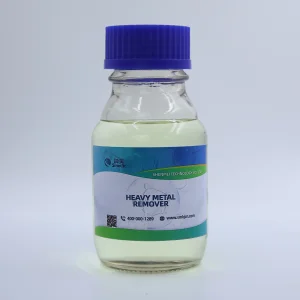
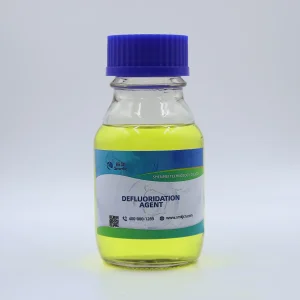
Membrane feedwaters containing heavy metals (such as Lead, Cadmium, Copper, Nickel) or high Fluoride levels require pre-treatment. Our specialized Heavy Metal Removal Agents and Fluoride Removal Agents form insoluble macromolecular precipitates with targets. These precipitates are easily removed by sediment filters or clarifiers, protecting RO membranes from metal oxidation and physical blockage.

Qualifications, Patents & Academic Alliances

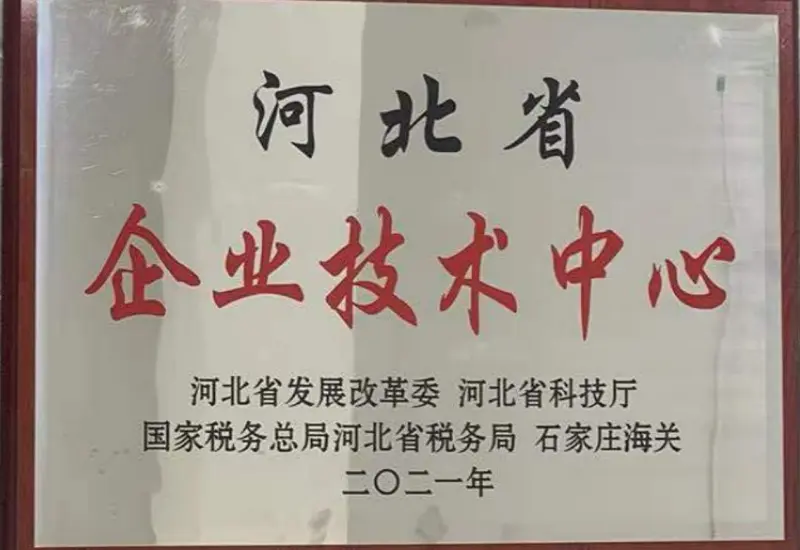
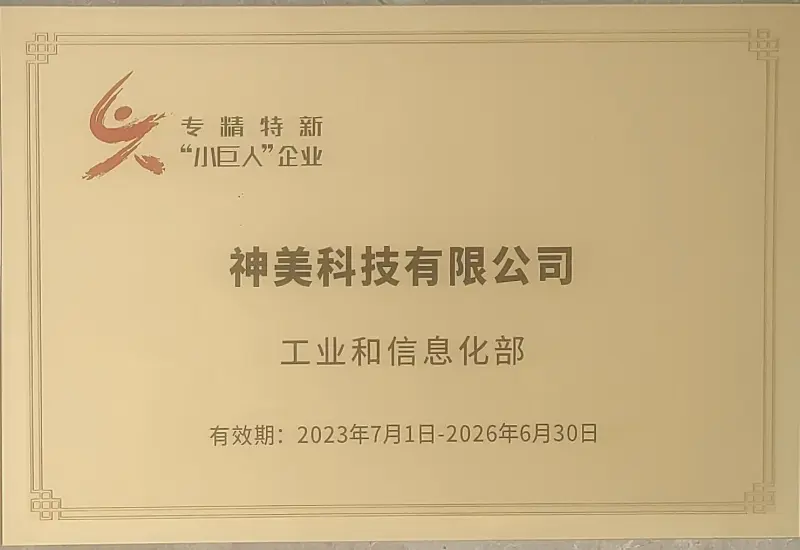
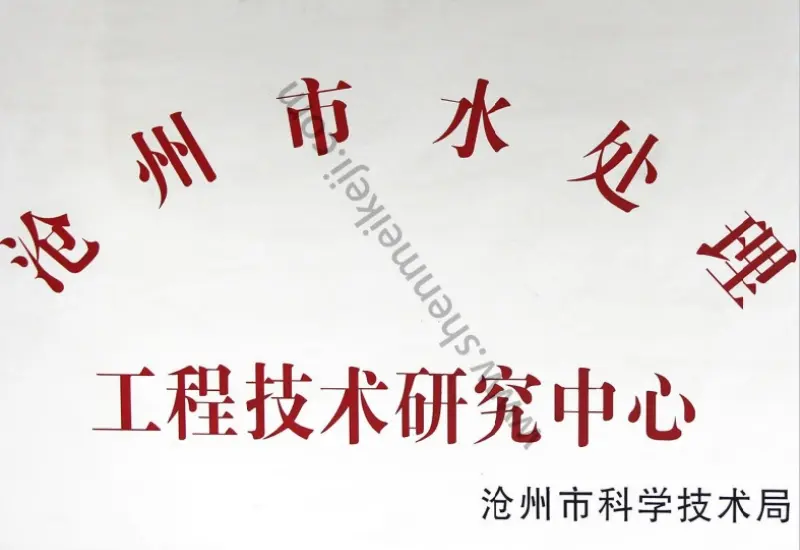
Smedic is recognized as a National High-tech Enterprise and a "Little Giant" enterprise specializing in advanced water chemistry. We have established an R&D system centered around one academy, three research institutes, and five production bases. Collaborating with top universities like Tsinghua University, Shandong University, Beijing University of Technology, Peking University, and Tianjin University, Smedic serves as a key commercialization partner for advanced environmental chemical research.

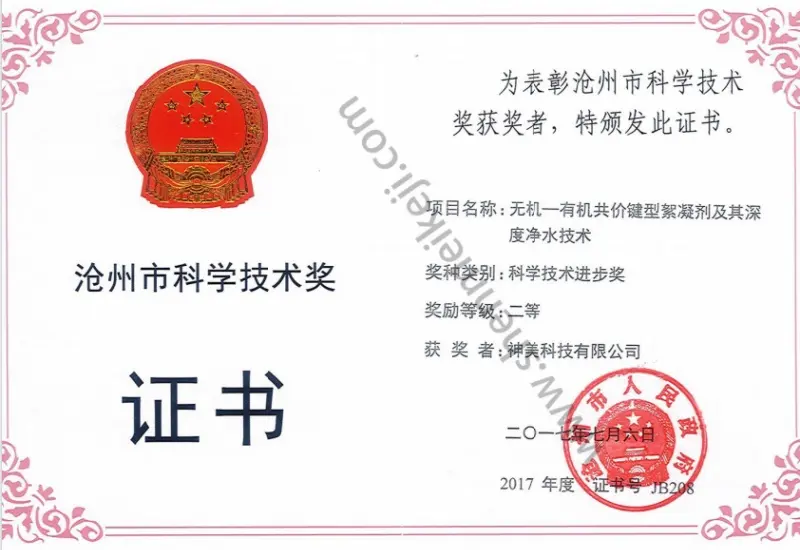
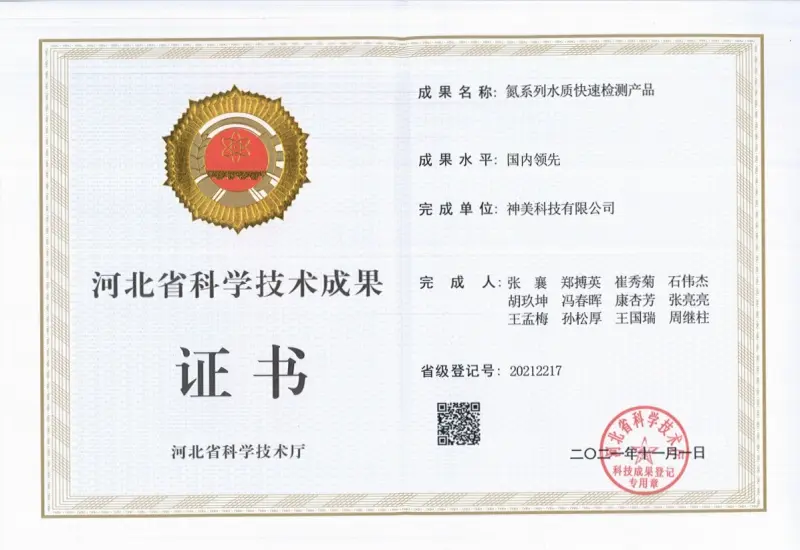
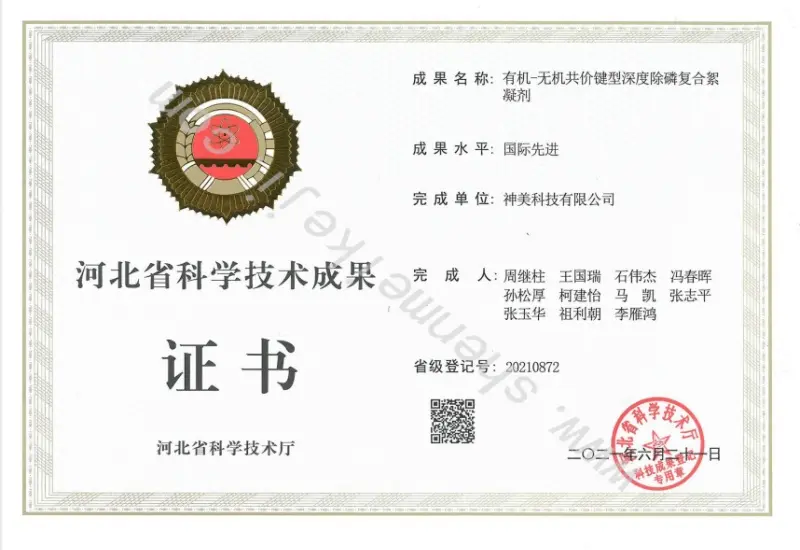
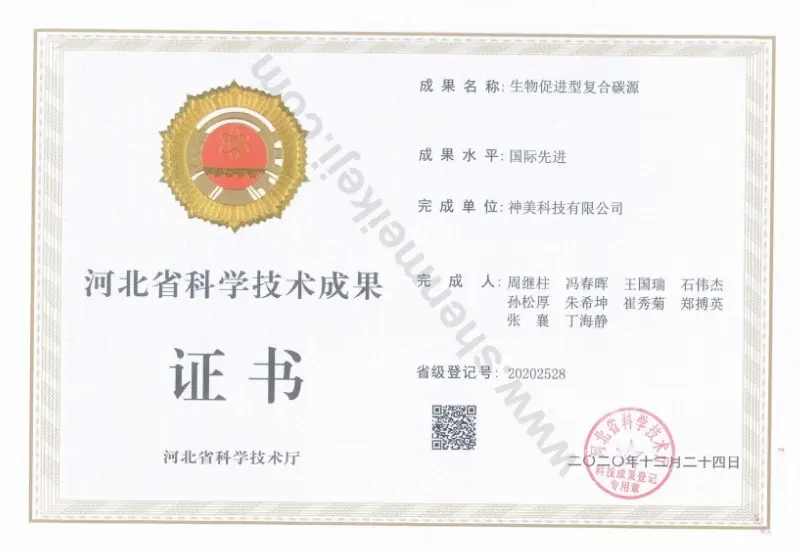
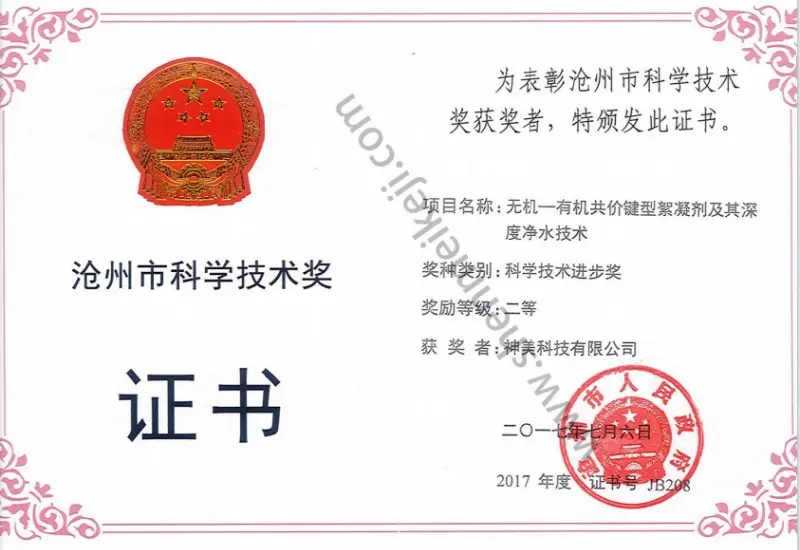
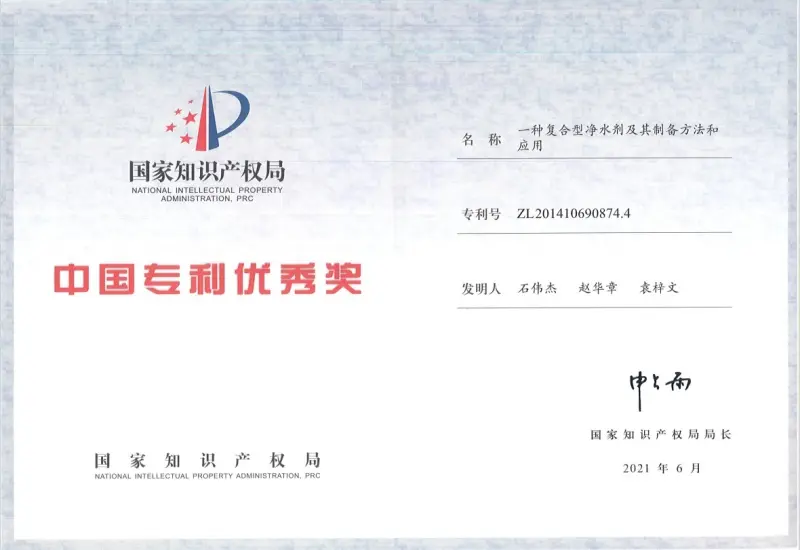
Our independently developed "Inorganic-Organic Covalent Bond Flocculant and Its Advanced Water Purification Technology" won the 22nd China Patent Award and the First Prize for Technological Invention from the China Petrochemical Industry Association. We hold over 60 Chinese patents, including 40+ invention patents, and have led the drafting of over 10 national and industry standards.
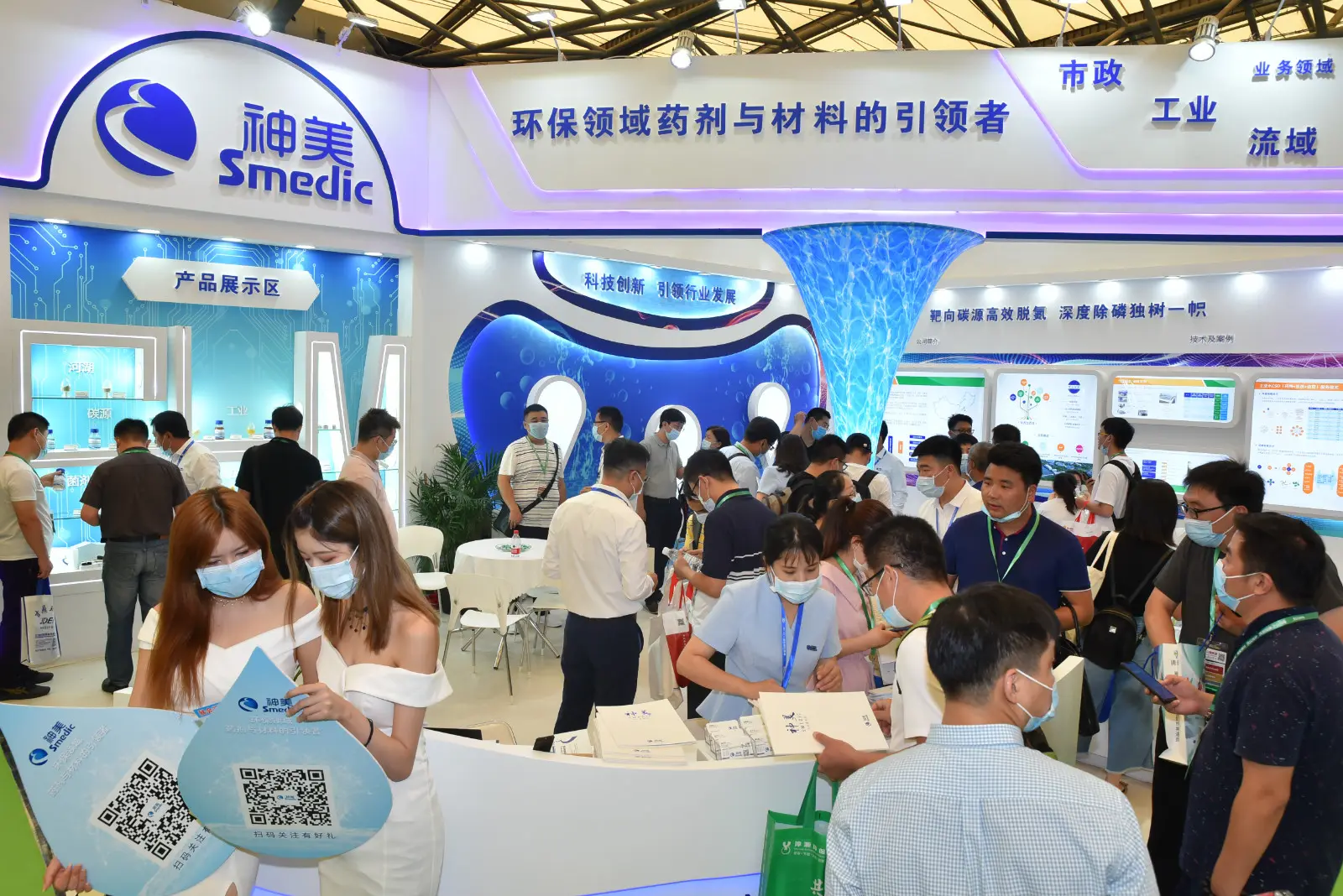
Award Winning Water Treatment Chemistry Research

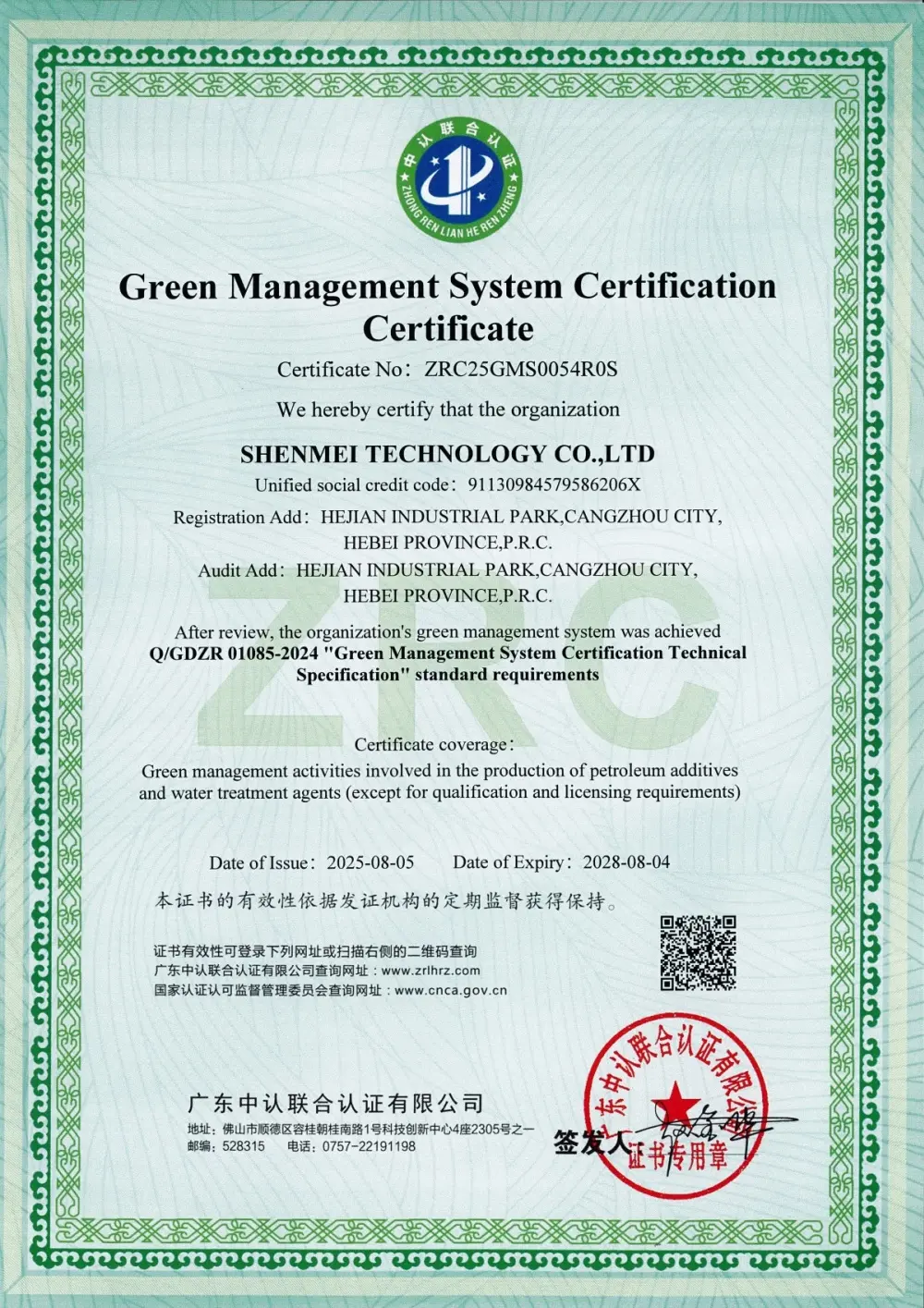
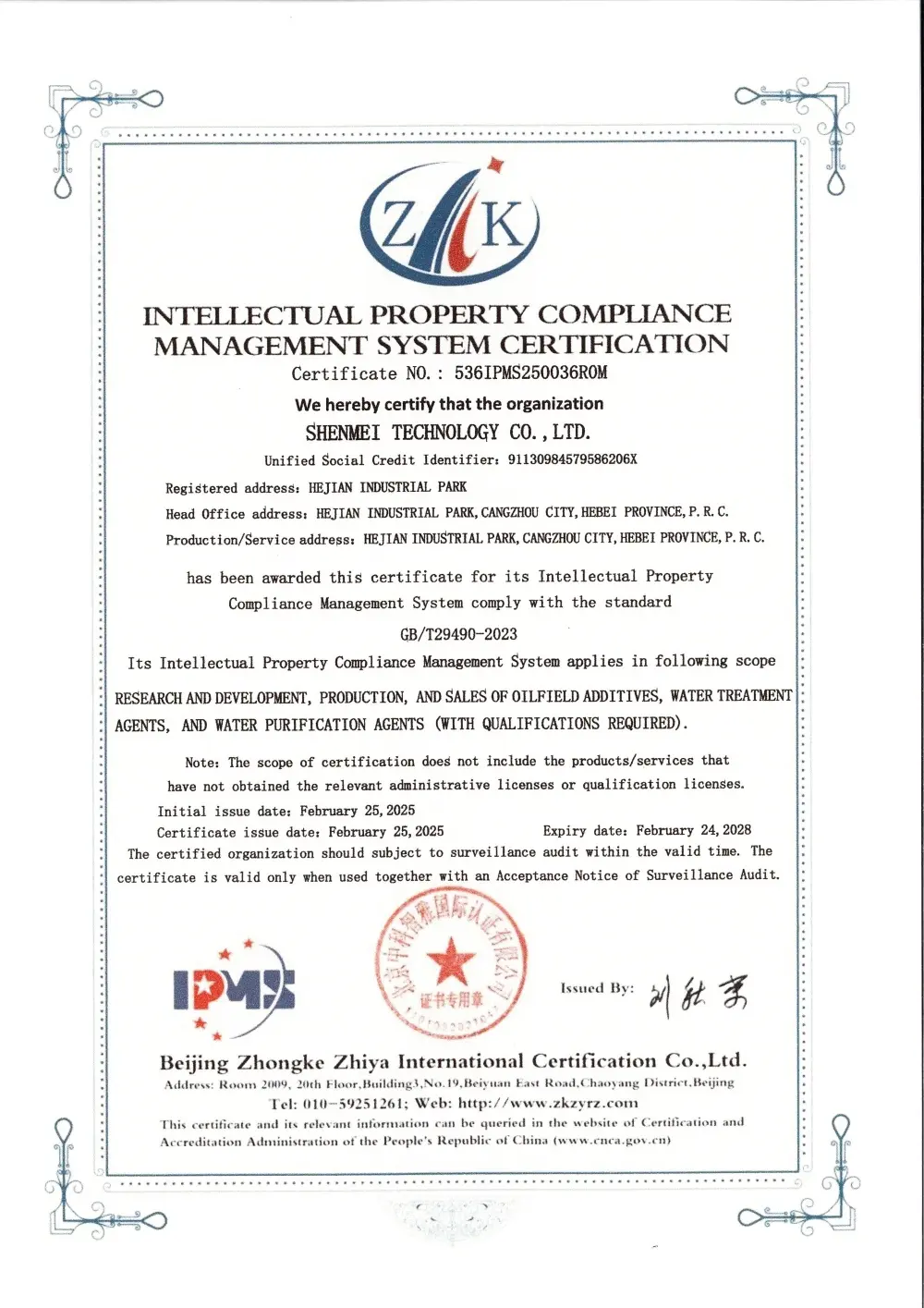
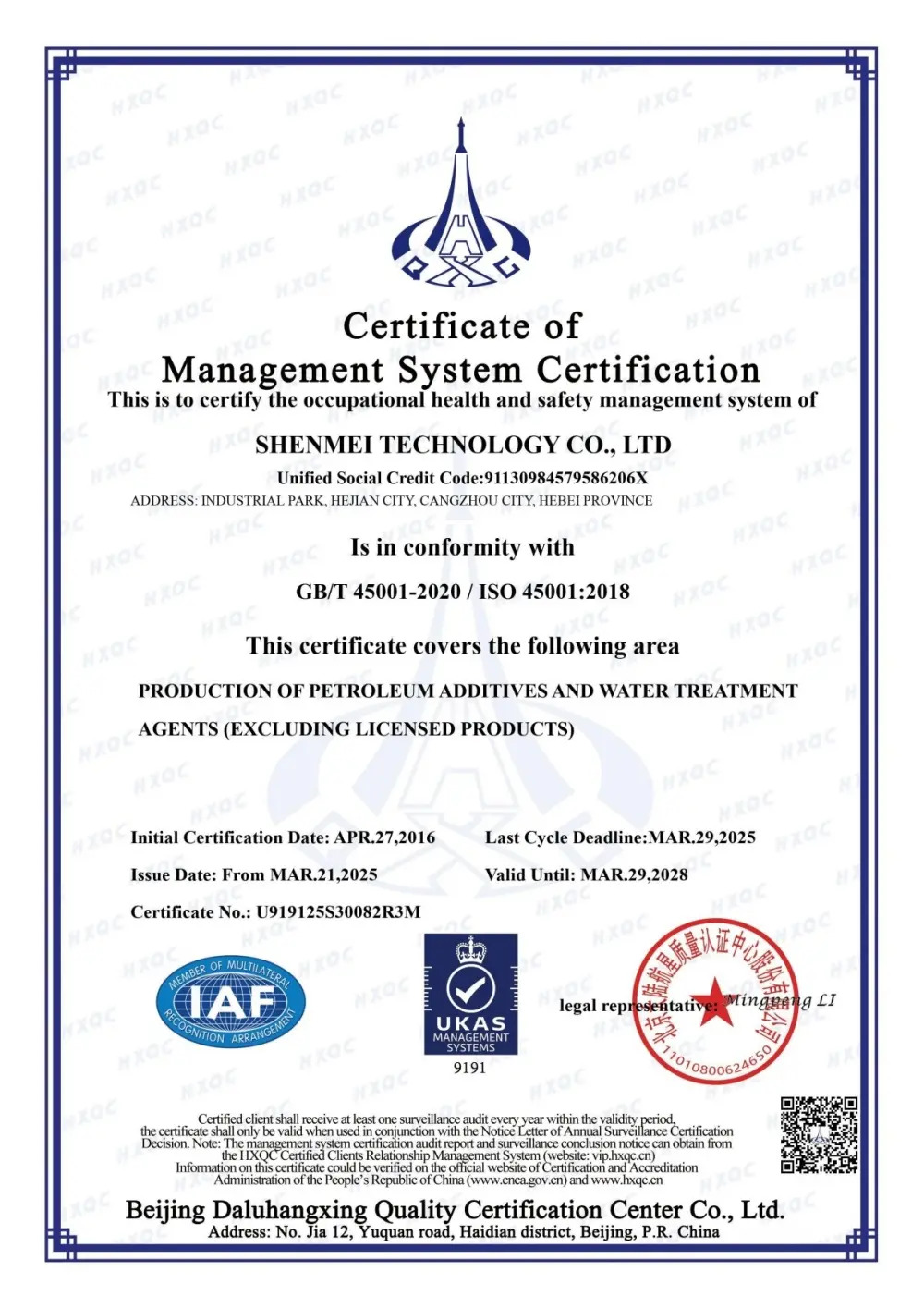
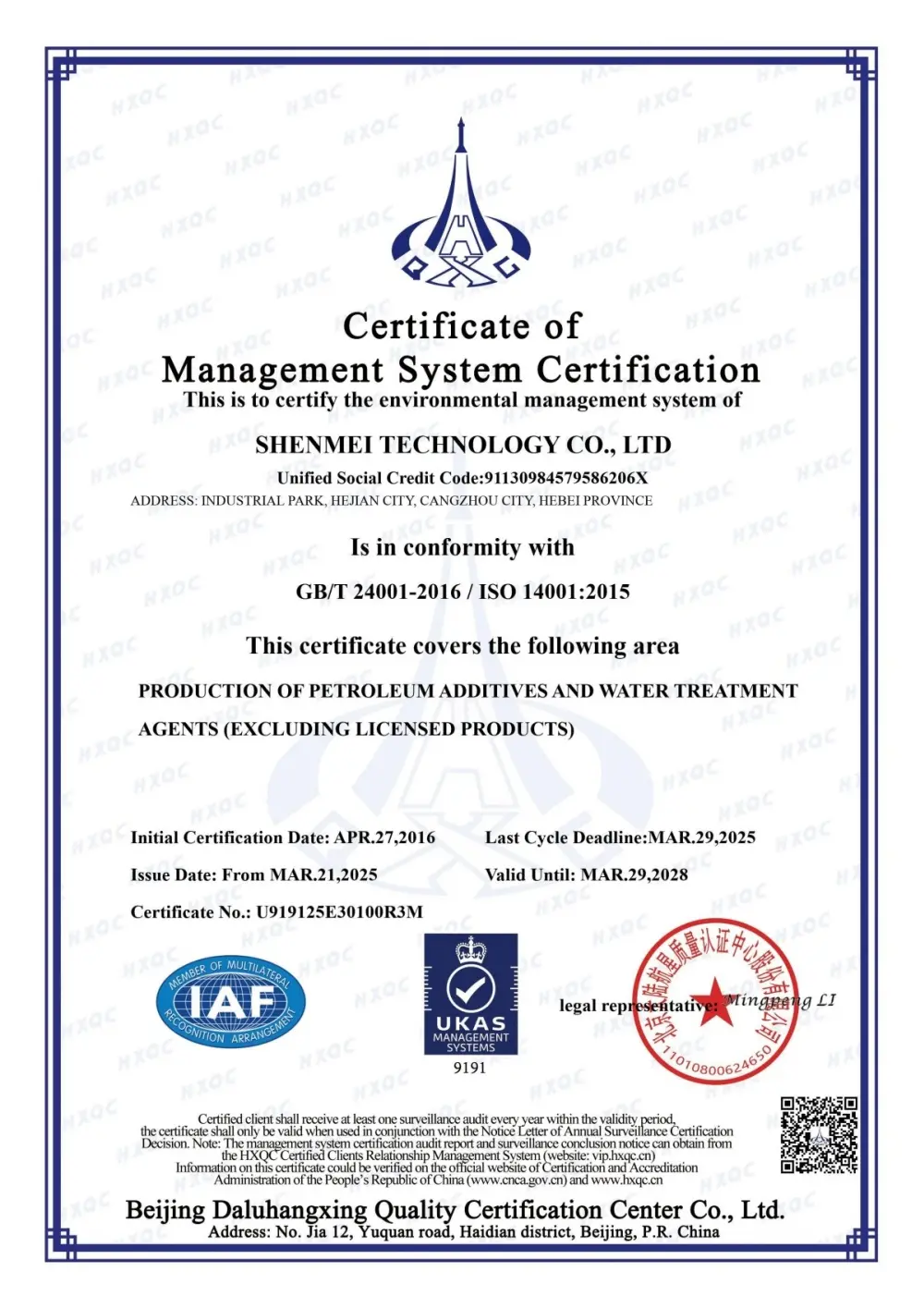
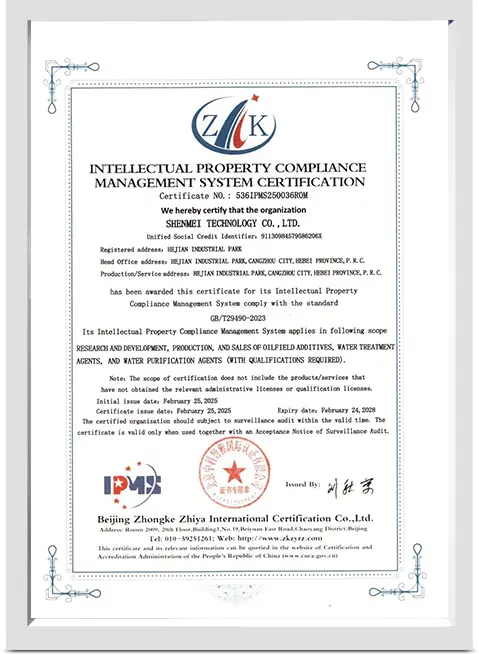
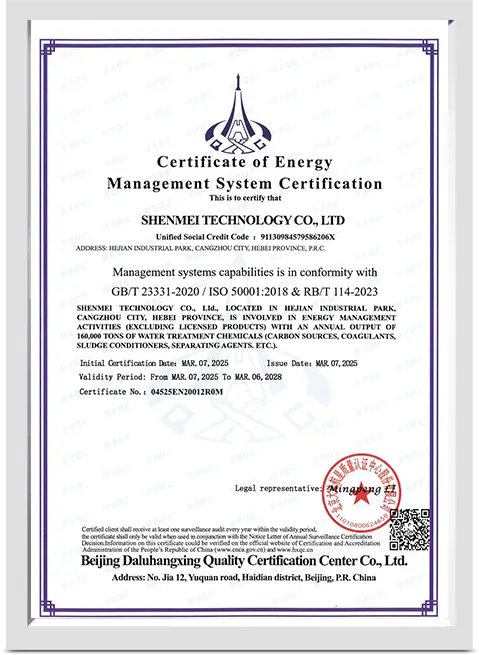
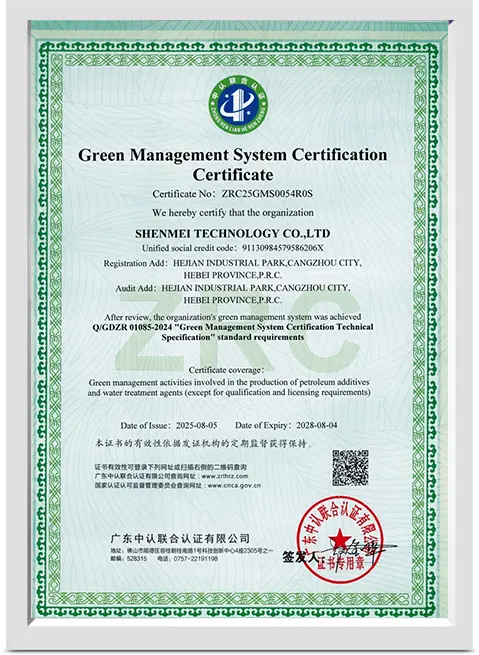
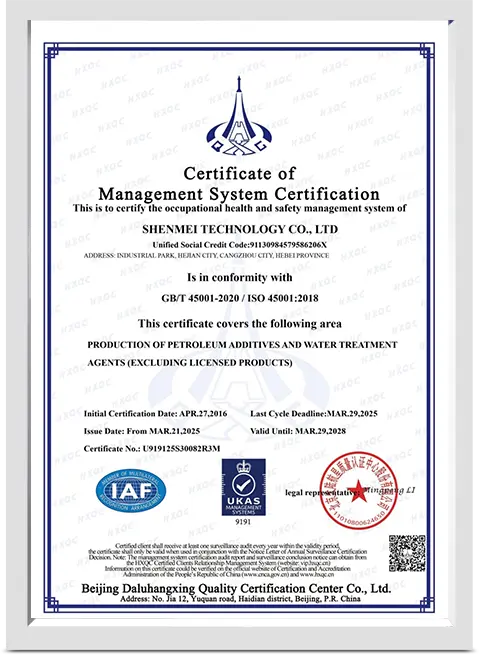
National Standard Certifications & Quality Management

Our quality control system manages raw material incoming testing, in-process testing, and final product release. The certifications below highlight our compliance and standardization across global trade pipelines.
Smedic Engineering Site and Quality Assurance Laboratory

Corporate Milestones & History

Our growth path reflects continuous technical innovation, capacity expansion, and standardizing industrial wastewater treatment practices.

2011
Smedic Technology established, focusing on R&D for advanced municipal sludge and water treatment agents.
2014
Completed complete product portfolio for municipal wastewater treatment, introducing eco-friendly flocculants.
2016
Built a dedicated manufacturing base in Guiyang, increasing direct access to southern mining and industrial hubs.
2018
Expanded production facilities in Hebei, Shandong, and Guizhou, pushing total annual output past 1 million tons.
2020
Awarded the National Specialized, Refined, Unique and Innovative "Little Giant" Enterprise certification.
2023
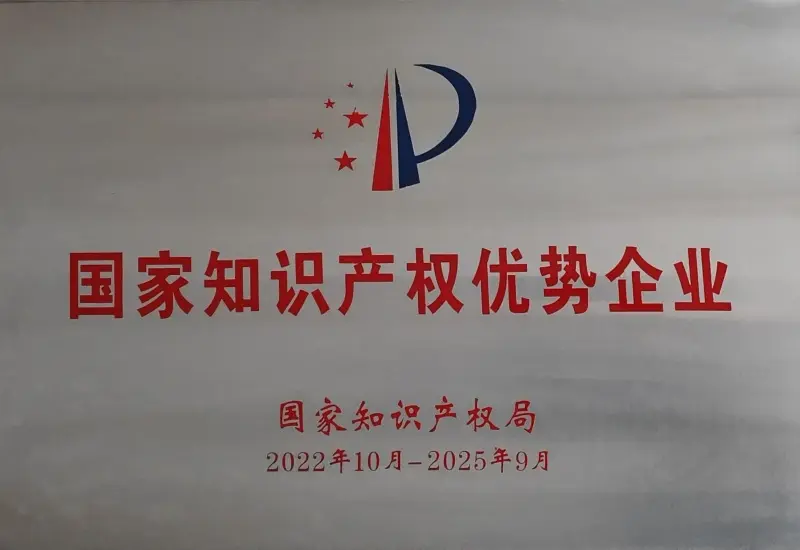
Recognized as a National Intellectual Property Advantage Enterprise with over 60 patents.
2024
Established a joint venture with the Chengdu Institute of Mineral Comprehensive Utilization, China Geological Survey, expanding into high-selectivity flotation reagents.

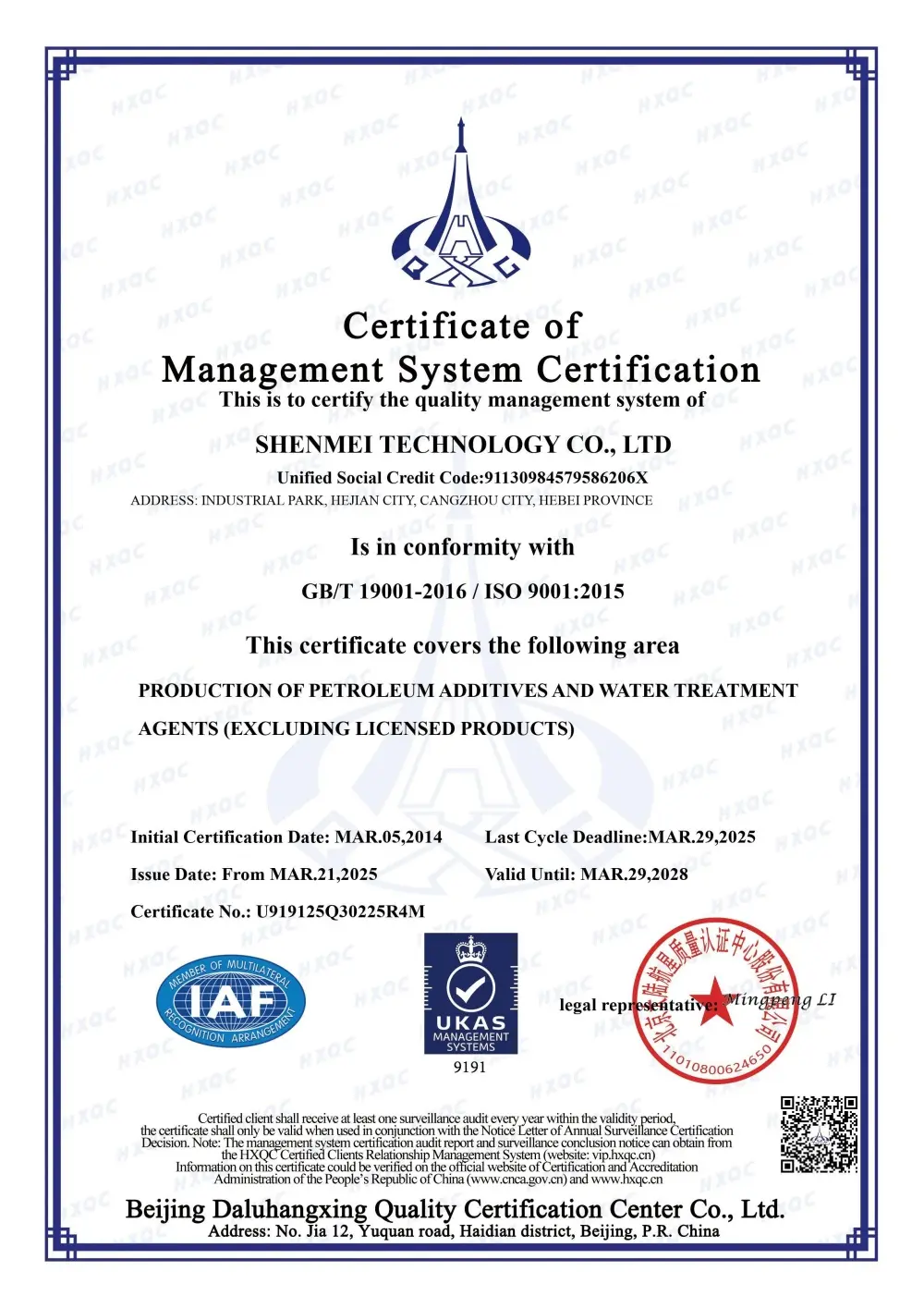
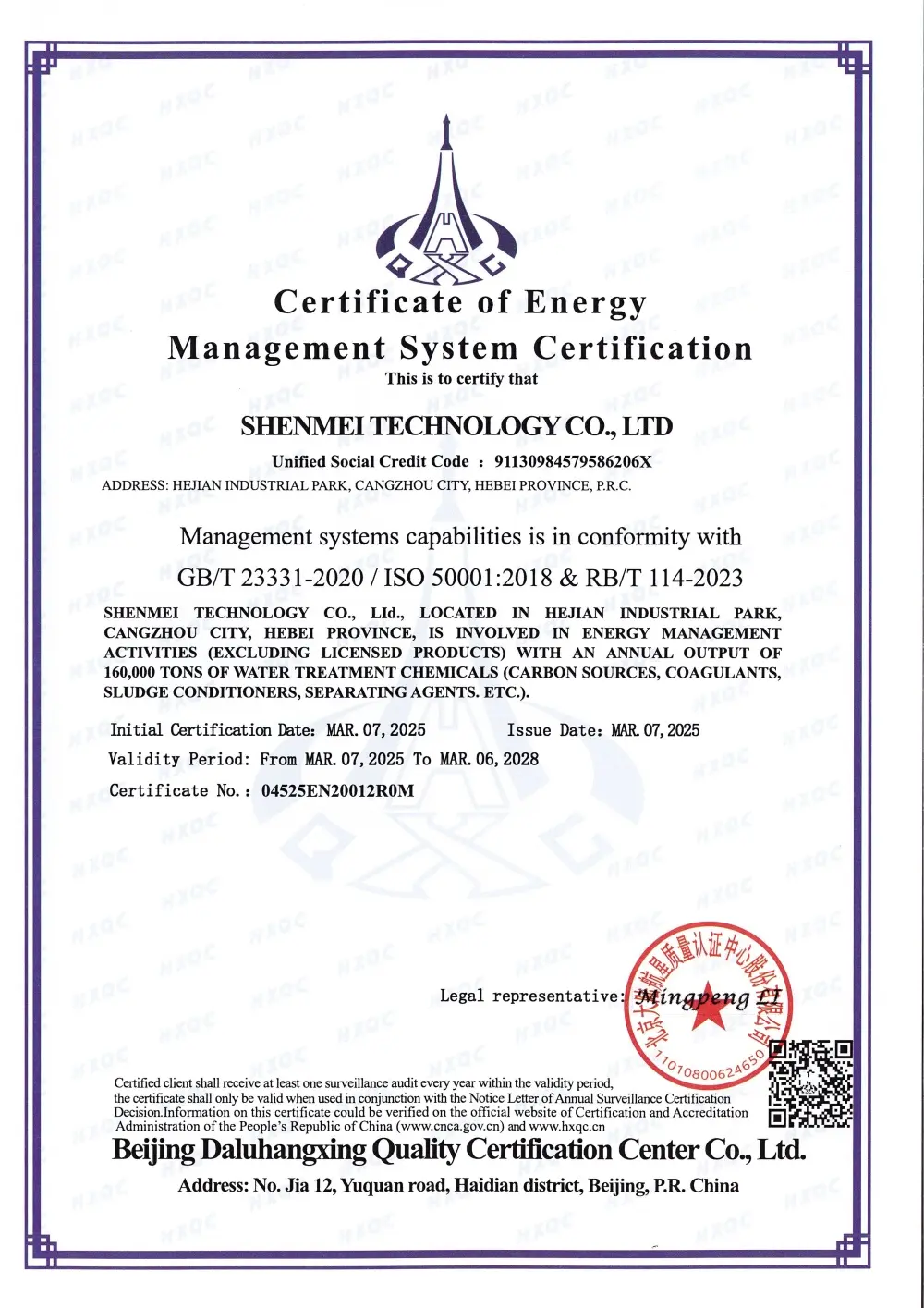
Industrial Qualifications & Accreditations

Smedic maintains extensive compliance standards, enabling smooth import/export operations globally.
Expert Q&A: Industrial Membrane Chemicals & Applications

Find answers to common technical and logistical questions from system operators and B2B procurement managers.

1. How do phosphate-free scale inhibitors compare to traditional organophosphorus formulas?
Phosphate-free scale inhibitors utilize green synthetic polymers (such as polycarboxylic acid derivatives and sulfonic acid multi-copolymer complexes) to prevent scale without containing phosphorus. Traditional organophosphorus formulations (like HEDP, ATMP, PBTC) contain phosphorus, which acts as a nutrient for algae in receiving waters, leading to eutrophication. Our phosphate-free agents are designed to meet strict environmental regulations (such as European REACH and local zero-phosphorus limits) while maintaining high scale control for calcium carbonate and silica.
2. Can Smedic customize antiscalants for specific raw feedwater qualities?
Yes. We offer ODM and OEM water treatment chemistry customization. By analyzing your feedwater profile (pH, conductivity, silica, calcium hardness, barium/strontium levels, and TOC), our R&D team can adjust the polymer molecular weight distribution and functional group ratios to optimize performance. This protects your RO system from targeted scaling types while preventing unnecessary chemical costs.
3. What is the shelf life and packaging stability of Smedic Pure Solid Sodium Acetate?
Smedic Pure Solid Sodium Acetate is manufactured with low moisture content and packed in sealed, moisture-proof composite bags to prevent caking. In dry, ventilated warehouses, the shelf life exceeds 24 months. For export, we use reinforced pallets, stretch-wrapping, and container desiccant packs to protect the product from moisture during sea transit.
4. How do your heavy metal removal agents ensure complete precipitation in complex wastewater?
Our heavy metal removal agents feature high-density chelating groups (such as dithiocarbamate derivatives) that form stable coordination bonds with multivalent metal ions (Cu2+, Ni2+, Pb2+, Cd2+, Cr3+). These chelates are highly insoluble across a broad pH range and co-precipitate with our organic-inorganic coagulants, allowing systems to meet strict wastewater discharge limits.
5. Do silicone-based defoamers cause oil-spotting or membrane fouling in wastewater loops?
Standard silicones can deposit on membrane surfaces and cause irreversible fouling. Smedic's modified organic silicone defoamers are formulated with polyether-modified polysiloxanes. This hybrid structure ensures rapid foam knockdown and long-lasting control, while maintaining high dispersion in water. This prevents oil separation and keeps downstream filtration membranes clear.
6. What logistics and supply chain guarantees does Smedic offer for overseas buyers?
With an annual production capacity exceeding 1 million tons and multiple warehouses near major export ports (such as Tianjin, Qingdao, and Shanghai), Smedic maintains consistent safety stock levels. We provide full export documentation, including SDS (GHS compliant), Certificate of Analysis (COA) for every batch, and third-party inspection reports (such as SGS) upon request.

Advanced Water Conditioning & Clarification Solutions

Explore our secondary product collection, featuring heavy metal precipitants, specialized defoamers, carbon sources, and high-purity coagulants.
All Membrane chemicals Products