Advanced formulations designed to optimize denitrifying bacteria activity and biological treatment performance
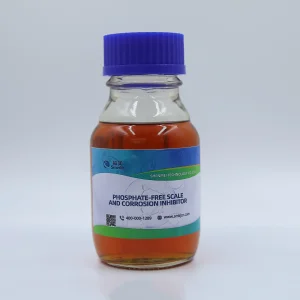
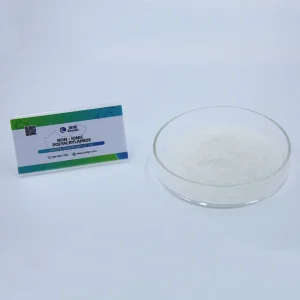
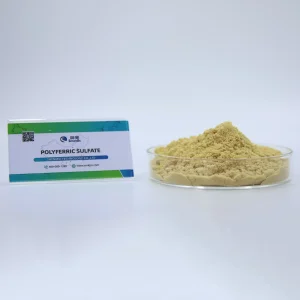
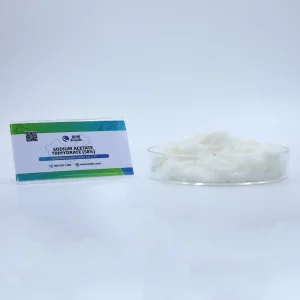
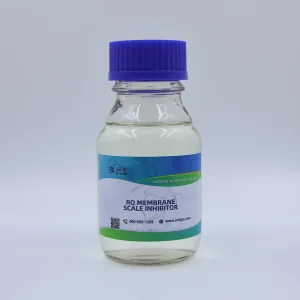
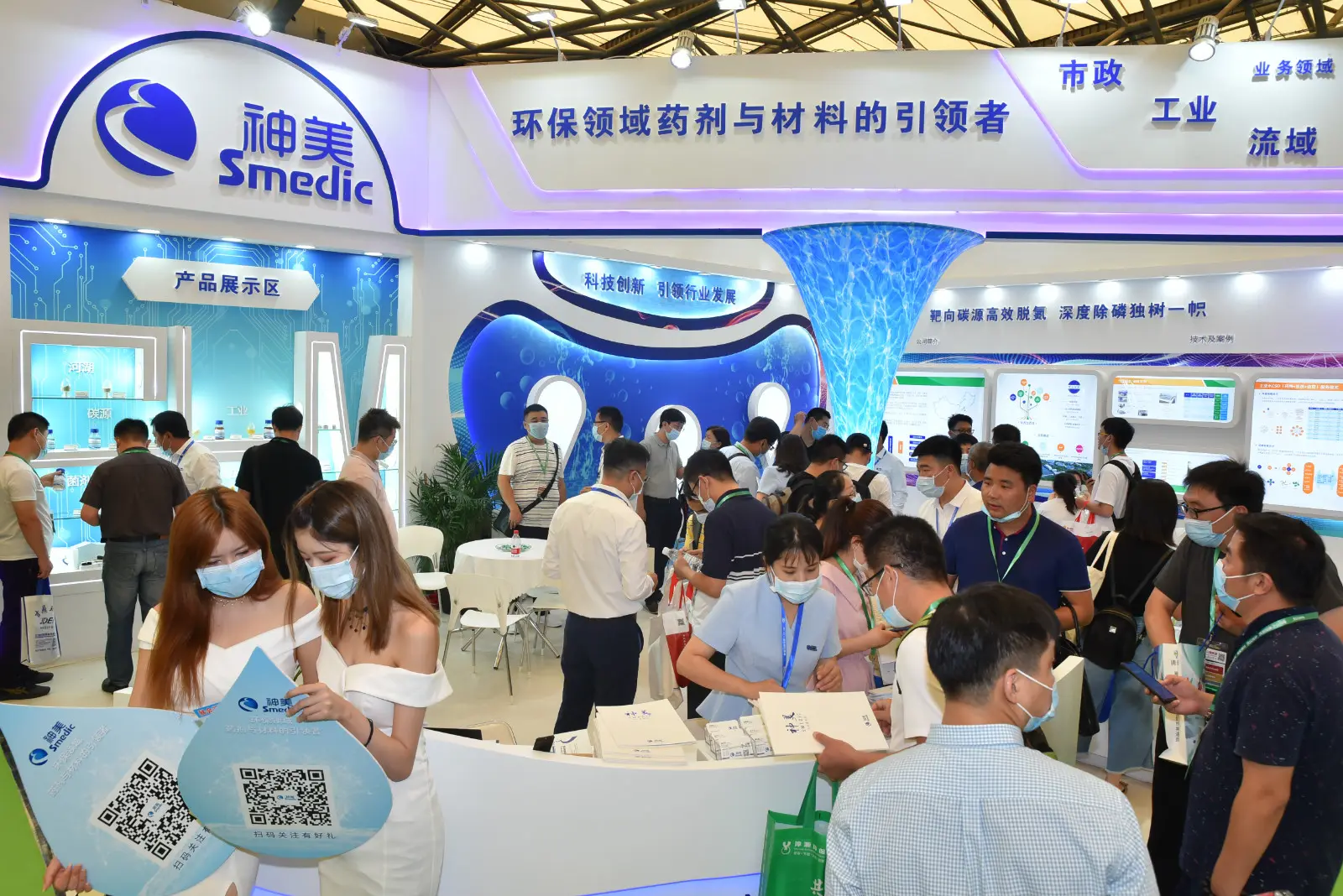
Smedic Technology Co., Ltd. was established in 2011 as a comprehensive solution provider specialized in environmental protection agents, integrating R&D, production, sales, and engineering-related technical services. We are dedicated to providing customers with customized chemical products, technical solutions, and services.
Smedic produces environmental protection agents covering multiple sectors such as municipal sewage, industrial wastewater, and tap water treatment, as well as mineral processing agents, and oilfield chemicals. We offer more than 80 different environmental protection products, with an annual production capacity exceeding 1 million tons.
Evaluating biological pathways, carbon sources, and global regulatory frameworks in wastewater nitrogen removal
Biological denitrification is a respiratory process in which heterotrophic bacteria convert nitrate (NO3-) and nitrite (NO2-) to nitrogen gas (N2) under anoxic conditions. Because most municipal and industrial wastewater streams lack sufficient highly-biodegradable chemical oxygen demand (COD) relative to the total nitrogen (TN) load, the addition of an external carbon source (electron donor) is critical to drive the reduction kinetics. The metabolic pathways follow the sequence: NO3- → NO2- → NO → N2O → N2.
The selection of the electron donor directly influences the specific denitrification rate (SDNR) and microbial population dynamics. Traditional carbon sources like methanol require acclimation of specialized methylotrophs (e.g., Hyphomicrobium), resulting in slow start-up times and toxicity hazards. In contrast, Sodium Acetate (CH3COONa) enters the TCA cycle directly via acetyl-CoA, bypasses complex breakdown pathways, and provides instantaneous nutrient assimilation. The stoichiometry of denitrification using acetate as an electron donor is represented as:
This thermodynamic path yields a higher reaction velocity at lower temperatures (down to 10°C), minimizing nitrogen breakthrough in cold-weather regions.
As globally recognized denitrification suppliers, factories based in China offer unparalleled strategic advantages across production capacity, raw material security, and technology commercialization:
China is home to the world's largest synthetic capacity for acetic acid and petrochemical derivatives. Smedic leverages this localized upstream supply chain to secure high-purity inputs for solid and liquid sodium acetate compounds, mitigating price volatility for international contracts.
With production bases across Hebei, Guizhou, and Shanxi, plus a dozen warehousing centers, China's bulk chemical logistics operate at extreme scale. Smedic maintains an annual production exceeding 1 million tons, ensuring rapid dispatch to ports like Tianjin and Qingdao for export.
Smedic manufactures tailored formulation blends (e.g., composite carbon sources, non-hazardous liquid complexes) that match specific COD levels, carbon-to-nitrogen ratios, and viscosity limits required by foreign engineering firms.
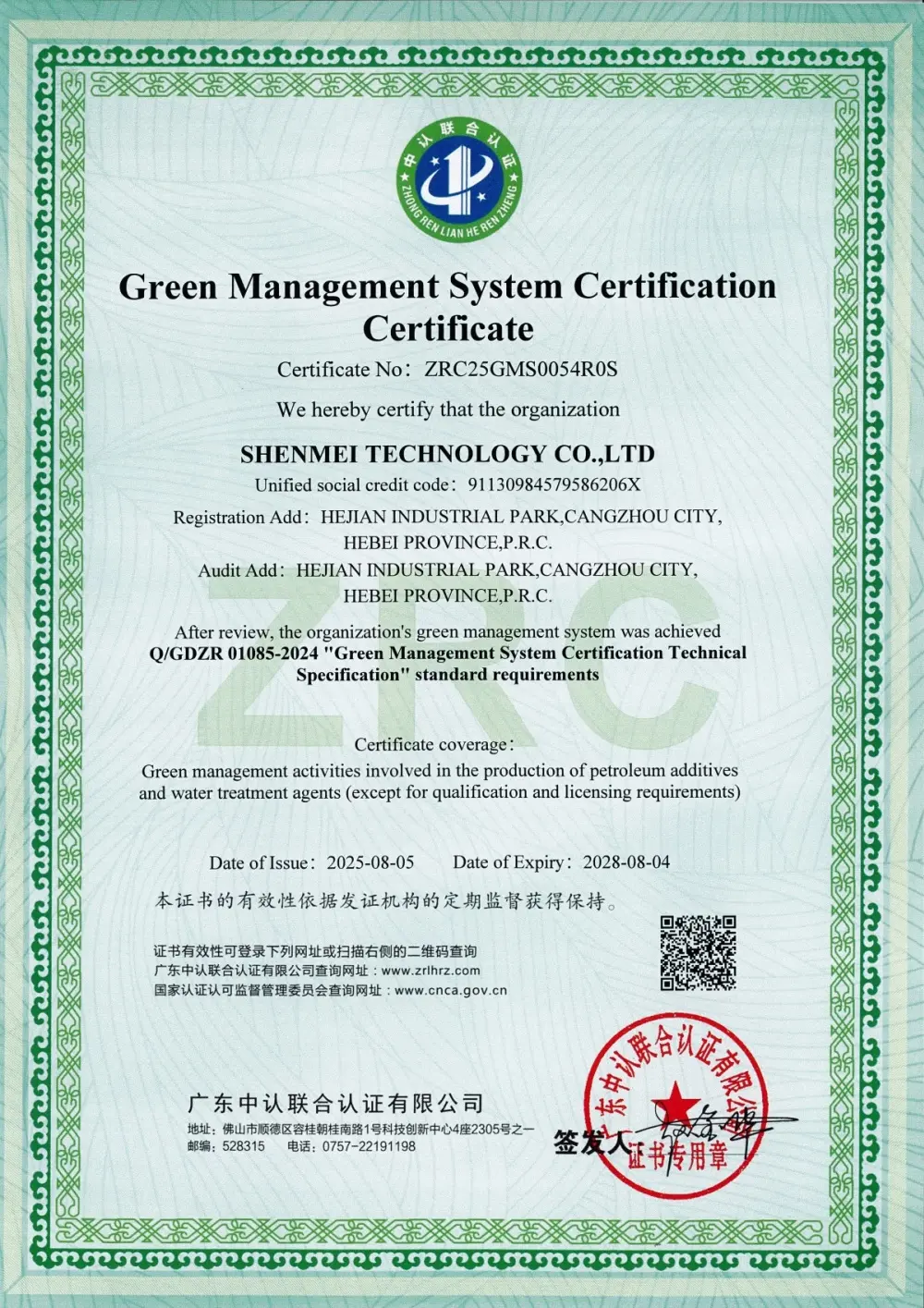
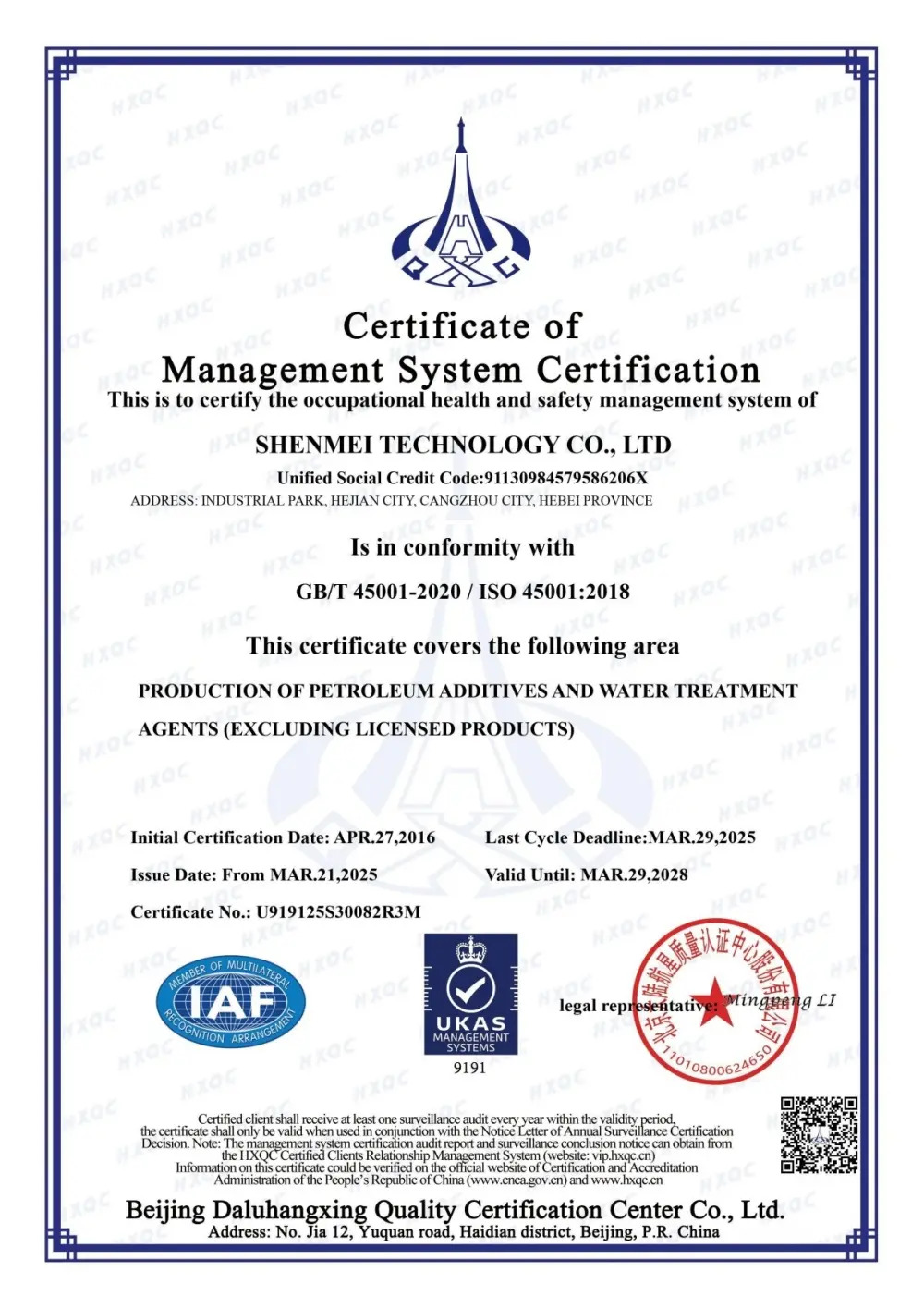
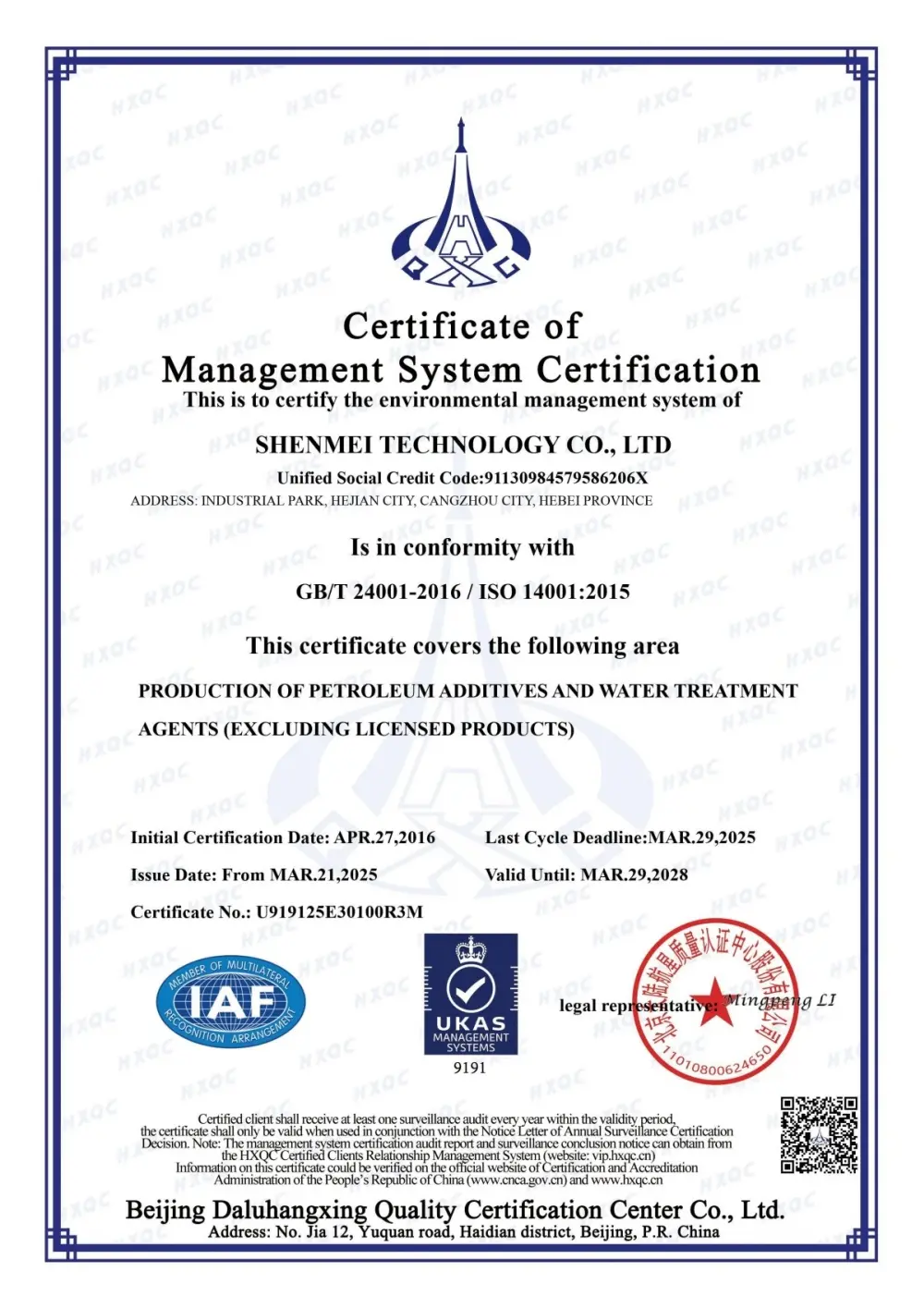
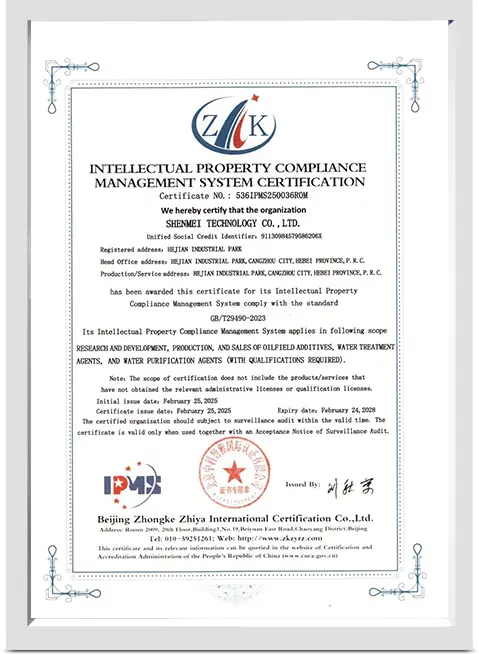
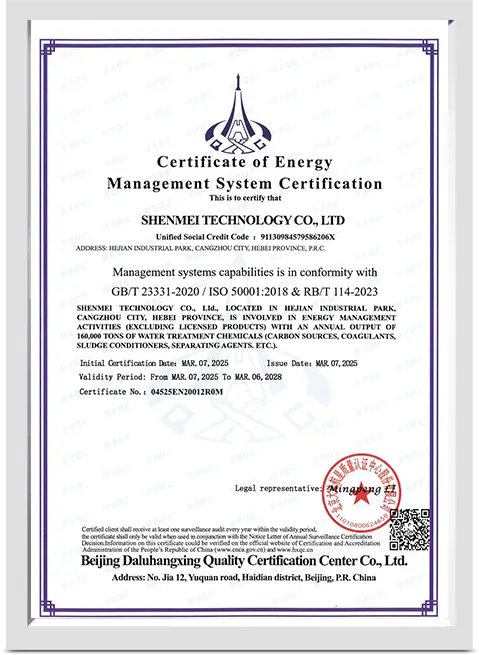
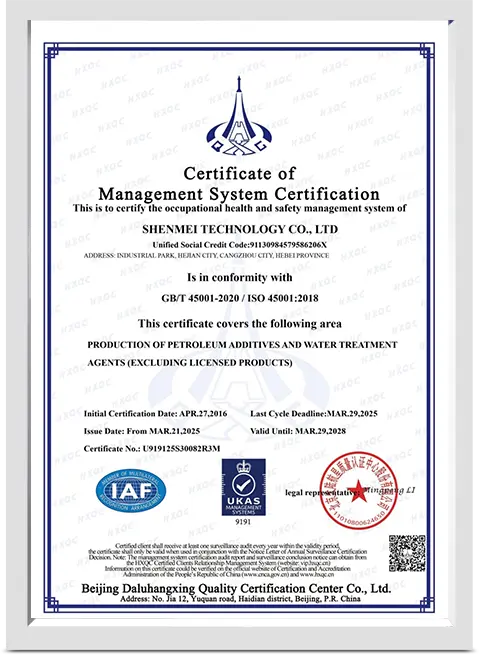
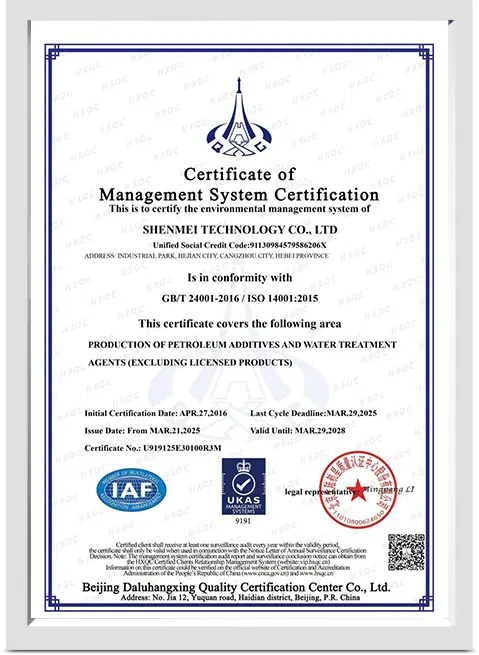
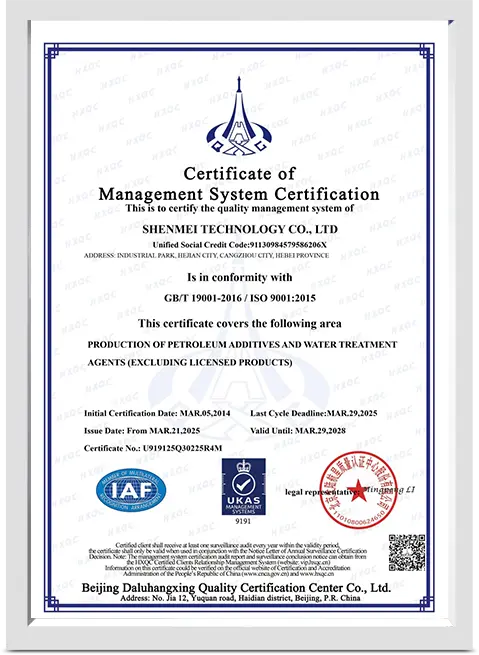
China's environmental regulations mandate zero deviation from national discharge guidelines. Smedic operates under strict ISO 9001, ISO 14001, and ISO 45001 frameworks, conducting raw material testing, in-process chromatography, and pre-shipment quality release checkmarks.
Industrialization and urbanization globally have triggered highly stringent environmental mandates. Environmental protection agencies worldwide are tightening total nitrogen limits, driving procurement demand for reliable carbon sources:
Different industrial wastewater configurations demand specialized denitrification strategies to handle unique inhibitors and high-strength nitrogen loads:
Managing high-flow, low-COD municipal inflows. Dosing Smedic's composite carbon sources ensures rapid denitrifying bacteria growth, reducing total nitrogen levels to standard compliance without elevating effluent biological oxygen demand (BOD).
Refinery effluents contain complex organic compounds that inhibit typical nitrifiers/denitrifiers. Smedic's specialized formulations provide stable biological nutrient pathways, bypassing volatile organic compound (VOC) emissions.
Characterized by high levels of ammonia, phenols, and thiocyanates. Dosing sodium acetate complexes provides a clean electron donor that mitigates toxic shock, enabling consistent biological nitrogen removal in membrane bioreactors (MBR).
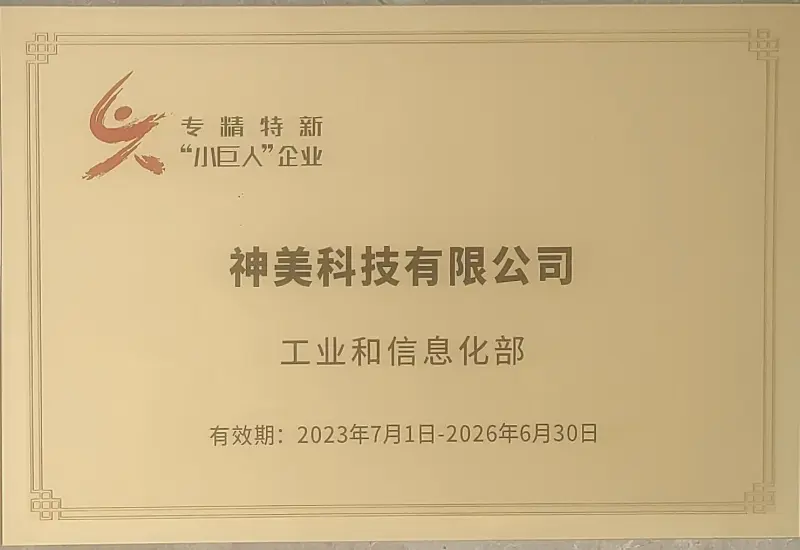
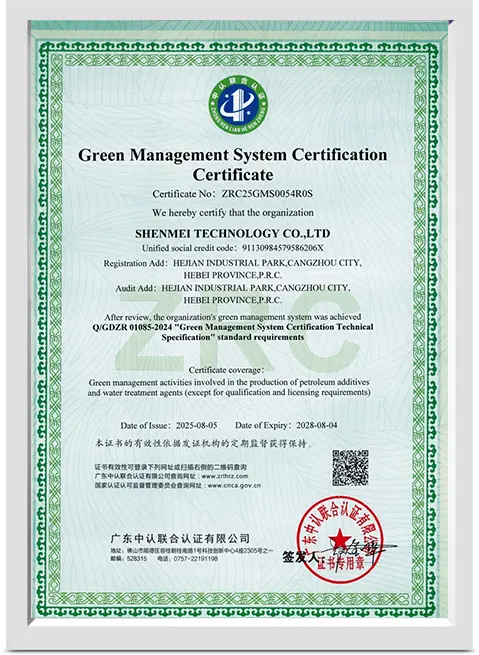
We have obtained credentials such as National High-tech Enterprise, National Specialized, Refined, Unique and Innovative "Little Giant" Enterprise, and Hebei Province Green Factory. Our core technical team is composed of academicians, experts, professors, and senior engineers, supported by Tsinghua University Association of Senior Scientists and Technicians.
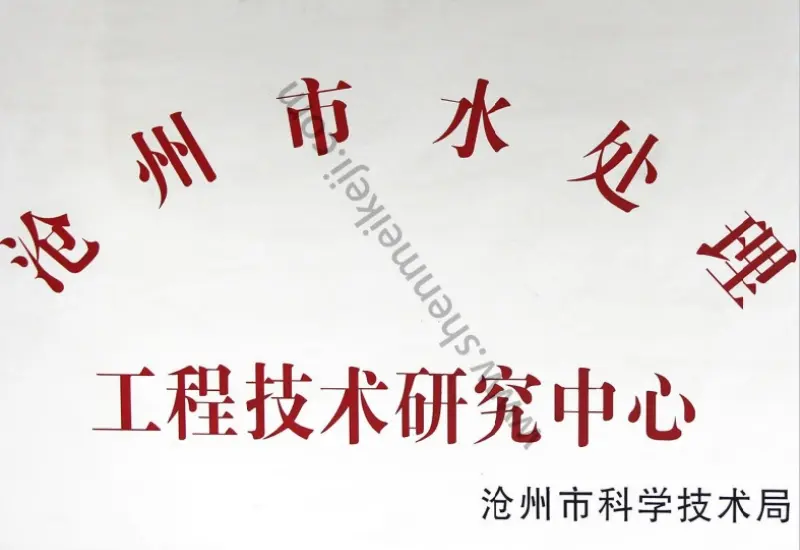
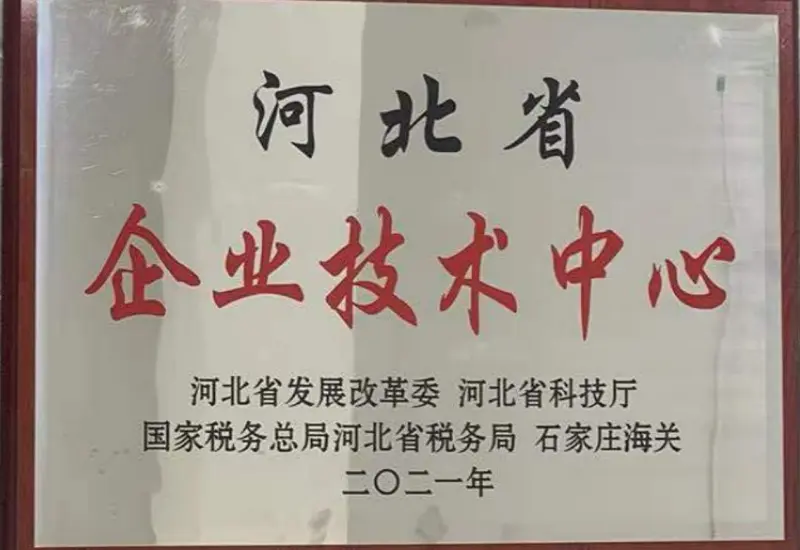
Smedic acts as a prime commercialization partner for leading academic institutions like Shandong University, Beijing University of Technology, Peking University, and Tianjin University. Our research infrastructure consists of the Hebei Provincial Advanced Water Treatment Chemicals Technology Innovation Center and the Cangzhou Water Treatment Engineering Technology Research Center.
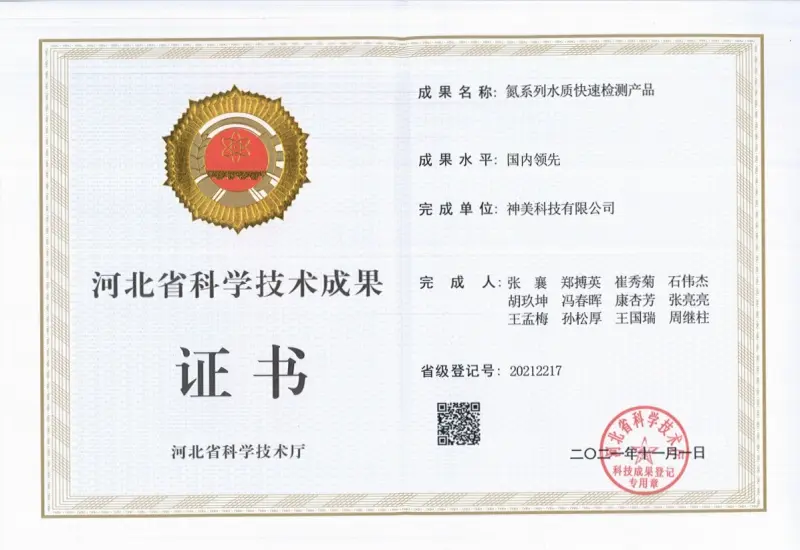
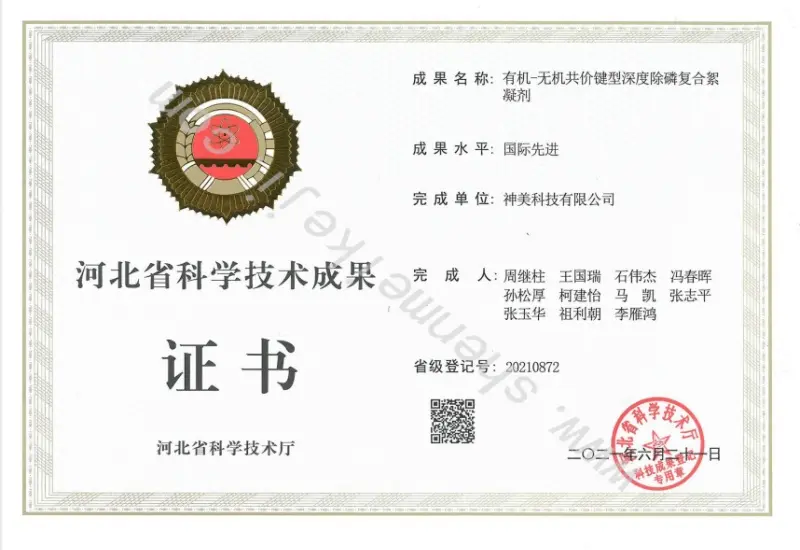
Our bio-enhanced denitrification carbon source and deep multi-nuclear phosphorus removal agent have passed scientific appraisals, and were rated as "internationally advanced," filling critical domestic chemical gaps.
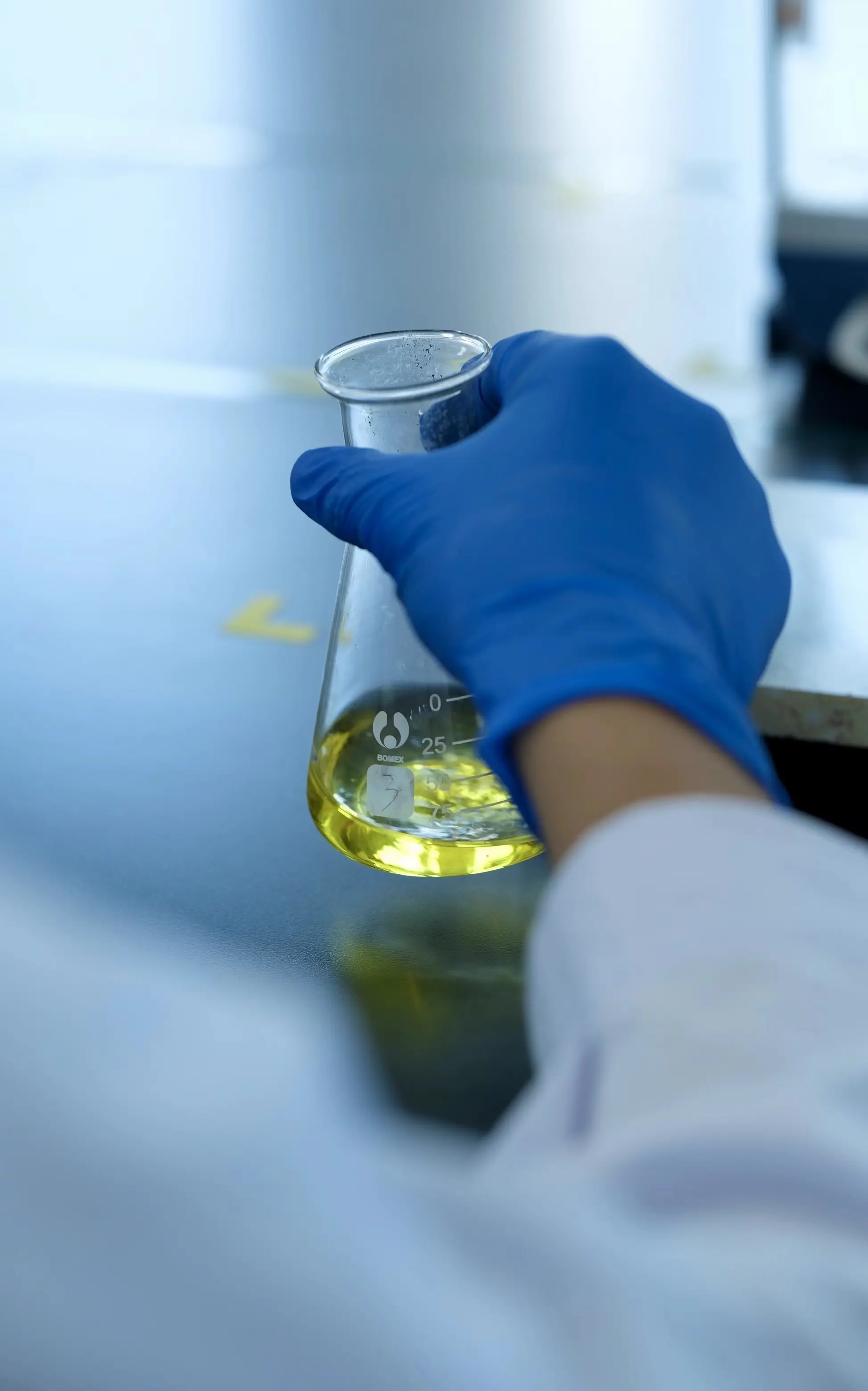
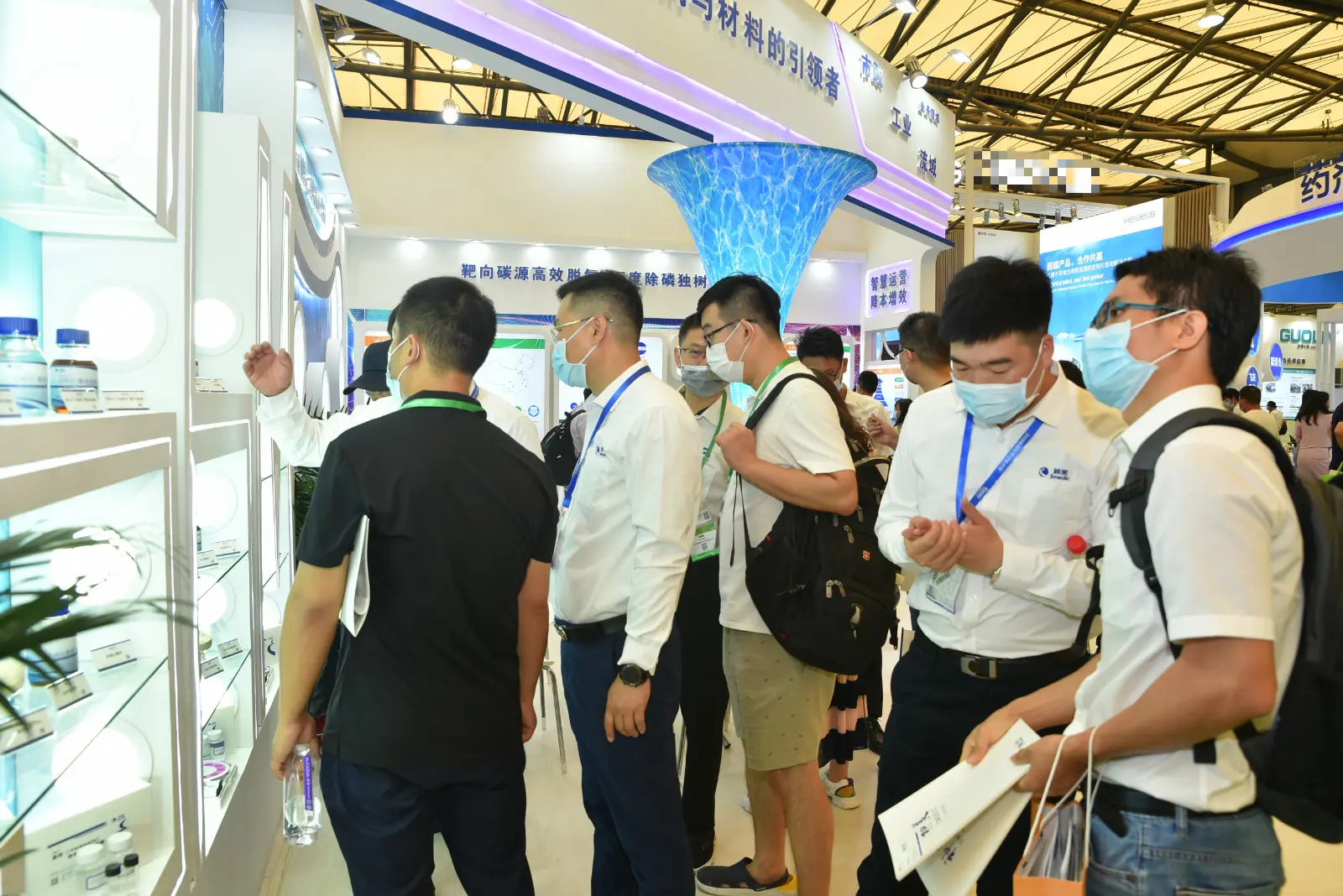
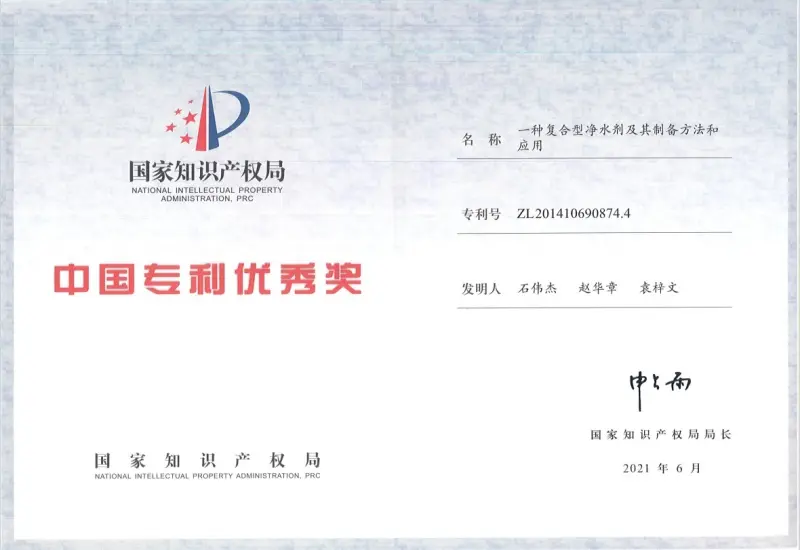
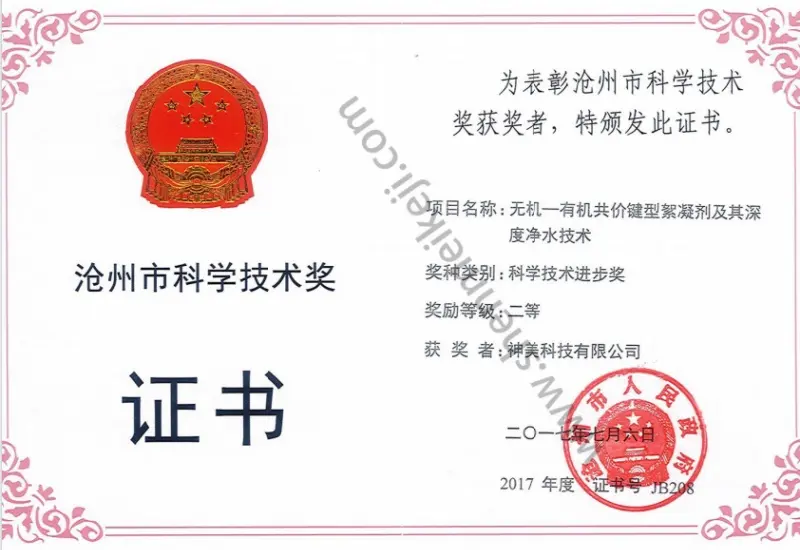
With over sixty Chinese patents, including more than 40 invention patents and 20 utility model patents, Smedic remains at the vanguard of chemical research. Our independently developed "Inorganic-Organic Covalent Bond Flocculant" won the 22nd China Patent Award and the First Prize for Technological Invention from the China Petrochemical Industry Association.
Furthermore, we have led the drafting of more than ten national and industry standards, specifying raw parameters and testing protocols for composite carbon sources, composite coagulants, sodium acetate, and denitrifying bacterial agents.
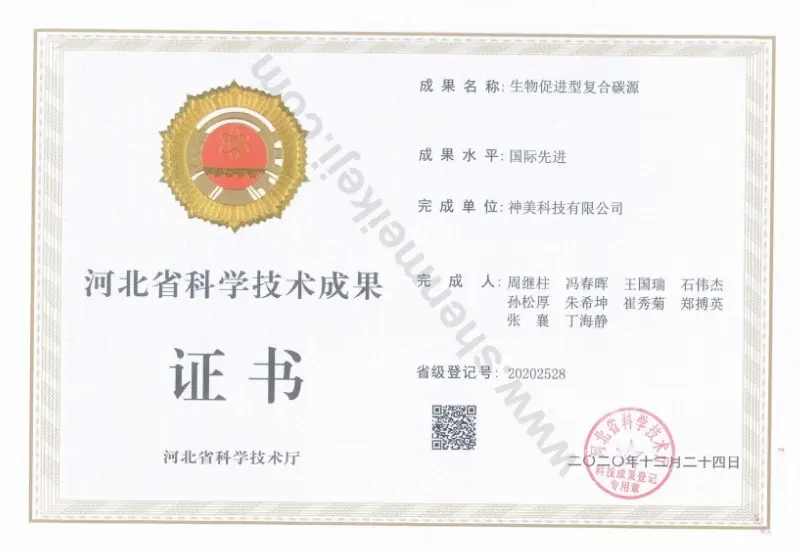
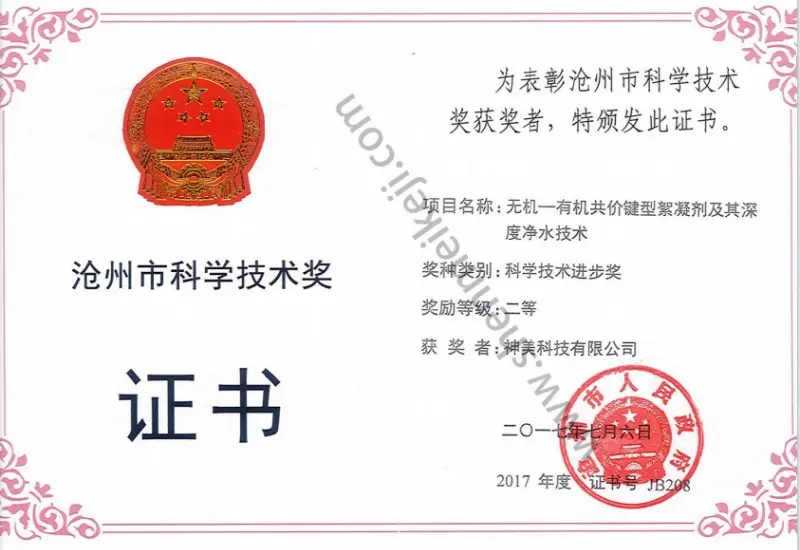
A history of innovation, scale expansion, and standard-setting in advanced wastewater treatment
Smedic was founded in Beijing, specializing in municipal environmental protection agents.
Established a complete product portfolio for municipal wastewater treatment chemicals.
Recognized as a key national high-tech enterprise for technical water solutions.
Established the Guiyang water treatment chemicals production base to scale Southern operations.
Completed and expanded production bases in Hebei, Shandong, and Guizhou, exceeding 1 million tons total capacity.
Recognized as a National Specialized, Refined, Unique and Innovative Small and Medium-sized Enterprise.
Established the Provincial-Level Water Treatment Agent R&D Platform in Hebei.
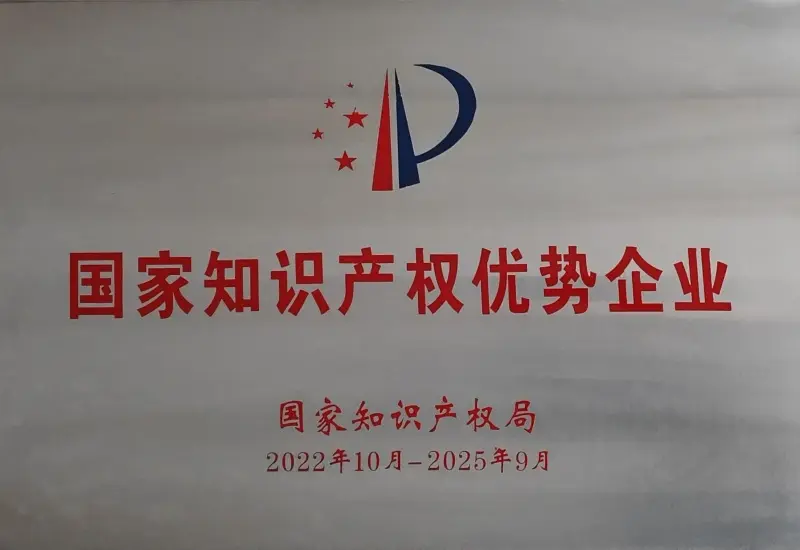
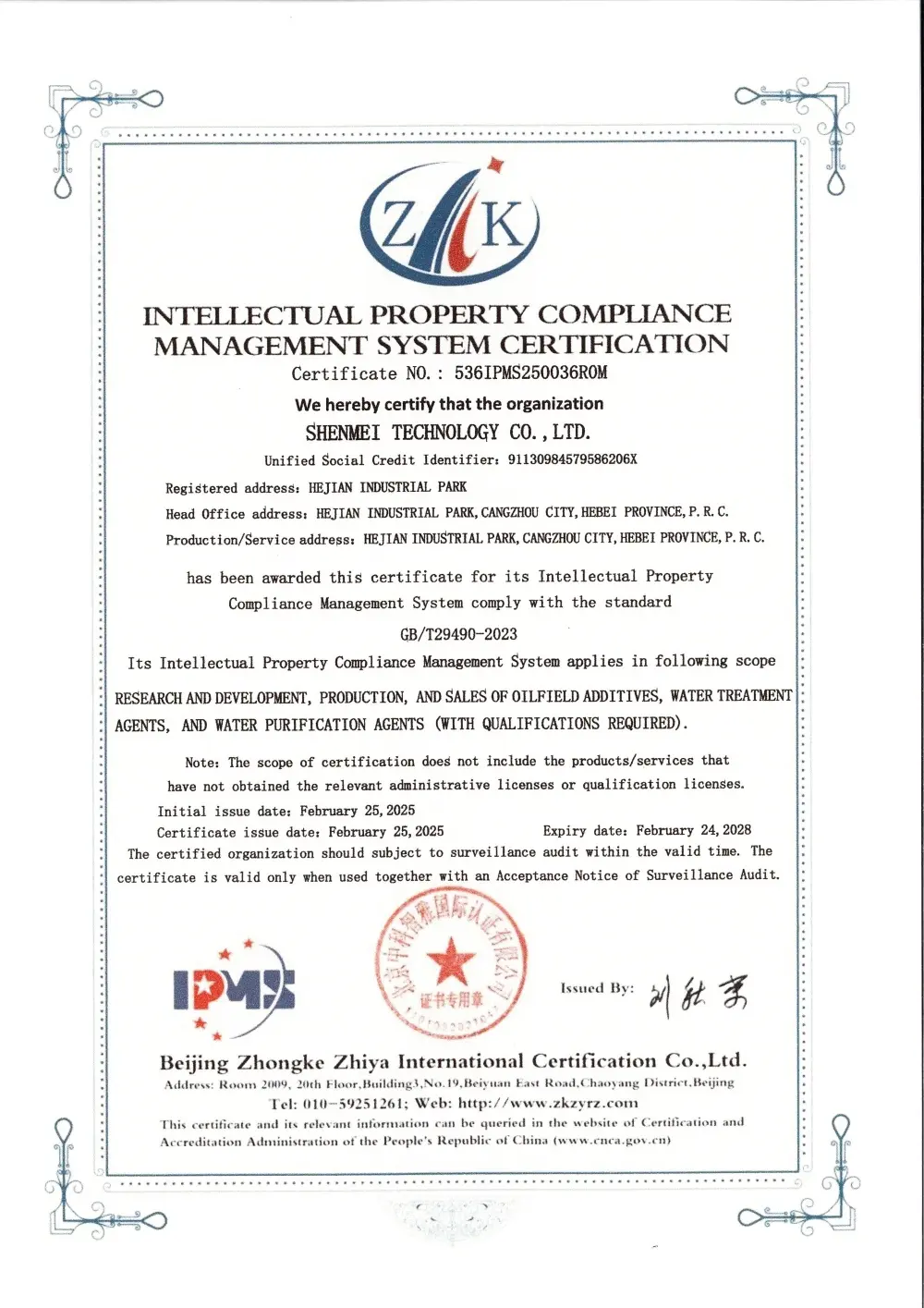
Recognized as a National Intellectual Property Advantage Enterprise with over sixty patents.
Formed a joint venture company with Chengdu Institute of Mineral Comprehensive Utilization, China Geological Survey, to expand mineral and mining agents.
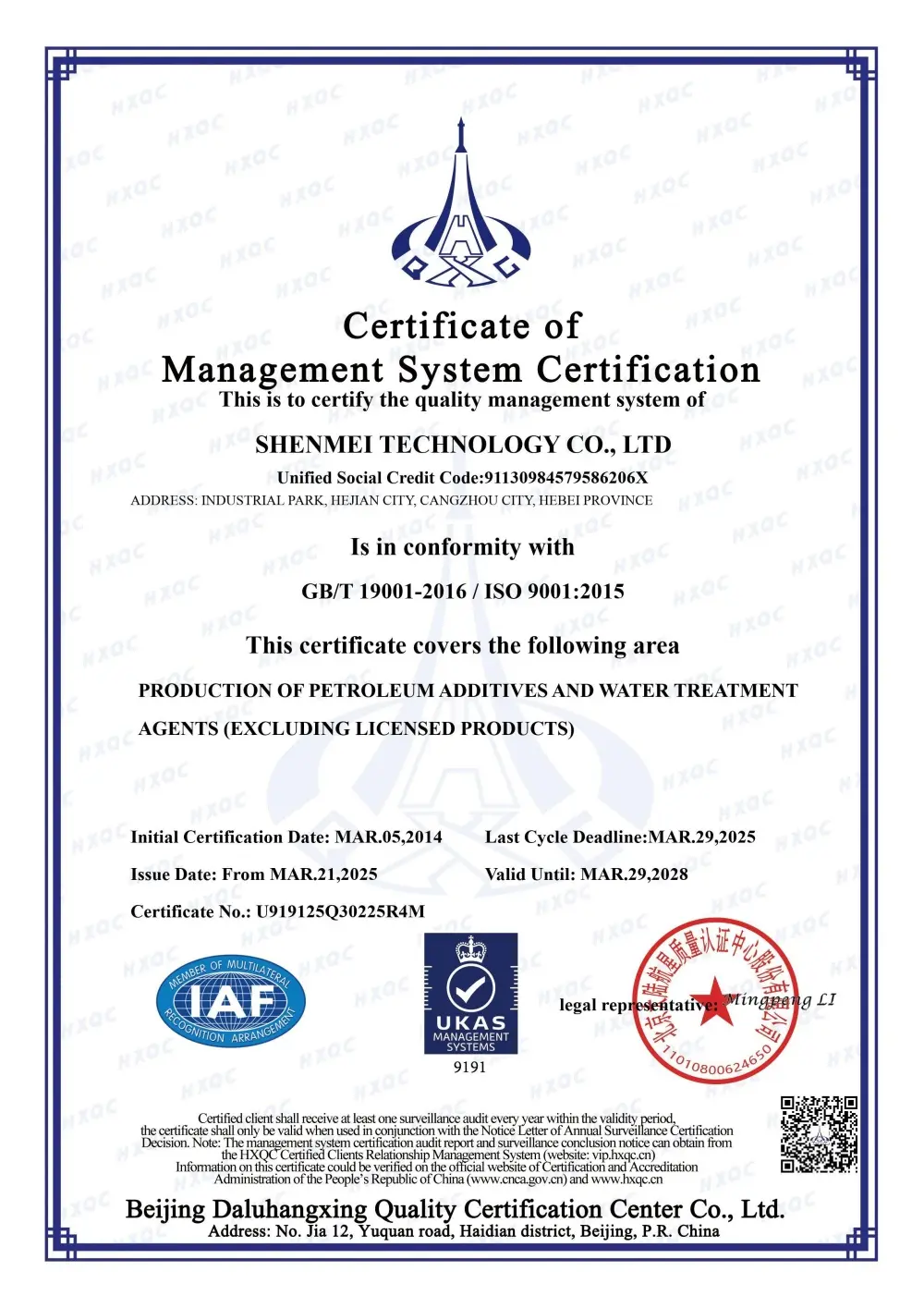
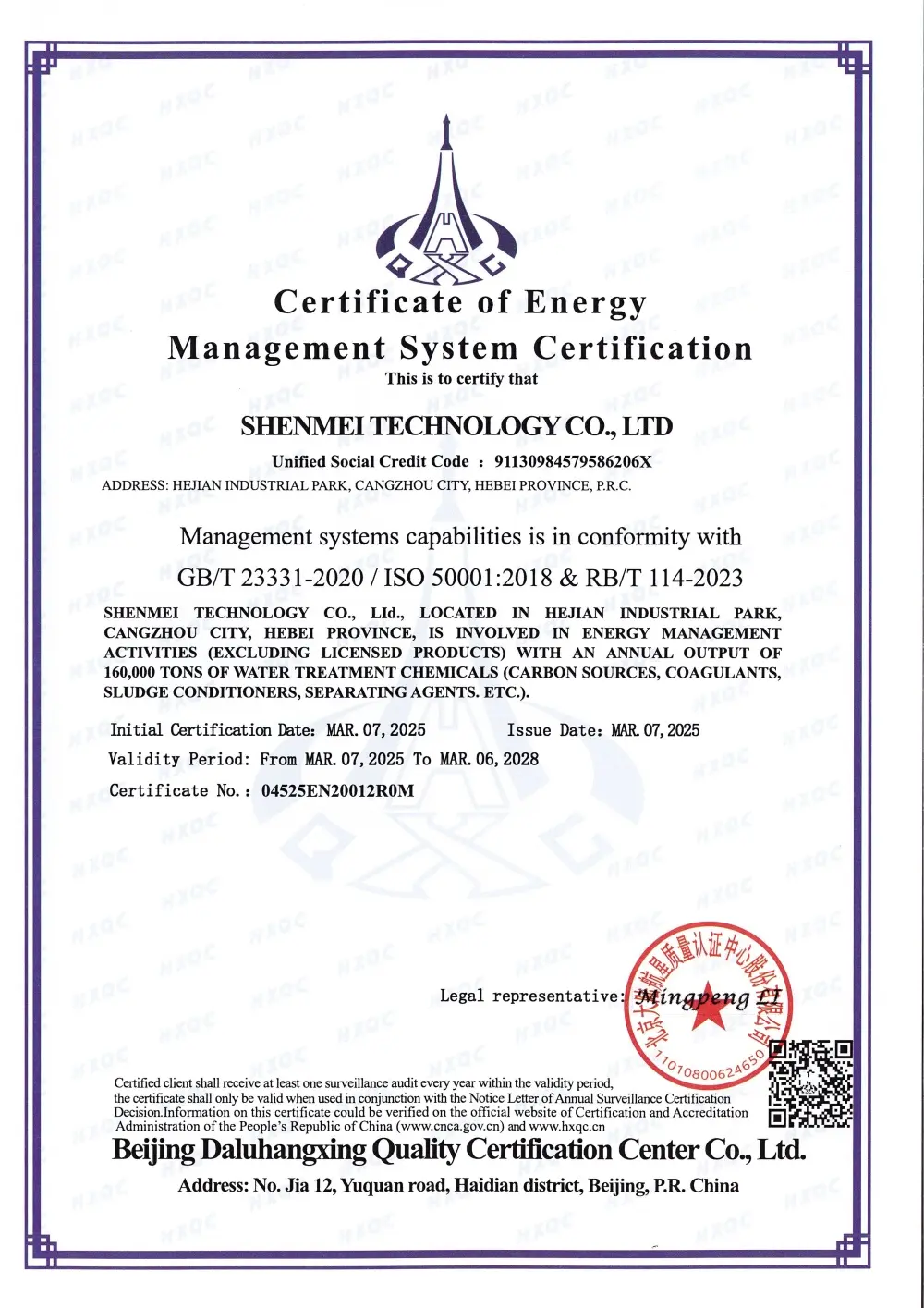
Insights on choosing, dosing, and managing biological denitrification carbon sources
Smedic Pure Solid Sodium Acetate Compound delivers a high COD equivalent value, typically ranging around 580,000 mg/kg to 600,000 mg/kg depending on hydration levels. This allows plant operators to minimize solid product dosing quantities compared to low-grade compound competitors.
Sodium acetate is non-toxic, non-flammable, and highly stable, presenting no hazardous storage risks. Metobolic pathways show that denitrifying bacteria assimilate acetate immediately without start-up delays, whereas methanol requires specialized bacteria (methylotrophs) that are sensitive to low temperatures and toxic shocks.
Proximity to synthetic acetic acid production centers provides Smedic with cost advantages and high-volume capacity scaling (over 1 million tons annually). Our integration ensures consistent quality assurance, certified by National Little Giant recognition and ISO certifications.
Under cold weather conditions (below 10°C), traditional carbon sources like glucose or methanol show significant drops in kinetic rates, causing nitrogen spikes in effluents. Smedic's acetate-based carbon sources maintain high biological availability, keeping denitrifying rates stable in freezing conditions.
Yes, we provide specialized OEM/ODM services. We formulate composite carbon sources targeting specific carbon-to-nitrogen ratios, BOD/COD values, and physical properties required by municipal sewage networks and industrial installations.
Smedic is recognized as a Green Factory and specializes in phosphate-free, eco-friendly scale and corrosion inhibitors. Our technologies are designed to prevent secondary pollution, such as phosphorus accumulation, while optimizing biological nutrient removal.
Following biological denitrification, suspended biomass must be separated from treated effluents. Smedic's High-Quality Polyacrylamide (cationic, anionic, and non-ionic varieties) acts as a high-performance flocculant that speeds up settling and increases dry cake solids in centrifuge or belt press operations.
Solid sodium acetate is hygroscopic and should be stored in its original sealed packaging in dry, well-ventilated warehouses, away from direct sunlight and moisture. When properly stored, it remains stable and effective for 12 to 24 months.
Comprehensive environmental agents designed for industrial cooling, wastewater purification, and oilfield applications
 Smedic Tech