Explore our elite grade polymer compounds, defoamers, and membrane solutions for municipal and industrial water treatment systems.
In contemporary heavy industry, municipal architecture, and oil extraction processes, the management of biological contamination stands as a crucial engineering challenge. Biocidal treatments involve the strategic application of chemical agents specifically engineered to mitigate, inhibit, or eliminate micro-organisms (including bacteria, algae, fungi, and viruses) within aquatic and process systems. Without strict control of these biological populations, industrial processes face catastrophic failures ranging from microbiological induced corrosion (MIC), heat-transfer degradation within cooling systems, membrane biofouling, and toxic gas emission (such as hydrogen sulfide produced by sulfate-reducing bacteria).
As a leading global industrial power, China has built an integrated supply chain that supports the research, production, and distribution of advanced chemical agents. As a critical partner in global sanitation, cooling system security, and oilfield operations, Chinese biocidal treatment suppliers offer cost-effective, high-purity formulations complying with stringent ecological standards. This whitepaper analyzes the commercial realities, technical parameters, and future roadmap of global biocidal treatments, focusing on the integration of biological prevention with scale inhibition and physical separation technologies.
The global market for biocidal treatments is undergoing rapid transformation, driven by environmental legislation and strict enforcement of chemical usage laws. The European Union’s Biocidal Products Regulation (BPR, Regulation (EU) 528/2012) and the United States Environmental Protection Agency (EPA) standards under FIFRA have elevated regulatory requirements. Suppliers are directed away from persistent, bioaccumulative, and toxic (PBT) chemical elements toward green, biodegradable, and targeted biocides.
Industrial scale biocides are generally categorized into two classes: oxidizing and non-oxidizing. Oxidizing agents, such as chlorine dioxide, active oxygen compounds, and bromine-based compounds, destroy microbial cell walls through direct oxidation. Non-oxidizing biocides, including isothiazolinones (CMIT/MIT), glutaraldehyde, and quaternary ammonium compounds (QACs), disrupt metabolic functions or cell wall integrity via biochemical pathways. China's chemical supply chain plays a central role here, offering reliable upstream raw materials and downstream chemical synthesis, serving international operations from municipal municipal water supplies in Southeast Asia to complex industrial cooling systems across Europe.
Utilizing high-efficiency targeted biocides to prevent the formation of biofilm, which acts as a barrier to heat transfer and facilitates microbiological corrosion (MIC).
Meeting global standards (REACH, BPR) by manufacturing biodegradable biocides that naturally break down into harmless components post-discharge.
Integrating biocidal agents with organic phosphonate scale inhibitors and defoamers to create multi-functional industrial water solutions.
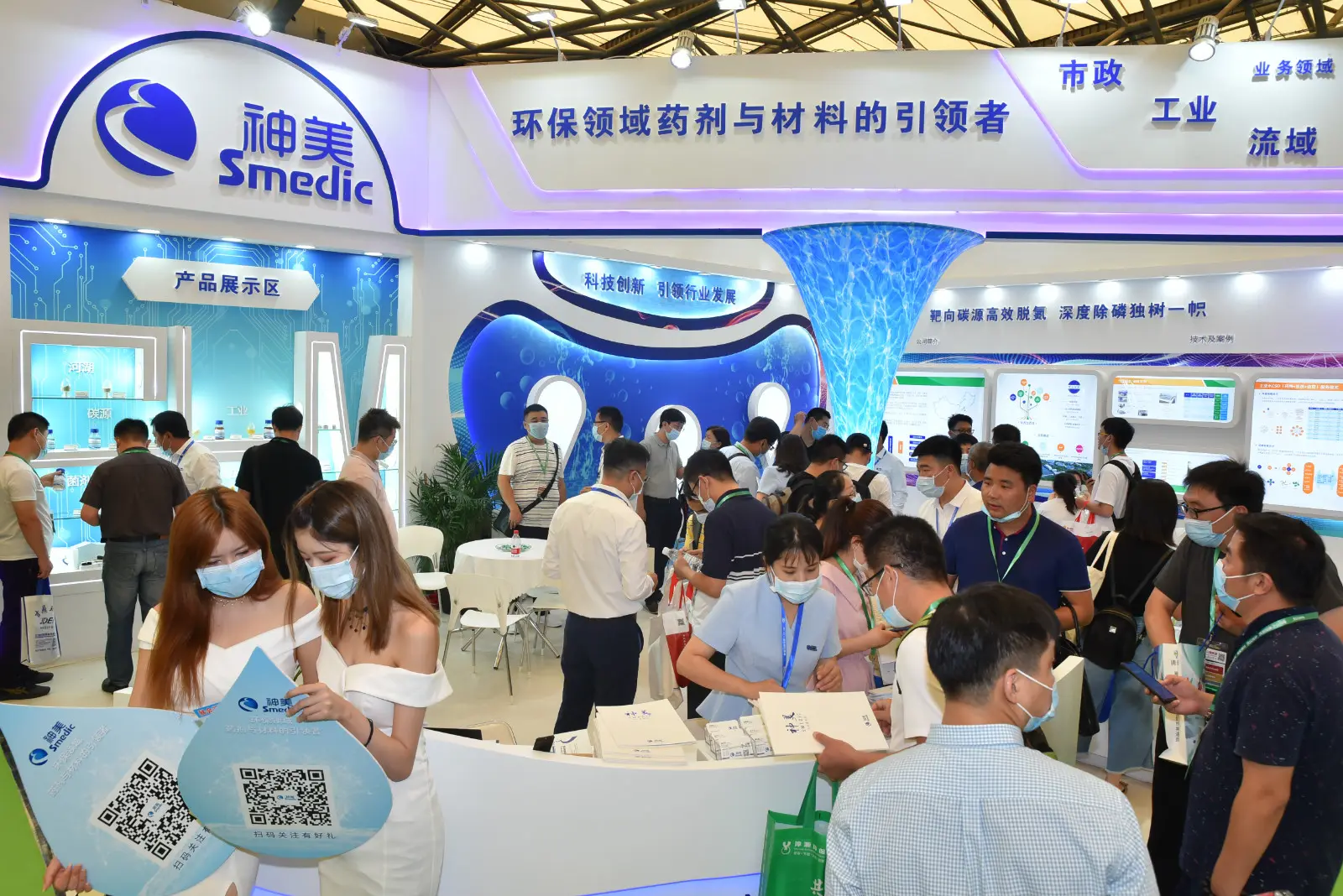
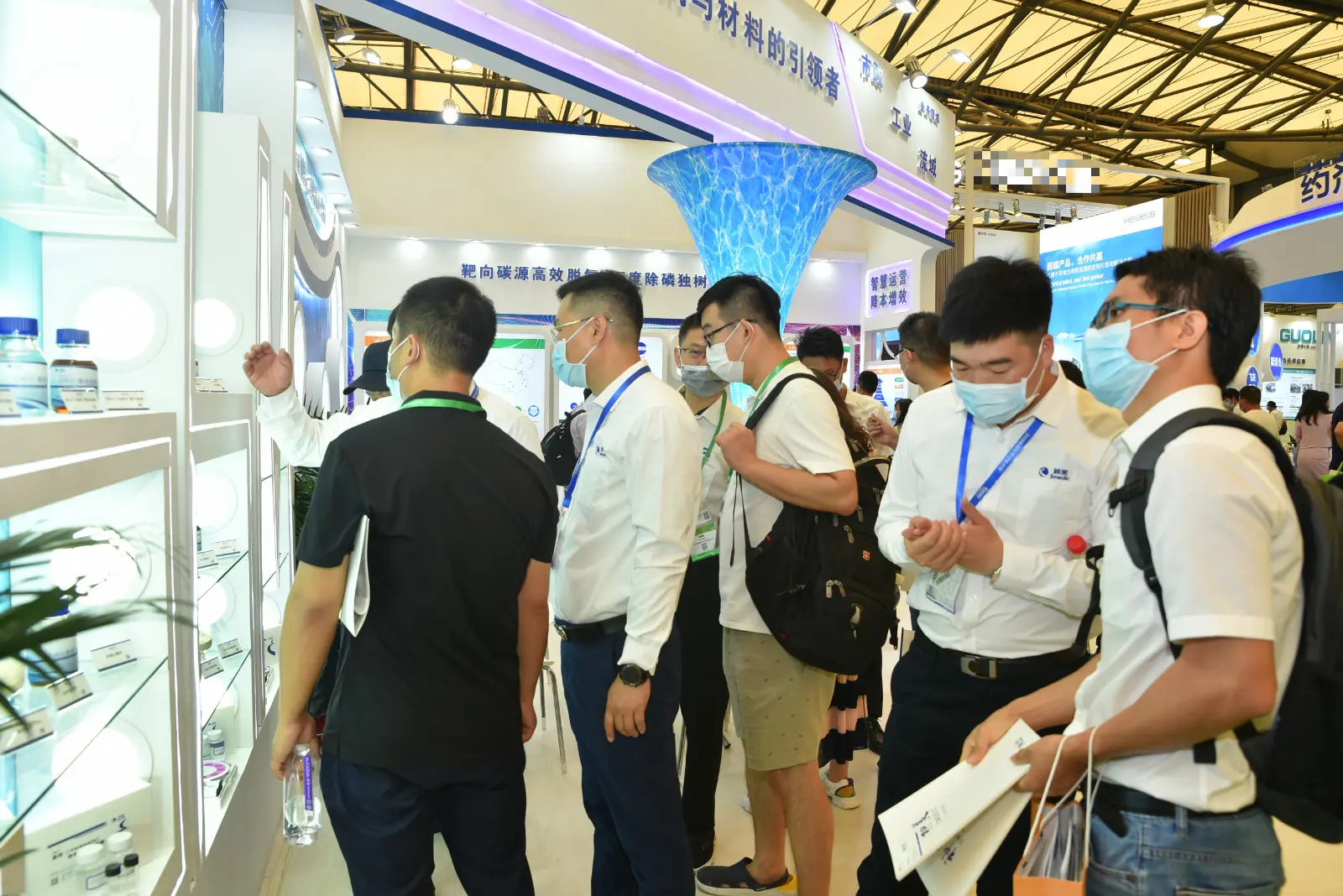
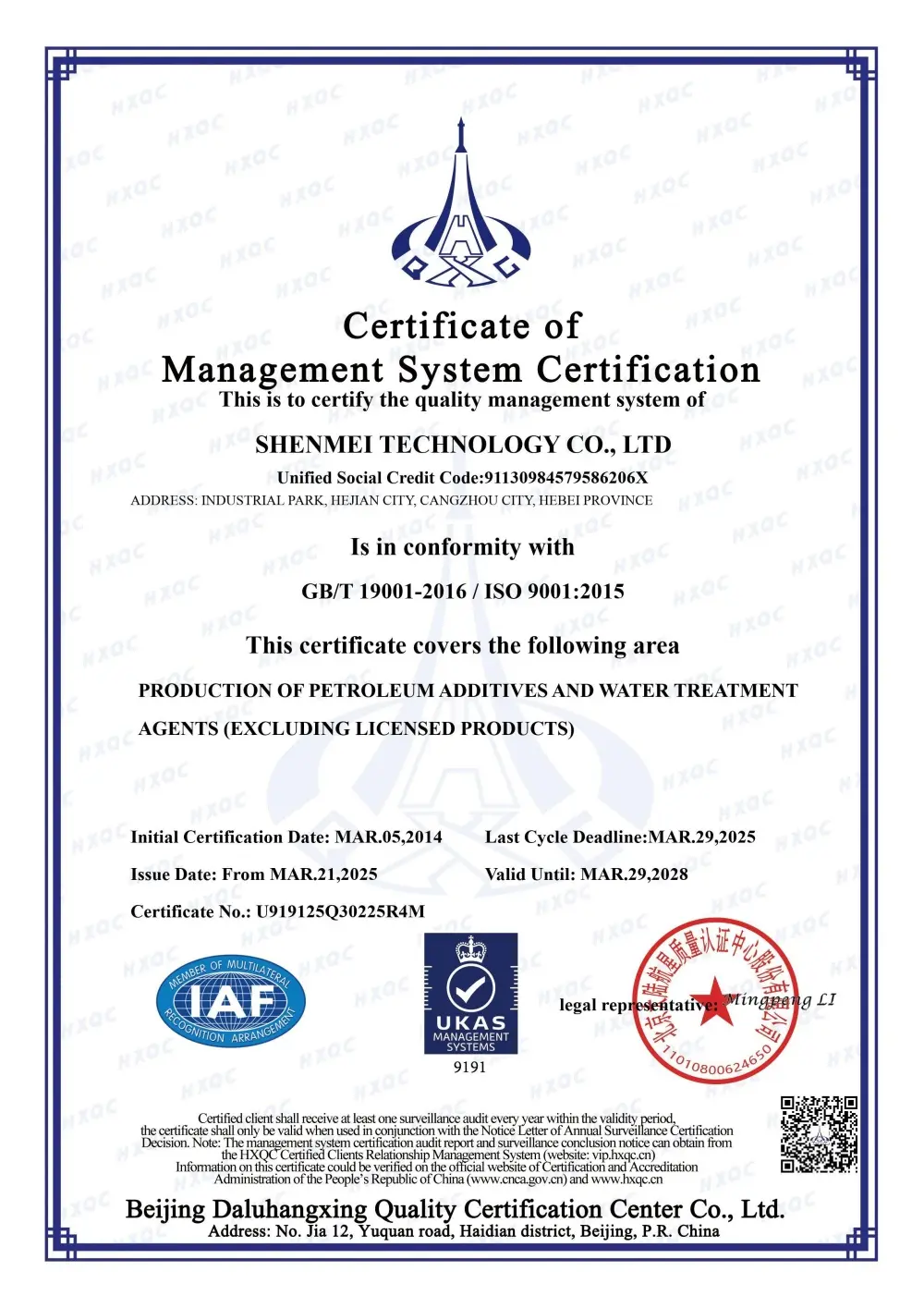
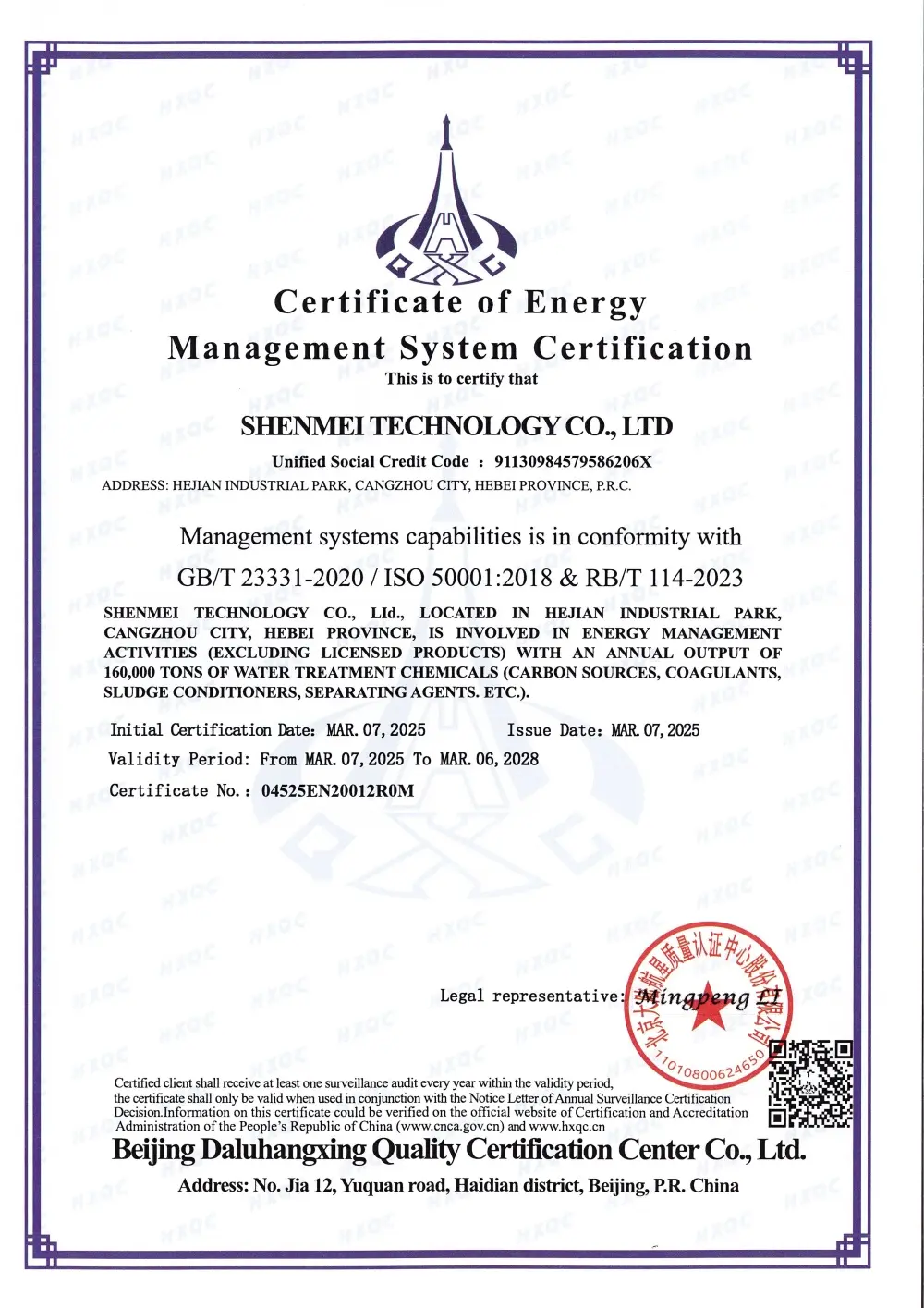
Established in 2011, Smedic Technology Co., Ltd. has evolved into a leading, integrated provider of environmental protection agents, combining high-level R&D, chemical production, distribution, and engineering consulting services. Smedic's dynamic solutions address multiple sectors including municipal sewage treatment, industrial wastewater, tap water purification, mineral processing flotation, and oilfield chemicals.
Our corporate headquarters is situated in Beijing, with wholly-owned manufacturing bases operational across Hebei, Guizhou, and Shanxi provinces. In addition, we maintain ten OEM partner factories and regional warehousing nodes in Shandong, Shanxi, Anhui, Guangxi, and Sichuan. This service network spans over 20 Chinese provinces, delivering products to more than 600 urban sewage treatment facilities and 1,000+ industrial end-users. The cumulative processing volume of water assets serviced by Smedic exceeds 20 million tons per day, securing our position at the forefront of the high-end municipal and industrial wastewater chemical sector.
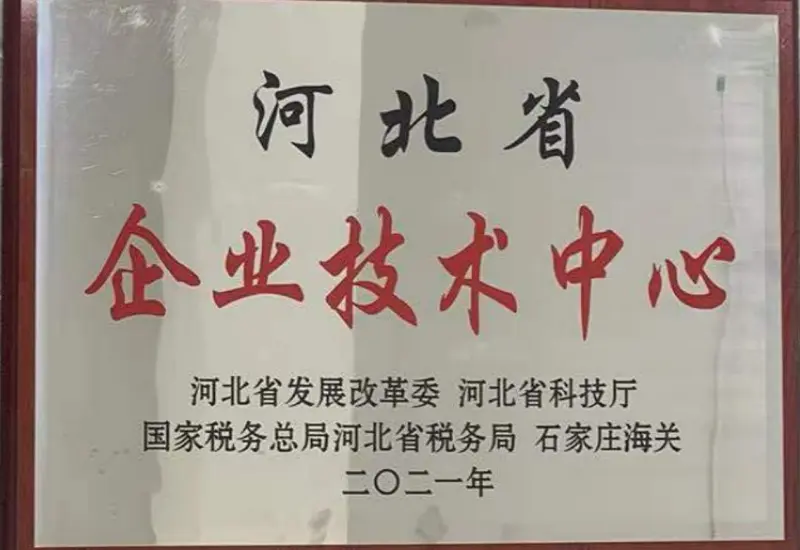
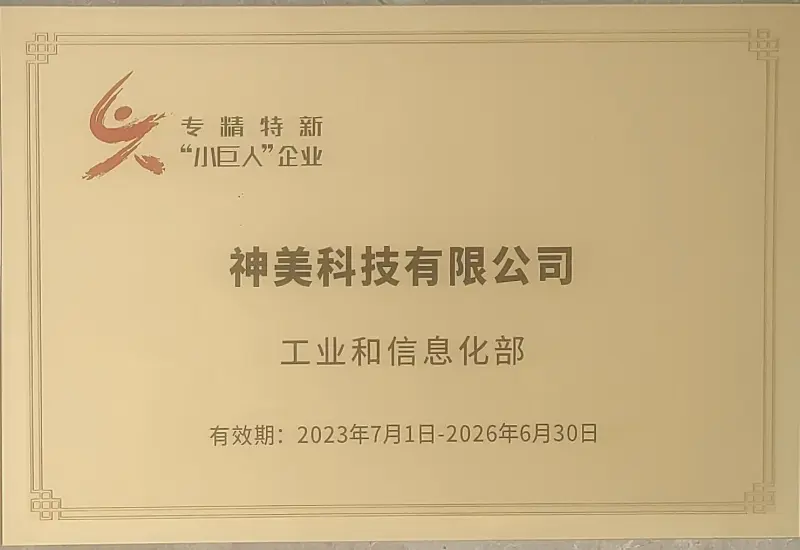
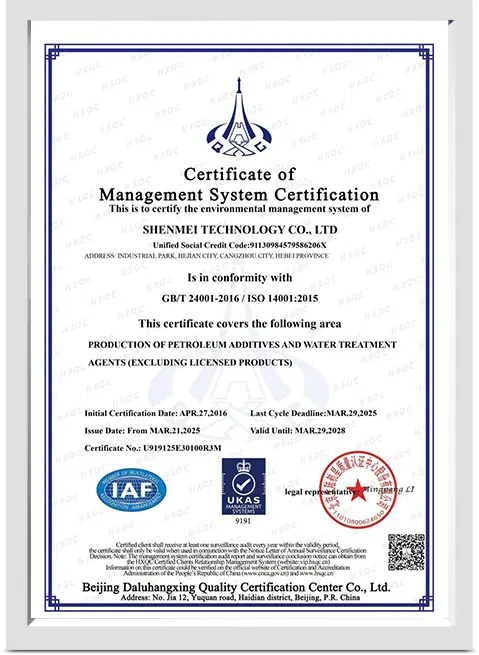
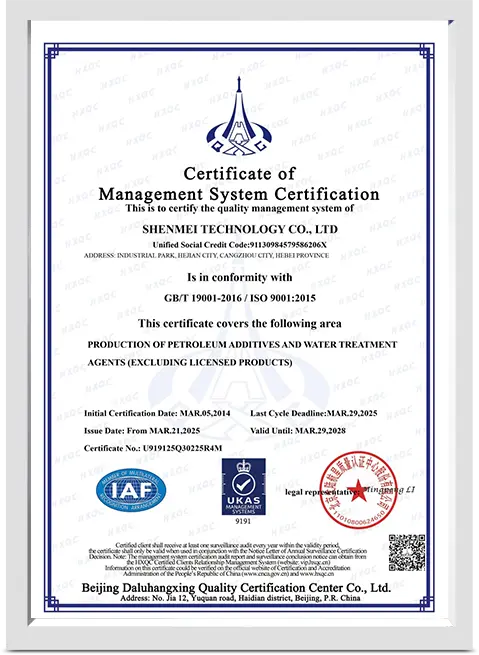
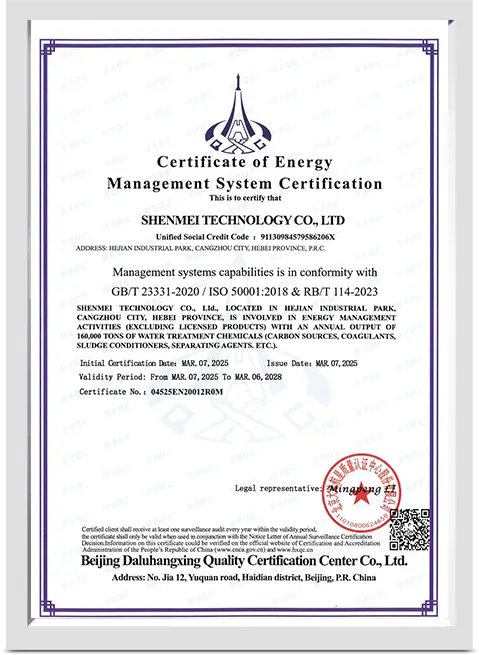
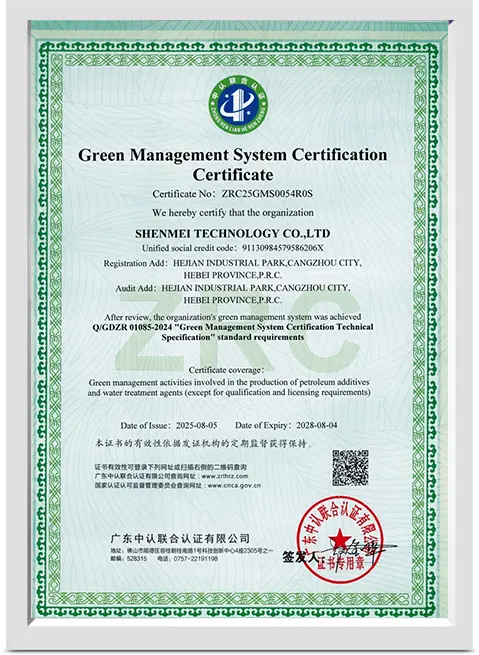
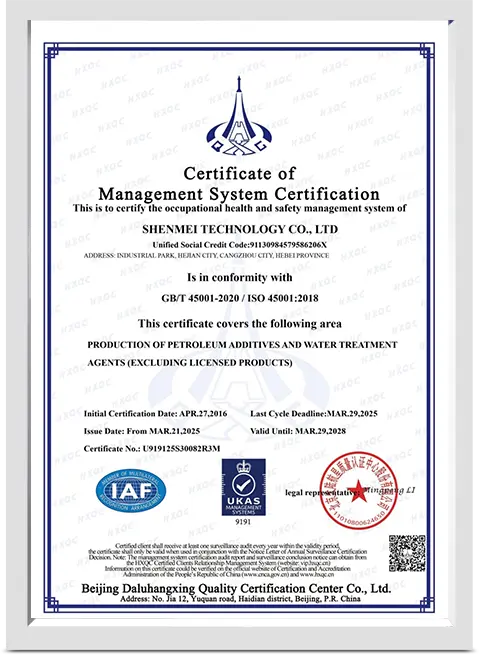
Smedic Technology is recognized as a National High-tech Enterprise and a National Specialized, Refined, Unique and Innovative "Little Giant" Enterprise. Our R&D network comprises one academy, three research institutes, and five manufacturing bases. This technological framework is recognized by several public science institutes, including the Hebei Provincial Enterprise Technology Center, the Hebei Provincial Advanced Water Treatment Chemicals Technology Innovation Center, and the Cangzhou Water Treatment Engineering Technology Research Center.
We run collaborative laboratories and workstations in partnership with Tsinghua University Association of Senior Scientists and Technicians, Shandong University, Beijing University of Technology, Peking University, and Tianjin University.
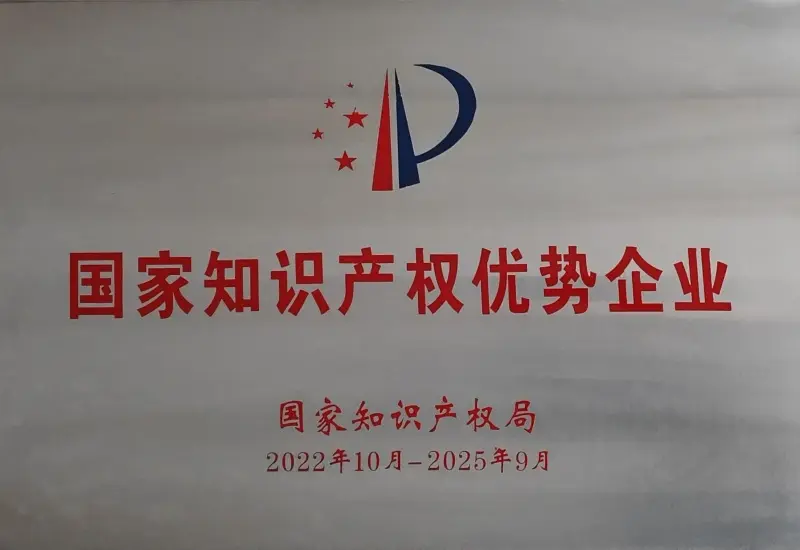
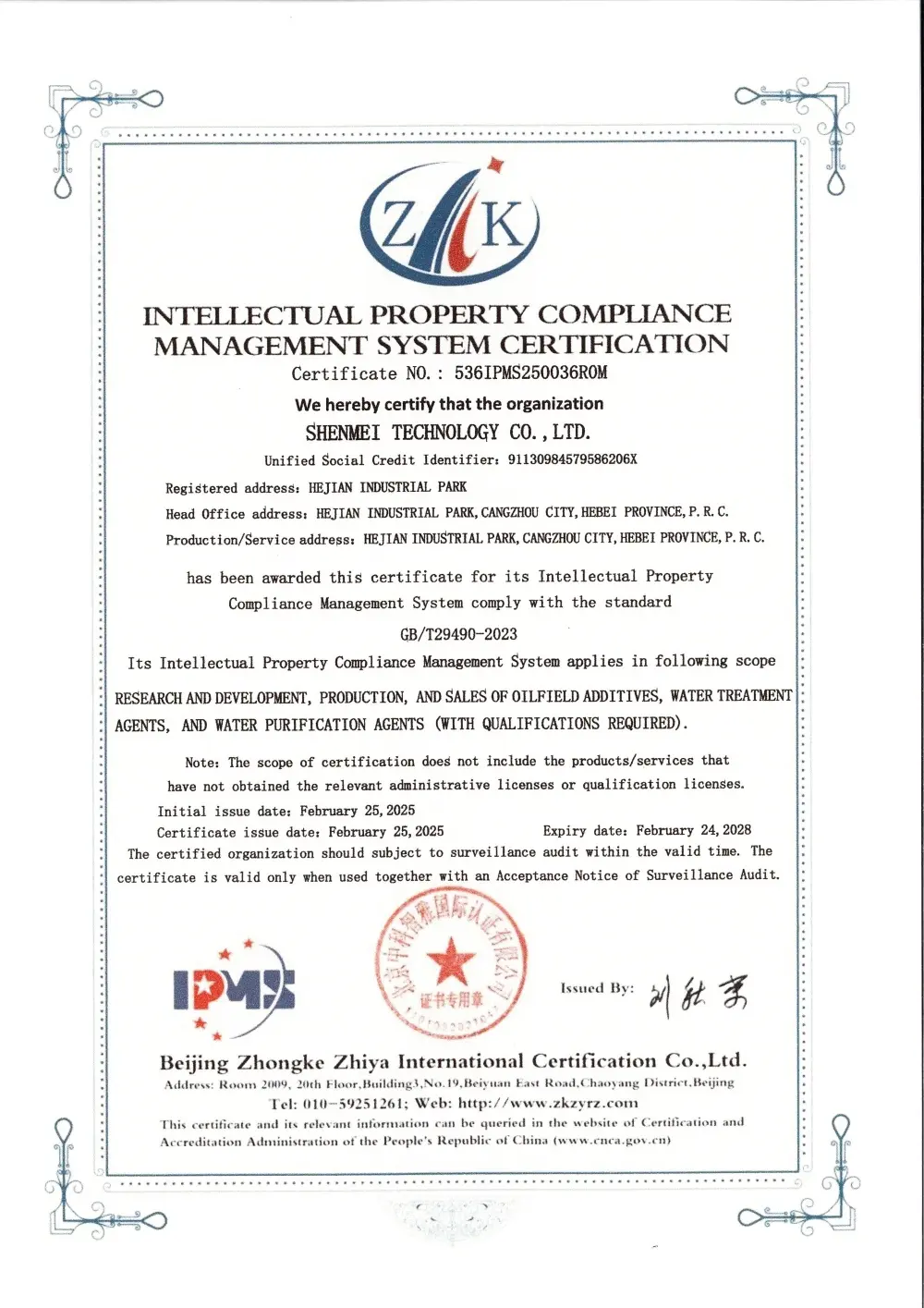
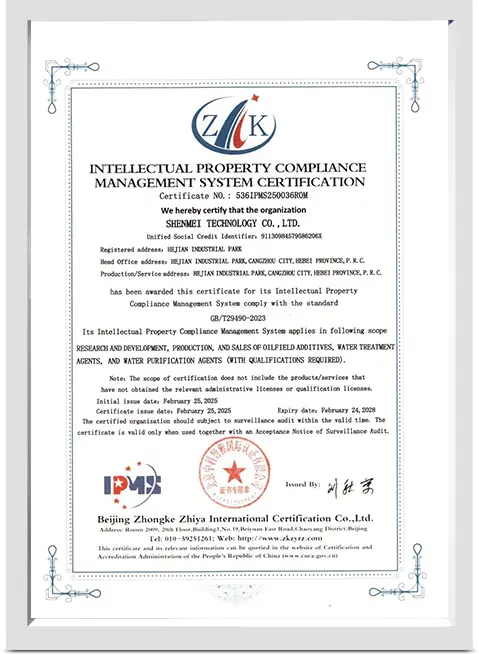
Smedic holds more than sixty Chinese patents, including over forty invention patents and over twenty utility model patents. We have led the drafting of more than ten national and industrial standards, defining parameters for composite carbon sources, composite coagulants, sodium acetate, and nitrifying/denitrifying bacterial formulations.

The efficacy of any biocidal treatment program depends on the physical-chemical environment of the system. Off-the-shelf, general biocides can fail due to pH fluctuations, mineral scale interactions, and compatibility issues with polymers. Below we detail four industrial scenarios where biocidal treatment must be carefully tailored.
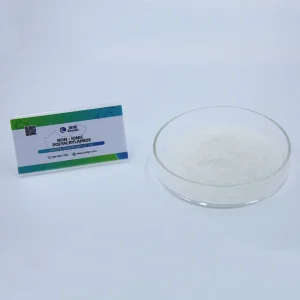
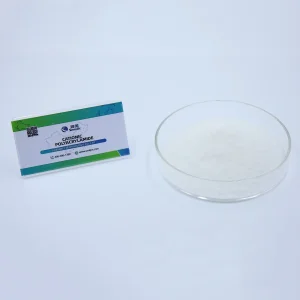
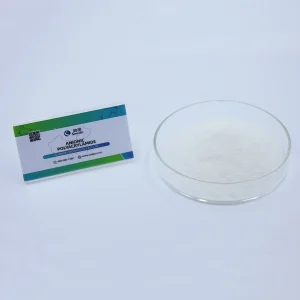
In reservoir injection operations, the introduction of sulfate-rich water stimulates the growth of anaerobic Sulfate-Reducing Bacteria (SRB). This results in reservoir souring (H₂S gas production) and microbiological induced corrosion of downhole steel components. Biocidal treatments are blended with high-molecular-weight Non-Ionic Polyacrylamide (NPAM) and Cationic Polyacrylamide (CPAM) flocculants. This combination assists in particle separation while preventing microbial degradation of the polymers.
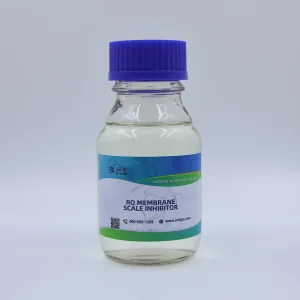
Reverse Osmosis (RO) systems are vulnerable to biofouling, where extracellular polymeric substances (EPS) from bacteria form an impermeable layer on membrane surfaces. This increases trans-membrane pressure (TMP) and shortens membrane life. Here, non-oxidizing, membrane-compatible biocides are dosed alongside multi-functional RO Membrane Scale Inhibitors. This protects the membrane structure without oxidizing the polyamide thin-film composite layers.
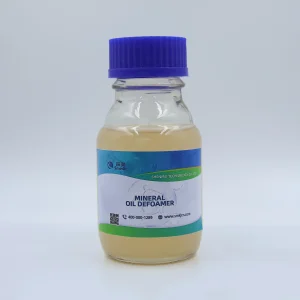
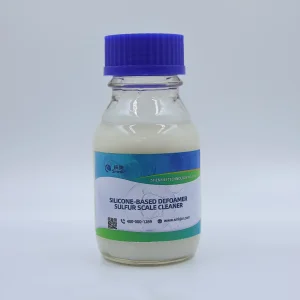
Industrial paints, latex, and polymer coatings are rich in organic nutrients, making them highly susceptible to fungal and bacterial spoilage during storage. Preservatives (in-can biocides) must be integrated during formulation. However, introducing these chemicals can create foam during mixing. Incorporating a high-efficiency Mineral Oil Defoamer Solution or Organic Silicone Defoamer Agent ensures foam-free production while maintaining biocidal protection.
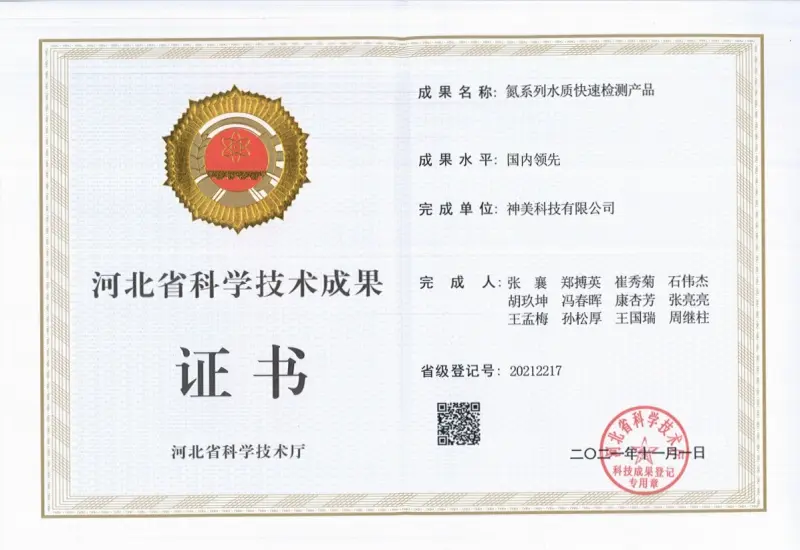
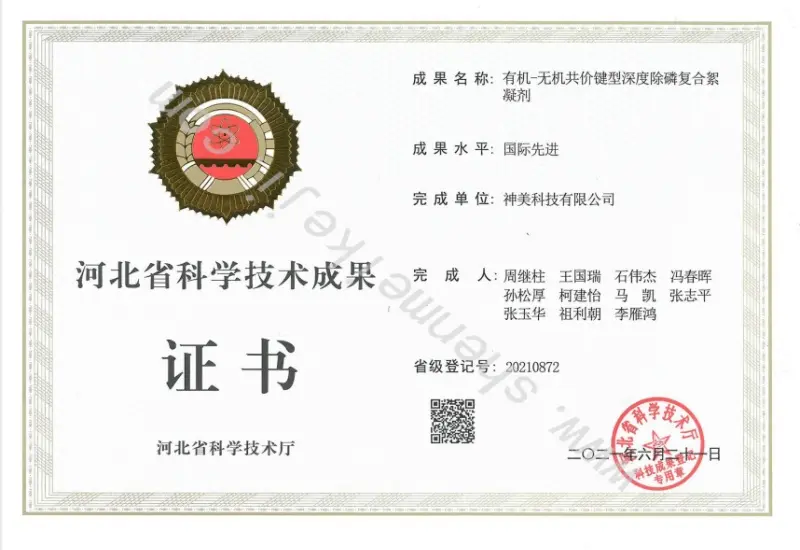
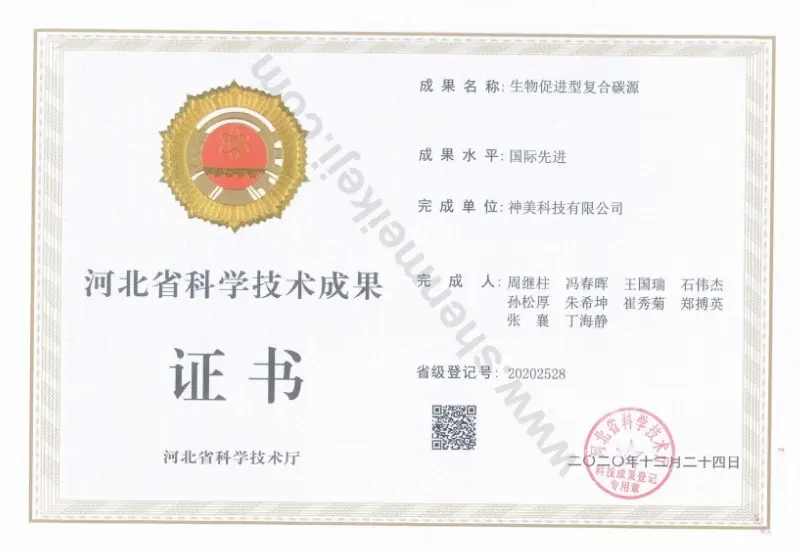
Smedic's proprietary technologies, such as the bio-enhanced denitrification carbon source and the deep multi-nuclear phosphorus removal agent, have been appraised as "internationally advanced" by the Science and Technology Department of Hebei Province.
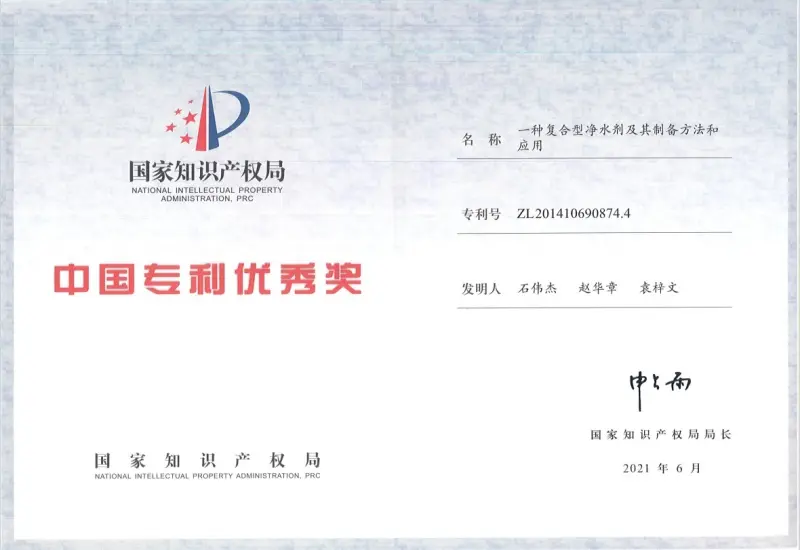
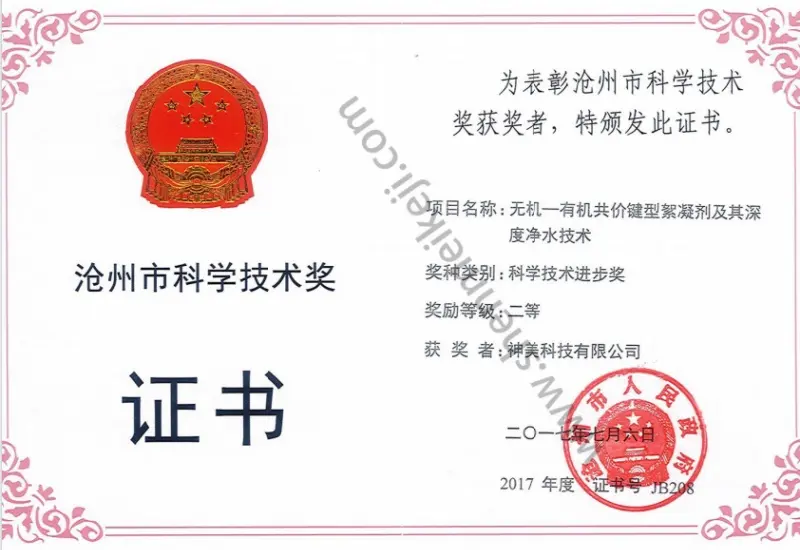
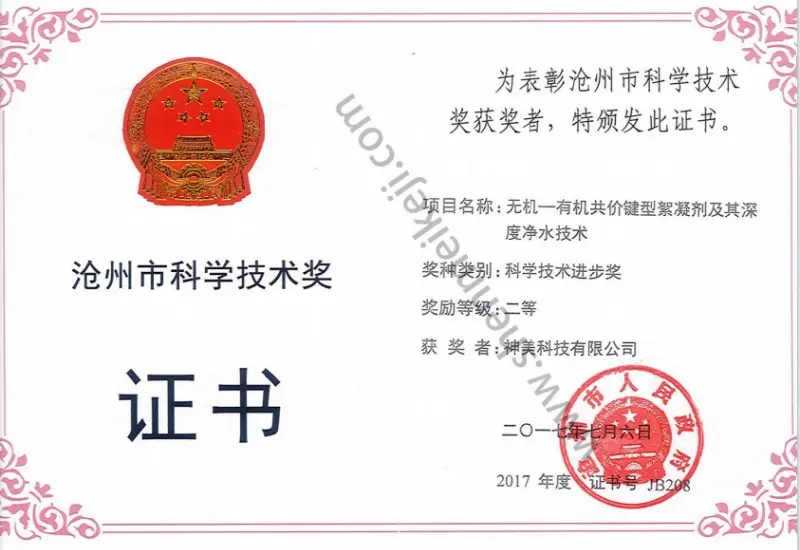
Our Active Oxygen Compound Disinfectant has been recognized as a National Construction Industry Scientific and Technological Achievement Promotion Project by the Ministry of Housing and Urban-Rural Development. Additionally, our independently developed Inorganic-Organic Covalent Bond Flocculant won the 22nd China Patent Award and the First Prize for Technological Invention from the China Petrochemical Industry Association.
The future of global biocidal treatment lies in smarter dosing, reduced ecological toxicity, and integration with carbon neutralization policies. Chinese manufacturers are adapting to these trends by implementing the following technical roadmaps:
Developing green chemistry biocides derived from natural raw materials. These agents maintain high biocidal activity within the system but decompose quickly into non-toxic metabolites once discharged into municipal sewers or receiving waters.
Deploying real-time ORP (Oxidation-Reduction Potential), ATP (Adenosine Triphosphate) bioluminescence sensors, and fluorometers to monitor microbial activity. Machine learning algorithms adjust chemical dosing levels based on system dynamics.
Synthesizing single polymeric molecules that provide scale inhibition, corrosion inhibition, and biocidal properties. This simplifies chemical logistics, reduces shipping volumes, and minimizes downstream environmental impacts.
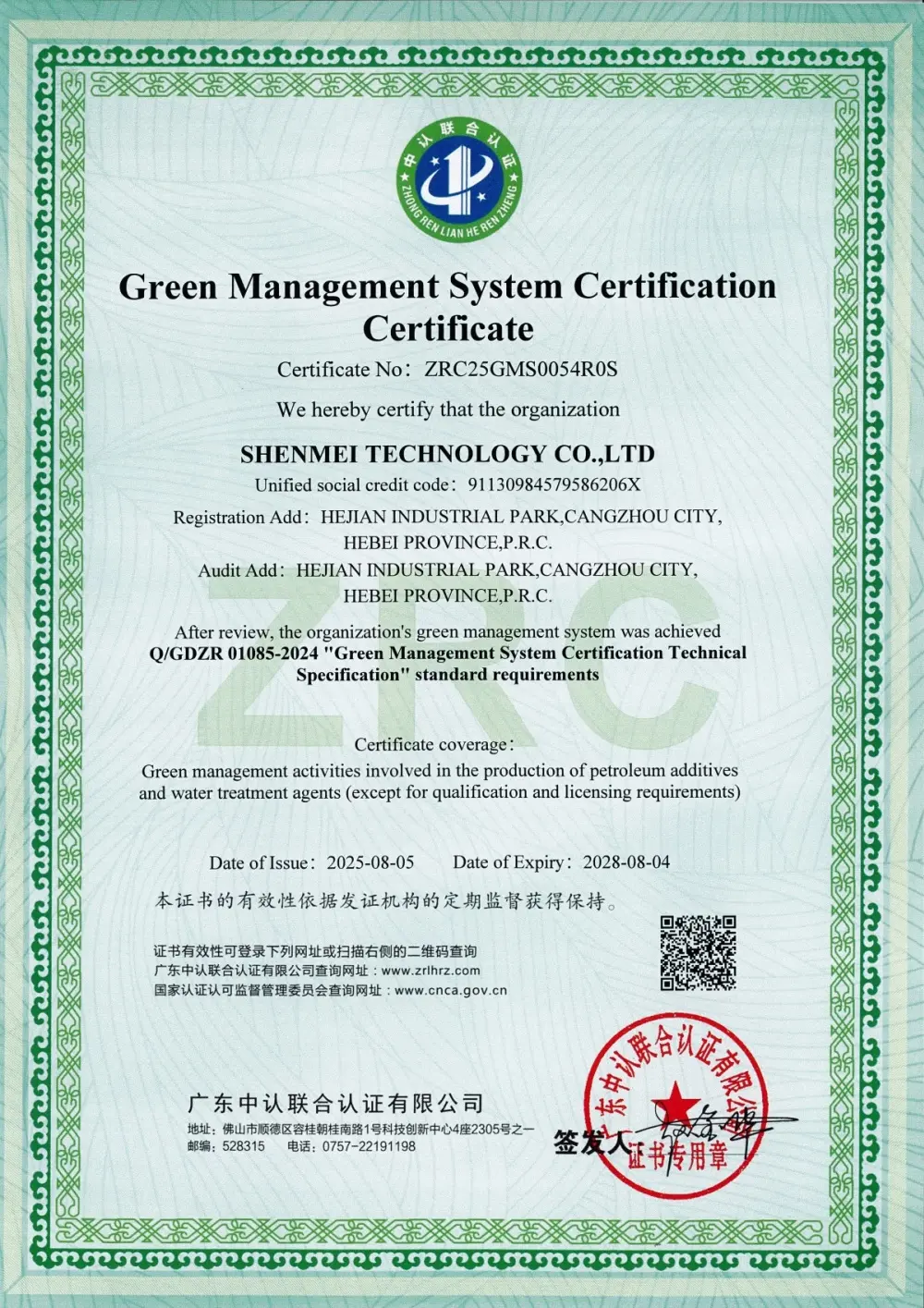
Smedic has been named the "Leading Brand of Advanced Wastewater Treatment Chemicals" and the "Most Valuable Water Treatment Chemicals Brand" by China Water Network and the E20 Environmental Platform for four consecutive years.
We maintain long-term strategic partnerships with leading water management groups, including Shouchuang Ecological and Environmental Group, Yangtze River Ecological and Environmental Group, Beijing Enterprises Water Group (BEWG), OriginWater, and China Water Environment Group. These enterprises utilize our full-scale treatment programs to manage wastewater systems in hundreds of municipal facilities across Asia.
Modern water treatment requires integrating multiple chemical functions rather than treating biocidal action, scale inhibition, and solids separation as isolated processes. Our macro-industry solutions combine these technologies into cohesive systems:
Suspended organic particles and micro-organisms are aggregated using high charge density cationic polymers (e.g., Cationic Polyacrylamide CPAM) and inorganic salts (like PFS/PAC Coagulants). Removing the bulk of organic solids reduces the demand for downstream chemical disinfectants.
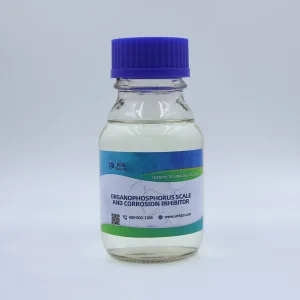
In cooling towers and heat exchangers, high temperatures accelerate scale formation and corrosion. The addition of Organophosphorus Corrosion & Scale Inhibitors keeps calcium carbonate and sulfate in suspension, while biocides prevent biofilm development on heat exchange surfaces.
High aeration rates and bio-degradation processes often generate stable foam in industrial basins and aeration tanks. Dosing Organic Silicone Defoamer Agents breaks this foam, maintaining process efficiency and preventing the loss of active chemicals.
Professional insights on chemical mechanisms, dosage optimization, and biological control in water systems.
Explore our silicone defoamers, flocculants, and scale inhibitors designed to protect system infrastructure.
 Smedic Tech