Engineered high-performance formulations supporting global environmental compliance, scale inhibition, and foam control.
Critical analysis of global regulations, microbiological controls, and environmental safety paradigms driving industrial chemical engineering.
In modern industrial operations, water is the primary medium for thermal management, mass transfer, and chemical processing. However, because industrial systems operate under optimal thermal and nutritional conditions, they serve as excellent incubators for microbiological growth. Unchecked microbial colonization leads to the formation of complex biofilms, biofouling, microbiologically influenced corrosion (MIC), and serious public health risks such as Legionella pneumophila outbreaks.
Consequently, biocide water treatment has transitioned from a supporting utility practice to a core parameter of global industrial asset integrity and operational safety. Today, the global biocides market is governed by stringent regulatory frameworks, including the European Union's Biocidal Products Regulation (BPR, Regulation (EU) No 528/2012) and the United States Environmental Protection Agency’s Federal Insecticide, Fungicide, and Rodenticide Act (FIFRA). These frameworks demand that industrial chemistry suppliers like Smedic Technology deliver formulations that balance chemical efficacy with rapid environmental degradation and low toxicity profiles.
In regions such as Asia-Pacific, North America, and Europe, industrial operators face a dual challenge: maintaining the efficiency of thermal cooling towers and ultrafiltration membranes while complying with localized discharge parameters. In heavy manufacturing, petrochemical refining, and power generation, the accumulation of biofilm on heat exchanger surfaces acts as an insulating barrier, reducing heat transfer coefficients and causing millions of dollars in annual energy losses. Smedic’s specialized formulations are designed to address this problem, preventing biological fouling while optimizing system performance.
The shift toward biodegradable chemistry, non-oxidizing synergies, and real-time analytical automation.
Traditional halogenated agents are being replaced by advanced non-oxidizing biocides that degrade into harmless byproducts. Isothiazolinones, glutaraldehyde derivatives, and quaternary ammonium formulations are synthesized to target bacterial cellular walls and metabolic pathways without leaving persistent toxic residues in public sewer systems.
To counter microbial adaptation and resistance, modern systems utilize alternating programs of oxidizing biocides (e.g., chlorine dioxide, stabilized bromine) and non-oxidizing shock agents. This method disrupts cellular defense mechanisms, prevents biofilm recovery, and lowers overall chemical consumption.
Integration of real-time monitoring sensors measuring Free Available Chlorine (FAC), oxidation-reduction potential (ORP), turbidity, and microbiological ATP enables automated dosing. Rather than relying on rigid schedules, automated systems inject precise dosages based on real-time biological demand.
Established in 2011, Smedic Technology Co., Ltd. has developed into a leading global provider of environmental protection agents, integrating intensive scientific R&D, mass industrial production, global distribution, and professional engineering services.
Our corporate headquarters is located in Beijing, directing multiple wholly-owned production bases in Hebei, Guizhou, Shanxi, and other regions, as well as over ten OEM partner factories and regional warehousing and logistics bases in Shandong, Anhui, Guangxi, and Sichuan. Smedic’s domestic operations cover over 20 provinces, supporting more than 600 urban sewage treatment plants and over 1,000 industrial end customers in wastewater treatment, mineral processing, and oilfield extraction. The total sewage treatment capacity of our systems exceeds 20 million tons per day, establishing Smedic as a trusted partner in municipal and industrial environmental management.
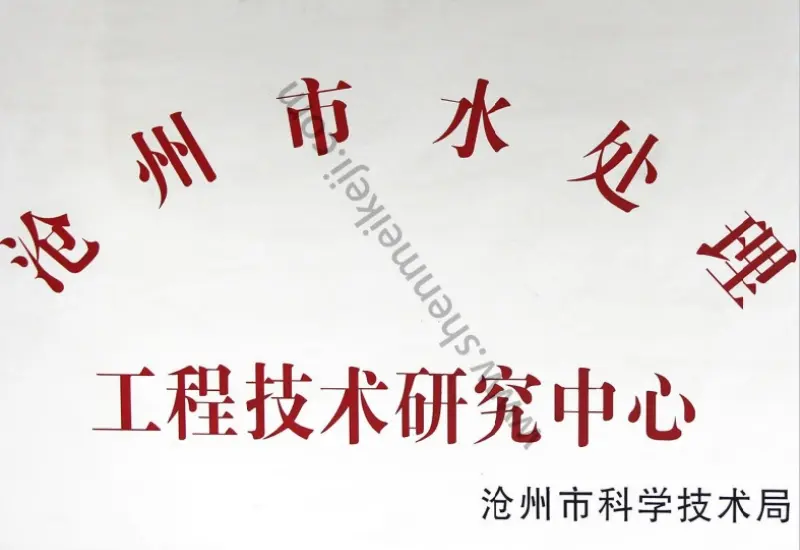
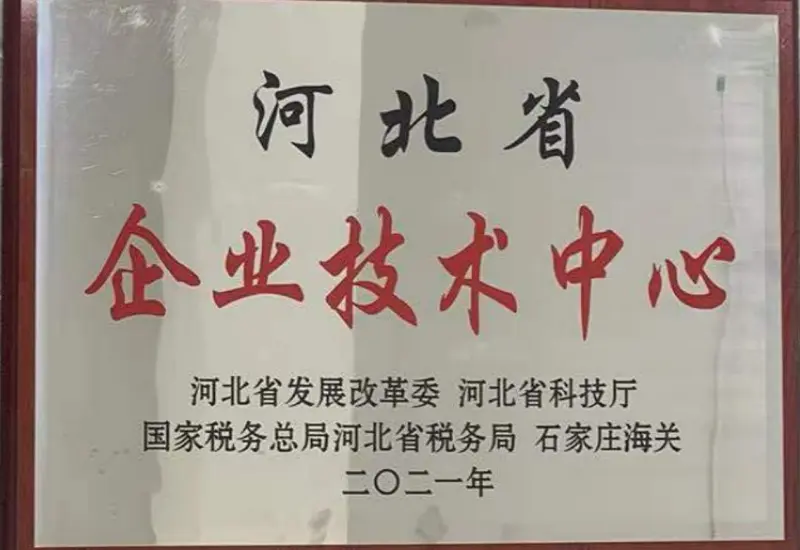
Our technical organization consists of academicians, research professors, and senior chemical engineers working across our integrated R&D system. This framework includes one central academy, three specialized research institutes, and five production bases. We have established the Hebei Provincial Enterprise Technology Center, the Hebei Provincial Advanced Water Treatment Chemicals Technology Innovation Center, and the Cangzhou Water Treatment Engineering Technology Research Center. These institutions are recognized as Class A R&D facilities in Hebei Province. We also operate an expert workstation in collaboration with the Tsinghua University Association of Senior Scientists and Technicians, maintain joint laboratories with Shandong University and Beijing University of Technology, and act as a commercialization partner for the research achievements of Peking University and Tianjin University.
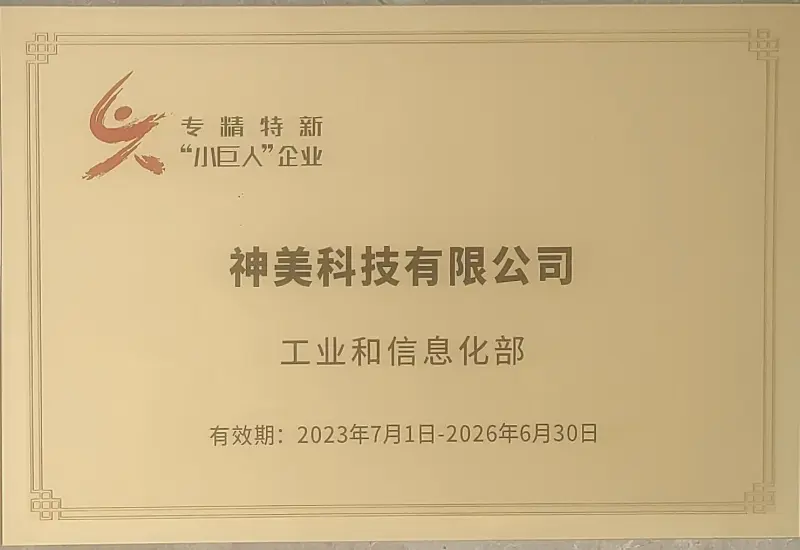
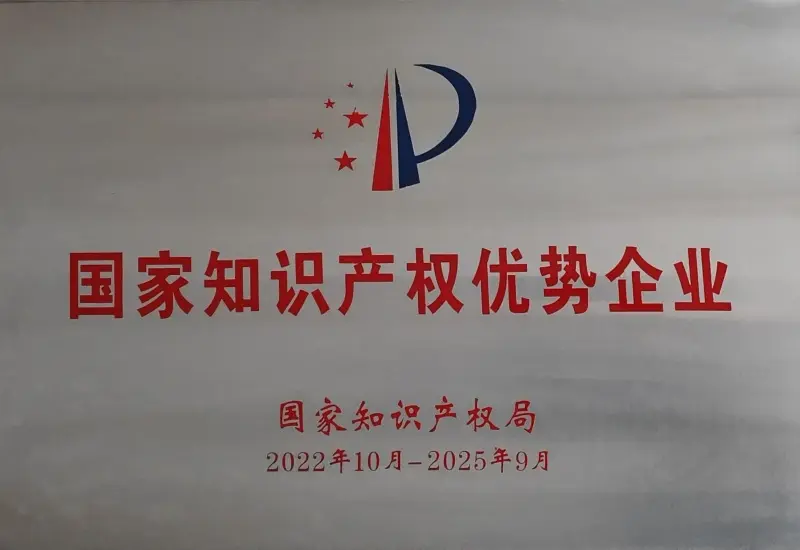
Smedic has been designated as a National High-tech Enterprise, a National Specialized, Refined, Unique and Innovative "Little Giant" Enterprise, and a National Key-Supported "Little Giant" Enterprise. Our intellectual property portfolio includes over sixty Chinese patents, containing forty invention patents and more than twenty utility model patents. We have led the drafting of more than ten national and industry standards, including those for composite carbon sources, composite coagulants, sodium acetate, and nitrifying and denitrifying bacterial agents.
How advanced chemical solutions address site-specific variables in municipal and industrial systems.
In municipal plants, nitrogen removal depends on nitrifying bacteria. However, high-strength industrial influents can introduce biocidal compounds that inhibit these communities. Smedic’s specialized coagulants and composite carbon sources stabilize the biological system, preserving nitrification efficiency and maintaining compliance with environmental discharge regulations.
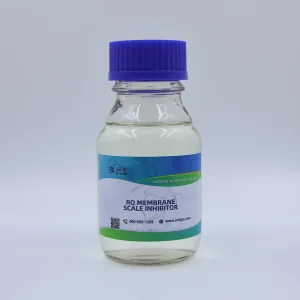
Reverse Osmosis (RO) systems are vulnerable to biofouling, which increases feed pressure requirements and accelerates membrane degradation. Smedic’s membrane scale inhibitors and biocontrol programs prevent the accumulation of extracellular polymeric substances (EPS) on membrane surfaces, extending membrane life and reducing energy consumption.
High temperatures and hydrocarbon leaks in petrochemical cooling towers create ideal conditions for rapid algal and bacterial growth. Smedic's dual-dosing biocide regimes control microbial growth and prevent microbiologically influenced corrosion (MIC) in carbon steel and alloy heat exchangers, maintaining stable heat transfer rates.
A comparative overview of chemical agents used in industrial water systems.
| Biocide Classification | Primary Active Mechanism | Typical Applications | Key Environmental Profile |
|---|---|---|---|
| Oxidizing Agents (e.g., Chlorine, ClO2, Bromine) | Oxidizes cellular proteins, disrupting cell membrane integrity. | High-volume cooling towers, municipal drinking water, raw water intakes. | Rapid reaction pathway; potential for halogenated disinfection byproducts (DBPs). |
| Isothiazolinones (e.g., CMIT/MIT) | Inhibits metabolic enzymes, stopping protein synthesis. | Pulp & paper mills, closed-loop cooling loops, paint preservation. | Biodegradable at low concentrations; requires neutral to acidic pH. |
| Glutaraldehyde Derivatives | Cross-links amine groups on cell wall proteins, causing rapid cell death. | Oil & gas injection water, pipeline protection, industrial cooling. | Highly effective against sulfate-reducing bacteria (SRB); degrades cleanly in soil. |
| Quaternary Ammonium Compounds | Disrupts cell membrane charge balance, causing leakage of intracellular fluid. | Industrial cooling systems, algae control in static basins. | Provides surface wetting and cleaning properties; stable over wide pH ranges. |
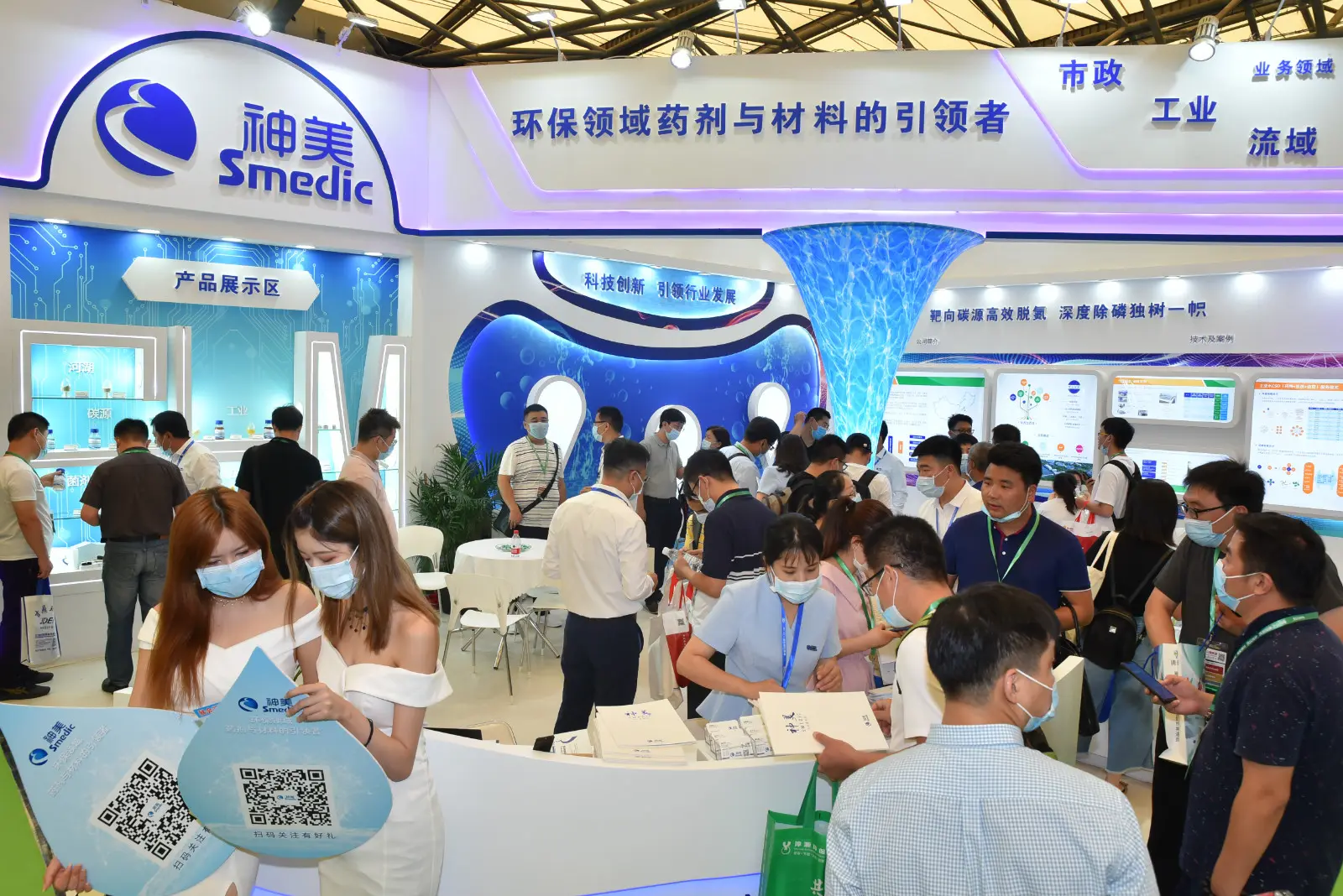
Smedic Technology's R&D roadmap focuses on the development of eco-friendly, high-performance formulations that align with global ESG standards. Our independently developed technologies, including our bio-enhanced denitrification carbon sources and deep multi-nuclear phosphorus removal agents, have been appraised as "internationally advanced" by the Science and Technology Department of Hebei Province.
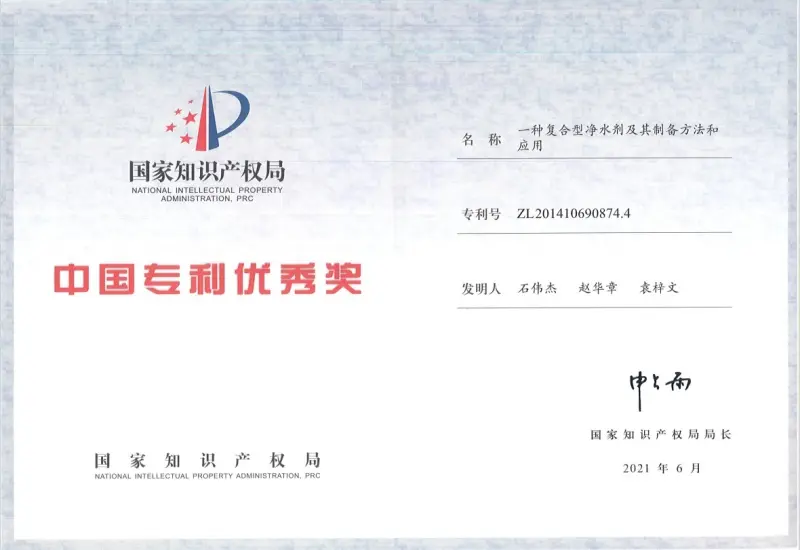
Additionally, our "Active Oxygen Compound Disinfectant" has been recognized as a National Construction Industry Scientific and Technological Achievement Promotion Project. Our "Inorganic-Organic Covalent Bond Flocculant and Its Advanced Water Purification Technology" has won several awards, including the 22nd China Patent Award and the First Prize for Technological Invention from the China Petrochemical Industry Association.
Moving forward, Smedic's research focuses on three key areas: biodegradable synergistic formulations that degrade rapidly post-treatment, nanotechnology-enabled delivery systems for targeted chemical release, and the integration of digital twin technologies to optimize real-time chemical dosing.
Answers to key operational, technical, and regulatory questions in biocide and industrial water treatment.
Explore our specialized formulations for high-efficiency coagulation, scale prevention, and biological treatment control.
 Smedic Tech