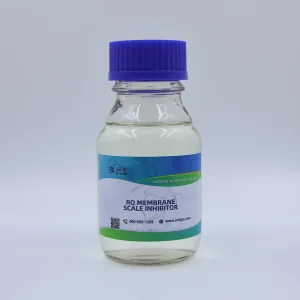
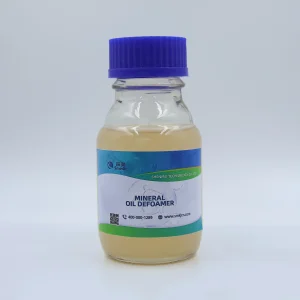
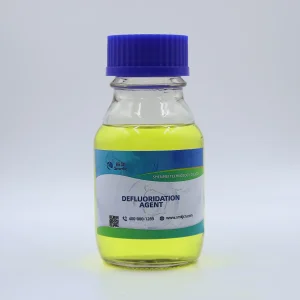
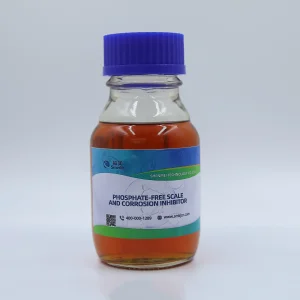
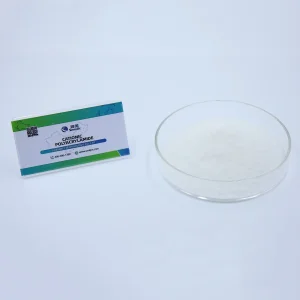
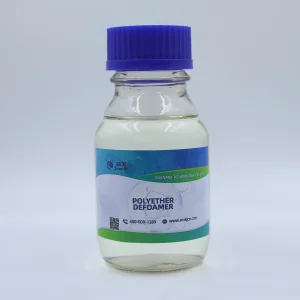
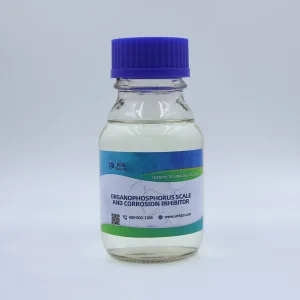
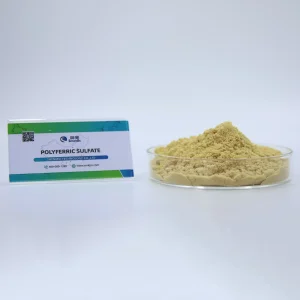
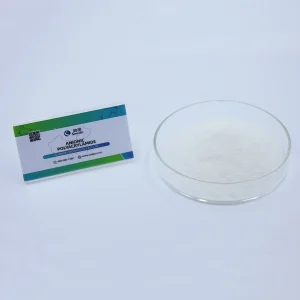
Explore our core manufacturing range, engineered for precise chemical dosing, scaling prevention, and maximum clarification efficiency.
Analyzing the chemical efficiency, cost advantages, and ecological impacts of polymeric coagulants in industrial wastewater systems.
In the domain of modern industrial water treatment and municipal sewage clarification, the choice of coagulant dictates not only compliance outcomes but also long-term operational overhead. Polyferric Sulfate (PFS), a high-molecular-weight inorganic polymer coagulant, has emerged as the definitive standard for challenging separation processes. Compared to traditional coagulants like alum (Aluminium Sulfate) or Ferric Chloride, PFS operates on a dual mechanism of charge neutralization and sweep flocculation.
When dissolved in water, PFS hydrolyzes into a complex array of multi-nuclear polymeric iron complexes. These structures carry high positive charges, rapidly neutralizing the negative surface charges on suspended colloidal particles. Once neutralized, these micro-flocs are bridged by the long polymeric chains of the hydrolyzed PFS, creating heavy, dense macro-flocs that settle out of the water column with exceptional velocity.
Unlike monomeric coagulants, PFS yields a highly structured floc with excellent shear resistance. This reduces floc breakage in dynamic flow clarifiers and leads to cleaner supernatant overflows. Furthermore, the absence of residual aluminum ions makes PFS the coagulant of choice for projects governed by stringent bio-toxicity standards, preventing secondary pollution and protecting biological downstream processes.
A comprehensive overview of Smedic Technology Co., Ltd.'s massive capacity, national footprints, and strategic reach.
Established in 2011, Smedic Technology Co., Ltd. has grown to become a comprehensive, premium solution provider specializing in environmental protection agents. We integrate advanced chemical R&D, green-synthesized production lines, direct export networks, and end-to-end engineering technical services. Smedic produces top-tier environmental protection agents covering municipal sewage treatment, industrial wastewater, tap water purification, mineral processing, and oilfield extraction chemicals.
Our corporate headquarters is strategically situated in Beijing. To guarantee supply security and reduce logistics lead times, we run multiple wholly-owned production bases in Hebei, Guizhou, and Shanxi. This infrastructure is bolstered by more than ten OEM partner factories and regional warehousing hubs across Shandong, Shanxi, Anhui, Guangxi, and Sichuan provinces. Our business coverage spans more than 20 provinces across China, supporting a massive daily wastewater capacity exceeding 20 million tons.
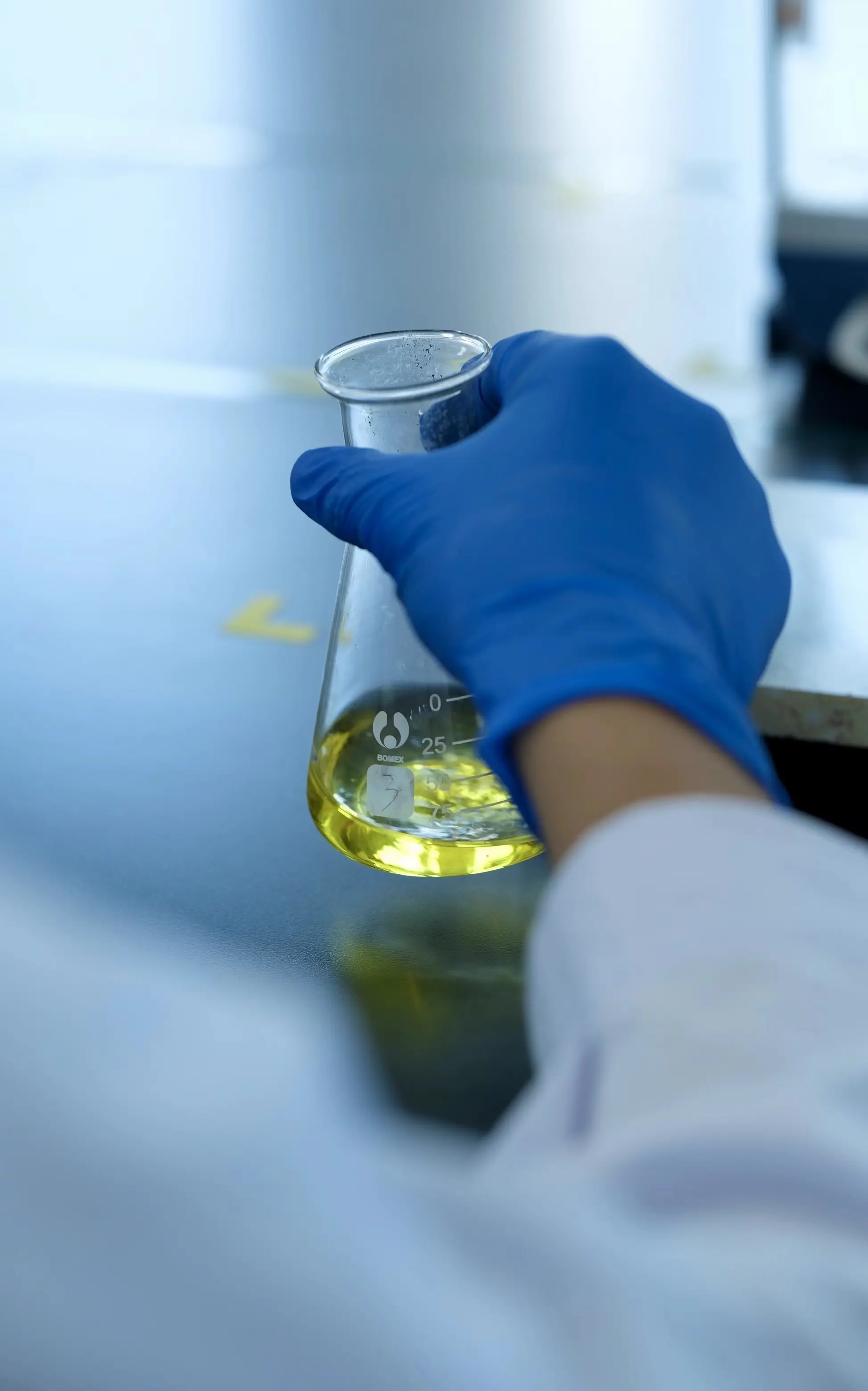
Navigating chemical stability, shelf-life preservation, and shipping logistics for international bulk buyers.
Procuring bulk chemical agents globally demands stringent quality assurance and logistical foresight. For Polyferric Sulfate and other water treatment agents, global buyers face specific challenges: maintaining active iron stability, avoiding crystalline precipitation during transit, and keeping shipping costs down. As an established exporter, Smedic addresses these challenges through optimized physical states, specialized packaging, and strict moisture controls.
We supply both liquid (11% Fe content) and solid (21% Fe content) PFS. For trans-oceanic shipping, our high-purity solid PFS powder minimizes bulk freight weight and eliminates leaking hazards, while dissolving quickly upon arrival at the dosing terminal.
By refining polymerization times and regulating basicity ratios, we prevent PFS aging and crystallization. Our solid coagulants maintain complete efficacy for over 12 months in correct dry-storage conditions.
Our network of logistics hubs in Hebei, Shandong, and Sichuan allows us to coordinate combined orders. We can ship coagulants, defoamers, and membrane scale inhibitors together in unified containers, cutting port-handling delays.
Academic integration and proprietary patent breakthroughs that drive our technical excellence.
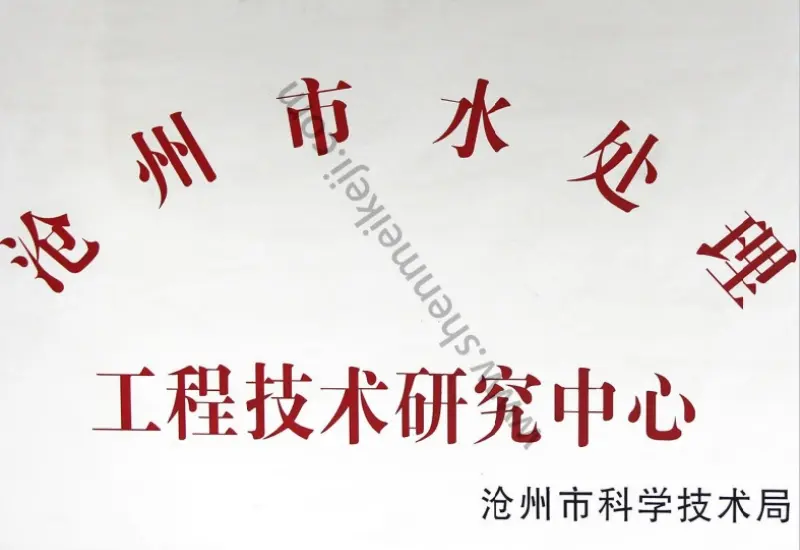
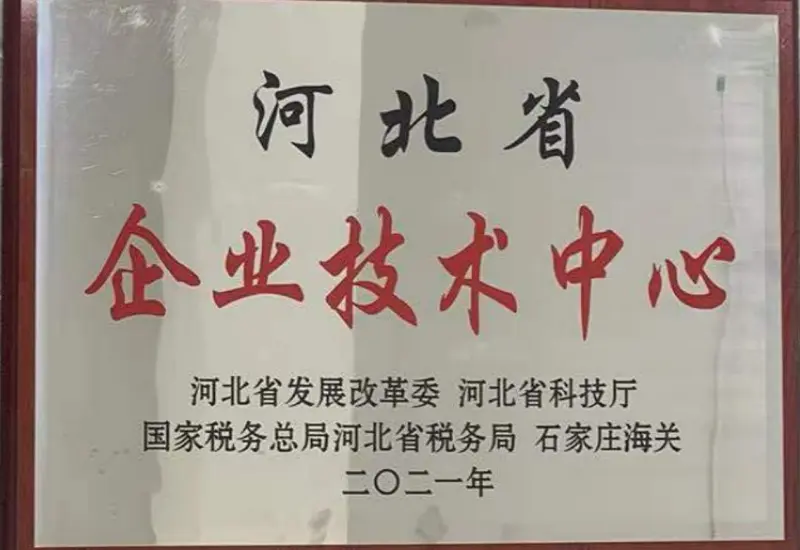
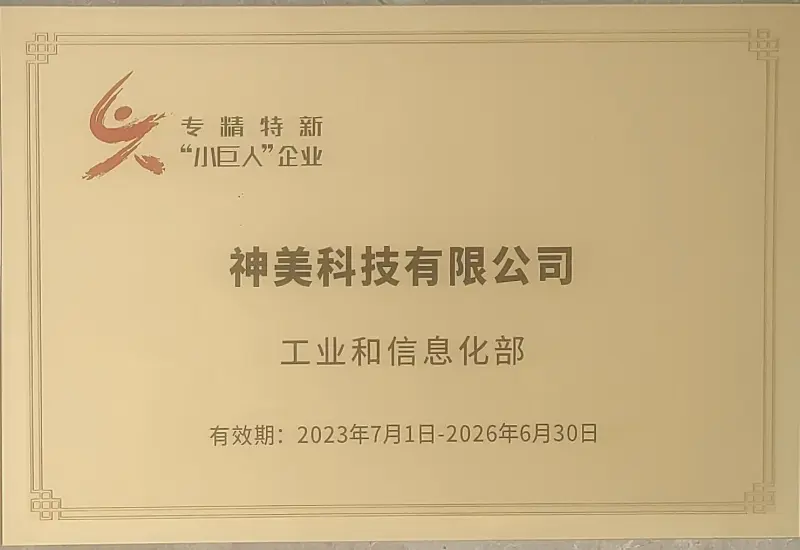
Smedic operates at the intersection of scientific innovation and industrial scale. We have been awarded numerous national and provincial distinctions, including National High-tech Enterprise, National Specialized, Refined, Unique and Innovative "Little Giant" Enterprise, and the Hebei Province Green Factory certification. Our R&D structure includes one primary academy, three specialized research institutes, and five development bases, positioning us as a Class A R&D institution in Hebei Province.
To foster real-world innovation, we operate a dedicated expert workstation alongside the Tsinghua University Association of Senior Scientists and Technicians. We also run joint R&D laboratories with Shandong University and Beijing University of Technology, and act as a commercialization partner for chemical innovations developed at Peking University and Tianjin University.
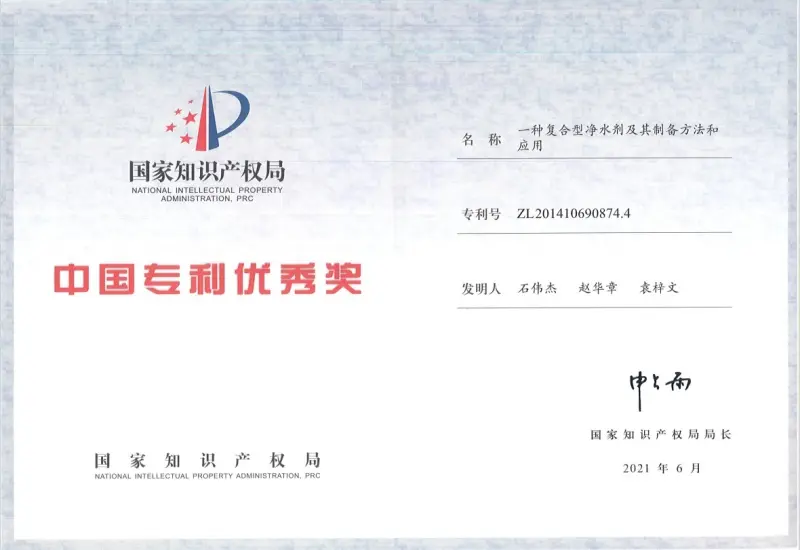
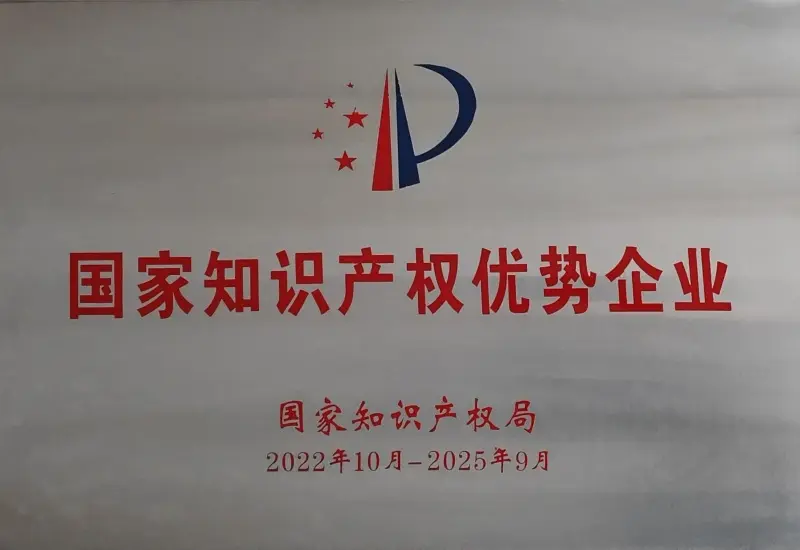
We hold over **60 Chinese patents** (including 40+ invention patents and 20+ utility model patents). Smedic has led the drafting of more than 10 national and industry standards for composite carbon sources, composite coagulants, sodium acetate, and specialized nitrifying bacterial agents.
Beyond basic settling: engineered chemical actions for heavy metals, phosphates, fluoride, and foaming issues.
Stricter discharge standards demand phosphorus levels below 0.5 mg/L. Smedic’s Polyferric Sulfate and deep multi-nuclear phosphorus removal agents chemically precipitate orthophosphates, converting dissolved phosphorus into stable, easily filterable inorganic sludges.
Our Fluoride Removal Agent employs cooperative coordination and physical adsorption to reduce fluoride concentrations in industrial effluents to below 1 mg/L, outperforming traditional lime-based precipitation treatments.
Uncontrolled foam in aeration basins impairs gas transfer and disrupts clarifier operations. Smedic's polyether and silicone-based defoamers break down foam interfaces quickly, maintaining structural integrity across wide thermal ranges.
Tracking our path from a regional chemical supplier in Beijing to an industry-leading water treatment brand.
Smedic Technology is founded in Beijing, focusing on specialty environment-friendly agents.
Established a complete, certified product portfolio targeted at municipal wastewater treatment facilities.
Expanded production capacity into Southwest China by launching the Guiyang production base.
Completed major expansion across Hebei, Shandong, and Guizhou bases, pushing total annual output past 1 million tons.
Recognized as a National Specialized, Refined, Unique and Innovative Small and Medium-sized Enterprise.
Formed a strategic joint venture with the Chengdu Institute of Mineral Comprehensive Utilization, China Geological Survey, targeting specialized mining separation agents.
Advancing eco-friendly chemical synthesis and automated, sensor-driven dosing systems.
The next era of water treatment focuses on reducing the environmental footprint of water chemicals. Traditional manufacturing methods for Polyferric Sulfate often generate acid mist and mineral impurities. Smedic is leading the shift toward green-synthesis technologies that utilize recycled byproduct iron oxides, turning industrial waste into high-value water purification polymers.
Additionally, we are integrating water chemistry with digital automation. Over-dosing coagulants wastes materials and increases chemical sludge volume, while under-dosing leads to discharge compliance failures. Smedic's future technical roadmap centers on smart chemical systems that combine UV-Vis spectrophotometers, zeta potential sensors, and AI-driven feed-forward control loops.
Clear, expert-reviewed answers to common technical queries about Polyferric Sulfate (PFS) application, safety, and chemical storage.
Explore our specialized formulations, including high-molecular-weight polymers, target-specific adsorbents, and defoaming agents.
 Smedic Tech