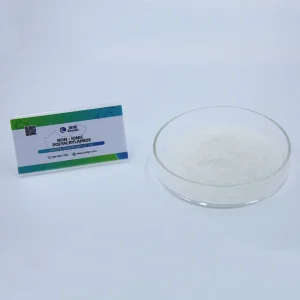
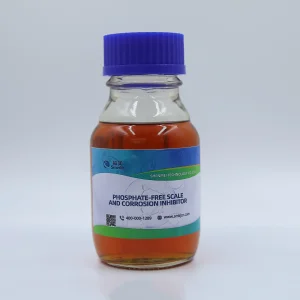
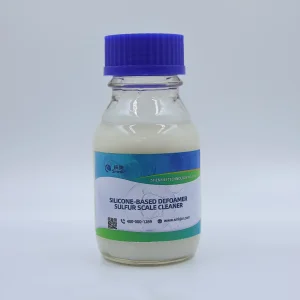
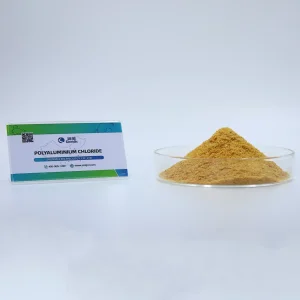
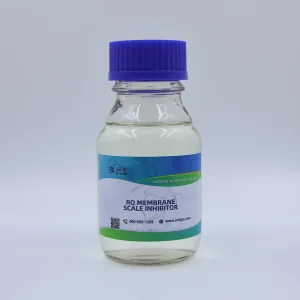
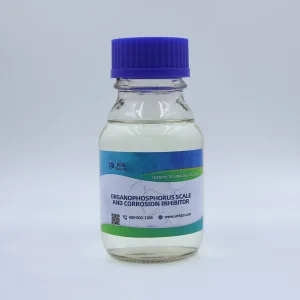
Industrial Reverse Osmosis (RO) systems operate as the heart of heavy-industry desalination, zero liquid discharge (ZLD) installations, and municipal wastewater reclamation setups. Over time, these membranes undergo physical, chemical, and biological degradation due to foulant deposition. Common scaling elements include inorganic species like calcium carbonate, calcium sulfate, silica, barium sulfate, and strontium sulfate. Left untreated, scaling reduces permeability, increases feed pressure requirements, and ultimately destroys expensive membrane elements.
Smedic Technology’s advanced scale inhibitors and specialized cleaners leverage threshold inhibition, crystal distortion, and dispersing mechanisms. By distorting crystal structures at the sub-microscopic level, our chemical agents prevent scale matrices from binding to the thin-film composite polyamide layer of the membrane. This keeps the membranes clean, reduces maintenance downtime, and optimizes energy consumption.
Established in 2011, Smedic Technology Co., Ltd. is a comprehensive environmental chemical pioneer integrating advanced R&D, high-capacity manufacturing, global distribution, and professional engineering services. With over 80 formulations, we support water purification across municipal, petrochemical, mining, and oilfield sectors.
From our strategic headquarters in Beijing, we coordinate manufacturing operations across wholly owned production hubs in Hebei, Guizhou, and Shanxi. Our logistical reach is supported by over ten partner factories and regional warehousing hubs situated in Shandong, Anhui, Guangxi, and Sichuan. This grid ensures that global supply chains remain secure, reliable, and prompt, offering seamless export routes to international ports.
Presently, Smedic’s services cover over 20 provinces across China, catering to more than 600 municipal sewage treatment facilities and 1,000+ industrial enterprise clients in oilfields, mineral extraction, and chemical cooling loops. We have earned a strong reputation as a trusted primary vendor for large water conglomerates, including Beijing Enterprises Water Group, Shouchuang Ecological Group, and Yangtze River Ecological Group.
Modern engineering departments, environmental managers, and industrial buyers look for cost efficiency, long-term membrane health, and compliance with local green standards.
As nations implement stricter wastewater discharge standards, phosphonate-based anti-scalants face limits due to eutrophication concerns. Smedic’s green, phosphorus-free options comply with local environmental regulations without sacrificing scale inhibition.
Membrane replacement accounts for a significant portion of an RO plant's operating costs. Regular chemical cleaning and precision anti-scalant dosing protect membrane polymers, helping to extend element life past five years.
Minimizing clean-in-place (CIP) frequency directly reduces chemical spend, energy requirements, and plant downtime. Our advanced dispersants prevent bio-slime and particulate buildup, keeping operational efficiency high.
RO membrane cleaning is most effective when integrated into a comprehensive pre-treatment and water purification plan. Below, we map out how different Smedic product groups work together throughout the industrial treatment cycle:
| Treatment Stage | Primary Agents & Polymers | Function & Mechanism | Impact on RO Membranes |
|---|---|---|---|
| Primary Clarification | PAC Coagulant & Anionic APAM | Destabilizes charges and aggregates suspended solids, silt, and clay. | Reduces particulate loading and SDI (Silt Density Index) feed levels. |
| Organic & Heavy Metal Stripping | Fluoride/Heavy Metal Removers | Precipitates dissolved metalloids and heavy ions from the feed water. | Prevents metallic catalysis scaling on membrane spacer nets. |
| In-Line Scale Control | Organophosphorus & Phosphate-Free Inhibitors | Distorts crystals and disperses scaling salts to keep them in solution. | Prevents precipitation of calcium carbonate, calcium sulfate, and silica. |
| Process Defoaming | Organic Silicone & Polyether Defoamers | Reduces surface tension to collapse micro-foams in degassing and feed sumps. | Prevents cavitation in high-pressure pumps, ensuring steady feed rates. |
| Sludge Dewatering | Cationic CPAM & Non-Ionic NPAM | Agglomerates waste biomass and chemical sludge to simplify mechanical press filtration. | Improves recovery rates for water reclamation and ZLD loops. |
E-E-A-T Technical Insight: The efficiency of an RO membrane is determined by concentration polarization at the boundary layer. Scaling agents must modify the kinetics of crystal nucleus formation. In-line application of Smedic scale inhibitors increases the induction period of mineral crystallization, allowing supersaturated salts to flow through the brine channel without precipitating.
Smedic Technology’s R&D program is led by a team of academicians, research professors, and senior chemical engineers. We operate a multi-tier technical innovation network centered around one academy, three research institutes, and five production facilities.
We support several provincial-level engineering stations, including the Hebei Advanced Water Treatment Chemicals Technology Innovation Center and the Cangzhou Water Engineering Center. Recognized as a Class A R&D institution in Hebei Province, Smedic operates an expert workstation in collaboration with the Tsinghua University Association of Senior Scientists, alongside joint R&D laboratories with Shandong University and Beijing University of Technology.
Our research and engineering achievements have earned over 60 Chinese patents, including 40+ invention patents and 20+ utility model patents. We have also helped draft and refine more than ten national and industry standards, including those for composite carbon sources, composite coagulants, and sodium acetate.
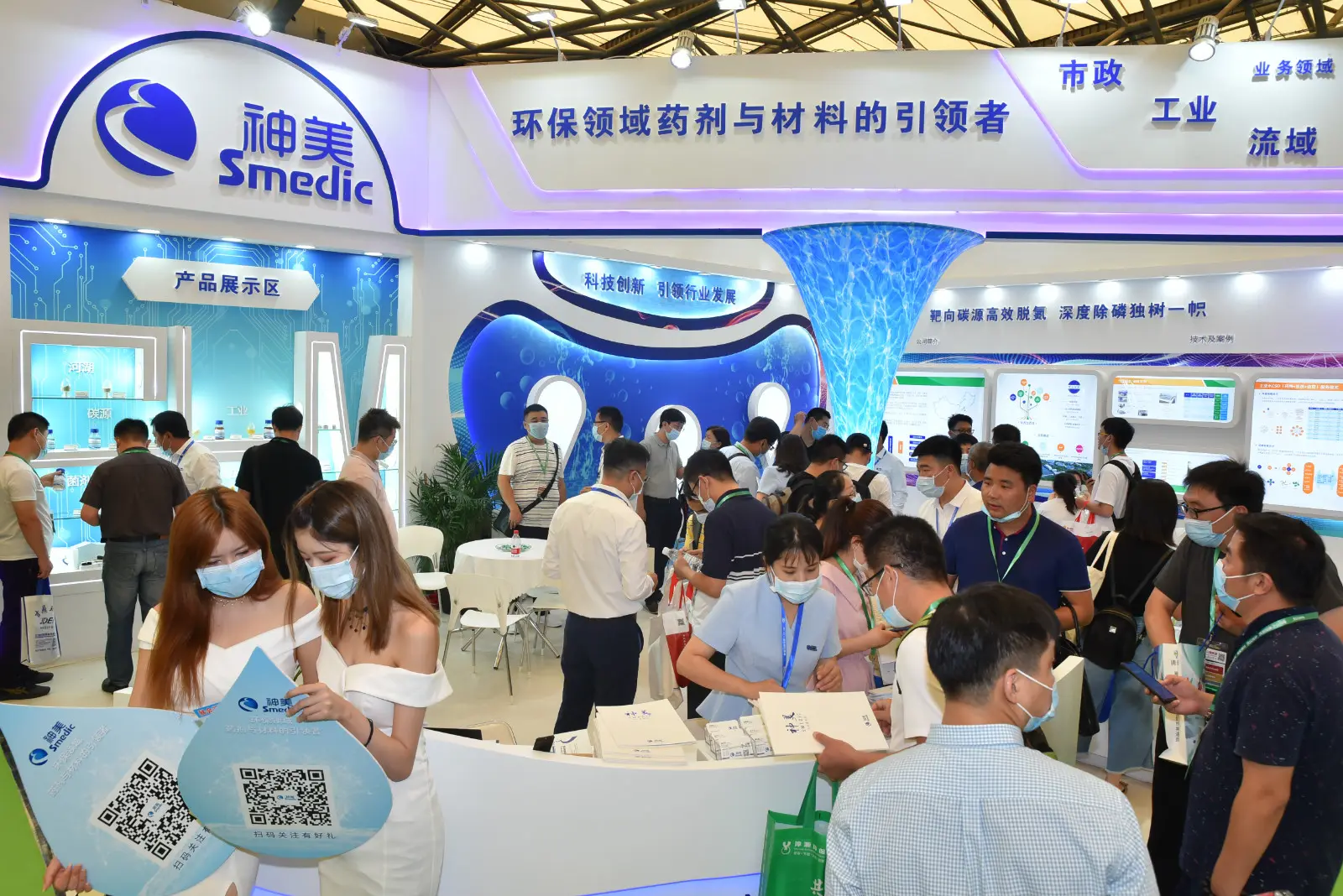
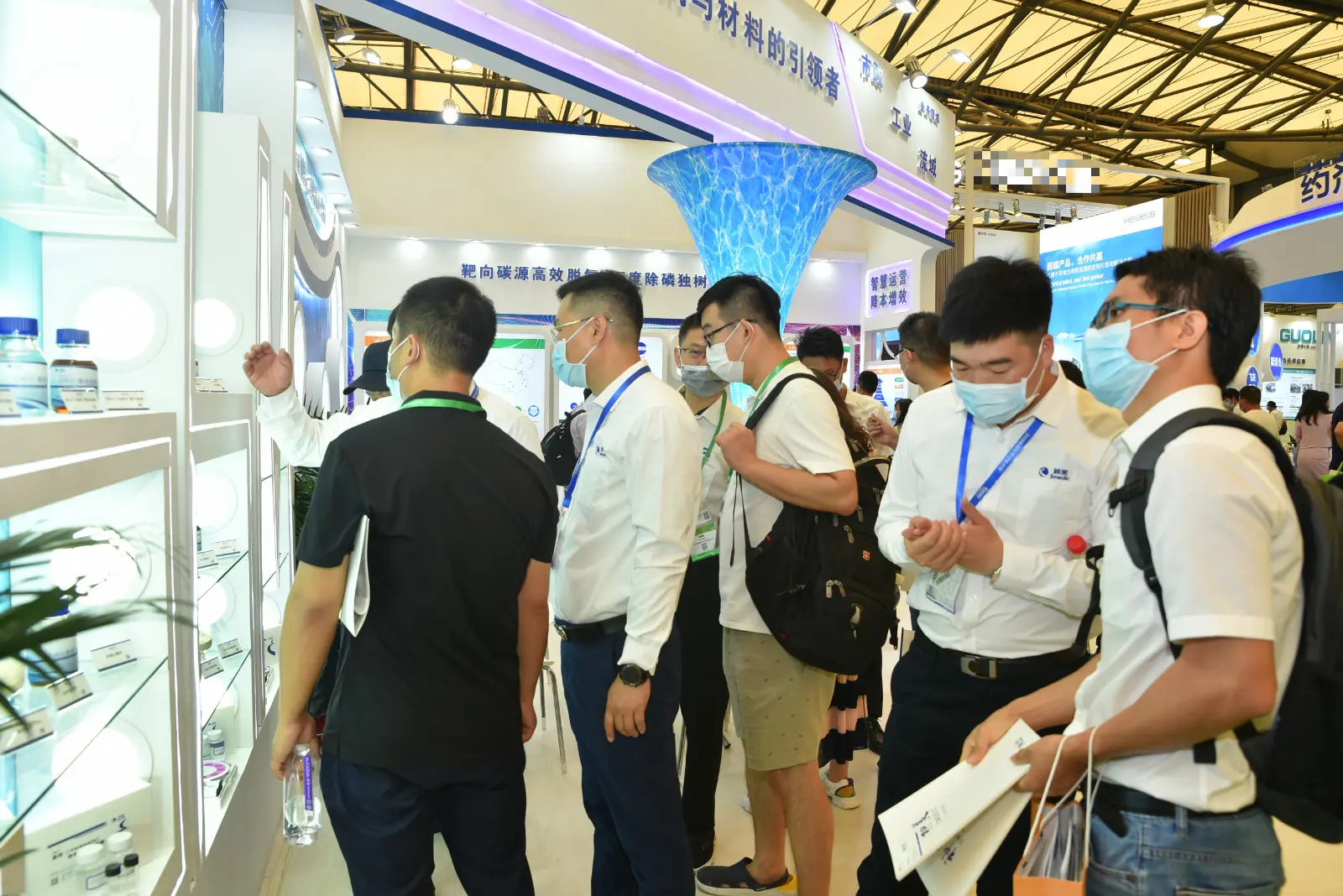
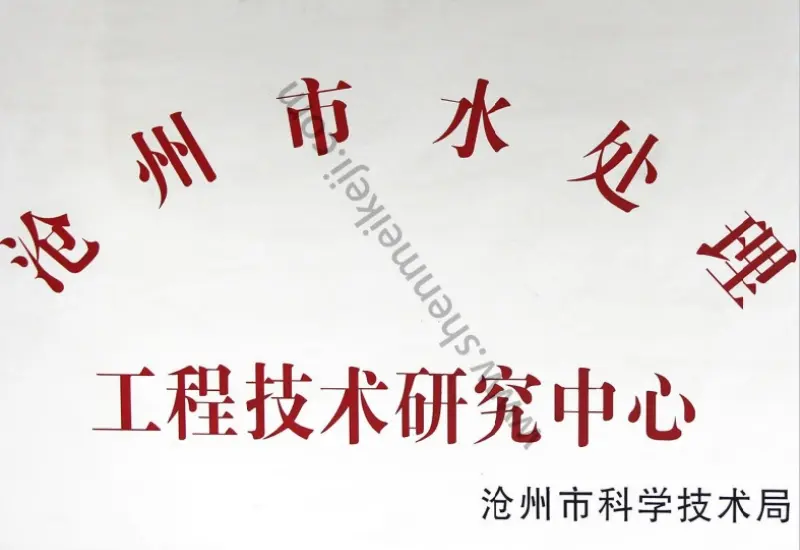
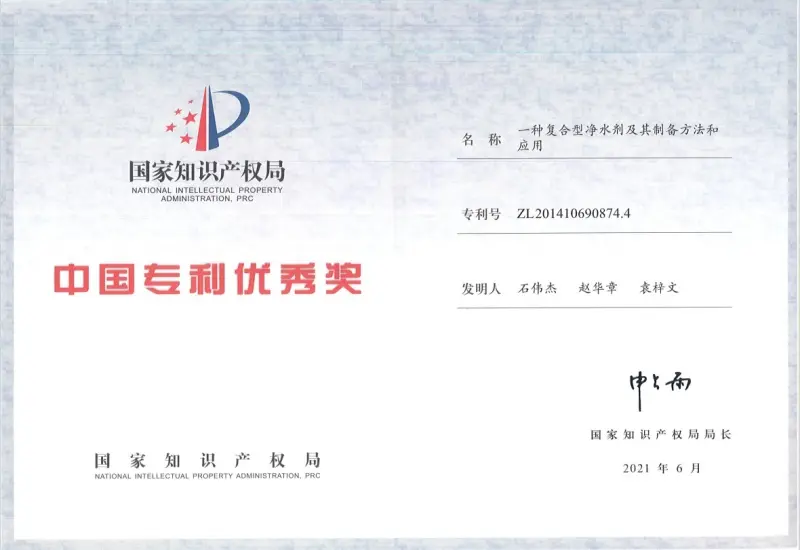
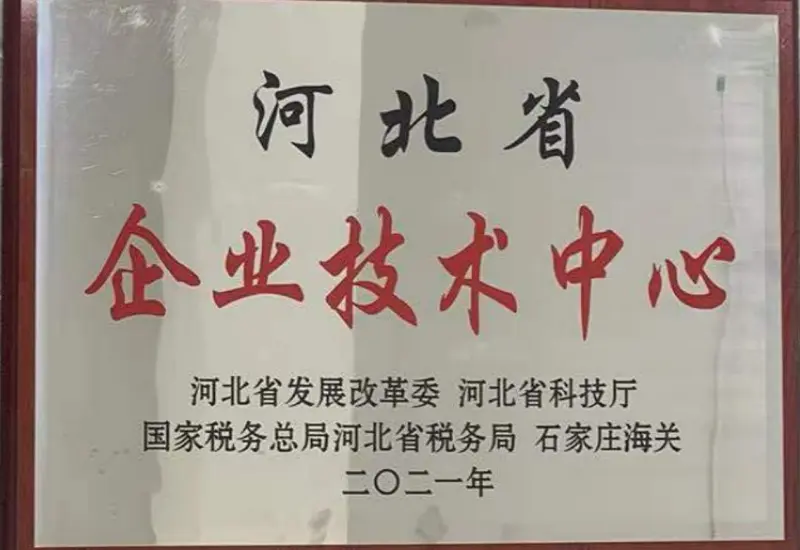
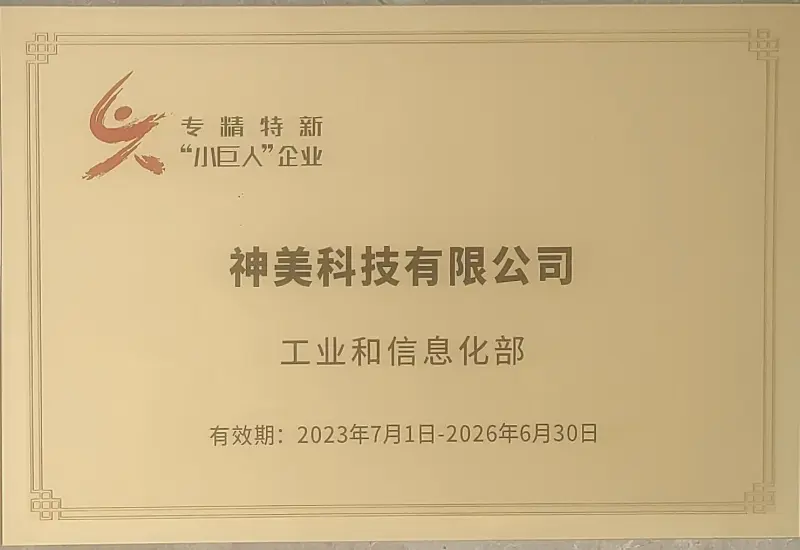
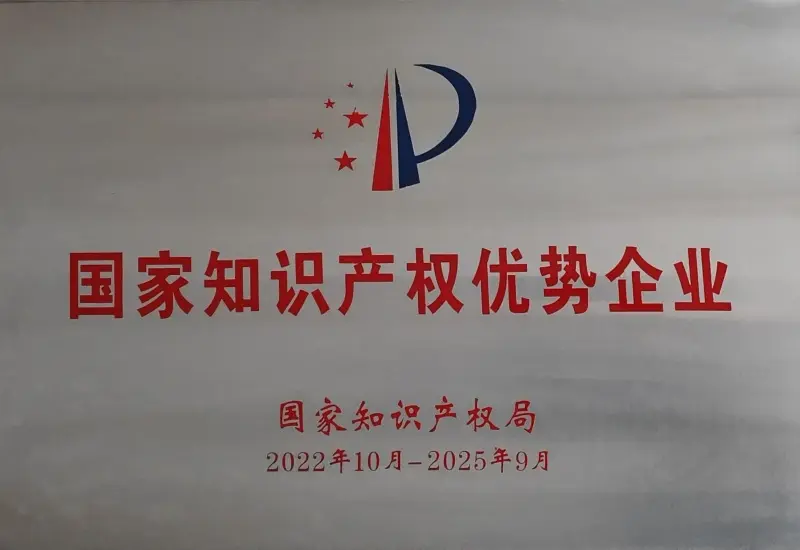
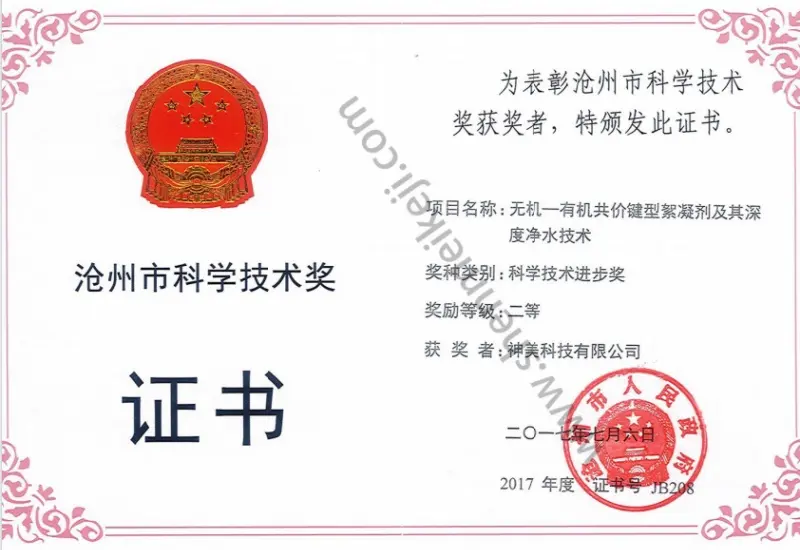
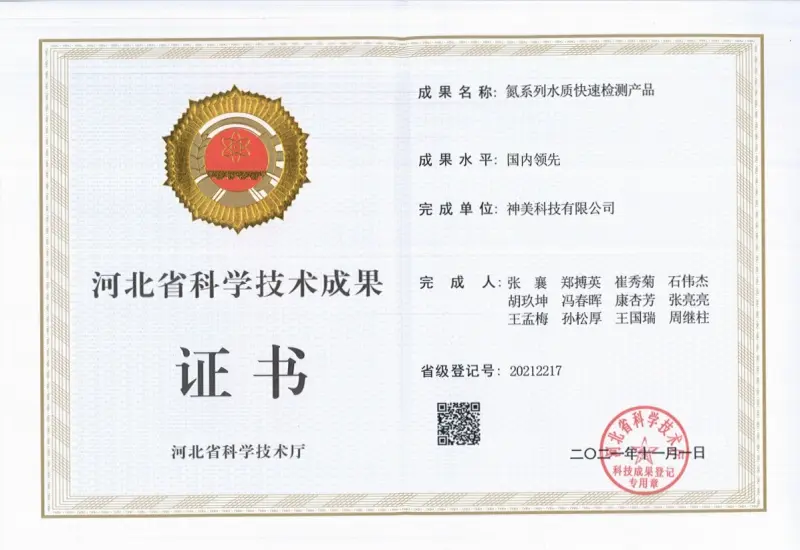
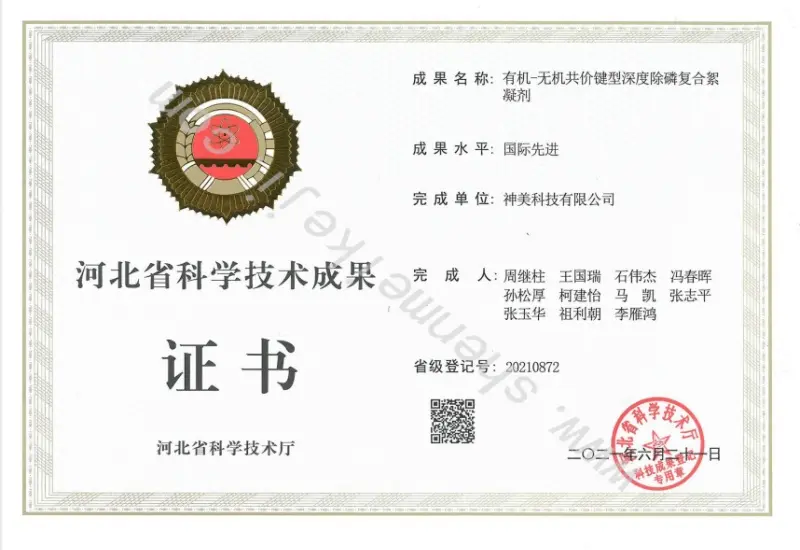
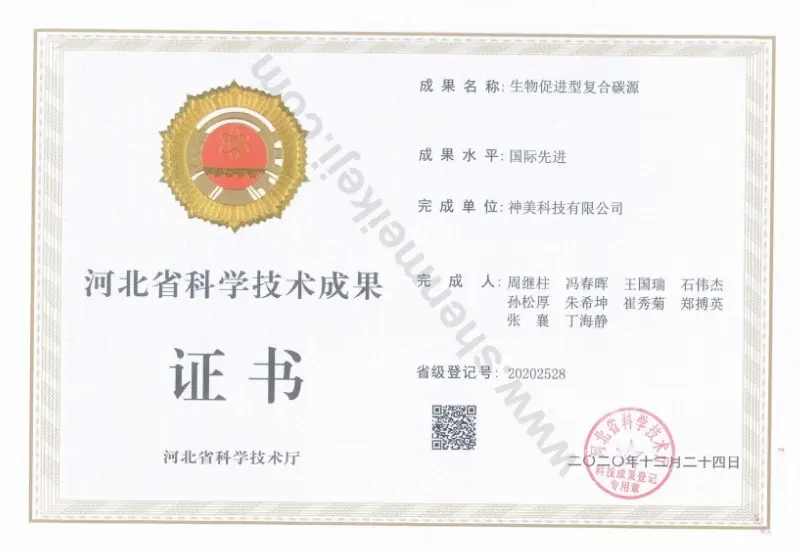
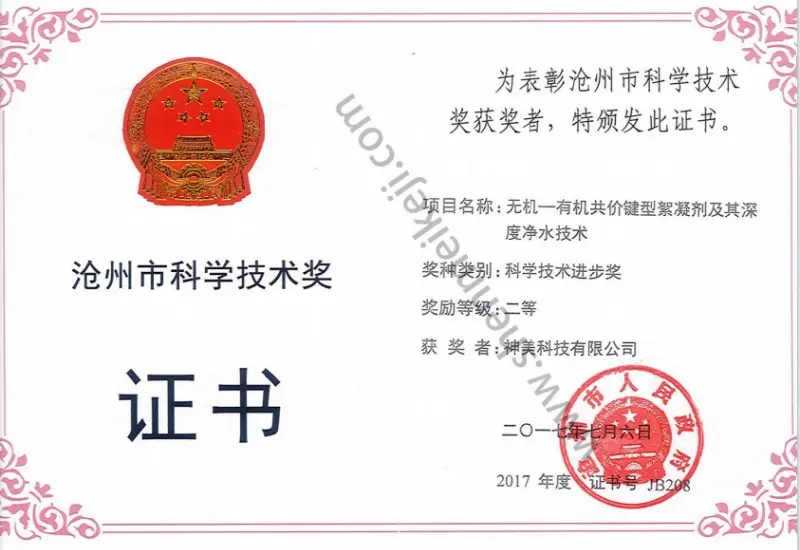
Our growth mirrors the evolution of China's environmental protection sector, shifting from basic municipal treatment to specialized industrial chemical synthesis.
Smedic was founded, focusing on R&D for advanced municipal water treatment flocculants and polymers.
Established a complete portfolio of environmental agents for municipal wastewater treatment.
Recognized as a national high-tech enterprise, expanding into industrial cooling loop scale inhibitors.
Established our Guiyang manufacturing base to support environmental chemical demand in southwest China.
Completed expansions of our Hebei, Shandong, and Guizhou facilities, pushing our total production capacity beyond 1 million tons per year.
Recognized as a National Specialized, Refined, Unique, and Innovative "Little Giant" enterprise for our advancements in polymer technology.
Established our provincial-level R&D platform in Hebei to focus on membrane-specific anti-scalants and green, phosphate-free cleaners.
Recognized as a National Intellectual Property Advantage Enterprise with over 60 utility and invention patents.
Formed a joint venture with the Chengdu Institute of Mineral Comprehensive Utilization, China Geological Survey, to develop specialized mineral processing agents.
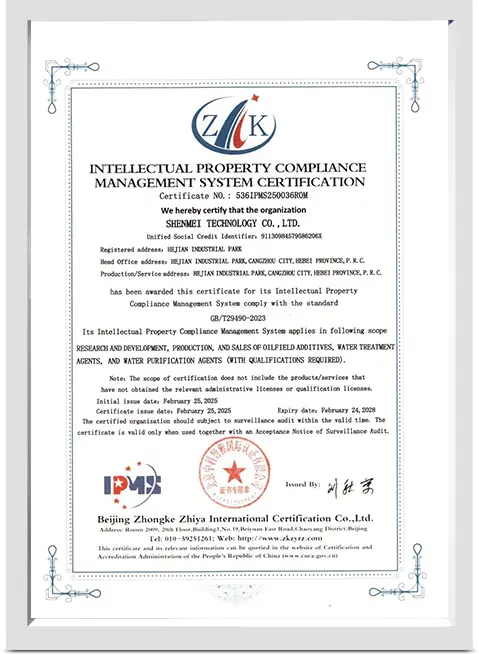
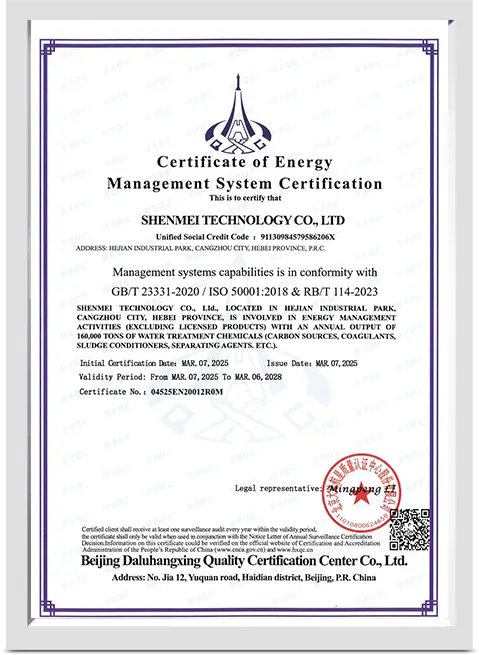
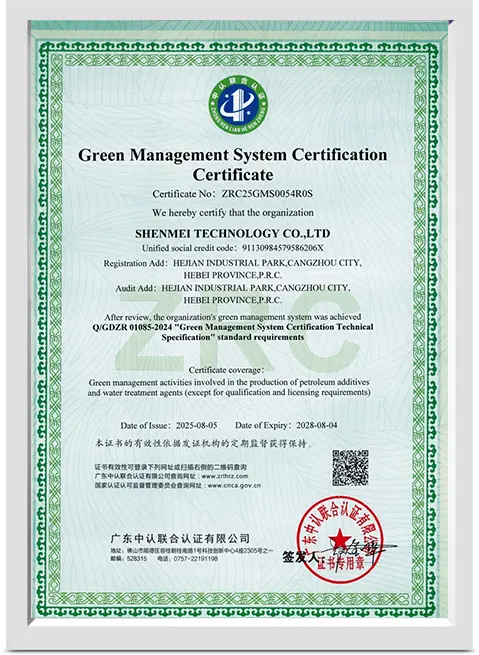
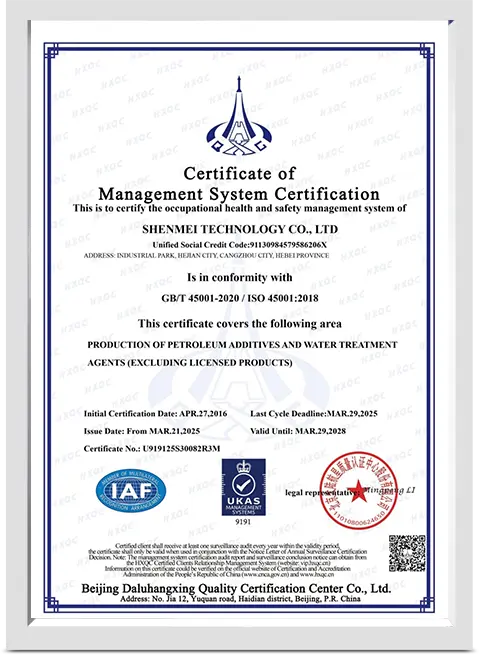
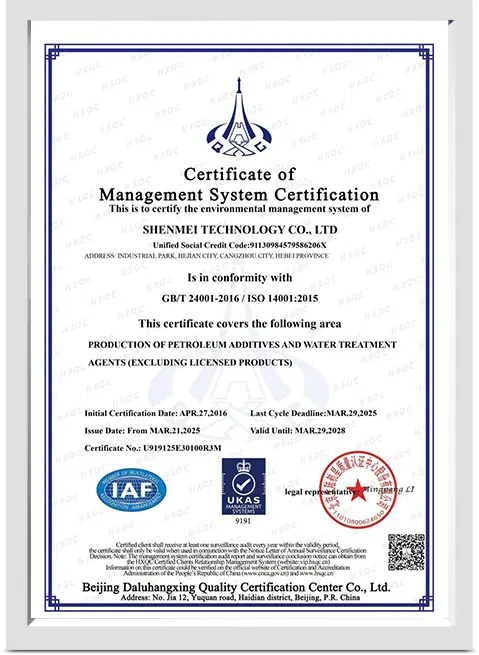
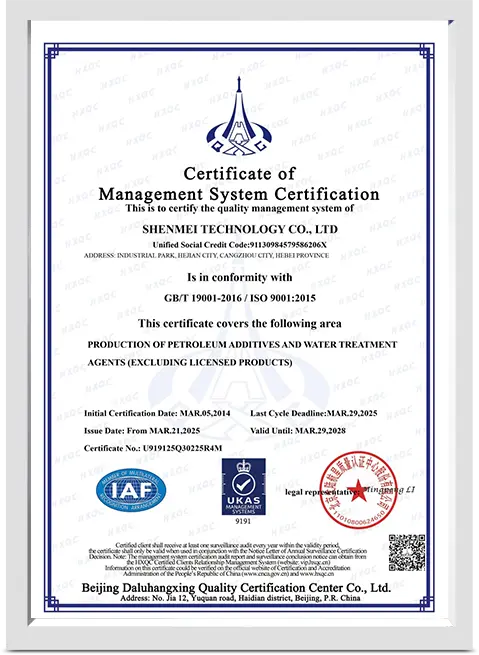
For global industrial procurement, product performance is only half the battle; reliable supply and regulatory compliance are equally critical. Smedic operates a network of warehousing and distribution centers located near major commercial hubs and ports in China. This infrastructure allows us to guarantee reliable delivery windows for overseas clients.
All Smedic manufacturing sites operate under international quality standards, including ISO 9001 (Quality Management), ISO 14001 (Environmental Management), and ISO 45001 (Occupational Health and Safety). Our products are formulated to comply with regional regulations, including REACH for European markets and national municipal drinking water standards.
To address rising global water scarcity and zero-liquid discharge policies, our technology roadmap focuses on developing next-generation green, biodegradable scale control options.
We are developing high-efficiency, phosphorus-free, biodegradable scale inhibitors using green chemistry pathways. These formulations prevent mineral scaling while minimizing environmental impact upon discharge.
Our engineering divisions are testing real-time sensor feedback systems. By dynamically adjusting inhibitor dosage based on online pH, conductivity, and temperature measurements, operators can avoid under- or over-dosing.
Silica scaling remains a key challenge for RO systems operating in arid regions. Our research focuses on developing polymer formulations that stabilize silica concentrations up to 300 ppm, enabling higher system recovery rates.
Common technical and logistical questions answered by Smedic’s senior chemical engineers.
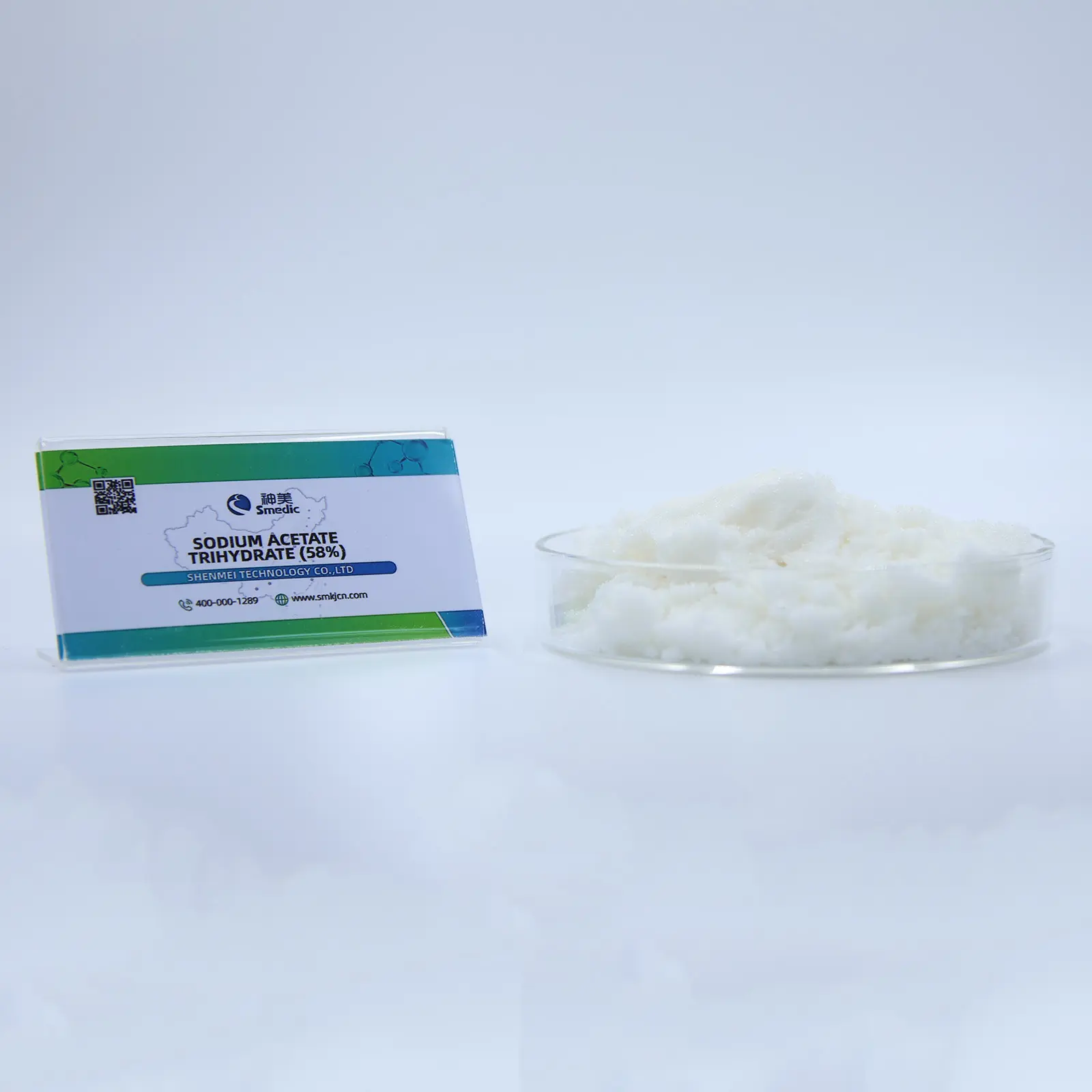 Sodium Acetate
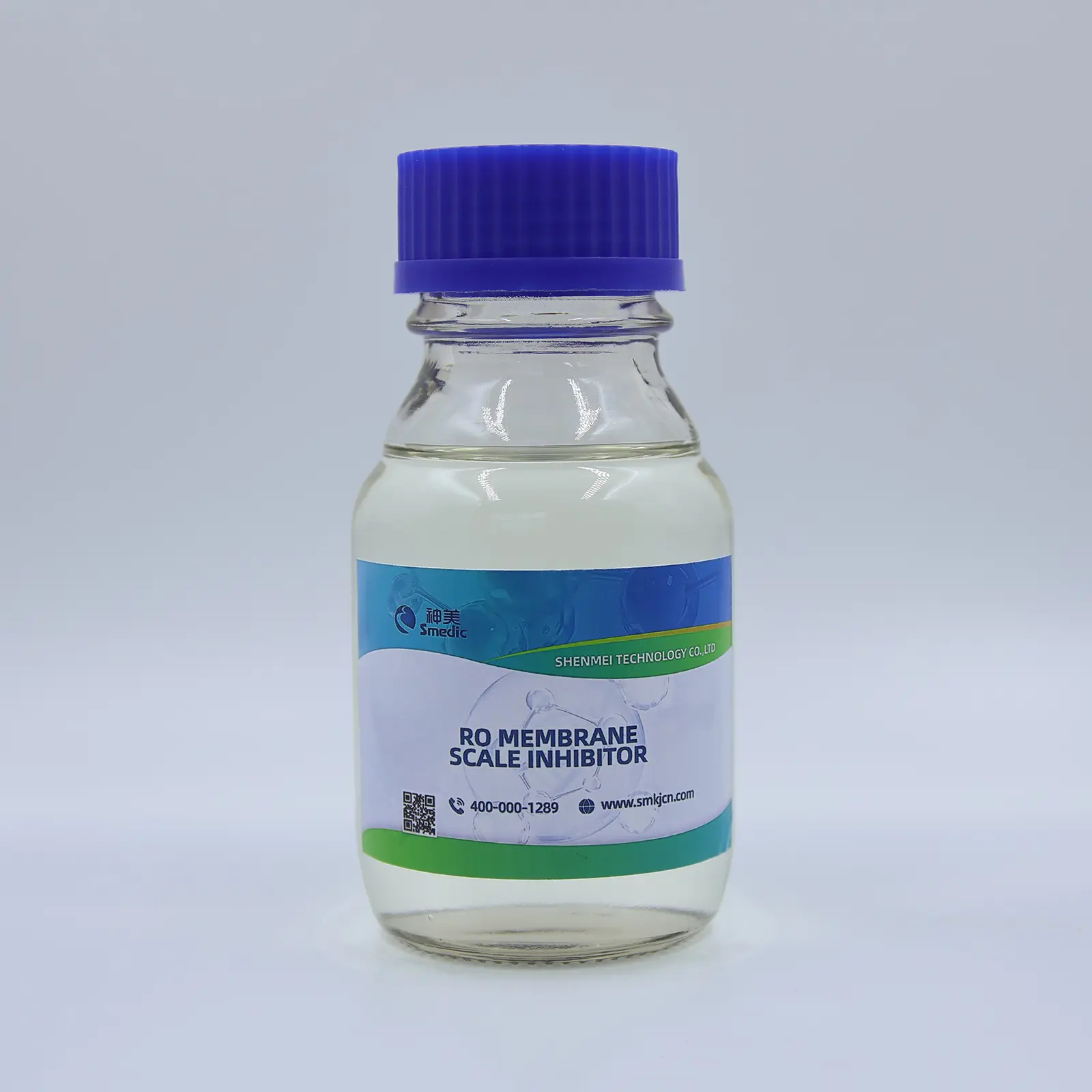 Scale Inhibitors
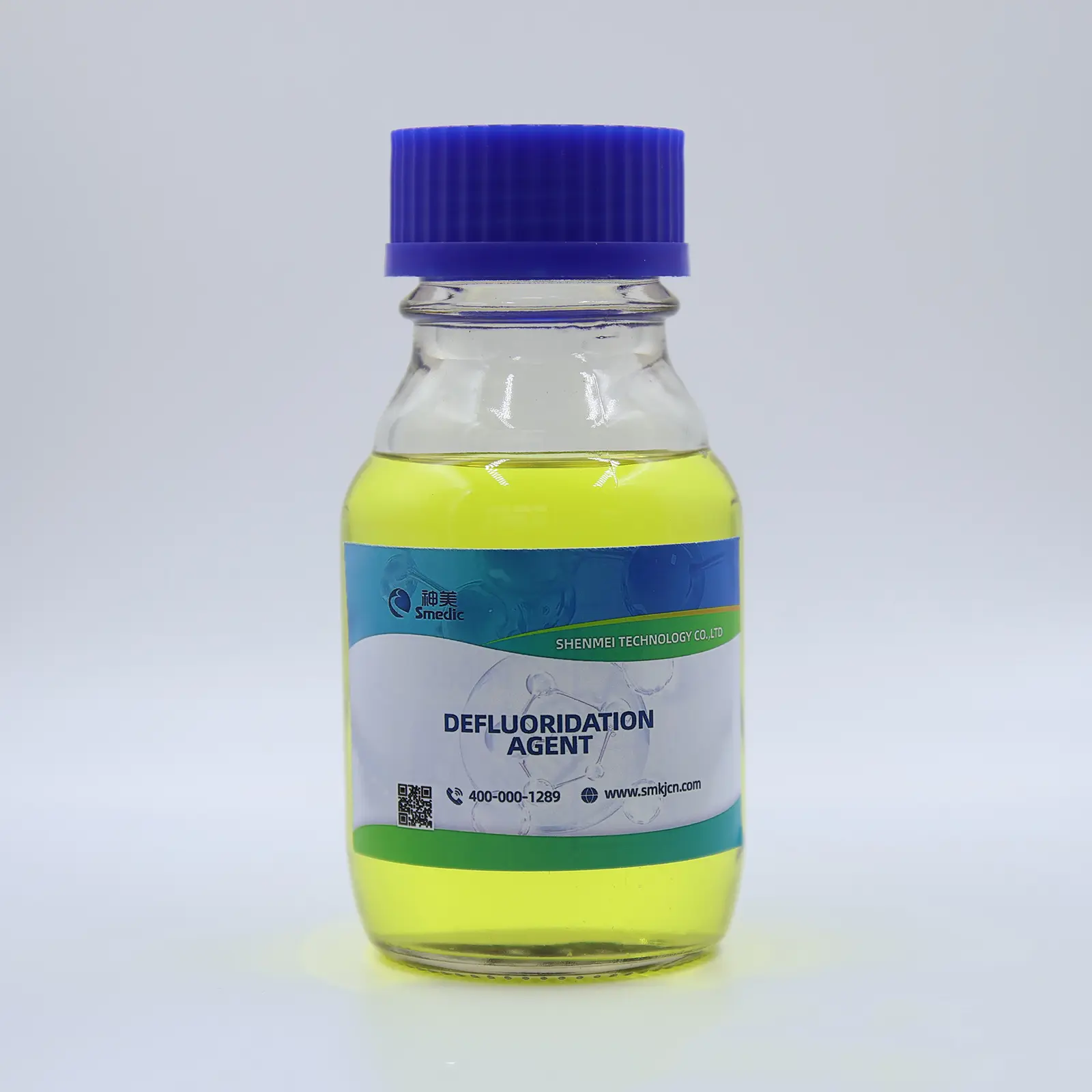 Fluoride Removal
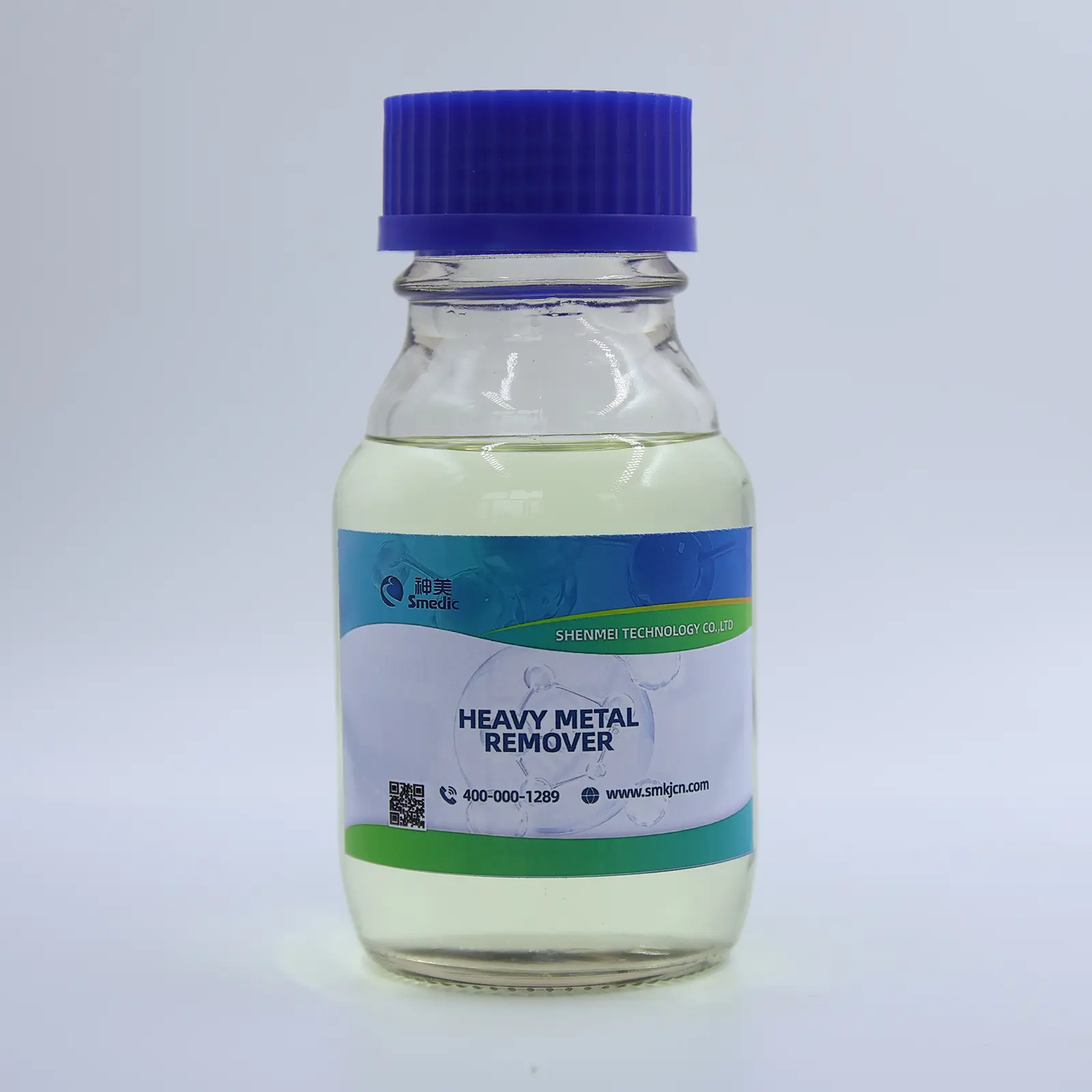 Heavy Metals
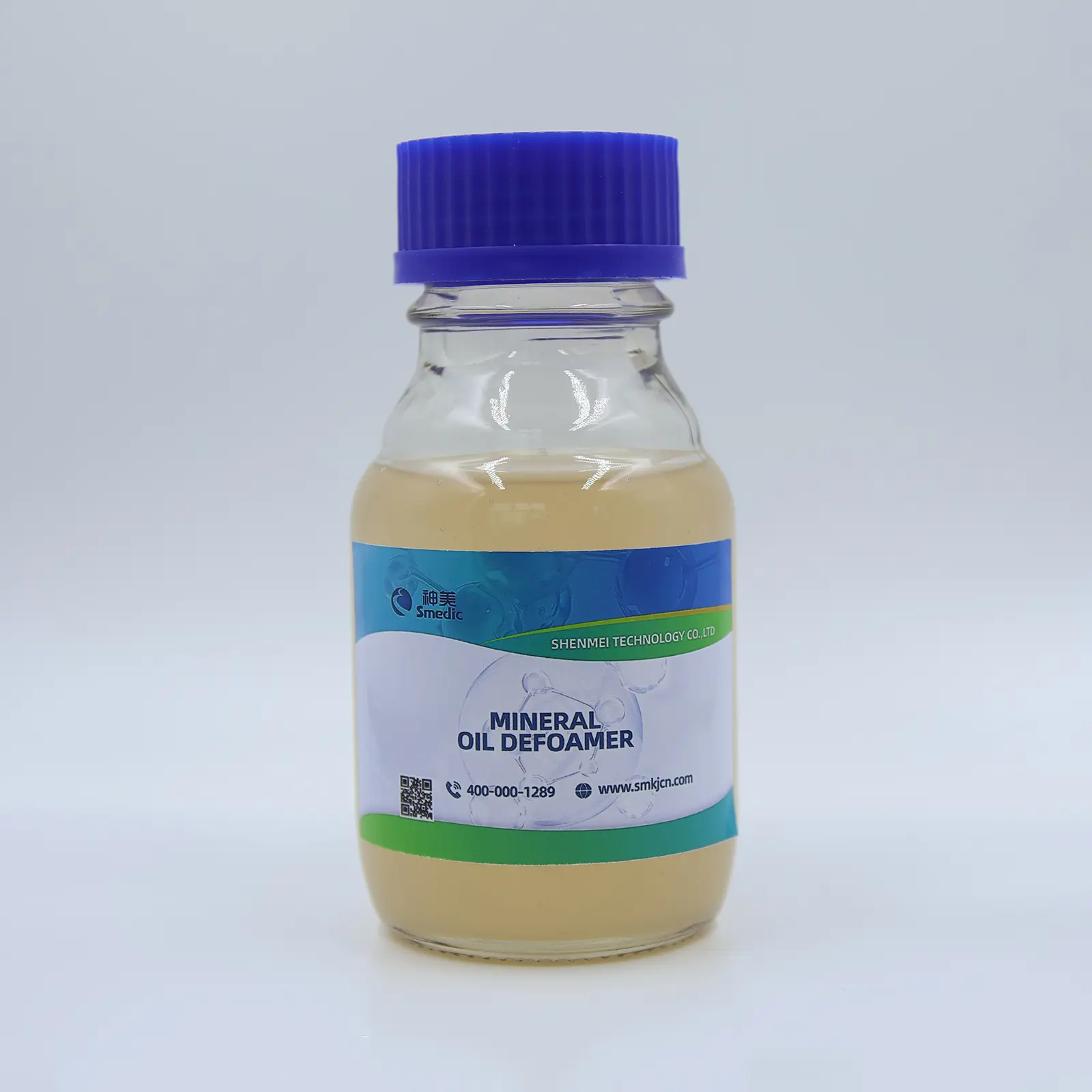 Mineral Defoamers
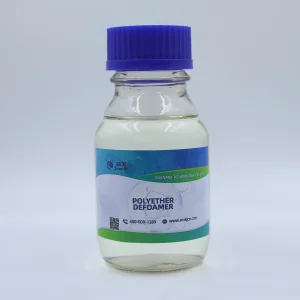
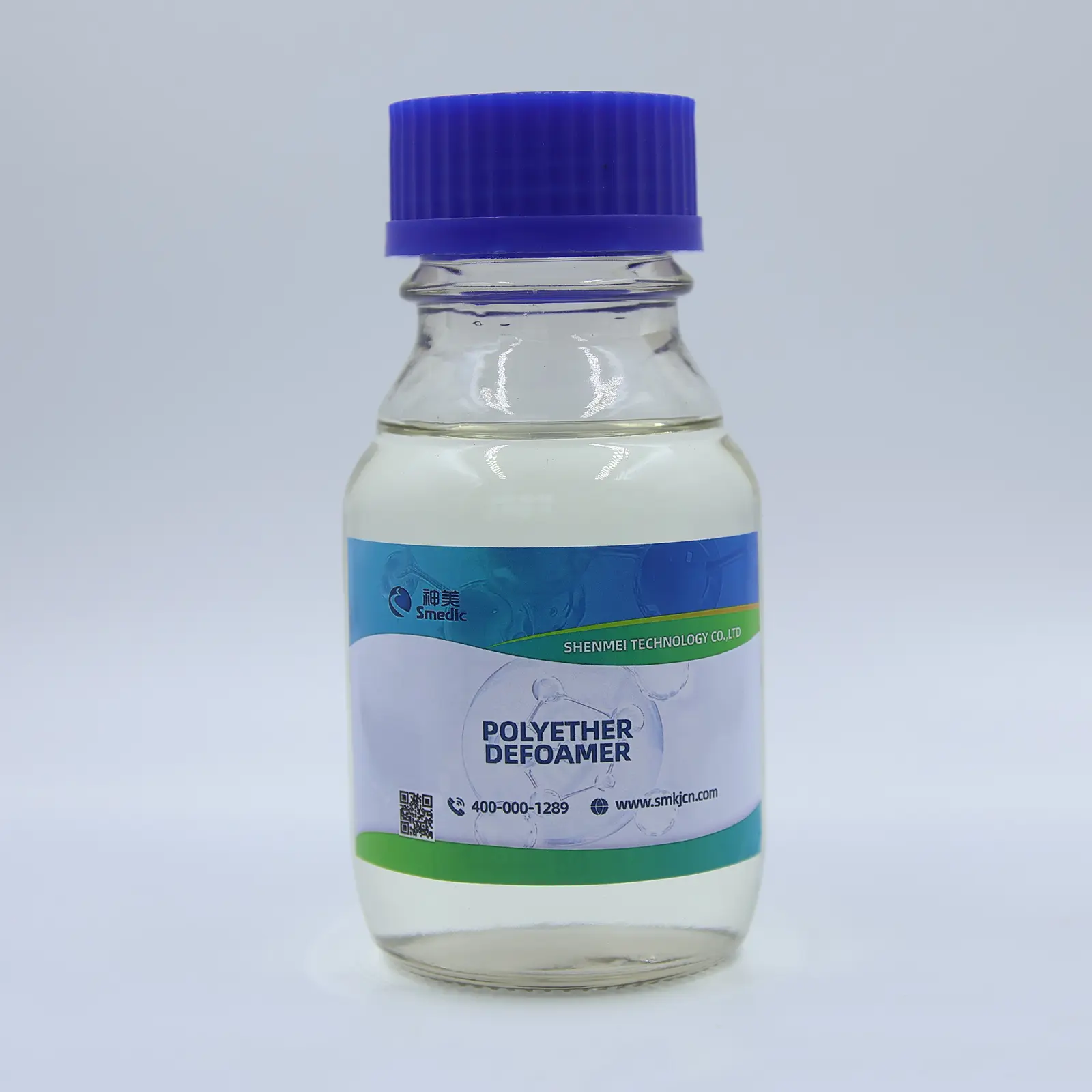 Polyether Defoamers
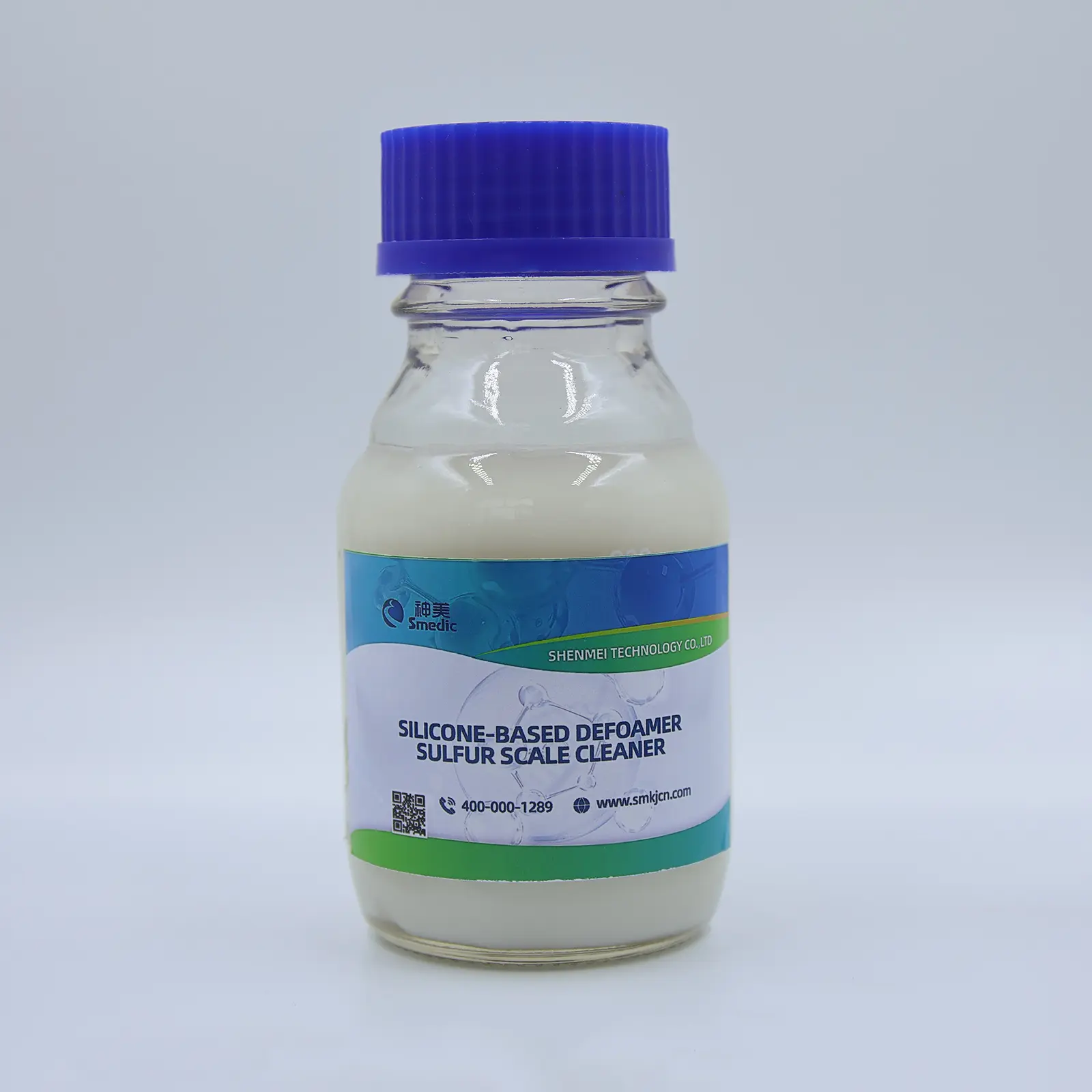 Silicone Defoamers
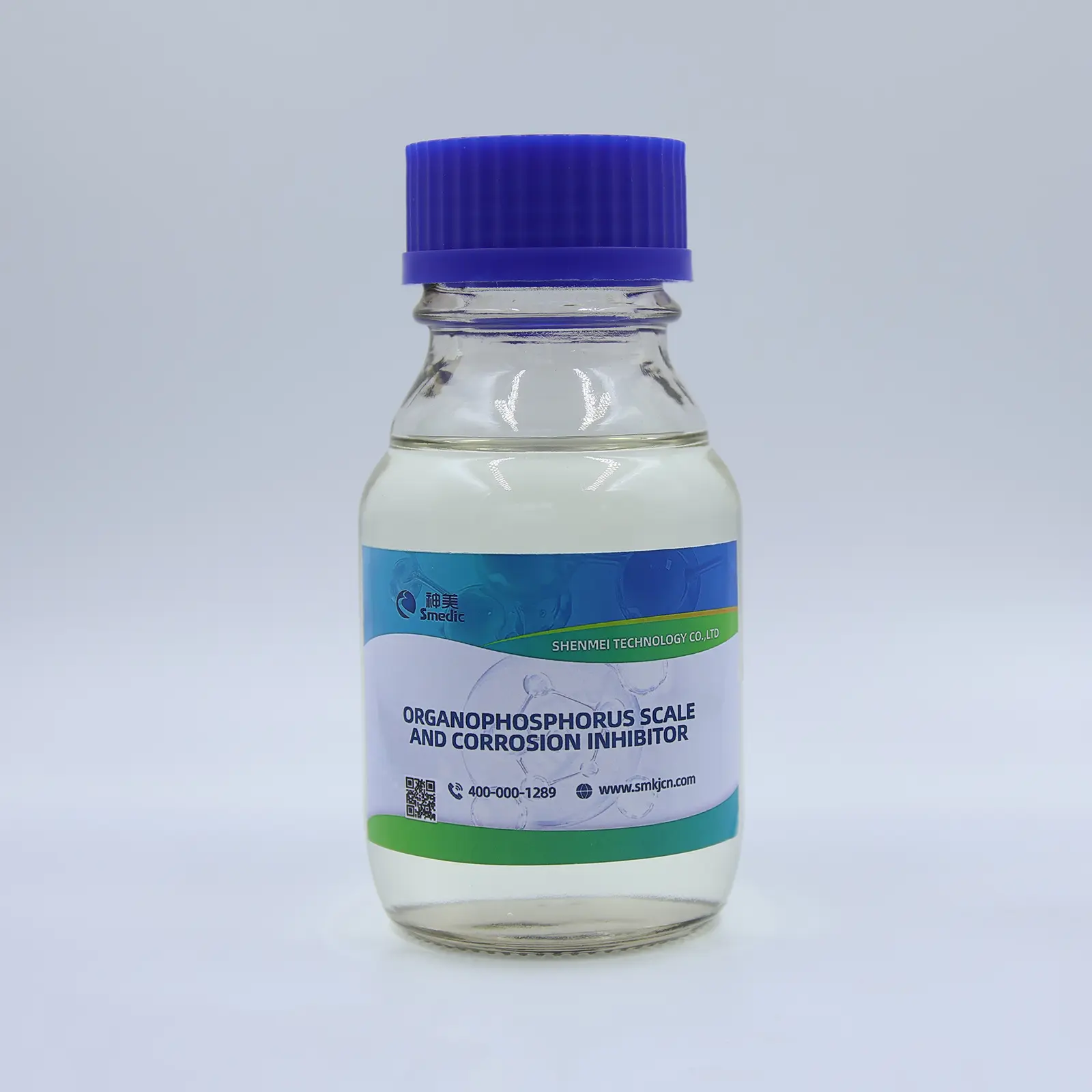 Organophosphorus
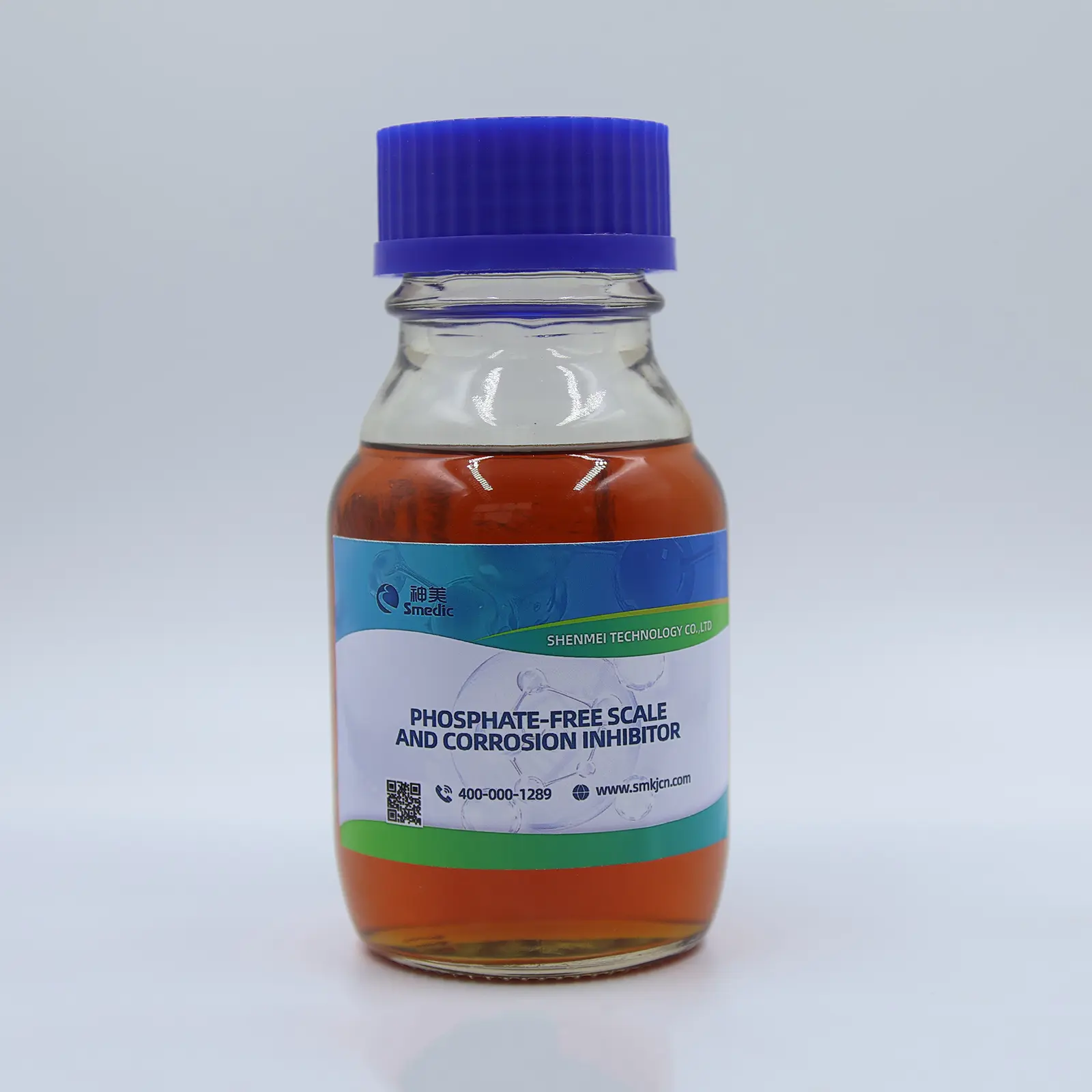 Phosphate-Free
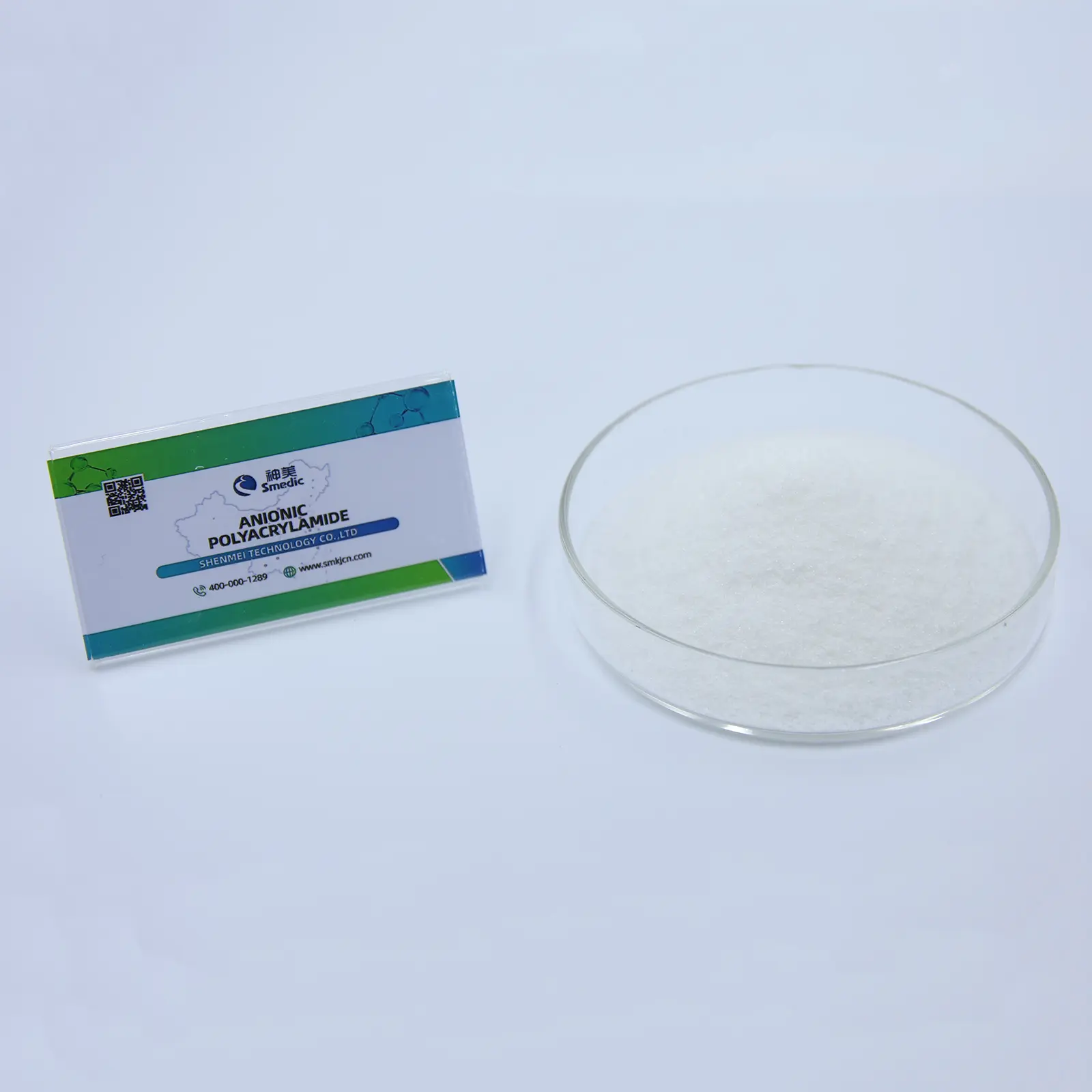 Anionic PAM
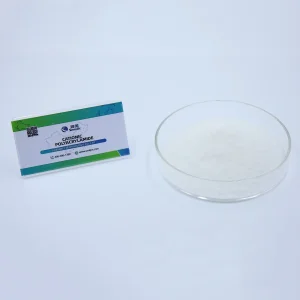
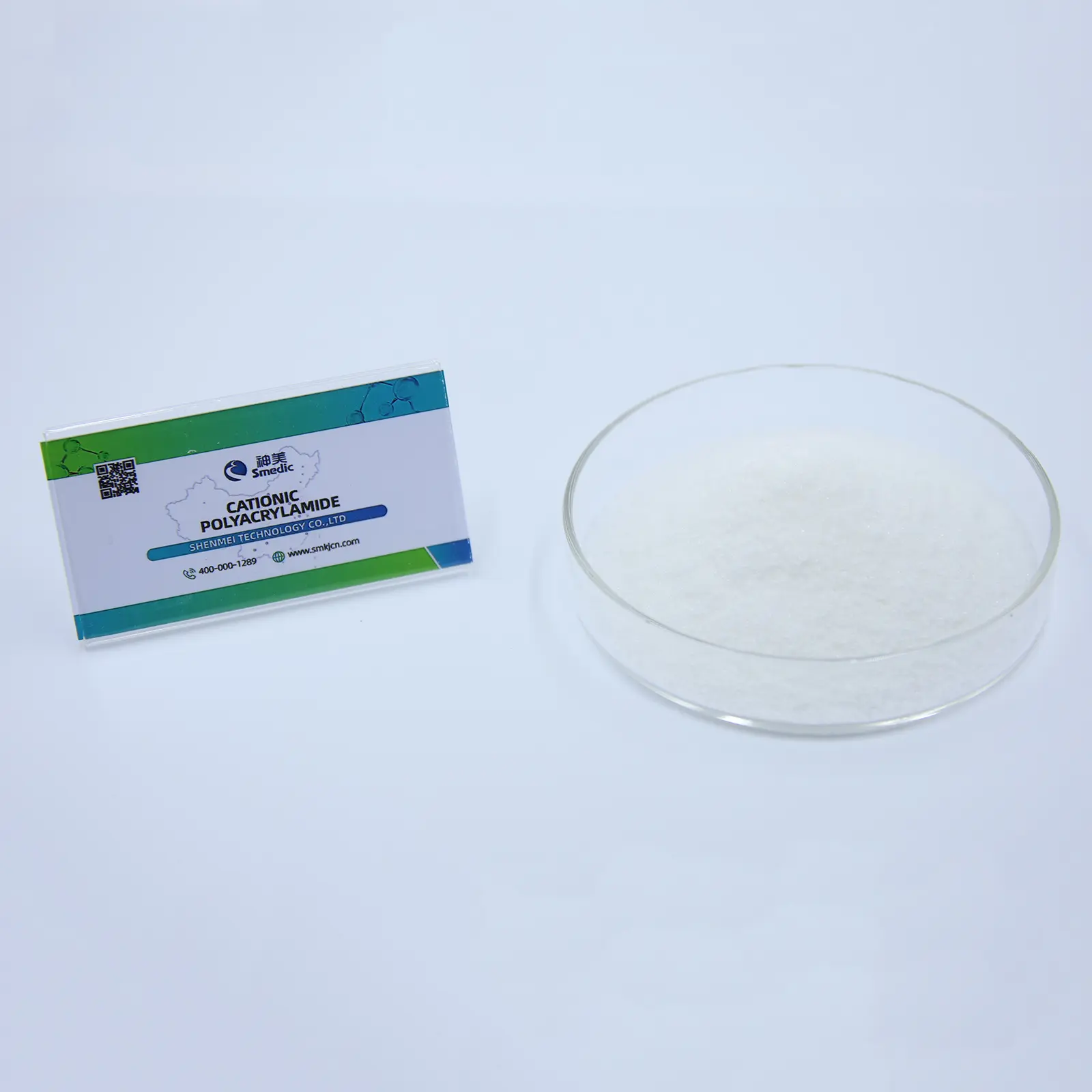 Cationic PAM
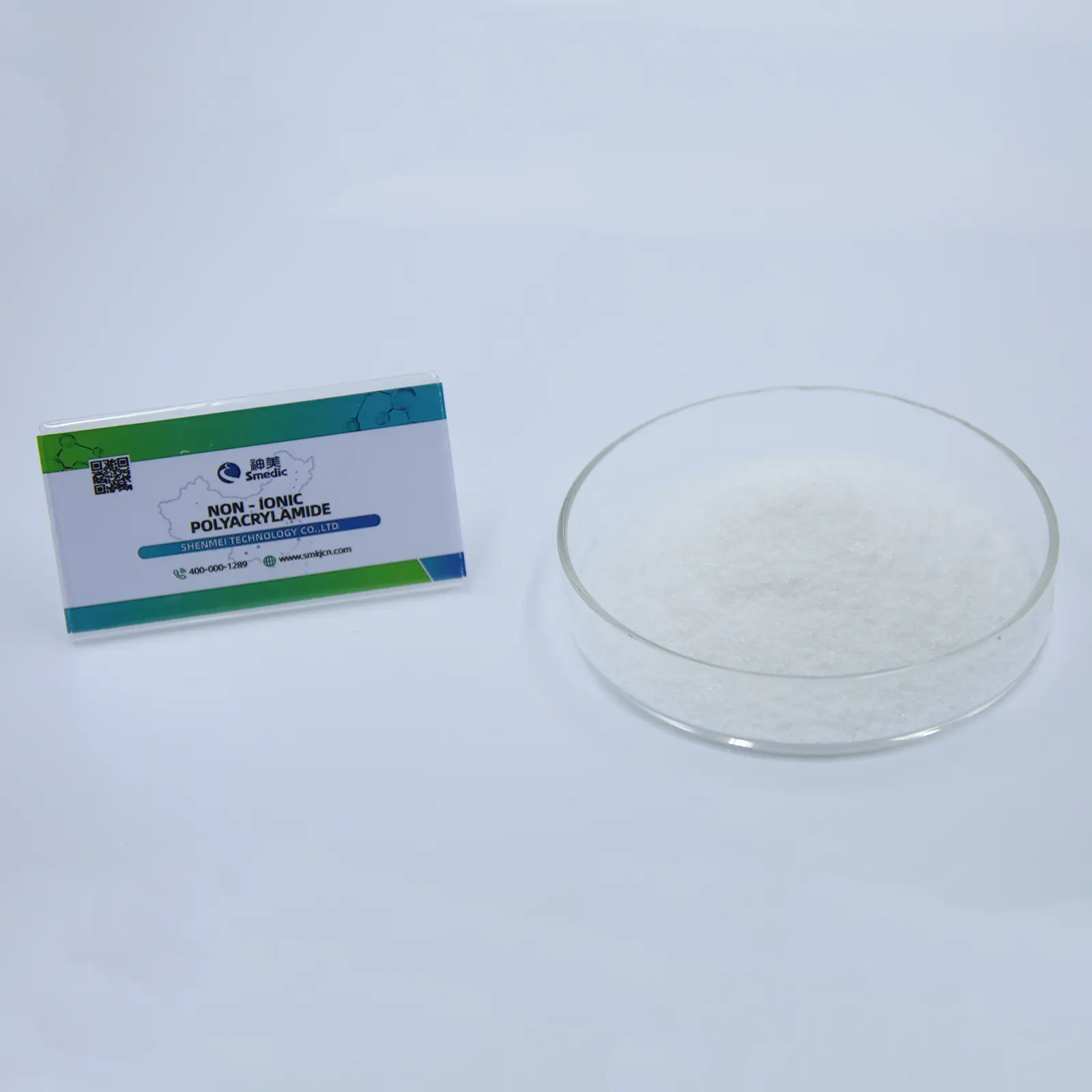 Non-Ionic PAM
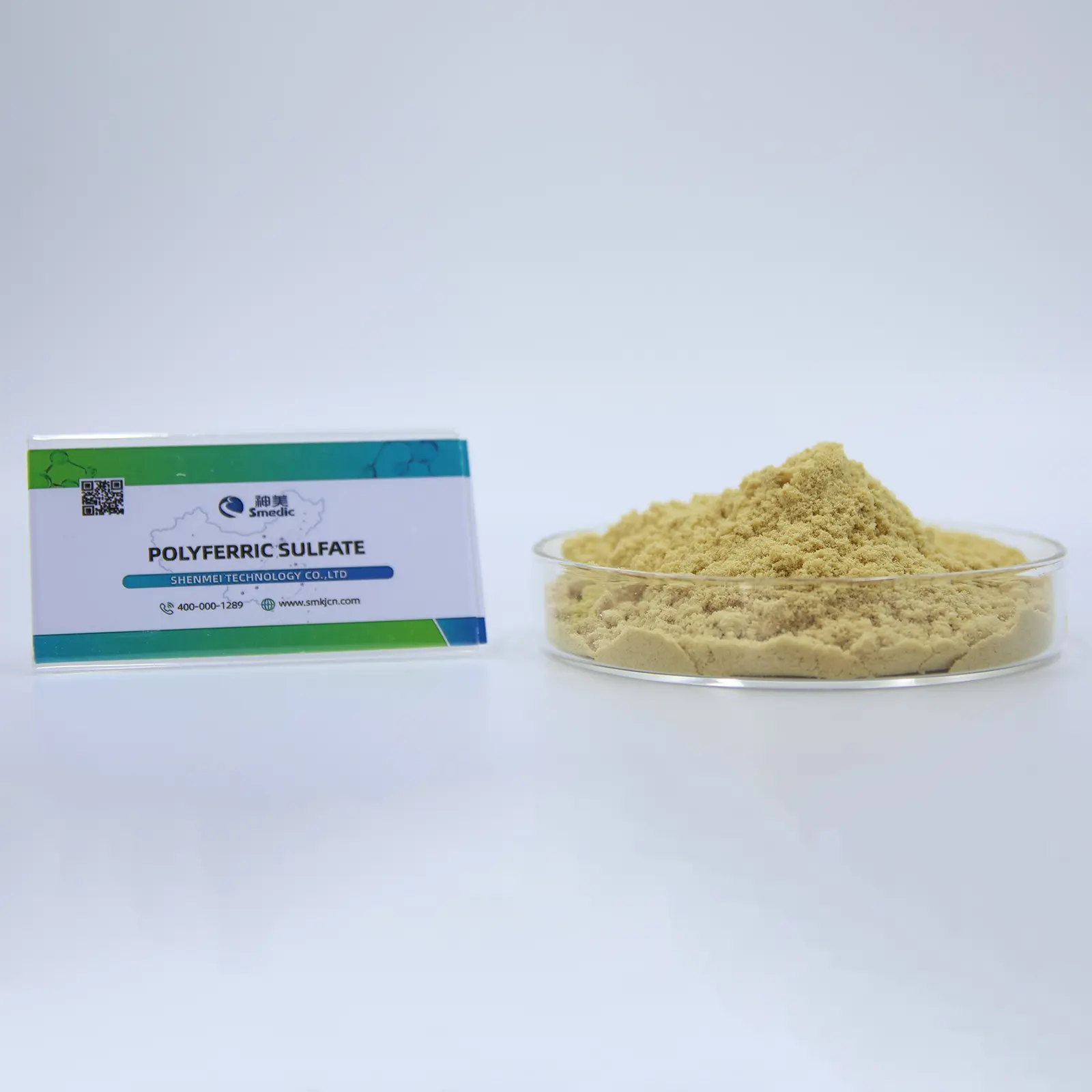 PFS Coagulant
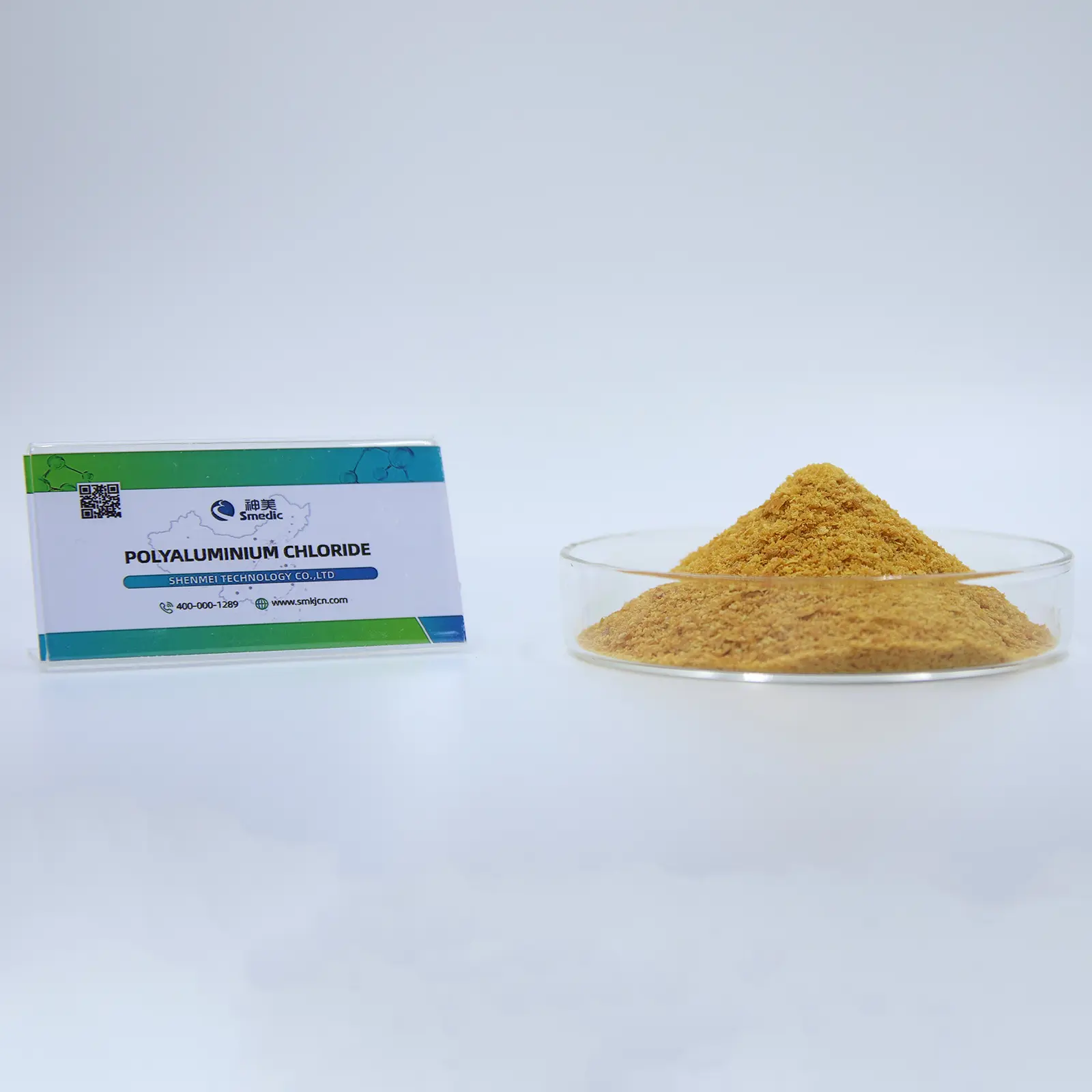 PAC Coagulant
 Smedic Tech