Pioneering green, cost-effective environmental chemical solutions designed for municipal sewage, heavy metal abatement, and advanced industrial wastewater treatment.
Liquid Iron Ferrous Sulfate (chemical formula: FeSO₄·xH₂O in aqueous solution form) occupies a critical position in global environmental applications, agricultural micronutrient supply chains, and industrial chemical manufacturing. As modern industries shift towards ecological safety, carbon neutrality, and Zero-Liquid Discharge (ZLD) paradigms, the role of liquid iron ferrous sulfate as an efficient, highly active coagulant and redox agent has expanded exponentially.
China has emerged as the global epicenter for high-quality Liquid Iron Ferrous Sulfate manufacturing and supply. Historically generated as an abundant co-product of the titanium dioxide (TiO₂) sulfate process, modern Chinese chemical facilities have pioneered advanced purification methodologies. This converts crude iron bypass streams into high-purity, ultra-stable liquid formulations. These formulations feature minimal heavy-metal impurities, optimized pH balances, and precise iron content levels.
By integrating directly with massive TiO₂ production corridors in Hebei, Shanxi, and Guizhou, leading suppliers ensure a virtually uninterrupted raw material base. This translates to stable pricing metrics for international buyers, insulating them from traditional chemical supply-chain shocks.
Gone are the days when ferrous sulfate was treated as a low-grade waste material. Advanced filtering, oxidation inhibition, and chemical stabilization tech ensure liquid configurations meet strict domestic and international discharge and process-water guidelines.
Exporting liquid chemicals requires specialized ISO tanks, corrosion-resistant IBC containers, and temperature-controlled logistics. Leading Chinese exporters leverage vast logistics hubs in Shandong, Sichuan, and coastal ports to guarantee product integrity during cross-border transit.
For professional procurers, understanding the chemical structure and synthesis quality control of Liquid Iron Ferrous Sulfate is paramount. The liquid formulation leverages divalent iron ions (Fe²⁺), which act as strong reducing agents in wastewater matrices.
Key Chemical Reactions:
In municipal phosphorus removal, dissolved orthophosphates react with iron ions to form highly insoluble iron phosphate complexes:
3Fe²⁺ + 2PO₄³⁻ → Fe₃(PO₄)₂ ↓
Simultaneously, oxidation converts Fe²⁺ into trivalent Fe³⁺, facilitating superior coagulation kinetics:
Fe³⁺ + 3H₂O → Fe(OH)₃ (flocculant gel) + 3H⁺
Our technical roadmap incorporates the stabilization of liquid formulas against premature oxidation (crystallization or transformation into basic ferric sulfate), ensuring active shelf lives exceeding 6 to 12 months under varied regional storage conditions.
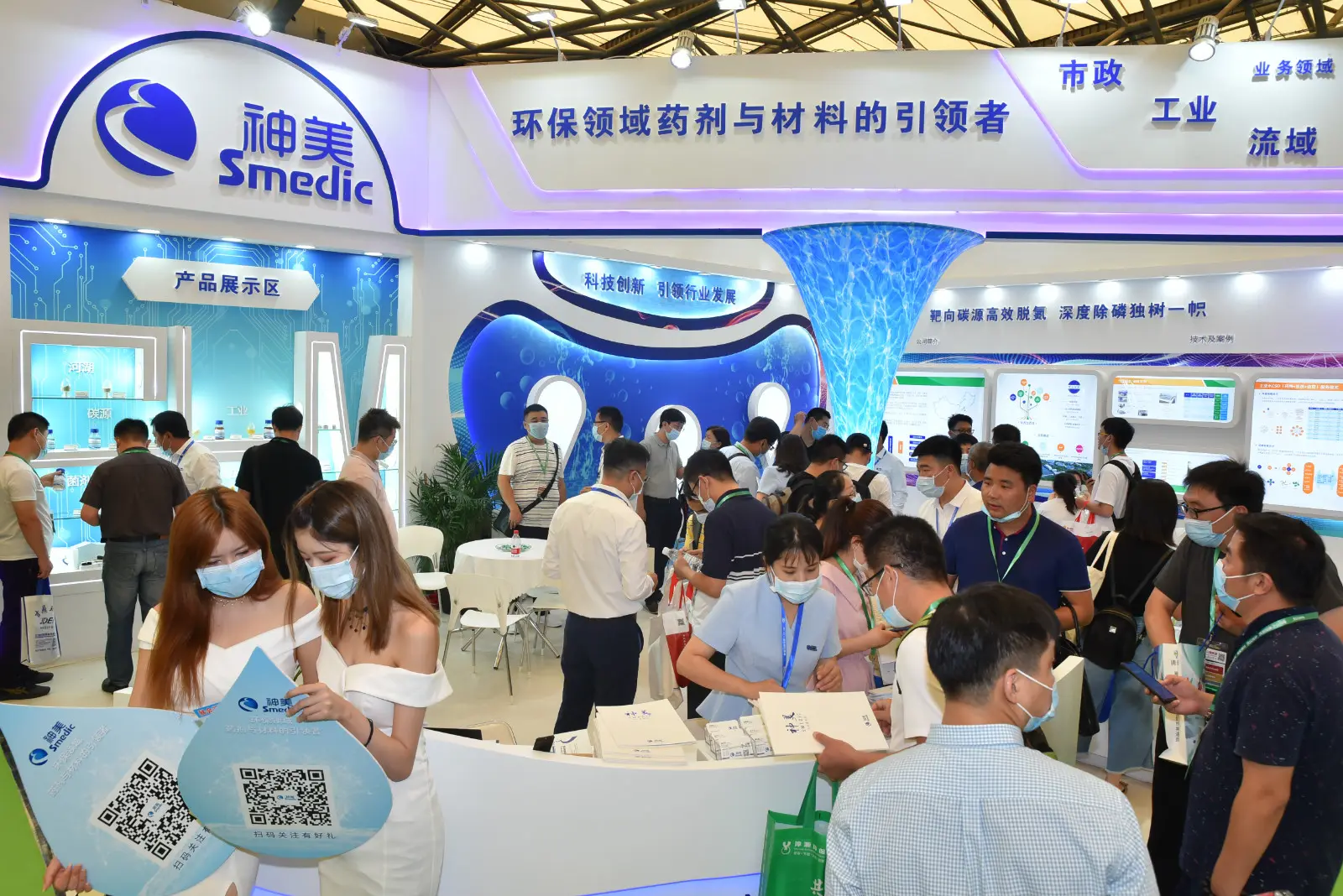
Established in 2011, Smedic Technology Co., Ltd. is a comprehensive environment solutions provider integrating high-level R&D, production, international sales, and engineering-related technical services. Smedic produces state-of-the-art environmental protection agents covering municipal sewage, industrial wastewater, tap water purification, mineral processing, and oilfield chemical matrices.
Our corporate headquarters is located in Beijing, backed by multiple wholly-owned production bases in Hebei, Guizhou, Shanxi, and other regions. Furthermore, Smedic operates more than ten OEM partner factories and regional warehousing/logistics bases across Shandong, Shanxi, Anhui, Guangxi, and Sichuan provinces. Our domestic footprint services more than 600 urban sewage treatment plants and over 1,000 industrial end-users. We are a leading player in the high-end environmental protection chemicals sector.
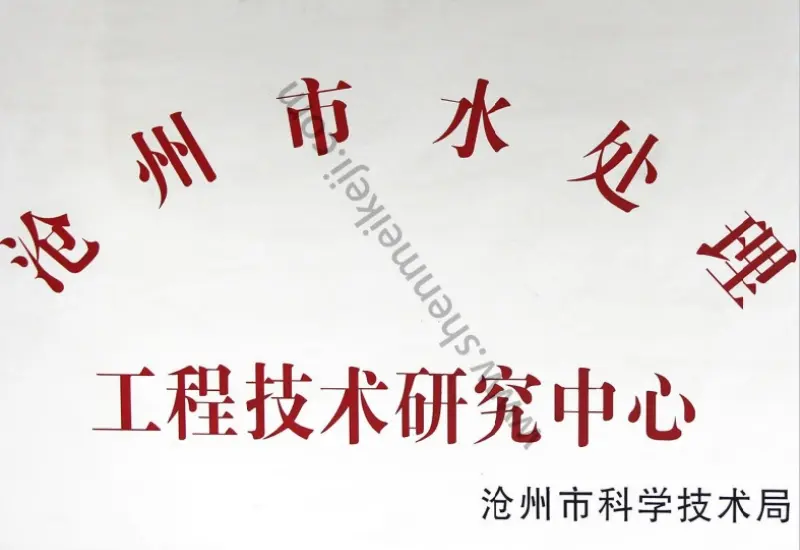
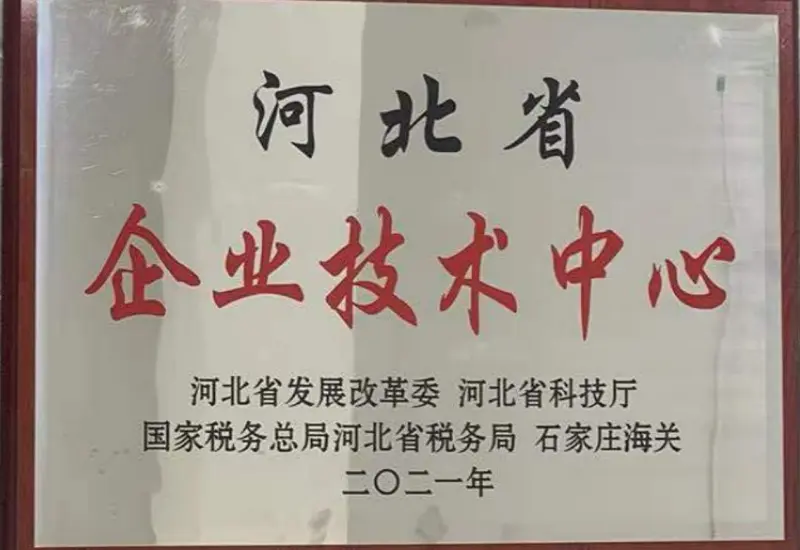
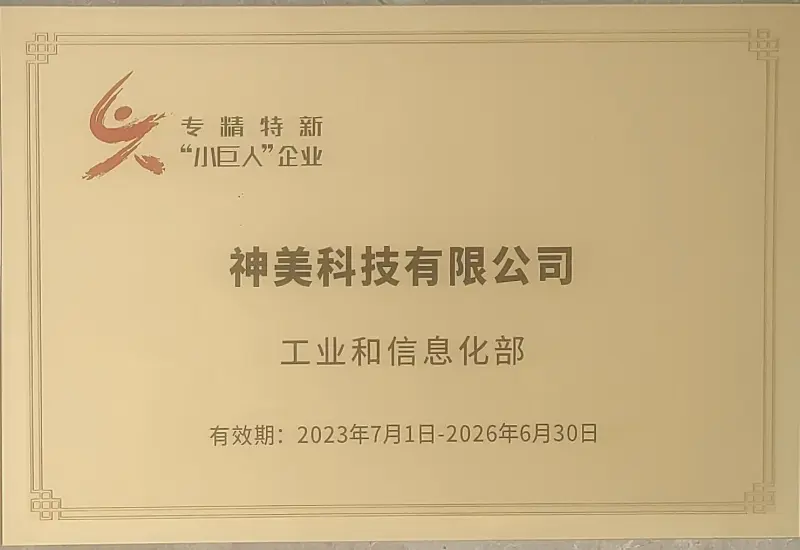
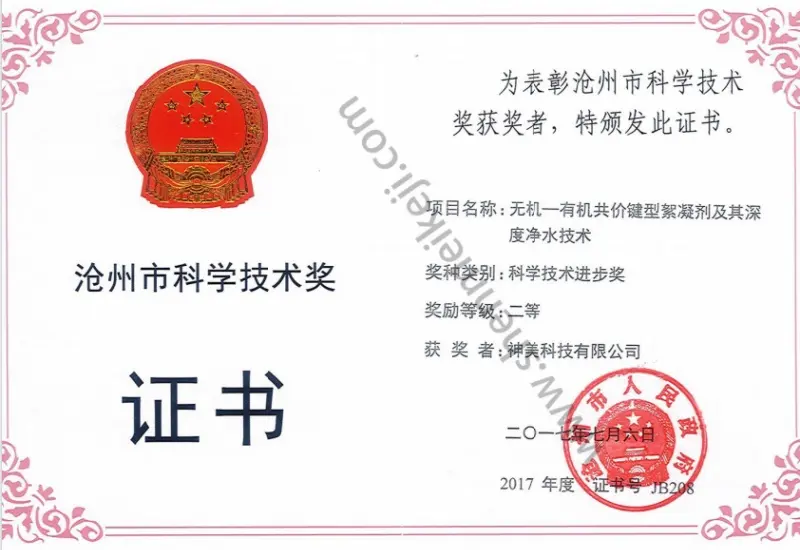
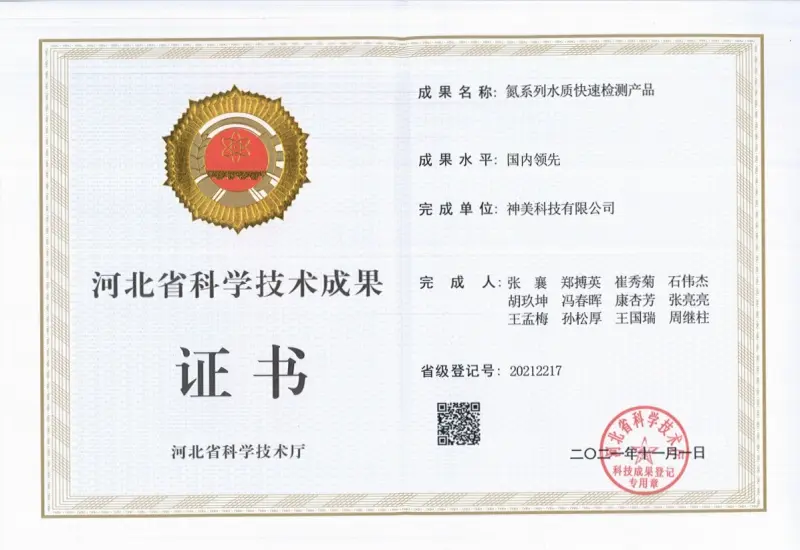
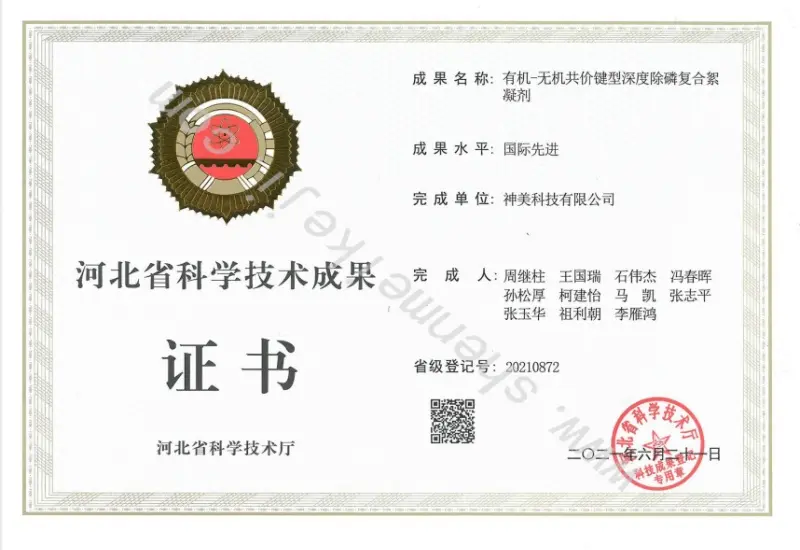
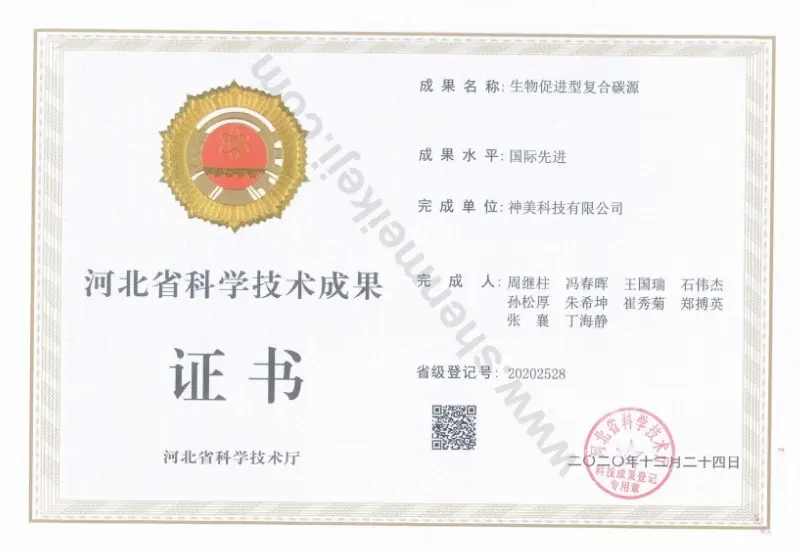
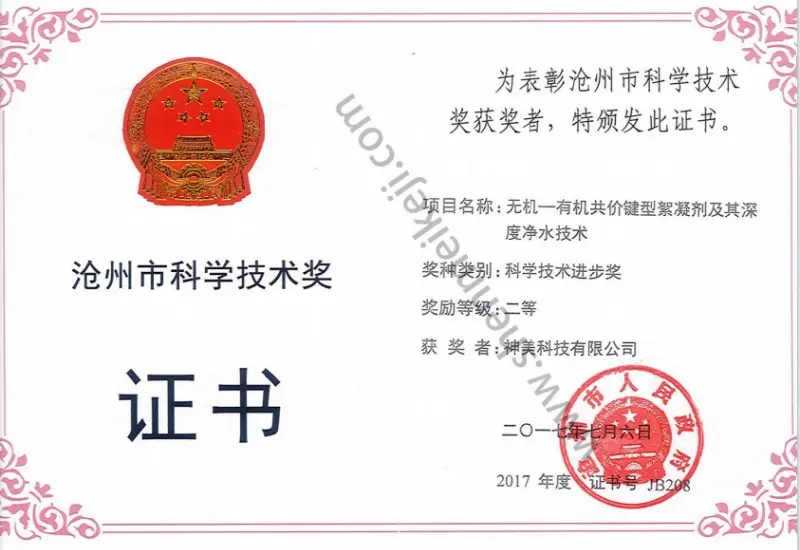
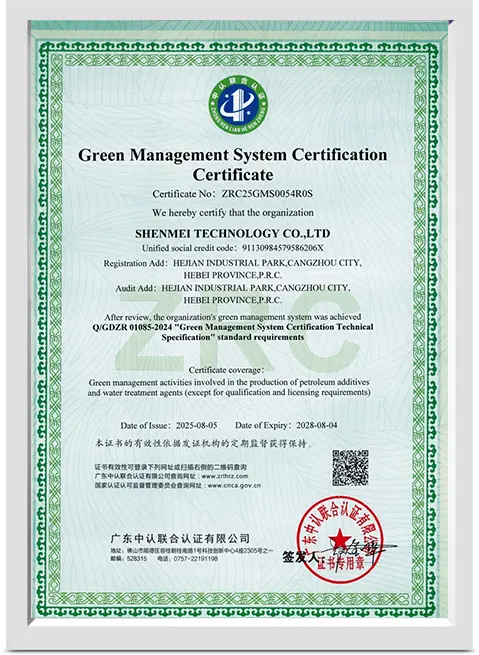
Smedic has obtained national recognitions including the status of National Specialized, Refined, Unique and Innovative "Little Giant" Enterprise and Hebei Province Green Factory. Our core technical team consists of academicians, professors, and senior engineers operating within an R&D framework composed of "one academy, three research institutes, and five bases."
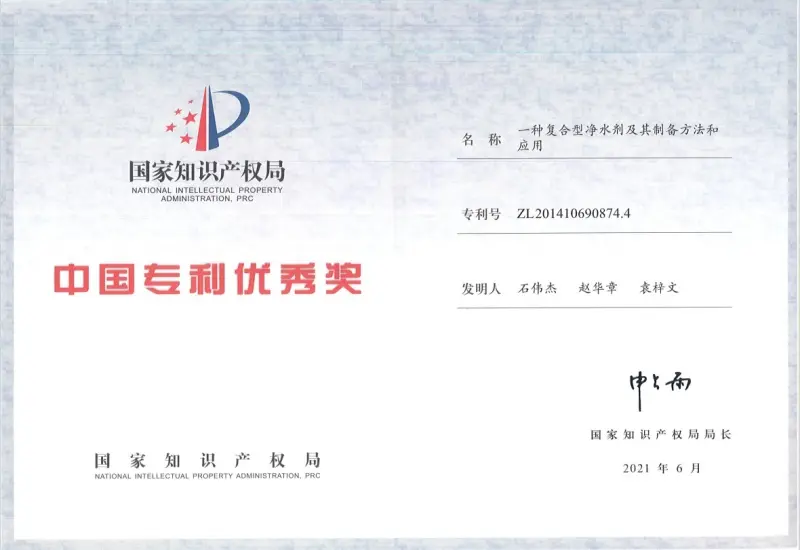
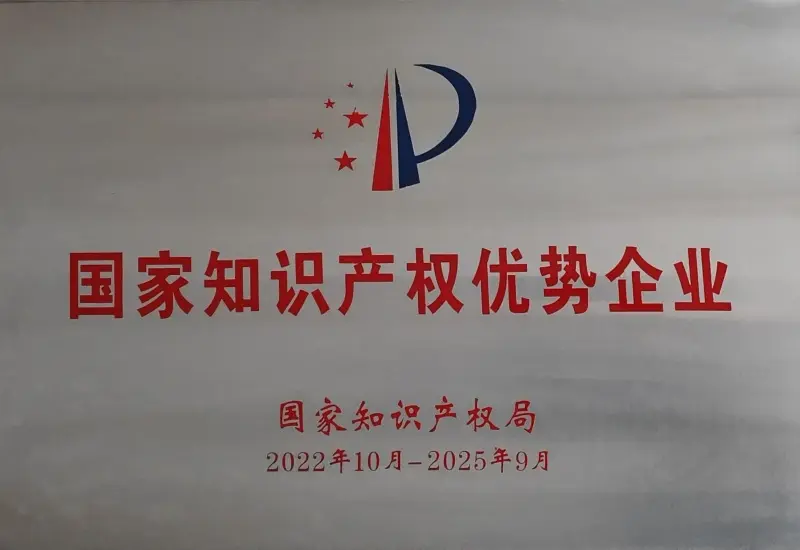
Through joint R&D laboratories with Tsinghua University, Shandong University, and Beijing University of Technology, we have translated high-level science into industrial chemical solutions. Smedic holds over sixty Chinese patents, including forty invention patents and twenty utility model patents. We have drafted more than ten national and industry standards for composite carbon sources, composite coagulants, sodium acetate, and bacterial agents.
Liquid Iron Ferrous Sulfate functions as a highly adaptable solution across many municipal, industrial, and agricultural contexts:
In municipal plants, discharging high concentrations of phosphorus leads to eutrophication in local receiving waters. Liquid Ferrous Sulfate dosing reacts instantly, creating dense, easily precipitable flocs, lowering effluent total phosphorus (TP) levels below 0.1 mg/L.
Electroplating and tannery wastewaters carry toxic Cr(VI). Divalent iron (Fe²⁺) acts as a powerful reducing agent, converting highly soluble Cr(VI) into insoluble, non-toxic trivalent chromium precipitates [Cr(OH)₃] at acidic or neutral pH ranges.
In municipal sludge digestion and sewer pipes, toxic hydrogen sulfide (H₂S) gas presents explosive and corrosion hazards. Injecting liquid iron complexes binds sulfide ions as solid iron sulfide (FeS), eliminating noxious odors at the source.
Textile finishing and dye facilities produce effluents laden with synthetic azo dyes. The strong reducing capability of liquid ferrous sulfate breaks the chromophoric double-bonds of azo dyes, achieving deep decolorization and reducing COD.
In alkaline agricultural soils, plants suffer from iron chlorosis. Highly bioavailable liquid iron sulfate offers an immediate cure, adjusting local pH levels and supplying soluble iron essential for chlorophyll synthesis.
Dry cement contains trace soluble chromates, posing dermatological risks (dermatitis) for construction workers. Adding dry-adapted liquid iron sulfate during manufacturing reduces soluble chromium to levels below safety regulatory limits.
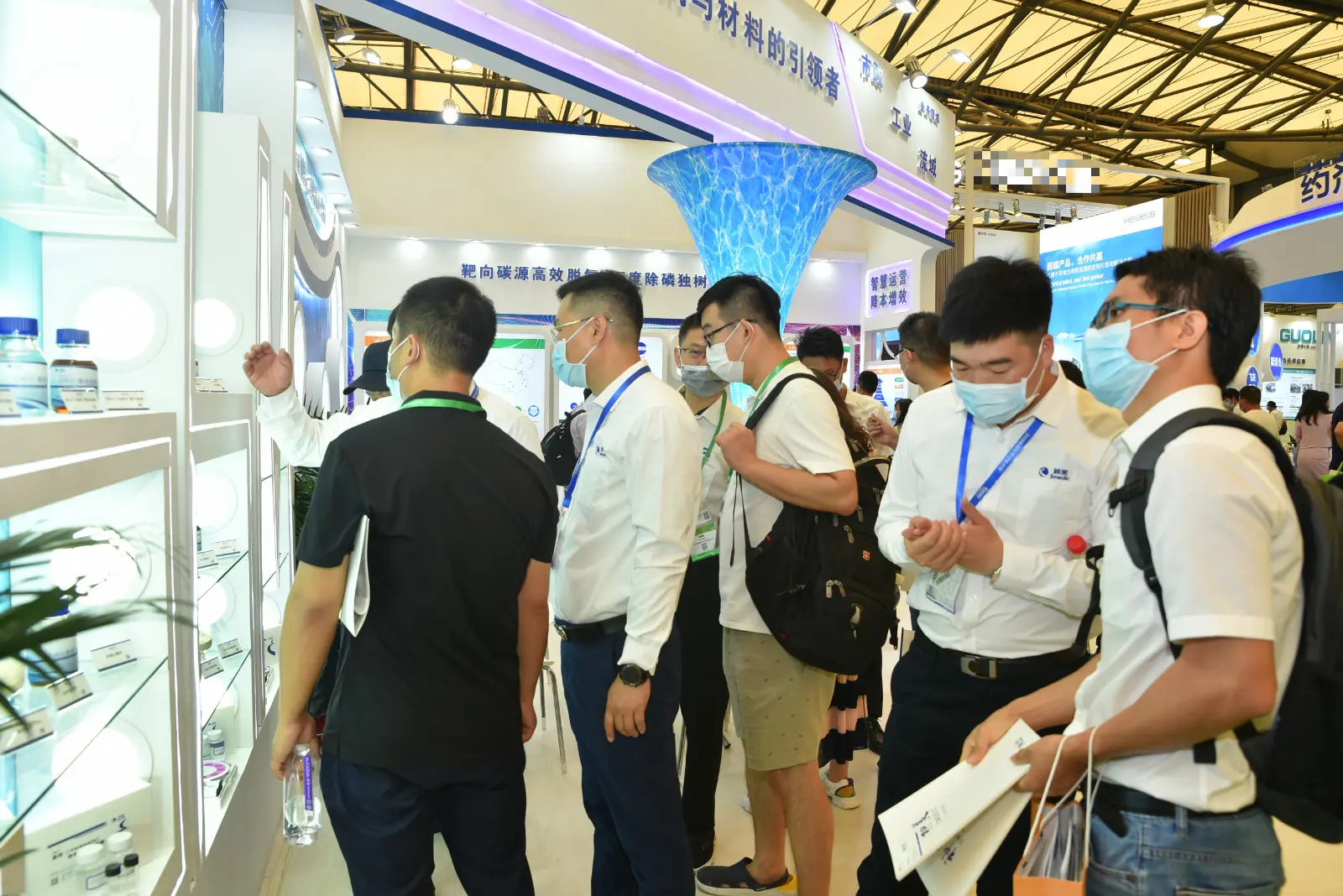
Modern green engineering requires integrating multiple chemicals and engineering solutions. At Smedic, we have established long-term strategic partnerships with leading environmental conglomerates including Shouchuang Ecological and Environmental Group, Yangtze River Ecological and Environmental Group, Beijing Enterprises Water Group, OriginWater, and China Water Environment Group.
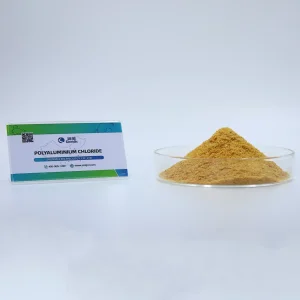
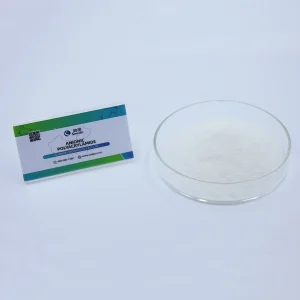
Our macro solutions combine primary coagulants like Liquid Iron Ferrous Sulfate or Polyaluminum Chloride (PAC) with secondary organic flocculants like Anionic Polyacrylamide (APAM) or Cationic Polyacrylamide (CPAM). This systematic approach optimizes floc sedimentation rates, reduces chemical sludge volumes, and achieves cost parity with conventional, less efficient chemicals.
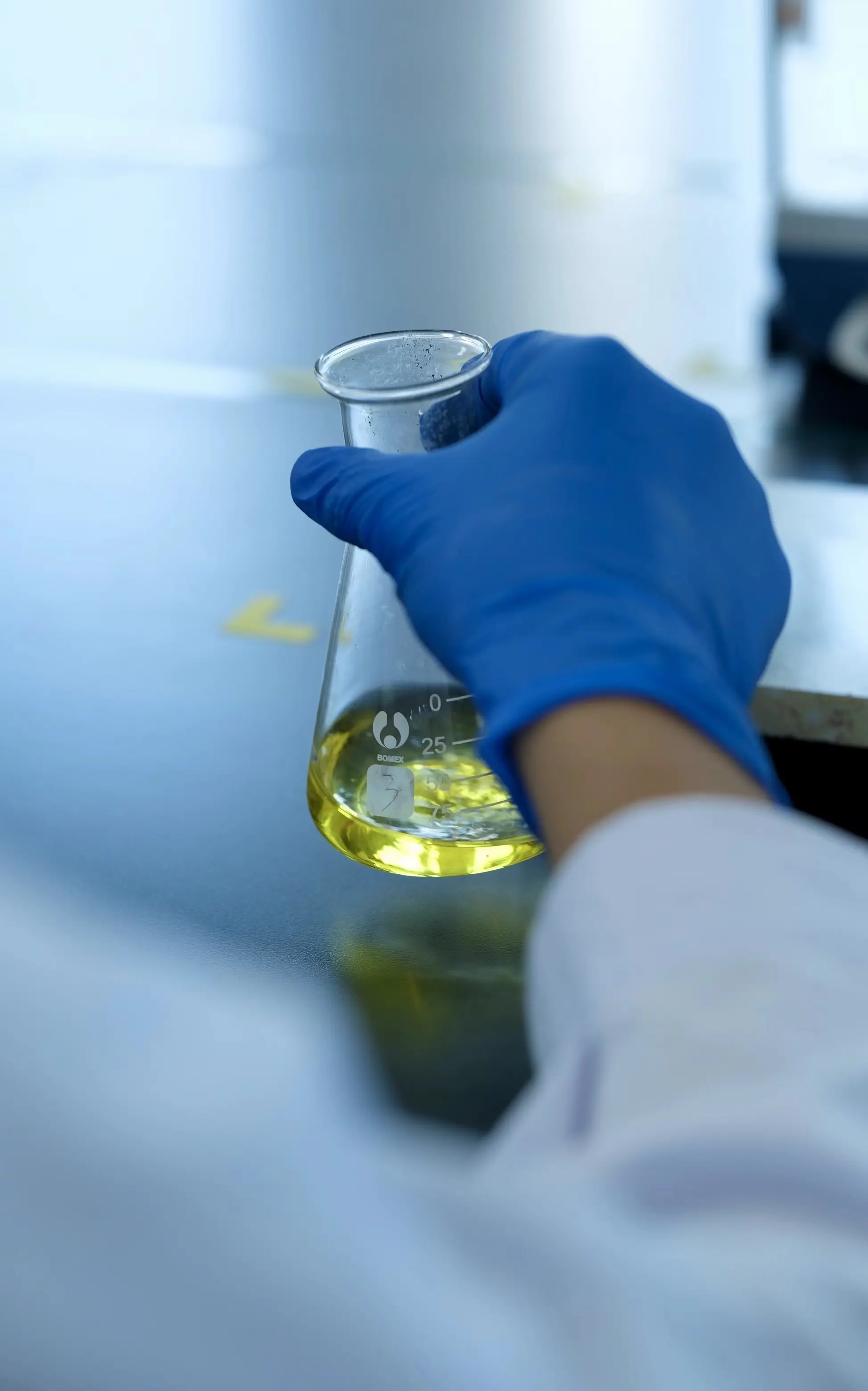
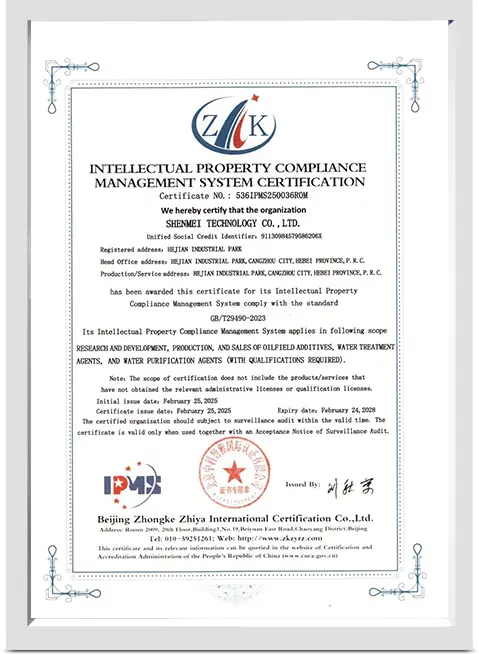
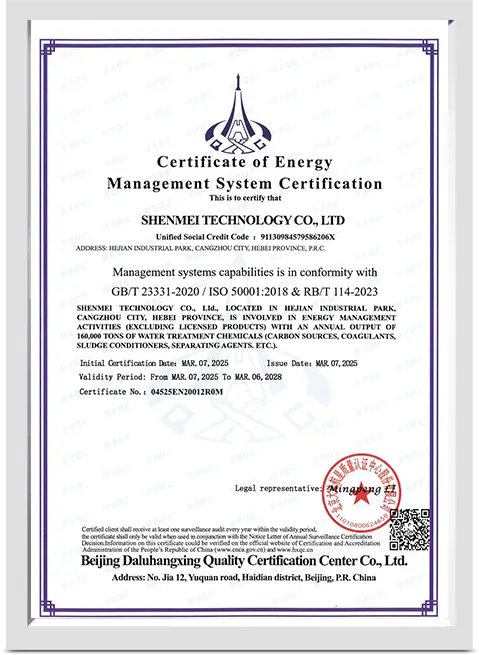
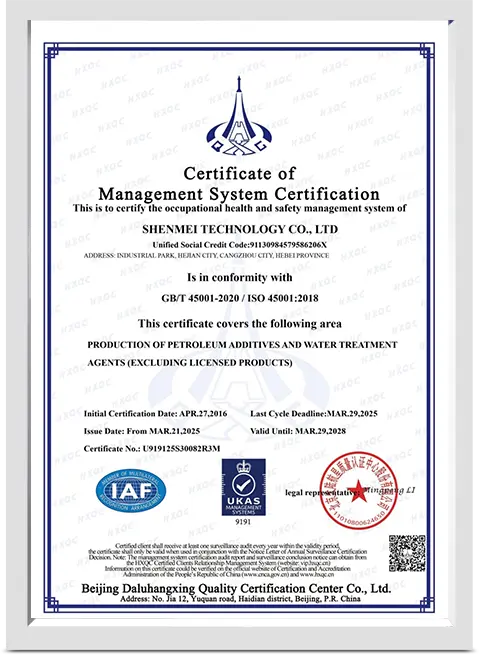
Every batch of chemical formulations delivered by Smedic undergoes rigorous laboratory evaluation, following standard operating protocols for raw material entry, processing, and batch dispatch.
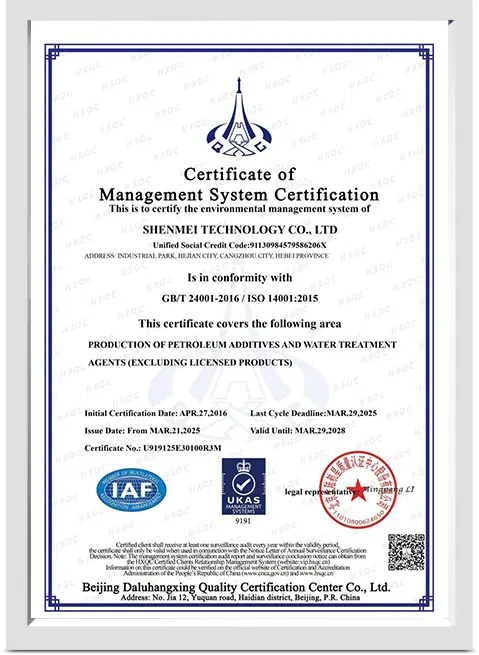
Addressing technical and commercial inquiries from global procurement directors and environmental engineers.
Providing water treatment chemicals to industrial facilities and municipal treatment plants worldwide.
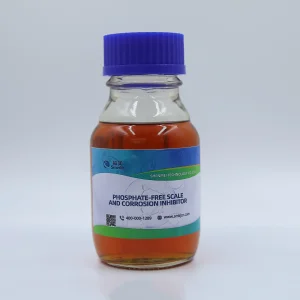
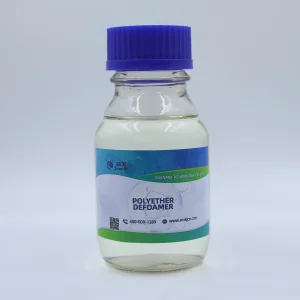
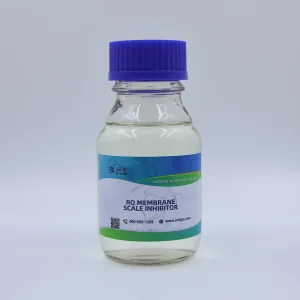
 Smedic Tech