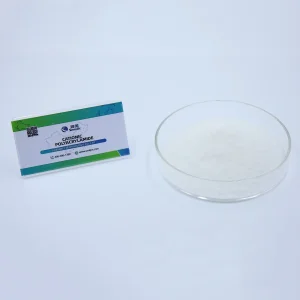
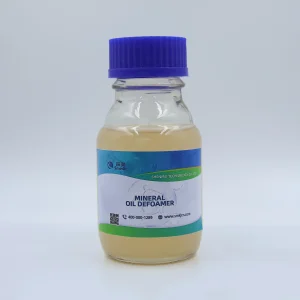
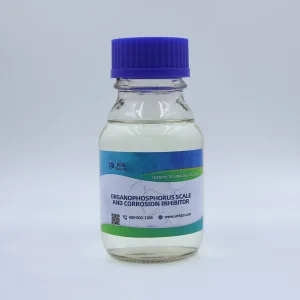
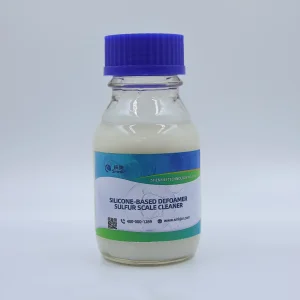
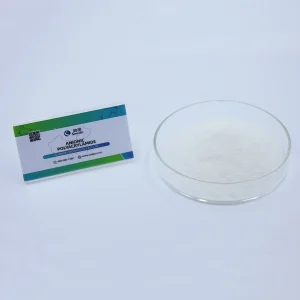
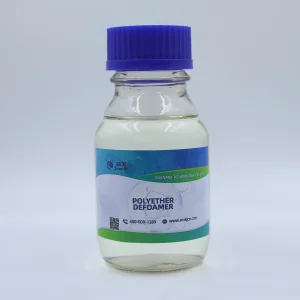
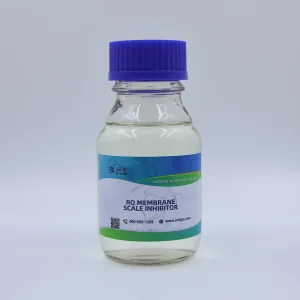
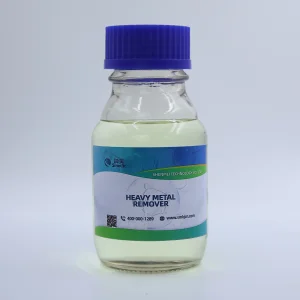
Explore our primary chemical agents manufactured to ensure maximum contaminant removal efficiency, flocculation velocity, and system sustainability.
The municipal water treatment landscape has undergone an unprecedented paradigm shift. Driven by rapid urbanization, water scarcity, and highly stringent environmental regulations, the demand for sophisticated chemical treatment solutions has reached a historical peak. Globally, systems like the European Union's Urban Waste Water Treatment Directive (UWWTD) and the United States' Clean Water Act have set zero-tolerance thresholds for nutrient discharge. This calls for highly customized chemical agents that guarantee biological nutrient removal (BNR), advanced heavy metal precipitation, and trace contaminant extraction.
In contemporary municipal utility networks, biological wastewater processes are heavily loaded. Achieving deep denitrification and phosphorus removal is no longer achievable through simple natural degradation. Chemical interventions—including the injection of synthetic nitrification carbon sources, advanced polymer flocculants, and scale inhibitors—are now vital to operational security. The global commercial ecosystem is transitioning from generic commodity chemicals to high-purity, tailor-made environmental solutions that optimize operating costs (OPEX) while minimizing biological sludge generation.
While biological stages are cost-effective for bulk organic reduction (COD/BOD), chemical stabilization provides the necessary precision to meet strict ppb-level limits for trace elements such as fluorine, phosphorus, and heavy metals. Modern municipal treatment plants operate on a hybrid model, using bio-carriers alongside highly structured polymer flocculants to optimize settling times and maximize clarifying efficiency.
Established in 2011, Smedic Technology Co., Ltd. is a leading provider of high-grade environmental protection agents. We integrate expert R&D, advanced manufacturing, and engineering-related technical services.
We manufacture over 80 different environmental protection chemicals, covering sectors including municipal sewage, industrial wastewater, tap water purification, mineral processing, and oilfield extraction operations. Backed by our state-of-the-art chemical synthesizers and advanced safety setups, our aggregate annual manufacturing output exceeds 1 million tons.
Sourcing municipal treatment agents from Chinese manufacturers offers significant advantages in cost-efficiency and product availability. China's chemical supply chain is highly integrated, linking primary raw materials to advanced synthesis pathways. This structure minimizes logistical bottlenecks and reduces the volatility of raw material costs. At Smedic Technology, our production network spans across multiple wholly-owned manufacturing complexes in Hebei, Guizhou, and Shanxi, alongside ten regional warehouse and logistics depots in Anhui, Shandong, Guangxi, and Sichuan.
This domestic footprint allows for continuous mass production. While European and American manufacturers face challenges from high overhead costs and localized raw material shortages, our automated production systems consistently produce high-purity coagulants and flocculants. Additionally, our regional distribution hubs enable rapid order fulfillment, ensuring a reliable supply of chemicals for global distributors and municipal utilities.
Direct sourcing of raw materials like sodium acetate, acrylic acid, and polyaluminum elements ensures price stability and reliable supply.
Computer-controlled polymerization processes yield high-molecular-weight cationic and anionic PAM with extremely narrow molecular weight distributions.
Over 10 regional warehousing facilities in China facilitate prompt container loading and streamlined shipping, reducing lead times to target ports.
Wastewater treatment chemicals must be matched to localized water chemistry profiles. Variables such as temperature variations, pH fluctuations, mineral saturation, and heavy metal concentrations require specific adjustments in chemical dosage. Smedic Technology designs custom chemical solutions for various operating environments around the world:
In regions relying on reverse osmosis (RO) desalted water, scale formation is a persistent threat to membrane elements. Smedic's RO Membrane Scale Inhibitors are designed to prevent calcium carbonate, calcium sulfate, and silica scaling, keeping membrane flux consistent even under high recovery rates.
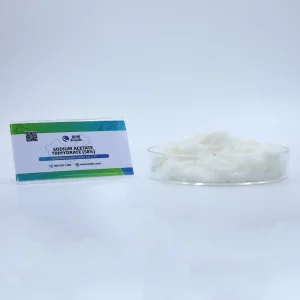
Strict nitrogen discharge limits require reliable carbon sources for biological processes. Smedic's pure solid sodium acetate and composite carbon sources sustain denitrifying bacteria during cold seasons, maintaining high denitrification rates even at temperatures below 10°C.
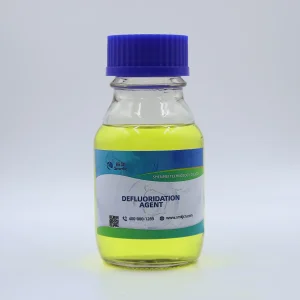
Effluents from electroplating, chemical manufacturing, and mining contain complex heavy metals and high levels of fluoride. Smedic’s specialized heavy metal removal and fluoride removal agents chelate these contaminants into dense flocs, allowing municipal plants to process mixed industrial-municipal wastewater safely.
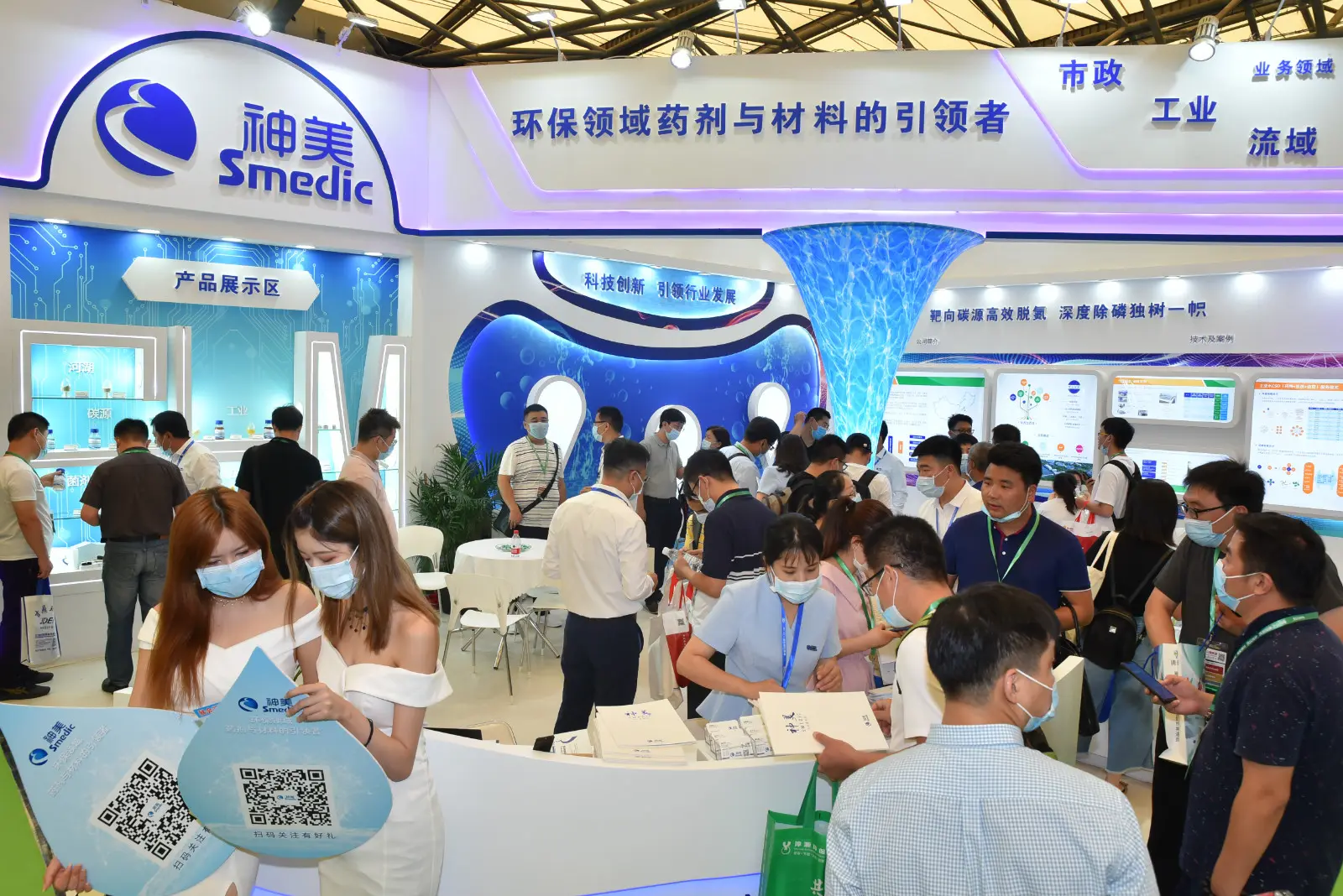
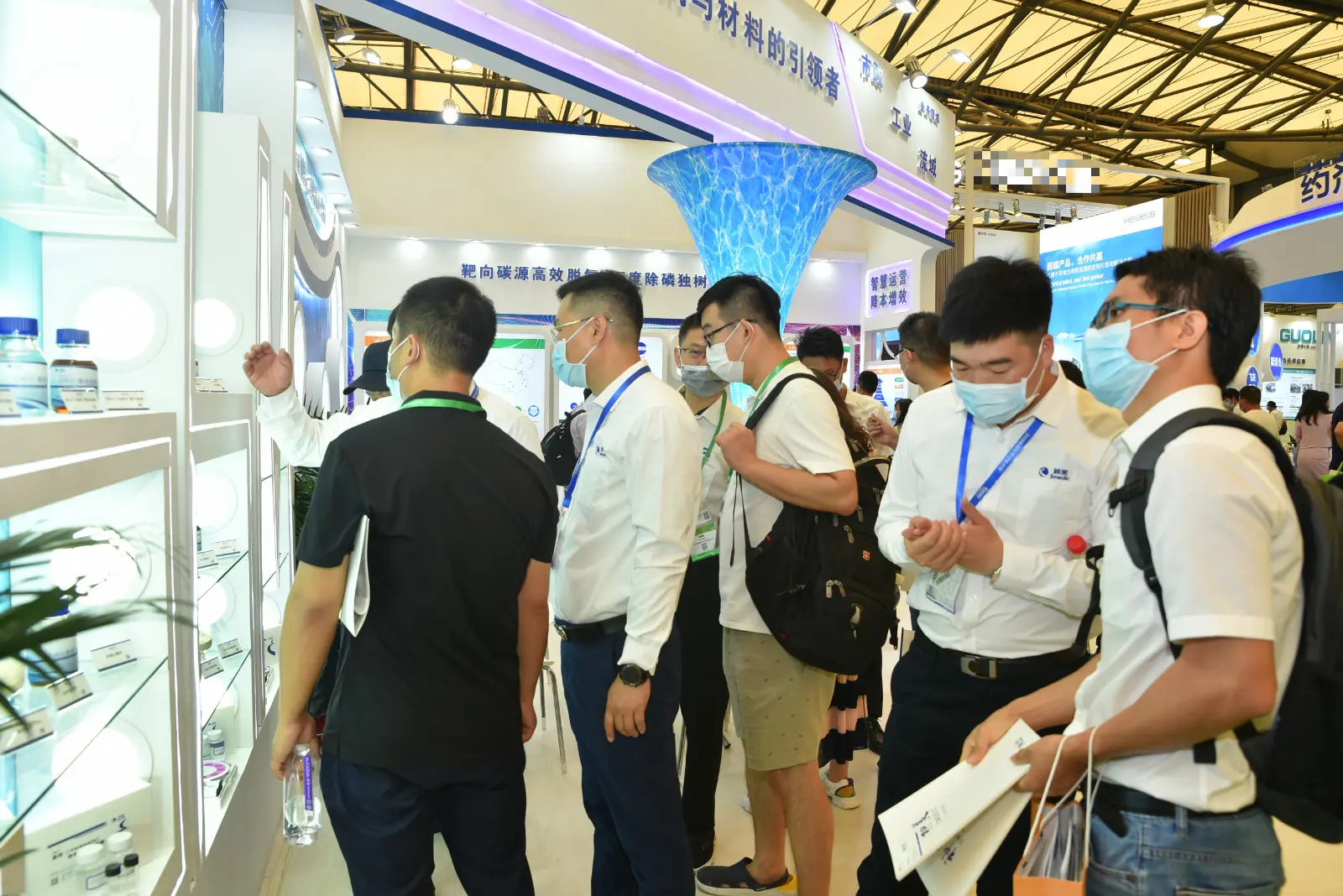
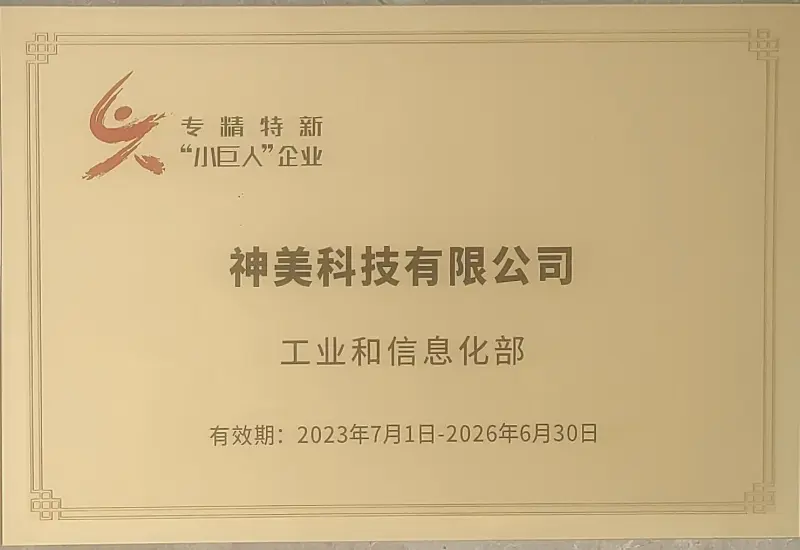
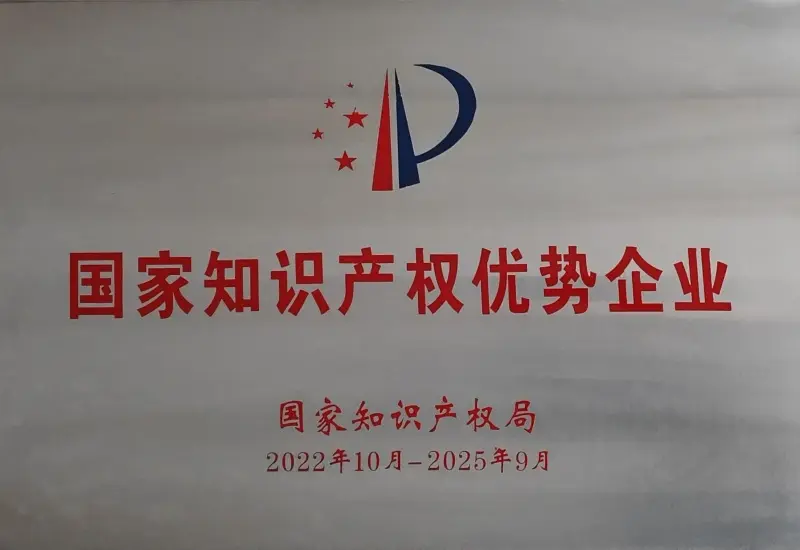
Innovation is the core driver of our water treatment portfolio. Smedic Technology is recognized as a National High-tech Enterprise and a National Specialized and Innovative "Little Giant" Enterprise. Our R&D team consists of senior environmental engineers, material scientists, and academic consultants.
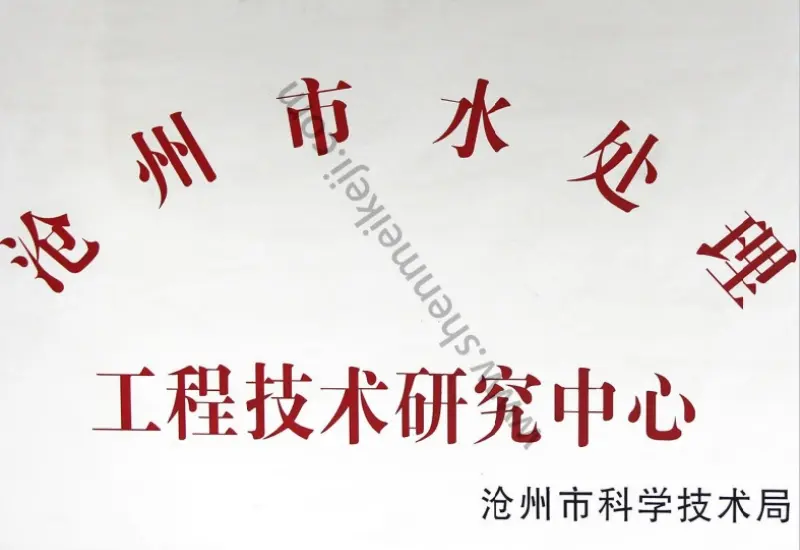
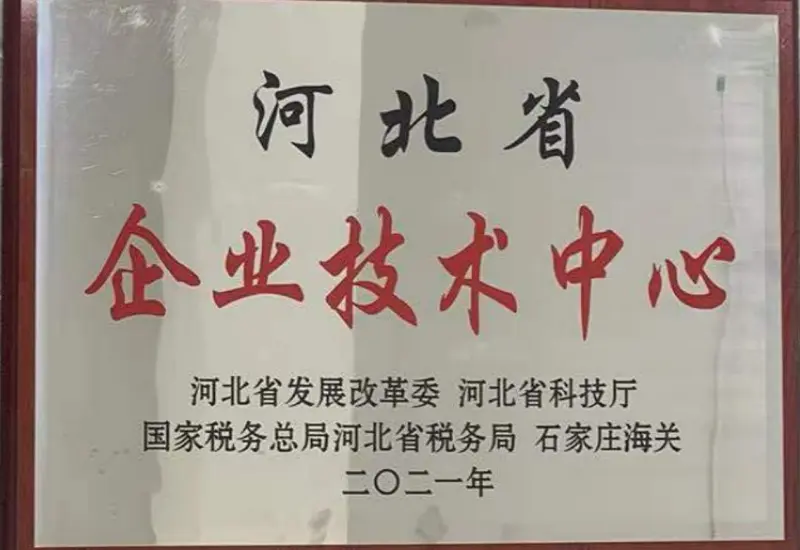
We operate one main academy, three research institutes, and five experimental bases, including the Hebei Advanced Water Treatment Chemicals Technology Innovation Center. Through collaborative research programs with Tsinghua University and Beijing University of Technology, we convert academic findings into practical chemical solutions.
Smedic holds over sixty Chinese patents, including more than forty invention patents, and has led the drafting of ten national and industry standards.
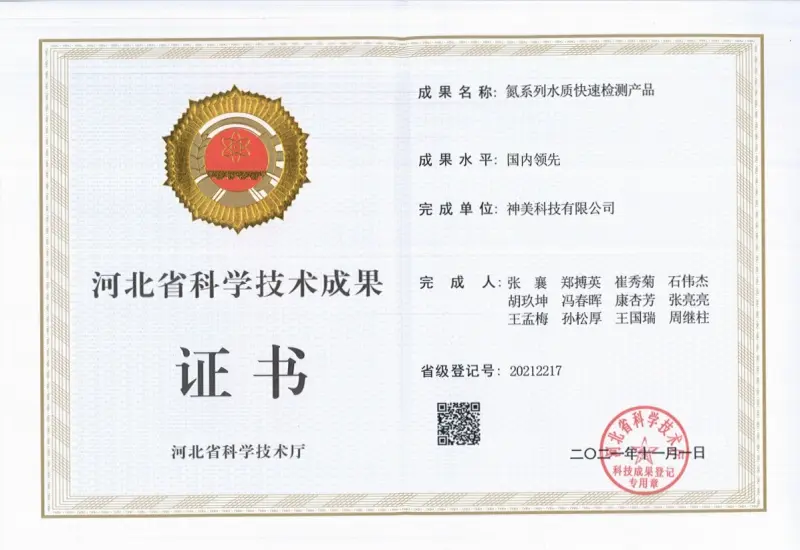
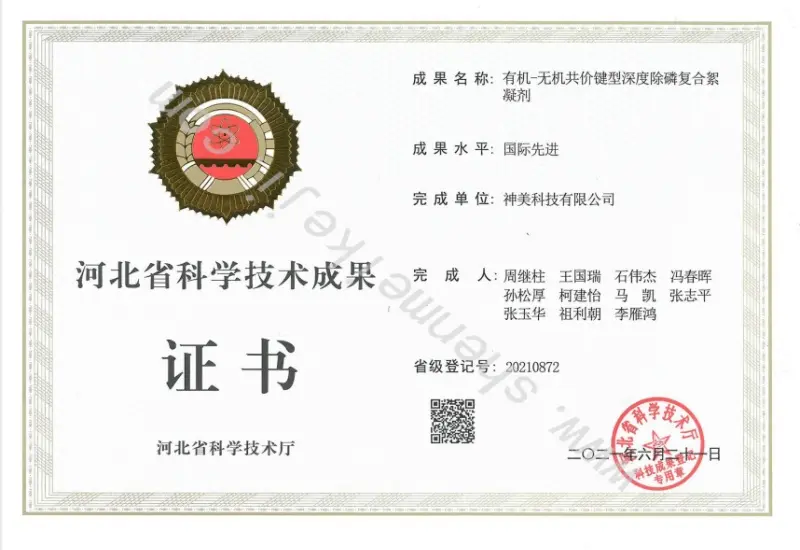
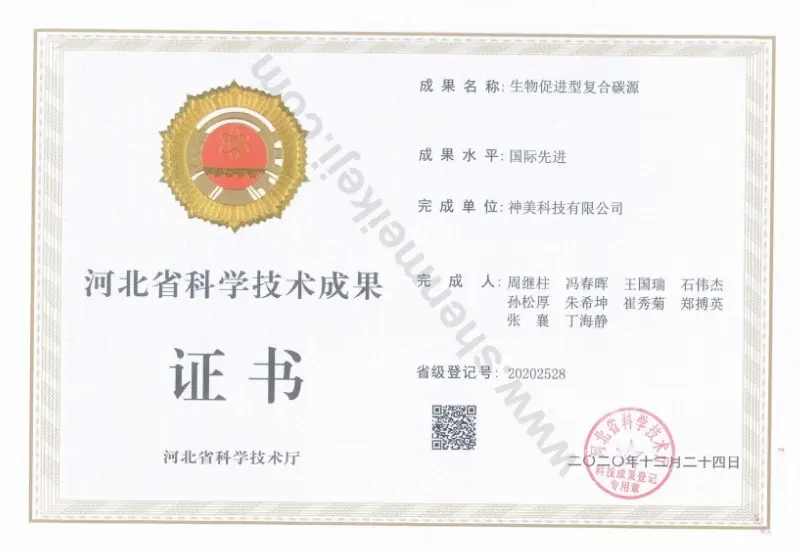
Our bio-enhanced denitrification carbon sources and deep multi-nuclear phosphorus removal agents have been evaluated as "internationally advanced" by the Science and Technology Department of Hebei Province, filling key gaps in domestic treatment solutions.
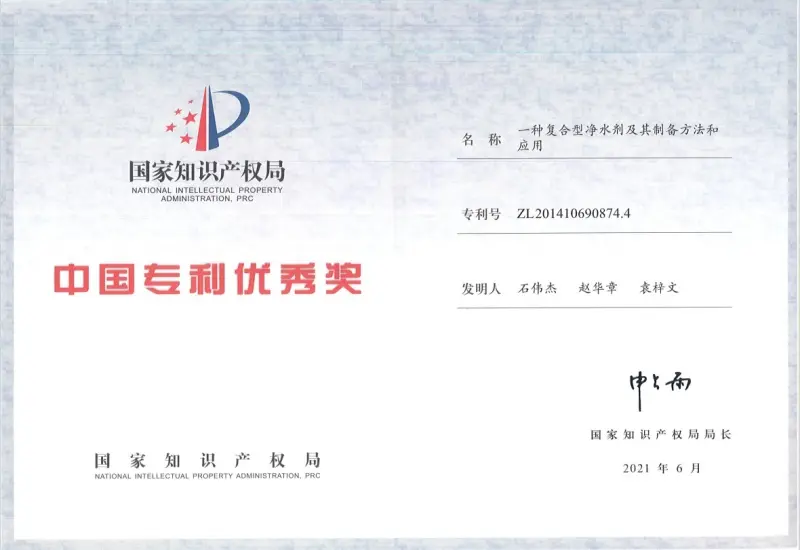
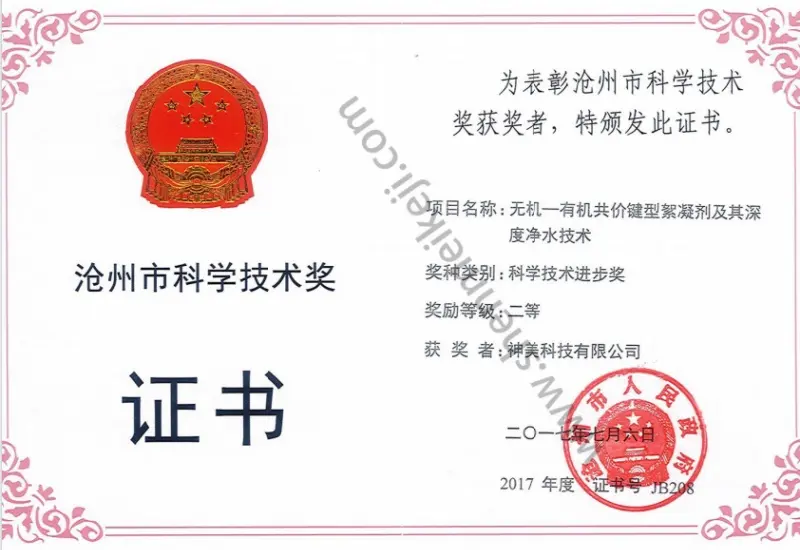
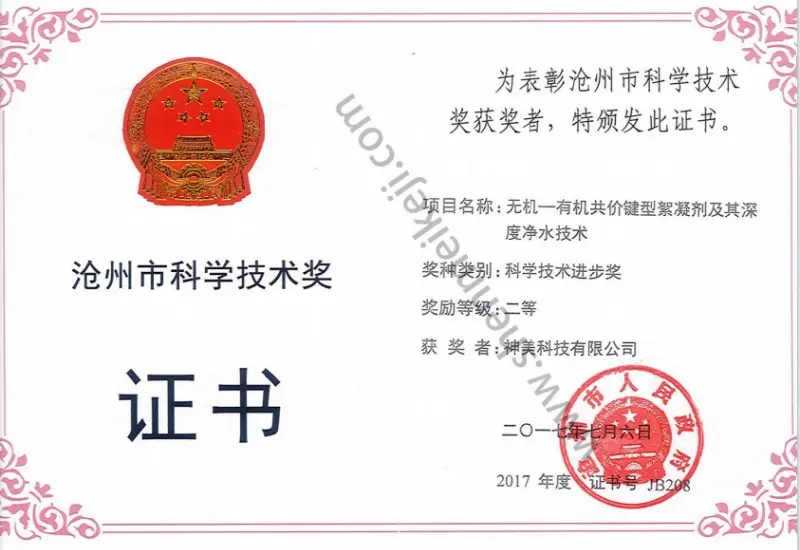
Furthermore, our independently developed Inorganic-Organic Covalent Bond Flocculant won the 22nd China Patent Award and the First Prize for Technological Invention from the China Petrochemical Industry Association.
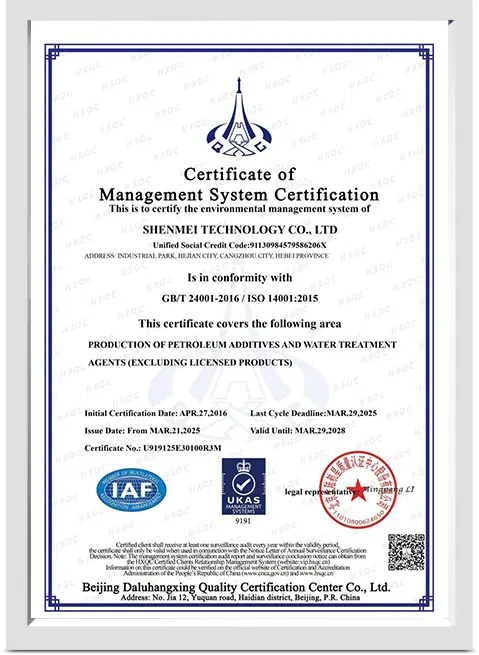
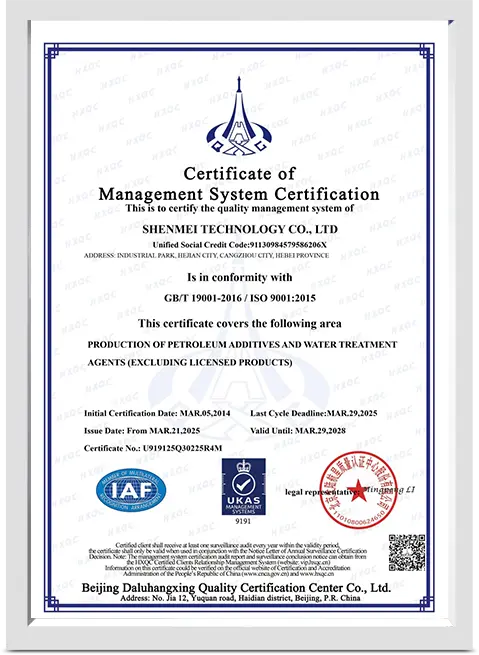
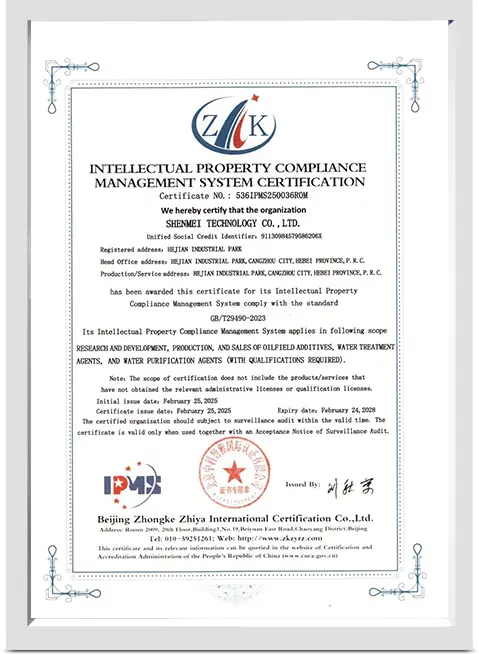
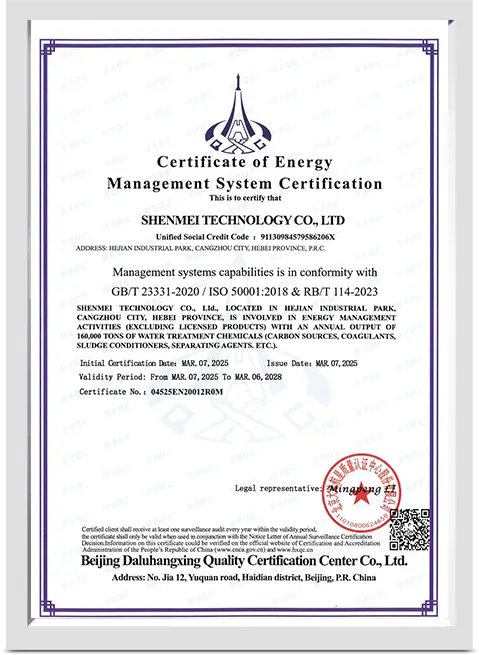
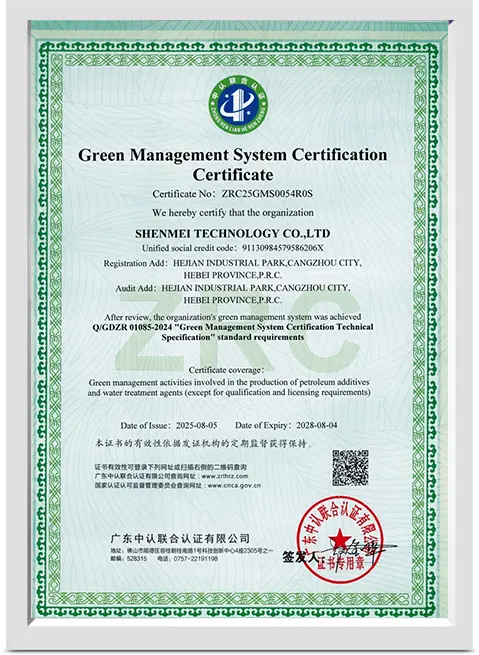
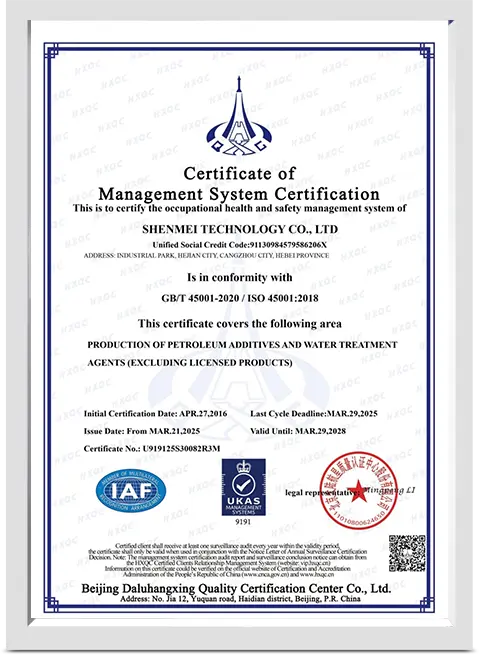
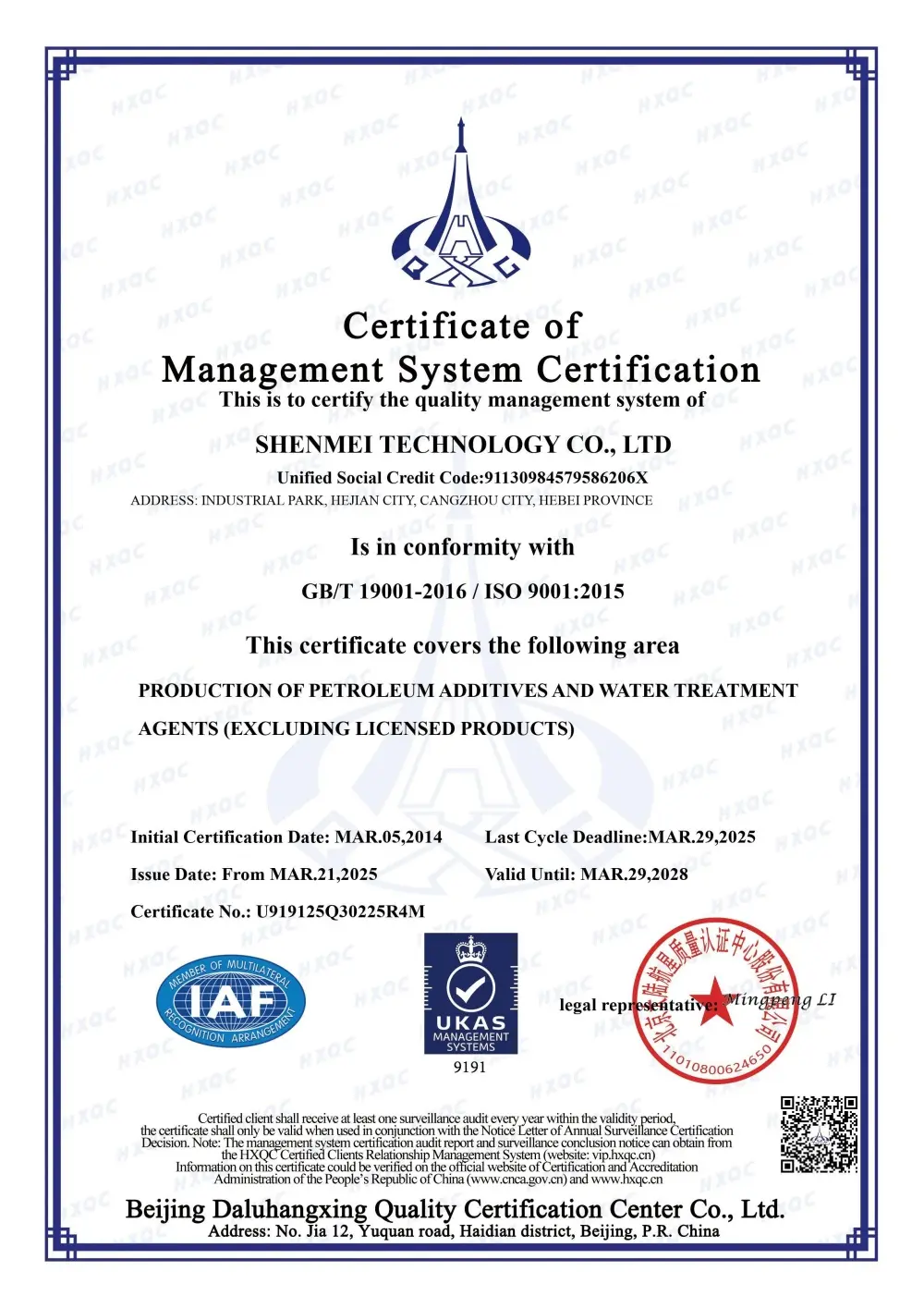
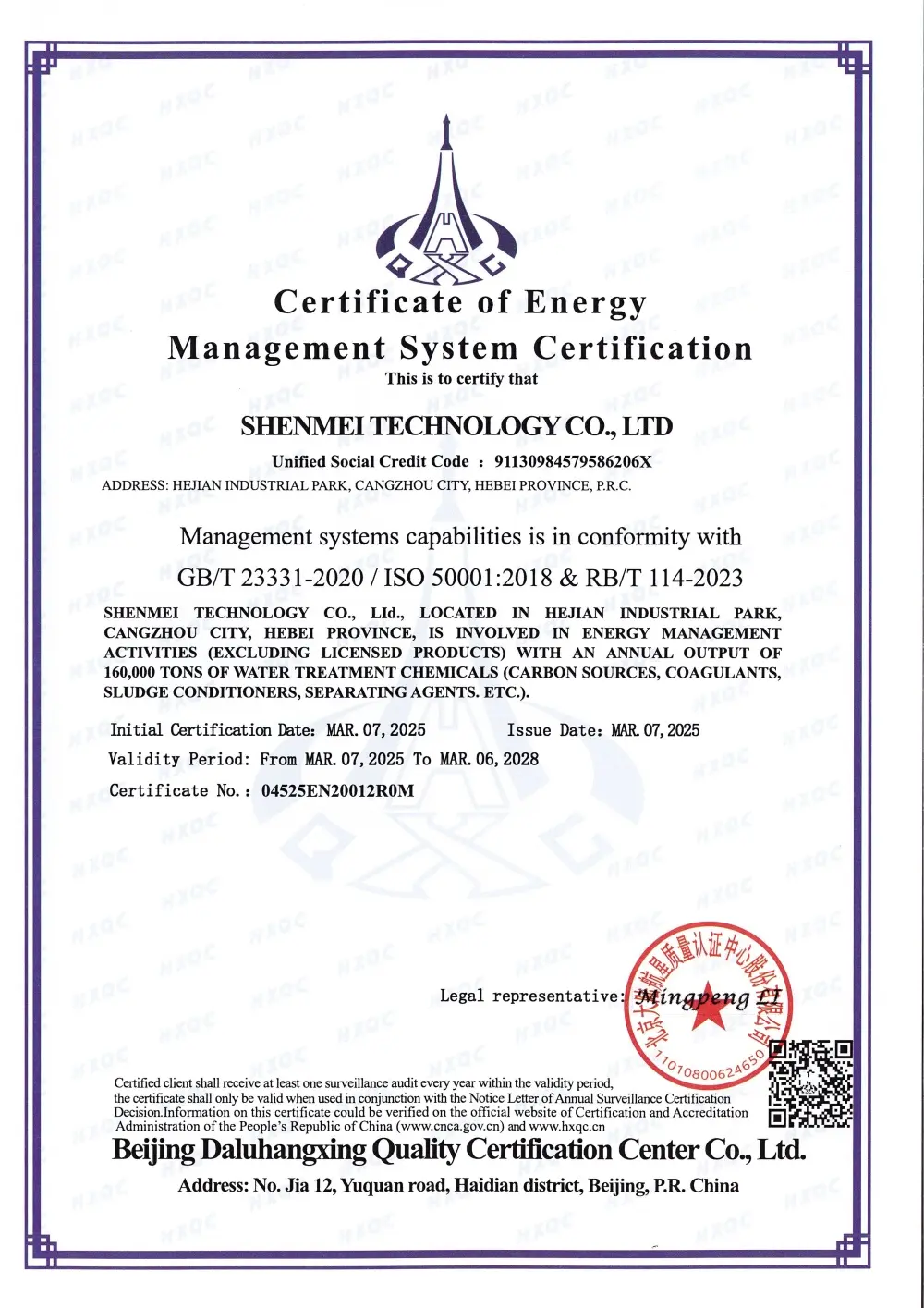
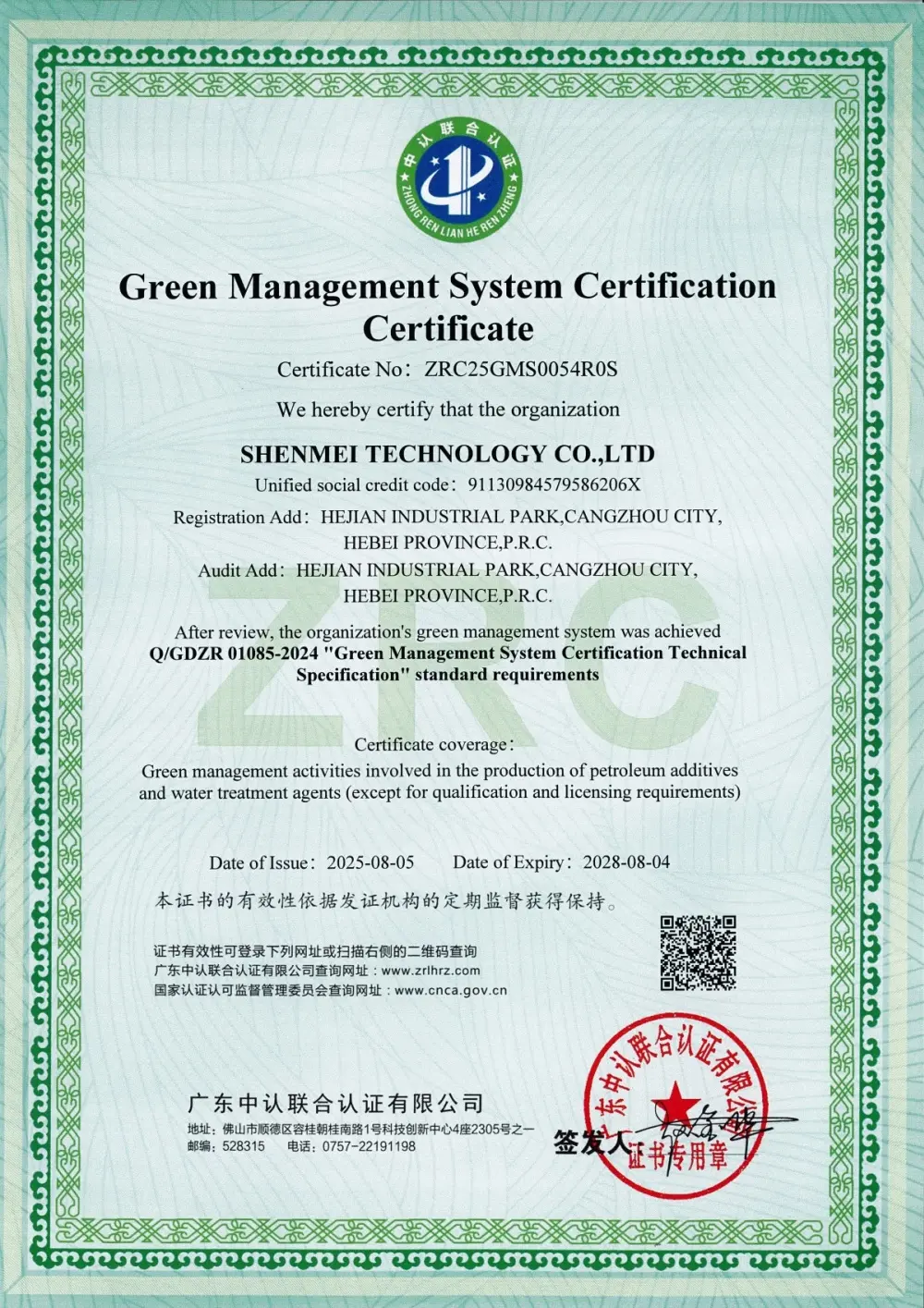
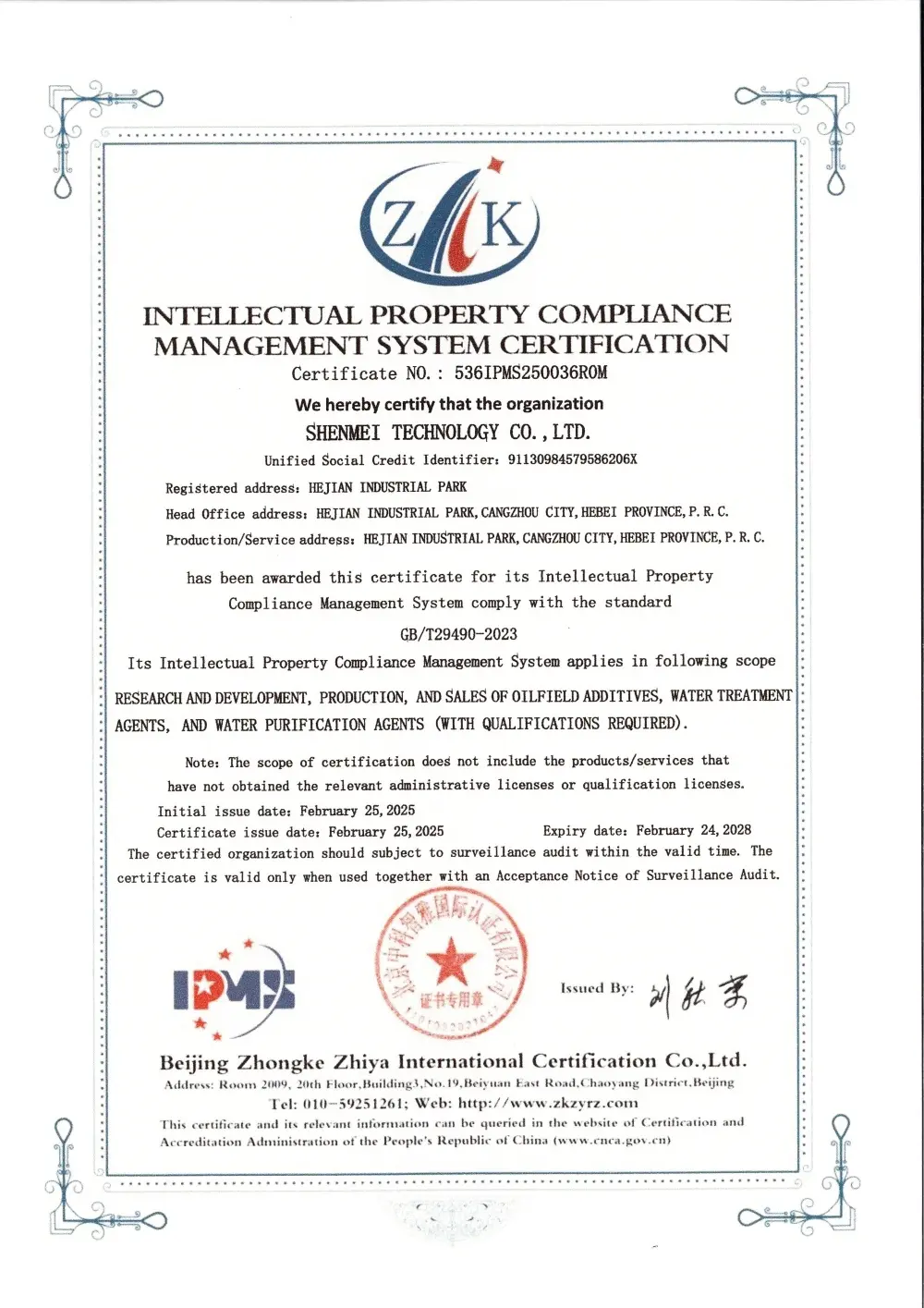
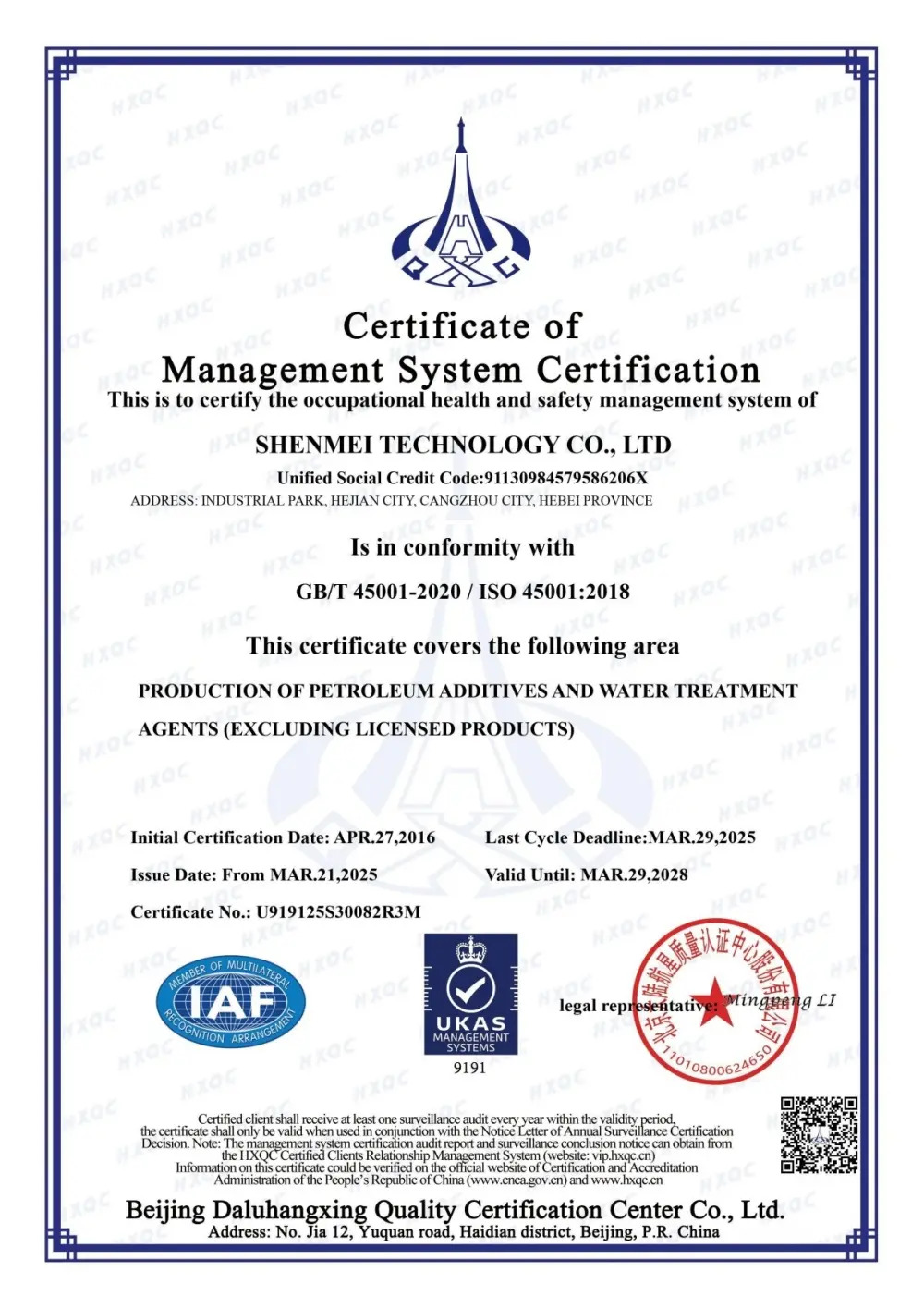
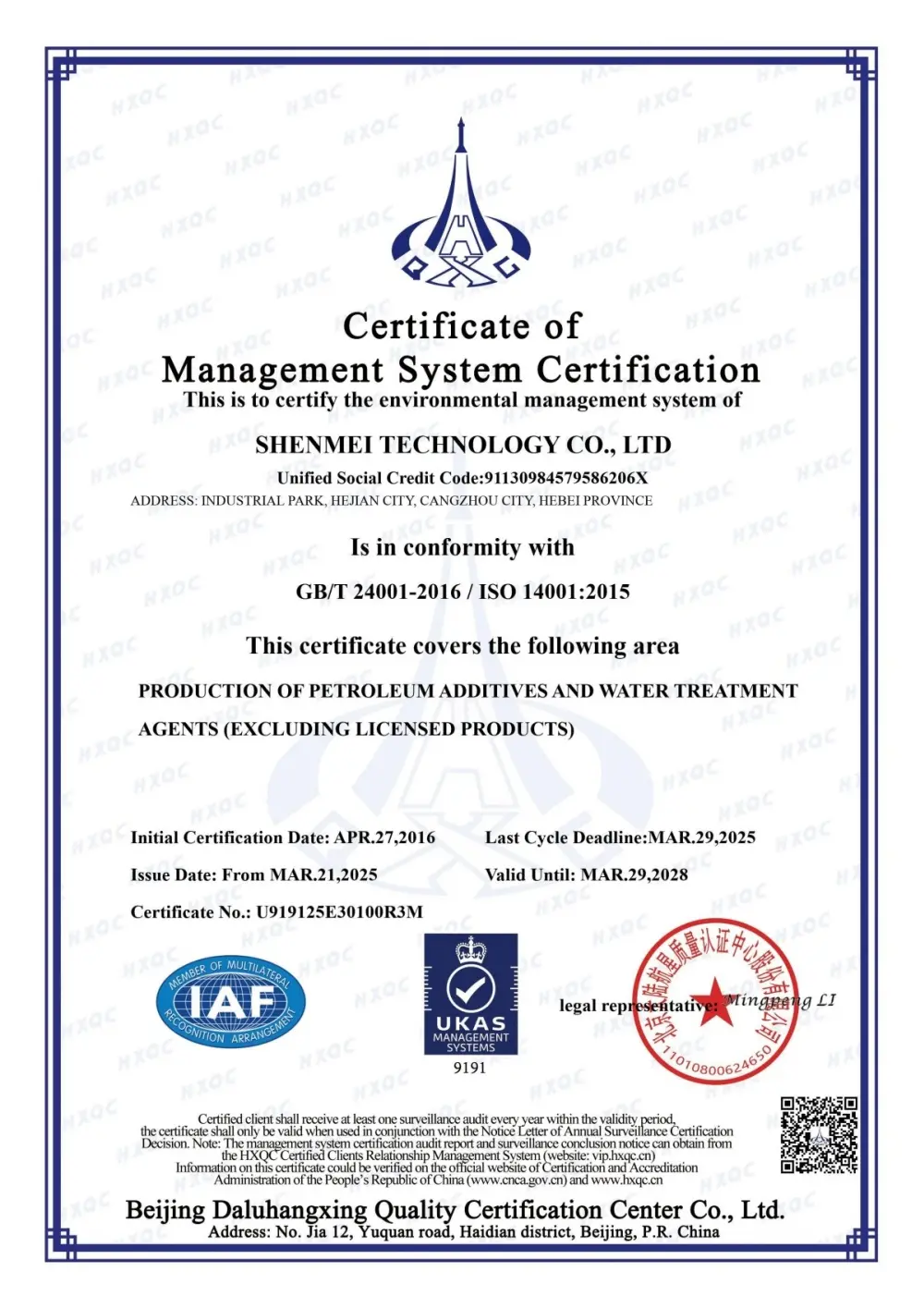
Our manufacturing processes are certified to meet international quality, environmental, and occupational safety standards.
The municipal wastewater sector is transitioning from traditional treatment to resource recovery. Modern wastewater plants are increasingly viewed as resource recovery facilities (WRRFs), extracting clean water, energy, and nutrients from waste streams. Key trends shaping the future of this industry include:
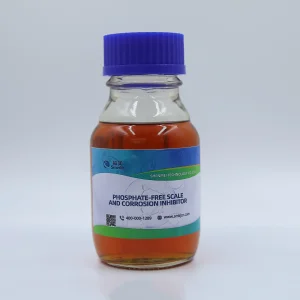
To prevent eutrophication in receiving waters, industrial cooling towers and municipal networks are shifting away from organophosphorus inhibitors. The industry is moving toward phosphate-free alternatives that prevent scale formation without contributing nutrients to local aquatic ecosystems.
While synthetic polyacrylamides remain the standard for sludge dewatering, there is growing interest in bio-based and modified natural polymers. These alternatives offer high settling rates with minimal environmental footprint.
As environmental regulations tighten, municipal plants are implementing tertiary treatment processes designed to remove trace pharmaceuticals, microplastics, and heavy metal complexes from effluents.
For international procurement managers, sourcing chemical agents requires careful evaluation of regulatory compliance, quality control, and supply chain security. Smedic Technology supports global procurement through integrated services designed to simplify sourcing and minimize supply chain risks:
We maintain long-term strategic supply relationships with major municipal operators and environmental groups, supported by our verified industry credentials.
Find answers to technical questions about chemical performance, selection criteria, and operational optimization.
Explore our range of specialty chemicals formulated to protect equipment, control foam, and remove heavy metals across municipal and industrial applications.
 Smedic Tech