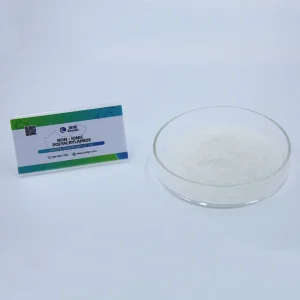
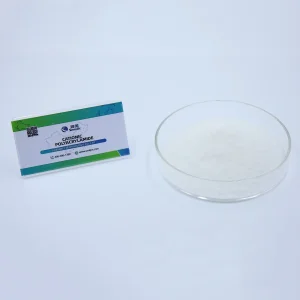
Direct from our state-of-the-art Chinese manufacturing facilities. Scientifically formulated for premium efficiency.
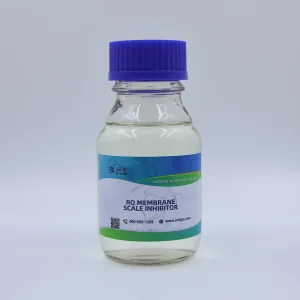
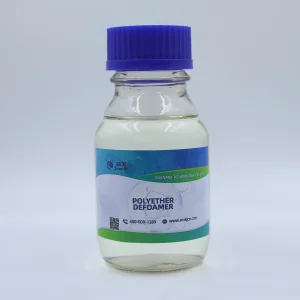
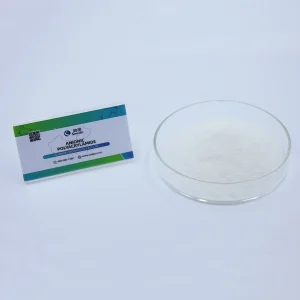
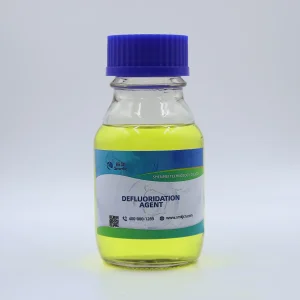
Smedic Technology Co., Ltd. is a high-tech environmental protection enterprise focusing on R&D, chemical synthesis, production, scale distribution, and customized technical field solutions. We supply environmental protection agents covering municipal sewage purification, industrial water reuse, potable tap water processing, mineral separation, and enhanced oil recovery (EOR) operations.
By leveraging an advanced domestic logistics setup and several state-owned science joint-ventures, we have expanded our portfolio to include more than 80 premium water agent formulations, boasting a total annual manufacturing capacity exceeding 1,000,000 tons. Our production systems comply fully with regional ecological legislation, prioritizing green chemistry methodologies.
"Appraised as 'Internationally Advanced' by the Science and Technology Department, our proprietary systems fill critical industry gaps in deep-bed biological denitrification."
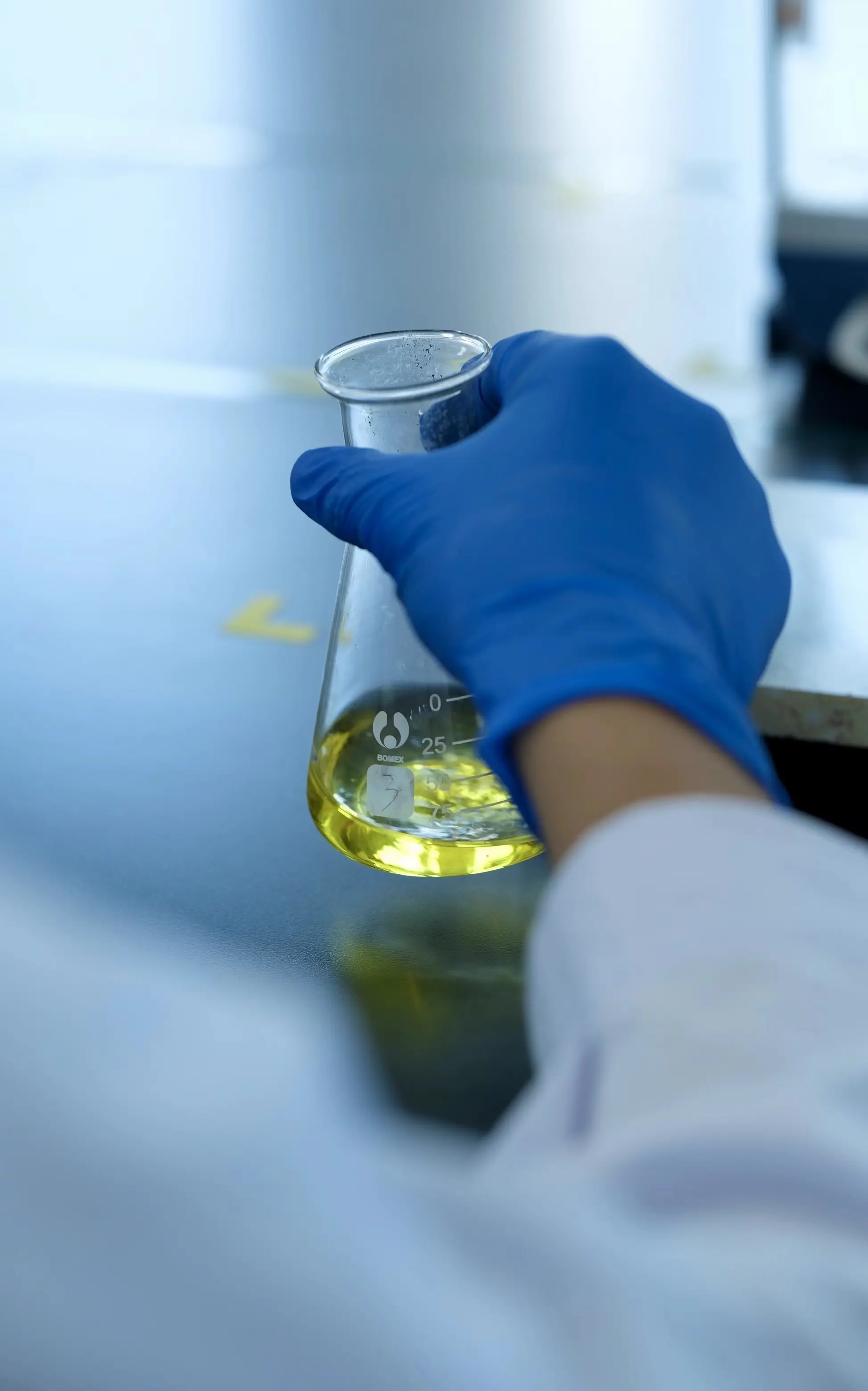
The municipal and industrial water treatment industry is undergoing a global paradigm shift. Rapid urbanization, regulatory tightening, and localized water scarcity demand robust, highly active chemical reagents. Chinese chemical manufacturing has evolved from basic bulk compounding to advanced molecular design and engineering. Factories like Smedic's rely on integrated upstream mineral supply networks, domestic syntheses of complex polymers, and highly automated production processes.
These capabilities yield several distinct advantages for international buyers:
Modern wastewater networks face complex inputs, ranging from high-salinity industrial flows to low-carbon municipal effluents requiring denitrification. Smedic's macro-scale solutions tackle these complex demands by matching chemical properties to dynamic biological processes:
Different regions present unique challenges, requiring tailored chemical treatment strategies:
The industry is transitioning toward green chemistry and digital system integration. Regulatory bodies increasingly scrutinize polymer residuals and secondary chemical footprints in effluents. In response, Smedic is focusing on biodegradable Defoamers, low-phosphorus scale inhibitors, and carbon sources derived from agricultural processing by-products. Additionally, our chemical formulations are optimized for automated, real-time dosing control systems, preventing chemical overfeeding and reducing overall operational costs.
Why Tier-1 global water utility groups choose Smedic as their long-term supply partner.
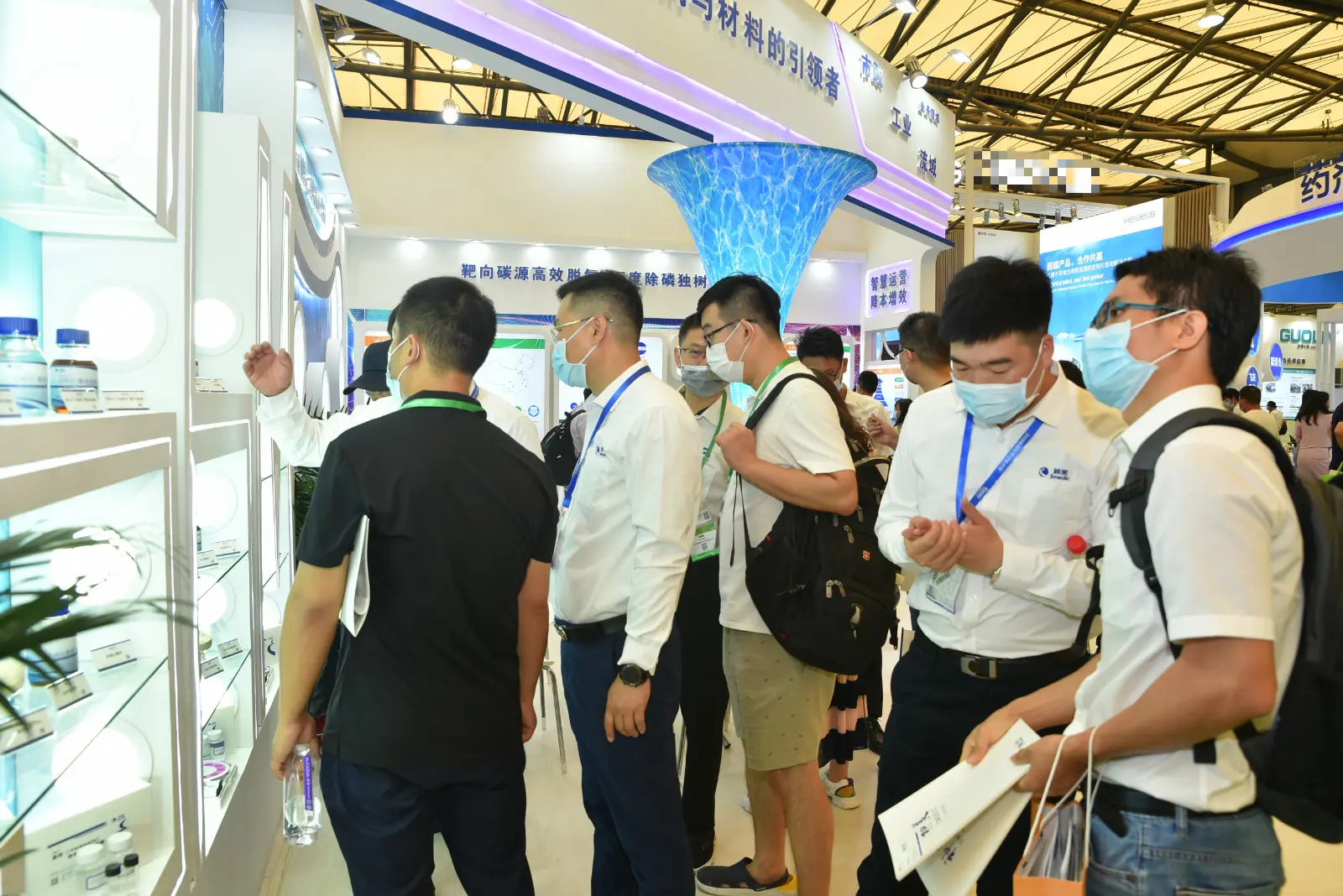
Supported by a comprehensive R&D system including one academy, three research institutes, and five production bases. We work closely with Tsinghua University and Shandong University to commercialize leading-edge water treatment technologies.
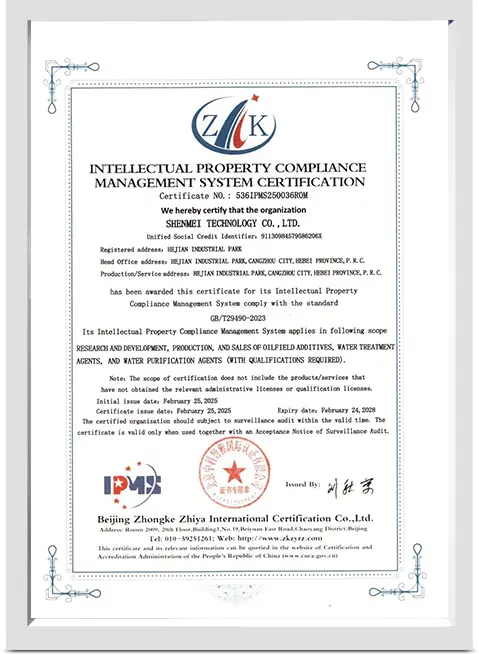
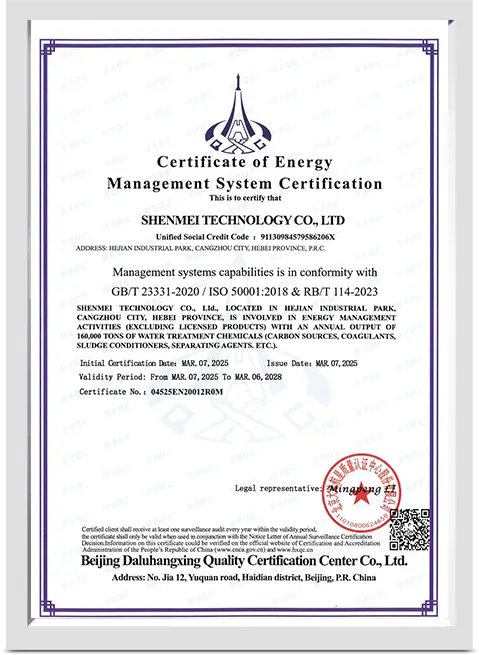
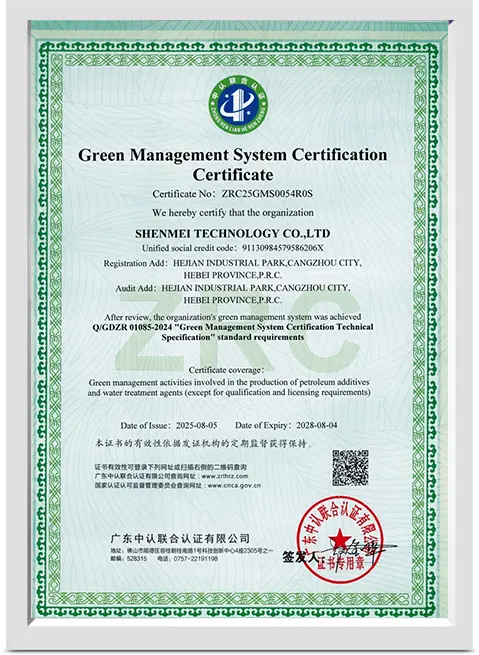
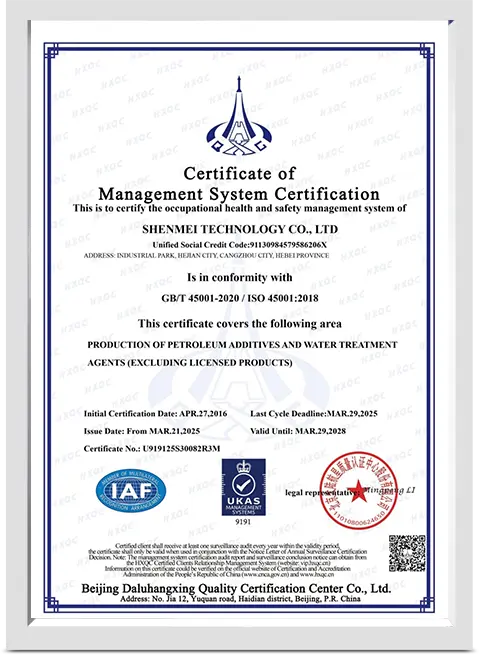
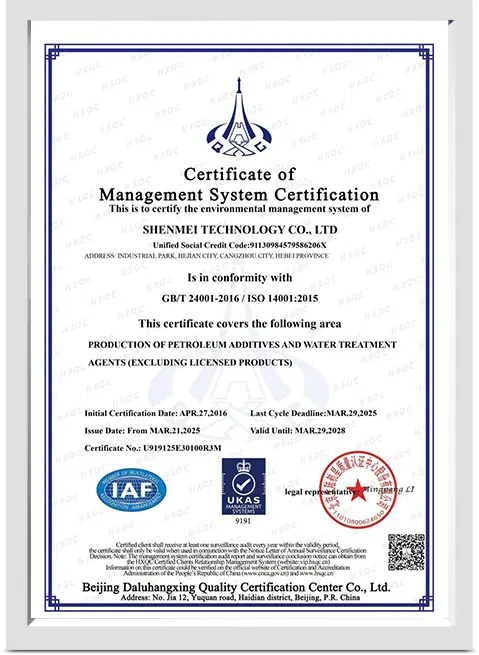
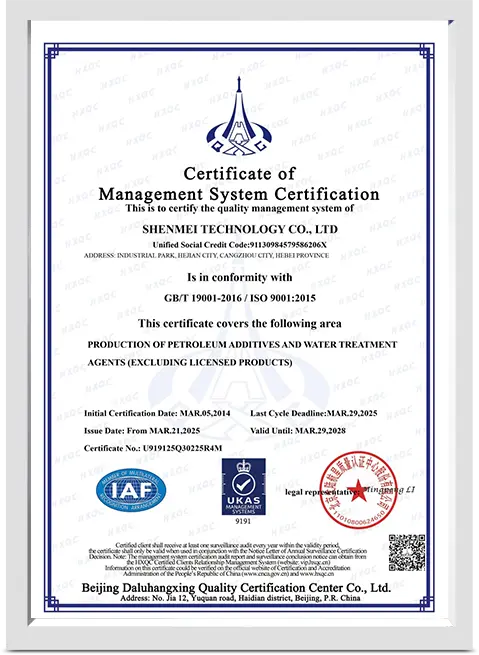
Every product batch undergoes strict testing, tracking raw materials, polymerization kinetics, active content, and heavy metal limits. Smedic is certified under major ISO frameworks for environmental safety and quality.
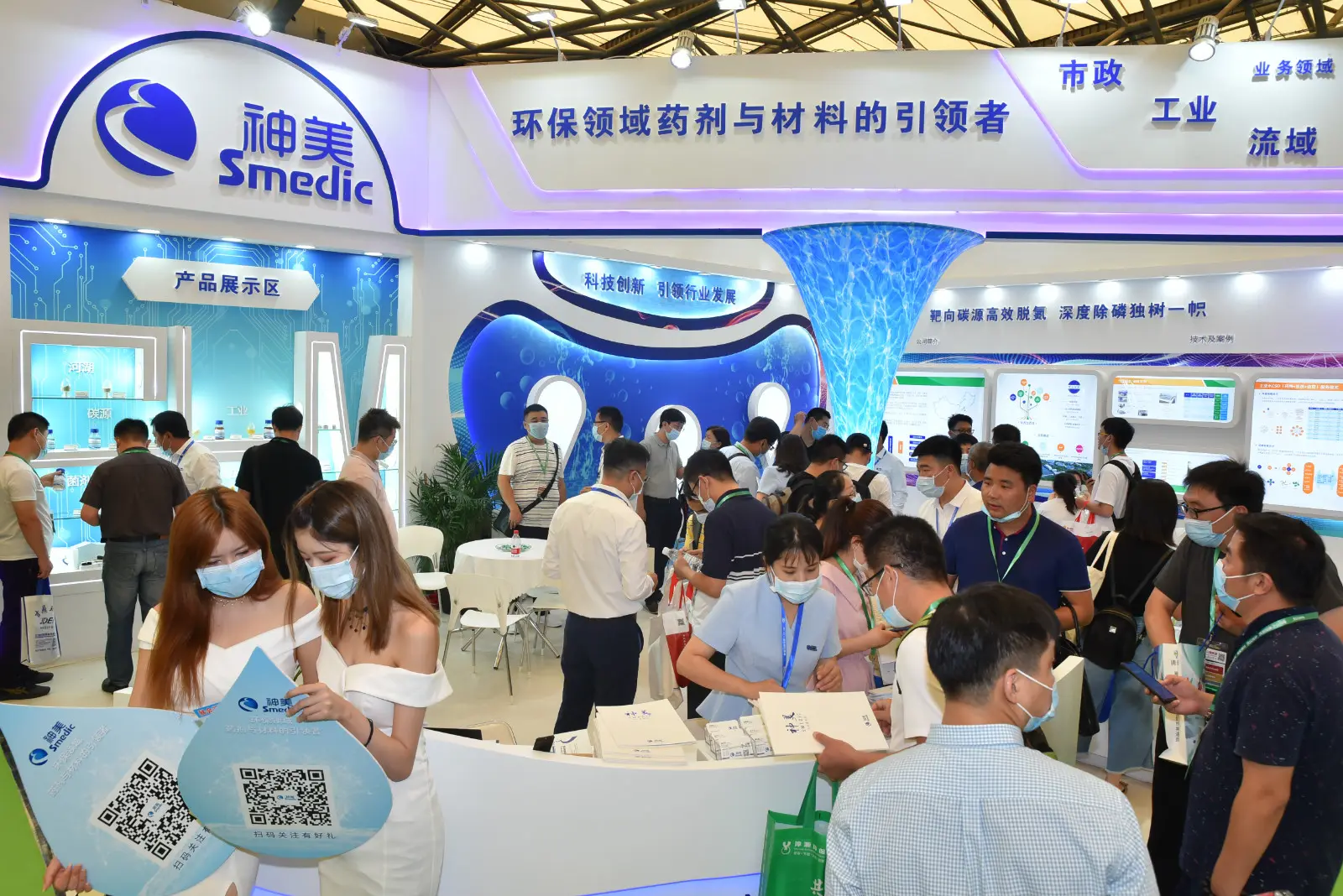
Included in the centralized procurement lists of major water environmental groups, including Shouchuang Ecological, Yangtze River Ecological, Beijing Enterprises Water Group (BEWG), and OriginWater.
Our journey from a local manufacturer to an industry leader.
Backed by more than forty invention patents and over twenty utility model patents.
Detailed chemical answers from Smedic's senior technical engineers.
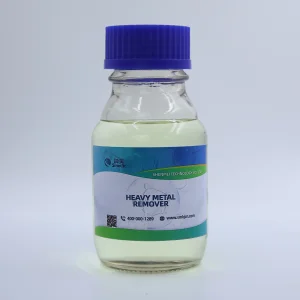
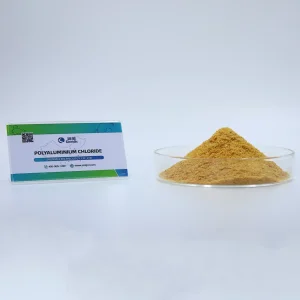
Polyaluminum Chloride (PAC) utilizes Al(III) ions to hydrolyze into polymeric species, which neutralize charges and bind suspended colloids. It is highly effective across standard pH ranges and preserves water clarity. Polyferric Sulfate (PFS) relies on Fe(III) complexes, forming heavier flocs that settle faster in turbid waters. PFS is particularly effective for heavy metal removal, sulfide control, and phosphorus precipitation, though it requires careful dosing to avoid introducing color to the treated water.
Sludge dewatering requires matching the surface charge of the suspended solids. Municipal biological sludges are typically negatively charged, requiring Cationic Polyacrylamide (CPAM) for effective flocculation. Selecting the appropriate cationicity depends on volatile solids content and shear forces within the dewatering equipment (e.g., belt presses or centrifuges). Smedic offers a range of high-efficiency CPAM formulations to match these varied system demands.
Our specialized fluoride removal agent uses customized multi-nuclear coordination complexes. These molecules form active surface sites that selectively bind fluoride ions through coordination chemistry. The resulting precipitates form stable, insolubilized flocs that are easily filtered out, allowing municipal plants to meet strict drinking water and discharge standards.
Smedic's solid-form coagulants and polymers are packaged in multi-layer moisture-barrier bags with heat-sealed linings to prevent clumping. Liquid agents are shipped in UV-stabilized, high-density polyethylene (HDPE) drums or IBC tanks. We also track logistics temperatures to ensure our chemical agents remain stable and active throughout international transit.
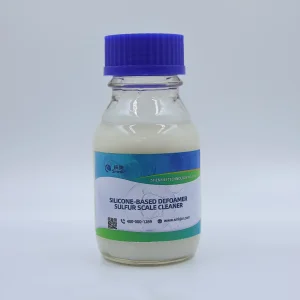
Premium solutions designed to improve settling velocities, control process foam, and prevent scale buildup.
 Smedic Tech