In modern industrial processes, foam generation is more than an aesthetic nuisance—it is a critical bottleneck that directly affects throughput, operational efficiency, and product quality. For decades, silicone-based defoamers (polydimethylsiloxane or PDMS) were the industry standard due to their low surface tension and rapid knock-down capabilities. However, as global industries transition toward stricter environmental compliance, micro-filtration systems, and zero-defect surface finishes, silicone-based agents are increasingly restricted.
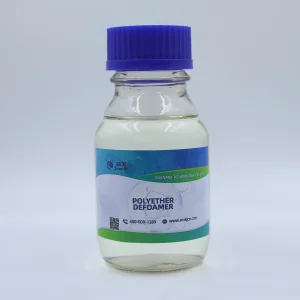
Silicone compounds leave microscopic residues that cause catastrophic defects in coatings (cratering, fish-eyes), poison catalysts in petrochemical processes, and irreversibly clog high-recovery reverse osmosis (RO) and ultrafiltration (UF) membranes in wastewater systems. Smedic Technology's advanced range of Non-Silicone Defoamers (specifically designed using polyether polyols, mineral oils, and fatty alcohols) mitigates these operational risks. These formulations provide rapid bubble rupture and long-lasting foam suppression without the danger of silicone accumulation or surface contamination.
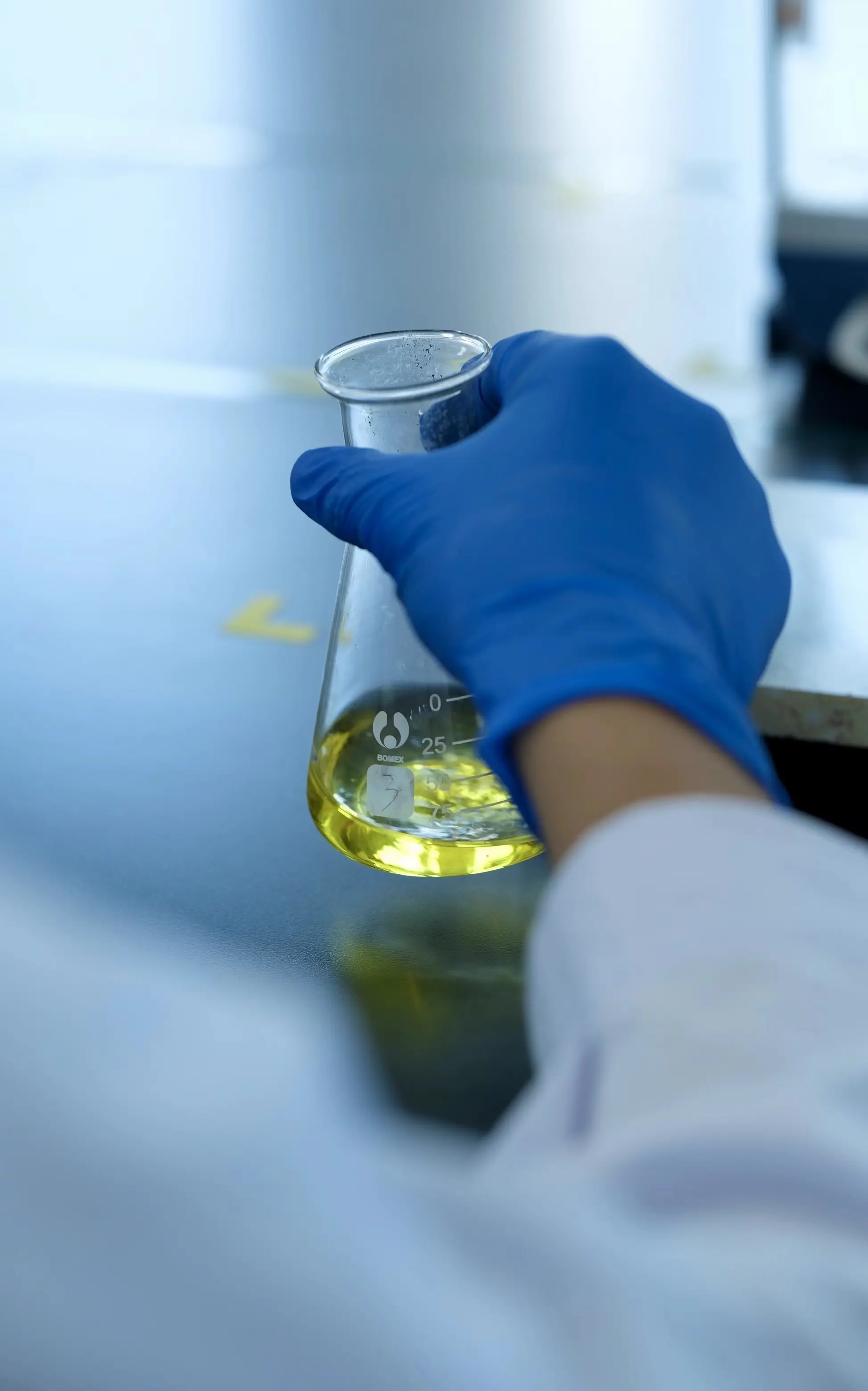
Established in 2011, Smedic Technology Co., Ltd. is a globally recognized provider of premium environmental protection agents, combining state-of-the-art research, large-scale synthesis, and localized application engineering. We formulate tailored chemical solutions, municipal wastewater treatment compounds, and specialized defoaming agents that power clean industrial production globally.
At Smedic Technology, our R&D platform operates on a molecular-design methodology. Unlike silicone surfactants, which rely entirely on the low surface energy of siloxane chains, our non-silicone defoamers utilize thermodynamic instability and surface-active balances to destabilize foam films.
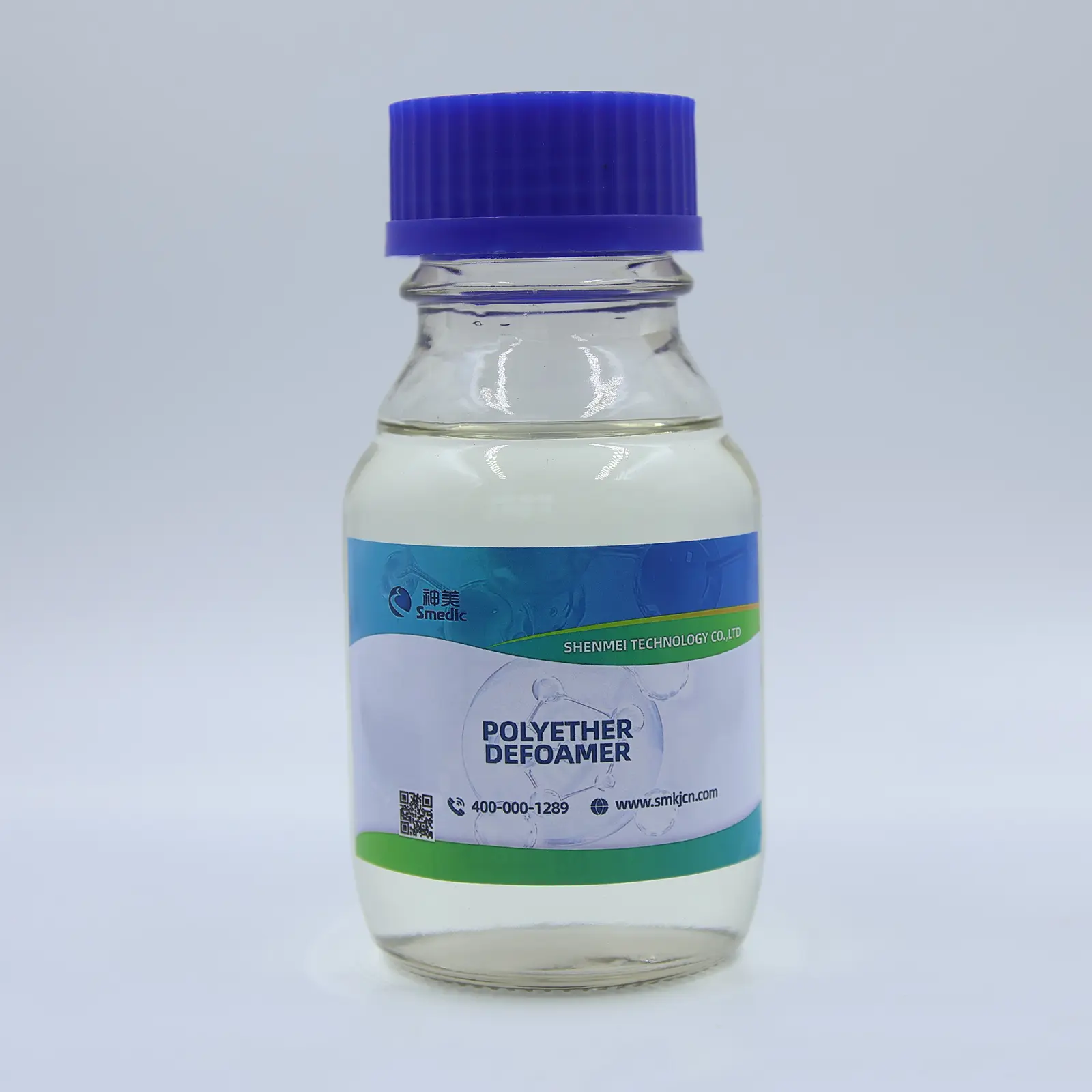
Utilizing EO/PO block copolymers, we synthesize defoamers with highly controlled cloud points. These molecules are soluble at low temperatures but become completely insoluble (forming micro-droplets) at the operating temperature, maximizing defoaming action with zero residue risk. Perfect for high-shear fermentation and textile printing processes.
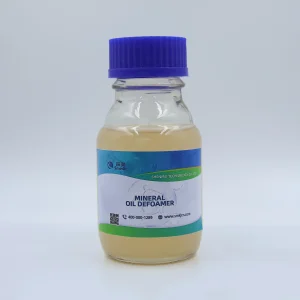
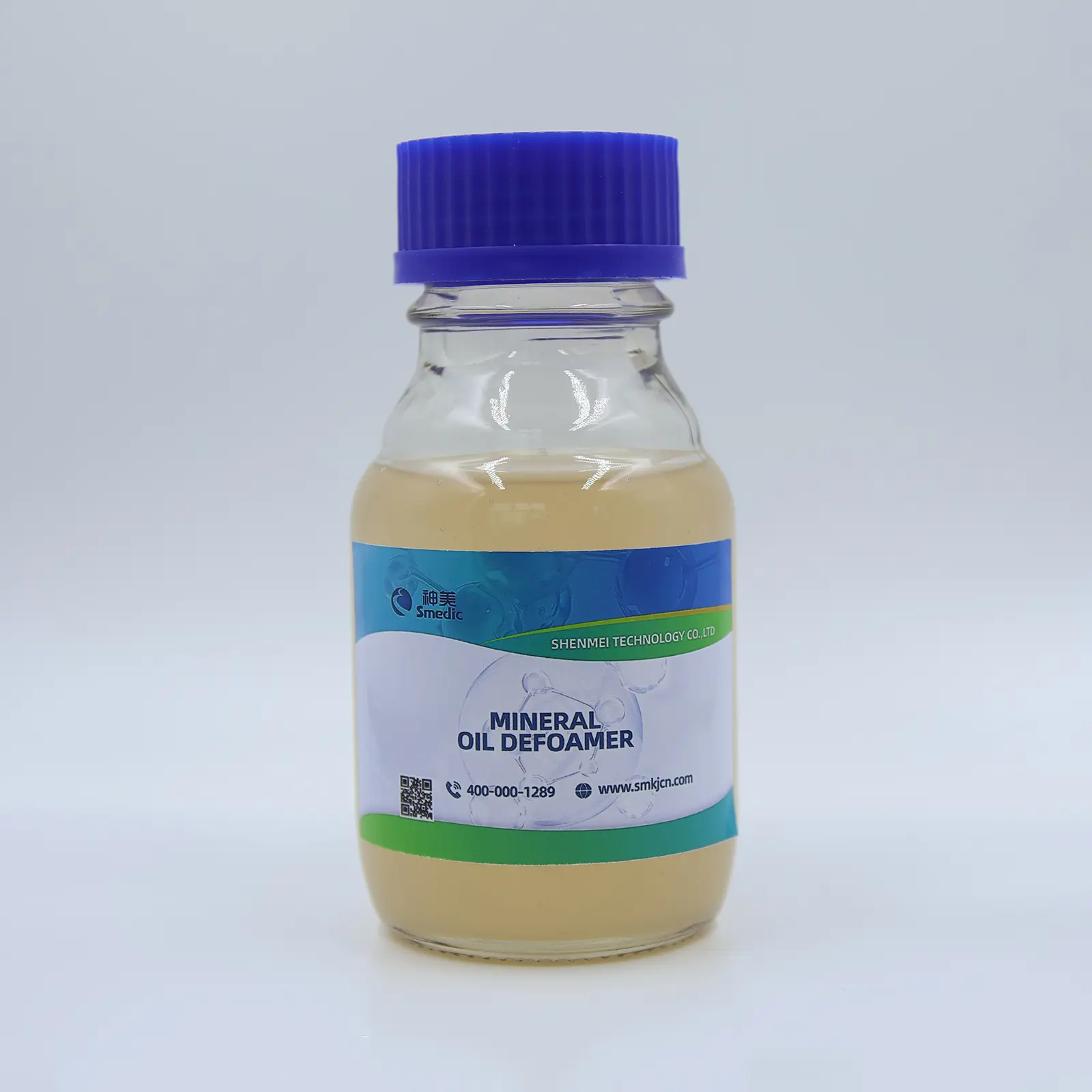
Formulated using highly refined aliphatic hydrocarbons and proprietary hydrophobic particles (such as fatty acid amides or waxes). The oil phase acts as a carrier, transporting the hydrophobic particles directly to the air-water interface of the bubble, causing thinning and rapid mechanical rupture of the foam lamella.
Our next-generation Gemini surfactant defoamers occupy the surface without forming stable micelles. These molecular structures alter the dynamic surface tension at the foam interface, preventing bubbles from reforming. This is highly suitable for electronic manufacturing, high-speed coatings, and paper mill circuits.
| Performance Indicator | Polyether Non-Silicone | Mineral Oil Non-Silicone | Silicone-Based Defoamers |
|---|---|---|---|
| RO/UF Membrane Compatibility | Excellent (Zero Fouling) | Good (Low Risk) | Poor (High Fouling / Irreversible Clogging) |
| Surface Finish Compatibility | Perfect (No Cratering/Fish-eyes) | Excellent for Paints/Coatings | Poor (Causes Surface Contamination) |
| Thermal Stability | Highly adjustable via Cloud Point | Moderate (Up to 80°C) | High (Up to 150°C) |
| Biodegradability | High / Eco-friendly | Moderate | Very Low (Persistent in Sludge) |
| Primary Application | Wastewater, Fermentation, Pulp | Paints, Architectural Coatings | High-temperature Petrochemical |
Our specialized formulations are systematically tested and optimized for highly specific industrial sectors, providing critical process efficiency gains.
During black liquor washing, screening, and bleaching, excessive foam causes liquor carryover, reducing pulp washing efficiency. Smedic's polyether non-silicone defoamers withstand high temperature and alkaline conditions, accelerating drainage and improving fiber washing while preventing residue in the paper sheet.
In activated sludge processes, biological aeration often generates high volumes of foam. Traditional silicone agents damage membrane systems (MBR). Smedic non-silicone defoamers are designed to control foam in biological basins without affecting oxygen transfer rates (OTR) or fouling the ultrafiltration membranes.
Micro-foam during mixing and application leads to pinholes, gloss reduction, and coating failures. Our mineral-oil based non-silicone defoamers display high compatibility with acrylic, polyurethane, and epoxy emulsions, ensuring defect-free surface properties and excellent mechanical stability under shear.
In citric acid, enzyme, and yeast production, high aeration and agitation generate substantial foam. Smedic supplies non-silicone, food-grade defoamers that comply with global health standards, ensuring maximum fermenter capacity utilization without poisoning the microbial cultures or affecting filtration.
Operating wholly-owned, modern production facilities in Hebei, Guizhou, and Shanxi, alongside ten OEM partner facilities and strategic logistics hubs, Smedic Technology has built a highly resilient supply network. We operate under strict digital process controls (PLC systems) that guarantee batch-to-batch consistency and raw material traceability.
Our annual production capacity exceeds 1 million tons of environmental chemical agents, allowing us to maintain a constant safety stock of raw materials and finished goods. This robust infrastructure minimizes the impact of global supply chain disruptions, ensuring on-time container deliveries to Europe, Southeast Asia, the Middle East, and the Americas.
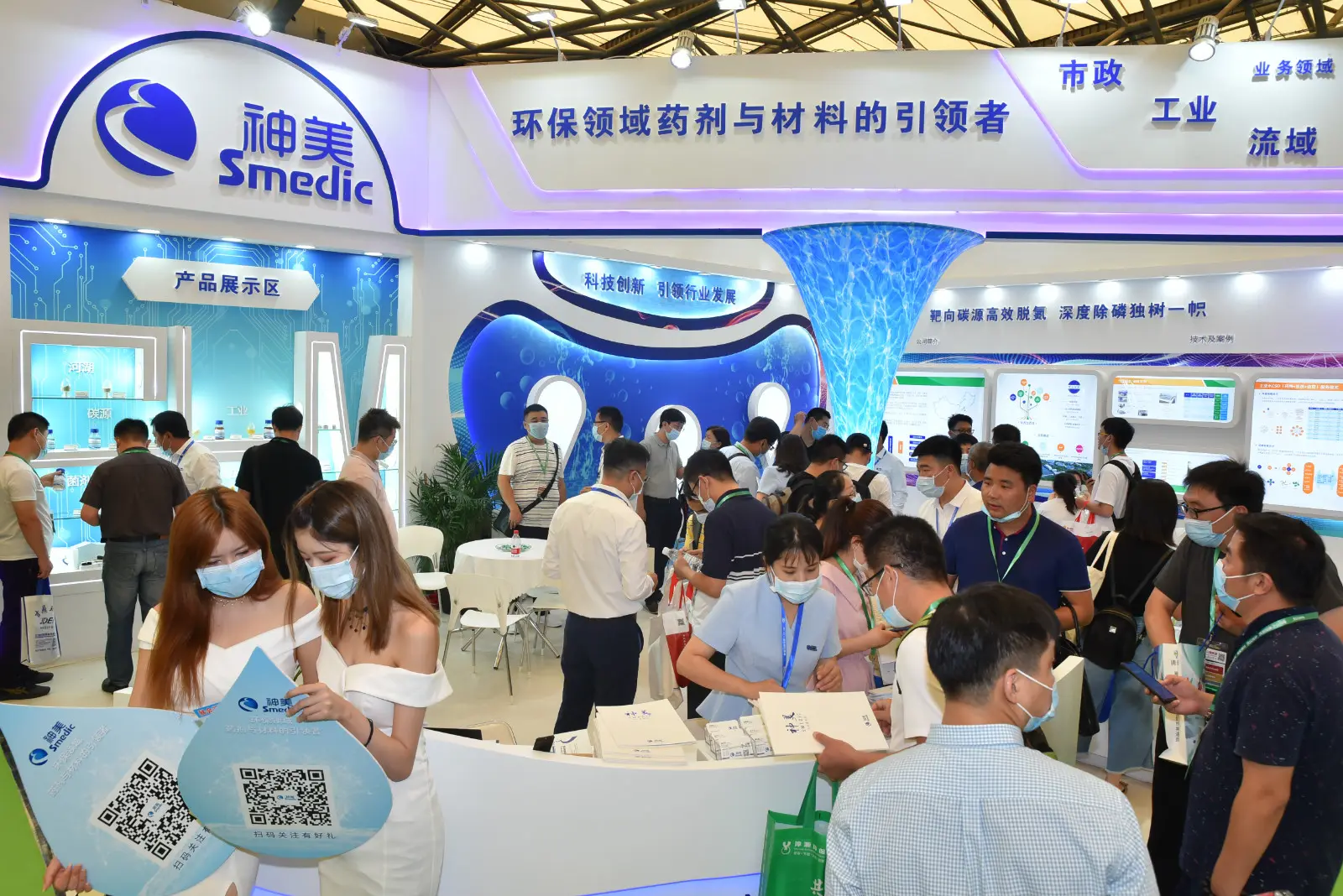
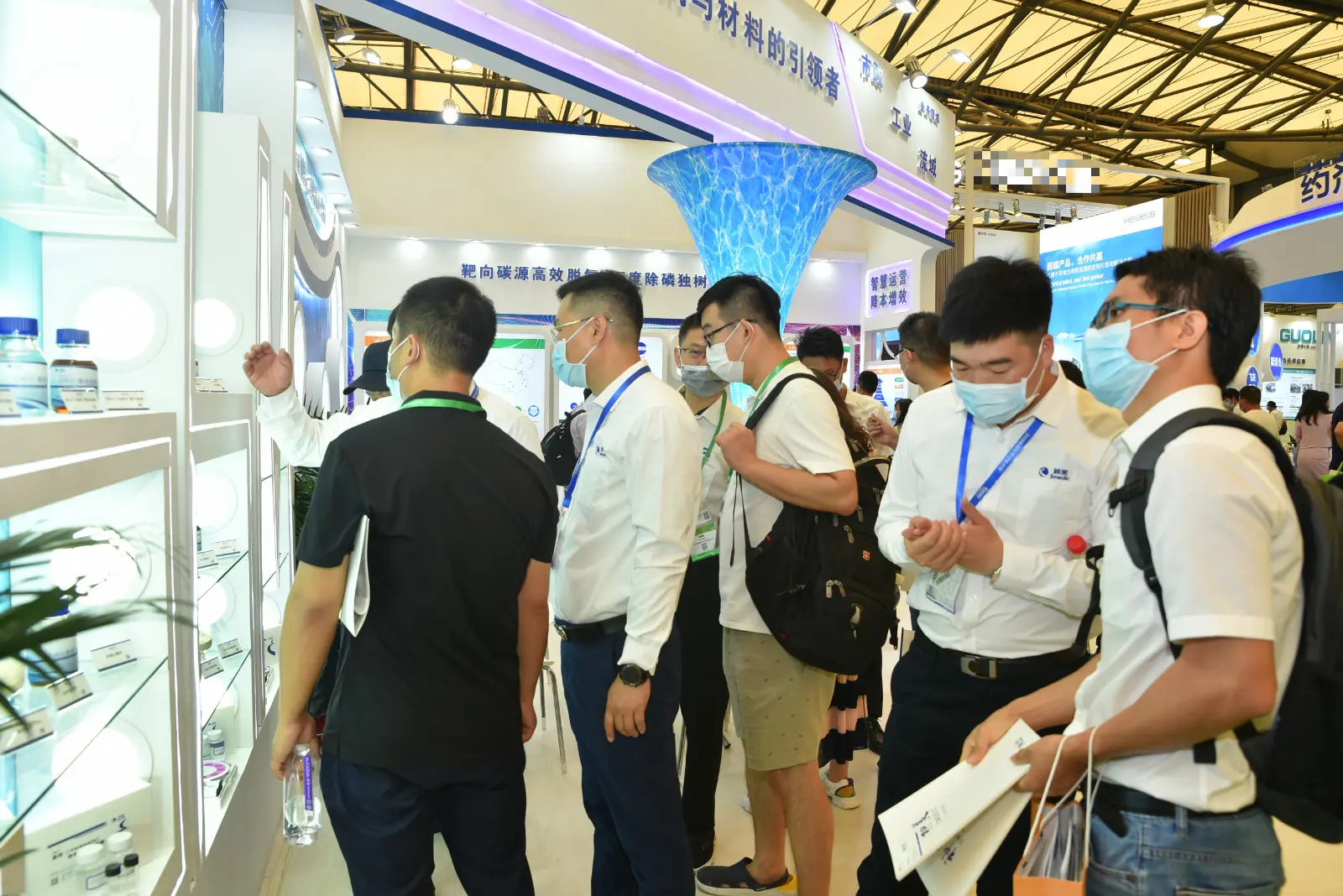
Our R&D framework is built in collaboration with leading academic institutions, including joint laboratories with Tsinghua University Association of Senior Scientists and Technicians, Shandong University, and Beijing University of Technology.
Recognized as a National Specialized, Refined, Unique and Innovative "Little Giant" Enterprise and National High-Tech Enterprise. Certified as a Green Factory in Hebei Province.
Granted over 60 Chinese patents (including more than 40 invention patents and 20 utility models). Led the drafting of over 10 national and industry chemical standards.
Awarded the 22nd China Patent Award and the First Prize for Technological Invention from the China Petrochemical Industry Association for our inorganic-organic chemical systems.
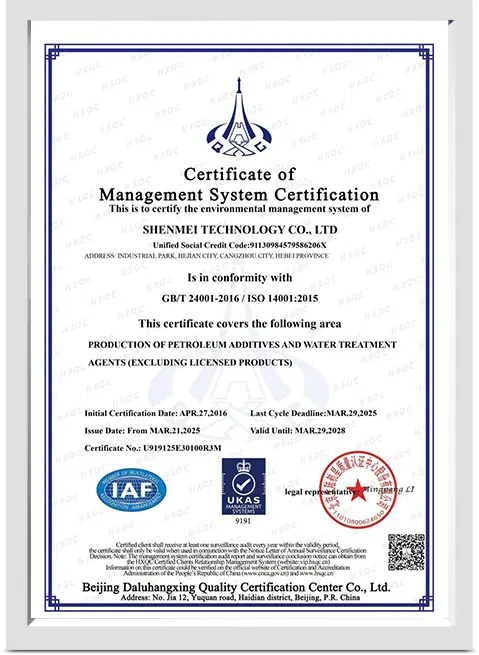
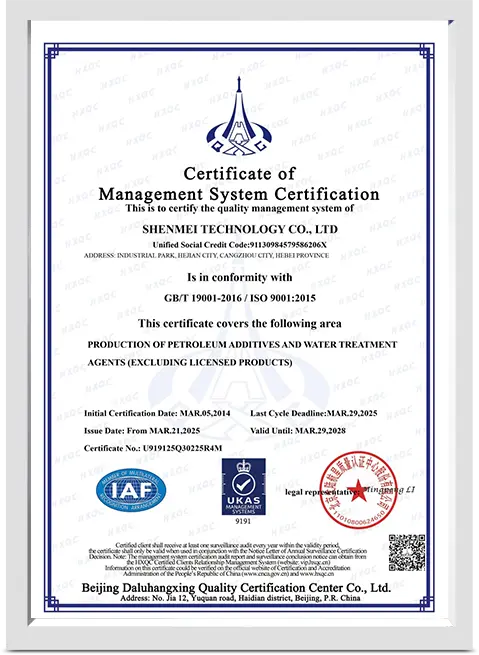
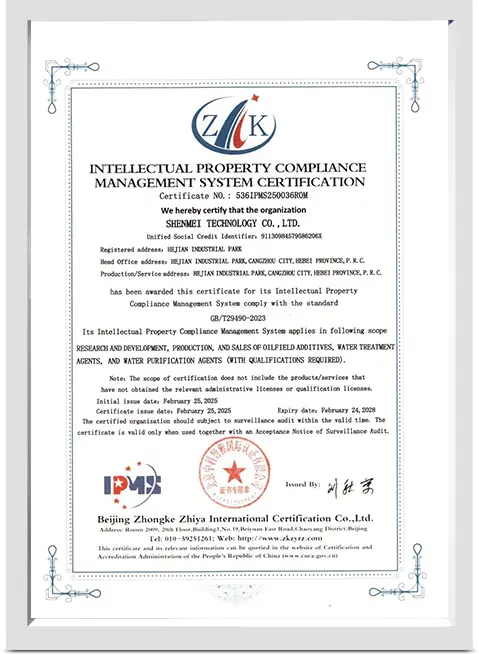
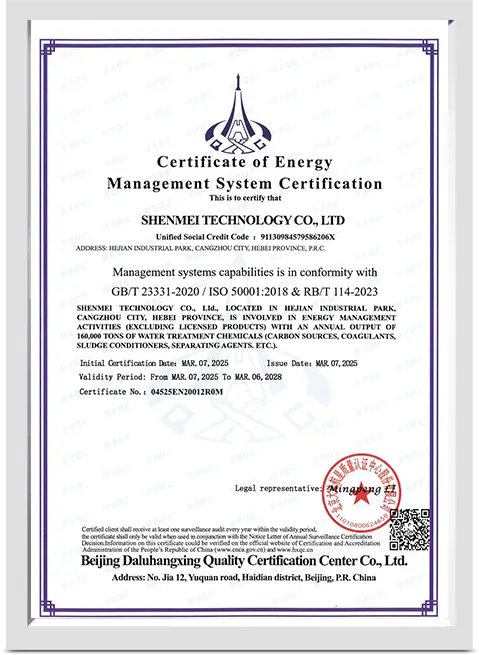
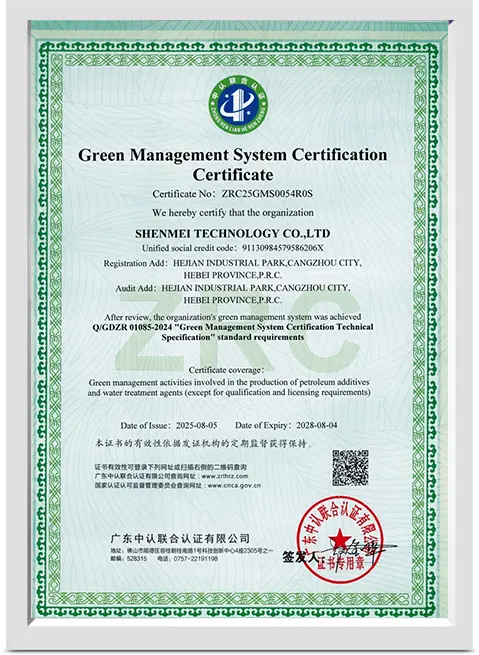
Smedic operates dedicated warehousing and logistics points in major Chinese port provinces (Shandong, Shanxi, Anhui, Guangxi, Sichuan), facilitating quick dispatch. We supply defoamers in multiple packaging options: 25 kg drums, 200 kg barrels, and 1000 kg IBC totes, ensuring safe and optimized marine or overland transit.
We strictly follow international environmental regulations. Our non-silicone defoamers are designed to meet REACH, FDA CFR 21 (for food-contact coatings and paper mill circuits), and local wastewater discharge guidelines, assisting global partners in passing audit checks and maintaining ESG certifications.
Because industrial foam structures vary based on pH, electrolyte levels, and temperature, Smedic offers customized application engineering. Customers can send samples of their foaming media to our joint R&D laboratories, where our technical team will customize a defoamer formulation to target their specific foam profile.
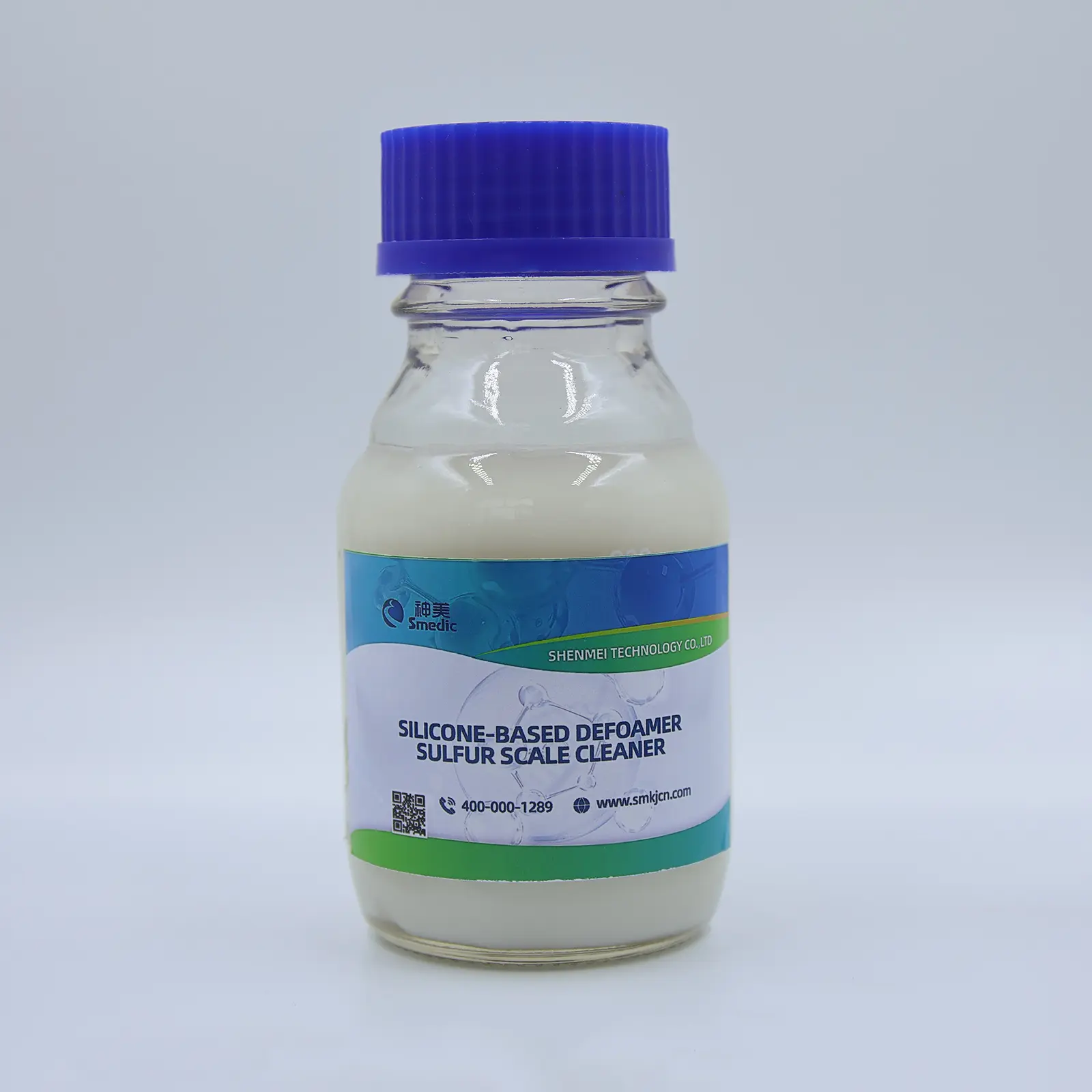
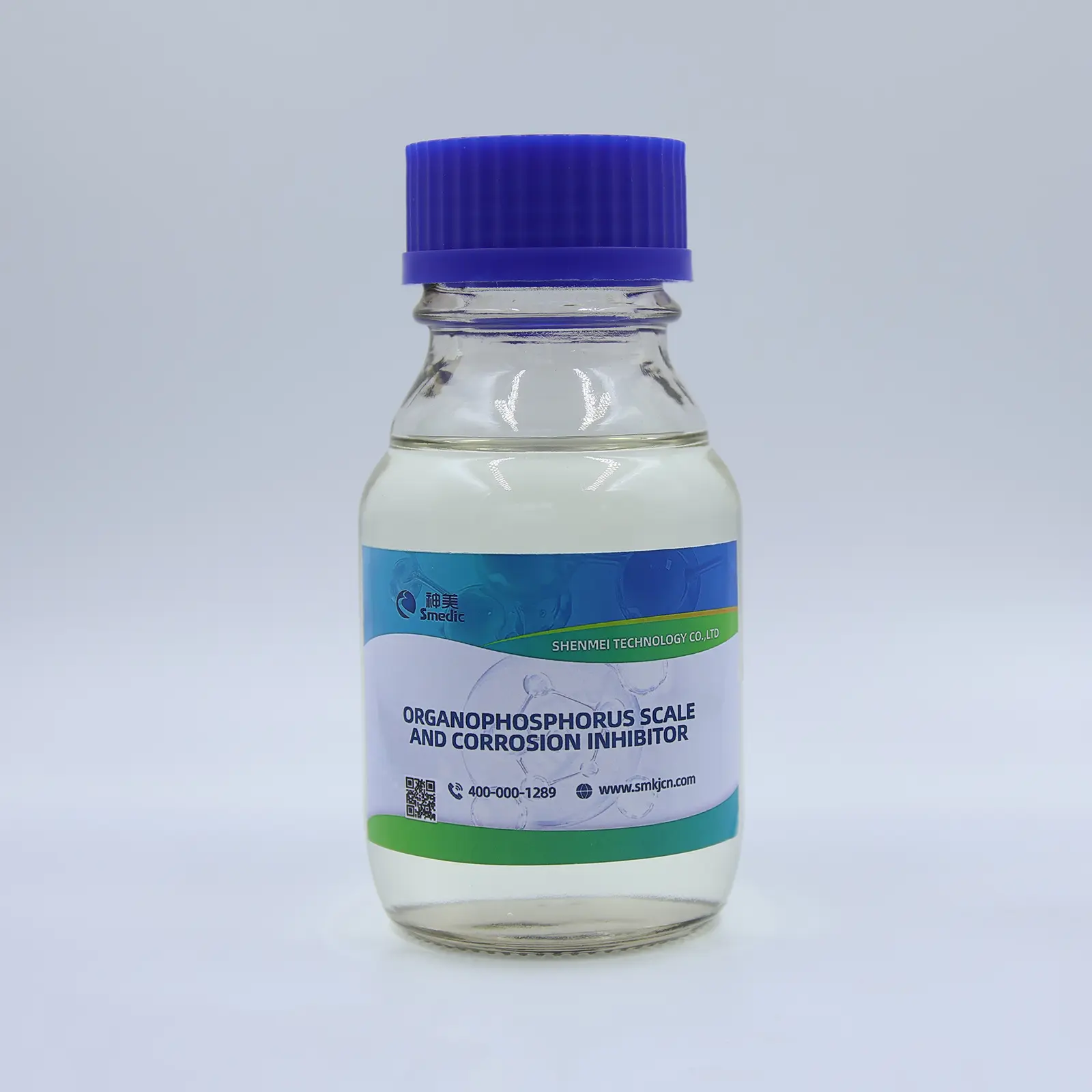
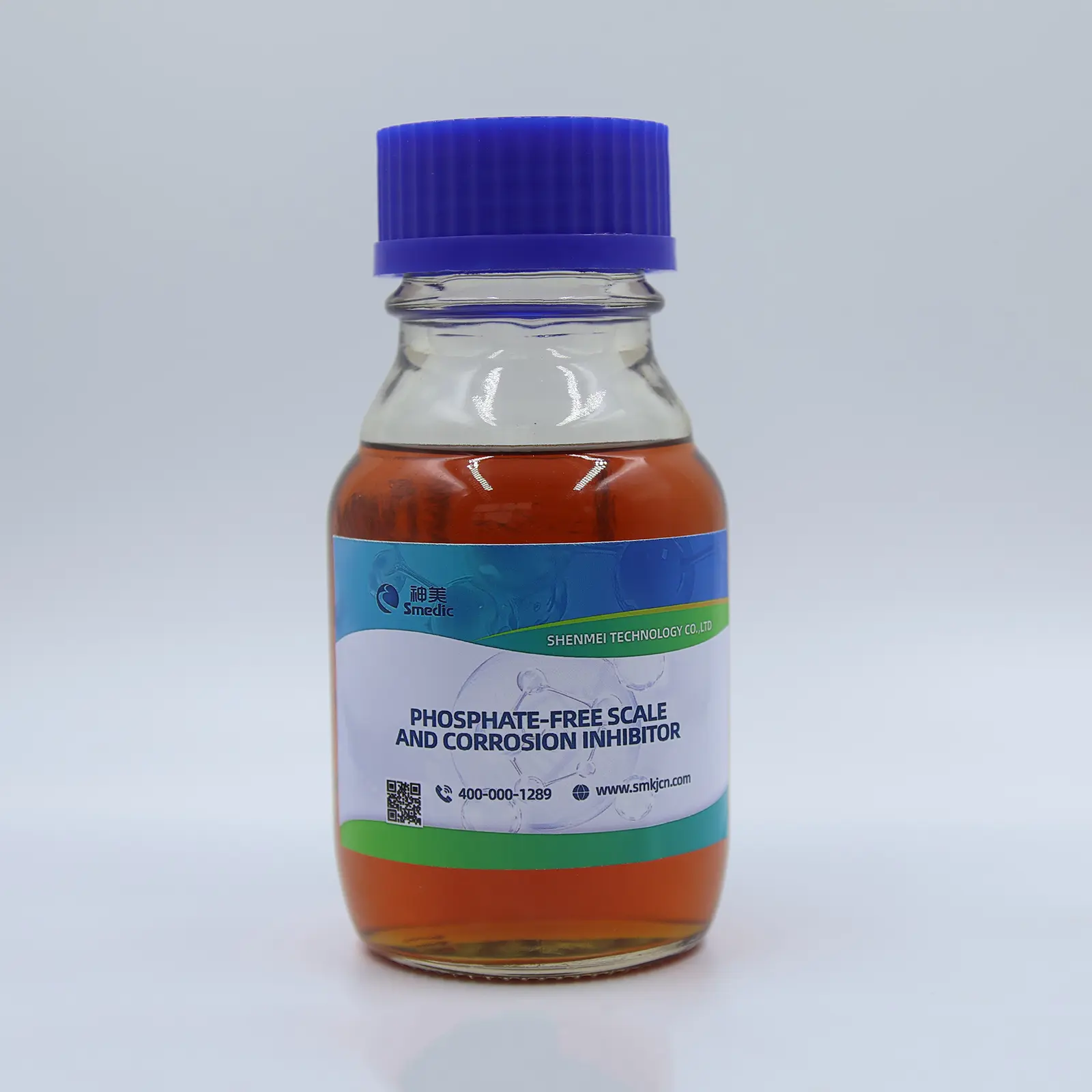
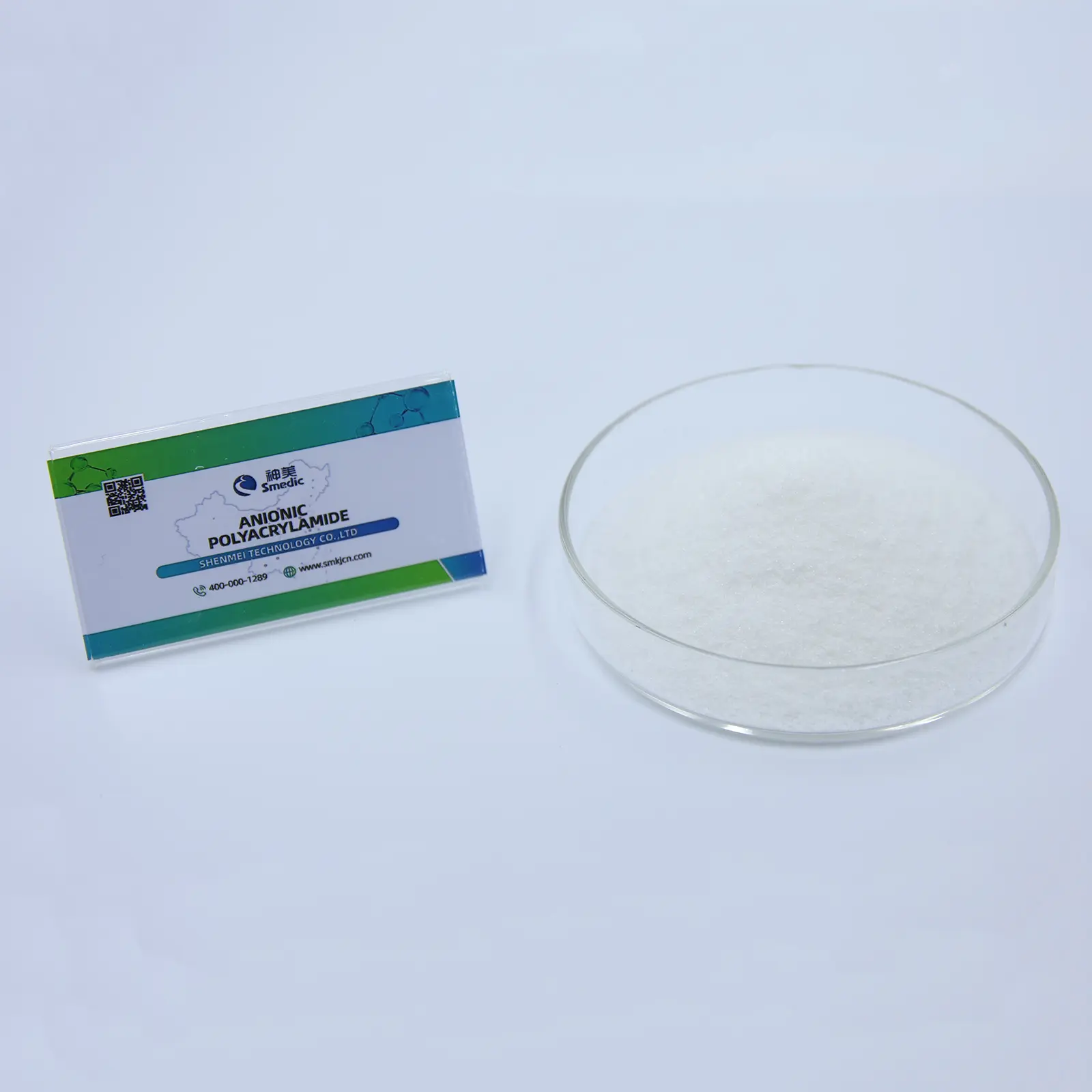
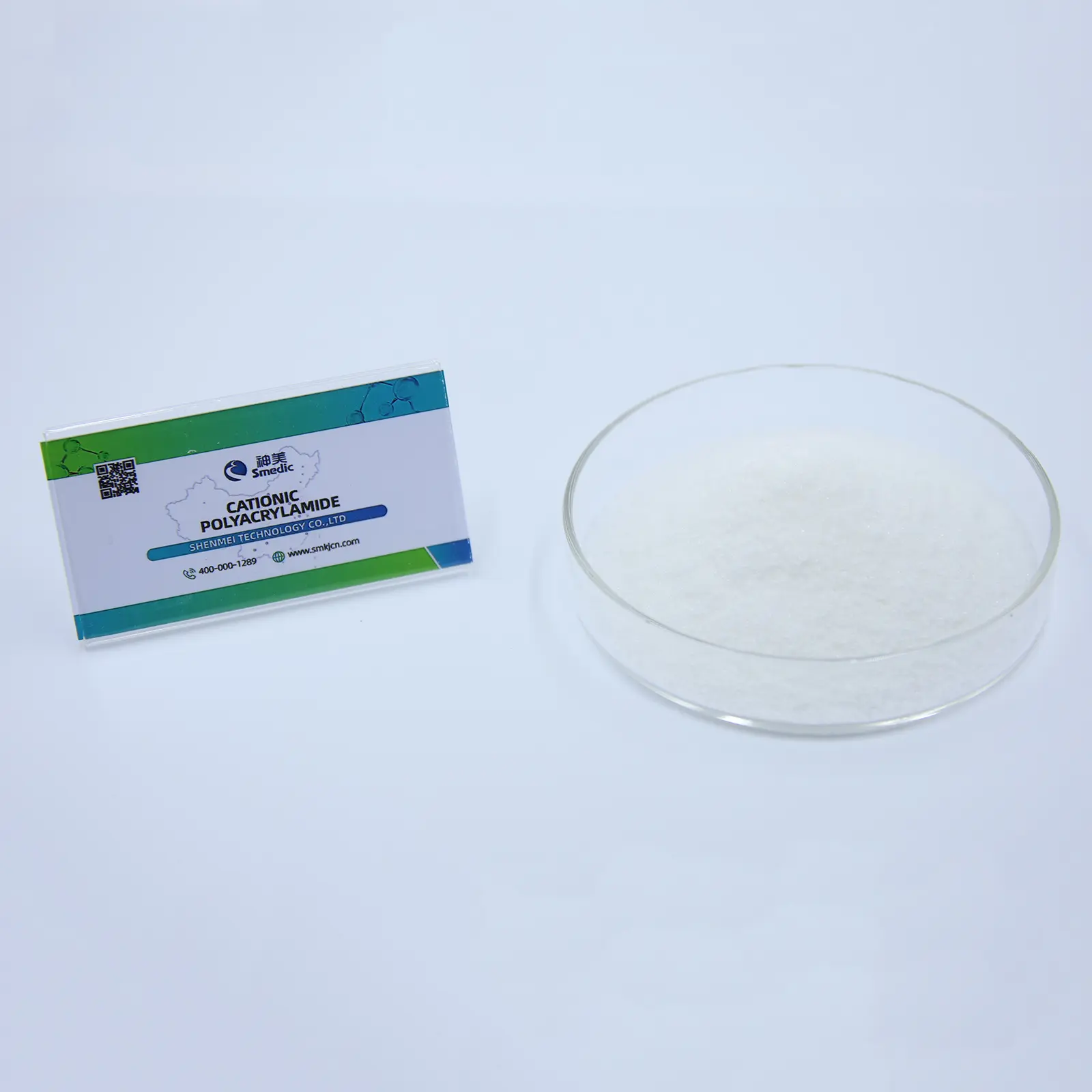
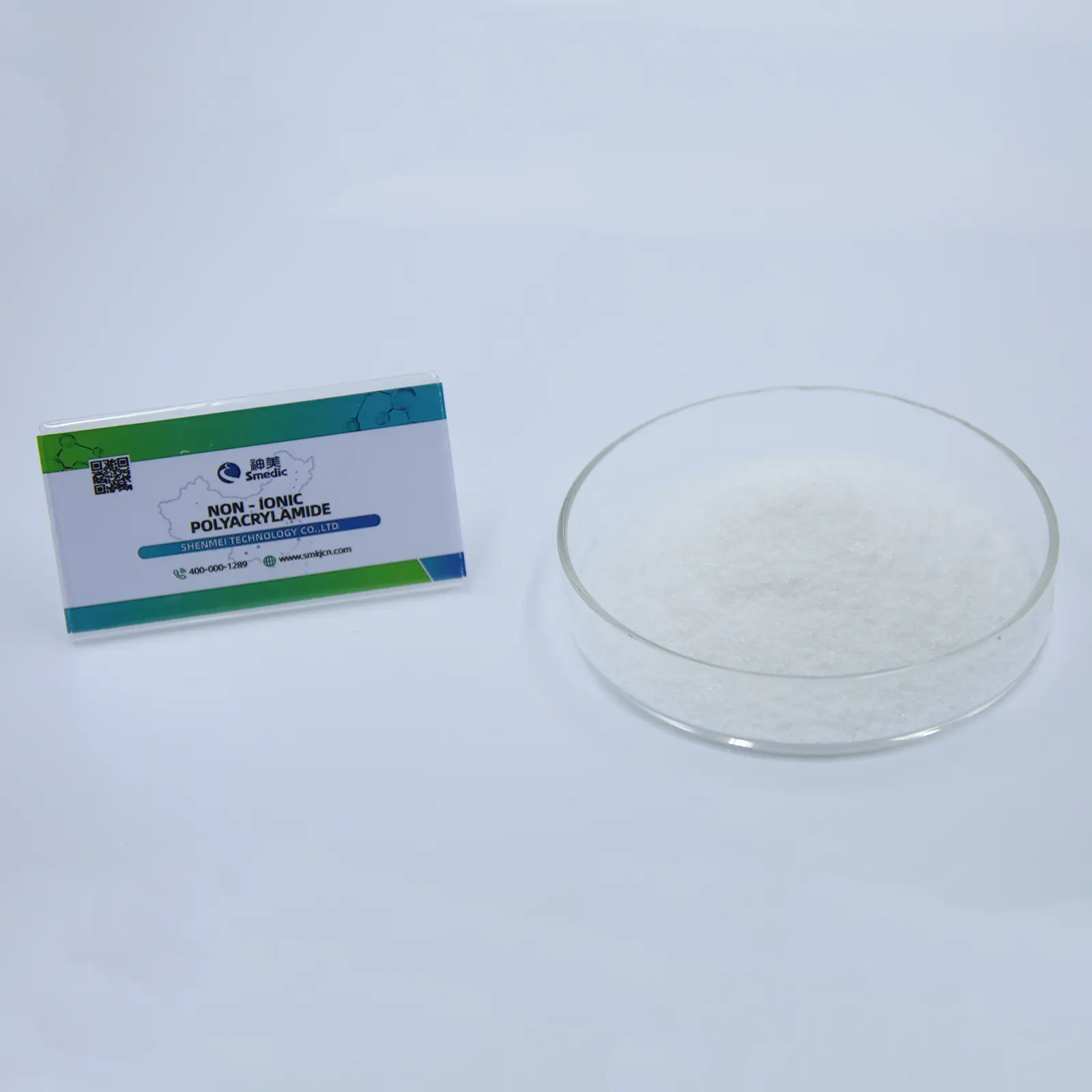
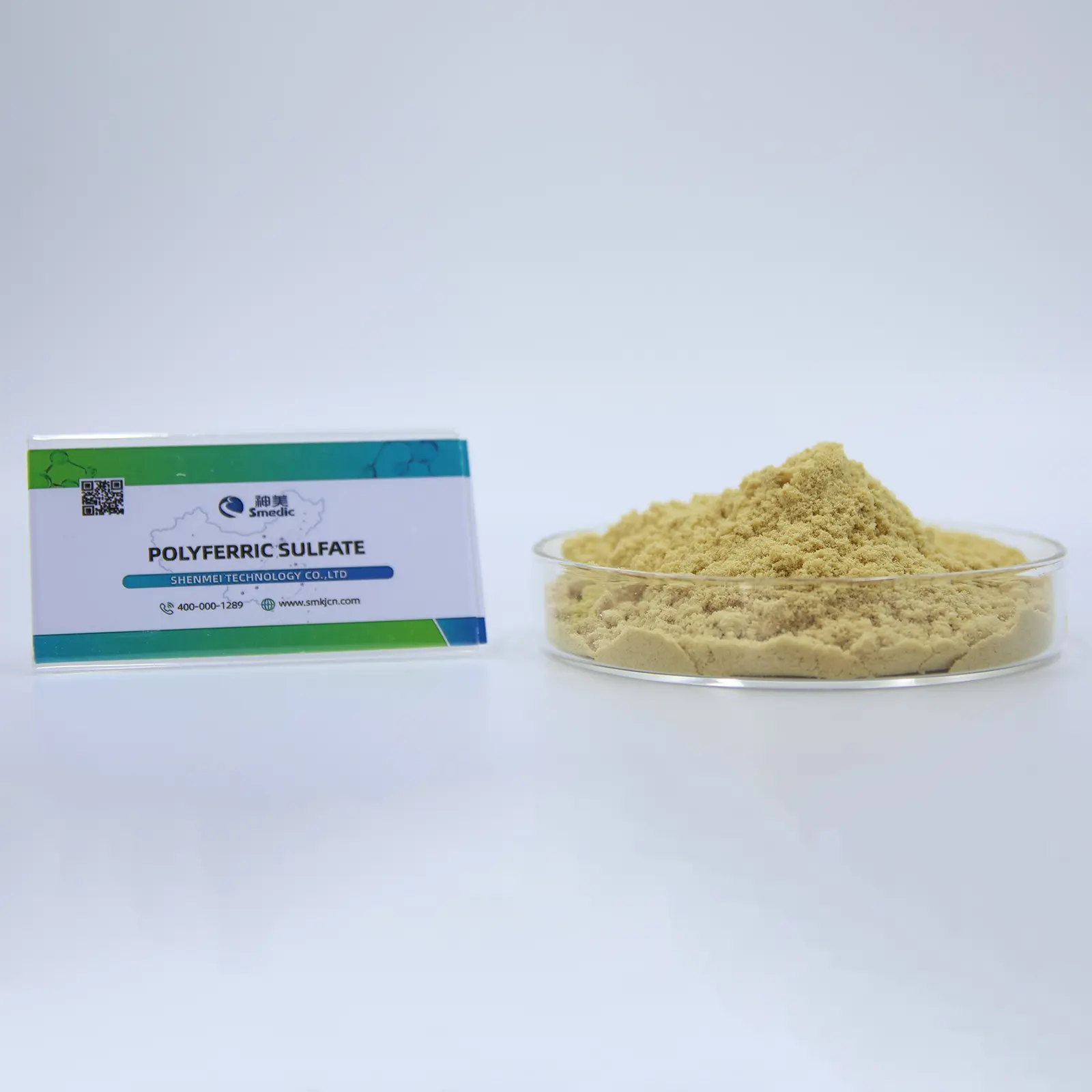
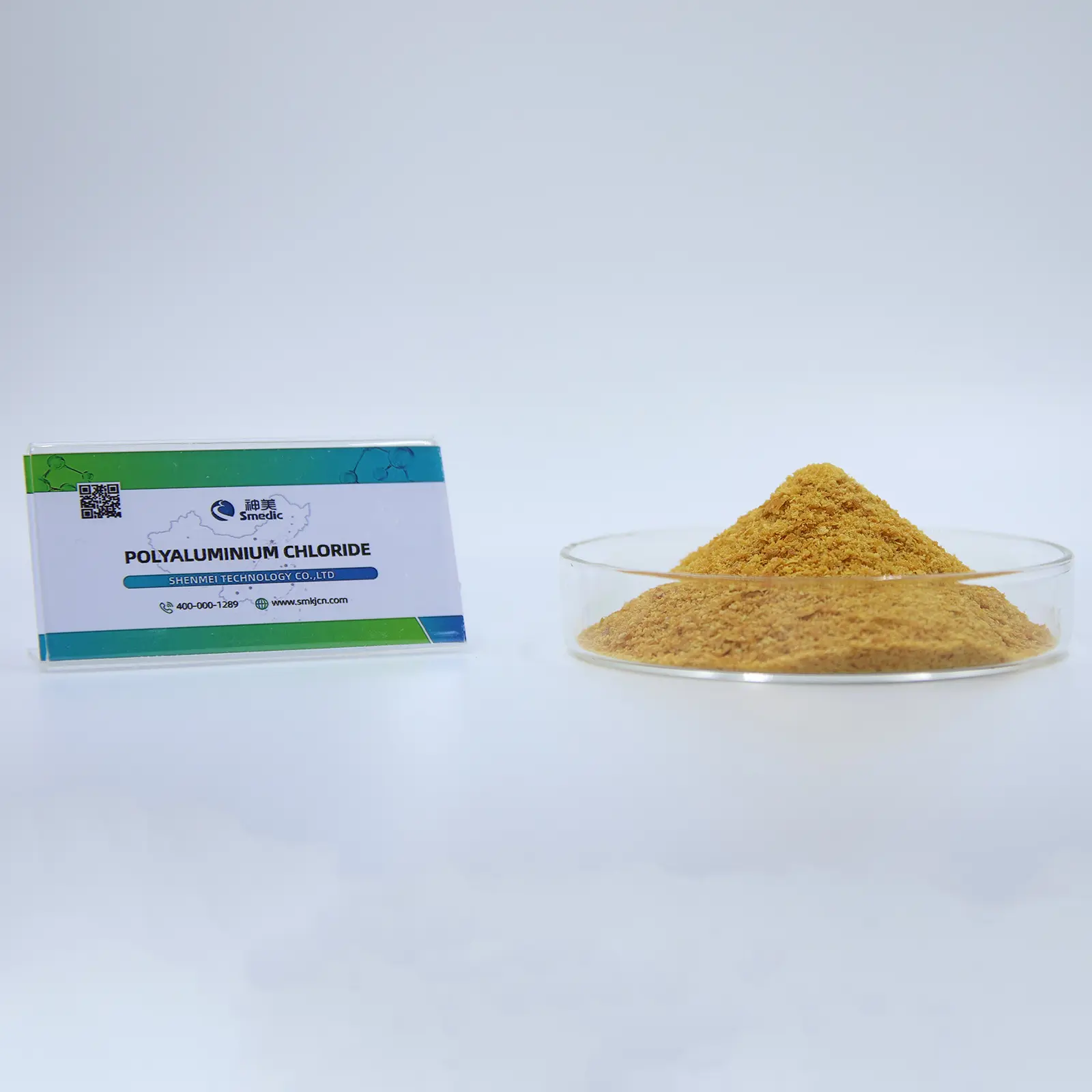
To ensure complete alignment with our environmental protection division, we maintain full production capacity for a wide range of water treatment coagulants, scale inhibitors, and organic/inorganic flocculants. All original links and media assets are preserved below.
 Smedic Tech