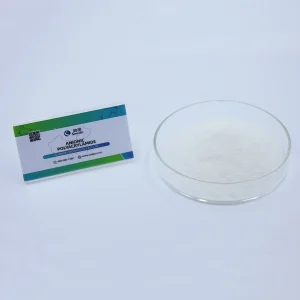
Engineered Specialty Chemicals for Municipal, Industrial, and High-Precision Oxidation Pipelines
Overcoming Refractory Organic Compounds & Reaching Zero Liquid Discharge (ZLD)
In modern environmental engineering, wastewater treatment has evolved far beyond traditional sedimentation and biological aeration. High-strength industrial effluents contain complex, toxic, and non-biodegradable chemicals that bypass routine treatment stages. This has driven the industry toward Advanced Oxidation Processes (AOPs), chemical oxidation mechanisms, and eco-friendly conditioning matrices. As a leading China Oxidation Water Treatment Exporter & Exporters, Smedic Technology stands at the intersection of structural chemical innovation and practical scale management, delivering advanced compounds engineered to break down toxic polymers, manage persistent organic pollutants (POPs), and stabilize industrial effluent output.
Chemical oxidation pathways utilize robust oxidizing agents—such as Fenton reagents, ozone, persulfates, and chlorine dioxide—to generate highly reactive oxygen species (ROS), primarily hydroxyl radicals (•OH). These radicals possess an exceptionally high oxidation potential ($2.80\text{ V}$), enabling the non-selective destruction of organic structures. However, chemical oxidation cannot operate in a vacuum. It requires highly specialized synergistic agents to regulate pH, inhibit system scale formation, and control foam during aggressive aeration cycles. Smedic Technology has optimized over 80 environmental protection agents, assuring high-precision dosage, enhanced biological compatibility, and significant reduction in chemical oxygen demand (COD) and total nitrogen (TN).
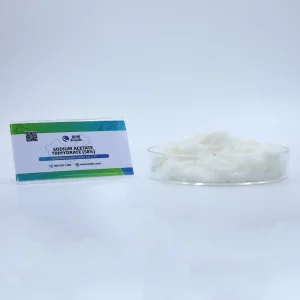
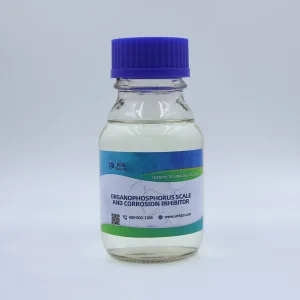
During secondary and tertiary water treatment, system balance is critical. For instance, when treating industrial wastewater with Fenton systems, strict pH control (typically between 3.0 and 4.0) is mandatory. Smedic’s pure solid sodium acetate is critical here, working as an efficient buffer to prevent pH shock while providing a highly bioavailable carbon source for subsequent denitrification filters. Concurrently, scale and corrosion inhibitors (such as our high-performance organophosphorus compounds) protect heat exchangers, RO membranes, and oxidation vessels from scaling caused by precipitating ions under high chemical loads.
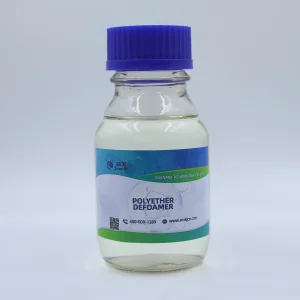
Furthermore, standard mechanical agitation and gas injection in advanced oxidation reactors lead to excessive foam. This is where Smedic’s customized polyether defoamers provide immediate foam collapse, ensuring continuous operation without biological carryover or process safety hazards. By providing these highly specialized auxiliary chemicals, Smedic helps global enterprises maintain a stable, compliant, and cost-effective oxidation loop.
Delivering Over 1 Million Tons of Water Treatment Agents Annually
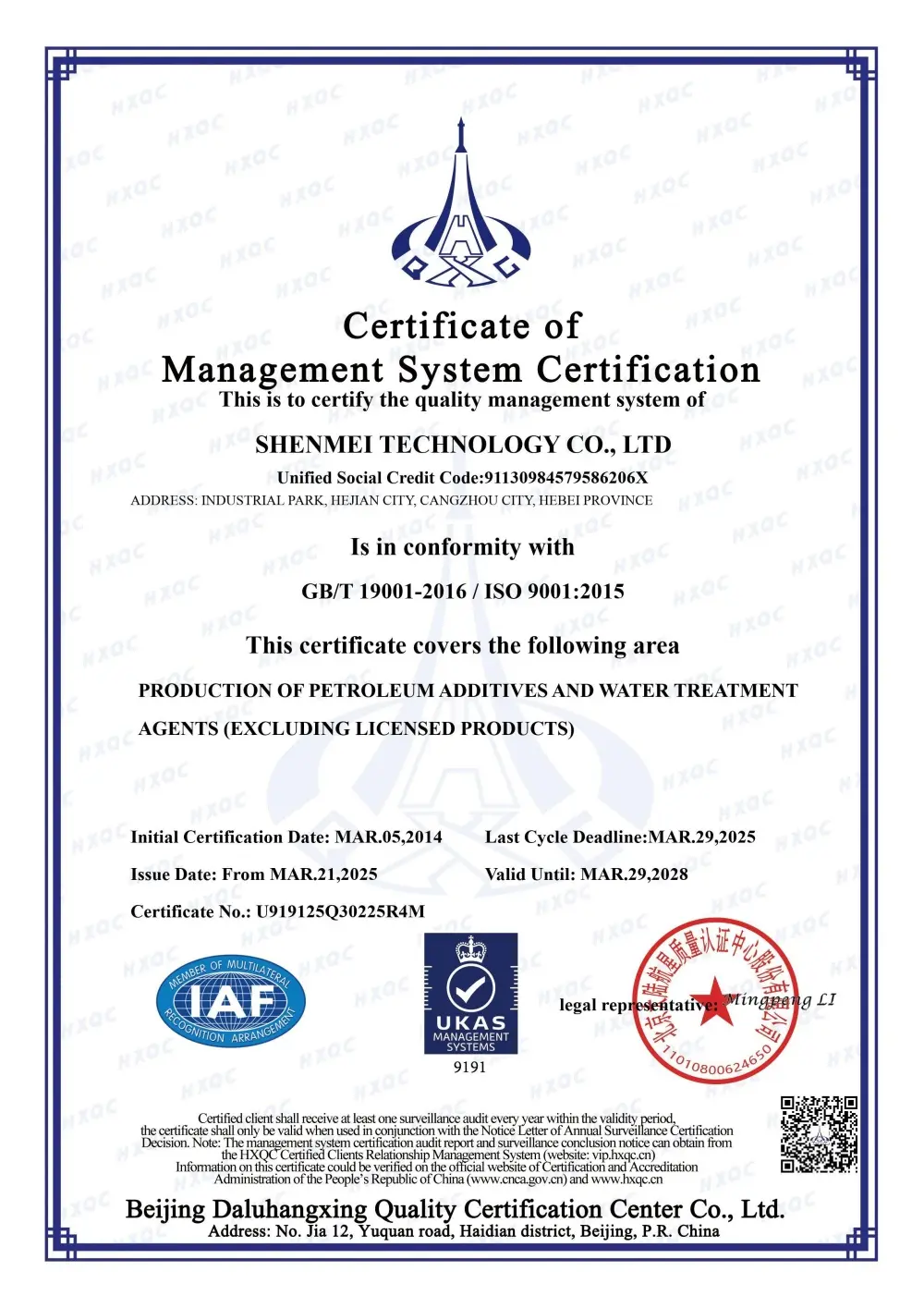
Established in 2011, Smedic Technology Co., Ltd. has grown into a comprehensive, world-class environmental agent provider. We seamlessly integrate scientific research, advanced chemical synthesis, global scale distribution, and customized engineering services. Smedic produces a massive portfolio of environmental protection agents covering municipal sewage networks, high-salinity industrial wastewater, municipal tap water systems, mineral processing agents, and specialized oilfield chemicals. With an annual production capacity exceeding 1 million tons, we ensure that global industrial supply chains remain resilient, cost-efficient, and structurally sound.
Headquartered in Beijing, Smedic owns and operates wholly-owned production bases in key industrial chemical corridors, including Hebei, Guizhou, and Shanxi. We have established more than ten OEM partner factories and regional warehousing hubs across Shandong, Shanxi, Anhui, Guangxi, and Sichuan. This distributed logistical network enables prompt shipping, cost stabilization, and continuous quality control. Today, our operational presence covers over 20 provinces across China, supporting more than 600 municipal sewage treatment facilities and over 1,000 industrial end-users. Our chemical formulas are critical in treatment systems that together process more than 20 million tons of wastewater per day, establishing us as a premier partner in the high-end water treatment sector.
National "Little Giant" Enterprise Leading Scientific Standards
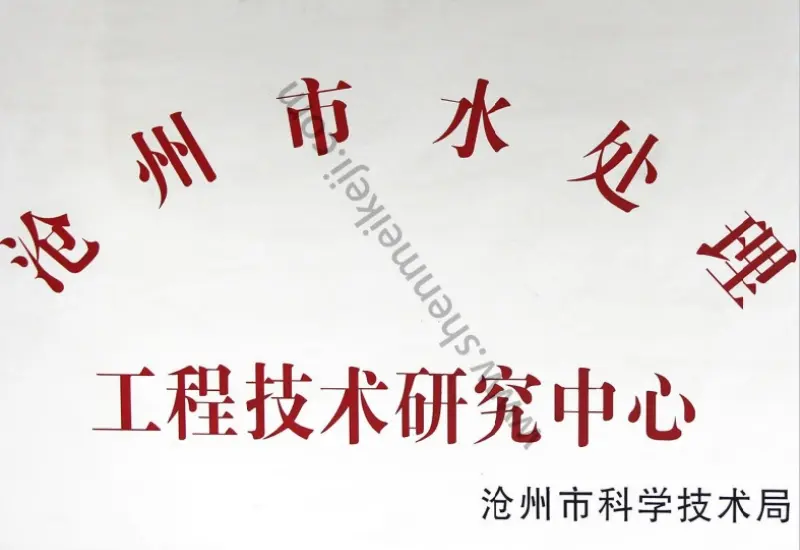
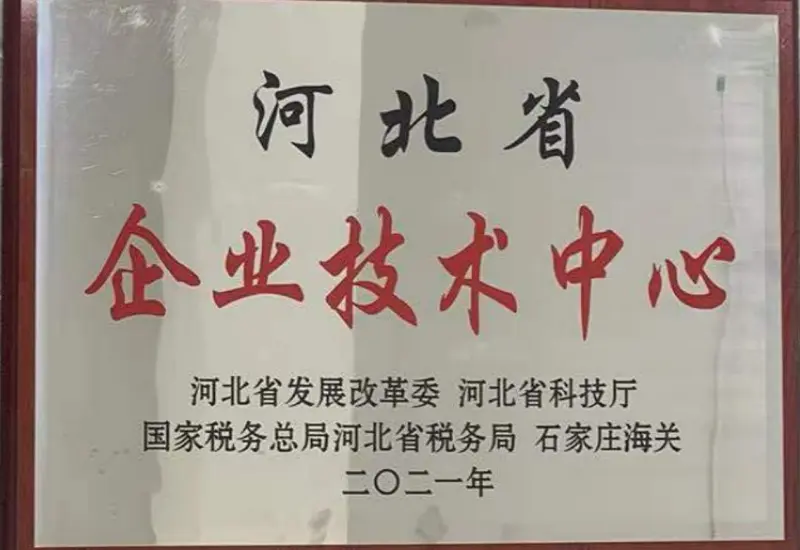
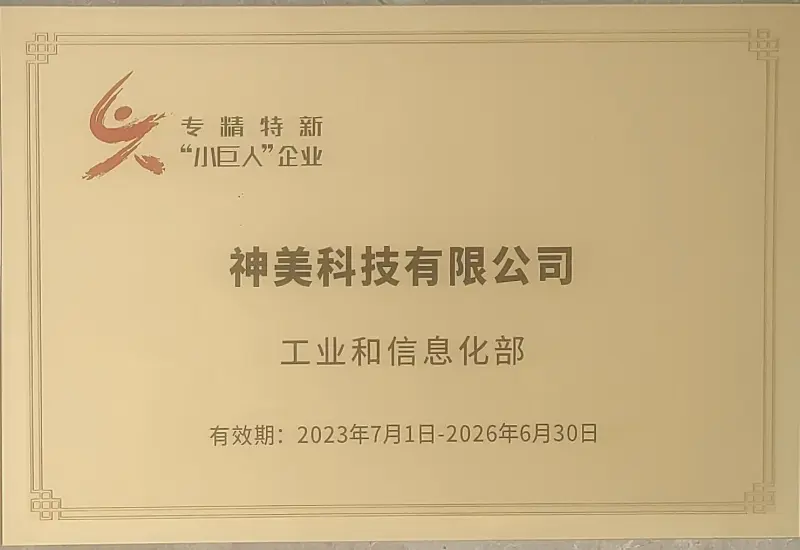
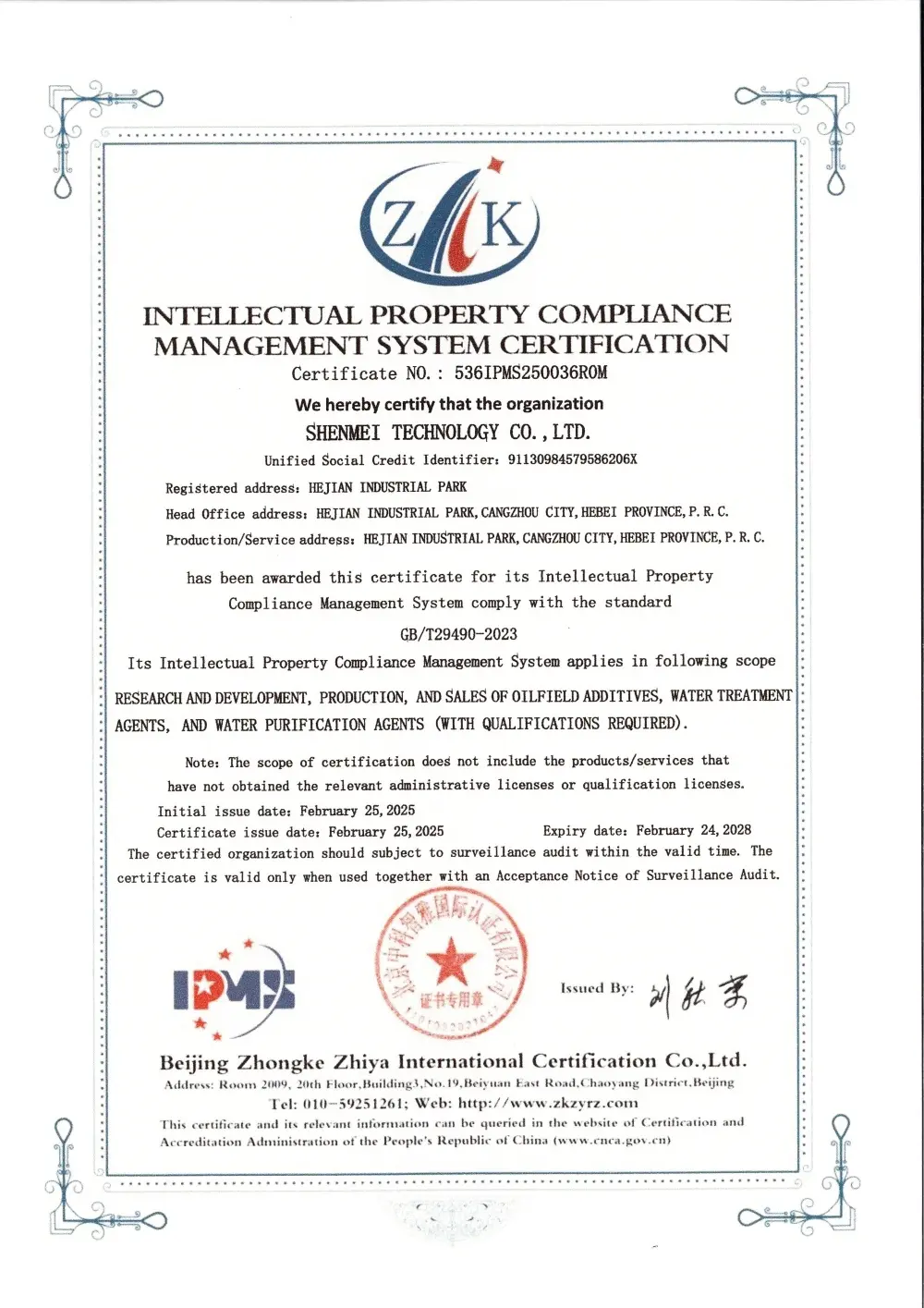
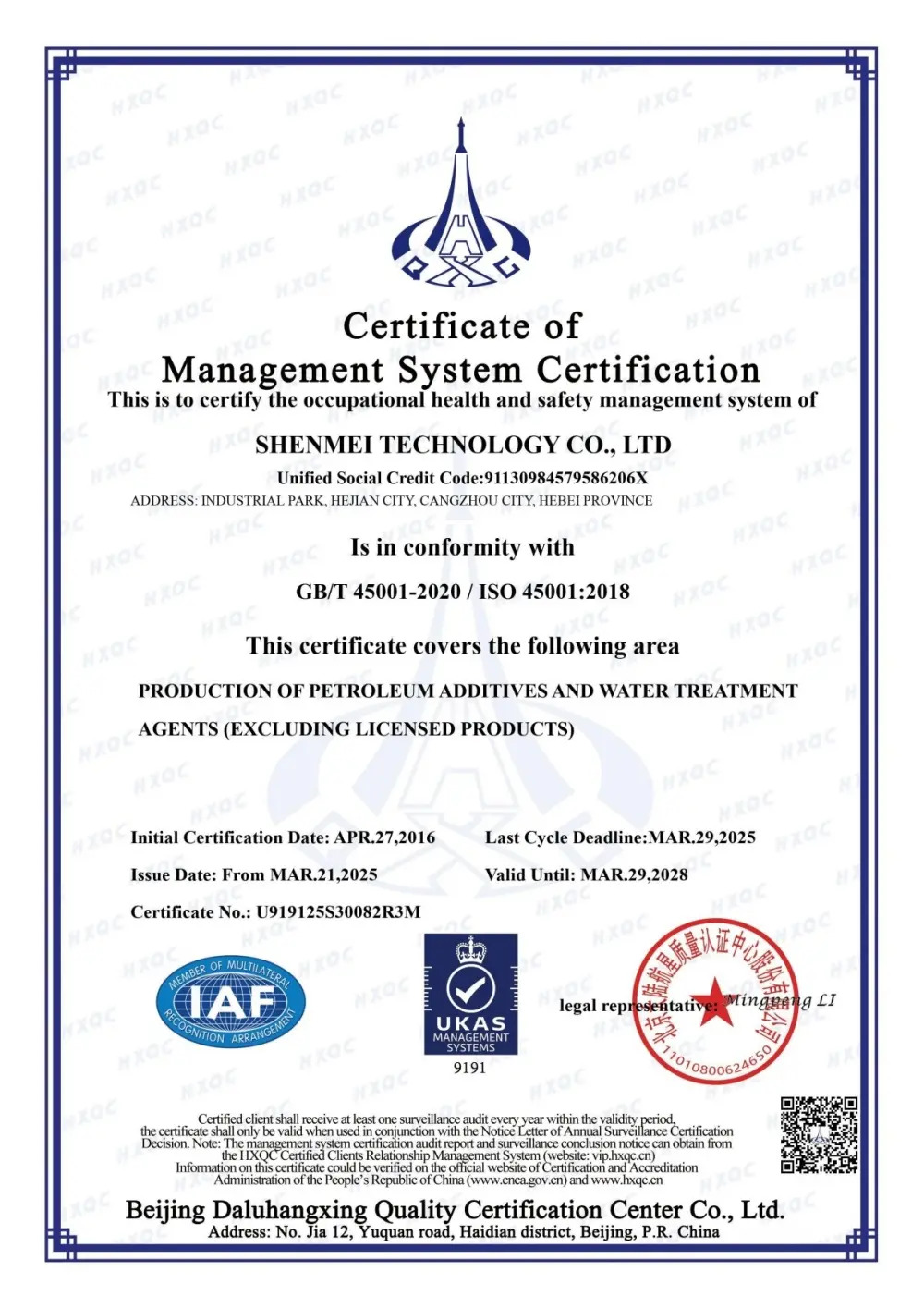
Smedic Technology has achieved recognition as a National High-Tech Enterprise, a National Specialized, Refined, Unique and Innovative "Little Giant" Enterprise, and a National Key-Supported Specialized "Little Giant". These honors reflect our ongoing commitment to technical excellence and product purity. Our dedicated core technical team includes academicians, chemical synthesis professors, and senior environmental engineers. We run a robust industrial R&D commercialization platform built around one central academy, three specialized research institutes, and five testing bases. This structure includes the Hebei Provincial Enterprise Technology Center, the Hebei Advanced Water Treatment Chemicals Technology Innovation Center, and the Cangzhou Water Treatment Engineering Technology Research Center (recognized as a Class A R&D institution in Hebei Province).
We maintain an expert workstation in collaboration with the Tsinghua University Association of Senior Scientists and Technicians, driving next-generation chemical synthesis.
Granted over sixty Chinese patents, including more than forty invention patents and twenty utility model patents detailing novel organic coagulants and phosphorus removal agents.
Led the drafting of over ten national and industry standards for composite carbon sources, composite coagulants, sodium acetate, and bacterial agents.
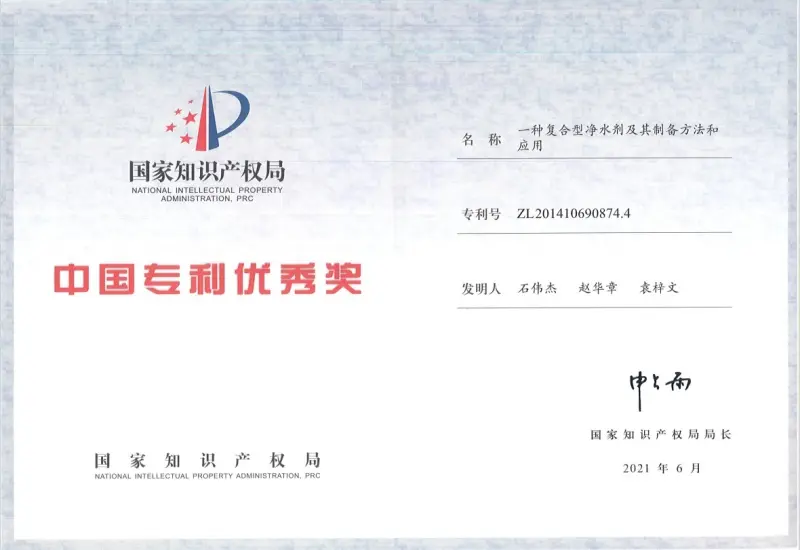
Our independently developed inorganic-organic covalent bond flocculant and advanced water purification technologies have won the 22nd China Patent Award, the First Prize for Technological Invention from the China Petrochemical Industry Association, and the Hebei Province Science and Technology Progress Award. Our active oxygen compound disinfectants are recognized as a National Construction Industry Scientific and Technological Achievement Promotion Project by the Ministry of Housing and Urban-Rural Development. Smedic has been named the "Leading Brand of Advanced Wastewater Treatment Chemicals" and the "Most Valuable Water Treatment Chemicals Brand" by China Water Network and the E20 Environmental Platform for four consecutive years. We have long-term strategic supply agreements with major global water groups, including Shouchuang, Yangtze River Ecological, Beijing Enterprises Water, OriginWater, and China Water Environment.
Optimized Chemical Ecosystems, Raw Material Access, and Advanced Logistics
Purchasing environmental agents from a major China Oxidation Water Treatment Exporter offers significant structural benefits to international buyers. The Chinese chemical industry is supported by a complete raw material value chain, optimized logistics infrastructure, and localized energy integration. Smedic’s manufacturing facilities leverage these dynamics to deliver high-quality products at competitive price points.
Tailored Formulations for Severe Environmental Challenges
Industrial wastewater dynamics vary widely by industry and region. Smedic does not simply ship raw bulk commodities; we engineer comprehensive application solutions optimized for local parameters. Below are three primary scenarios where our products deliver high efficacy:
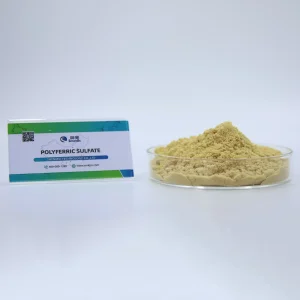
In high-salinity industrial loops, treating refractory organics requires advanced oxidation processes paired with high-efficiency coagulation. The application of Smedic's Polyferric Sulfate (PFS) destabilizes colloidal organic complexes prior to oxidation, which protects down-stream RO membranes from scaling. This step minimizes downtime, reduces the load on thermal evaporators, and lowers overall operational costs.
Municipal water treatment plants frequently face low carbon-to-nitrogen ratios in influent wastewater. Smedic's high-purity solid sodium acetate provides an immediate, highly bioavailable carbon source. This accelerates the denitrification kinetics of denitrifying bacteria ($NO_3^- \to NO_2^- \to N_2$), enabling facilities to comply with stringent total nitrogen (TN) discharge regulations.
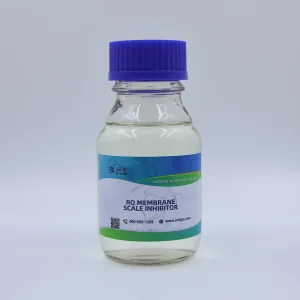
Recirculating cooling systems run at high concentration cycles to conserve water, creating environments prone to scale formation and localized corrosion. Smedic's organophosphorus scale and corrosion inhibitors function via threshold inhibition and crystal lattice distortion. This prevents calcium carbonate precipitation, maintains heat transfer efficiency, and extends the service life of industrial equipment.
The History of Smedic's Ascent to Market Leadership
Smedic Technology was established, introducing high-performance chemical manufacturing and targeting industrial wastewater challenges.
Established a comprehensive product portfolio for municipal wastewater treatment, expanding into municipal bidding directories.
Recognized as a key national high-tech enterprise, increasing R&D funding for advanced chemical synthesis.
Completed the Guiyang production base, enhancing regional distribution capabilities throughout Southwest China.
Expanded production bases in Hebei, Shandong, and Guizhou, boosting our annual capacity beyond 1 million tons.
Achieved recognition as a National Specialized, Refined, Unique and Innovative Small and Medium-sized Enterprise.
Established our provincial-level R&D platform in Hebei, facilitating direct cooperation with academic research institutes.
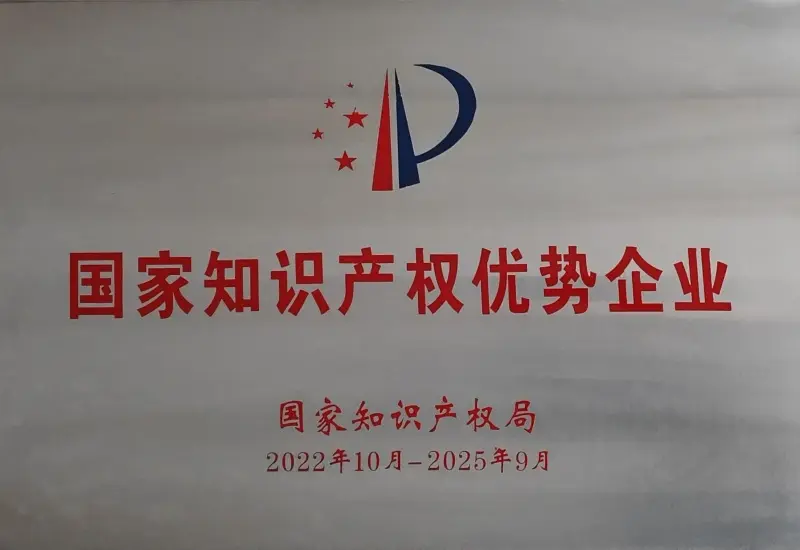
Recognized as a National Intellectual Property Advantage Enterprise, holding over 60 utility and invention patents.
Formed a joint venture company with the Chengdu Institute of Mineral Comprehensive Utilization, China Geological Survey, developing specialized mining and environmental reagents.
Expert Insights on Advanced Oxidation, Coagulation, and Water Treatment Reagents
Consistently Formulated Chemical Agents for Advanced Global Operations
 Smedic Tech