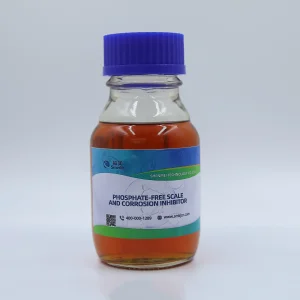
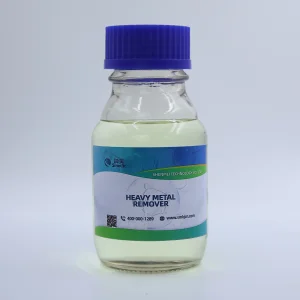
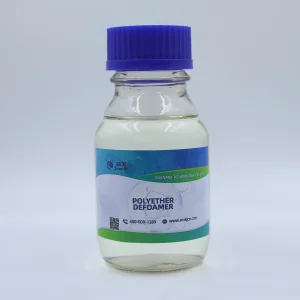
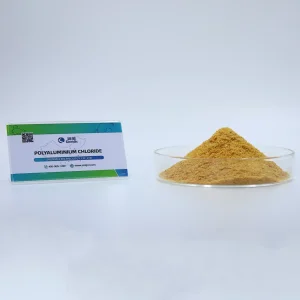
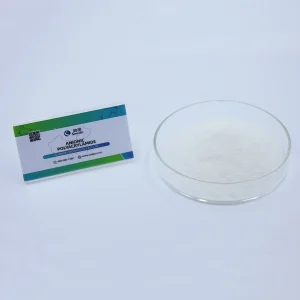
Pioneering environmental protection reagents, high-efficiency flocculants, and scale control systems engineered for global performance.
As the global community converges on strict Environmental, Social, and Governance (ESG) frameworks, chemical manufacturing is undergoing a structural transition toward zero-residue reactions. Among the oxidizers driving this green revolution, Hydrogen Peroxide ($H_2O_2$) stands as the ultimate clean reagent. Representing one of the most versatile and ecologically sound oxidizers available, it decomposes solely into water and oxygen, leaving no toxic chlorinated by-products or non-degradable salts.
For procurement officers, environmental engineers, and chemical plant operators seeking a reliable China Oxidizer Hydrogen Peroxide Manufacturer or Supplier, understanding the technical depth behind this compound is crucial. China's chemical infrastructure hosts some of the world's most advanced anthraquinone-loop manufacturing systems, which maintain high concentrations, structural purity, and optimized stabilization ratios. This document serves as a comprehensive technical guide to analyzing industrial specifications, chemical safety, manufacturing routes, and supply chain logistics when auditing Chinese suppliers.
| Typical Grades | Concentration Range (%) | Primary Industrial Applications | Crucial Quality Indicator |
|---|---|---|---|
| Industrial / Technical Grade | 27.5% – 50% | Wastewater Treatment, Pulp & Paper, Textline Bleaching | Long-term thermal stability |
| Aseptic Packaging Grade | 35% | Sterilization of beverage boxes and food containers | Low residue limit (< 0.5 mg/L) |
| Chemical Synthesis Grade | 50% – 70% | Epoxidation processes, organic peroxide production | Minimized organic carbon trace (TOC) |
| Electronics / Semiconductor Grade | 30% – 31% (UP / UP-S) | Silicon wafer cleaning and micro-etching | Ultra-low metal impurities (ppb/ppt level) |
Founded in 2011, Smedic Technology Co., Ltd. has established itself as an elite comprehensive solution provider specializing in environmental protection agents, chemical development, and plant engineering services. Combining cutting-edge R&D with modern chemical synthesis, we develop specialized solutions for municipal sewage treatment, industrial wastewater treatment, mineral flotation, and oilfield applications.
Our infrastructure operates at a massive scale to secure supply chains worldwide. Smedic's integrated footprint yields an annual production capacity exceeding 1 million tons of specialty chemicals, distributing over 80 distinct environmental protection and oxidation products to critical markets globally.
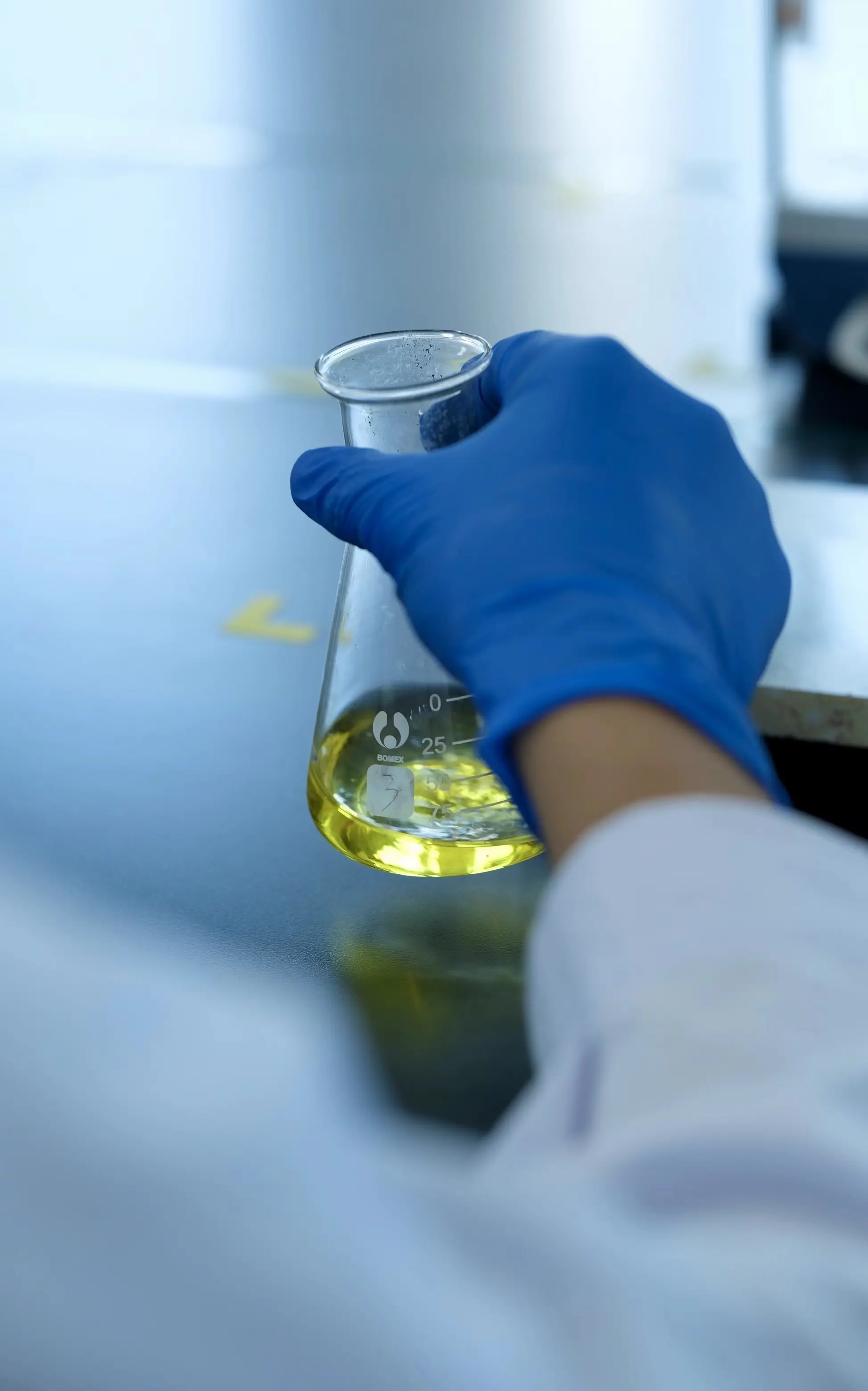
Modern industrial synthesis of hydrogen peroxide is highly technical. Understanding the evolution of synthesis methodologies ensures procurement engineers make informed choices when assessing a supplier’s technological sustainability.
The standard industrial standard. Alkyl anthraquinone is hydrogenated over a noble metal catalyst, followed by oxidation with air to regenerate the anthraquinone while releasing $H_2O_2$. Smedic's associated chemical bases utilize optimized palladium-on-alumina catalysts, achieving energy conservation limits 15% better than standard plants.
The direct reaction of gaseous $H_2$ and $O_2$ in an aqueous medium over specialized gold-palladium catalysts. While technically challenging due to safety limits, this path represents the future of zero-byproduct synthesis, eliminating the organic solvent loops characteristic of the AO process.
On-site decentralized synthesis is gaining momentum. By reducing oxygen ($O_2$) via 2-electron pathways using carbon-based catalysts, wastewater systems can synthesize low-concentration $H_2O_2$ dynamically on-site, entirely eliminating chemical transportation hazards.
Future Outlook: The focus of global industrial research is the development of green hydrogen-sourced hydrogen peroxide. By linking water electrolysis (driven by renewable energy) to the anthraquinone loop, future production facilities aim to achieve zero carbon emissions, enabling global enterprises to meet carbon-neutral raw material requirements.
Hydrogen peroxide’s role as an oxidizer extends beyond simple disinfection. It is a critical reagent across various heavy industries, supporting both environmental compliance and efficient manufacturing processes.
In industrial wastewater treatment, refractory organic compounds (such as phenols, endocrine disruptors, and complex dyes) resist standard biological degradation. When combined with catalysts like ferrous iron (Fenton's reagent), UV radiation, or ozone, hydrogen peroxide generates hydroxyl radicals ($\cdot OH$). These radicals degrade complex pollutants into simple, harmless organic acids, carbon dioxide, and water.
Historically, chlorine-based bleaching agents produced toxic organochlorinated compounds like dioxins, creating severe environmental challenges. Hydrogen peroxide serves as the standard chlorine-free alternative, bleaching fibers and pulp to high brightness levels while preserving fiber strength and discharging only non-hazardous effluent.
Ultra-pure hydrogen peroxide is essential to the microelectronics industry. In wafer cleaning processes, such as the RCA clean method, electronic-grade $H_2O_2$ (containing metallic impurities below 10 parts-per-trillion) removes organic residue and micro-particulates from silicon wafers, ensuring high yield rates for integrated circuits.
Hydrogen peroxide is used in the manufacturing of key epoxides and organic peroxides, including propylene oxide (via the HPPO process) and peracetic acid. This synthesis route avoids the hazardous waste streams associated with older chlorohydrin processes, making chemical manufacturing cleaner and more efficient.
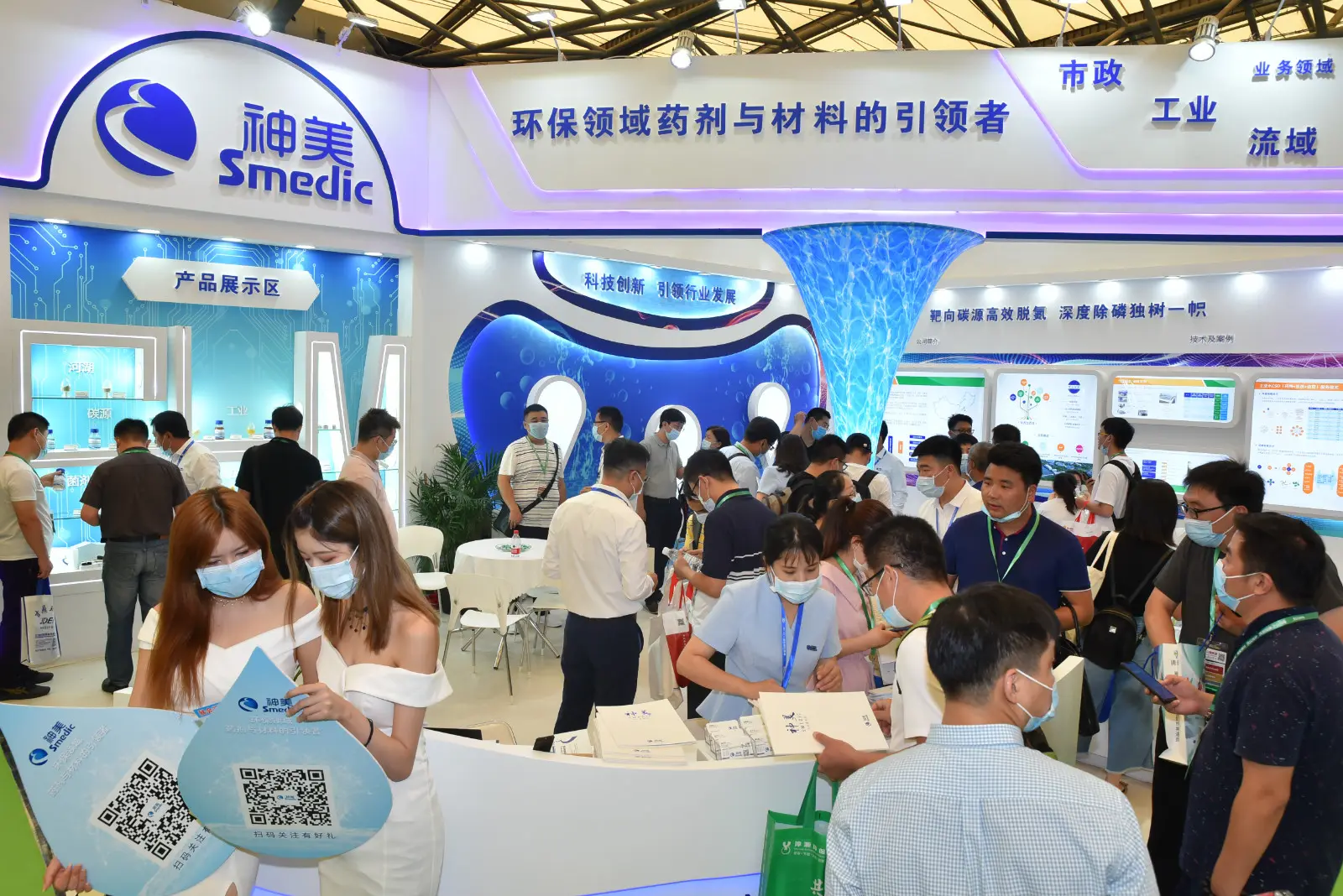
Smedic Technology maintains rigorous quality standards, supported by a strong portfolio of intellectual property and formal national credentials. Our research and development infrastructure bridges academic theory with scalable industrial chemical solutions.
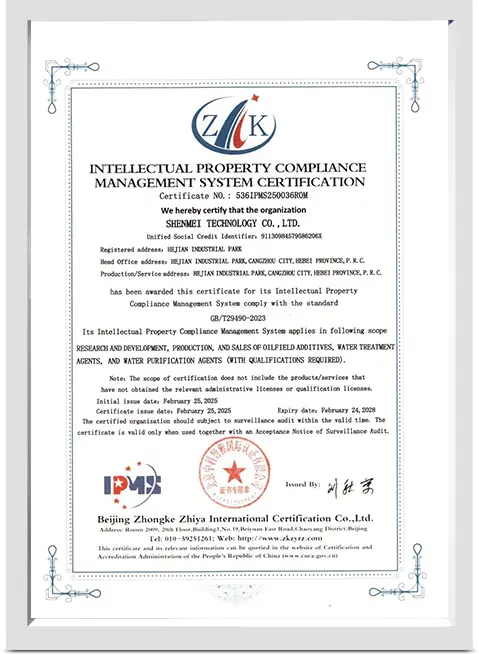
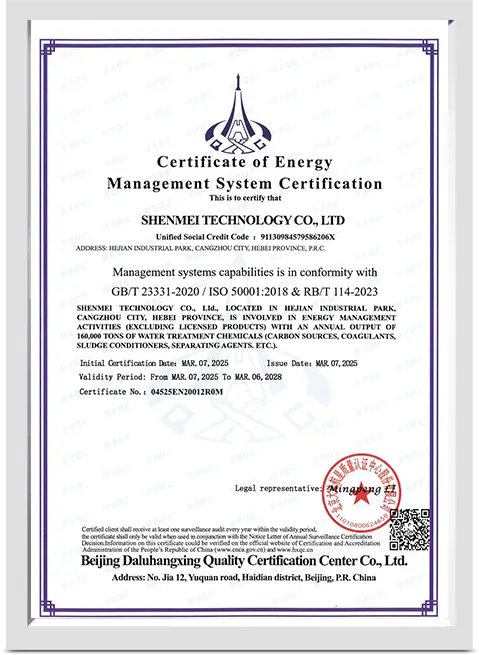
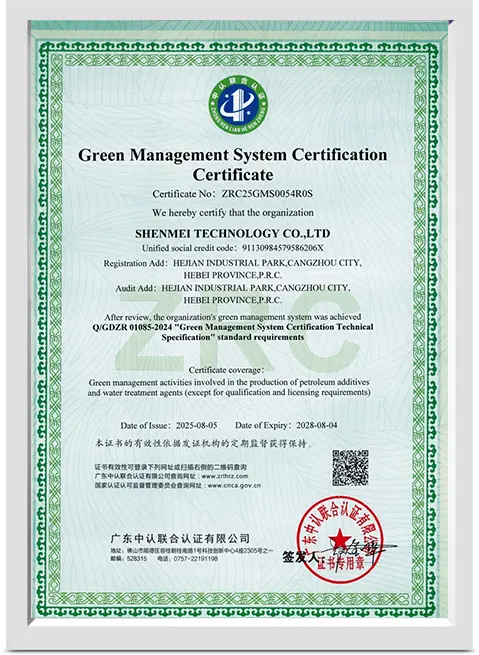
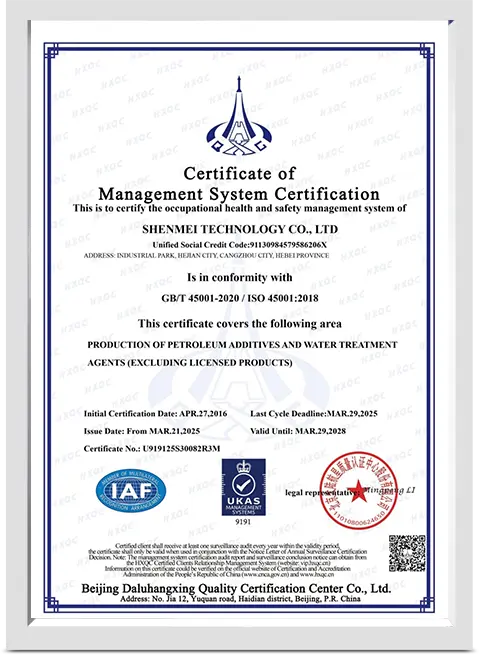
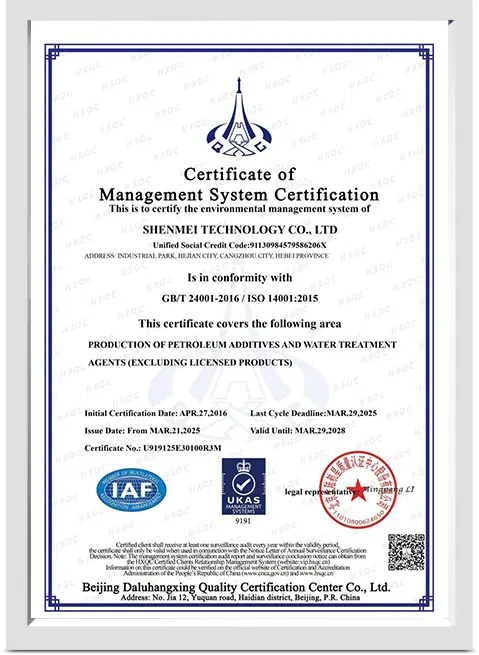
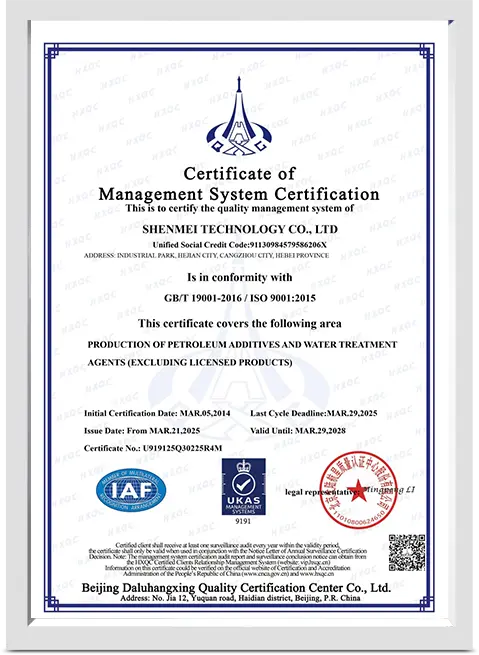
Modern chemical supply chains face complex challenges, including energy fluctuations, maritime logistics delays, and changing regulatory standards. Smedic addresses these challenges through smart manufacturing and automated supply chain management.
Our partner facilities utilize Distributed Control Systems (DCS) to monitor critical production variables in real time. This automated control maintains precise temperature and concentration levels, preventing unwanted degradation and ensuring consistent batch-to-batch quality.
By positioning our manufacturing bases in industrial chemical hubs across Hebei and Shanxi, we secure direct pipeline access to hydrogen gas feedstocks from upstream petrochemical partners, sheltering our operations from regional raw material price spikes.
With more than ten regional warehousing and logistics hubs throughout Shandong, Shanxi, Anhui, Guangxi, and Sichuan, we maintain safety buffers close to major shipping corridors, reducing transit times and logistics risks for global shipments.
Because hydrogen peroxide is thermodynamically unstable, it requires advanced stabilization chemistry. Smedic's quality control laboratories test every batch under extreme thermal acceleration. We evaluate decomposition rates using standard international methodologies to ensure the product remains stable through long marine shipping routes and varied storage conditions.
Hydrogen peroxide is classified as a hazardous material (UN 2014 for concentrations between 20% and 60%, Class 5.1 Oxidizer with Class 8 Corrosive sub-risks). Transporting, storing, and handling it demands rigorous compliance with international safety standards.
We provide full REACH pre-registration documents, GHS-compliant Safety Data Sheets (SDS), and standardized labeling in multiple languages, helping global buyers navigate complex import clearance processes without administrative delays.
We pack our hydrogen peroxide in high-density polyethylene (HDPE) drums and Intermediate Bulk Containers (IBCs) fitted with vented caps. These breathable caps allow trace oxygen to escape safely, preventing pressure build-up during long maritime transit.
Different climates require tailored stabilization strategies. We adjust our stabilizer formulations based on the buyer's local climate and expected storage duration, protecting product integrity across a range of environmental conditions.
Always ensure storage areas are constructed from incompatible-free materials. Avoid contact with transition metals (such as iron, copper, or manganese), organic compounds, and strong bases, which can trigger rapid, exothermic decomposition. Storage vessels should be made of high-purity aluminum (min. 99.5%) or specific passivation-treated 304L/316L stainless steel.
Over a decade of sustainable growth, technical innovations, and expansion in industrial chemistry.
Smedic Technology is founded in Beijing, focusing on the research and distribution of municipal water treatment agents.
Established a complete product portfolio covering coagulation, defoaming, and scaling inhibition for municipal wastewater treatment.
Built our first dedicated industrial water treatment chemical manufacturing base in Guiyang, expanding our regional market reach.
Expanded and upgraded production bases in Hebei, Shandong, and Guizhou, pushing our total annual capacity beyond 1 million tons.
Recognized as a National Specialized, Refined, Unique, and Innovative Small and Medium-sized Enterprise.
Launched our provincial-level R&D platform in Hebei, accelerating the development of green oxidizers and advanced heavy metal removal technologies.
Formed a strategic joint venture with the Chengdu Institute of Mineral Comprehensive Utilization and the China Geological Survey, expanding our chemical portfolio into advanced mineral processing flotation systems.
Expert answers to common technical queries about industrial oxidizers, stabilizers, and shipping safety.
Pioneering environmental protection reagents, high-efficiency flocculants, and scale control systems engineered for global performance.
 Smedic Tech