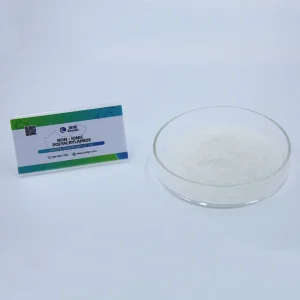
Premium coagulants, specialized precipitants, and high-performance polyacrylamide configurations engineered for municipal and heavy industrial applications.
Analyzing the pivotal role of Polyacrylamide (PAM) and synergized chemical treatment lines in managing structural shifts within global water resource management.
Modern industrialization imposes unprecedented demand on municipal and corporate water processing infrastructures. As regulations globally tighten regarding Total Suspended Solids (TSS), Chemical Oxygen Demand (COD), heavy metals, and micro-pollutants, chemical remediation has transitioned from simple sediment settling to highly customized molecular interactions. Polyacrylamide (PAM) acts as the backbone of modern solid-liquid separation processes.
By leveraging custom molecular weights and varying charge densities, PAM polymers function via particle bridging and charge neutralization. Whether utilized in the sludge dewatering of municipal activated sludge or the purification of highly turbid mineral processing circuits, optimized polymer selection guarantees clean supernatant discharge, accelerated sedimentation rates, and significantly reduced sludge cake volumes.
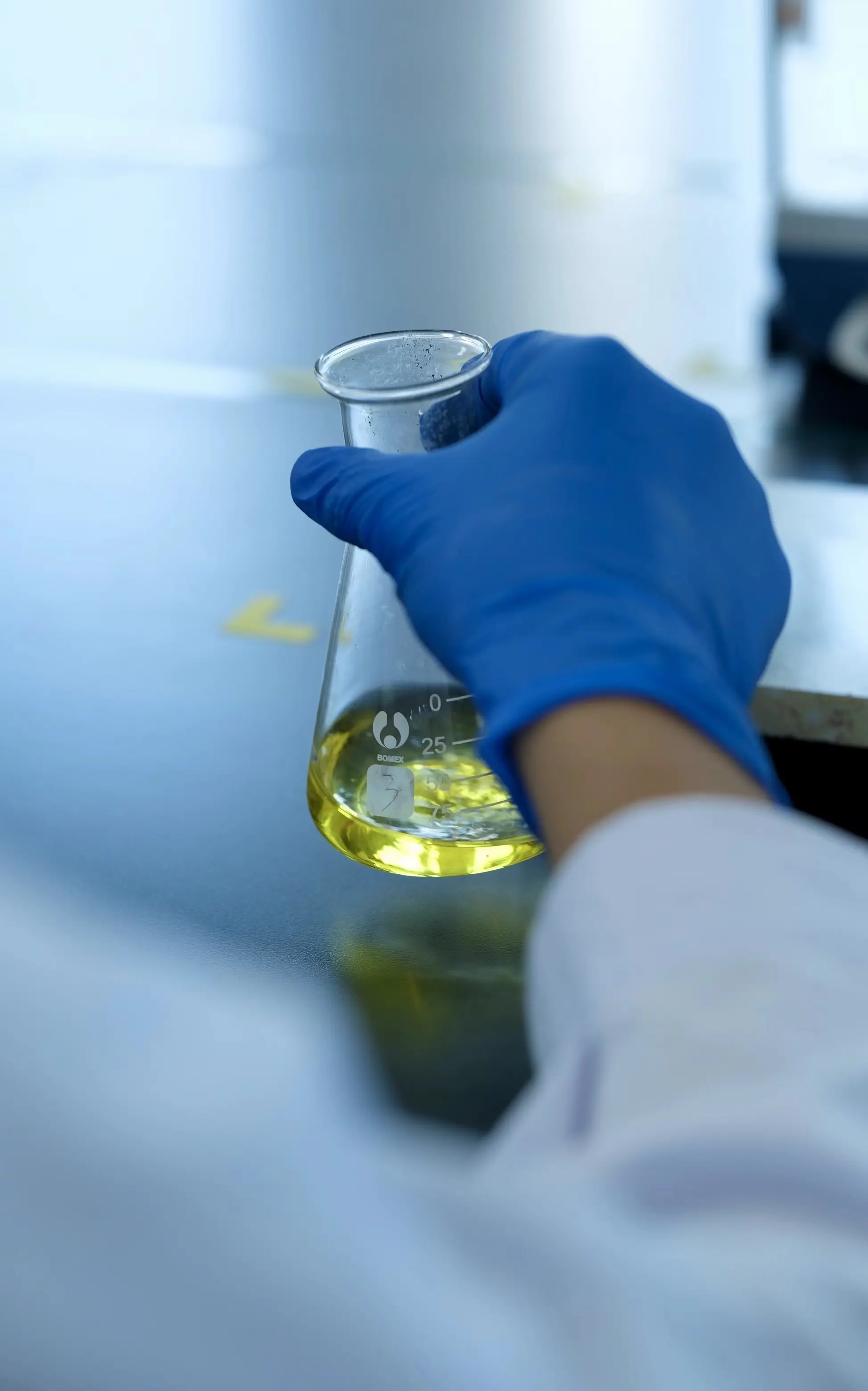
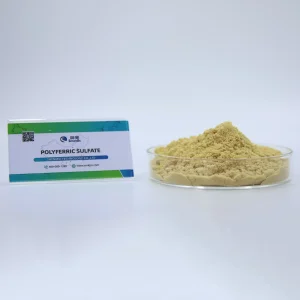
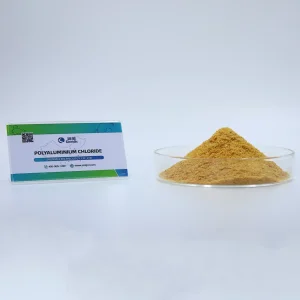
Achieving peak efficiency in modern effluent management systems rarely relies on a singular chemical agent. A high-efficiency wastewater treatment plant requires a strategic, multi-stage dosage layout. Typically, inorganic coagulants such as Polyaluminum Chloride (PAC) or Polyferric Sulfate (PFS) are introduced initially to destabilize colloidal suspensions by neutralizing negative surface charges. Once these micro-flocs are formed, organic polymers (APAM, CPAM, or NPAM) are dosed to bind these micro-flocs into large, rapidly-settling macro-flocs. This synergistic approach maximizes throughput and dramatically reduces overall operational costs.
Delivering high-capacity environmental protection agents, customized technical formulations, and comprehensive service networks since 2011.
Established in 2011, Smedic Technology Co., Ltd. has evolved into a premier national champion specializing in the research, development, and high-scale production of environmental protection agents. Our extensive portfolio covers municipal sewage treatment, industrial wastewater remediation, tap water purification, mineral processing agents, and advanced oilfield chemicals. With over 80 distinct environmental protection products in active production, our annual capacity exceeds 1 million tons, establishing Smedic as a cornerstone of China's chemical supply chain.
Headquartered in Beijing, Smedic maintains direct control over multiple wholly-owned manufacturing facilities situated strategically in Hebei, Guizhou, and Shanxi. Additionally, we operate over ten OEM partner facilities alongside regional warehousing and logistics hubs throughout Shandong, Shanxi, Anhui, Guangxi, and Sichuan provinces. This expansive logistics net guarantees rapid deployment, consistent supply security, and reduced freight costs for partners throughout China and internationally. Currently, Smedic services cover over 20 provinces across China, integrating into the daily operations of more than 600 urban sewage treatment plants and over 1,000 industrial end-users.
Rigorous chemical engineering, elite institutional collaborations, and recognized intellectual property leadership.
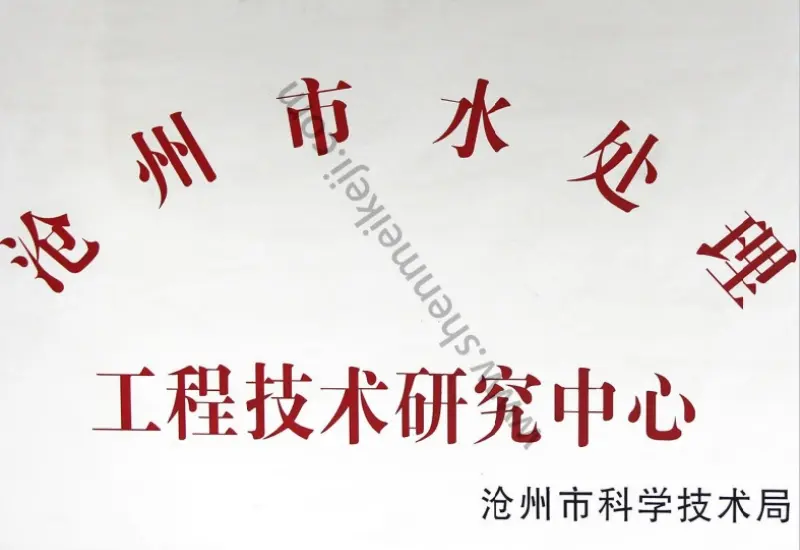
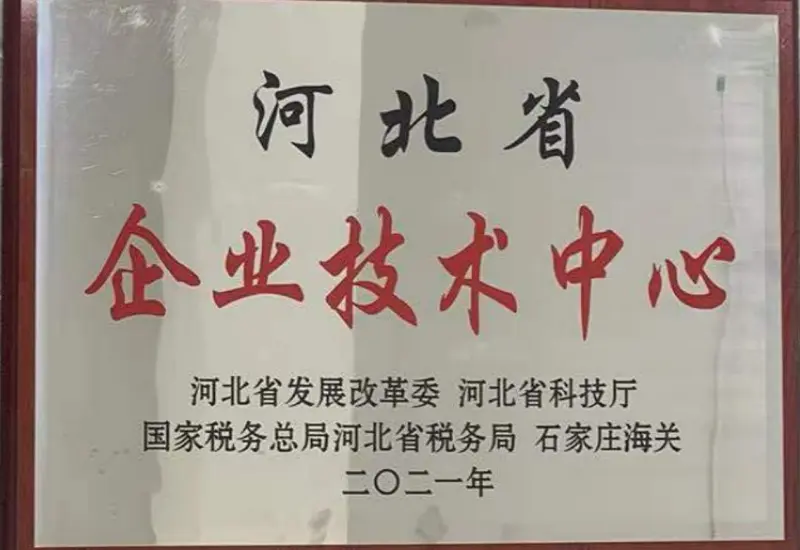
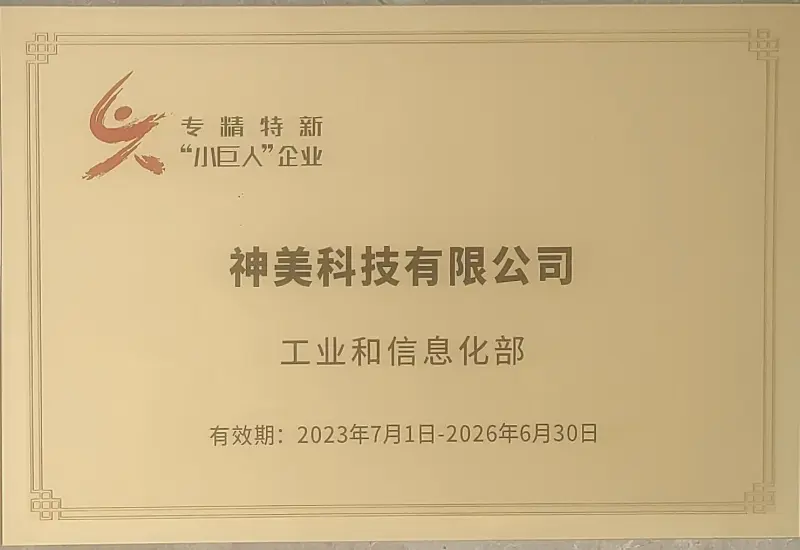
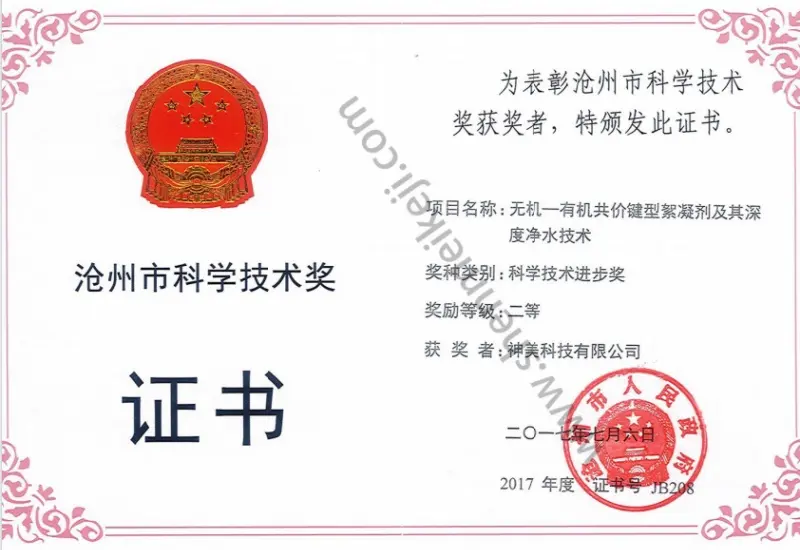
Smedic operates at the absolute cutting edge of water treatment research, holding prestigious national recognitions including National High-Tech Enterprise, and the highly sought-after National Specialized, Refined, Unique and Innovative "Little Giant" Enterprise designation. Our state-level recognition highlights our capacity to manufacture specialized chemicals that replace traditional imports and advance the overall technical standard of the water treatment sector.
Our research matrix is built around "one academy, three research institutes, and five bases," establishing a structured platform for technology commercialization. We operate dedicated joint laboratories alongside Tsinghua University Association of Senior Scientists and Technicians, Shandong University, and Beijing University of Technology. Smedic also serves as the direct commercialization partner for the chemical engineering research outputs of Peking University and Tianjin University.
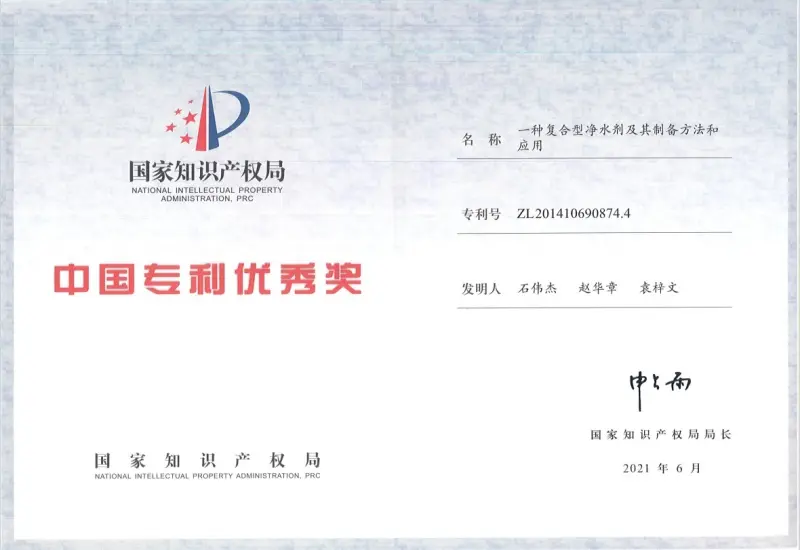
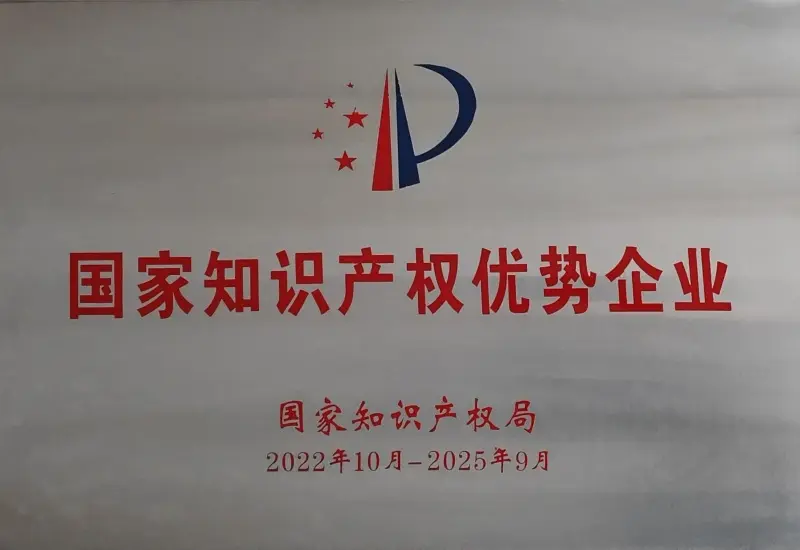
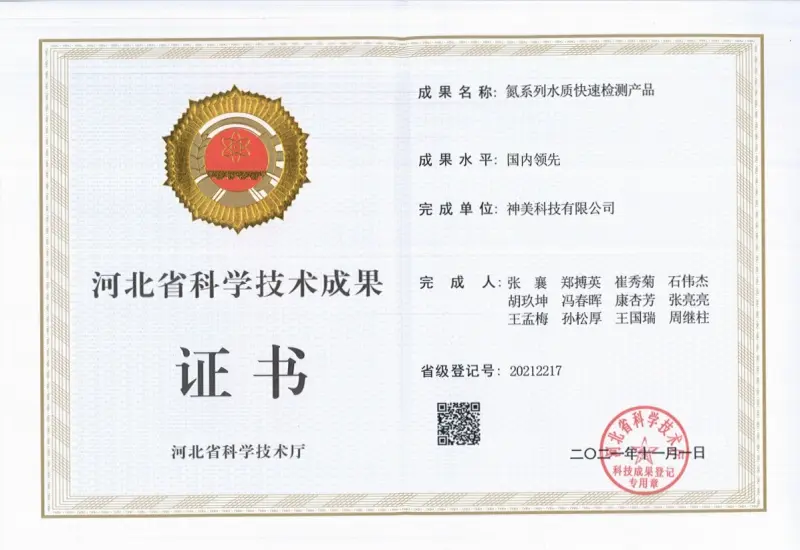
Smedic’s commitment to E-E-A-T is backed by our extensive IP. We hold over sixty Chinese patents, including more than 40 invention patents and 20 utility model patents. We have taken the lead in drafting and defining more than ten national and industry standards in China, specifically setting the benchmarks for composite carbon sources, composite coagulants, sodium acetate, and specialized nitrifying and denitrifying bacterial agents.
Deploying specialized chemical lines tailored for regional compliance, varying geologic conditions, and complex effluent characteristics.
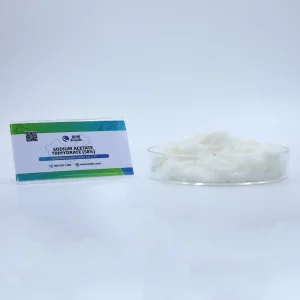
Providing high-efficiency biological carbon sources, organic flocculants, and phosphorus precipitants. Optimized for large-scale municipal operations running under variable seasonal temperatures, ensuring consistent compliance with Class A nitrogen and phosphorus discharge limits.
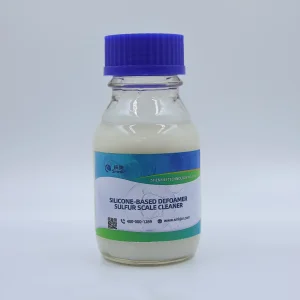
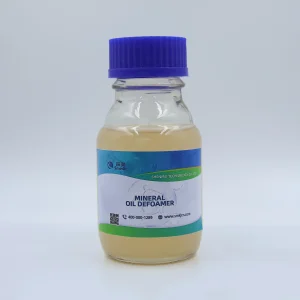
Supplying targeted organic silicone and mineral oil defoamers designed for high-shear, high-temperature industrial processes. Crucial for biological treatment tanks, textile dyeing units, pulp mills, and chemical synthesis lines where foam hinders aeration and transfer efficiency.
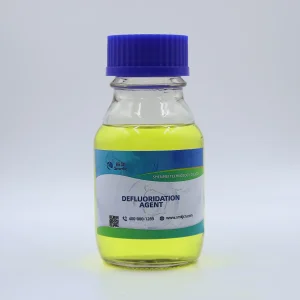
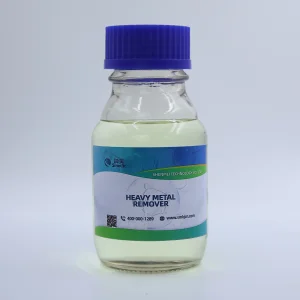
Deploying advanced macromolecular precipitants that chemically bond with dissolved heavy metal ions and fluoride complexes. Critical for metallurgy, electroplating, semiconductor fabrication, and mining operations requiring strict chemical pre-treatment before discharge.
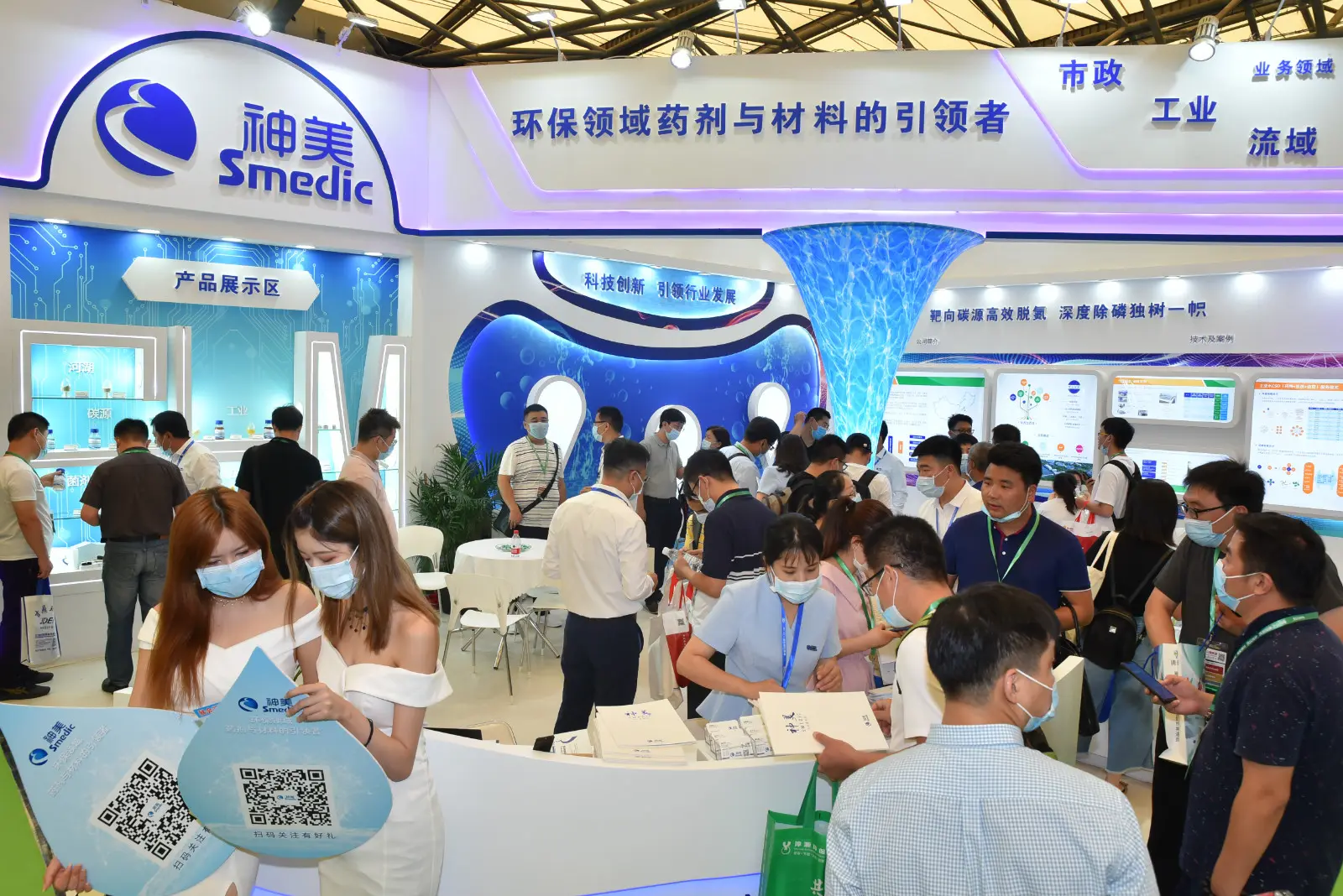
In mineral processing, Smedic works in cooperation with the Chengdu Institute of Mineral Comprehensive Utilization, China Geological Survey. Together, we manufacture customized mineral flotation reagents and tailings flocculants that accelerate water recycling in closed-loop mining circuits. This is especially vital in arid mining regions where water recovery dictates overall mine profitability.
For the petrochemical sector, Smedic produces high-molecular-weight Polyacrylamides specifically tailored for Enhanced Oil Recovery (EOR) and drilling mud lubrication. These polymers possess exceptional shear resistance and thermal stability, allowing them to perform reliably in deep geological formations under high salinity profiles.
How Smedic aligns with international environmental regulations, quality assurance protocols, and reliable global export networks.
Operating as an international supplier means matching the exact quality expectations of various global regulatory frameworks. Smedic operates under strict ISO 9001 (Quality Management), ISO 14001 (Environmental Management), and ISO 45001 (Occupational Health and Safety) certifications. Every batch of Polyacrylamide, Polyaluminum Chloride, and auxiliary agents undergoes a comprehensive quality control cycle, including:
For international buyers in Europe, the Americas, the Middle East, and Southeast Asia, Smedic ensures full compliance with local chemical import standards. Our export-grade products align with the requirements of EU REACH regulations, US EPA guidelines, and various national drinking water safety certifications. By providing comprehensive SDS, Certificate of Analysis (COA), and customs-clearance documentation, we guarantee trouble-free importation and seamless site integration.
Pioneering eco-friendly water treatment solutions through advanced covalent chemistry and biological optimization.
The next era of water treatment demands products that are both highly efficient and environmentally benign. The R&D pipeline at Smedic is focused on three major developmental pillars:
Addressing the critical operational questions, chemical selection criteria, and dosing optimizations raised by plant managers and engineers.
Extended industrial chemical agents, advanced organic defoamers, and customized flocculation polymers from Smedic's manufacturing facilities.
 Smedic Tech