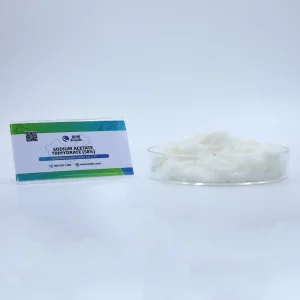
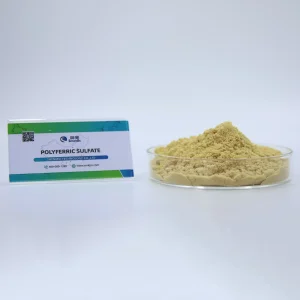
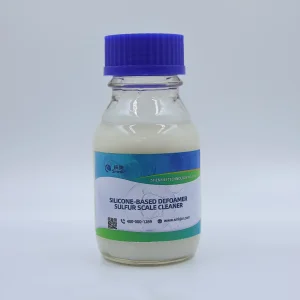
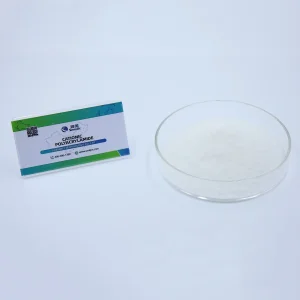
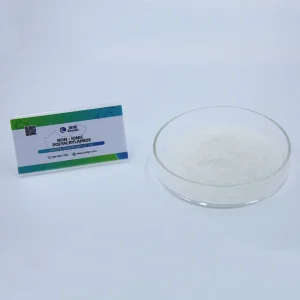
Engineered formulations for industrial wastewater clarification, sludge conditioning, and process water neutralization.
A comprehensive analysis of kinetic dynamics, chemical buffers, and industrial applications.
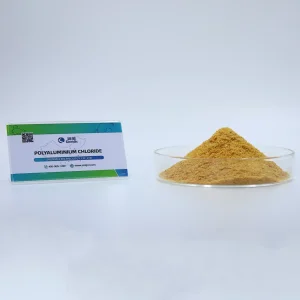
Industrial wastewater streams feature highly volatile pH levels depending on upstream manufacturing operations. Achieving a precise chemical equilibrium is not merely a regulatory mandate; it is the fundamental precursor for successful downstream coagulation, flocculation, and biological digestion. Most metal-based coagulants, such as Polyaluminum Chloride (PAC) and Polyferric Sulfate (PFS), operate within tight stoichiometric bands. Deviation from these optimized bands risks incomplete hydrolysis, excessive sludge production, and toxic dissolved metals bypassing clarifier zones.
For biological treatment, such as activated sludge or nitrification/denitrification, maintaining a stable pH between 6.5 and 8.5 is crucial. Sudden pH fluctuations degrade microbial cell walls, inhibit metabolic pathways, and disrupt enzymatic reactions. By utilizing advanced solid or liquid pH correction reagents, operators can prevent toxic shocks, enhance COD/BOD removal rates, and minimize overall chemical usage.
Furthermore, precision pH buffering prevents secondary environmental impacts. For instance, in heavy metal precipitation, a shift of just 0.5 pH units can mean the difference between compliance and severe municipal discharge violations. Our technical whitepaper outlines optimal parameters for scaling scale prevention and biological nutrient dosing.
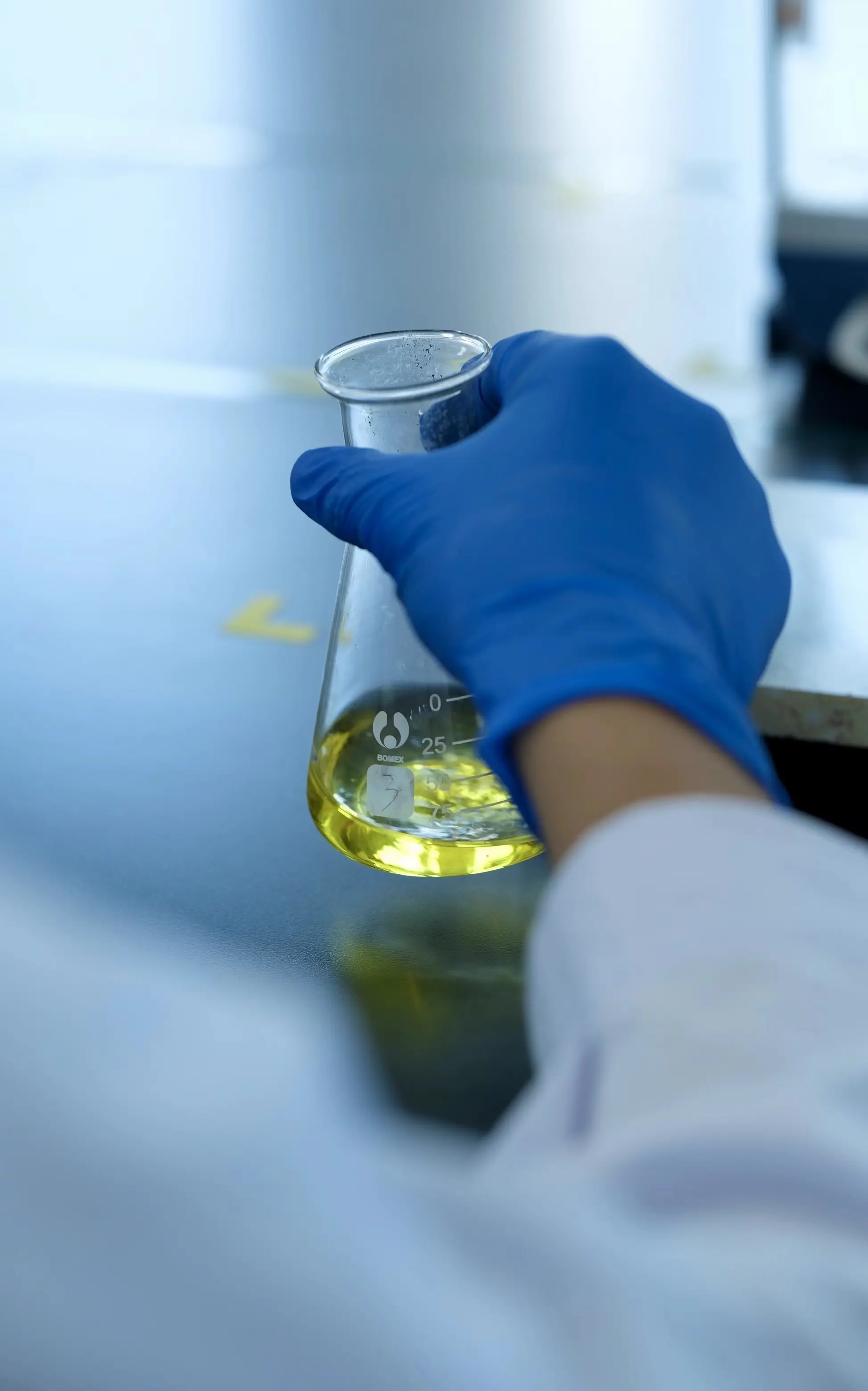
Supplying high-volume environmental agents across municipal and industrial hubs worldwide.
Smedic Technology Co., Ltd. is a leading provider of comprehensive environmental agent solutions. Integrating R&D, advanced manufacturing, global sales, and engineering support, we provide customized formulations tailored to the precise requirements of modern industrial water networks. Our headquarters is located in Beijing, with key production clusters in Hebei, Guizhou, and Shanxi, supplemented by regional warehousing in Shandong, Anhui, Guangxi, and Sichuan.
Why global procurement teams rely on integrated Chinese industrial clusters for water treatment reagents.
Our strategically located bases in Guizhou, Shanxi, and Hebei position us next to primary mineral inputs and precursor chemical reserves. This proximity ensures uninterrupted production runs, insulating global buyers from volatile raw material shortages.
Operating dedicated plants with an annual output exceeding 1 million tons allows us to achieve massive economies of scale. High-automation calcination reactors, spray-drying towers, and automated packaging systems ensure absolute batch-to-batch uniformity.
With warehouse clusters near major Chinese coastal and inland shipping terminals, Smedic guarantees seamless transitions from plant-to-port. We utilize bulk vessel loading and specialized ISO tank options to streamline international customs and maritime transport.
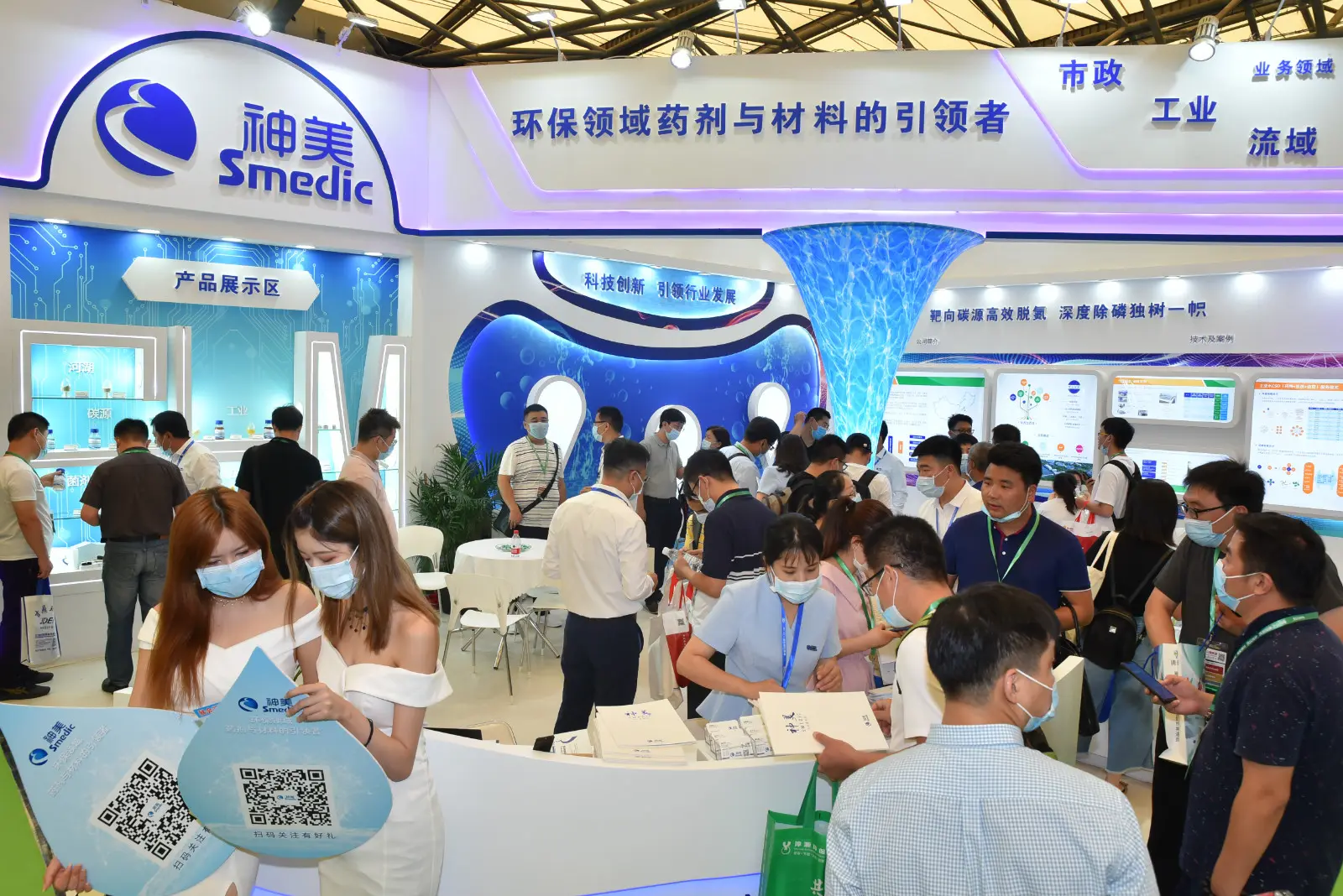
We believe in science-led growth. Our collaborative R&D pipeline bridges academic insights with industrial scale, producing award-winning water treatment formulations.
Our core technical network links Tsinghua University Association of Senior Scientists and Technicians, Shandong University, and Beijing University of Technology. Through this framework, we have secured over sixty Chinese patents, including forty invention patents and twenty utility model patents. Smedic has spearheaded the formulation of ten national and industry chemical standards.
Addressing the complex technical requirements and quality control compliance of global procurement agents.
Whether sourcing solid sodium acetate crystals for denitrification or powder/liquid polymers (PAM), our plants configure bulk densities, mesh profiles, and active ingredient percentages to match custom dosing hopper specifications.
We implement rigorous ICP-MS testing protocols. For heavy metal removal agents, RO membrane antiscalants, and organic silicone defoamers, we keep hazardous heavy metals (Pb, As, Cd) well below international environmental standards.
We supply in varied container configurations: from 25kg moisture-proof woven bags to 1000kg IBC totes and bulk ISO tanks, ensuring clean handling and compliance with destination chemical handling regulations.
Global environmental regulations are tightening rapidly. Modern purchasing policies require rigorous supply chain transparency. Smedic maintains full conformity with ISO 9001, ISO 14001, and ISO 45001, alongside region-specific regulatory mandates.
As a recognized "Hebei Province Green Factory", our manufacturing workflows minimize energy intensity and capture process wastewater for reuse. Our compliance team assists global clients in compiling full SDS (Safety Data Sheets) conforming to GHS standards, facilitating smooth customs clearance in Europe, the Americas, and Southeast Asia.
Our bio-enhanced carbon sources and coagulants are tailored to meet stringent national standards for effluent discharge, ensuring municipal water authorities avoid environmental fines and optimize chemical budgets.
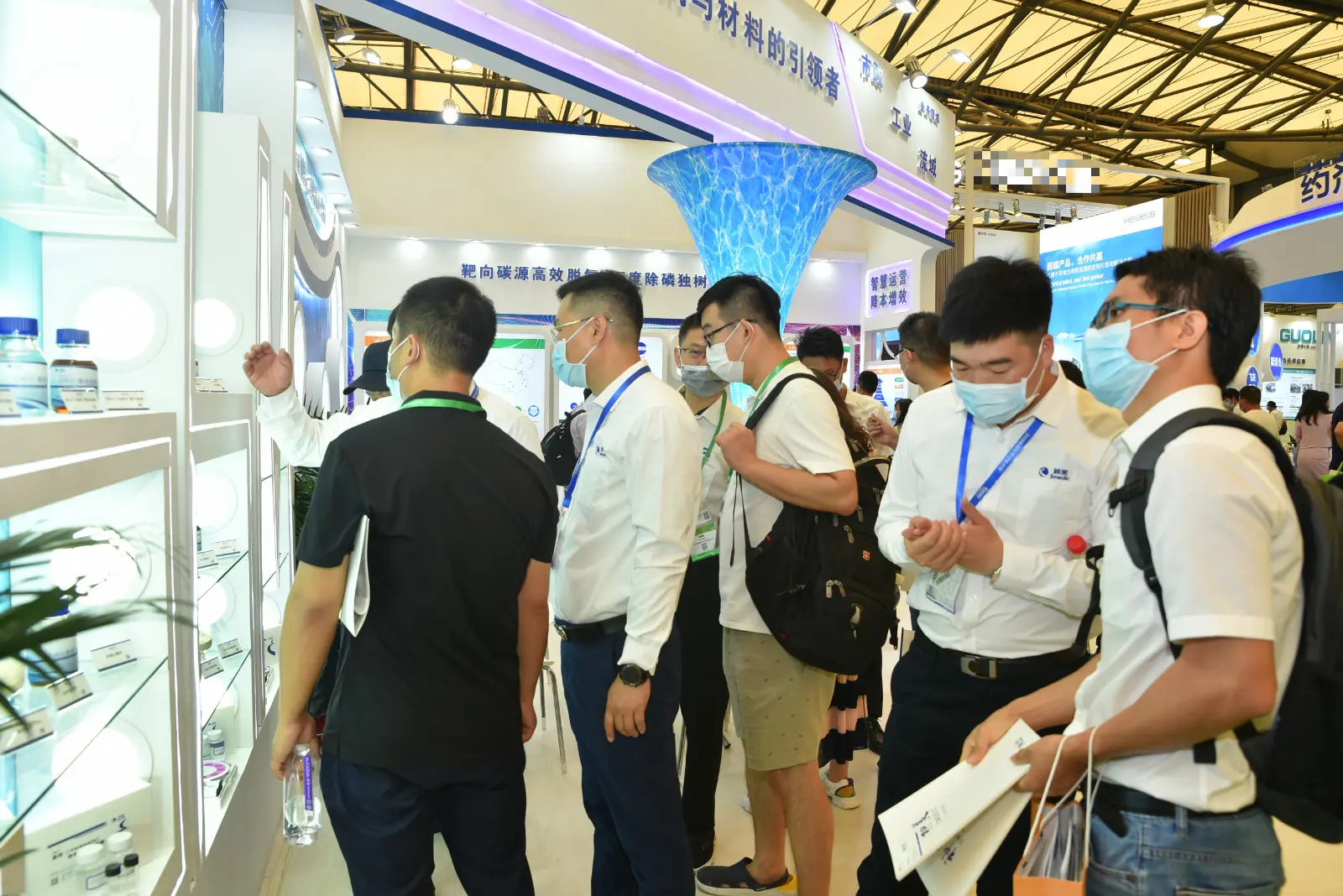
Over a decade of scaling capacity, securing patents, and delivering clean-water solutions.
Smedic was founded, initiating R&D in basic municipal coagulant agents.
Recognized as a key national high-tech enterprise; expanded municipal client base.
Completed major expansion across Hebei, Shandong, and Guizhou, driving aggregate annual production capacity past 1 million tons.
Awarded National Specialized, Refined, Unique and Innovative "Little Giant" enterprise status.
Established a strategic joint venture with the Chengdu Institute of Mineral Comprehensive Utilization, China Geological Survey, to pioneer specialized mineral processing reagents.
How our pH-adjusting chemicals and auxiliary agents optimize process streams across distinct industries.
Provides critical carbon sources and biological denitrification agents to optimize nitrogen removal cycles. Maintains stable pH bands to support active biological cultures in municipal aerators.
Controls mineral slurry pH to optimize collector and frother selectivity. Enhances separation efficiency for gold, copper, and rare-earth flotation processes.
Formulated scale inhibitors and non-ionic polymers (NPAM) are designed to withstand high salinity and thermal shear, protecting equipment during enhanced oil recovery (EOR).
High-purity sodium acetate acts as an acid-neutralizer and buffering agent, ensuring discharge water remains within regulated local pH parameters while reducing color intensity.
RO scale inhibitors prevent mineral precipitation on cooling tower heat exchangers, reducing maintenance downtime and water consumption.
Our heavy metal removal precipitants isolate target cations (such as Cu2+, Ni2+, Cr6+) under alkaline conditions, facilitating quick sedimentation.
Technological advancement and ecological standards shaping the future of pH correction and flocculants.
Traditional wastewater plants are shifting towards smart dosing systems that dynamically adjust chemical additions based on real-time sensor feedback. By linking pH sensors, turbidity meters, and TOC analyzers to automated dosing pumps, operators can reduce chemical consumption by 15-30%.
With regulations tightening worldwide, industries are striving to implement closed-loop water cycles. This shift increases the demand for specialized scale and corrosion inhibitors (such as organophosphorus or phosphate-free options) to prevent membrane scaling in high-concentration brine setups.
There is growing market demand for biodegradable scale inhibitors and carbon sources derived from agricultural byproducts. The industry is moving away from toxic, bioaccumulative formulations toward green alternatives that minimize environmental impact.
More than 600 urban sewage treatment plants in China operate using systems designed and optimized by Smedic. Our daily operating footprint exceeds 20 million tons of wastewater daily, equivalent to the discharge volume of several major megacities combined.
This massive operational footprint feeds real-world performance data directly back into our joint R&D laboratories, ensuring that every batch of PAC, PFS, and Polyacrylamide we export is tested under real-world conditions.
Connect with an EngineerAddressing the technical, logistics, and chemistry inquiries of our global clients.
Providing specialized formulations for cooling loops, RO membranes, and heavy oil separation.
 Smedic Tech