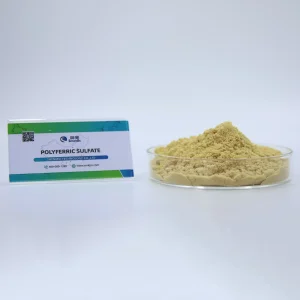
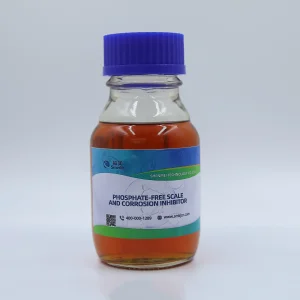
Discover our high-performance flocculants, defoamers, scale inhibitors, and coagulants engineered for diverse municipal and industrial applications.
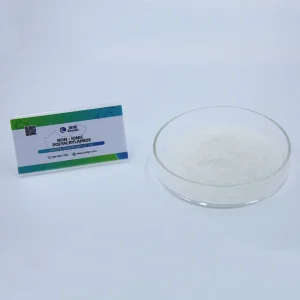
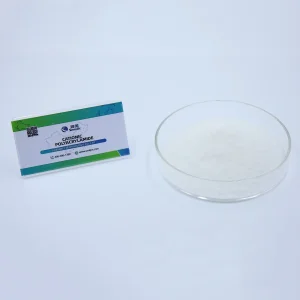
Providing world-class water treatment agents and comprehensive environmental solutions since 2011.
Smedic Technology Co., Ltd. was established in 2011 as a comprehensive solution provider specialized in environmental protection agents, integrating R&D, production, sales, and engineering-related technical services. We are dedicated to providing customers with customized chemical products, technical solutions, and services. Smedic produces environmental protection agents covering multiple sectors such as municipal sewage, industrial wastewater, and tap water treatment, as well as mineral processing agents, and oilfield chemicals. We offer more than 80 different environmental protection products, with an annual production capacity exceeding 1 million tons.
By continually optimizing chemical formulation performance, we enable global industrial operators and municipal utility managers to fulfill local regulatory standards while cutting operational costs. Our research paradigms prioritize thermodynamic structural stability, floc size optimization, and heavy metal impurity minimization, resulting in highly competitive products for global procurement networks.
Our corporate headquarters is located in Beijing, we have multiple wholly-owned production bases in Hebei, Guizhou, Shanxi, and other regions, and have set up more than ten OEM partner factories and regional warehousing and logistics bases in Shandong, Shanxi, Anhui, Guangxi, and Sichuan provinces, among others. Our business and service network covers over 20 provinces across China. Our projects involve more than 600 urban sewage treatment plants and over 1,000 end customers in industrial wastewater treatment, mineral processing, and oilfield chemicals. The total sewage treatment capacity involved in the projects exceeds 20 million tons per day. We are a leading company in the Chinese market within the high-end segment of environmental protection chemicals for municipal and industrial wastewater treatment.
An authoritative whitepaper analyzing the chemistry, application matrices, and procurement criteria of advanced PAC coagulants.
Polyaluminum Chloride (PAC) remains the cornerstone of modern water treatment coagulation technology. The chemistry of PAC relies heavily on its basicity, defined as the ratio of hydroxyl ions ($OH^-$) to aluminum ions ($Al^{3+}$). Basicity directly controls the distribution of polynuclear aluminum complexes, particularly the highly active $\text{Al}_{13}$ ($[\text{Al}_{12}\text{O}_4(\text{OH})_{24}(\text{H}_2\text{O})_{12}]^{7+}$) and the larger polymer $\text{Al}_{30}$. These species play a key role in neutralizing the negative surface charges of suspended colloidal particles (Zeta potential reduction) and forming dense, fast-settling flocs via bridge-binding and sweep coagulation.
The manufacturing trend is transitioning from traditional batch thermal hydrolysis of bauxite to highly controlled continuous polymerization processes. Modern global buyer requirements focus on coagulants that exhibit high solubility, minimize sludge generation, and leave low residual aluminum in treated water. The industry is witnessing a significant shift towards high-basicity (80% - 90%) spray-dried PAC, which has less moisture, a longer shelf life, and faster dissolution rates compared to drum-dried alternatives.
When evaluating China PAC manufacturers, procurement managers must compare structural specifications to match system salinity, pH range, and turbidity profiles. Spray-dried PAC offers distinct advantages over drum-dried variants, particularly for municipal drinking water systems that enforce strict limits on heavy metals (Arsenic, Lead, Cadmium).
| PAC Grade | $\text{Al}_2\text{O}_3$ Content (%) | Basicity (%) | Water Insoluble Matter (%) | Primary Industrial Use Cases |
|---|---|---|---|---|
| Drinking Water Grade (Spray-Dried) | 29.0% - 31.0% | 50.0% - 85.0% | ≤ 0.2% | Municipal Tap Water, Potable Water Clarification, Ultrafiltration Pre-treatment |
| Industrial Grade (Drum-Dried) | 27.0% - 29.0% | 50.0% - 90.0% | ≤ 1.5% | Textile Dyeing, Paper Sizing, Mining Wastewater, Sludge Thickening |
| High-Basicity Coagulant Mix | 28.0% - 30.0% | 80.0% - 95.0% | ≤ 0.5% | Low-Temperature Low-Turbidity Water, Rapid Flocculation Systems |
Procuring raw chemicals like Polyaluminum Chloride requires evaluating several operational risk factors, including chemical quality consistency, shipping logistics, and compliance with local environmental regulations. Key considerations for procurement teams include:
Smedic Technology manages these concerns by leveraging strategic production facilities in Hebei, Guizhou, and Shanxi, alongside a logistics infrastructure covering over 20 provinces. By operating near major raw material reserves and domestic shipping hubs, we ensure reliable delivery times and consistent product availability.
Water treatment requirements vary significantly across different industries. Our comprehensive range of environmental protection agents allows us to configure tailored treatment programs based on specific industrial needs:
Municipal networks require highly stable coagulants that operate reliably across varying seasonal temperatures. Smedic’s high-purity PAC works in tandem with our anionic (APAM) and cationic (CPAM) polyacrylamides to form dense flocs, facilitating effective settling in primary clarifiers and clean sludge dewatering in centrifugal systems.
In upstream petroleum operations, reinjection water must be free of suspended solids and oil droplets to prevent reservoir plugging. Our non-ionic polyacrylamides (NPAM) are designed to withstand high shearing forces and salinity profiles, assisting in both EOR viscosity maintenance and oilfield produced water cleanup.
Mineral processing generates high-volume, highly suspended tailings. Through our joint venture company established with the Chengdu Institute of Mineral Comprehensive Utilization, China Geological Survey, we develop specialized mineral processing agents and coagulants that accelerate tailings settling. These products enable process water recycling, reducing fresh water consumption in mining operations.
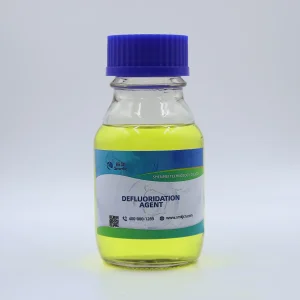
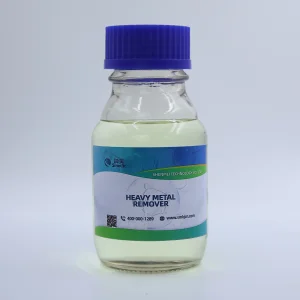
Tightening industrial discharge limits for toxins like fluoride and heavy metals require targeted chemical solutions. Smedic’s Specialized Fluoride Removal Agent and Powerful Heavy Metal Removal Agent precipitate contaminants out of solution, allowing industrial operators to achieve regulatory compliance and avoid costly cleanups.
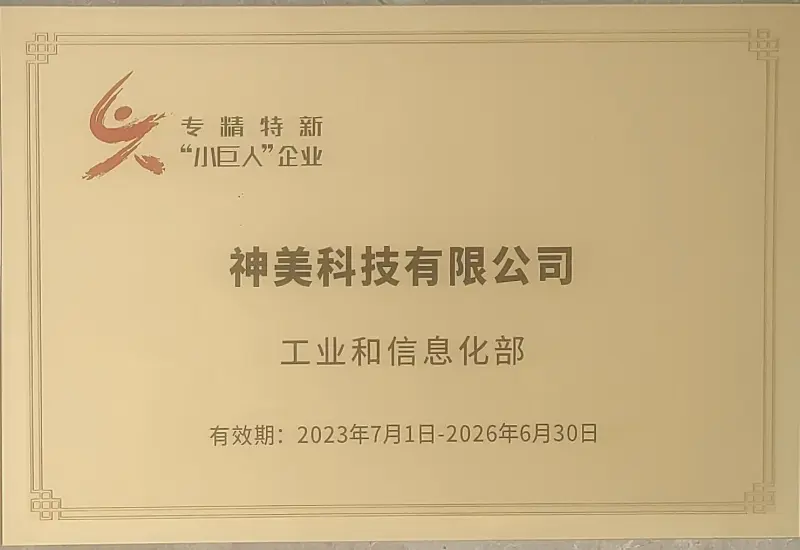
Our commitment to research and development has earned us recognition as a National Specialized "Little Giant" enterprise.
We have obtained qualifications such as National High-tech Enterprise, National Specialized, Refined, Unique and Innovative "Little Giant" Enterprise, National Key-Supported Specialized, Refined, Unique and Innovative "Little Giant" Enterprise, Hebei Province Specialized, Refined, Unique and Innovative "Little Giant" Demonstration Enterprise, Hebei Province Green Factory, Hebei Province Science and Technology-based Small and Medium-sized Enterprise, and China's Science and Technology-based Innovative Small and Medium-sized Enterprise.
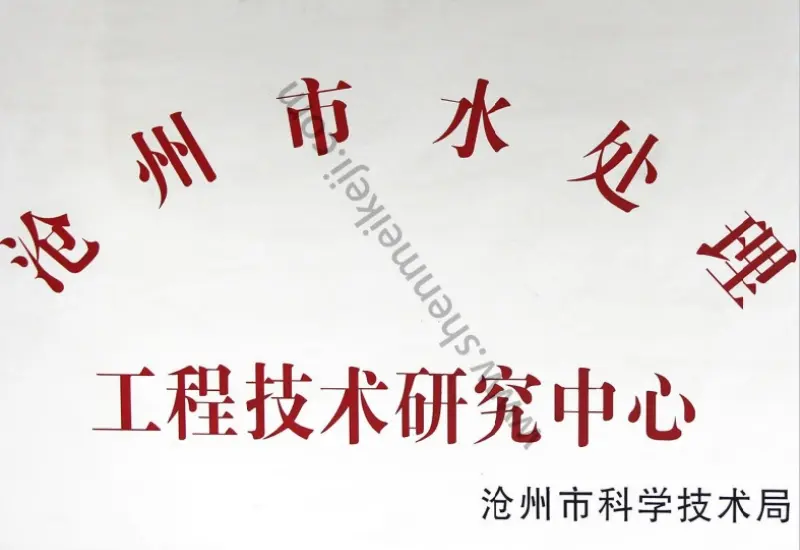
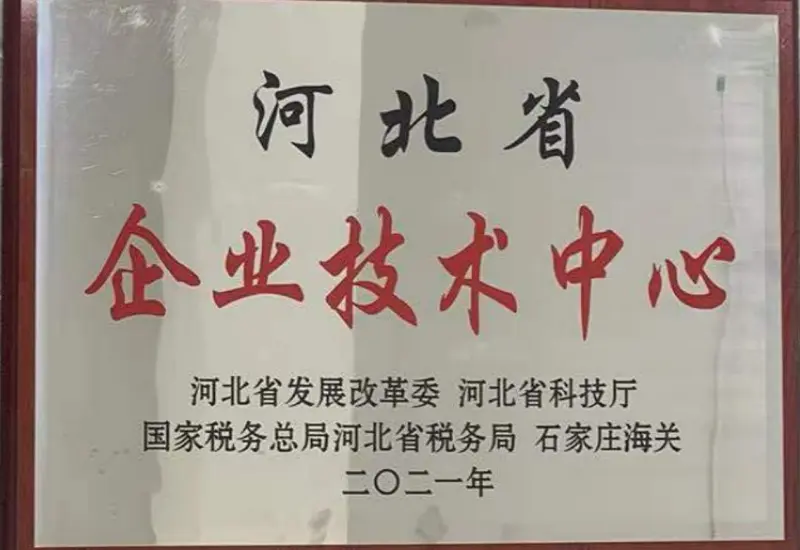
We have a core technical team composed of academicians, experts, professors, and senior engineers, and have established an R&D system and a technology commercialization platform centered around one academy, three research institutes, and five bases. We have established the Hebei Provincial Enterprise Technology Center, the Hebei Provincial Advanced Water Treatment Chemicals Technology Innovation Center, and the Cangzhou Water Treatment Engineering Technology Research Center, and have been recognized as a Class A R&D institution in Hebei Province.
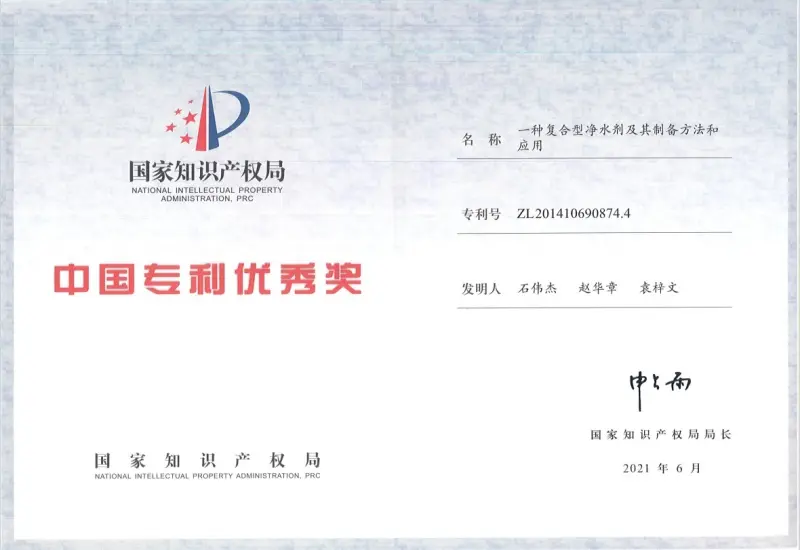
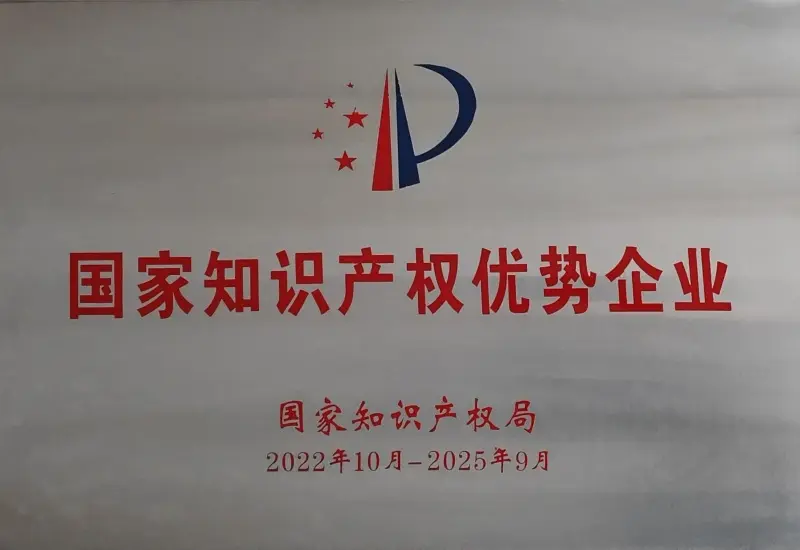
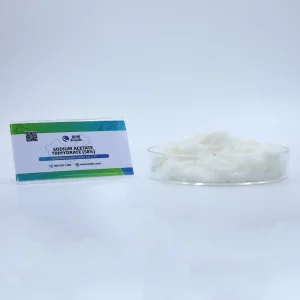
We have been granted over sixty Chinese patents, including more than forty invention patents and over twenty utility model patents. We have led the drafting of more than ten national and industry standards, including those for composite carbon sources, composite coagulants, sodium acetate, and nitrifying and denitrifying bacterial agents.
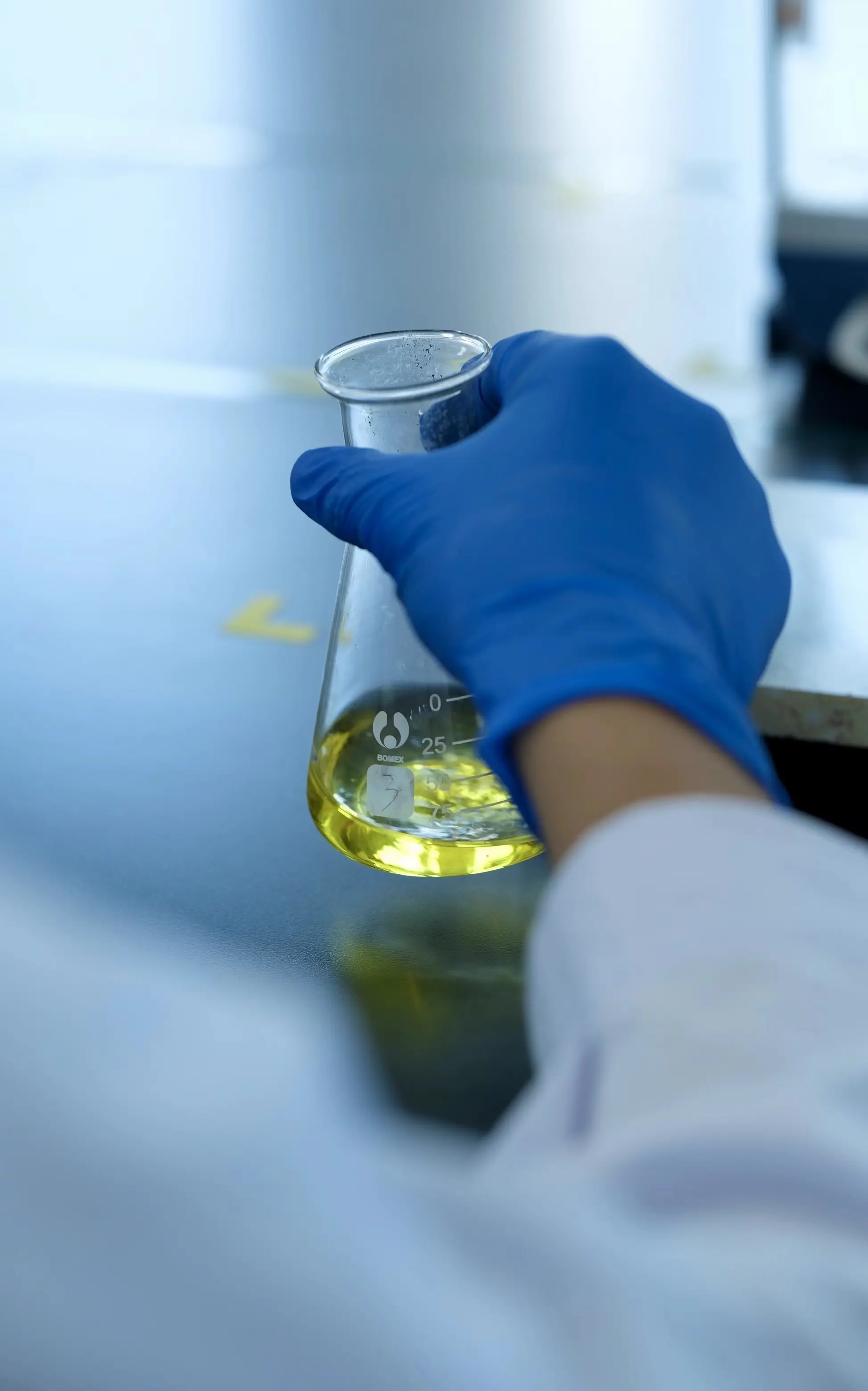
Our workstation, established in collaboration with the Tsinghua University Association of Senior Scientists and Technicians, along with joint R&D laboratories at Shandong University and Beijing University of Technology, supports our product development pipeline. We also act as the commercialization partner for industry-academia-research achievements with Peking University and Tianjin University.
The patented technologies and products we have independently developed, such as the bio-enhanced denitrification carbon source and the deep multi-nuclear phosphorus removal agent, have passed the scientific and technological achievement evaluation conducted by the Science and Technology Department of Hebei Province. These achievements have been appraised as "internationally advanced" and have filled a domestic gap in this product category.
Our independently developed "Inorganic-Organic Covalent Bond Flocculant and Its Advanced Water Purification Technology" has won multiple awards, including the 22nd China Patent Award, the First Prize for Technological Invention from the China Petrochemical Industry Association, the Hebei Province Science and Technology Progress Award, and recognition as a Belt and Road SME Recommended Project. We have been recognized as the "Leading Brand of Advanced Wastewater Treatment Chemicals" and the "Most Valuable Water Treatment Chemicals Brand" by China Water Network and the E20 Environmental Platform for four consecutive years.
A timeline tracking our growth, production expansions, and technology breakthroughs.
Navigating dynamic chemical regulation frameworks and logistics operations worldwide.
Global chemical procurement is subject to strict regulatory oversight, such as the European REACH regulations, US EPA standards, and the Globally Harmonized System (GHS) of Classification and Labelling. As an operator of Hebei Province Green Factory facilities, Smedic ensures that raw material extraction and polymerization processes minimize dust and gaseous emissions. Our production lines utilize automated systems to monitor chemical synthesis, ensuring final products remain free from unreacted acrylamide monomers or organic solvents.
Additionally, our composite coagulants and carbon sources are formulated to reduce secondary salinity in treated water. High chloride or sulfate levels in industrial discharge can harm aquatic ecosystems. By optimizing the polymerization index of our PAC, we reduce total salt contributions, helping downstream operators meet local discharge guidelines.
Over the years, we have built strategic partnerships with several major water treatment groups, including:
We are a regular supplier on centralized procurement lists for these large groups, serving projects that treat millions of cubic meters of municipal wastewater daily.
Common technical and sourcing questions resolved by our chemical engineering specialists.
Explore our specialized defoamers, scale inhibitors, and municipal treatment chemicals.
 Smedic Tech