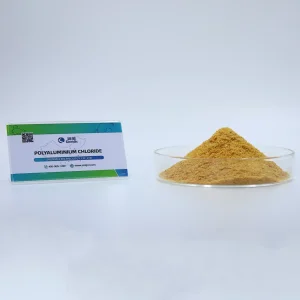
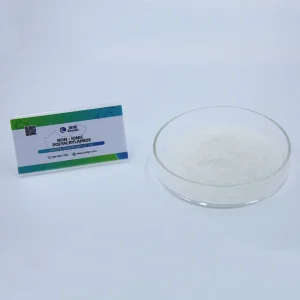
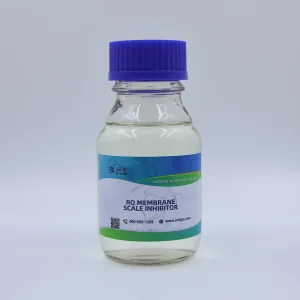
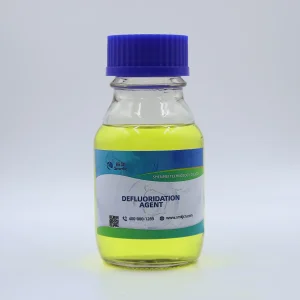
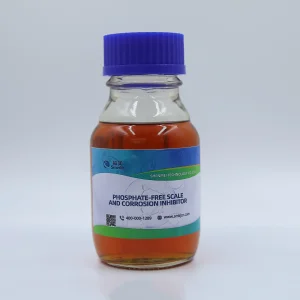
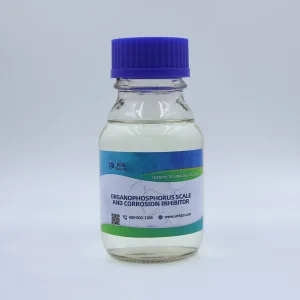
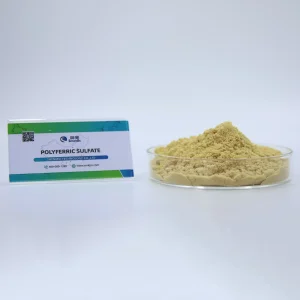
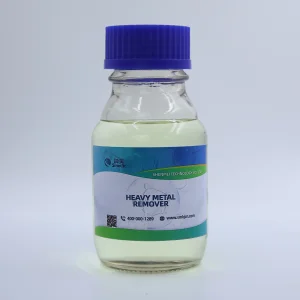
Explore our advanced water chemicals range designed to protect membrane elements, remove heavy metals, optimize coagulation processes, and control foaming across complex industrial circuits.
Reverse Osmosis (RO) systems have become the global benchmark for producing high-purity water, serving critical functions from boiler feed makeup in thermal plants to ultrapure water polishing circuits in semiconductor microfabrication. However, as permeation proceeds, membrane components face continuous, unavoidable fouling. Polyamide thin-film composite (TFC) membrane chemistry is particularly susceptible to the accumulation of organic macromolecular foulants, extracellular polymeric substances (EPS), biological biofilms, and colloidal clay particles. Unlike inorganic scale crystallization (which yields readily to acidic formulations), organic and biological foulants form dense, viscoelastic barriers that constrict feed channels, escalate differential pressure (dP), and collapse permeate flux.
Our specialty RO Alkaline Cleaners are formulated with specific chemical features to handle these issues. Incorporating premium chelating builders, biodegradable surfactants, and pH buffer systems, our products ensure deep restorative cleansing without compromising the structural integrity of the thin-film composite polyamide barrier. By restoring design fluxes and minimizing clean-in-place (CIP) cycles, our formulations extend membrane lifespans, lower energy footprints, and reduce operational downtime.
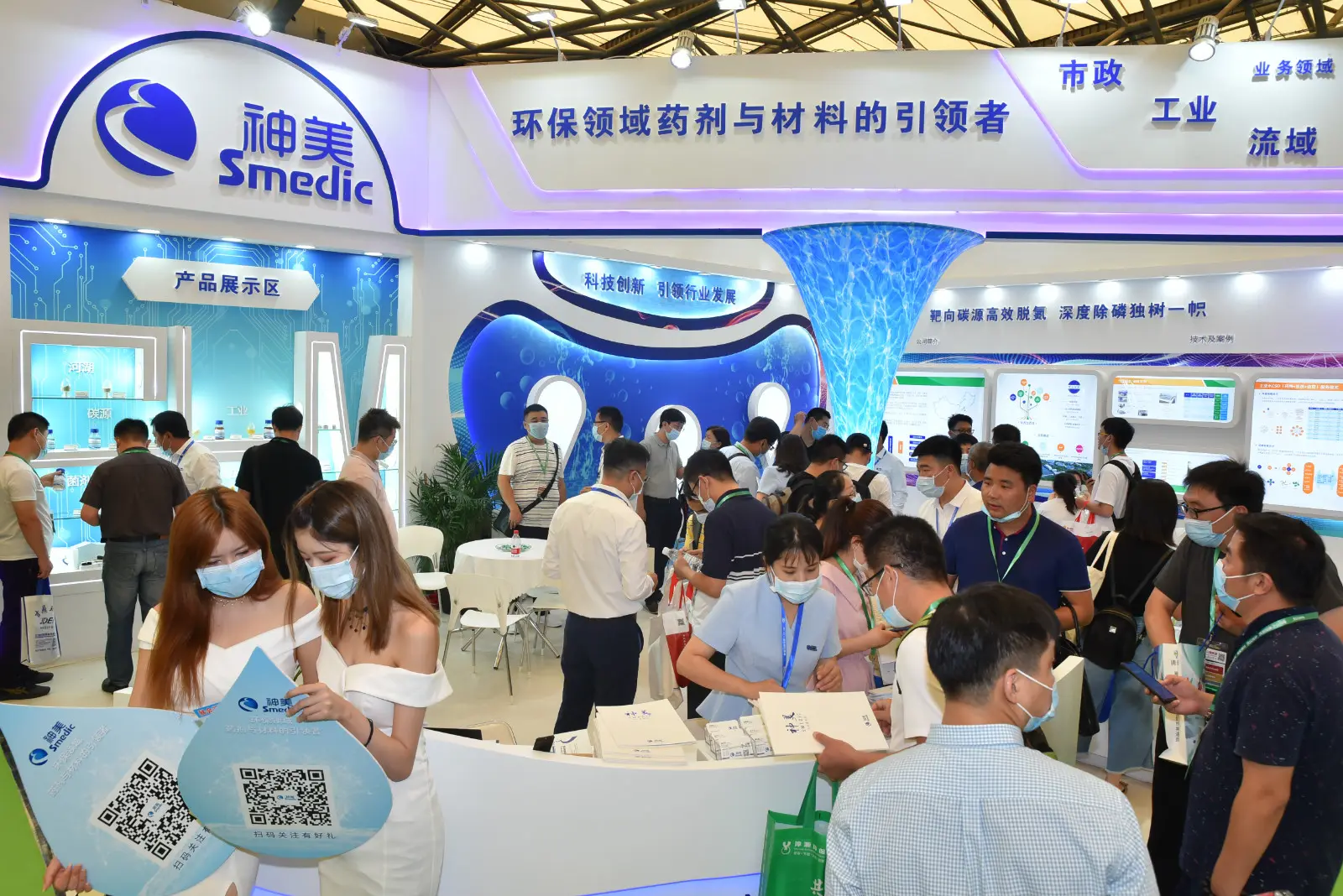
Established in 2011, Smedic Technology Co., Ltd. is a comprehensive environmental protection agent solution provider integrating R&D, production, sales, and specialized technical services. We are dedicated to delivering customized chemical products, customized technical solutions, and targeted services to handle water treatment challenges globally.
Smedic manufactures high-performance agents across sectors including municipal sewage, industrial wastewater, tap water purification, mineral processing, and oilfield chemicals. Offering a diverse portfolio of over 80 environmental protection products, our annual production capacity exceeds 1 million tons, ensuring supply chain stability for projects of any scale.
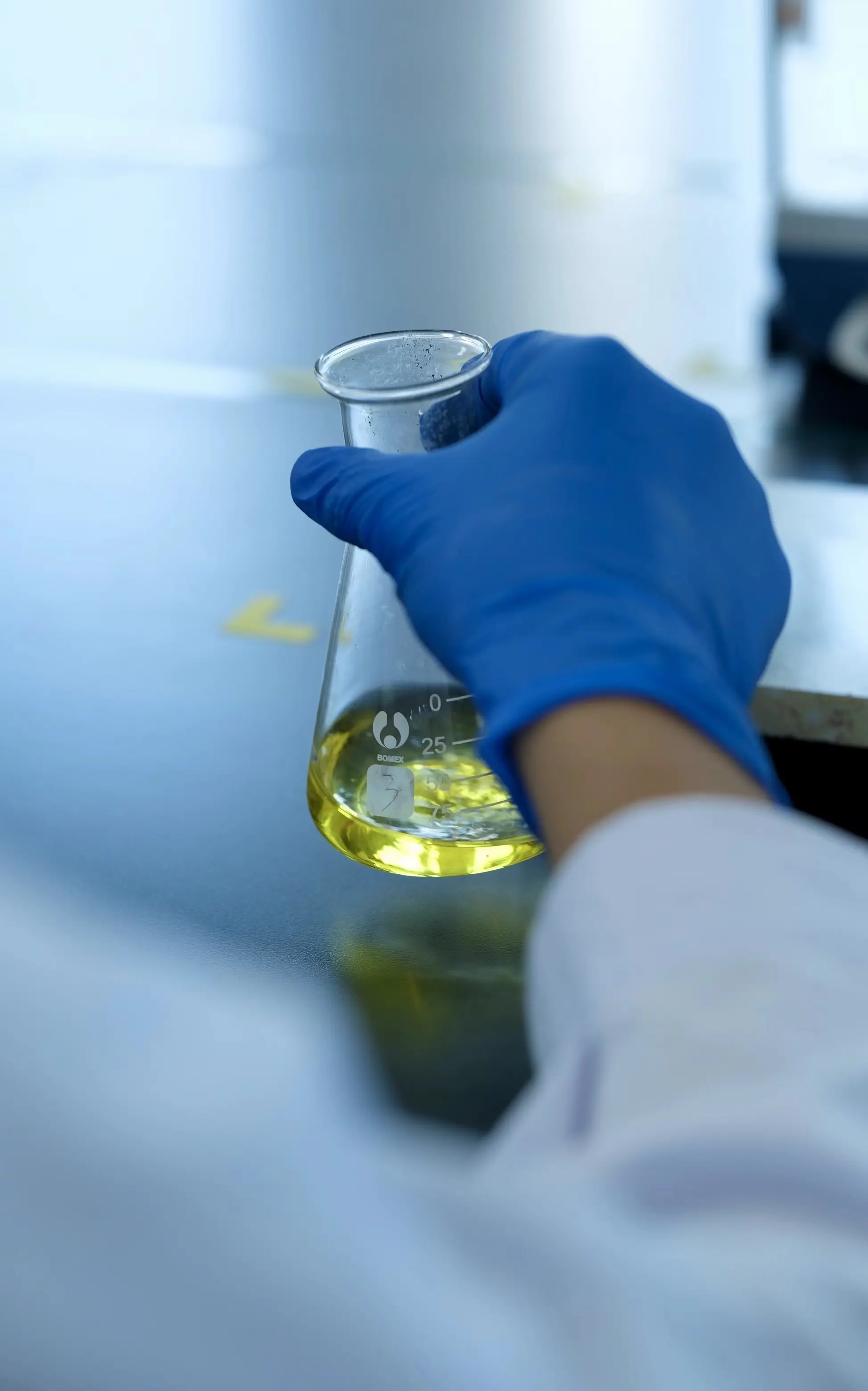
With corporate headquarters situated in Beijing, we operate wholly-owned production facilities in Hebei, Guizhou, Shanxi, and other regions, supported by over ten OEM partner facilities and strategic warehousing points across Shandong, Shanxi, Anhui, Guangxi, and Sichuan provinces.
Our comprehensive logistics and technical service network covers over 20 provinces across China, securing rapid response times for critical chemistry delivery and on-site engineering consultations.
Smedic chemical programs are active within more than 600 urban municipal sewage treatment plants, providing stable, long-term operations and compliance security.
Over 1,000 corporate clients rely on our expertise for industrial wastewater treatment, mineral flotation kinetics, and specialized oilfield extraction chemistry.
The total municipal and industrial wastewater capacity managed under Smedic technological initiatives exceeds 20 million metric tons per day, establishing us as a leading brand in the Chinese environmental chemical segment.
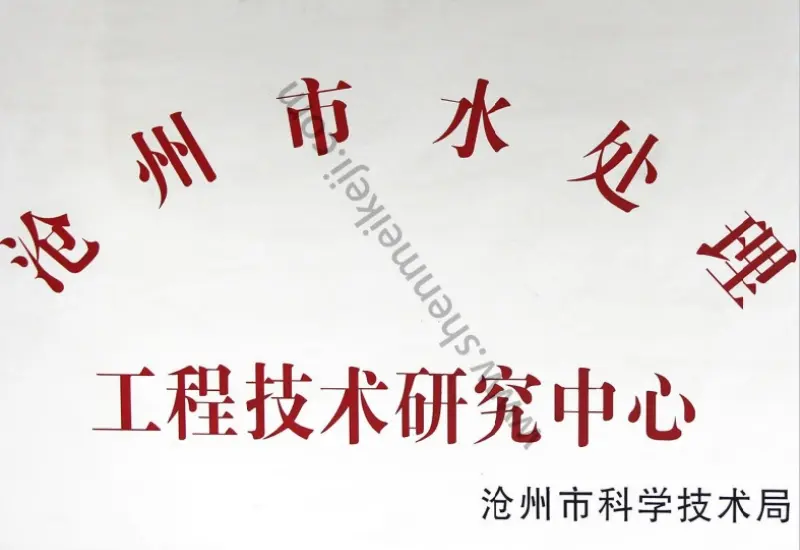
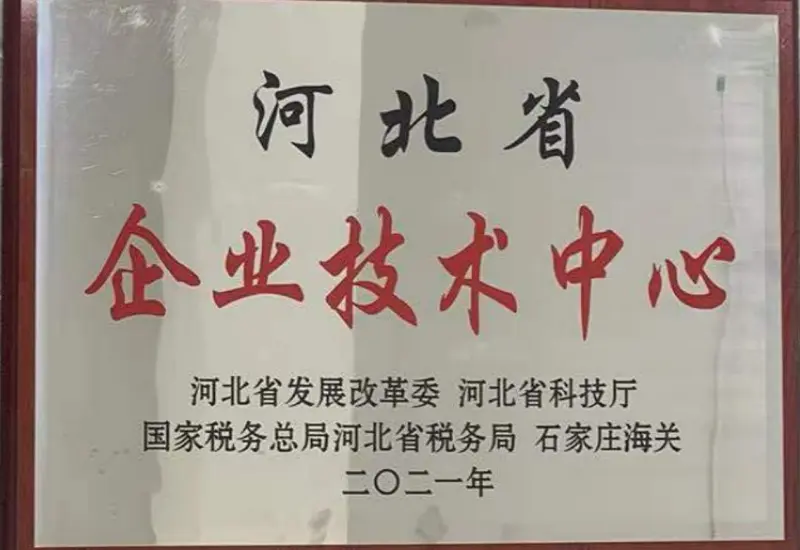
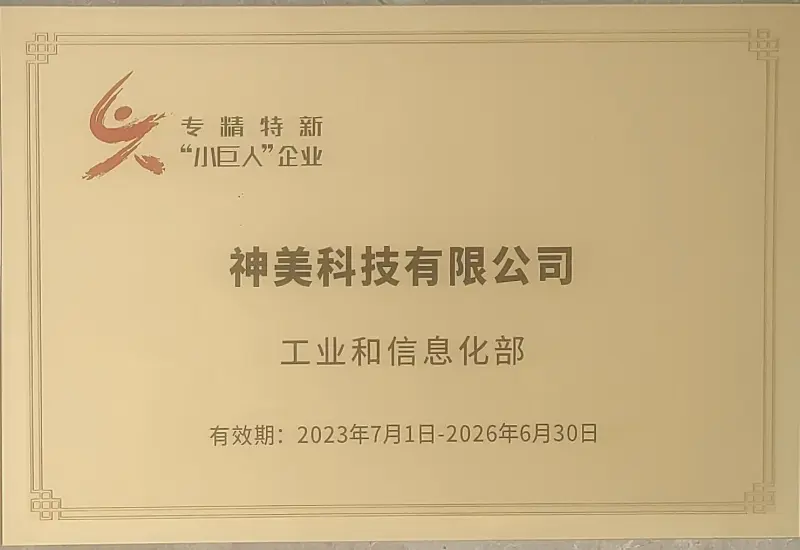
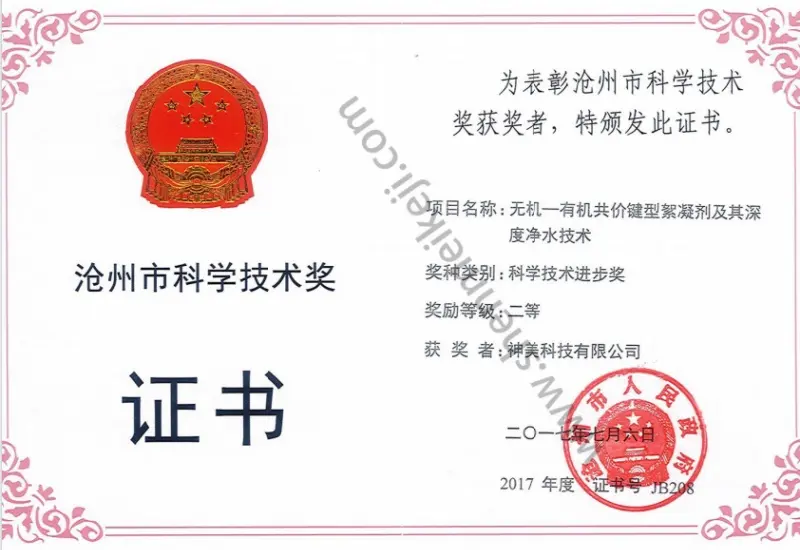
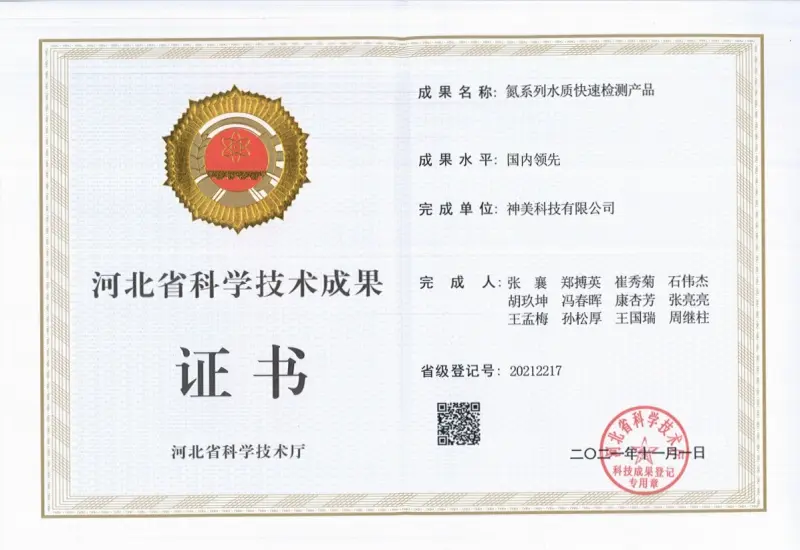
Smedic is recognized as a National High-tech Enterprise and a National Specialized, Refined, Unique and Innovative "Little Giant" Enterprise. Our technology development platform operates through one academy, three research institutes, and five production bases. We host recognized Class A R&D facilities including the Hebei Provincial Enterprise Technology Center and the Cangzhou Water Treatment Engineering Technology Research Center.
Our commitment to cutting-edge science is reflected in our academic collaborative frameworks. We have established a permanent expert workstation with the Tsinghua University Association of Senior Scientists and Technicians, operate joint R&D laboratories with Shandong University and the Beijing University of Technology, and act as a commercialization partner for chemical innovations originating from Peking University and Tianjin University.
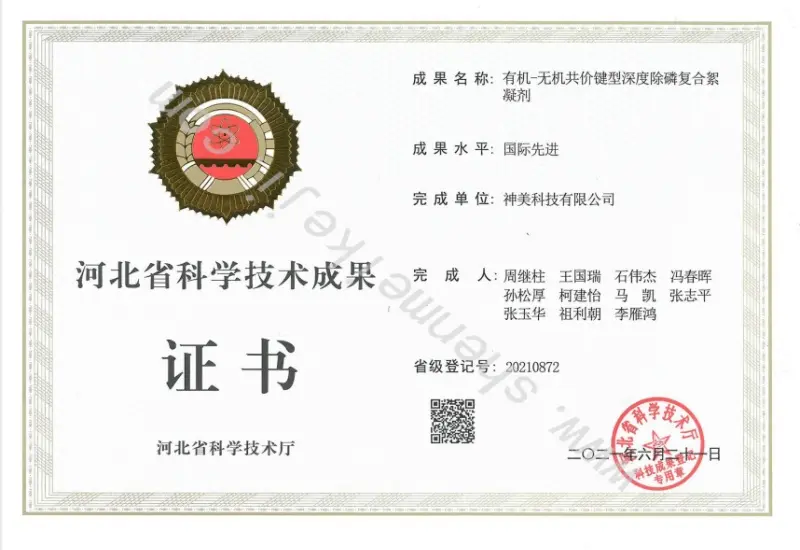
Different industrial processes yield different fouling patterns. Smedic works with system operators to formulate chemistry tailored to specific feed waters and operational configurations.
Petrochemical effluents contain high levels of emulsified oils, polycyclic aromatics, and biological stabilizers. Our RO alkaline cleaners target these organic components through saponification, resolving organic fouling on high-pressure brackish water membranes in ZLD (Zero Liquid Discharge) systems.
Ultrapure Water (UPW) systems require low TOC (Total Organic Carbon) thresholds. Smedic formulation engineering prevents secondary leaching, ensuring that residual surfactant molecules do not carry over to downstream mix-bed resins or UV destruction chambers after cleaning.
SWRO membranes are prone to marine microalgal fouling and polysaccharide EPS coatings. Smedic cleaners soften and rinse away these biopolymers, helping desalination facilities maintain consistent permeate flux and manage high operating pressures.
Exporting high-pH chemical agents globally requires rigorous adherence to international regulatory frameworks. Smedic operates in compliance with REACH standards, GHS labeling guidelines, and various regional environmental protection policies. Each export batch is dispatched with comprehensive Safety Data Sheets (SDS), technical specifications, and Certificate of Analysis (COA) logs.
To support global supply chains, we maintain regional warehousing networks close to major sea terminals. This ensures rapid dispatch, shorter transit times, and lower shipping costs for our international customers. Our technical support team works alongside local engineers, providing clean-in-place (CIP) design guidelines, dose calculation models, and analytical assistance to optimize membrane performance.
Our journey is marked by technological innovation, continuous capacity expansion, and strategic research partnerships.
Smedic Technology is established in Beijing, focusing on environmental protection agents and municipal wastewater chemicals.
Smedic receives official National High-Tech Enterprise status, expanding into industrial wastewater treatment markets.
With operational facilities in Hebei, Shandong, and Guizhou, our annual capacity reaches and passes the 1 million ton mark.
Smedic is recognized as a National Specialized, Refined, Unique and Innovative 'Little Giant' Enterprise, highlighting our technical focus in specialized chemical design.
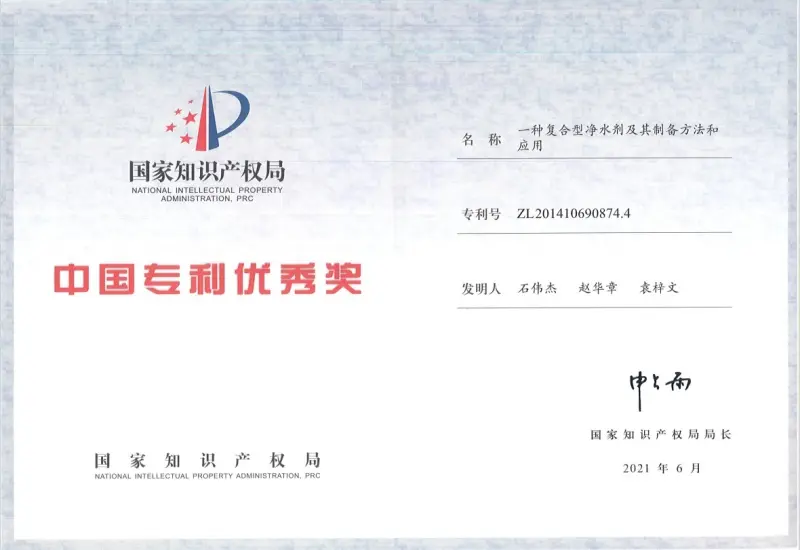
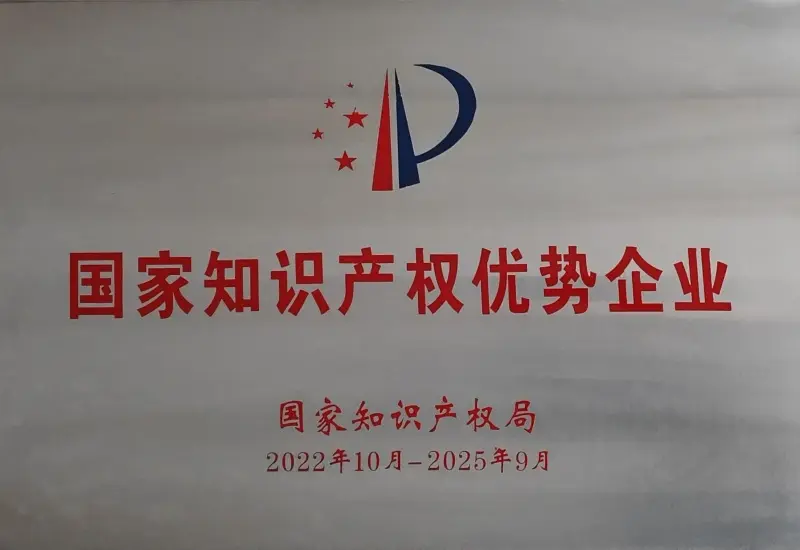
Awarded National Intellectual Property Advantage Enterprise status with over 60 utility and invention patents granted.
Established a joint venture company with the Chengdu Institute of Mineral Comprehensive Utilization, China Geological Survey, to develop specialized mineral processing agents.
Addressing the technical, chemical, and operational questions asked by system engineers and plant managers.
Alkaline cleaning (typically operating at pH 11.0–12.5) targets organic macromolecular accumulations, biological slime, and colloidal clay deposits. The elevated pH saponifies fats and oils, breaks up humic substances, and induces a negative charge on both the membrane surface and the foulants. This negative charge causes electrostatic repulsion, dispersing the foulants into the cleaning solution. Conversely, acid cleaning (typically pH 2.0–3.0) is designed to dissolve inorganic salts (such as calcium carbonate scale) and metal oxides. Applying the wrong sequence or neglecting alkaline steps can trap organic foulants under inorganic layers, causing permanent flux loss.
Standard polyamide membranes are sensitive to aggressive alkaline hydrolytic degradation if exposed to high pH levels at elevated temperatures. Smedic's RO alkaline cleaners are formulated with advanced buffer systems and protective surfactants. These additives control the chemical reaction at the membrane surface, allowing target foulants to be removed while maintaining the integrity of the active polyamide barrier.
Chemical cleaning reaction kinetics increase with temperature. The recommended range is 30°C to 40°C. Cleaning at temperatures below 25°C reduces chemical activity, which can lead to incomplete fouling removal. Conversely, exceeding the manufacturer's maximum temperature limit (usually 45°C) at a high pH can cause hydrolysis and damage the thin-film composite layer.
Historically, EDTA was widely used as a chelating agent in RO cleaners. However, due to its low biodegradability and heavy metal mobilization risks, it is subject to strict wastewater discharge regulations. Smedic's newer formulations utilize biodegradable chelating agents, such as GLDA and IDS. These agents provide excellent metal ion binding capacity while meeting global environmental standards for discharge.
Membrane systems should be cleaned when normalized parameters deviate by 10% to 15%. Key indicators include: a 10% decrease in normalized permeate flux, a 15% increase in feed-to-reject differential pressure (dP), or a 10% increase in salt passage. Delaying cleaning beyond these thresholds can cause the foulants to compact, making them much more difficult to remove.
Yes, our RO cleaners are formulated using raw materials that align with NSF/ANSI Standard 60 guidelines for drinking water chemicals. When applied according to our CIP protocols and followed by the recommended post-clean flushing cycles, they are safe and suitable for drinking water systems.
Our complete range of industrial water treatment agents, formulated in our certified manufacturing facilities to protect and extend the life of reverse osmosis installations.
 Smedic Tech