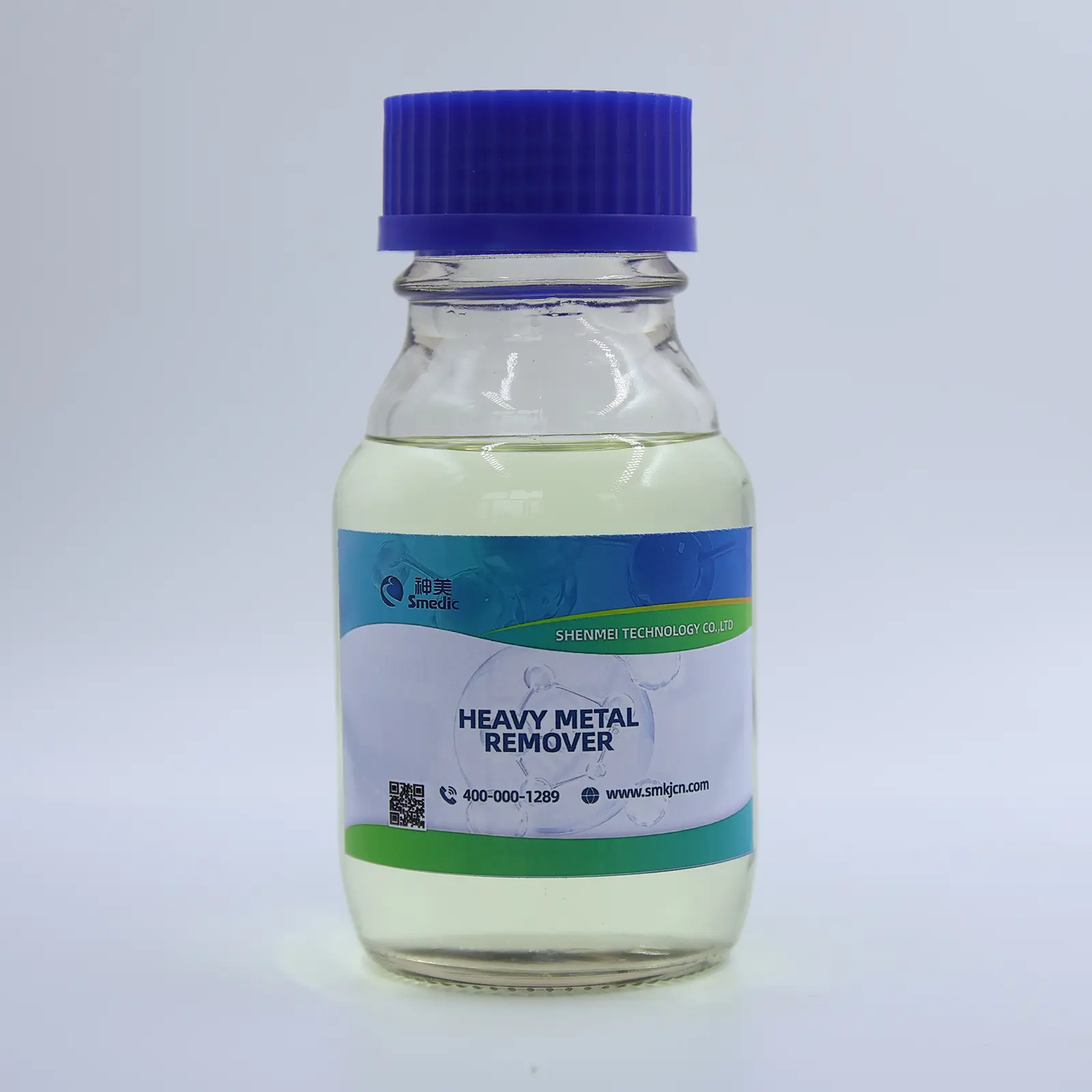
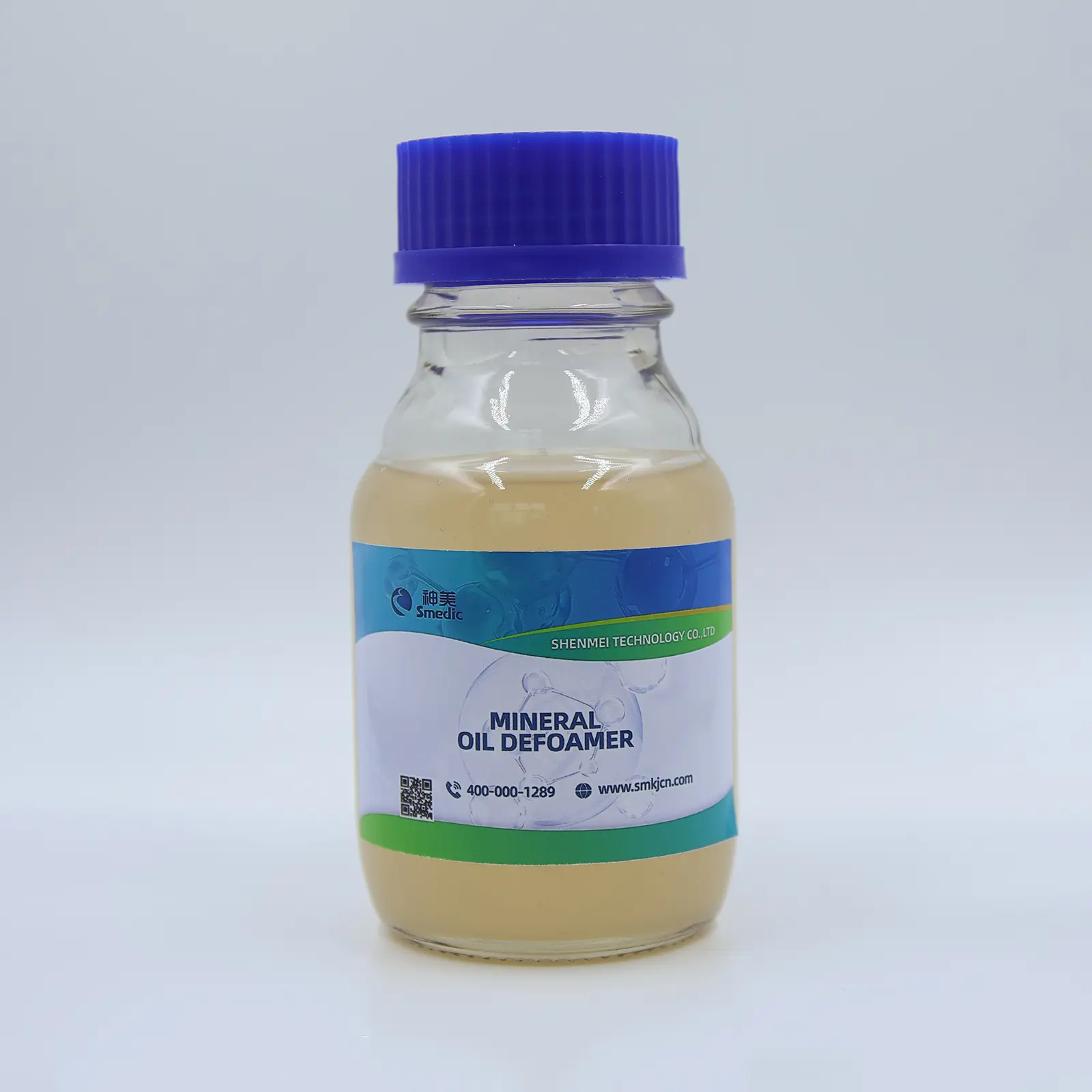
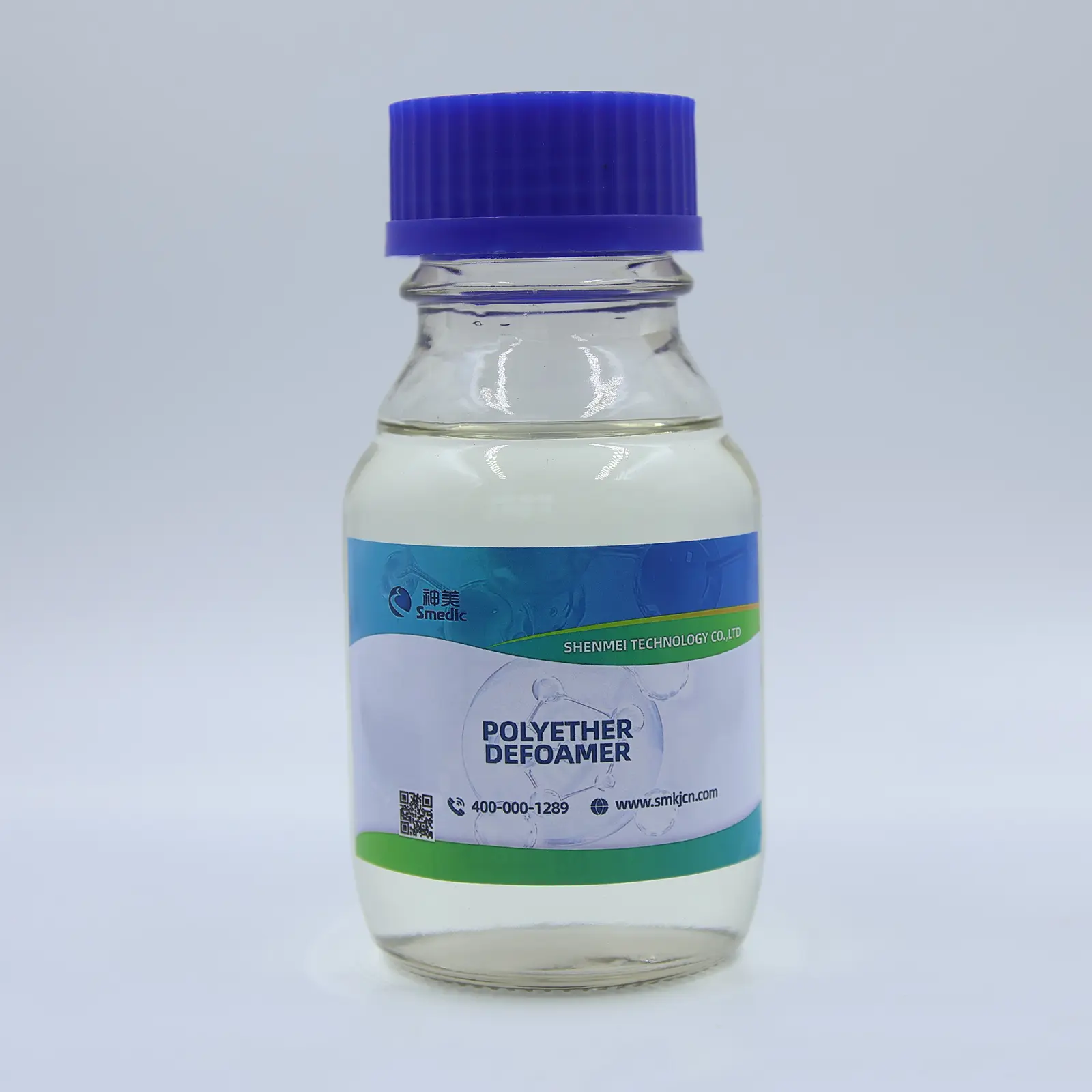
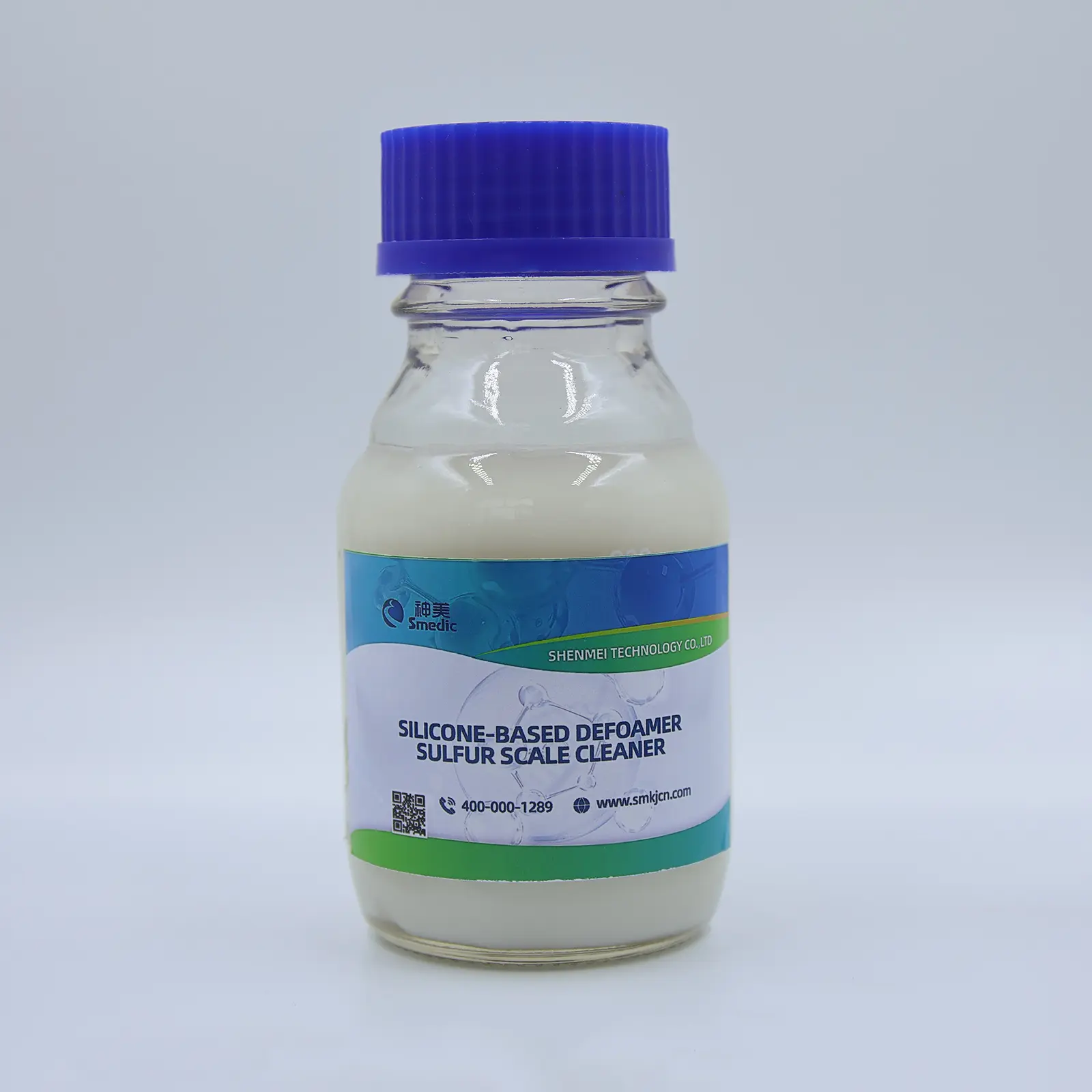
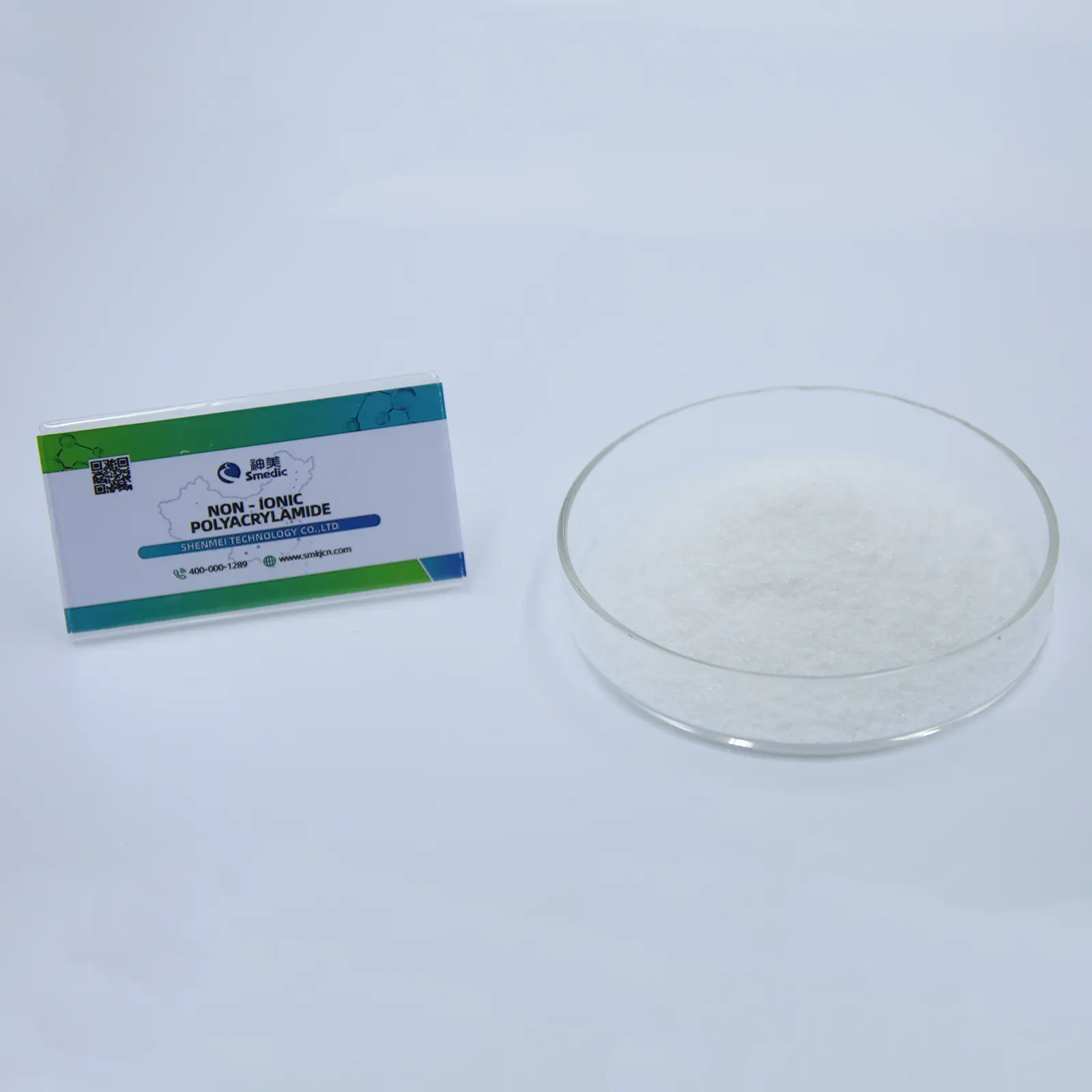
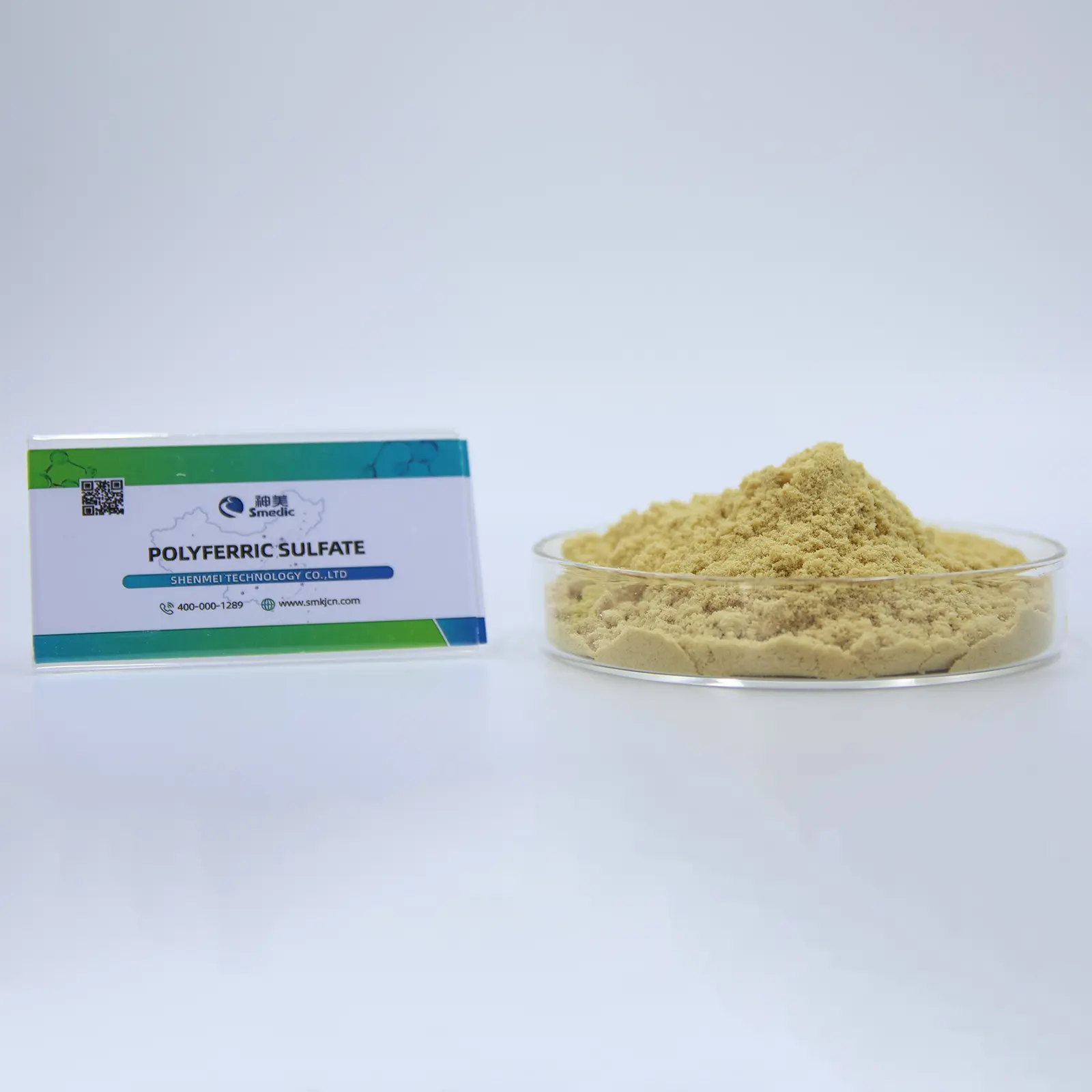
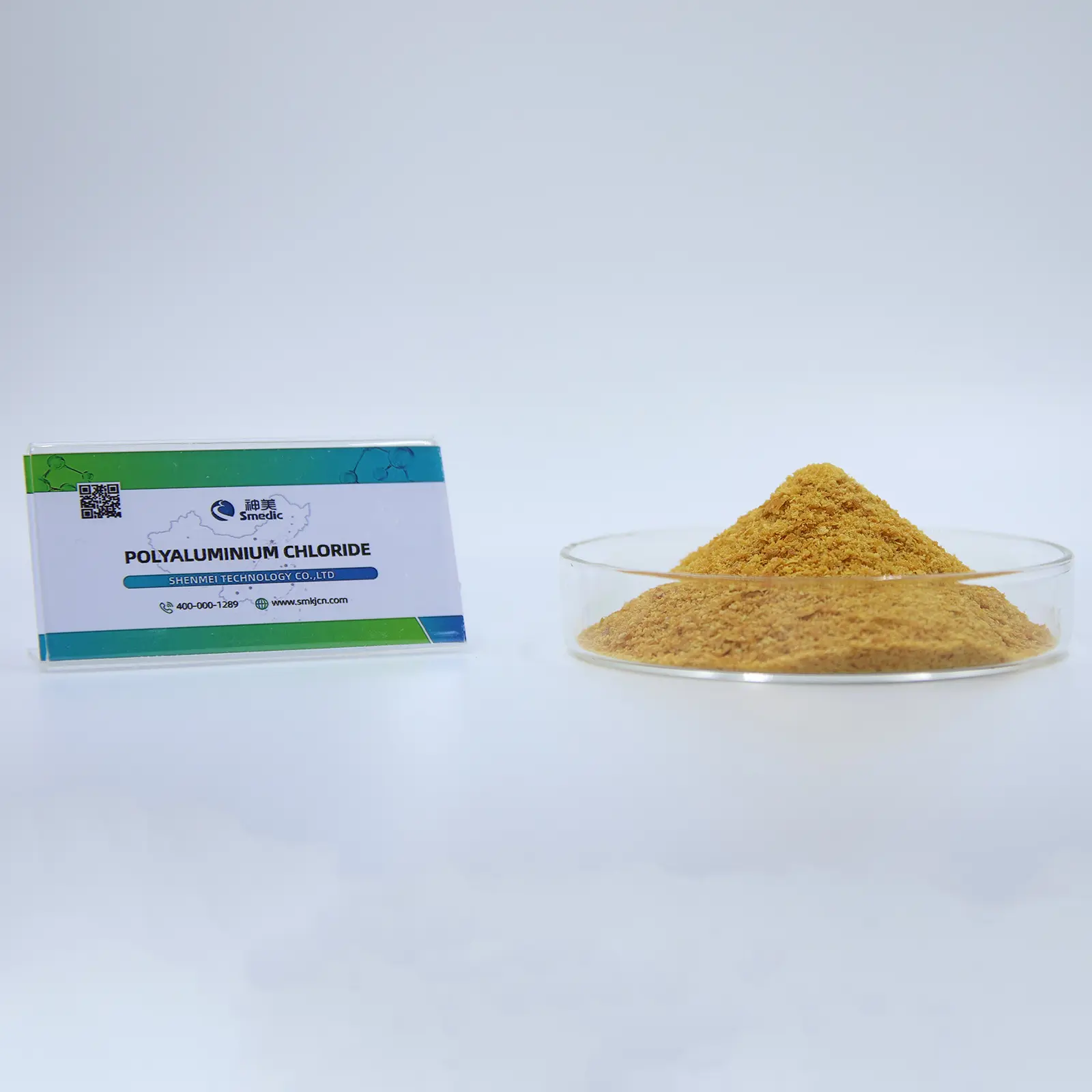
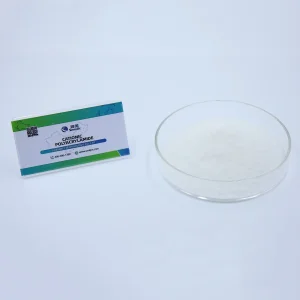
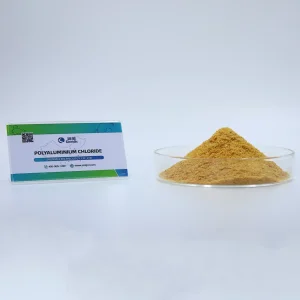
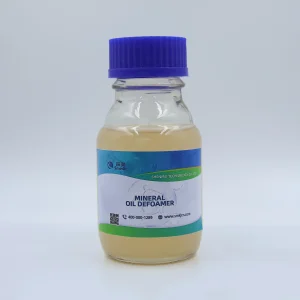
Explore our core selection of performance-engineered chemical agents designed for municipal reclamation and specialized industrial processes.
An authoritative breakdown of Reverse Osmosis (RO) scaling mechanisms, fouling typologies, and the chemical remediation required to preserve flux rate and salt rejection.
Reverse Osmosis (RO) systems are the cornerstones of global industrial water management, seawater desalination, and ultra-pure water production. However, during operation, membrane performance is consistently threatened by the accumulation of foreign substances on the active polyamide thin-film composite (TFC) membrane surface. This degradation is broadly classified into scaling (inorganic crystallization) and fouling (organic accumulation, colloidal deposition, and biological colonization). Maintaining system efficiency requires a rigorous Clean-in-Place (CIP) strategy using customized chemical agents designed to target specific foulants without compromising membrane integrity.
Did you know? A minor scale layer of 10-20 microns can lead to an operating pressure spike of over 15%, reducing the functional life of an RO membrane by half and dramatically elevating energy costs. Precision chemistry is not merely an operational utility; it is a critical asset protection mechanism.
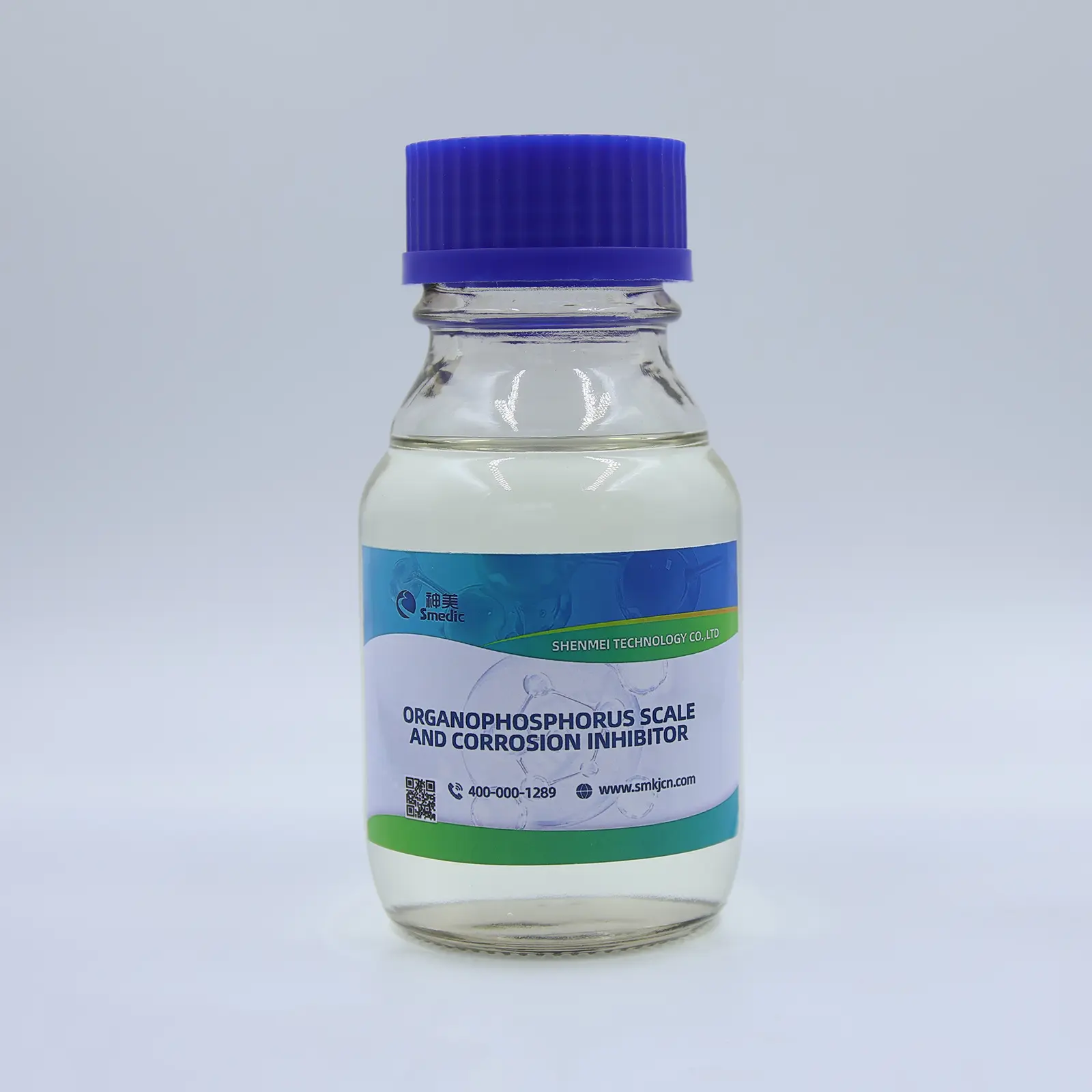
Inorganic scaling occurs when dissolved salts in the feed water concentrate beyond their thermodynamic solubility limit within the boundary layer adjacent to the membrane surface. Common scaling compounds include Calcium Carbonate (CaCO₃), Calcium Sulfate (CaSO₄), Barium Sulfate (BaSO₄), Strontium Sulfate (SrSO₄), and reactive Silica (SiO₂). To prevent or remediate these deposits, sophisticated scale inhibitors and acidic cleaning formulations are employed. Antiscalants operate by modifying crystal structures, dispersing particulates, and shifting thermodynamics through threshold inhibition. In contrast, acidic cleaners target existing scales by neutralizing the binding matrices of the precipitates, rendering them soluble once more.
Conversely, organic and biological fouling represents a more complex operational challenge. Extracellular polymeric substances (EPS) produced by bacterial colonies form a highly resilient biofilm shield over the membrane. Simple hydraulic flushing is ineffective against this matrix. Effective remediation requires high-pH alkaline cleaners paired with non-oxidizing biocides. These alkaline formulations saponify fats, hydrolyze protein structures, and disrupt the biofilm network, allowing the foulants to be safely flushed from the system. For global operators, sourcing high-efficiency, membrane-compatible chemistry from verified manufacturers in China represents a highly competitive strategy to reduce operational expenditures (OPEX) while achieving optimal environmental performance.
As a leading environmental agent manufacturer in China, Smedic Technology integrates advanced R&D with unmatched chemical production scale.
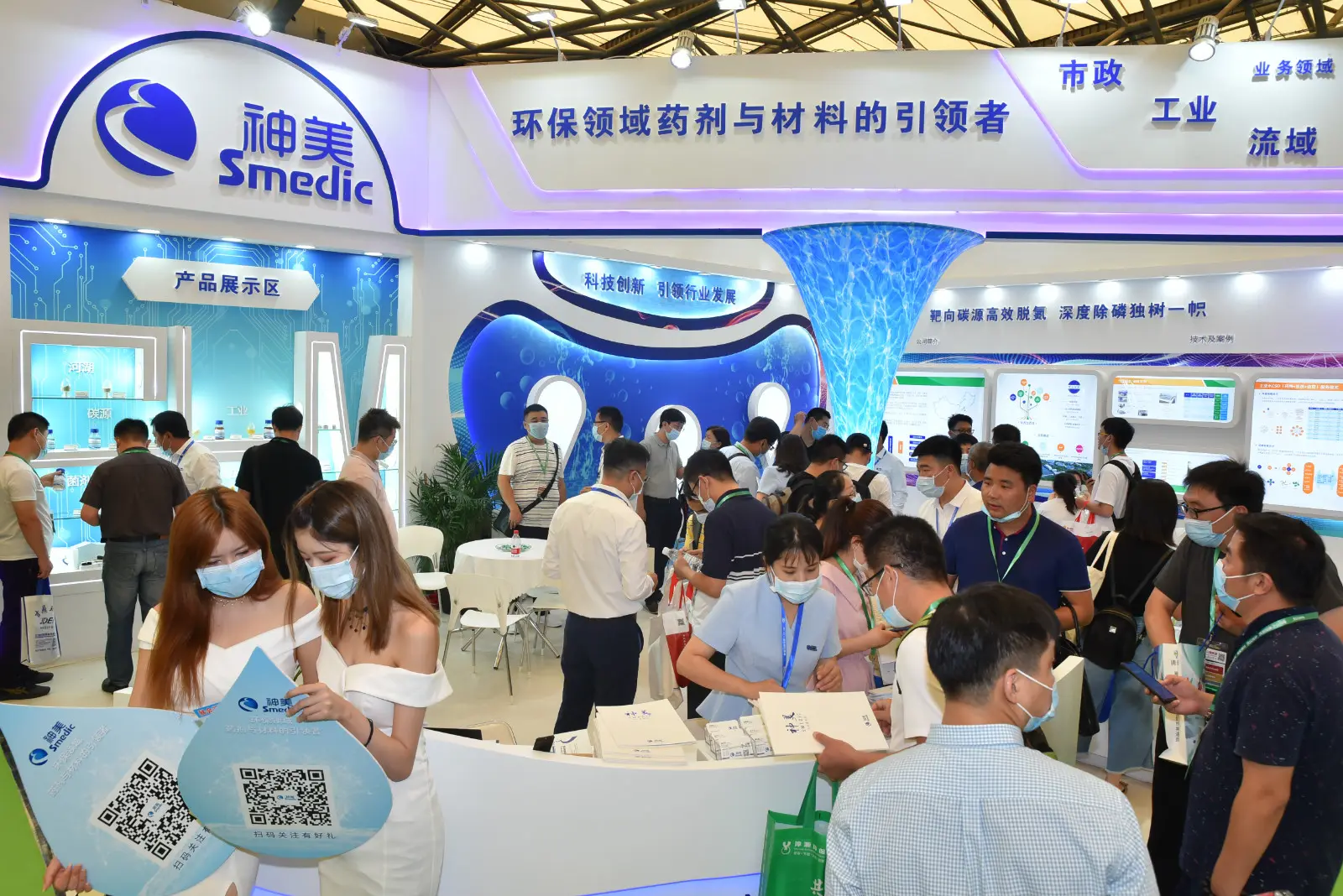
Our corporate headquarters is located in Beijing, with wholly-owned production bases situated in Hebei, Guizhou, and Shanxi. We have also established more than ten OEM partner factories and regional warehousing/logistics bases across Shandong, Shanxi, Anhui, Guangxi, and Sichuan provinces. This robust national network ensures that our water treatment chemicals and field technical services reach over 20 Chinese provinces, supporting more than 600 urban sewage treatment plants and over 1,000 industrial end-users. The aggregate wastewater treatment volume managed under Smedic projects exceeds 20 million tons per day, positioning us as an authoritative brand in the high-end environmental chemical sector.
A multi-dimensional analysis of chemical manufacturing advantages, raw material integrations, and operational quality control.
China represents the global manufacturing core for key chemical intermediates, such as organophosphates (HEDP, PBTC) and polymeric carboxylic acids. Domestic factories in China source these active precursors directly from primary refineries, bypassing secondary import markups and insulating buyers from price volatility.
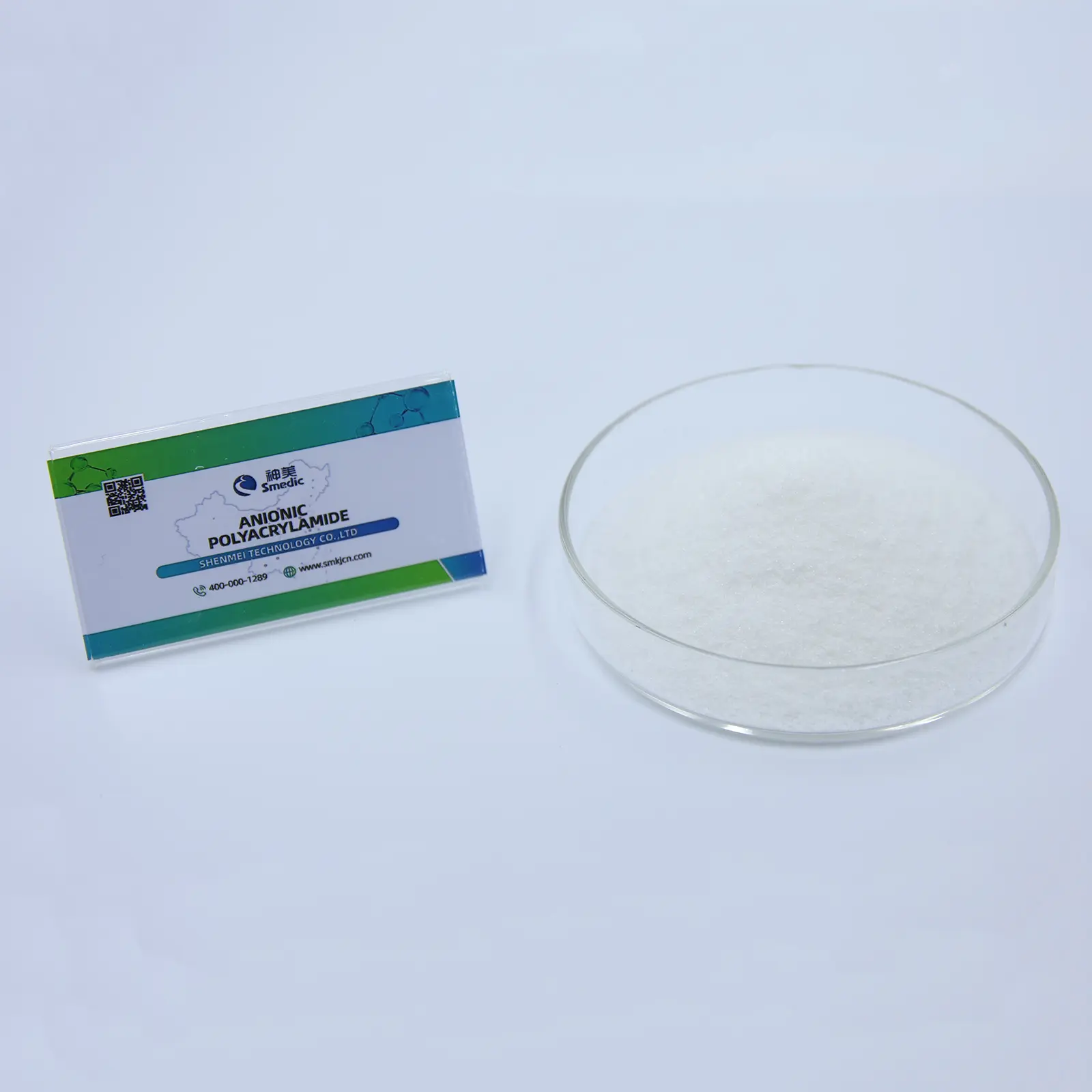
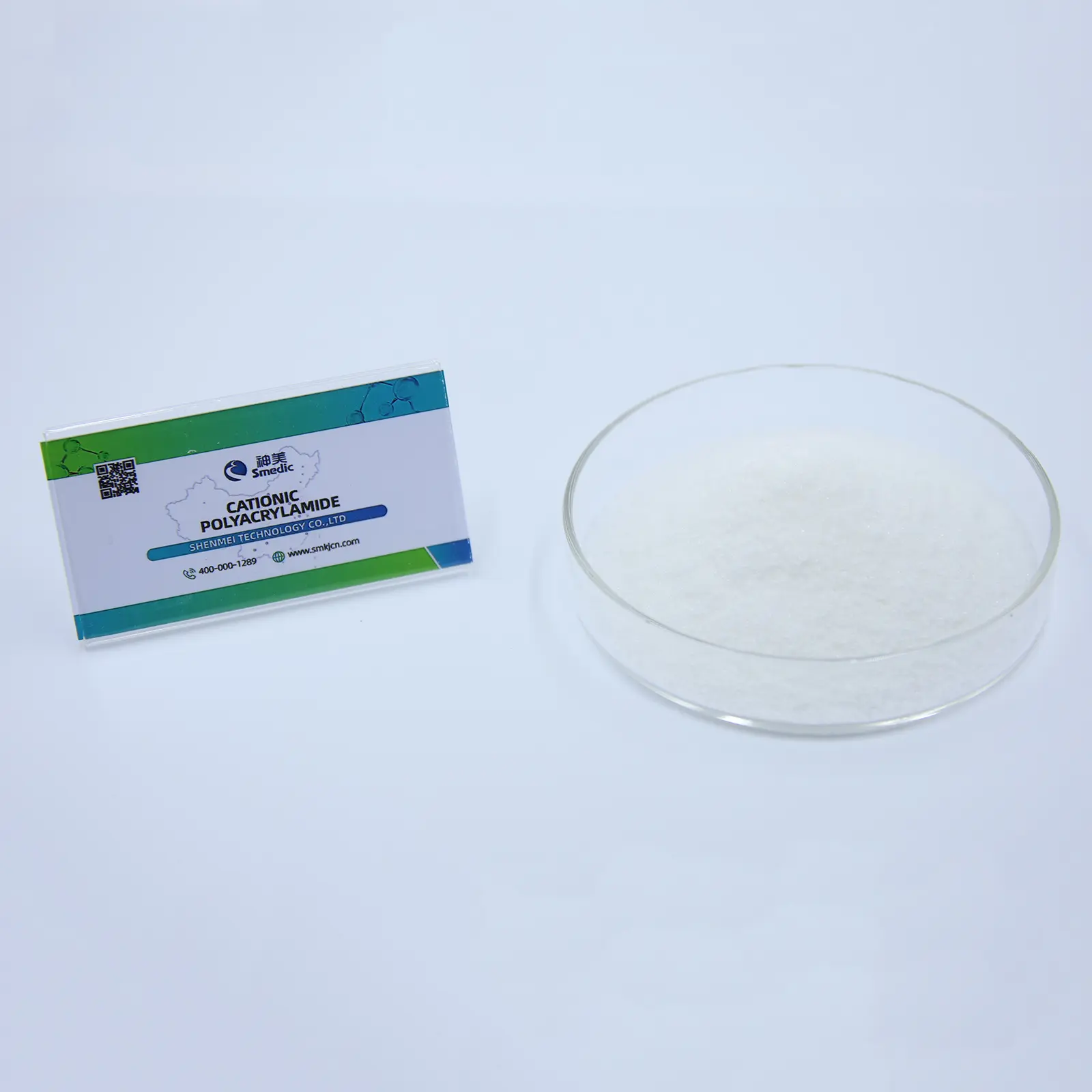
Chinese chemical synthesizers deploy fully automated reactor systems with continuous DCS controls. This high technology density translates to perfect batch uniformity, minimal free monomer concentrations in polyacrylamide flocculants, and highly stable antiscalant solutions that do not separate in storage.
As demonstrated by Smedic's designation as a "Hebei Province Green Factory", modern Chinese factories operate under strict environmental oversight. Carbon capture, waste recycling systems, and low-waste synthesis profiles ensure that the final chemical products comply with international ESG and environmental criteria.
Custom chemical formulations designed to address specific feedwater profiles and operational constraints across heavy industries.
In coal chemical plants and heavy industrial facilities, ZLD evaporative systems concentrate dissolved solids to extreme levels. Scale control requires specialized thermal-resistant polymers that prevent calcium sulfate and silica crystallization under high-temperature regimes.
Target Chemicals: Polymeric Scale Inhibitors, OrganophosphatesDesalination operations must manage severe calcium carbonate deposition and marine biofouling. Smedic's food-grade antiscalants prevent precipitation at high recovery rates, minimizing the frequency of membrane cleaning and reducing operational down-time.
Target Chemicals: High-Performance RO Antiscalants, Non-Oxidizing BiocidesSemiconductor fabrication requires water free of trace ions, organics, and bacteria. Membrane cleaning protocols utilize ultra-pure chemicals with low metal extractable profiles to ensure that no secondary contamination compromises substrate washing.
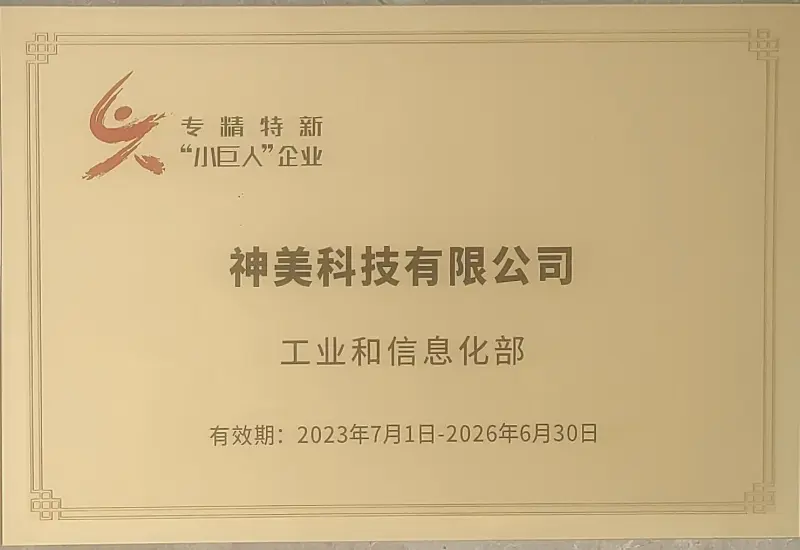
Target Chemicals: Low-Metal pH Regulators, Biodegradable CleanersOur commitment to technical innovation is validated by our status as a National High-Tech Enterprise and a National Specialized, Refined, Unique and Innovative "Little Giant" Enterprise. Our core technical team consists of academicians, senior experts, and engineers supported by an R&D framework built around one academy, three research institutes, and five production bases.
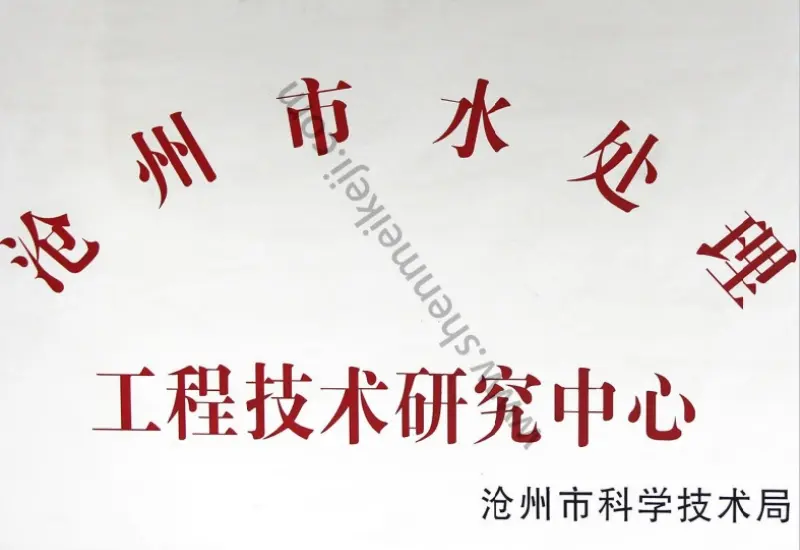
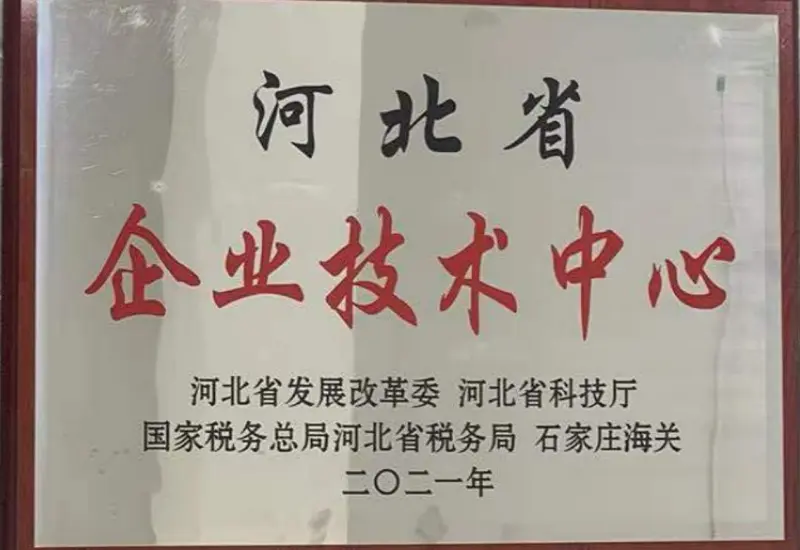
Smedic has established the Hebei Provincial Enterprise Technology Center, the Hebei Provincial Advanced Water Treatment Chemicals Technology Innovation Center, and the Cangzhou Water Treatment Engineering Technology Research Center, recognized as a Class A R&D institution. Collaborative development programs include an expert workstation with the Tsinghua University Association of Senior Scientists and Technicians, joint laboratories with Shandong University and Beijing University of Technology, and academic-industrial partnerships with Peking University and Tianjin University.
Intellectual Property and Standards Drafting: Smedic has been granted over 60 Chinese patents, including more than 40 invention patents and 20 utility model patents. We have also drafted over 10 national and industry standards for composite carbon sources, composite coagulants, sodium acetate, and nitrifying bacterial formulations.
A history of sustainable growth, technical innovations, and domestic and global partnership expansions.
Smedic Technology was established, focused on basic chemical synthesis for wastewater remediation.
Established a complete portfolio of municipal wastewater treatment chemicals, expanding into regional bidding markets.
Formally recognized as a National High-Tech Enterprise, unlocking academic cooperation options and patent registrations.
Inaugurated a dedicated water treatment chemical manufacturing base in Guiyang to serve the southwestern industrial sector.
Completed and expanded production bases in Hebei, Shandong, and Guizhou, driving aggregate capacity past one million tons per year.
Awarded National Specialized, Refined, Unique and Innovative Small and Medium-sized Enterprise status by the Ministry of Industry and Information Technology.
Established the Hebei Provincial Advanced Water Treatment Chemicals Technology Innovation Center, standardizing advanced product testing.
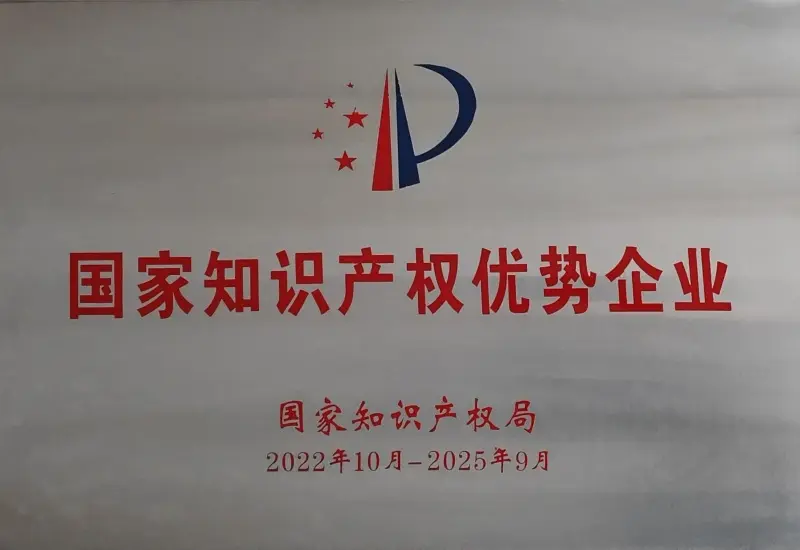
Officially recognized as a National Intellectual Property Advantage Enterprise with over 60 patents issued.
Established a joint venture with the Chengdu Institute of Mineral Comprehensive Utilization, China Geological Survey, to synthesize high-selectivity mineral reagents.
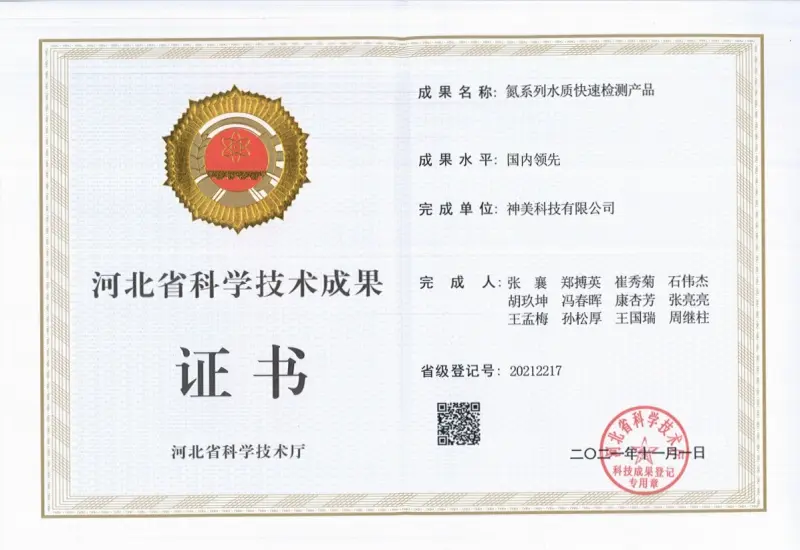
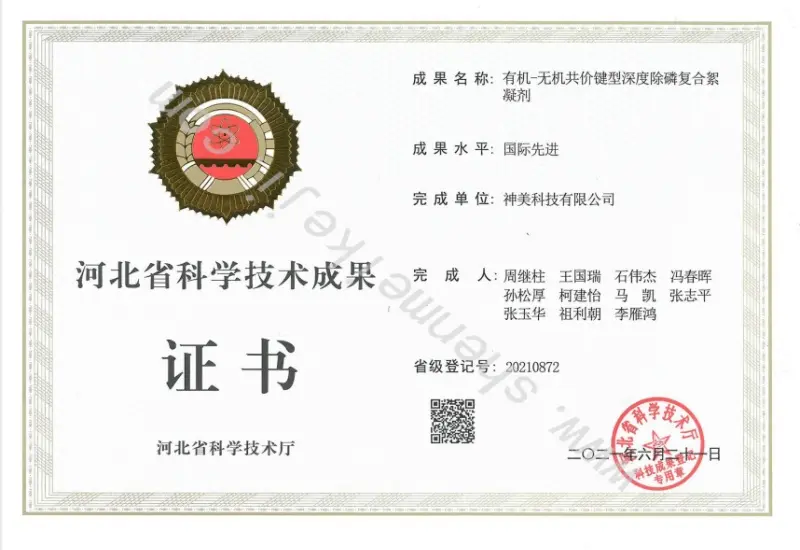
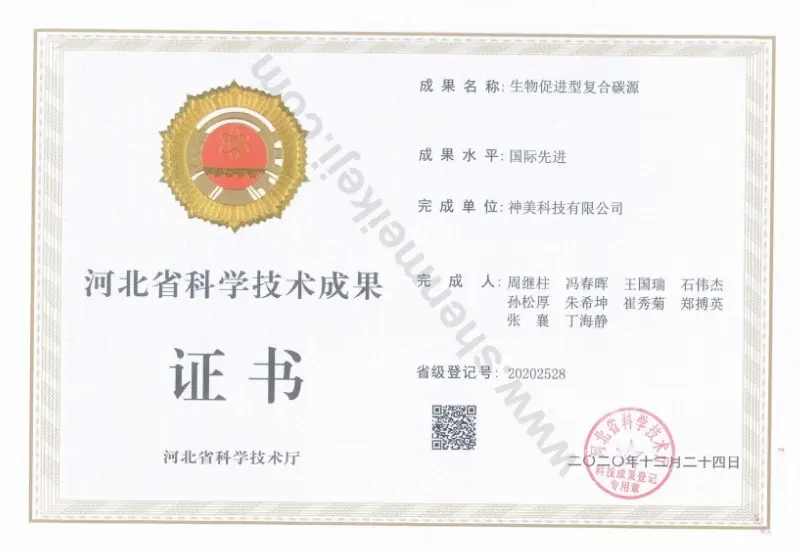
Our bio-enhanced denitrification carbon source and deep multi-nuclear phosphorus removal agent have passed rigorous evaluations by the Science and Technology Department of Hebei Province. Both achievements were appraised as "internationally advanced," successfully addressing key performance gaps in the domestic market.
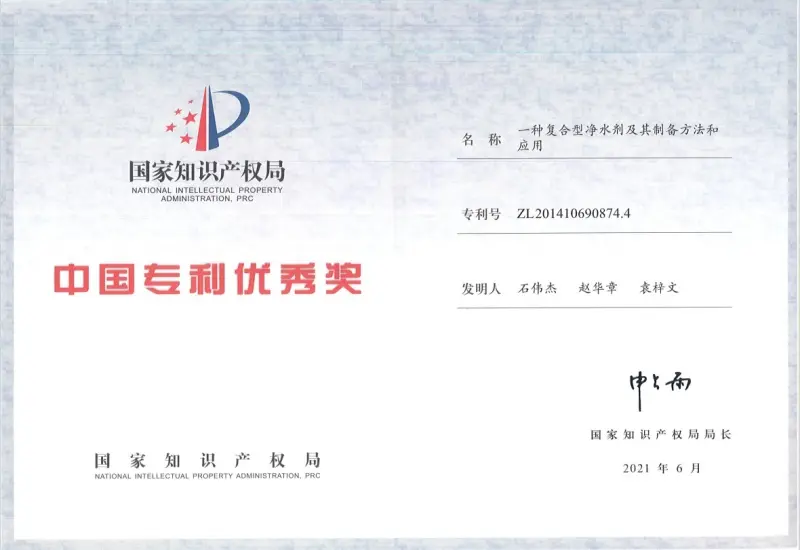
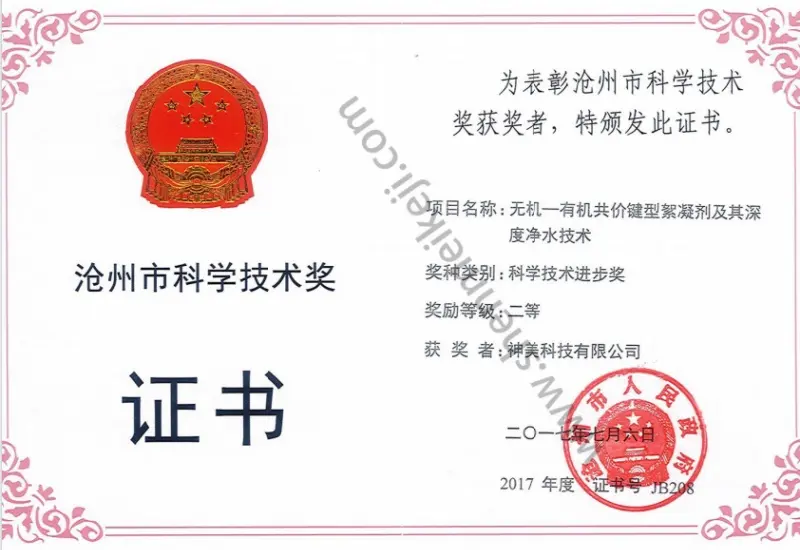
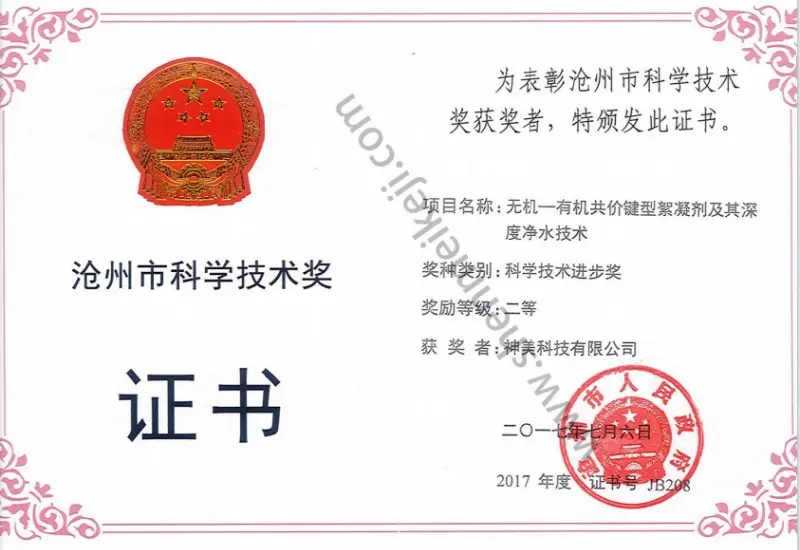
Additionally, our Active Oxygen Compound Disinfectant has been recognized as a National Construction Industry Scientific and Technological Achievement Promotion Project by the Ministry of Housing and Urban-Rural Development. Smedic's Inorganic-Organic Covalent Bond Flocculant won the 22nd China Patent Award, the First Prize for Technological Invention from the China Petrochemical Industry Association, and was selected as a Belt and Road SME Recommended Project.
For four consecutive years, Smedic has been named the "Leading Brand of Advanced Wastewater Treatment Chemicals" and the "Most Valuable Water Treatment Chemicals Brand" by China Water Network and the E20 Environmental Platform.
This market position is supported by strategic procurement partnerships with leading municipal and industrial environmental groups. Smedic is an approved supplier for Shouchuang Ecological and Environmental Group, Yangtze River Ecological and Environmental Group, Beijing Enterprises Water Group, OriginWater, and China Water Environment Group.
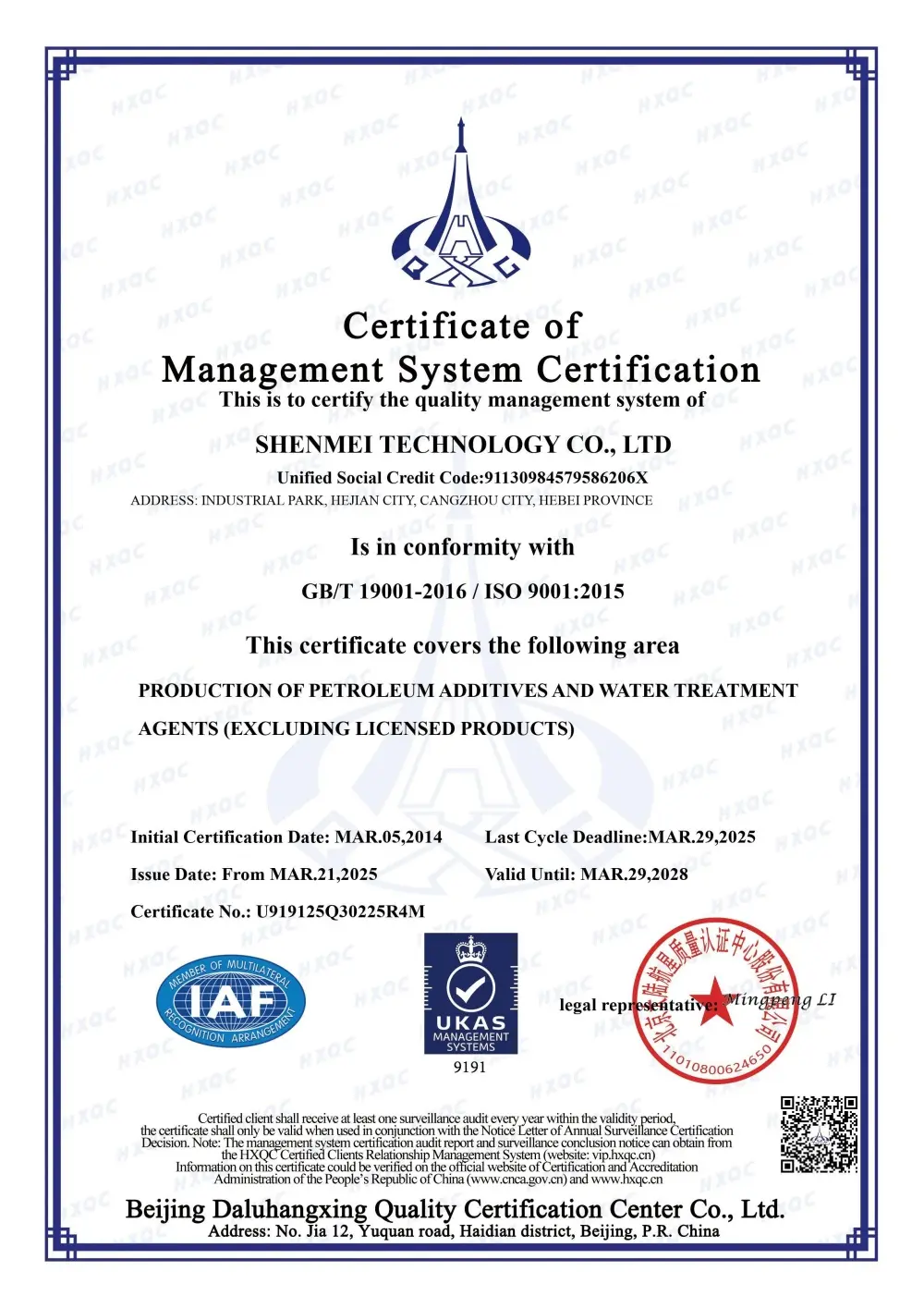
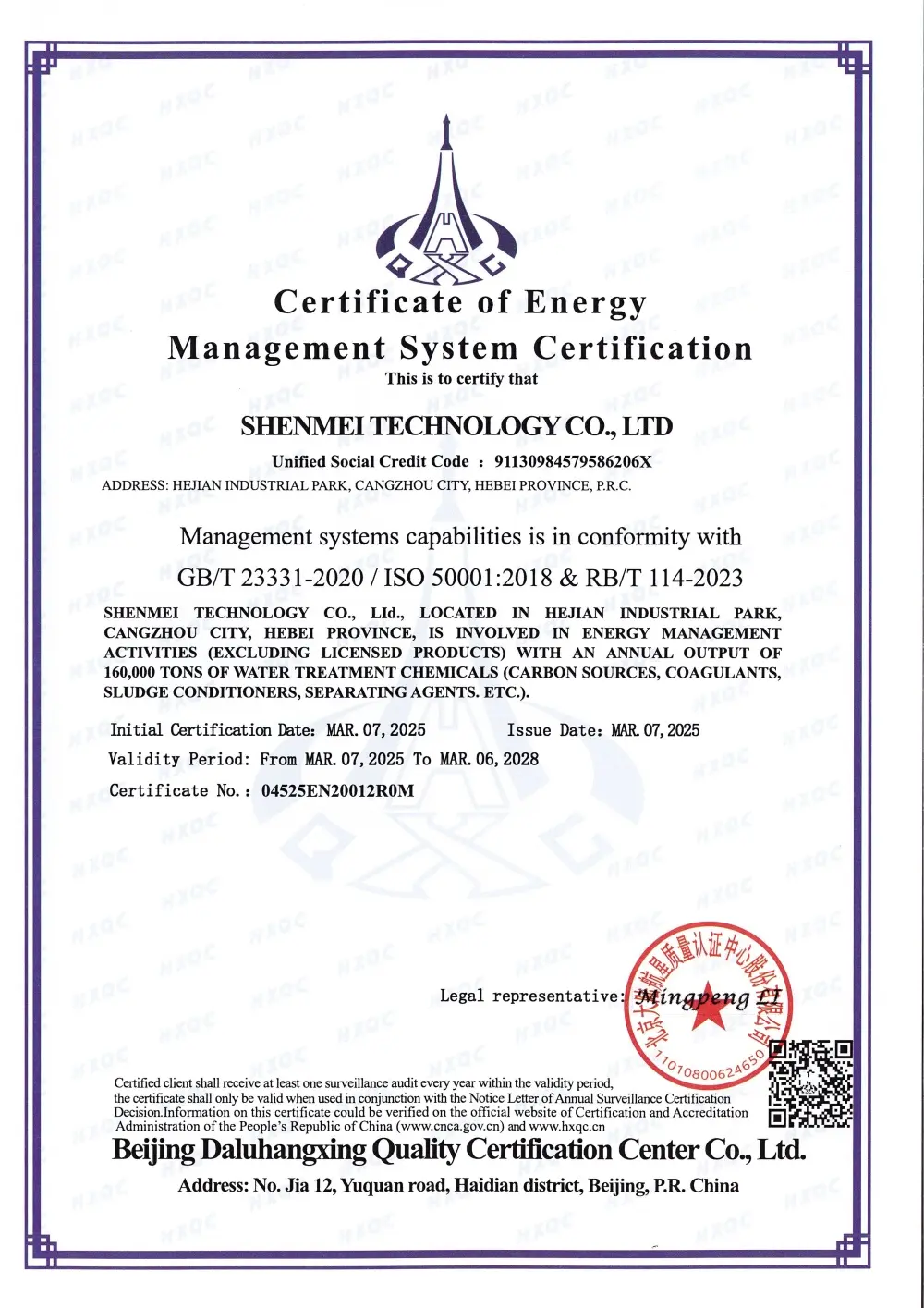
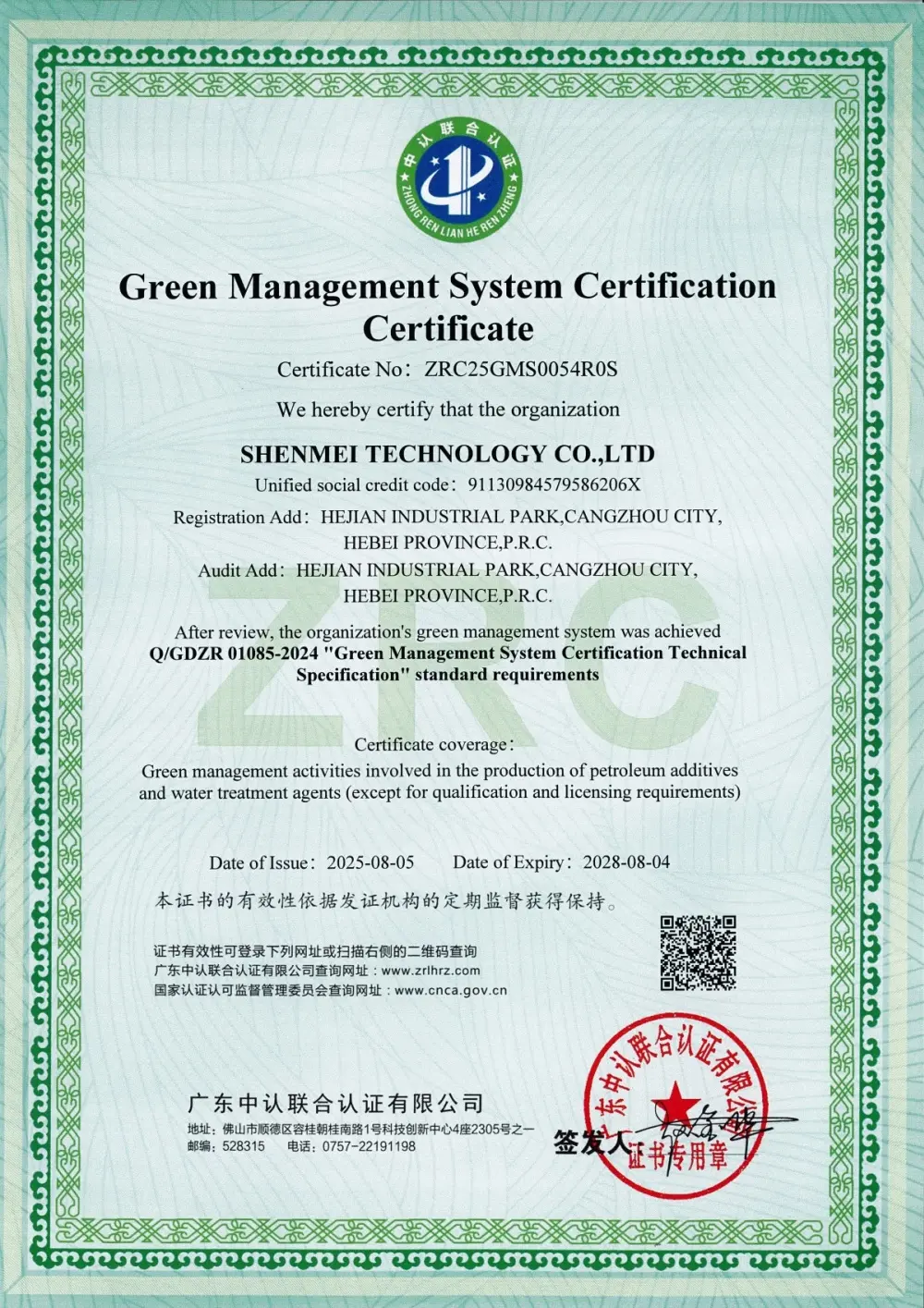
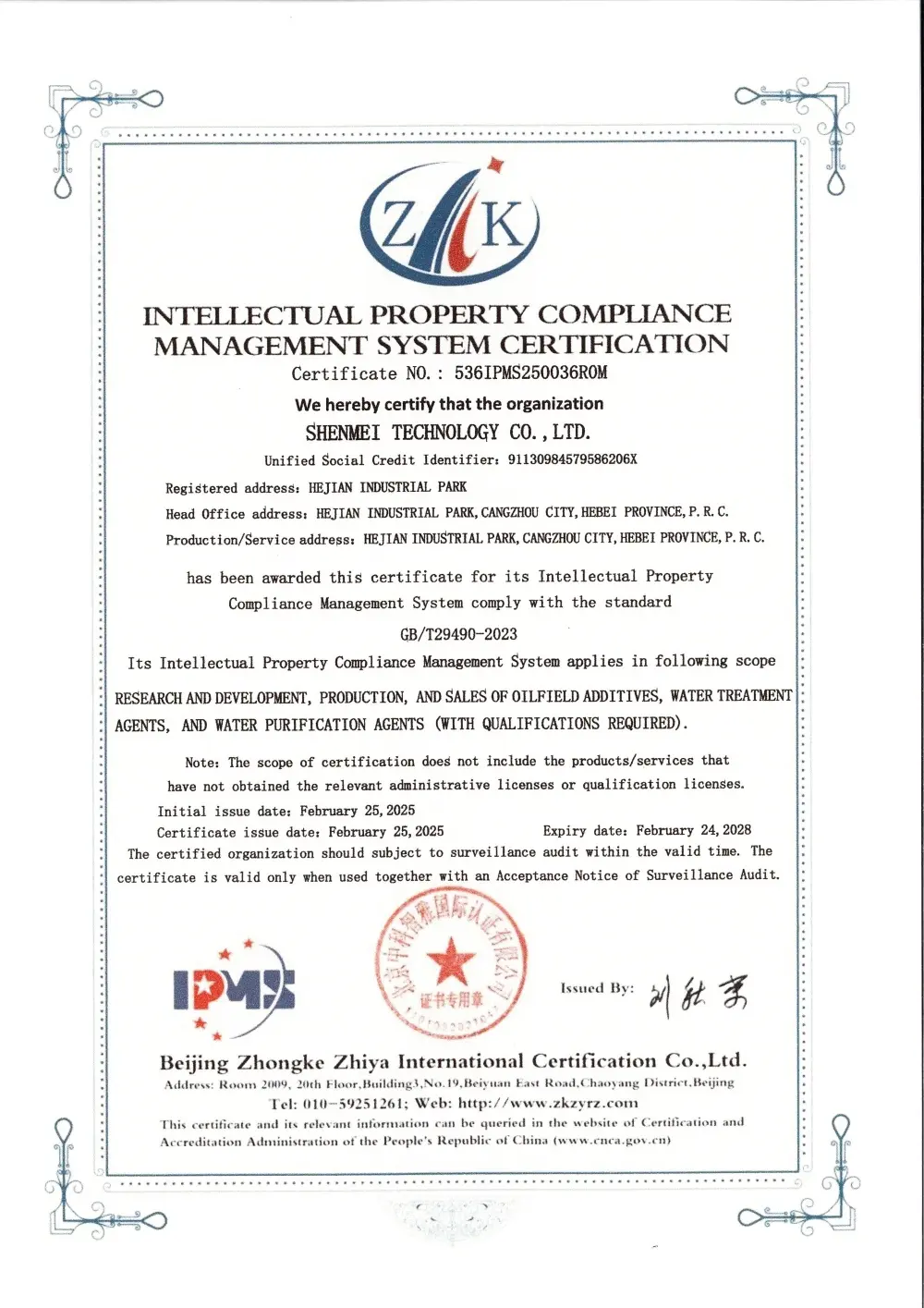
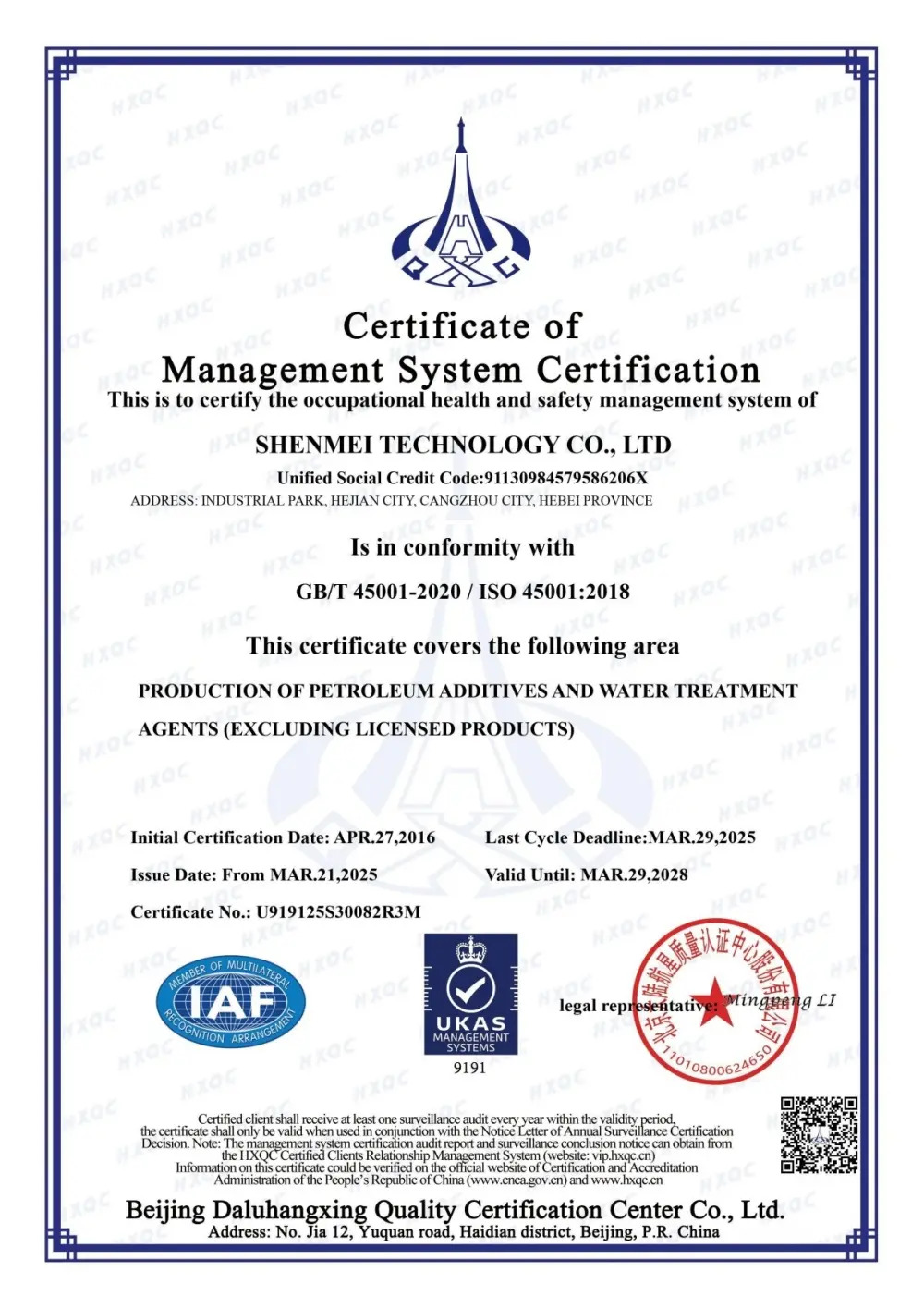
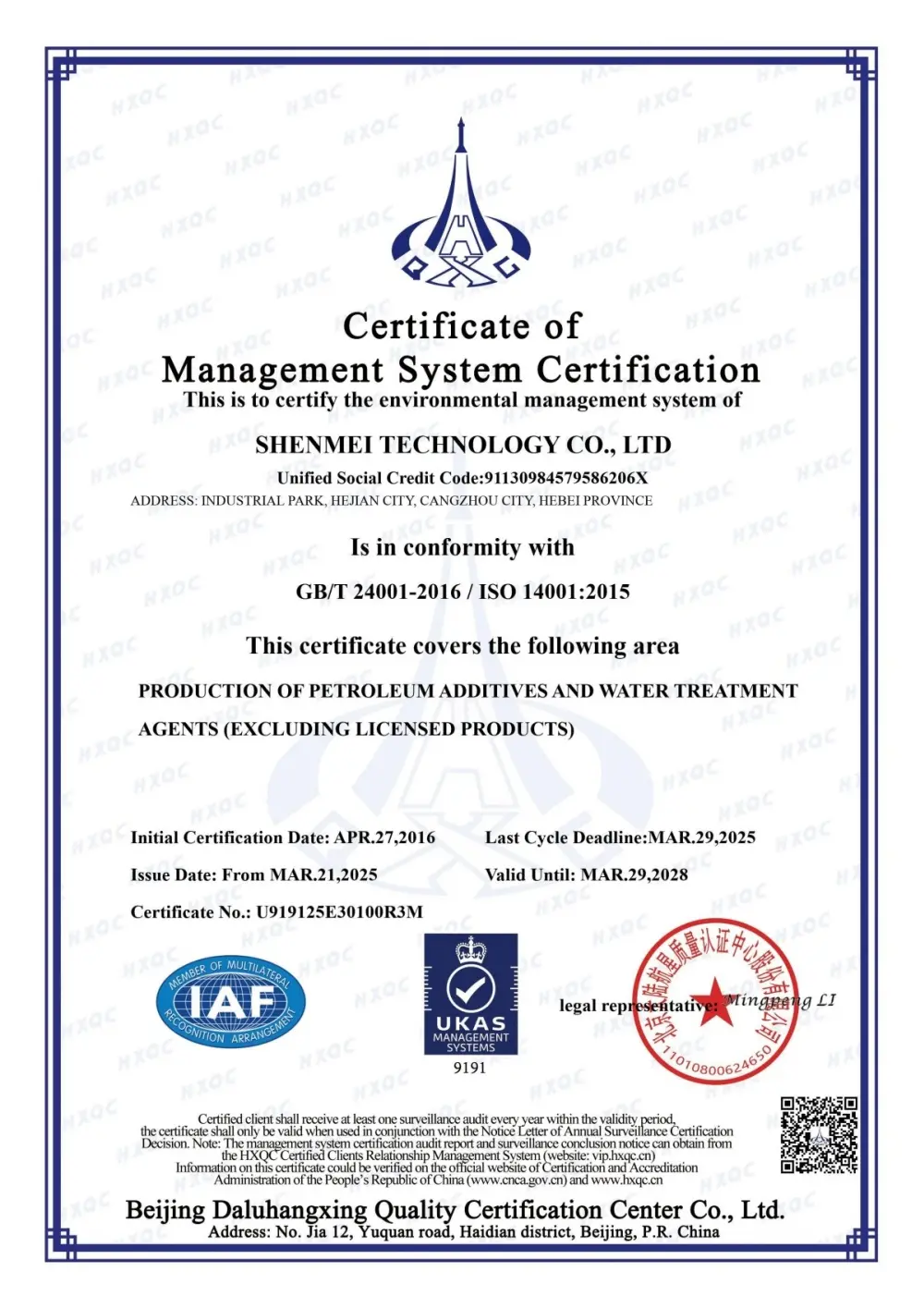
A sample of our internationally recognized certifications, environmental audits, and compliance clearances.
Explore our structural product portfolios categorized by functional engineering applications.
An expert look at the structural innovations, green regulations, and analytical technologies shaping membrane chemistry.
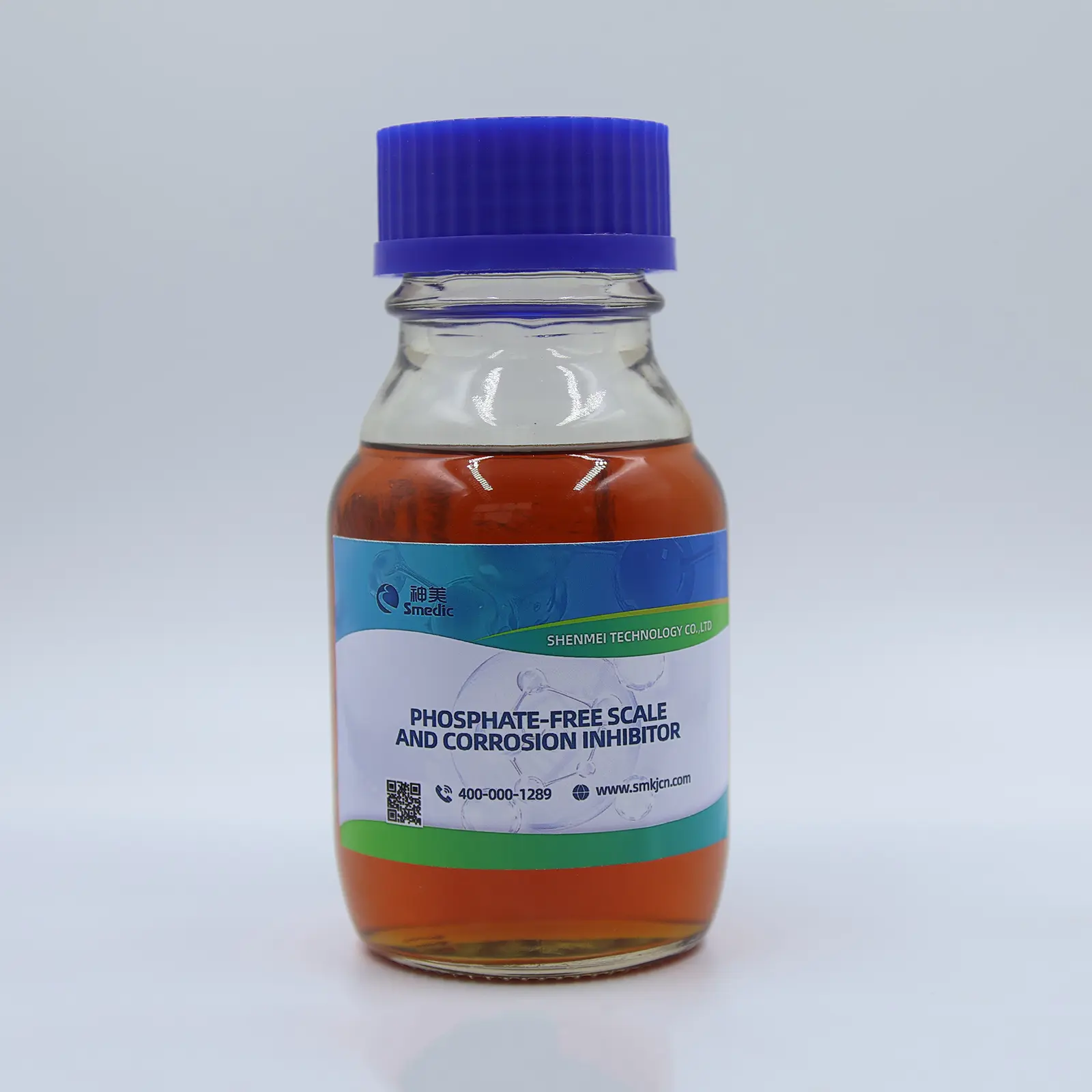
With strict limits on effluent phosphorus, developers are shifting away from traditional phosphonates toward fully biodegradable, phosphorus-free options like Polyaspartic Acid (ESA) and Polyepoxysuccinic Acid (PESA).
Modern cleaning agents utilize specific enzymatic and surfactant combinations designed to break down the extracellular polymeric matrix of biofilms at lower temperatures, reducing heat energy requirements during Clean-in-Place (CIP) cycles.
Integrating online fluorescent tracking with RO antiscalants allows dosing systems to adjust chemical rates in real time based on changes in feed water conductivity and temperature, minimizing chemical waste.
Technical guidance for system operators, procurement managers, and plant engineers managing RO membranes.
Browse our extended selection of specialized defoamers, flocculants, and scale inhibitors for complex industrial operations.
How Smedic Technology supports international procurement divisions with consistent active concentrations and robust logistics systems.
Global procurement teams managing chemical supply chains face constant challenges with product consistency, shipping transit times, and regulatory compliance. At Smedic Technology, we address these concerns through structured quality control protocols, starting from the inspection of raw materials to final pre-shipment product analysis. Each shipment of scale inhibitors, flocculants, and defoamers is accompanied by detailed certificates of analysis (COA) specifying active contents, density, and monomer limits to ensure consistency across batches.
To support timely deliveries, we maintain regional warehousing hubs close to major Chinese shipping ports, including Tianjin, Qingdao, and Shanghai. This logistics network allows us to optimize shipping schedules, reduce transit delays, and secure ocean freight space even during peak demand seasons. By partnering with Smedic, global buyers gain a reliable supplier capable of meeting volume requirements and supporting long-term water treatment operations.
 Smedic Tech