Decarbonization, resource recovery, and stringent effluent thresholds are redefining the municipal water treatment landscape globally.
Modern municipal wastewater infrastructure is undergoing its most significant technological transition in half a century. Historically designed solely as hygiene facilities to eliminate organic loading (measured as Biochemical Oxygen Demand, or BOD) and suspended solids, urban wastewater treatment plants (WWTPs) are evolving into dynamic biorefineries. This structural shifts is driven by the urgent demands of water scarcity, circular economy regulations, and the global mandate to achieve carbon neutrality by 2050.
According to recent industry datasets, the global municipal wastewater treatment market is expanding at a Compound Annual Growth Rate (CAGR) of over 6.5%, driven by municipal regulations like the revised European Union Urban Wastewater Treatment Directive and similar policies implemented in East Asia. Modern processes emphasize enhanced biological nutrient removal (BNR), targeting low nitrogen and phosphorus discharge ceilings to prevent marine and freshwater eutrophication. Achieving these rigorous limits requires high-purity carbon sources, specialty coagulants, and highly responsive flocculation polymers.
Optimizing chemical dosing systems to minimize carbon emissions associated with sludge processing and energy consumption in aeration systems.
Transitioning wastewater treatment plants from disposal centers to resource recovery facilities extracting water, energy, and high-value materials.
Leveraging AI-assisted real-time dosing controllers connected to multi-spectral chemical sensors to optimize water purification dynamics dynamically.
Managing regulatory variance, logistics volatility, and product consistency in high-volume chemical procurement.
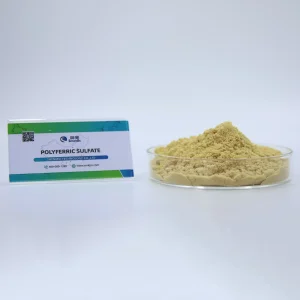
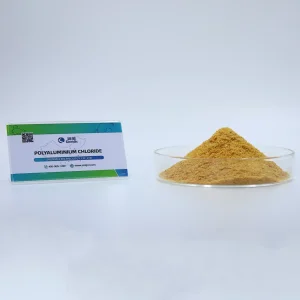
Industrial procurement executives operating across municipal consortiums and multi-national chemical processing organizations face complex procurement risks. When sourcing essential coagulants (such as Polyaluminum Chloride or PAC and Polyferric Sulfate or PFS) and flocculants (such as Polyacrylamide, both APAM and CPAM), chemical consistency determines system stability. A 1% variance in the active polymer density or charge distribution of an imported flocculant can trigger dewatering failures, leading to regulatory fines or processing shutdowns.
Furthermore, global supply chain structures are increasingly sensitive to regional logistics congestion, volatile ocean freight pricing, and changing ESG reporting mandates. Large buyers require strategic partners who can provide end-to-end supply chain transparency, reliable lead times, and certified quality standard compliance. Smedic address these requirements with rigorous QA protocols and a diversified distribution structure designed to mitigate supply chain disruptions.
How Smedic Tech leverages automated production and localized logistics hubs to stabilize global supply chains.
China's chemical manufacturing sector has transitioned from a low-cost production model to an advanced, digitally integrated ecosystem. Smedic Technology operates on this frontier by implementing Factory 4.0 principles across our production footprints. By automating batch polymerization, continuously monitoring reactor temperatures, and using inline spectrophotometry, we maintain batch-to-batch consistency that meets strict municipal standards globally.
Our production scale, which exceeds 1 million tons annually, is supported by a diversified domestic logistics network. With primary manufacturing facilities in Hebei, Guizhou, and Shanxi, and over 10 regional warehousing hubs in Shandong, Anhui, Guangxi, and Sichuan, we maintain rapid dispatch capabilities even during seasonal transport challenges. This scale allows us to buffer raw material cost fluctuations, providing stable pricing for international contract manufacturing and centralized procurement partnerships.
Underpinned by academic partnerships, advanced engineering research, and over 60 national patents.
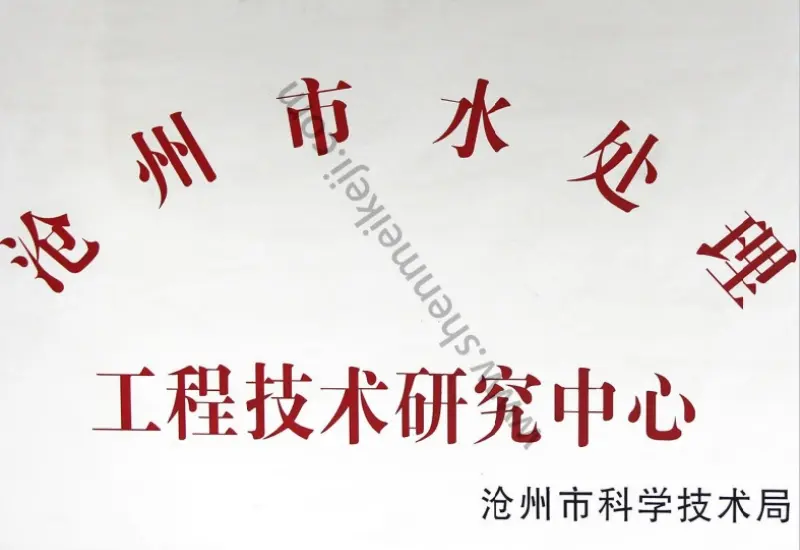
Our technical capabilities are built on collaboration with top academic institutions and industry experts. Smedic operates an R&D framework consisting of one academy, three research institutes, and five specialized testing bases. Our strategic research partnerships with Tsinghua University, Shandong University, and Beijing University of Technology help translate laboratory developments into practical water treatment solutions.
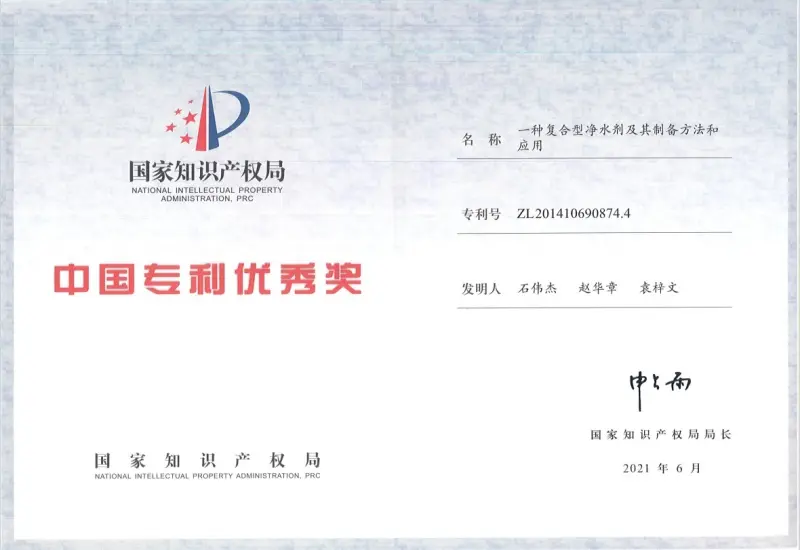
Our research output includes over sixty Chinese patents, including more than forty invention patents and over twenty utility model patents. We have also helped draft more than ten national and industry standards, including those for composite carbon sources, composite coagulants, sodium acetate, and nitrifying and denitrifying bacterial agents. This technical foundation allows us to design high-performance formulations tailored to complex municipal and industrial wastewater streams.
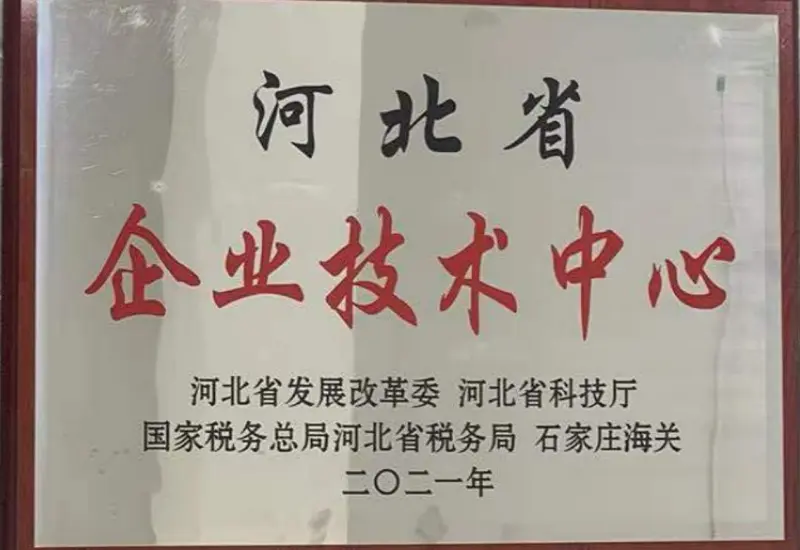
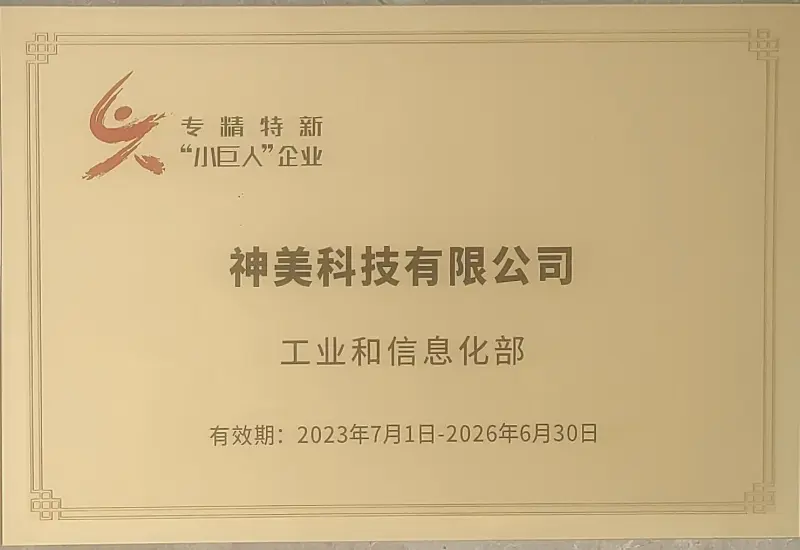
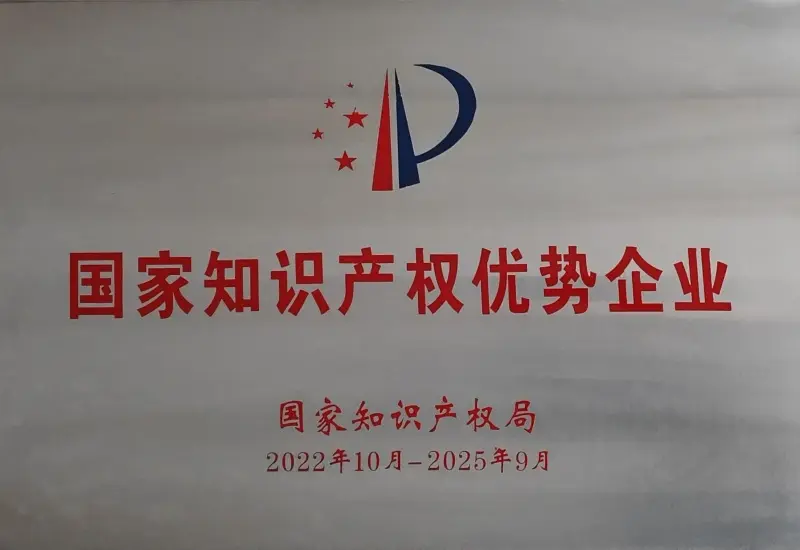
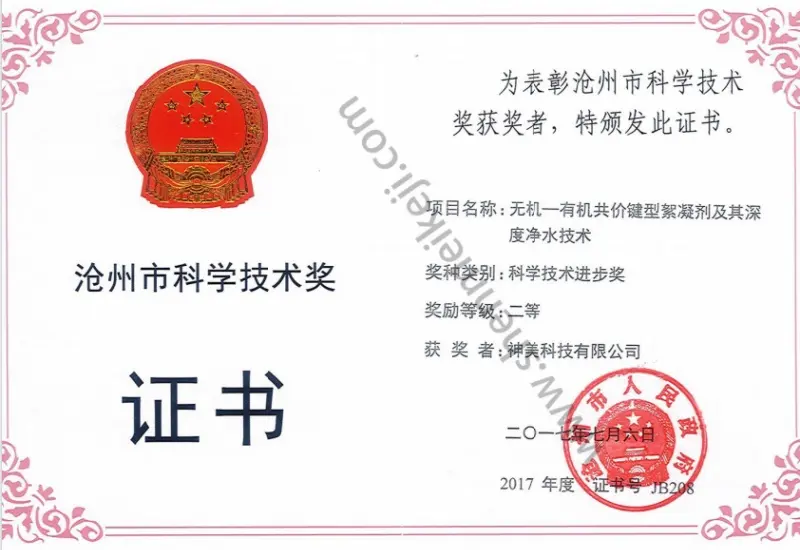
Over a decade of sustainable growth, transitioning from a regional agent manufacturer to a national Little Giant enterprise.
Smedic Technology Co., Ltd. was established, initiating research and development of primary coagulants and carbon sources.
Established a comprehensive product portfolio for municipal wastewater treatment, expanding national municipal water partnerships.
Formally recognized as a National High-Tech Enterprise, doubling R&D investments and laboratory footprints.
Expanded production bases across Hebei, Shandong, and Guizhou, pushing annual capacity past the 1 million ton threshold.
Awarded the prestigious "National Specialized, Refined, Unique and Innovative Little Giant Enterprise" status.
Recognized as a National Intellectual Property Advantage Enterprise with over 60 active patents filed.
Proven performance under diverse environmental conditions and industrial processing requirements.
Chemical reactions in wastewater treatment depend heavily on local environmental conditions. A flocculant that performs well in a warm, low-turbidity river basin may underperform in sub-zero municipal sewage systems in northern climates or in highly saline petrochemical effluents. Smedic's field application teams work directly on-site to optimize formulations for these varying challenges.
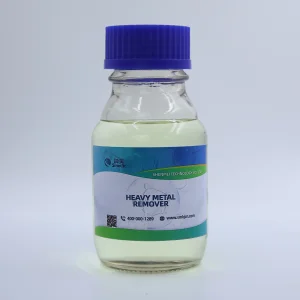
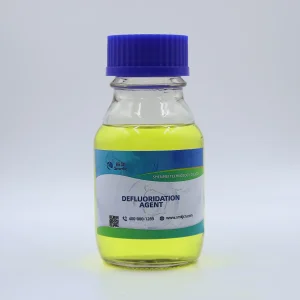
For example, in cold-climate biological denitrification systems where bacterial activity decreases, our specialized bio-enhanced denitrification carbon sources help maintain nitrogen removal rates. In industrial applications like mining, steel manufacturing, and chemical processing, our high-molecular-weight Polyacrylamide and specialized fluoride/heavy metal removal agents assist plants in meeting discharge compliance limits under high input load variations.
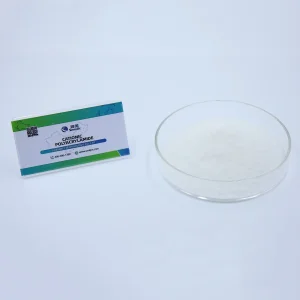
Optimizing municipal sludge cake moisture content using customized CPAM formulations with specific charge density configurations.
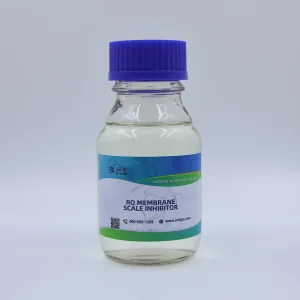
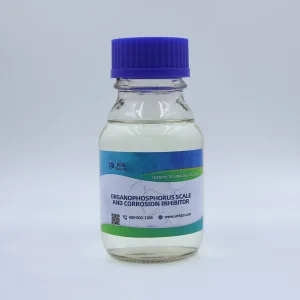
Preventing calcium carbonate and sulfate scaling in zero-liquid-discharge (ZLD) plants with high-temperature stable RO membrane scale inhibitors.
Accelerating particle sedimentation rates in mineral processing circuits using rapid-settling anionic polyacrylamides.
Expert technical insights to help engineers and procurement teams optimize chemical dosing parameters.
 Smedic Tech