Explore our high-performance environmental agents engineered for accelerated sedimentation, biochemical stability, and phosphorus/nitrogen removal.
A comprehensive technical overview of biological wastewater treatment dynamics and chemical enhancement protocols.
The activated sludge process remains the global standard for secondary treatment in both municipal sewage plants and industrial wastewater systems. Centered on a complex ecosystem of heterotrophic bacteria, nitrifiers, and protozoa, the biological flocs break down organic pollutants (measured as Biochemical Oxygen Demand, or BOD, and Chemical Oxygen Demand, or COD) into carbon dioxide, water, and new cellular biomass. However, maintaining the delicate equilibrium of this microbial suspension requires precise chemical interventions. Fluctuation in load, temperature drops, nutrient imbalances, and pH swings can lead to catastrophic operational failures, such as filamentous sludge bulking, pinning flocs, and poor solids-liquid separation.
As a leading activated sludge chemicals manufacturer and supplier, Smedic Technology specializes in the formulation and strategic dosing of coagulants, flocculants, and metabolic catalysts. Our advanced environmental protection agents are tailored to support the biological health of the biomass while maximizing physical settling velocity within secondary clarifiers. Through the targeted application of high-charge Polyaluminum Chloride (PAC), deep-polymerizing Polyferric Sulfate (PFS), high-molecular-weight Polyacrylamide (PAM), and bio-available carbon sources, we help wastewater operators achieve pristine effluent quality that meets the most stringent environmental regulations worldwide.
Within an active aeration tank, bacterial cells naturally possess a negative surface charge due to extracellular polymeric substances (EPS) and functional groups on their cell walls. If the electrical repulsive forces outweigh the attractive Van der Waals forces, the bacteria remain dispersed, failing to form settleable flocs. This phenomenon, known as non-filamentous bulking or dispersed growth, results in highly turbid effluent.
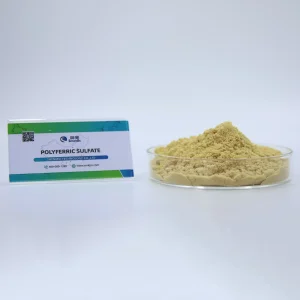
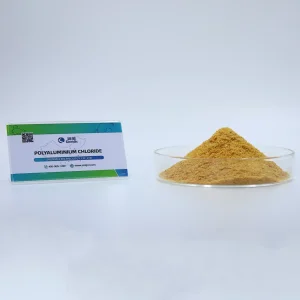
Our Polyaluminum Chloride (PAC) and Polyferric Sulfate (PFS) coagulants resolve this by introducing highly charged polyvalent metal cations ($Al^{3+}$ and $Fe^{3+}$ polymers). These ions rapidly neutralize the negative charges on the cell surfaces. Furthermore, the hydrolysis products of PFS form multi-nuclear hydroxyl complexes that act as physical sweep-flocculation agents. The result is the consolidation of micro-flocs into dense, large aggregates that settle rapidly in the secondary clarifier, maintaining a low Sludge Volume Index (SVI) and preventing sludge carryover.
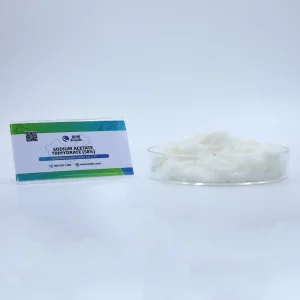
Modern wastewater mandates stringent limitations on total nitrogen (TN) and total phosphorus (TP). In biological nutrient removal (BNR) configurations, denitrifying bacteria require a readily biodegradable carbon source to convert nitrate ($NO_3^-$) to nitrogen gas ($N_2$). When the raw influent's carbon-to-nitrogen ratio (C:N) is insufficient, external carbon dosing becomes critical. Smedic's Pure Solid Sodium Acetate serves as an exceptional, highly bio-available electron donor. Unlike methanol, sodium acetate is non-toxic, safe to handle, and allows for an immediate metabolic response from denitrifiers, even at low operating temperatures.
Simultaneously, biological phosphorus removal can be erratic. Supplementing the system with PFS provides a dual benefit: it chemically precipitates soluble orthophosphates into insoluble iron-phosphate complexes while strengthening the physical structure of the activated sludge flocs, facilitating complete solids removal.
Smedic Technology Co., Ltd. — A national high-tech leader in environmental protection agent production and advanced technical services.
Established in 2011, Smedic Technology Co., Ltd. is a comprehensive solution provider specializing in environmental protection agents, integrating R&D, production, sales, and engineering-related technical services. We are dedicated to providing customers with customized chemical products, technical solutions, and services. Smedic produces environmental protection agents covering multiple sectors such as municipal sewage, industrial wastewater, and tap water treatment, as well as mineral processing agents, and oilfield chemicals. We offer more than 80 different environmental protection products, with an annual production capacity exceeding 1 million tons.
Our corporate headquarters is located in Beijing, we have multiple wholly-owned production bases in Hebei, Guizhou, Shanxi, and other regions, and have set up more than ten OEM partner factories and regional warehousing and logistics bases in Shandong, Shanxi, Anhui, Guangxi, and Sichuan provinces, among others. Our business and service network covers over 20 provinces across China. Our projects involve more than 600 urban sewage treatment plants and over 1,000 end customers in industrial wastewater treatment, mineral processing, and oilfield chemicals. The total sewage treatment capacity involved in the projects exceeds 20 million tons per day. We are a leading company in the Chinese market within the high-end segment of environmental protection chemicals for municipal and industrial wastewater treatment.
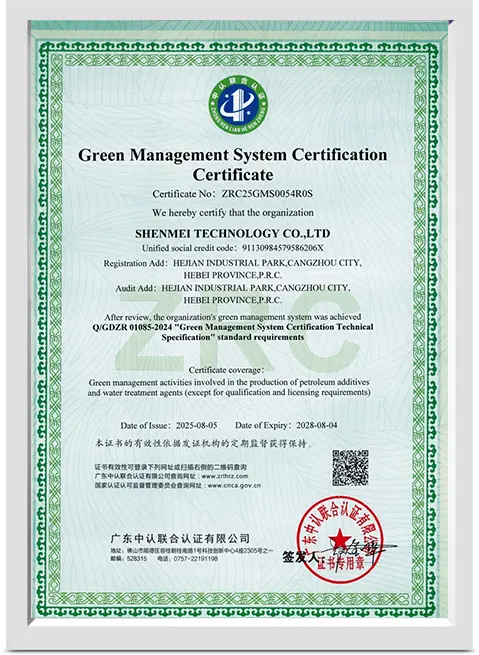
We have obtained qualifications such as National High-tech Enterprise, National Specialized, Refined, Unique and Innovative "Little Giant" Enterprise, National Key-Supported Specialized, Refined, Unique and Innovative "Little Giant" Enterprise, Hebei Province Specialized, Refined, Unique and Innovative "Little Giant" Demonstration Enterprise, Hebei Province Green Factory, Hebei Province Science and Technology-based Small and Medium-sized Enterprise, and China's Science and Technology-based Innovative Small and Medium-sized Enterprise.
We have a core technical team composed of academicians, experts, professors, and senior engineers, and have established an R&D system and a technology commercialization platform centered around one academy, three research institutes, and five bases. We have established the Hebei Provincial Enterprise Technology Center, the Hebei Provincial Advanced Water Treatment Chemicals Technology Innovation Center, and the Cangzhou Water Treatment Engineering Technology Research Center, and have been recognized as a Class A R&D institution in Hebei Province. We have established an expert workstation with Tsinghua University Association of Senior Scientists and Technicians, and have set up joint R&D laboratories with Shandong University and Beijing University of Technology. Additionally, we also serve as a commercialization partner for the industry–academia–research achievements of institutions such as Peking University and Tianjin University.
Over 60 Chinese patents, including 40+ invention patents and 20+ utility model patents. Key drafter of national standards for composite carbon sources and sodium acetate.
The patented technologies and products we have independently developed, such as the bio-enhanced denitrification carbon source and the deep multi-nuclear phosphorus removal agent, have passed the scientific and technological achievement evaluation conducted by the Science and Technology Department of Hebei Province. These achievements have been appraised as “internationally advanced” and have filled a domestic gap in this product category.
Our “Active Oxygen Compound Disinfectant” has been recognized as a National Construction Industry Scientific and Technological Achievement Promotion Project by the Science and Technology Development Promotion Center of the Ministry of Housing and Urban-Rural Development.
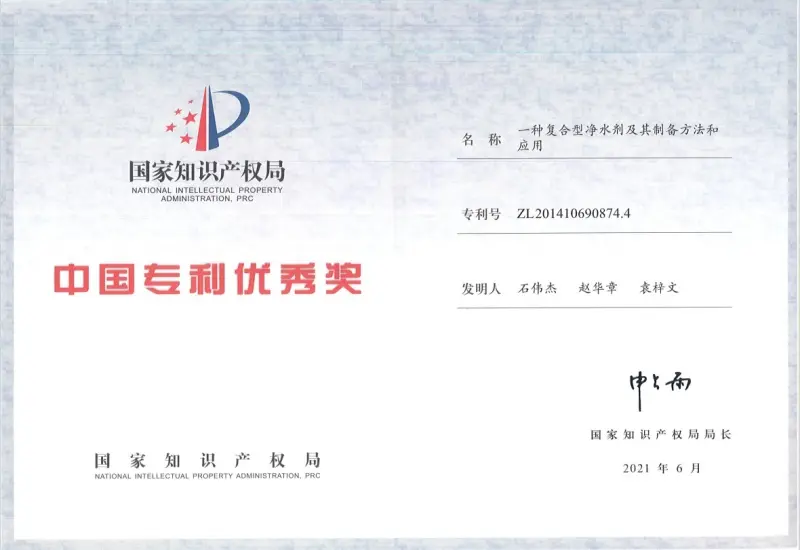
Our independently developed “Inorganic-Organic Covalent Bond Flocculant and Its Advanced Water Purification Technology” has won multiple awards, including the 22nd China Patent Award, the First Prize for Technological Invention from the China Petrochemical Industry Association, the Hebei Province Science and Technology Progress Award, and recognition as a Belt and Road SME Recommended Project.
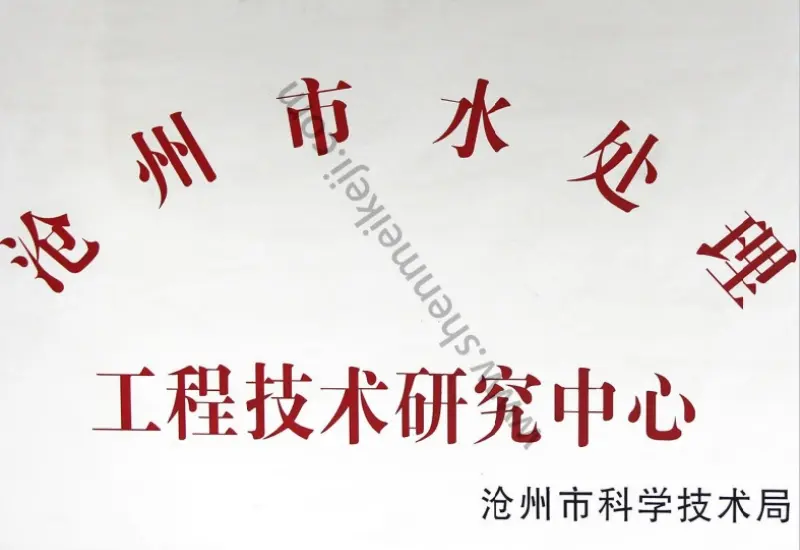
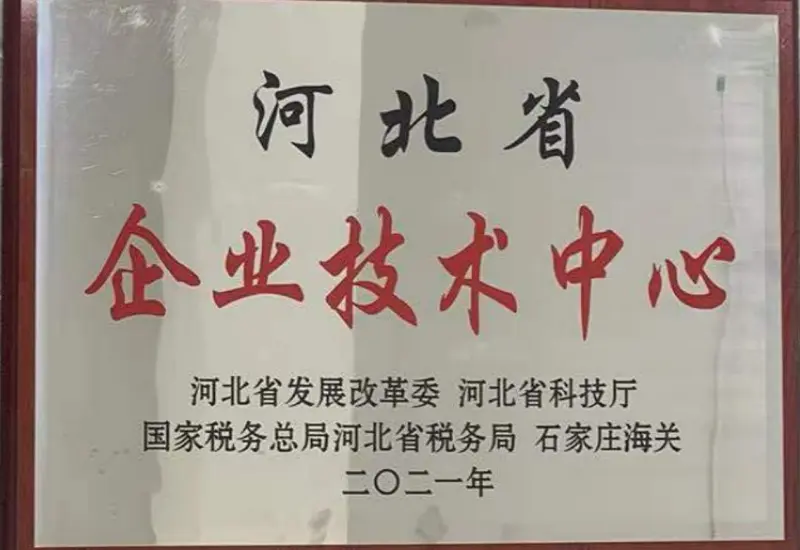
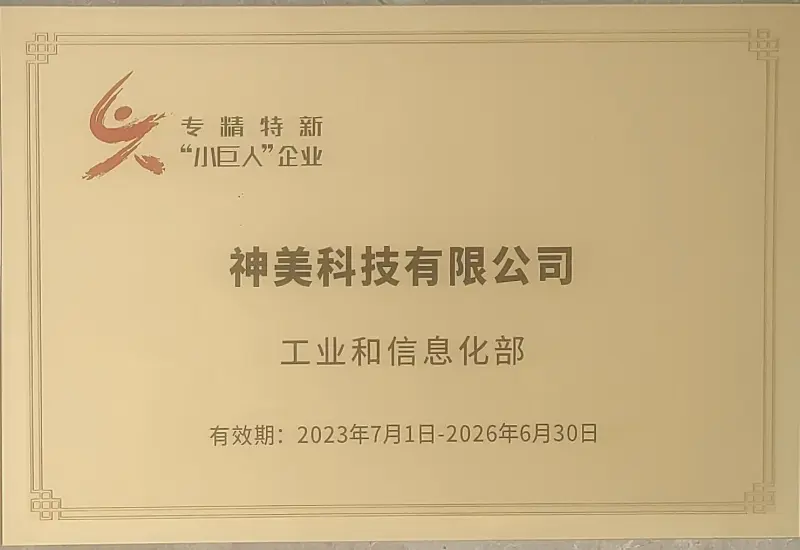
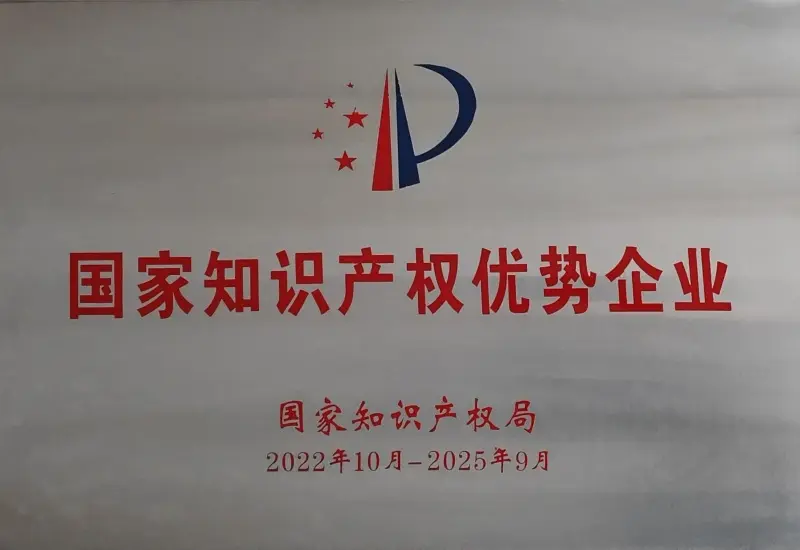
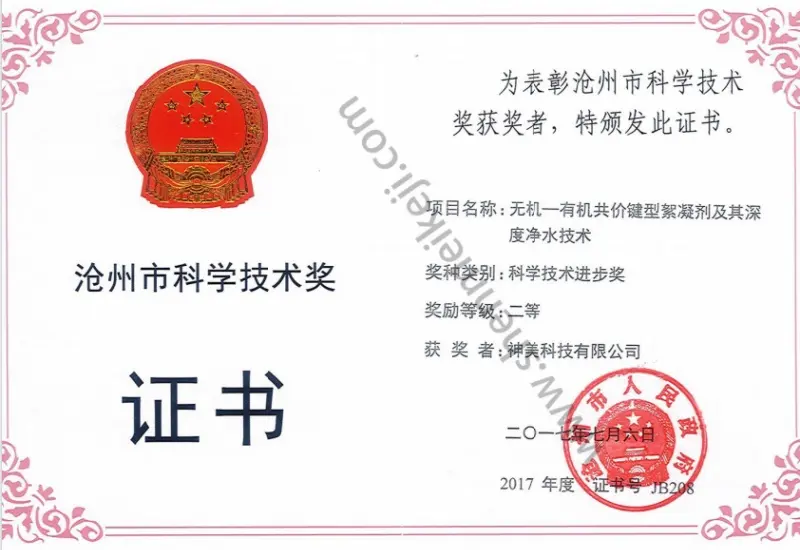
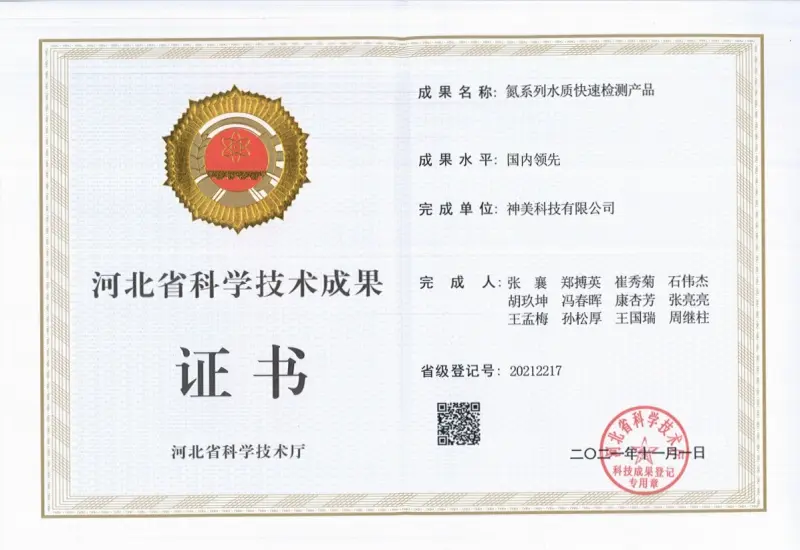
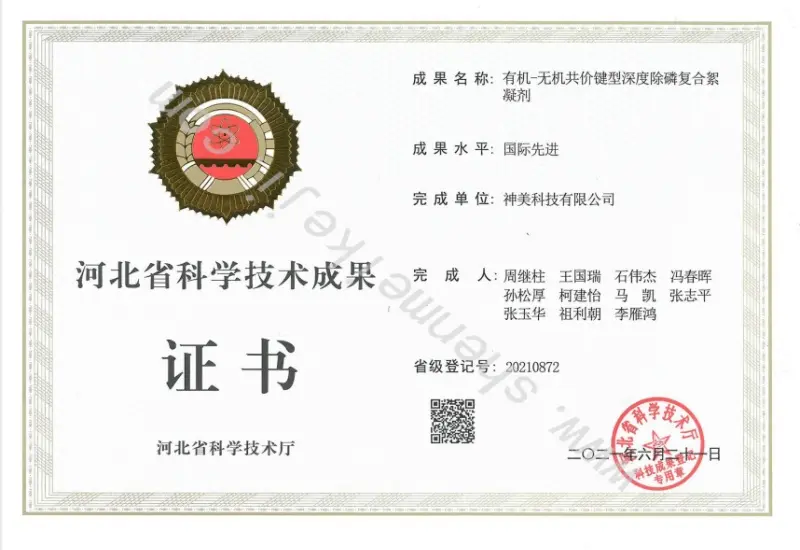
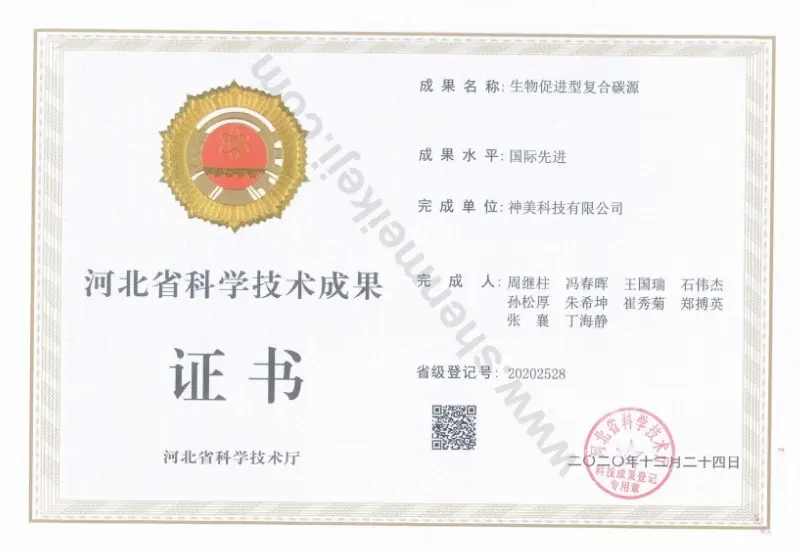
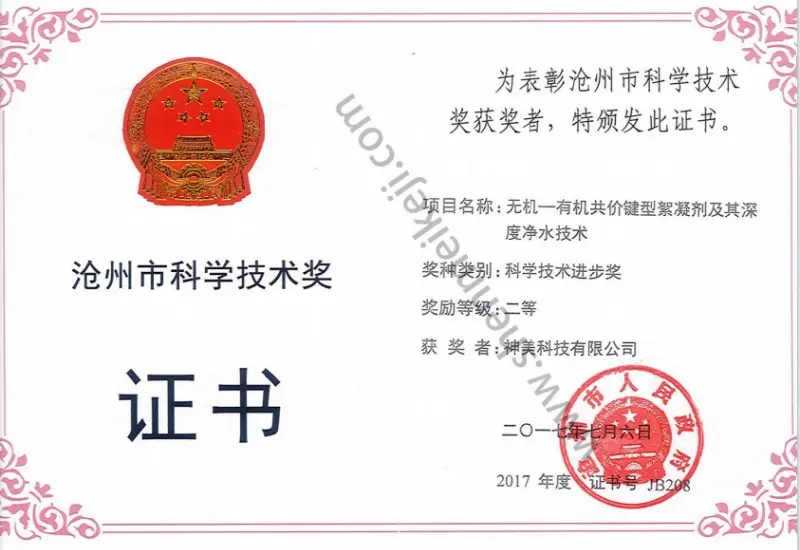
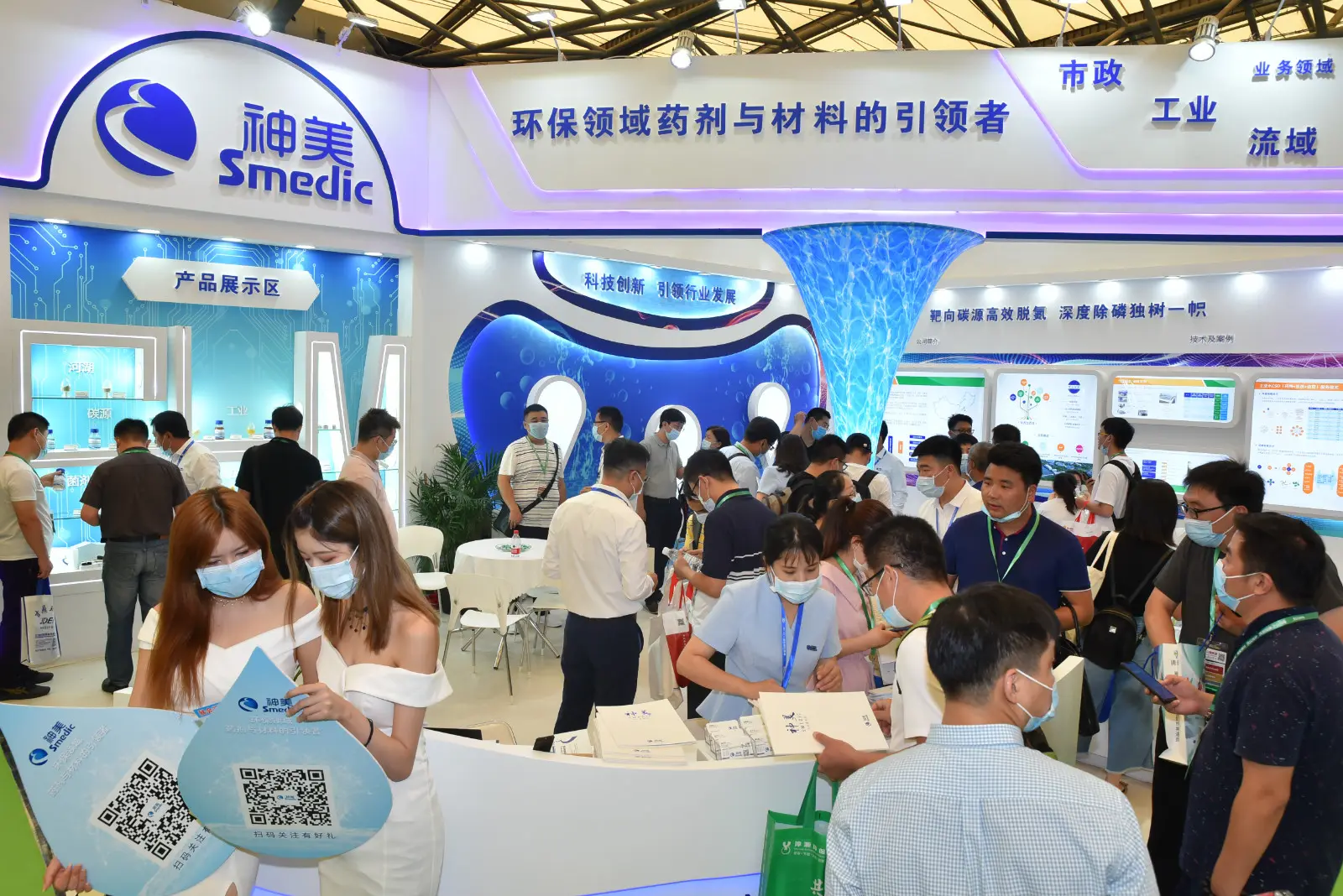
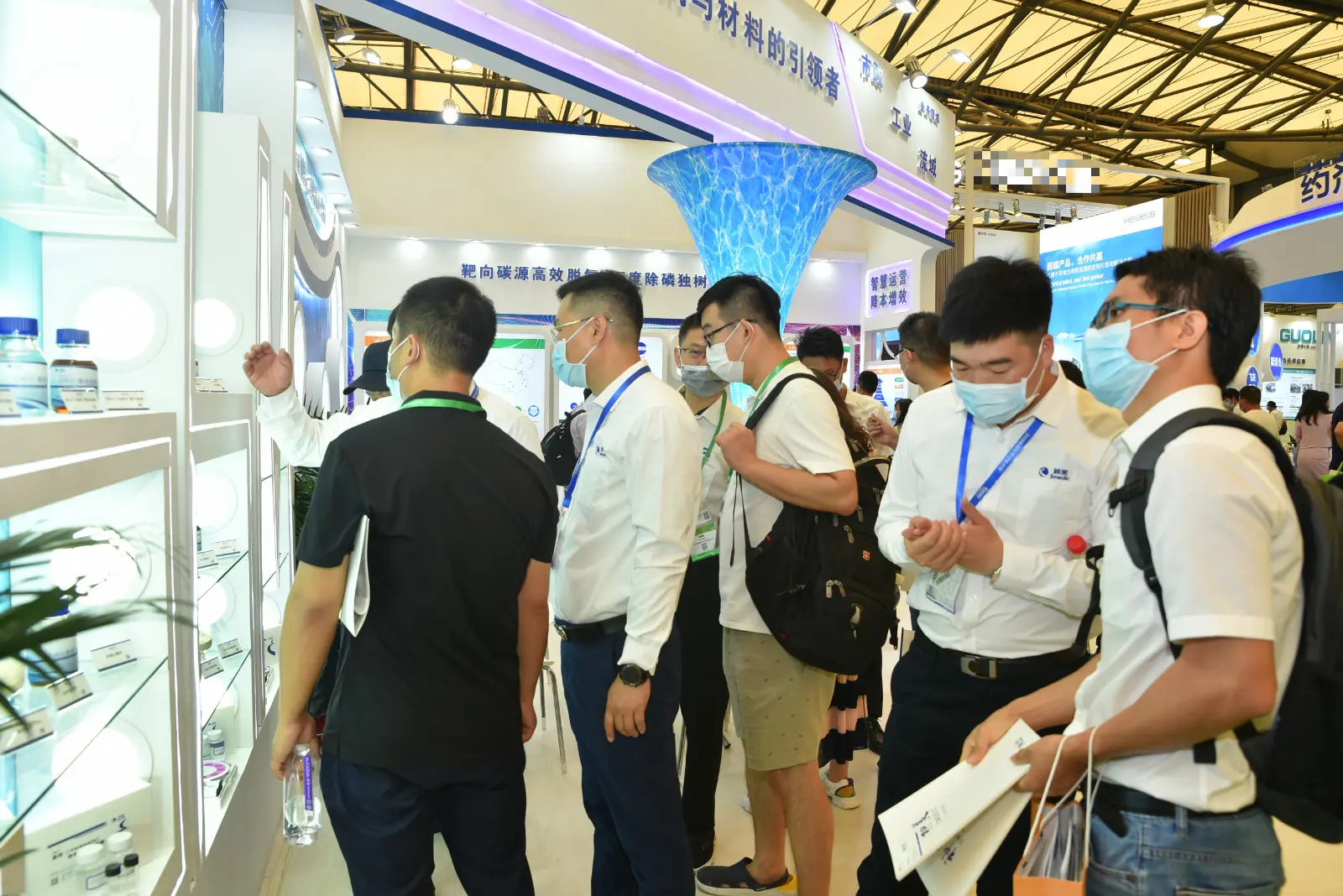
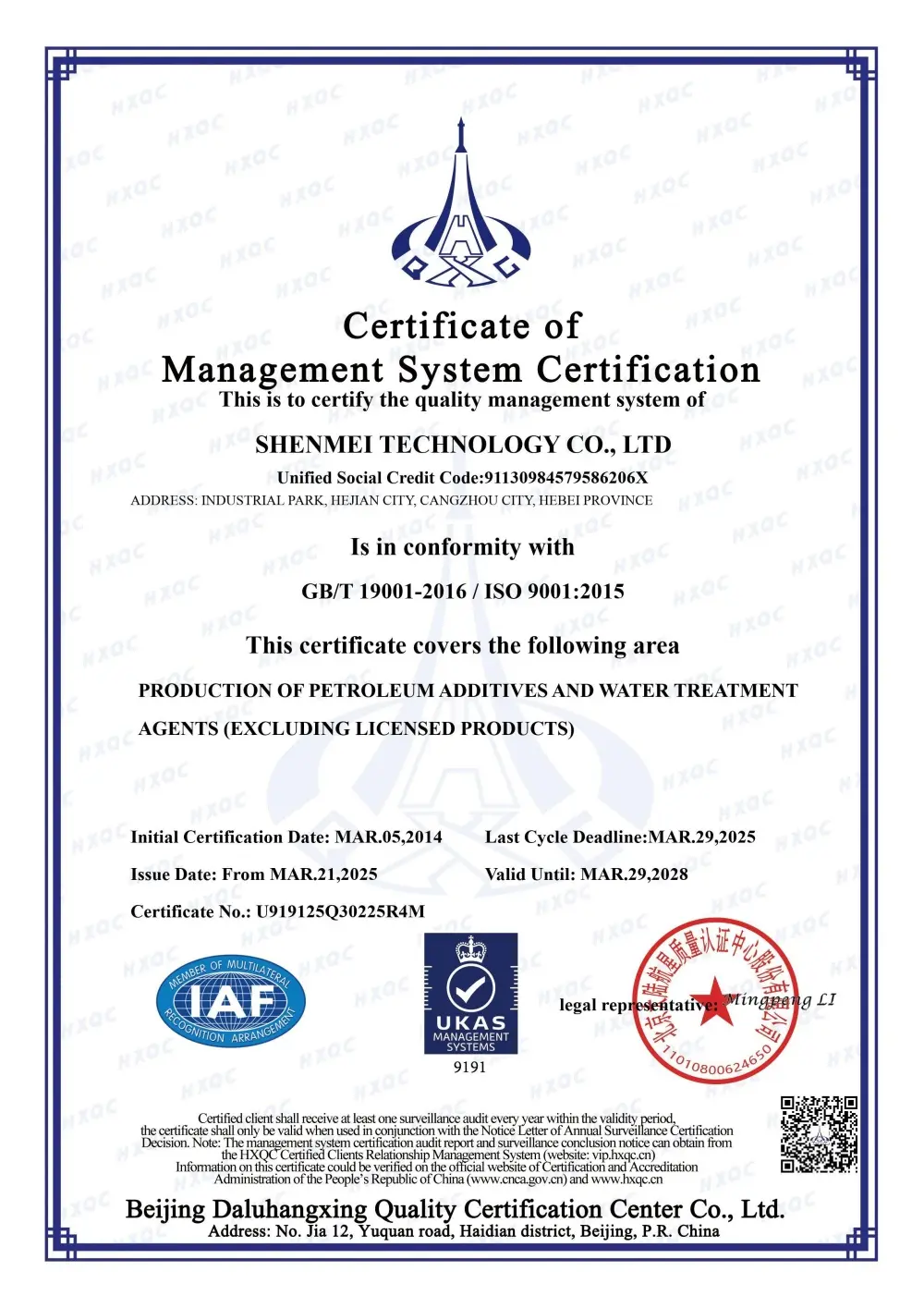
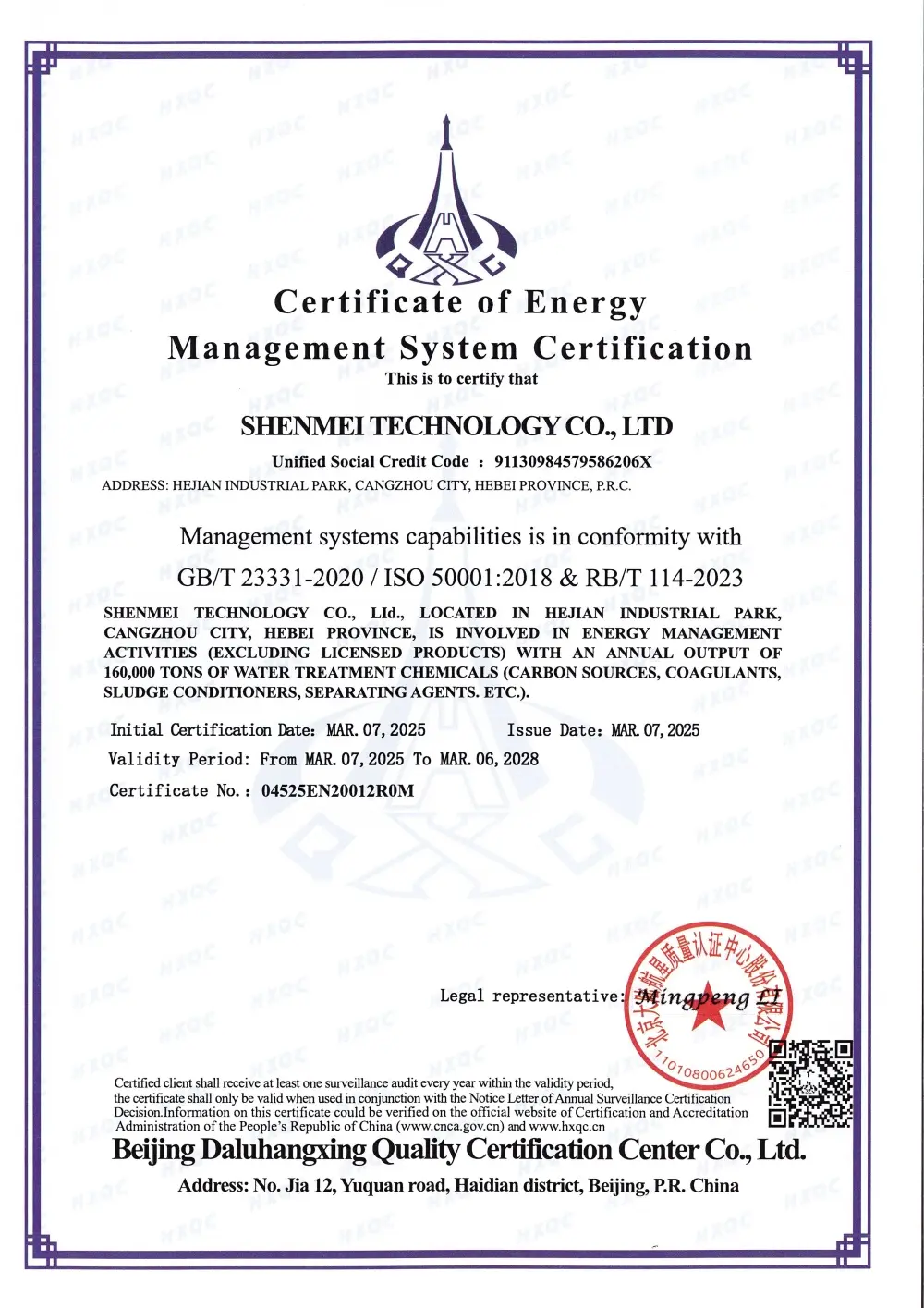
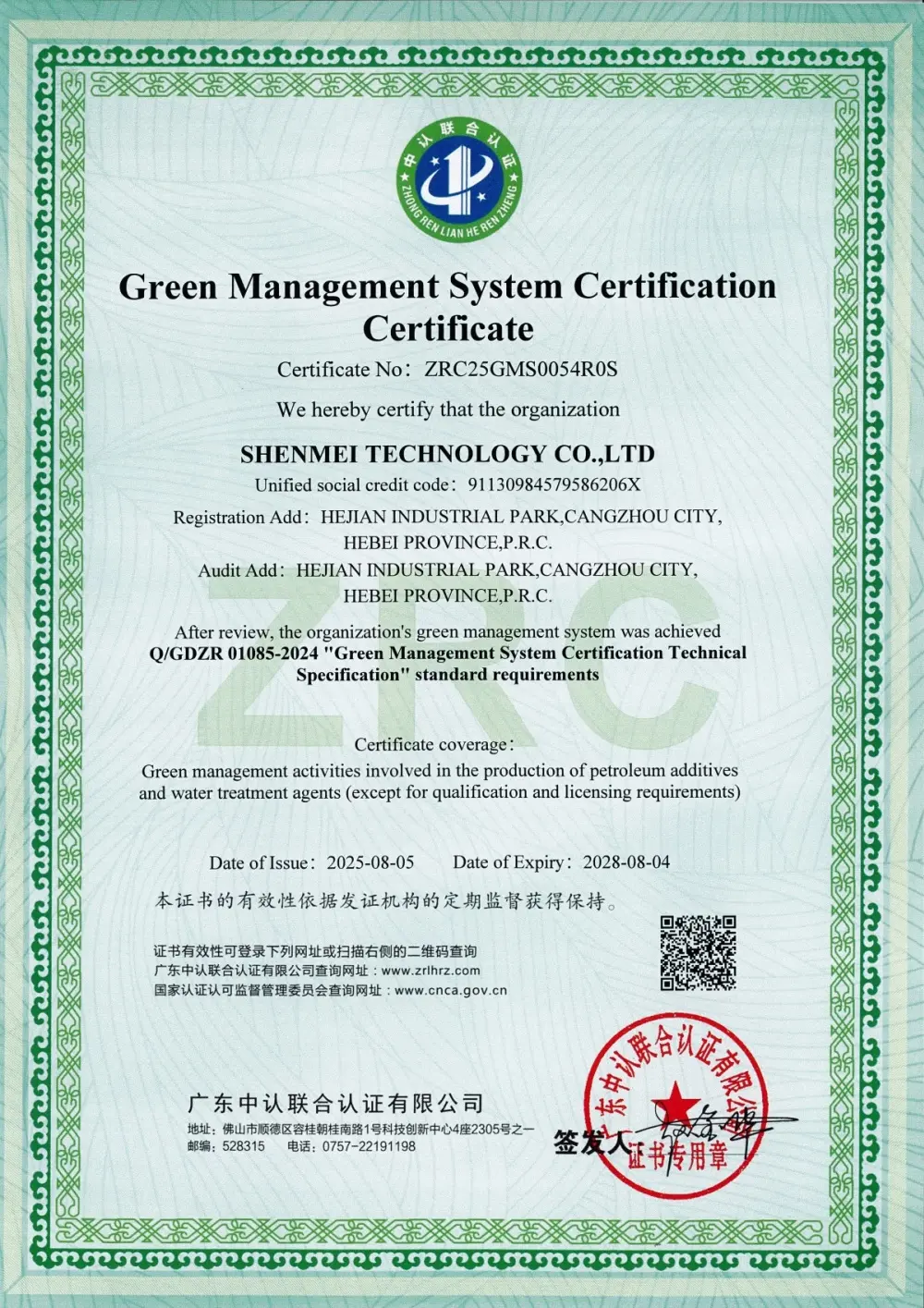
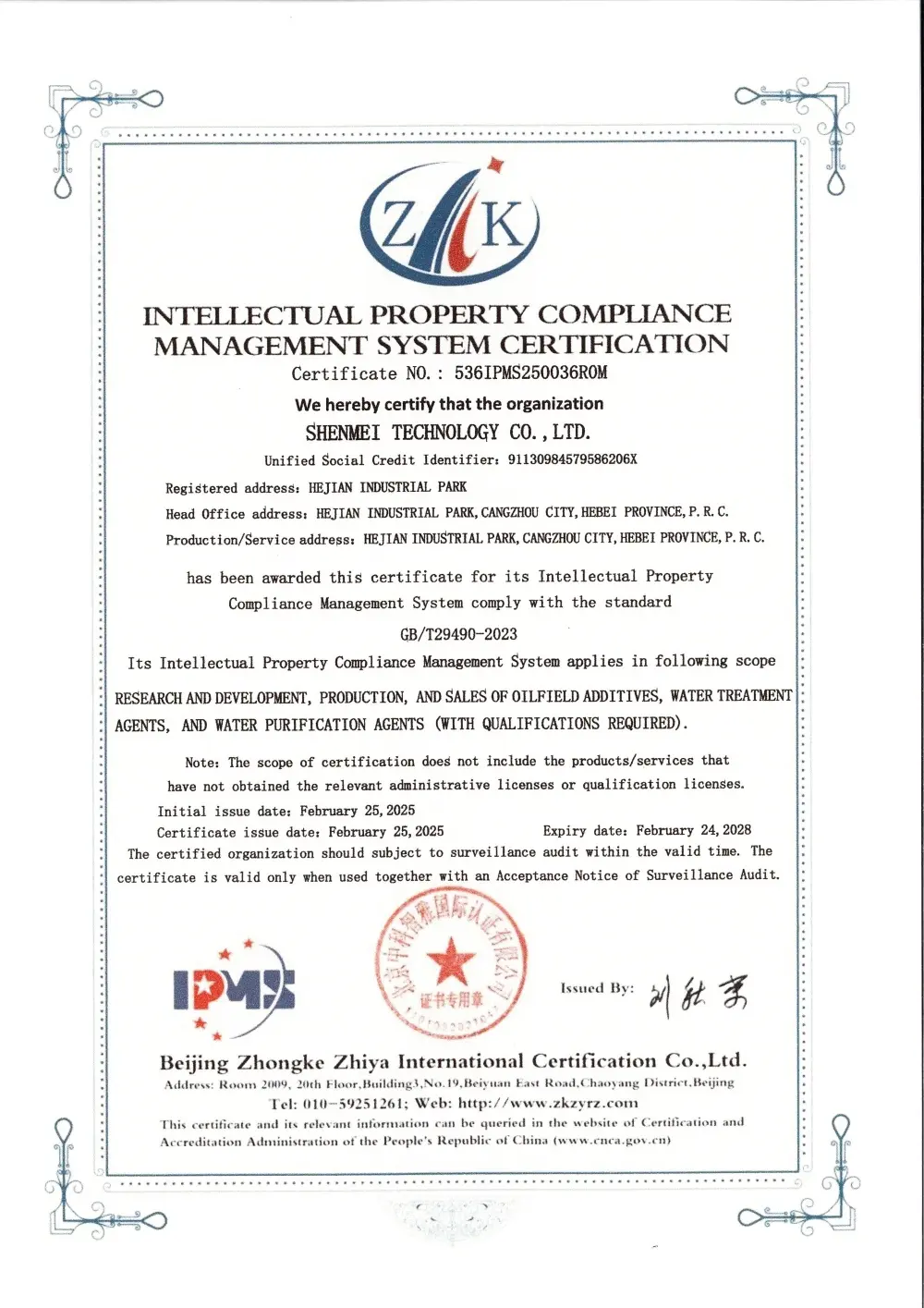
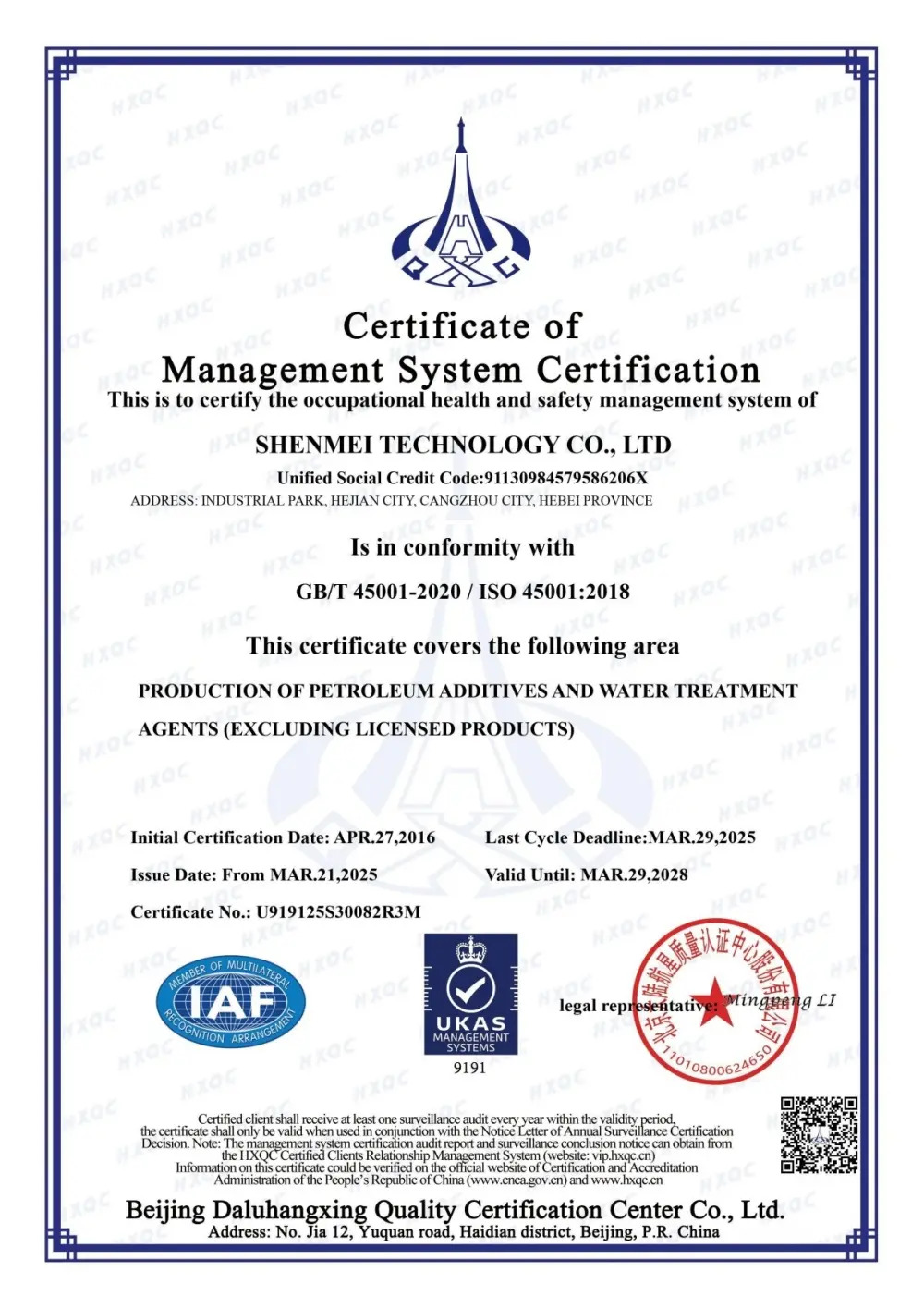
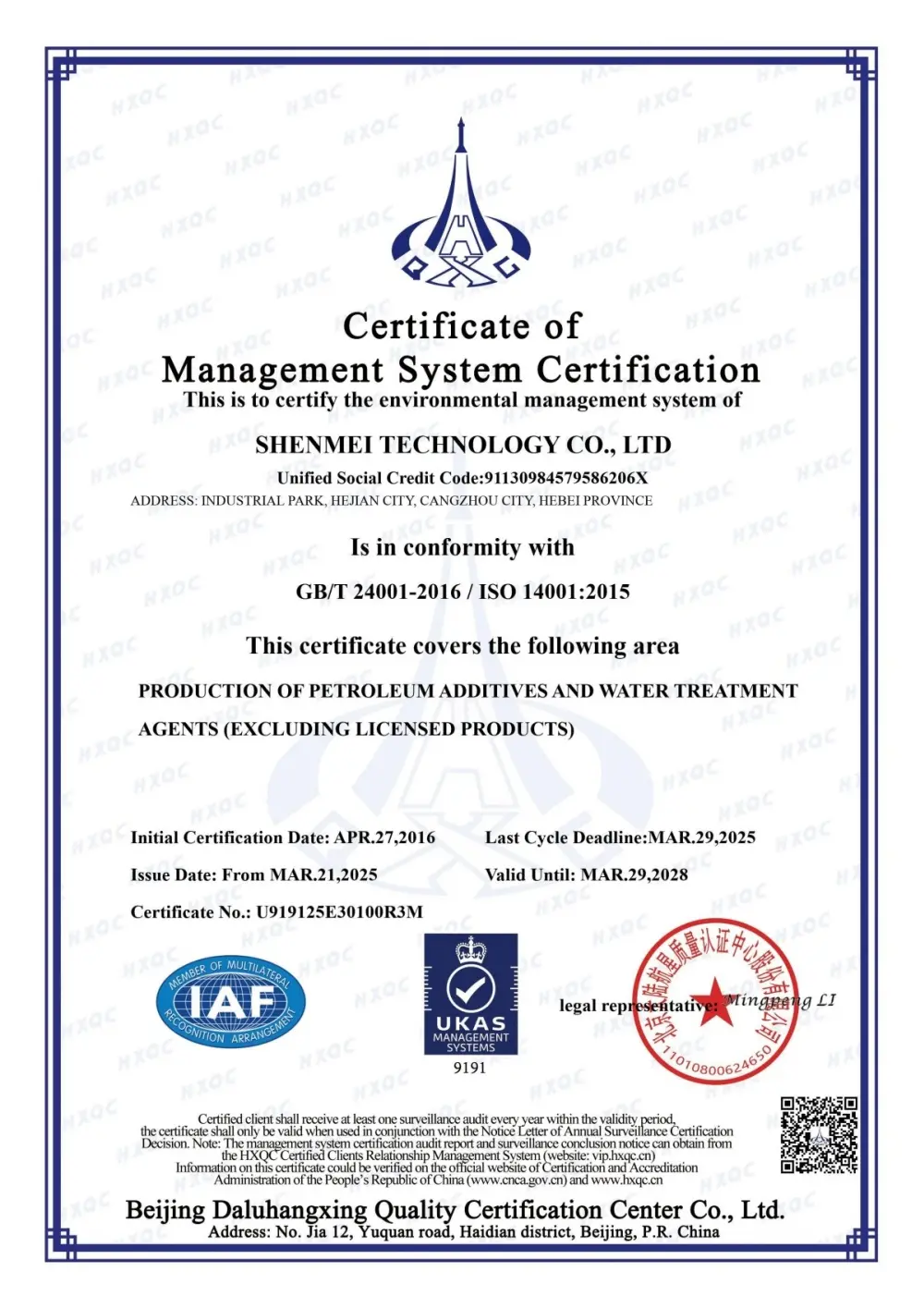
We have been recognized as the "Leading Brand of Advanced Wastewater Treatment Chemicals" and the "Most Valuable Water Treatment Chemicals Brand" by China Water Network and the E20 Environmental Platform for four consecutive years. We have established long-term strategic partnerships with dozens of major water groups, including Shouchuang Ecological and Environmental Group, Yangtze River Ecological and Environmental Group, Beijing Enterprises Water Group, OriginWater, and China Water Environment Group, and have been included in their centralized procurement supplier lists.
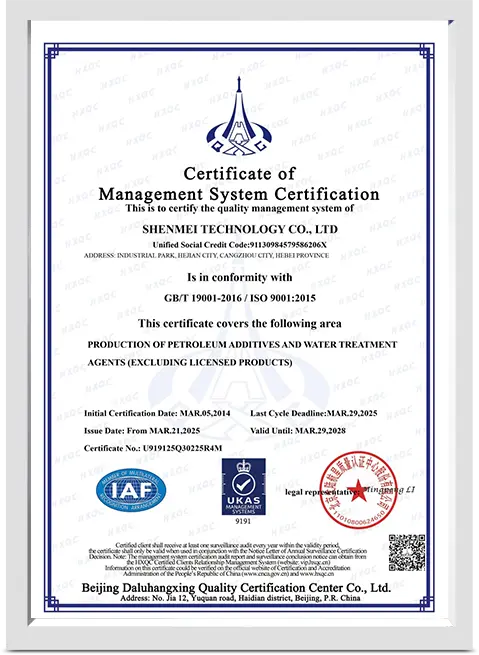
A decade of innovation and capacity expansion, leading to over 1 million tons of annual output.
How our centralized manufacturing and domestic logistics scale translate into global cost efficiencies and chemical consistency.
Procuring raw water treatment chemicals at a global scale requires not only cost competitiveness but also absolute reliability in the supply chain. Smedic Technology utilizes the structural strengths of the Chinese chemical manufacturing ecosystem to provide unparalleled advantages to international enterprises:
Located near primary industrial mineral bases in Hebei and Shanxi, Smedic maintains direct pipeline access to high-purity iron salts and bauxite. This isolates our pricing from market volatility and guarantees zero production delays.
Our production facilities utilize automated continuous hydrolysis and polymerization lines. This limits human error, reduces energy draw, and ensures that every batch of Polyaluminum Chloride (PAC) or Polyacrylamide (PAM) matches exact specs.
With major domestic warehousing and partners spanning Shandong, Shanxi, Anhui, and Sichuan, we coordinate cargo consolidation quickly. Direct routes to Tianjin, Qingdao, and Shanghai ports ensure minimal overland freight times.
Bridging Chinese manufacturing capacity with regional environmental guidelines and specific industrial water applications.
A primary challenge for global enterprises sourcing chemicals from overseas factories is alignment with local environmental standards and regional operational conditions. Smedic addresses this through a robust localized support framework:
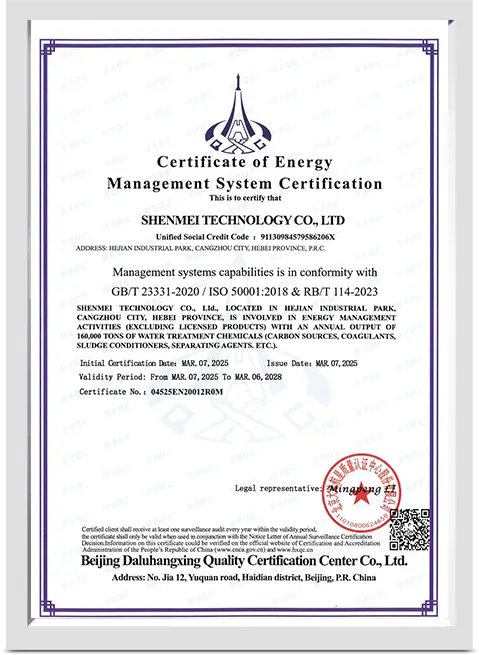
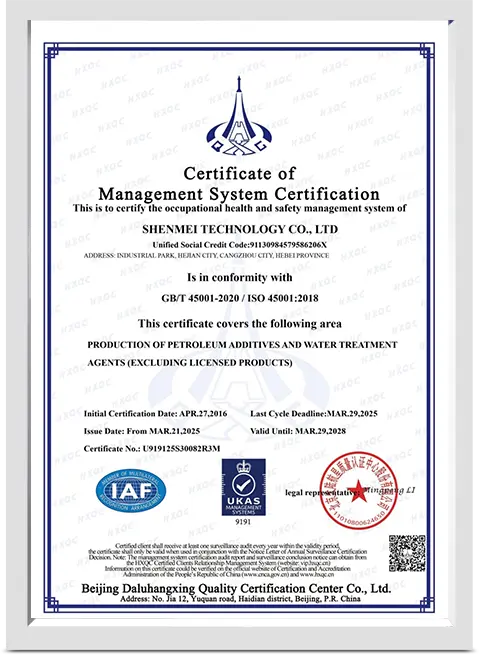
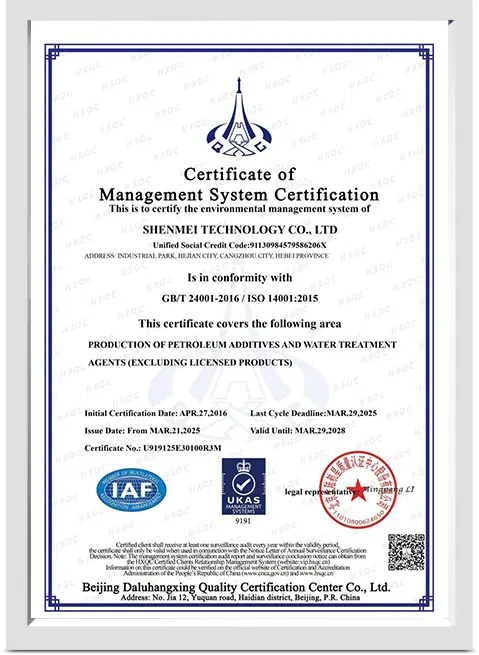
We ensure all export shipments are compliant with target destination standards. Our product batches undergo systematic third-party testing (SGS, Intertek) to certify that heavy metal impurities (such as arsenic, lead, and cadmium in PAC/PFS) fall well below the thresholds defined by the European Chemicals Agency (ECHA) under REACH regulations, as well as United States EPA drinking water and wastewater discharge guidelines. Our manufacturing lines maintain strict ISO 9001:2015 (Quality), ISO 14001:2015 (Environmental), and ISO 45001:2018 (Occupational Health) certifications.
Wastewater characteristics vary widely depending on local climate conditions and specific industrial discharges:
Through our dedicated laboratory workstation, we offer jar-test simulations using client-provided water samples to optimize dosing rates before mass ordering. This minimizes chemical waste, reduces operational costs, and ensures smooth integration into your existing dosing configurations.
Ensure chemical efficacy, cost-efficiency, and absolute reliability when importing activated sludge treatment reagents.
For procurement officers, sourcing bulk coagulants and flocculants from overseas factories involves complex evaluations. Smedic recommends evaluating suppliers against the following technical benchmarks:
Always verify the solid content or active metal oxide concentration (e.g., $Al_2O_3 \ge 30\%$ for high-purity PAC, or $Fe \ge 19\%$ for solid PFS). Low-grade chemical blends increase transport costs per active unit and reduce treatment performance.
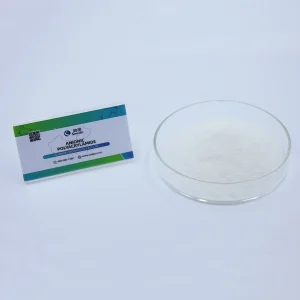
For Polyacrylamides (PAM), molecular weight (MW) and hydrolysis charge degree must match the sludge's zeta potential. Smedic provides comprehensive Certificates of Analysis (COA) specifying MW ranges (up to 22 million Daltons) and ionic charges.
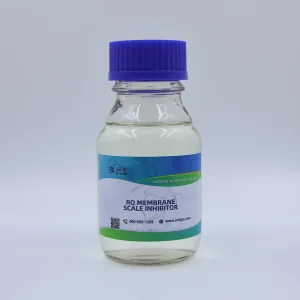
Bulk moisture absorption causes solid chemicals to cake and lose efficacy. Smedic utilizes double-layered moisture-proof UV-stabilized bags (25kg or 1000kg bulk bags) and robust plastic drums for liquid defoamers and RO inhibitors.
How global environmental demands are shaping the development of the next generation of treatment chemicals.
The global wastewater treatment landscape is moving rapidly toward resource recovery, energy neutrality, and decarbonization. To support these goals, Smedic is aligning our R&D with several key industry trends:
Traditional biological nitrogen removal consumes significant aeration energy and relies heavily on fossil-derived external carbon sources. Smedic is pioneering the development of biological-based carbon sources with low carbon footprints, designed to support short-cut nitrification-denitrification (Anammox processes), which can reduce oxygen demands by up to 60% and external carbon requirements by 90%.
Rather than simply trapping phosphorus in landfill-bound sludge, modern facilities are optimizing chemical precipitation to facilitate phosphorus recovery in the form of struvite (magnesium ammonium phosphate). Our technical team designs customized dosing schemes utilizing specific metal-salt ratios that preserve the availability of phosphorus for subsequent recovery processes.
Over-dosing chemicals increases sludge volume and chemical costs, while under-dosing risks environmental non-compliance. The integration of real-time sensors (measuring UV254, dissolved oxygen, ammonia, and turbidity) with automated chemical dosing systems is becoming standard. Smedic provides high-solubility, rapidly dispersing liquid formulations optimized for modern automated feed systems.
Expert answers to common operational issues encountered in municipal and industrial wastewater clarifiers.
At water temperatures below 12°C, the metabolic activity of denitrifying bacteria drops significantly. When using complex carbon sources like starches or alcohols, the bacteria must first produce extracellular enzymes to break down the molecules, resulting in slow kinetics. Pure Solid Sodium Acetate ($CH_3COONa$) dissociates instantly in water, providing acetate ions that enter the Krebs cycle directly. This bypasses the rate-limiting enzyme production step, maintaining high denitrification rates even in cold conditions.
Filamentous bulking occurs when long, thread-like bacteria outgrow the floc-forming bacteria, preventing the sludge from settling. While the long-term solution involves adjusting the F/M ratio or dissolved oxygen levels, immediate chemical control is often necessary. Dosing Smedic's Polyferric Sulfate (PFS) or Polyaluminum Chloride (PAC) at the aeration basin's discharge point helps bridge the filamentous strands, consolidating the flocs and weighting them down for immediate settling, without harming the biological activity of the biomass.
Over-dosing Polyacrylamide (PAM) can saturate the binding sites on sludge flocs, creating electrostatic repulsion and causing the flocs to fragment into tiny, dense particles (pin flocs) that do not settle. To prevent this, operators should run systematic jar tests to identify the precise point of charge neutralization (zeta potential close to zero). Smedic offers technical support to help determine this optimal dosage range for your specific sludge characteristics.
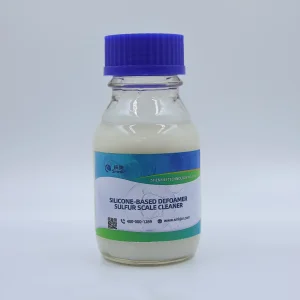
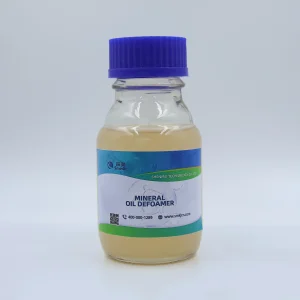
Silicone defoamers (organosiloxanes) offer rapid foam knockdown and long-term suppression, particularly in high-temperature or highly alkaline industrial wastewater. However, in applications where the wastewater undergoes subsequent membrane filtration (such as Reverse Osmosis), silicone can deposit on the membrane surfaces, causing irreversible fouling. In these cases, or in systems sensitive to silicone, Smedic's high-purity Mineral Oil Defoamers or Polyether defoamers are recommended to avoid membrane damage.
Standard coagulants like alum or iron salts consume significant alkalinity, lowering the wastewater pH and potentially inhibiting nitrifying bacteria (which require a pH of 7.2–8.0). High-basicity Polyaluminum Chloride (PAC) contains pre-hydrolyzed aluminum complexes, meaning it consumes far less alkalinity during hydrolysis. This helps maintain a stable pH in the biological reactor, reducing or eliminating the need for caustic soda dosing.
Review our product list below. Contact Smedic to request technical datasheets, Certificates of Analysis, or to arrange a trial sample.
 Smedic Tech