High-performance formulations engineered to stabilize activated sludge processes, control biological bulking, and maximize solids separation.
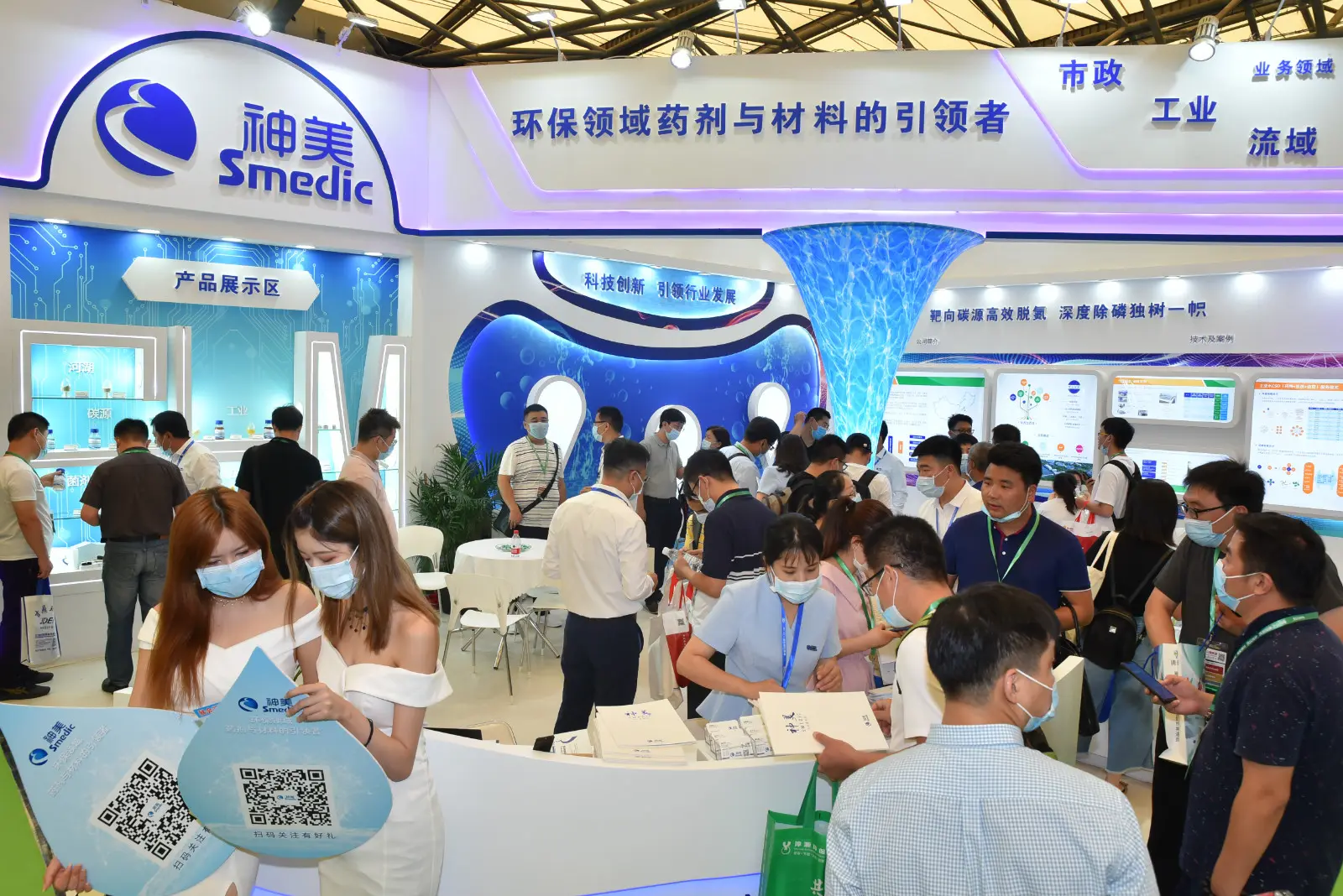
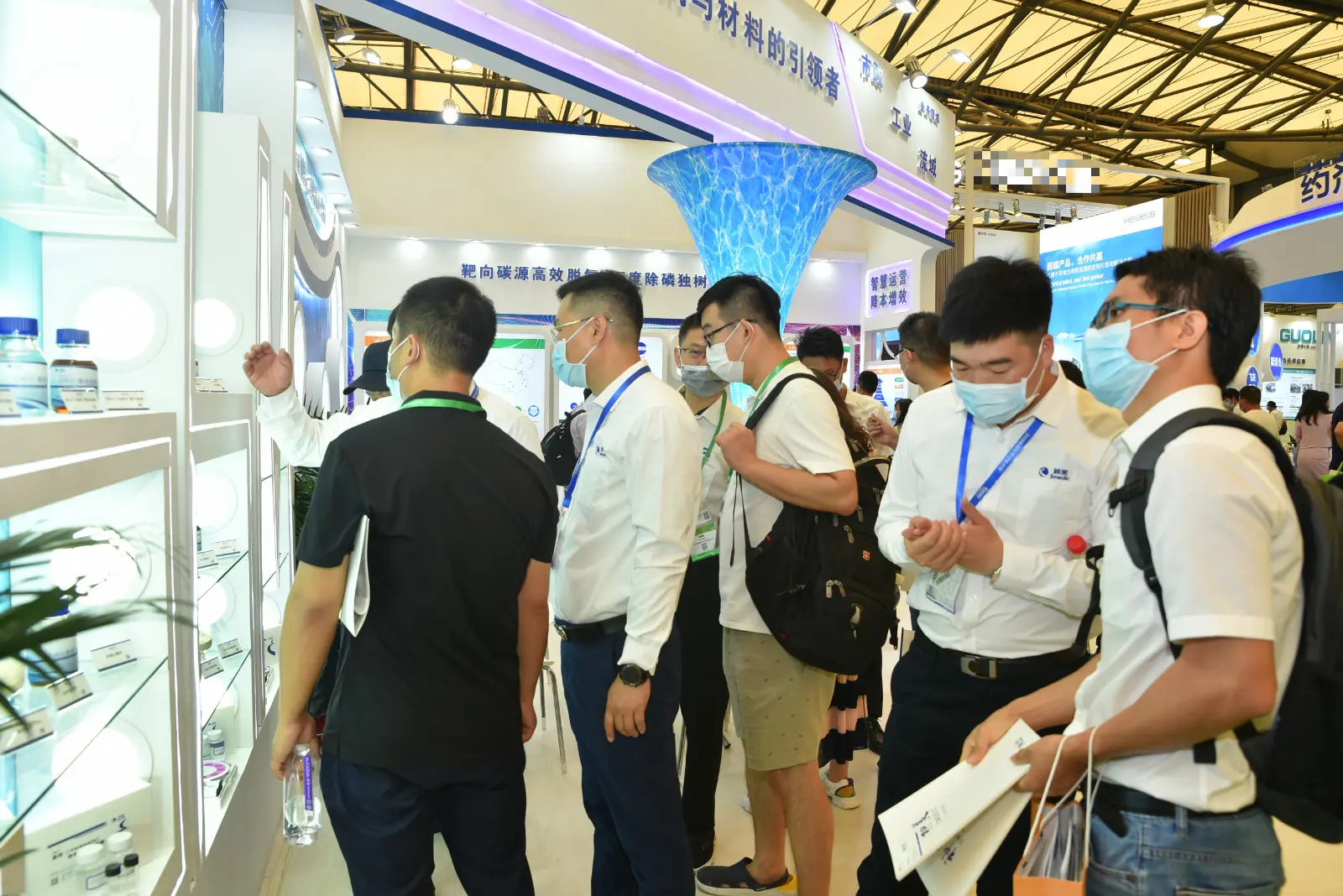
Smedic Technology Co., Ltd. is a premier comprehensive solution provider specializing in environmental protection agents, integrating advanced R&D, high-scale chemical production, global sales channels, and engineering technical services. We are committed to delivering custom-tailored chemical products, tailored technical interventions, and operational guidance across municipal sewage, industrial wastewater, and clean municipal water systems.
With a massive output capacity, Smedic fabricates over 80 distinct types of environmental protection agents, serving as a pillar of reliability in the water treatment industry. Our annual manufacturing capability exceeds 1 million tons of premium flocculants, coagulants, heavy metal removal agents, defoamers, and biological nutrients.
Activated Sludge Treatment (AST) remains the absolute cornerstone of biological wastewater purification worldwide, handling over 90% of municipal and high-strength industrial organic effluents. However, modern environmental frameworks present unprecedented challenges. Tightening limits on total nitrogen (TN), total phosphorus (TP), and refractory chemical oxygen demand (COD) demand a structural shift from traditional biological mechanisms to highly responsive, chemically-assisted bioreactor ecosystems.
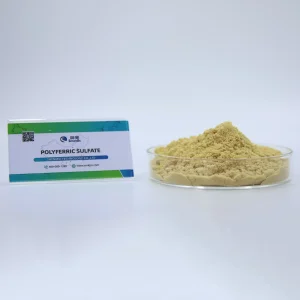
In contemporary AST design, operators must confront the delicate kinetics of the bacterial consortia. The microbial ecology of the mixed liquor suspended solids (MLSS) is highly sensitive to seasonal temperatures, shifting influent characteristics, nutrient ratios, and hydraulic shear stresses. To maintain a robust settling velocity, prevent filamentous bulking, and sustain microbial populations, operators rely on advanced chemical conditioning. The strategic addition of high-charge cationic polyacrylamides (CPAM) and specialized inorganic coagulants like Polyferric Sulfate (PFS) enables precise control over the floc matrix, modifying surface charges to accelerate solid-liquid phase separation.
Integrating chemical phosphorus precipitation and polymers directly within the aeration basin or post-secondary clarifier to maximize floc integrity and settling rates.
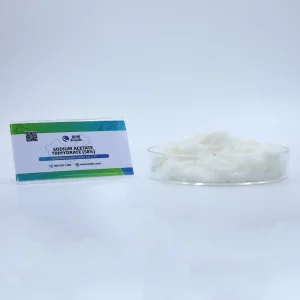
Utilizing high-purity external carbon sources (like pure solid sodium acetate compounds) to sustain heterotrophic denitrifiers during low-COD/N ratios.
Synergistic application of complexing chelators to prevent heavy metal toxicity from inhibiting sensitive nitrifying and denitrifying autotrophic bacteria.
Furthermore, digital twin modelling of AST plants indicates that chemical intervention at key stages—specifically raw conditioning, primary precipitation, biological denitrification basins, and tertiary sludge dewatering—yields a dramatic reduction in operational expenditure (OpEx). Smedic’s R&D team addresses these operational profiles by designing customized molecular-weight polyacrylamides and high-charge densities that align with the specific zeta-potential demands of localized wastewater profiles.
Vast manufacturing networks and localized logistics designed to support heavy municipal and industrial water treatment installations.
Our business and service network covers over 20 provinces across China, providing localized engineering support, prompt logistics, and on-site jar testing services.
We actively optimize and supply coagulation and biological carbon sources to more than 600 urban municipal sewage treatment plants nationwide.
Serving over 1,000 corporate clients across heavy-polluting industries including mineral processing, oilfield extraction, coal washing, and chemical manufacturing.
The total municipal sewage and industrial wastewater treatment capacity supported by Smedic chemicals exceeds 20 million metric tons per day.
Headquartered in Beijing, Smedic maintains wholly-owned production bases in key industrial sectors including Hebei, Guizhou, and Shanxi. To ensure uninterrupted international supply and localized resilience, we have established more than ten OEM partner factories and regional warehousing/logistics hubs across Shandong, Shanxi, Anhui, Guangxi, and Sichuan provinces. This distributed logistics architecture protects global exporters and purchasers from shipping bottlenecks, guaranteeing that chemical shipments arrive within target shelf-life parameters.
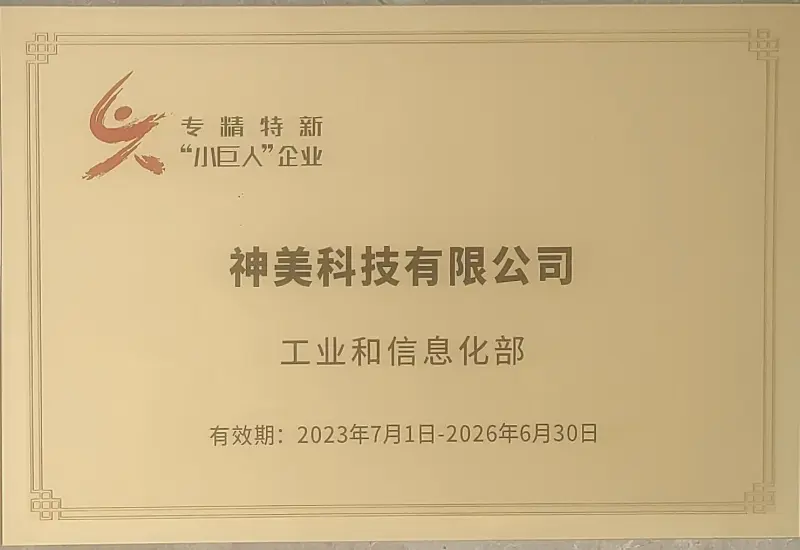
Smedic Technology is recognized as a National High-tech Enterprise and a National Specialized, Refined, Unique and Innovative "Little Giant" Enterprise. Furthermore, we are honored as a National Key-Supported Specialized, Refined, Unique and Innovative "Little Giant" Enterprise—a title reserved for companies that possess critical, proprietary intellectual property in major industrial sectors.
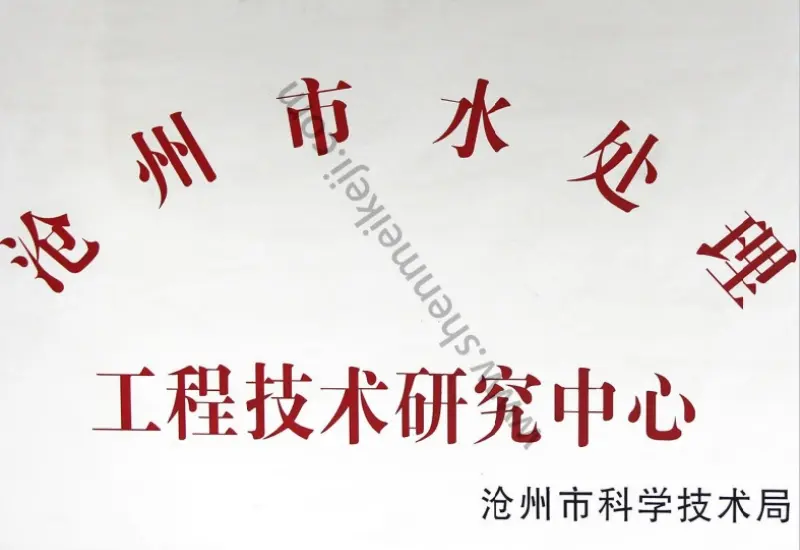
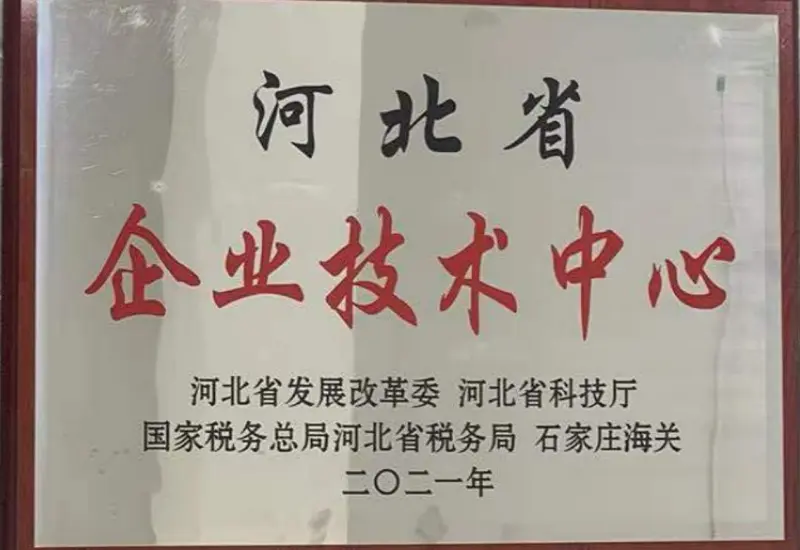
Our core technical team is comprised of elite academicians, industry experts, university professors, and senior chemical engineers. We operate a highly sophisticated technology commercialization engine built upon one academy, three research institutes, and five production bases. Our Class A R&D institution in Hebei Province functions alongside the Hebei Provincial Advanced Water Treatment Chemicals Technology Innovation Center and the Cangzhou Water Treatment Engineering Technology Research Center.
By partnering with premier scientific bodies, we have established an expert workstation with the Tsinghua University Association of Senior Scientists and Technicians. Joint R&D laboratories are running with Shandong University and Beijing University of Technology, alongside active technology translation pipelines with Peking University and Tianjin University.
Independently developed proprietary technologies recognized at national and international levels.
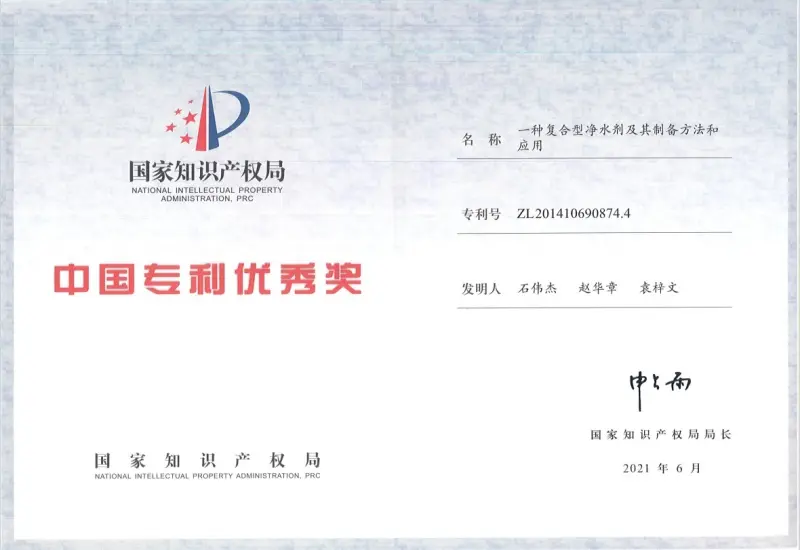
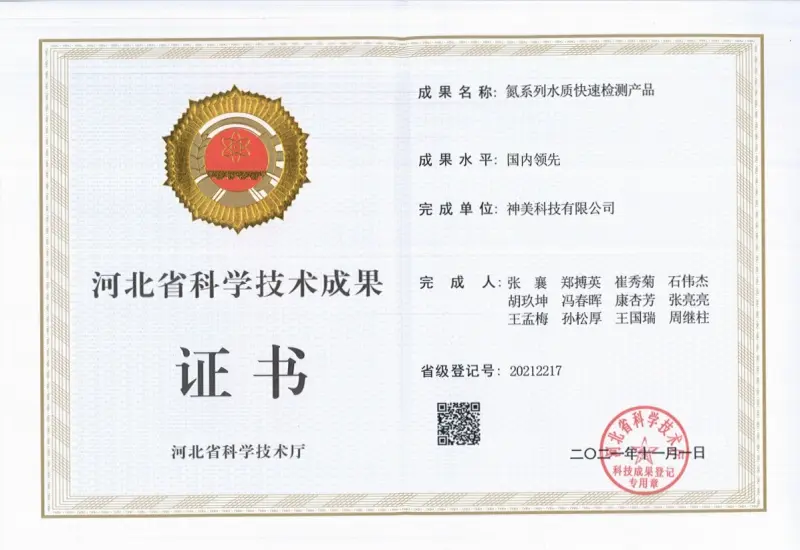
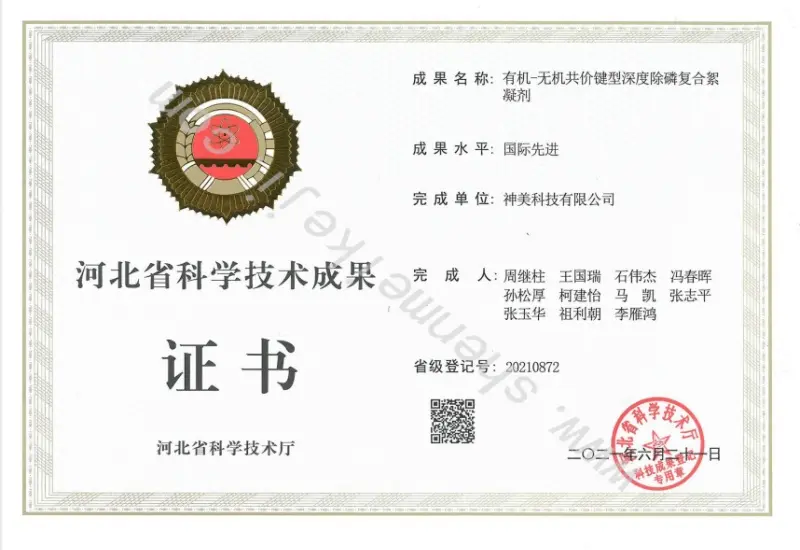
Smedic has been granted over sixty Chinese patents, including more than forty invention patents and twenty utility model patents. We lead our industry not only in manufacturing scale but also in regulatory leadership, having drafted over ten national and industry standards regulating the quality, testing protocols, and environmental impact of composite carbon sources, composite coagulants, sodium acetate, and biological nitrifying/denitrifying bacterial agents.
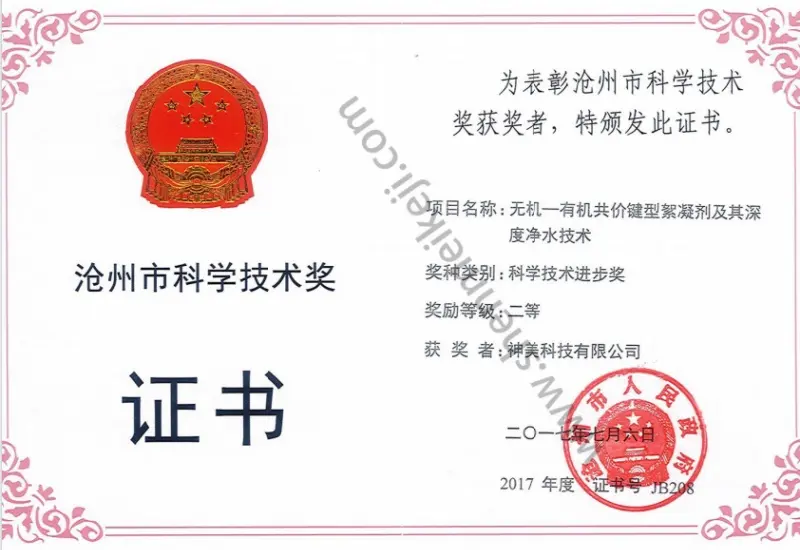
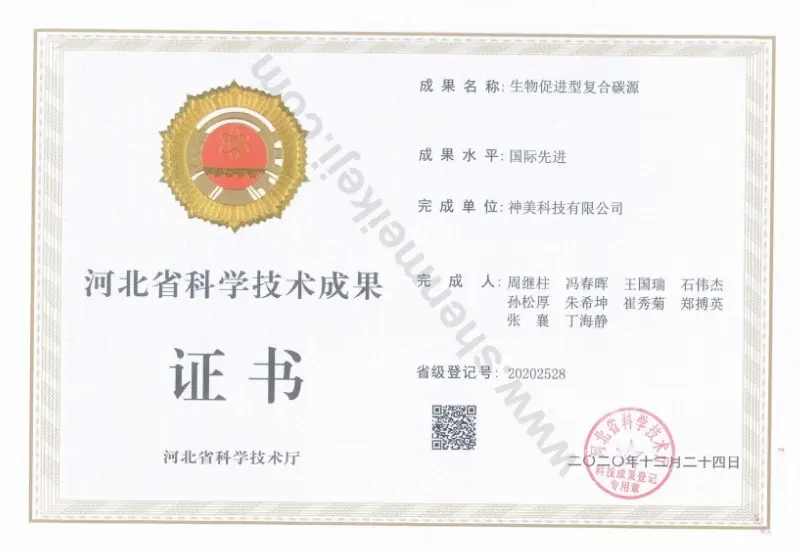
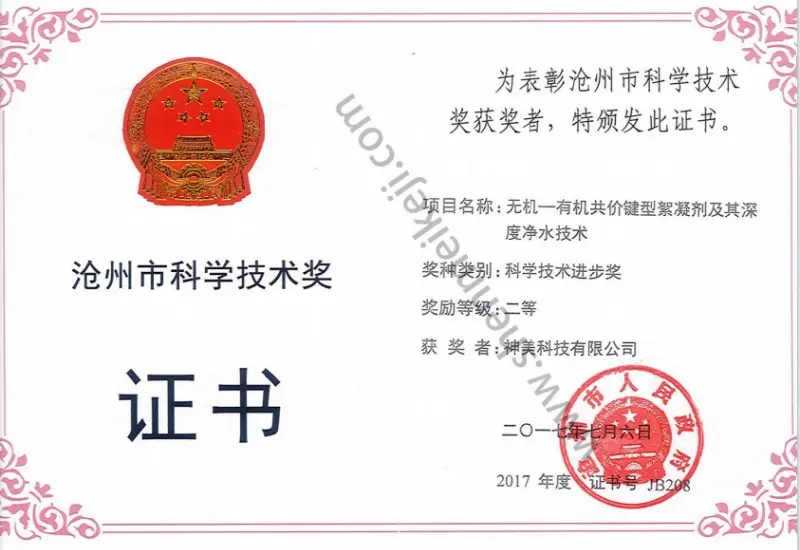
Our independently developed "Inorganic-Organic Covalent Bond Flocculant and Its Advanced Water Purification Technology" is a breakthrough that was awarded the 22nd China Patent Award, the First Prize for Technological Invention from the China Petrochemical Industry Association, and recognition as a Belt and Road SME Recommended Project. Smedic is also designated as a "Leading Brand of Advanced Wastewater Treatment Chemicals" and the "Most Valuable Water Treatment Chemicals Brand" by China Water Network and the E20 Environmental Platform for four consecutive years.
We maintain strategic, long-term supply relationships with major water concessionaires and utility operators. Smedic products are centralized procurement staples for industry giants including Shouchuang Ecological and Environmental Group, Yangtze River Ecological and Environmental Group, Beijing Enterprises Water Group (BEWG), OriginWater, and China Water Environment Group.
Our journey from a dedicated regional chemical producer to a state-recognized "Little Giant" of water treatment tech.
Smedic is founded with a core focus on advanced synthesis of polyacrylamide polymers and coagulation salts for municipal clients.
Established a complete product portfolio tailored to municipal wastewater treatment plants, covering sludge thickening, phosphorus removal, and COD control.
Awarded the National High-tech Enterprise designation, reinforcing our investment in chemical and biological wastewater research.
Commissioned our state-of-the-art Guiyang water treatment chemical production base to supply the southwest regional market.
Completed expansion projects across bases in Hebei, Shandong, and Guizhou, driving Smedic's total annual capacity past 1 million metric tons.
Formally recognized as a National Specialized, Refined, Unique and Innovative Small and Medium-sized Enterprise.
Established our provincial-level R&D platform in Hebei to accelerate trials on bio-enhanced denitrification carbon formulations.
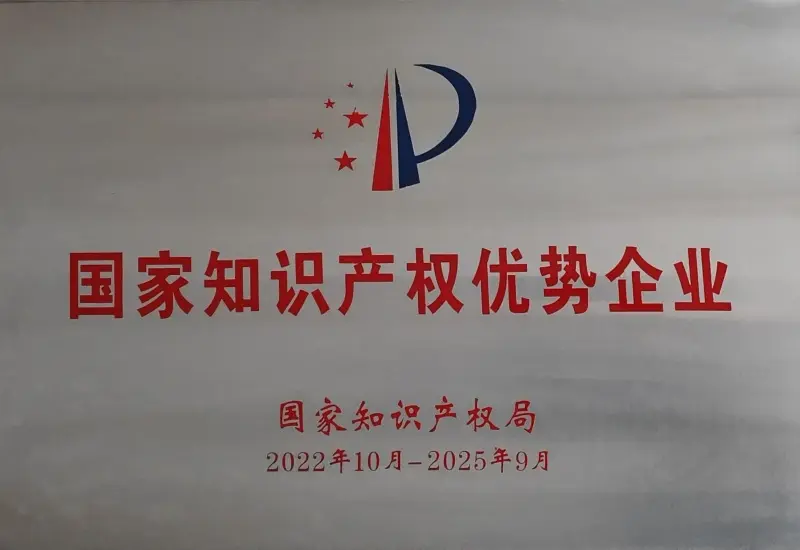
Recognized as a National Intellectual Property Advantage Enterprise with over 60 active patents filed and enforced.
Formed a key joint venture with the Chengdu Institute of Mineral Comprehensive Utilization, China Geological Survey, expanding our footprint to eco-friendly flotation and mineral reagents.
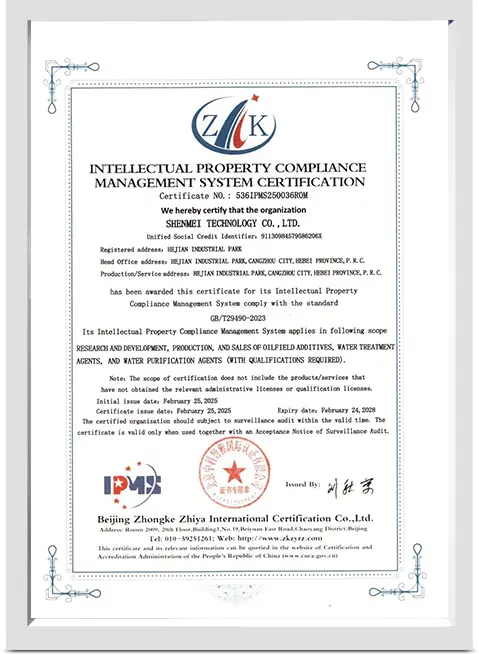
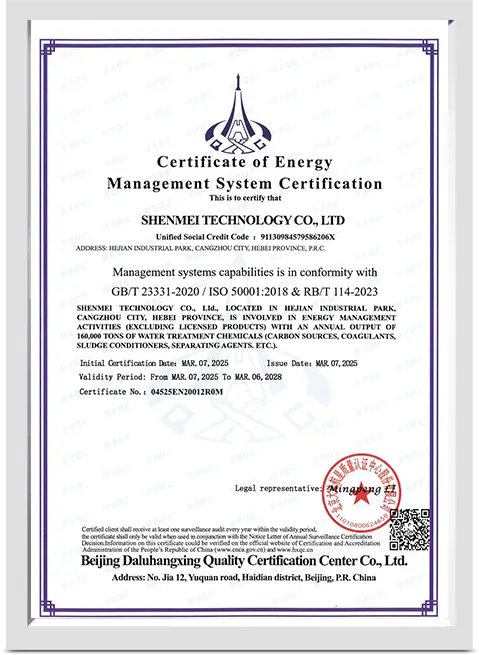
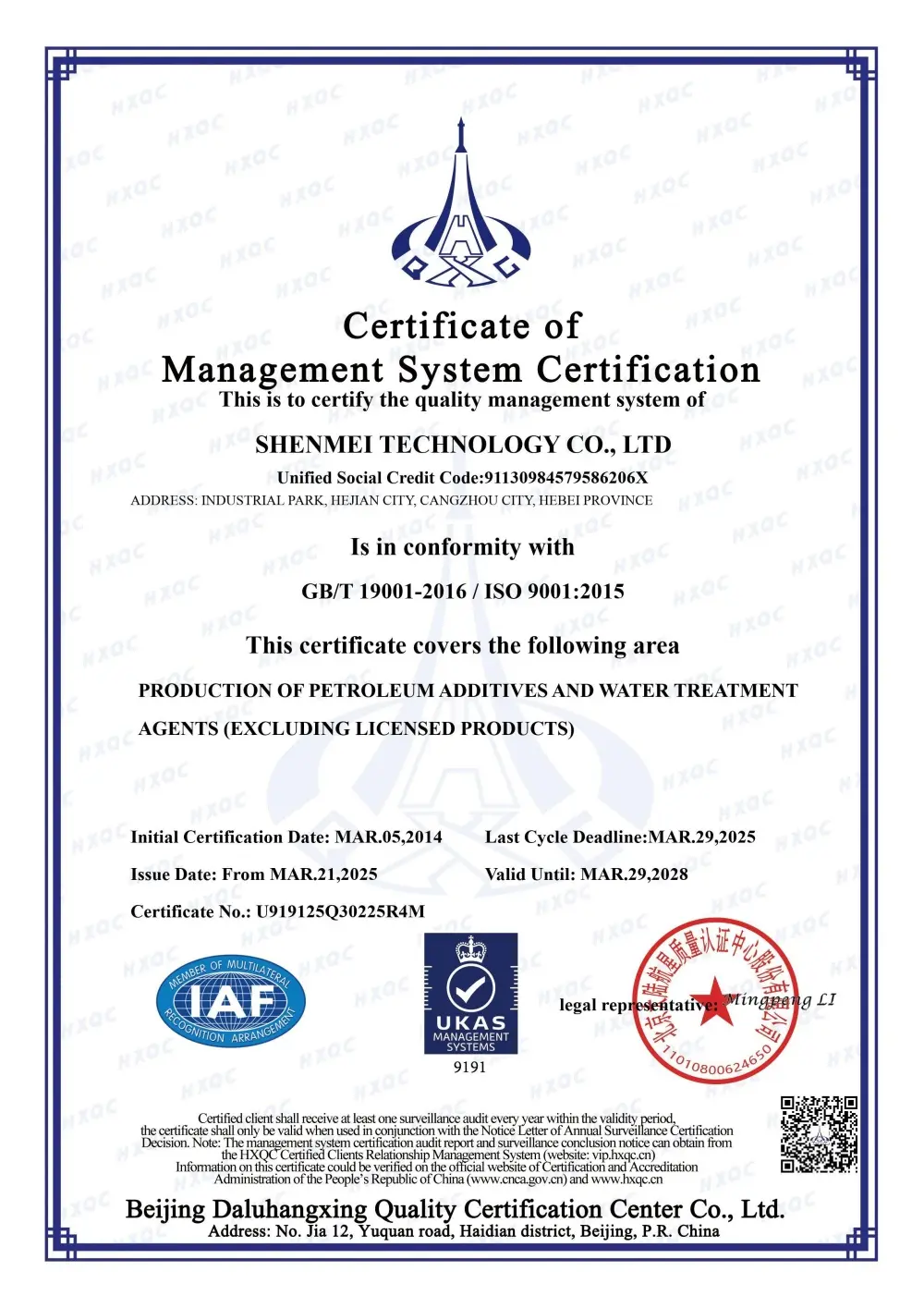
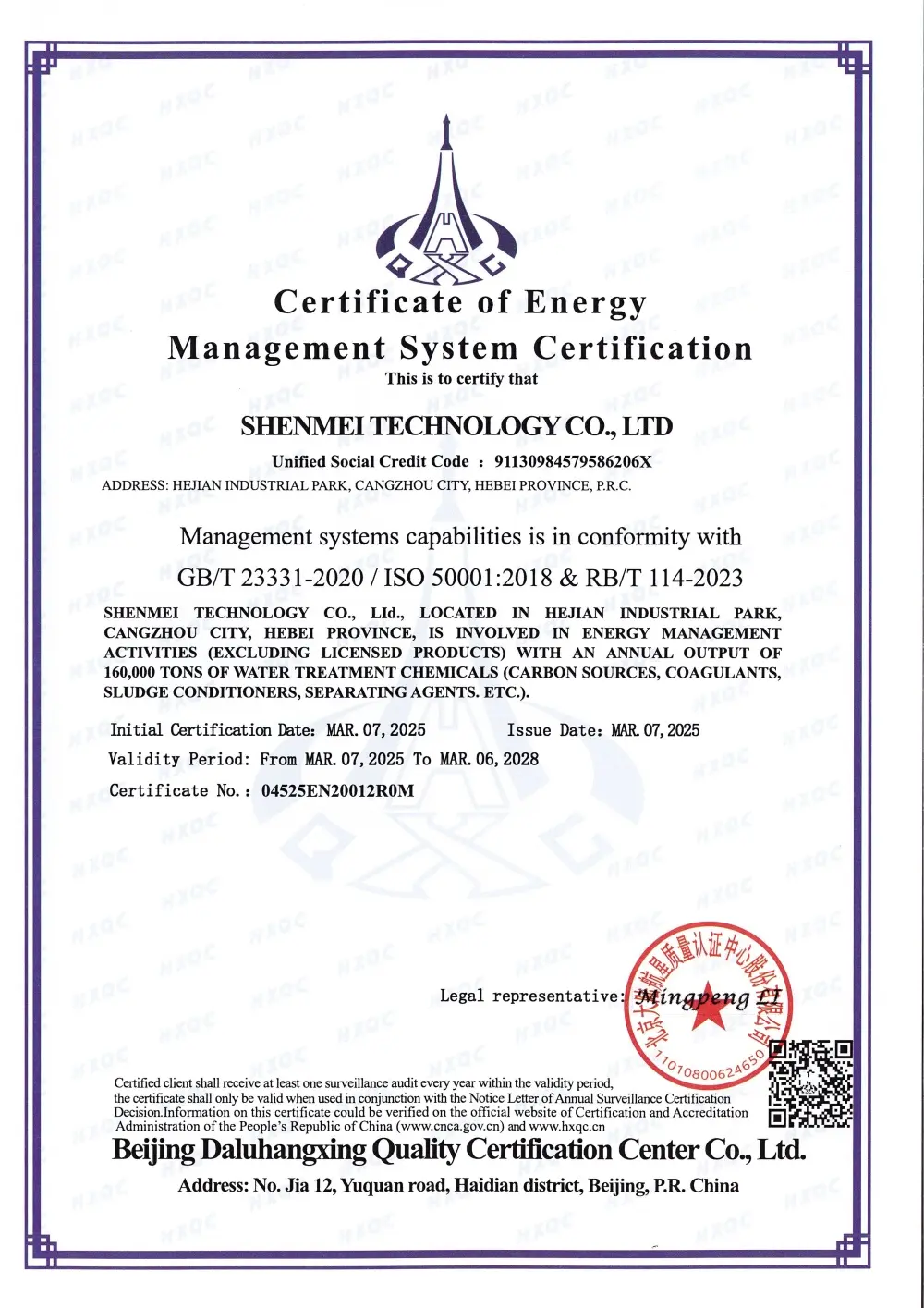
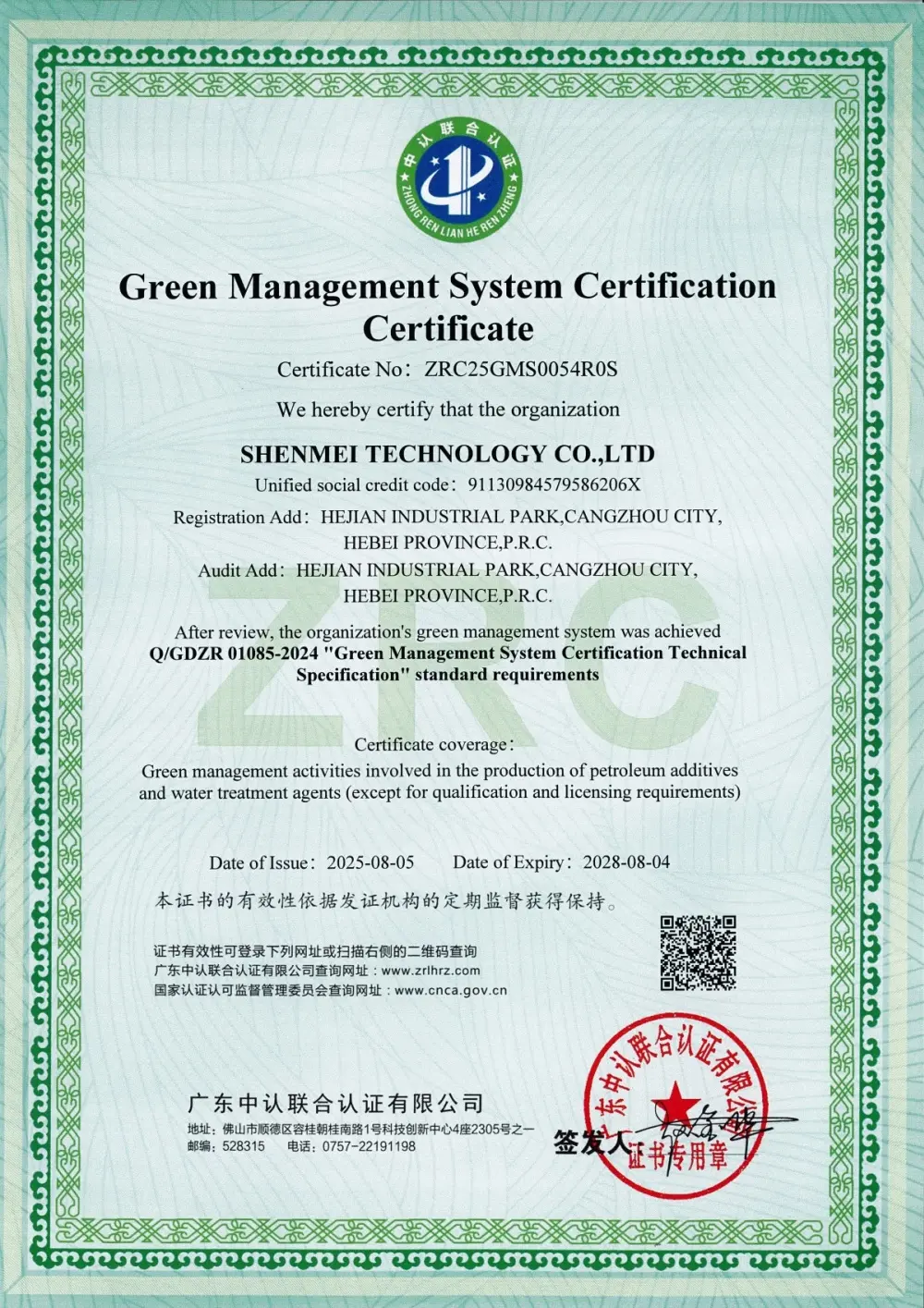
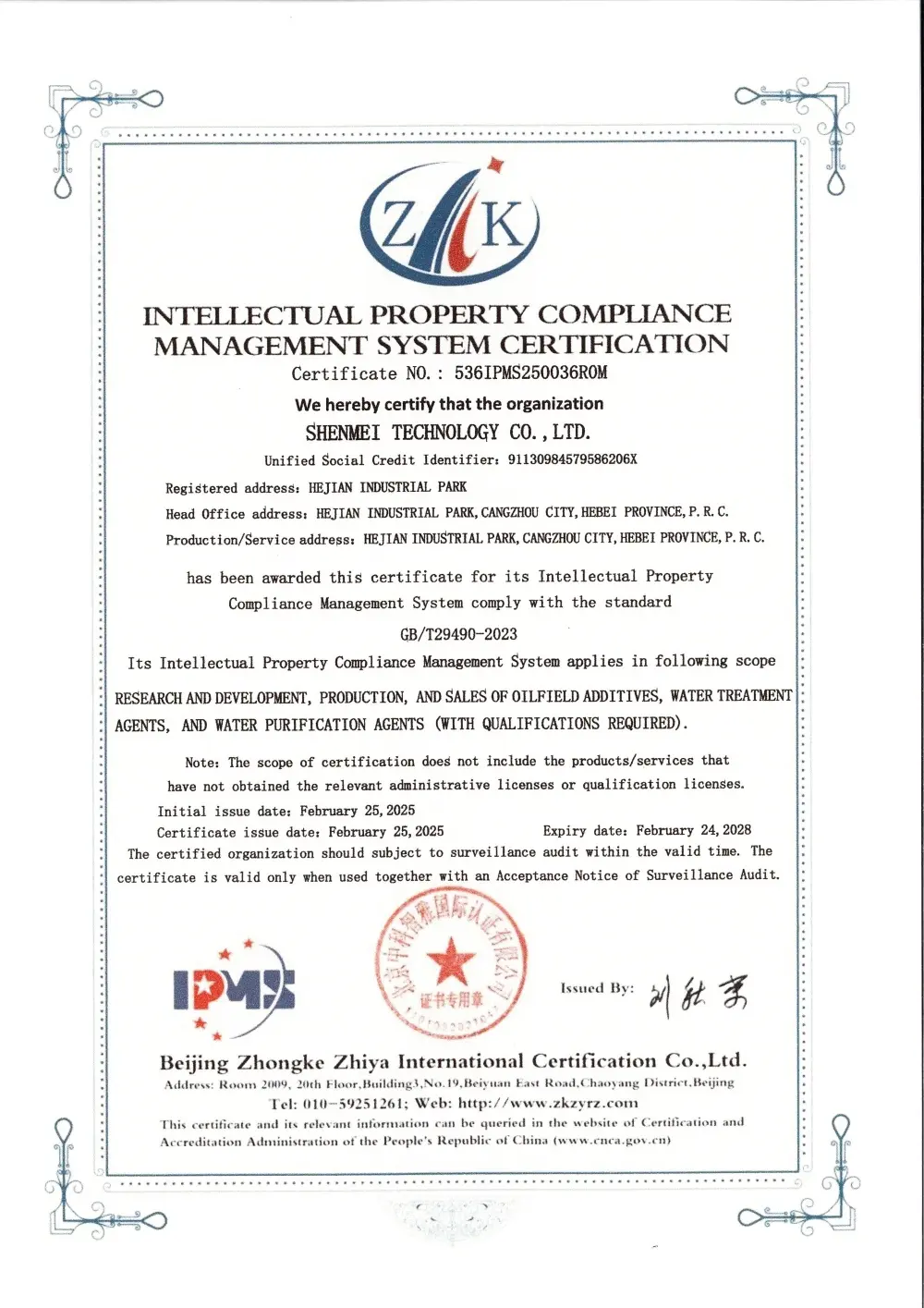
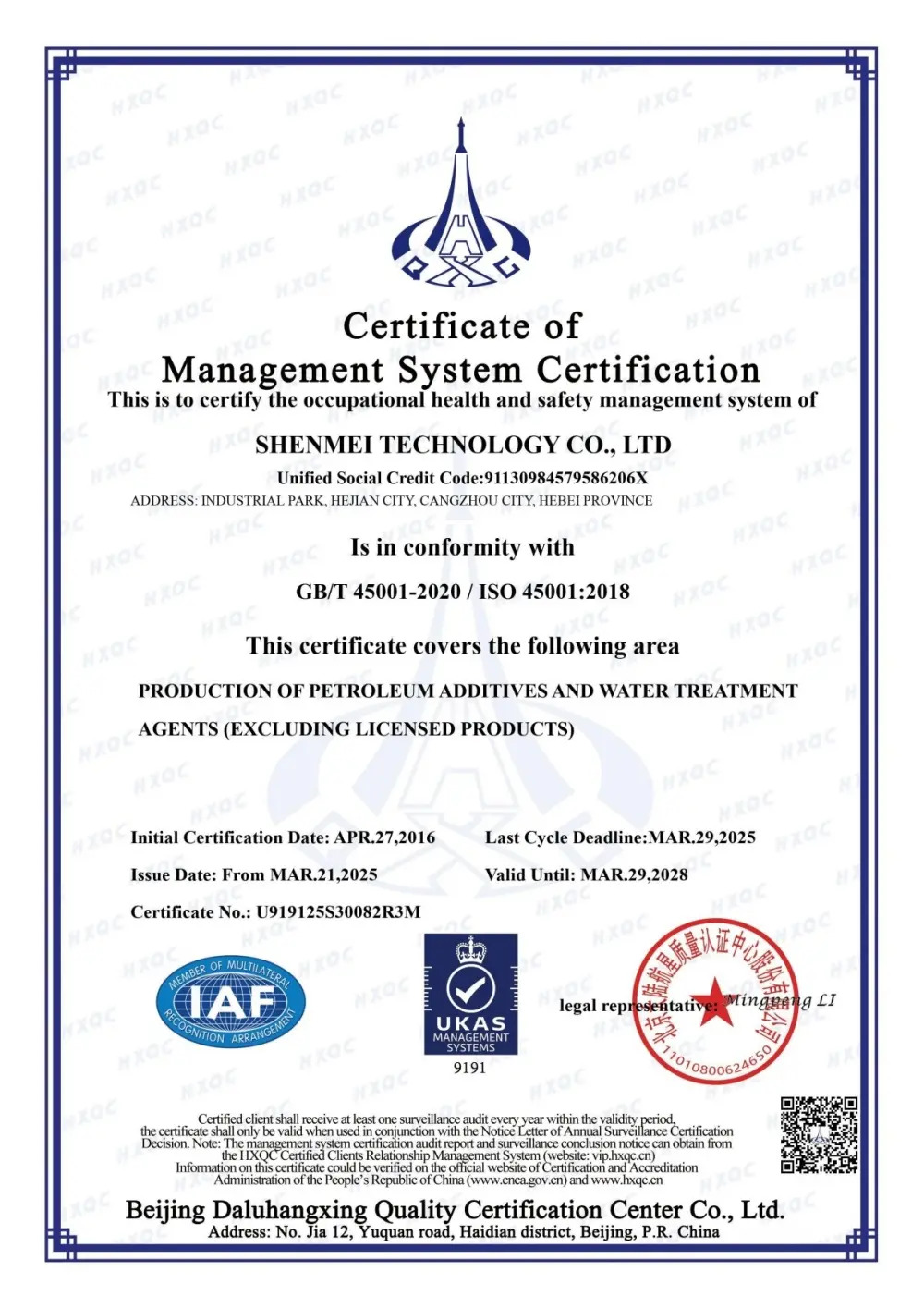
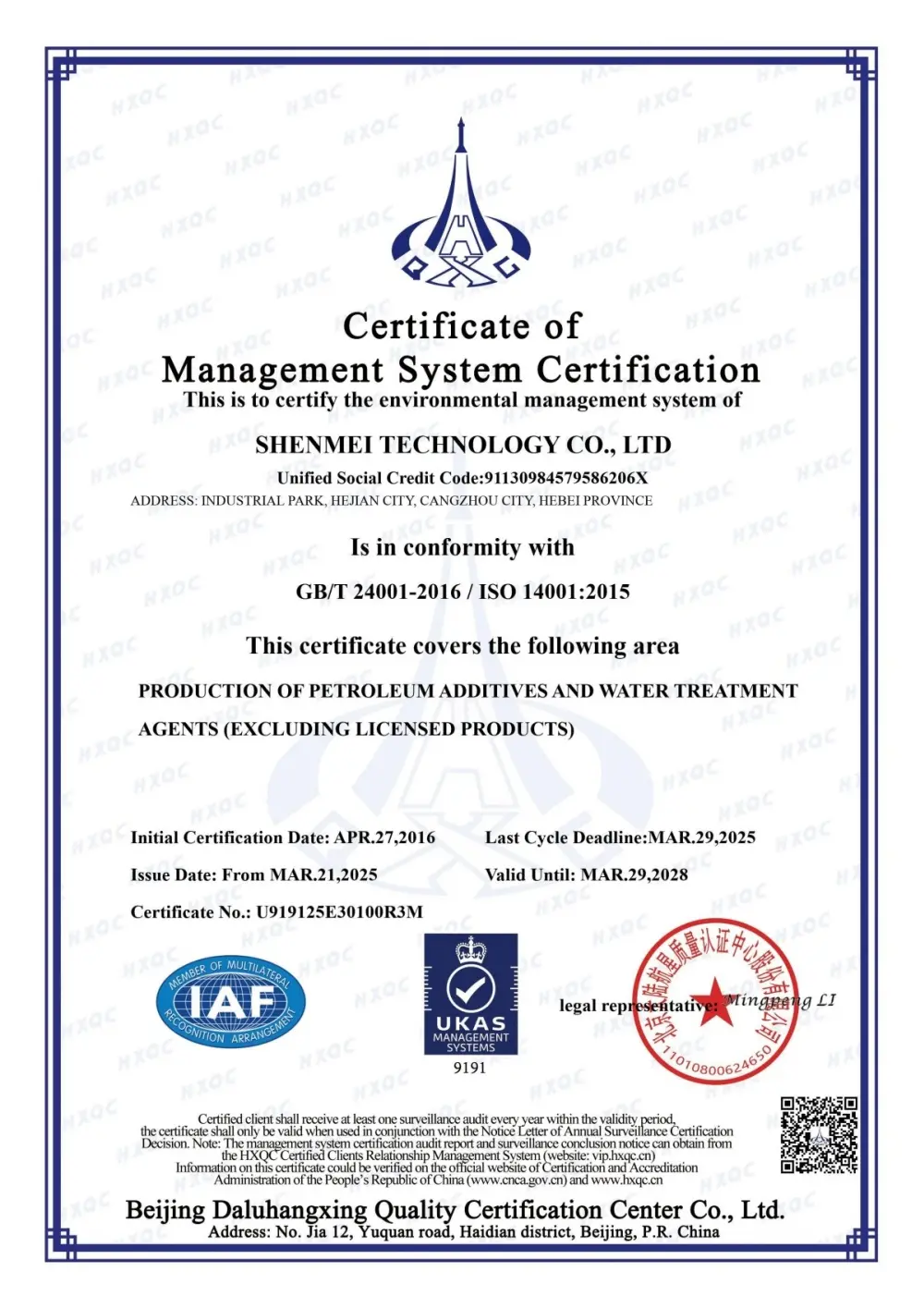
Ensuring comprehensive raw material audits and final release quality checks match ISO 9001 and ISO 14001 specifications.
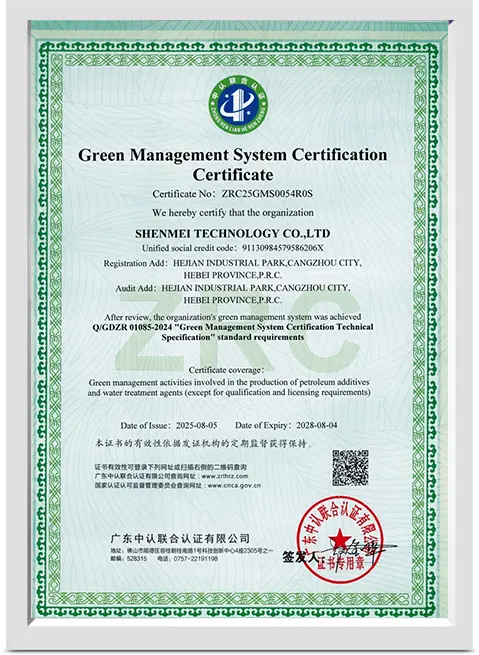
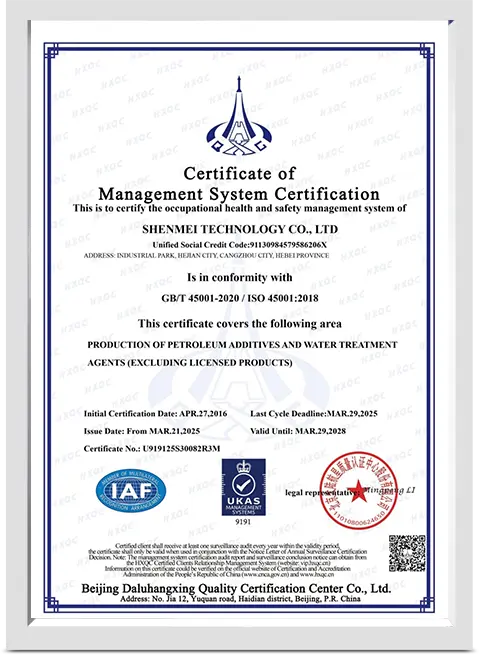
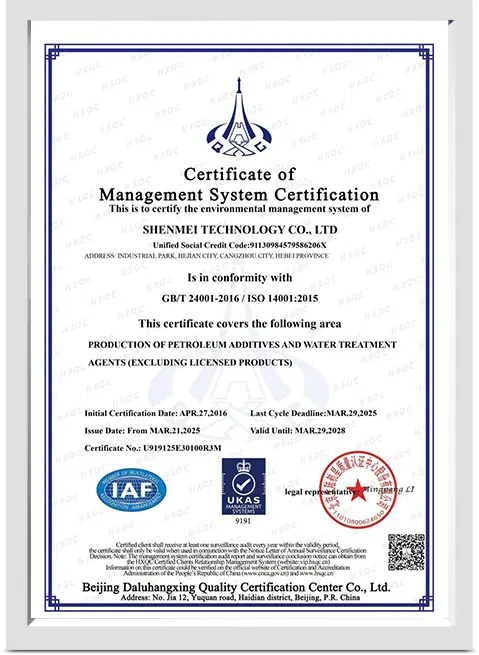
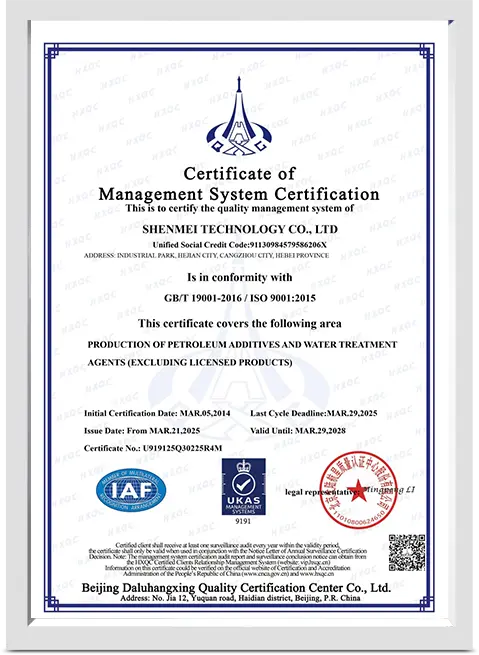
Industrial procurement managers responsible for large-scale municipal or manufacturing water treatment assets face a complex web of logistics, quality control, and regulatory compliance risks. Water treatment chemicals are not mere commodities; they are functional chemical tools designed to optimize biological assets. Slight variations in polymer molecular weight or metal monomer ratios in coagulants can trigger sludge bulking, toxic biological shocks, or compliance failure at outfalls.
To address these concerns, Smedic integrates a three-tier quality control protocol:
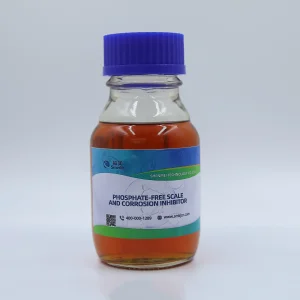
Additionally, the global shift toward green chemistry has driven the search for phosphate-free scale and corrosion inhibitors and biodegradable defoamers. Industrial cooling towers and secondary biological treatment units must prevent biological fouling without using phosphorus, which can cause toxic algal blooms if discharged into public waterways. Smedic’s specialized phosphate-free formulations provide excellent scale prevention while meeting strict zero-phosphorus discharge standards.
The biological viability of an activated sludge process depends on keeping a healthy food-to-microorganism (F/M) ratio and managing Sludge Retention Time (SRT). Yet, unexpected hydraulic surges, toxic shocks from chemical spills, and low ambient temperatures can disrupt this balance. To help operations recover, Smedic has developed a suite of macro-level chemical interventions:
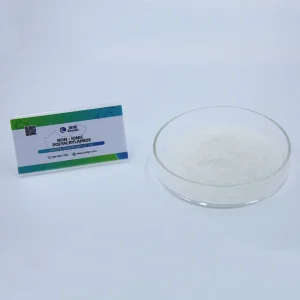
In cold-weather scenarios, autotrophic nitrifiers see a sharp drop in growth rates, leading to ammonia spikes in effluent. To maintain stable biological denitrification, plants must supplement their systems with an external carbon source. Smedic's high-purity solid sodium acetate and composite organic carbon sources provide a highly bioavailable substrate for heterotrophic denitrifiers (such as Pseudomonas and Paracoccus), helping operators meet strict nitrogen limits even during winter.
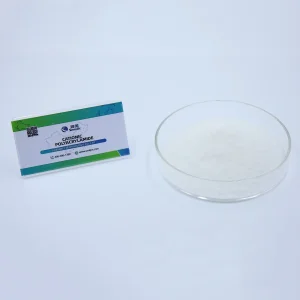
Sludge disposal costs can account for up to 50% of a treatment plant's total operating expenses. Increasing the dryness of the cake before disposal is critical. By using Smedic’s specialized high-charge Cationic Polyacrylamide (CPAM) polymers, operators can alter the hydrophilic nature of the sludge, releasing bound water from the cellular matrix. This improves dewatering efficiency in filter presses and decanter centrifuges, saving significant transport and landfill costs.
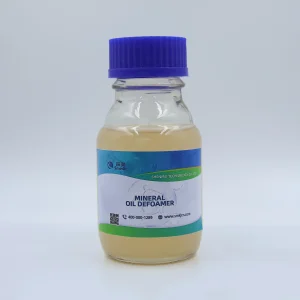
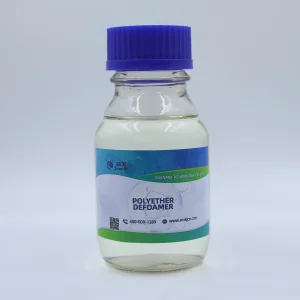
Biological foaming, often caused by filamentous bacteria like Microthrix parvicella, can form thick mats that spill out of aeration basins. This creates safety hazards and disrupts oxygen transfer. Smedic’s advanced polyether and organic silicone defoamers are designed to quickly break down stable biological foams without harming the active bacterial population, ensuring smooth operation.
As the global water sector moves toward energy self-sufficiency and resource recovery, Smedic is focusing its research on the next generation of water treatment chemistry. Our R&D roadmap centers on:
Direct answers from our research division regarding chemical application, biological stability, and activated sludge troubleshooting.
Explore our complete range of high-efficiency water purification agents designed for demanding industrial applications.
 Smedic Tech