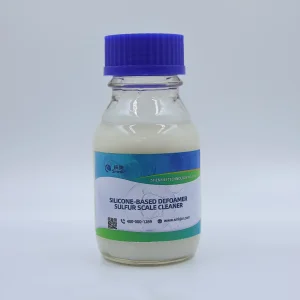
Premium environmental agents engineered for municipal sewage, industrial wastewater, oilfield reclamation, and specialized membrane system maintenance.
Industrial filtration relying on reverse osmosis (RO), nanofiltration (NF), and ultrafiltration (UF) systems constantly faces performance drops from persistent scaling and organic fouling. Biofilms, humic acids, oil emulsions, and silica nanoparticles collect on membrane surfaces, reducing permeate flow and raising operational energy needs.
"Effective membrane restoration requires targeting the organic matrix binding these scalants together. Our alkaline membrane cleaner formulations disrupt this organic binder layer, destabilizing scaling matrices for complete system recovery."
As a leading developer of water treatment chemicals, Smedic Technology designs high-performance alkaline cleaners. Our solutions work through saponification, emulsification, and chelation to break down fats, grease, biological matter, and organic compounds, returning membrane flux levels back to original specifications.
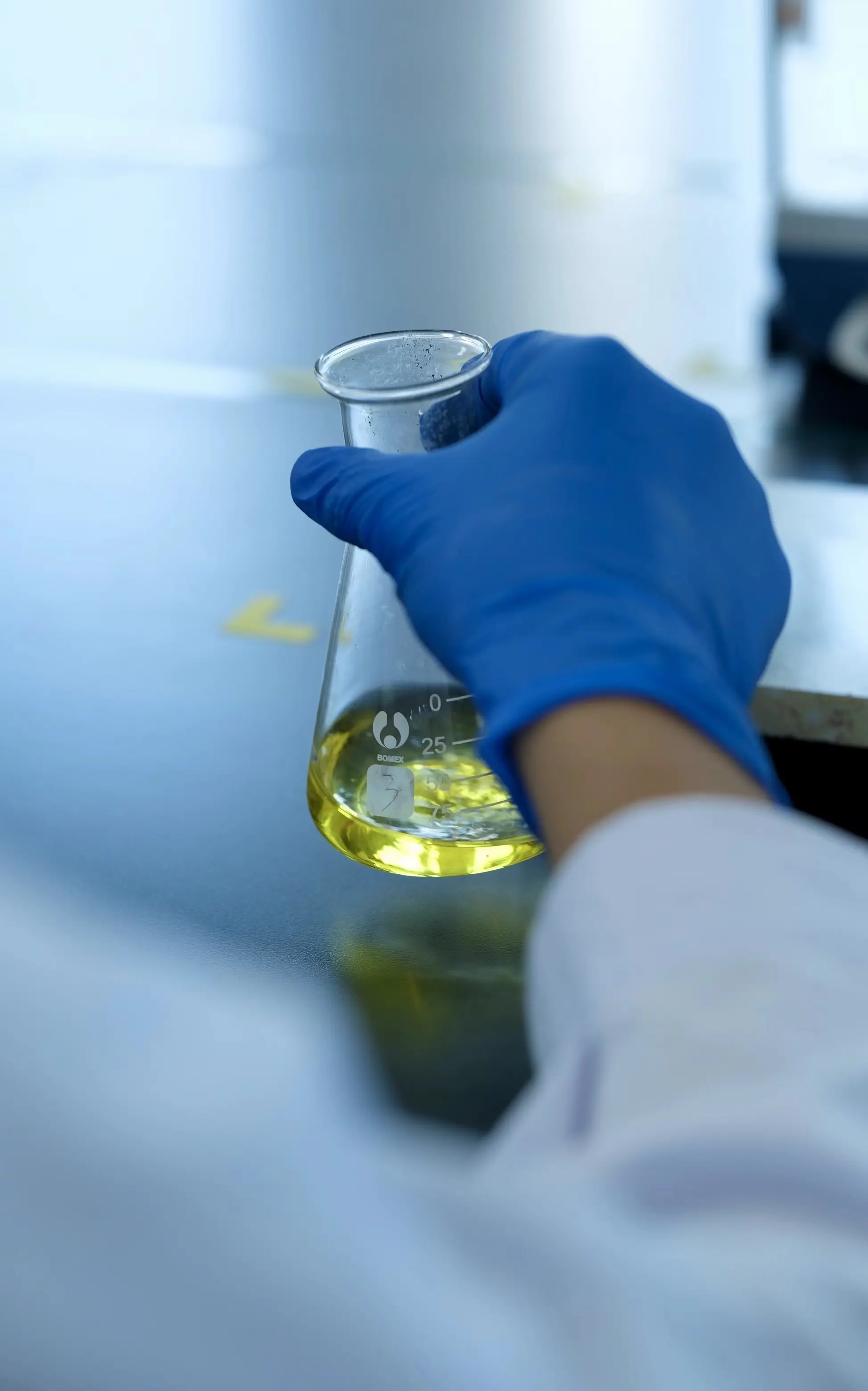
Industrial water recovery, seawater desalination, and Zero Liquid Discharge (ZLD) operations face evolving environmental and performance benchmarks.
As water scarcity escalates, industries must close their water loops. Effective, non-damaging membrane cleaners are essential to sustain high flux and high recovery ratios in advanced reuse installations.
Environmental standards restrict conventional phosphorus-based cleaning reagents. Modern manufacturing plants require biodegradable, phosphate-free cleaning agents that comply with local discharge regulations.
Shortened membrane lifespans and excessive downtime raise operational costs. Advanced alkaline cleaning programs restore membranes effectively to minimize replacement cycles and lower energy demand.
Custom chemical solutions adapted to diverse industrial wastewater conditions and regional system challenges.
Zero Liquid Discharge (ZLD) plants in Shanxi and Inner Mongolia process highly saline water rich in refractory organic compounds and dissolved silica. Our specialized alkaline formulations break up complex organic-silica complexes, preventing silica scaling and keeping reverse osmosis stages operational.
In refining centers along the eastern seaboard, hydrocarbon slip and oily foulants can coat wastewater membranes. Smedic's alkaline membrane cleaners use specialized surfactant systems to emulsify stubborn oil residues, returning membrane surfaces to their hydrophilic state without stripping active polyamide coatings.
Municipal bioreactors face heavy protein, polysaccharide, and extracellular polymeric substance (EPS) fouling. Periodic cleaning with our alkaline agents hydrolyzes these biological matrices, keeping transmembrane pressures (TMP) stable and maximizing plant output.
Established in 2011, Smedic Technology Co., Ltd. is a comprehensive environmental chemical solutions provider integrating R&D, manufacturing, distribution, and specialized field engineering services.
Our corporate headquarters is located in Beijing, with production bases located across Hebei, Guizhou, and Shanxi. Our distribution network includes over ten regional warehousing centers, enabling us to serve municipal sewage plants and industrial wastewater operations nationwide with rapid delivery times.
Our projects support more than 600 urban sewage treatment facilities and over 1,000 industrial end customers. Collectively, these operations process over 20 million tons of wastewater daily, making us a major provider of environmental chemicals in the domestic market.
Integrated manufacturing and localized sourcing ensure reliable delivery, stable pricing, and consistent chemical purity.
Our operations leverage close proximity to key domestic chemical production hubs. Direct access to primary reagents, chelating agents, and surfactants minimizes supply disruptions and stabilizes input costs.
With an annual capacity exceeding one million tons across our facilities, we accommodate high-volume industrial orders. Our processing setups scale run-sizes dynamically to match sudden increases in market demand.
Ten regional warehousing and logistics bases throughout China allow us to deploy chemicals quickly. These strategically placed facilities shorten transit times and reduce overall transport costs for industrial customers.
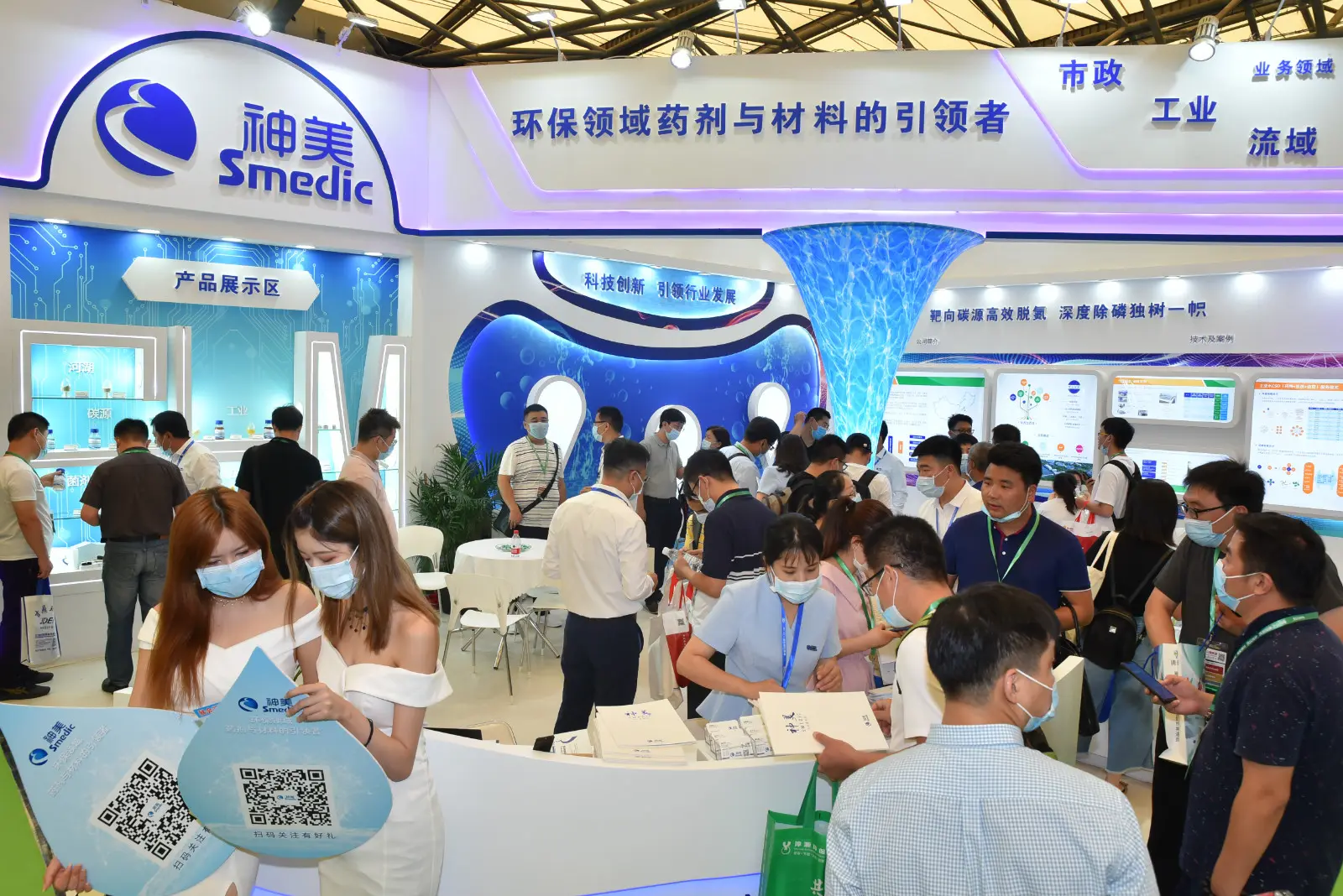
Smedic Technology is recognized as a National High-tech Enterprise and a National Specialized, Refined, Unique and Innovative "Little Giant" Enterprise. Our development infrastructure includes one primary academy, three research institutes, and five production bases, supporting translation from basic chemistry to industrial scale products.
Our research center holds designations as the Hebei Provincial Advanced Water Treatment Chemicals Technology Innovation Center and the Cangzhou Water Treatment Engineering Technology Research Center. We collaborate closely on product testing and optimization through joint laboratories and partnerships with institutions including Tsinghua University, Shandong University, Beijing University of Technology, Peking University, and Tianjin University.
Our patent portfolio contains over sixty Chinese patents, including forty invention patents and twenty utility model patents. We have also contributed to drafting ten national and industry standards for municipal and industrial water treatment agents, including composite carbon sources, coagulants, and sodium acetate.
Over a decade of development, scaling production, and advancing membrane chemistry innovations.
Developing eco-friendly, energy-efficient membrane restoration technologies for modern industry.
Our research focuses on replacing traditional EDTA and phosphate chelating agents with biodegradable options like GLDA and MGDA. These newer agents provide robust cleaning performance while meeting strict regional discharge limits.
Traditional membrane cleaning often requires heating wash water up to 40°C. Smedic is developing surfactant blends that clean effectively at ambient temperatures, helping operators reduce energy use during cleaning cycles.
We are integrating real-time system monitoring data with chemical cleaning plans. By analyzing flux decline trends, our approach optimizes cleaning intervals, preventing dense scale build-up and extending membrane life.
Effective membrane cleaning requires precise local adjustment. Our regional technical teams conduct on-site water analyses and membrane autopsies to identify specific foulants. Based on these findings, we customize cleaner concentrations, pH targets, and temperature settings for each installation.
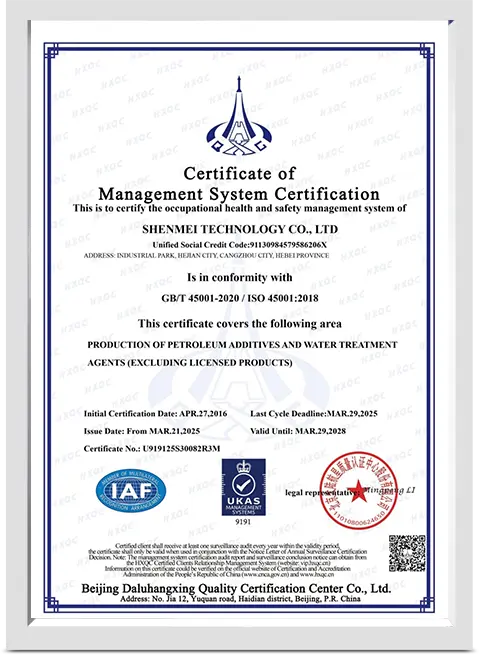
Smedic operations maintain ISO 9001, ISO 14001, and ISO 45001 certifications. We run rigorous Quality Control checks on all raw material inputs, in-process stages, and finished batches to ensure uniform chemical properties.
Our flat-sheet test loops simulate real-world clean-in-place (CIP) protocols. This testing verifies chemical performance and membrane compatibility before full-scale onsite applications, ensuring safe and effective system recovery.
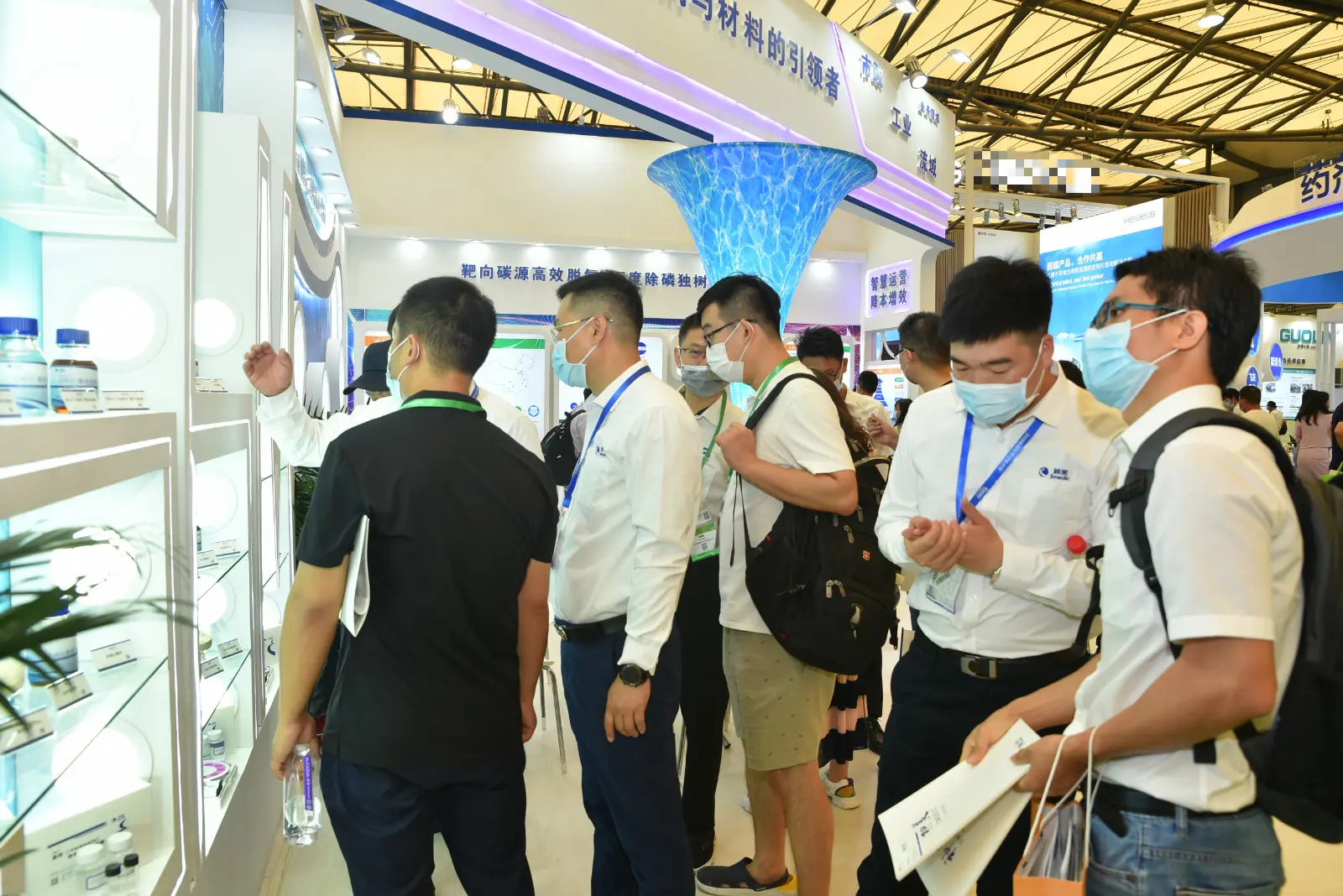
Collaborating with national water groups and industrial customers to support daily processing of over 20 million tons of wastewater.
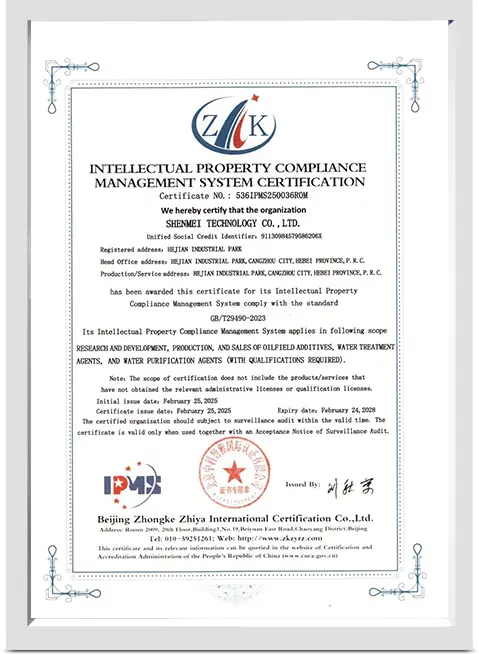
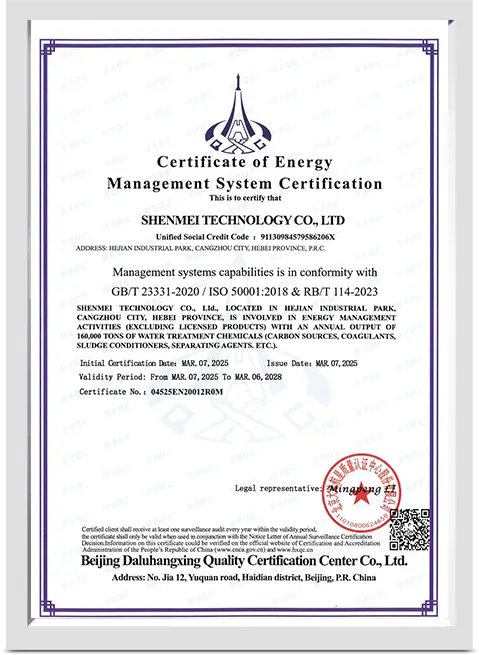
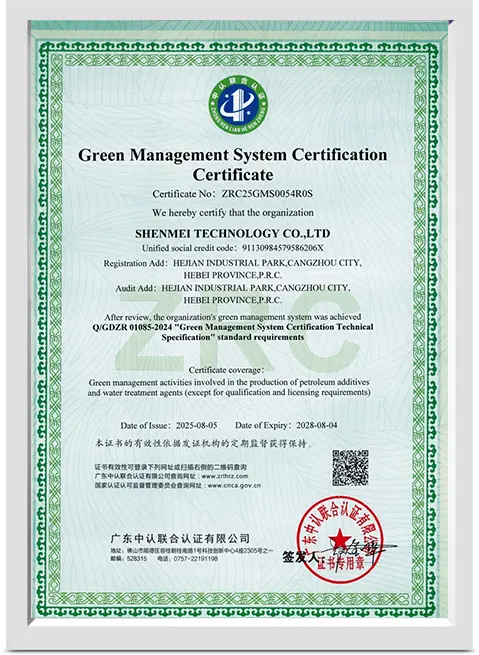
Smedic Technology maintains strategic partnerships with major environmental groups, including Shouchuang Ecological and Environmental Group, Yangtze River Ecological and Environmental Group, Beijing Enterprises Water Group, OriginWater, and China Water Environment Group.
Technical guidance on using alkaline membrane cleaners, optimizing system restoration, and maintaining membrane compatibility.
Complementary water treatment solutions, including scale inhibitors, defoamers, and advanced coagulants.
 Smedic Tech