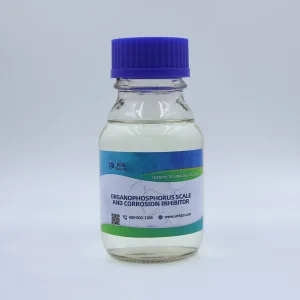
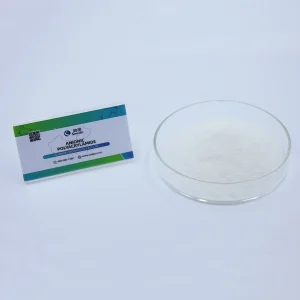
Explore our foundational range of performance-engineered chemical products designed for precise coagulation, scale inhibition, and wastewater remediation.
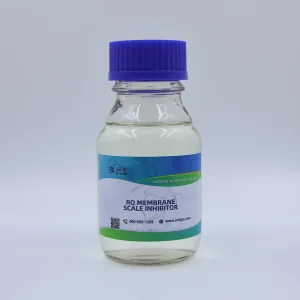
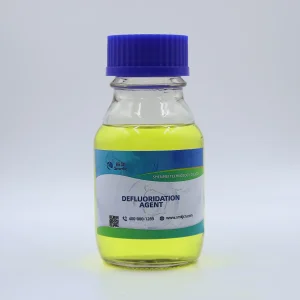
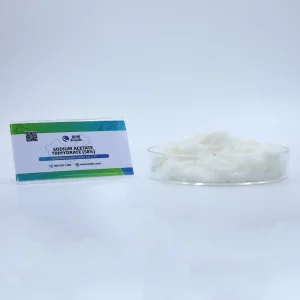
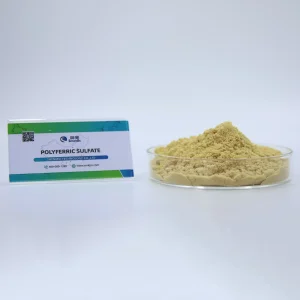
In modern municipal and industrial wastewater engineering, the removal of suspended solids, organic carbon, and metallic particulates represents the frontline of ecological defense. Among the array of primary coagulants, alum (aluminum sulfate) and its advanced polymeric derivatives—such as Polyaluminum Chloride (PAC)—remain the industry standard for charge neutralization and sweep flocculation.
When dissolved in water, alum undergoes rapid hydrolysis, forming a sequence of positively charged monomeric, oligomeric, and polymeric aluminum species. These species interact dynamically with negatively charged colloidal pollutants (measured via Zeta Potential). By neutralizing this surface charge, the electrostatic repulsion between particles is minimized, facilitating micro-floc formation. Under optimal pH parameters, excess aluminum precipitates as aluminum hydroxide [$Al(OH)_3$], which forms a dense, gelatinous matrix that physically entraps suspended particulates. This dual mechanism—charge neutralization and sweep flocculation—makes alum-based chemistry highly effective across various water quality frameworks.
Established in 2011, Smedic Technology is a comprehensive solution provider specializing in environmental protection agents. We integrate R&D, production, sales, and specialized technical services to deliver customized chemical solutions across municipal sewage, industrial wastewater, tap water purification, mineral processing, and oilfield extraction sectors. With a product portfolio spanning over 80 environmental agents and an annual production capacity exceeding 1 million tons, Smedic is a key player in the high-end environmental chemicals segment.
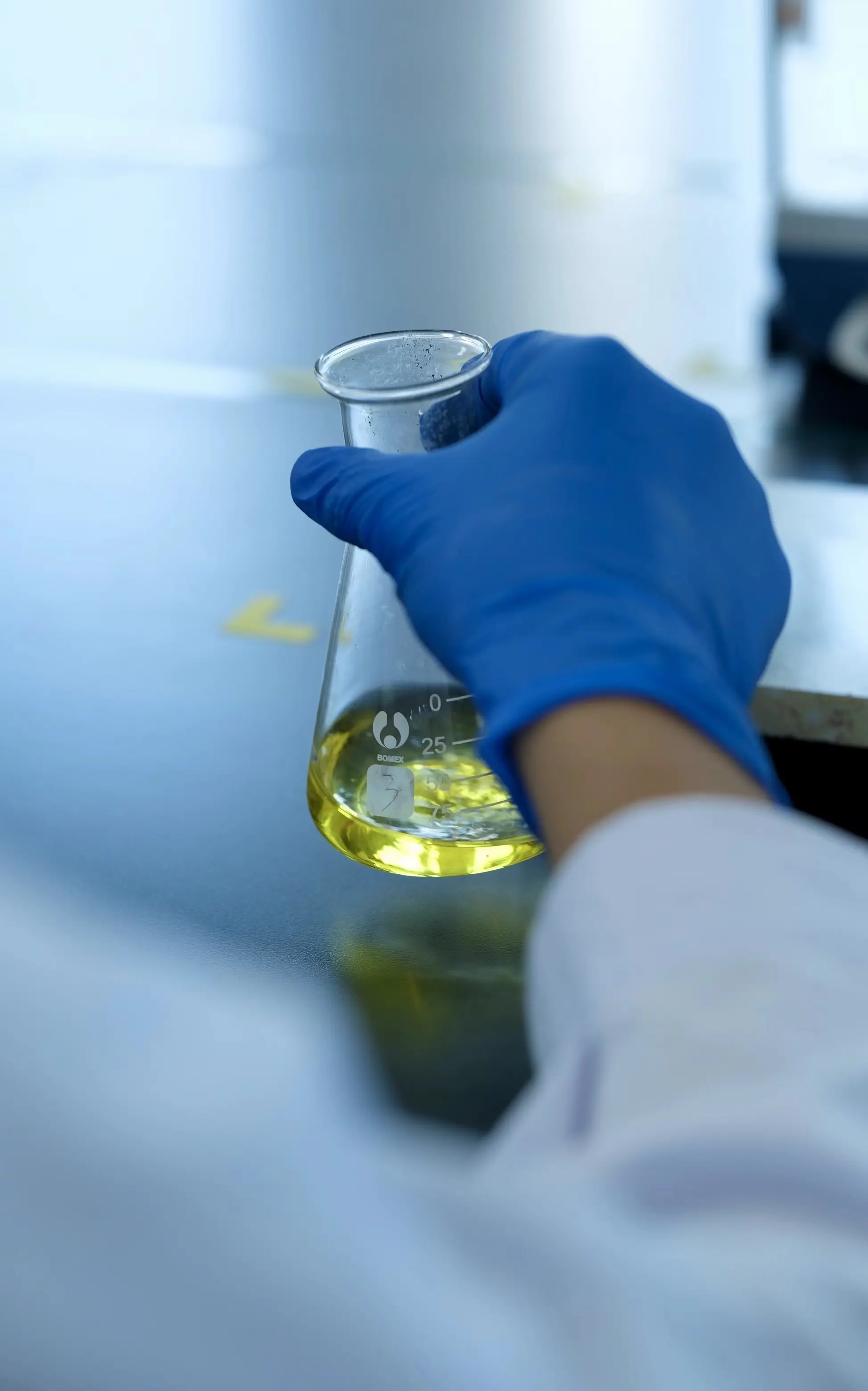
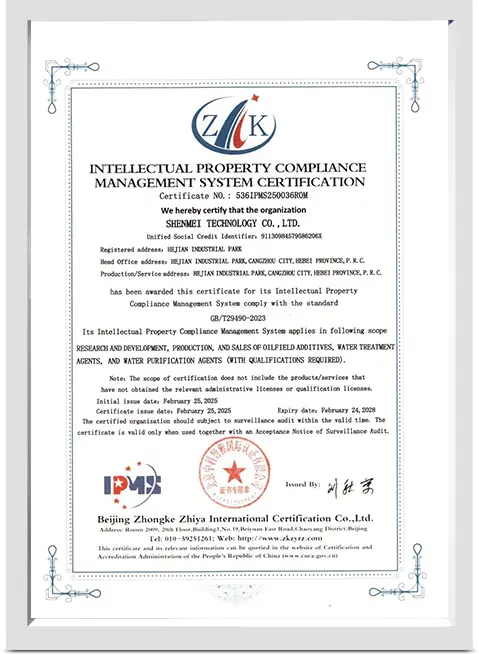
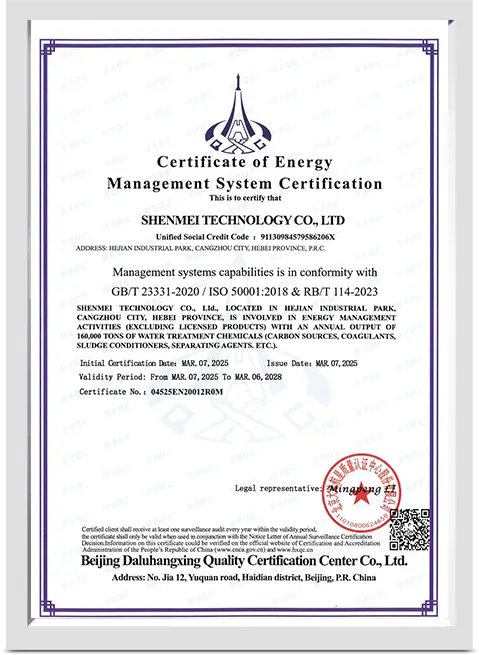
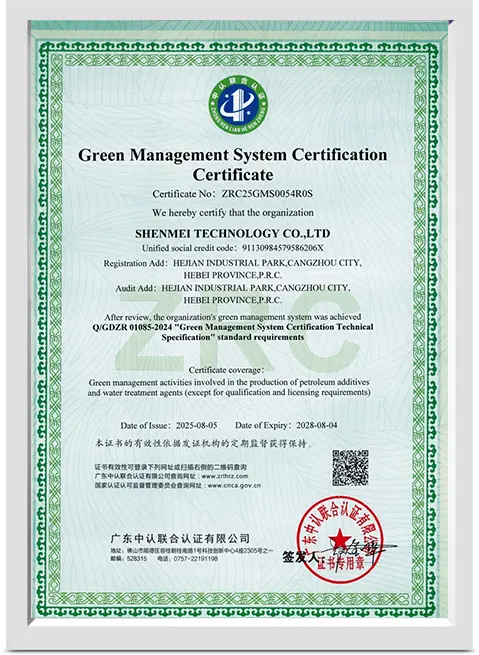
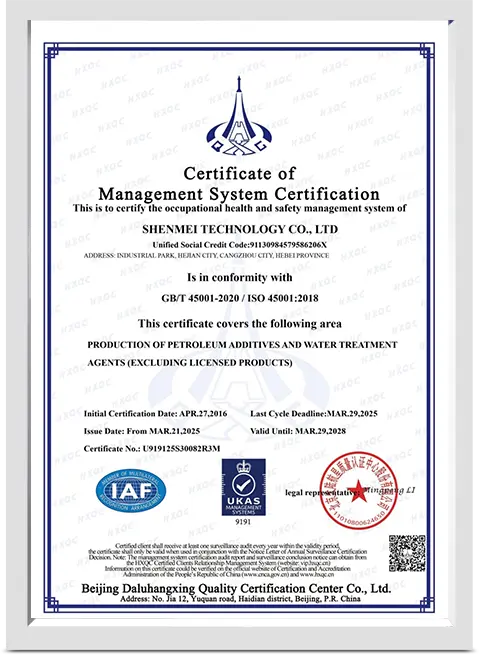
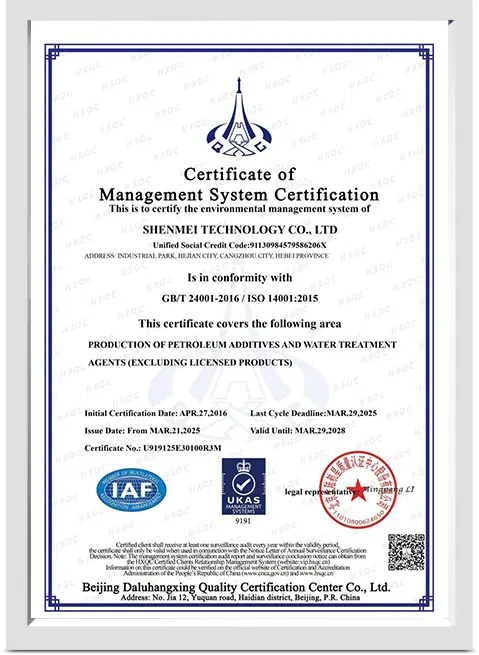
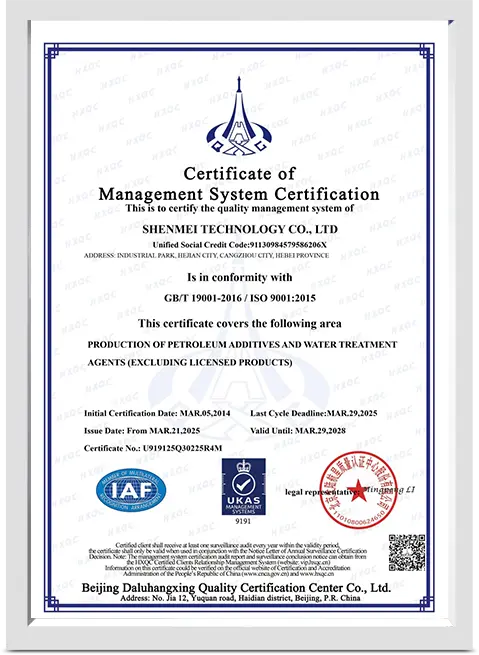
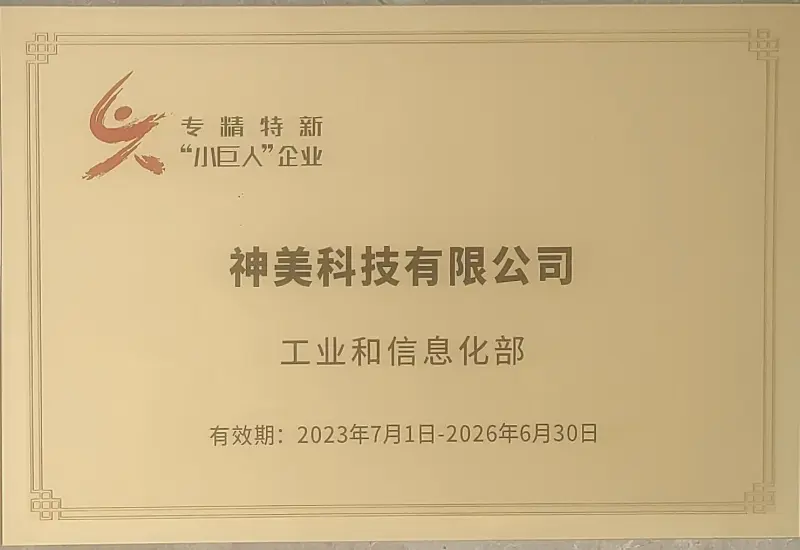
Our commitment to R&D is supported by academic collaborations and state-level recognition. Smedic holds designations as a National High-tech Enterprise, a National Specialized "Little Giant" Enterprise, and a Hebei Province Green Factory.
Our engineering ecosystem features one academy, three research institutes, and five specialized bases, and is backed by academic workstations established alongside Tsinghua University and joint laboratories with Beijing University of Technology and Shandong University.
Year of Establishment
Environmental Protection Agents
Annual Production Capacity
Daily Water Treatment Capacity
Key drivers shaping the global procurement landscape for high-performance coagulants and wastewater treatment chemicals.
Global EPC contractors and municipal water utility groups prioritize chemical consistency and regulatory compliance. Heavy-industry operators seek coagulants and flocculants with low residual metal footprints, high solubility indexes, and certified ecological compatibility (such as NSF/ANSI 60 certification).
Smedic leverages advanced automated synthesis control systems to maintain tight control over basicity and active alumina ($Al_2O_3$) content. This manufacturing approach ensures batch-to-batch consistency and helps mitigate raw material price volatility, supporting reliable global supply chains.
Faced with stricter limits on phosphorus discharge and COD levels, industrial operators require high-efficiency options like Polyferric Sulfate (PFS) and organic-inorganic hybrid flocculants. These compounds target heavy metals and complex organo-phosphorus structures with high operational efficiency.
Our comprehensive logistics network and production facilities are structured to support industrial scale demands across major manufacturing corridors.
Headquartered in Beijing, Smedic operates wholly-owned production bases in Hebei, Guizhou, and Shanxi, alongside more than ten OEM partner factories and regional warehousing hubs across Shandong, Shanxi, Anhui, Guangxi, and Sichuan. This network covers over 20 Chinese provinces, serving more than 600 urban sewage treatment plants and over 1,000 industrial end customers.
Our combined project operations manage a total wastewater treatment volume exceeding 20 million tons per day. Our production capability is backed by a robust intellectual property portfolio, including over 60 patents (more than 40 invention patents) and contributions to drafting ten national and industry standards for chemical agents.
A timeline of our development from a regional chemical supplier to an industry participant in environmental agent research and production.
Smedic Technology Co., Ltd. was established, initiating core R&D into wastewater treatment coagulants.
Developed a complete portfolio of environmental chemicals tailored for municipal municipal sewage systems.
Established our Guiyang water treatment chemicals production base, expanding service coverage in southwest China.
Expanded facilities in Hebei, Shandong, and Guizhou, pushing total annual production capacity past 1 million tons.
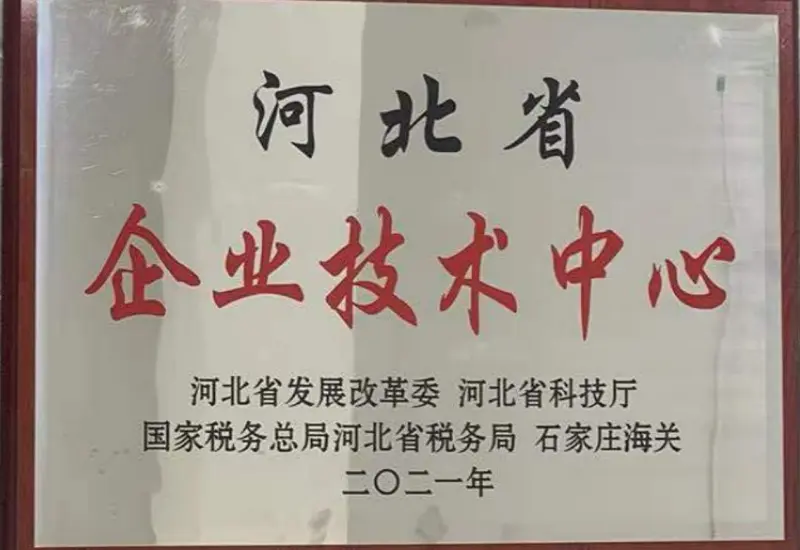
Established our Hebei provincial-level technology center to accelerate custom chemical development.
Formed a joint venture with the Chengdu Institute of Mineral Comprehensive Utilization, China Geological Survey, to develop specialized mineral processing agents.
Our operations are guided by rigorous industry compliance, extensive patent filings, and long-term partnerships with major environmental groups.
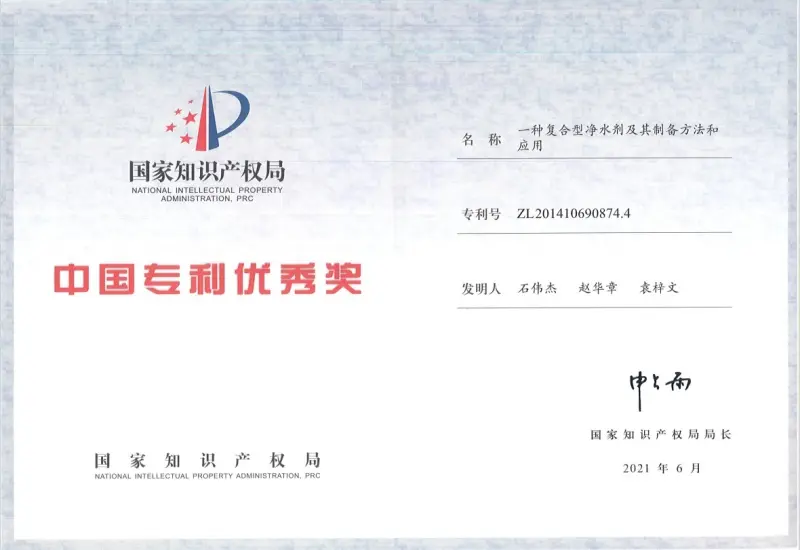
Our bio-enhanced denitrification carbon sources and deep multi-nuclear phosphorus removal agents have been evaluated as "internationally advanced" by the Science and Technology Department of Hebei Province. Smedic's "Inorganic-Organic Covalent Bond Flocculant" received the 22nd China Patent Award and First Prize for Technological Invention from the China Petrochemical Industry Association.
We maintain active supply partnerships with key municipal entities, including Shouchuang Ecological and Environmental Group, Beijing Enterprises Water Group, and China Water Environment Group. These relationships are backed by ISO-compliant quality assurance protocols spanning raw materials inspection to final product release testing.

How Smedic agents solve complex chemical challenges across diverse water treatment environments.
Urban plants facing strict total phosphorus (TP) and total nitrogen (TN) limits use our high-efficiency Polyferric Sulfate (PFS) for chemical phosphorus removal, paired with Smedic solid sodium acetate to supply rapid-source carbon for denitrification stages.
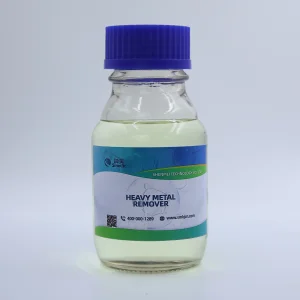
Our custom mineral processing and heavy metal removal agents are designed to target and settle complex ionic fractions from ore-washing systems, stabilizing operations against changing feed characteristics.
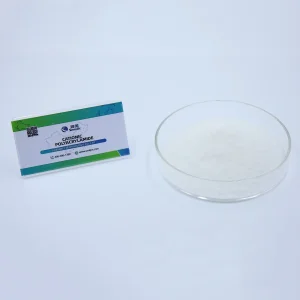
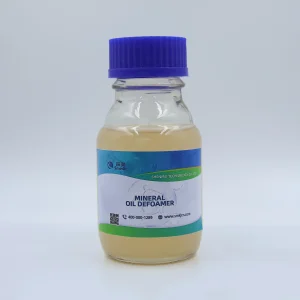
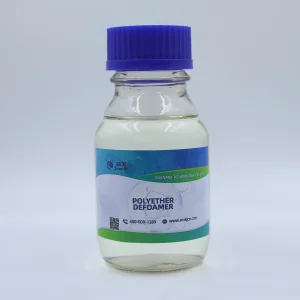
Drilling and production fluids leverage our specialized cationic polyacrylamides (CPAM) and polyether defoamers to destabilize emulsion layers, facilitating faster oil-water separation and lowering overall COD loads.
Technical guidance and answers to common inquiries regarding water treatment chemicals and coagulation control.
Explore our high-molecular-weight polymers, defoamers, and specialized heavy metal removal agents designed to optimize system performance.
 Smedic Tech