Engineered to optimize biological filter load, prevent microbial shock, and maximize chemical-filtration synergies.
Global industrial water security has shifted from reactive end-of-pipe purification to proactive, integrated bio-catalytic systems. Biofiltration stands at the center of this paradigm shift. Utilizing microbial consortia structured on specialized carrier matrices, modern biofiltration systems degrade trace organics, remove excess nutrients (specifically nitrogen and phosphorus), and minimize secondary sludge yield. However, maintaining the biological efficiency of autotrophic nitrifying bacteria and heterotrophic denitrifying bacteria requires a meticulous biological-chemical equilibrium.
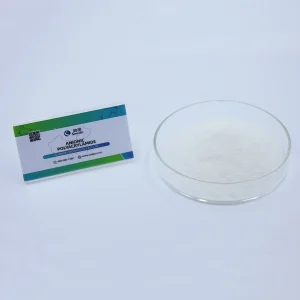
Without high-precision flocculants like Anionic Polyacrylamide (APAM) or nutrient control reagents such as pure Sodium Acetate, biofiltration beds face high-risk issues including particulate pore plugging, biological media channelization, and carbon-source depletion. As global industrial processes move towards Zero Liquid Discharge (ZLD) schemes, the integration of advanced polymers and precision coagulants within Biofiltration processes acts as a fundamental safeguard, optimizing overall hydraulic retention times and enhancing effluent biological purity.
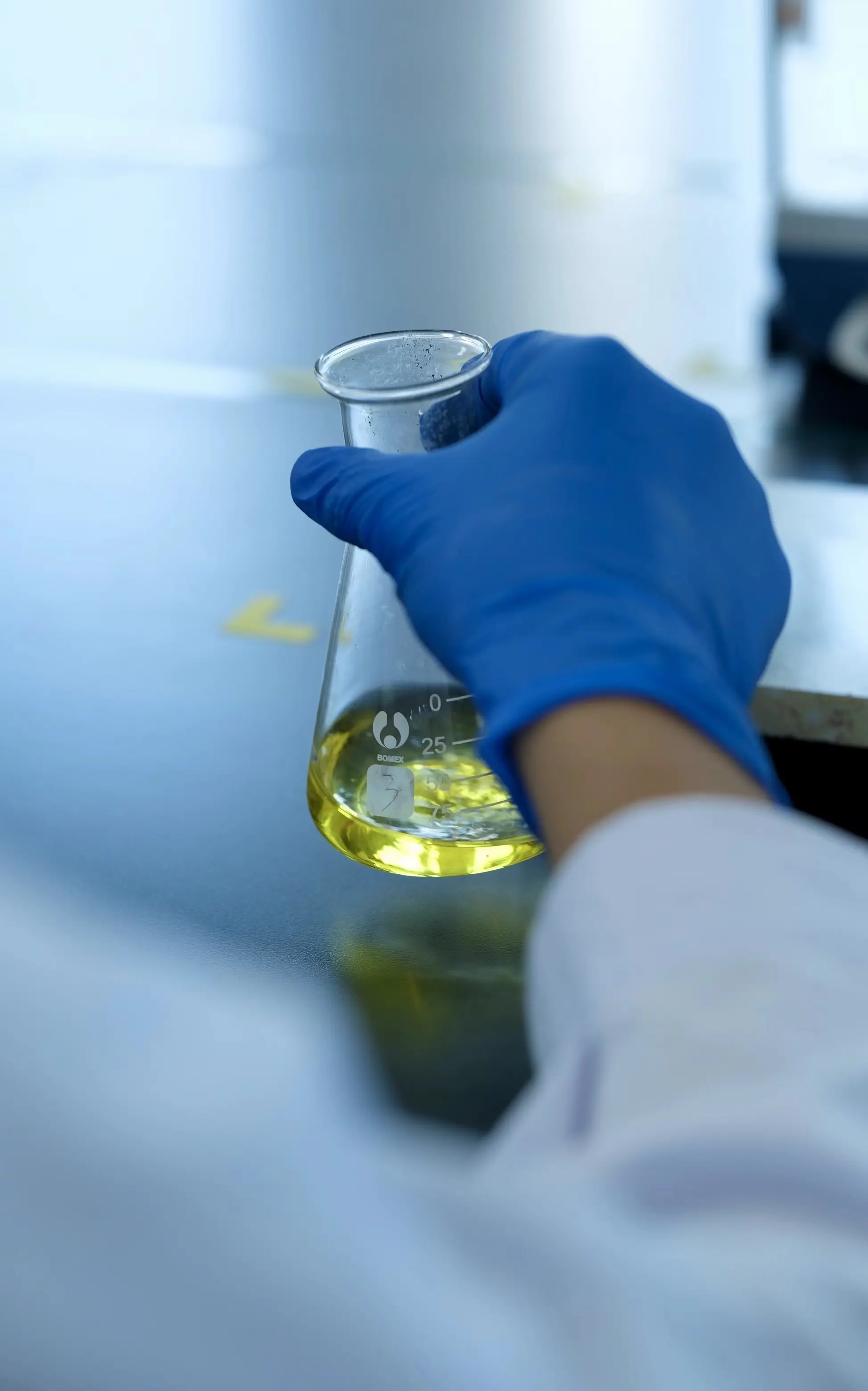
A comprehensive environmental solution provider integrating advanced R&D, national academic workstations, and large-scale, automated manufacturing infrastructure.
How automation, precision dosing research, and raw material positioning protect international procurement structures.
By upgrading to fully digitalized synthesis reactors and automated milling systems, our factories minimize batch variances. Every ton of pure solid sodium acetate and polyacrylamide complies with strict international QA protocols, eliminating impurities that could shock biological filters.
Operating dedicated warehousing facilities in Shandong, Shanxi, Anhui, Guangxi, and Sichuan permits high-speed freight forwarding. International shipments are optimized through major marine terminals, bypassing domestic logistics blockades and delivering rapid cross-border supply fulfillment.
With an annual capacity exceeding 1 million tons, Smedic absorbs raw material market shifts, guaranteeing stable pricing structures. In an era of volatile freight rates, our diverse domestic mineral and chemical bases provide resilient, long-term procurement assurances.
Biofiltration water treatment operates on a fundamental mechanical truth: biological systems require a physical and chemical environment optimized for microbial survival. Raw effluent, loaded with suspended solids, erratic organic fractions, heavy metals, and scaling compounds, presents an intensely hostile environment to biofiltration carriers. This section evaluates how Smedic’s specialized product range works systematically to optimize biological performance.
High concentration of Total Suspended Solids (TSS) is the leading cause of biofilter clogging and head loss in Biological Aerated Filters (BAF). Smedic Premium Anionic Polyacrylamide (APAM) and Cationic Polyacrylamide (CPAM) act as key pre-treatment components. APAM operates through high-molecular-weight polymer bridging, binding negatively charged inorganic particulates into massive flocs that settle rapidly. By introducing targeted dosing of APAM and inorganic coagulants (such as Polyferric Sulfate - PFS), operators can reduce incoming organic loading (BOD5) and TSS by up to 85% before the water contacts the biofiltration bed, saving backwash energy and maintaining high biofilm structural viability.
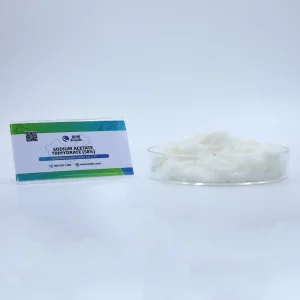
Heterotrophic denitrifying microbes require a readily biodegradable carbon source to convert nitrate (NO3-) into gaseous nitrogen (N2). In many industrial wastewater plants, the raw C:N ratio is insufficient, causing denitrification rates to stall. Smedic Pure Solid Sodium Acetate serves as an elite external carbon source. Unlike methanol, which is highly toxic and presents slow kinetics at cold temperatures, sodium acetate is instantly metabolized. Our ultra-pure compound ensures rapid denitrification rates, zero residual COD addition to the final effluent, and stable pH conditions, maintaining optimal microbial respiration inside the biofilter media.
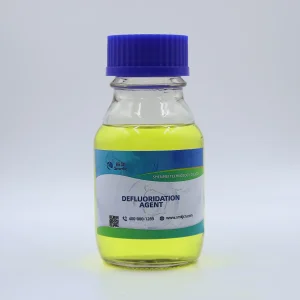
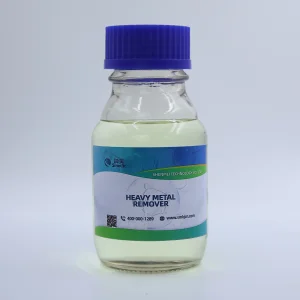
Microorganisms responsible for nitrification and denitrification are highly sensitive to chemical toxicity. Soluble heavy metals (such as Lead, Cadmium, and Nickel) and excess fluorides act as enzymatic inhibitors, destroying the biological activity of the biofilter. Smedic's Fluoride Removal Agent and Powerful Heavy Metal Removal Agent precipitate these pollutants at the pre-treatment stage. Through advanced coordination chemistry, these agents bind trace metals into stable, insoluble complexes, ensuring that the water entering the biofilter remains free from heavy metal shock.
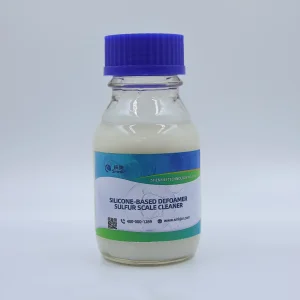
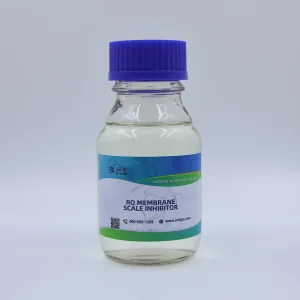
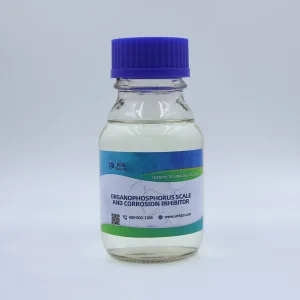
Industrial reuse networks are subject to scale formations that block biofilter distribution nozzles and coat carrier matrices, preventing biofilm formation. Our RO Membrane Scale Inhibitor and Organophosphorus Scale and Corrosion Inhibitors maintain mineral solubility, preserving the functional surface area of carriers. Concurrently, aeration within biological chambers can lead to severe foam accumulation. Smedic Organic Silicone Defoamers and Polyether agents act directly on the liquid-gas interface, rupturing foam bubbles instantly without altering oxygen transfer rates or introducing toxic elements to the biological consortia.
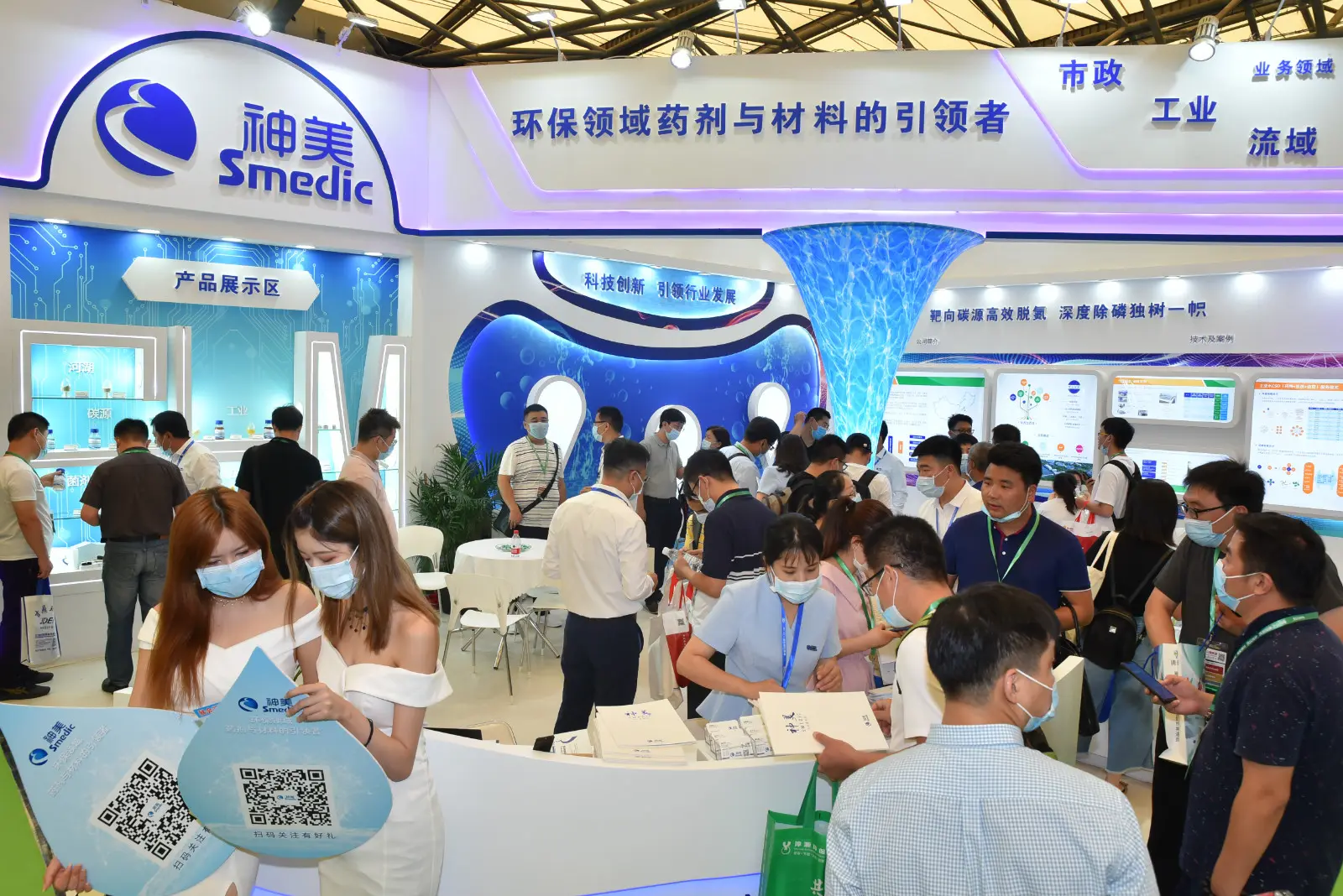
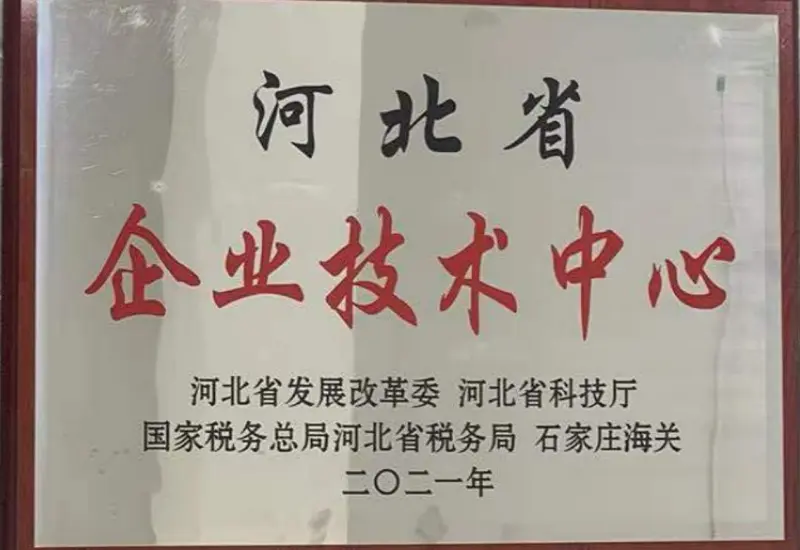
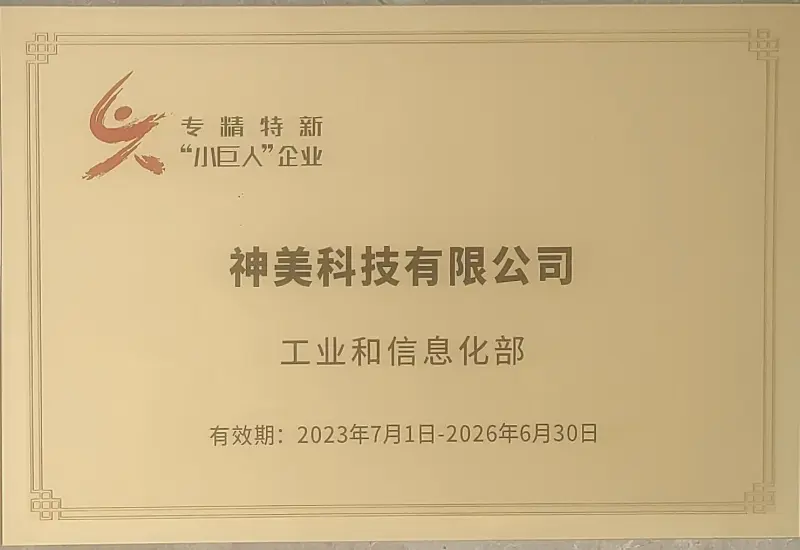
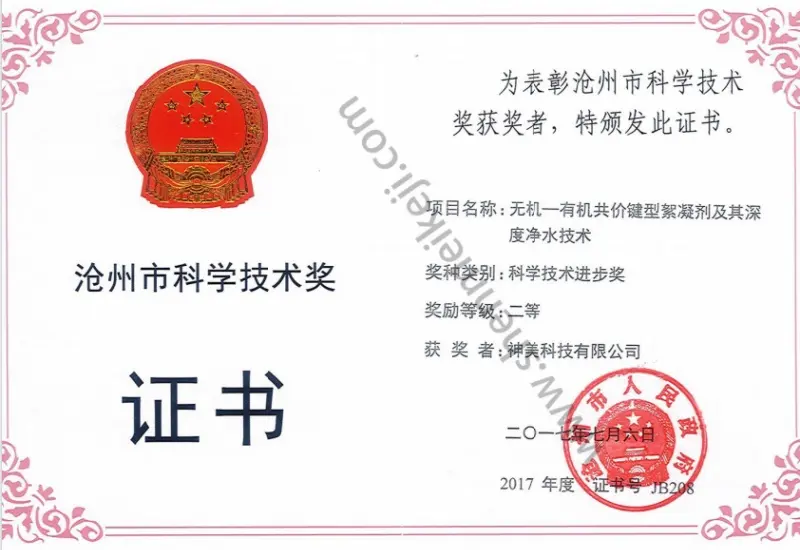
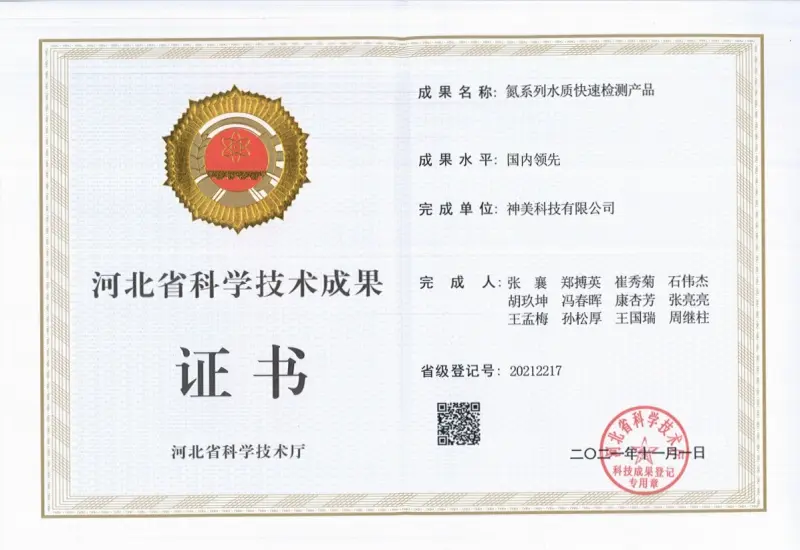
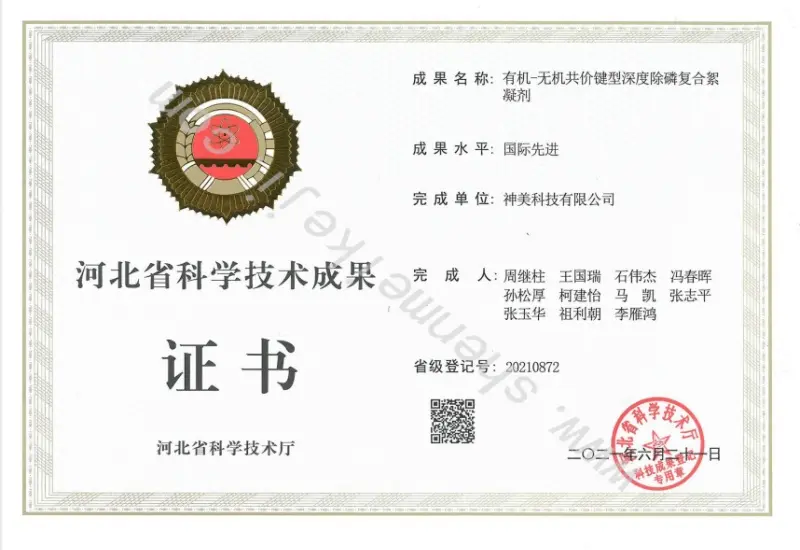
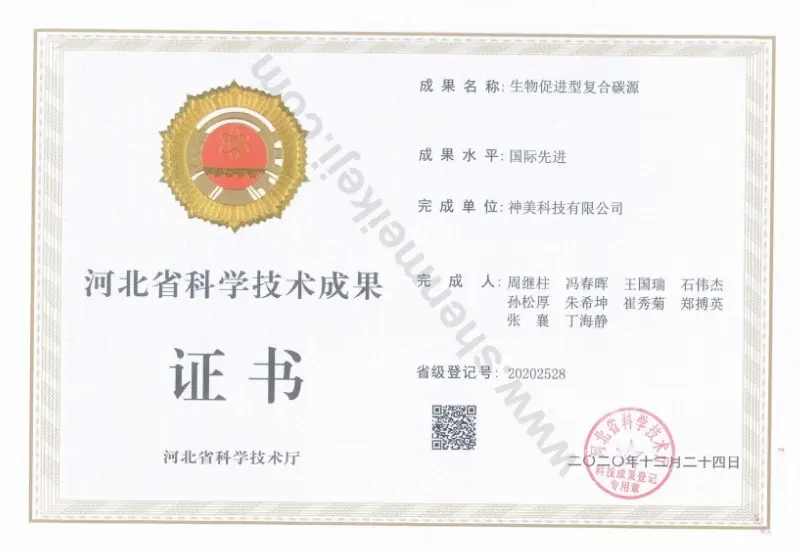
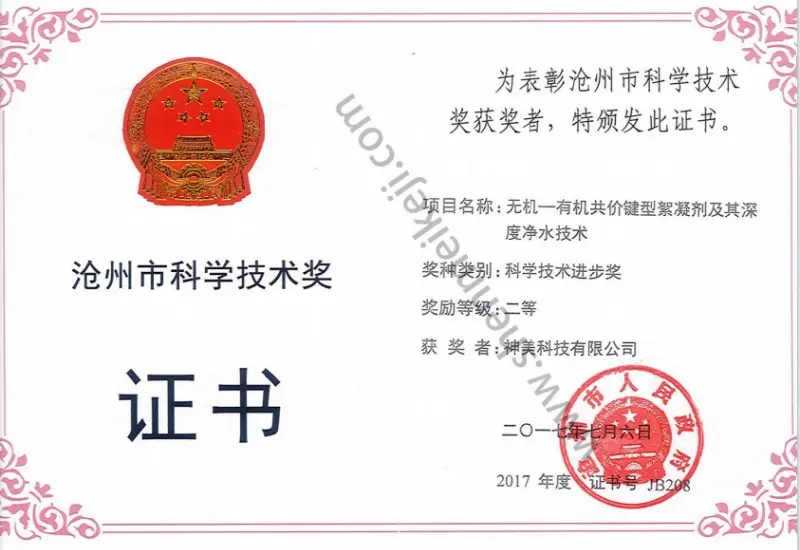
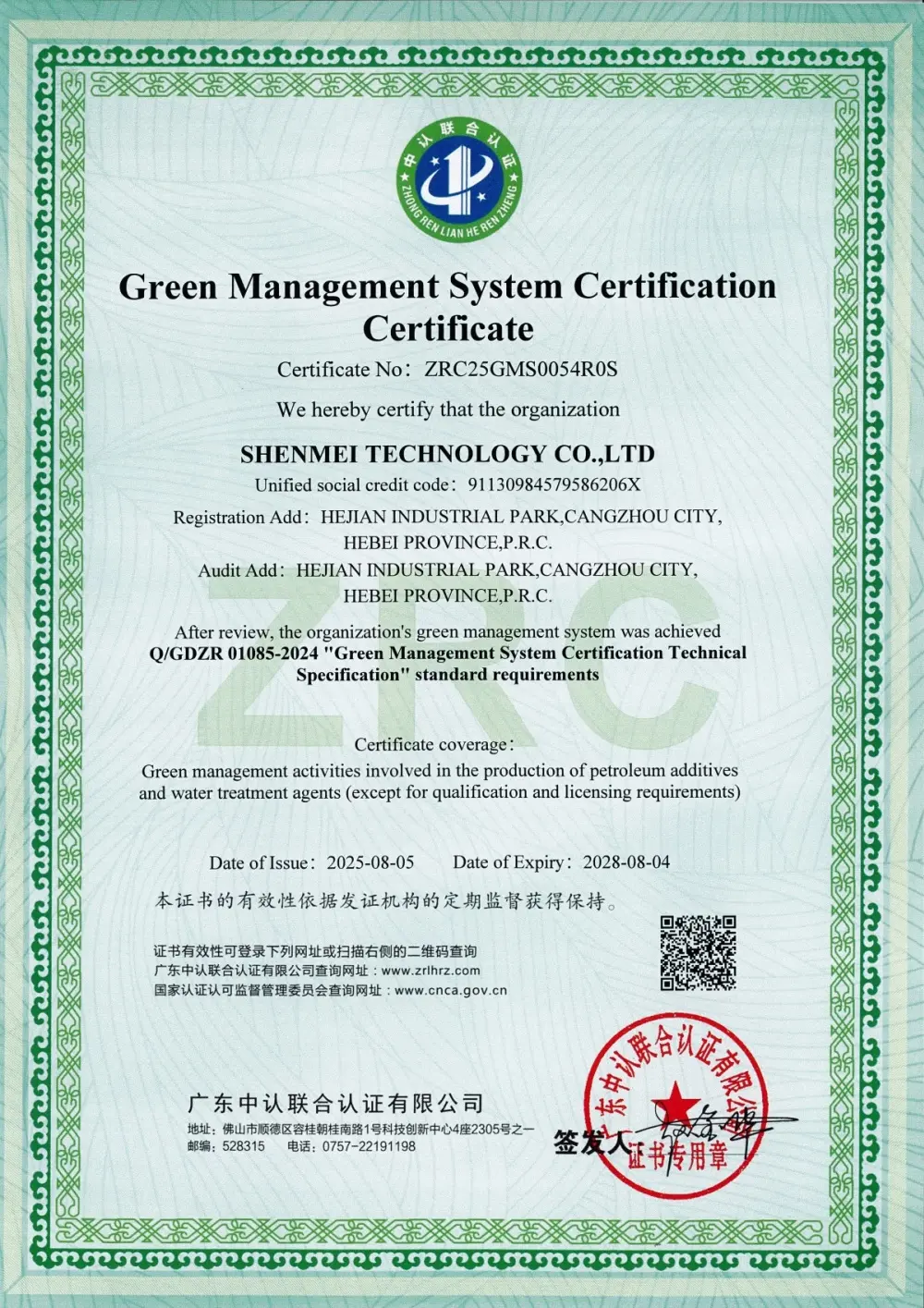
Smedic operates under a collaborative science initiative centered around one academy, three research institutes, and five production hubs. Recognized as a National Specialized, Refined, Unique and Innovative "Little Giant" Enterprise and Hebei Province Green Factory, we maintain long-term partnerships with leading academic research structures including the Tsinghua University Association of Senior Scientists and Technicians, Shandong University, and Beijing University of Technology.
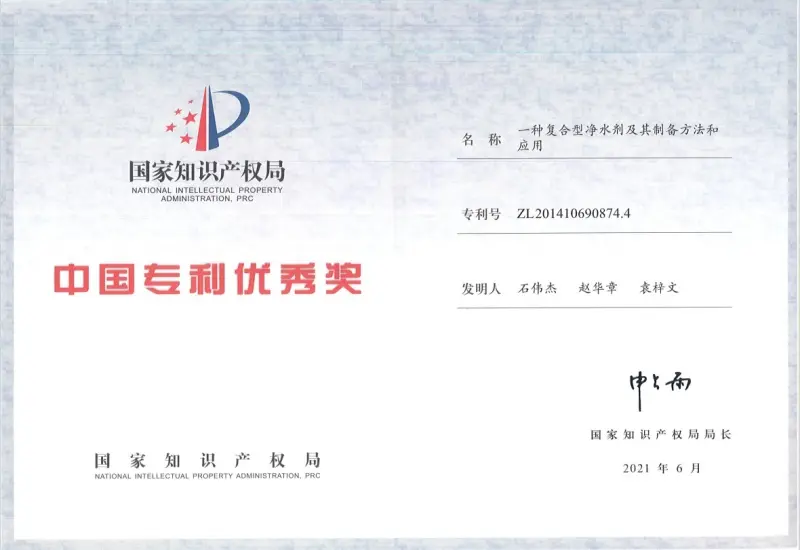
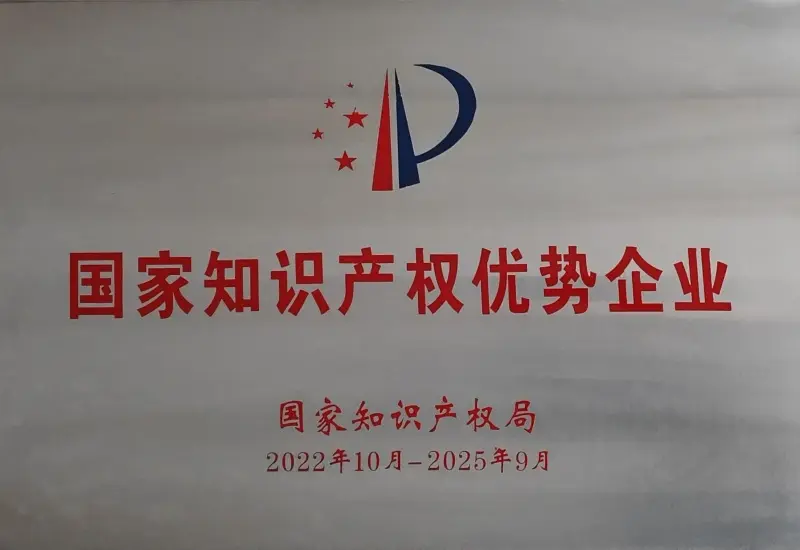
Our portfolio includes over 60 Chinese patents, containing 40+ invention patents and 20+ utility model patents. We have directly drafted and updated over ten national and industry standards regarding composite carbon sources, composite coagulants, sodium acetate, and specialized nitrifying and denitrifying bacterial agents, asserting our position at the forefront of chemical and biological water treatment innovation.

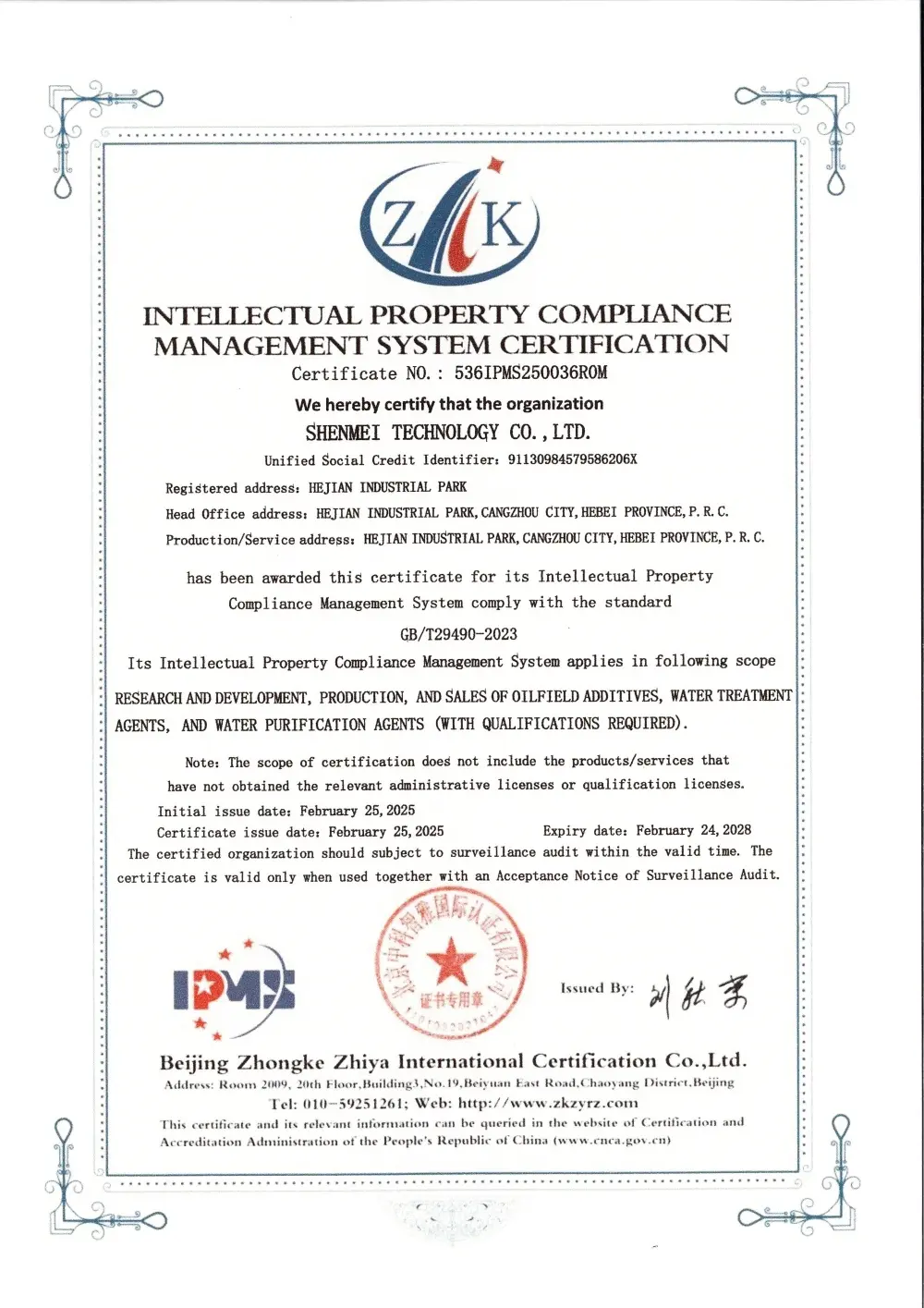
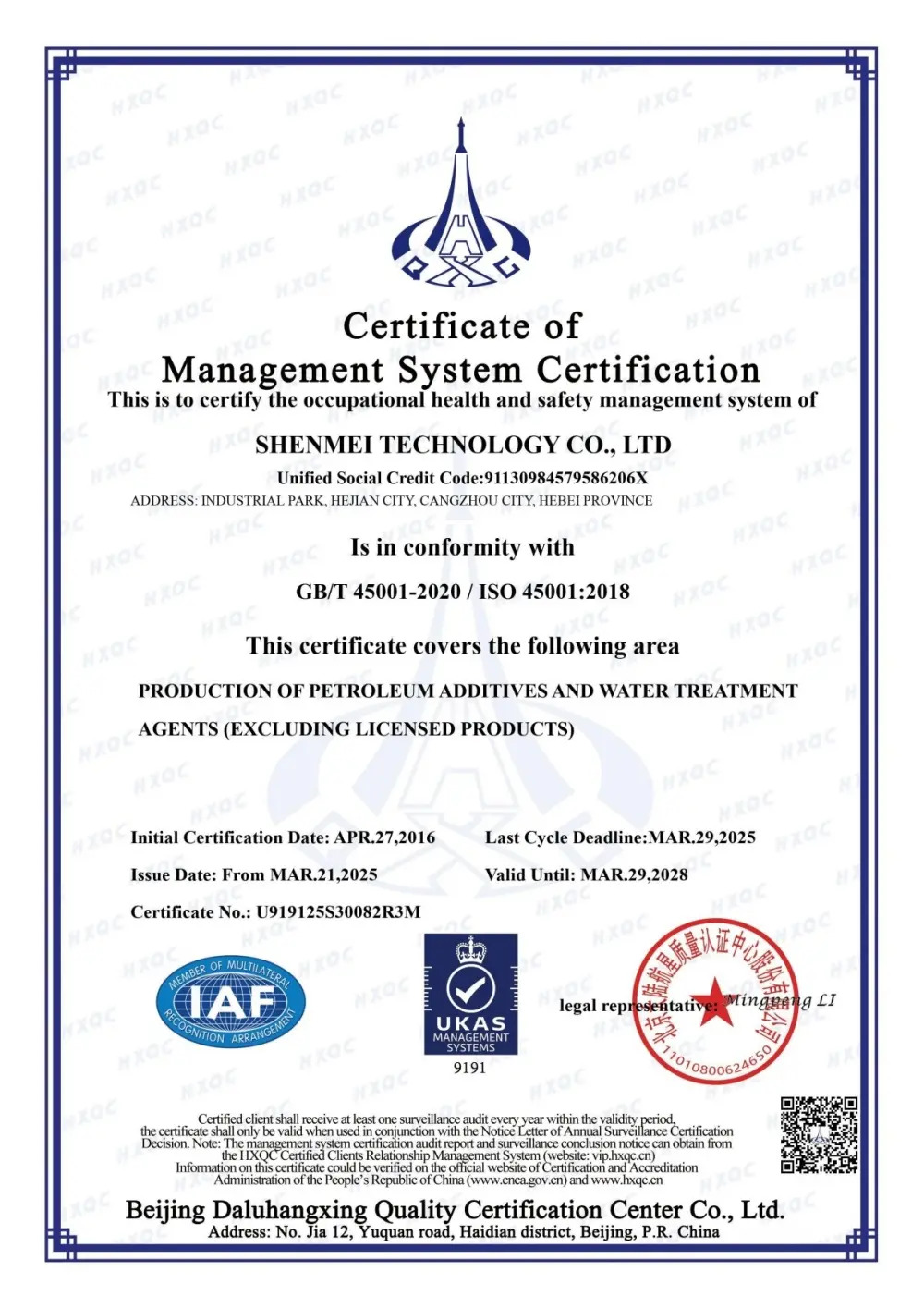
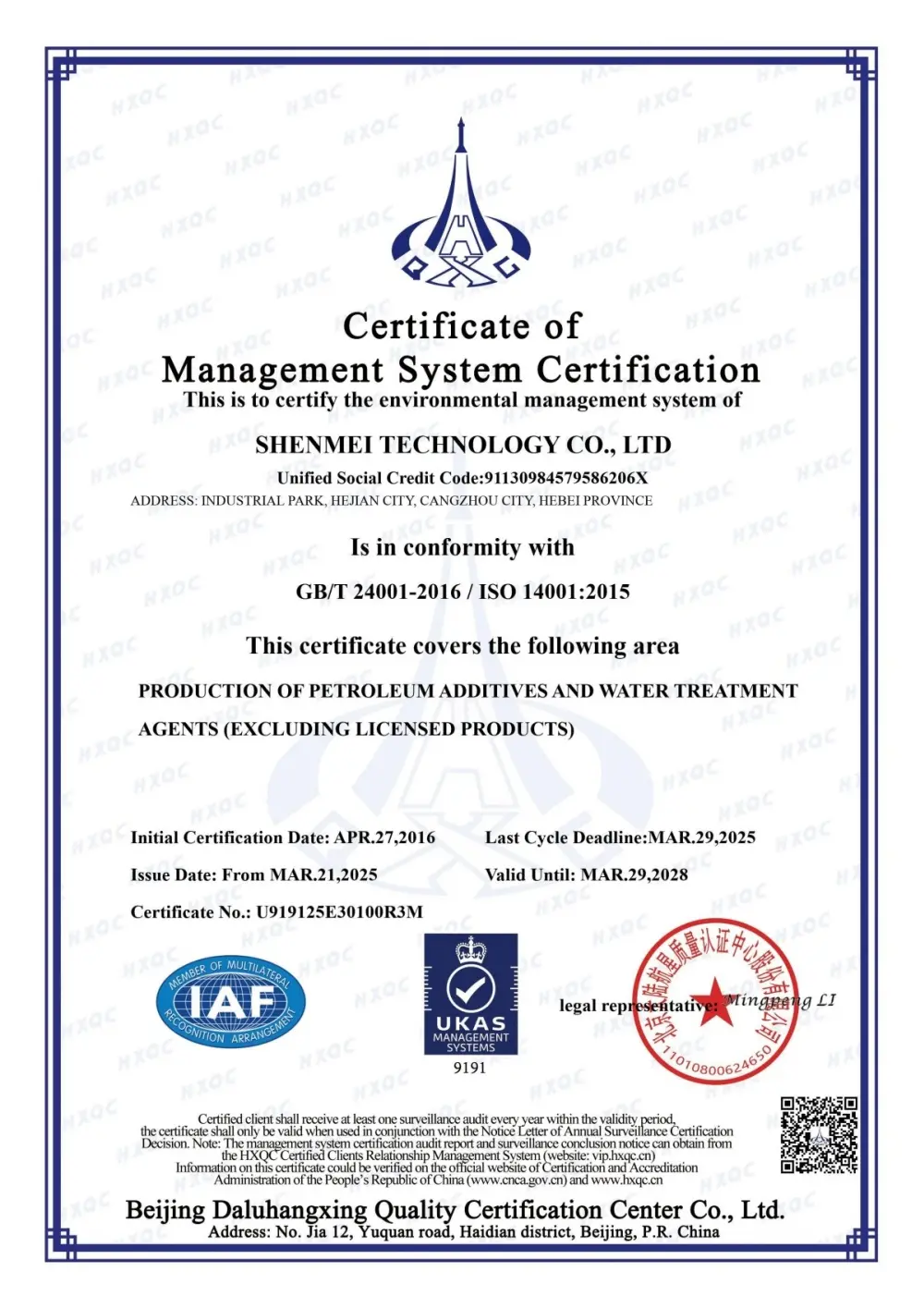
Providing specialized solutions across diverse industrial contexts, addressing strict local environmental requirements.
Integrating our composite carbon sources and PFS coagulants into Municipal Biofiltration (BAF) networks allows operators to achieve consistent TN and TP effluent targets, matching strict discharge metrics (e.g., China Class 1A, European WFD standards).
For chemical and textile zones generating complex effluents, we integrate high-molecular-weight flocculants and RO anti-scalants to clear particulates and maintain continuous operation of downstream reverse osmosis and biofiltration membranes.
By utilizing our heavy metal and fluoride removal agents directly prior to discharge, mining operations prevent toxic metals from polluting regional waterways and agricultural irrigation reservoirs, protecting downstream public health.
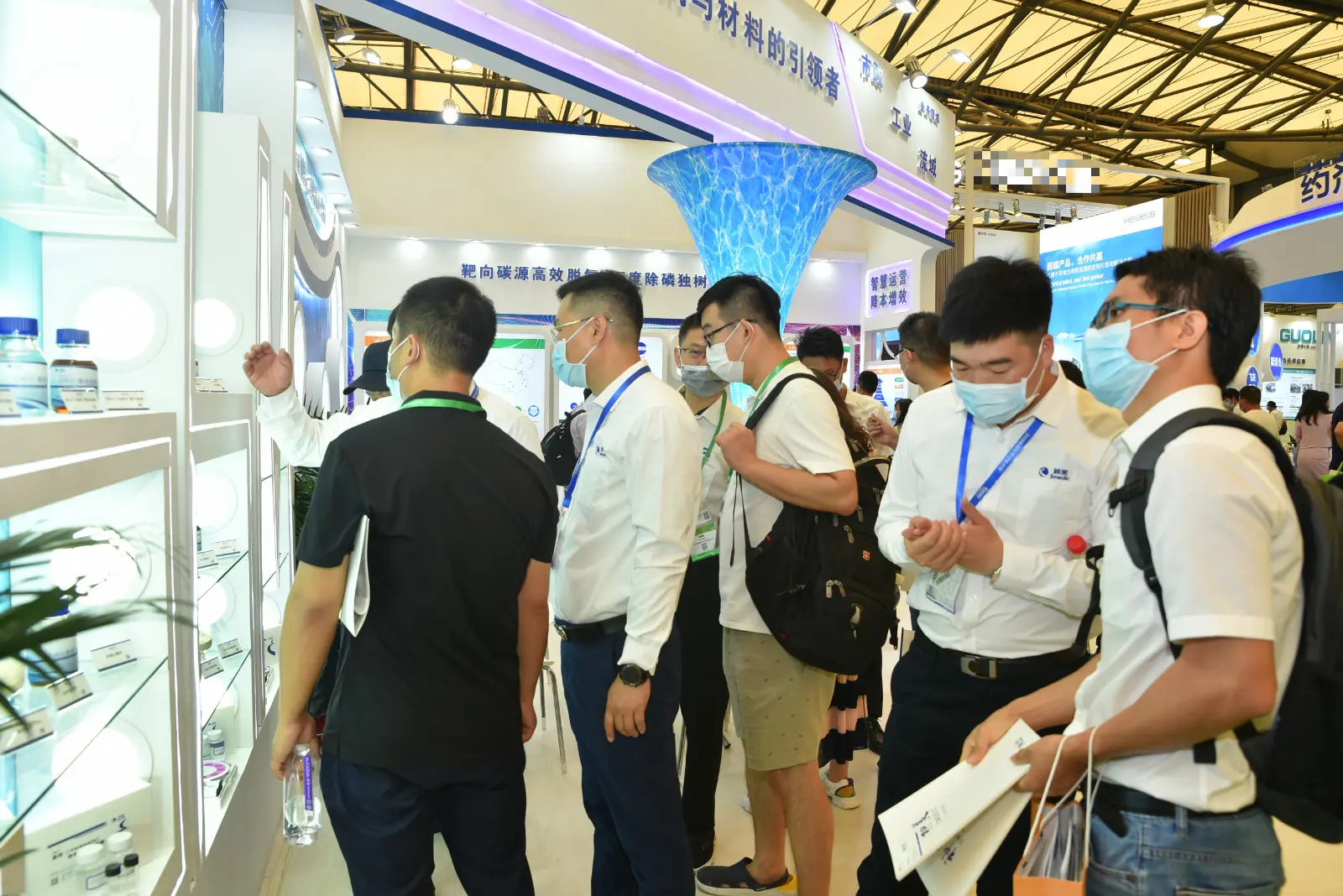
Since our founding in 2011, Smedic has continuously evolved to meet international water safety demands. From establishing municipal treatment product portfolios to scaling national R&D laboratories, our growth represents a constant dedication to quality assurance.
Detailed engineering guidelines and questions addressed by our laboratory specialists.
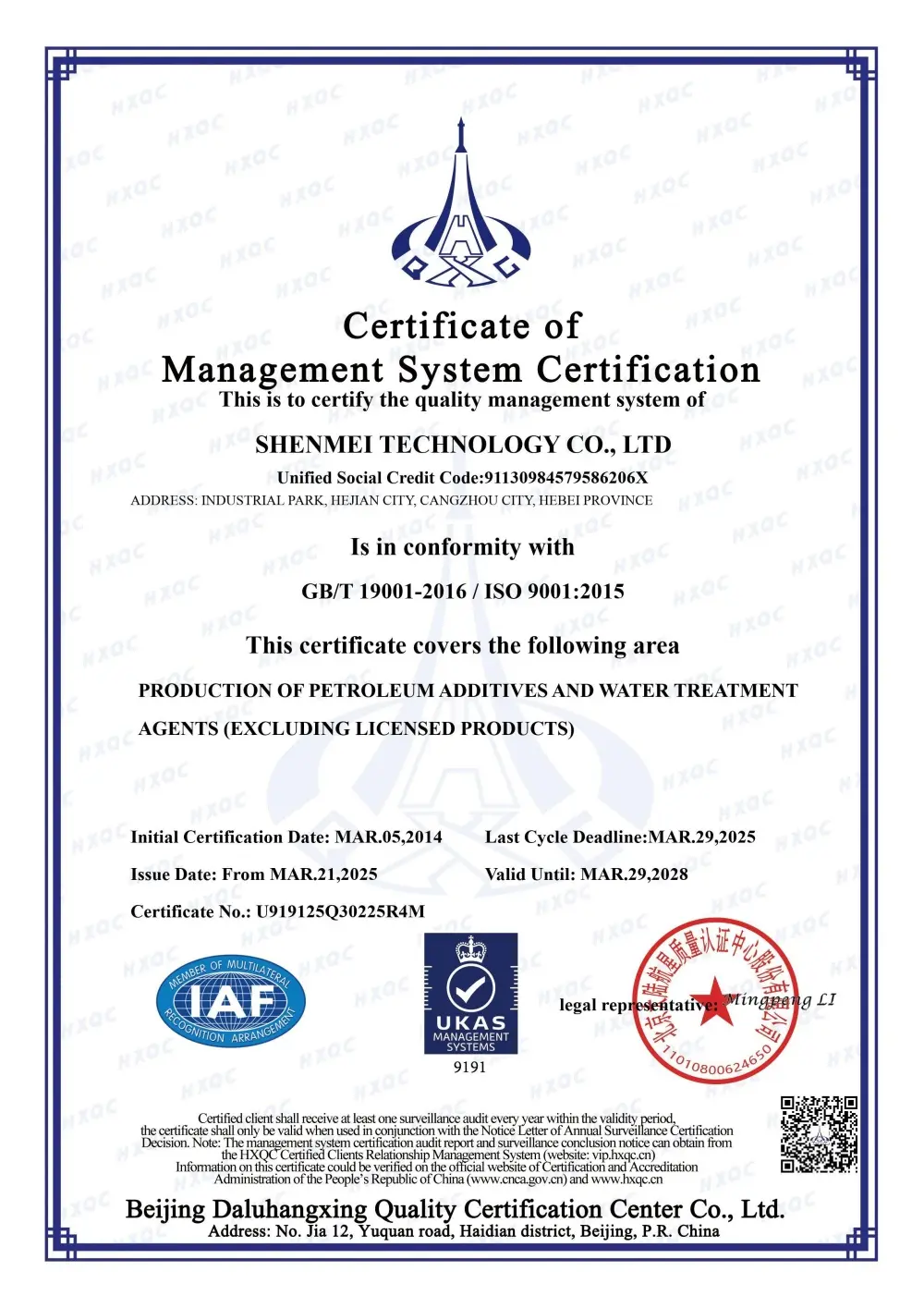
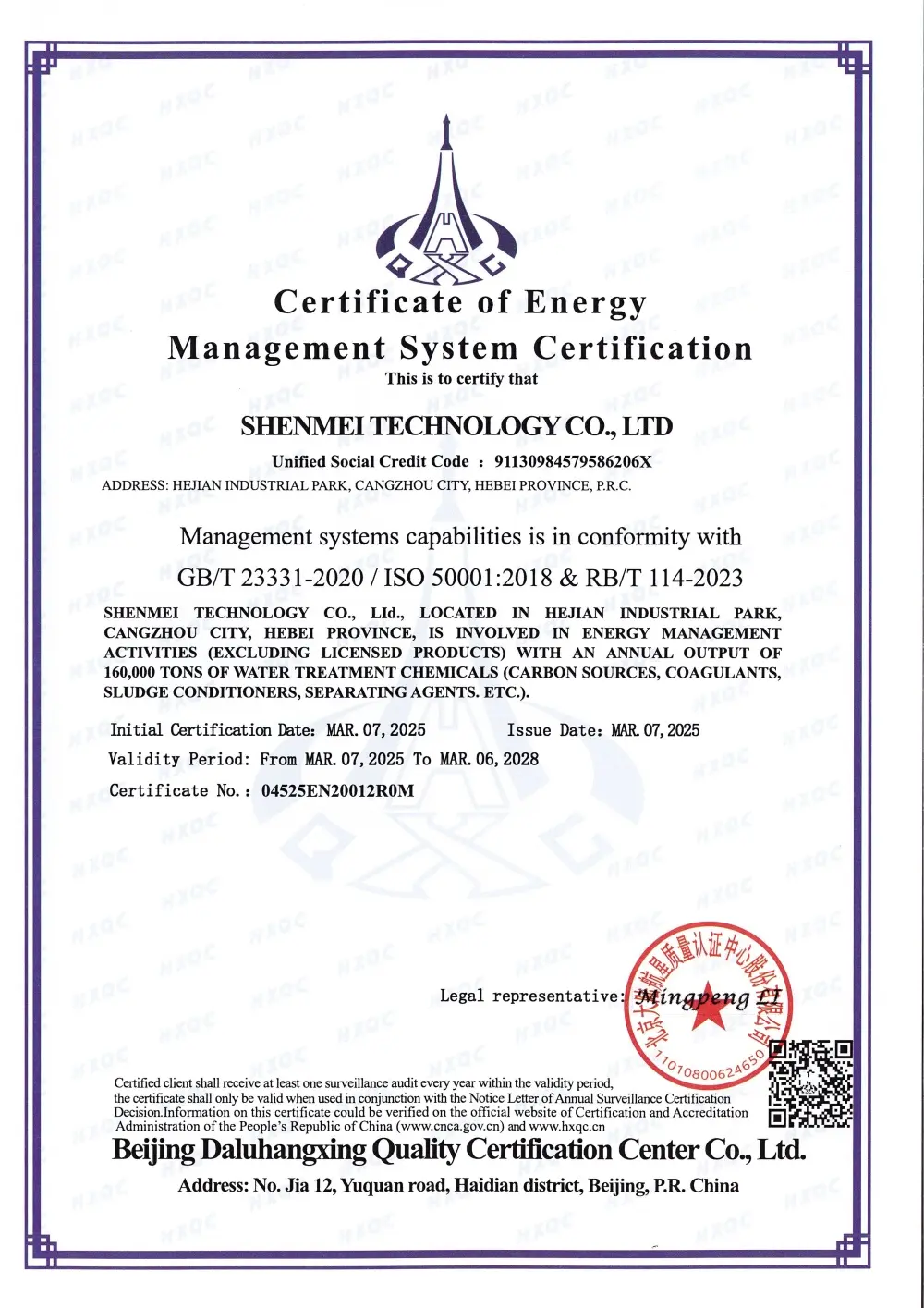
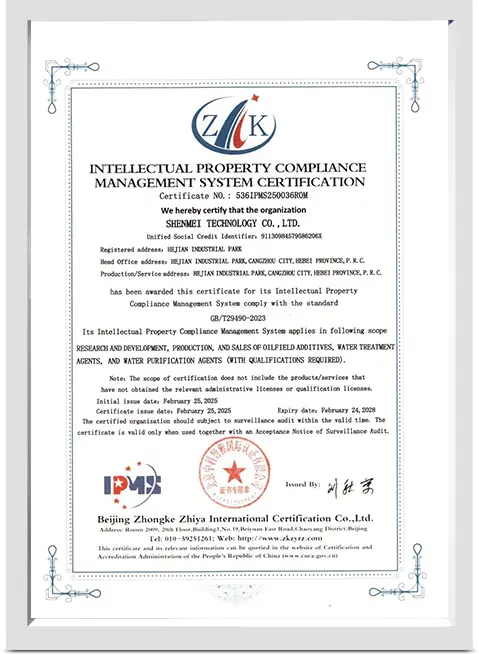
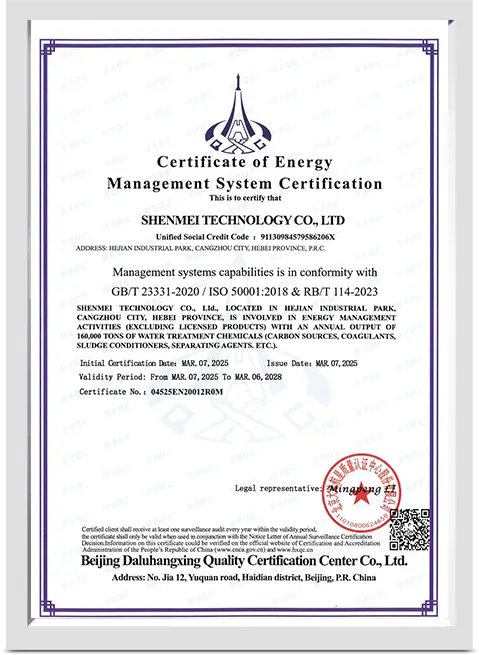
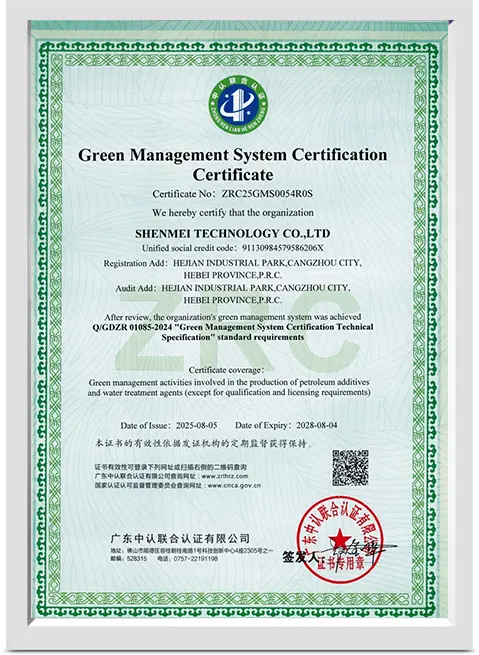
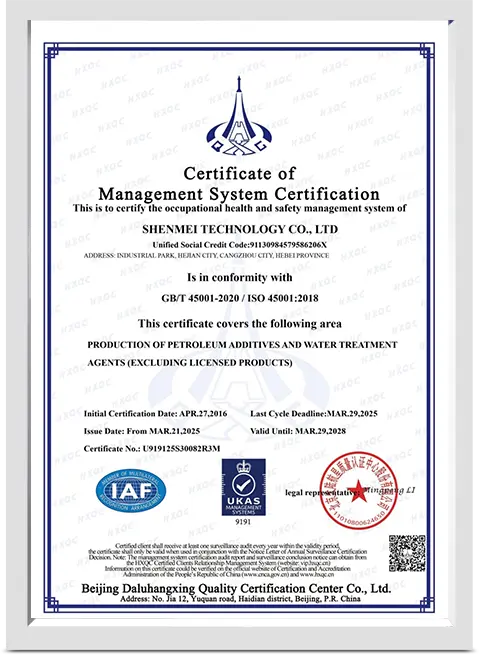
Smedic manufacturing conforms to ISO standards, ensuring batch-to-batch consistency and raw material tracking.
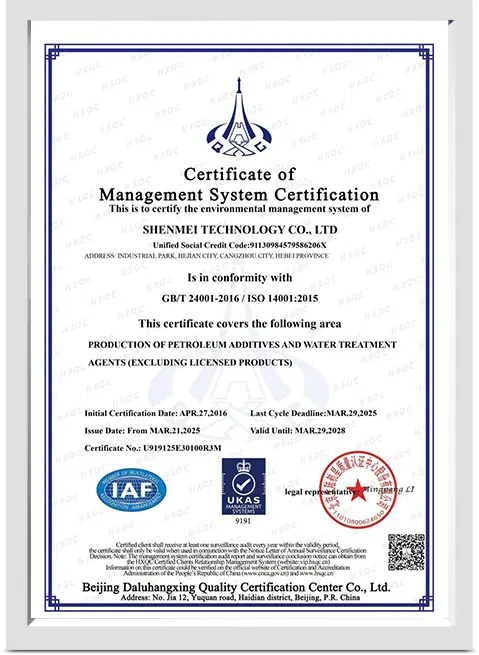
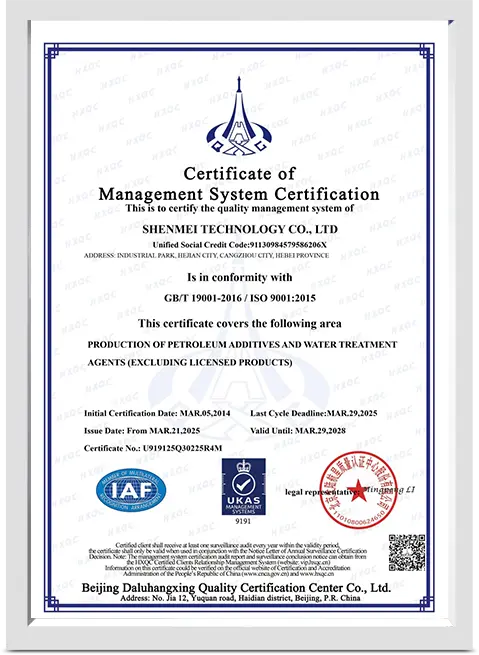
High-efficiency agents designed to ensure system compliance, maximize membrane lifespans, and control operating costs.
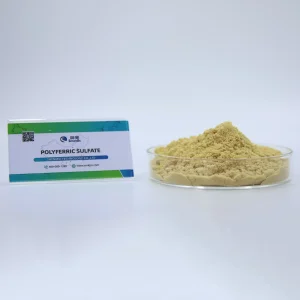
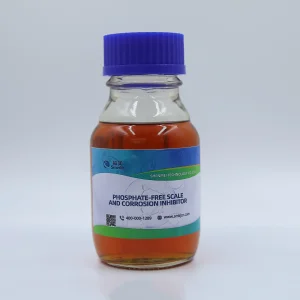
Ensuring complete ecosystem balancing and optimization across industrial treatment processes.
 Smedic Tech