Explore our high-performance environmental protection formulations engineered to maximize biological denitrification, enhance flocculation, and regulate critical chemical profiles.
In the era of stringent global environmental regulations and advanced biological processing, managing municipal and industrial wastewater requires chemical compounds that deliver precise performance without secondary pollution. As a primary agent for biological denitrification and odor mitigation, Calcium Nitrate [Ca(NO₃)₂] has transitioned from a basic chemical additive to a foundational technology for sustainable aquatic resource management.
Under anaerobic or anoxic conditions, municipal sewage pipelines and storage lagoons frequently produce hydrogen sulfide (H₂S) due to the action of sulfate-reducing bacteria (SRB). This results in highly toxic environments, severe infrastructural corrosion, and prominent public complaints. Calcium Nitrate operates by introducing an alternative, thermodynamically favored electron acceptor (NO₃⁻) into the bacterial ecosystem.
Heterotrophic denitrifiers utilize the nitrate to metabolize organic carbon sources, effectively outcompeting the sulfate-reducing bacteria. Concurrently, nitrate-reducing sulfide-oxidizing bacteria (NR-SOB) biochemically oxidize existing dissolved H₂S back into harmless sulfate (SO₄²⁻), reducing odors at the source. This metabolic redirection saves downstream infrastructure and optimizes pretreatment conditions.
A premier comprehensive solution provider specialized in advanced environmental protection agents, integrating intensive R&D, high-scale manufacturing, and custom applications.
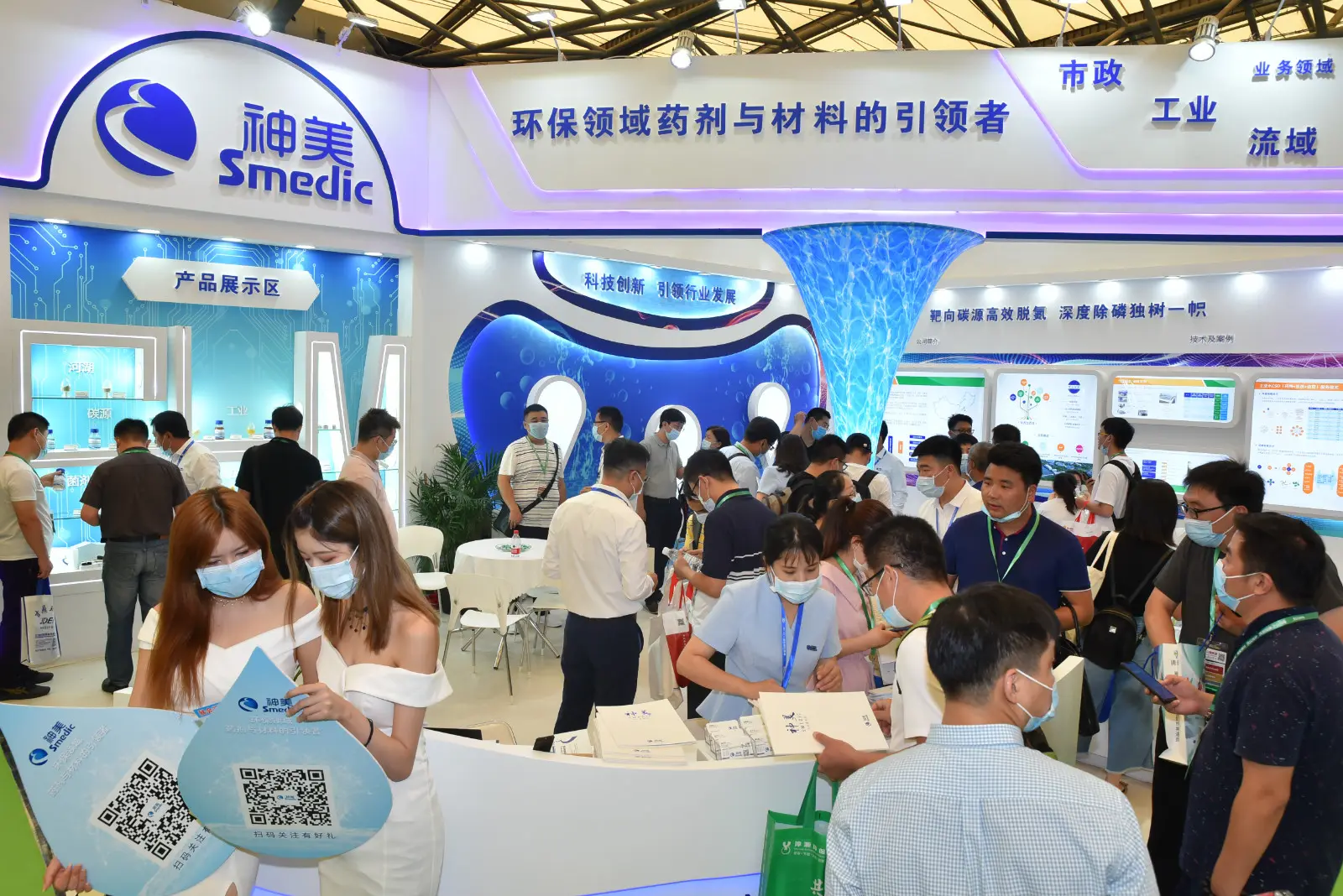
Headquartered in Beijing, Smedic operates wholly-owned production bases in key geological zones, including Hebei, Guizhou, and Shanxi. Our network is augmented by over ten dedicated OEM partner facilities and strategic warehousing points located in Shandong, Anhui, Guangxi, and Sichuan. This enables rapid localized dispatch, ensuring chemical stability and minimal transit times.
We service more than 600 urban sewage treatment installations and sustain deep corporate ties with over 1,000 major industrial complexes. By managing a continuous distribution loop, Smedic successfully safeguards municipality lifelines against hazardous chemical shortages.
Understanding user intent and global market requirements helps Smedic address the exact regulatory, economic, and logistical factors driving modern procurement decisions.
Environmental regulators worldwide are setting extremely low thresholds for Total Nitrogen (TN) discharge to prevent biological oxygen depletion in coastal regions. Procurement agencies demand high-purity Calcium Nitrate to fine-tune nitrification loops without introducing secondary chemical biological oxygen demand (BOD) loads.
Unlike toxic hydrogen sulfide control agents or highly corrosive acids, Calcium Nitrate offers a highly reliable, non-volatile safety profile. Operations managers prefer this chemical due to its lower handling hazards, lower volatilization, and ease of automated metering.
Buying directly from large-scale manufacturers like Smedic helps municipal water districts and chemical agents reduce supply chain intermediates, stabilize pricing against raw gas fluctuations, and access expert technical support directly.
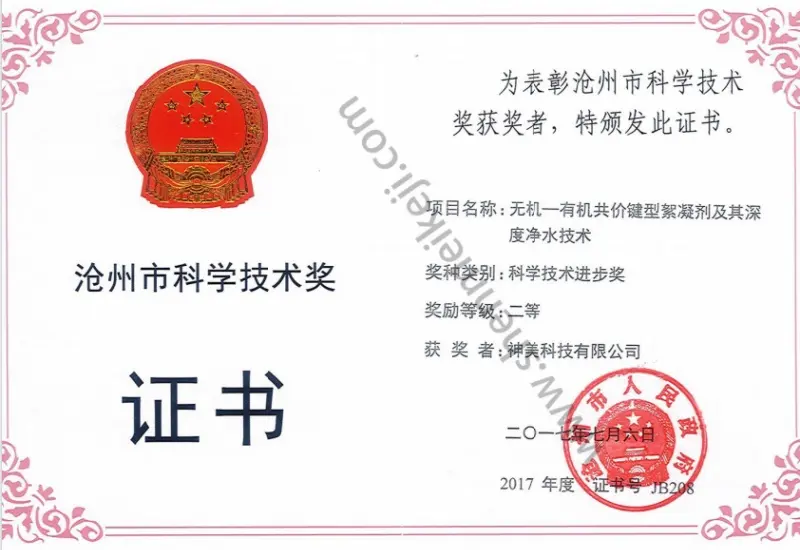
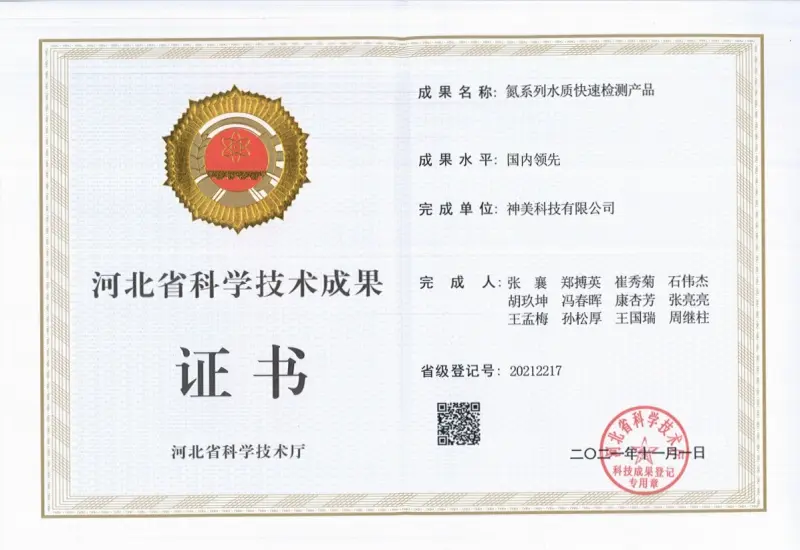
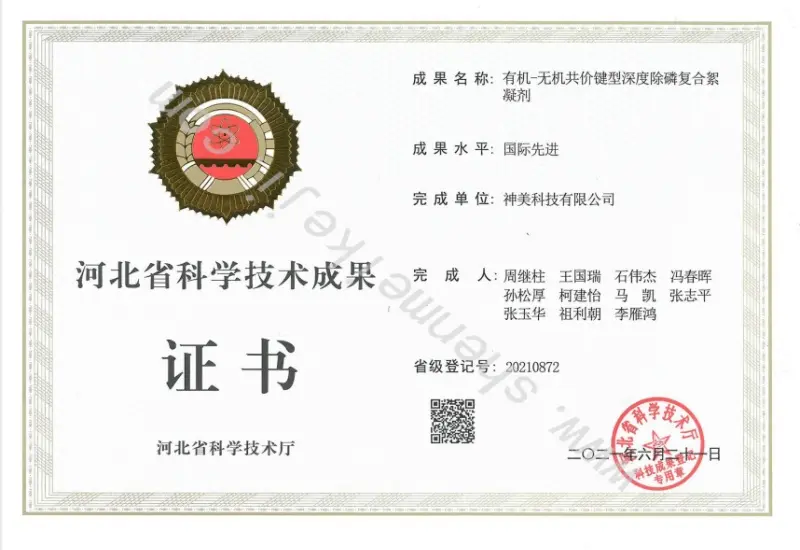
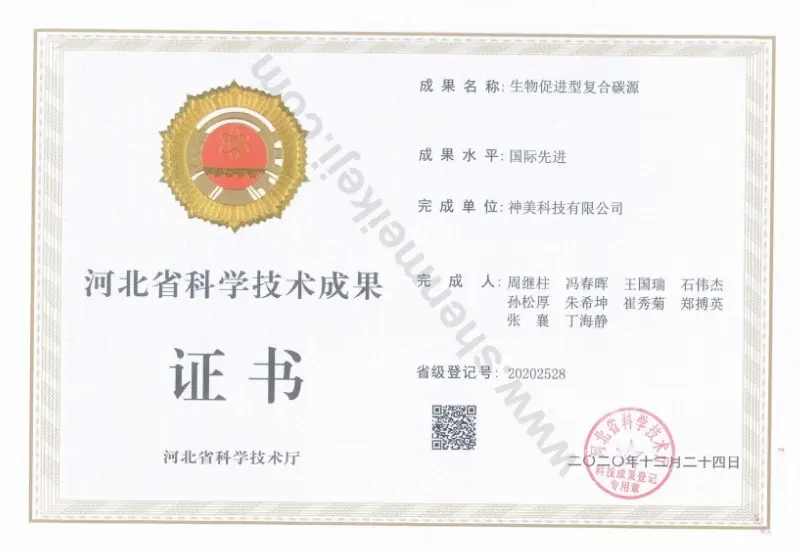
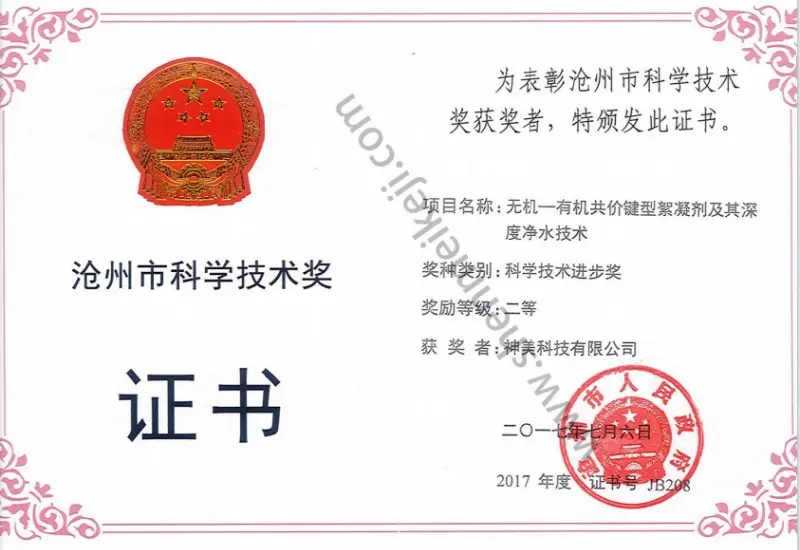
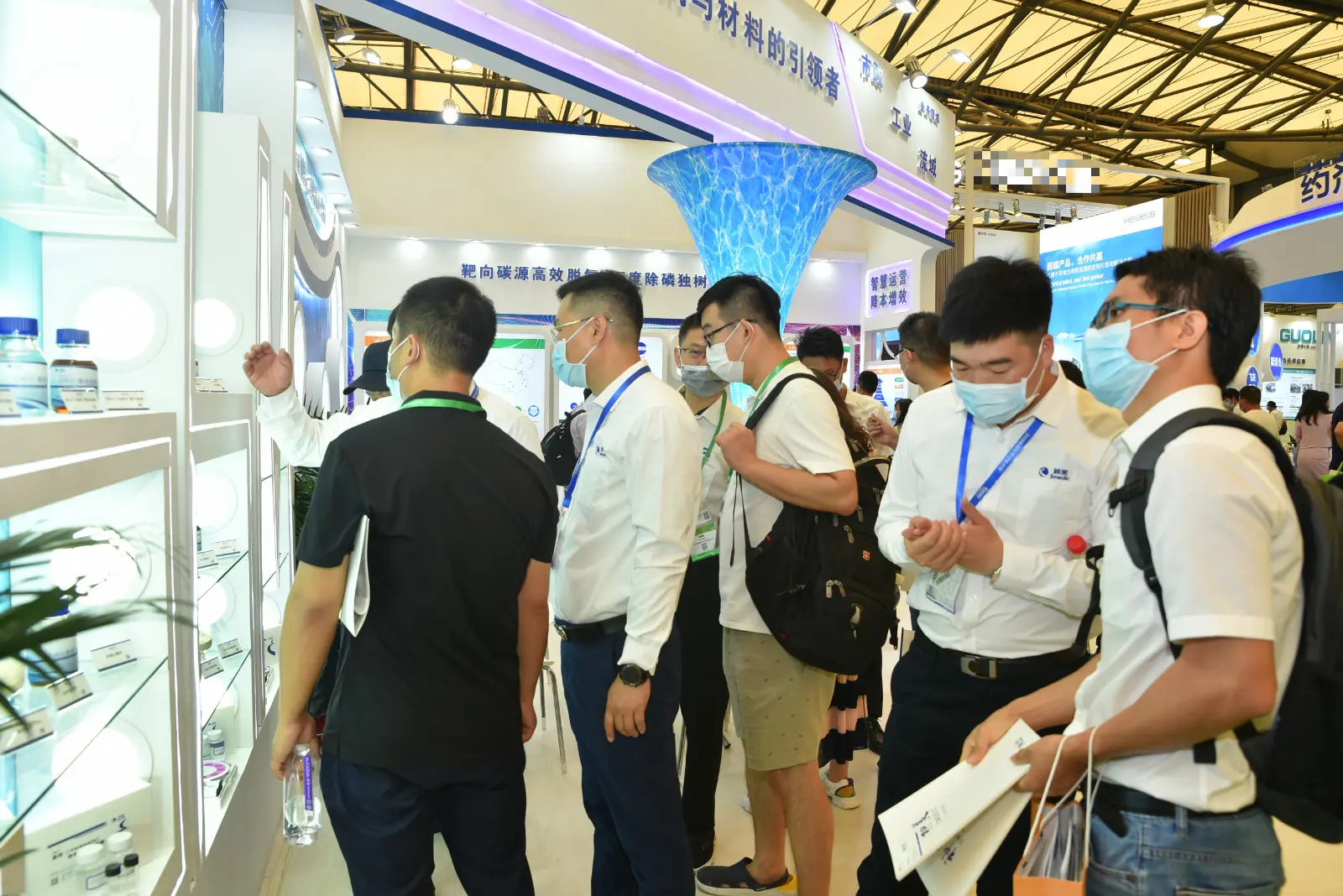
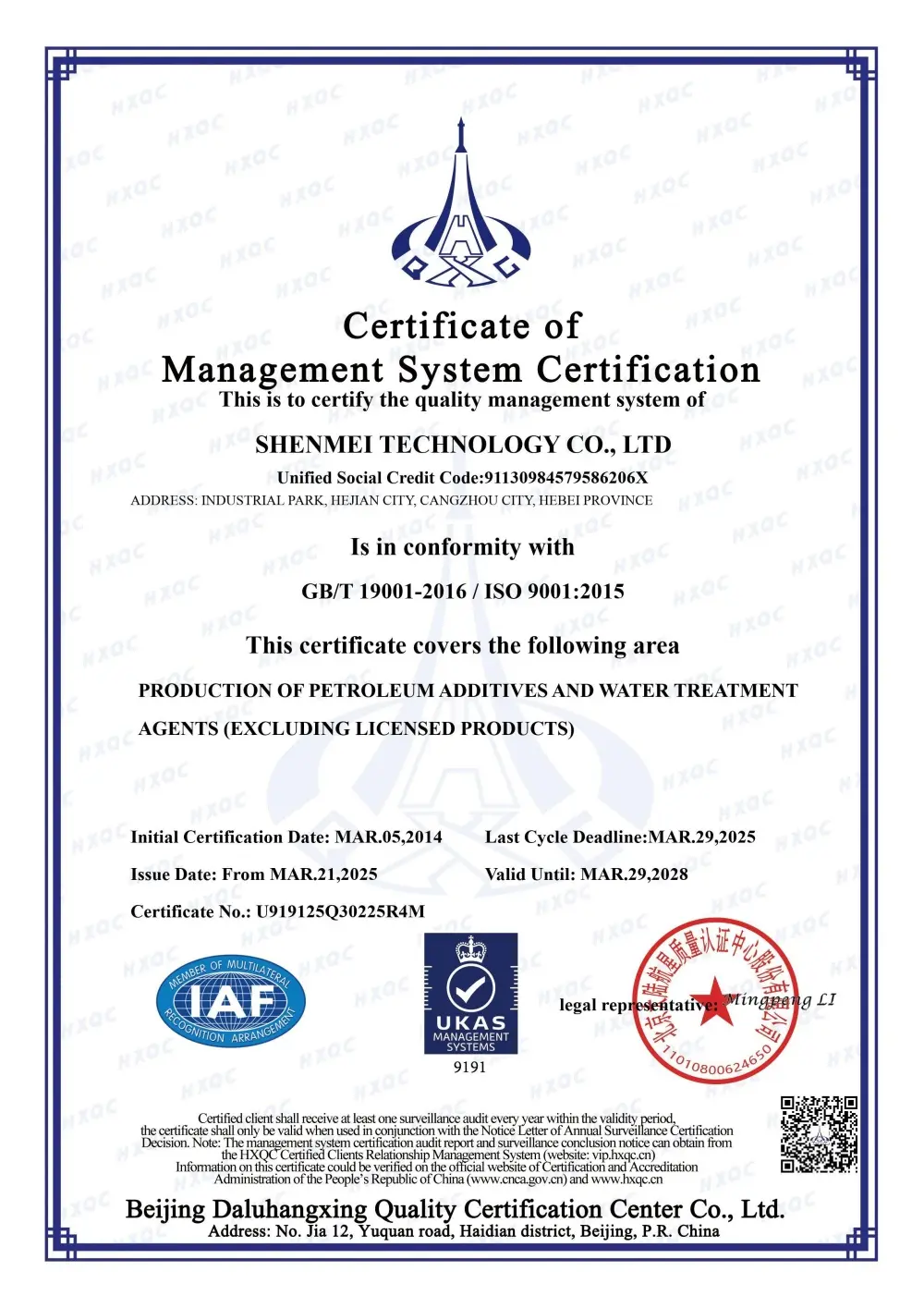
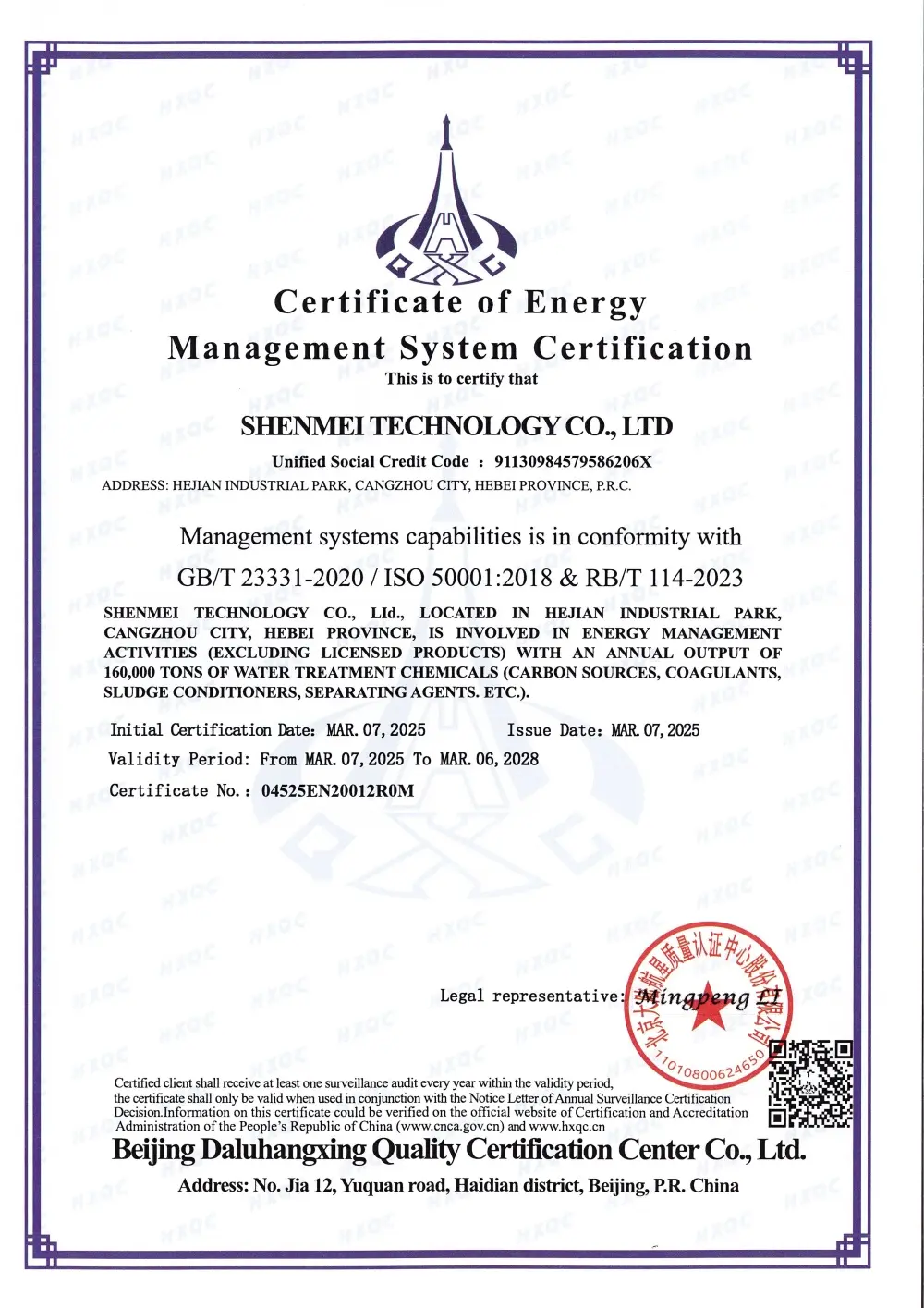
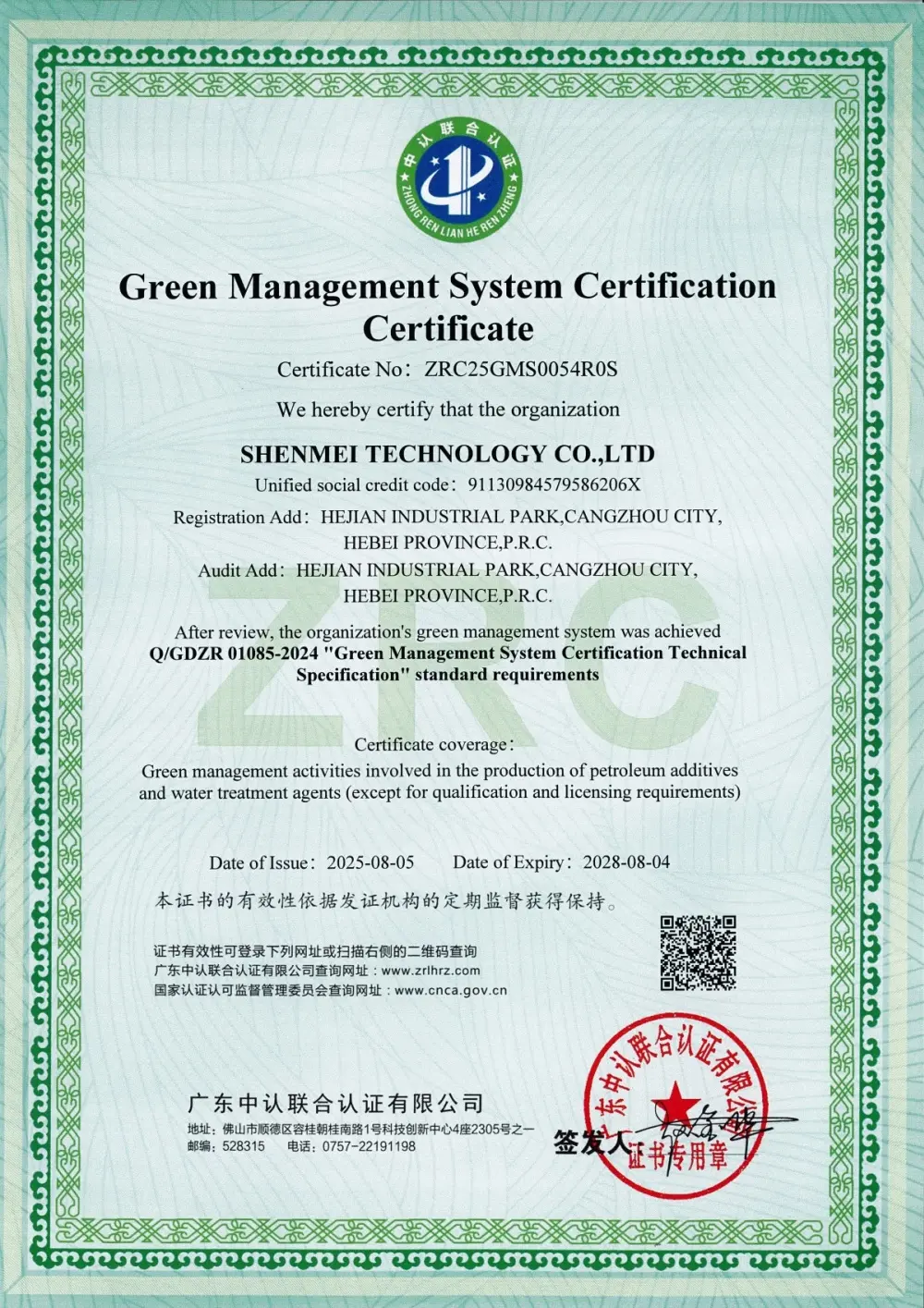
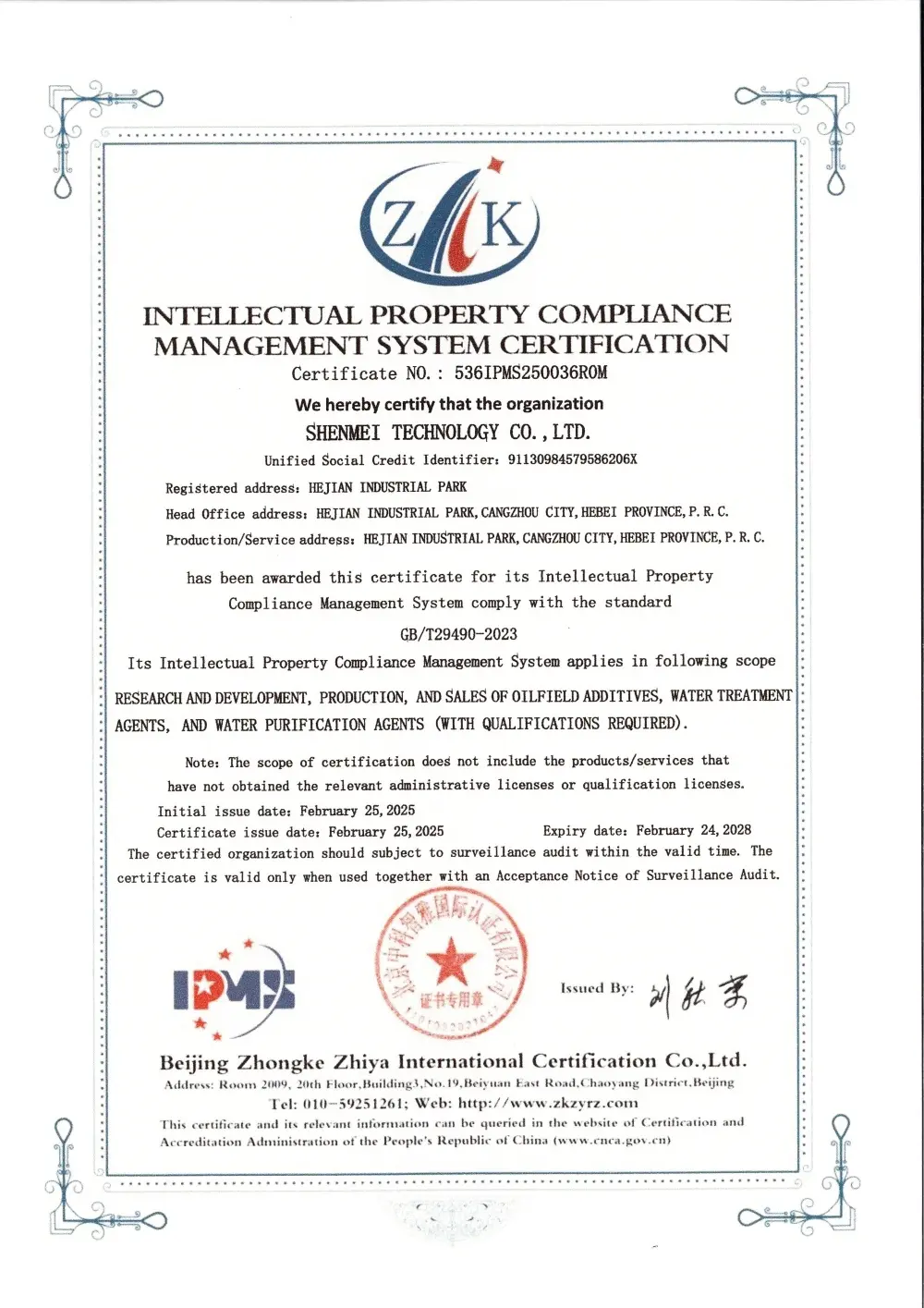
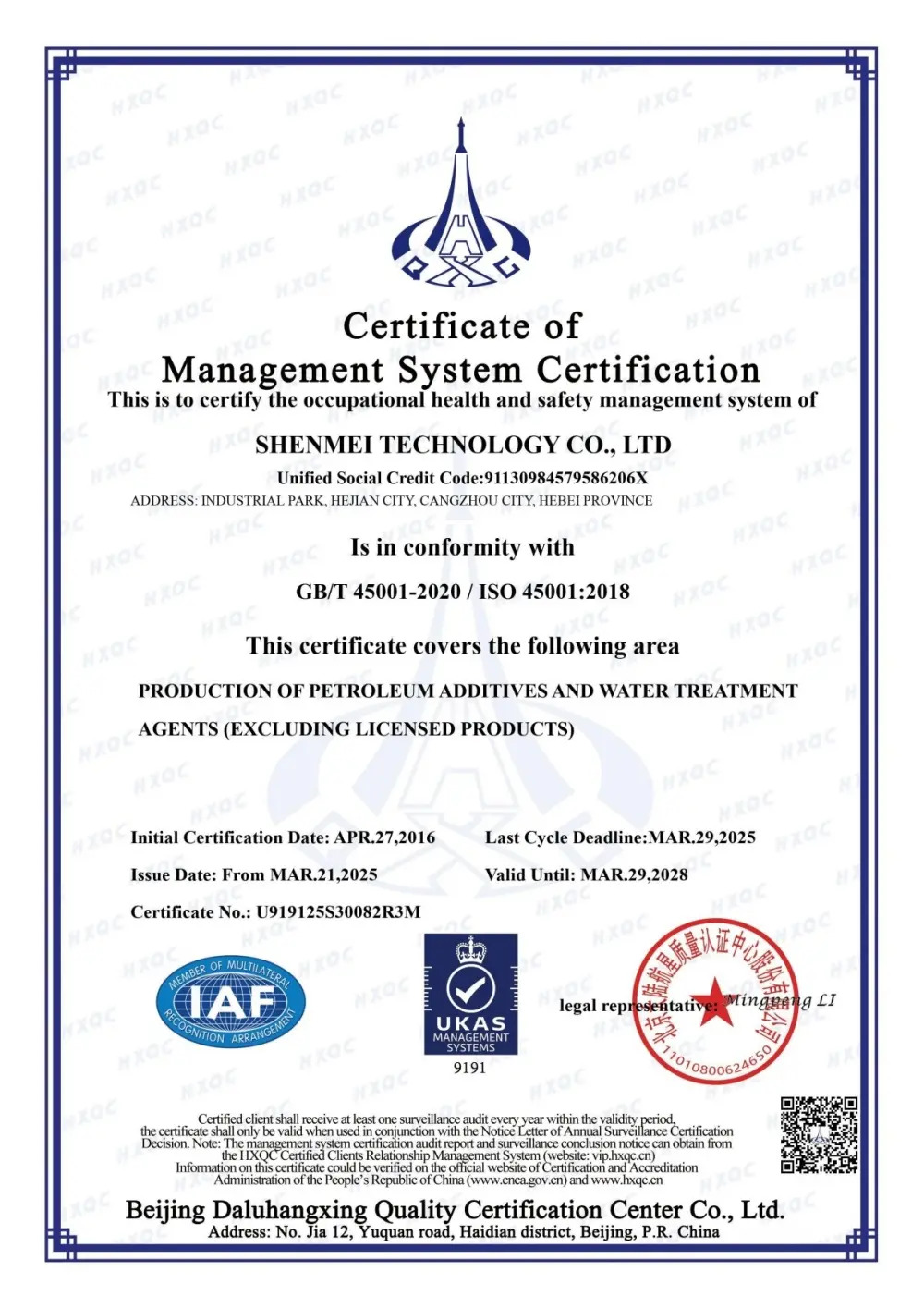
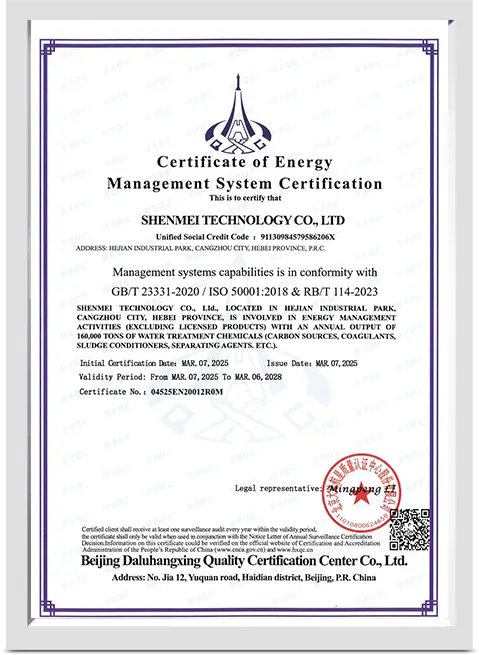
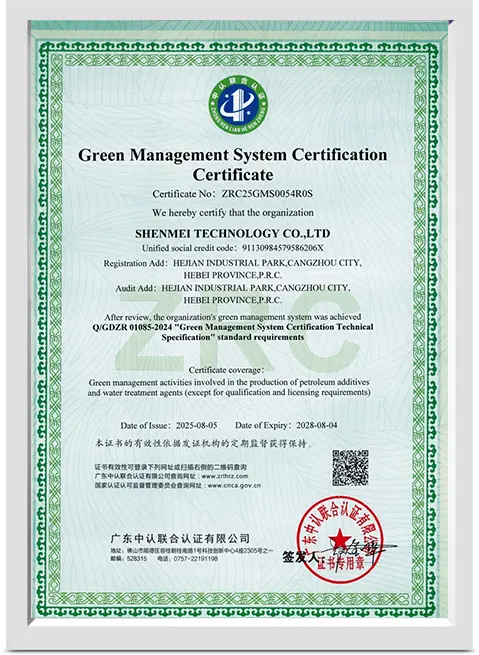
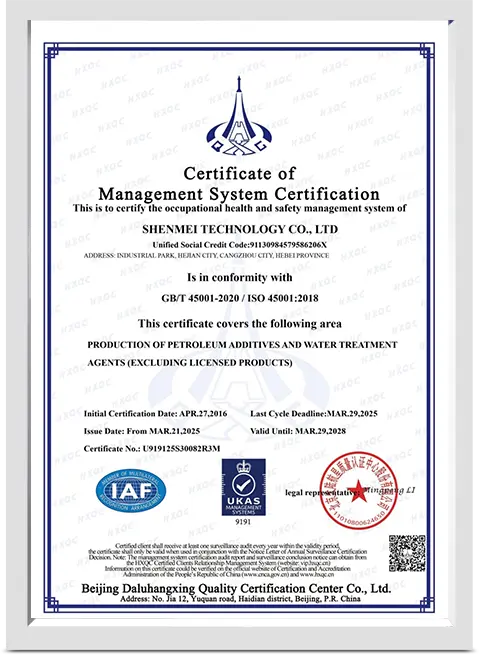
Our technological superiority is backed by deep academic integration and recognized national honors, cementing our role as a market leader in advanced water purification solutions.
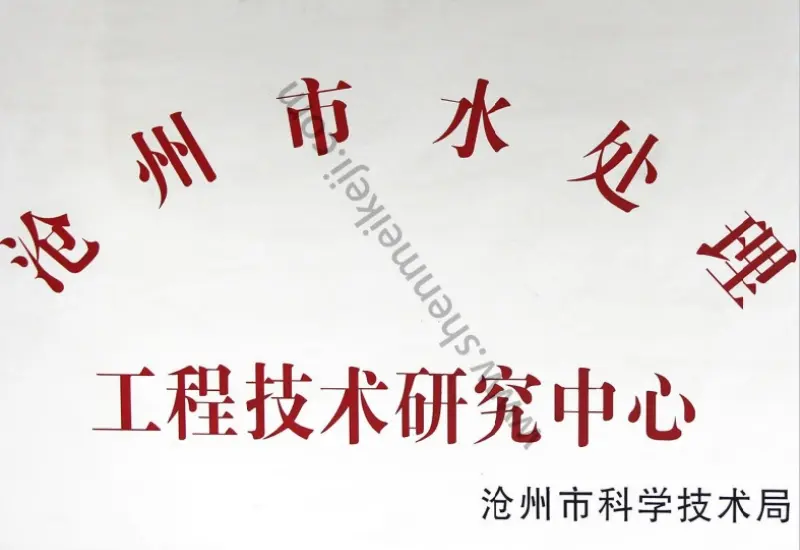
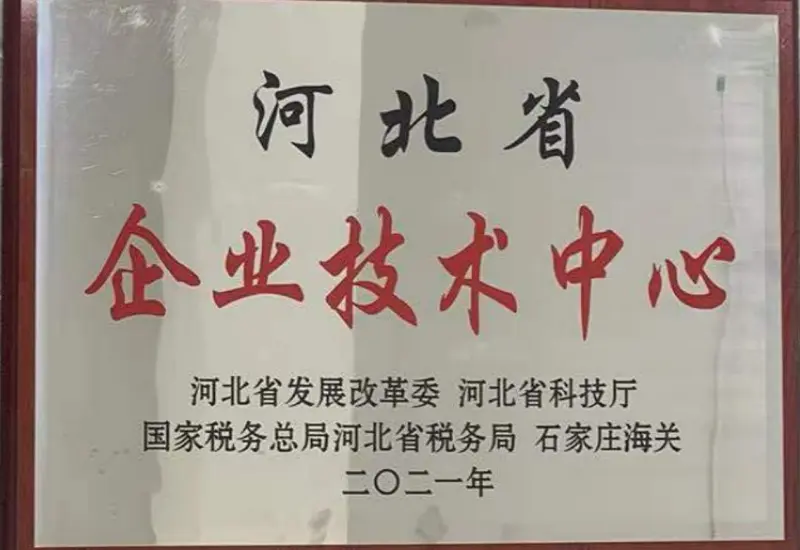
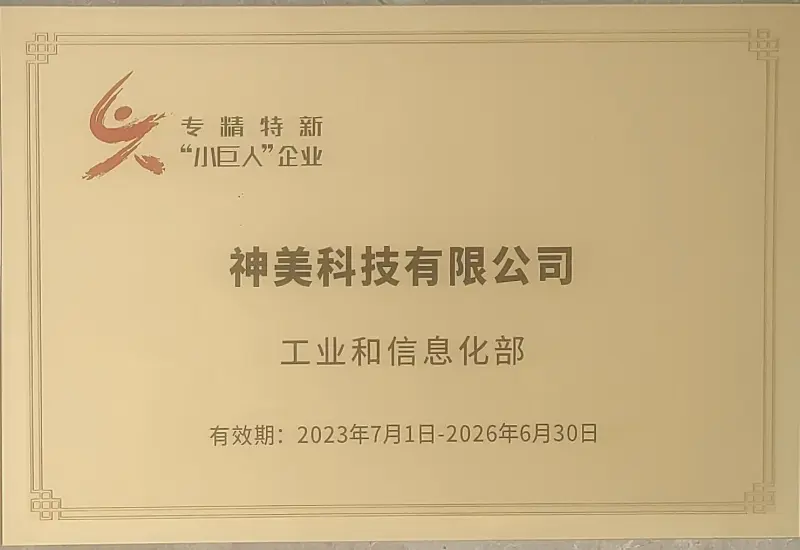
Smedic has been officially recognized as a National Specialized, Refined, Unique and Innovative "Little Giant" Enterprise. Our technical development framework includes 1 academy, 3 research institutes, and 5 state-of-the-art bases. This includes the Hebei Provincial Enterprise Technology Center and the Cangzhou Water Treatment Engineering Technology Research Center.
To maintain our edge in chemical synthesis and environmental microbiology, we run an expert workstation in cooperation with the Tsinghua University Association of Senior Scientists and Technicians. We also maintain joint R&D laboratories alongside Shandong University, Beijing University of Technology, and act as a primary commercialization bridge for patent portfolios from Peking University and Tianjin University.
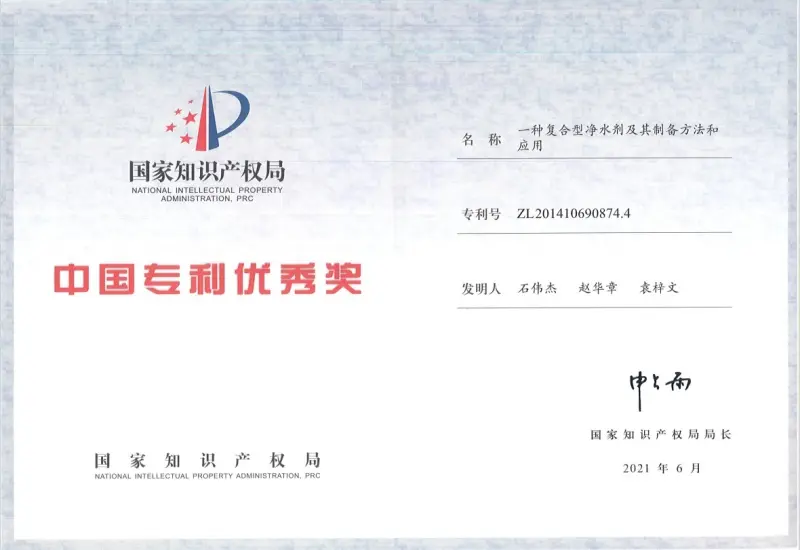
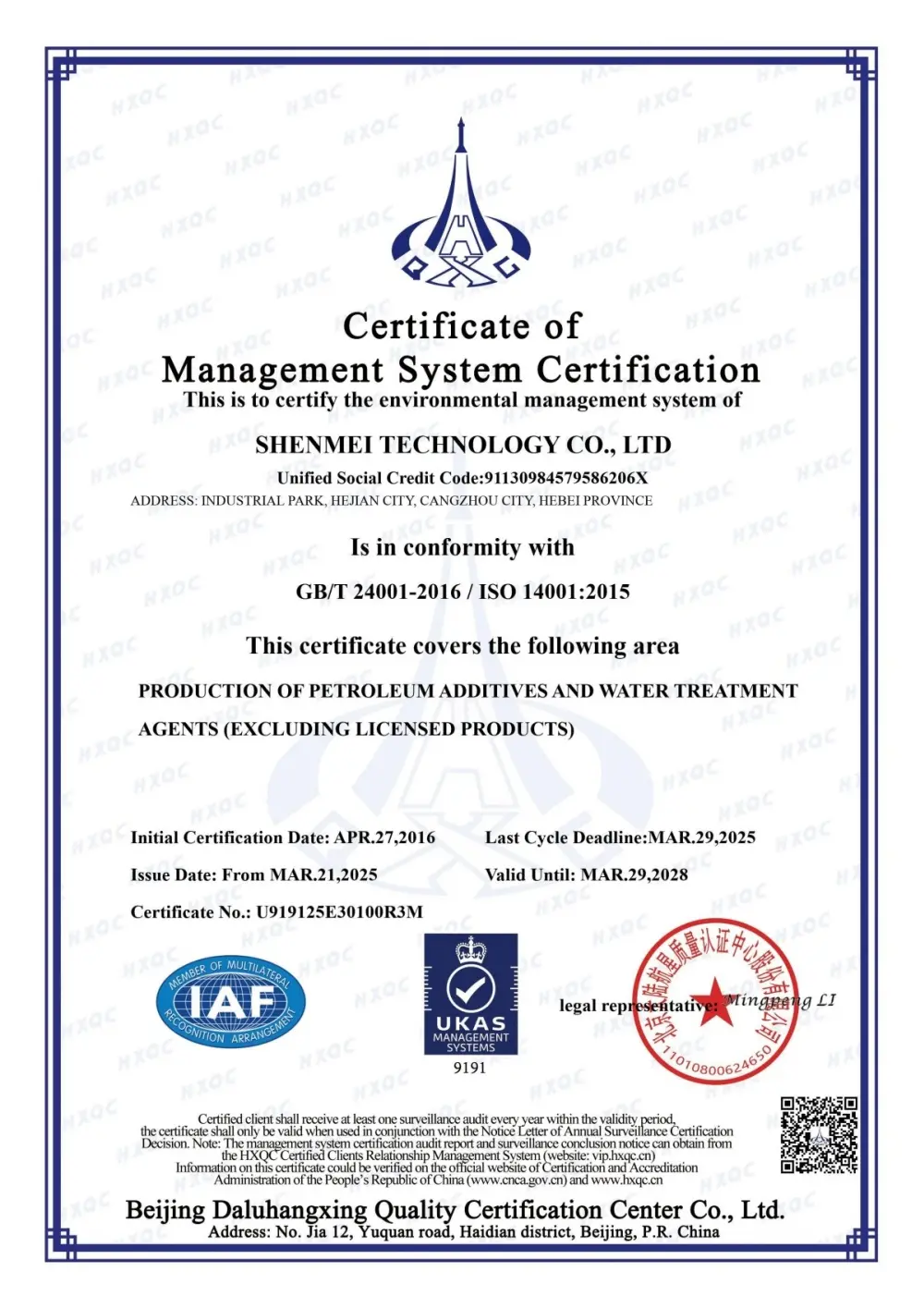
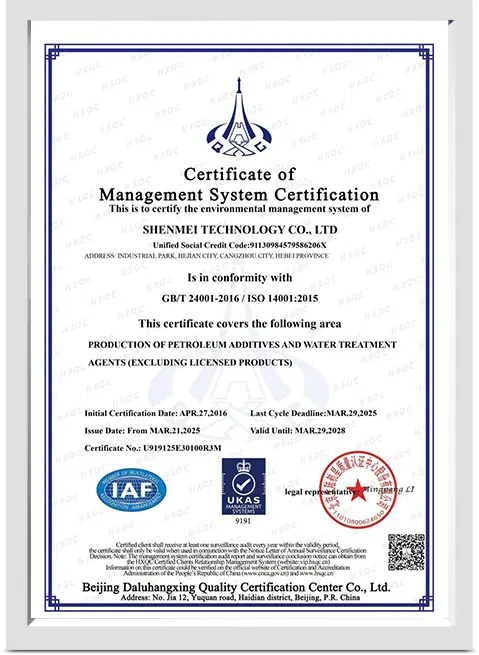
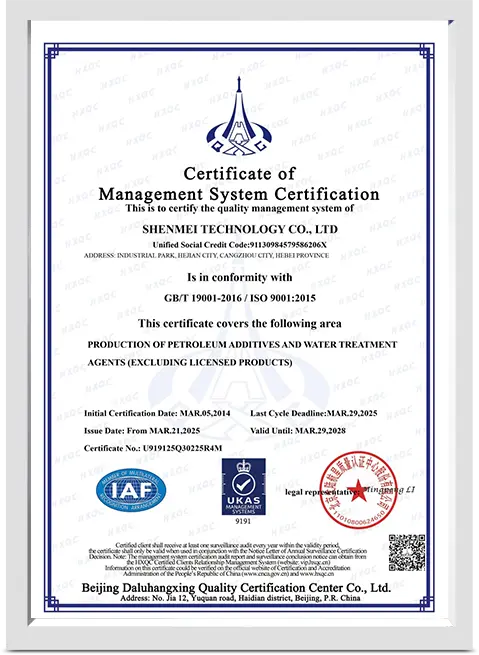
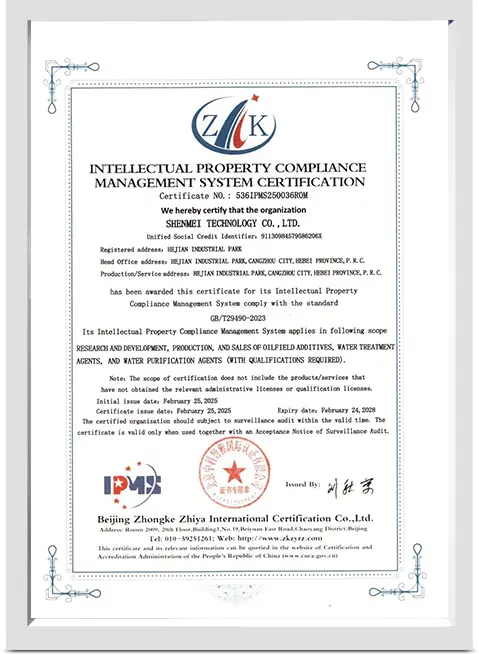
We hold over 60 active patents, including more than 40 invention patents. We have also led the drafting of over 10 national and industry standards for composite carbon sources, sodium acetate, and bacterial agents.
Biological denitrification is highly dependent on secondary chemical interactions. Smedic designs integrated, system-wide solutions to optimize every stage of the treatment process.
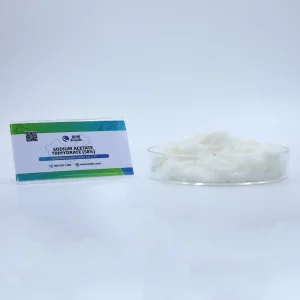
While Calcium Nitrate serves as an electron acceptor to manage H₂S and facilitate denitrification pathways, heterotrophic microflora require a steady supply of biodegradable organic carbon to complete the reduction of nitrate to nitrogen gas ($N_2$). Smedic's high-purity solid Sodium Acetate works in tandem with our nitrate products, providing a highly bioavailable carbon source that accelerates denitrification rates.
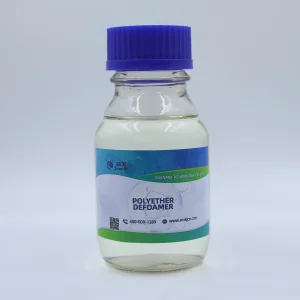
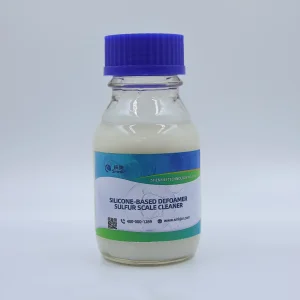
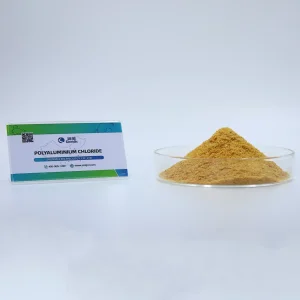
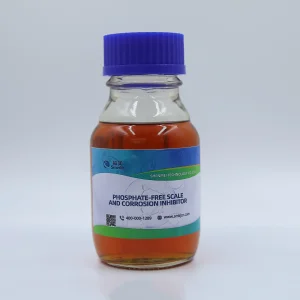
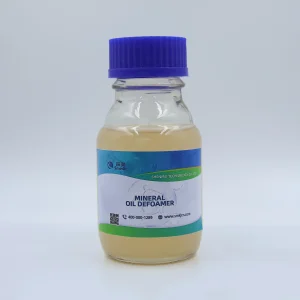
To manage suspended solids, phosphate runoff, and foam generation, we supply an integrated portfolio including:
Driven by sustainable engineering practices, Smedic has achieved consistent growth over more than a decade of research, expansion, and industrial partnerships.
Smedic Technology Co., Ltd. was established as an environmental chemical developer.
Established a complete municipal wastewater treatment product portfolio.
Formally recognized as a key national high-tech enterprise.
Established Guiyang production base for localized southwestern logistics.
Expanded manufacturing footprints across Hebei, Shandong, and Guizhou, exceeding 1 million tons in annual capacity.
Appraised as a National Specialized, Refined, Unique and Innovative Small and Medium-sized Enterprise.
Launched a provincial-level R&D platform in Hebei to target advanced biological denitrification.
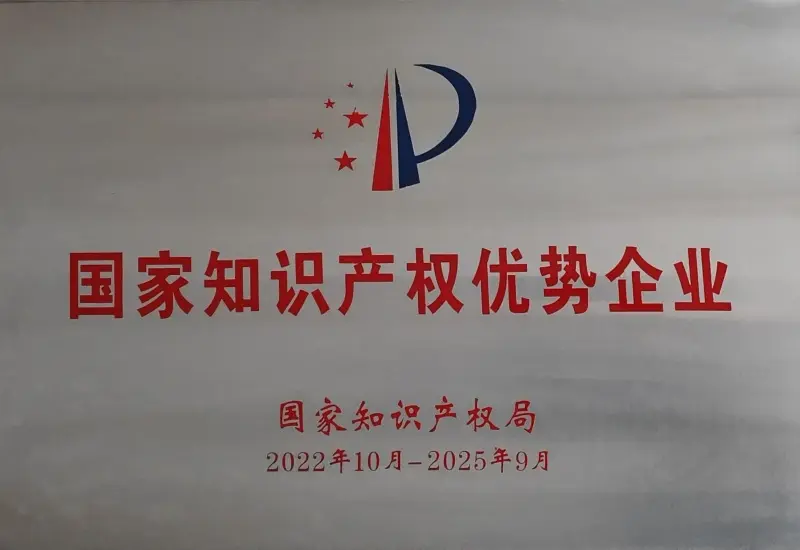
Awarded National Intellectual Property Advantage Enterprise status.
Established a joint venture with the Chengdu Institute of Mineral Comprehensive Utilization, China Geological Survey, to expand into advanced mineral processing reagents.
Direct answers to key technical questions commonly asked by procurement managers and process engineers.
Hydrogen sulfide is generated by sulfate-reducing bacteria (SRB) in anaerobic conditions when they use sulfate as an electron acceptor. Introducing Calcium Nitrate supplies nitrate ($NO_3^-$), which is a preferred electron acceptor for heterotrophic bacteria. Dosing nitrate shifts the microbial respiration pathway, allowing nitrate-reducing bacteria to consume dissolved organic carbon. This suppresses sulfate reduction and reduces odor generation.
The optimal dosing ratio depends on the incoming Chemical Oxygen Demand (COD), baseline Total Nitrogen (TN), and dissolved oxygen (DO) levels. Stoichiometrically, reducing 1 kg of nitrate-nitrogen ($NO_3-N$) requires approximately 2.86 kg of readily biodegradable COD. During active trials, Smedic's technical team runs pilot testing to determine the precise stoichiometry, helping operators avoid under-dosing or organic carbon loss.
Unlike monovalent sodium or potassium additives, the divalent calcium ion ($Ca^{2+}$) helps bridge extracellular polymeric substances (EPS) within activated sludge flocs. This bridging action helps stabilize microfloc structures, improving settling properties (sludge volume index) and facilitating easier dewatering in downstream belt presses or centrifuges.
As a specialized "Little Giant" enterprise with an annual output exceeding 1 million tons, Smedic operates integrated production lines, raw material quality control, and regional logistics networks. Our technical support team assists customers from chemical selection and laboratory analysis through to on-site dosing optimization.
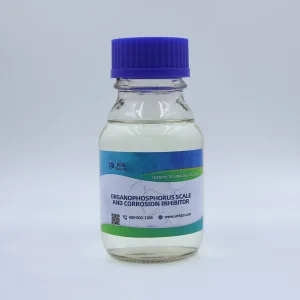
Explore our selection of scale inhibitors, defoamers, coagulants, and polymers designed for municipal sewage and industrial process water systems.
 Smedic Tech