1
1. Global Commercial Status & Industrial Challenges of Dye Wastewater
Dyeing and textile printing industries represent some of the most water-intensive sectors globally. The production processes discharge massive volumes of complex wastewater containing synthetic dyes, printing pastes, auxiliaries, heavy metals, surfactants, and toxic compounds. The global textile industry produces an estimated 200 billion liters of wastewater annually. In dynamic regions like the Asia-Pacific (APAC) region, Central America, and parts of Europe, strict environmental compliance regulations such as the Zero Discharge of Hazardous Chemicals (ZDHC) guidelines and the EU REACH directive have made the treatment of dye wastewater a critical commercial and operational prerequisite.
Dye wastewater is characterized by extremely high Chemical Oxygen Demand (COD), highly complex chromophores (color-causing molecules), variable pH levels, and low biodegradability (BOD/COD ratio is often below 0.2). Classic organic synthetic dyes, such as Azo, Anthraquinone, Phthalocyanine, and Triarylmethane, are chemically stable and specifically engineered to resist fading from light, heat, water, and biological degradation. Consequently, traditional biological treatment methods alone often fall short of meeting modern environmental discharge limits, necessitating the implementation of advanced physical-chemical treatments including coagulation, advanced oxidation, flocculation, and membrane filtration.
"According to modern Google SEO guidelines and semantic user intent analysis, global buyers search for more than simple pricing; they require actionable chemical engineering metrics and E-E-A-T validated processing specifications to resolve high chromophore stability issues."
2
2. Chemical Technical Mechanisms & The Smedic Product Suite
To address the stubborn characteristics of dye effluents, Smedic has developed a highly targeted chemistry paradigm based on our extensive R&D. We design specialized coagulants and flocculants that exploit charge neutralization, adsorption-bridging, and sweep-flocculation mechanisms to break the stable colloids formed by dye particles.
A. Coagulation with Inorganic Metal Salts (PAC and PFS)
Inorganic coagulants like
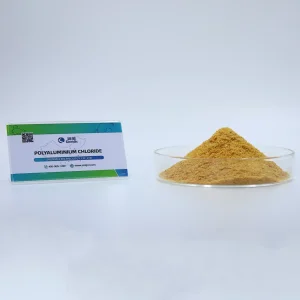
Polyaluminum Chloride (PAC) and
Polyferric Sulfate (PFS) hydrolyze in solution to yield highly charged multi-nuclear hydroxyl complexes. These positive ionic clusters effectively neutralize the negative surface charges present on suspended dye colloids and dissolved anionic dyes.
- PAC Application: Best for rapid floc formation under neutral to slightly alkaline pH. Smedic's PAC utilizes advanced spray-drying techniques to ensure rapid dissolution and minimal residual aluminum levels.
- PFS Application: Highly effective for deep color removal of azo and vat dyes. The trivalent iron ions in PFS provide excellent oxidation-reduction assistance, stripping chromophores and adsorbing dissolved organic components.
B. Flocculation and Aggregation with Polyacrylamide (PAM)
Once the charge has been neutralized, polymer flocculants are applied to construct large, fast-settling flocs.
- Cationic Polyacrylamide (CPAM): Since most synthetic dyes contain sulfonic or carboxylic acid groups (giving them an anionic charge), our high-charge-density CPAM binds directly with dye molecules, creating complex micro-flocs that are easily separated by flotation or settling.
- Anionic Polyacrylamide (APAM) & Non-Ionic Polyacrylamide (NPAM): Utilized primarily for secondary sludge dewatering, thickening, and clarification processes in conjunction with inorganic coagulants.
C. Advanced Heavy Metal Removal & Defoaming Agent Technologies
Many modern dye formulas rely on organometallic complexes containing copper, chromium, nickel, and cobalt. Regular coagulants cannot efficiently break these complexes. Smedic's proprietary Heavy Metal Removal Agent works via multi-dentate chelation, forming highly stable, insoluble metal-chelate precipitates that are easily filtered out.
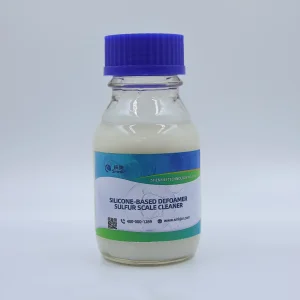
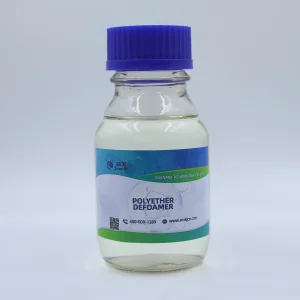
Furthermore, dye wastewater is highly prone to foaming due to the presence of surfactants. We supply high-performance Organic Silicone Defoamers and Polyether Defoamers designed to survive harsh pH, high salt environments, and elevated temperatures, ensuring stable hydraulic conditions in treatment plants.
Proprietary Patents & Strategic Brand Alliances
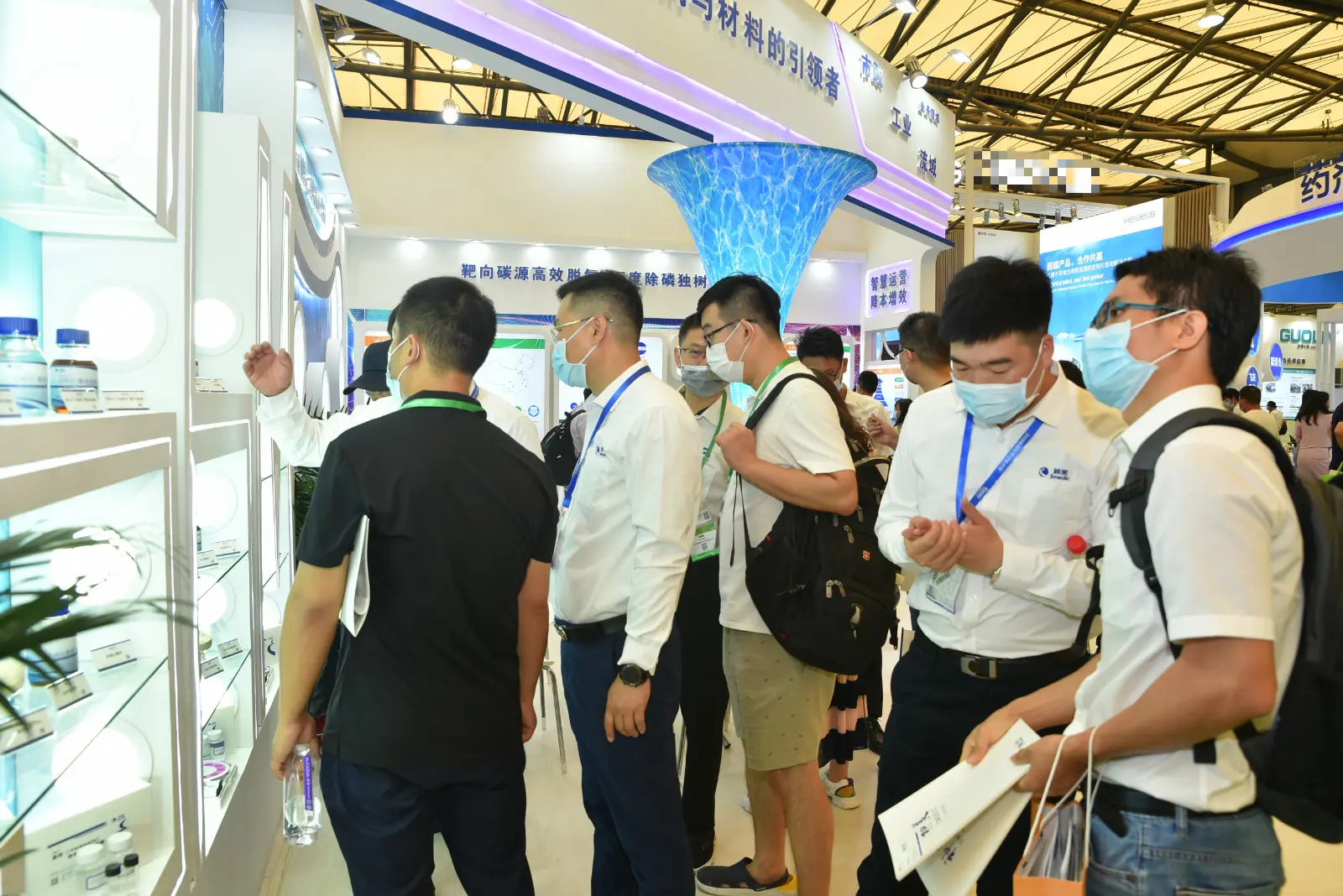
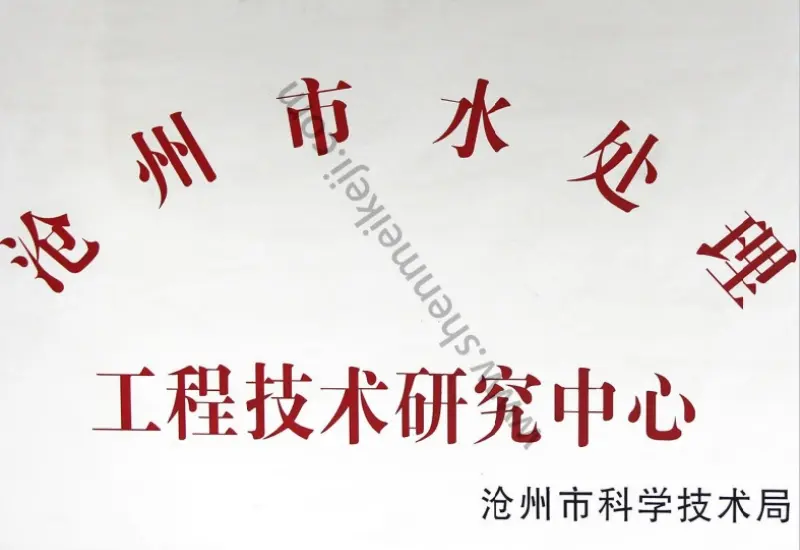
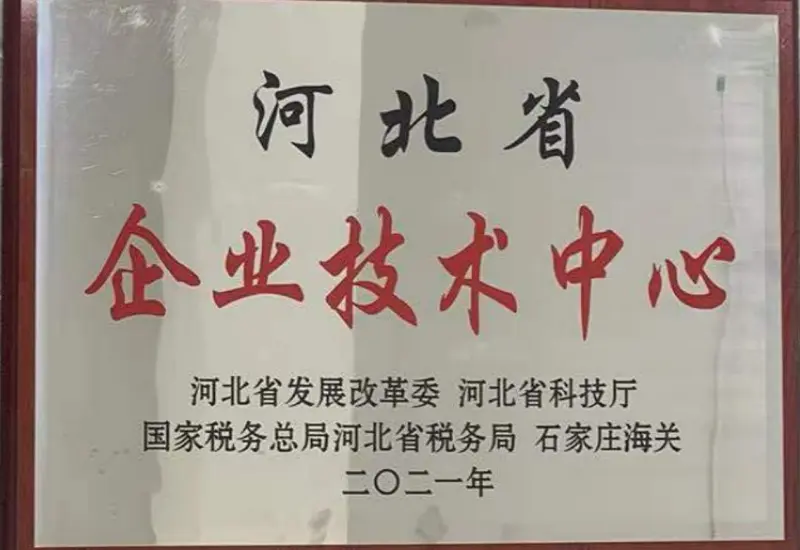
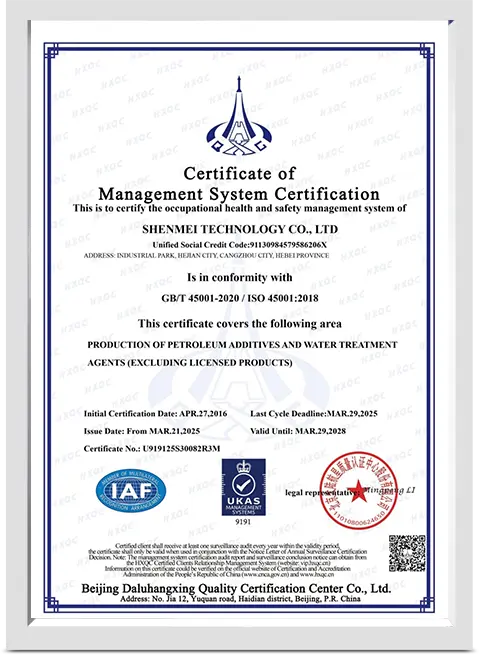
Smedic has been recognized as the "Leading Brand of Advanced Wastewater Treatment Chemicals" and the "Most Valuable Water Treatment Chemicals Brand" by the China Water Network and E20 Environmental Platform for four consecutive years.
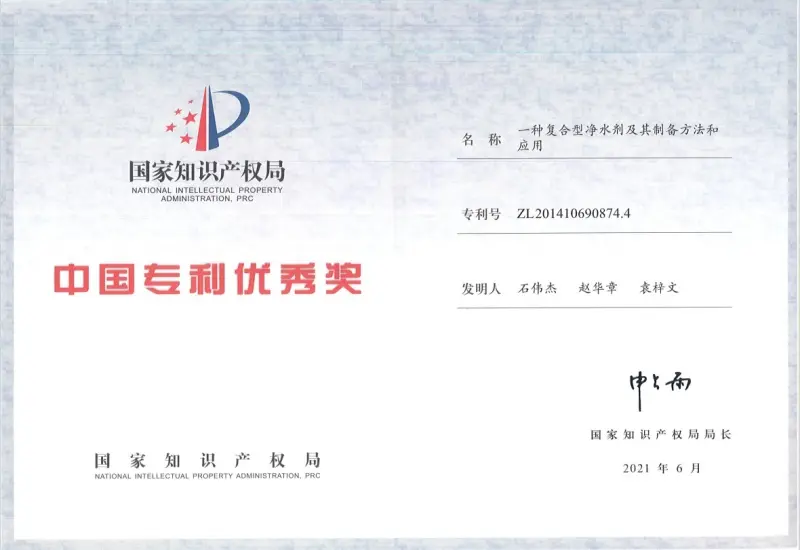
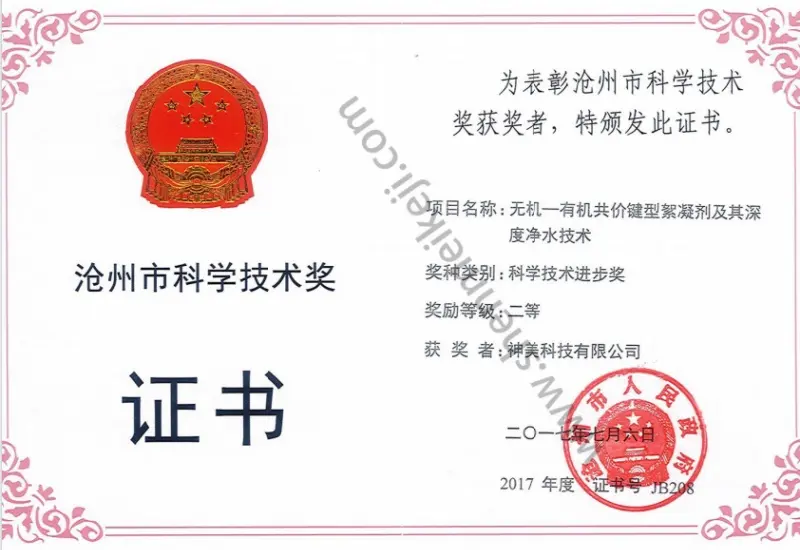
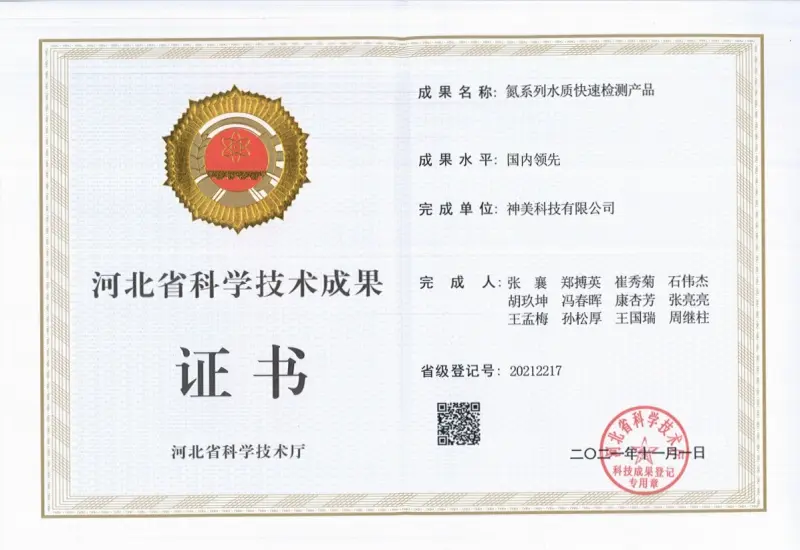
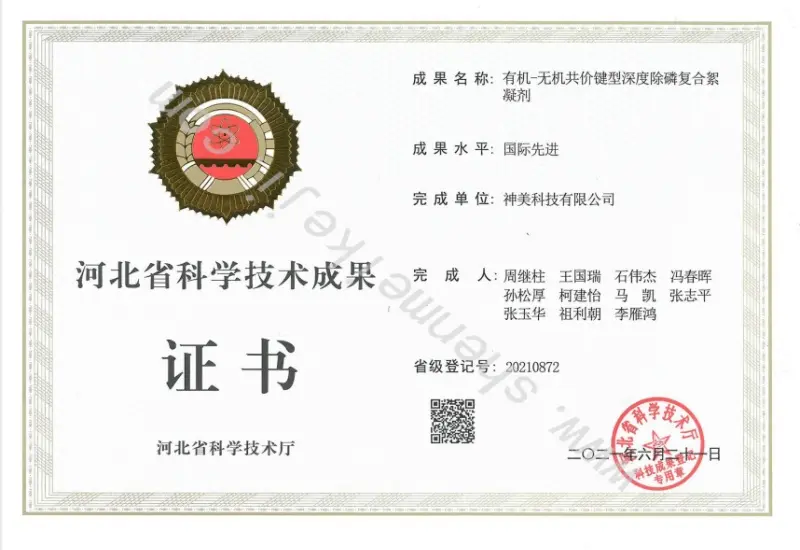
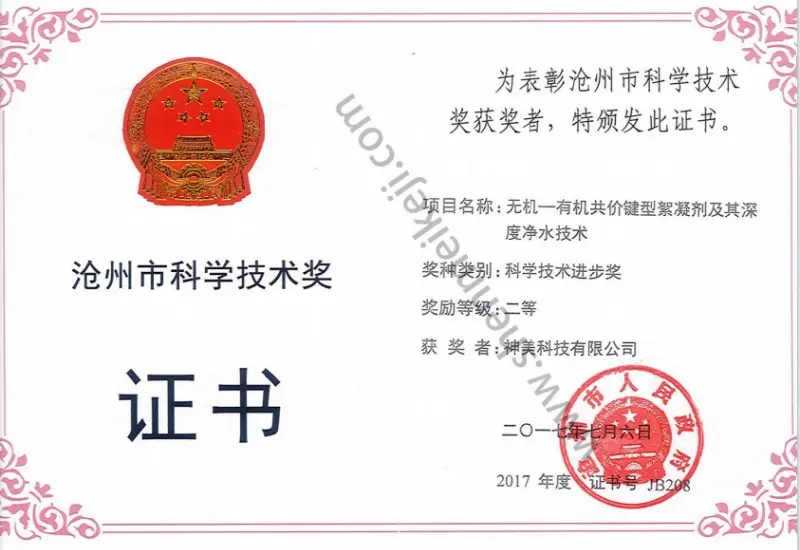
Our independently developed "Inorganic-Organic Covalent Bond Flocculant and Its Advanced Water Purification Technology" won the 22nd China Patent Award, the First Prize for Technological Invention from the China Petrochemical Industry Association, and the Hebei Province Science and Technology Progress Award.
We maintain strategic alliances with Shouchuang Ecological, Beijing Enterprises Water Group, and China Water Environment Group to deploy these patented technologies across thousands of industrial facilities.
3
3. Localized Application Scenarios & Operational Case Studies
Dye wastewater varies drastically depending on the specific textile manufacturing step (e.g., sizing, desizing, scouring, bleaching, mercerizing, dyeing, and printing). Smedic works directly with local operations managers to optimize treatment trains for specific localized scenarios:
Scenario A: Indigo Denim Dyeing Wastewater Treatment (High Color & COD)
Denim manufacturing discharges a highly dark, alkaline effluent rich in indigo dye, starch sizing agents, and reducing agents (such as sodium hydrosulfite).
The Solution: Smedic engineers a sequential treatment system. First, the pH is adjusted, followed by the dosing of our specialty Polyferric Sulfate (PFS) to oxidize and break down the indigo dye complex. Finally, high-molecular-weight Cationic Polyacrylamide (CPAM) is added to facilitate rapid flocculation. In field operations, this approach has consistently yielded a color removal rate exceeding 98% and a COD reduction of over 75%, allowing the effluent to feed safely into municipal biological treatment zones.
Scenario B: Reactive Dyeing Effluent in Knitwear Mills (High Salinity & Dissolved COD)
Reactive dyes require high concentrations of salt (NaCl or Na2SO4) to fix the dye to the cotton fibers. High salinity causes osmotic pressure that disrupts biological sludge, while unfixed hydrolyzed reactive dyes resist standard filtration.
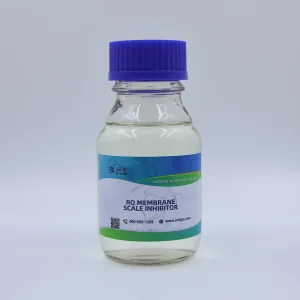
The Solution: We implement a physical-chemical treatment utilizing Smedic's Inorganic-Organic Covalent Bond Flocculant. The covalent bonding properties pull the dissolved hydrophilic reactive dye molecules out of solution. The treated water is subsequently routed through RO filtration systems protected by Smedic's specialized RO Membrane Scale Inhibitors, preventing mineral scaling and maximizing water reuse.
Scenario C: Woolen Textile Carbonizing and Acid Dyeing Effluent
Wool processing generates wastewater with significant oil, grease, suspended solids, and complex acid dyes.
The Solution: A dual-chemical system utilizing Smedic Polyether Defoamers and Heavy Metal Removal Agents. This combination eliminates heavy foam issues while binding the heavy metal ions used in metallized dye complexes, producing easily dewatered sludge.
 Smedic Tech