Engineered for high-rate sedimentation, advanced solids separation, and targeted contaminants removal in modern industrial systems.
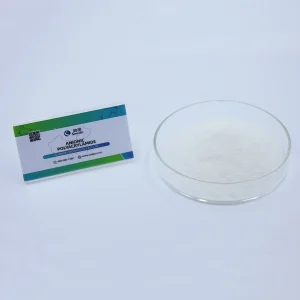
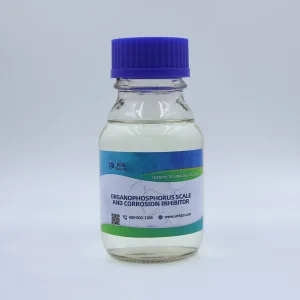
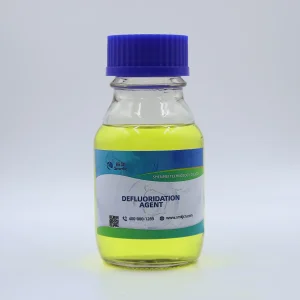
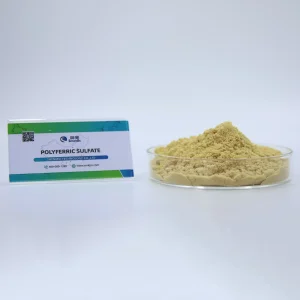
Ferric Sulphate ($\text{Fe}_2(\text{SO}_4)_3$) and Polyferric Sulfate ($\text{PFS}$, $[\text{Fe}_2(\text{OH})_n(\text{SO}_4)_{3-n/2}]_m$) represent the peak evolution of inorganic polymer coagulants in industrial municipal wastewater treatment operations. As a multi-valent metal salt, ferric sulphate rapidly yields polynuclear hydroxyl complexes upon introduction to aqueous systems. These highly charged cationic species neutralize negative colloidal surface potentials, inducing instant micro-flocculation.
Unlike standard aluminum coagulants, ferric chemistry operates across a broad operational pH margin ($4.0 - 11.0$), ensuring stable coagulation without drastic shifts in alkalinity. The high molecular weight of the polymerized iron molecules triggers an aggressive "absorption-bridging" sequence. Suspended colloidal solids, colloidal silica, and dissolved phosphorus are swept down in dense, heavy flocs, optimizing settler settling rates and decreasing down-stream sludge density profiles.
The primary driver of PFS coagulation efficiency is its structural basicity. Basicity defines the ratio of hydroxyl groups relative to iron ions within the polymer structure. Smedic optimizes PFS basicity levels specifically to matches client raw water profiles. High basicity (10–16%) optimizes polymer length and speeds settlement times, making it ideal for high-turbidity inputs.
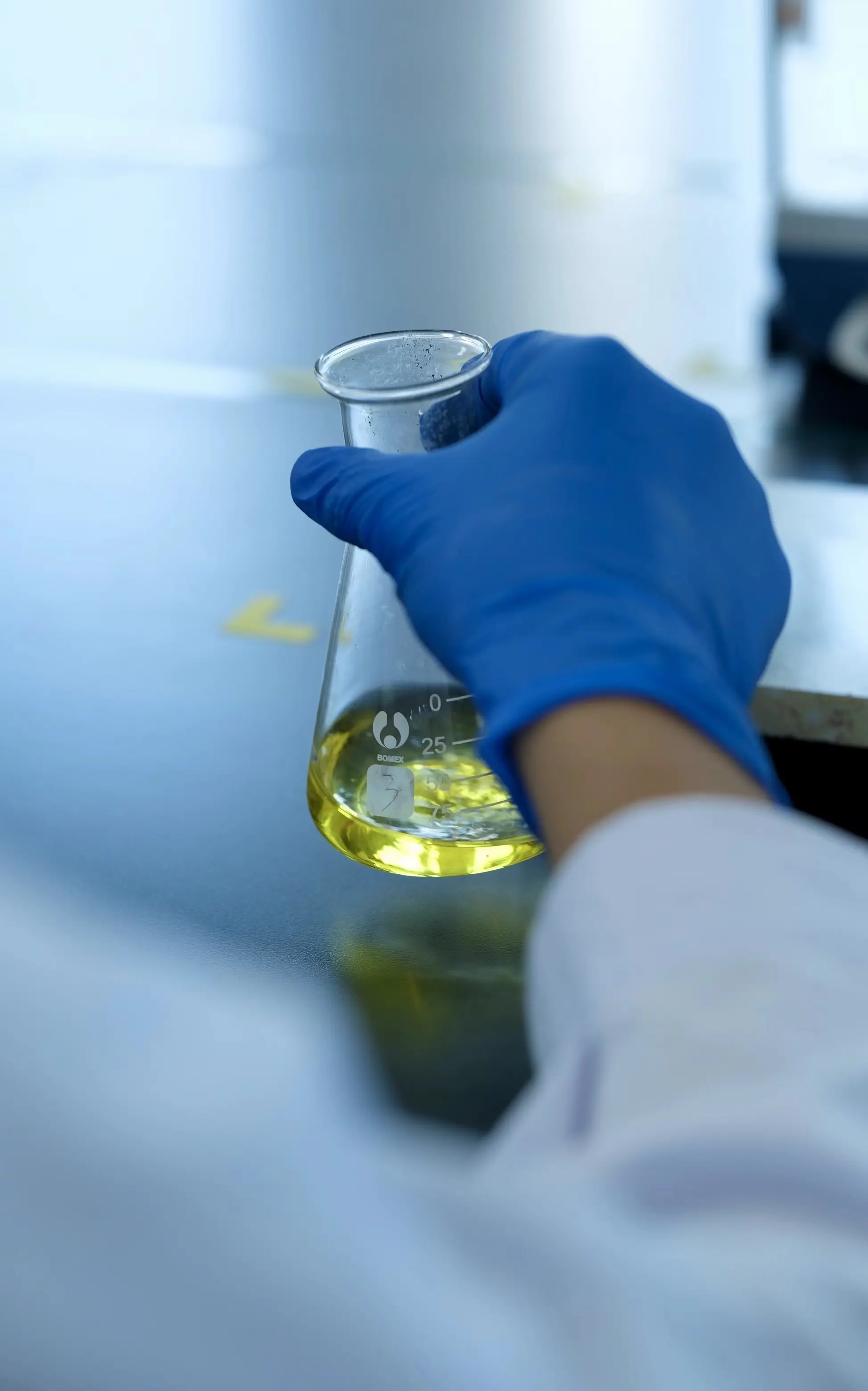
A leading force in China's environmental chemical industry since 2011.
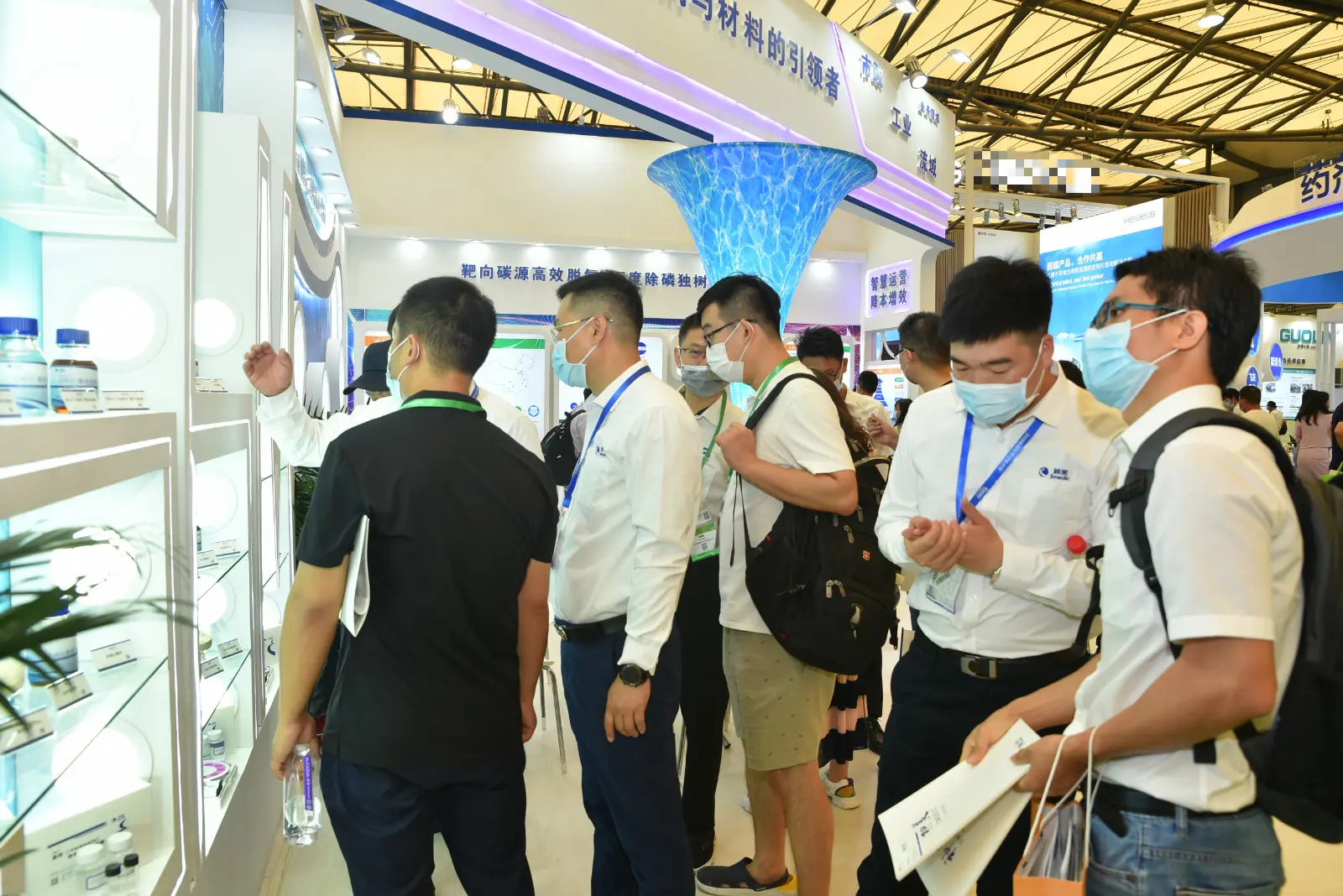
Smedic Technology Co., Ltd. was established in 2011 as a comprehensive solutions provider specialized in environmental protection agents, integrating R&D, production, sales, and engineering-related technical services. We are dedicated to providing customers with customized chemical products, technical solutions, and services. Smedic produces environmental protection agents covering multiple sectors such as municipal sewage, industrial wastewater, and tap water treatment, as well as mineral processing agents, and oilfield chemicals.
With regional warehousing and logistics bases in Shandong, Shanxi, Anhui, Guangxi, and Sichuan provinces, and wholly-owned production bases in Hebei, Guizhou, and Shanxi, Smedic maintains an impressive service presence across China, processing over 20 million tons of wastewater daily across more than 600 urban sewage treatment installations.
How local material access, logistical proximity, and scale yield major economic advantages for global buyers.
Smedic's manufacturing facilities are located directly adjacent to prime iron oxide and high-purity sulfuric acid production hubs in Hebei and Shanxi. By keeping raw material transport loops short, we insulate downstream prices from volatility, ensuring stable pricing for major annual procurement contracts.
With warehouses situated in Shandong, Anhui, Guangxi, and Sichuan, we ensure quick transport routes to domestic and international ports. Global orders are loaded directly into bulk tankers, flexitanks, or dry bags via Tianjin and Qingdao ports, slashing export lead times by up to 25%.
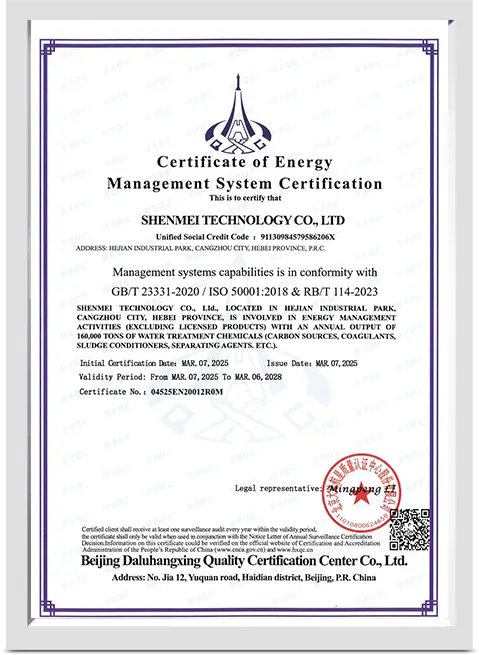
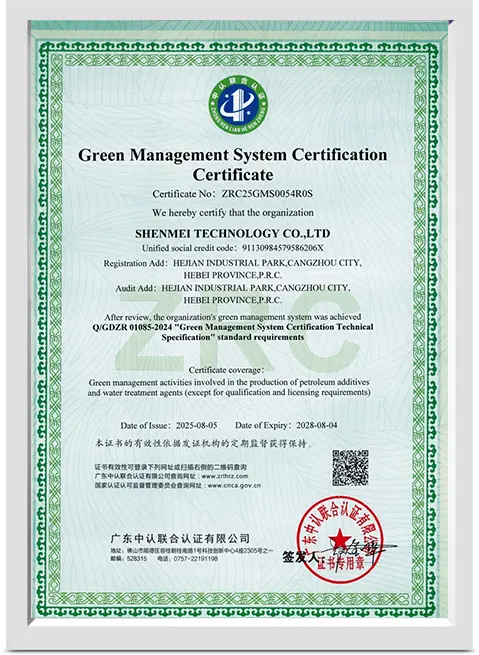
Our production bases are recognized as "Green Factories" under regional environmental metrics. These plants feature zero-discharge water recycling systems and automated gas scrubbers, ensuring long-term operational continuity free from regulatory shutdowns.
Global procurement teams must navigate a complex path to secure reliable chemical supplies. When buying bulk ferric sulphate, purchasing managers face key risks: trace heavy metal contamination (specifically arsenic, lead, and cadmium) that can render municipal output non-compliant, active iron content variations, and crystallization risks in cold storage facilities.
Smedic targets these concerns via specialized formulation modifications. By utilizing precise digestion temperatures during the reaction stage of raw iron materials with sulfuric acid, Smedic achieves high levels of trivalent iron ($\text{Fe}^{3+}$ > 11% in liquid form, > 21% in dry solid form), keeping divalent iron residues ($\text{Fe}^{2+}$) below 0.1%. The result is a highly stable chemical agent that retains its composition during transit times exceeding 45 days.
| Parameters | Liquid Ferric Sulphate | Solid (Powder) PFS | Global Enterprise Standard |
|---|---|---|---|
| Total Iron (Fe) Content | ≥ 11.0% | ≥ 21.0% | Industry Standard Match |
| Reducing Iron (Fe2+) | ≤ 0.1% | ≤ 0.15% | Prevents Water Yellowing |
| Basicity | 8.0% - 16.0% | 10.0% - 16.0% | Configurable Per Treatment Profile |
| Insoluble Matter | ≤ 0.3% | ≤ 0.5% | Protects Dosing Pumps |
| Arsenic (As) | ≤ 0.0001% | ≤ 0.0005% | Potable & Industrial Safe |
Operational details on how Smedic compounds function in real-world scenarios.
For wastewater treatment plants facing strict limits on total phosphorus (TP), liquid PFS is dosed directly before the secondary clarifier. The polymeric iron network bonds with dissolved orthophosphates to form insolubles. This consistently drops effluent TP levels below 0.3 mg/L.
Dyeing effluents contain complex organic chromophores that resist standard biodegradation. The $Fe^{3+}$ centers in ferric sulphate act as strong electron acceptors, destabilizing dye charges and breaking double bonds. This yields decolorization rates over 95% with low dosing rates.
In crude production facilities, produced water contains heavily emulsified mineral oils. PFS breaks these oil-water emulsions by neutralizing charges on suspended oil droplets, which then aggregate into floating flocs for easy skimming.
Processing minerals generates acidic wastewater loaded with dissolved metals. Ferric Sulphate forms co-precipitates with heavy metals like arsenic, lead, and copper, trapping them in stable flocs for secure disposal in tailings impoundments.
By dosing minimal amounts of PFS prior to reverse osmosis stages, plants can remove fine colloids and organic matter that cause membrane fouling, extending RO membrane lifespans by up to 40%.
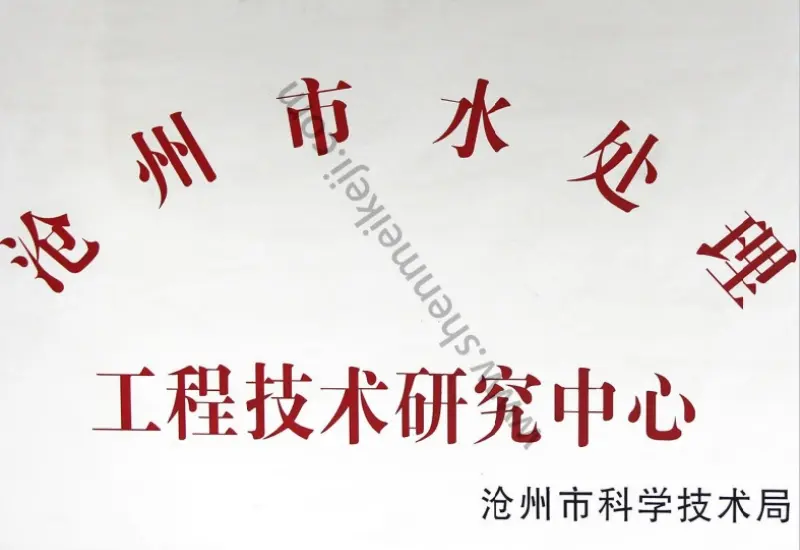
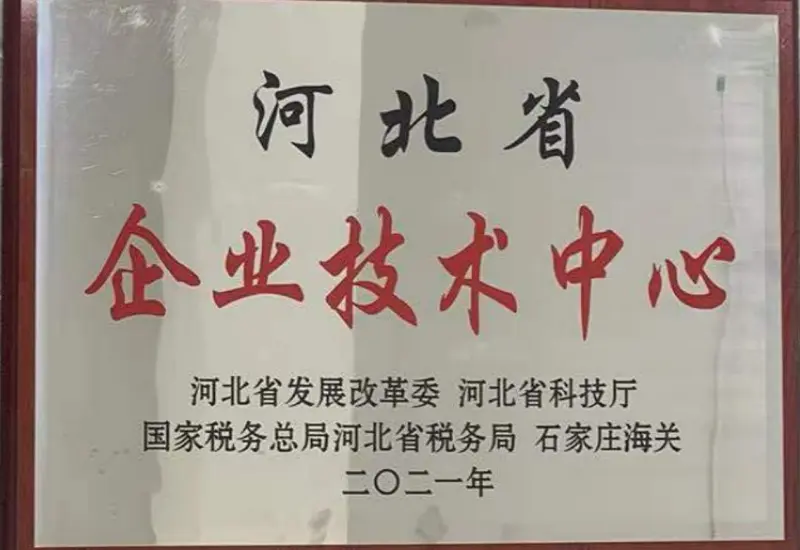
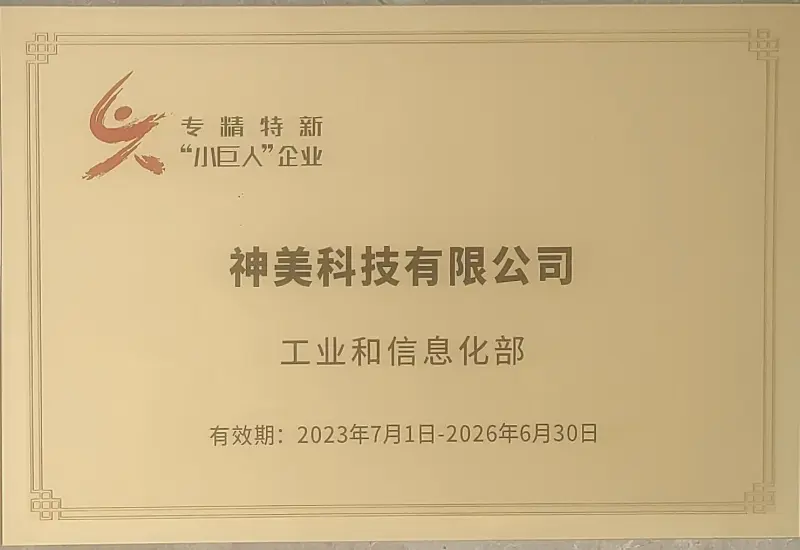
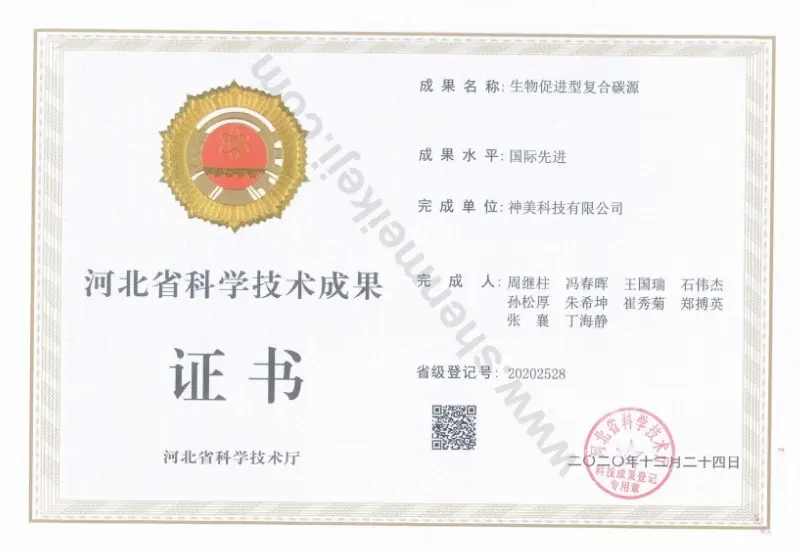
Smedic is a National High-Tech Enterprise and has been recognized as a specialized, refined, unique, and innovative "Little Giant" enterprise at the national level. We have built an R&D framework centered on one academy, three research institutes, and five manufacturing bases, including the Hebei Provincial Advanced Water Treatment Chemicals Technology Innovation Center.
Our collaborative expert workstation operates in partnership with the Tsinghua University Association of Senior Scientists and Technicians, along with joint R&D laboratories at Beijing University of Technology and Shandong University. We lead standard formulation, having drafted over ten national and industry standards for chemical agents such as composite carbon sources, sodium acetate, and nitrifying bacterial agents.
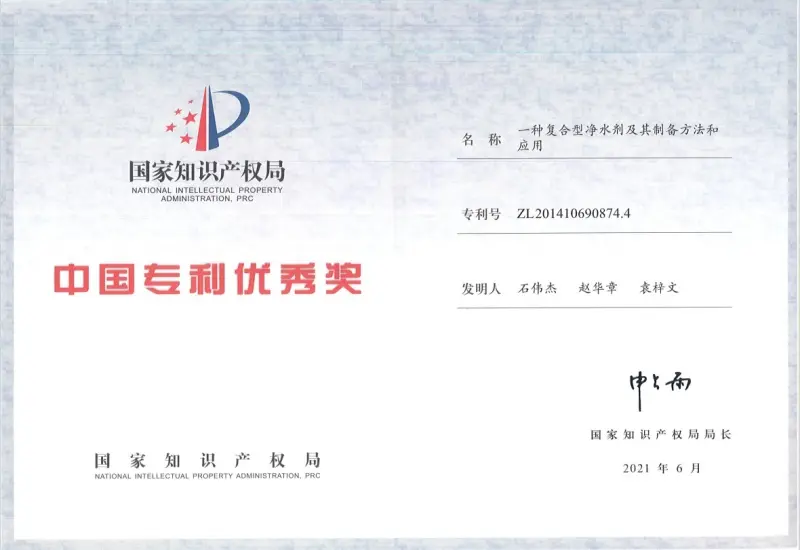
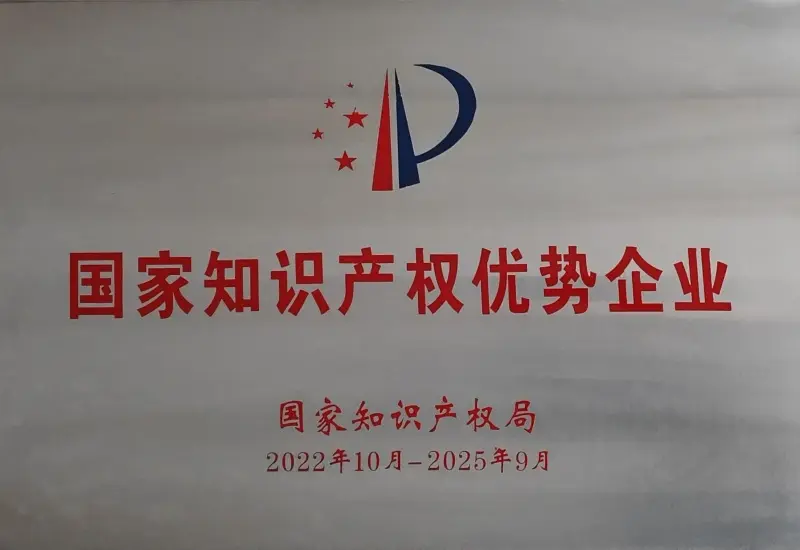
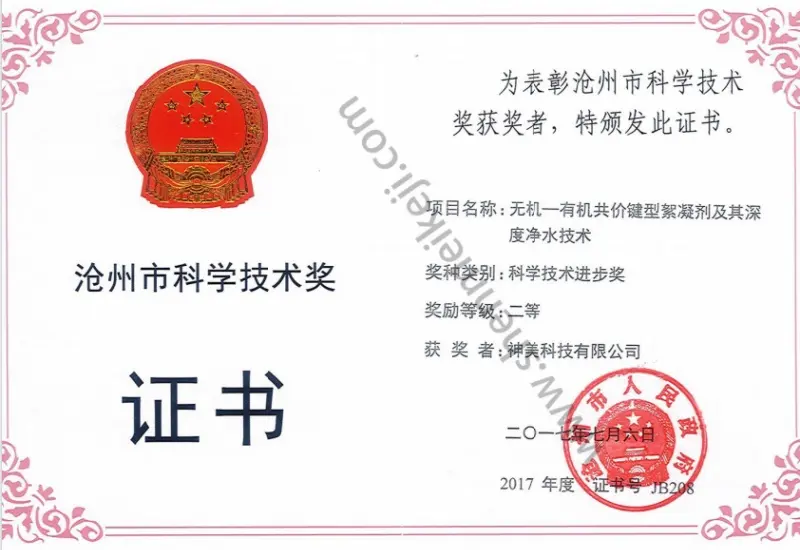
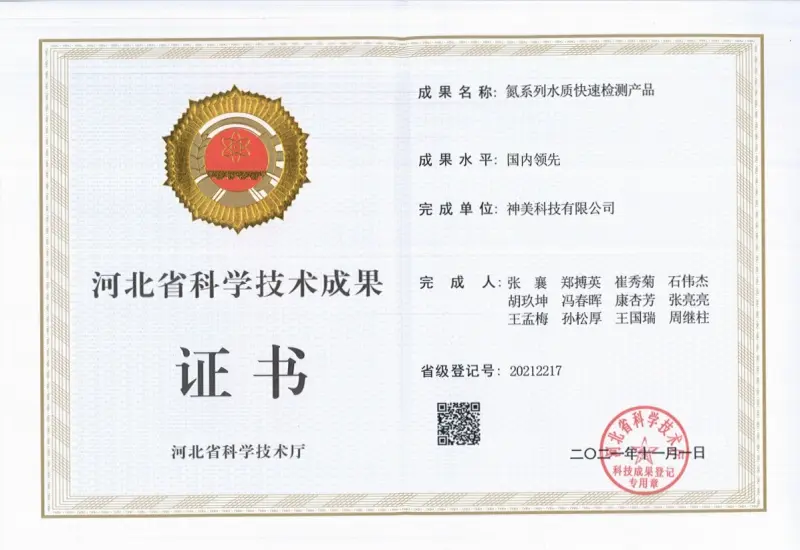
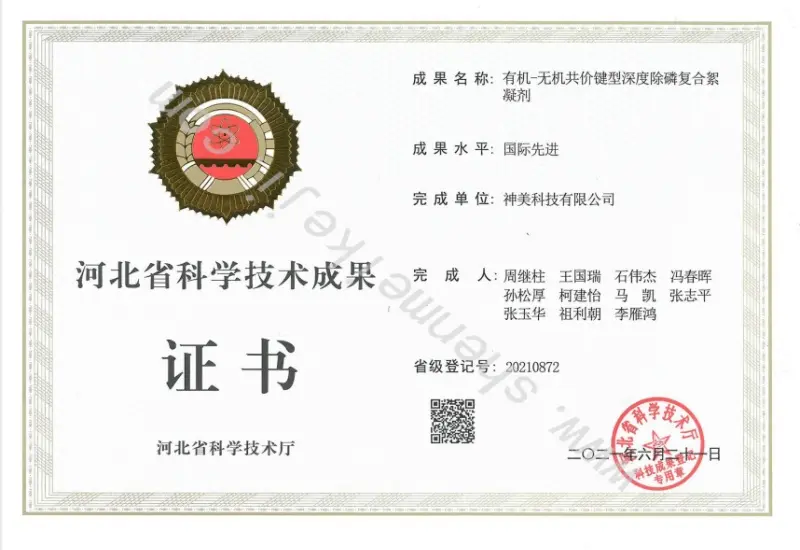
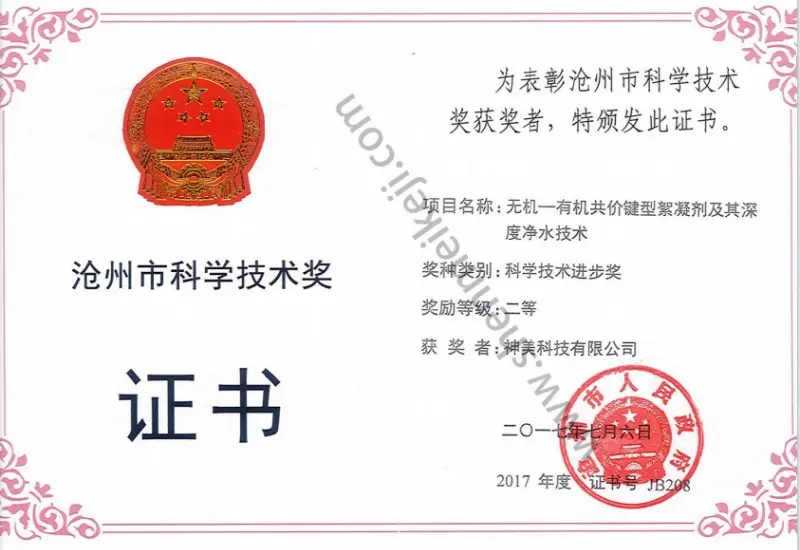
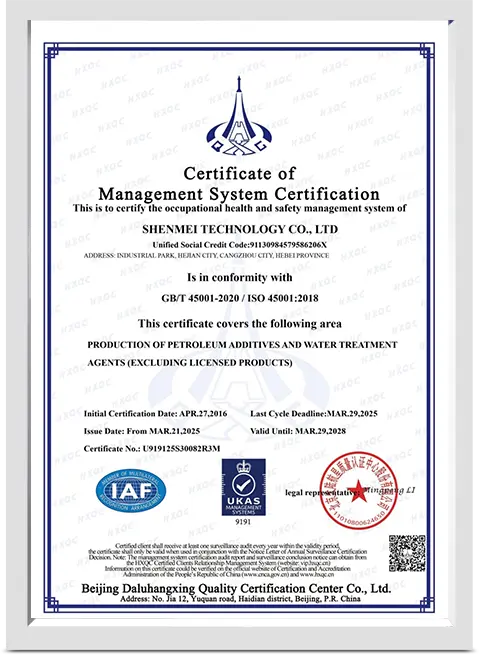
Smedic holds over 60 Chinese patents (including more than 40 invention patents). Our independently developed "Inorganic-Organic Covalent Bond Flocculant and Advanced Water Purification Technology" won the 22nd China Patent Award and the First Prize for Technological Invention from the China Petrochemical Industry Association.
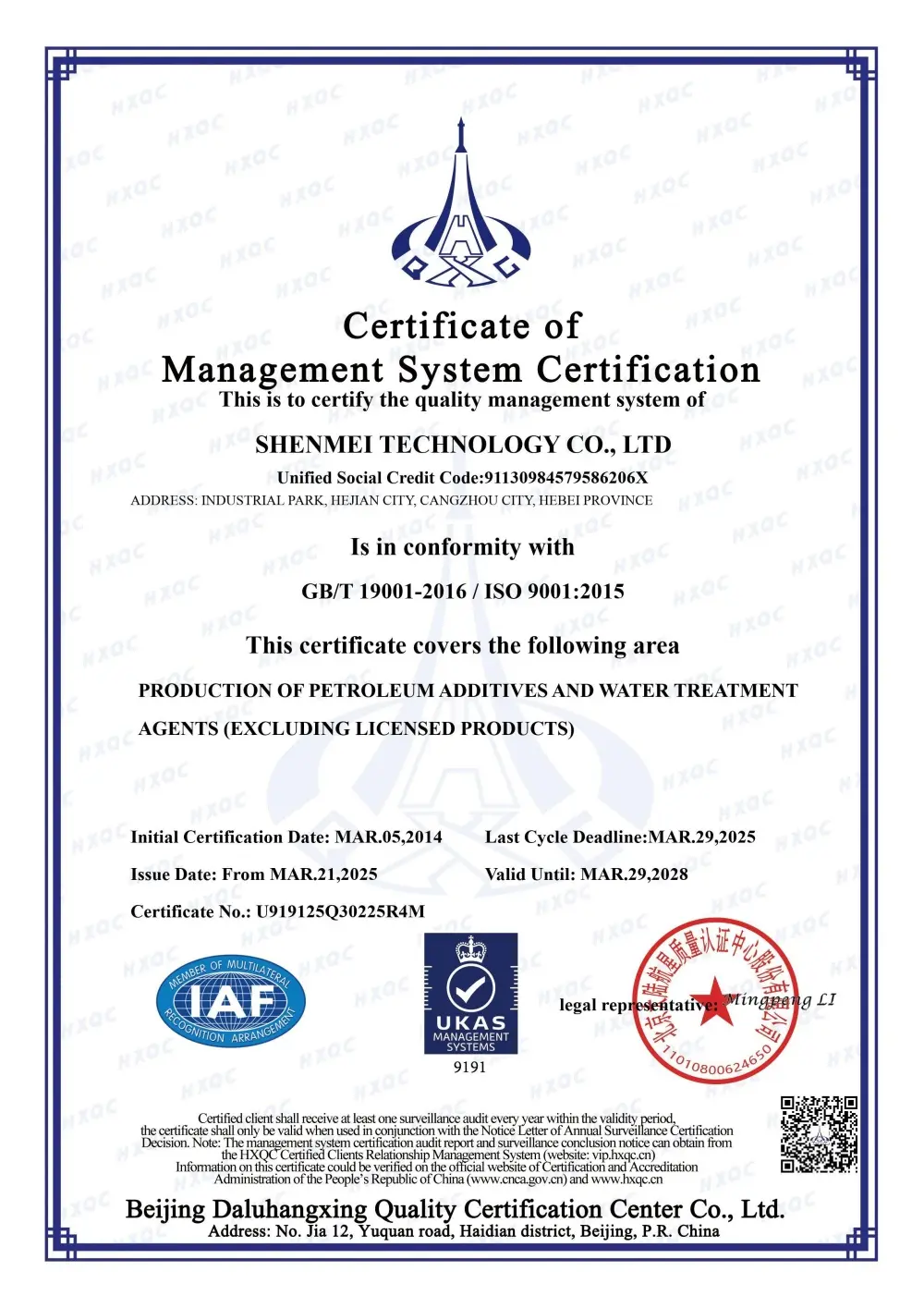
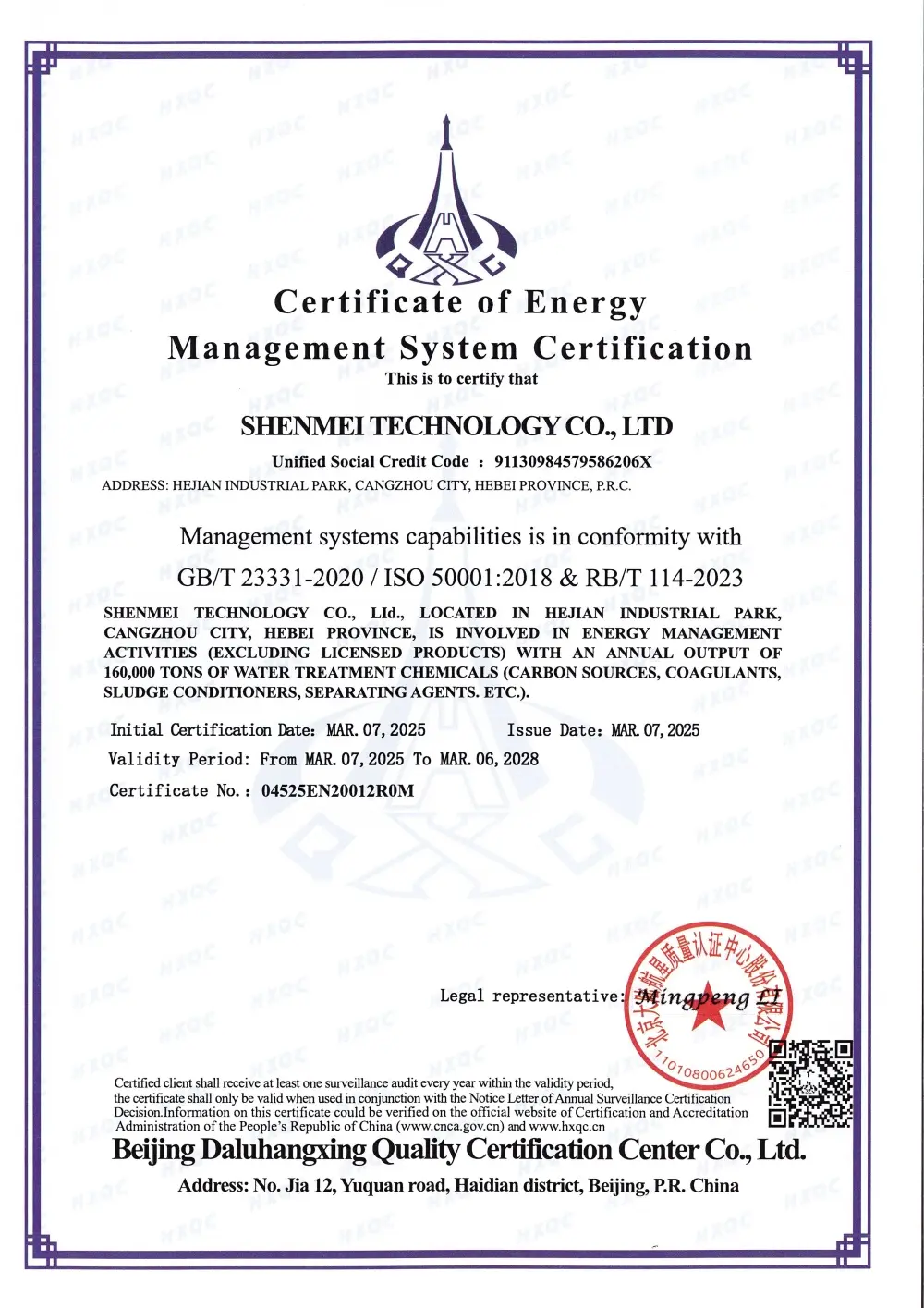
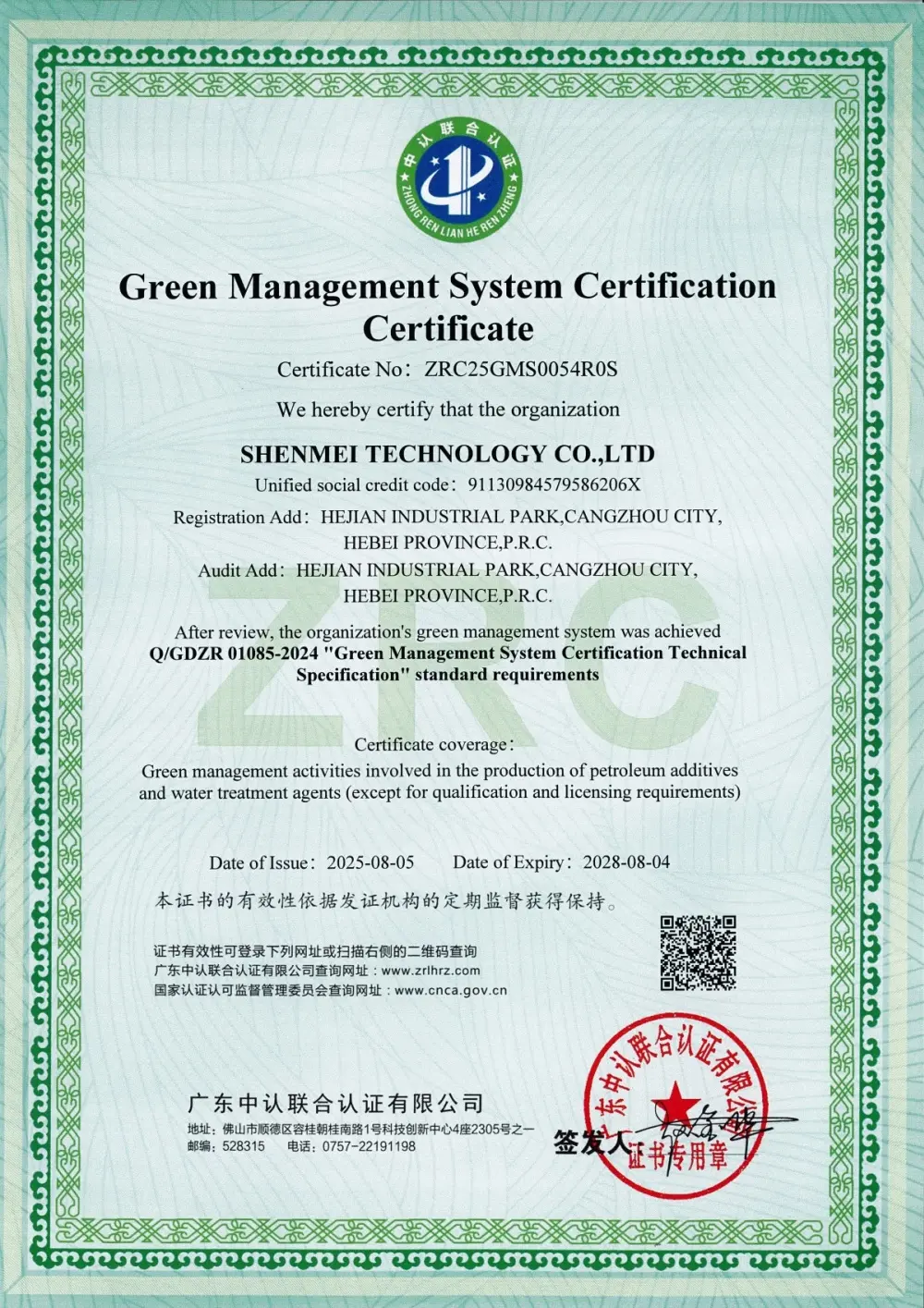
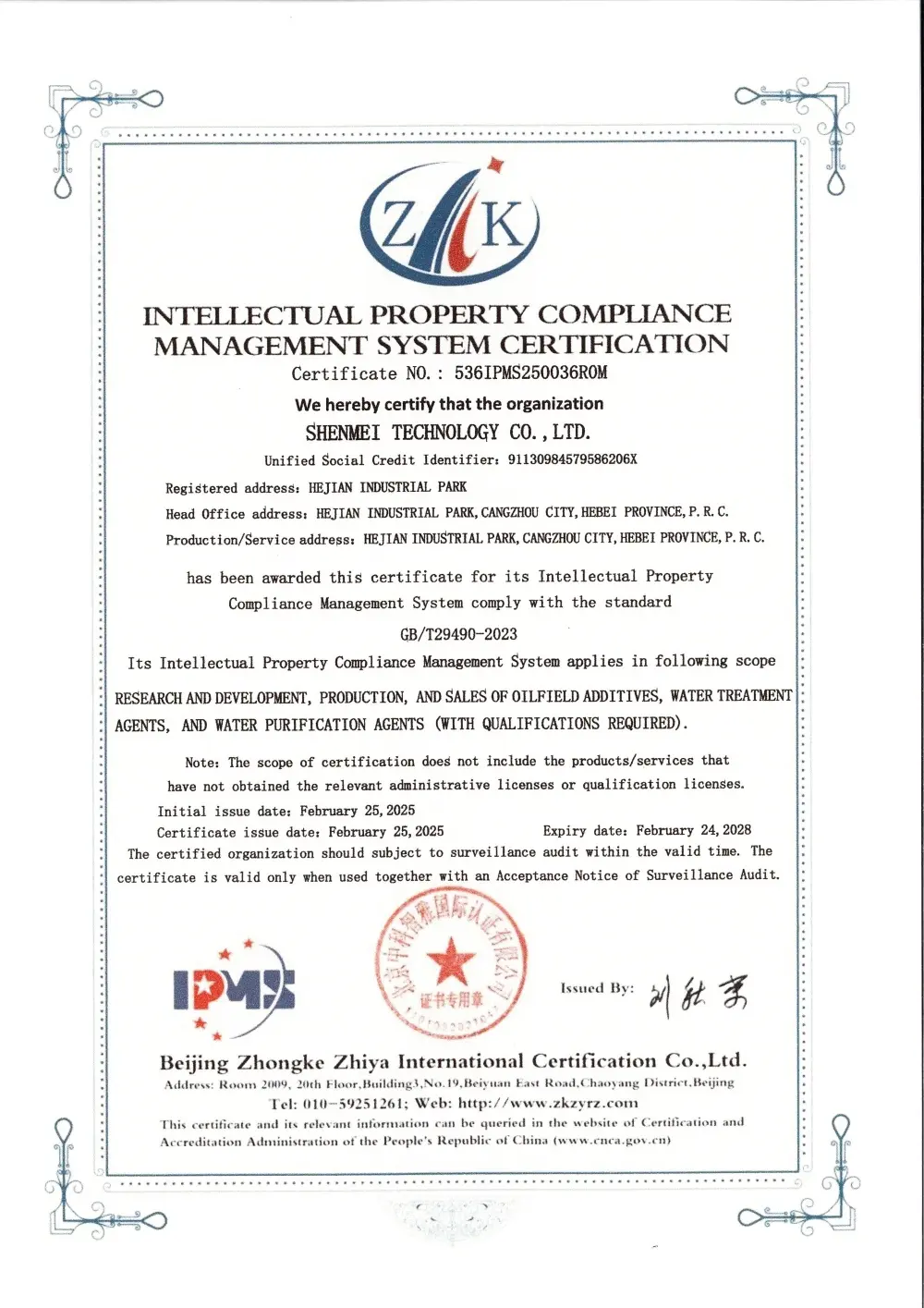
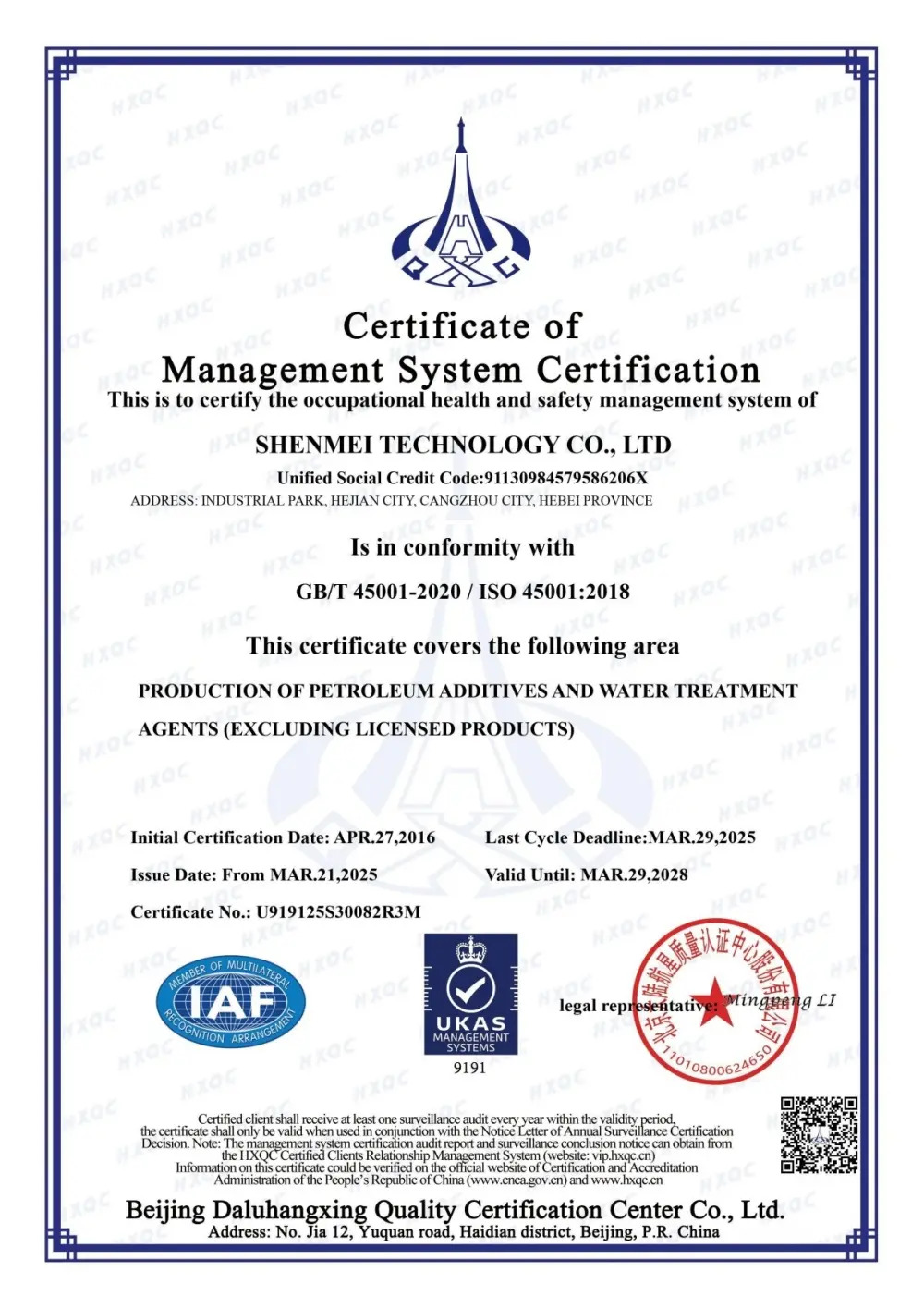
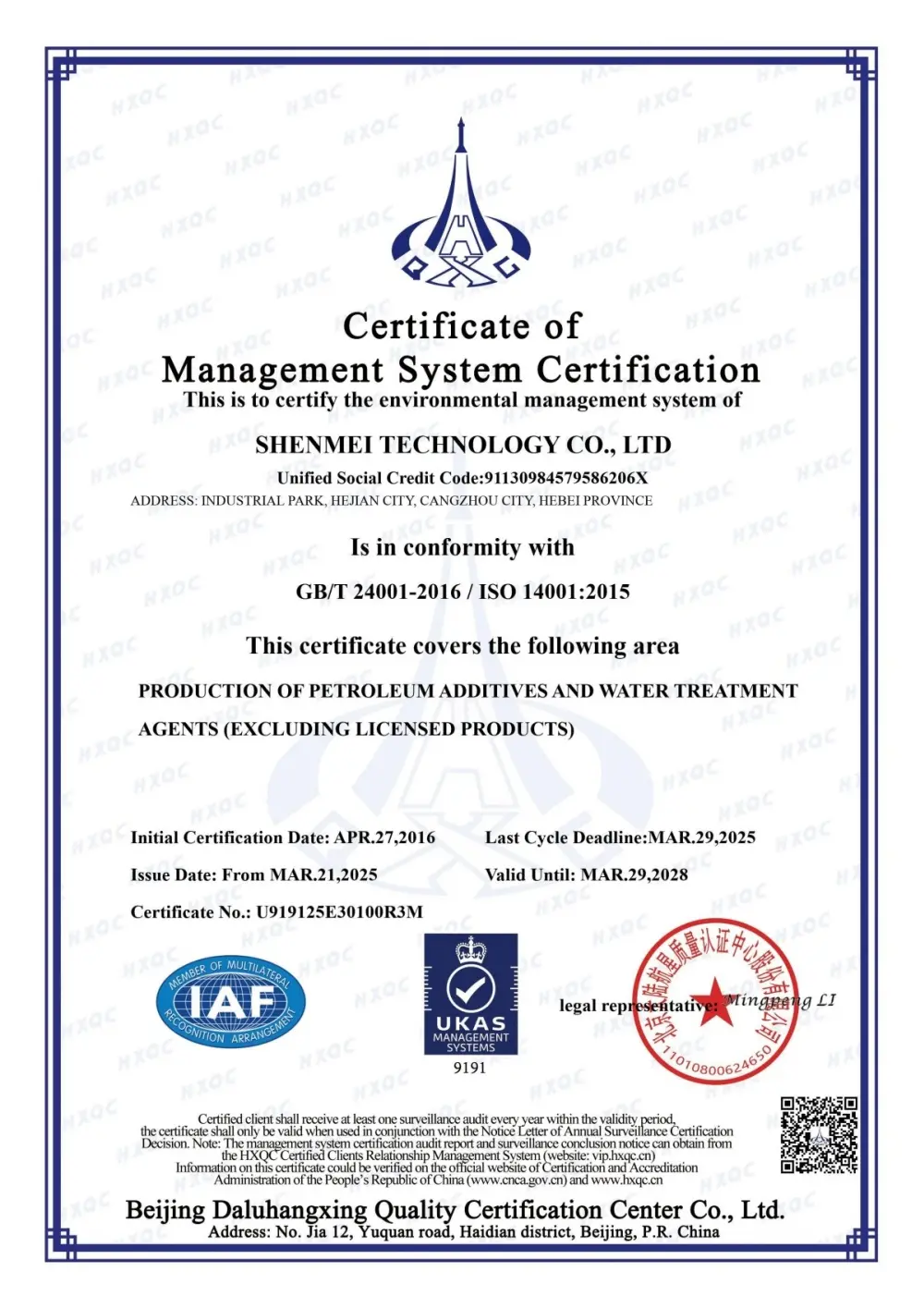
Navigating chemical import regulations is critical for global supply chains. Liquid and solid Ferric Sulphate compounds require specialized handling and shipping protocols. Under EU REACH, US TSCA, and other regional regulatory frameworks, chemical suppliers must provide full dossier declarations and clear GHS labeling.
Smedic supports international buyers with a dedicated export compliance team. We provide complete Safety Data Sheets (SDS), international maritime dangerous goods (IMDG) clearances, and certificates of origin for smooth customs handling. Our team coordinates with local logistics networks to deliver directly to your storage tanks, managing risk every step of the way.
Additionally, Smedic offers localized technical service support, sending engineering field agents to client sites for diagnostic jar testing, dosage calibration, and dosing pump optimizations.
The shift toward green synthesis, low-corrosion formulations, and smart dosing systems.
Modern plants are transitioning away from virgin ore extraction. Smedic is pioneering the synthesis of PFS using byproduct iron materials from manufacturing processes, drastically lowering the net carbon footprint of our chemical agents.
To minimize corrosion in stainless dosing lines, research is focused on modifying basicity ranges. Using customized polymer chains allows plants to operate at lower pH values without damaging pipes and equipment.
By combining UV-vis light sensors with automated dosing controllers, plants can track real-time changes in influent turbidity and adjust PFS feed rates instantly, reducing chemical waste by up to 20%.
Technical answers directly from Smedic's senior water chemistry specialists.
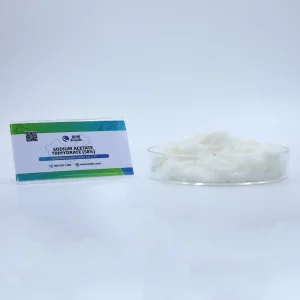
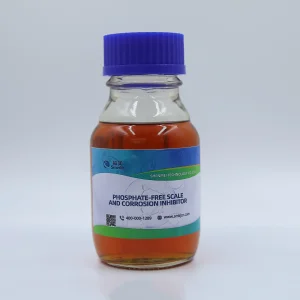
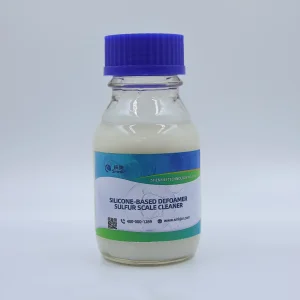
Explore our wider portfolio of scale inhibitors, defoamers, and advanced flocculants designed for end-to-end water treatment efficiency.
Contact our engineering desk today for customized PFS basicity formulations, bulk pricing sheets, technical specifications, and to schedule jar testing assessments.
Request Technical Quotation Smedic Tech