Smedic Engineered Water Treatment Agents and Formulations for Industrial and Municipal Wastewater Facilities
Ferrous Sulfate (FeSO₄), traditionally known as iron(II) sulfate, is a foundational element in modern chemical wastewater treatment. It acts as both a powerful reducing agent and a highly efficient coagulant.
When dissolved in wastewater, Ferrous Sulfate hydrolyzes to form various mononuclear and polynuclear iron complexes, such as [Fe(H₂O)₆]²⁺ and eventually iron(III) hydroxides like Fe(OH)₃ through oxidation. These charged cationic hydroxides neutralize the negative surface charges (zeta potential) of suspended colloidal impurities in the water. This destabilizes the suspension, prompting individual particles to aggregate into larger flocs (sweep-floc coagulation), which settle rapidly by gravity.
In challenging industrial wastewater containing recalcitrant organic contaminants (e.g., dyestuffs, pharmaceutical active compounds), Ferrous Sulfate acts as a catalyst. When combined with Hydrogen Peroxide (H₂O₂), it forms Fenton's Reagent. This process yields highly reactive hydroxyl radicals (•OH), which oxidize and break down complex carbon rings and chemical chains. This chemical oxidation dramatically lowers Chemical Oxygen Demand (COD) and enhances the biodegradability of the effluent.
Established in 2011, Smedic Technology Co., Ltd. is a comprehensive solution provider specialized in environmental protection agents, integrating R&D, production, sales, and engineering-related technical services. We are dedicated to providing customers with customized chemical products, technical solutions, and services. Smedic produces environmental protection agents covering multiple sectors such as municipal sewage, industrial wastewater, and tap water treatment, as well as mineral processing agents, and oilfield chemicals.
Our corporate headquarters is located in Beijing, we have multiple wholly-owned production bases in Hebei, Guizhou, Shanxi, and other regions, and have set up more than ten OEM partner factories and regional warehousing and logistics bases in Shandong, Shanxi, Anhui, Guangxi, and Sichuan provinces, among others. Our business and service network covers over 20 provinces across China. Our projects involve more than 600 urban sewage treatment plants and over 1,000 end customers in industrial wastewater treatment, mineral processing, and oilfield chemicals.
Procurement departments at global municipal and industrial water treatment groups evaluate chemical supplies on more than unit cost. They inspect chemical purity, granular consistency, metal impurities, and supply reliability.
Water systems rely on consistent dosage stoichiometry. Quality Ferrous Sulfate heptahydrate (FeSO₄·7H₂O) must contain at least 19.7% active iron, and monohydrate (FeSO₄·H₂O) must contain 30% active iron. Low active content forces operators to use higher dose rates, which increases sludge volume and shipping costs.
Industrial Ferrous Sulfate often originates as a byproduct of titanium dioxide manufacturing. It is critical to test for trace heavy metals (Lead, Arsenic, Cadmium, and Chromium). Smedic limits these trace elements to parts-per-million (ppm) levels to ensure compliance with strict environmental discharge regulations.
Ferrous sulfate heptahydrate can lose water and cake easily in warm, humid shipping containers. Smedic applies specialized crystalline conditioning and multi-layer moisture-proof packaging to ensure dry, free-flowing chemical granules upon arrival at destination ports.
China's chemical industrial base offers unmatched advantages in scale, raw material access, and advanced production infrastructure. Titanium dioxide factories produce raw ferrous compounds in high volumes. Smedic processes these raw compounds into purified, standardized water-treatment chemicals.
With our regional hubs in Hebei, Guizhou, and Shanxi, and more than 10 OEM partner facilities, Smedic maintains a stable annual output capacity of over 1 million tons. This ensures continuous, uninterrupted supplies for municipal water networks and industrial treatment operations even during raw material shortages.
Our warehouses are positioned near major sea ports like Tianjin, Qingdao, and Shanghai. This allows Smedic to execute efficient, multi-modal transport strategies, providing international buyers with shorter shipping lead times, competitive freight rates, and flexible booking schedules.
Smedic adjusts chemical properties to optimize flocculation and chemical reductions for specific local industrial environments.
Electroplating facilities generate toxic Hexavalent Chromium (Cr⁶⁺). Ferrous Sulfate reduces Cr⁶⁺ to trivalent Cr³⁺ under acidic conditions (pH 2-3). Adding alkali then precipitates the chromium as insoluble chromium hydroxide, safe for removal.
Textile effluents contain stable, synthetic dyes. Ferrous Sulfate decolors this water by breaking down azo dye bonds. The resulting Fe³⁺ complexes then adsorb the dissolved organic dyes into large, easily filterable flocs.
Excess phosphate causes eutrophication in natural waterways. Ferrous ions react directly with dissolved orthophosphates to precipitate iron phosphate [Fe₃(PO₄)₂], which can be easily separated from treated water.
Smedic supplements chemical manufacturing with engineering support. Our technical teams help international customers configure chemical dosing rates, select dry feeders or dissolve tanks, and run jar test optimizations to find the ideal dosing balance.
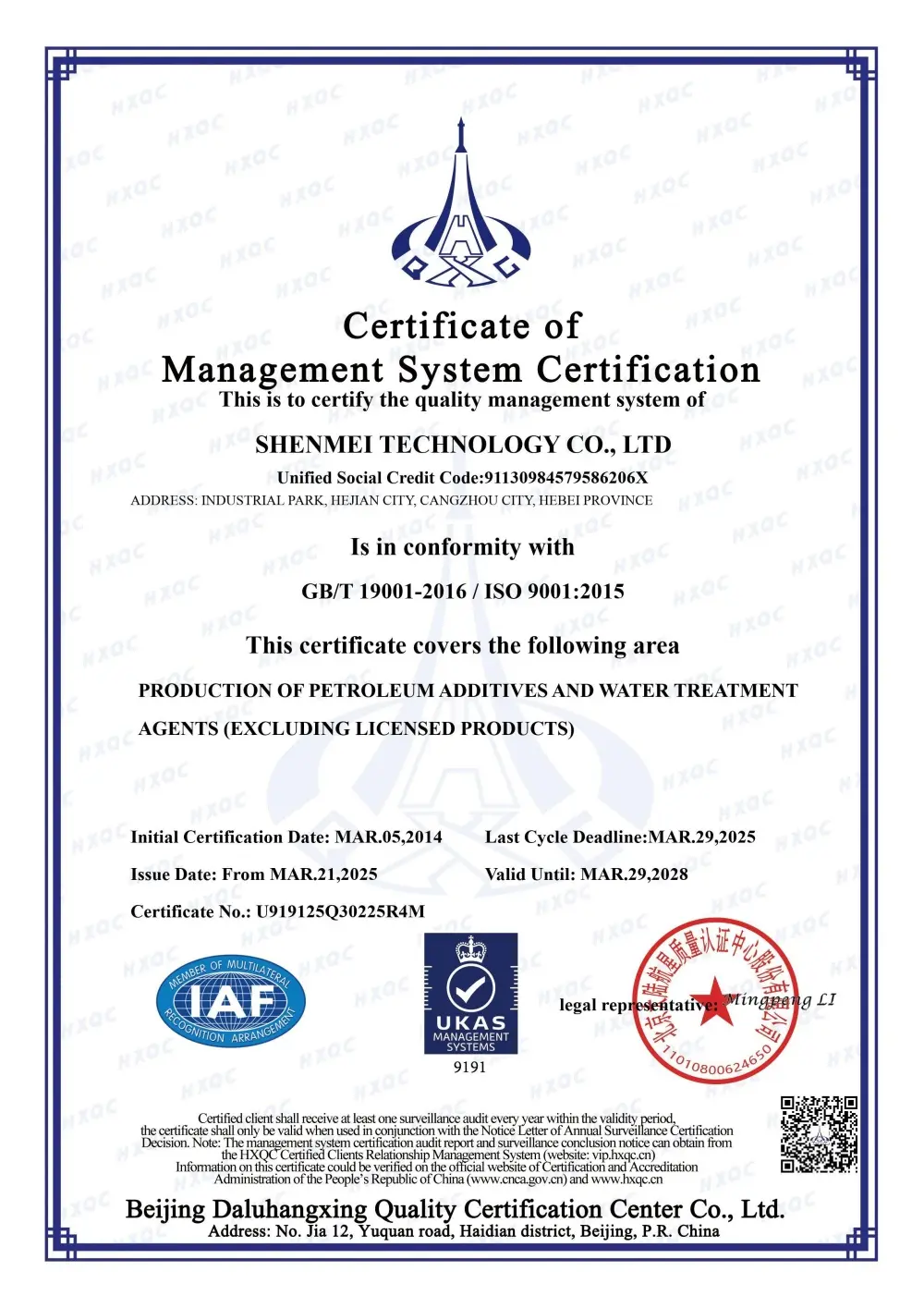
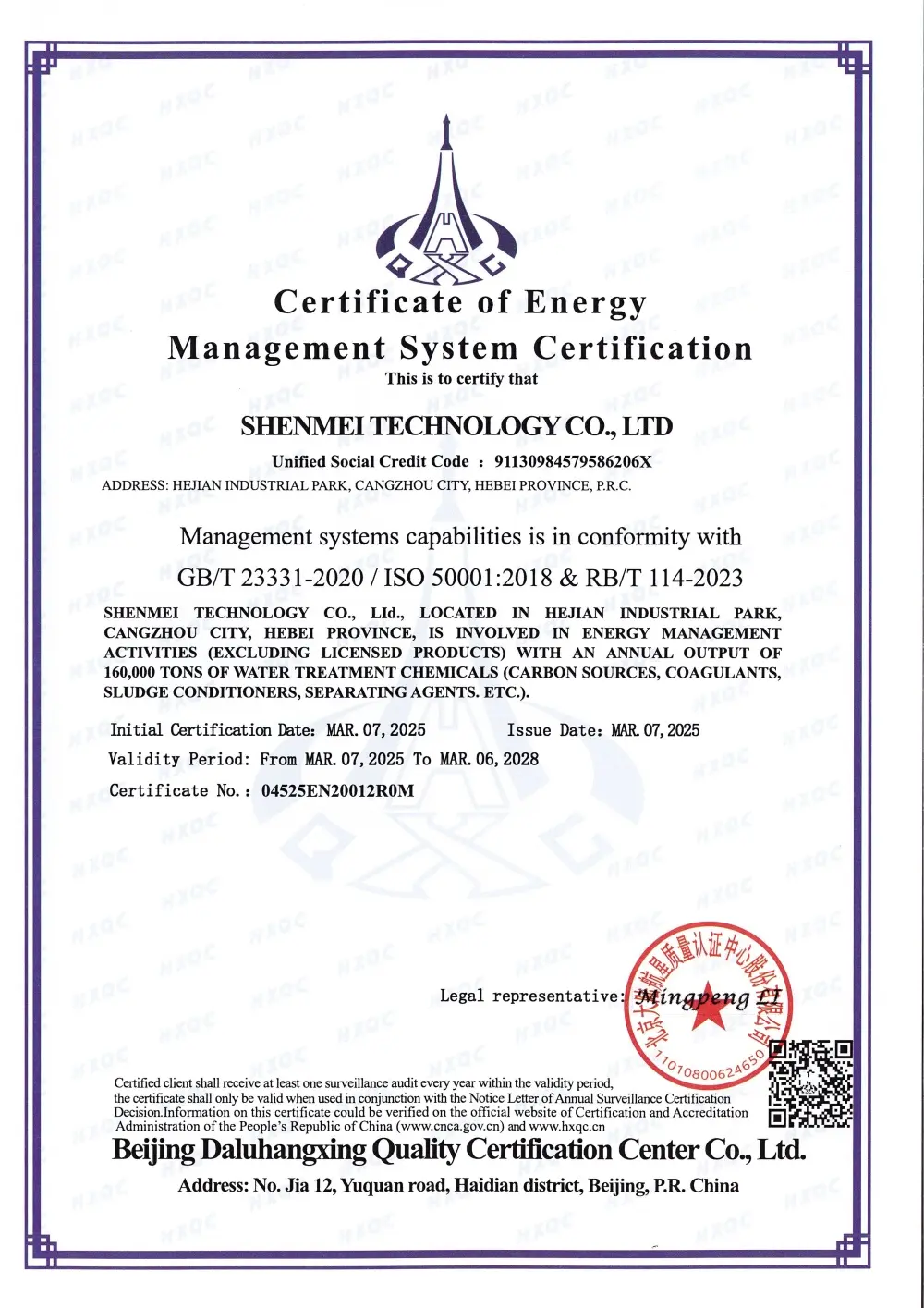
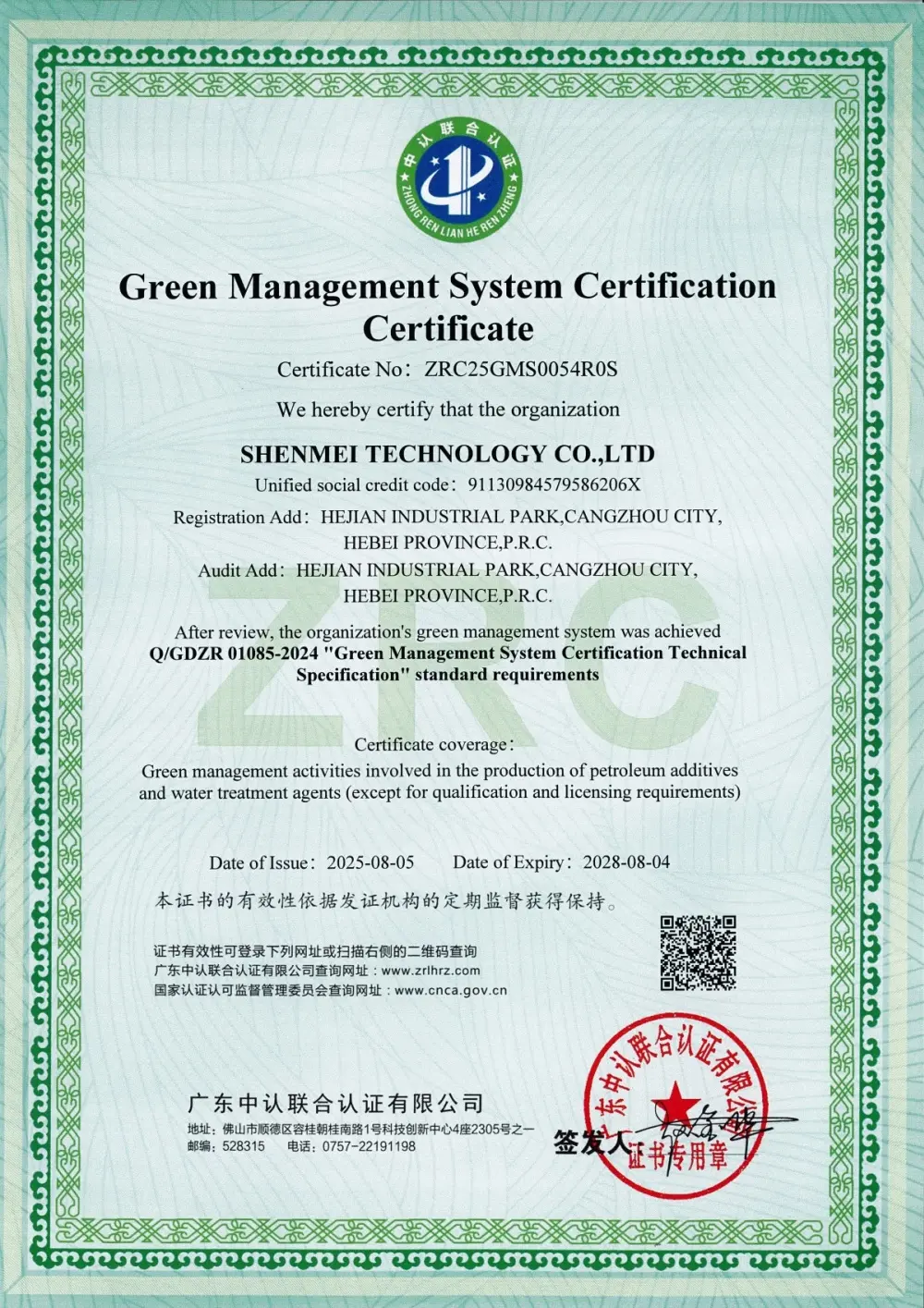
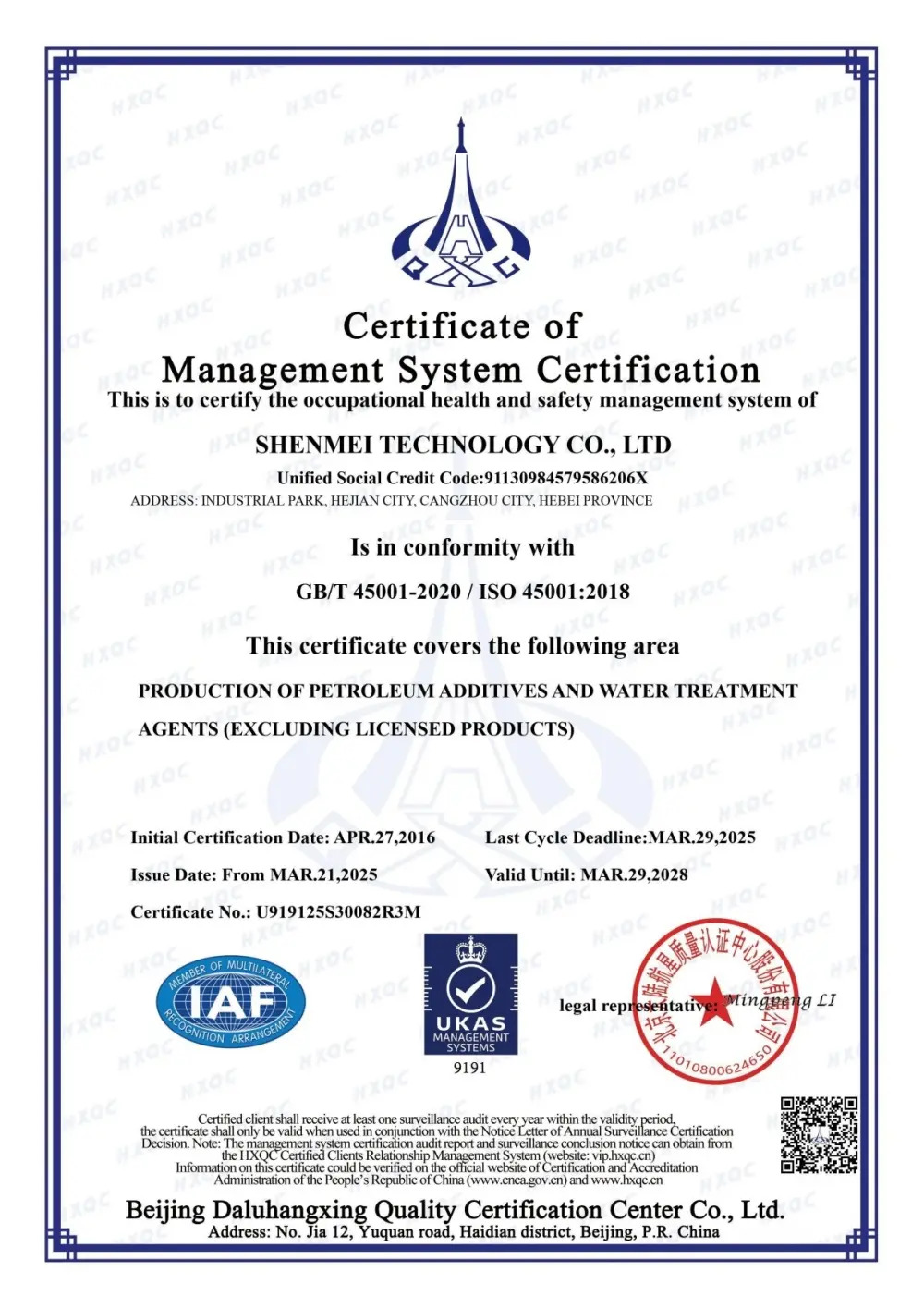
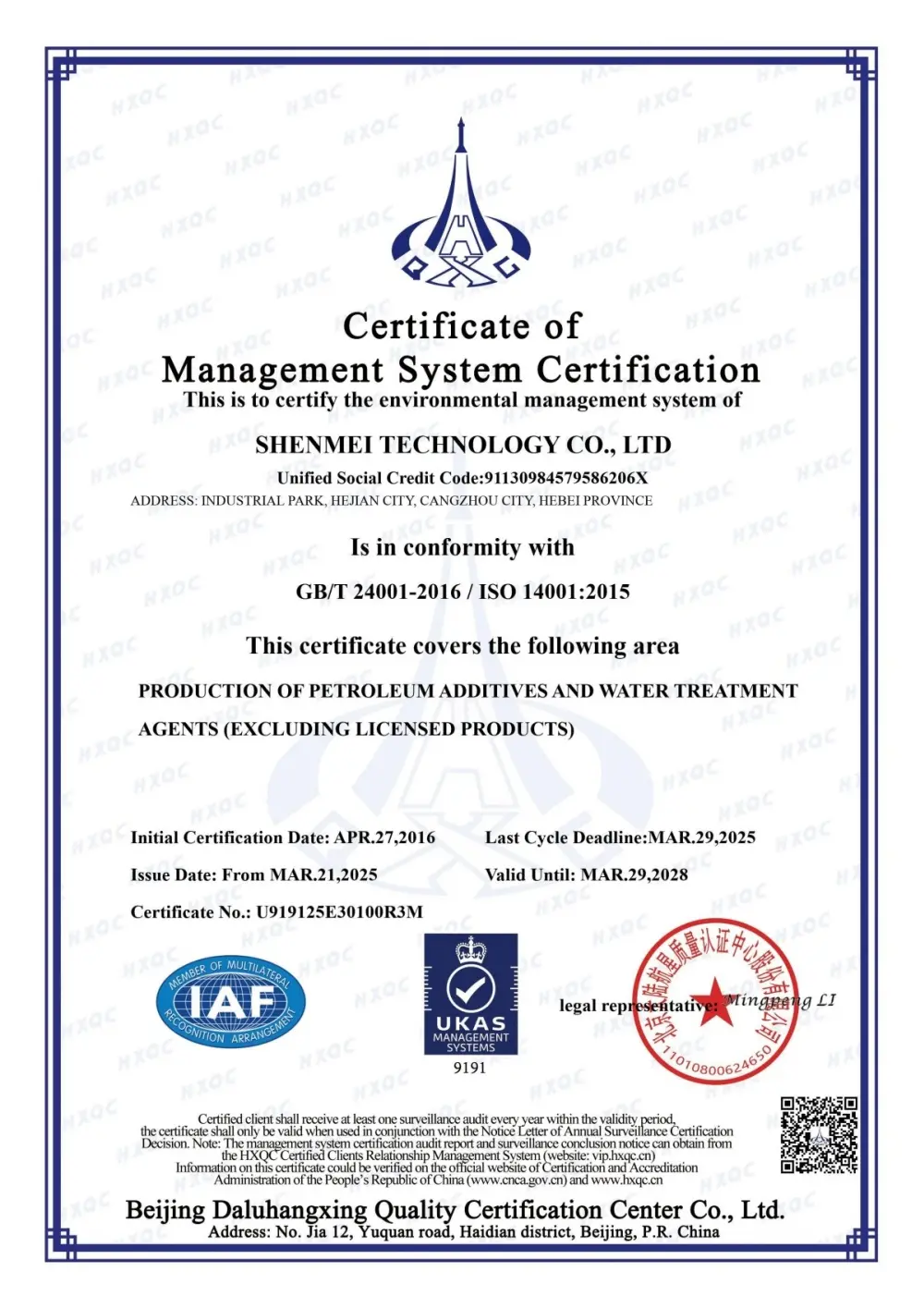
Our manufacturing plants strictly follow ISO 9001 and ISO 14001 guidelines. For exports to Europe and North America, Smedic meets REACH compliance requirements and ANSI/NSF Standard 60 criteria for municipal drinking water systems.
We provide comprehensive technical support, including onsite audits, diagnostic jar tests, and sludge dewatering trials. Smedic helps plant operators select optimal polymer pairings to improve floc stability and speed up sedimentation.
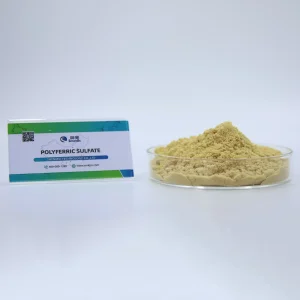
Modern water treatment plants are moving toward combined, multi-functional chemical treatments. Using Ferrous Sulfate alone can sometimes drop pH levels too low and leave high dissolved iron residuals in the effluent. The latest industry developments focus on pre-polymerized inorganic coagulants, such as Polyferric Sulfate (PFS), and hybrid coagulant-polymer blends.
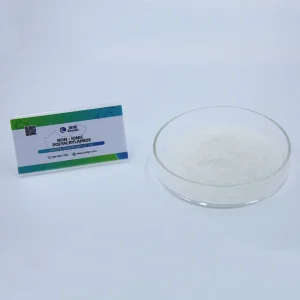
Applying Polyacrylamide (PAM) as a secondary flocculation aid alongside Ferrous Sulfate creates larger, more resilient flocs. This combination increases the speed of gravity clarifiers and helps filtration systems run more efficiently, reducing overall sludge volume.
Smedic Engineered Water Treatment Agents and Formulations for Industrial and Municipal Wastewater Facilities
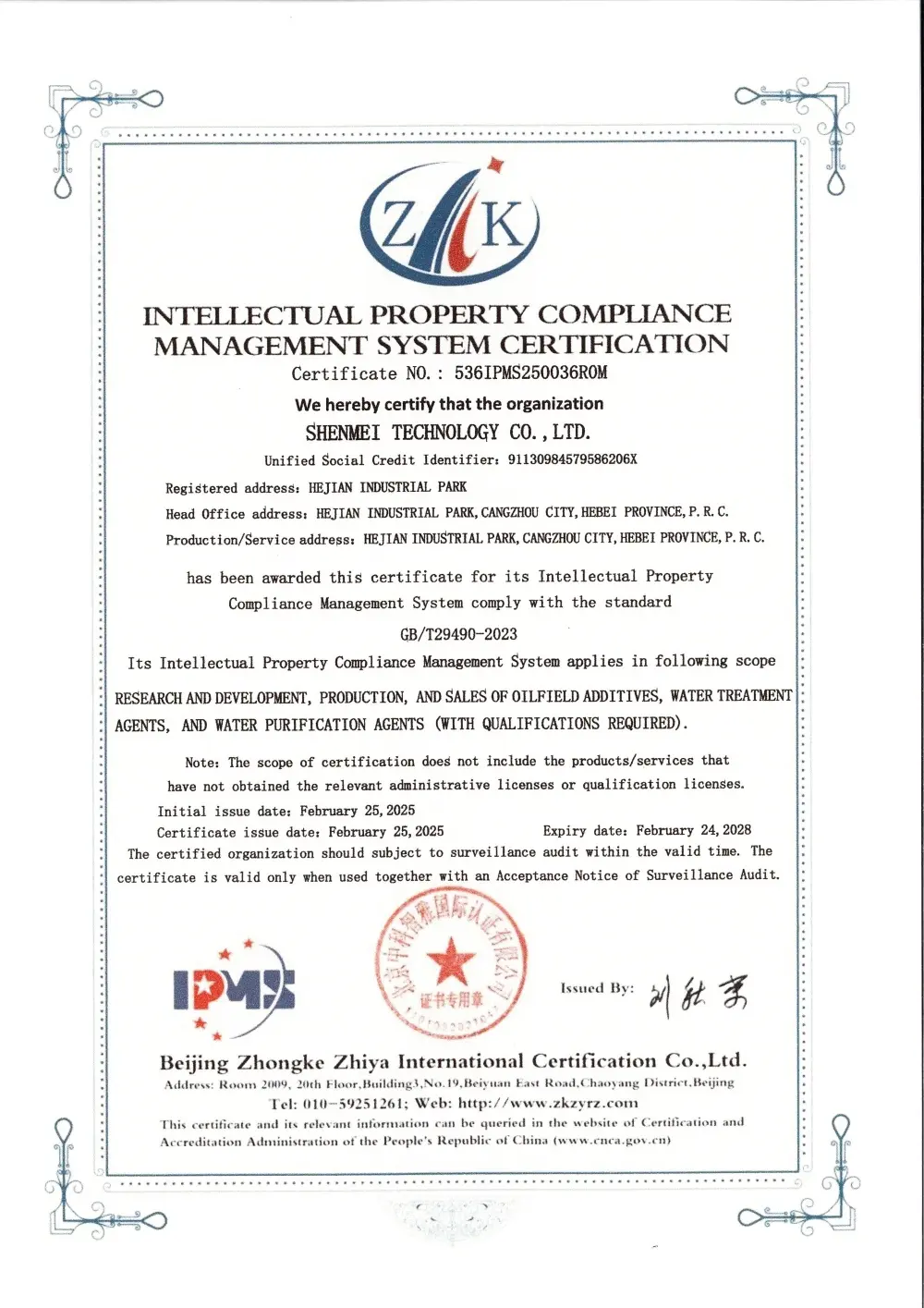
Smedic invests continuously in intellectual property and R&D. We work with leading universities to turn lab discoveries into high-volume industrial products.
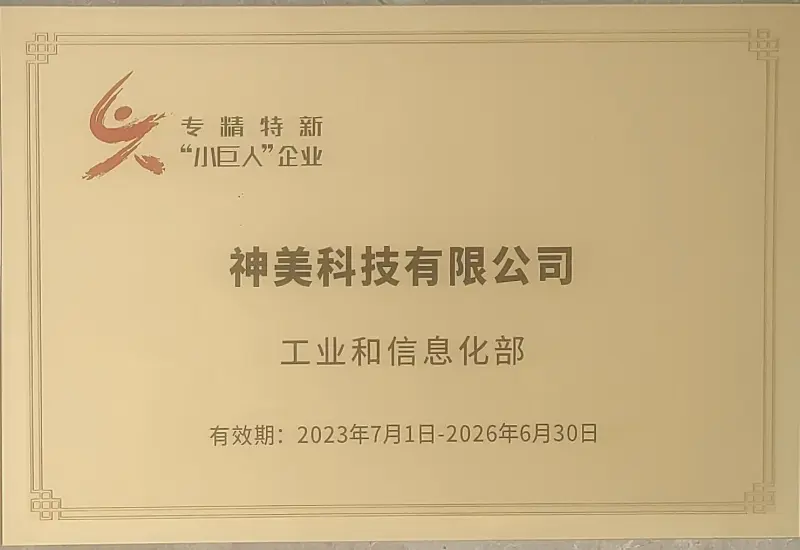
We have obtained qualifications such as National High-tech Enterprise, National Specialized, Refined, Unique and Innovative "Little Giant" Enterprise, Hebei Province Green Factory, and China's Science and Technology-based Innovative Small and Medium-sized Enterprise.
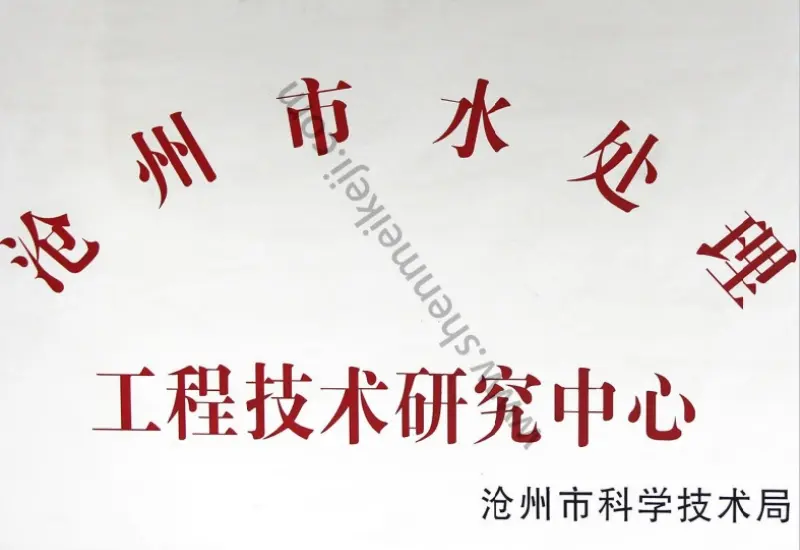
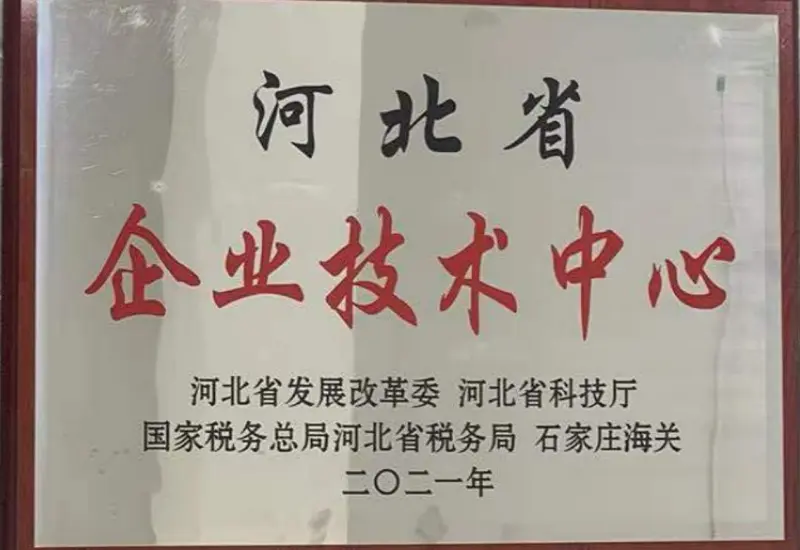
We have a core technical team composed of academicians, experts, professors, and senior engineers, and have established an R&D system and a technology commercialization platform centered around one academy, three research institutes, and five bases. We have established the Hebei Provincial Enterprise Technology Center, the Hebei Provincial Advanced Water Treatment Chemicals Technology Innovation Center, and the Cangzhou Water Treatment Engineering Technology Research Center, and have been recognized as a Class A R&D institution in Hebei Province. We have established an expert workstation with Tsinghua University Association of Senior Scientists and Technicians, and have set up joint R&D laboratories with Shandong University and Beijing University of Technology.
We have been granted over sixty Chinese patents, including more than forty invention patents and over twenty utility model patents. We have led the drafting of more than ten national and industry standards, including those for composite carbon sources, composite coagulants, sodium acetate, and nitrifying and denitrifying bacterial agents.
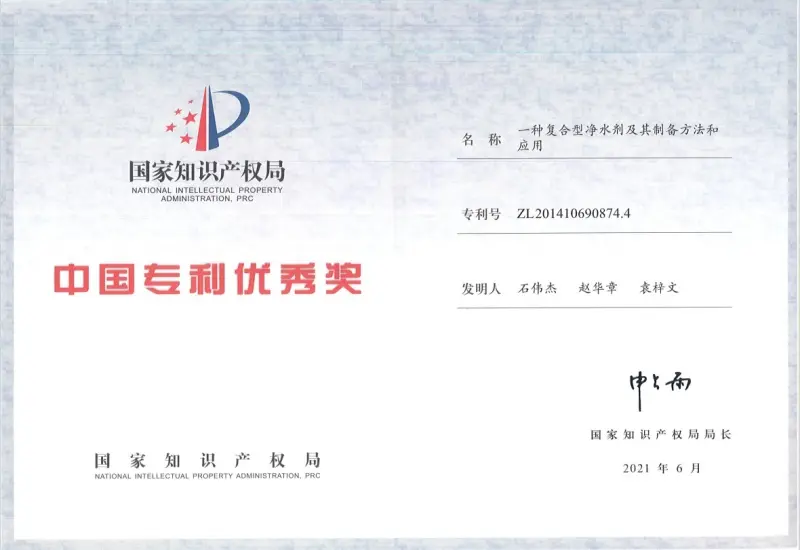
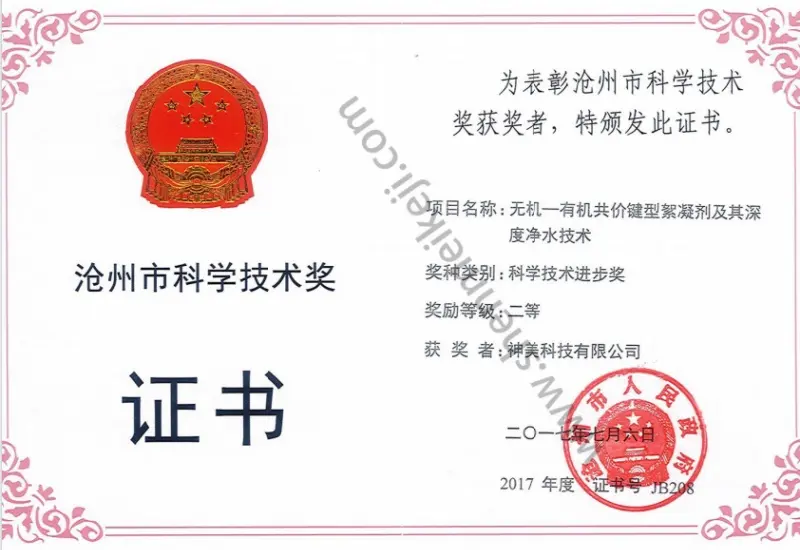
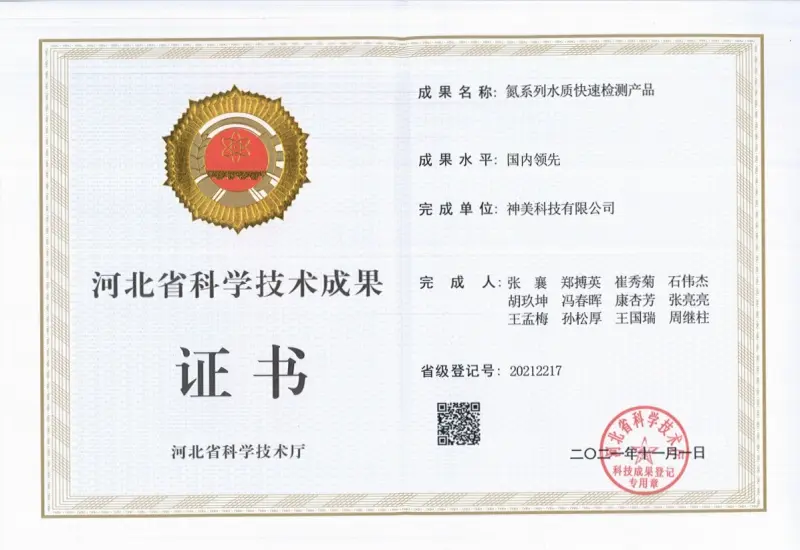
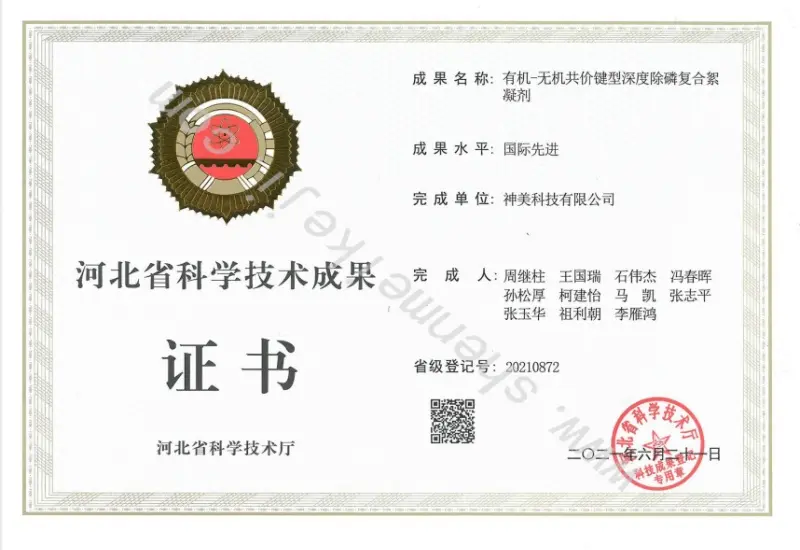
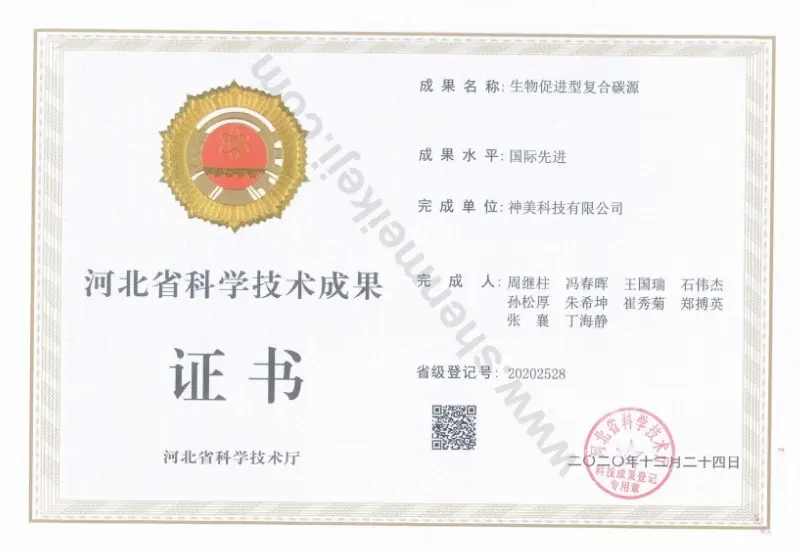
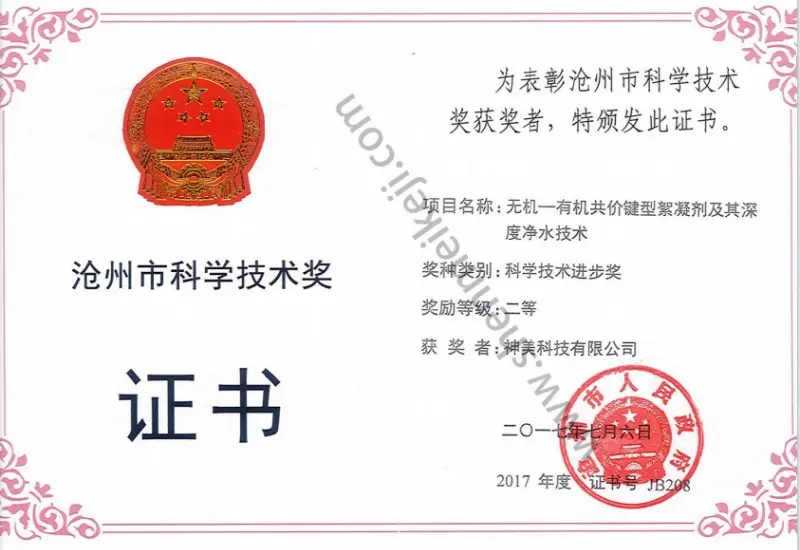
The patented technologies and products we have independently developed, such as the bio-enhanced denitrification carbon source and the deep multi-nuclear phosphorus removal agent, have passed the scientific and technological achievement evaluation conducted by the Science and Technology Department of Hebei Province. These achievements have been appraised as “internationally advanced” and have filled a domestic gap in this product category. Our independently developed “Inorganic-Organic Covalent Bond Flocculant and Its Advanced Water Purification Technology” has won multiple awards, including the 22nd China Patent Award, the First Prize for Technological Invention from the China Petrochemical Industry Association, and the Hebei Province Science and Technology Progress Award.
Smedic was founded in Beijing, focusing on environmental agents for municipal and industrial customers.
The company established a complete product portfolio for municipal wastewater treatment chemicals.
Recognized as a key national high-tech enterprise, initiating joint research programs.
Established a specialized production base for water treatment chemicals in Guiyang to service Southern China.
Production bases in Hebei, Shandong, and Guizhou completed and expanded, bringing annual output capacity past 1 million tons.
Recognized as a National Specialized, Refined, Unique and Innovative Small and Medium-sized Enterprise.
Established a provincial-level R&D platform in Hebei to accelerate product commercialization.
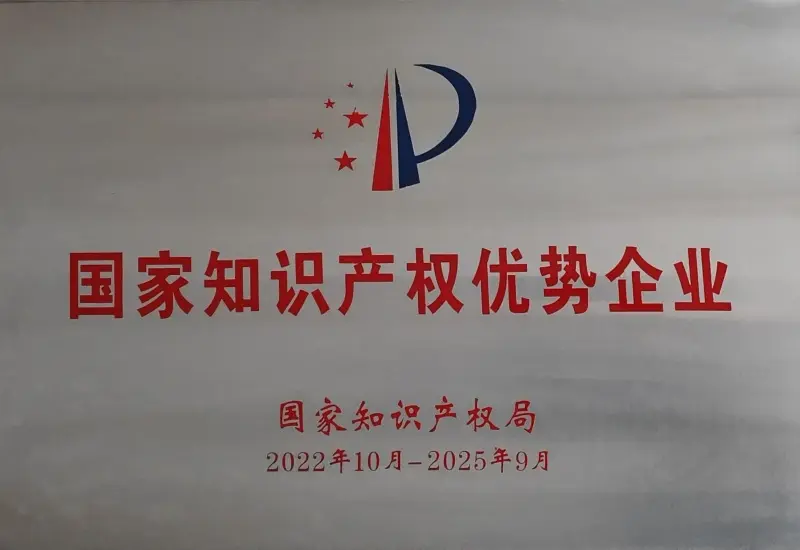
Awarded the title of National Intellectual Property Advantage Enterprise.
Formed a joint venture with the Chengdu Institute of Mineral Comprehensive Utilization, China Geological Survey, to develop advanced mineral processing reagents.
 Smedic Tech