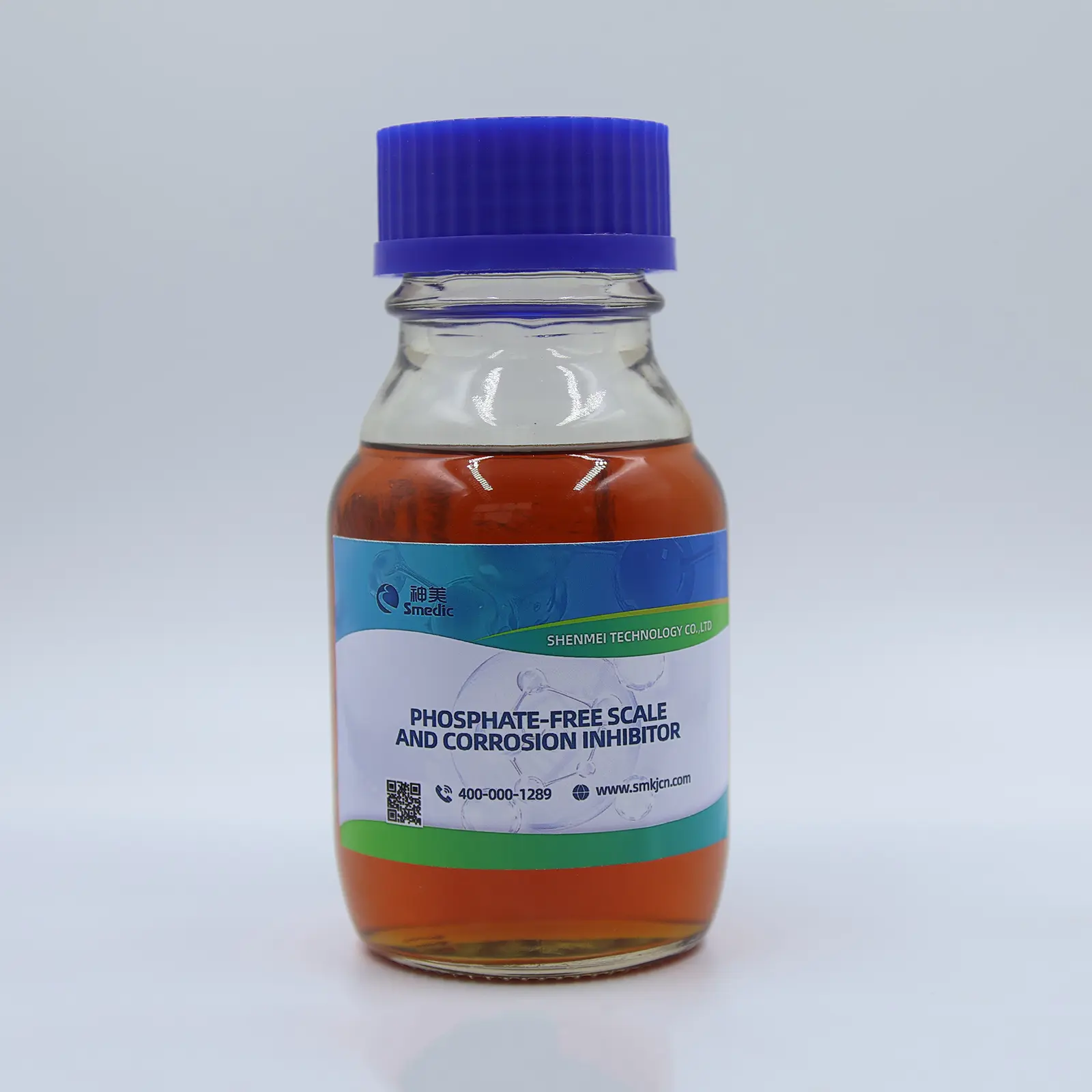
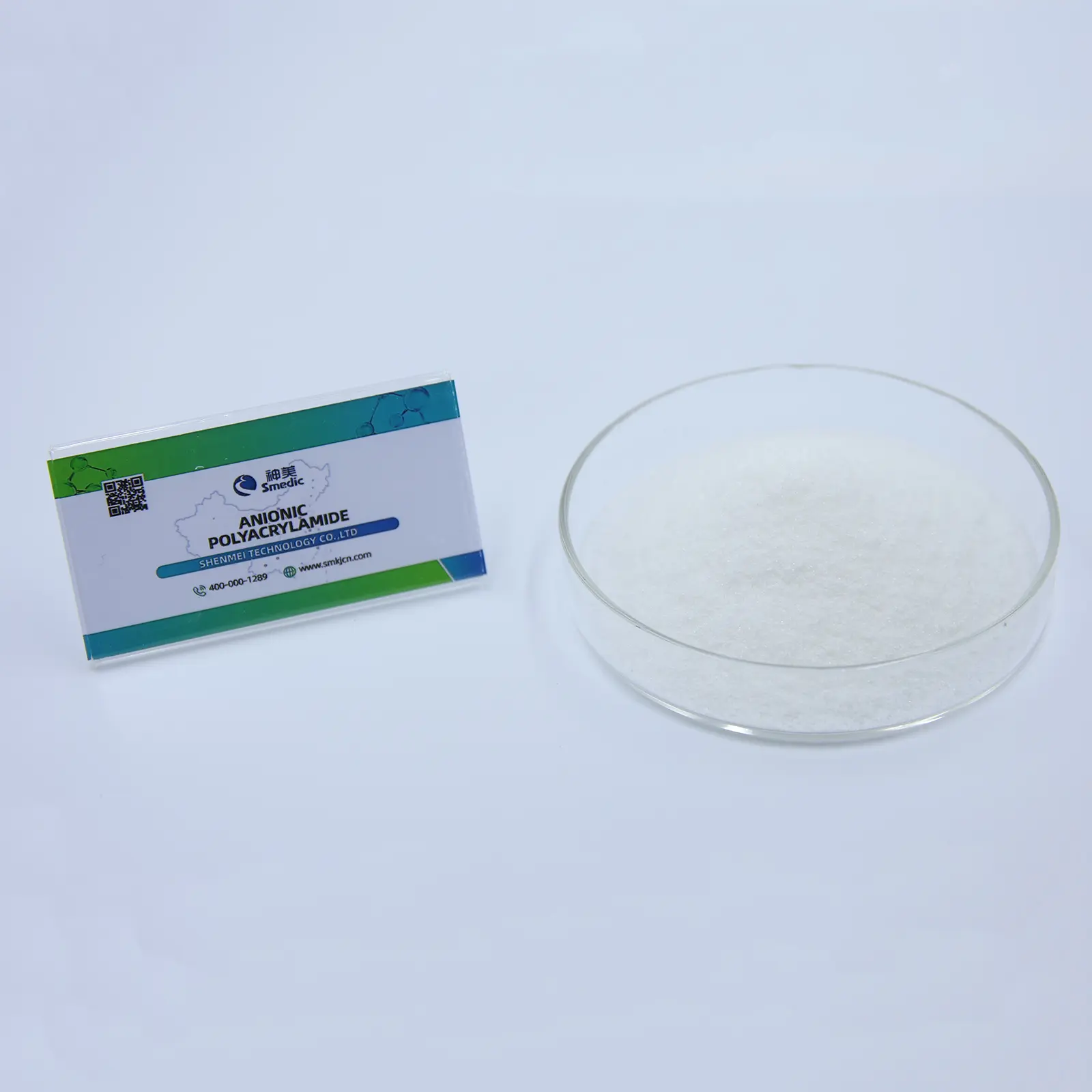
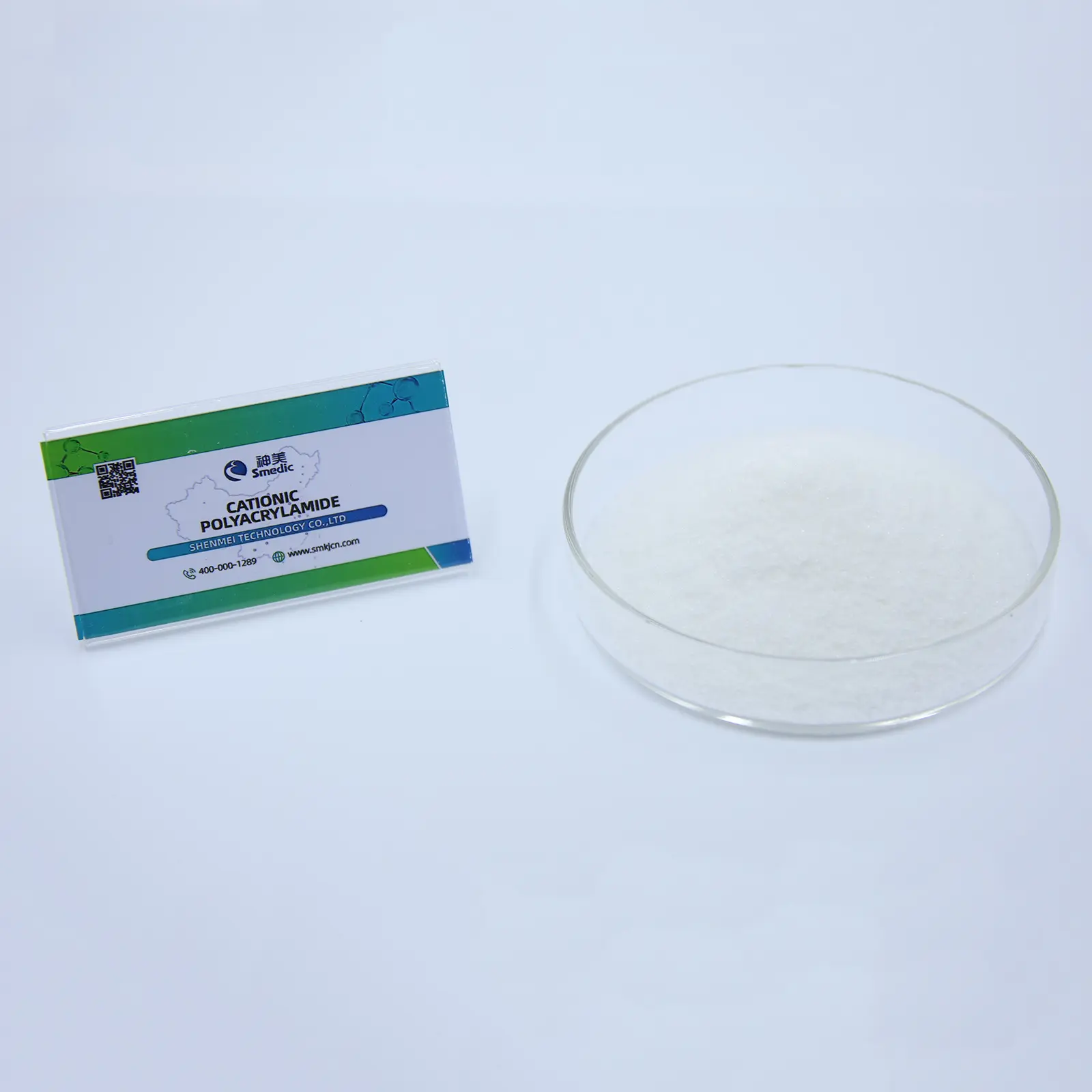
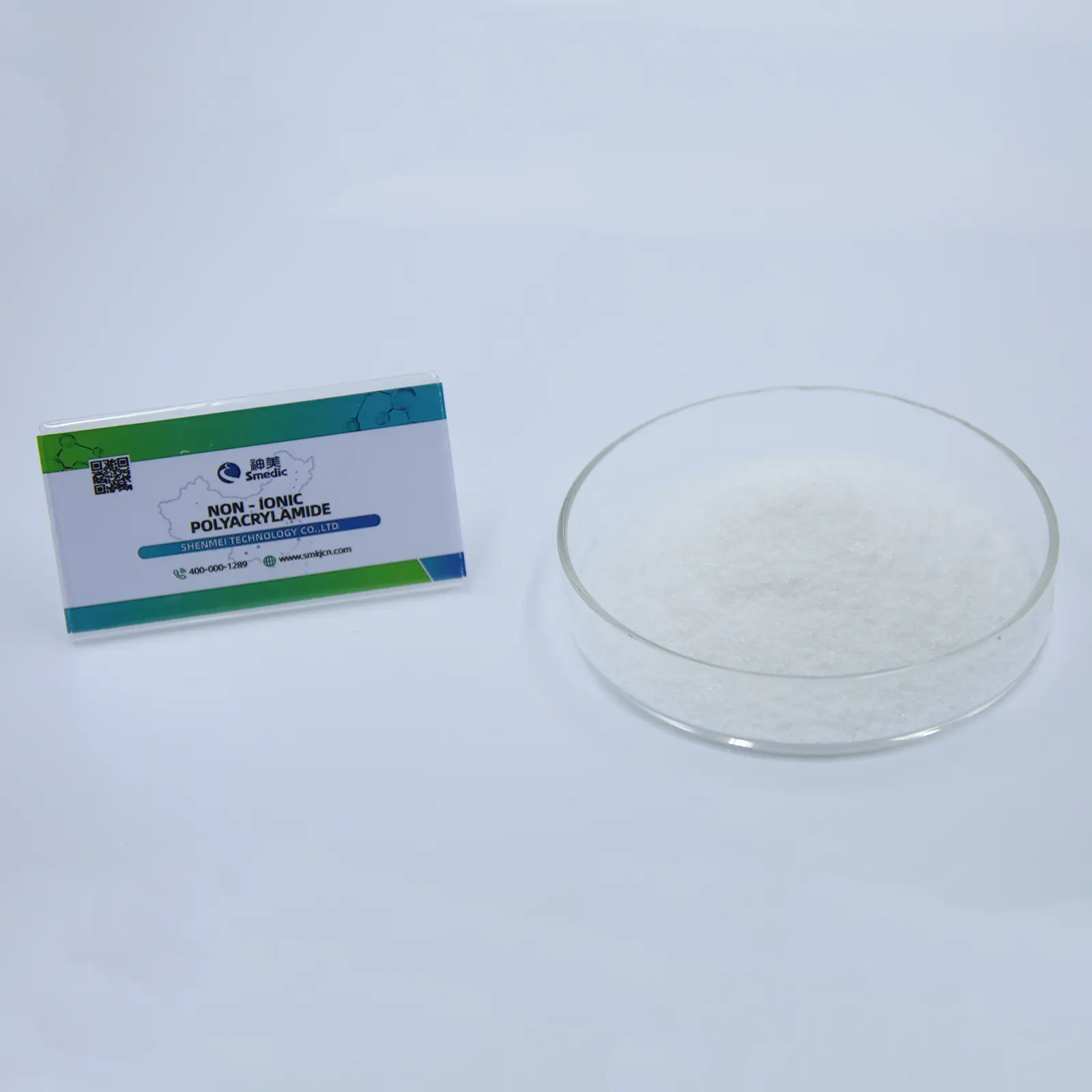
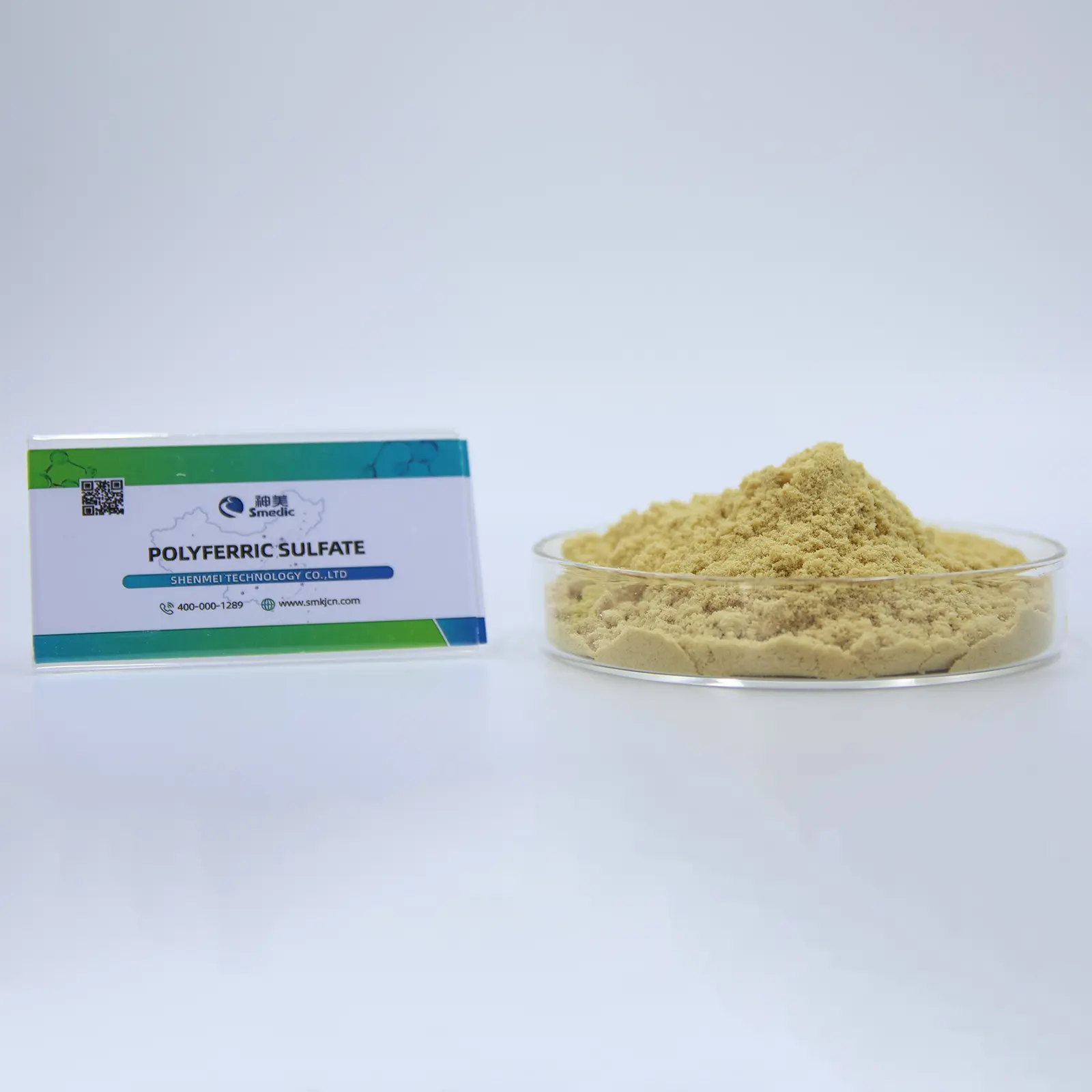
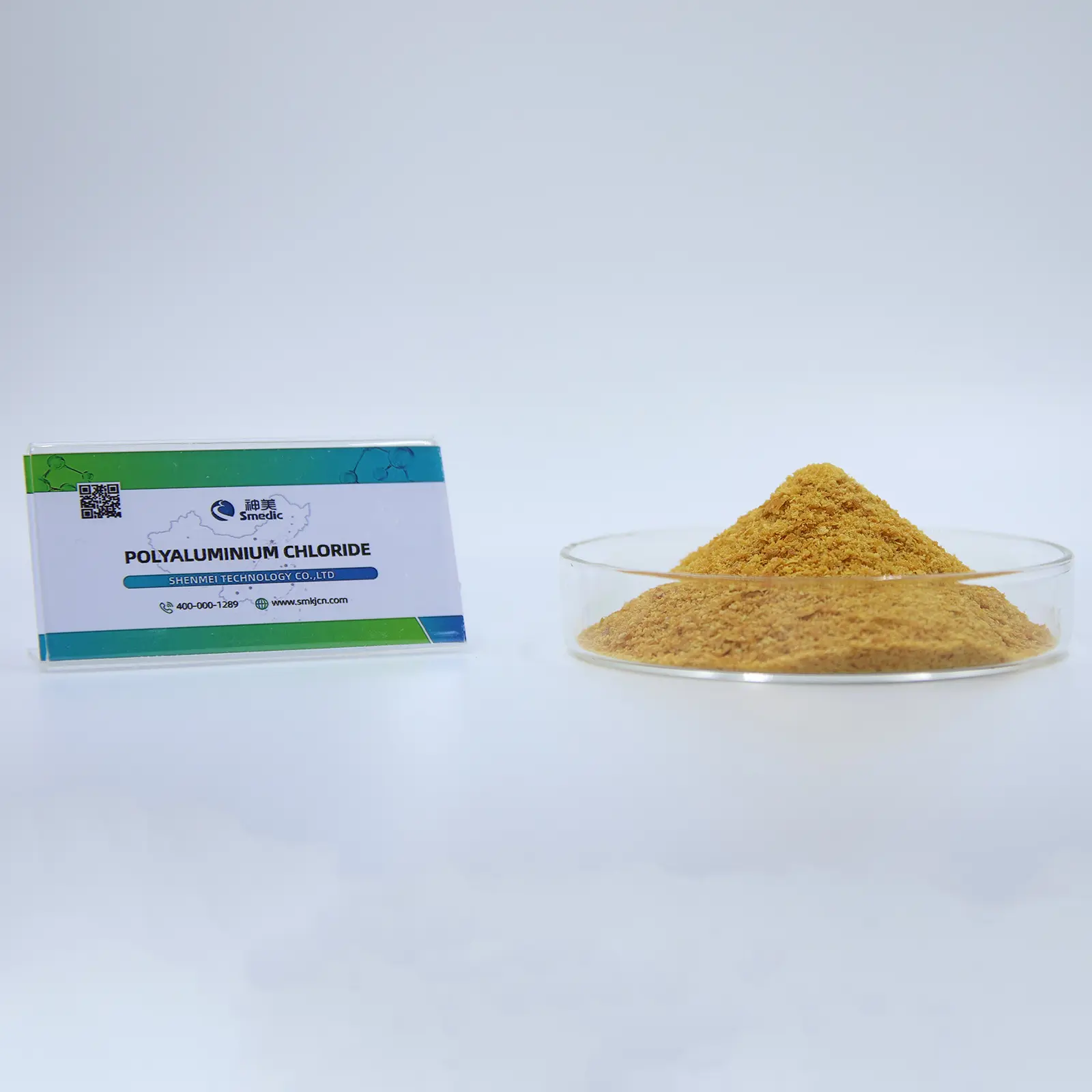
Premium grade chemical agents engineered for municipal infrastructure, deep filtration, and advanced heavy metal separation.
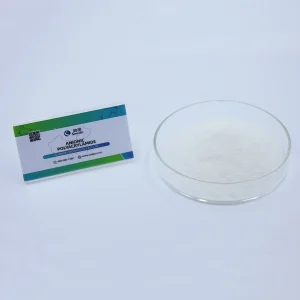
Polyacrylamide (PAM) is a synthetic, high-molecular-weight polymer designed to address challenges in water clarification, solid-liquid separation, mineral extraction, and enhanced oil recovery. As a leading polyacrylamide manufacturer and supplier, Smedic Technology is at the forefront of synthesizing high-efficiency polymers tailored to complex industrial challenges.
In modern water treatment, PAM functions through two primary mechanisms: charge neutralization and polymer bridging. Suspended particulate matter in industrial sludge typically carries negative electrostatic charges, keeping particles dispersed. By utilizing specialized Cationic Polyacrylamide (CPAM) or Anionic Polyacrylamide (APAM), Smedic polymers neutralize these surface charges, allowing micro-flocs to aggregate. Concurrently, the long-chain polymer structures capture these micro-flocs, forming dense, rapidly-settling macro-flocs. This synergistic action dramatically increases sedimentation rates and filter cake dryness.
Whether navigating complex heavy metal extraction, high-shear centrifugation, or deep-well drilling fluid maintenance, selecting the precise molecular weight (ranging from 5 million to over 22 million Daltons) and hydrolysis charge density is critical to minimizing operation costs and maximizing throughput.
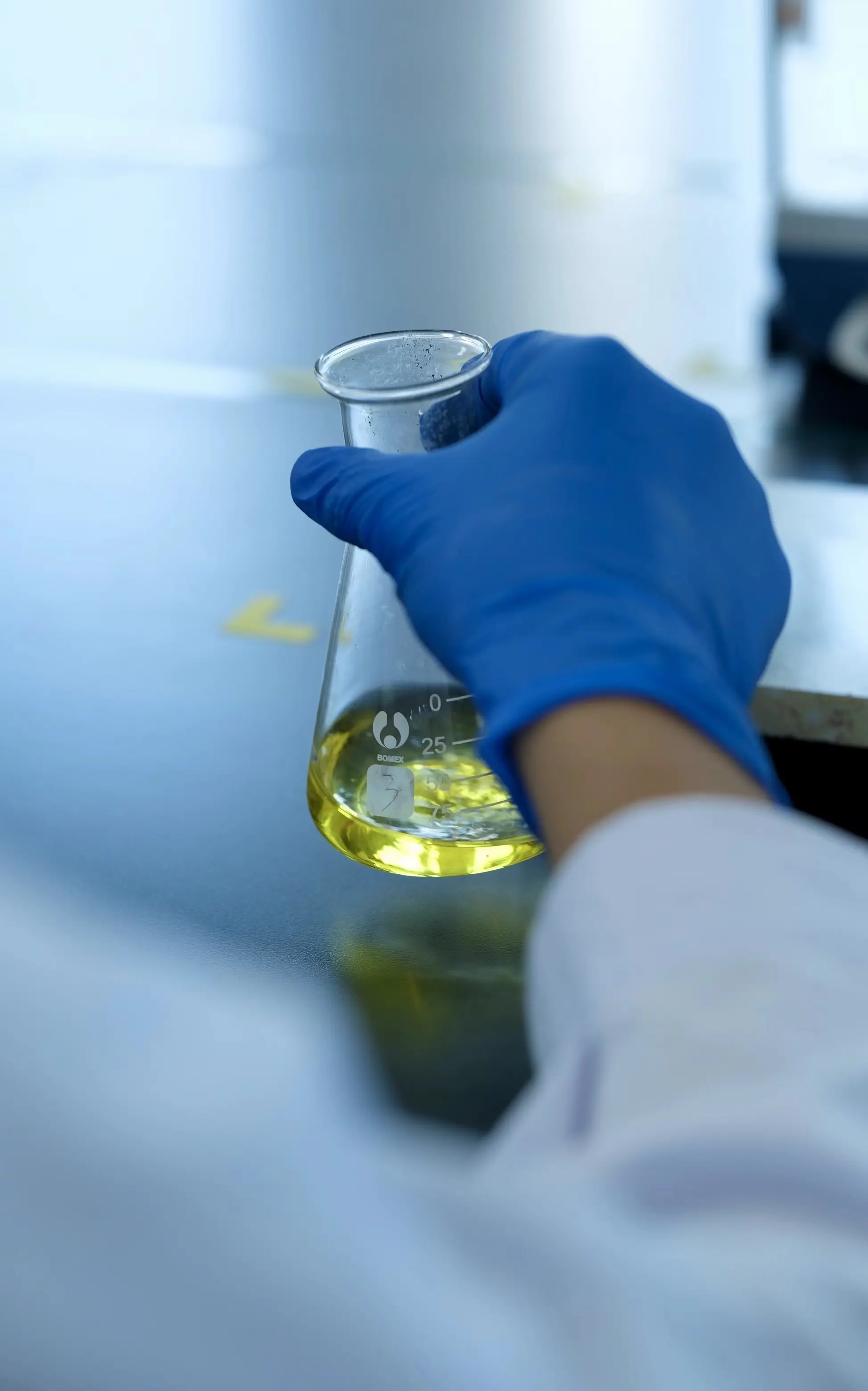
A comprehensive environmental agent developer, merging elite scientific research with high-volume industrial production.
Established in 2011, Smedic Technology Co., Ltd. has evolved into a premier global provider of environmental chemical agents. Our operations integrate research and development, smart manufacturing, global logistics networks, and tailored engineering services. We are committed to supplying customized polymers that exceed global regulatory standards and optimize operational cost structures.
Our expansive product portfolio spans more than 80 types of environmental protection agents, reaching an annual manufacturing capacity of over 1 million tons. Operating from our central headquarters in Beijing, we ensure absolute supply security through production facilities located in Hebei, Guizhou, and Shanxi, supplemented by regional logistics centers in Shandong, Anhui, Guangxi, and Sichuan. Today, Smedic manages water purification and separation projects treating over 20 million tons of wastewater daily across municipal and industrial sectors.
Building resilient supply chains to guarantee consistent chemical supply and technical field services.
Our comprehensive business and service network spans across 20+ provinces, ensuring fast delivery and local support.
Supplying stable clarification solutions to over 600 urban municipal sewage treatment facilities.
Partnering directly with more than 1,000 global end customers in heavy industrial processing, paper, and mining.
Active involvement in purification systems processing over 20 million tons of wastewater each day.
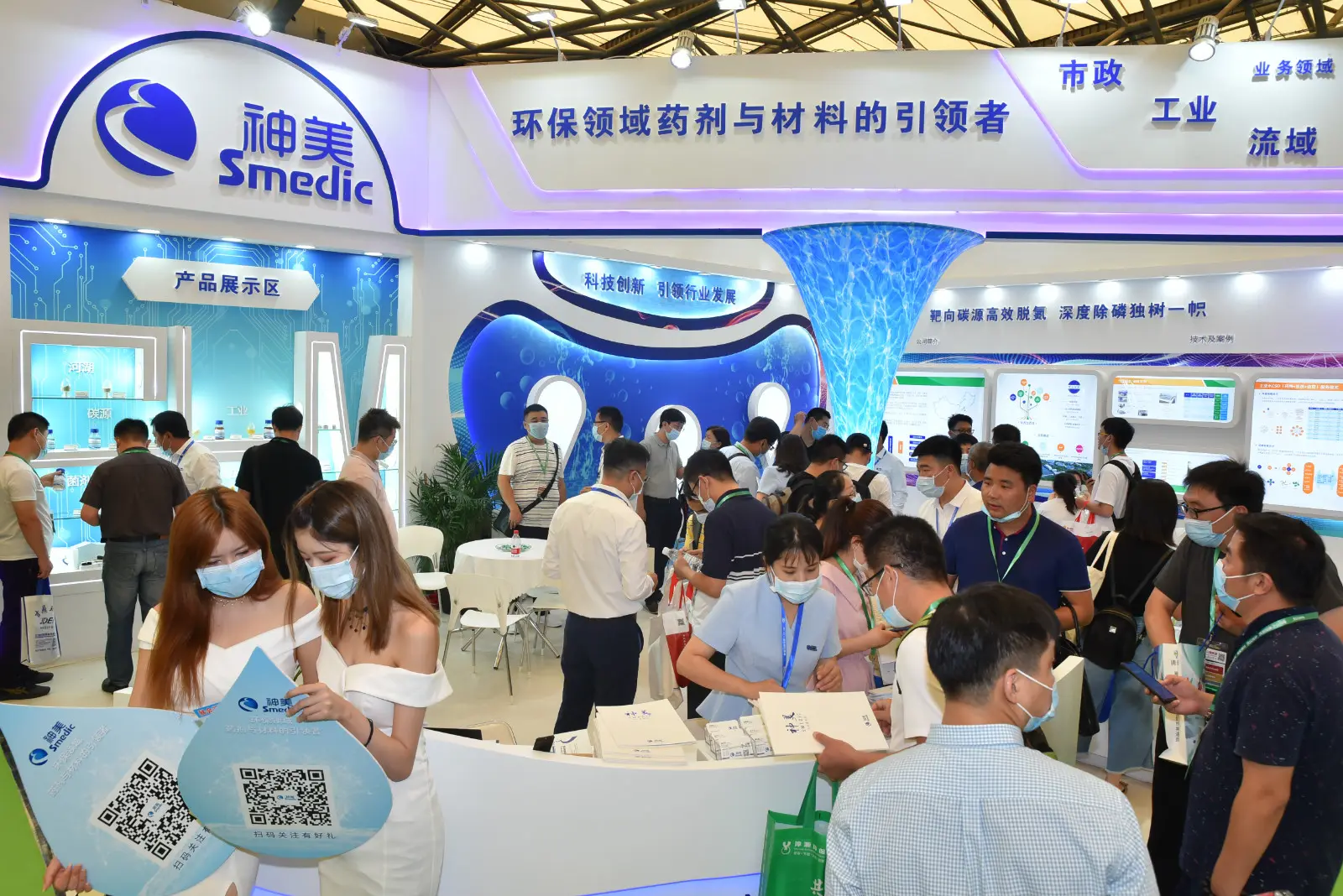
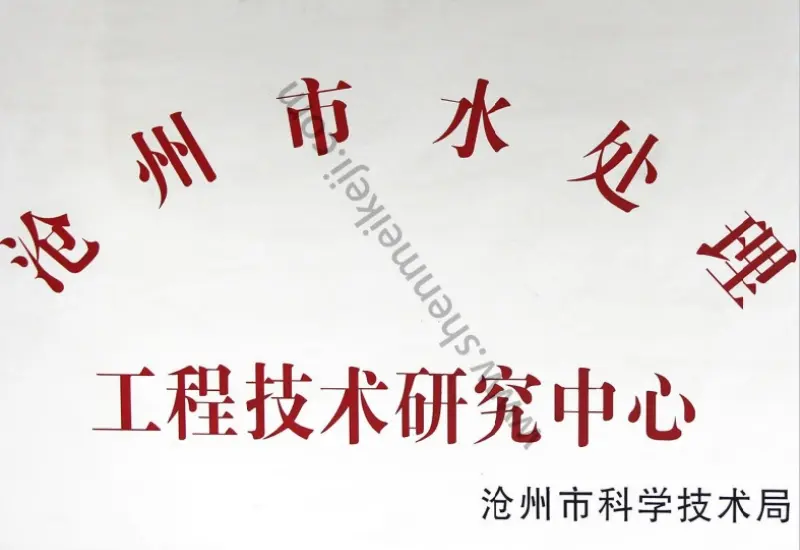
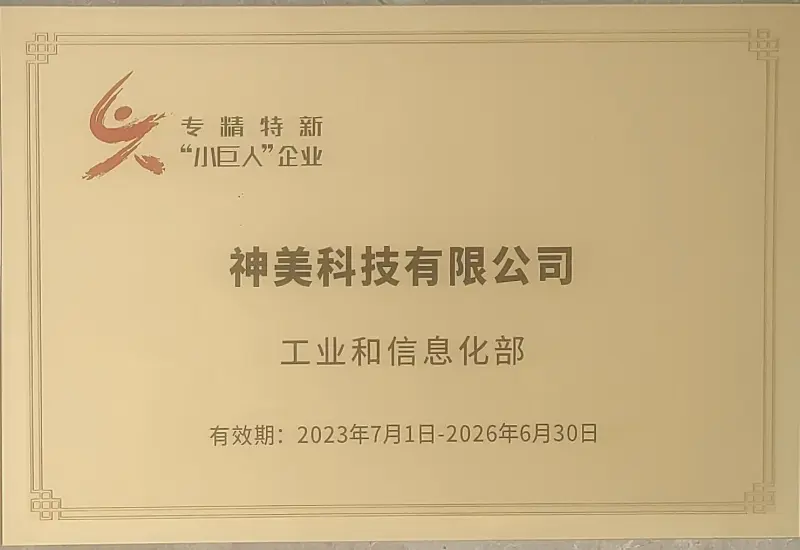
Scientific rigor is central to Smedic's business model. Recognized as a National Specialized, Refined, Unique and Innovative "Little Giant" Enterprise, we maintain a dedicated technology commercialization system comprising an academy, three research institutes, and five production testing bases.
Our technology division maintains active collaborations with top-tier research organizations, hosting a joint expert workstation with the Tsinghua University Association of Senior Scientists and Technicians. We operate joint R&D laboratories with Shandong University and Beijing University of Technology, and act as a commercialization partner for chemical innovations developed at Peking University and Tianjin University.
Through this network of experts, senior engineers, and academicians, we transform laboratory chemistry into scale-stable solutions, ensuring that our products deliver exceptional Performance Gain in industrial settings.
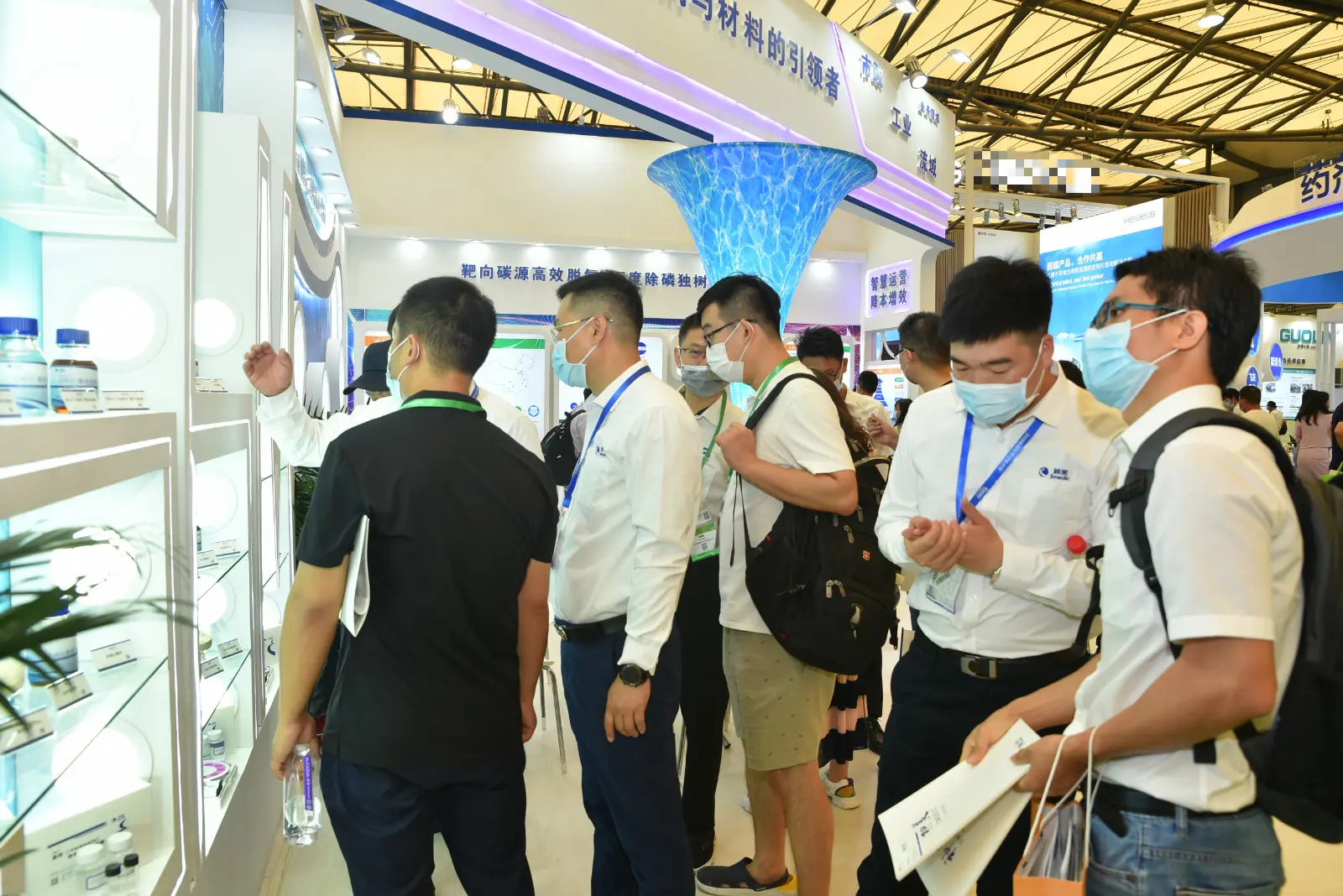
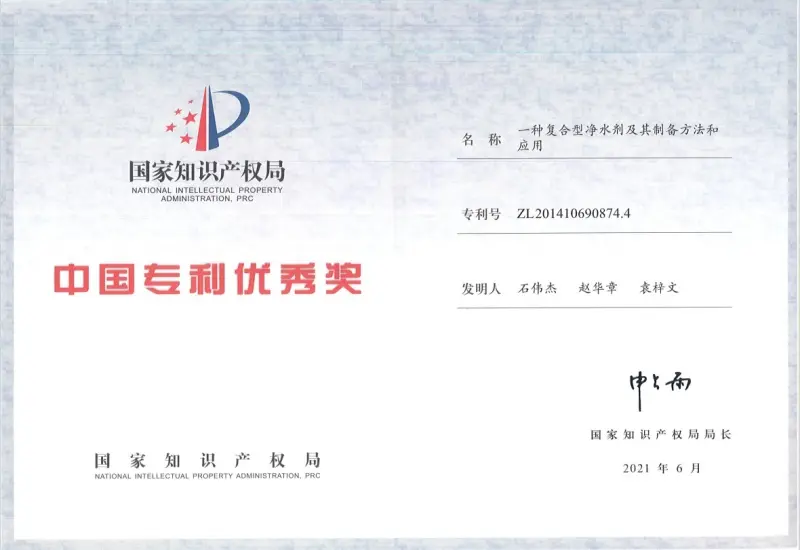
Smedic Technology holds more than 60 Chinese patents, including over 40 invention patents and 20 utility model patents. We lead standard-setting initiatives in the environmental industry, drafting over 10 national and industry standards for key agents, including composite carbon sources, sodium acetate, and specialized nitrifying bacterial agents.
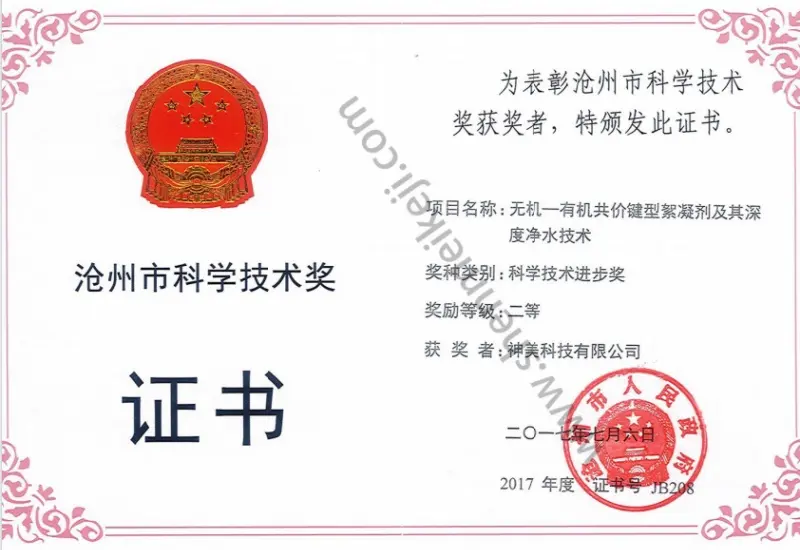
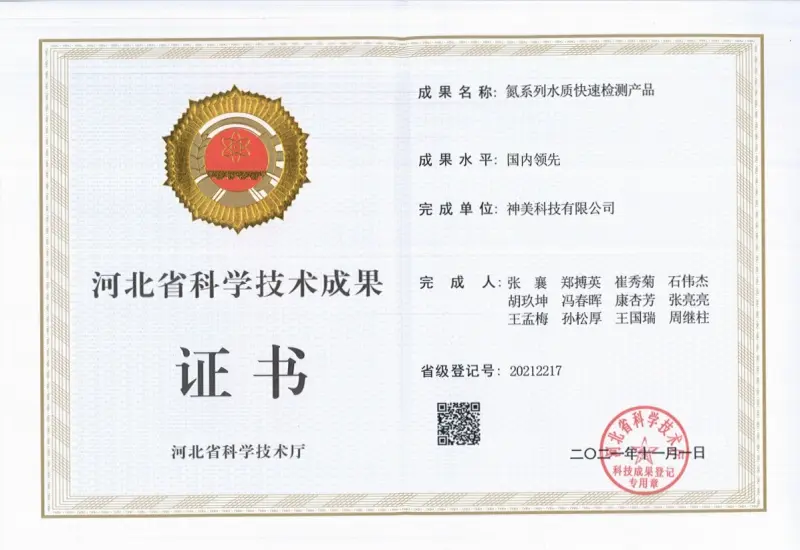
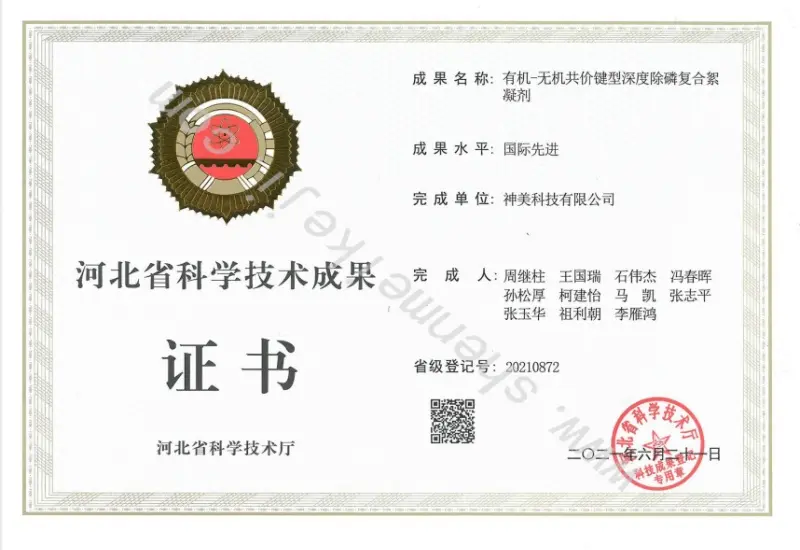
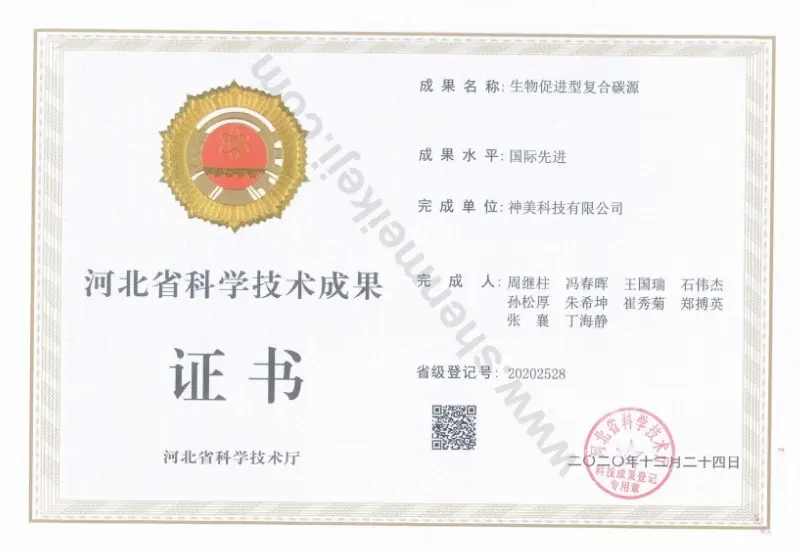
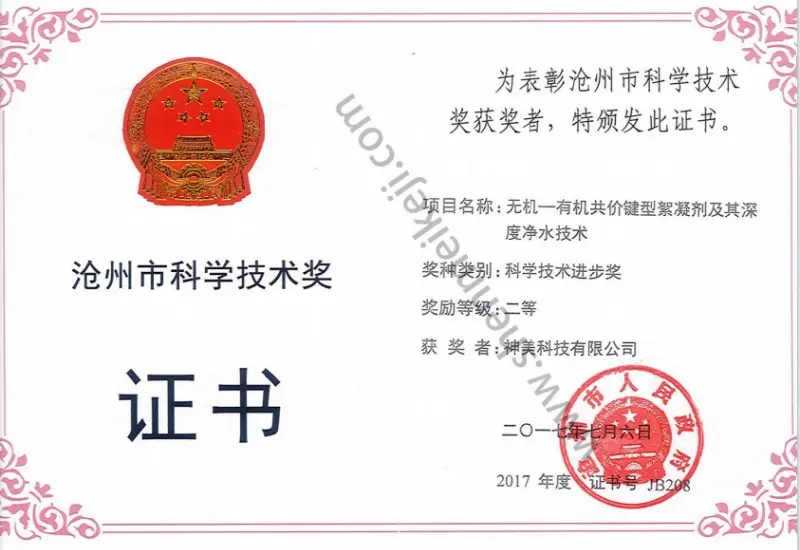
Our proprietary systems, such as our bio-enhanced denitrification carbon sources and multi-nuclear phosphorus removal agents, have been certified as "internationally advanced" by the Science and Technology Department of Hebei Province. Furthermore, our Inorganic-Organic Covalent Bond Flocculant won the 22nd China Patent Award and the First Prize for Technological Invention from the China Petrochemical Industry Association.
Optimizing solid-liquid separation and purification pathways across diverse global sectors.
Accelerating sludge sedimentation and filtration in clarifiers and dewatering machinery. Our cationic polymers increase cake solid content in filter presses and centrifuge systems, lowering disposal costs.
Optimizing settling velocities in coal washing, gold cyanidation, and alumina red mud thickening. Our heavy-duty flocculants clarify process water rapidly, enabling immediate closed-loop recycling.
Adjusting viscosity profiles of injection water to ensure uniform sweep efficiency in oil reservoirs. Smedic's ultra-high molecular weight anionic polymers resist high shear forces and temperature breakdown.
Improving fiber retention, drainage rates, and structural paper strength. Our tailored polymer formulations optimize wet-end chemistry, reducing raw fiber loss and fresh water consumption.
As regulatory environmental policies tighten globally, the chemical manufacturing sector is shifting toward sustainable molecular architectures. Smedic is focusing on three key technology directions:
Smedic coordinates production with on-site technical support. Our chemical engineers conduct local jar testing, polymer screening, and dosing line calibrations to match local water parameters and equipment configurations.
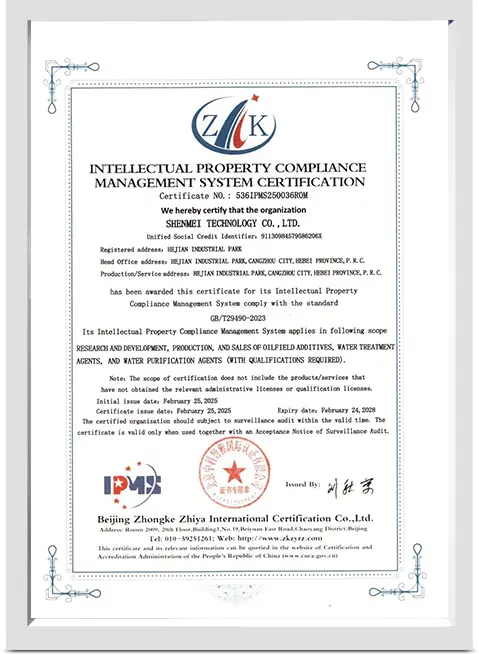
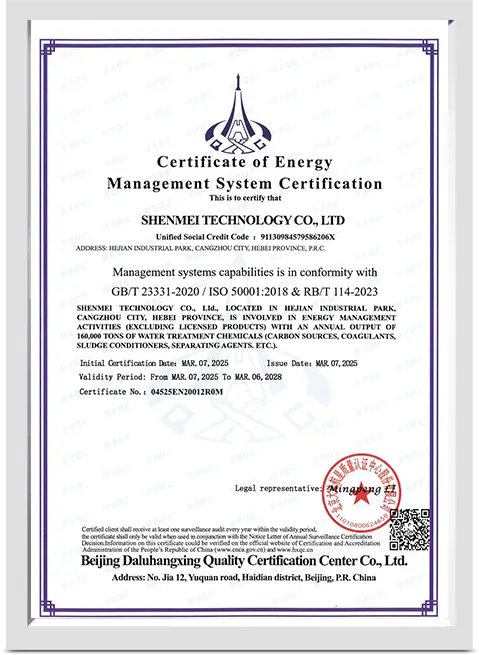
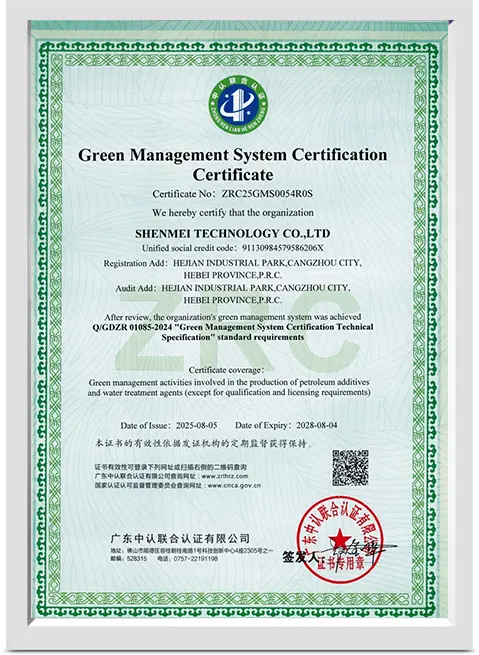
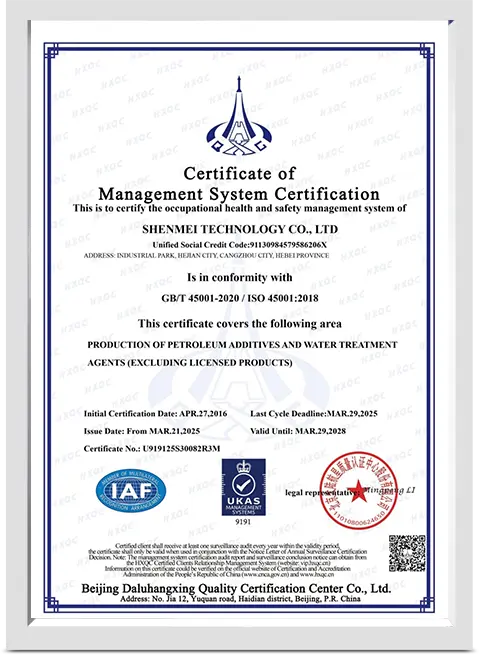
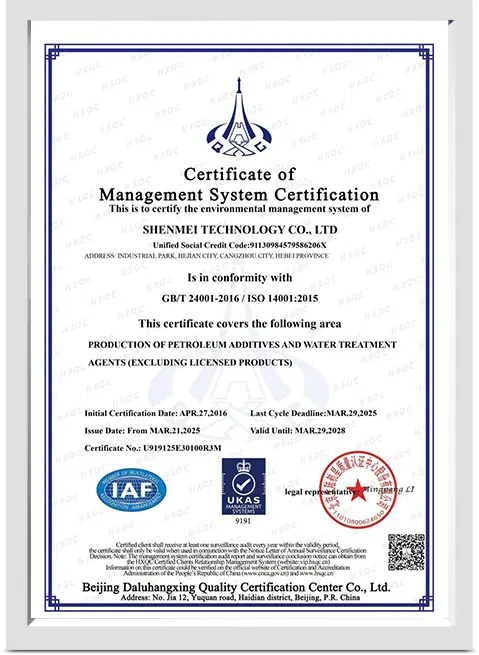
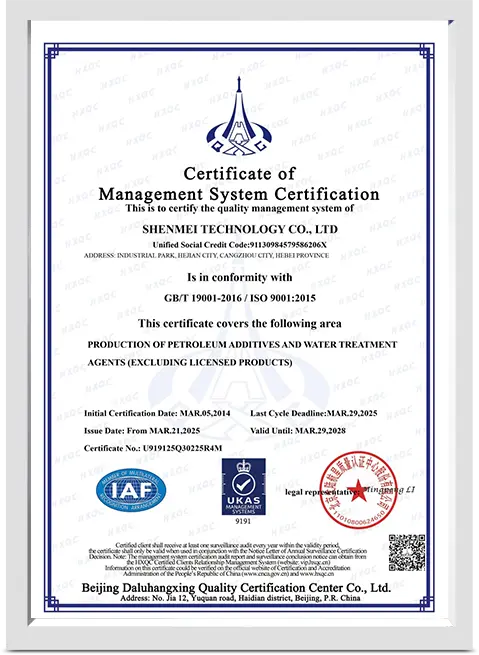
We strictly comply with global environmental certifications, including ISO 9001:2015, ISO 14001:2015, and EU REACH specifications. Every production run undergoes strict quality assurance protocols, from raw monomer purity testing to final gel-content analysis, ensuring consistent viscosity and charge density in every batch.
Tracing our evolution from a specialized developer into a multi-facility environmental chemical manufacturer.
Smedic founded in Beijing as an environmental chemicals developer, prioritizing water purification solutions.
Launched a comprehensive portfolio of chemicals tailored for municipal wastewater treatment facilities.
Formally recognized as a National High-Tech Enterprise following the launch of several patented flocculant agents.
Established a dedicated production facility in Guiyang to support water treatment in southwest China.
Expanded production sites in Hebei, Shandong, and Guizhou, lifting total capacity past 1 million tons annually.
Awarded the status of a National Specialized, Refined, Unique and Innovative Small and Medium-sized Enterprise.
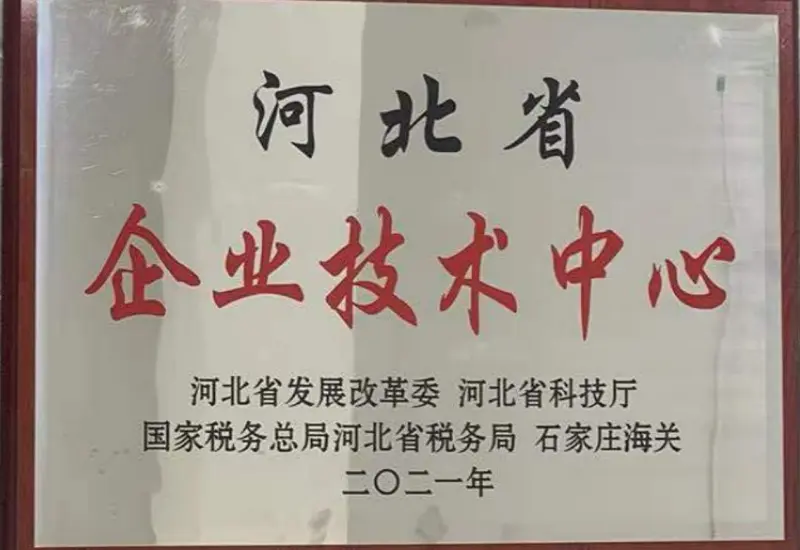
Inaugurated our provincial-level technology R&D center in Hebei to accelerate product co-development.
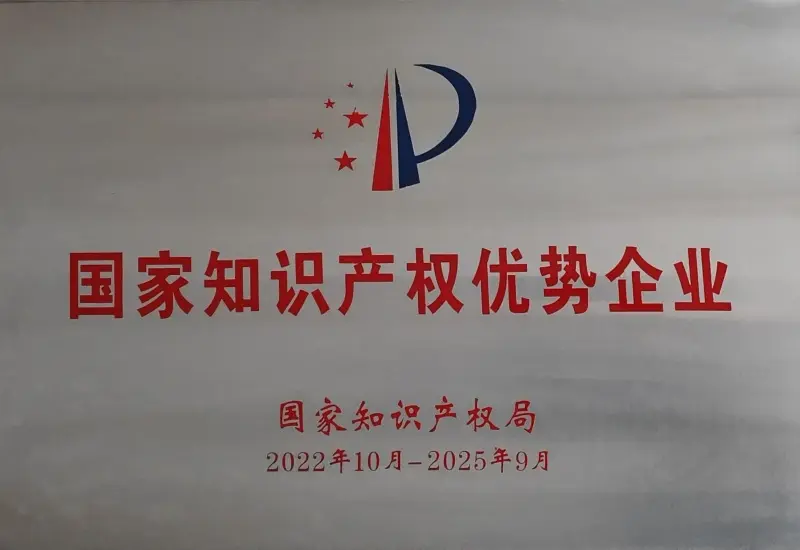
Certified as a National Intellectual Property Advantage Enterprise with over 60 utility and invention patents.
Partnered with the Chengdu Institute of Mineral Comprehensive Utilization to manufacture specialized mineral processing reagents.
Compliance and scientific validation verified by national institutions and standard-setting bodies.
Direct technical answers from Smedic’s laboratory engineers to assist in polymer selection and dosing design.
Optimal dosage is determined via laboratory jar testing and Zeta Potential analysis. The goal is to reach charge neutrality (Zeta Potential near 0 mV) while optimizing polymer bridging. Excess dosing can cause steric stabilization, which redisperses particles and increases sludge viscosity. Smedic provides on-site laboratory support to establish precise dosage baselines based on solids concentration.
Anionic Polyacrylamide (APAM) contains negatively charged groups and is typically used for inorganic sludges, metallurgy tailings, coal washing, and mineral extraction. Cationic Polyacrylamide (CPAM) carries positive charges, making it effective for organic sludge dewatering in municipal wastewater systems, food processing effluents, and paper mills.
High mechanical shear can degrade the long-chain polymer backbone, reducing flocculation performance. We recommend low-speed mixers (50–200 RPM) during dissolution. Similarly, dissolved oxygen and trace iron ions can initiate free radical degradation of PAM chains over time. Diluted solutions should generally be used within 24–48 hours of preparation.
pH alters the ionization degree of the polymer chain. In highly acidic environments, anionic polymers may protonate, reducing their negative charge density and stretching capacity. Cationic polymers are similarly affected by extreme alkalinity. Maintaining system pH within the manufacturer's recommended range is vital to ensure maximum polymer activity.
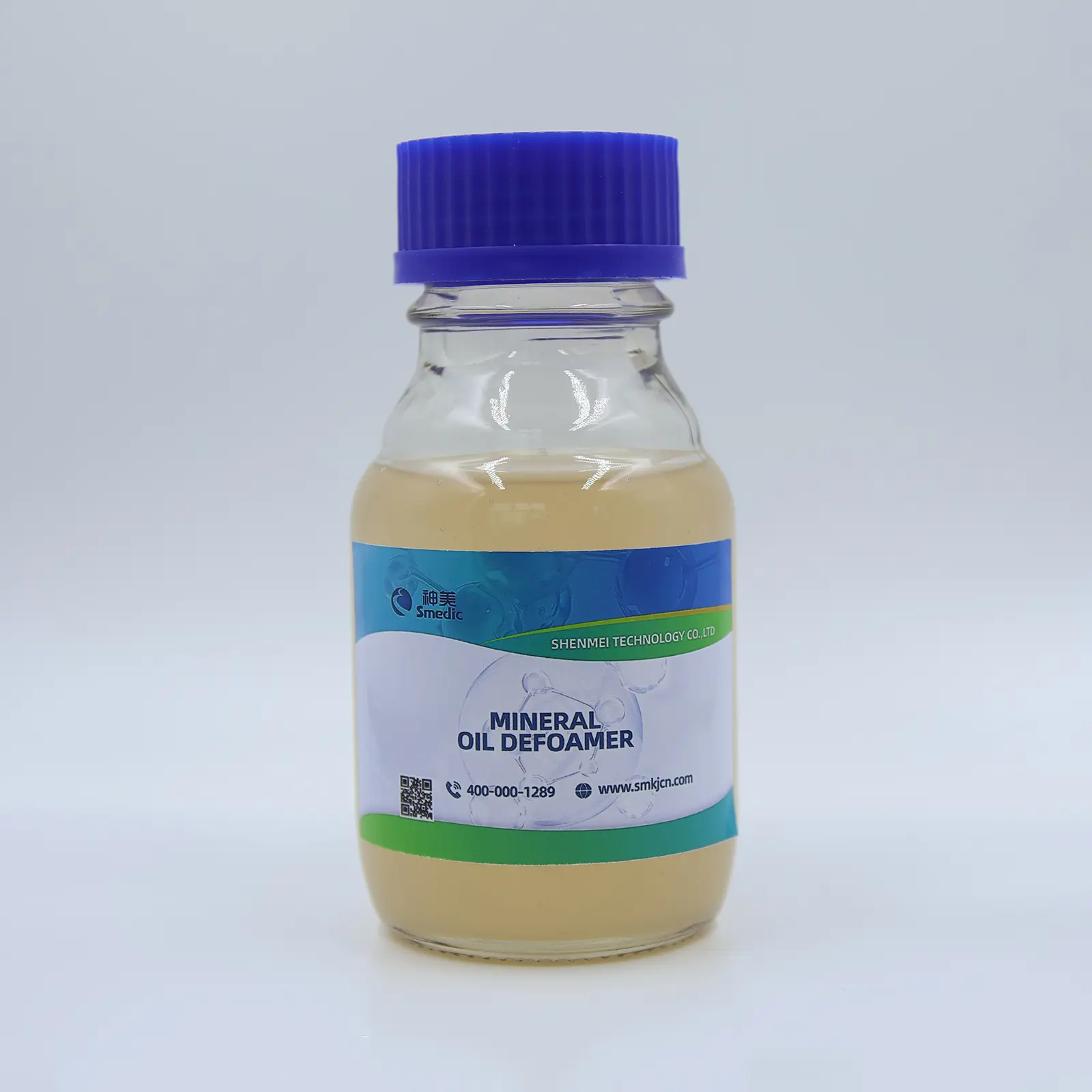
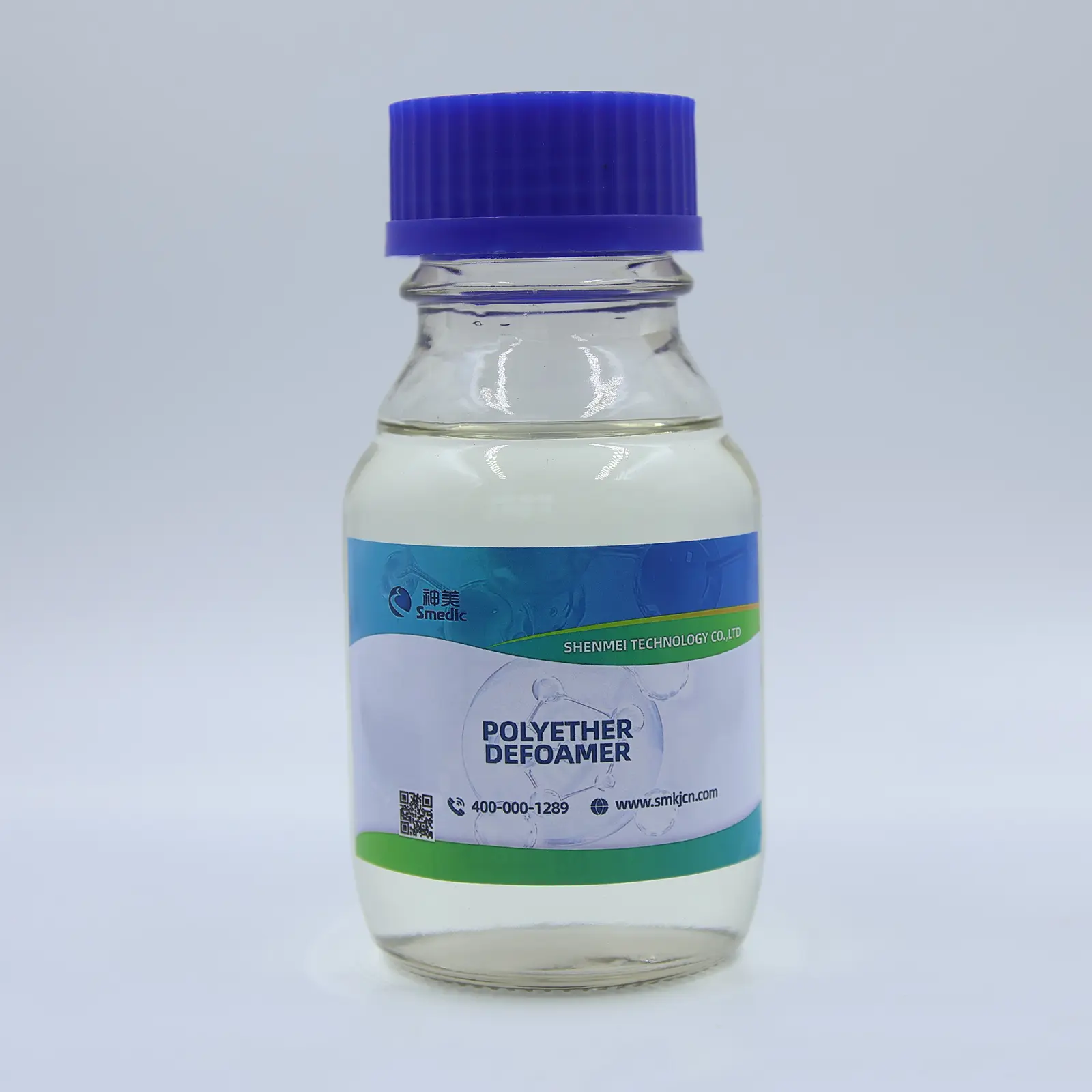
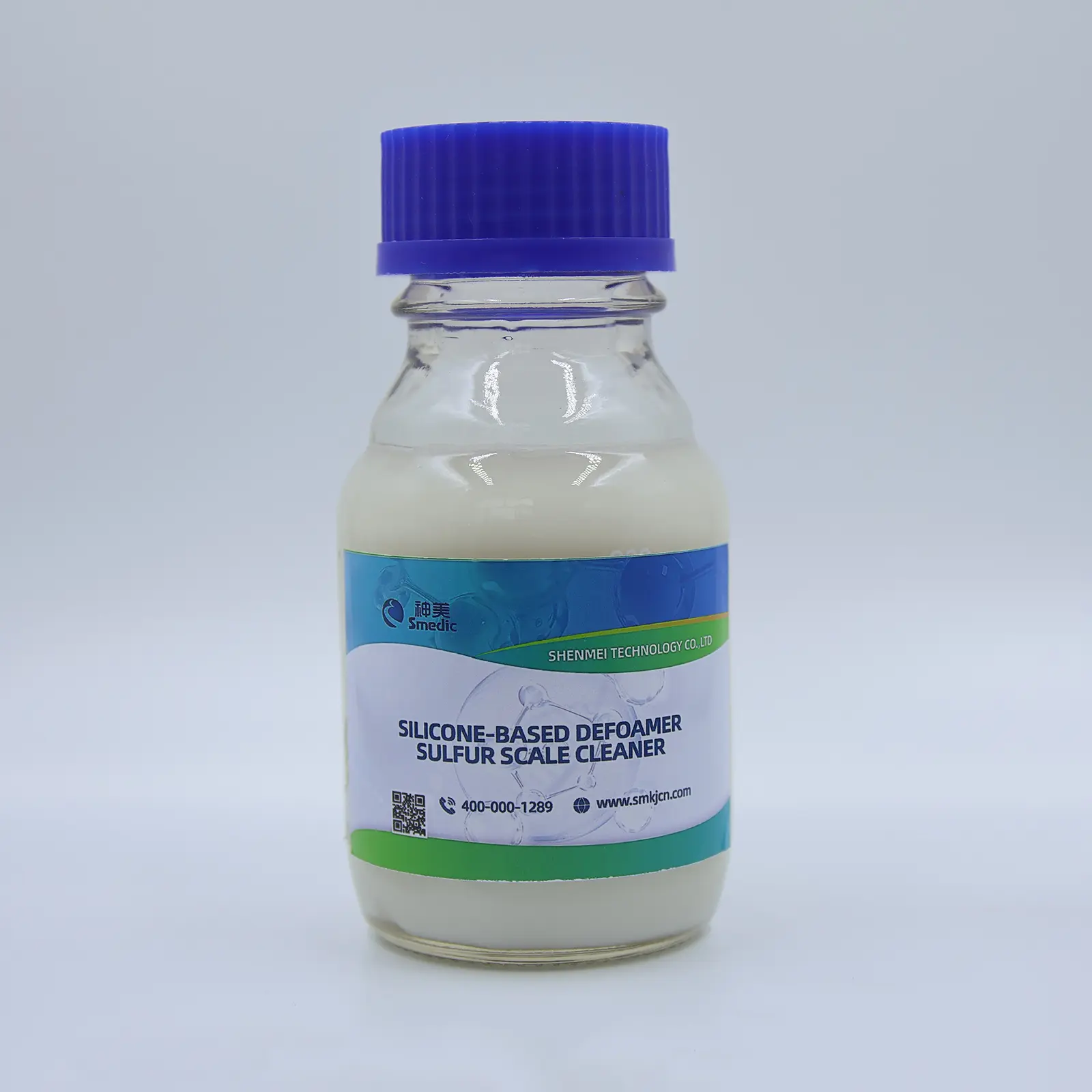
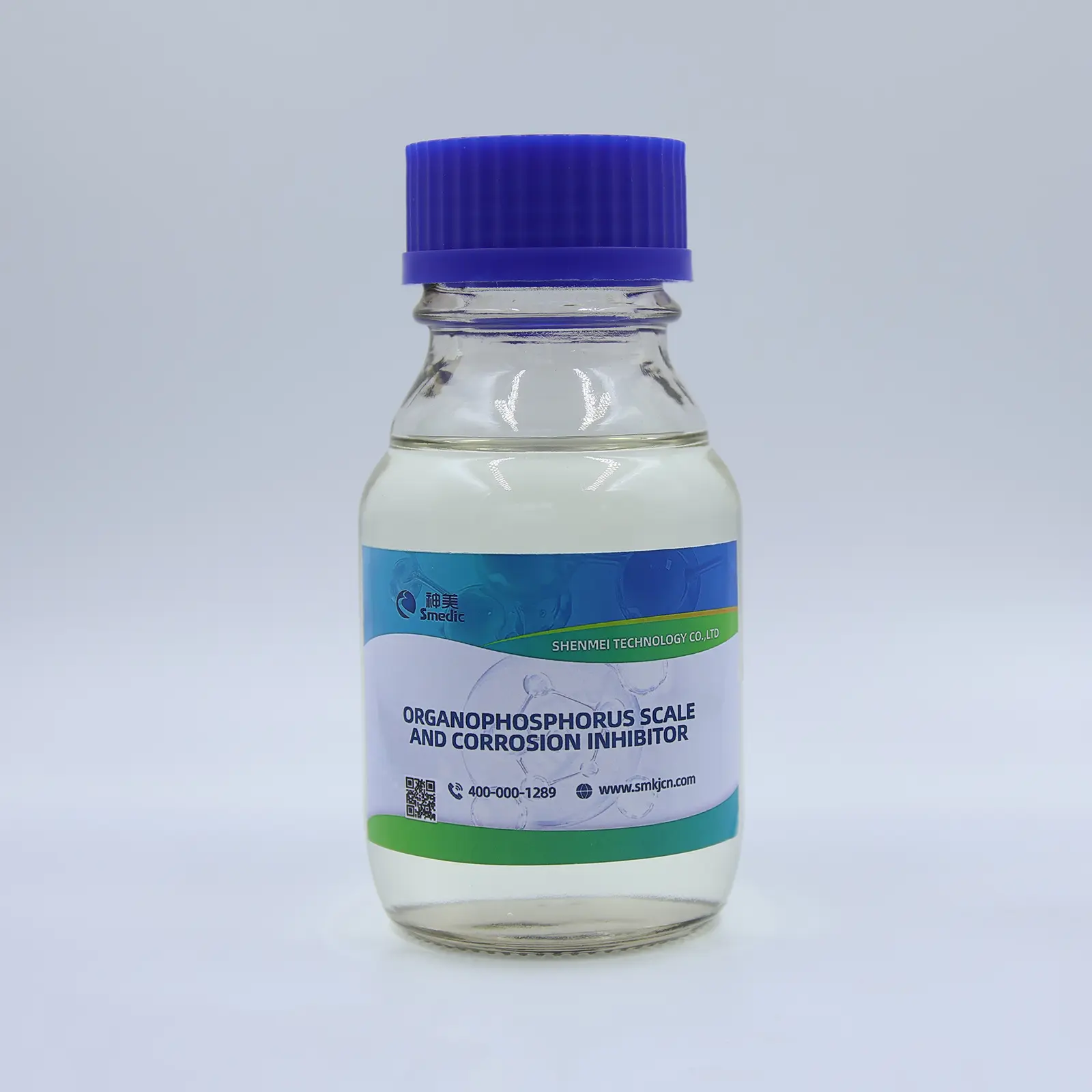
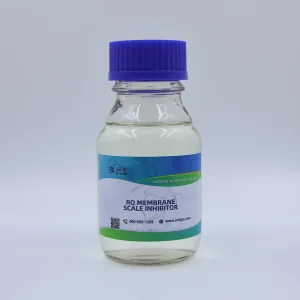
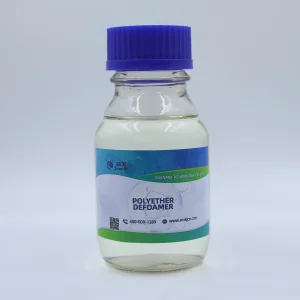
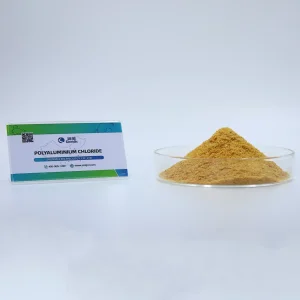
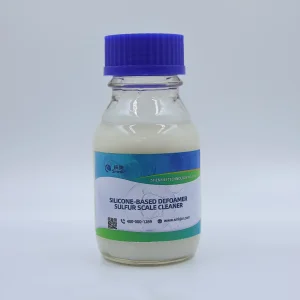
Specialty defoamers, membrane scale inhibitors, and high-efficiency polyacrylamides for targeted industrial process optimization.
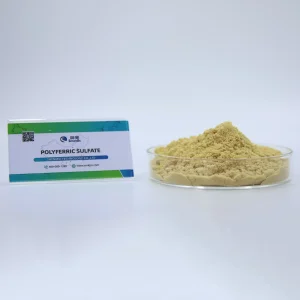
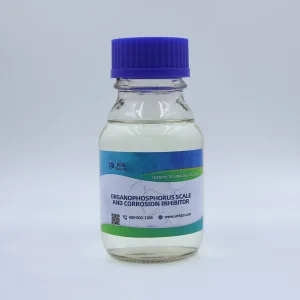
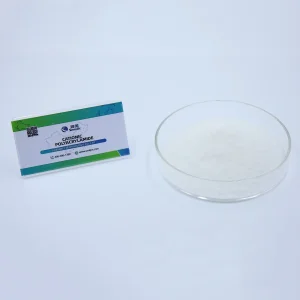
Interactive index of chemical agent portfolios designed for municipal and industrial water treatment systems.
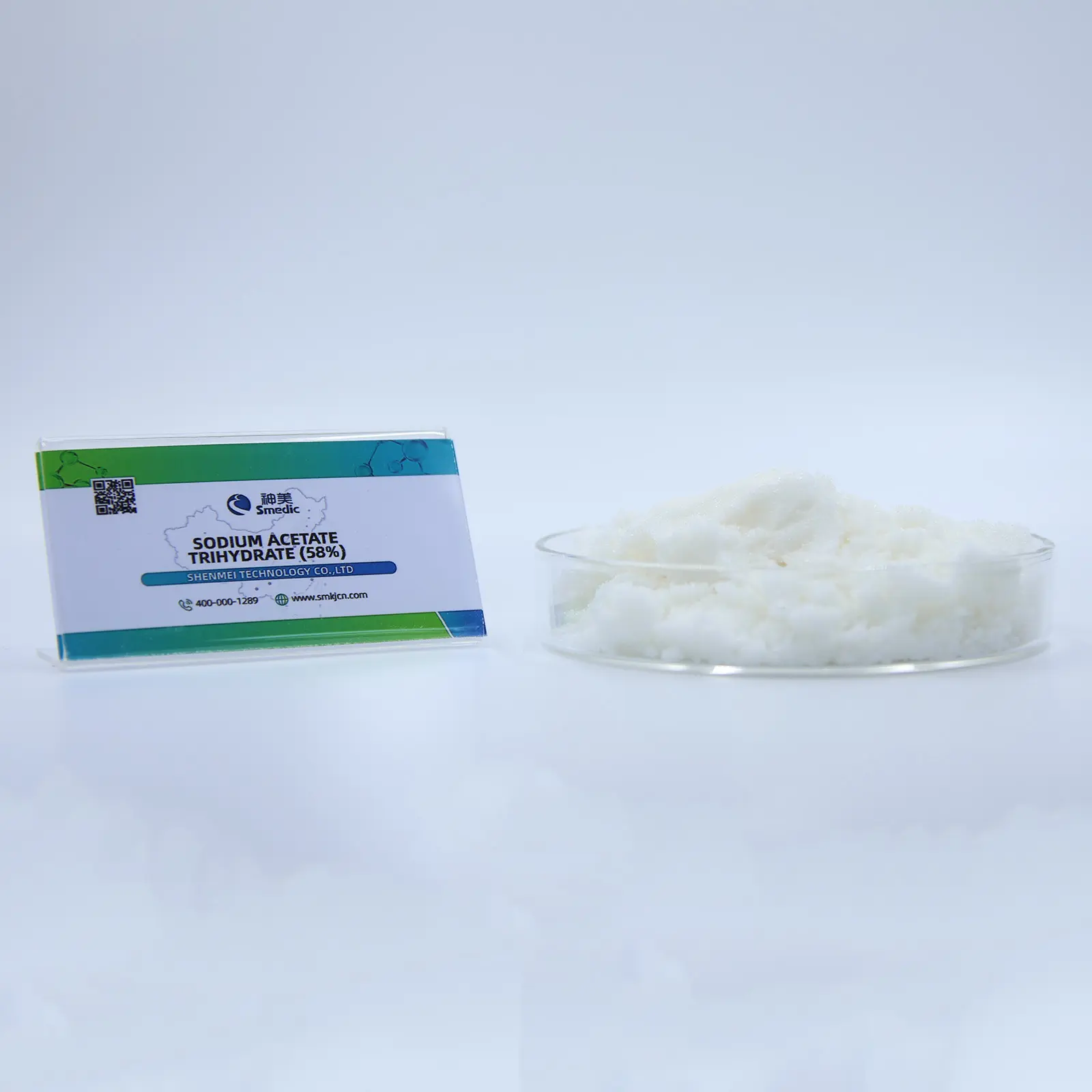
 Smedic Tech