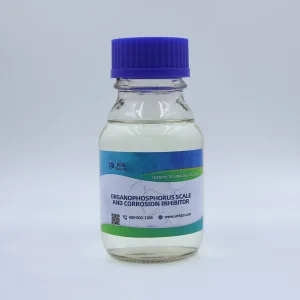
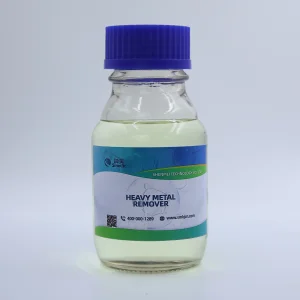
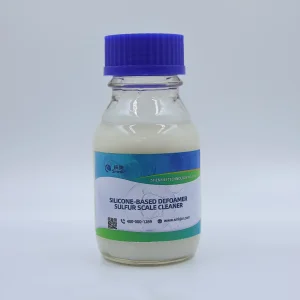
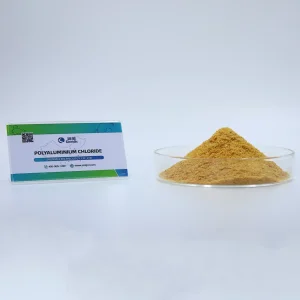
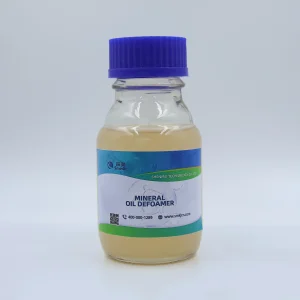
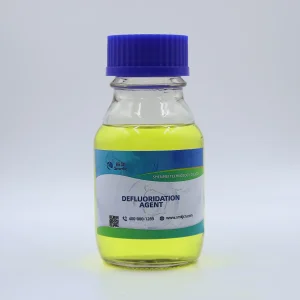
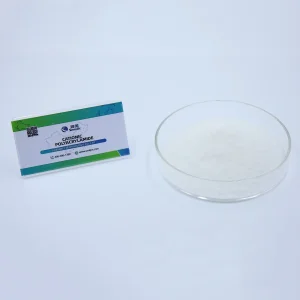
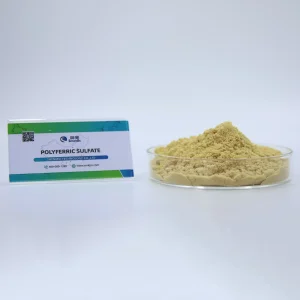
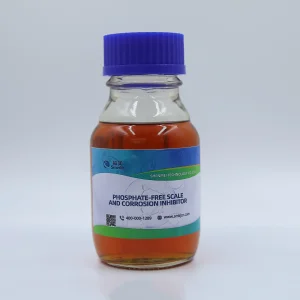
Explore our leading industrial formulations engineered for water systems, membrane protection, scale prevention, and eco-friendly operations.
Sodium hypochlorite (NaClO) remains one of the world's most critical and versatile chemical compounds. Widely recognized as a powerful biocide, strong oxidizing agent, and bleaching medium, the global market for NaClO is rapidly expanding. Valued for its efficacy in eradicating pathogenic micro-organisms, virus structures, and bio-contamination, industrial-grade sodium hypochlorite serves as the backbone of municipal water safety, industrial effluent sanitization, and complex cooling loop systems.
In today's global market, the demand for sodium hypochlorite is driven by strict public health regulations and the growth of chemical processes requiring safe, non-residual chlorine sanitation. Unlike chlorine gas, which presents extreme inhalation hazards and rigorous local logistics controls, liquid sodium hypochlorite provides a safer operational profile while preserving the necessary oxidizing potential for microbial eradication. This shift has established liquid bleach as the primary agent of choice for modern processing facilities.
As international supply chains become more sophisticated, finding a high-quality exporter capable of delivering chemical solutions that maintain concentration stability over time is critical. Modern procurement departments evaluate providers not only on initial product formulation costs, but on chemical purity, low chlorate/bromate profiles, and the logistical capability to deliver stable compounds across oceans.
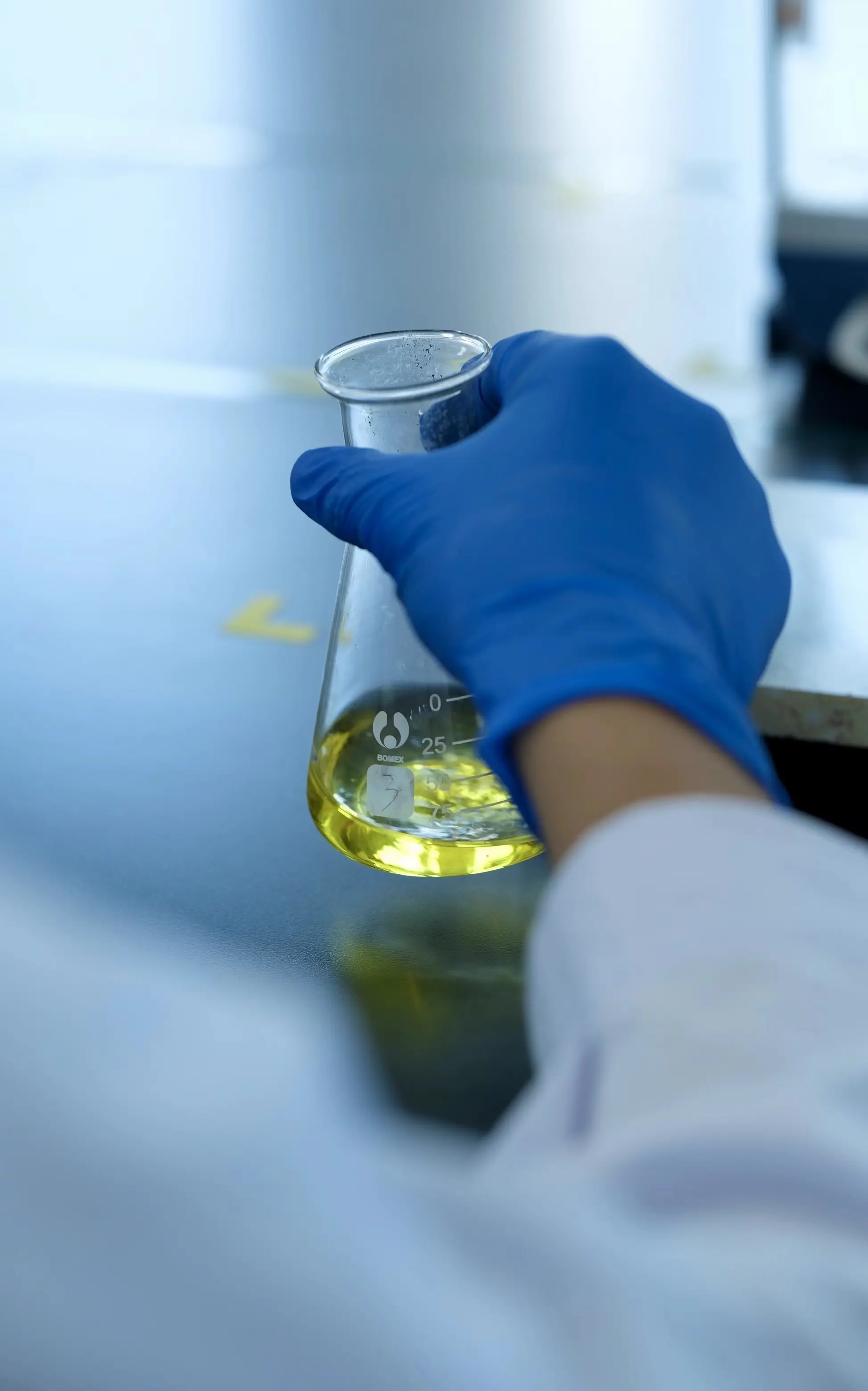
Integrating advanced research and development with massive chemical manufacturing infrastructure to support global supply requirements.
Understanding why Chinese suppliers provide superior cost-to-performance ratio, chemical stability, and raw material integration.
Smedic operates near primary industrial clusters in Hebei, Shanxi, and Guizhou. This guarantees a continuous, cost-stable supply of liquid chlorine and high-grade sodium hydroxide, insulating our clients from global price fluctuations.
Our production facilities utilize advanced ionic membrane electrolysis. This system reduces salt and heavy metal impurities, generating ultra-pure sodium hypochlorite that meets international drinking water criteria.
To mitigate NaClO degradation, we employ automated, temperature-controlled blending. This guarantees precise dosing of residual alkalinity (excess NaOH), creating a molecular environment that slows active chlorine decay.
From deep-well oil production to municipal disinfection loops: how sodium hypochlorite is utilized across heavy industries.
We provide ultra-pure sodium hypochlorite to municipal treatment systems, prioritizing low chlorate levels to prevent toxic disinfection by-products (DBPs). Our active chlorine ensures long-lasting disinfection loops throughout extensive urban networks, keeping municipal water supply lines safe and pathogen-free.
High-capacity cooling towers face persistent issues from biological biofilm buildup, reducing thermal transfer efficiency. Dosing our industrial-grade NaClO prevents algae formation and biofilm accumulation. When paired with our organophosphorus scale and corrosion inhibitors, it provides a comprehensive chemical solution for thermal systems.
Underground reservoir injection requires sterile water to prevent souring and corrosion from Sulfate-Reducing Bacteria (SRB). Our sodium hypochlorite serves as a high-strength biocide, killing bacteria prior to injection. This protects critical metal infrastructure and extends the life of oilfield equipment.
Gold and mineral extraction operations generate cyanide-heavy tailing water that must be treated before discharge. Our high-strength sodium hypochlorite oxidizes toxic cyanides into harmless nitrogen and carbonate compounds. This reaction occurs in a controlled alkaline range to guarantee safety and compliance with international standards.
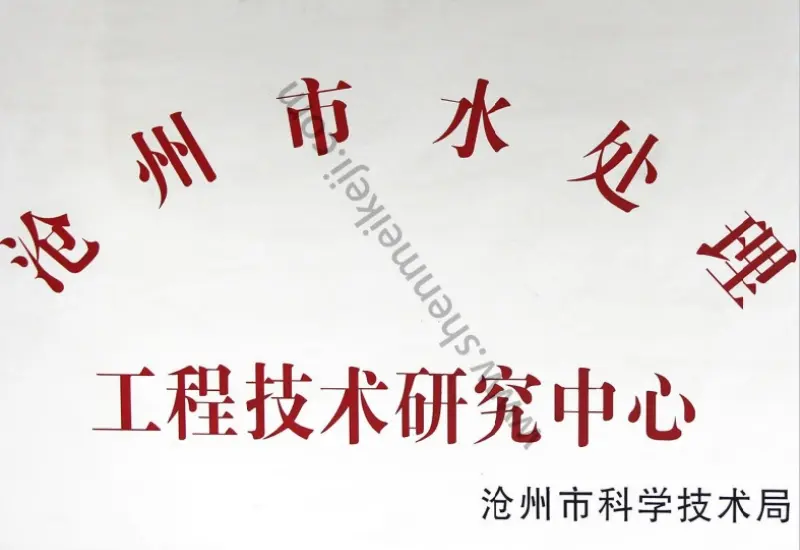
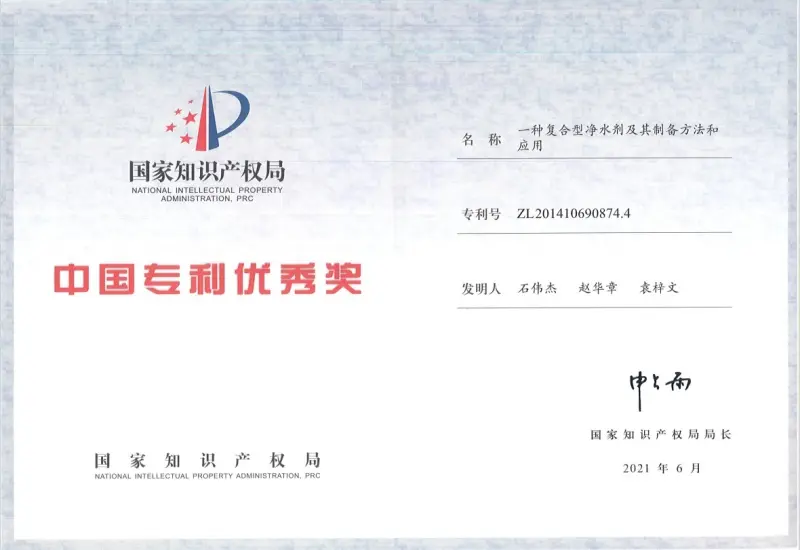
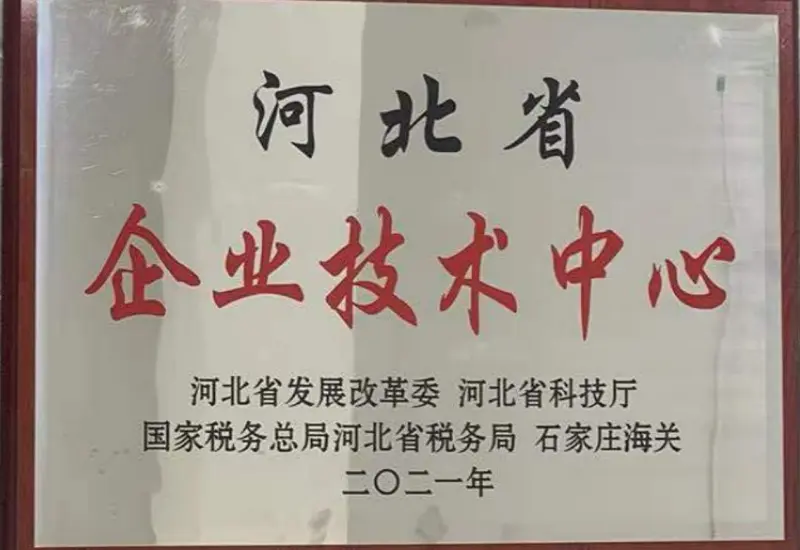
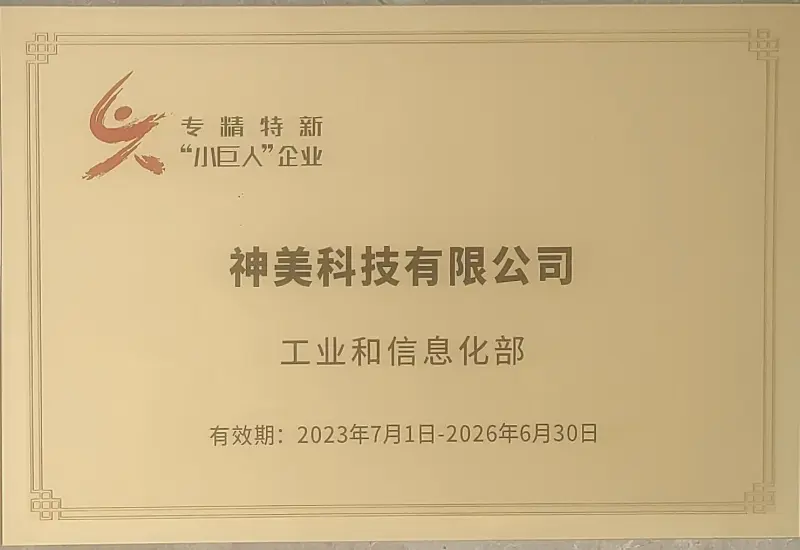
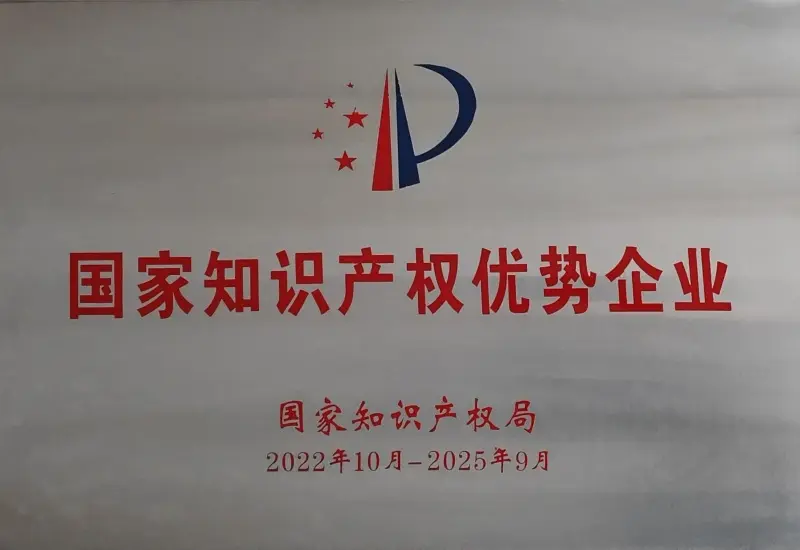
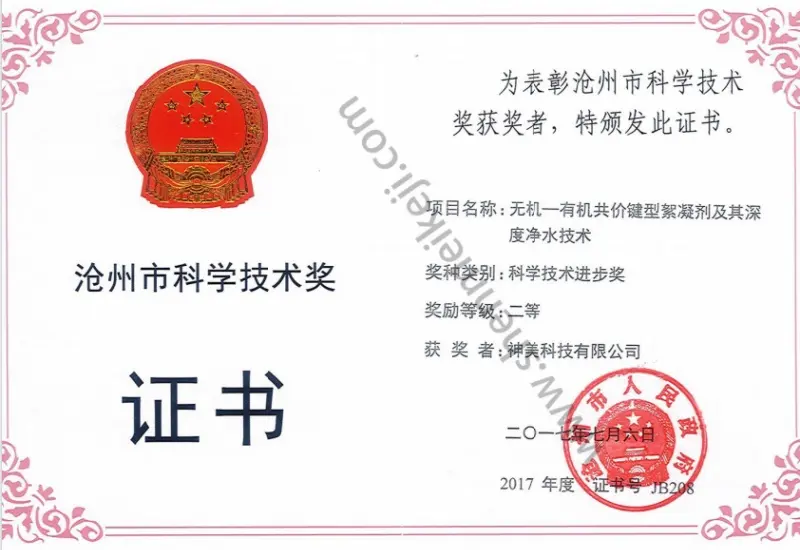
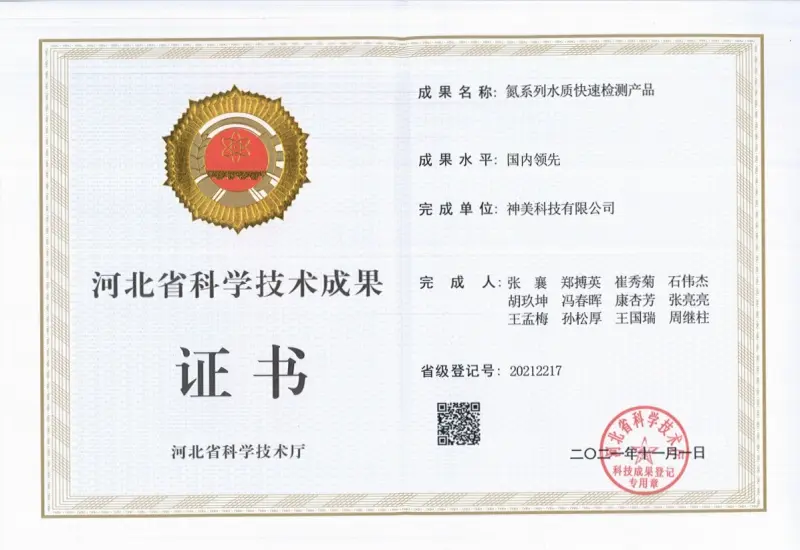
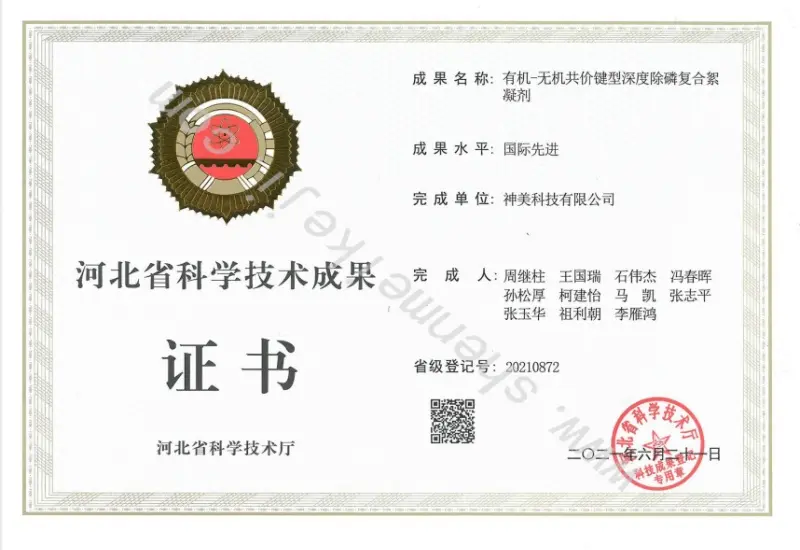
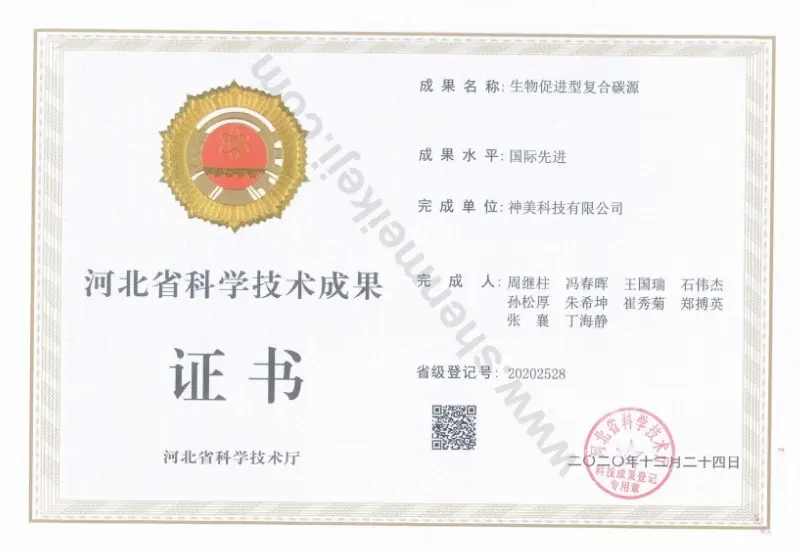
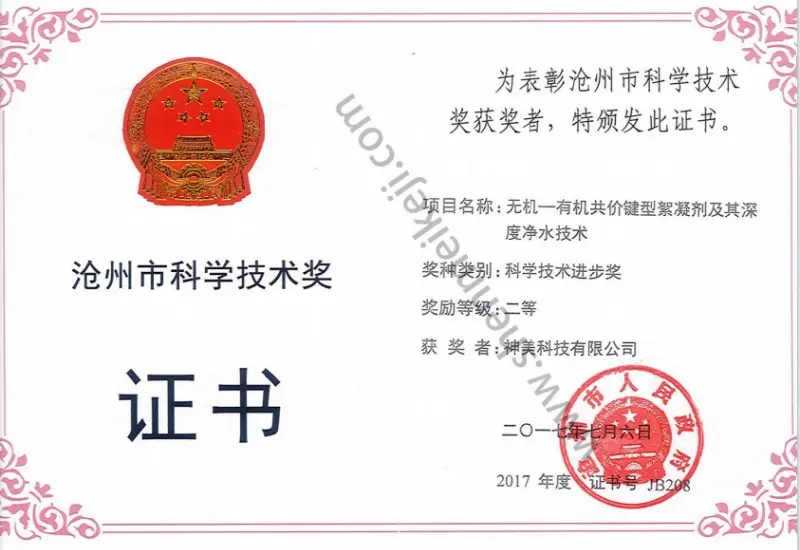
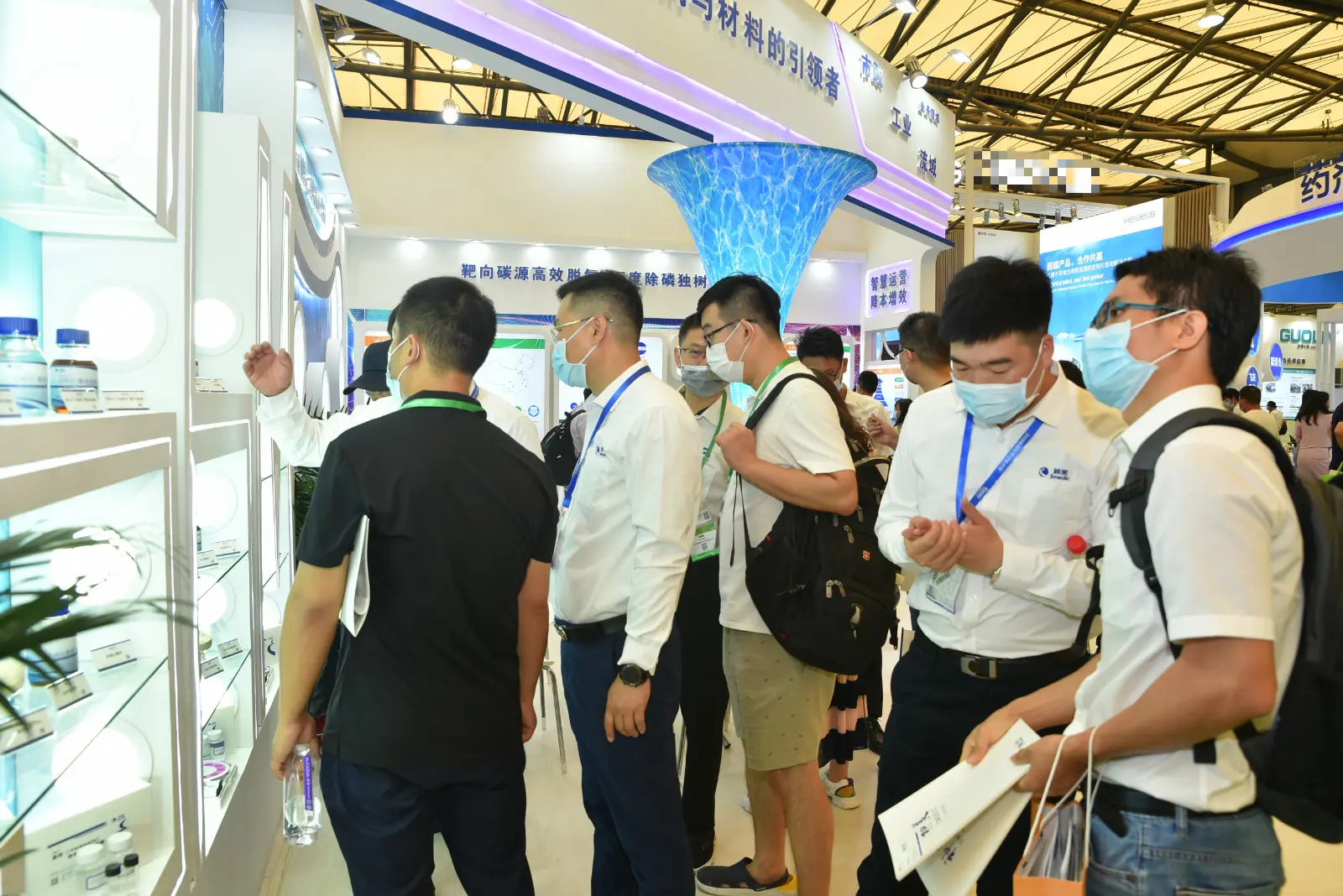
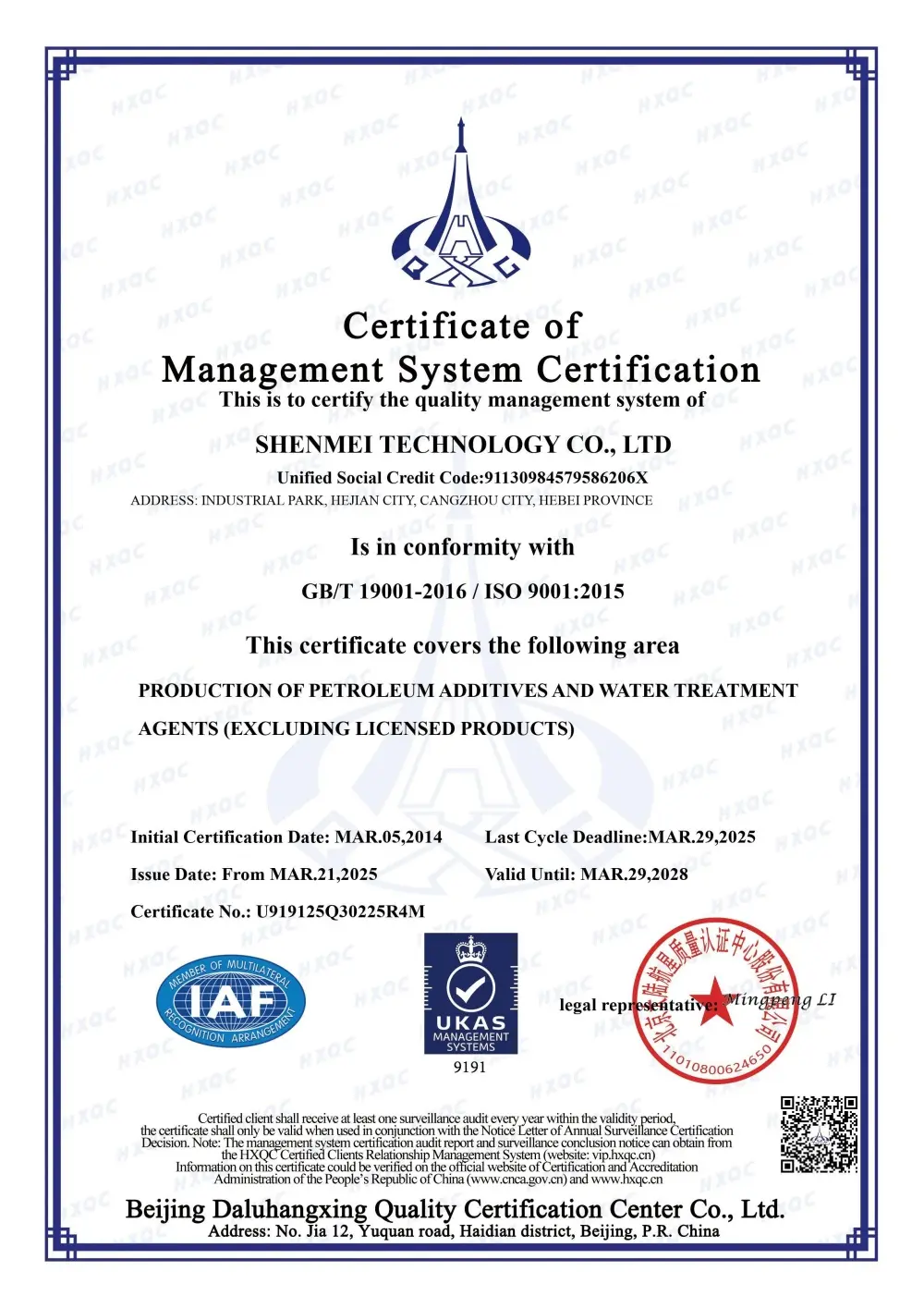
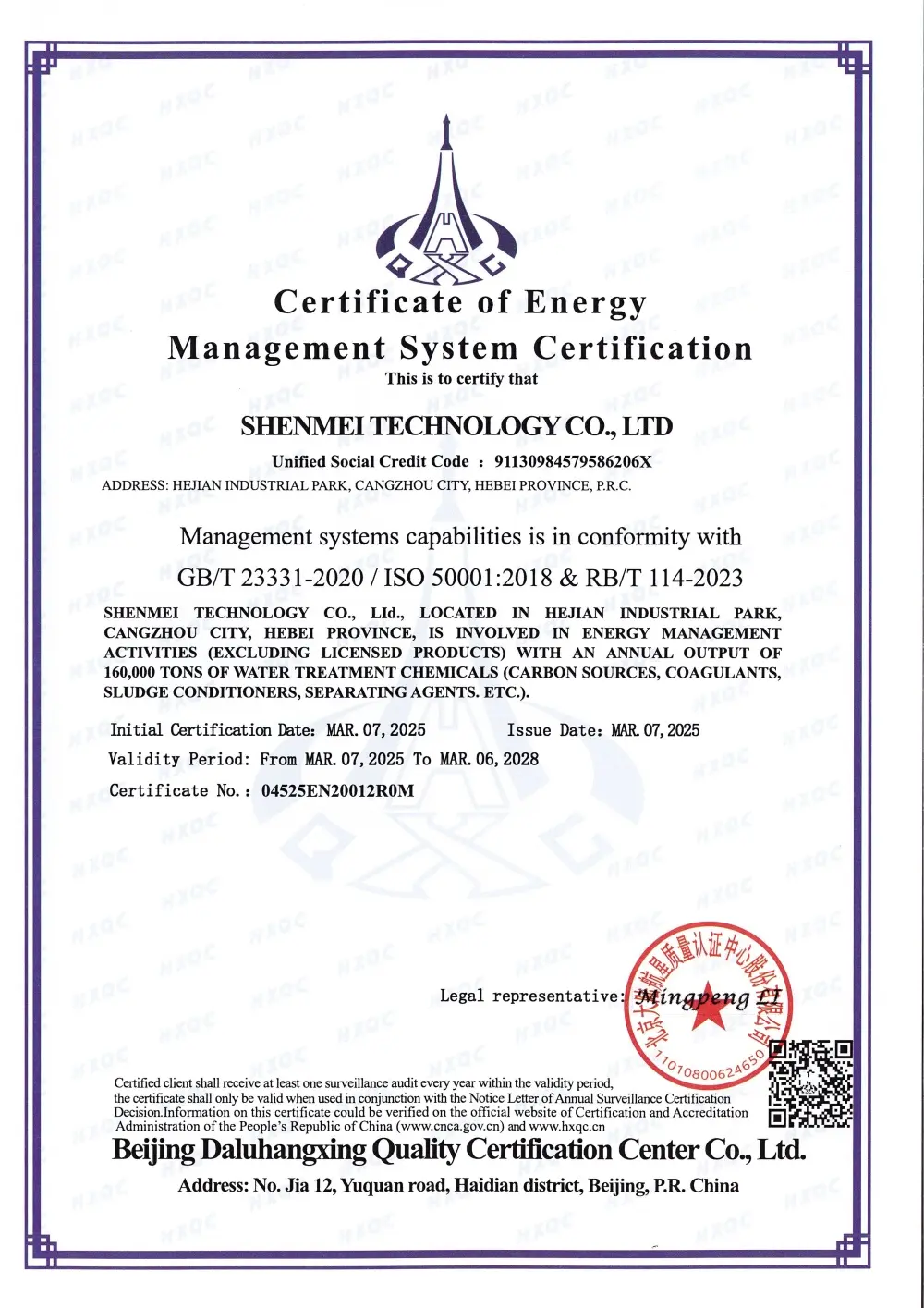
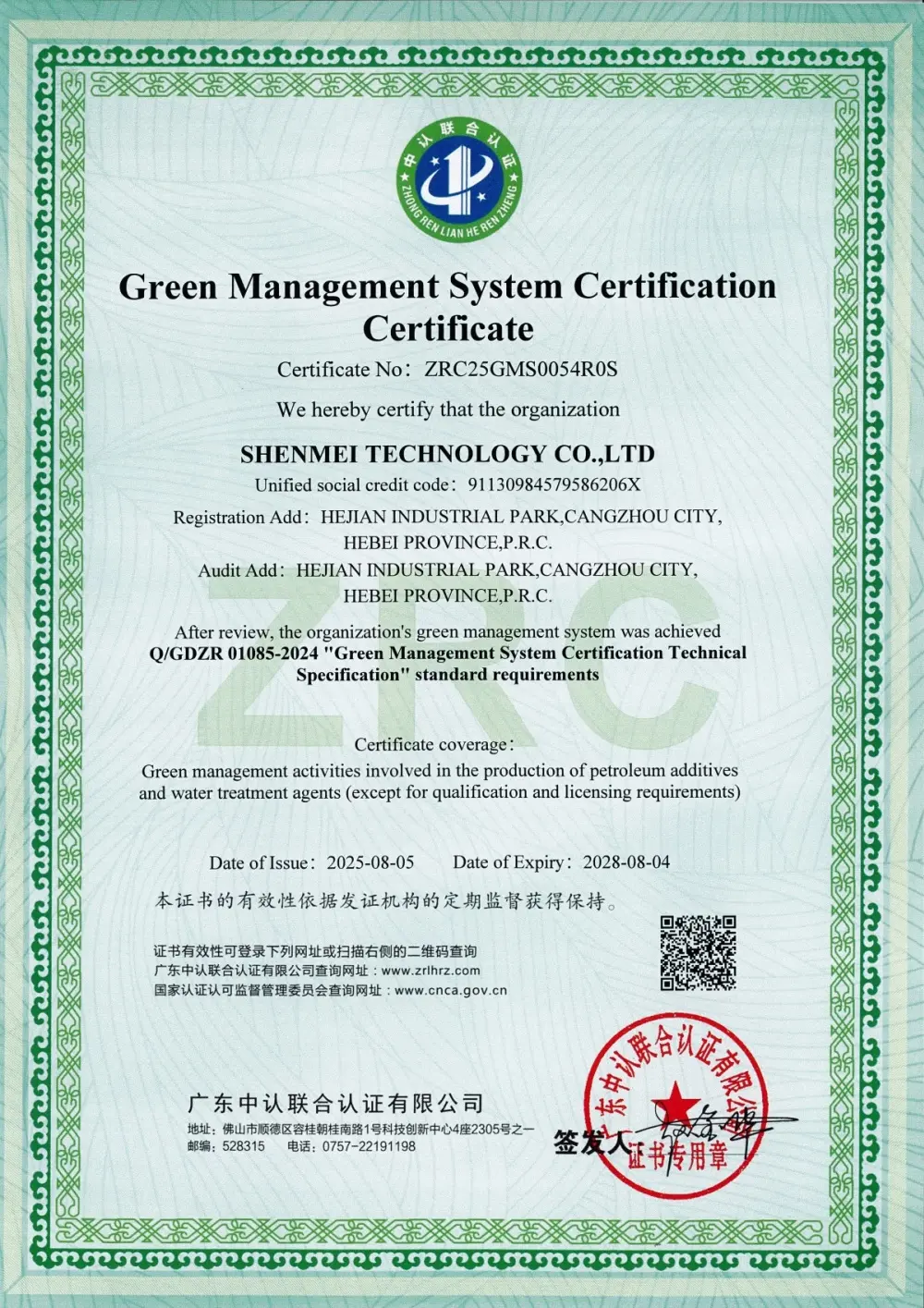
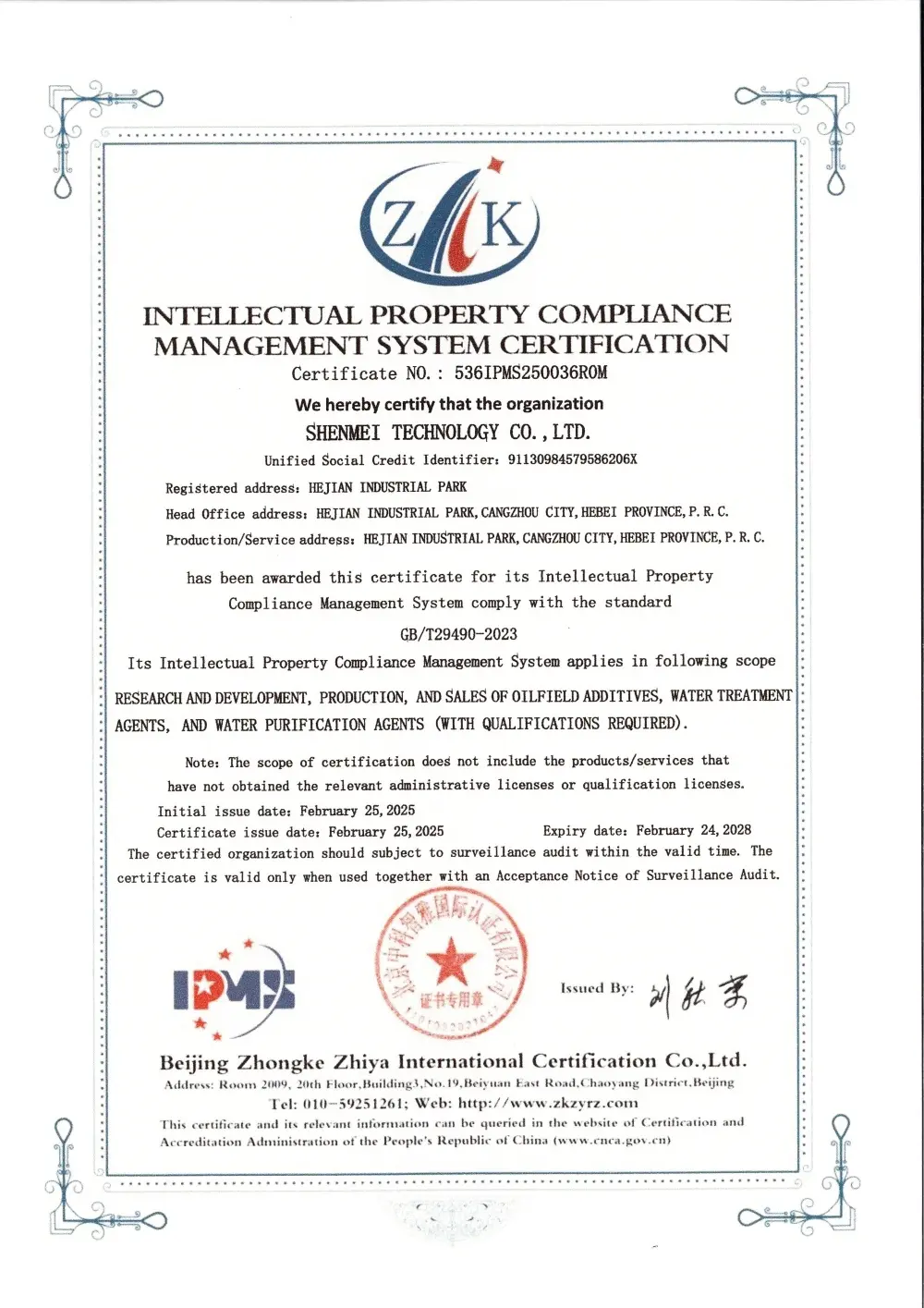
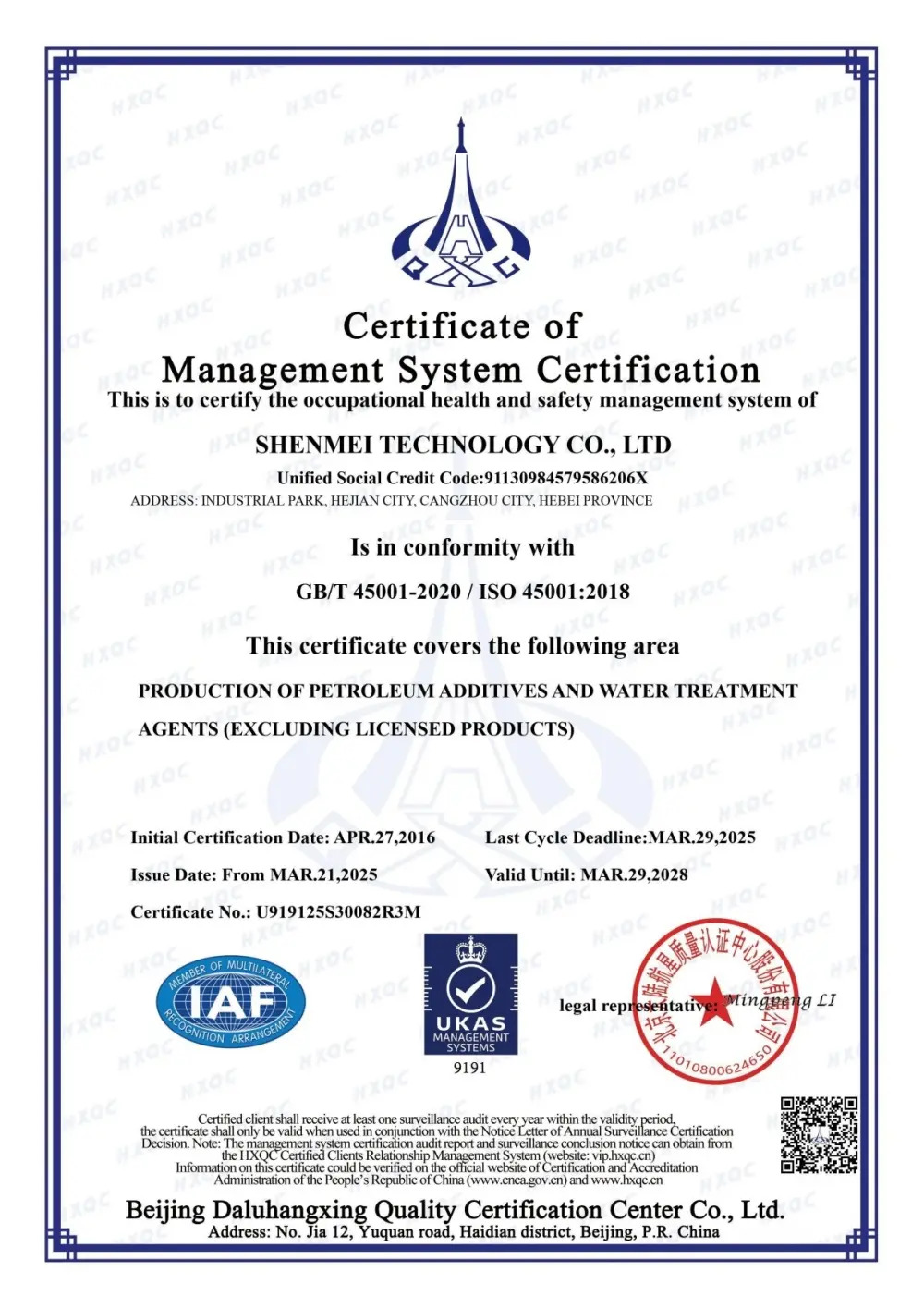
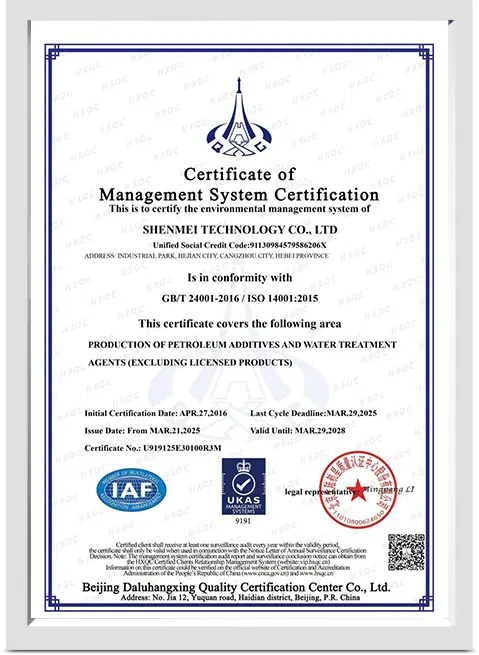
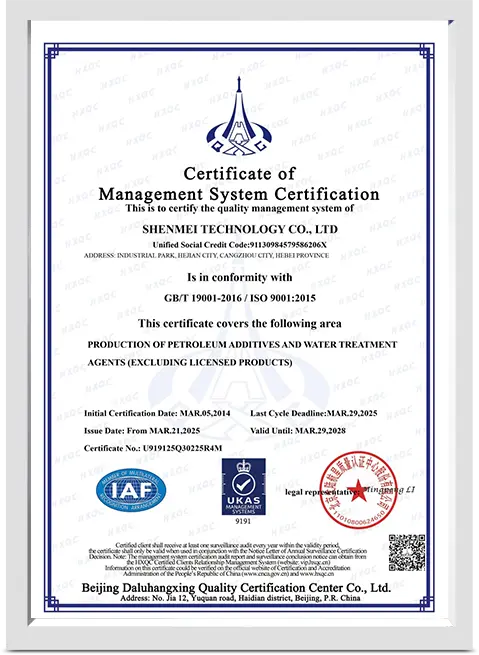
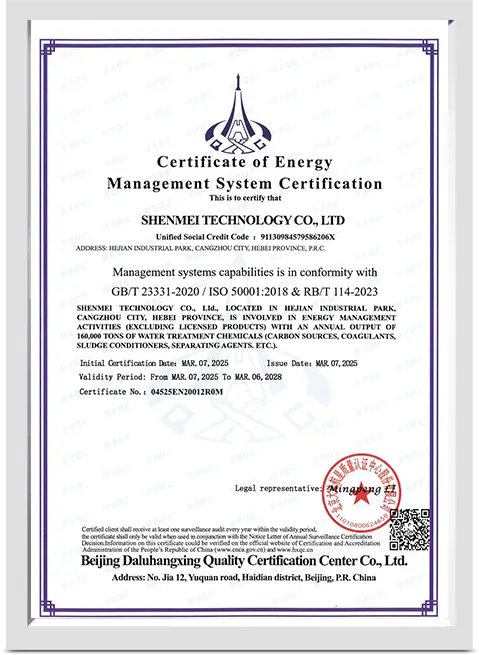
Smedic Technology demonstrates chemical engineering excellence. We have earned prestigious recognitions, including National High-tech Enterprise, National Specialized, Refined, Unique and Innovative "Little Giant" Enterprise, and Hebei Province Green Factory status.
Our dedicated R&D framework consists of academicians, experts, and senior engineers working across one academy, three research institutes, and five specialized testing bases. Partnered with Tsinghua University Association of Senior Scientists, Shandong University, and Beijing University of Technology, we drive advancements in water treatment and polymer flocculation technology.
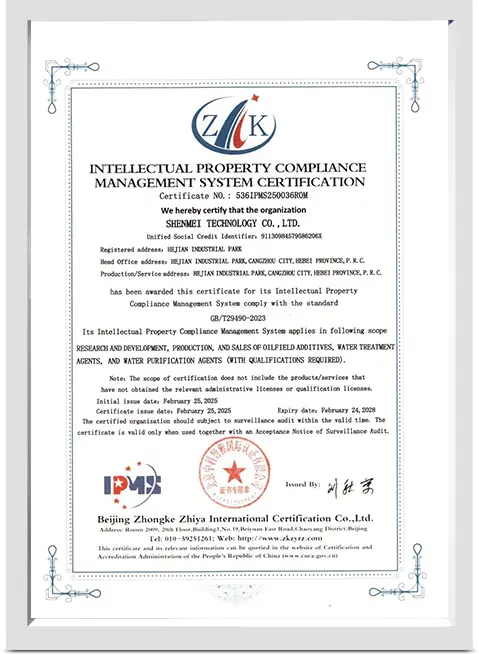
With over sixty registered Chinese patents (including more than forty invention patents) and lead authorship on ten national and industry standards (including composite carbon sources and sodium acetate), Smedic is an authority in industrial chemical research.
Exporting liquid chemicals like sodium hypochlorite requires rigorous supply chain management. Because NaClO is sensitive to thermal degradation, UV radiation, and heavy metal exposure, Smedic has engineered a dedicated logistics framework to protect chemical integrity during transit.
We offer specialized packaging, including high-density polyethylene (HDPE) containers, intermediate bulk containers (IBC drums), and lined ISO tankers. Every container is vented to prevent pressure buildup while blocking external contaminants. Our logistics bases near main shipping ports in China allow for rapid dispatch, minimizing wait times and ensuring the chemical arrives at its destination in optimal condition.
We also provide full documentation support, including Safety Data Sheets (SDS), certificates of analysis (COA), and compliance paperwork for hazardous materials transit. Our logistics specialists coordinate routes to avoid prolonged heat exposure, ensuring the active chlorine content remains within specification for our global clients.
Staying ahead of the regulatory and technological shifts transforming the production, storage, and application of sodium hypochlorite.
Regulatory agencies, including the EPA and ECHA, are tightening limits on chlorate (ClO3-) and bromate (BrO3-) impurities in drinking water. Future production relies on low-salt, high-purity ionic membrane systems and rapid storage turnover to prevent byproduct formation.
Industrial systems are shifting from batch dosing to online sensors. These systems monitor oxidation-reduction potential (ORP), residual chlorine, and pH levels, dynamically adjusting dosing to maximize biocide efficiency while reducing chemical waste.
Using NaClO alongside scale and corrosion inhibitors can sometimes lead to chemical degradation. To solve this, Smedic is developing chlorine-stable phosphonate and carboxylate polymers. These allow scale control and biological disinfection to function together without chemical interference.
Professional guidance from Smedic's senior engineers on handling, preservation, and chemical safety.
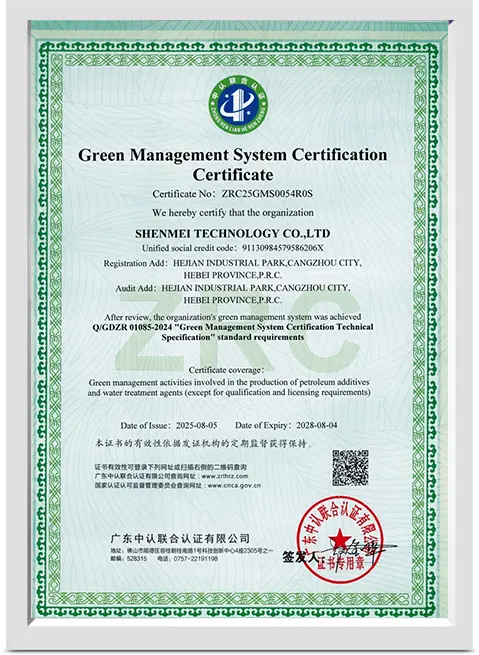
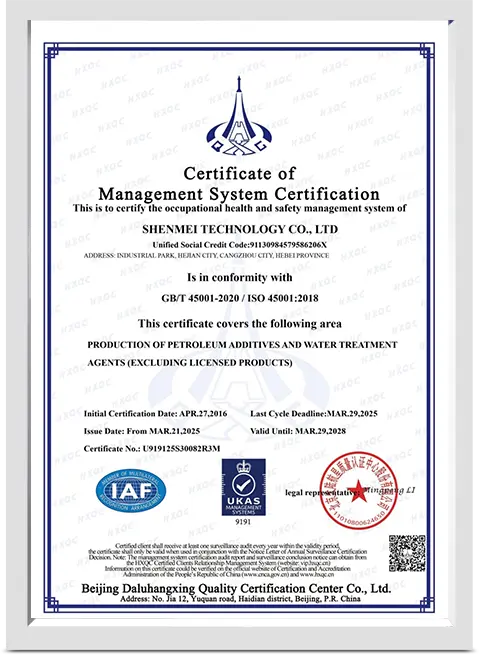
Explore our full range of specialty agents, including coagulants, defoamers, and advanced scale inhibitors.
 Smedic Tech