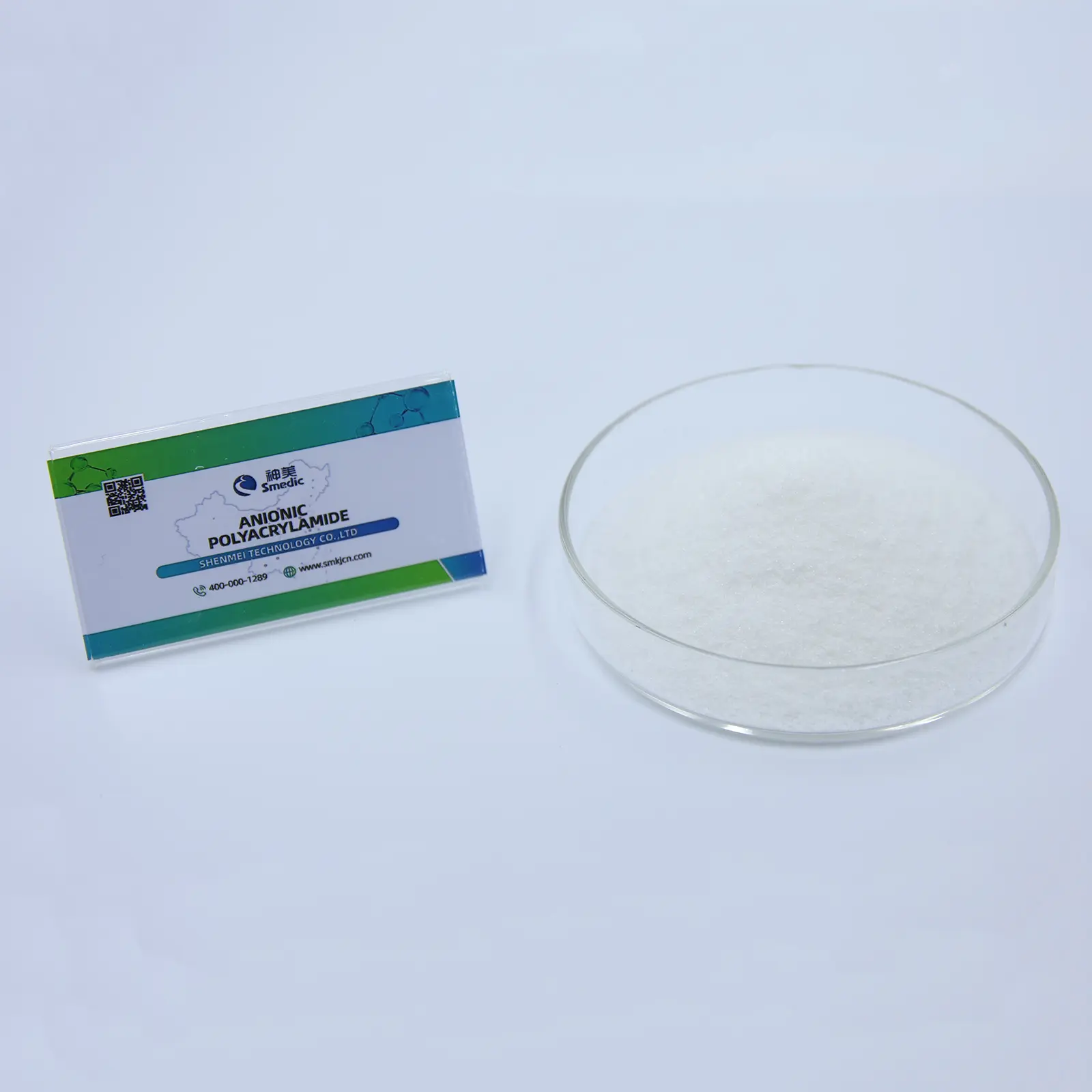
Anionic polymers, primarily represented by Anionic Polyacrylamide (APAM), are synthetic, water-soluble macromolecular structures featuring negative charge densities of varying degrees. Composed of copolymerized acrylamide and acrylic acid monomers, these polymers serve as indispensable reagents in separating solids from liquids in municipal sewage, industrial effluents, mineral processing, and oilfield services. Under neutral or alkaline conditions, the functional carboxyl groups along the molecular chain dissociate to form negatively charged binding sites. This specific charge conformation facilitates electrostatic bridging and micro-floc aggregation, accelerating gravity sedimentation and centrifugal separation.
By utilizing optimized ODM manufacturing pathways, the molecular properties of Anionic Polyacrylamide can be tailored to target specific industrial profiles. When added to high-turbidity systems, the polymer chains unfold in water and capture suspended inorganic matter through chemical bonding and physical entrapment. As these particles aggregate, they form dense macro-flocs with low water entrapment, accelerating filtration processes and reducing chemical sludge volumes in municipal and industrial clarifiers.
Long-chain polyacrylamide capture and anchor micro-particles across broad fluid pathways, facilitating faster consolidation and settling.
Carboxyl groups neutralize positively charged metal ions and mineral particulates, reducing repulsive forces to accelerate coagulation.
Precise adjustment of the hydrolysis degree (5% to 40%) allows customization for various effluent types, matching exact organic loads.
The water treatment sector is experiencing rapid technological change driven by stricter environmental standards and zero liquid discharge (ZLD) requirements. The global market is transitioning from standard, general-purpose polymers to specialized, low-dose, high-efficiency formulation agents. Modern industrial systems require polymers that remain stable under challenging conditions, such as high salinity, high shear, and extreme pH ranges.
In response to these requirements, R&D efforts are focused on introducing modified monomers that improve thermal stability and shear resistance. Copolymers containing AMPS (2-Acrylamido-2-methylpropane sulfonic acid) are increasingly used to treat complex wastewater with high calcium, magnesium, or sulfate levels. These advanced polymers prevent scaling, reduce sludge volumes, and perform well in high-temperature environments.
Additionally, the growth of smart water management systems is changing how flocculants are applied. Advanced automated dosing systems rely on real-time sensors that monitor inlet turbidity, zeta potential, and sludge blanket level to dynamically adjust polymer feed rates. This real-time control requires highly consistent, fast-dissolving granular and liquid emulsion products, reducing chemical consumption and preventing filter blinding downstream.
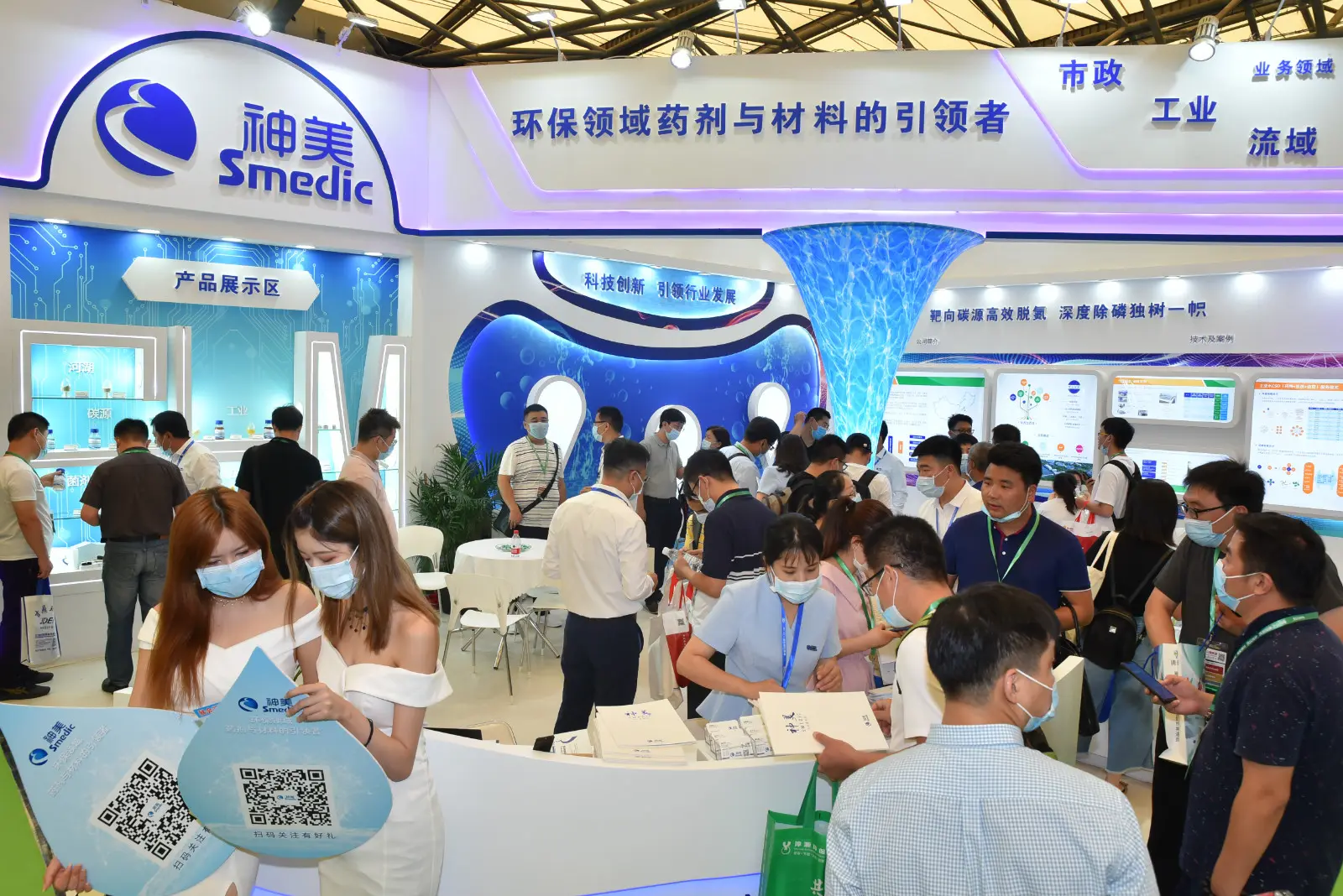
Established in 2011, Smedic Technology is a leading provider of high-end municipal and industrial wastewater chemicals in the Chinese market. We integrate research and development, industrial manufacturing, global logistics, and technical consulting to deliver customized chemical solutions.
Headquartered in Beijing, Smedic operates wholly-owned production bases in Hebei, Guizhou, and Shanxi provinces. In addition, we maintain more than ten OEM partner factories and regional warehousing hubs across Shandong, Shanxi, Anhui, Guangxi, and Sichuan. This extensive network covers over 20 provinces, supporting municipal water operations and industrial wastewater processing. Our chemical solutions serve over 600 urban sewage treatment plants and more than 1,000 industrial customers, including mineral processing operations and oilfield chemical services.
Global B2B procurement managers face ongoing challenges in sourcing high-performance anionic polymers. Factors such as cargo moisture absorption, clumping, slow dissolution rates, and shipping delays can affect project timelines and operational efficiency. When selecting an ODM manufacturer, industrial buyers focus on product quality, stable supply chains, and technical support.
Global operators require reliable delivery schedules. Smedic addresses this through centralized warehousing near major shipping ports and direct connections to regional distribution networks, ensuring timely delivery even during peak shipping seasons.
A standard formulation may not suit all industrial processes. Smedic offers ODM services that customize charge densities, molecular weight distributions, and dissolution rates to align with specific clarifier designs and sedimentation velocities.
Compliance with international regulatory standards is essential. Smedic produces polymers that meet strict guidelines, including low residual monomer concentrations (acrylamide monomer content < 0.05% or < 0.025% for municipal drinking water systems).
We provide moisture-resistant packaging, including double-layer heat-sealed PE/PP bags and heavy-duty IBC totes, ensuring the chemical integrity of the polymer during long-term storage and ocean transport.
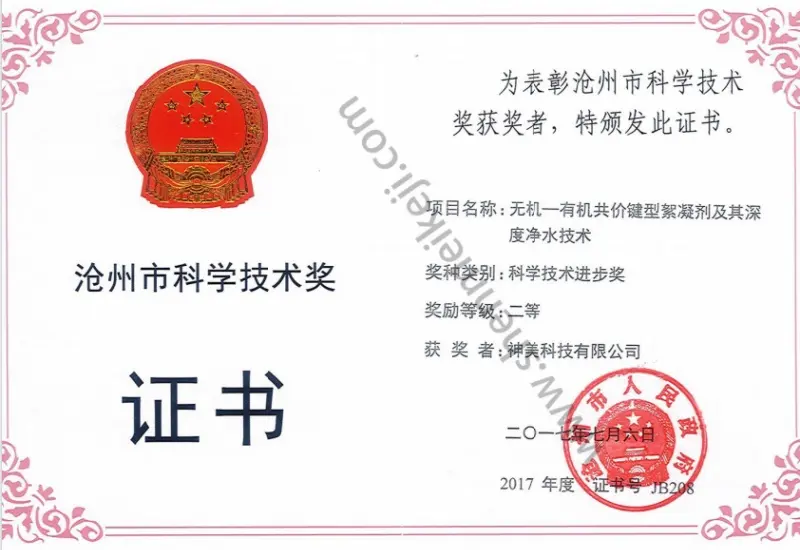
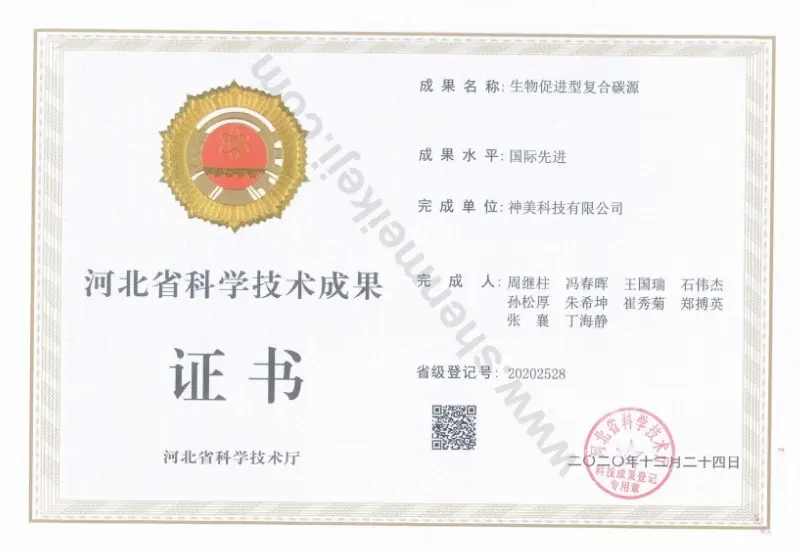
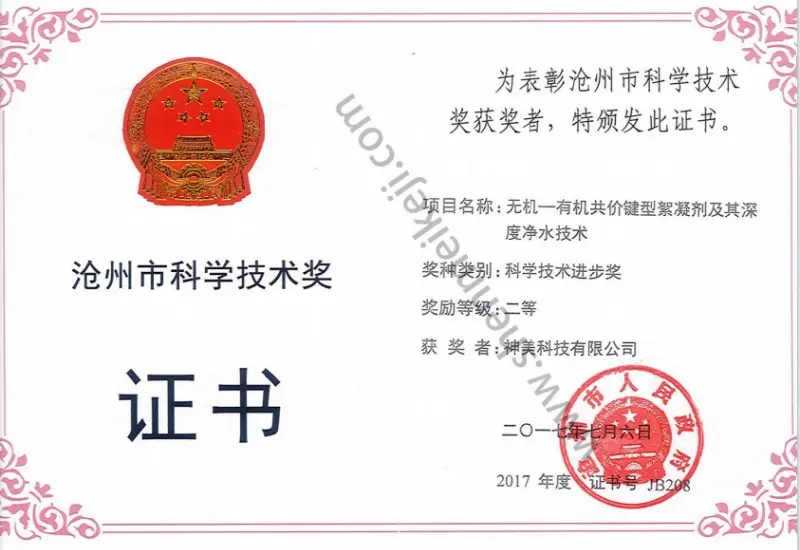
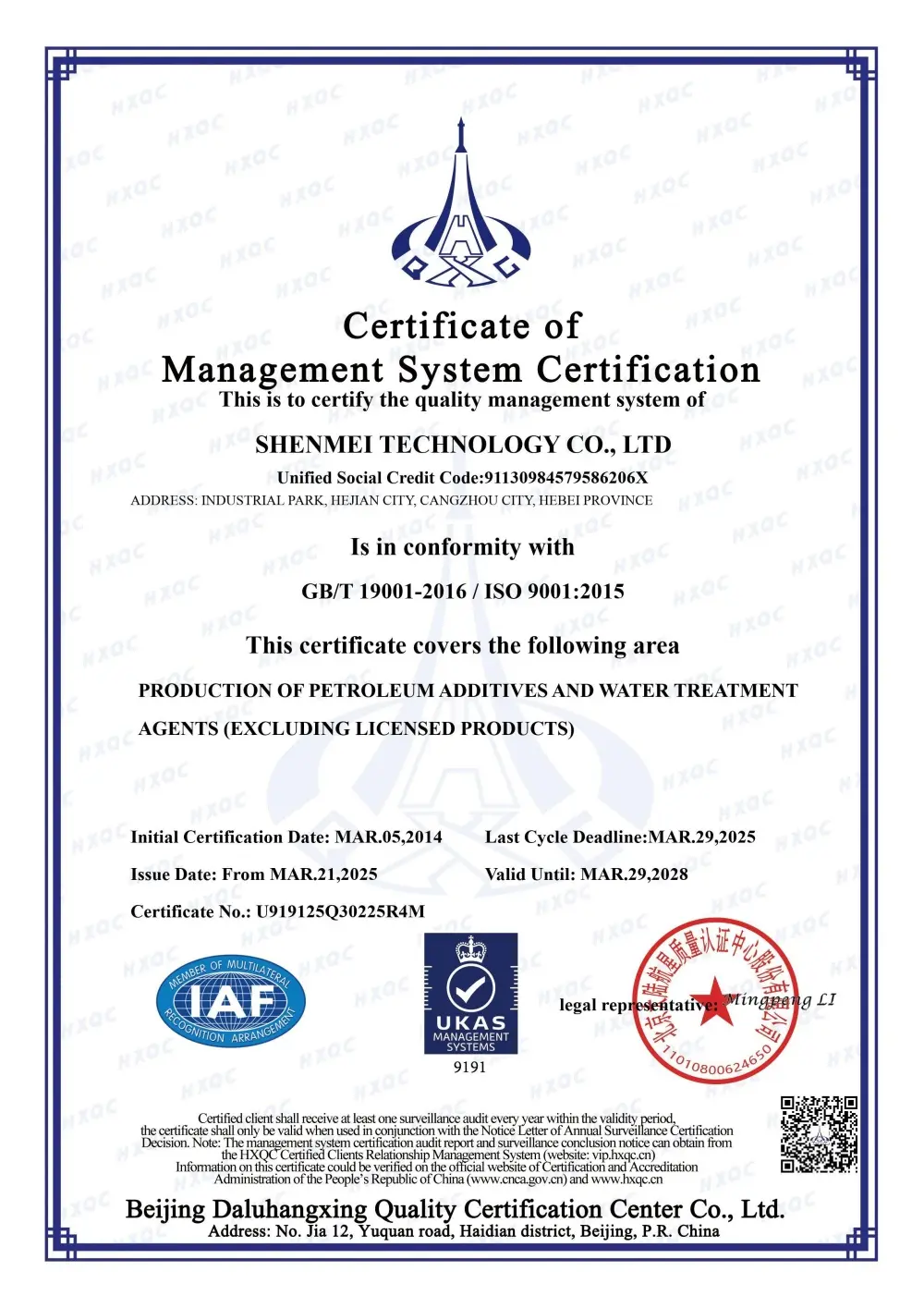
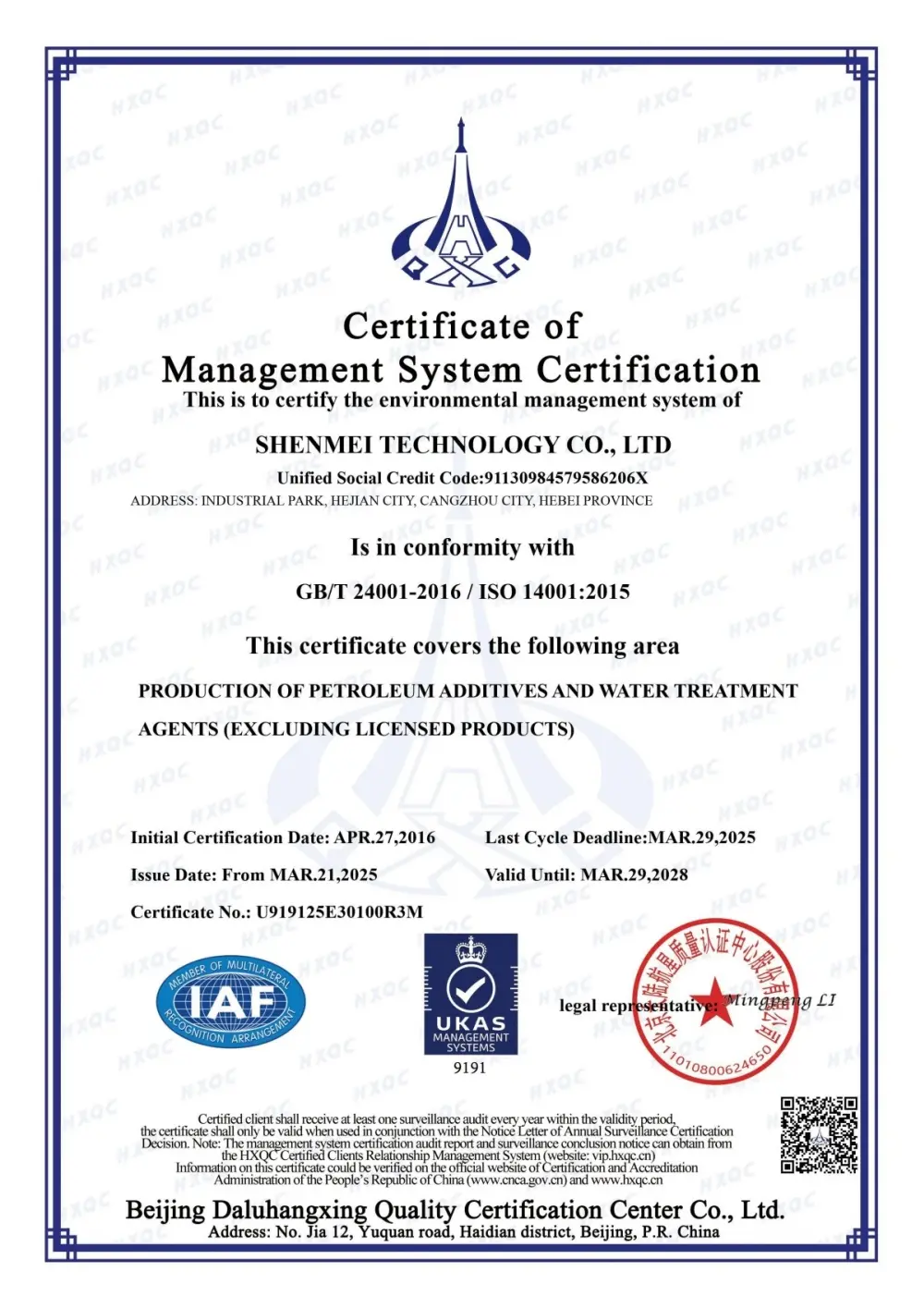
Smedic has been recognized as a National High-tech Enterprise and a National Specialized, Refined, Unique and Innovative "Little Giant" Enterprise. These distinctions reflect our commitment to R&D and industrial innovation.
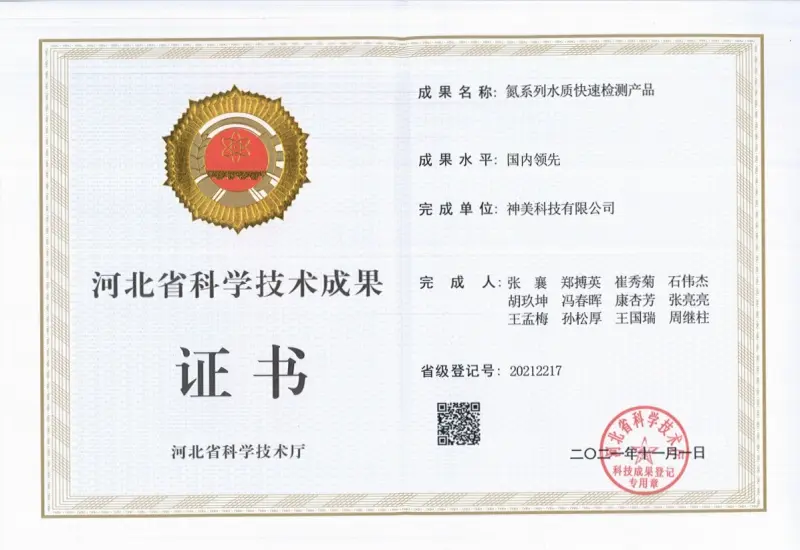
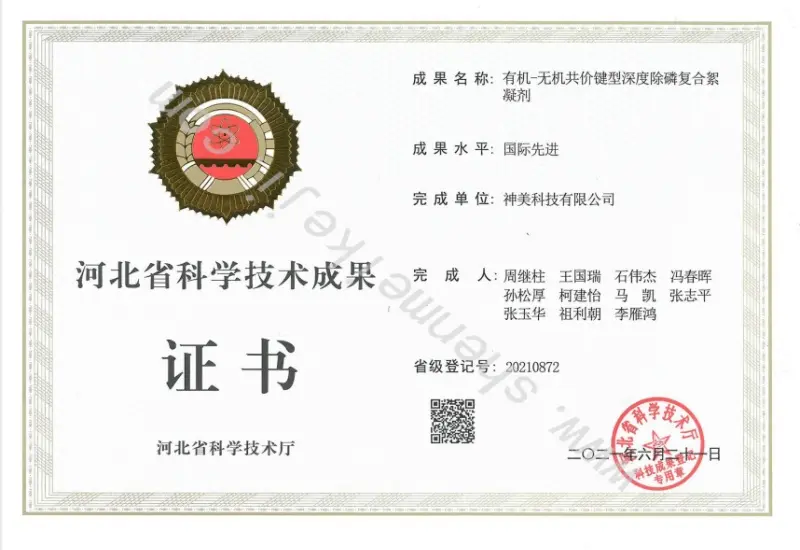
Our R&D system is centered around one academy, three research institutes, and five production bases. We have established several provincial technology centers, including the Hebei Provincial Advanced Water Treatment Chemicals Technology Innovation Center, and are recognized as a Class A R&D institution. Our technical team works in partnership with researchers from Tsinghua University, Shandong University, Beijing University of Technology, Peking University, and Tianjin University to accelerate the commercialization of new water treatment technologies.
Smedic has been granted over sixty Chinese patents, including more than forty invention patents and over twenty utility model patents. We have also contributed to drafting ten national and industry standards, including those for composite carbon sources, composite coagulants, sodium acetate, and nitrifying and denitrifying bacterial agents.
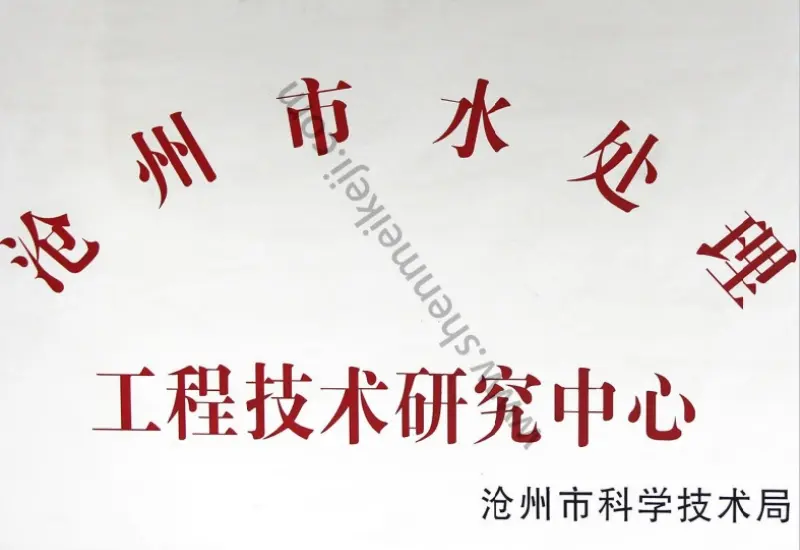
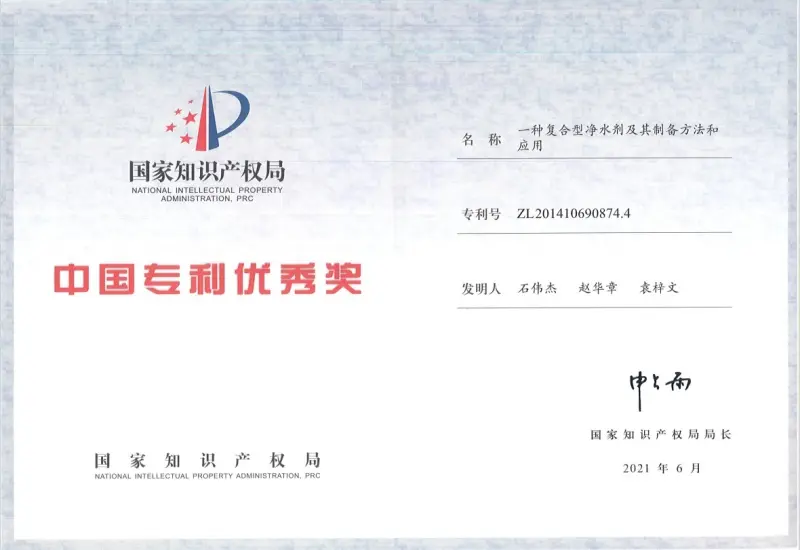
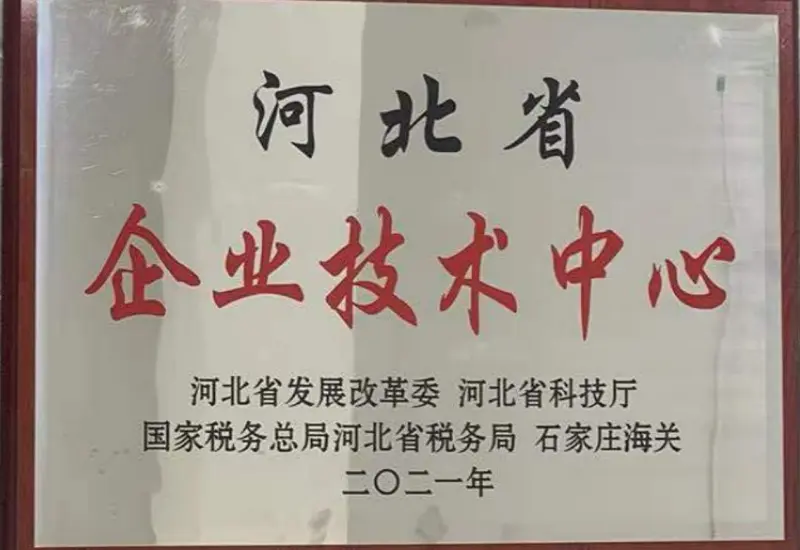
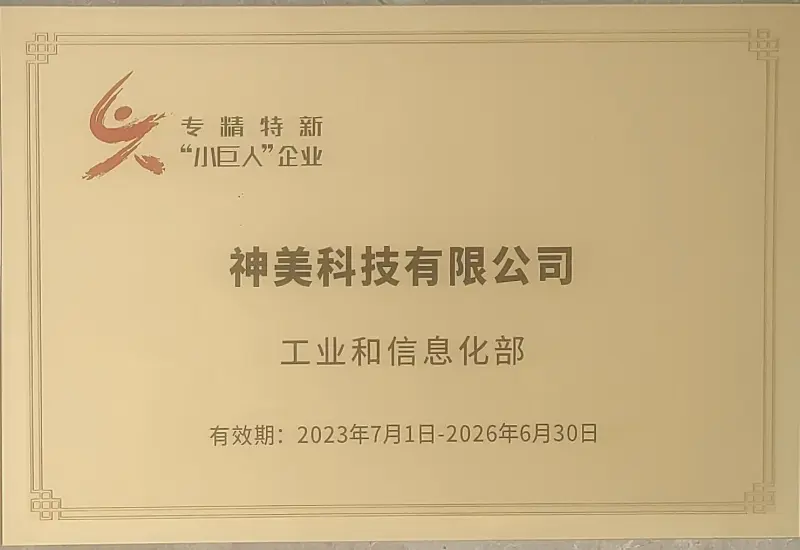
Our specialized product formulations are developed to improve process efficiency and wastewater clarity across various industrial sectors.
Optimizes phosphorus removal and biochemical denitrification. In municipal systems, our customized anionic polyacrylamide aids primary coagulation, improving clarification and reducing suspended solids load before secondary biological treatment.
Improves sedimentation rates in thickeners and clarifiers for coal washing, iron ore separation, and gold extraction. Facilitates rapid water recycling within mining operations, helping plants meet strict environmental guidelines.
Utilized in polymer flooding for Enhanced Oil Recovery (EOR) and as a friction reducer in fracturing fluids. Formulated to resist high shear forces, mechanical degradation, and temperature stress in deep reservoirs.
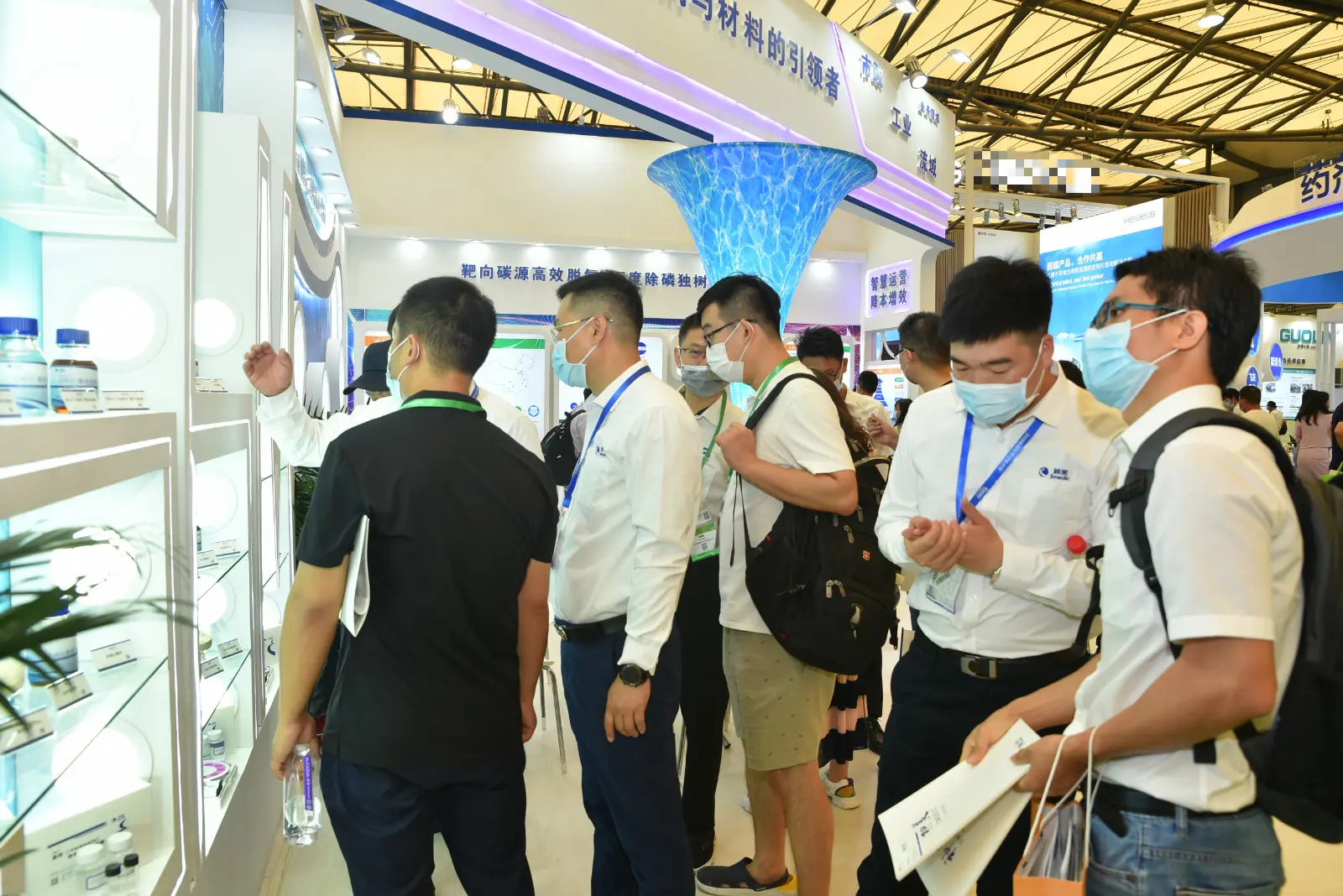
Smedic has been named the "Leading Brand of Advanced Wastewater Treatment Chemicals" and the "Most Valuable Water Treatment Chemicals Brand" by China Water Network and the E20 Environmental Platform for four consecutive years.
These accolades reflect our work with leading water management utility operators, including Shouchuang Ecological and Environmental Group, Yangtze River Ecological and Environmental Group, Beijing Enterprises Water Group, OriginWater, and China Water Environment Group. Our inclusion on centralized procurement supplier lists is supported by our technical service capabilities and reliable bulk supply.
From a specialized R&D lab to a major national manufacturer, our growth has been driven by continuous technical development and field service expansion.
Smedic was established in Beijing, focusing on R&D for advanced municipal water treatment chemicals.
Developed a comprehensive chemical product portfolio optimized for municipal wastewater treatment facilities.
Recognized as a national high-tech enterprise, expanding research into polymer synthesis.
Established the Guiyang production base, increasing capacity for oilfield and mining chemicals.
Completed expansions in Hebei, Shandong, and Guizhou, raising total annual production capacity beyond 1 million tons.
Awarded the National Specialized, Refined, Unique and Innovative "Little Giant" Enterprise status.
Established our provincial R&D platform in Hebei, focusing on advanced water purification chemicals.
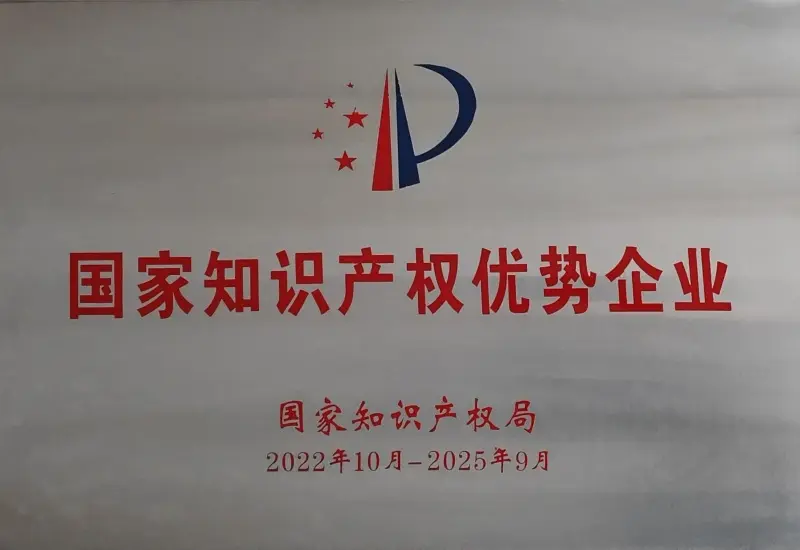
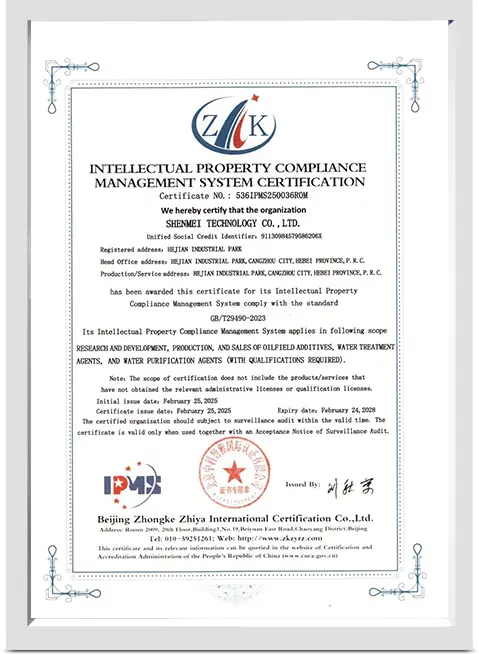
Recognized as a National Intellectual Property Advantage Enterprise with over 60 utility and invention patents.
Established a joint venture with the Chengdu Institute of Mineral Comprehensive Utilization, China Geological Survey, to develop specialized mineral processing flotation agents.
The future of water treatment polymer development lies in improving efficiency while minimizing carbon intensity. Conventional polyacrylamides rely on fossil-derived feedstocks, which is driving industry research into sustainable alternatives. The next generation of water treatment chemistry is expected to focus on bio-based backbones and intelligent dosing formulations.
Research is focused on graft copolymerization of acrylamide onto natural polymers like starch, cellulose derivatives, and chitosan. These composites maintain the flocculation efficiency of polyacrylamides while improving biodegradation rates in settled sludge.
Developing polymers with high structural stability for deep oil and gas wells. By incorporating specialized monomers, these polymers resist chain degradation in high-salinity and high-temperature reservoirs.
Our research team is developing fast-dissolving micro-bead and emulsion polymers. These formulations dissolve in under 20 minutes, reducing energy consumption and preparation time in field operations.
Anionic polyacrylamide (APAM) powder has a shelf life of approximately 24 months when stored in its original sealed packaging in a cool, dry environment. Once dissolved into an aqueous solution, the polymer chains begin to degrade. We recommend using prepared liquid polymer solutions within 24 to 48 hours to maintain flocculation performance.
pH values influence the ionization of carboxyl groups along the polymer chain. In highly acidic environments (pH < 5), ionization decreases, causing the polymer chains to coil and reducing their bridging efficiency. At neutral to alkaline pH ranges, the ionized groups repel each other, stretching the chain for optimal particle bridging. High salt levels (salinity) can shield the charge on the polymer, reducing its extension. For high-salinity applications, specialized salt-tolerant copolymers are recommended.
Smedic utilizes precise polymerization controls and advanced purification techniques to limit residual monomer levels. For drinking water applications, our polymers are processed to maintain residual acrylamide monomer content below 0.05% (and down to 0.025% for specific regional regulations), meeting international potable water standards.
Yes. Smedic offers custom ODM services where we adjust molecular weight, charge density, and dissolution rates to meet the requirements of specific industrial wastewater, mining tailing, or oilfield processes. Our technical team works with clients to evaluate operational parameters and select the appropriate polymer configuration.
 Smedic Tech