Within modern water treatment engineering, the choice of disinfectant dictates the system's operational efficiency, safety index, and environmental compliance footprint. Historically, elemental chlorine, ozone, and ultraviolet irradiation have dominated. However, the rise of stringent environmental mandates, coupled with the identification of toxic disinfection by-products (DBPs), has catalyzed a transition toward Chlorine Dioxide (ClO₂).
Chlorine dioxide functions via single-electron transfer oxidation, an entirely different chemical pathway compared to chlorination. Unlike chlorine, which chlorinates organic matter to yield carcinogenic Trihalomethanes (THMs) and Haloacetic Acids (HAAs), ClO₂ acts selectively as a pure oxidant. It is reduced to harmless chlorite and chloride ions. This chemical selectivity allows ClO₂ to target critical amino acids in viral capsids and bacterial cell walls without consuming itself on benign background organic matter, demonstrating superior efficacy even at fractional dosages.
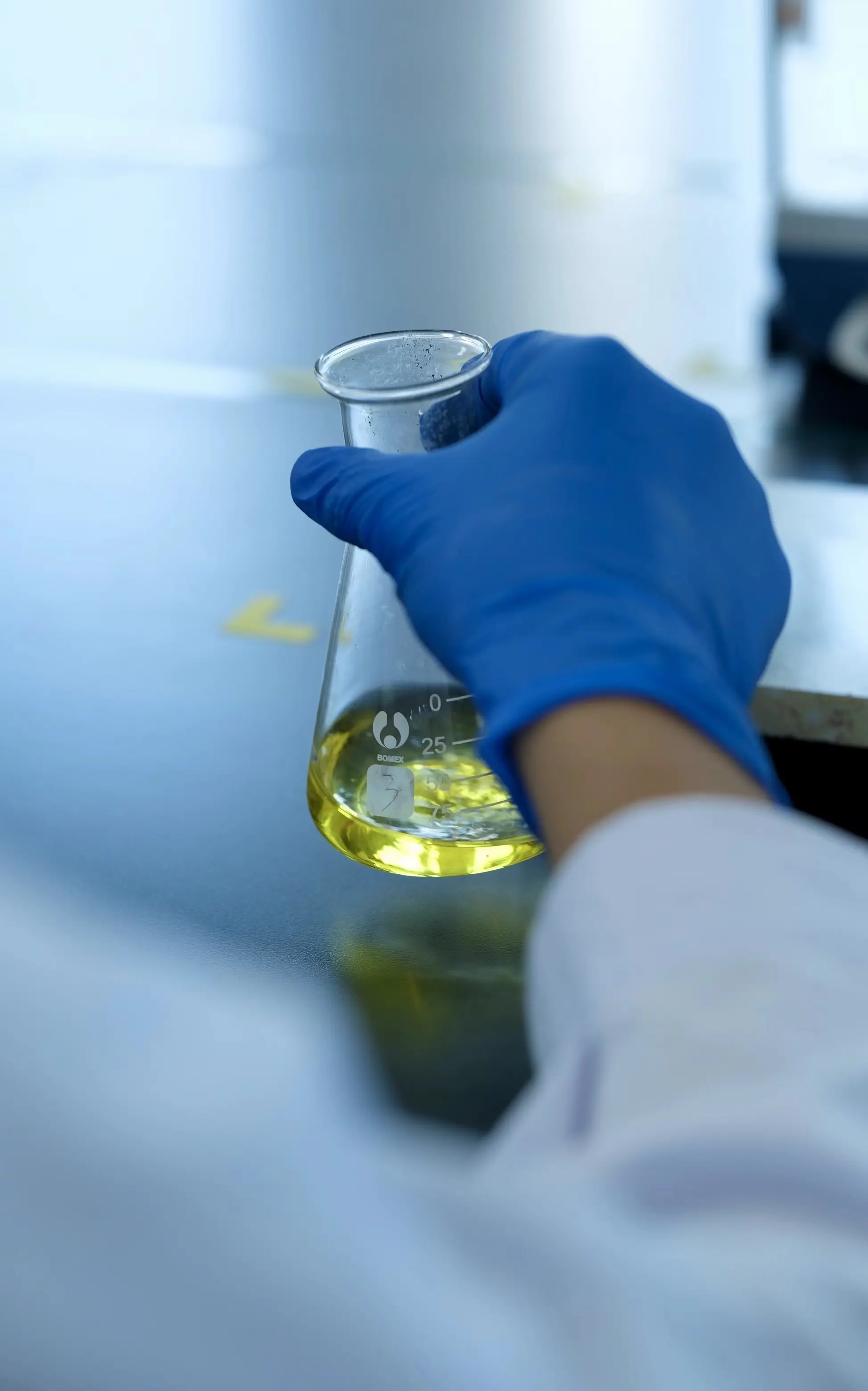
Chlorine dioxide is a synthetic green-yellow gas with a molecular weight of 67.45. It cannot be stored or compressed easily as a gas, which dictates that it must be manufactured either as a stabilized solution or synthesized in-situ utilizing high-performance catalytic generators. When comparing the oxidation capacity of ClO₂ to other compounds, it possesses 2.6 times the oxidizing capacity of chlorine per unit mass, although its oxidation potential (strength) is lower. This lower potential makes it highly selective, avoiding reactions with ammonia, ammonium, or most aliphatic hydrocarbons, which is a major advantage in highly contaminated industrial settings.
| Oxidation Parameter | Chlorine Dioxide (ClO₂) | Chlorine (Cl₂) | Ozone (O₃) |
|---|---|---|---|
| Oxidation Capacity (electrons accepted) | 5 e⁻ | 2 e⁻ | 2 e⁻ |
| Standard Electrode Potential (V) | 0.95 V | 1.36 V | 2.07 V |
| Reactivity with Ammonia / Ammonium | Non-reactive | Highly reactive (Chloramines) | Non-reactive |
| DBP Formation Potential (THMs/HAAs) | Negligible | Extremely High | None (but forms Bromate) |
| Biofilm Penetration Capabilities | Excellent (Gas-in-water solution) | Poor (Reacts on outer layers) | Moderate (Rapid decomposition) |
In municipal treatment systems, pre-oxidation with ClO₂ effectively eliminates manganese and iron, controls color, and destroys taste/odor compounds. It provides robust, long-term residual disinfection within distribution networks without forming harmful organochlorine compounds, maintaining micro-biological purity up to the consumer's tap.
Recirculating cooling towers are vulnerable to Legionella pneumophila and massive biofilm build-ups that degrade heat exchanger efficiency. ClO₂ penetrates the extracellular polymeric substance (EPS) matrix of biofilms, sanitizing the substrate and preventing microbially induced corrosion (MIC).
Sulfate-reducing bacteria (SRB) in oilfield reservoirs generate highly toxic hydrogen sulfide (H₂S) gas and cause pipe pitting. Dosing injection wells with chlorine dioxide neutralizes SRBs and oxidizes existing iron sulfides, restoring permeability in clogged geological formations.
Substituting chlorine with chlorine dioxide in bleaching cycles (Elemental Chlorine Free - ECF bleaching) significantly minimizes chlorinated organic waste discharges. This structural change helps manufacturing facilities comply with strict local environmental effluents standards.
ClO₂ is highly effective at destroying foodborne pathogens on contact surfaces, washing flumes, and directly on fresh produce. Its zero-flavor-alteration and residue-free degradation profile make it a preferred sanitizer for global food chains.
Used extensively in sanitizing drinking water for commercial poultry and swine farms. It eliminates algae, prevents pathogen transmission through water lines, and remains highly active in the presence of organic wastes where chlorine fails.
Procuring raw materials and specialized chemical formulations from Chinese ODM partners offers critical advantages. China's chemical supply chain is highly integrated, allowing factories to source precursor compounds, such as sodium chlorite (NaClO₂) and sodium chlorate (NaClO₃), with minimal shipping distances and lower costs.
Additionally, modern Chinese manufacturing hubs utilize advanced automation to guarantee stable purity levels. Facilities feature fully automated reaction lines, real-time quality control feedback loops, and advanced gas chromatography analysis systems. This digital setup ensures that solid compositions and concentrated liquid precursors are formulated to exact international standards.
Smedic Technology Co., Ltd., established in 2011, is a comprehensive solution provider specializing in environmental protection agents. We integrate advanced R&D, large-scale chemical production, sales, and complex engineering-related technical services. Our environmental protection agents serve municipal sewage, industrial wastewater, tap water purification, mineral processing, and oilfield chemistry sectors.
With an annual production capacity exceeding 1 million tons across our wholly-owned bases in Hebei, Guizhou, and Shanxi, we provide custom formulations and specialized solutions. Our business network covers over 20 provinces across China, supporting more than 600 urban sewage treatment facilities and over 1,000 industrial end-users, treating a total capacity of over 20 million tons daily.
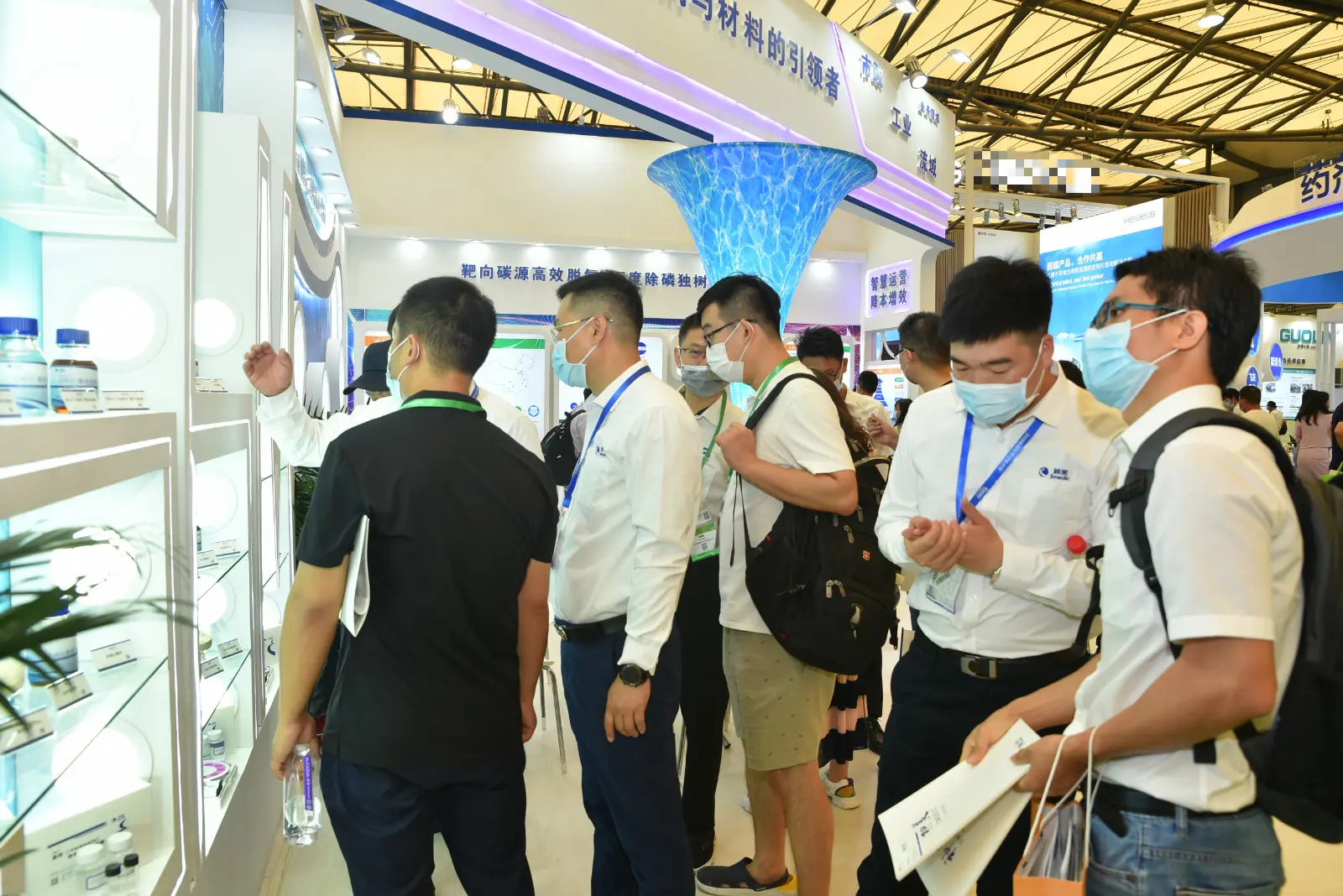
Smedic is recognized as a National High-tech Enterprise and a Specialized, Refined, Unique, and Innovative "Little Giant" Enterprise. We operate a multi-tier R&D ecosystem centered around one academy, three research institutes, and five production bases. This infrastructure is recognized as a Class A R&D institution in Hebei Province.
Our research network includes an expert workstation operated in collaboration with the Tsinghua University Association of Senior Scientists and Technicians, along with joint research laboratories at Shandong University and the Beijing University of Technology. Smedic also serves as the commercialization partner for chemical engineering research from Peking University and Tianjin University.
Our intellectual property portfolio includes over 60 Chinese patents, featuring 40+ invention patents and 20+ utility model patents. We have also led the drafting of over 10 national and industry standards for chemical compounds, including composite carbon sources, coagulants, and sodium acetate.
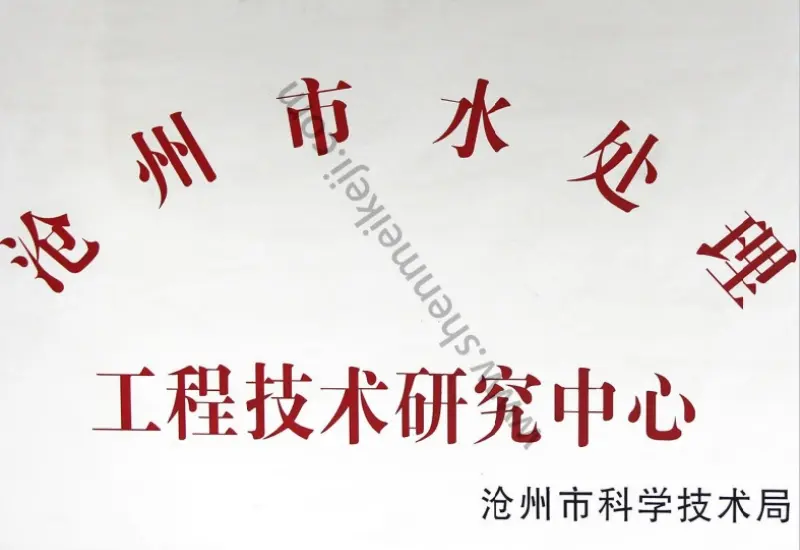
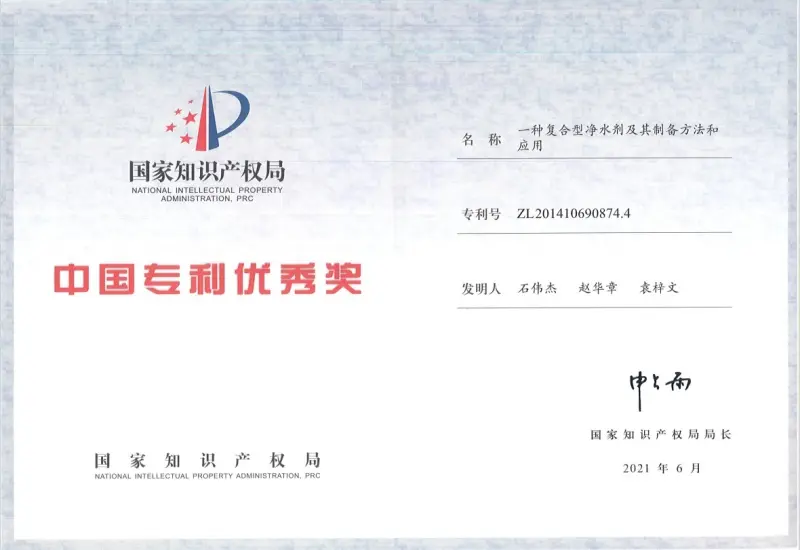
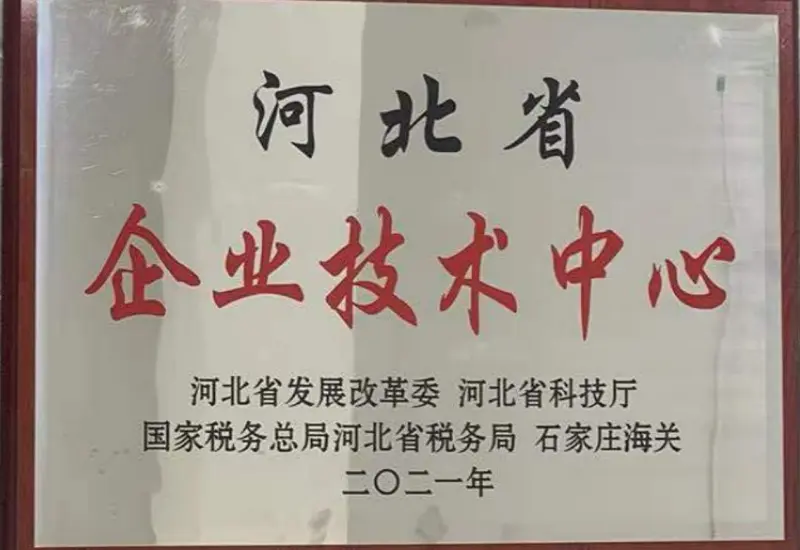
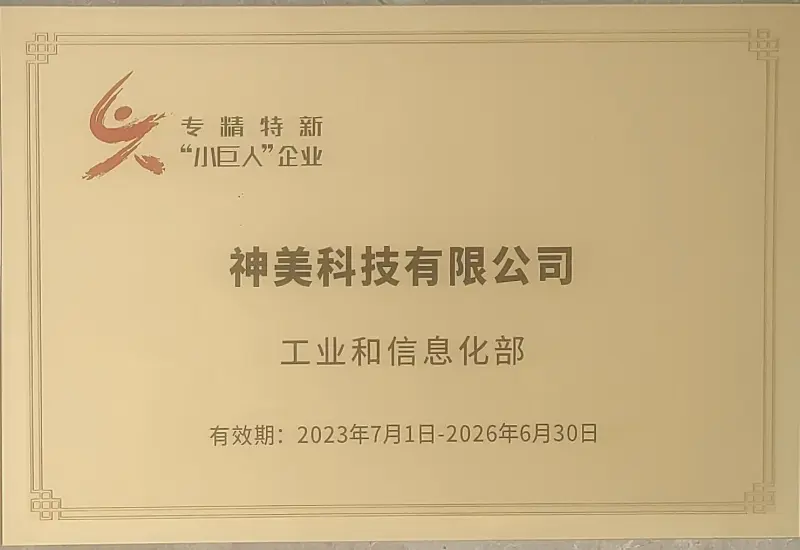
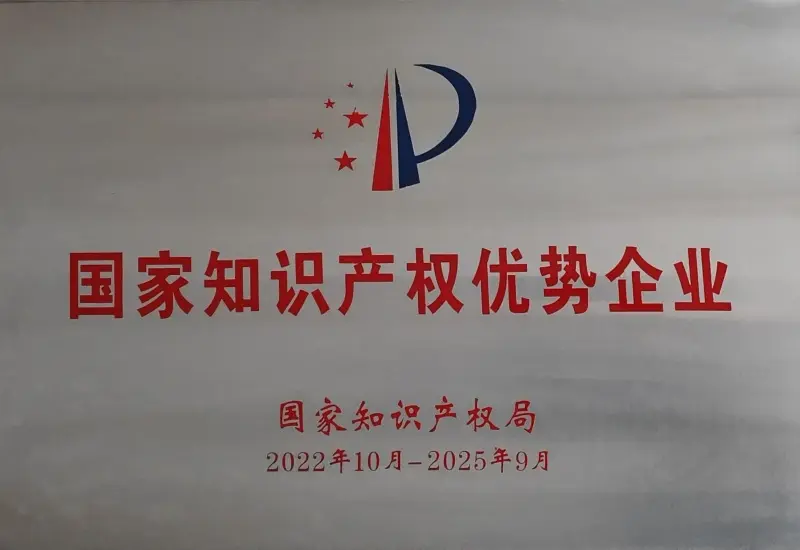
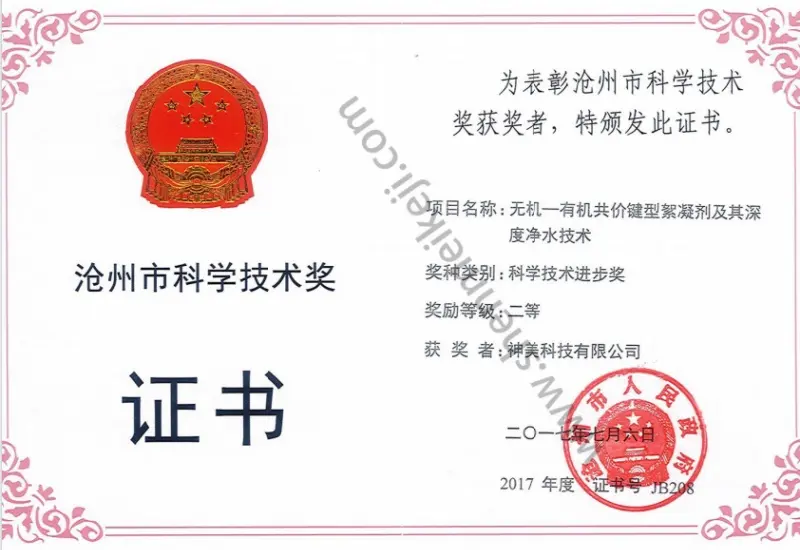
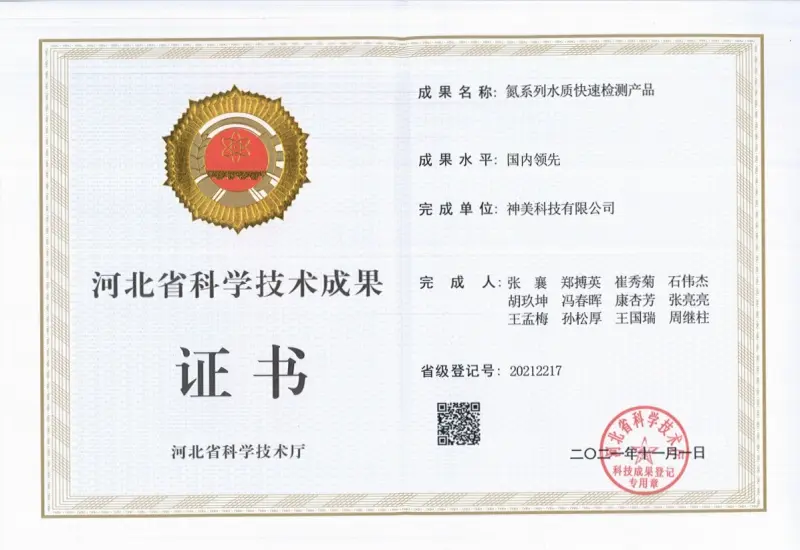
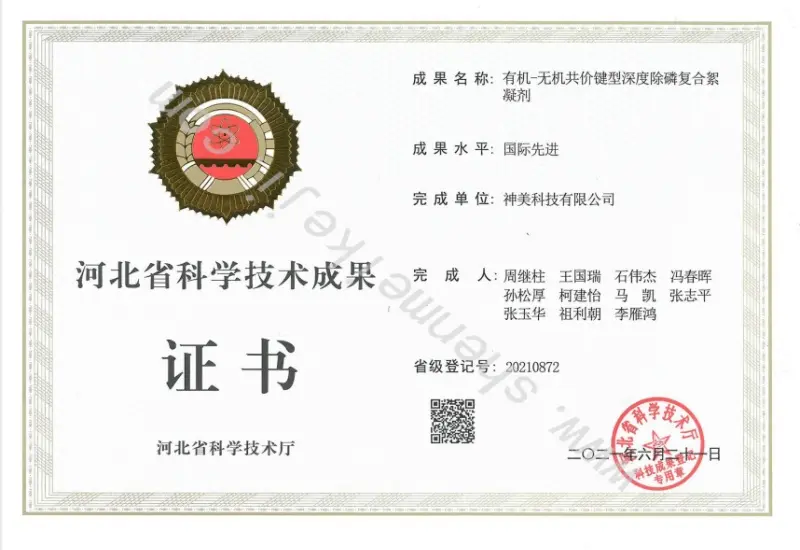
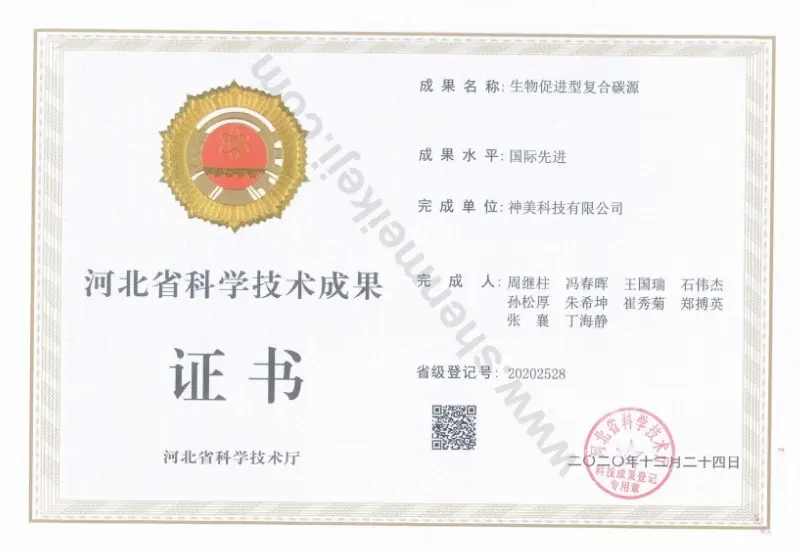
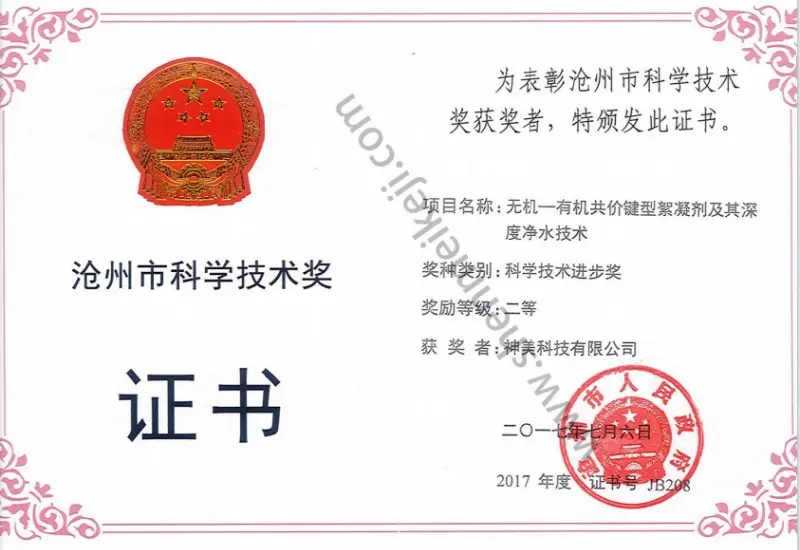
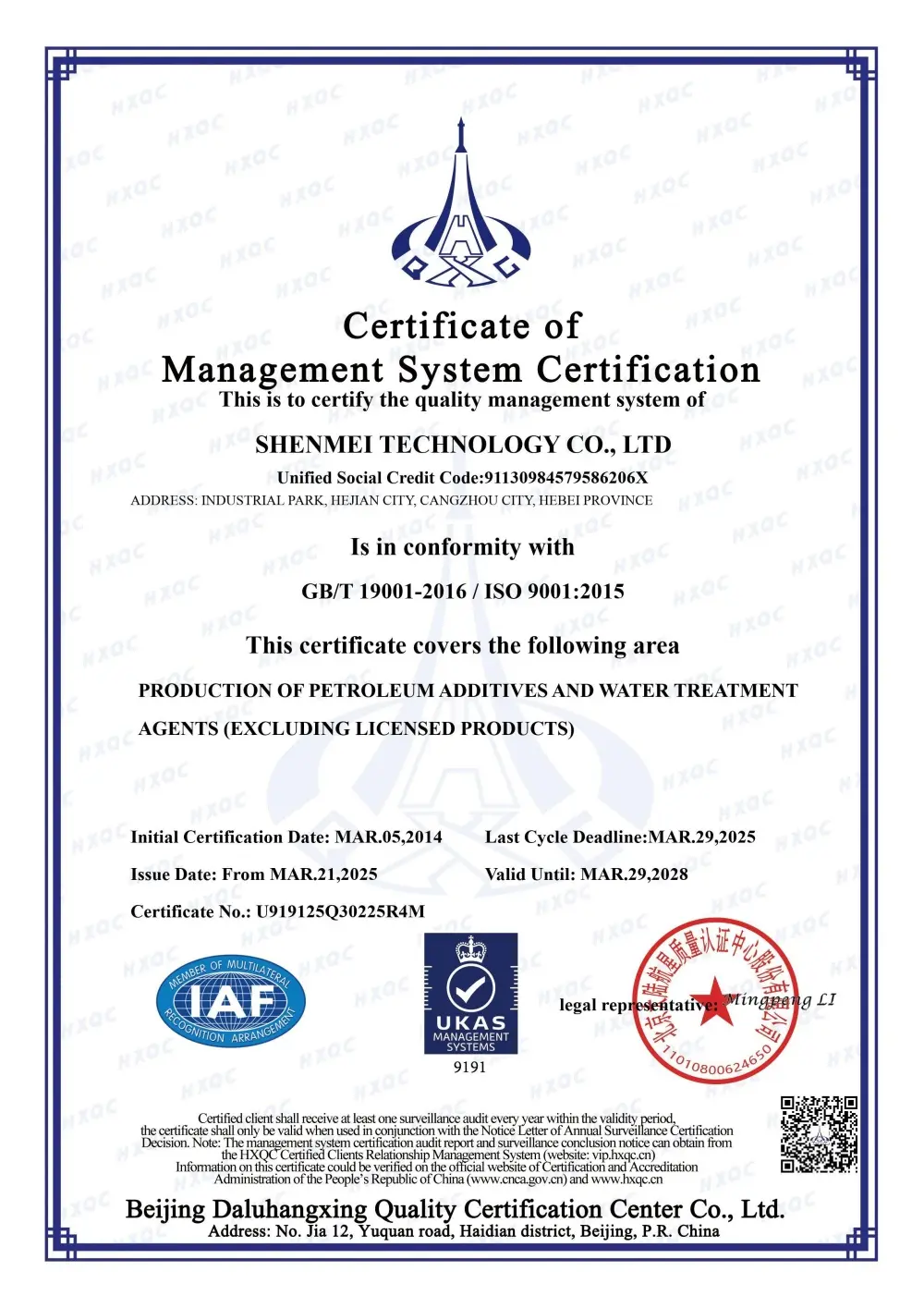
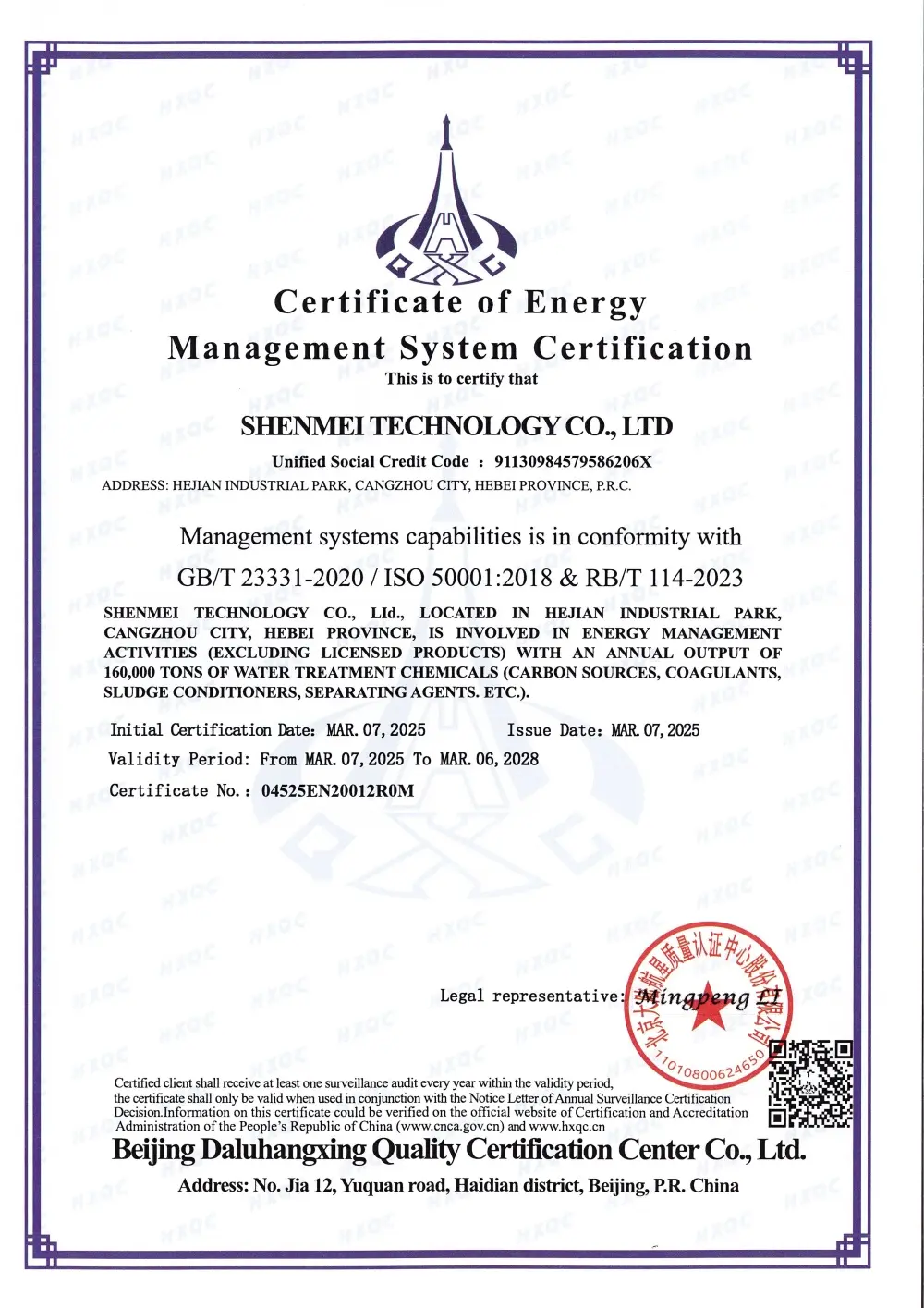
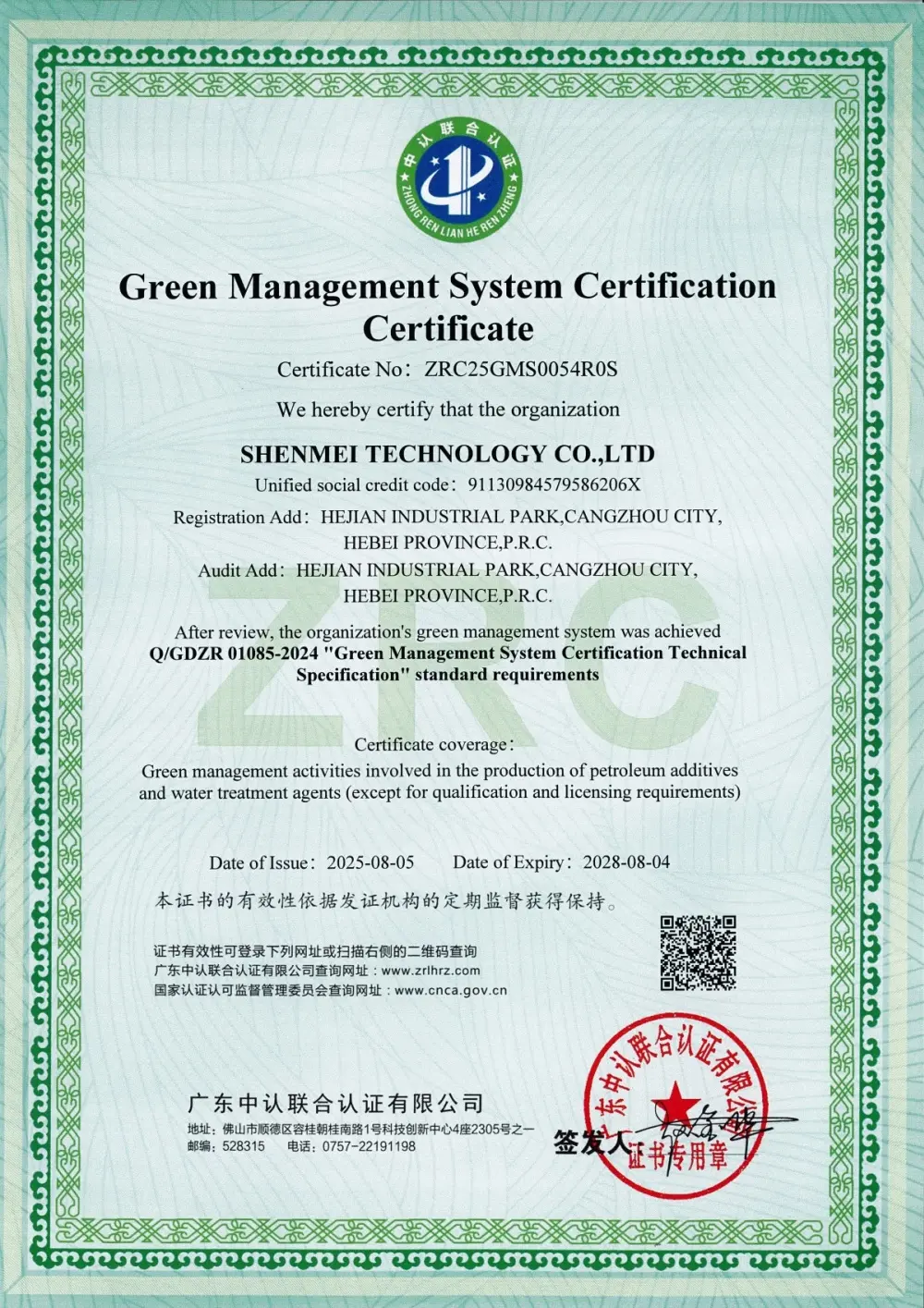
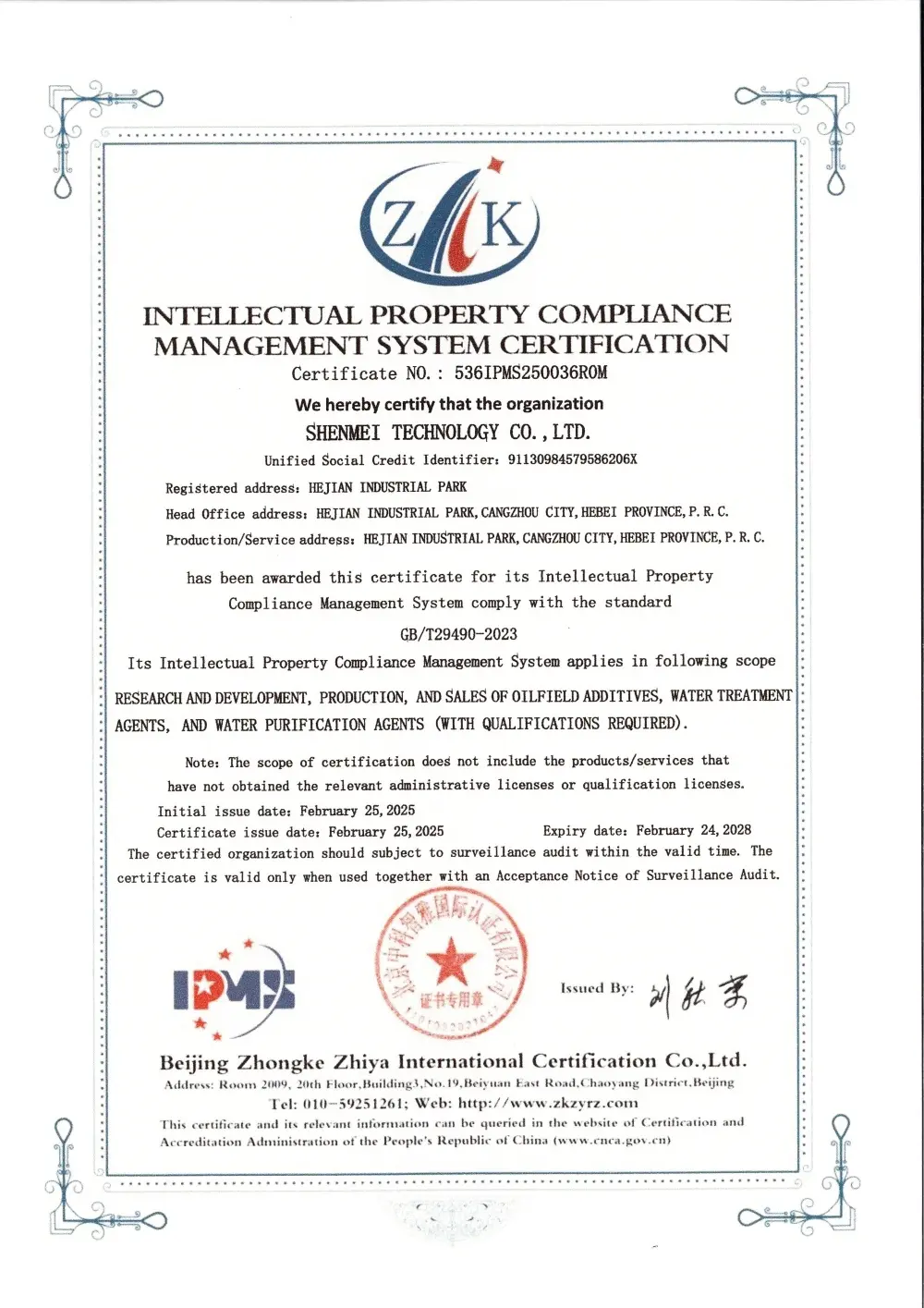
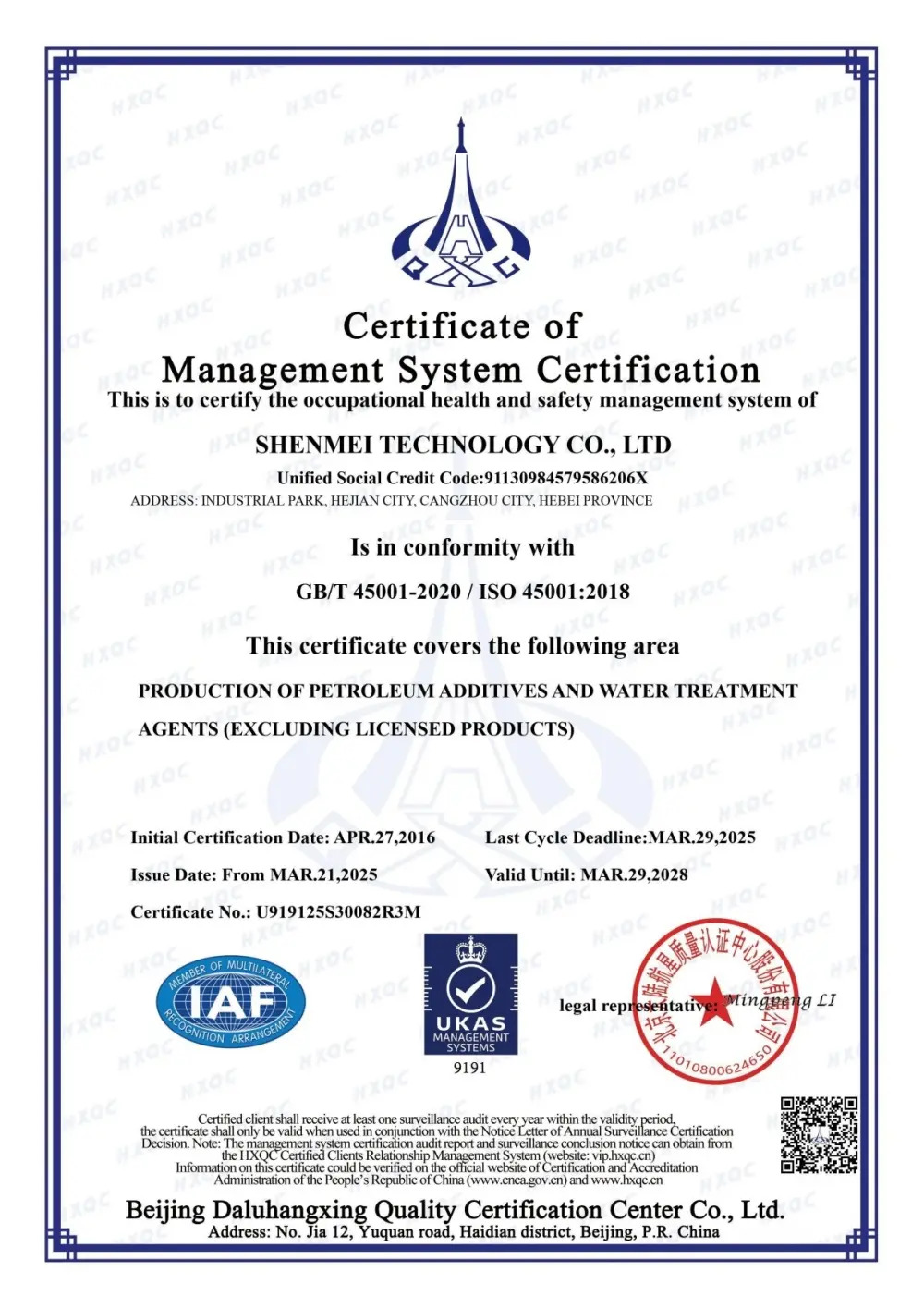
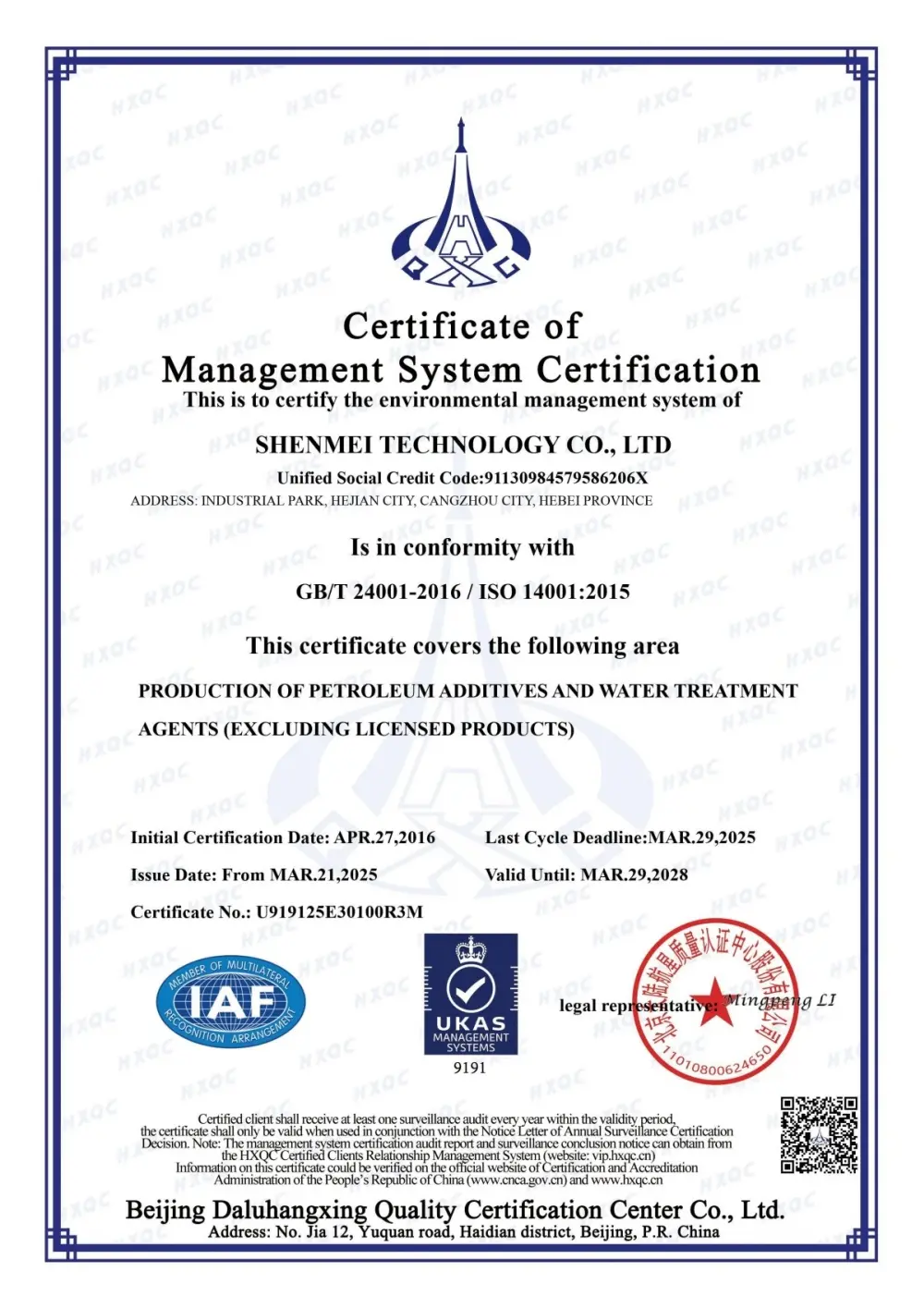
For industrial buyers, purchasing chlorine dioxide precursors requires careful evaluation of safety, concentration, and regulatory metrics. As a high-performance ODM supplier, Smedic manages packaging, concentration, and transport logistics to guarantee structural safety and stability upon delivery.
Solid formulations are preferred for international shipping because they avoid the transport regulations applied to liquid precursors. Our solid tablets use effervescent mechanisms to release ClO₂ rapidly in water, with concentrations reaching up to 10% active chlorine dioxide by weight. They are shipped in double-layered, moisture-proof polyethylene bags within impact-resistant fiber drums.
For operations requiring direct liquid dosing, we manufacture stabilized chlorine dioxide solutions ranging from 2% to 5% concentration. These formulations are stabilized utilizing inorganic buffering agents, which prevent gas release during storage and extend shelf life to 12 months. Packaging options include standard 25kg PE drums, 200L drums, and 1000L IBC totes.
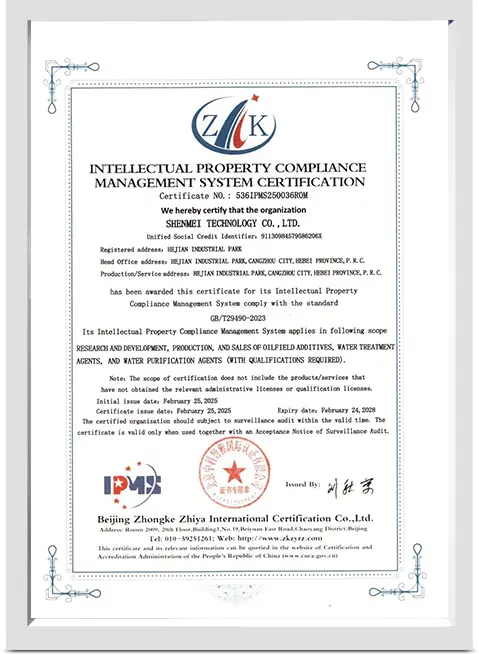
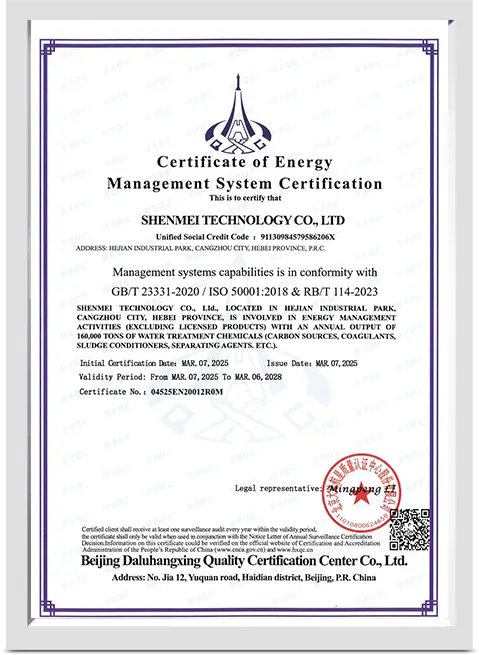
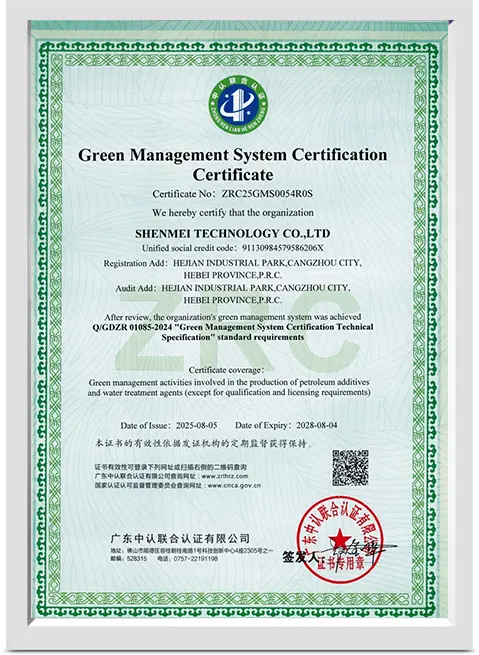
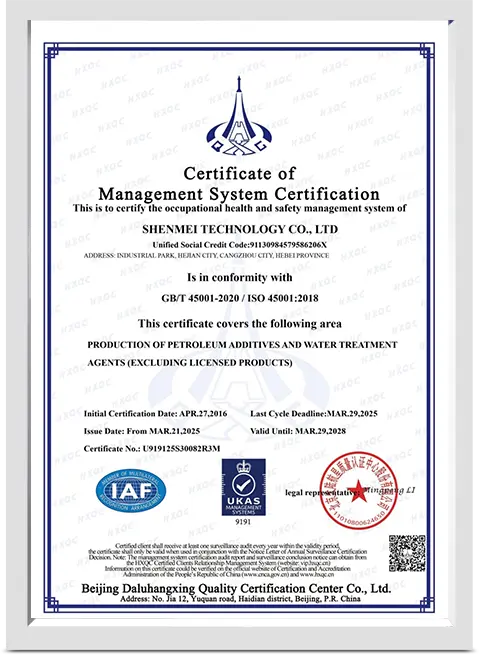
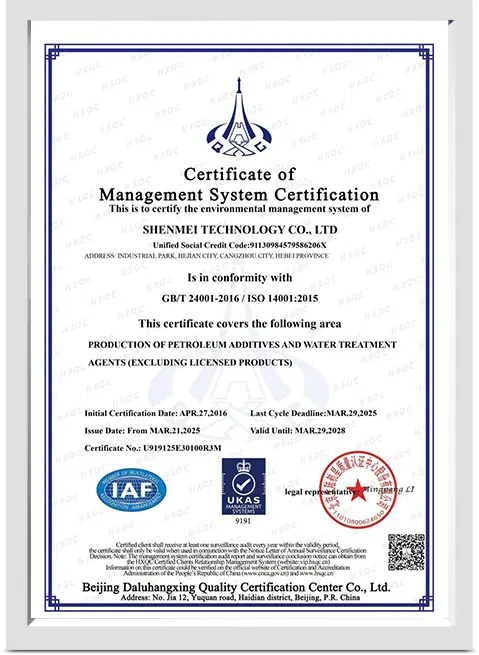
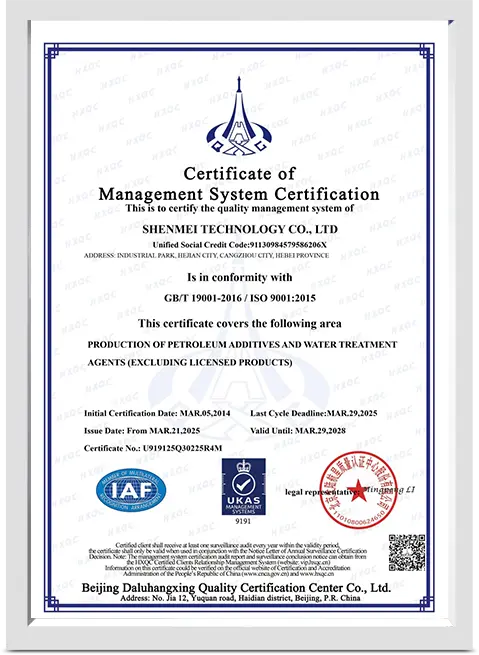
Every shipment of Smedic chlorine dioxide precursors meets international guidelines, including EPA registrations, REACH compliance for the European Union, and NSF/ANSI Standard 60 certifications for drinking water chemicals. Each batch is accompanied by a Certificate of Analysis (COA) containing detailed gas chromatography and iodometric titration metrics.
 Smedic Tech