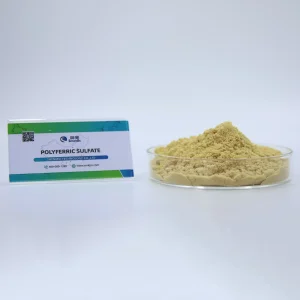
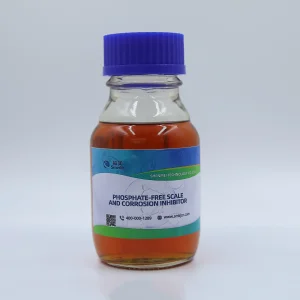
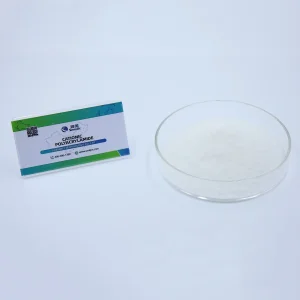
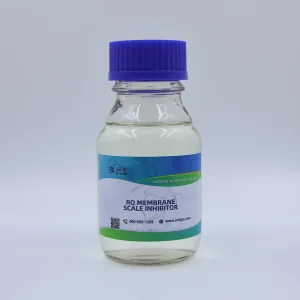
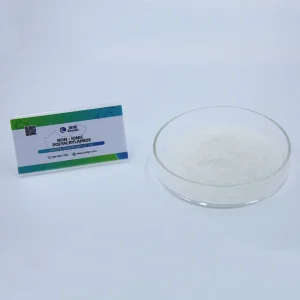
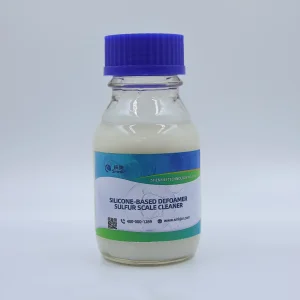
Explore our highly-acclaimed coagulant, scale-inhibitor, and organic flocculant series engineered for maximum purification efficiency.
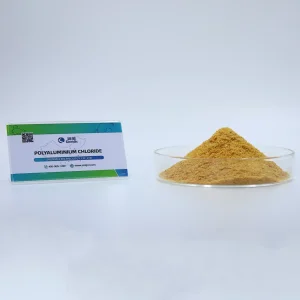
Modern wastewater treatment is no longer a simple process of sediment settlement. Across global industries, the complex nature of effluent demands highly targeted macromolecular agents. As an expert ODM flocculant chemical supplier, Smedic Technology is at the forefront of engineering polymers that manipulate interfacial electrostatic potentials. We utilize cationic, anionic, and non-ionic polyacrylamides alongside inorganic compounds like Polyferric Sulfate (PFS) and Polyaluminum Chloride (PAC) to optimize floc structure, density, and sedimentation velocity.
Flocculants function by two primary mechanisms: charge neutralization and polymer bridging. Colloidal particles suspended in wastewater typically carry negative surface charges, preventing aggregation due to electrostatic repulsion. Cationic polymers, characterized by their high charge density, bind to these negative sites, reducing the zeta potential to near zero. Once neutralized, van der Waals forces dominate, allowing particles to coalesce. Simultaneously, high molecular weight anionic and non-ionic polymers capture particles along their long carbon chains, creating massive web-like flocs that precipitate rapidly under gravity. Our advanced ODM processes ensure that polymers are tailored to specific molecular weight distributions and charge densities, maximizing cake dry-solids and minimizing chemical dose rates.
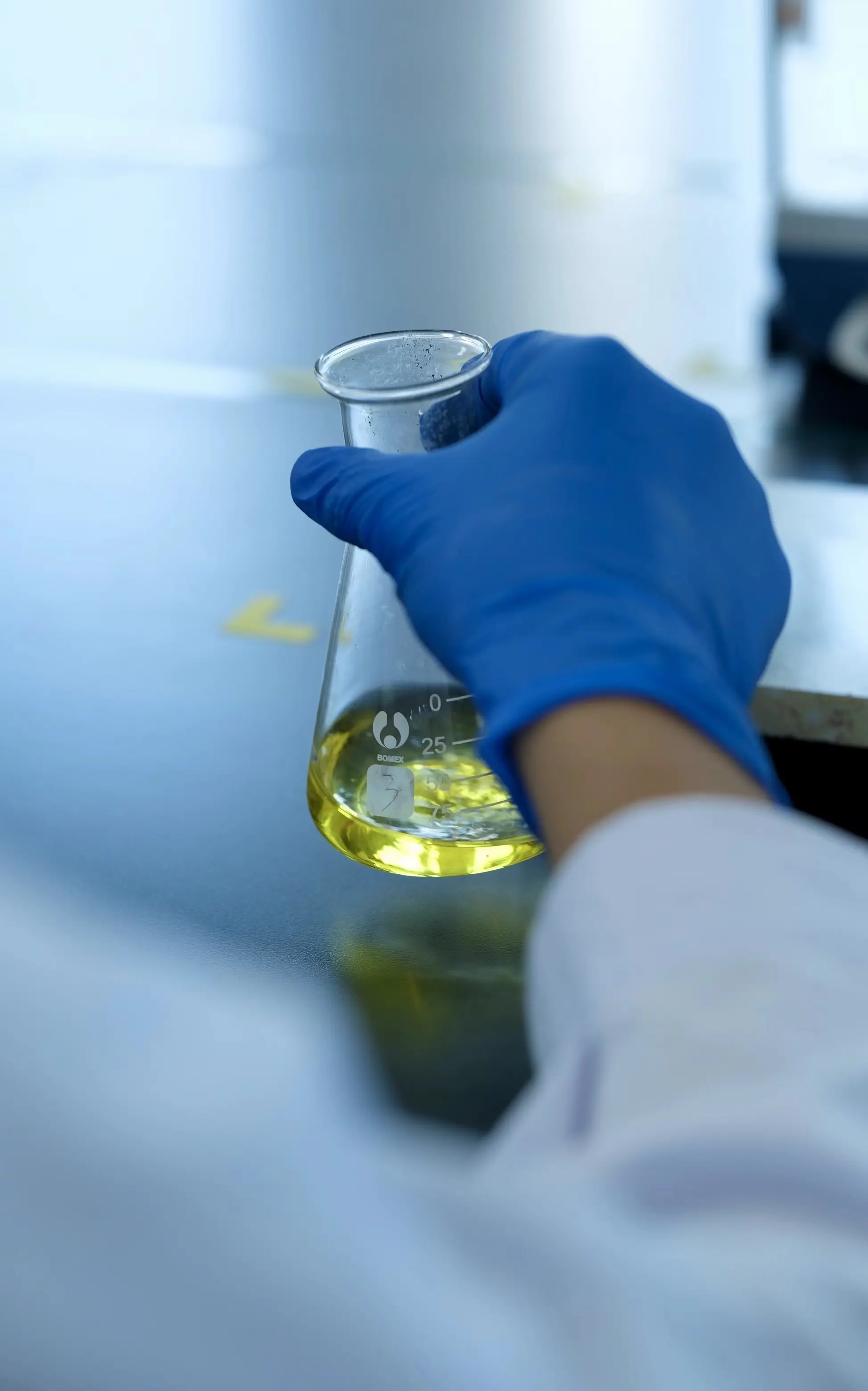
Integrating R&D, mass production, and tech service to deliver over 1 million tons of environmental protection agents annually.
Our corporate headquarters is located in Beijing, with multiple wholly-owned production bases situated in Hebei, Guizhou, Shanxi, and other strategically viable regions. To ensure immediate supply and prompt customer service, we have set up more than ten OEM partner factories and regional warehousing and logistics bases in Shandong, Shanxi, Anhui, Guangxi, and Sichuan provinces. Our business and service network spans over 20 provinces across China, offering robust logistics solutions and supply-chain stability to domestic and international buyers.
Currently, Smedic's projects involve more than 600 urban sewage treatment plants and over 1,000 end customers in industrial wastewater treatment, mineral processing, and oilfield chemicals. The total sewage treatment capacity involved in our projects exceeds 20 million tons per day, establishing Smedic as a leading entity in the Chinese high-end environmental protection chemical segment.
A macro perspective on procurement barriers, pricing volatility, regulatory shifts, and technological mitigation.
Overdosing increases treatment costs and causes polymer carryover, which blinds filtration media. Smedic works with procurement teams to conduct thorough jar tests, specifying the optimal chemical type to limit usage rates while improving solid-liquid separation.
Global supply chains are prone to volatility. Smedic mitigates this risk using a multi-provincial production base network and partnering with regional warehouses, guaranteeing buffer stocks and ensuring zero production downtime for critical public utilities.
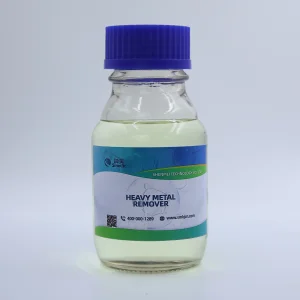
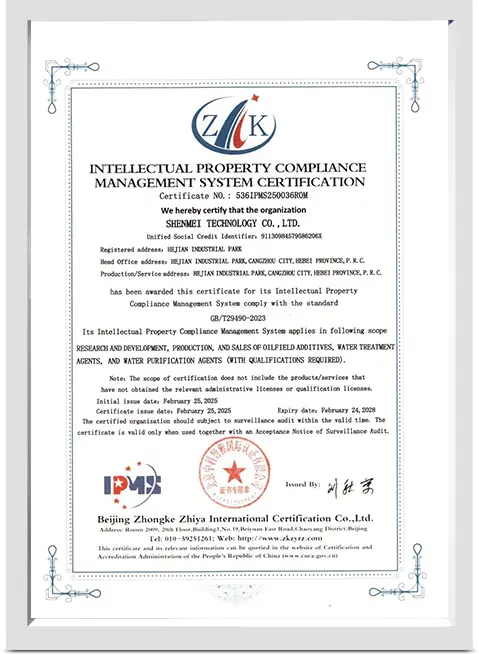
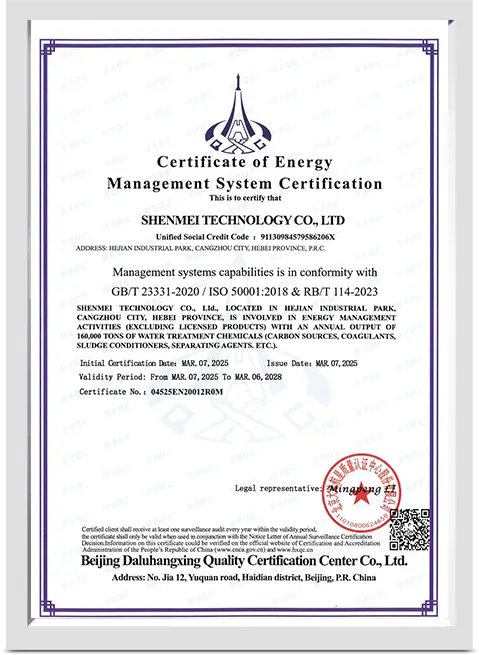
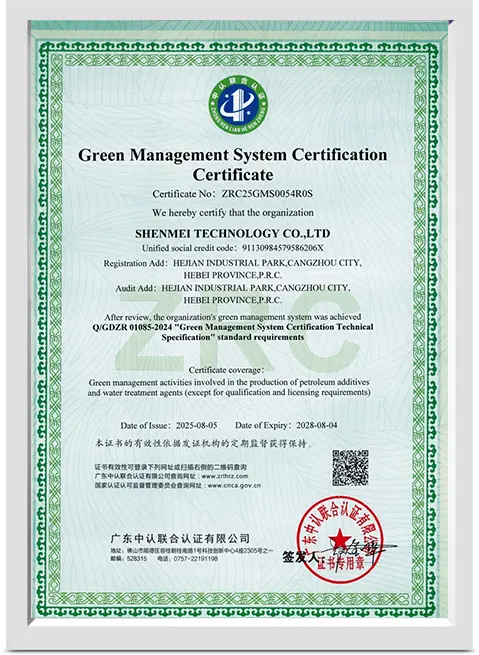
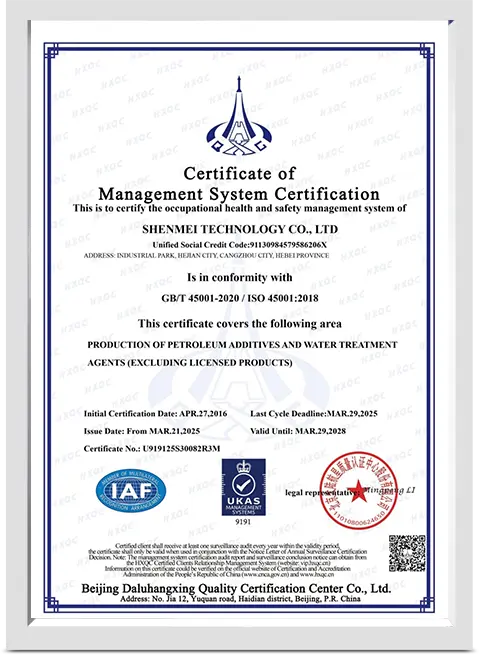
Evolving standards regarding residual acrylamide monomer and heavy metal limits require premium raw materials. Our manufacturing plants adhere strictly to national environmental regulations and international standards (REACH, ISO), keeping effluent compliant.
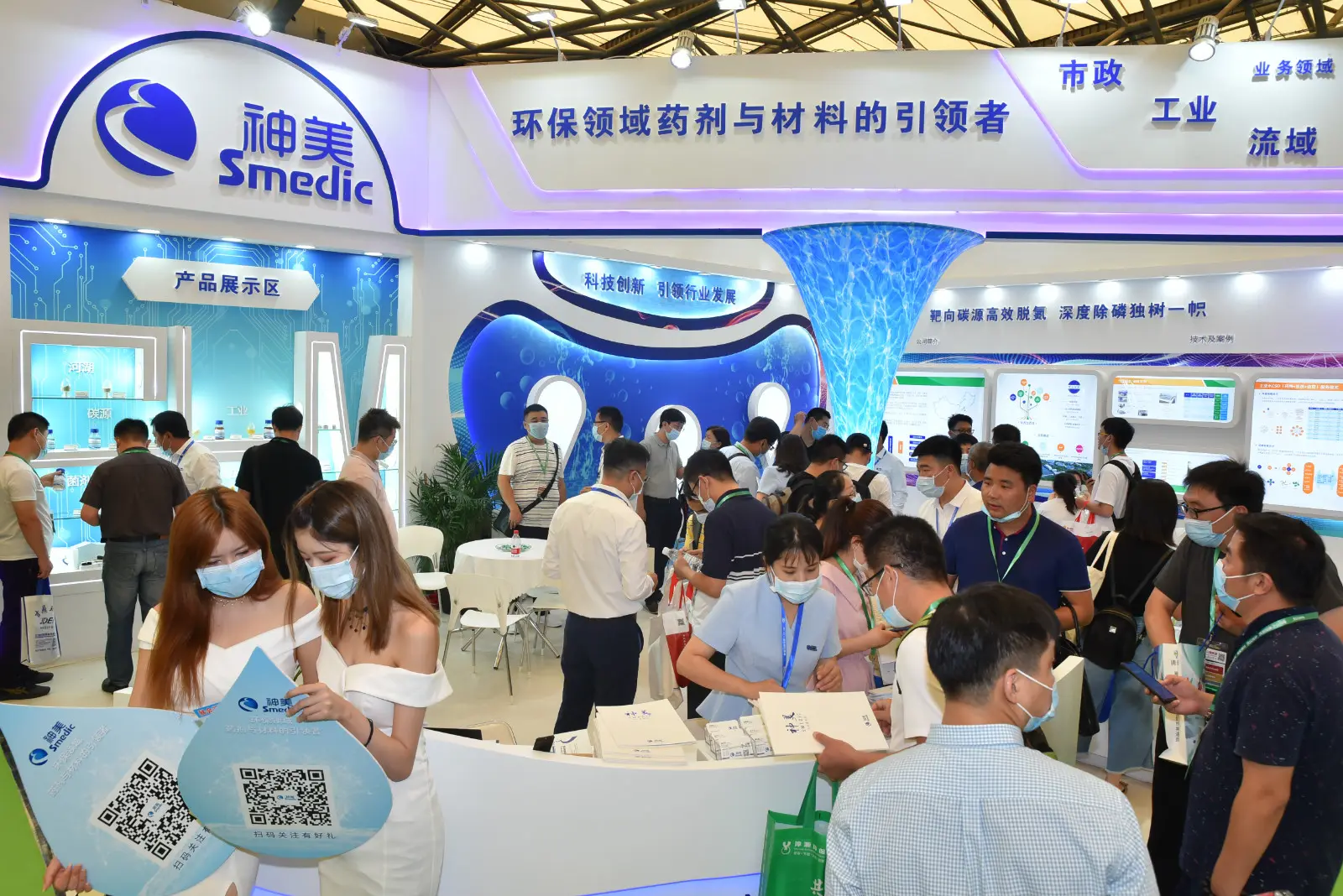
Smedic is recognized as a National High-tech Enterprise and a National Specialized, Refined, Unique and Innovative "Little Giant" Enterprise. Our intellectual property portfolio includes over sixty Chinese patents, featuring more than forty invention patents and twenty utility model patents. We have taken the lead in drafting over ten national and industry standards, including those for composite carbon sources, composite coagulants, sodium acetate, and nitrifying and denitrifying bacterial agents.
We host a top-tier R&D network consisting of "one academy, three research institutes, and five bases." We have established the Hebei Provincial Enterprise Technology Center, the Hebei Provincial Advanced Water Treatment Chemicals Technology Innovation Center, and the Cangzhou Water Treatment Engineering Technology Research Center. In collaboration with prestigious academic bodies, we maintain an expert workstation with the Tsinghua University Association of Senior Scientists and Technicians, alongside joint research labs with Shandong University and Beijing University of Technology.
Our bio-enhanced denitrification carbon source and deep multi-nuclear phosphorus removal agent have passed scientific evaluations by the Science and Technology Department of Hebei Province, certified as "internationally advanced." Additionally, our "Inorganic-Organic Covalent Bond Flocculant and Its Advanced Water Purification Technology" won the 22nd China Patent Award and the First Prize for Technological Invention from the China Petrochemical Industry Association.
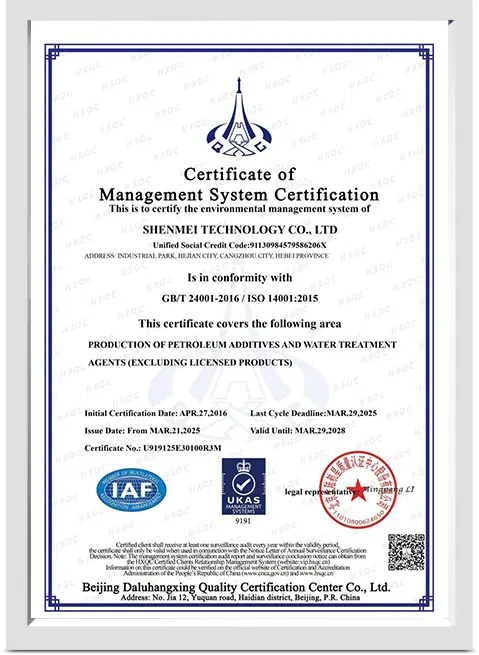
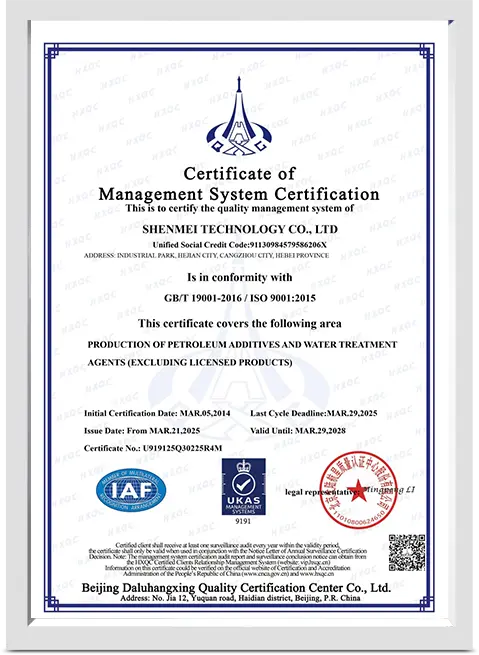
Guiding the industry toward green chemistry, smart dosage management, and bio-based polymeric flocculation.
The global flocculant sector is transitioning toward sustainability and digitalization. Smedic's technology roadmap focuses on three main pillars:
1. Biodegradable Bio-Polymers: Traditional polyacrylamides leave trace microplastics and monomers in sewage sludge. Smedic is researching starch-graft-polyacrylamide and chitosan-derived polymers to improve biodegradable performance without losing floc strength.
2. Smart Dosing Systems (AI & IoT): Wastewater flow rates and turbidity change constantly. Smedic is developing smart dosing pumps integrated with online streaming current detectors (SCD) and zeta potential sensors, allowing automatic real-time adjustments to flocculant dosages, reducing human error and chemical waste.
3. Inorganic-Organic Composite Flocculants: By chemically grafting inorganic salts (like polyaluminum) onto polyacrylamide chains, we create single-component agents that combine charge neutralization and bridging, simplifying dosing setups for industrial plants.
Smedic designs specialized chemical packages for multiple industrial demands:
Over a decade of manufacturing innovation, scale development, and strategic partnerships.
Smedic Technology Co., Ltd. was established in Beijing, focusing on environmental agent solutions.
Successfully developed and launched a complete product portfolio for municipal wastewater treatment.
Recognized as a key national high-tech enterprise, increasing R&D investment in synthetic polymers.
Established our Guiyang manufacturing base, expanding regional support into southwestern China.
Production bases in Hebei, Shandong, and Guizhou were completed and expanded, pushing annual capacity past 1 million tons.
Awarded National Specialized, Refined, Unique and Innovative "Little Giant" Enterprise status.
Established a provincial-level technology center and R&D platform in Hebei Province.
Recognized as a National Intellectual Property Advantage Enterprise with over sixty patents.
Formed a mineral processing reagent joint venture with the Chengdu Institute of Mineral Comprehensive Utilization, China Geological Survey.
Entering international markets requires alignment with distinct local chemical regulations. Smedic ensures compliance with major international regulatory frameworks. For chemical exports to Europe, we conform to registration requirements under REACH. For potable water treatment, we supply raw materials that meet national sanitation standards. Every batch undergoes testing for heavy metals, unreacted acrylamide monomer levels, and overall active concentration, accompanied by a comprehensive Certificate of Analysis (COA) and Safety Data Sheets (SDS) in multiple languages.
Our global operations are supported by overseas sales networks, customized packaging solutions (such as 25kg bags, 750kg bulk bags, or liquid IBC totes), and maritime logistics channels. This setup ensures that our products reach customers safely and on time, anywhere in the world.
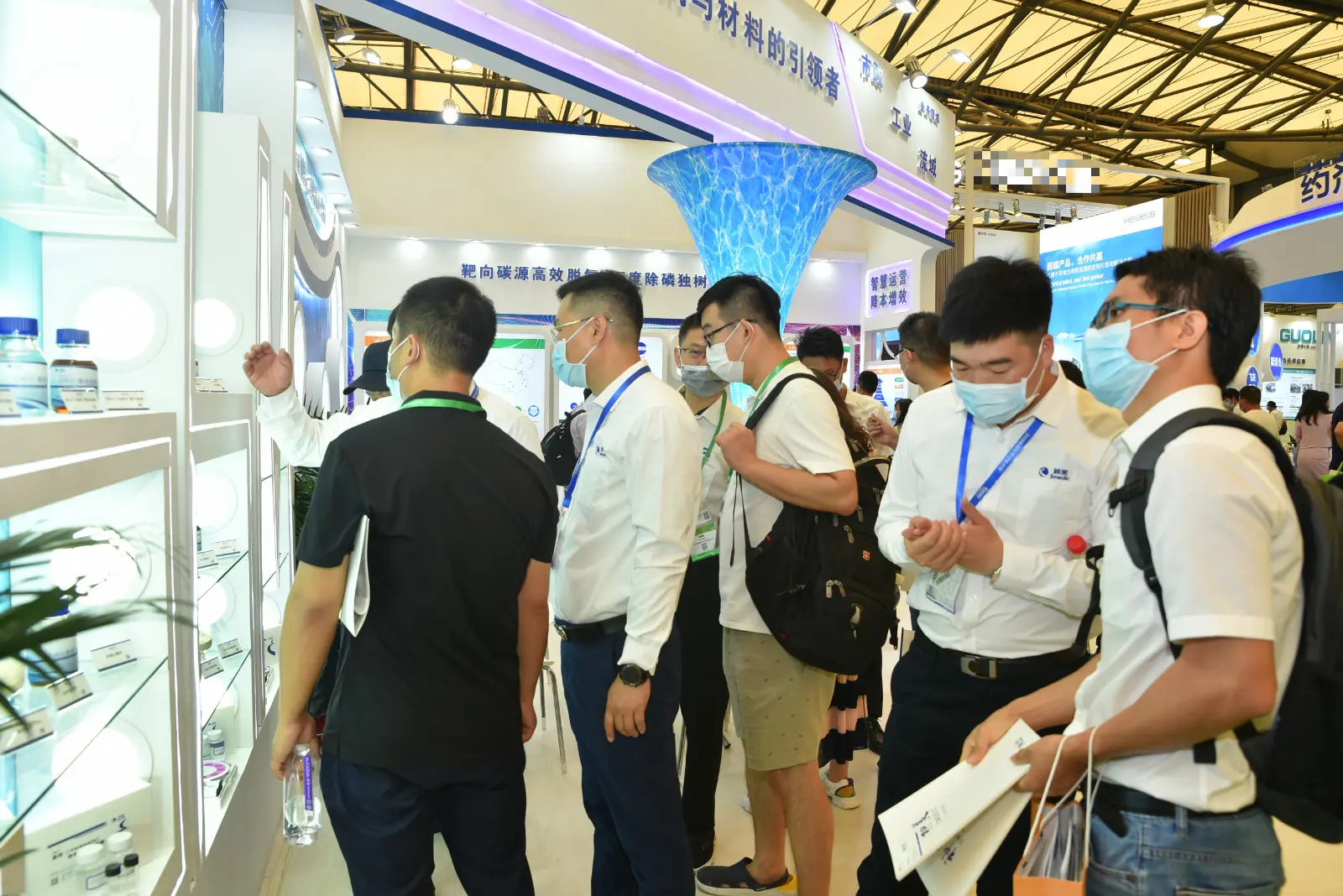
Technical insight from our R&D engineering division on selecting, dosing, and storing flocculant chemicals.
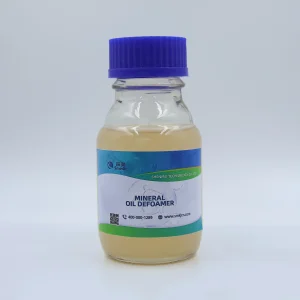
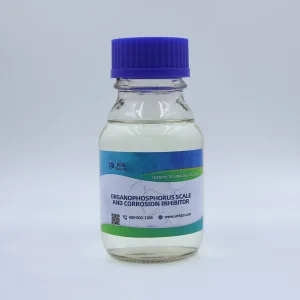
Explore more Smedic water treatment solutions, including defoamers, scale inhibitors, and specialty polyacrylamides.
 Smedic Tech