Engineered Advanced Treatment Agents Designed to Target Specific Impurities and Heavy Metals in Public Water Networks.
The municipal water purification sector is undergoing a profound paradigm shift driven by demographic pressures, escalating industrial activities, and stringent environmental regulations worldwide. Historically viewed as basic sanitary infrastructure, modern municipal wastewater treatment plants (WWTPs) are evolving into resource recovery facilities. As a leading ODM municipal water purification manufacturer and supplier, Smedic Technology addresses the critical demand for specialized chemical reagents that ensure municipal systems remain compliant under varying hydraulic loads and shifting inlet wastewater conditions.
Traditional systems often fall short when handling synthetic organic compounds, micropollutants, and complex heavy metals. Regional regulations, such as the EU's Urban Wastewater Treatment Directive and the US EPA's Clean Water Act, demand extremely low thresholds for total nitrogen (TN), total phosphorus (TP), and heavy metal discharges. Meeting these limits demands advanced coagulation, biological enhancement, and flocculation strategies.
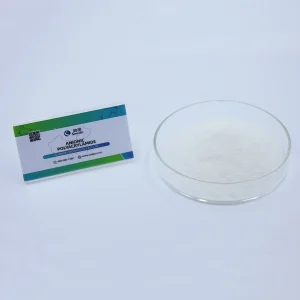
Furthermore, the surge in municipal water usage has created a clear need for high-performance scale inhibitors, defoamers, and biological growth boosters. The implementation of high-molecular-weight anionic polyacrylamide (APAM) and polyaluminum chloride (PAC) has become standard in optimize coagulation-flocculation lines, reducing sludge output and lowering energy costs in mechanical dewatering.
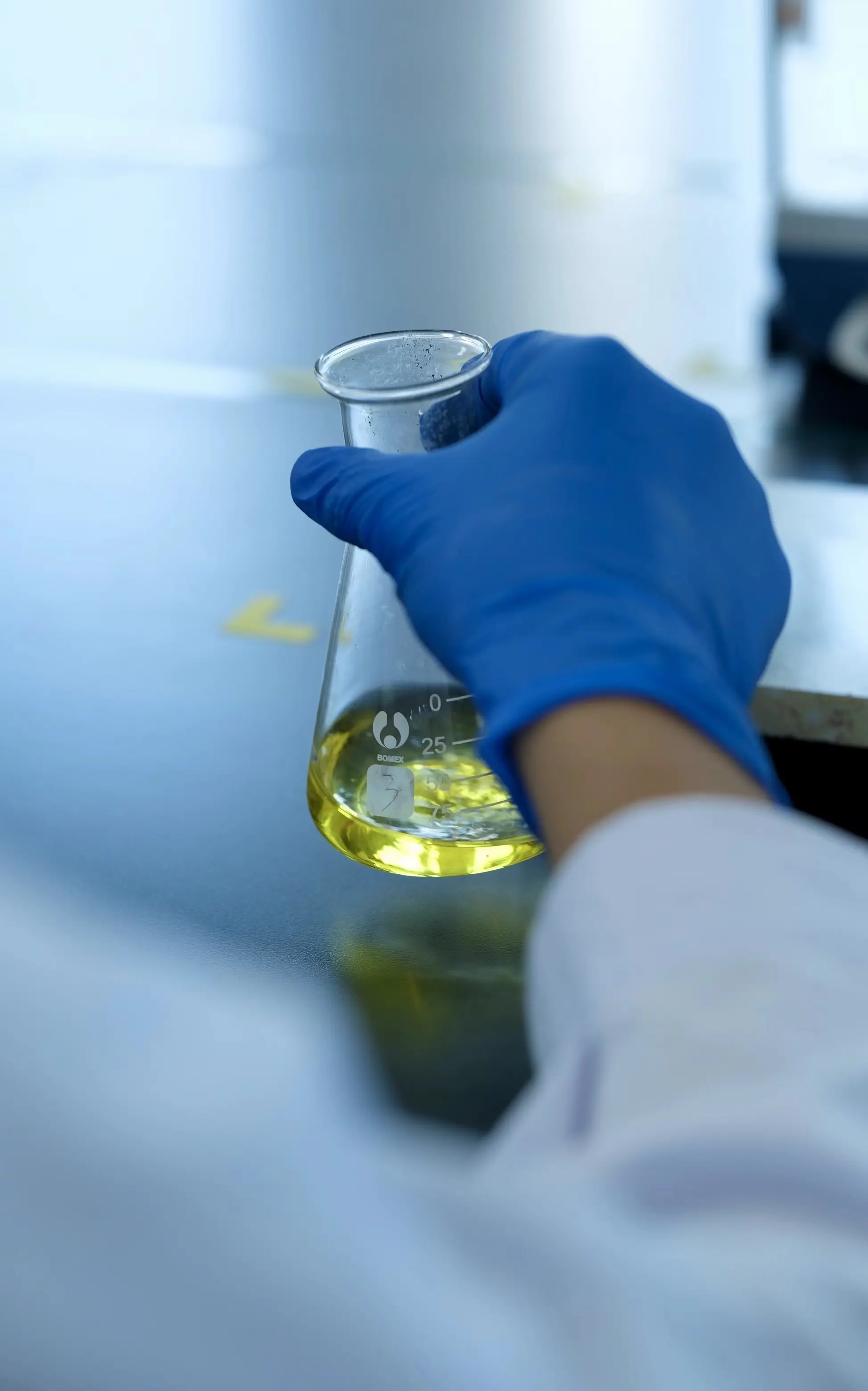
Established in 2011, Smedic Technology is a leading comprehensive environmental solution provider integrating R&D, production, sales, and specialized technical services.
To consistently supply massive infrastructure projects, a water chemical supplier must provide both high quality and reliable logistics. Headquartered in Beijing, Smedic Technology has built a robust supply network, including wholly-owned production bases in Hebei, Guizhou, and Shanxi, along with over ten OEM/ODM partner factories and regional warehousing hubs across Shandong, Shanxi, Anhui, Guangxi, and Sichuan. This distributed model keeps transit times short and simplifies shipping to municipal water authorities and industrial plants worldwide.
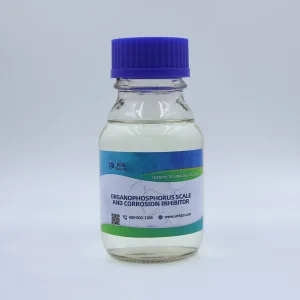
Our ODM (Original Design Manufacturer) and OEM (Original Equipment Manufacturer) divisions are built for custom chemical formulation. We understand that raw water quality changes based on local geography, temperature, and industrial concentration. Instead of offering one-size-fits-all products, we analyze raw water samples to customize parameters like molecular weight and charge density for our anionic polyacrylamide, adjust basicity for polyaluminum chloride (PAC), and configure targeted chelating groups in our heavy metal removal agents.
| Reagent Category | Primary Active Constituent | Target Applications in Municipal Water | Performance Advantages |
|---|---|---|---|
| APAM Flocculant | High-MW Anionic Polyacrylamide | Sludge Dewatering, Flocculation, Sedimentation Enhancement | Large, rapid flocs formation; high shear resistance; low dosage. |
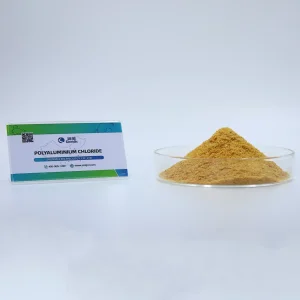
| PAC Coagulant | Polyaluminum Chloride | Primary Coagulation, COD & Suspended Solids Reduction | Wide pH tolerance; low residual aluminum content; rapid hydrolysis. |
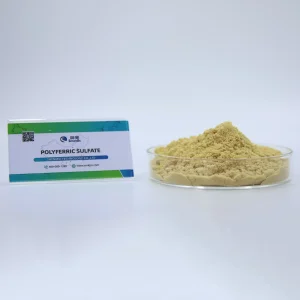
| PFS Coagulant | Polyferric Sulfate | Phosphorus Removal, Turbidity Removal, Odor Control | Strong adsorption bridging; high density flocs; fast sedimentation. |
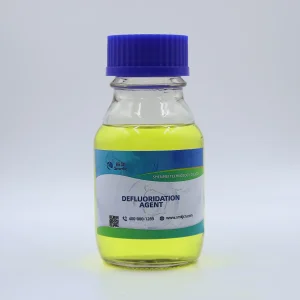
| Fluoride Remover | Inorganic-Organic Composite Agent | Deep Fluoride Removal for Municipal & Industrial Wastewater | Reduces F- to below 1.0 mg/L; minimal sludge generation; stable kinetics. |
Propelling municipal water treatment chemistry via patents, joint laboratories, and rigorous quality testing.
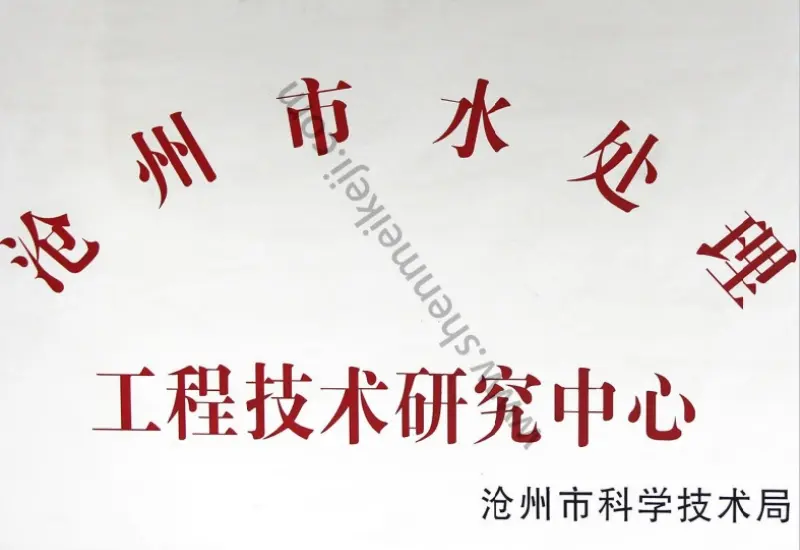
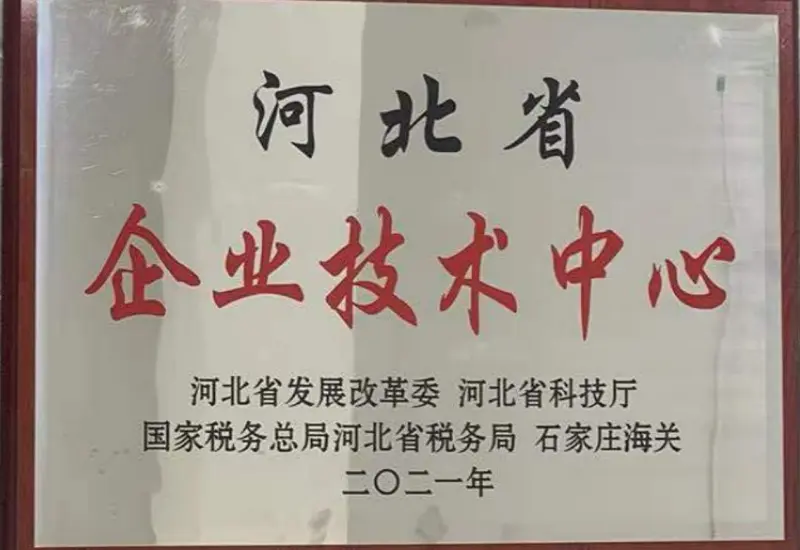
Our R&D system operates through "one academy, three research institutes, and five bases." Recognized as a Class A R&D institution, we host the Hebei Provincial Advanced Water Treatment Chemicals Technology Innovation Center and the Cangzhou Water Treatment Engineering Technology Research Center. We collaborate with Tsinghua University, Shandong University, and Beijing University of Technology to keep our chemical designs at the cutting edge of the industry.
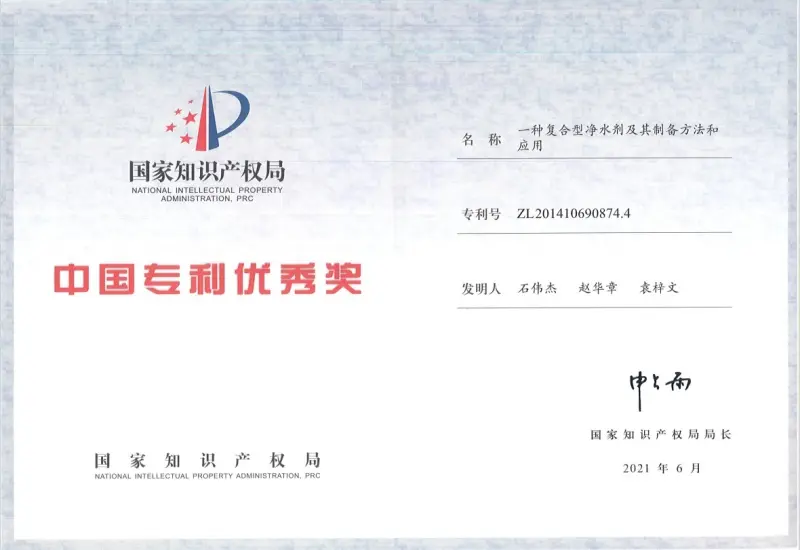
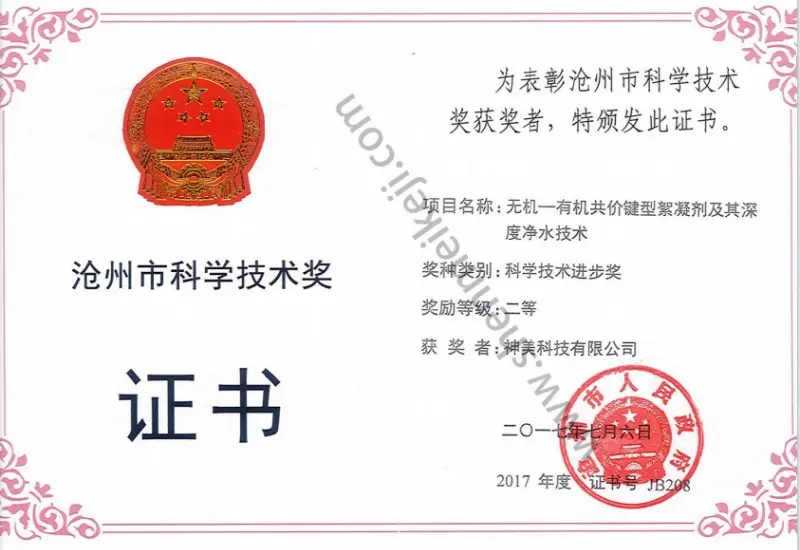
We hold over sixty Chinese patents, including more than forty invention patents and over twenty utility model patents. Smedic has led the drafting of ten national and industry standards for composite carbon sources, composite coagulants, sodium acetate, and bacterial agents. Notably, our Inorganic-Organic Covalent Bond Flocculant won the 22nd China Patent Award and First Prize for Technological Invention from the China Petrochemical Industry Association.
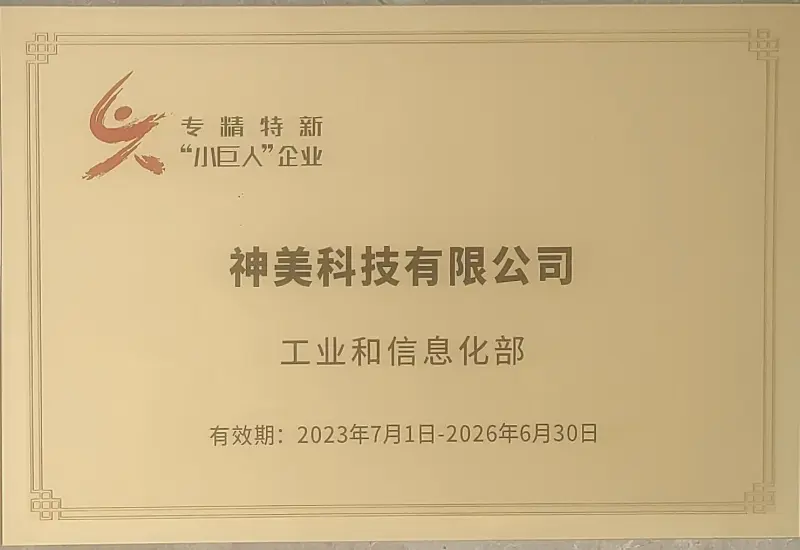
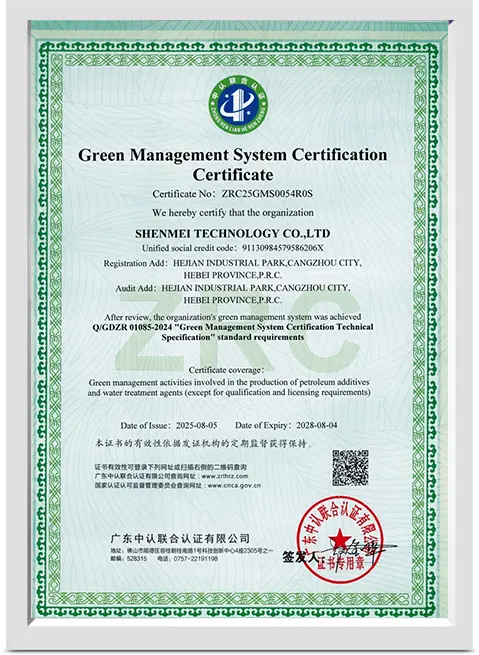
Operating as a recognized "Little Giant" enterprise and Hebei Province Green Factory, we maintain strict testing protocols. This covers raw material acceptance, in-process reaction parameter monitoring, and final batch inspection. Every shipment is accompanied by detailed certificates of analysis (COA) specifying activity, molecular weight distribution, free monomer content, and heavy metal limits.
Over a decade of milestones, developing customized chemical products and technical solutions.
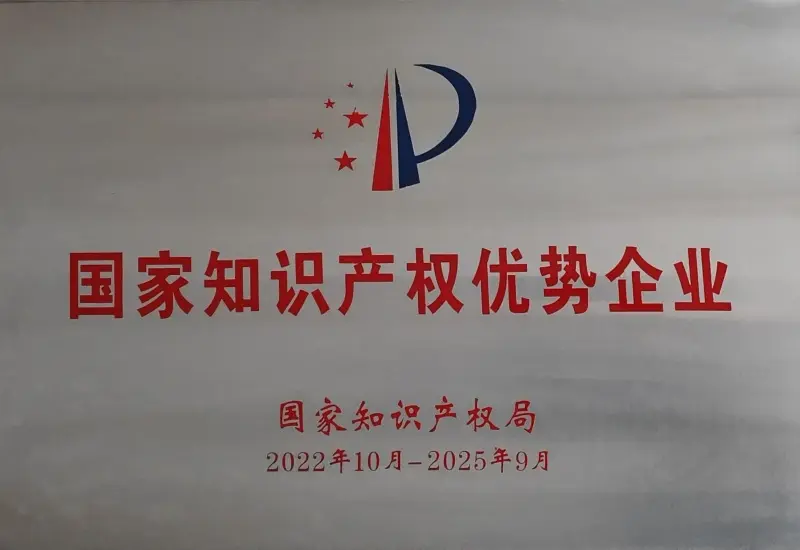
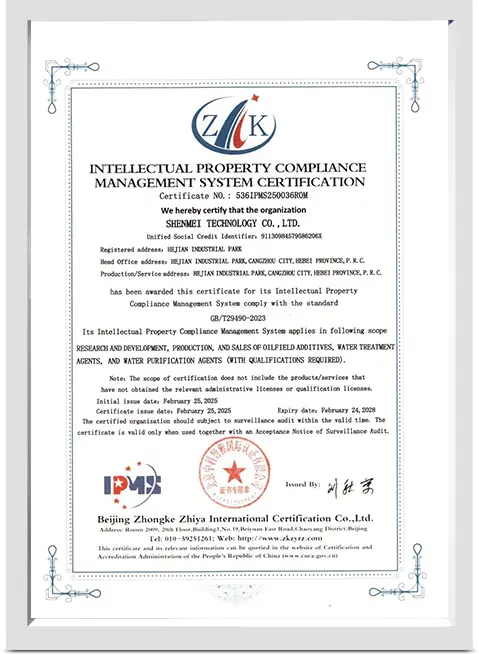
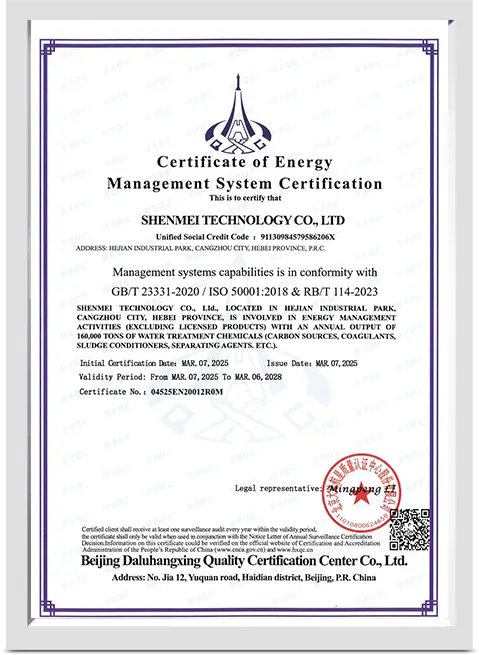
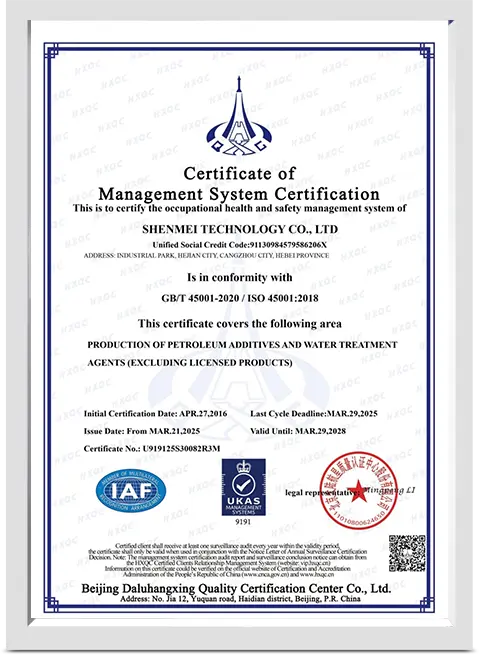
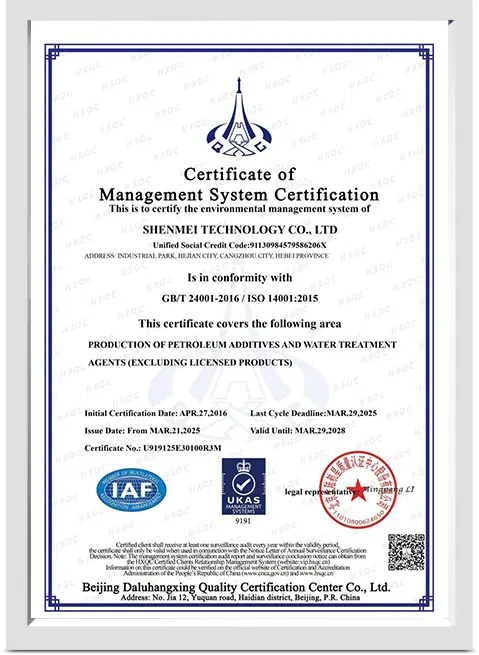
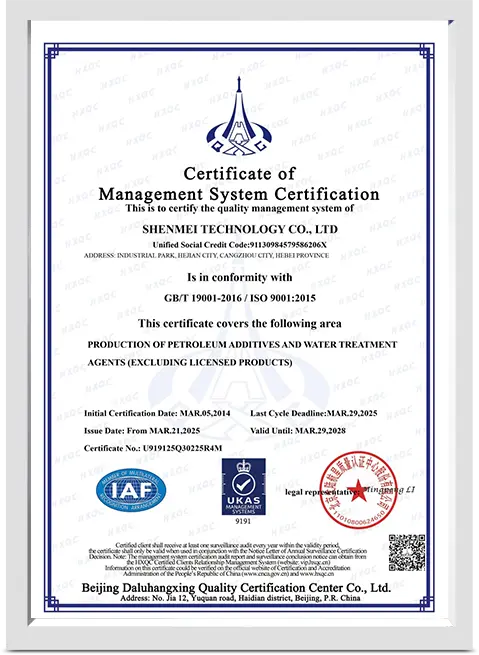
Validating Smedic's engineering standards, quality control systems, and patents on a national level.
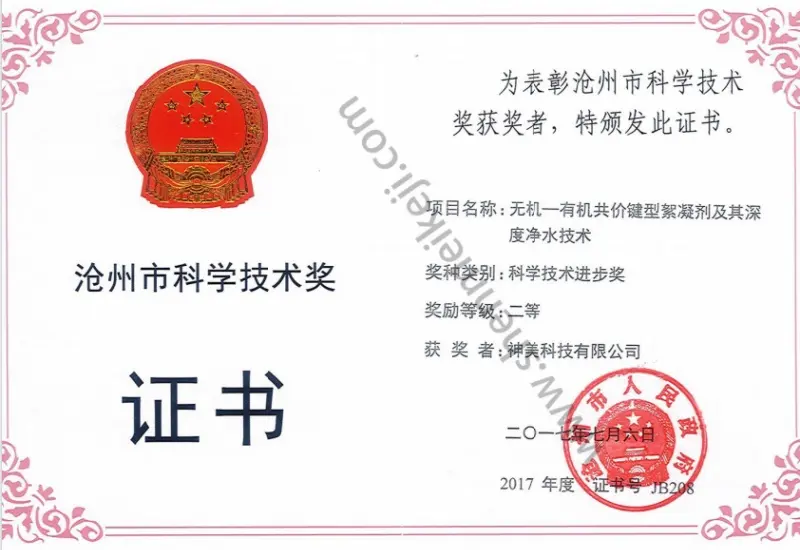
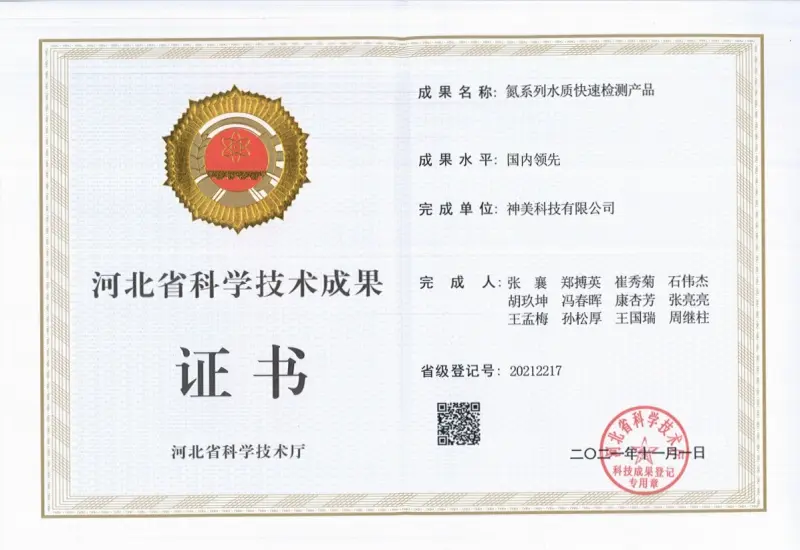
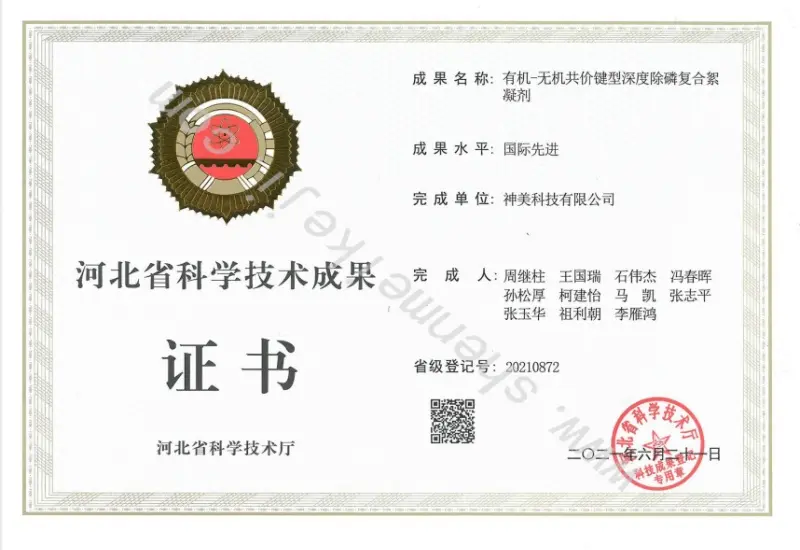
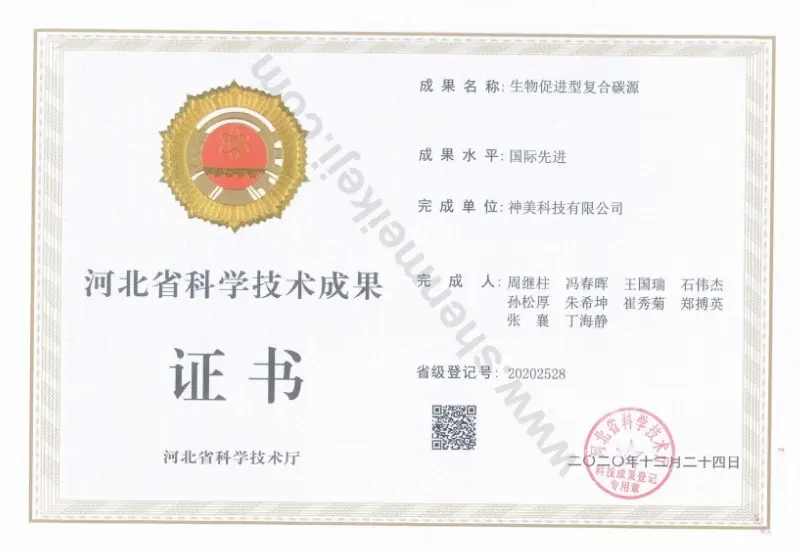
Municipal wastewater systems face unique challenges across different climates, industries, and geographies. A basic chemical coagulant might work well in temperate zones but perform poorly in cold regions or basins with high salinity. Smedic offers customized formulations tailored to several key municipal challenges:
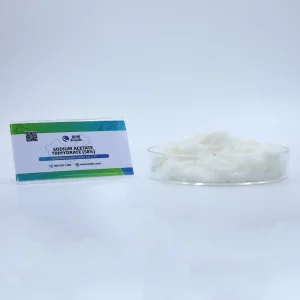
In northern winter conditions, biological nitrification and denitrification activities drop significantly. To prevent rising effluent total nitrogen (TN), plants must supplement bioavailable organic carbon. Our Pure Solid Sodium Acetate Compound offers a fast-acting carbon source that supports cold-tolerant denitrifying bacteria, keeping nitrogen removal highly efficient without releasing excess chemical oxygen demand (COD) into the effluent.
Municipal WWTPs that receive industrial discharges often experience sudden spikes in phosphate levels. Smedic's Polyferric Sulfate (PFS) and Polyaluminum Chloride (PAC) work together to remove phosphorus. PAC rapidly destabilizes suspended solids, while PFS acts as a multi-nuclear coagulant that binds orthophosphates. This combination creates heavy, fast-settling flocs, helping plants meet strict municipal limits.
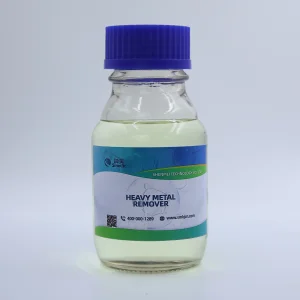
Modern environmental regulations require municipal plants to remove heavy metals and fluorides. Smedic's specialized fluoride removal agents and heavy metal precipitates form insoluble complexes that can be easily filtered out, helping facilities prevent toxic accumulation in their biological processes and sludge streams.
Expert answers addressing the selection, dosage, and engineering parameters of municipal water chemicals.
High-Purity Flocculants, Advanced Coagulants, and Specialty Precipitants Engineered for Critical Treatment Steps.
 Smedic Tech