Premium ODM & OEM industrial coagulants, flocculants, and specialty chemical compounds.
Smedic Technology Co., Ltd. — A global leader in environmental protection agents and technical services.
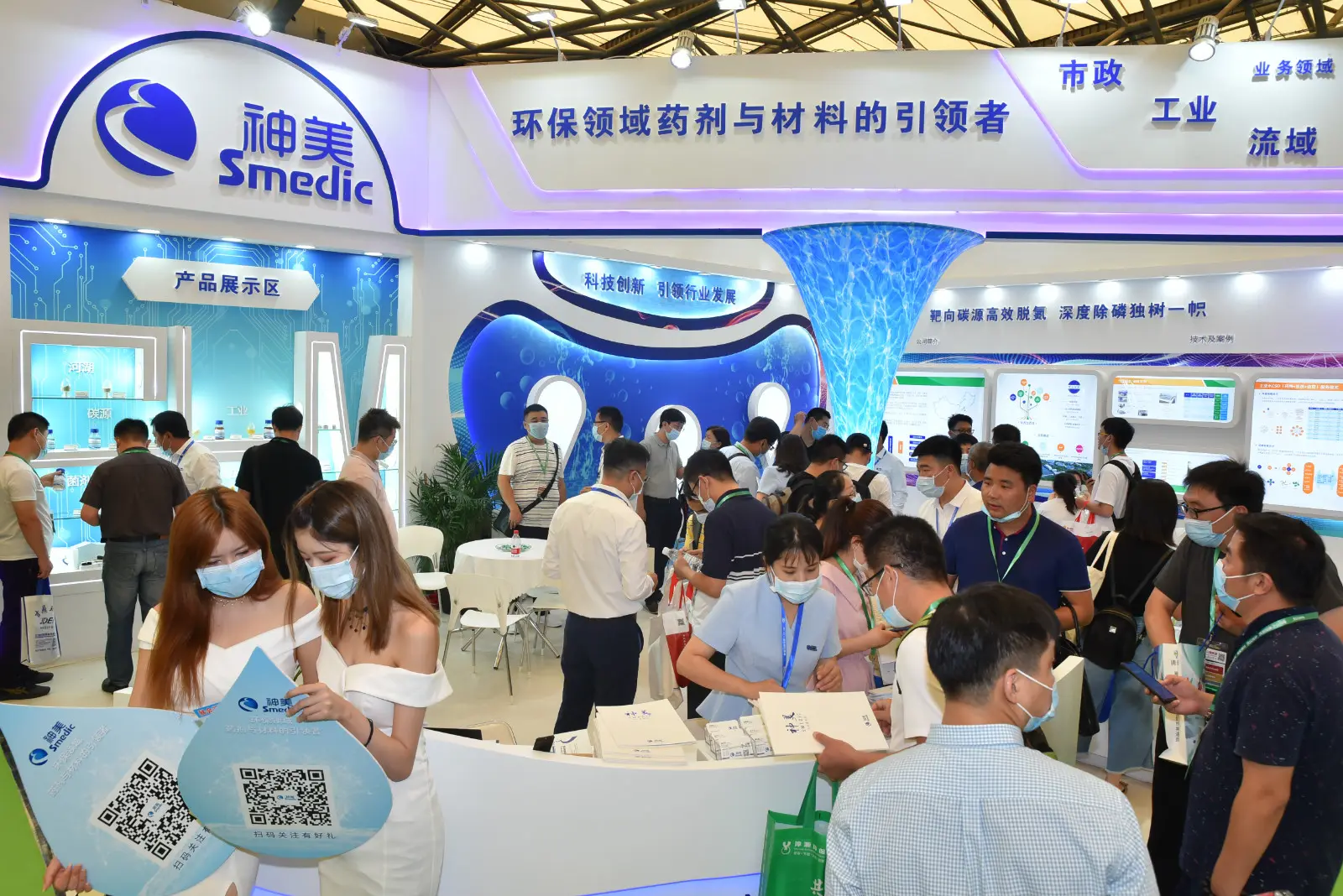
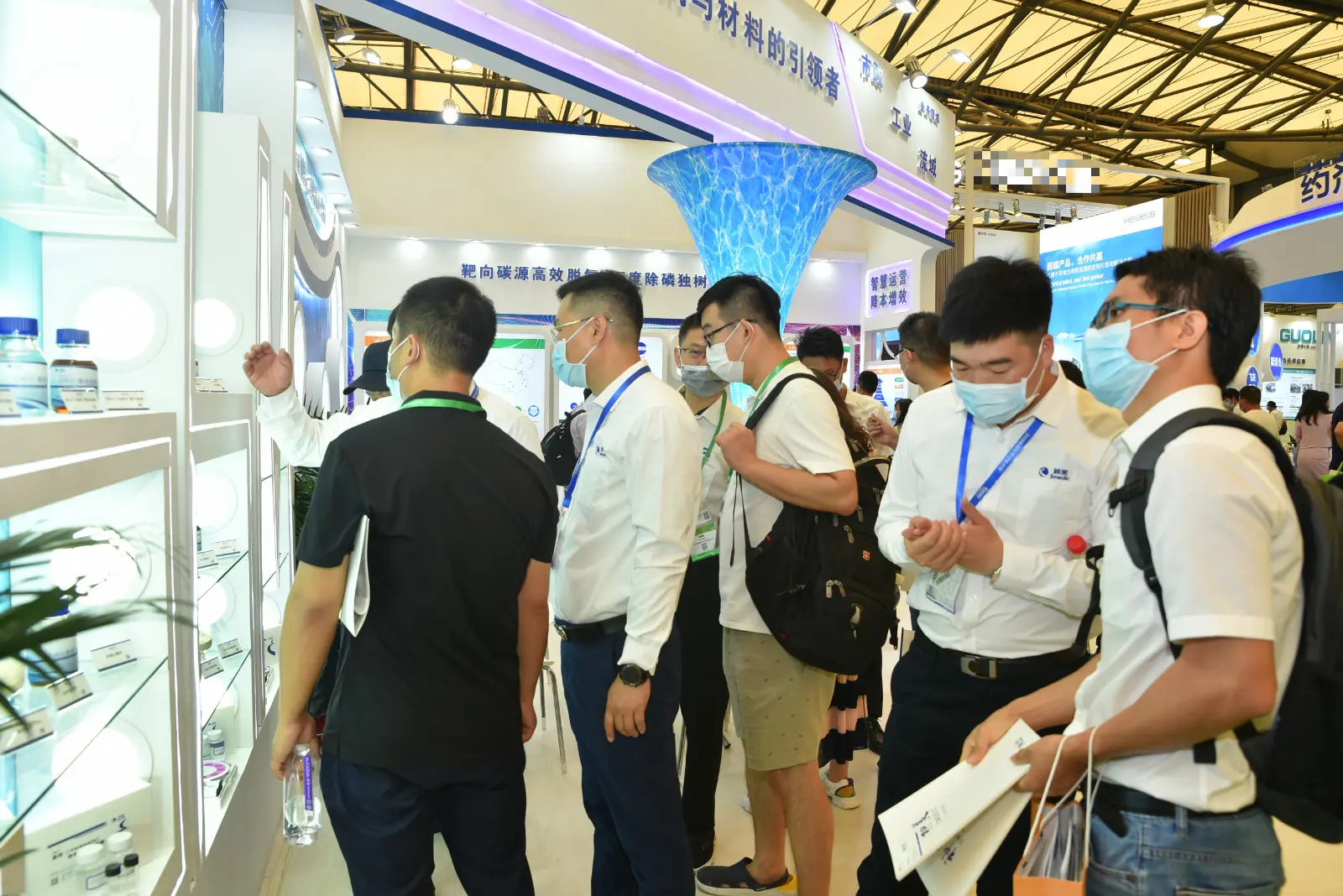
Established in 2011, Smedic Technology Co., Ltd. is a comprehensive solution provider specialized in environmental protection agents, integrating advanced research and development (R&D), production, sales, and complex engineering-related technical services. We are dedicated to providing global industrial and municipal clients with customized chemical products, technical solutions, and long-term diagnostic services. Smedic produces environmental protection agents covering multiple sectors such as municipal sewage, industrial wastewater, and tap water treatment, as well as mineral processing agents, and oilfield chemicals.
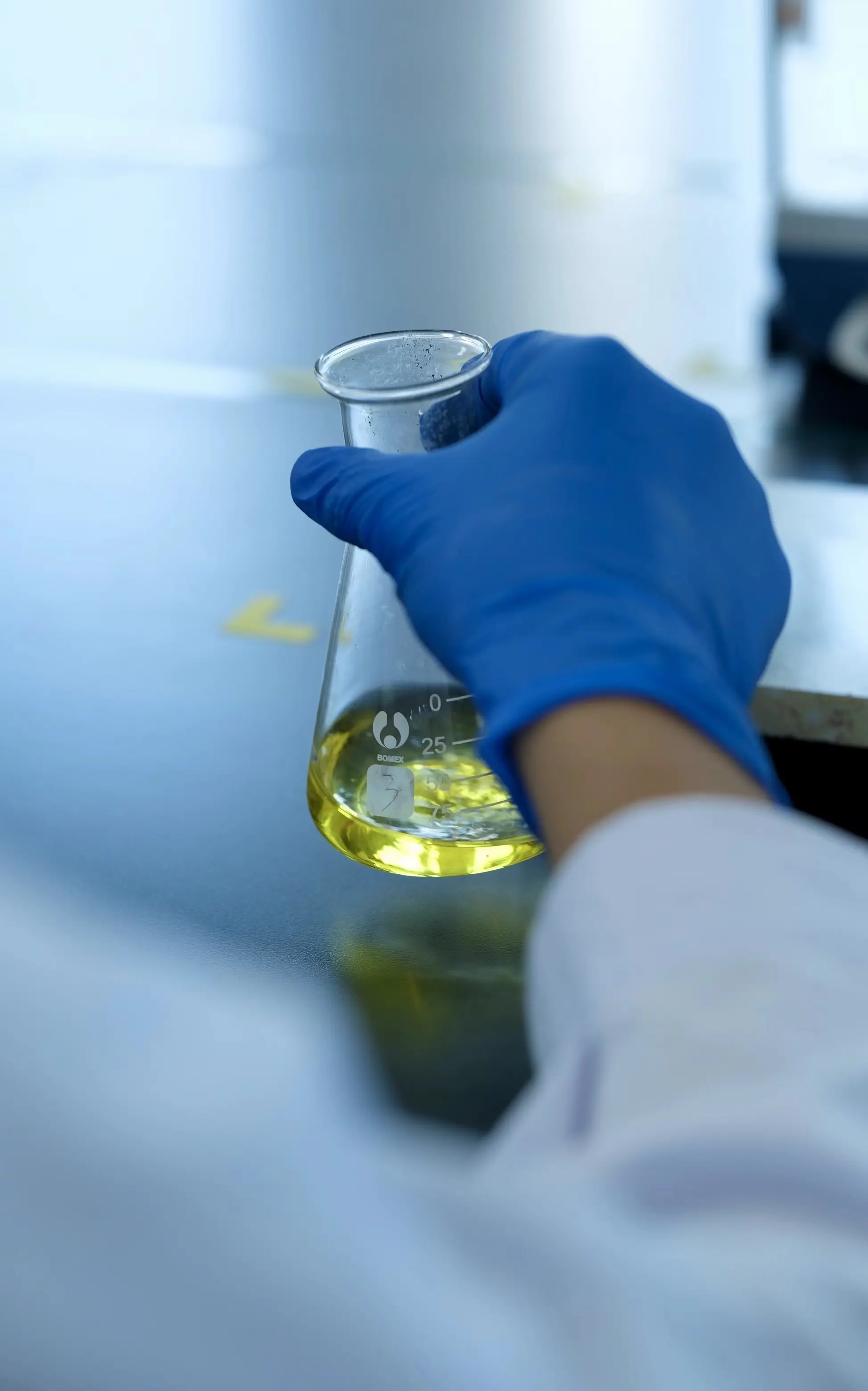
We boast an expansive catalog of more than 80 different environmental protection products, supported by a state-of-the-art manufacturing infrastructure yielding an annual production capacity exceeding 1 million tons. Through technological innovation, Smedic consistently bridges the gap between laboratory synthesis and full-scale municipal wastewater purification.
Established and driving innovation in high-end water treatment chemistry.
Types of environment protection formulations active in international markets.
Combined annual production capacity across advanced domestic production bases.
Daily wastewater treatment capacity processed via Smedic chemical engineering.
A robust logistics network and production framework serving over 20 provinces in China and global export routes.
Our corporate headquarters is located in the technology center of Beijing. To ensure rapid fulfillment and geographic coverage, we have established multiple wholly-owned production bases in Hebei, Guizhou, Shanxi, and other regions. Furthermore, we have set up more than ten OEM partner factories and regional warehousing and logistics bases in Shandong, Shanxi, Anhui, Guangxi, and Sichuan provinces, among others.
Our business and service network covers over 20 provinces across China, processing wastewater for more than 600 urban sewage treatment plants and over 1,000 end-user customers in industrial wastewater treatment, mineral processing, and oilfield chemicals. This large-scale operation places Smedic as a premier enterprise in the high-end municipal and industrial wastewater chemical sectors, with unmatched capability to scale production in response to fluctuating global raw material conditions.
Provinces covered by regional warehousing and domestic logistics nodes.
Urban sewage treatment facilities utilizing Smedic's biological and physical agents.
Active industrial, mining, and oilfield chemical enterprise clients.
Regional OEM manufacturing partnerships ensuring continuous reserve supply.
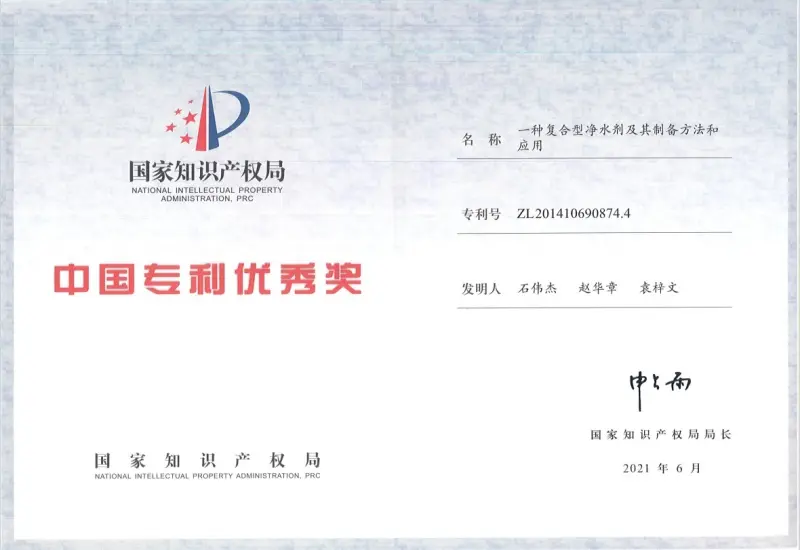
Pioneering advanced water science in partnership with China's elite research universities.
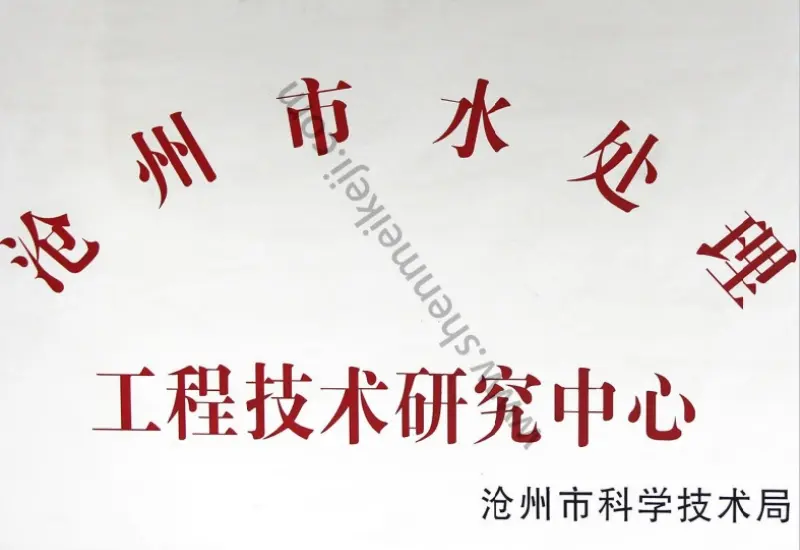
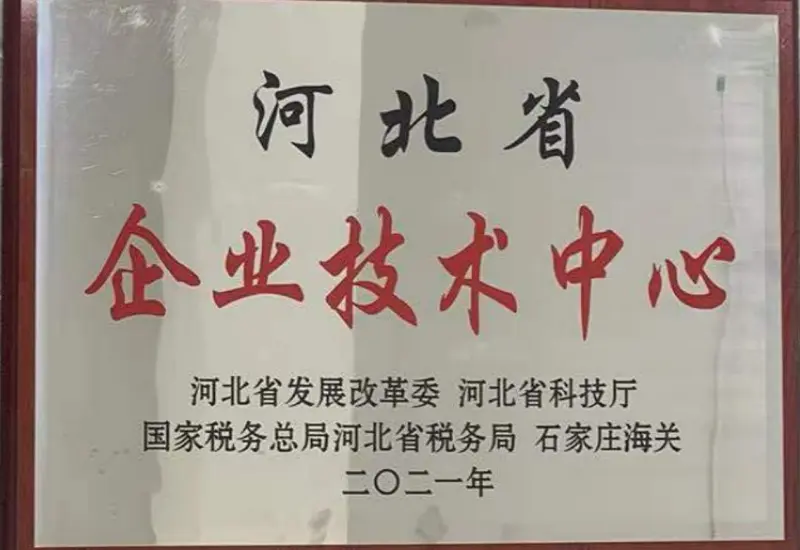
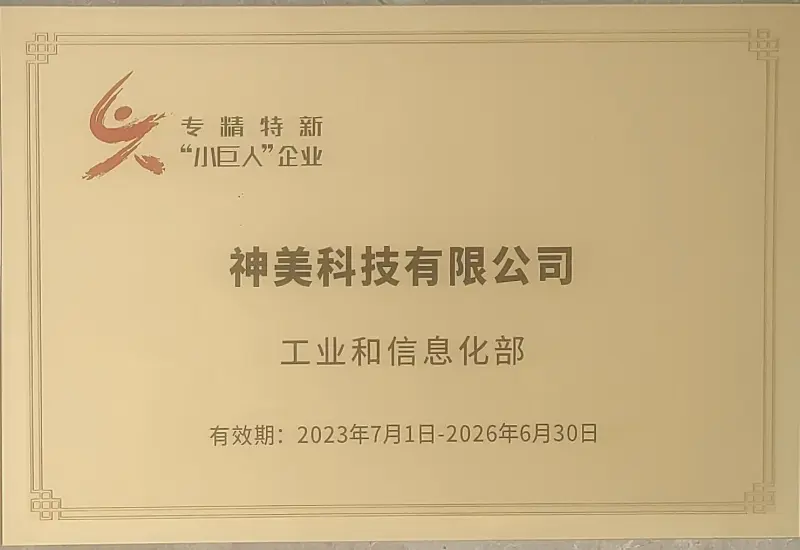
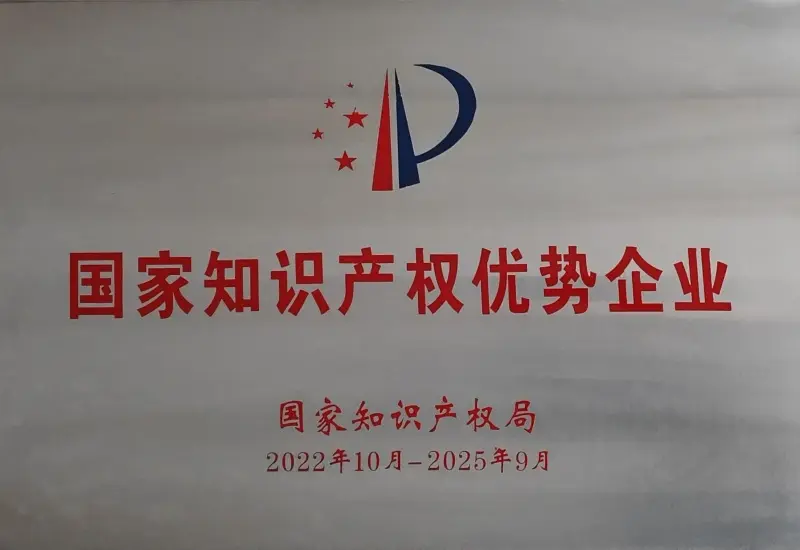
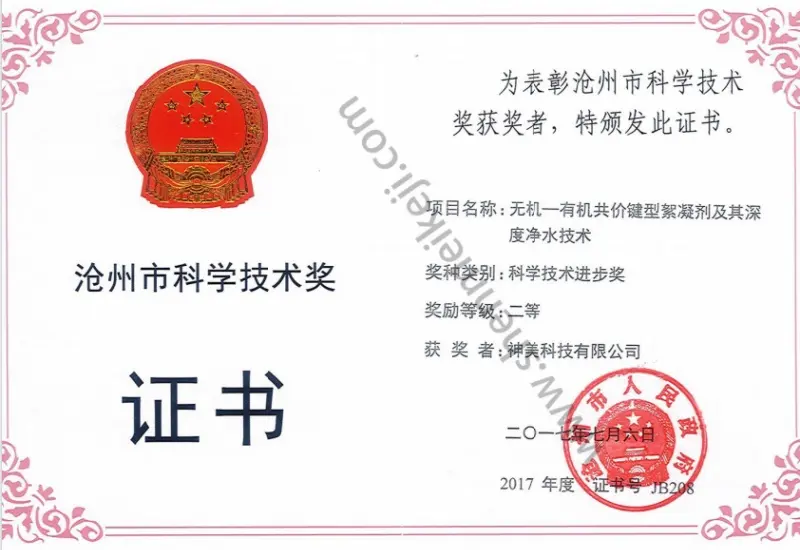
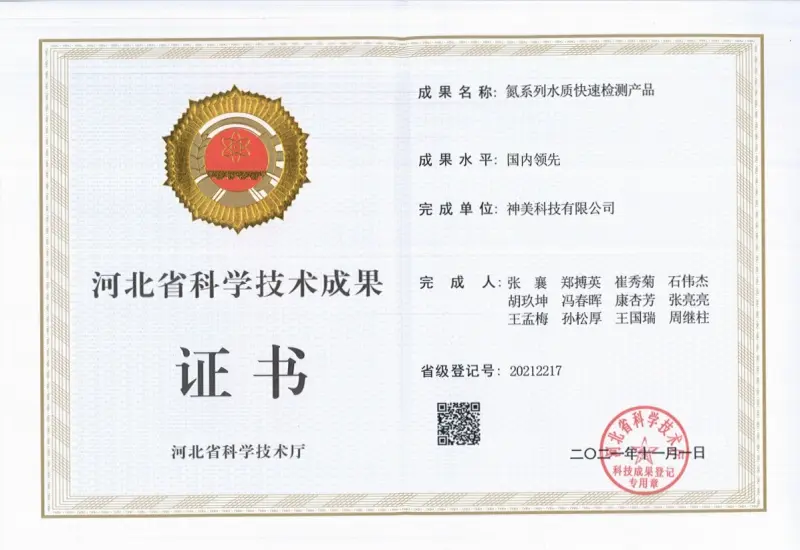
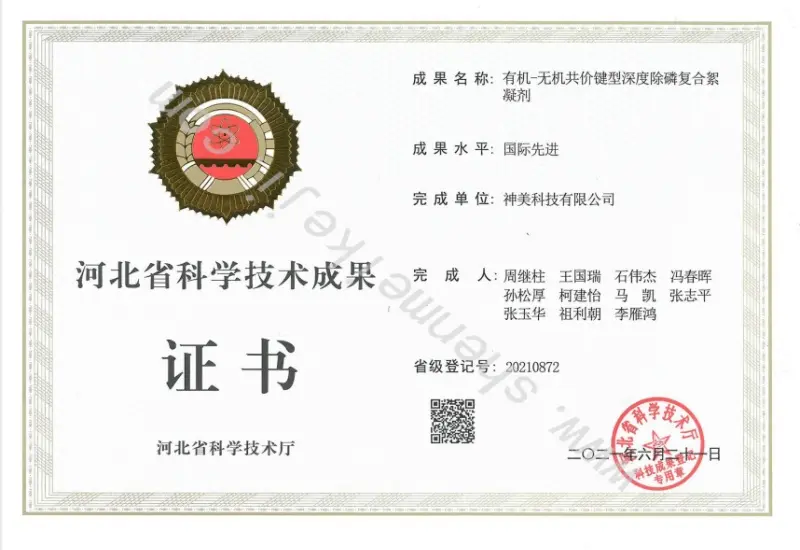
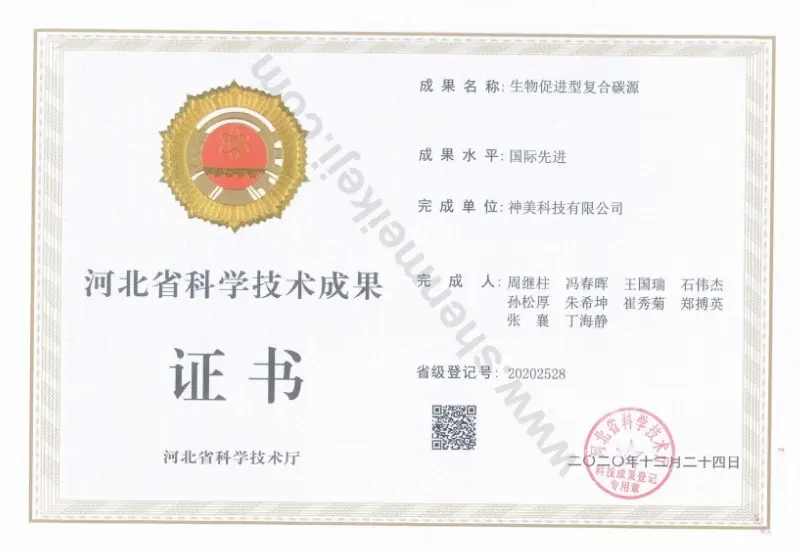
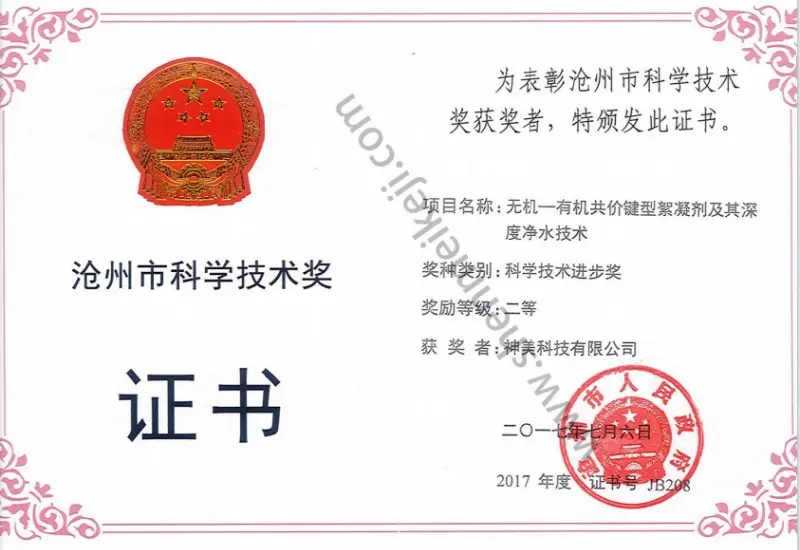
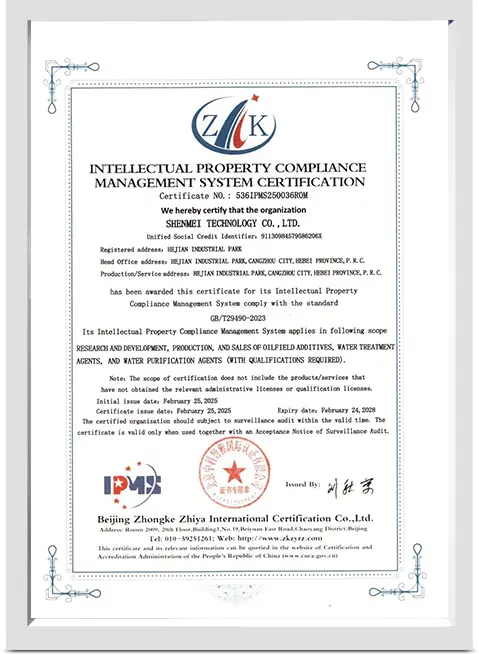
Smedic is recognized as a National High-tech Enterprise, a National Specialized, Refined, Unique and Innovative "Little Giant" Enterprise, and a National Key-Supported "Little Giant" Enterprise. Our R&D structure centers on a robust tripartite ecosystem: one academy, three research institutes, and five production-testing bases. This infrastructure operates in conjunction with established regional research centers, including the Hebei Provincial Enterprise Technology Center, the Hebei Provincial Advanced Water Treatment Chemicals Technology Innovation Center, and the Cangzhou Water Treatment Engineering Technology Research Center (recognized as a Class A R&D institution).
To keep Smedic at the absolute forefront of industrial chemistry, we have constructed an expert workstation alongside the Tsinghua University Association of Senior Scientists and Technicians, and maintain joint R&D laboratories with Shandong University and Beijing University of Technology. We also serve as the primary commercialization partner for the industry-academia-research achievements of Peking University and Tianjin University.
Explore Smedic's primary chemical families formulated for municipal, mining, and industrial process streams.
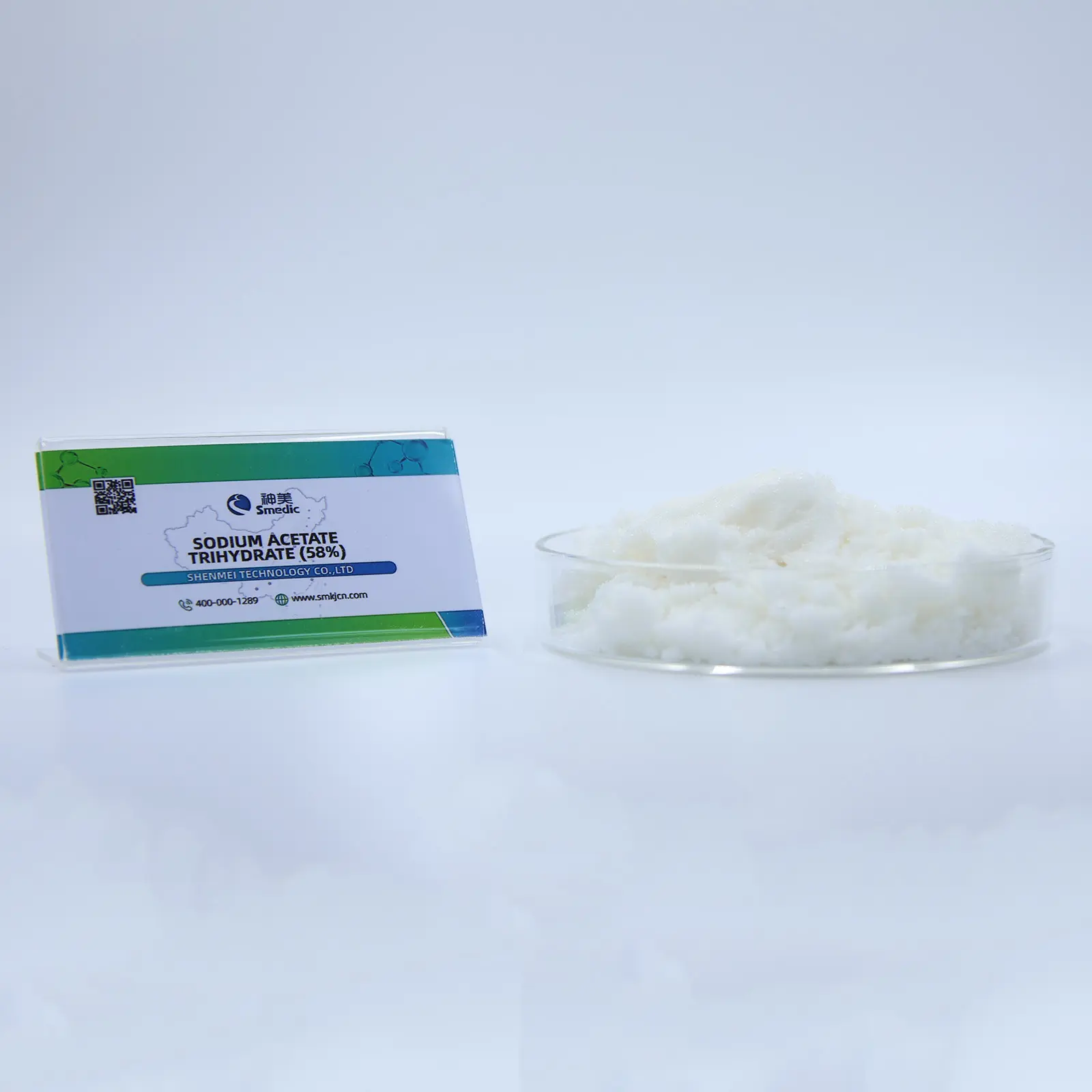
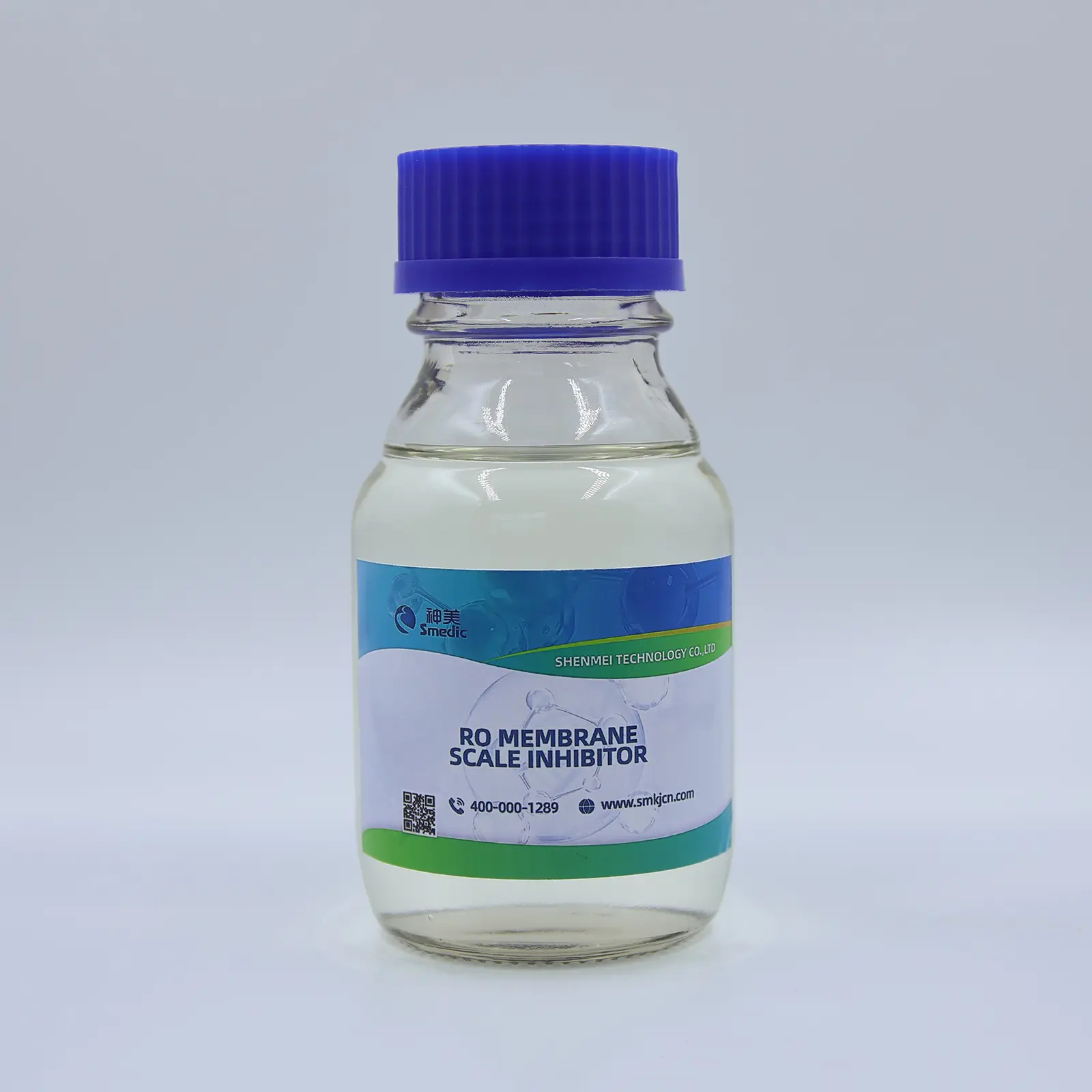
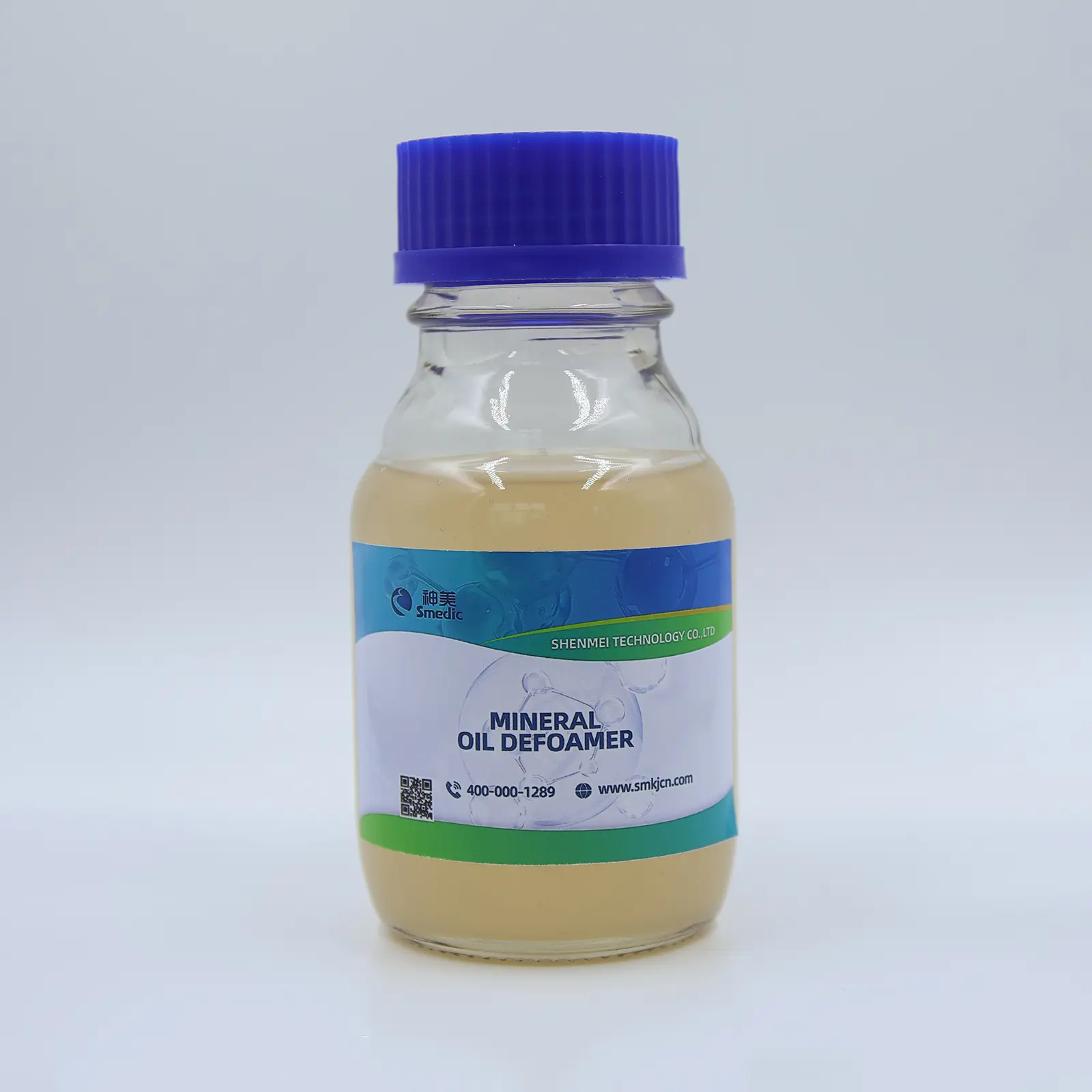
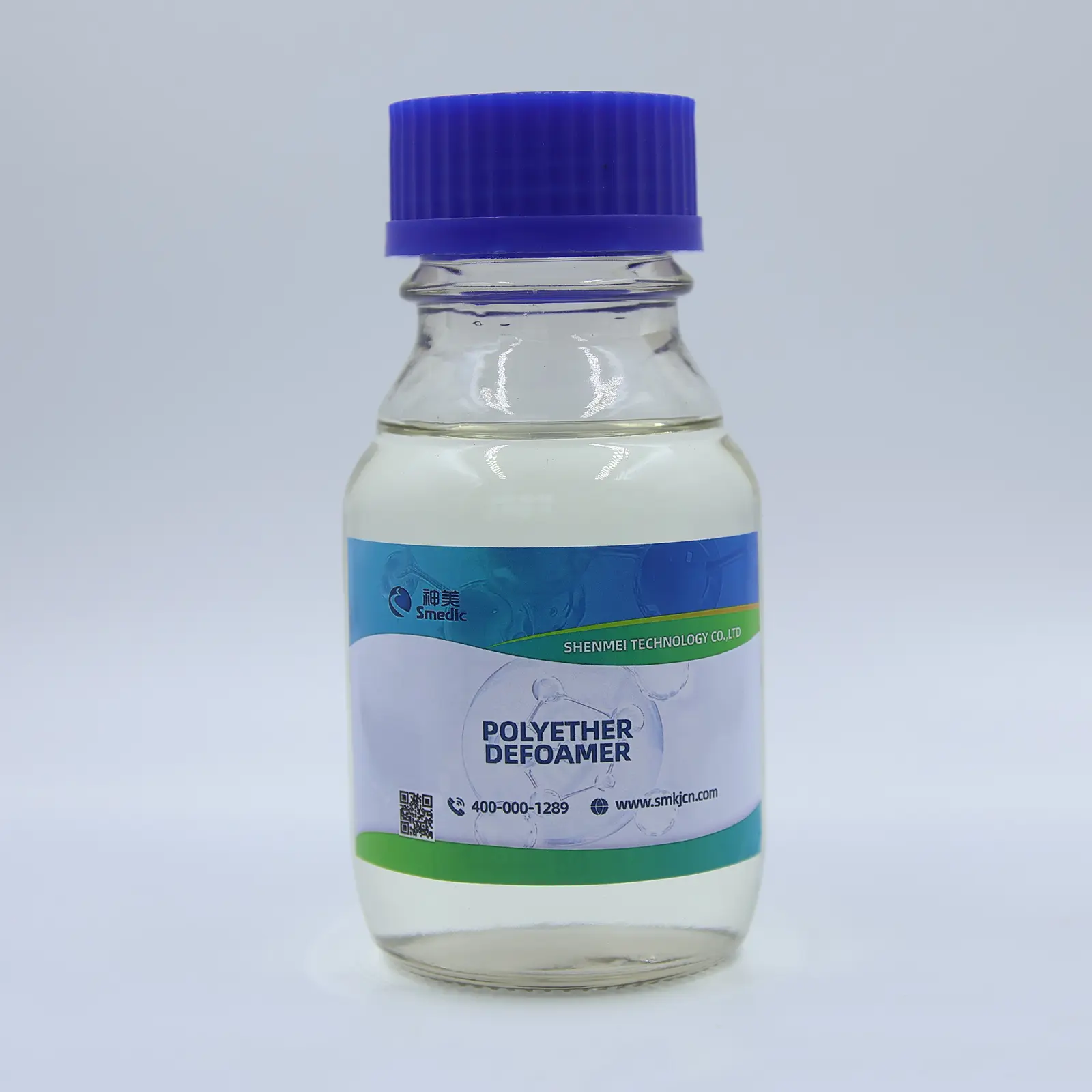
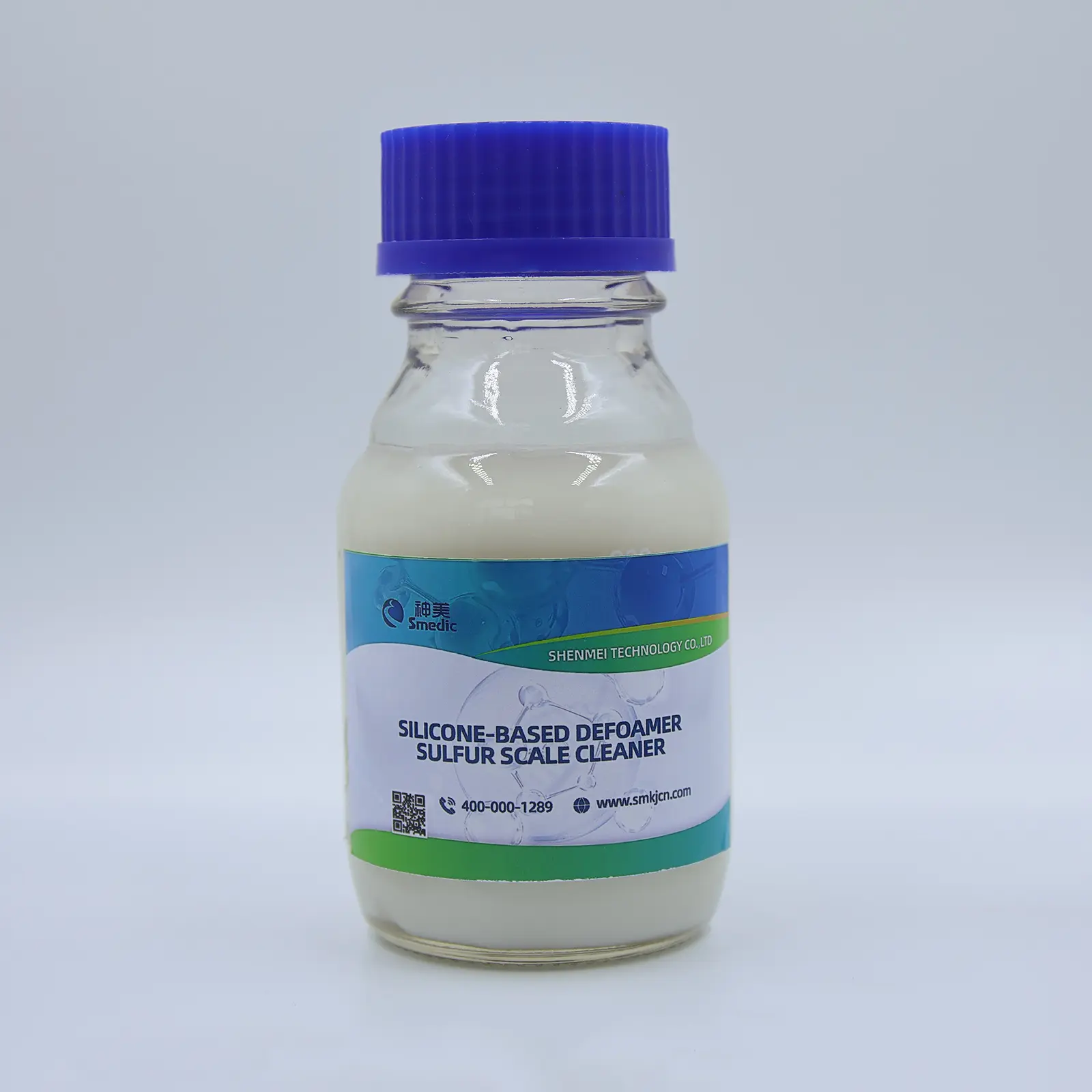
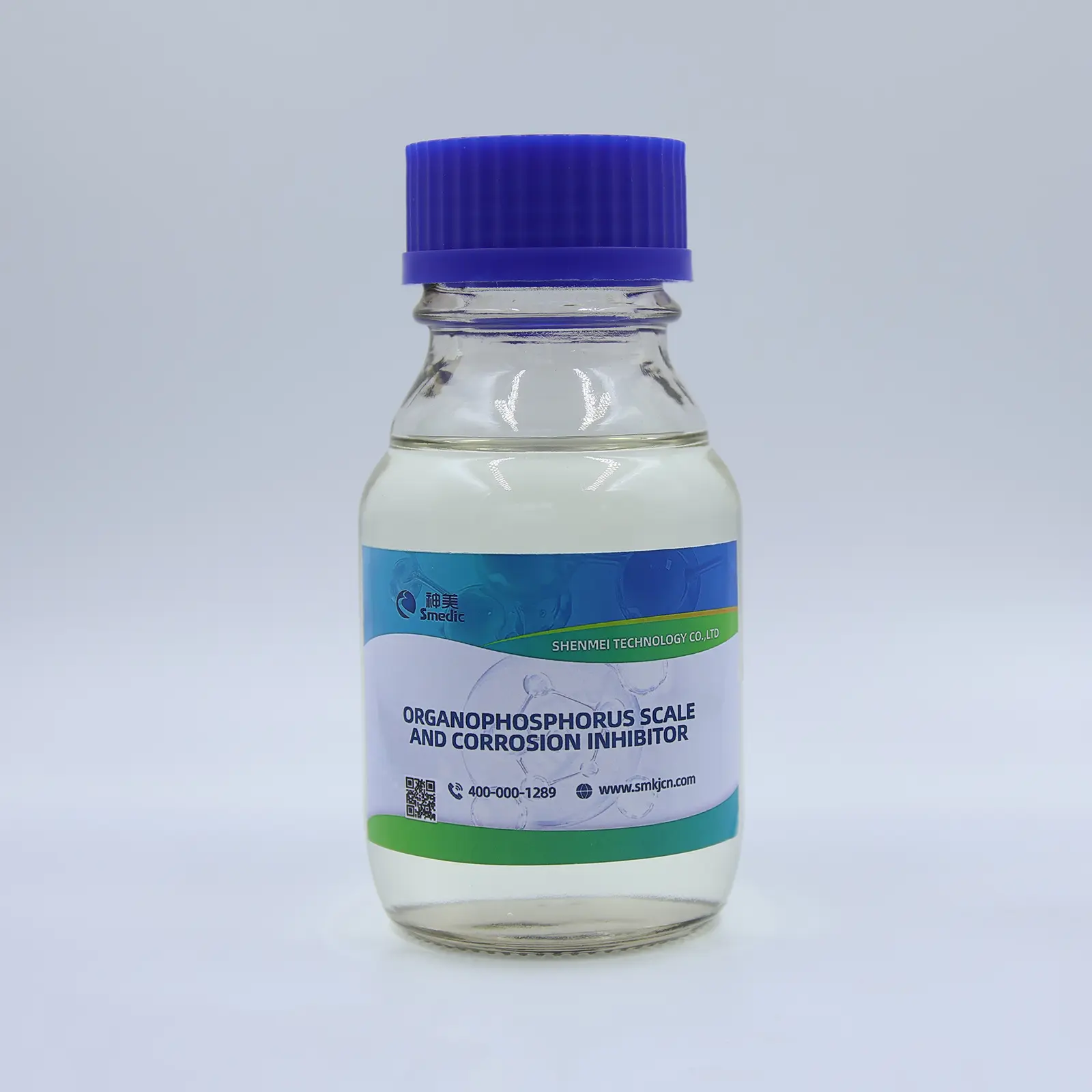
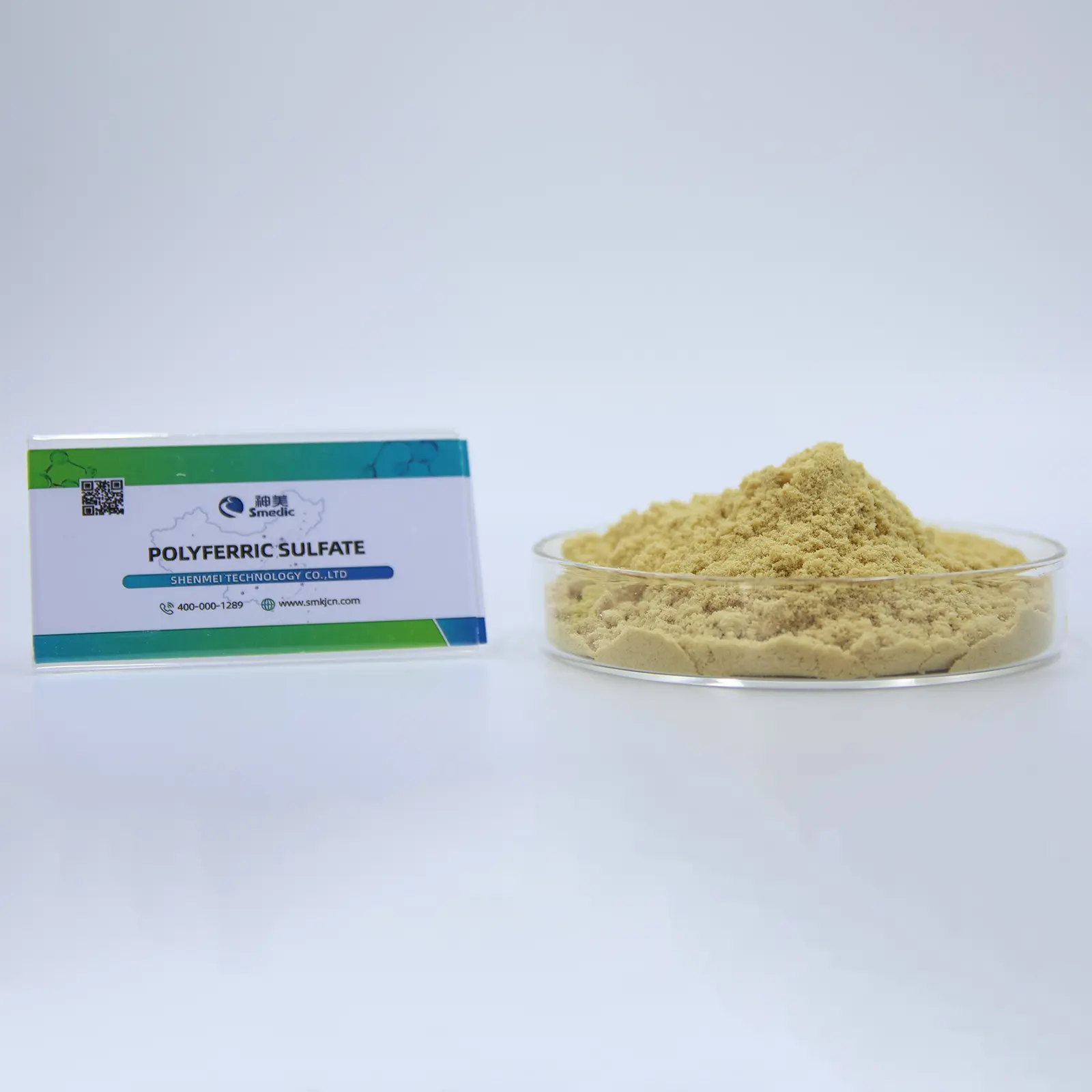
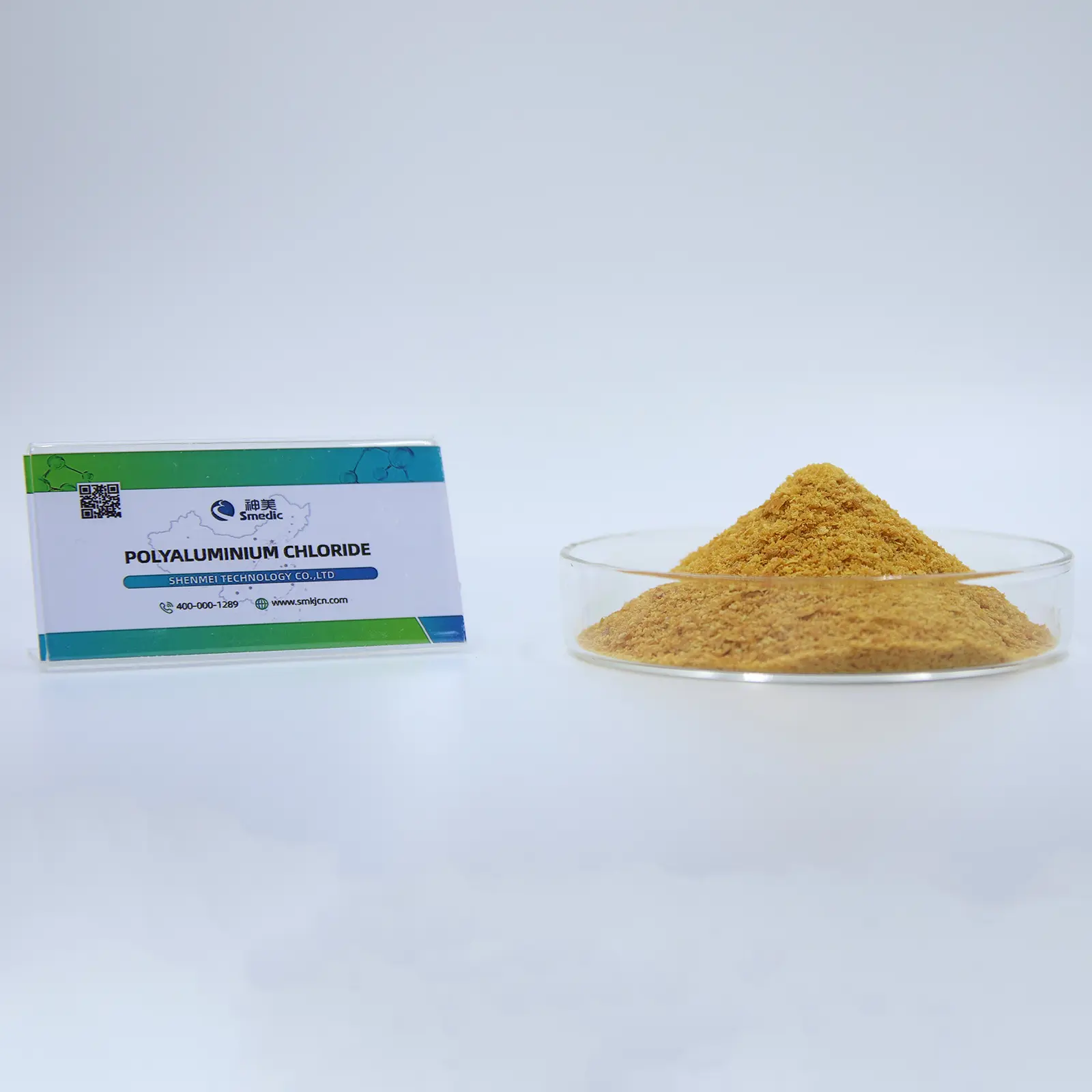
Evaluating the mechanics of coagulation, carbon dosing, and high-efficiency scale control under strict global environmental mandates.
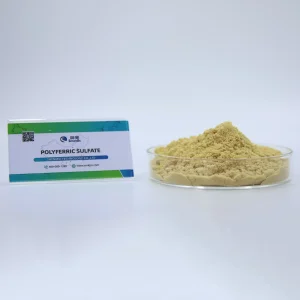
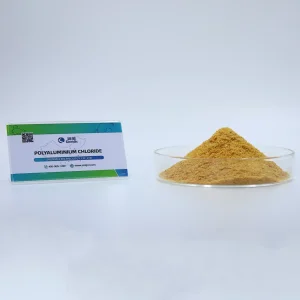
Within municipal wastewater clarifying systems, the efficiency of solid-liquid separation depends heavily on the destabilization of colloidal suspensions. Smedic's Polyferric Sulfate (PFS), a high-molecular polymeric iron coagulant, functions via intense electrostatic neutralization and subsequent adsorption-bridging. PFS forms highly cohesive, dense flocs ($[Fe_2(OH)_n(SO_4)_{3-n/2}]_m$) that exhibit superior sedimentation velocity compared to conventional aluminum-based coagulants. Smedic’s Polyaluminum Chloride (PAC) leverages customizable basicity parameters to maintain performance across wide pH bands, neutralizing anionic charges on suspended clays and organic polymers efficiently.
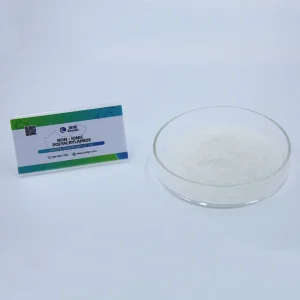
By coupling these inorganic coagulants with Smedic's ultra-high molecular weight Anionic Polyacrylamide (APAM) or Cationic Polyacrylamide (CPAM), wastewater facilities can optimize sludge dewatering and reduce chemical sludge volume. The polymer chains of APAM adsorb onto micro-flocs, binding them into robust macroscopic structures capable of resisting mechanical shear in filter presses and decanter centrifuges.
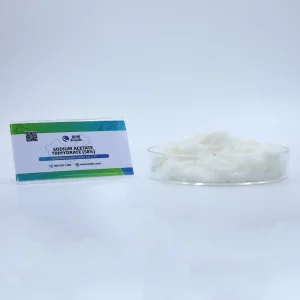
To comply with stringent total nitrogen (TN) limits, municipal wastewater treatment plants (WWTPs) require supplemental carbon sources to drive heterotrophic denitrification in anoxic zones. Traditional methanol dosing poses safety challenges due to flammability, while raw glucose causes biological sludge bulking. Smedic’s patented bio-enhanced denitrification carbon source and high-purity Sodium Acetate (CH3COONa) crystals offer high biochemical oxygen demand (BOD) equivalents with low utilization lag phases.
Under anaerobic conditions, denitrifying microorganisms rapidly assimilate Smedic's sodium acetate, converting nitrate ($NO_3^-$) to inert nitrogen gas ($N_2$). Smedic's research indicates that using our engineered carbon sources reduces sludge yield compared to alternative carbohydrates, improving operational efficiency in bioreactors.
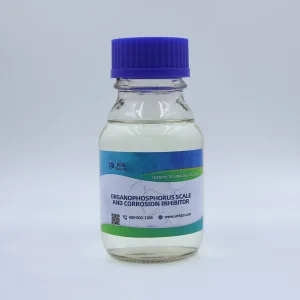
Reverse Osmosis (RO) membranes are critical to industrial and municipal wastewater reuse schemes. However, mineral precipitation—such as calcium carbonate ($CaCO_3$), calcium sulfate ($CaSO_4$), and silica deposits—leads to irreversible membrane fouling. Smedic's Organophosphorus Corrosion & Scale Inhibitor utilizes multi-functional phosphonate polymers that bind metal cations. This process distorts the crystal lattices of scale-forming compounds and maintains high solubility levels even in supersaturated conditions.
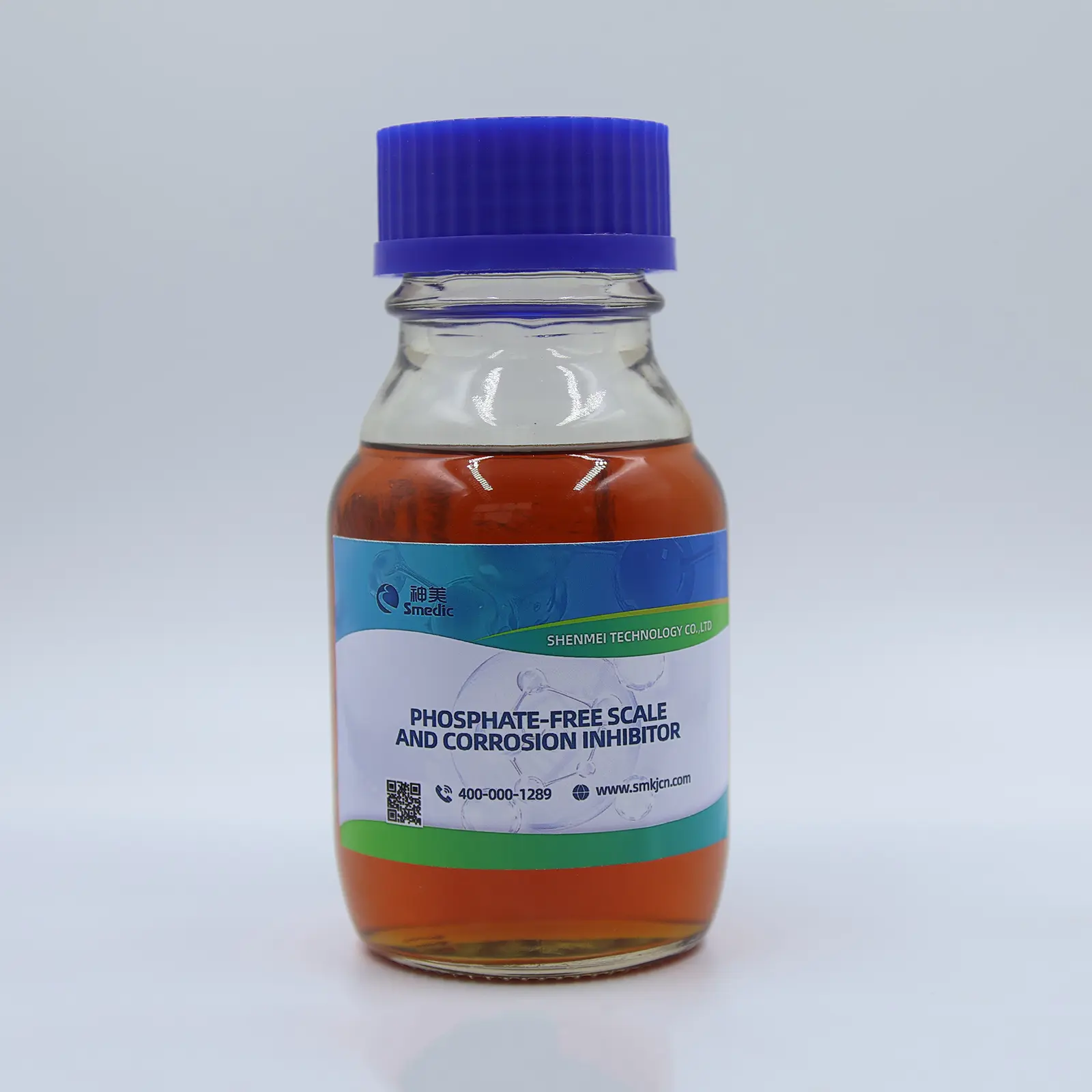
For environmental regulations restricting phosphorus discharge, Smedic has developed a line of Phosphate-free scale and corrosion inhibitors. These green polymers function via carboxylic and sulfonic acid groups, providing scale inhibition without introducing phosphorus into discharge streams.
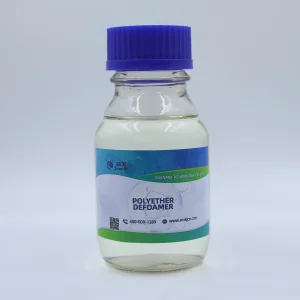
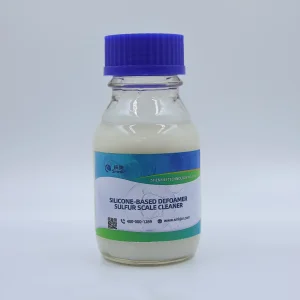
Excessive foam generation in biological aeration basins and industrial distillation units interferes with oxygen transfer rates and causes chemical overflow. Smedic's foam control solutions include both Polyether defoamers and Organic Silicone defoaming agents. By modifying surface tension gradients at the gas-liquid interface, Smedic defoamers cause micro-bubbles to coalesce and collapse rapidly. These compounds are engineered to remain stable in high-temperature and extreme pH conditions, ensuring foam control across diverse industrial processes.
An analysis of operational safety, supply chain logistics, and green chemical engineering.
Industrial wastewater profiles vary significantly by region. For example, municipal systems in high-salinity industrial-municipal mixed zones require coagulants and flocculants that resist ion interference. Similarly, wastewater treatment plants in cold climates require carbon sources that remain active in low temperatures to maintain denitrification rates. Smedic addresses these challenges by offering customized chemical formulations tailored to the specific salinity, temperature, and microbiological conditions of each site.
Smedic operates multiple production bases in Hebei, Guizhou, Shanxi, and other regions, supported by regional warehousing hubs. This distributed manufacturing model provides supply chain resilience against raw material shortages and logistics disruptions. By sourcing key precursors locally and maintaining large storage capacities, we ensure consistent delivery of bulk chemicals to municipal and industrial customers worldwide.
Smedic is committed to developing sustainable water treatment technologies. Our R&D team is currently focused on three primary areas:
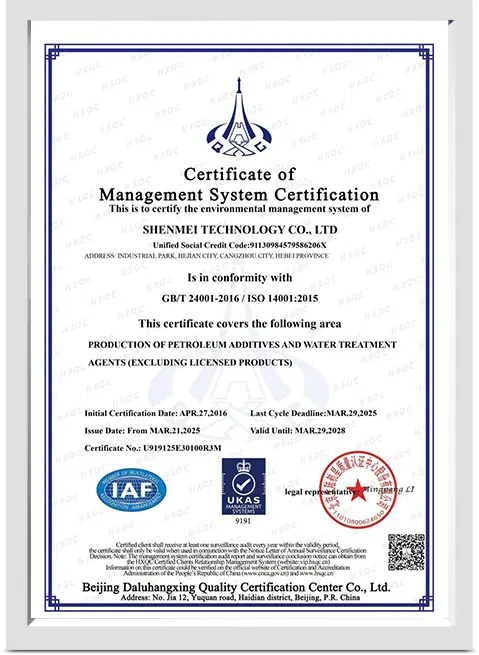
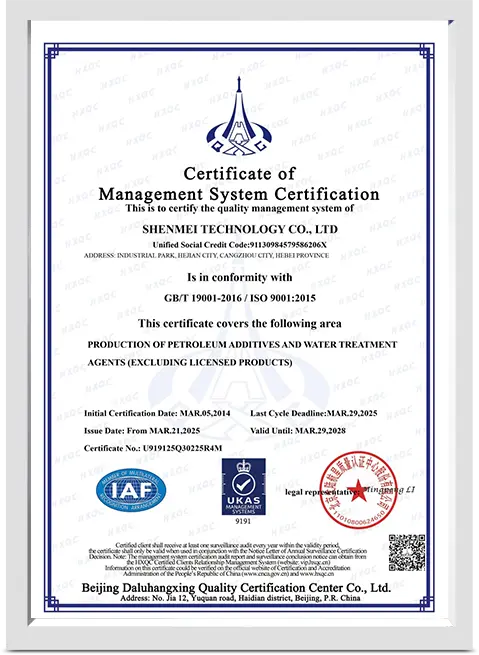
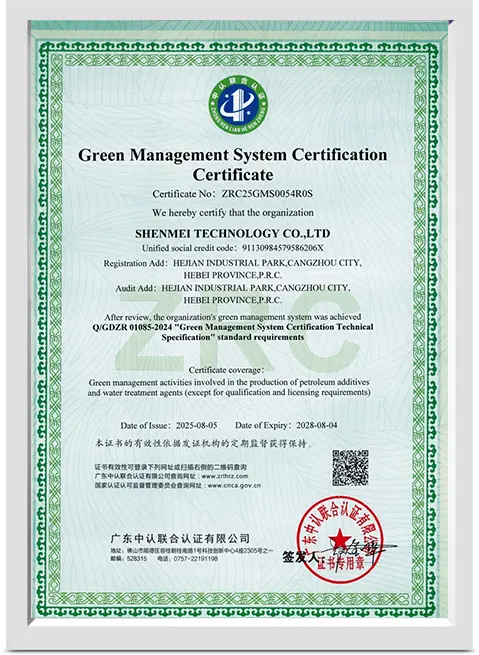
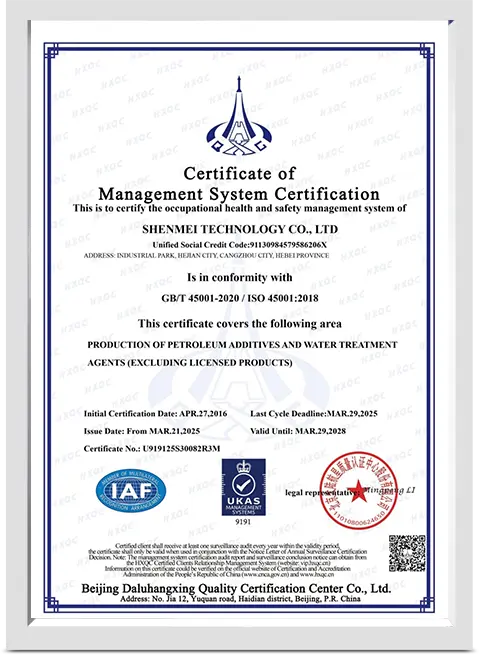
Exporting water treatment chemicals globally requires strict adherence to international safety and environmental regulations. Smedic's products comply with major global standards, including ISO 9001, ISO 14001, NSF/ANSI Standard 60, and EU REACH. We provide comprehensive documentation, including detailed Safety Data Sheets (SDS), Technical Data Sheets (TDS), and compliance certificates, to ensure smooth customs clearance and regulatory approval in import markets.
Multiple wholly-owned production bases in Hebei, Guizhou, and Shanxi, alongside ten joint-venture partner factories, ensuring an annual capacity exceeding 1 million tons.
Rigorous quality control protocols spanning raw material procurement, in-process production monitoring, and finished batch release testing via ISO-certified laboratories.
Led by a senior technical team of engineers and academic consultants, operating joint laboratories with Tsinghua University, Shandong University, and Beijing University of Technology.
Answers to common technical queries regarding chemical dosing, performance optimization, and product selection.
PFS forms polynuclear iron complexes ($[Fe_2(OH)_n(SO_4)_{3-n/2}]_m$) that exhibit stronger electrostatic attraction for negatively charged phosphate ions and colloidal metal complexes than PAC. Additionally, the higher density of iron-based flocs results in faster settling velocities, reducing hydraulic retention time requirements in clarification tanks.
Low temperatures significantly reduce the metabolic activity of denitrifying bacteria. Smedic's Sodium Acetate provides a highly bioavailable carbon source that bypasses the complex hydrolysis steps required by starches or alcohols. This direct assimilation path helps maintain stable denitrification rates even in wastewater temperatures below 10°C.
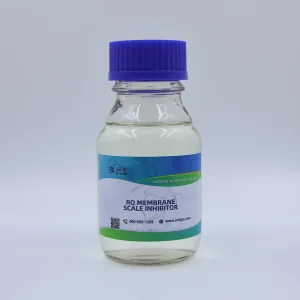
Dosage rates depend on feed water quality parameters, including silica levels, calcium hardness, pH, and operating recovery rates. Typically, continuous dosing of 2 to 6 mg/L of Smedic's RO Membrane Scale Inhibitor prevents scale formation under normal operating conditions. We recommend conducting a water analysis to determine the optimal dosage for your system.
Silicone-based defoamers offer rapid foam knockdown at very low concentrations, making them highly effective for immediate foam control. However, polyether defoamers are preferred in applications where silicone carryover could cause membrane fouling in downstream Membrane Bioreactors (MBR). Polyether formulations provide sustained foam suppression and degrade without leaving residues on membrane surfaces.
Smedic provides full documentation for international regulatory compliance, including ISO 9001 (Quality Management), ISO 14001 (Environmental Management), NSF/ANSI Standard 60 certification for drinking water chemicals, EU REACH registration for European exports, and comprehensive GHS-compliant Safety Data Sheets (SDS).
High-performance polymeric agents, advanced coagulants, and scale control solutions.
 Smedic Tech