Explore our advanced product portfolio engineered for high-shear stability, rapid deaeration, and maximum process yield.
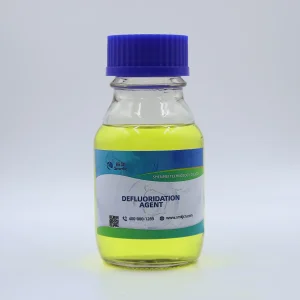
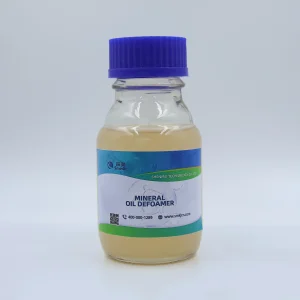
An in-depth whitepaper analysis of interface chemistry, formulation design, and oil-based antifoam performance metrics.
Foam management is a complex thermodynamic challenge across modern chemical engineering. Foaming occurs when surface-active agents (surfactants) align at the air-water interface, generating a stabilized elastic film with high surface viscosity. Standard surface stress forces cannot easily rupture these micro-thin lamellae once they have been structured.
Oil-based defoamers operate by disrupting these interfacial films. Because the carrier fluid (typically high-purity mineral oil, paraffinic oil, or synthetic hydrocarbon structures) has an extremely low surface tension, it spreads rapidly across the dynamic surfactant layer. The oil acts as a hydrophobic vehicle, delivering finely dispersed active elements—such as hydrophobic silica particles, metallic soaps, or synthetic amide waxes—straight into the bubble lamellae.
Upon insertion, these solid particles create critical contact angles that dewet the surfactant film, forcing a rapid thinning of the bubble walls. Driven by the capillary pressure gradient, the liquid drains away from the particle surface, leading to instant bubble coalescence and collapse. When compared to silicone alternatives, oil-based formulations offer superior stability in high-electrolyte environments and are less prone to causing surface defects like "fish-eyes" in paints, coatings, and paper sizing.
For industrial chemical procurement teams, selecting the appropriate base carrier oil is vital for maintaining production quality, regulatory compliance, and cost-efficiency:
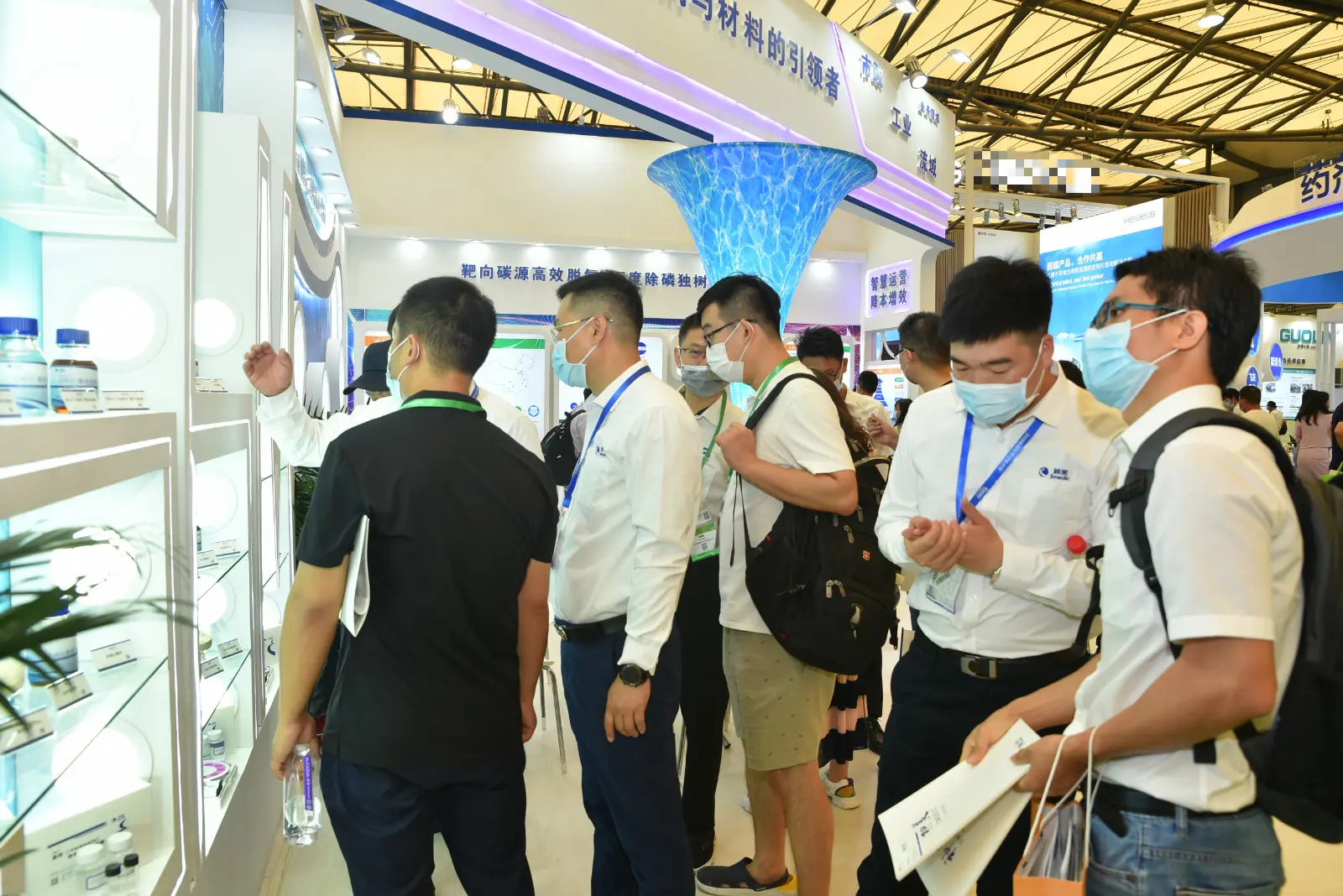
Smedic Technology Co., Ltd. was established in 2011 as a comprehensive solution provider specialized in environmental protection agents, integrating R&D, production, sales, and engineering-related technical services.
Our facilities produce environmental protection agents covering municipal sewage, industrial wastewater, and tap water treatment, as well as mineral processing agents and oilfield chemicals. With a robust logistics network and extensive OEM partnership assets, we provide customized solutions tailored to highly specific manufacturing needs.
National footprints, diverse manufacturing centers, and end-to-end logistics guarantees.
Our corporate headquarters is located in Beijing, we have multiple wholly-owned production bases in Hebei, Guizhou, Shanxi, and other regions, and have set up more than ten OEM partner factories and regional warehousing and logistics bases in Shandong, Shanxi, Anhui, Guangxi, and Sichuan provinces, among others.
Our business and service network covers over 20 provinces across China. Our projects involve more than 600 urban sewage treatment plants and over 1,000 end customers in industrial wastewater treatment, mineral processing, and oilfield chemicals. The total sewage treatment capacity involved in the projects exceeds 20 million tons per day.
We are recognized as a leading company in the Chinese market within the high-end segment of environmental protection chemicals for municipal and industrial wastewater treatment.
Comprehensive technical support coverage and direct localized inventory across mainland industrial corridors.
Serving petrochemical refineries, mineral extraction centers, paper mills, and global chemical distributors.
Active capacity support in domestic municipal and heavy industrial effluent treatment operations.
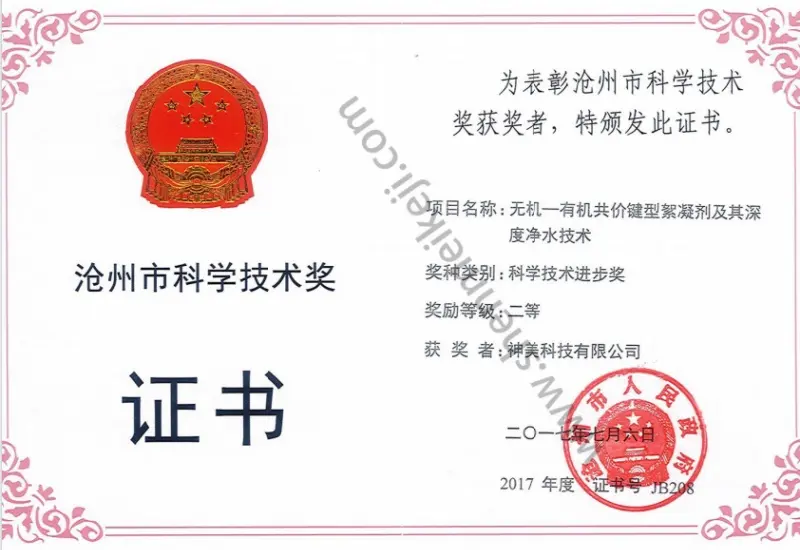
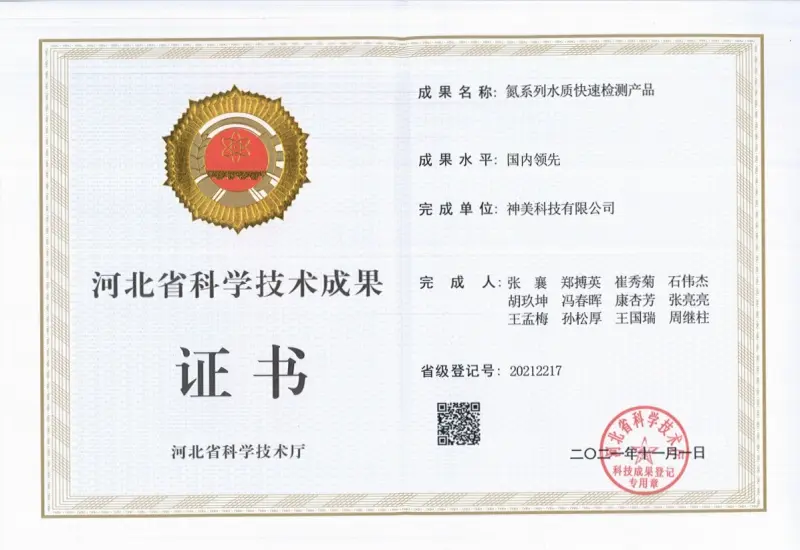
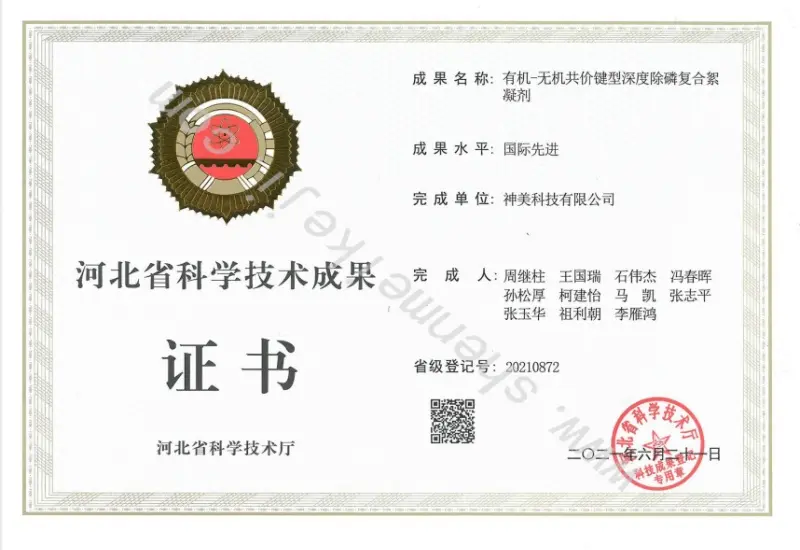
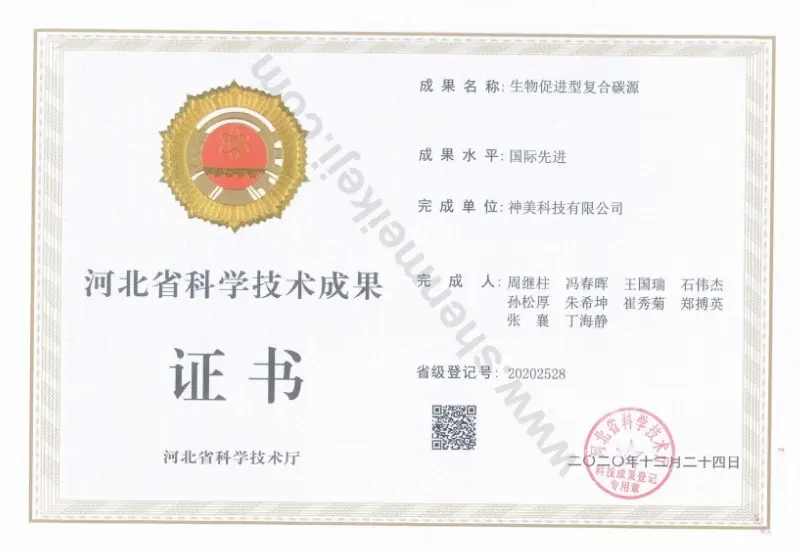
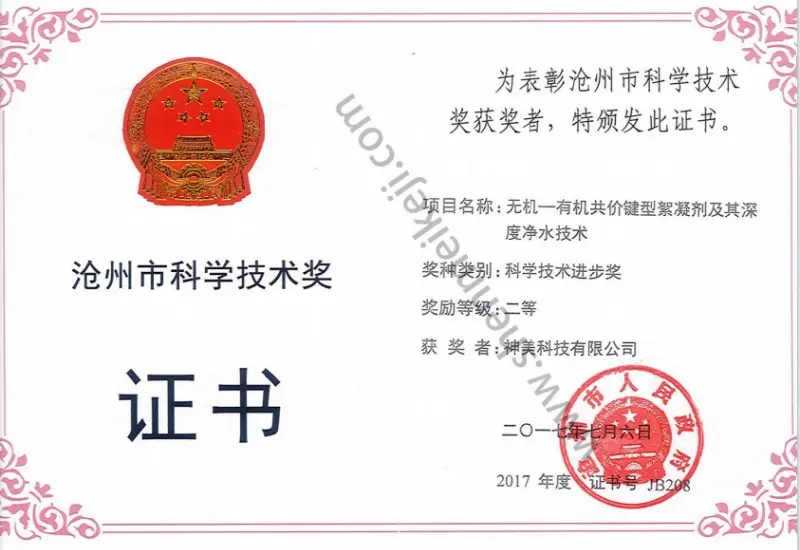
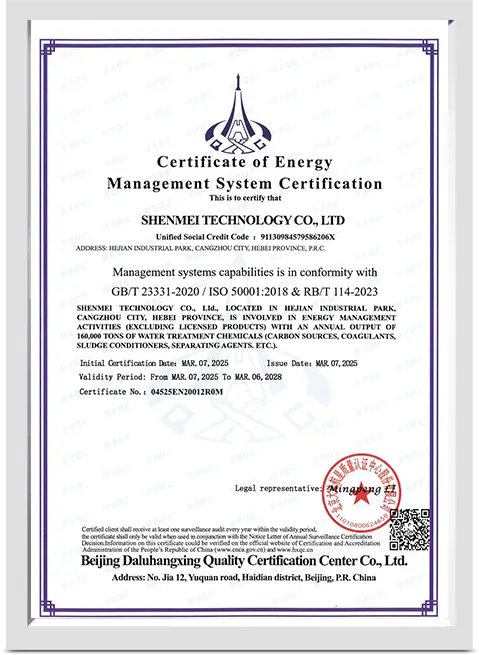
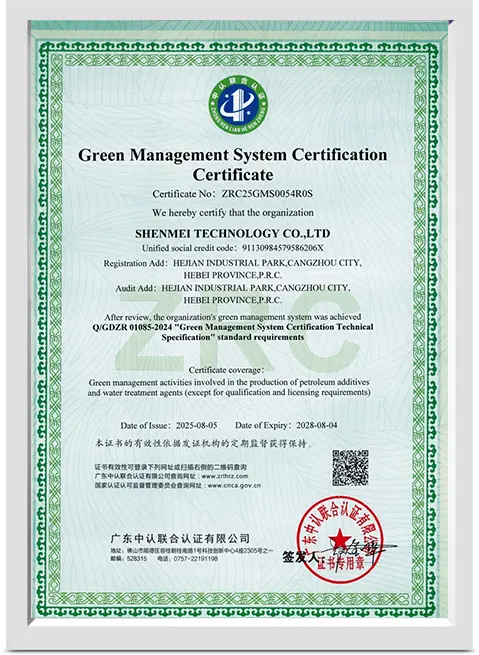
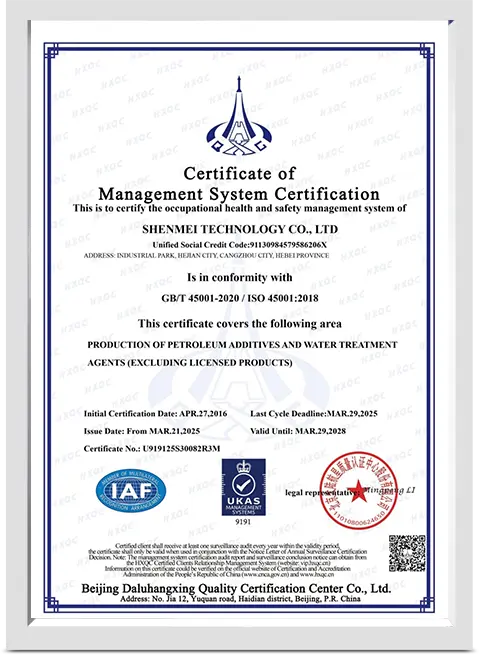
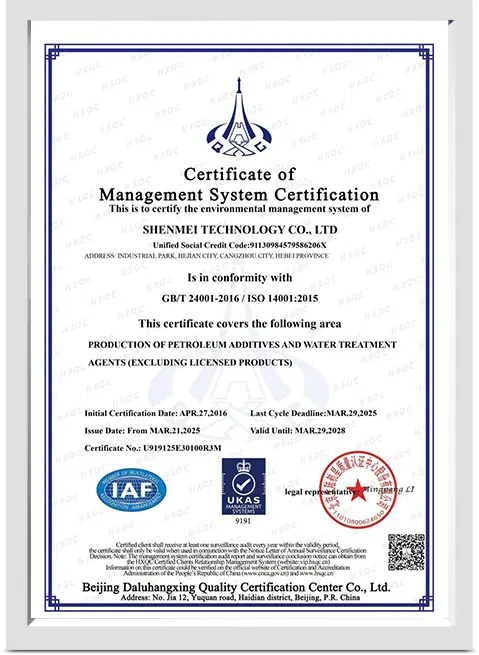
We have obtained certifications as a National High-tech Enterprise, and a National Specialized, Refined, Unique and Innovative "Little Giant" Enterprise. Our expert workstations include joint partnerships with leading research entities like the Tsinghua University Association of Senior Scientists and Technicians, Shandong University, and Beijing University of Technology.
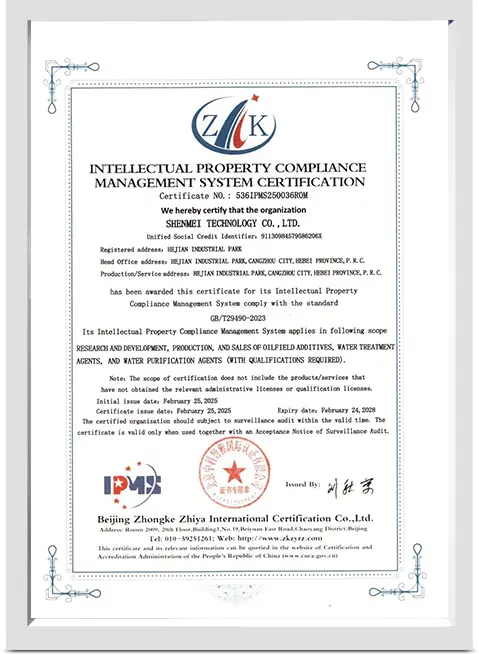
To date, Smedic has been granted over sixty Chinese patents, including more than forty invention patents and over twenty utility model patents. We have drafted more than ten national and industry standards for composite carbon sources, composite coagulants, sodium acetate, and biological agents.
Why Tier-1 industrial buyers rely on Chinese ODM production capabilities to secure chemical supply chains.
Global procurement teams must balance three critical parameters: chemical efficacy, regulatory alignment, and landed cost. In the field of defoamers, supply lines are frequently interrupted by logistics delays, raw material spikes, or standard failures. Smedic leverages deep backward integration to source raw hydrocarbon components, securing predictable costs and material availability.
As an established Chinese chemical powerhouse, we offer substantial raw material cost insulation. With our 1 million+ tons annual output across Guizhou, Hebei, and Shanxi, we negotiate volume-scale pricing for chemical feedstocks. This ensures our global buyers receive consistent, high-purity defoamers without typical spot-market price volatility.
Standard defoamer formulations often fail in highly dynamic industrial environments. Smedic operates dedicated application testing laboratories that replicate site-specific process environments (high salinity, extreme temperatures, shear forces, and bacterial contamination). Our ODM services allow customers to request tailored modifications, such as:
Targeted foam control configurations designed for demanding industrial processing systems.
Eliminates foam during black liquor extraction and paper sizing, preventing surface defects and improving washing efficiency.
Controls micro-foam during high-speed pigment grinding and packaging, ensuring clean application drawdowns.
Suppresses biological and chemical foams in aeration tanks and outfalls, ensuring compliant municipal and industrial discharge.
A timeline of chemical innovation, regulatory milestones, and technical breakthroughs.
Smedic was founded, focusing on the research, production, and distribution of water treatment chemicals.
The company established a complete product portfolio for municipal wastewater treatment chemicals.
Recognized as a key national high-tech enterprise, expanding research into specialty organic defoamers.
A production base for water treatment chemicals in Guiyang was established to support southwestern mining hubs.
Production bases in Hebei, Shandong, and Guizhou completed expansion, bringing total capacity past 1 million tons.
Recognized as a National Specialized, Refined, Unique and Innovative Small and Medium-sized Enterprise.
Established a provincial-level R&D platform in Hebei, accelerating patented polymer and defoamer research.
Recognized as a National Intellectual Property Advantage Enterprise with over 60 active patents.
Established a joint venture with the Chengdu Institute of Mineral Comprehensive Utilization, China Geological Survey, to develop mineral processing reagents.
Answering critical questions on dosage optimization, chemical compatibility, and environmental compliance.
Mineral oil-based defoamers use high-purity paraffinic or naphthenic oils to carry active hydrophobic particles (such as silica or waxes) into the foam lamellae. Silicone-based options use polydimethylsiloxane (PDMS) fluids. Mineral oil types are highly favored in paints and coatings because they are less likely to cause surface imperfections (crater defects or fish-eyes) and generally provide better chemical compatibility in complex, high-solids emulsions.
High shear can break down the oil droplets carrying the active hydrophobic particles. If these droplets become too small, their spreading coefficient drops, reducing defoaming efficiency. Smedic's ODM formulations use specialized non-ionic emulsifiers that lock the carrier droplets in an optimal size range (typically 5 to 50 microns), maintaining active deaeration even under high-speed mixing.
Typical dosing rates range from 0.05% to 0.3% of the total formulation weight. We recommend testing to find the exact threshold; over-dosing can lead to phase separation or oil spots on finished surfaces, while under-dosing will fail to rupture the foam lamellae. Our technical team offers on-site testing to determine the ideal addition point and dosage rate.
Yes. We manufacture our agents to meet REACH (EU), EPA (US), and RoHS standards. For food-contact or agricultural uses, we formulate with FDA-approved raw materials (under 21 CFR regulations) to ensure full compliance. Certificates of analysis (COA) and material safety data sheets (MSDS) are provided with every shipment.
We run rigorous freeze-thaw and high-temperature storage stability tests on all formulations. Our specialized thickening structures prevent the active silica particles from settling out during transit, ensuring the product arrives ready to use after standard storage times.
Industrial water treatments, scale control agents, and customized polymer solutions.
 Smedic Tech