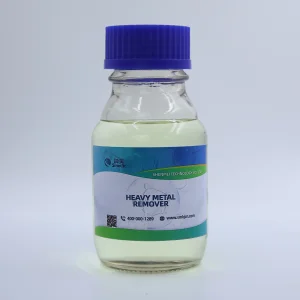
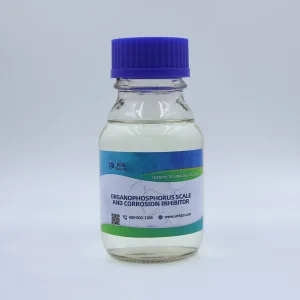
Explore our range of industrial wastewater chemicals, advanced scaling inhibitors, and flocculants engineered for strict compliance and peak performance.
Per- and polyfluoroalkyl substances (PFAS), widely referred to as "forever chemicals" due to their thermal stability and resistance to biodegradation, represent one of the most critical environmental and public health challenges of the 21st century. Comprising thousands of synthetic fluorinated organic compounds, PFAS are detected globally in municipal drinking water sources, landfill leachates, industrial process effluents, and agricultural runoffs. The unique amphiphilic properties of PFAS (having both hydrophobic, lipophobic carbon-fluorine tails and hydrophilic head groups) make them highly mobile and incredibly difficult to remove with standard biological or chemical precipitation techniques.
As a leading ODM Reverse Osmosis PFAS supplier and exporter, Smedic Technology is at the forefront of providing custom chemical formulations and high-performance scale inhibitors that protect these essential membrane systems. High-pressure membrane systems designed for PFAS concentration are notoriously susceptible to scaling, bio-fouling, and mineral precipitation. Without precise anti-scalant chemistry and chemical dosing strategies, membrane flux declines rapidly, operational pressures escalate, and treatment costs become unsustainable. Our role as a global ODM exporter is to supply premium, custom-formulated environmental protection agents that optimize RO system recovery rates and longevity.
The demand for advanced Reverse Osmosis water treatment solutions has surged exponentially, driven by unprecedented regulatory enforcement across North America, Europe, and the Asia-Pacific region. The regulatory standards are shifting from loose advisories to legally enforceable Maximum Contaminant Levels (MCLs) in the parts-per-trillion (ppt) range.
While Reverse Osmosis is highly effective at rejecting PFAS molecules (such as PFOA, PFOS, PFBS, and GenX), the technology is inherently a concentration process. The PFAS molecules remain in the retentate (concentrate) stream, which must be minimized to lower downstream destruction or disposal costs. High-volume municipal and industrial operators aim for maximum water recovery (typically 80% to 95%).
As recovery levels rise, the concentrations of mineral salts like calcium carbonate, calcium sulfate, barium sulfate, and silica in the feed water exceed their solubility limits. They begin to precipitate onto the membrane surface, creating a hard scale layer. This process, known as membrane scaling, directly leads to:
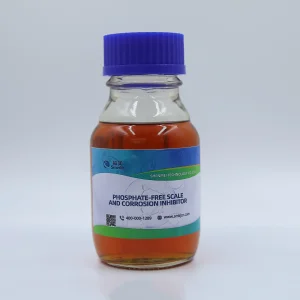
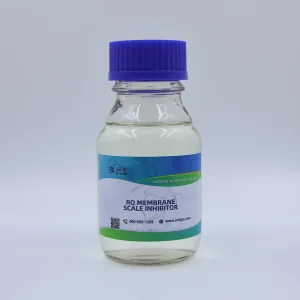
Smedic Technology solves this bottleneck by designing and exporting proprietary RO Membrane Scale Inhibitors and high-performance Organophosphorus/Phosphate-free anti-scalants. These chemicals act through threshold inhibition, crystal lattice modification, and dispersion mechanics to keep scales in suspension, even at high saturation levels.
As a global ODM supplier, our environmental agents are deployed across diverse applications to optimize water purification, minimize scaling, and assist in PFAS concentration and separation strategies:
Treating surface water and groundwater contaminated by agricultural runoff and historical industrial use. Smedic's NSF-grade scale inhibitors ensure high recovery rates in large-scale drinking water RO installations.
Semiconductor manufacturing, chemical processing, and electroplating facilities utilize RO systems to clean and reuse wash water. Smedic products help maintain ultra-pure water standards by preventing bio-fouling and mineral deposition.
Leachate contains highly concentrated, complex mixtures of PFAS, organics, and heavy metals. Smedic's heavy metal removal agents and specialized defoamers are used as crucial pre-treatments to safeguard downstream RO units.
Smedic Technology Co., Ltd. was established in 2011 as a comprehensive solution provider specialized in environmental protection agents, integrating R&D, production, sales, and engineering-related technical services. We are dedicated to providing customers with customized chemical products, technical solutions, and services. Smedic produces environmental protection agents covering multiple sectors such as municipal sewage, industrial wastewater, and tap water treatment, as well as mineral processing agents, and oilfield chemicals. We offer more than 80 different environmental protection products, with an annual production capacity exceeding 1 million tons.
Our corporate headquarters is located in Beijing. We have multiple wholly-owned production bases in Hebei, Guizhou, Shanxi, and other regions, and have set up more than ten OEM partner factories and regional warehousing and logistics bases in Shandong, Shanxi, Anhui, Guangxi, and Sichuan provinces, among others. Our business and service network covers over 20 provinces across China. Our projects involve more than 600 urban sewage treatment plants and over 1,000 end customers in industrial wastewater treatment, mineral processing, and oilfield chemicals.
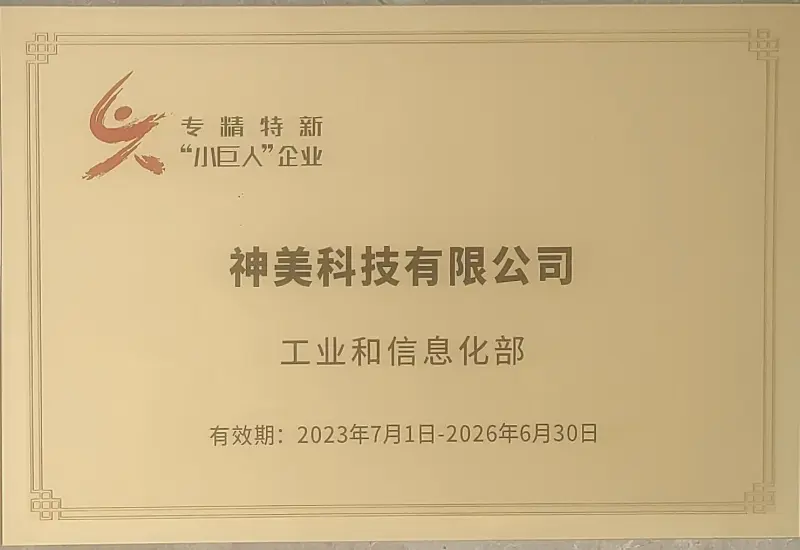
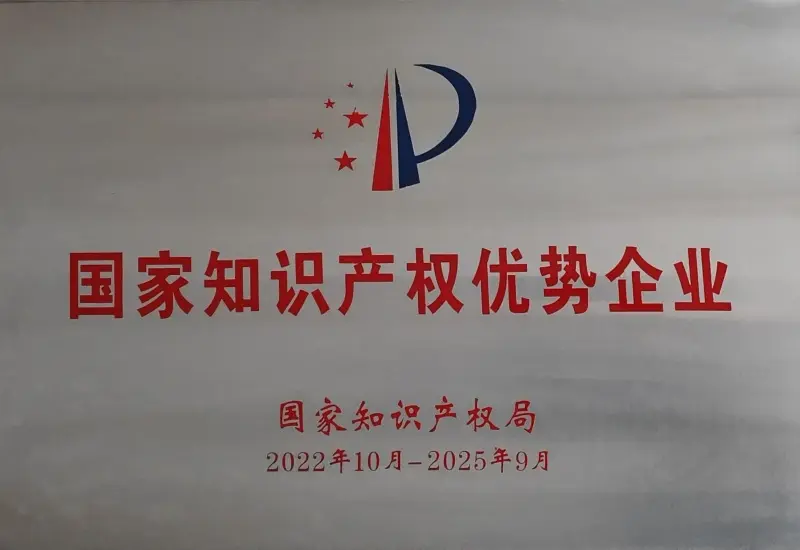
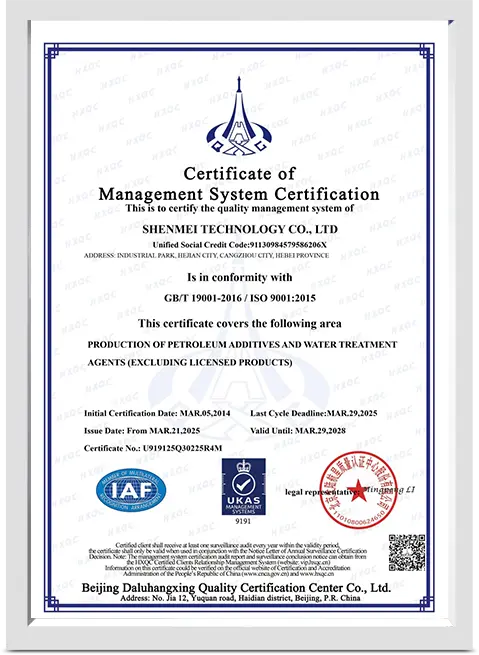
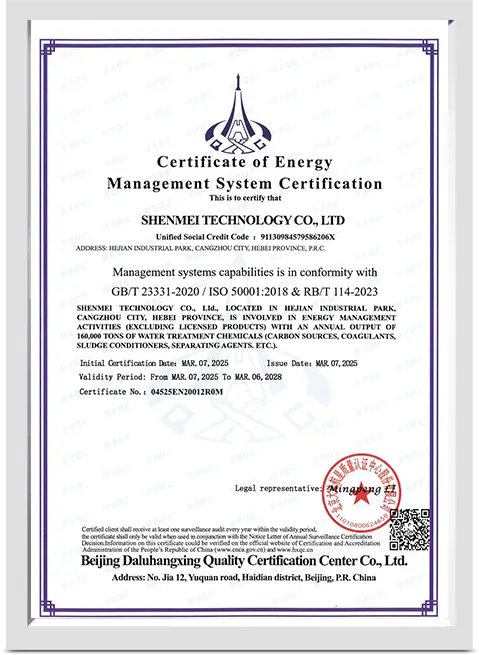
We have obtained qualifications such as National High-tech Enterprise, National Specialized, Refined, Unique and Innovative "Little Giant" Enterprise, National Key-Supported Specialized, Refined, Unique and Innovative "Little Giant" Enterprise, Hebei Province Specialized, Refined, Unique and Innovative "Little Giant" Demonstration Enterprise, Hebei Province Green Factory, Hebei Province Science and Technology-based Small and Medium-sized Enterprise, and China's Science and Technology-based Innovative Small and Medium-sized Enterprise.
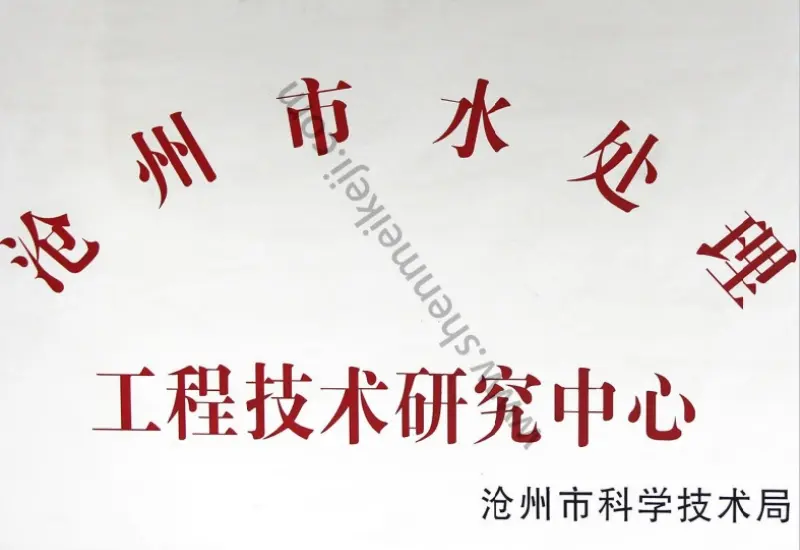
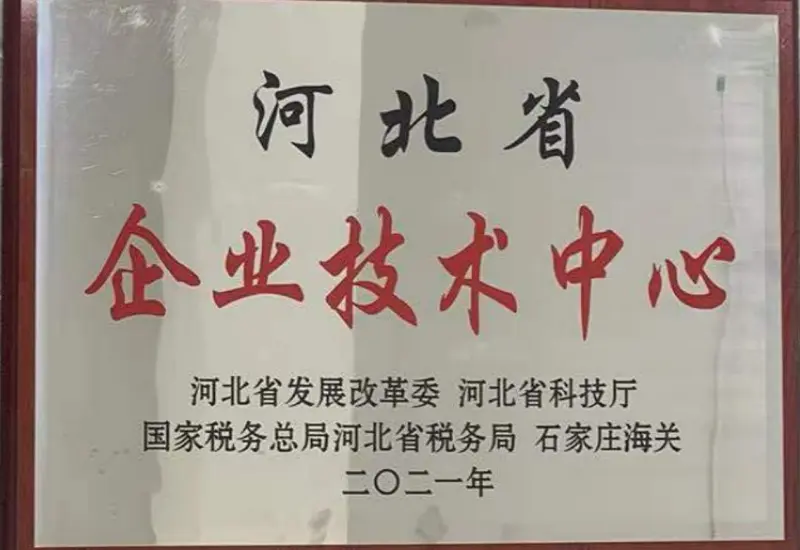
We have a core technical team composed of academicians, experts, professors, and senior engineers, and have established an R&D system and a technology commercialization platform centered around one academy, three research institutes, and five bases. We have established the Hebei Provincial Enterprise Technology Center, the Hebei Provincial Advanced Water Treatment Chemicals Technology Innovation Center, and the Cangzhou Water Treatment Engineering Technology Research Center, and have been recognized as a Class A R&D institution in Hebei Province. We have established an expert workstation with Tsinghua University Association of Senior Scientists and Technicians, and have set up joint R&D laboratories with Shandong University and Beijing University of Technology. Additionally, we also serve as a commercialization partner for the industry-academia-research achievements of institutions such as Peking University and Tianjin University.
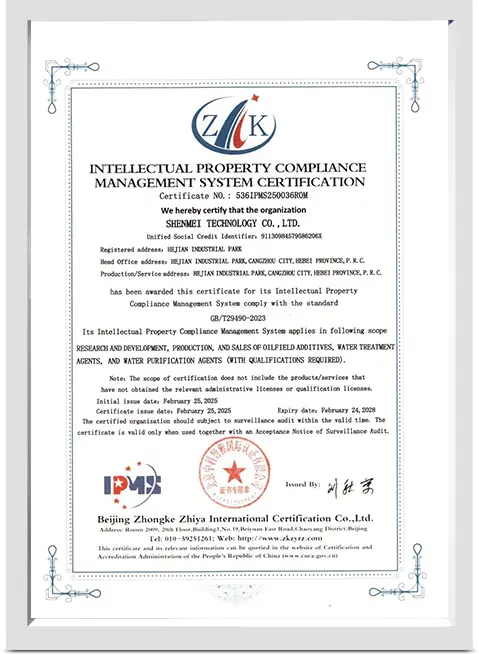
We have been granted over sixty Chinese patents, including more than forty invention patents and over twenty utility model patents. We have led the drafting of more than ten national and industry standards, including those for composite carbon sources, composite coagulants, sodium acetate, and nitrifying and denitrifying bacterial agents.
The patented technologies and products we have independently developed, such as the bio-enhanced denitrification carbon source and the deep multi-nuclear phosphorus removal agent, have passed the scientific and technological achievement evaluation conducted by the Science and Technology Department of Hebei Province. These achievements have been appraised as “internationally advanced” and have filled a domestic gap in this product category.
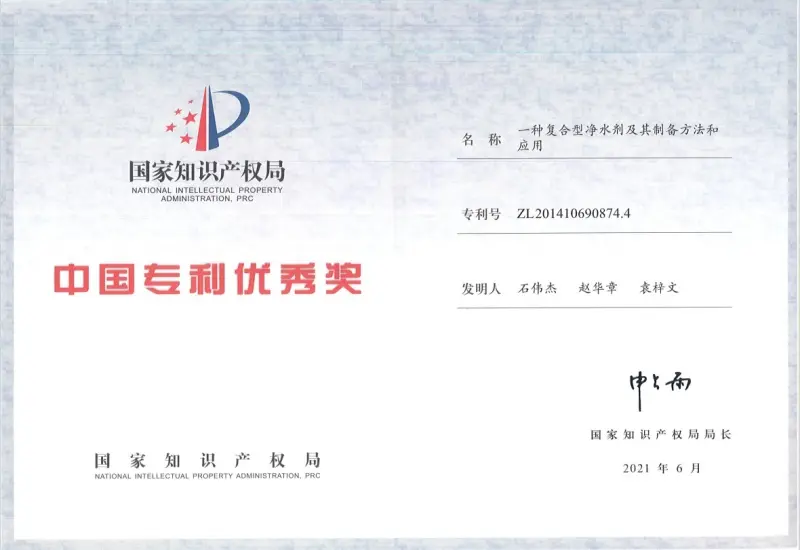
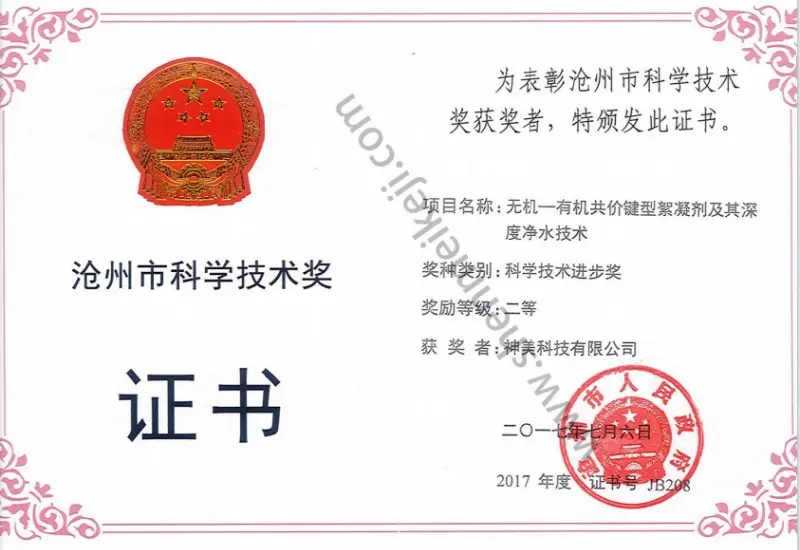
Our “Active Oxygen Compound Disinfectant” has been recognized as a National Construction Industry Scientific and Technological Achievement Promotion Project by the Science and Technology Development Promotion Center of the Ministry of Housing and Urban-Rural Development. Our independently developed “Inorganic-Organic Covalent Bond Flocculant and Its Advanced Water Purification Technology” has won multiple awards, including the 22nd China Patent Award, the First Prize for Technological Invention from the China Petrochemical Industry Association, the Hebei Province Science and Technology Progress Award, and recognition as a Belt and Road SME Recommended Project.
We have been recognized as the “Leading Brand of Advanced Wastewater Treatment Chemicals” and the “Most Valuable Water Treatment Chemicals Brand” by China Water Network and the E20 Environmental Platform for four consecutive years. We have established long-term strategic partnerships with dozens of major water groups, including Shouchuang Ecological and Environmental Group, Yangtze River Ecological and Environmental Group, Beijing Enterprises Water Group, OriginWater, and China Water Environment Group, and have been included in their centralized procurement supplier lists.
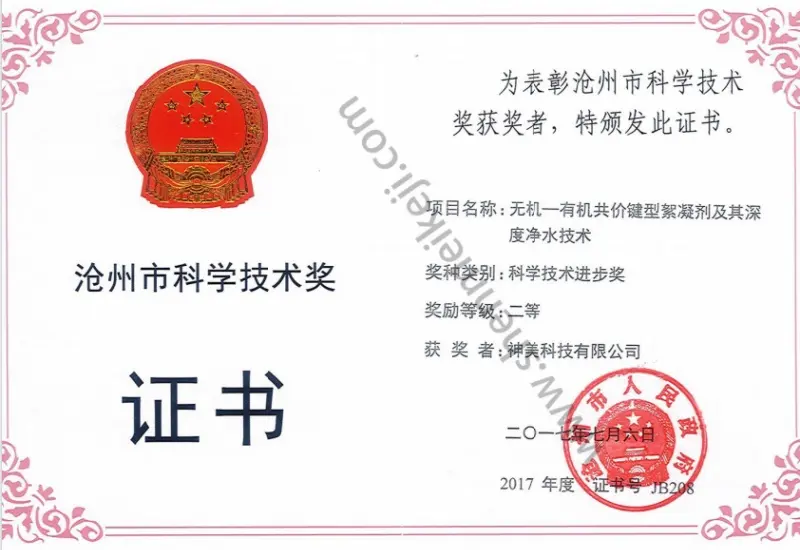
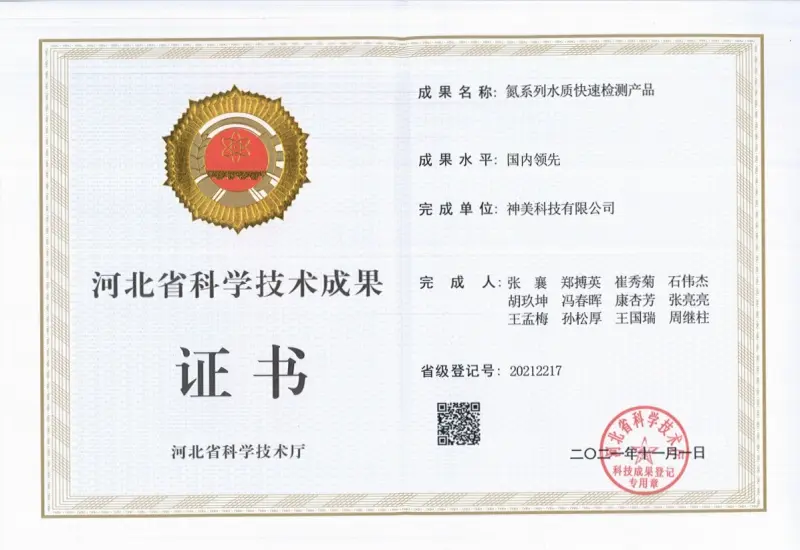
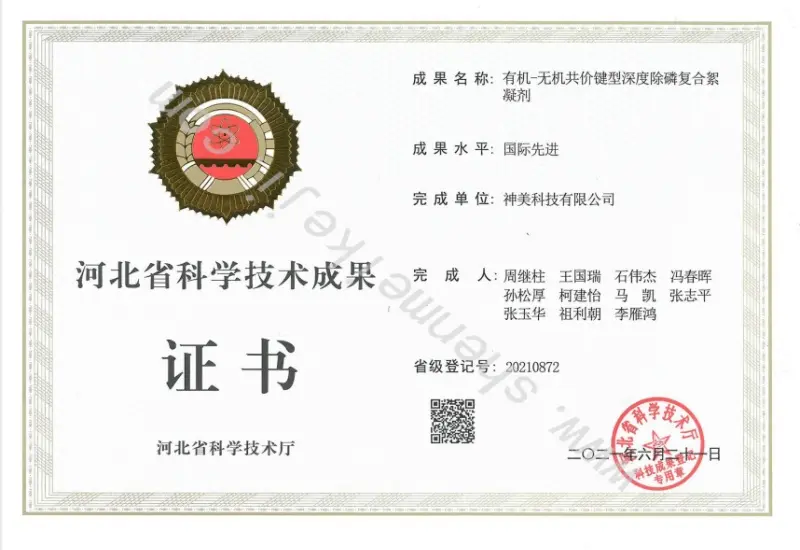
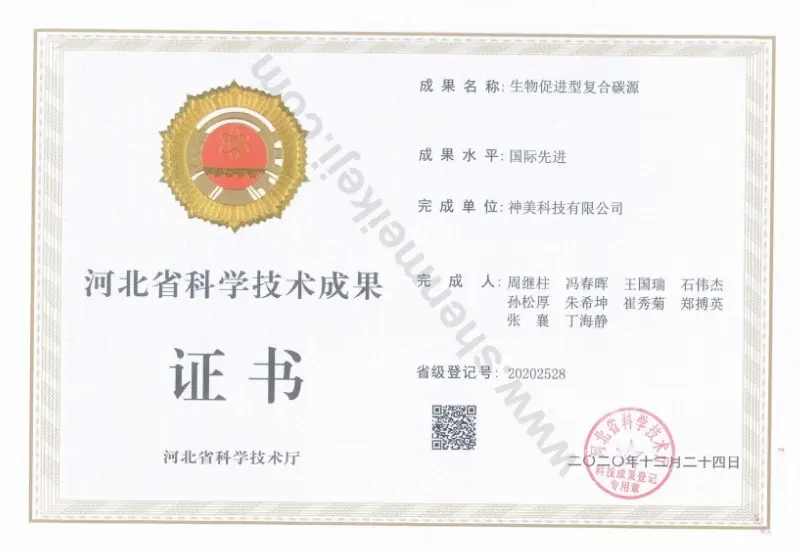
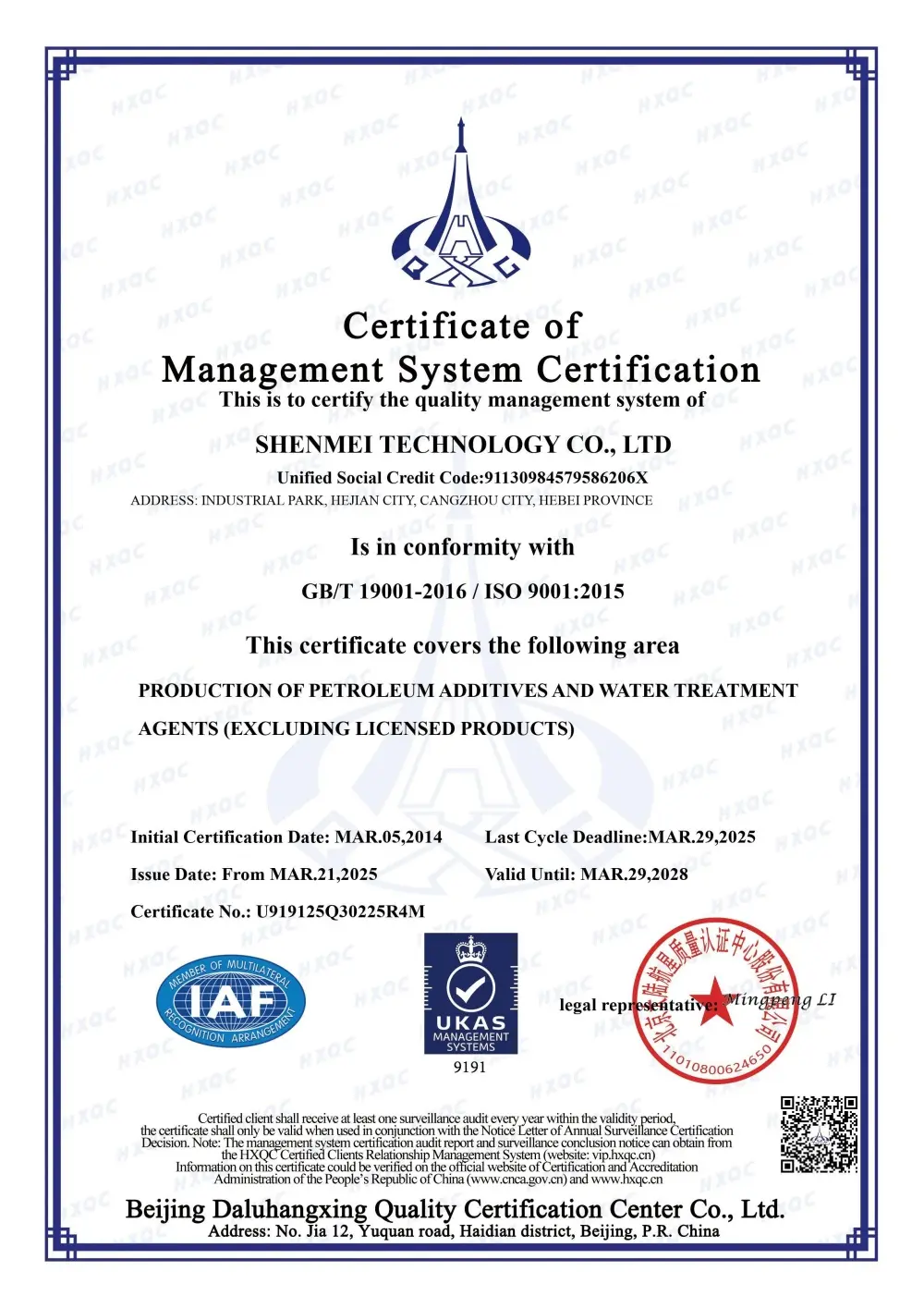
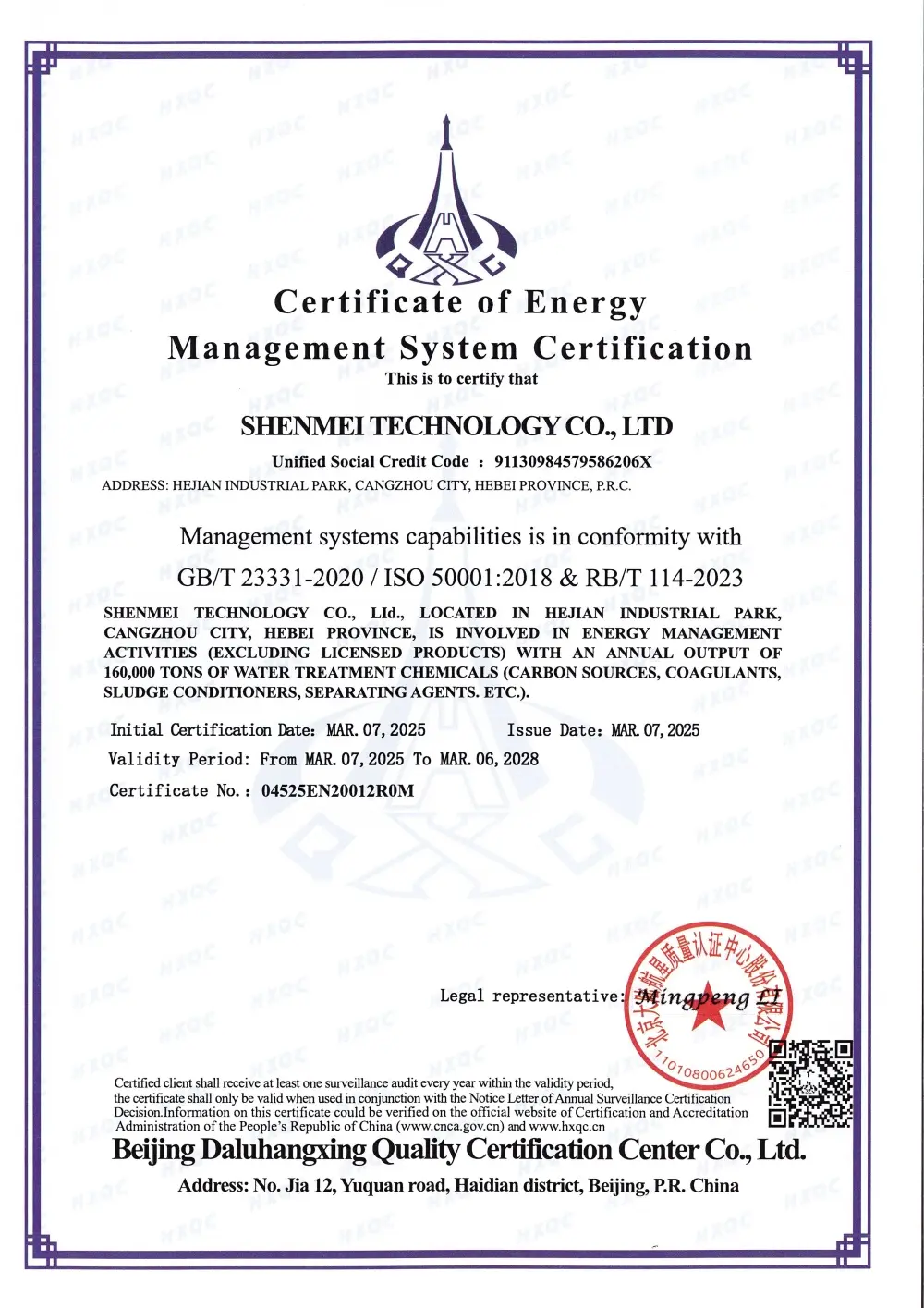
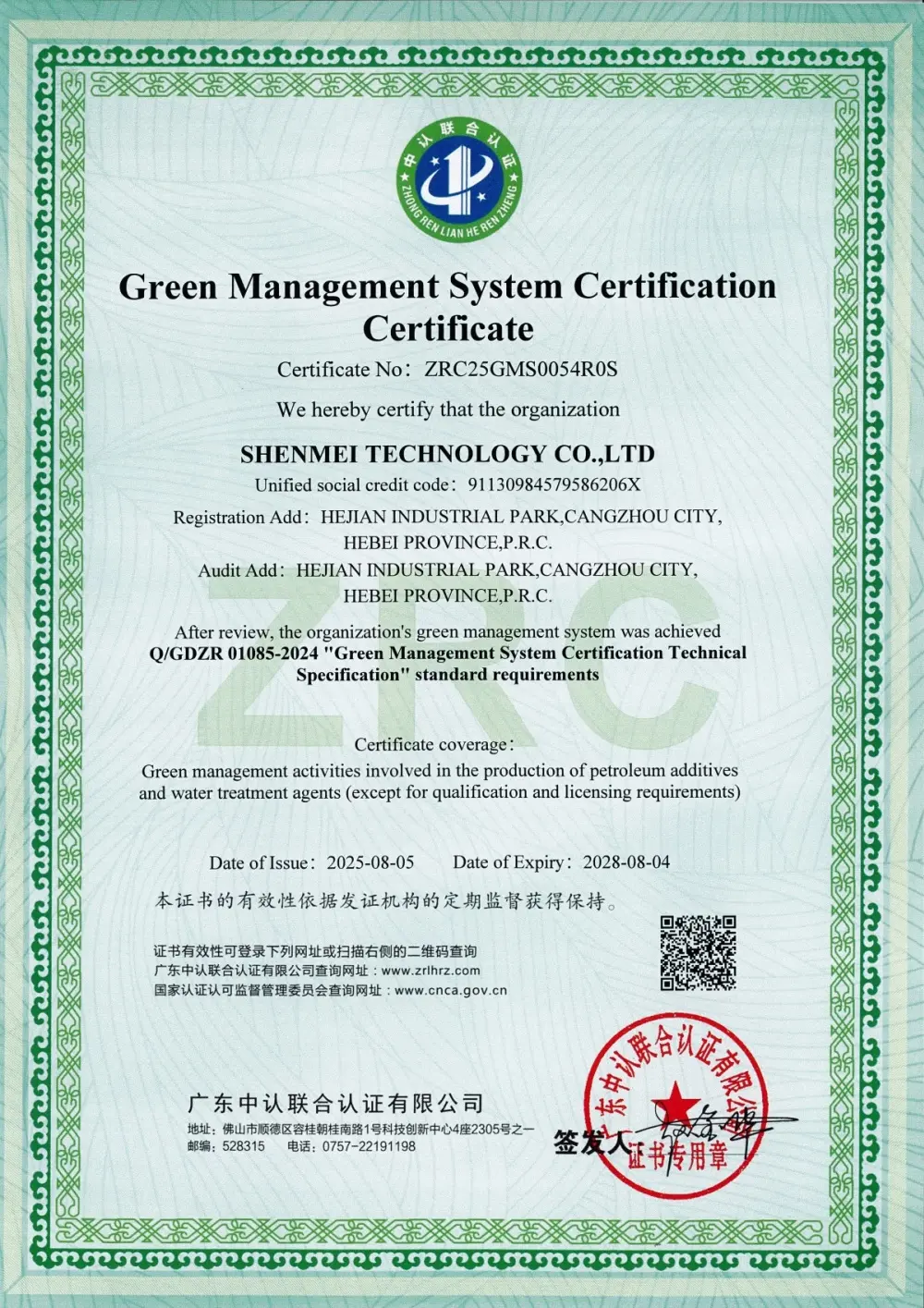
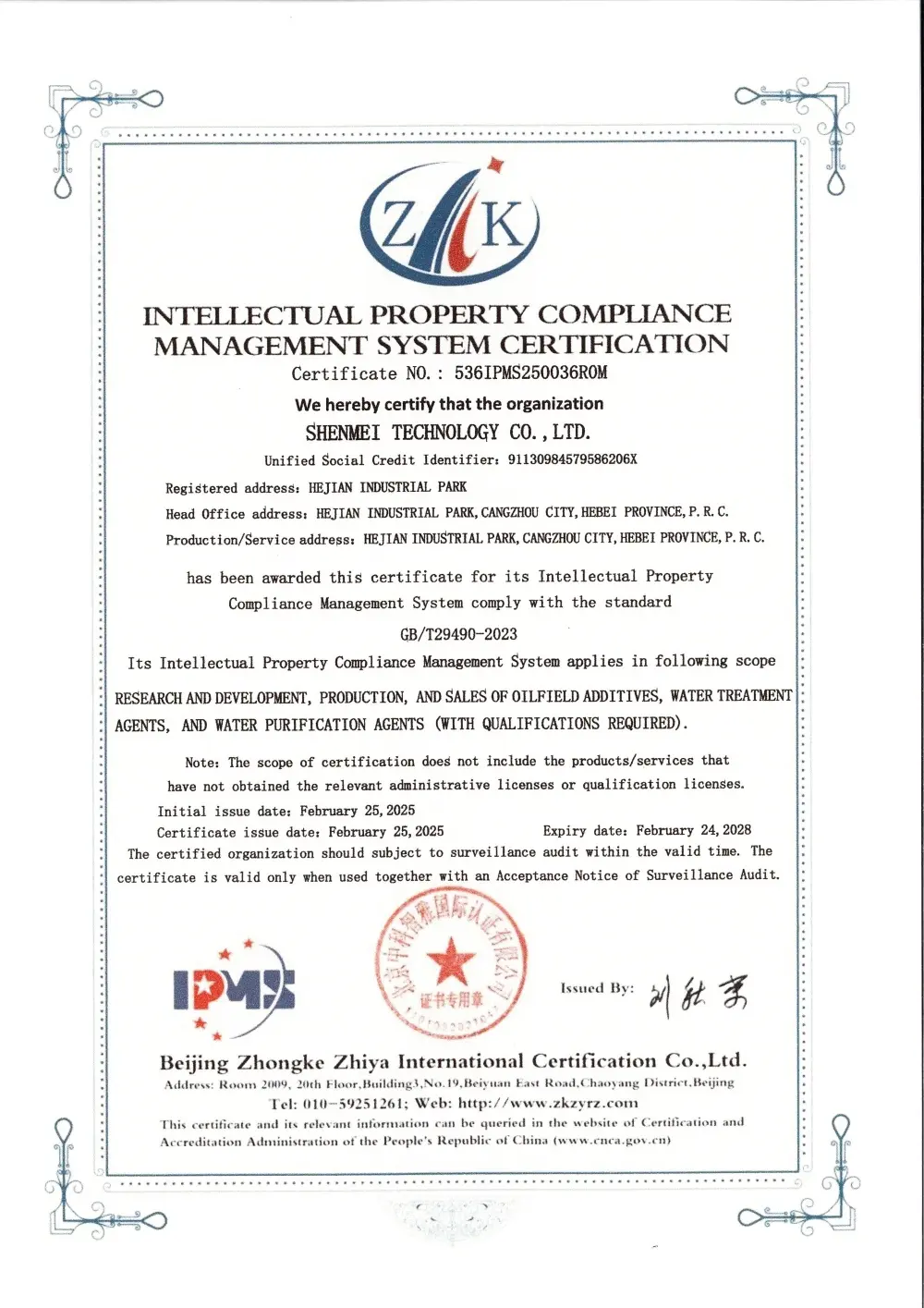
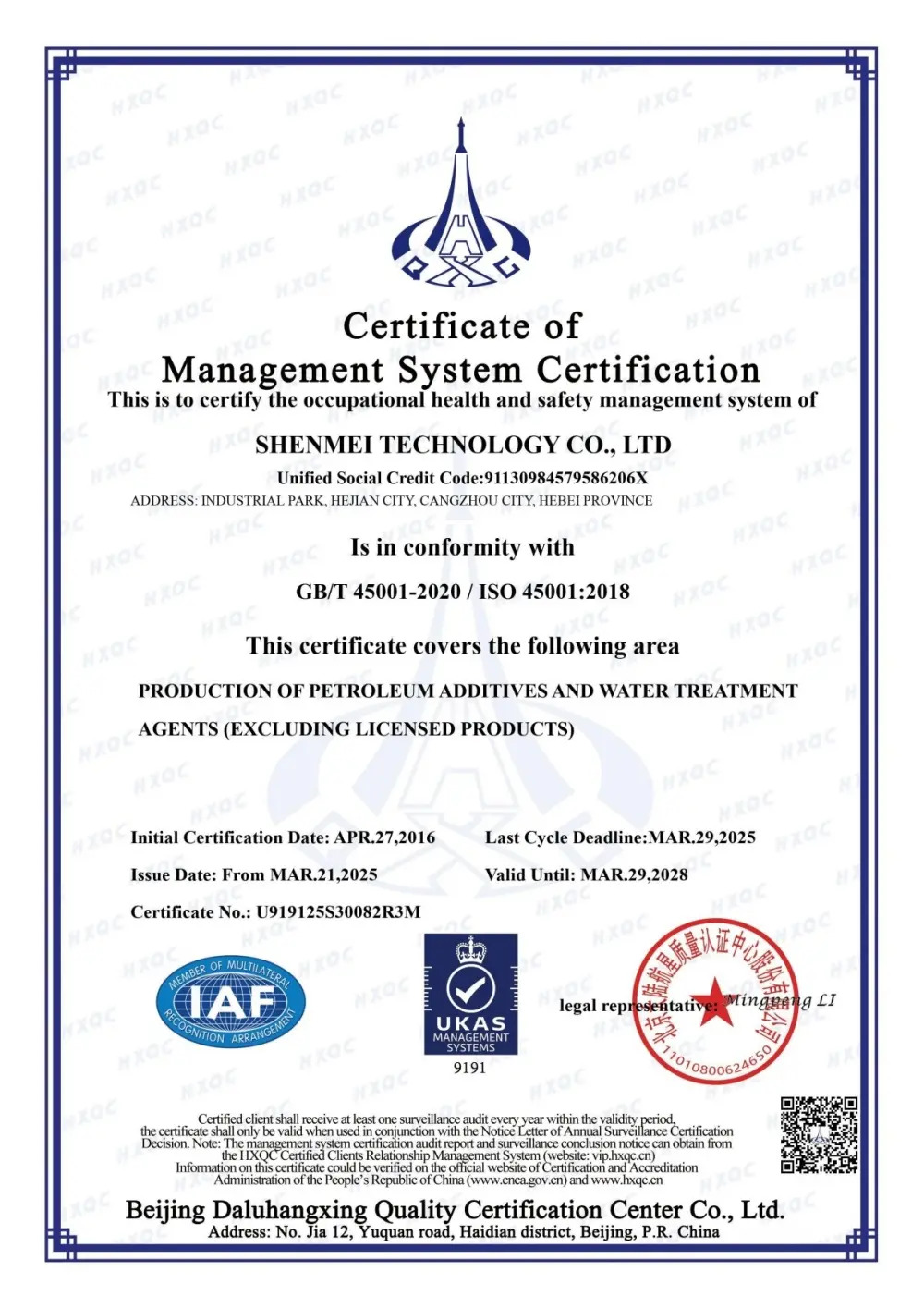
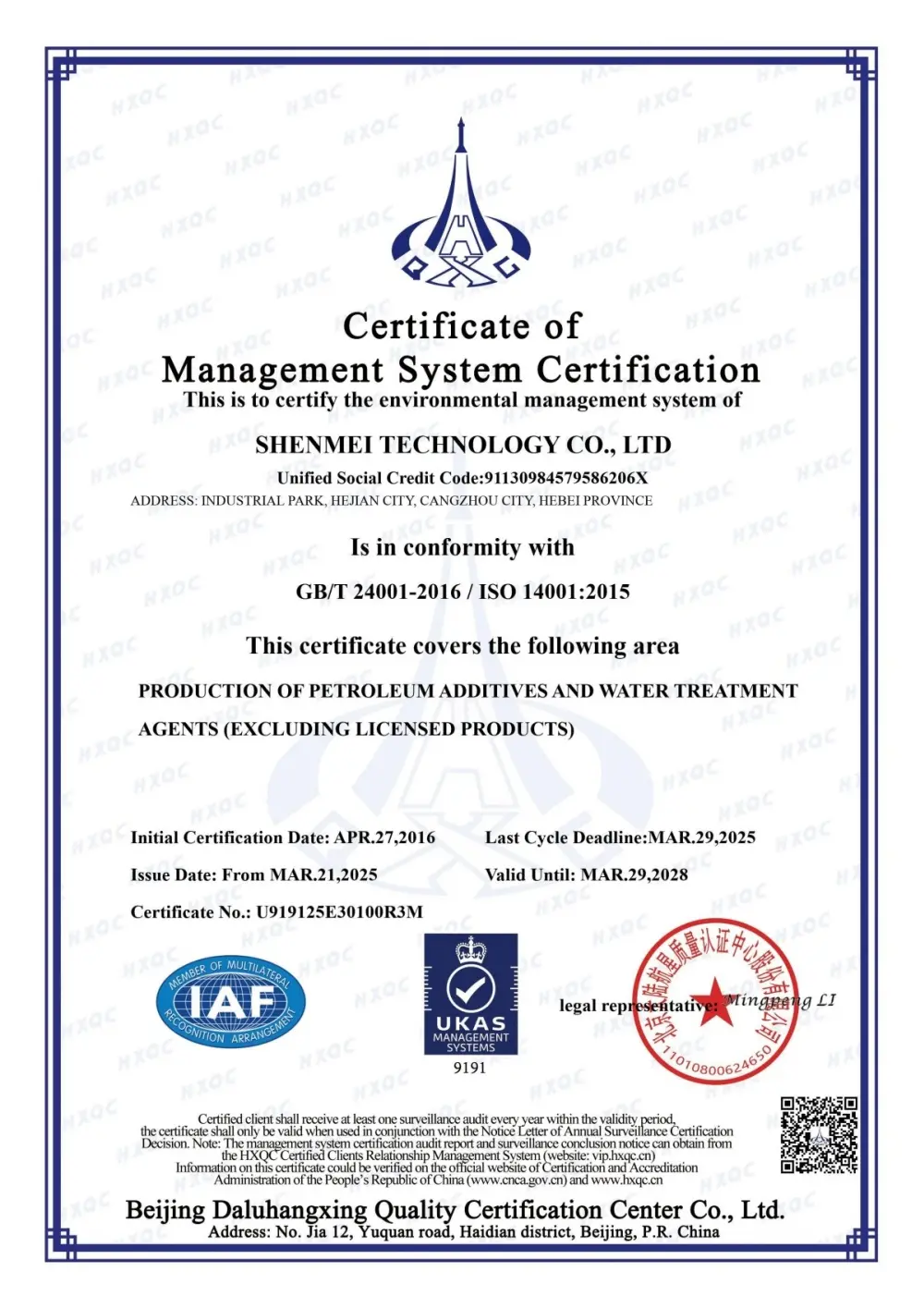
Traditional scale inhibitors often rely heavily on high-concentration phosphorus chemistry, which can lead to eutrophication when discharged into surface water bodies. To address this environmental drawback, Smedic's technology roadmap focuses on developing eco-friendly, green inhibitors and custom polymeric coagulants that deliver high performance without compromising water safety.
Smedic's advanced scale inhibitors function through threshold inhibition, which slows the rate of scale formation by keeping salts in a state of supersaturation. The active polymers selectively adsorb onto the active growth sites of micro-crystallites, altering their crystal structure. This crystal lattice modification prevents the particles from forming a hard, dense scale layer on the membrane, keeping them as a loose, easily flushed particulate slurry.
Through our collaborations with Tsinghua University and Shandong University, we are expanding our line of phosphate-free scale inhibitors. These formulations are designed to meet stringent ecological regulations worldwide. By utilizing high-charge organic polymers and green chelating agents, we provide water treatment systems with effective scaling control without adding nutrient loads to discharged effluents.
Explore our specialized chemical agents designed to improve clarifying, foaming control, and heavy metal removal in challenging environments.
 Smedic Tech