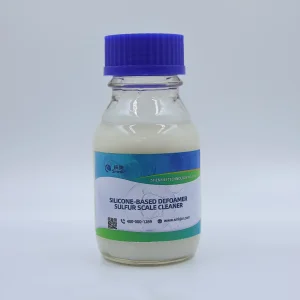
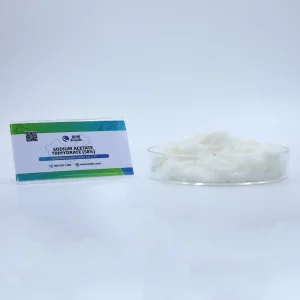
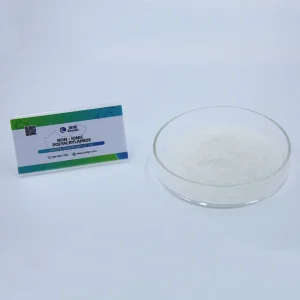
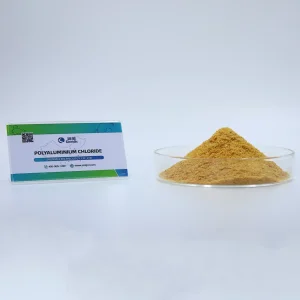
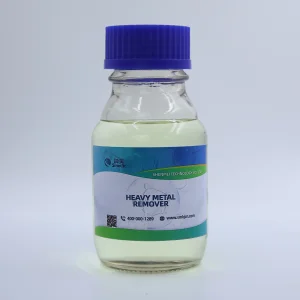
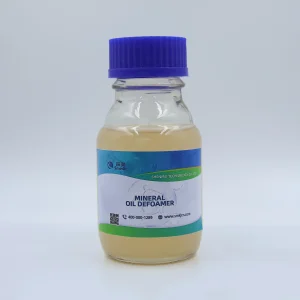
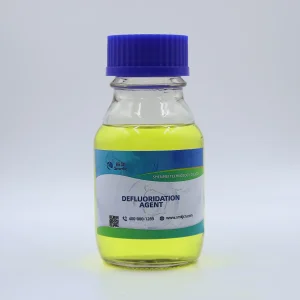
Explore our specialized ODM & OEM solutions engineered for complex municipal, industrial, and cooling tower systems.
Established in 2011, Smedic Technology Co., Ltd. is a comprehensive environmental protection agent solution provider integrating R&D, production, sales, and customized engineering services. We are globally recognized for our advanced water treatment agents, including high-efficiency scale inhibitors, green rust inhibitors, defoamers, and flocculants.
Serving multiple municipal sewage plants, heavy industrial wastewater loops, tap water facilities, mineral processing lines, and complex oilfield operations, our total manufacturing capacity surpasses one million tons annually.
The global economic impact of metallic corrosion and pipeline scaling amounts to billions in operational losses annually.
Corrosion and scaling are joint challenges across municipal sewage treatment, industrial boilers, heavy mining loops, and chemical processing facilities. Scaling, characterized by calcium carbonate, calcium sulfate, and silica deposition, diminishes heat transfer efficiency in heat exchangers and cooling towers. Simultaneously, oxidation processes on metal substrates trigger rapid corrosion rates, resulting in structural failures, micro-crack expansions, and catastrophic product leaks.
To counteract these thermal and physical degradation mechanisms, industries have shifted from simple post-damage scaling treatments to proactive chemical modification systems. Traditional corrosion inhibitors relied on chromates and high-phosphate compounds. However, current global environmental regulations (such as REACH and national wastewater discharge standards) restrict heavy-metal and high-phosphorus discharges. This regulatory environment drives the market demand for eco-friendly, green, and biodegradable organophosphorus formulations, alongside completely phosphate-free polymer corrosion inhibitors.
Scale buildup acts as an insulating barrier, reducing heat exchanger thermal conductivity by up to 40% with just 1mm of deposit thickness.
Synergistic adsorption of corrosion inhibitors on metal boundaries isolates the active substrate from oxygen and acidic water channels.
Phosphorus discharge limitations in rivers and municipal outflows necessitate advanced green polymer technologies for zero-pollution operations.
Operating from Beijing with comprehensive production bases and supply corridors spanning over 20 provinces across China.
Our strategic corporate headquarters is situated in Beijing, supported by wholly-owned chemical synthesis bases in Hebei, Guizhou, and Shanxi. To guarantee rapid, on-demand logistics, we operate more than ten specialized OEM partner factories and regional warehousing nodes in Shandong, Shanxi, Anhui, Guangxi, and Sichuan provinces.
This supply chain network manages a total processing capacity of 20 million tons per day, providing reliable logistics for over 1,000 corporate clients across wastewater, mining, and oil extraction sectors. Smedic is a leading participant in the premium environmental chemical agent supply chain.
Supporting over 600 urban scale and water purification plants.
Tailored dosing regimens for oilfields and mineral refining lines.
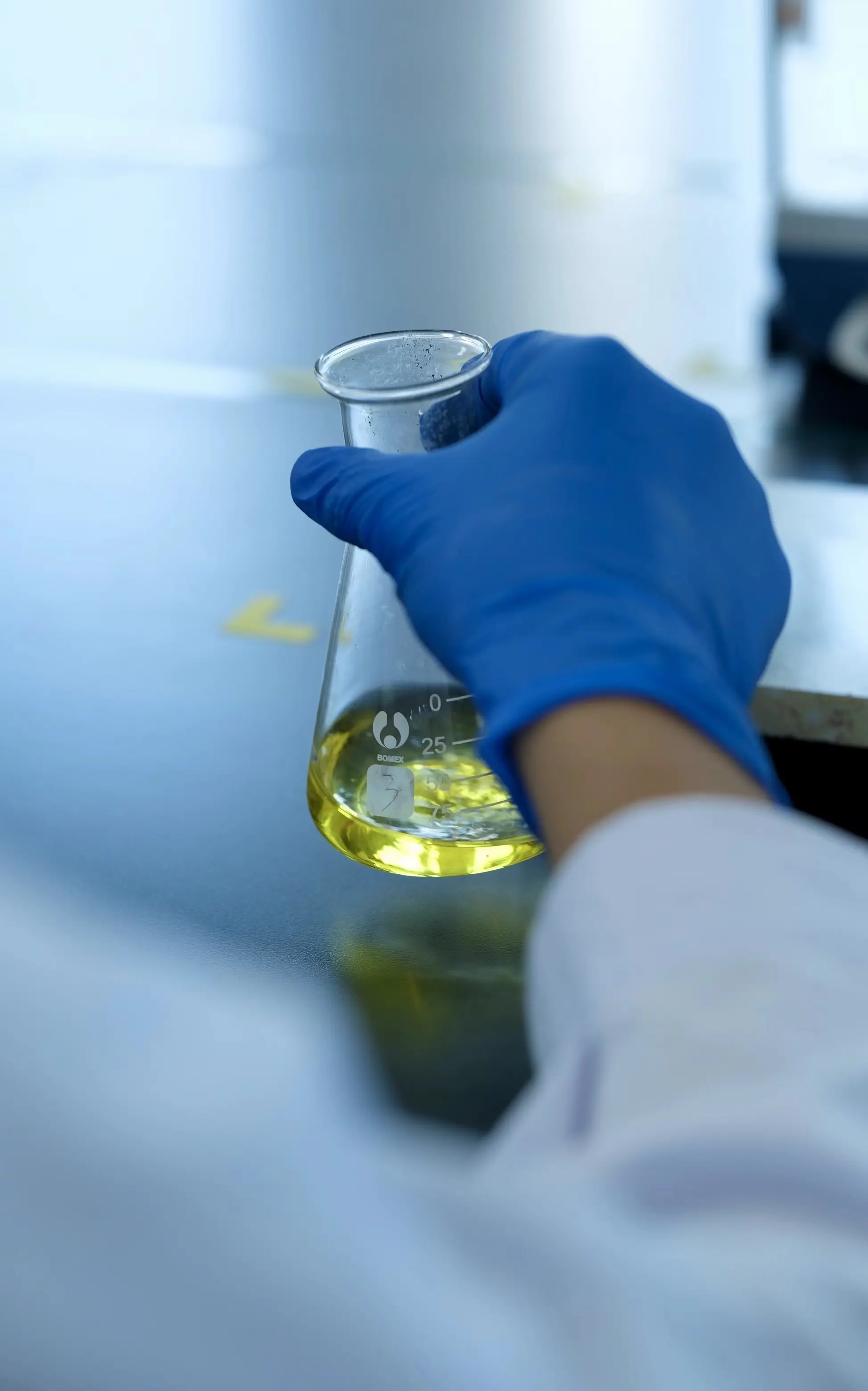
Combining organophosphorus compounds and eco-friendly polymers to design high-performance barrier agents.
The action mechanism of corrosion and rust inhibitors revolves around the creation of coordinate bonds on metal substrates. Organic inhibitors containing electronegative elements such as phosphorus, nitrogen, oxygen, and sulfur donate free electron pairs to the empty d-orbitals of transition metal atoms (such as iron or copper). This electron sharing forms a dense, hydrophobic protective layer, preventing hydration and electrochemical oxidation.
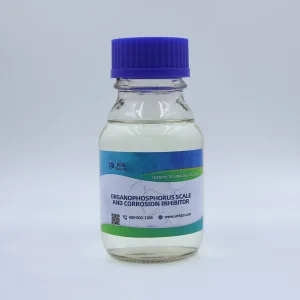
We utilize various chemical configurations to resolve dynamic scale-deposition issues. Our organophosphorus scale and corrosion inhibitors (using HEDP, ATMP, or PBTC bases) complex with calcium, magnesium, and iron ions, disrupting crystal growth structures. The scale crystallites are distorted from hard calcite states into loose, non-adhering particles that are easily flushed out by normal fluid velocities.
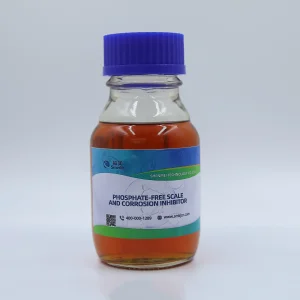
For environmentally sensitive systems, our green, phosphate-free scale and corrosion inhibitors utilize polycarboxylic acids, polyaspartic acid (PASP), and epoxysuccinic acid (PESA) copolymers. These formulations offer high biodegradability, zero phosphorus output, thermal stability, and effective dispersion properties, meeting stringent environmental standards.
| Chemical Class | Main Active Components | Target Systems | Corrosion Resistance | Environmental Index |
|---|---|---|---|---|
| Organophosphorus Inhibitors | HEDP, ATMP, PBTC, Phosphono-carboxylates | High-hardness industrial cooling loops, heat exchangers | High (Anodic polarization) | Standard - Phosphorus regulated |
| Phosphate-Free Inhibitors | PASP, PESA, Acrylic acid/sulfonic acid copolymers | Municipal outflows, environmentally sensitive loops | Excellent (Chemisorption barrier) | Green - Fully biodegradable |
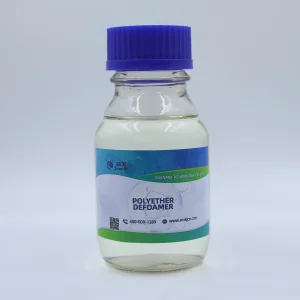
| Polyether Defoamers | Block polyoxyethylene polyoxypropylene ethers | High-shear biological aeration and industrial lines | N/A (Foam inhibition) | Eco-Safe |
| Inorganic Flocculants | PAC (Polyaluminum Chloride), Polyferric Sulfate | Secondary clarifiers, heavy-metal sedimentation | Protective oxide film formation | Compliant with water safety standards |
Certified by state-level engineering boards and academic joint laboratories for industrial scale control solutions.
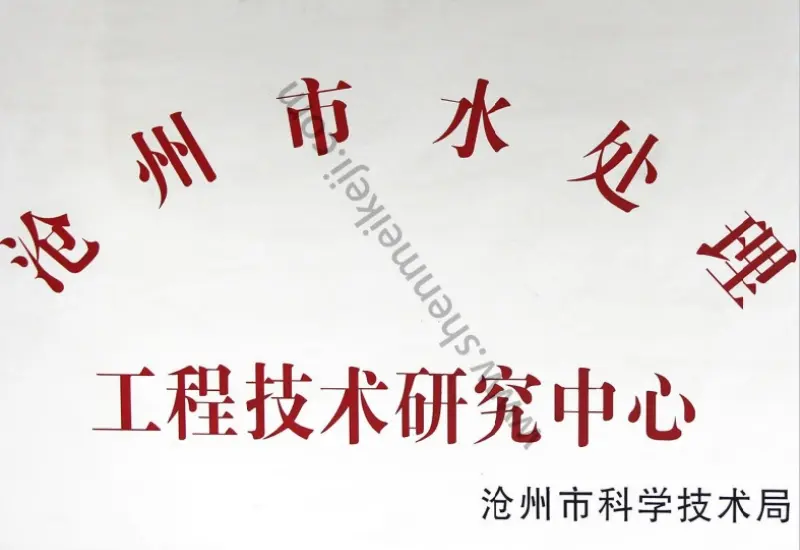
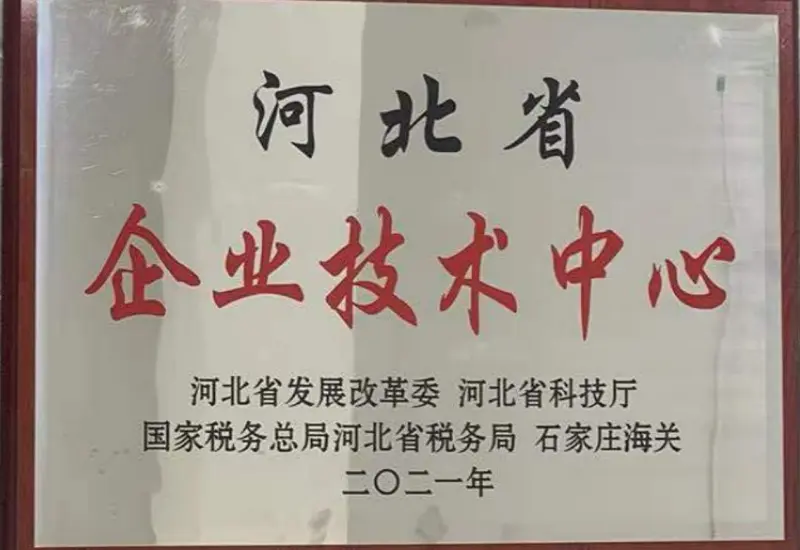
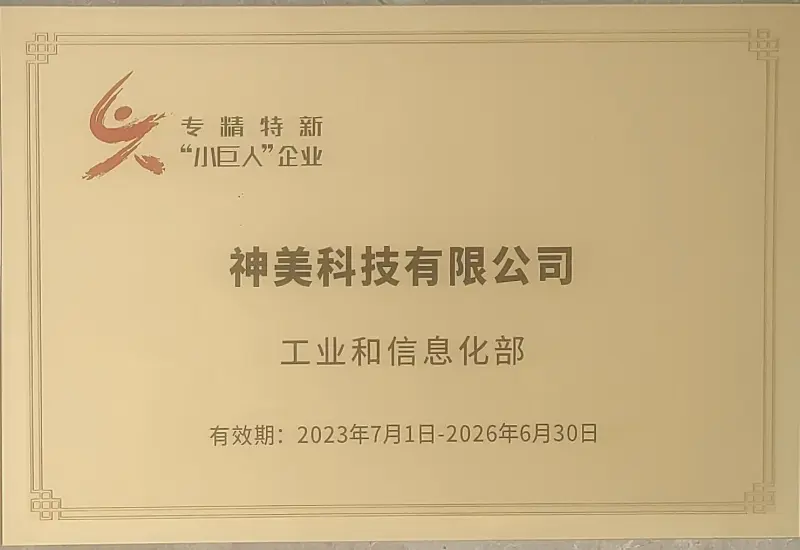
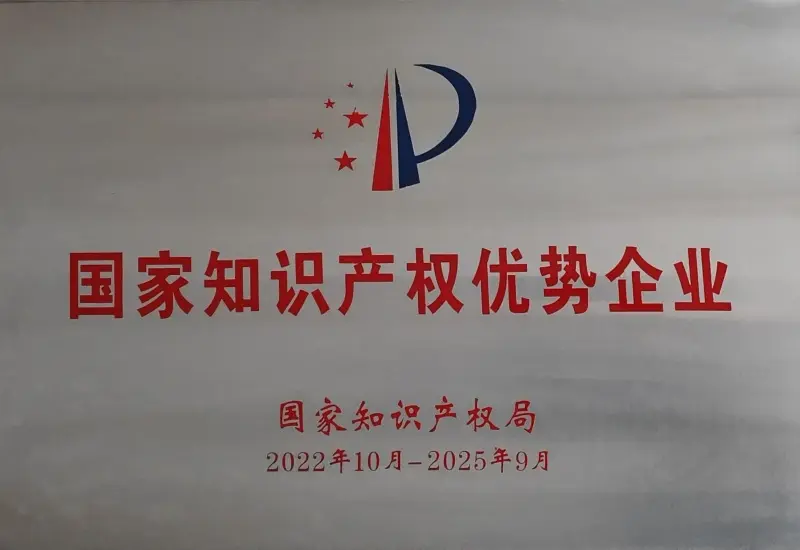
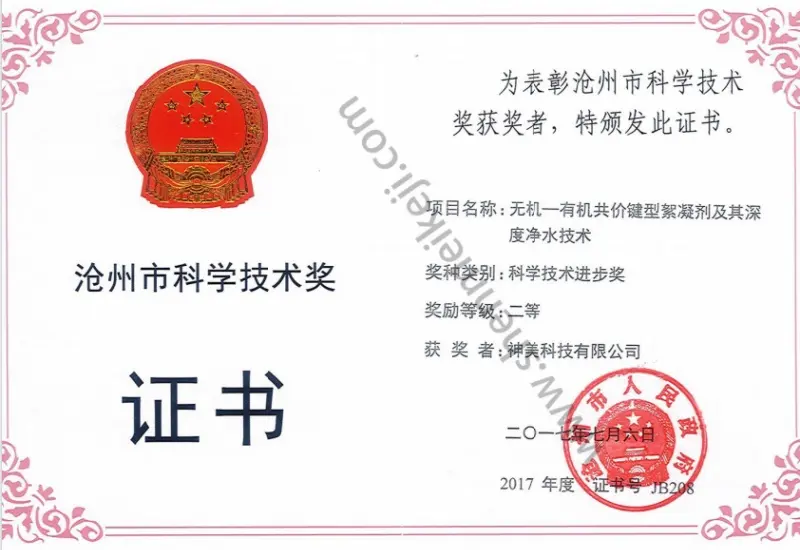
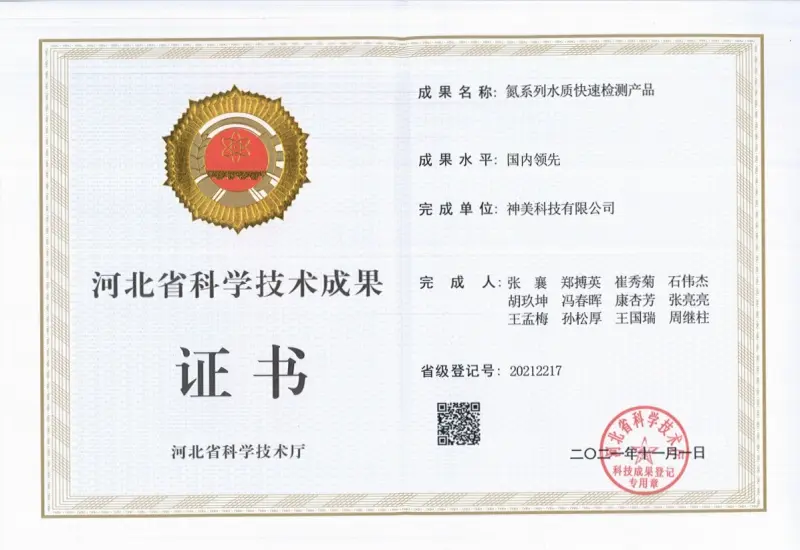
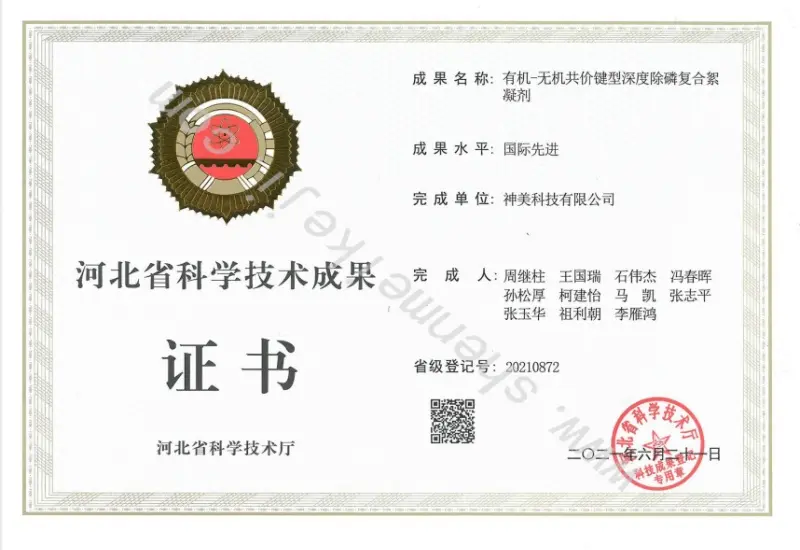
Smedic has obtained national recognitions including National High-tech Enterprise, National Specialized, Refined, Unique and Innovative "Little Giant" Enterprise, and Hebei Province Green Factory status. Our core technology team is composed of academicians, professors, and senior engineers operating across one academy, three research institutes, and five regional bases.
We operate the Hebei Provincial Advanced Water Treatment Chemicals Technology Innovation Center and maintain an active expert workstation with the Tsinghua University Association of Senior Scientists and Technicians. We also collaborate on joint R&D laboratories with Shandong University and Beijing University of Technology.
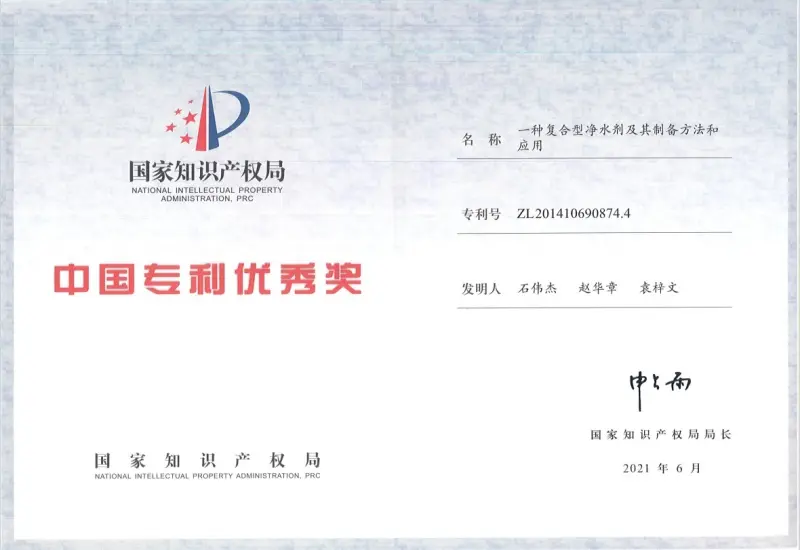
Smedic holds over sixty Chinese patents, including 40+ invention patents and 20+ utility model patents. We have drafted more than ten national and industry chemical standards for composite carbon sources, composite coagulants, sodium acetate, and nitrifying bacterial agents.
Analyzing custom ODM inhibitors across municipal sewage, mining, oilfield injection, and heavy refining loops.
High recycling rates in industrial cooling towers cause mineral concentration, leading to scale deposition and corrosion on structural components.
Solution: Organophosphorus corrosion inhibitors tailored with zinc salts to suppress both anodic and cathodic corrosion processes.
Subsurface water injection contains high levels of sulfates and carbonates, leading to scale deposits that obstruct porous structures in downhole zones.
Solution: Thermal-resistant polymers that dispersion-stabilize barium and strontium scales under high pressure and temperature.
Wastewater plants must reduce scaling in heat exchangers and sludge lines without introducing toxic residues that disrupt nitrification bacteria.
Solution: High-biodegradability, phosphate-free inhibitors that comply with phosphorus discharge regulations.
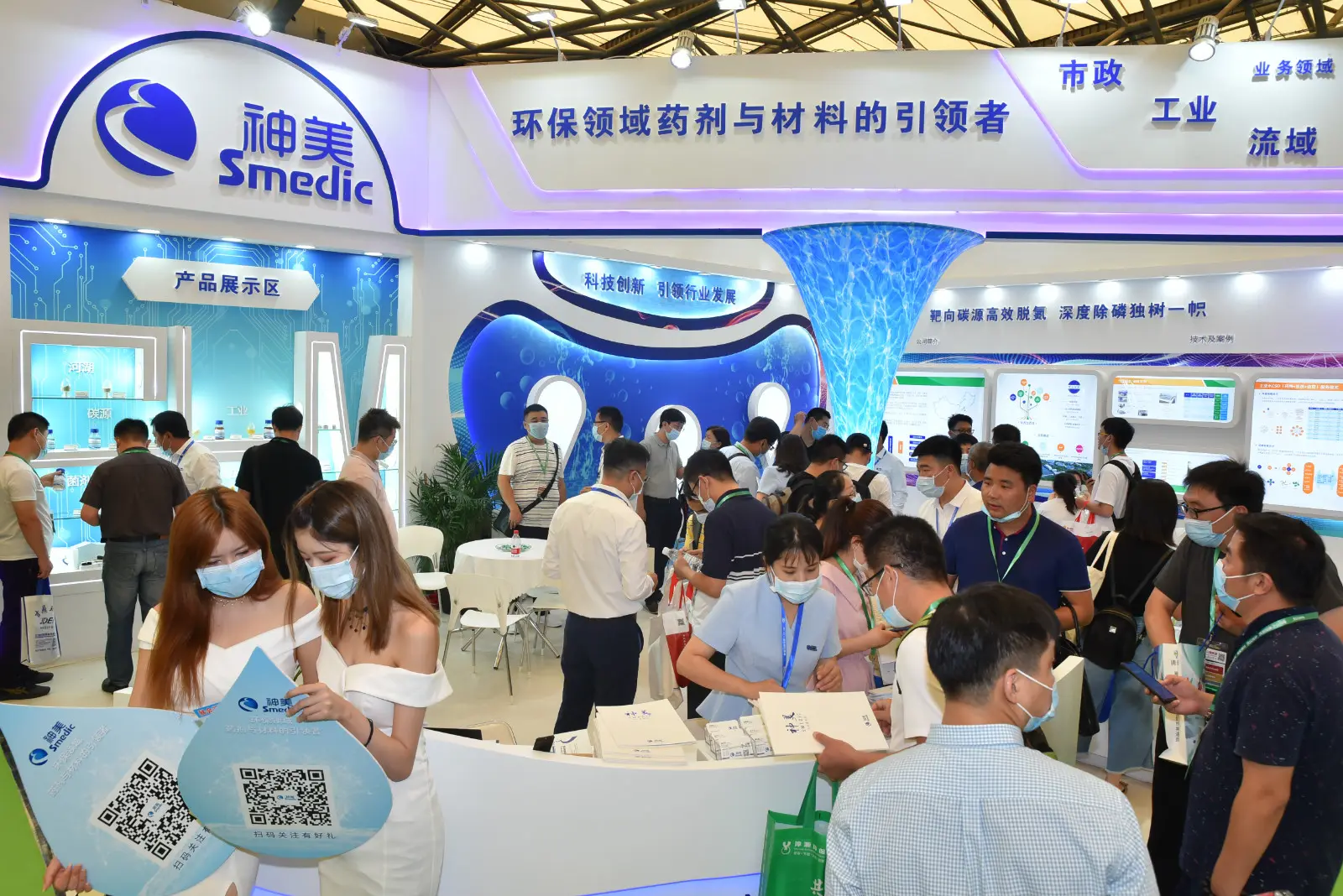
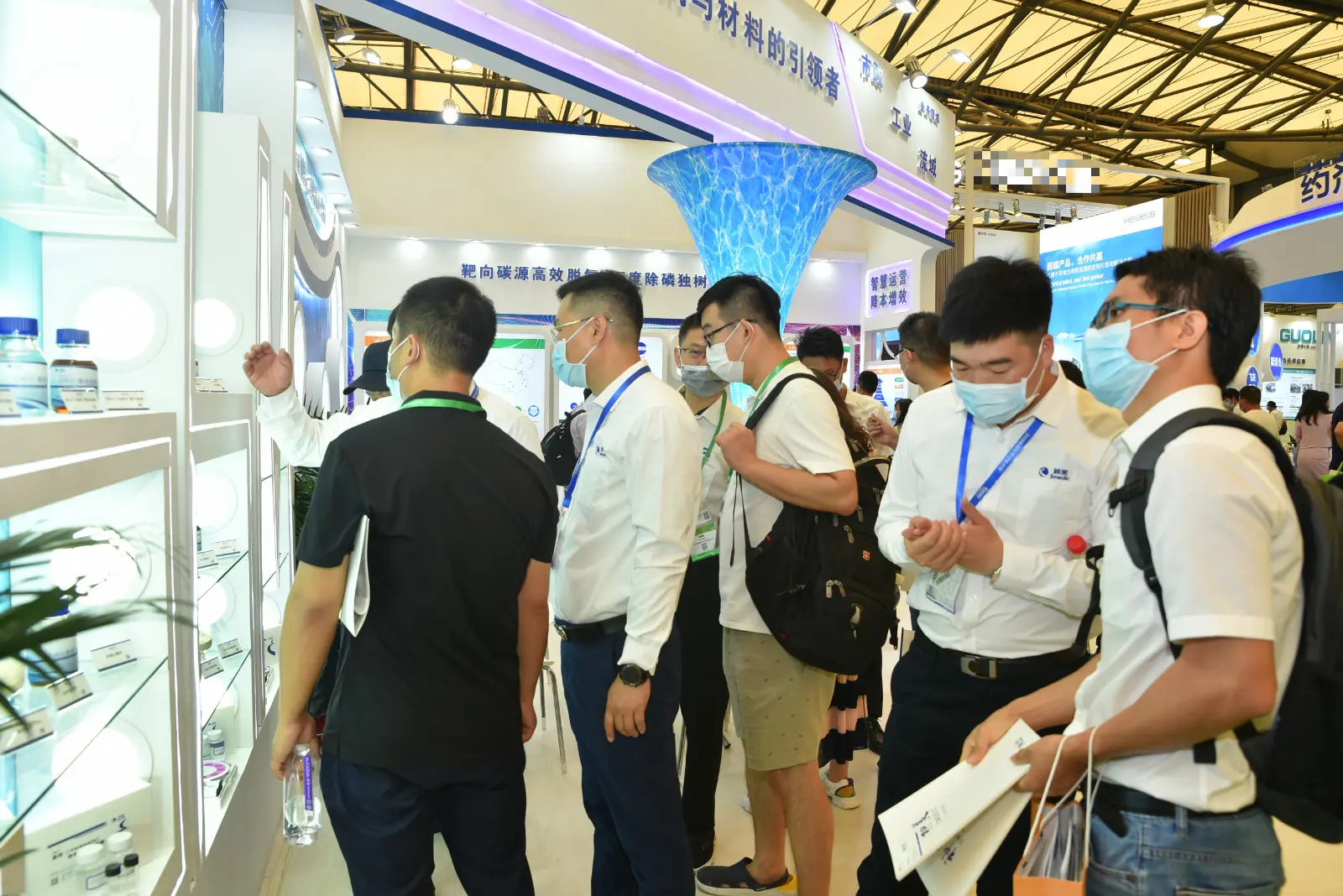
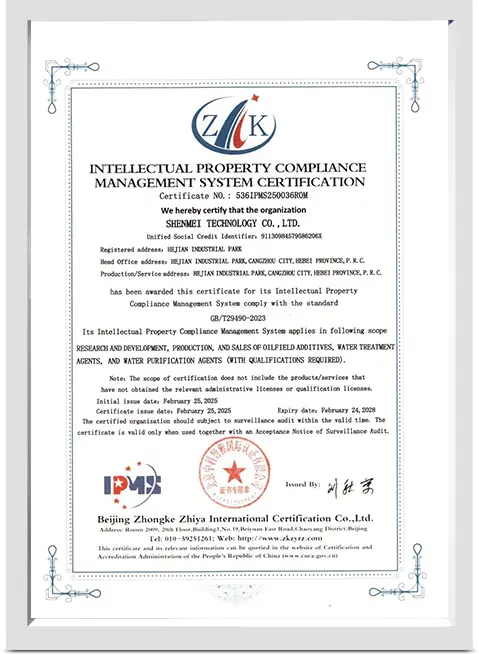
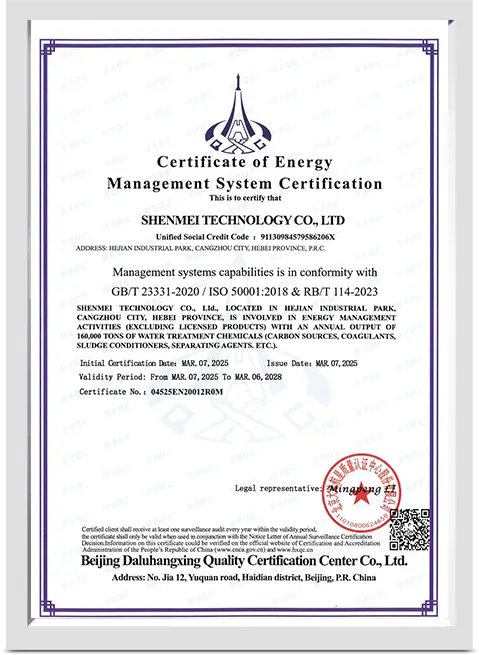
Tracking our path from a local specialized manufacturer to an international ODM/OEM water chemical supplier.
Smedic Technology was established in Beijing as a specialized chemical synthesis and engineering service provider.
Established a complete portfolio of environmental treatment chemicals tailored for municipal water purification.
Recognized as a National High-Tech Enterprise, expanding regional laboratory operations.
Inaugurated our specialized environmental chemical production hub in Guiyang to optimize southern logistics.
Production bases in Hebei, Guizhou, and Shandong expanded, bringing total group capacity past 1 million tons per year.
Awarded National Specialized, Refined, Unique, and Innovative Small & Medium-Sized Enterprise status.
Established our state-level R&D water technology platform and advanced innovation research base in Hebei.
Recognized as a National Intellectual Property Advantage Enterprise with over sixty patents in active application.
Formed a joint venture with the Chengdu Institute of Mineral Comprehensive Utilization, China Geological Survey, to develop specialized reagents.
Technical answers regarding dosing parameters, chemistry, and environmental compliance.
Explore our polymer coagulants, heavy metal removal agents, and organic silicone defoamers.
 Smedic Tech