In the critical landscape of industrial disinfection and environmental purification, Smedic Technology Co., Ltd. serves as a premier research-backed ODM manufacturer and global exporter.
Understanding active halogen degradation profiles and the mechanics of sustained dissolution control.
3 OCl⁻ → ClO₃⁻ + 2 Cl⁻
Ca(OCl)₂ + 2 H₂O → 2 HOCl + Ca(OH)₂
Deploying high-efficiency solid biocide systems across key industrial sectors and municipal infrastructure.
Used as a primary disinfectant in municipal tap water networks and sewage treatment plants. Effectively targets Escherichia coli, Vibrio cholerae, and spore-forming pathogens, helping municipal plants meet microbiological discharge limits.
Prevents biofouling and controls Legionella pneumophila in recirculating cooling water. The granular formula works alongside scale and corrosion inhibitors to keep heat transfer surfaces clean and maintain process efficiency.
Controls sulfate-reducing bacteria (SRB) in oilfield water reinjection systems, preventing microbiological corrosion of pipelines and avoiding souring of underground oil deposits.
A technical infrastructure supported by leading research institutions and recognized by national environmental programs.
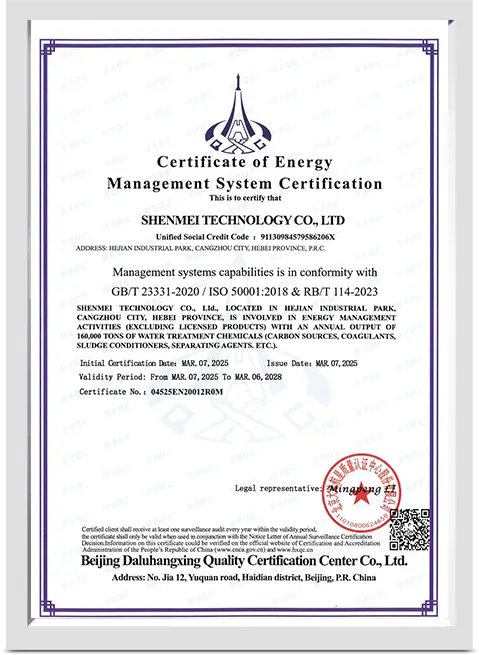
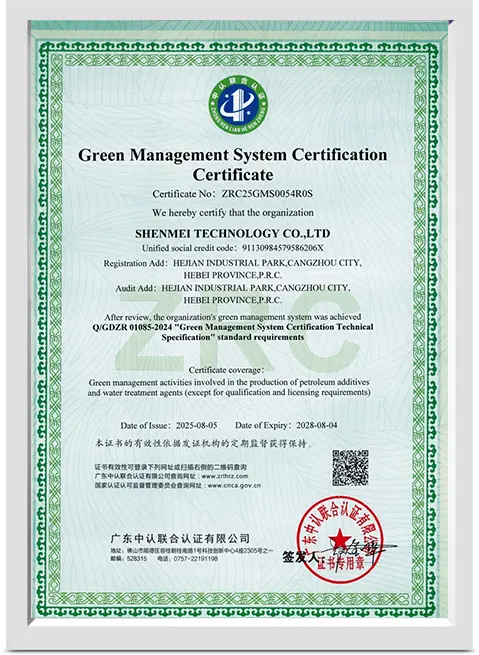
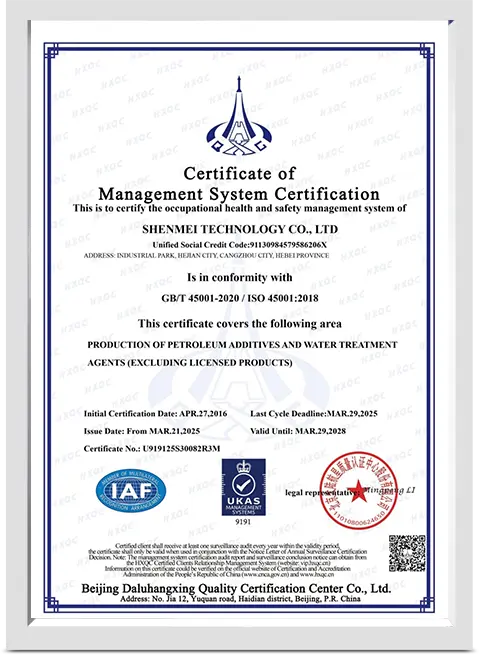
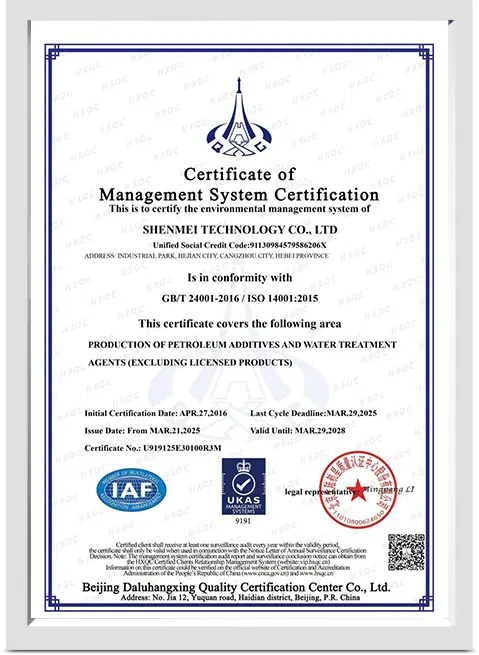
Smedic operates an expert workstation in collaboration with the Tsinghua University Association of Senior Scientists and Technicians. We also run joint R&D laboratories with Shandong University and Beijing University of Technology to commercialize advanced wastewater treatment technologies.
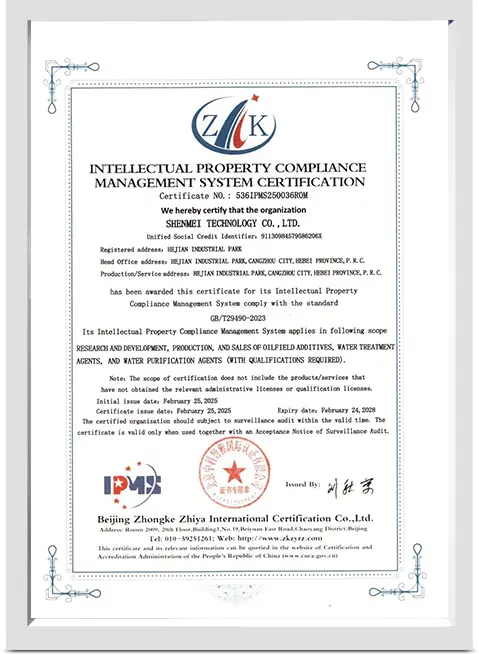
We hold over 60 Chinese patents, including 40+ invention patents and 20+ utility model patents. Smedic’s bio-enhanced denitrification carbon sources and deep multi-nuclear phosphorus removal agents have been evaluated as "internationally advanced" by the Science and Technology Department of Hebei Province.
Smedic has led the drafting of over ten national and industry standards. These cover composite carbon sources, composite coagulants, sodium acetate, and nitrifying/denitrifying bacterial agents, helping to guide regulatory frameworks in Chinese water treatment sectors.
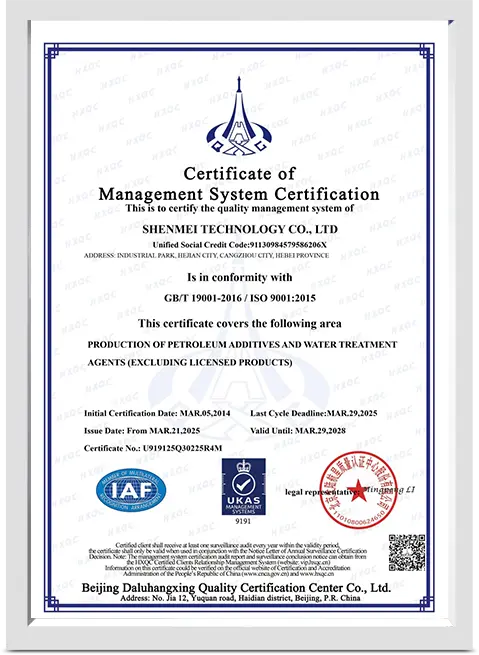
Practical integration guidelines across gold mining cyanidation, textile wastewater treatment, and cooling loop biocide injection.
In gold cyanidation and flotation circuits, toxic cyanide ions (CN⁻) must be oxidized prior to discharge. Smedic's sodium hypochlorite granules generate active HOCl, which converts cyanide to cyanate (CNO⁻) under alkaline conditions (pH 10-11.5). This reaction degrades cyanate into carbon dioxide and nitrogen gas:
Textile wastewater contains recalcitrant azo dyes with chromophore groups (-N=N-). The active chlorine released by our granules acts as an oxidizing agent, breaking these double bonds. This decolorizes the water and reduces chemical oxygen demand (COD) before biological secondary treatment.
Commercial HVAC systems and cooling towers are vulnerable to Legionella and slime-forming bacteria. Periodic shock dosing of granular disinfectants disrupts biofilms and helps prevent outbreaks, ensuring compliance with local environmental health and safety regulations.
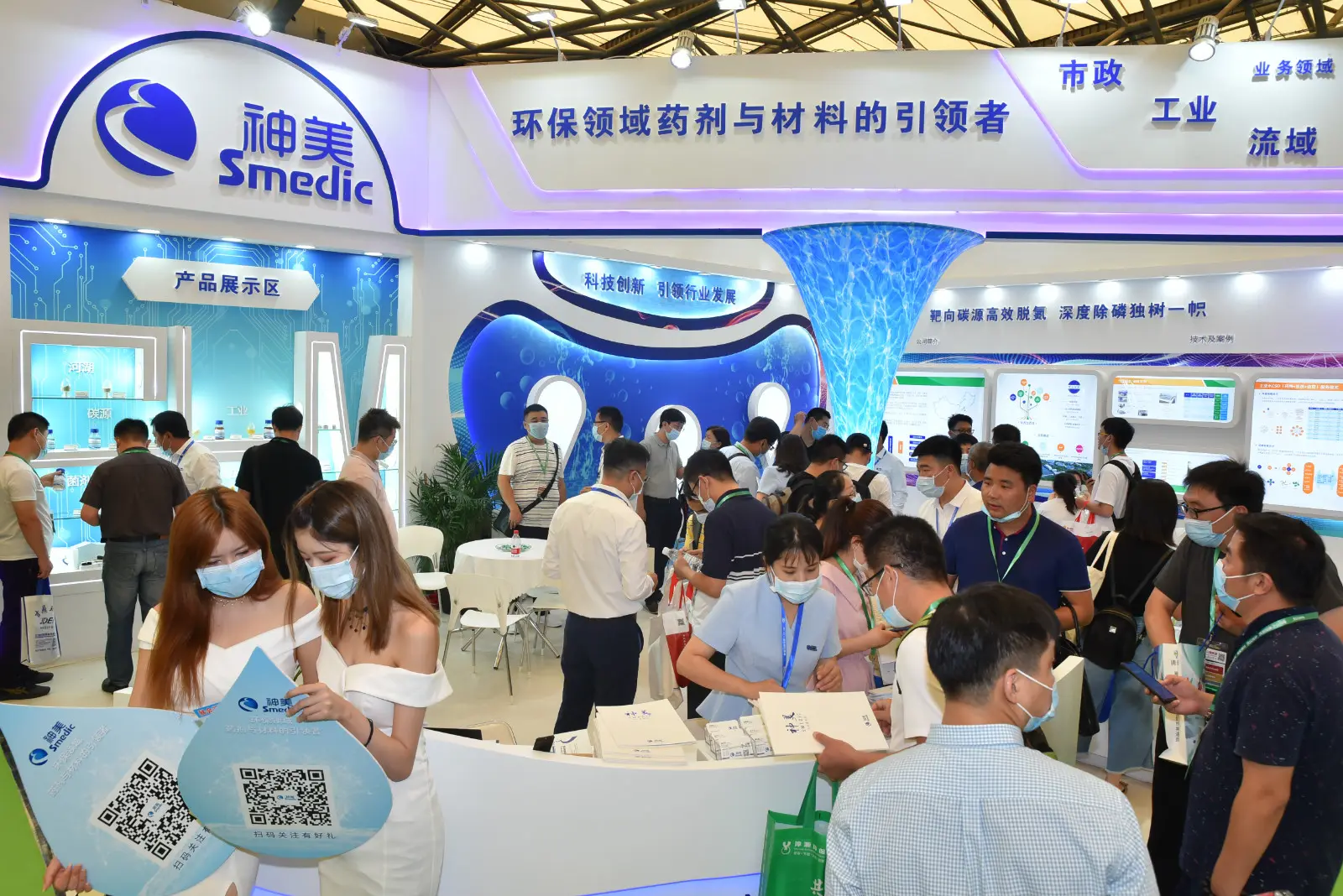
From a specialized environmental company to a key national high-tech enterprise.
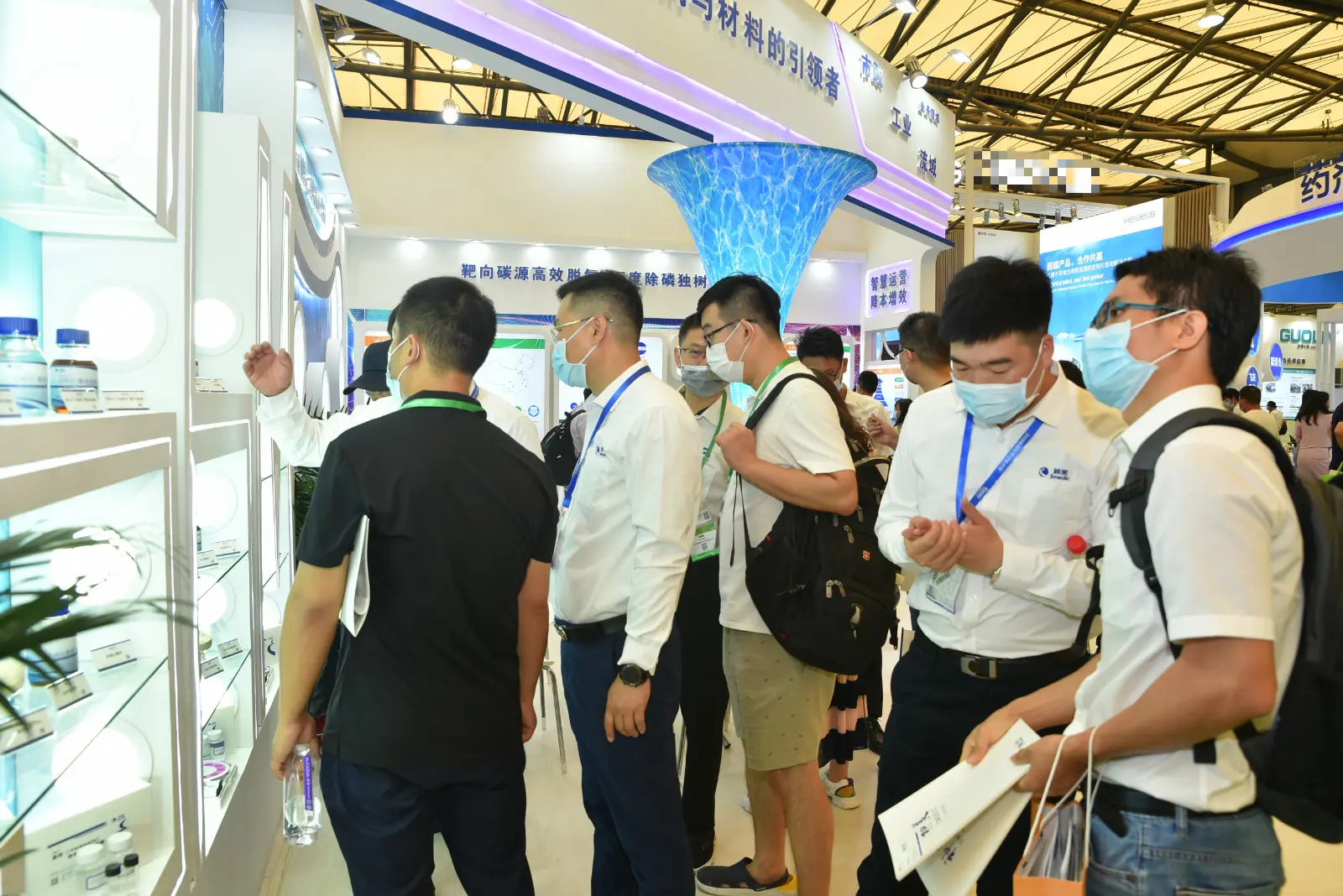
Common technical questions regarding industrial biocides and granular active chlorine complexes.
Liquid sodium hypochlorite (bleach) degrades quickly over time, particularly under exposure to heat, light, or air. Solid granular formulations lock active chlorine within a stable chemical lattice. This extends shelf life, lowers bulk shipping costs, and reduces safety risks during transport.
We offer UN-approved packaging options, including 25kg, 40kg, and 50kg drums equipped with integrated venting caps to prevent gas build-up. We also support customized OEM labeling and packaging designs to meet target market regulations.
We offer customizable dissolution rates. Standard tablets dissolve slowly for low-flow environments, while our granular products are designed for faster dissolution, providing rapid sanitization during peak flow periods in municipal and industrial plants.
Yes. Our technical team works with partners to customize active chlorine levels, adjust dissolution rates, and add targeted anti-caking or scale-prevention additives to suit specific water chemistry profiles.
 Smedic Tech