Sodium hypochlorite (NaOCl) is a foundational inorganic chemical compound, widely recognized as one of the most versatile and cost-effective disinfectants, biocides, and bleaching agents in existence. In modern chemical engineering, industrial-grade sodium hypochlorite serves as the primary defense against microbial contamination, organic scaling, and biofouling. Its mechanism of action relies on the powerful oxidizing potential of hypochlorous acid (HOCl), which forms rapidly when sodium hypochlorite is dissolved in aqueous solutions. By penetrating cellular membranes and oxidizing structural proteins, enzymes, and nucleic acids, NaOCl ensures comprehensive sanitization without the risk of microbial resistance.
Despite its widespread utility, the commercial production and supply of sodium hypochlorite present complex challenges. NaOCl is thermodynamically unstable and undergoes spontaneous decomposition over time, yielding sodium chloride (NaCl) and sodium chlorate ($NaClO_3$). This degradation process is accelerated by exposure to elevated temperatures, solar radiation, lower pH levels, and trace transition metal impurities such as iron ($Fe^{3+}$), copper ($Cu^{2+}$), and nickel ($Ni^{2+}$). Consequently, industrial end-users—ranging from municipal water works to massive chemical processing complexes—rely heavily on experienced Original Design Manufacturers (ODM) and suppliers who can guarantee product stability, precise concentration control, and robust global logistics.
"The critical variable in industrial sodium hypochlorite utility is not merely the initial active chlorine concentration, but the chemical stability coefficient over the product’s operational shelf life. Advanced stabilization chemistry is the hallmark of premium ODM sourcing."
To address these engineering demands, Smedic Technology Co., Ltd. has developed state-of-the-art synthesis and preservation technologies. By utilizing high-purity raw materials and proprietary stabilizing agents, we manufacture high-concentration sodium hypochlorite solutions that maintain their structural integrity during transit and storage. This capability is integrated with our broader suite of advanced environmental solutions, which includes defoamers, organic scale inhibitors, and high-efficiency polyacrylamides, positioning us as an essential partner to the global process industries.
Established in 2011, Smedic Technology Co., Ltd. has grown from a specialized regional chemical developer into a comprehensive, globally integrated provider of environmental protection agents. We specialize in the research and development, manufacturing, technical sales, and process engineering support of complex chemical treatments. Over the past decade, we have optimized our supply networks and production capacities to serve municipal wastewater utilities, industrial process waters, mineral extraction sites, and global oilfield operations.
Our administrative and corporate headquarters in Beijing orchestrate a wide-reaching industrial presence. Smedic operates wholly-owned production bases in key industrial sectors including Hebei, Guizhou, and Shanxi. To ensure efficient delivery times and reduce logistics costs for bulk chemical shipping, we maintain more than ten OEM partner factories and regional warehousing and logistics hubs across Shandong, Shanxi, Anhui, Guangxi, and Sichuan provinces. Our distribution network regularly services clients across more than 20 provinces within China, while supplying specialized formulations to export markets globally.
With a total daily treated water volume exceeding 20 million tons, our systems impact hundreds of municipalities and over 1,000 industrial end-users. Smedic remains at the absolute forefront of premium chemical manufacturing, combining scale with specialized chemistry to meet the demands of modern industry.
The industrial synthesis of sodium hypochlorite primarily follows two chemical pathways: the chemical reaction of gaseous chlorine with cold aqueous sodium hydroxide, or the in-situ electrolysis of brine solutions. In large-scale ODM environments, chemical synthesis is preferred for its ability to produce highly concentrated solutions (typically 10% to 15% active chlorine by weight). The fundamental reaction is represented by:
This reaction is highly exothermic. If the temperature of the reaction mixture rises above 30°C, the hypochlorite ion begins to rapidly disproportionate into chlorate, a process that represents both a loss of active chlorine and a contamination risk for municipal applications:
To prevent this pathway, Smedic utilizes advanced reactor designs equipped with high-efficiency titanium plate heat exchangers. By maintaining the reaction zone under strict temperature controls (typically between 15°C and 20°C), we ensure that chlorate formation is kept to absolute minimums during the synthesis phase.
Continuous thermal suppression during synthesis keeps reaction temperature below 20°C, preventing early-stage disproportionation into chlorates.
Maintaining a precise excess of free sodium hydroxide (NaOH) between 0.5% and 1.5% yields a stable pH environment (11.5 - 13.0) where decomposition rates are minimized.
Removal of transition metals down to parts-per-billion (ppb) levels through specialized chelators and membrane filters prevents catalytic decomposition.
Our R&D efforts have led to a stabilized ODM formulation that utilizes high-purity raw materials combined with organic nitrogenous stabilizers. These stabilizers bind to trace metal ions that might otherwise act as catalysts for oxygen release. By suppressing the catalytic pathways of decomposition, Smedic's sodium hypochlorite retains its active chlorine concentration far longer than standard industrial offerings, reducing the need for over-dosing and minimizing chemical waste.
Procuring industrial-grade sodium hypochlorite on a global scale requires addressing logistics and regulatory compliance challenges. Due to its classification as a Class 8 corrosive substance (UN 1791), the transport of bulk sodium hypochlorite is subject to stringent international mandates, including the International Maritime Dangerous Goods (IMDG) code and domestic Department of Transportation (DOT) or ADR regulations. Smedic's logistics infrastructure is designed to manage these requirements, ensuring reliable delivery to global ports and inland industrial hubs.
Industrial buyers typically balance concentration needs against transportation distances. While high-concentration liquid (15% active chlorine) reduces the volume of water shipped, its higher decomposition rate means that shipping times must be minimized, or storage temperatures controlled. Smedic addresses this trade-off by offering tailored solutions:
"Smedic’s logistics network optimizes the balance between chemical concentration and delivery times. By utilizing regional hubs and specialized transport packaging, we deliver active chlorine at a lower total cost of ownership."
For long-distance maritime transport, we utilize high-density polyethylene (HDPE) containers, UV-resistant composite IBC totes, or specialized lined ISO tanks. For municipal clients with strict purity standards, we also offer custom dilutions (e.g., 10% or 12.5% solutions), which naturally degrade at a slower rate than the 15% concentrates. This flexibility, backed by our extensive production capacity, makes Smedic a trusted ODM partner for global water and process industries.
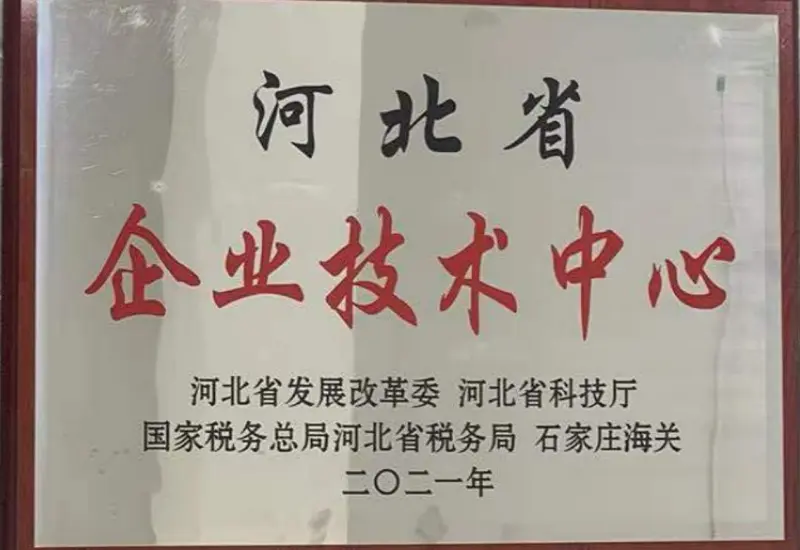
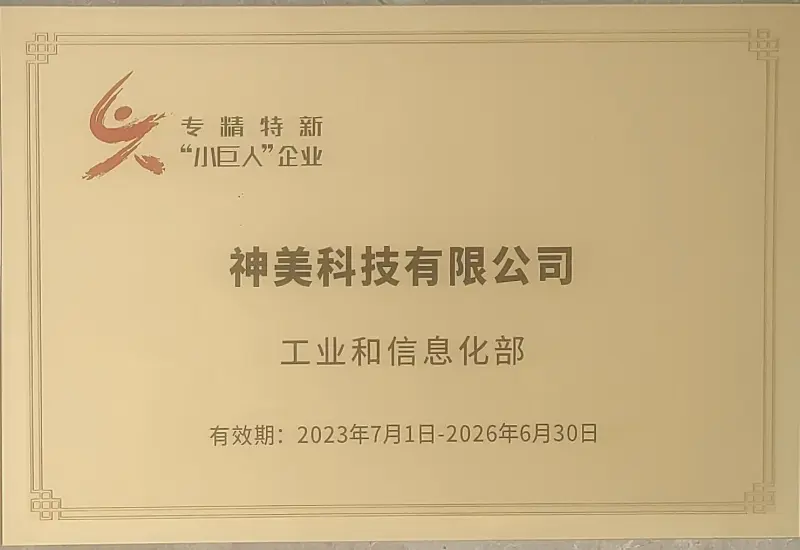
Our technical capabilities are supported by recognized industrial certifications and academic partnerships. Smedic is designated as a National High-tech Enterprise and a National Specialized, Refined, Unique and Innovative "Little Giant" Enterprise in China. These awards reflect our ongoing investments in research and development, and our ability to translate laboratory discoveries into commercial-scale chemical solutions.
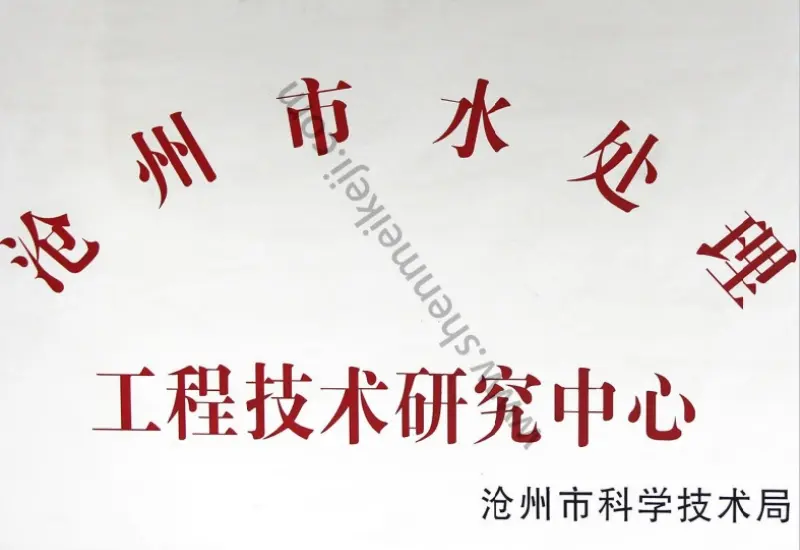
Our research and development system is structured around "one academy, three research institutes, and five bases," including the Hebei Provincial Advanced Water Treatment Chemicals Technology Innovation Center and the Cangzhou Water Treatment Engineering Technology Research Center. We operate an expert workstation in collaboration with the Tsinghua University Association of Senior Scientists and Technicians, and run joint research laboratories with Shandong University and the Beijing University of Technology. Smedic also serves as a commercialization partner for the research output of Peking University and Tianjin University.
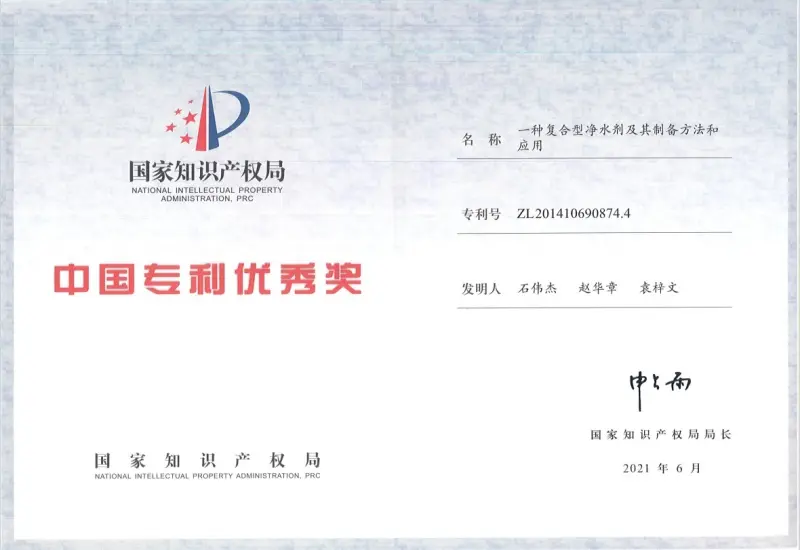
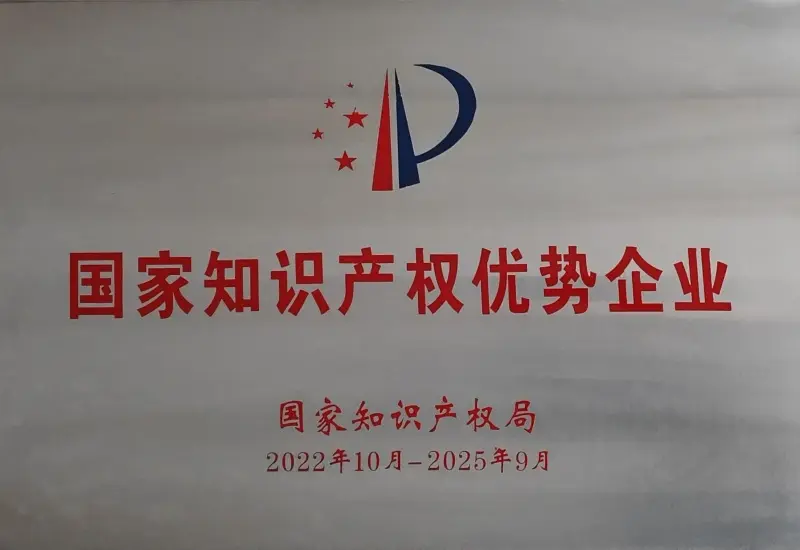
Currently, Smedic holds over sixty Chinese patents, including more than forty invention patents and over twenty utility model patents. We have also drafted ten national and industry standards for water treatment agents, including composite carbon sources, coagulants, and sodium acetate.
In industrial water treatment, sodium hypochlorite is rarely used in isolation. To optimize system performance and control costs, process engineers must coordinate its application with other water treatment chemicals. As a comprehensive chemical provider, Smedic offers integrated solutions that manage these chemical interactions:
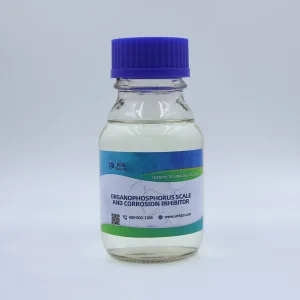
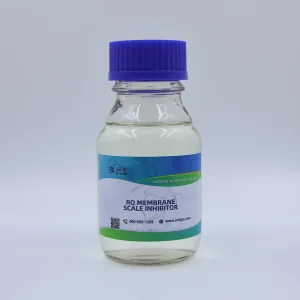
Integrating reverse osmosis scale inhibitors ensures that the alkaline shock dosing of hypochlorite does not trigger scale precipitation on membrane surfaces.
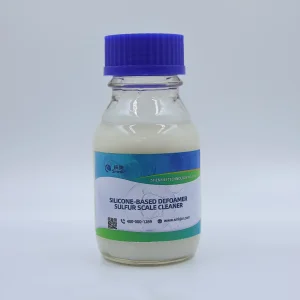
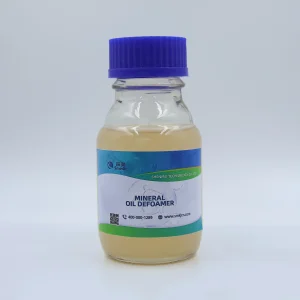
Our mineral oil and silicone defoamers maintain high performance even in the presence of strong oxidants, controlling foam in aeration basins and pulp mills.
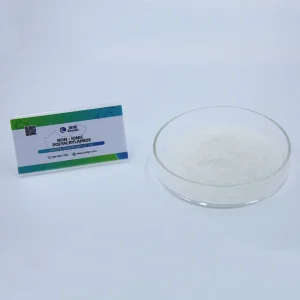
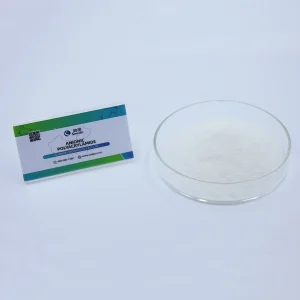
Our polyacrylamides (PAM) are designed to function alongside chlorination systems, facilitating sludge dewatering after organic oxidation is complete.
By coordinating these chemical treatments, industrial facilities can reduce chemical consumption, minimize membrane fouling, and lower operating costs. Smedic's engineering teams analyze our clients' water chemistry profiles to recommend chemical combinations that ensure safety, efficiency, and compliance.
The future of industrial disinfection is shaped by two key trends: reducing regulatory disinfection byproducts (DBPs) and lowering the carbon footprint of chemical manufacturing. Traditional sodium hypochlorite production can result in trace amounts of bromate ($BrO_3^-$) and chlorate ($ClO_3^-$), both of which are strictly regulated in drinking water. Smedic’s R&D team is developing catalyst-modified electrolysis technologies that minimize these impurities during production, ensuring compliance with evolving standards.
In addition, we are working to integrate green hydrogen byproducts into our manufacturing facilities to reduce the carbon footprint of our operations. By sourcing electricity from renewable energy grids in Hebei and Guizhou, Smedic is aligning its production processes with global corporate sustainability goals, helping our clients reduce their Scope 3 emissions.
 Smedic Tech