Premium environmental protection formulations optimized for color removal, COD reduction, and membrane longevity in wet processing environments.
Analyzing the chemistry of dye baths, heavy metal complexes, and synthetic organic polymers in textile wastewater streams.
Industrial wet processing—comprising scouring, desizing, mercerizing, bleaching, dyeing, and finishing—presents some of the most complex challenges in modern environmental engineering. Effluents derived from these processing units typically carry exceptionally high loads of Chemical Oxygen Demand (COD), Biochemical Oxygen Demand (BOD), Total Suspended Solids (TSS), refractory surfactants, and high salinity (mainly chlorides and sulfates used to promote dye exhaustion). Furthermore, synthetic dye molecules, particularly azo, anthraquinone, and phthalocyanine compounds, are explicitly designed to resist chemical degradation, photolysis, and microbial degradation.
In response, global environmental authorities are shifting rapidly toward strict Zero Liquid Discharge (ZLD) frameworks. This forces textile mills to recycle up to 95% of their process water. Raw effluents must undergo sophisticated primary physical-chemical separation, biological degradation, and advanced tertiary membrane separation. In this sequence, specialized water treatment agents function as the critical linchpin. They prevent mechanical fouling, maximize oxidation efficiencies, and minimize secondary sludge generation. Smedic Technology Co., Ltd. has developed specialized chemical reagents that address these processes at the molecular scale.
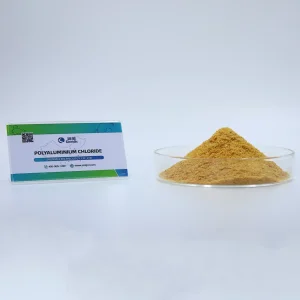
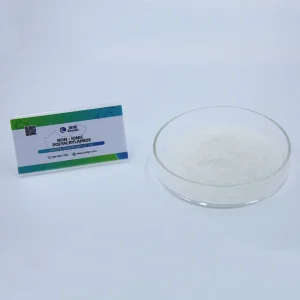
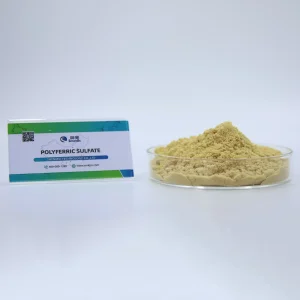
The first barrier in processing high-color textile wastewater is charge neutralization. Dyes, especially reactive and acid dyes, carry strong anionic charges in aqueous solution. Dosing polymeric inorganic coagulants like Polyaluminum Chloride (PAC) or Polyferric Sulfate (PFS) destabilizes these colloidal suspensions. Smedic's advanced PAC coagulants feature high basicity ratios. This optimizes the concentration of Al13 polycations, allowing for the sweeping and precipitation of anionic dye pigments.
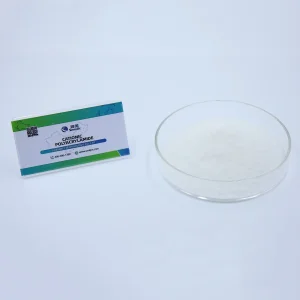
Following charge neutralization, the addition of high-molecular-weight Polyacrylamide (PAM) flocculants facilitates bridging mechanisms. It aggregates the micro-flocs into large, rapid-settling macro-flocs. Depending on the surface charges of the suspended solids, either Cationic Polyacrylamide (CPAM) or Non-Ionic Polyacrylamide (NPAM) is utilized. This dramatically improves sediment compaction and enhances downstream filter press dewatering.
A comprehensive overview of Smedic Technology's production infrastructure, strategic national layout, and advanced water engineering networks.
Established in 2011, Smedic Technology Co., Ltd. has evolved into a premier comprehensive solution provider in environmental protection agents. We integrate research and development, manufacturing, global sales, and engineering-related technical services. Headquartered in Beijing, Smedic operates wholly-owned production bases in key industrial sectors including Hebei, Guizhou, and Shanxi. To ensure immediate supply availability, we maintain over ten OEM partner facilities and strategic warehousing bases across Shandong, Shanxi, Anhui, Guangxi, and Sichuan provinces.
Our domestic business network spans over 20 provinces, supporting operations in more than 600 municipal sewage treatment plants and over 1,000 end-user industrial wastewater plants. Through our partner networks, our chemistry processes more than 20 million tons of wastewater per day. This positions Smedic as a leading manufacturer in the high-end environmental protection chemistry sector.
Our centralized management and decentralized logistics model guarantee fast delivery and regional inventory backups. We prevent global supply chain disruptions through localized warehousing in key manufacturing hubs.
With an annual production capacity exceeding 1 million tons across 80+ types of agents, Smedic serves municipal sewage, industrial wastewater, mineral processing, and oilfield extraction operations.
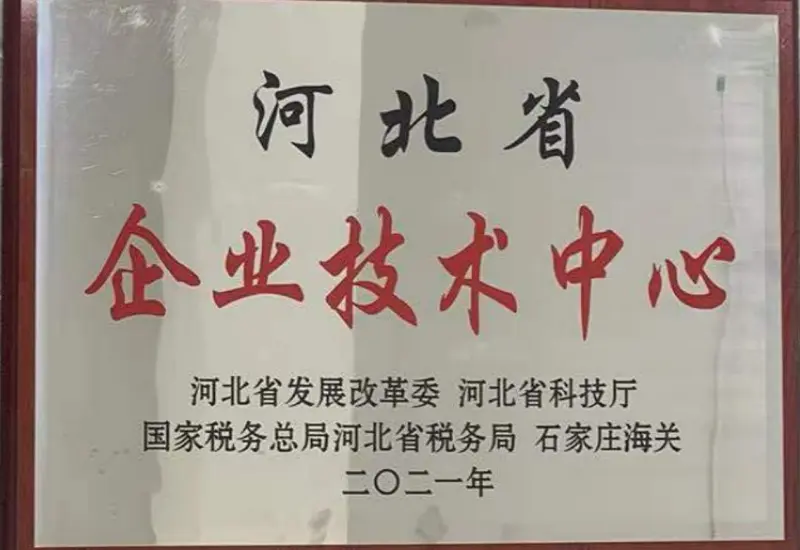
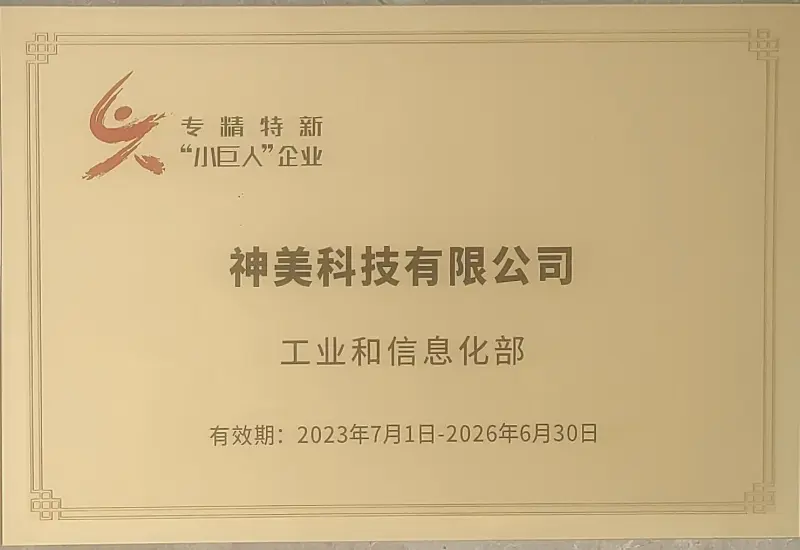
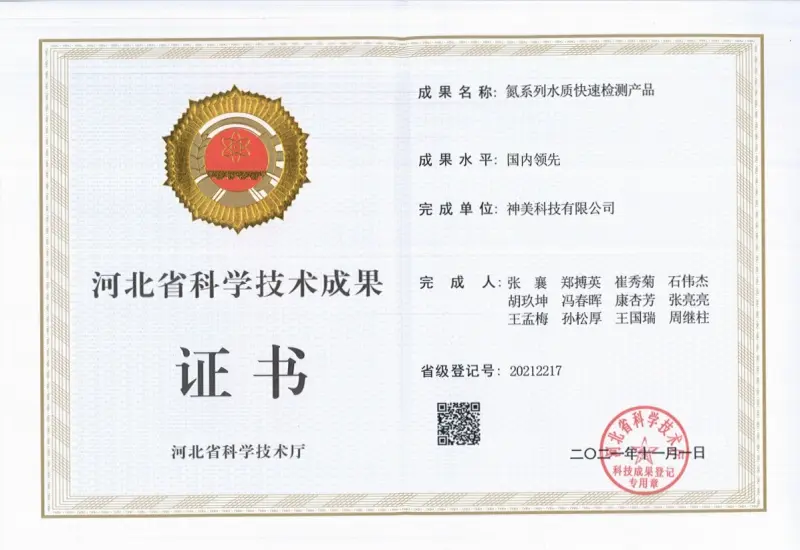
Smedic is recognized as a National High-tech Enterprise and a National Specialized, Refined, Unique and Innovative "Little Giant" Enterprise. Our R&D division operates through an integrated network featuring one academy, three research institutes, and five research bases. We have established dedicated engineering workstations with the Tsinghua University Association of Senior Scientists and Technicians, and joint R&D laboratories with Shandong University and the Beijing University of Technology.
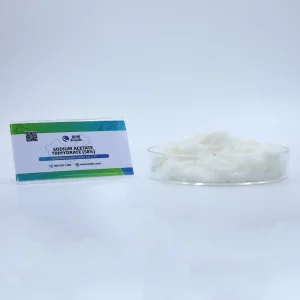
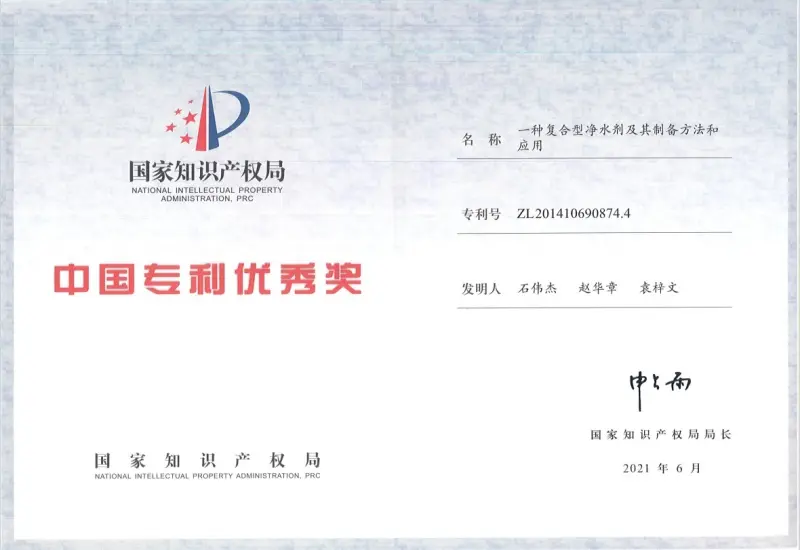
To date, Smedic has been granted over 60 Chinese patents, comprising more than 40 invention patents and 20 utility model patents. We have drafted over 10 national and industry standards regulating the specifications for composite carbon sources, composite coagulants, sodium acetate, and microbial inoculants.

Navigating the transition toward biodegradable flocculants, phosphorus-free corrosion inhibitors, and intelligent chemical dosing systems.
The next generation of textile wastewater treatment is driven by two main factors: minimizing sludge volumes and replacing non-biodegradable chemicals. Conventional treatment methods often produce large amounts of chemical sludge, which is expensive to dispose of under modern environmental laws. The industry's technological roadmap shows three major shifts:
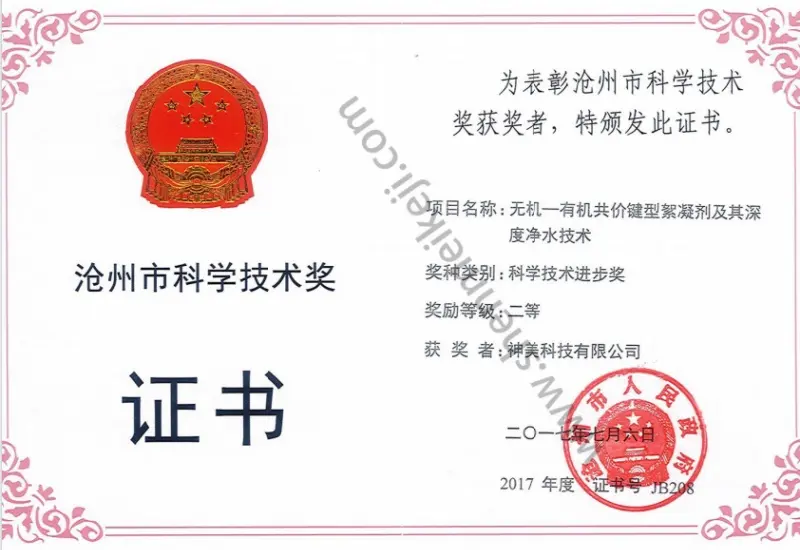
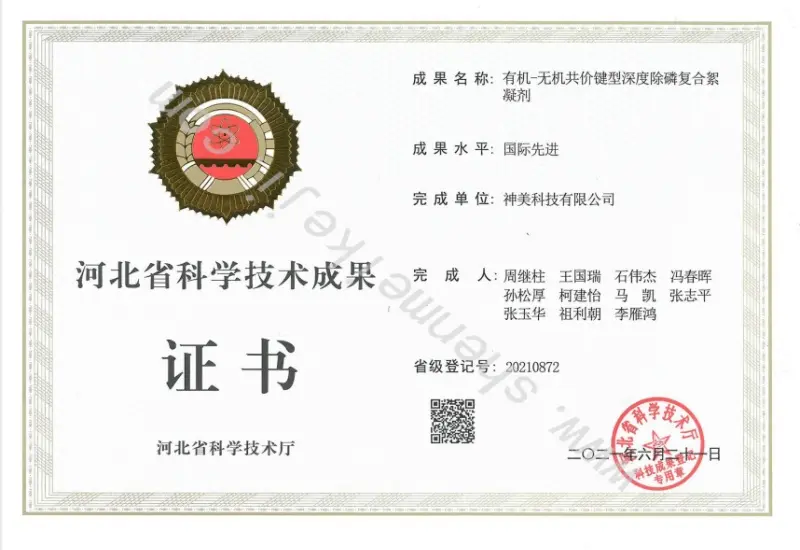
Traditional treatment requires dosing an inorganic coagulant (like PAC) followed by an organic polymer flocculant (like PAM) in separate tanks. This increases footprint and operational complexity. Smedic's patented Inorganic-Organic Covalent Bond Flocculant integrates both components into a single molecule. The inorganic part neutralizes charges, while the organic chains bind particles together. This unified chemistry reduces dosage by up to 30% and significantly decreases chemical sludge generation.
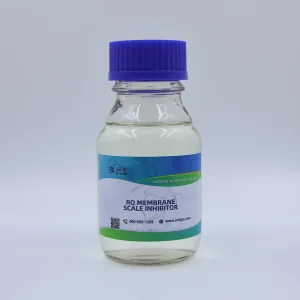
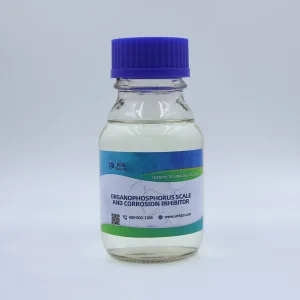
As mills adopt reverse osmosis (RO) for water recycling, scale inhibitors are essential to prevent calcium and silica scaling on membranes. However, traditional organophosphorus scale inhibitors discharge phosphorus into the environment, causing eutrophication in local waterways. The industry is moving toward phosphate-free scale inhibitors—such as polyaspartic acid (PASP) and polyepoxysuccinic acid (PESA)—which are biodegradable and contain no phosphorus.
Industrial wastewater quality changes constantly. Fixed chemical feed rates lead to either under-treatment or over-dosing, which wastes chemical agents and can foul downstream filters. Modern treatment plants are integrating inline UV-Vis spectrophotometers and turbidity sensors. When linked to smart dosing pumps, these sensors adjust chemical feeds in real-time, matching dosing to actual pollutant loads.
How automation, raw material integration, and distributed logistics ensure supply stability for global buyers.
For international buyers, chemical supply stability is just as important as chemical performance. Smedic's manufacturing facilities are designed around "Factory 4.0" principles to keep production running smoothly through market changes.
Our plants use Distributed Control Systems (DCS) to monitor reactor temperatures, pressures, and ingredient addition rates in real time. This ensures consistent batch quality and reduces product variability.
Smedic's production bases in Hebei and Shanxi are located near key raw material suppliers. This close proximity helps stabilize our production costs and keeps our supply chain running smoothly during regional disruptions.
We maintain regional warehouses in Shandong, Shanxi, Anhui, Guangxi, and Sichuan. This network allows us to ship orders quickly to domestic users and transport goods efficiently to major ports for export.
Our three-tier quality control protocol covers every stage of production: raw material inspection, in-process monitoring, and final batch testing before shipping. This systematic quality assurance ensures that our chemicals perform reliably in your treatment plant, shipment after shipment.
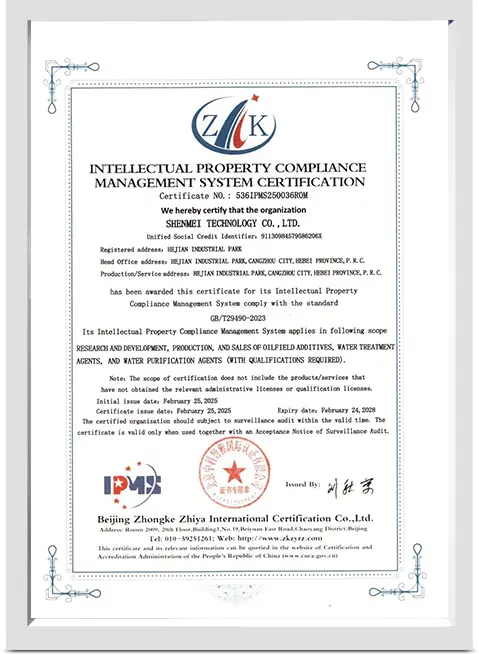
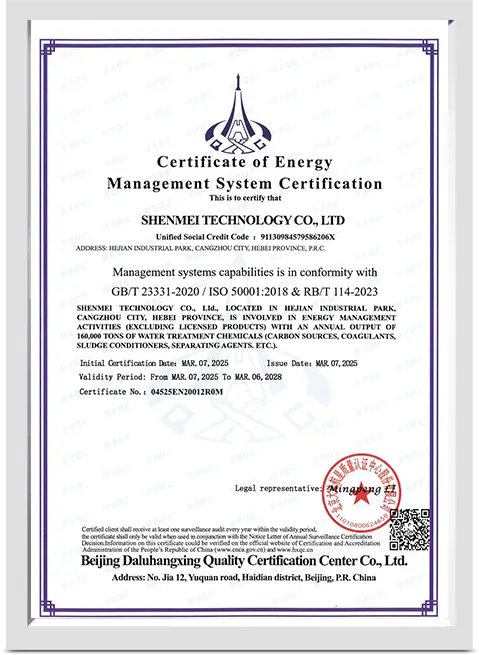
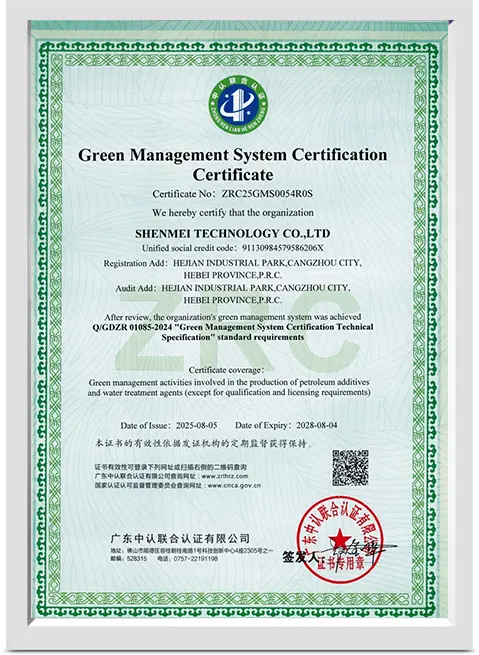
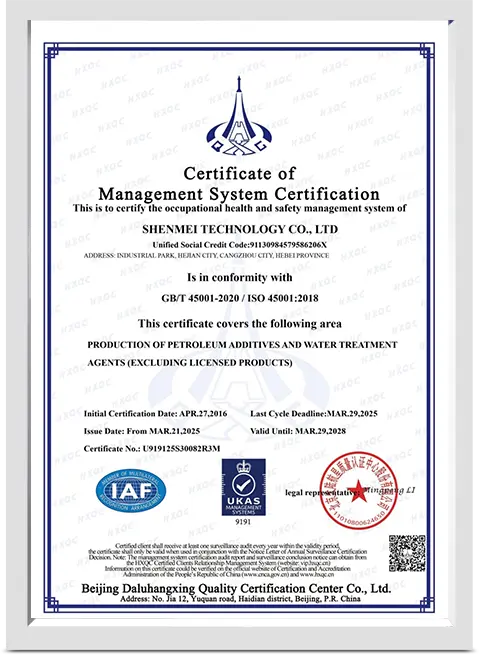
A history of innovation, scale expansion, and academic collaboration in the environmental protection chemistry sector.
Smedic Technology Co., Ltd. was established, focusing on environmental protection agents.
Established a complete product portfolio for municipal wastewater treatment chemicals.
Recognized as a key national high-tech enterprise.
Established our dedicated Guiyang production base to service southern markets.
Completed expansion in Hebei and Shandong, driving total production capacity beyond 1 million tons.
Recognized as a National Specialized, Refined, Unique and Innovative Small and Medium-sized Enterprise.
Formally established our provincial-level advanced water treatment chemicals research platform in Hebei.
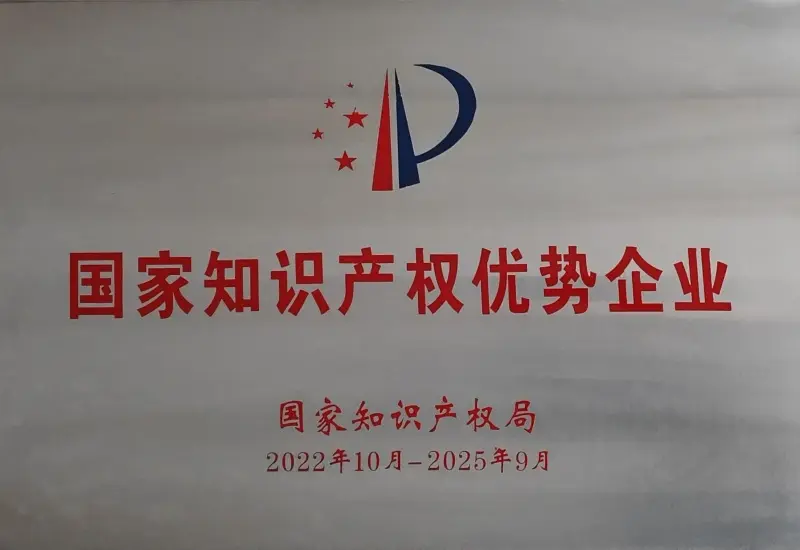
Recognized as a National Intellectual Property Advantage Enterprise.
Partnered with the Chengdu Institute of Mineral Comprehensive Utilization to expand into mineral processing reagents.
Meeting international environmental regulations, restricted substance lists (MRSL), and shipping safety certifications.
Textile manufacturers exporting to the EU or North America must comply with strict chemical regulations. Smedic design and manufacture water treatment chemicals that help mills maintain compliance with major global frameworks:
We provide complete documentation for international shipments, including GHS-compliant Safety Data Sheets (SDS), Certificates of Analysis (COA), and technical datasheets. This clear compliance paperwork helps prevent customs delays and ensures smooth logistics.
Answers to common questions about chemical selection, dosage optimization, and membrane protection in textile wastewater treatment.
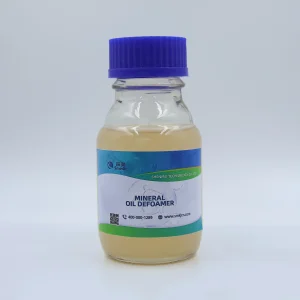
Premium environmental protection formulations optimized for scale inhibition, defoaming, and high-performance sludge conditioning.
 Smedic Tech