Engineered high-performance formulations designed for deep flocculation, heavy metal removal, defoaming, and corrosion control.
An authoritative analysis of evolving regulatory frameworks, high-efficiency treatment technologies, and the role of specialized ODM/OEM custom manufacturing in addressing global effluent standards.
In the current era of stringent Environmental, Social, and Governance (ESG) compliance, industrial manufacturing, mineral processing, municipal sanitation, and petrochemical operations face unprecedented hurdles in wastewater management. Regulatory guidelines worldwide—such as the EPA’s Clean Water Act regulations in North America, the European Union's Urban Waste Water Treatment Directive, and China’s progressive Environmental Protection Laws—are imposing strict limits on total suspended solids (TSS), chemical oxygen demand (COD), biochemically active oxygen demand (BOD), heavy metal concentrations, and synthetic organo-complex pollutants. Consequently, standard commercial-off-the-shelf chemicals frequently fall short of these multi-dimensional regulatory thresholds.
This dynamic has propelled the global demand for Original Design Manufacturer (ODM) and Original Equipment Manufacturer (OEM) partners capable of synthesizing customized eco-friendly chemical agents. Modern wastewater treatment is no longer a simple application of lime or standard alum. It requires custom-tailored polymer architecture (such as variable molecular weight and charge densities in Polyacrylamide), specialized organophosphorus compounds for scale and corrosion control, precise fluoride precipitation agents, and targeted heavy metal chelators capable of complexing trace dissolved metals even in the presence of competing ions. By leveraging ODM capabilities, global wastewater treatment suppliers can export advanced chemical platforms tailored to localized effluent profiles, raw water characteristics, and unique industrial equipment configurations.
Direct customization of molecular structures (e.g., copolymerization of coagulants, modification of Defoamers) to match specific factory effluent profiles and minimize chemical consumption.
Export solutions formulated and packaged to meet strict regulatory regimes worldwide, ensuring seamless logistics, proper GHS documentation, and compliance with REACH regulations.
Comprehensive inspection protocols covering raw material entrance, reactor parameter logging, and final product batch validation to ensure consistent dosing efficacy.
Smedic Technology Co., Ltd. was established in 2011 as a comprehensive solution provider specialized in environmental protection agents, integrating R&D, production, sales, and engineering-related technical services. We are dedicated to providing customers with customized chemical products, technical solutions, and services.
Smedic produces environmental protection agents covering multiple sectors such as municipal sewage, industrial wastewater, and tap water treatment, as well as mineral processing agents, and oilfield chemicals. We offer more than 80 different environmental protection products, with an annual production capacity exceeding 1 million tons.
Our corporate headquarters is located in Beijing, we have multiple wholly-owned production bases in Hebei, Guizhou, Shanxi, and other regions, and have set up more than ten OEM partner factories and regional warehousing and logistics bases in Shandong, Shanxi, Anhui, Guangxi, and Sichuan provinces, among others.
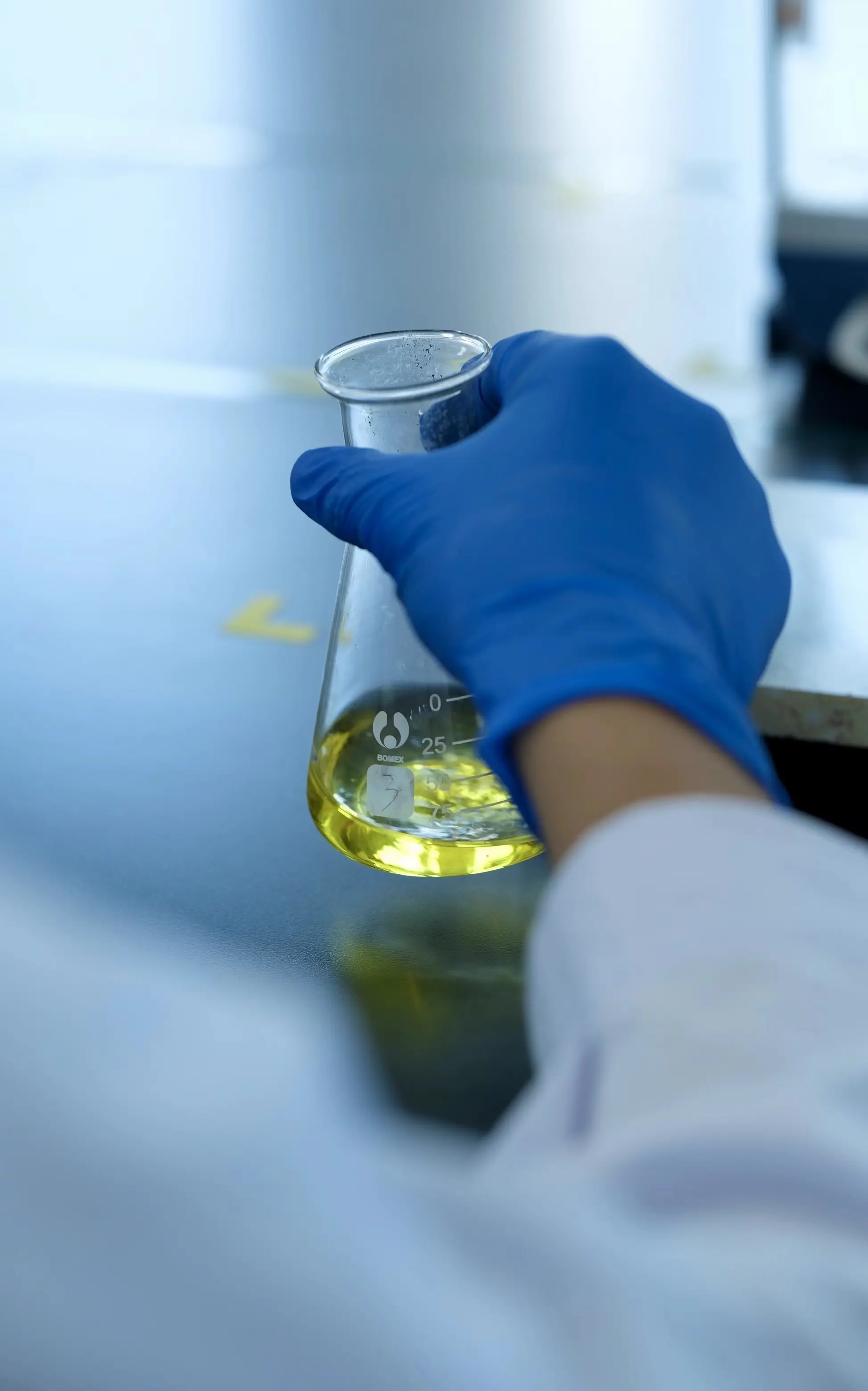
How ODM chemical formulation aligns with advanced wastewater processing workflows to maximize performance and economic efficiency.
Global procurement teams in heavy chemical, pharmaceutical, automotive, and electronic semiconductor manufacturing face volatile supply chains and rigorous quality audits. When sourcing wastewater treatment chemicals from exporters, standard catalog products often fail to yield optimal Total Cost of Ownership (TCO). Industrial procurement demands have shifted towards consolidated supply chains, customized concentration formats (reducing international ocean freight expenses), and technical field support.
Furthermore, ESG metrics compel enterprises to source green-certified chemicals with minimal ecological footprints. This includes biodegradable defoamers, non-phosphorus scale inhibitors, and carbon sources designed for biological denitrification that do not generate secondary hazards. Smedic Technology addresses these needs by establishing dedicated OEM/ODM synthesis pathways, enabling enterprise buyers to receive proprietary chemical blends optimized for their specific local operational constraints and environmental goals.
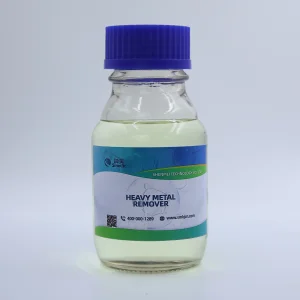
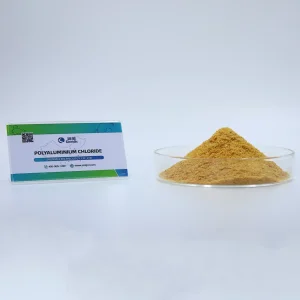
Wastewater streams vary extensively across vertical industries. In the **mining and metallurgical sector**, effluents are characterized by high concentrations of toxic heavy metals, sulfates, and suspended mineral fines. Standard sedimentation takes too long and fails to meet discharge limits. Smedic's Inorganic-Organic Covalent Bond Flocculant and Heavy Metal Removal Agents quickly chelate dissolved heavy metals, producing dense, shear-resistant flocs that settle rapidly.
For **municipal sewage plants**, the challenge lies in managing vast hydraulic loads and variable nitrogen and phosphorus inflows. Smedic's composite carbon sources and deep multi-nuclear phosphorus removal agents optimize biological denitrification and phosphorus precipitation. This helps facilities maintain compliant effluent quality under extreme cold-weather operations or fluctuating hydraulic inflows, without causing sludge bulking.
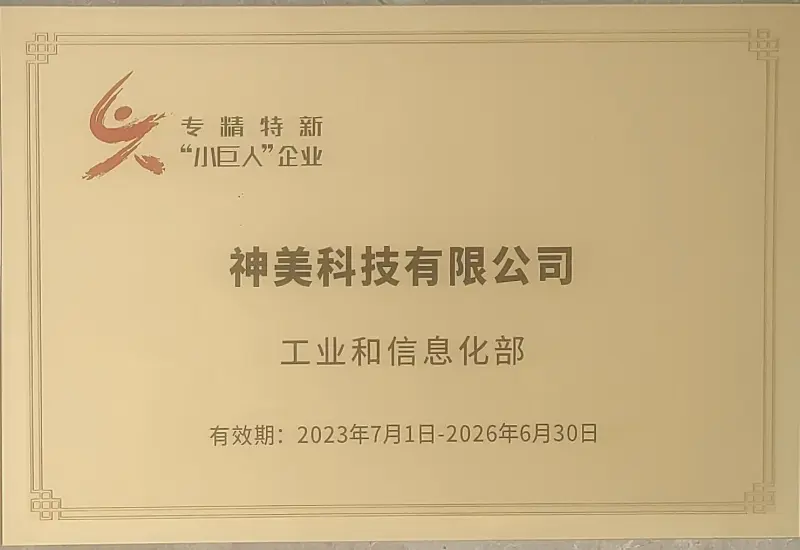
Our research and development capabilities are validated by our recognition as a National High-tech Enterprise and a Specialized, Refined, Unique and Innovative "Little Giant" Enterprise in China. Smedic has secured more than sixty patents, including over forty invention patents. We have also drafted over ten national and industry standards for chemical compounds, including composite carbon sources, composite coagulants, sodium acetate, and specialized nitrifying bacterial agents.
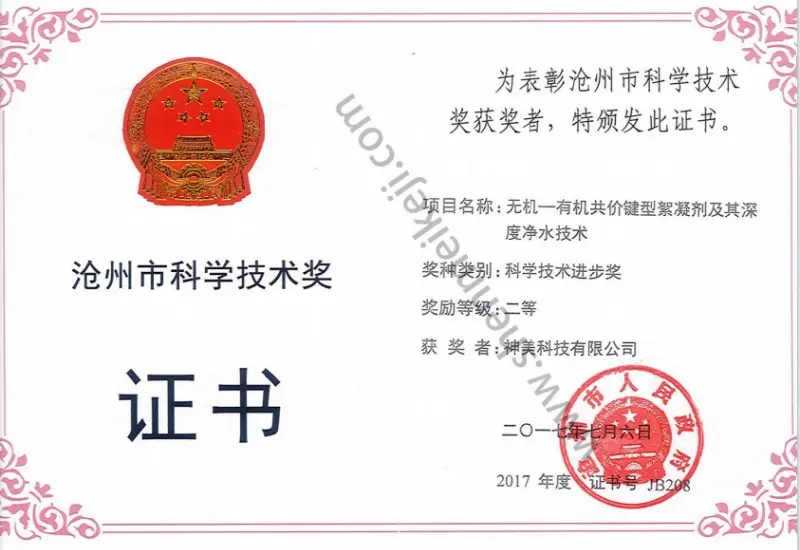
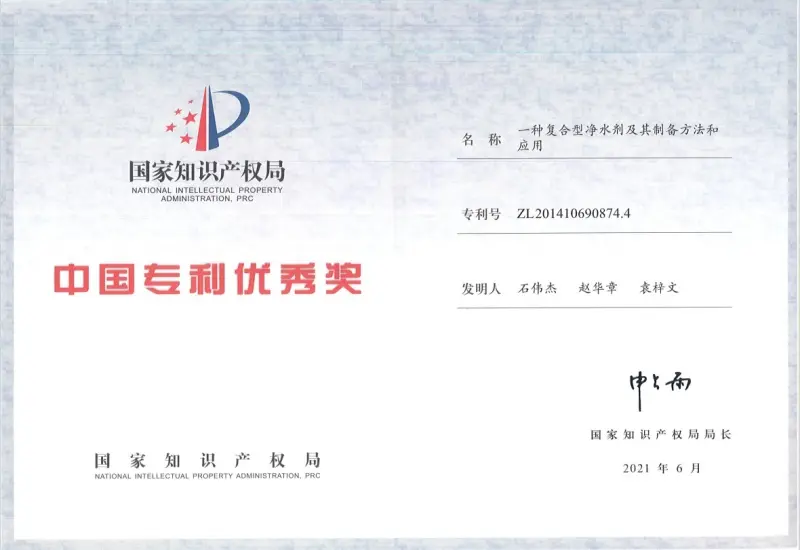
Our independently developed "Inorganic-Organic Covalent Bond Flocculant" won the 22nd China Patent Award and the First Prize for Technological Invention from the China Petrochemical Industry Association. These achievements demonstrate our technical leadership and commitment to providing high-performance, validated chemistry to the global export market.
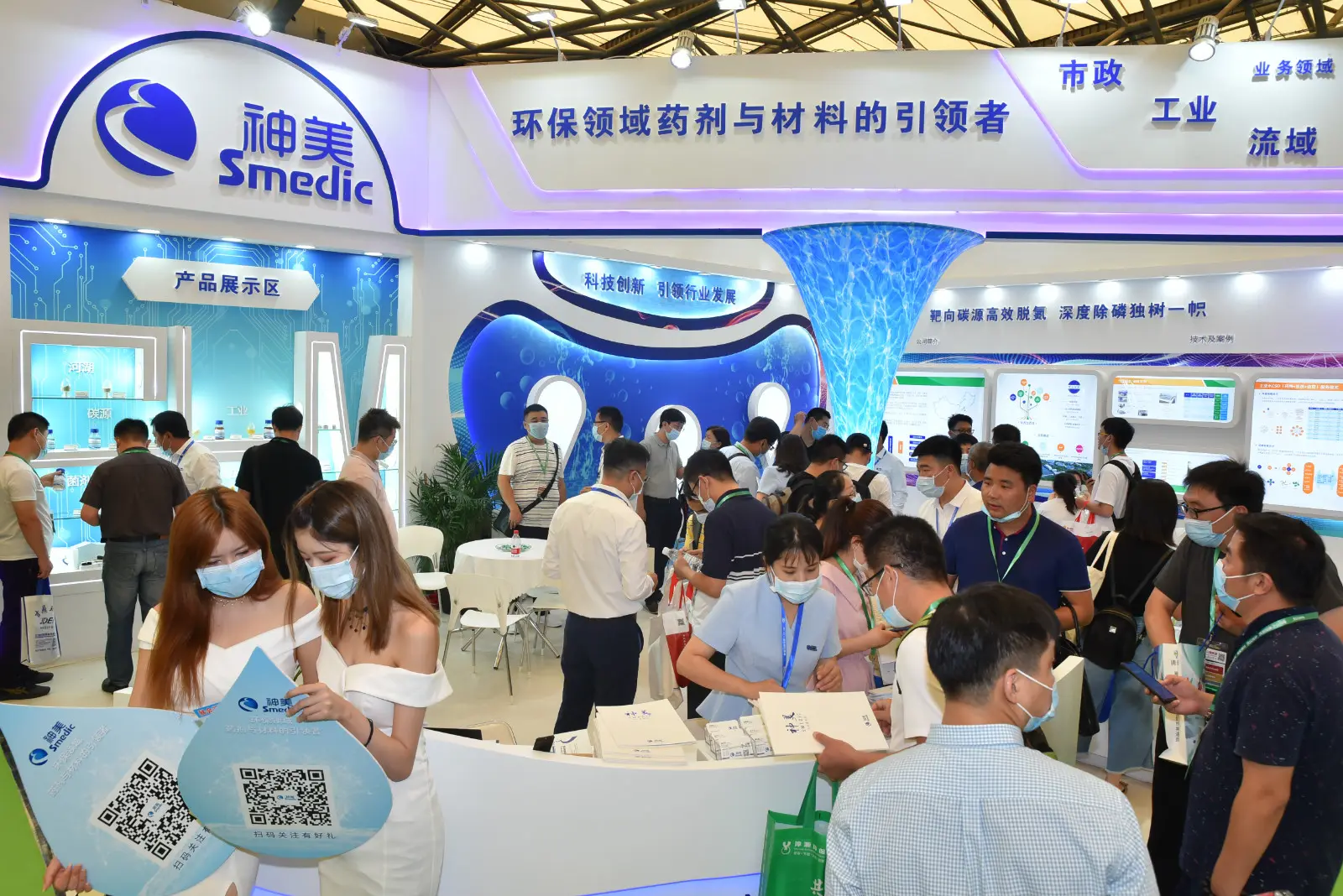
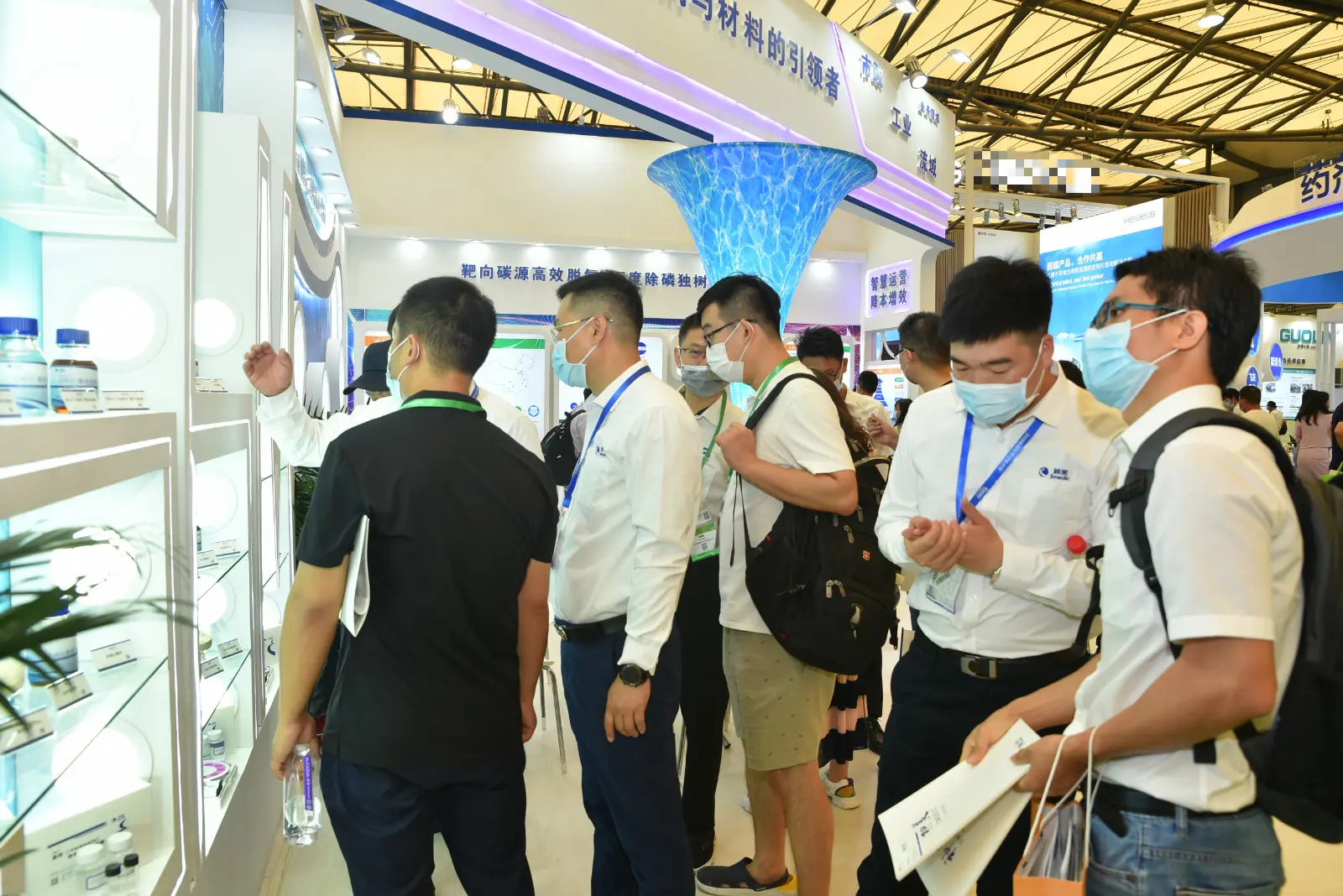
A timeline tracking Smedic’s journey from a regional chemical supplier to an internationally recognized innovator in water treatment chemistry.
Smedic was founded in Beijing, establishing core laboratories focused on municipal water clarification chemistry.
Completed a comprehensive product portfolio tailored for municipal wastewater treatment processes.
Recognized as a national key high-tech enterprise, initiating strategic partnerships with academic research institutions.
Established our Guiyang production base, significantly expanding our raw material synthesis and distribution network in southern China.
Completed and expanded our Hebei, Shandong, and Guizhou production facilities, pushing annual production capacity past 1 million tons.
Honored as a National Specialized, Refined, Unique and Innovative Small and Medium-sized Enterprise.
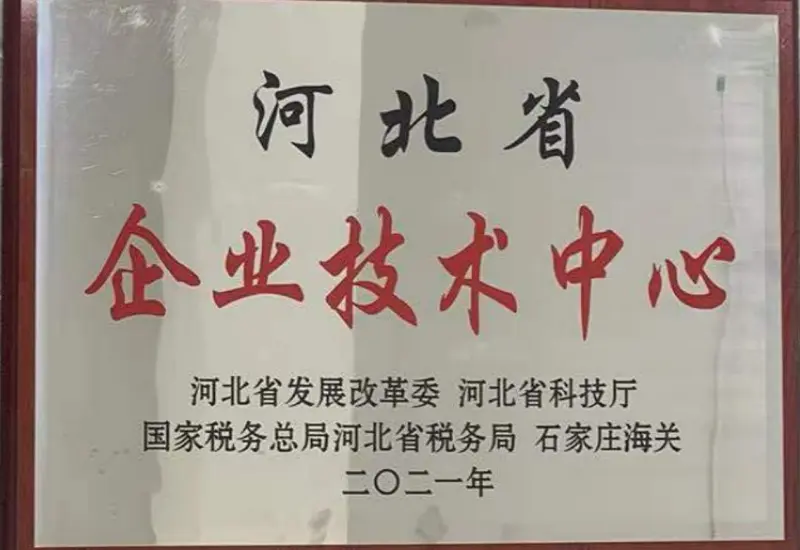
Established our Hebei provincial-level R&D platform, standardizing product verification and environmental safety testing.
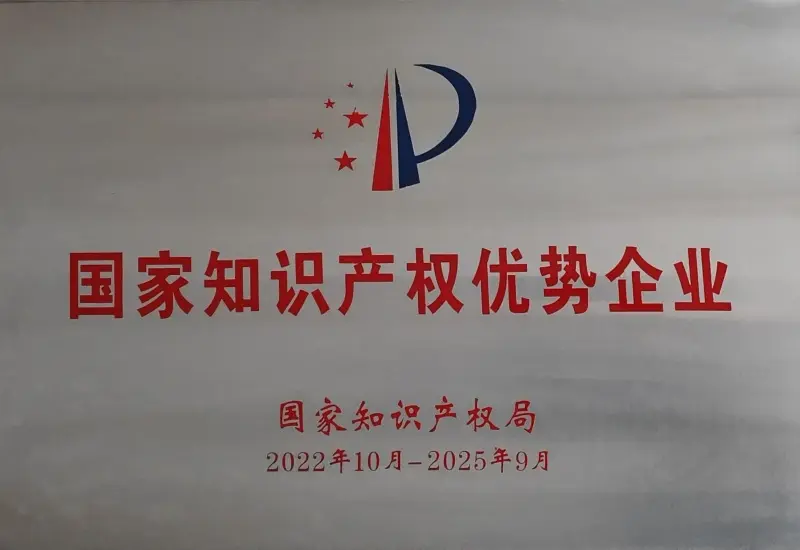
Formally recognized as a National Intellectual Property Advantage Enterprise, holding over 60 active patents.
Formed a joint venture company with the Chengdu Institute of Mineral Comprehensive Utilization, China Geological Survey, to develop and produce specialized mineral processing reagents.
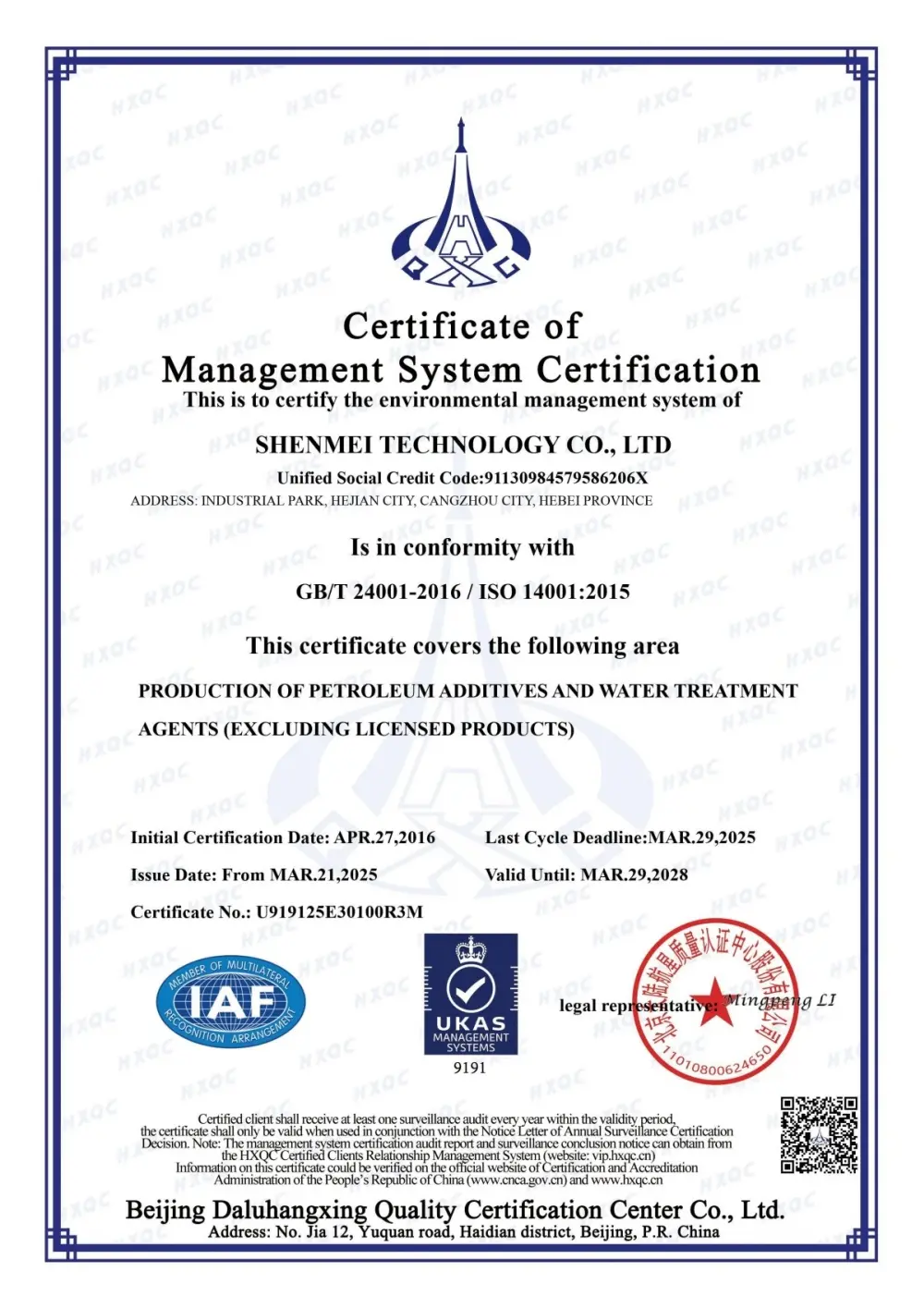
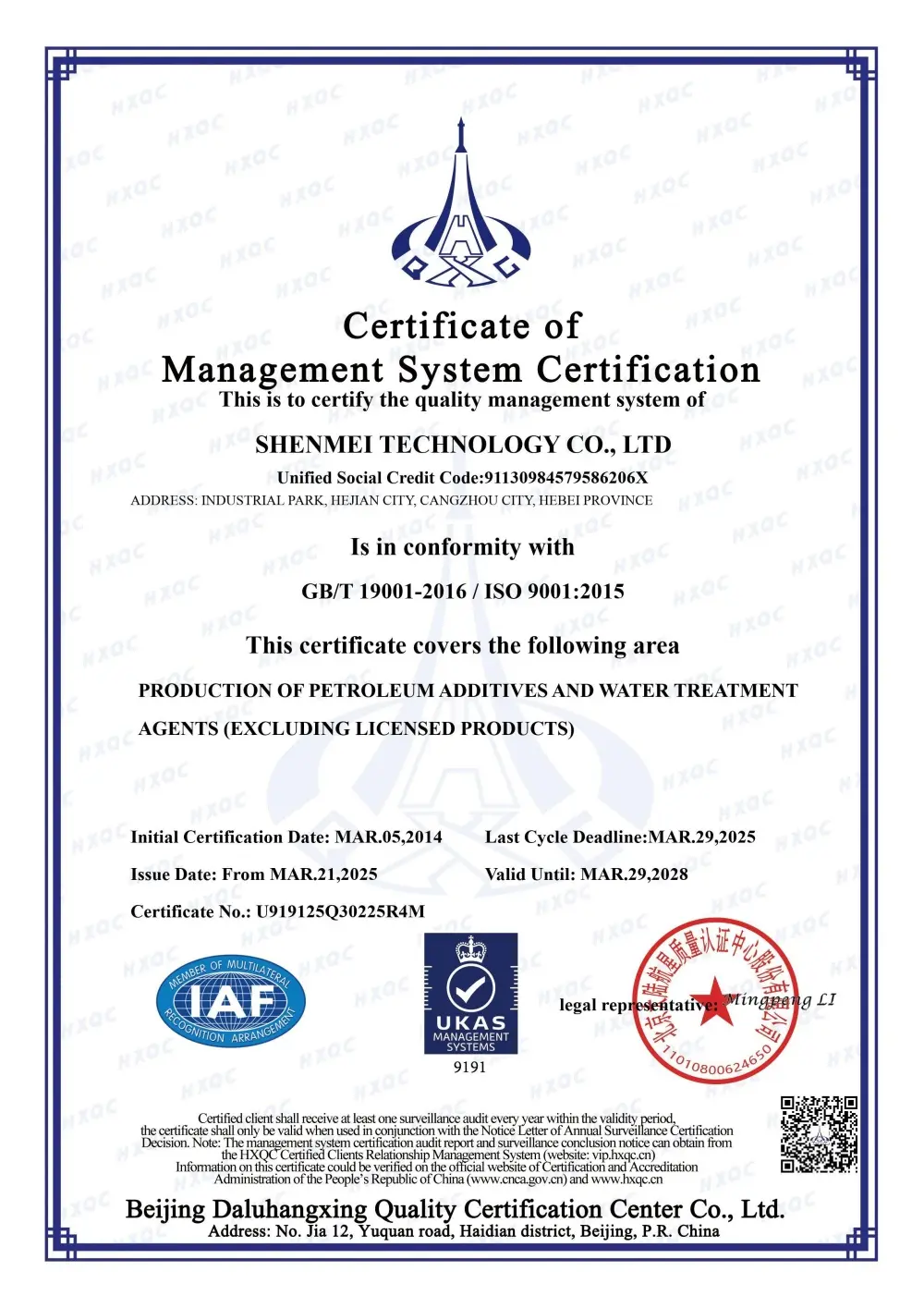
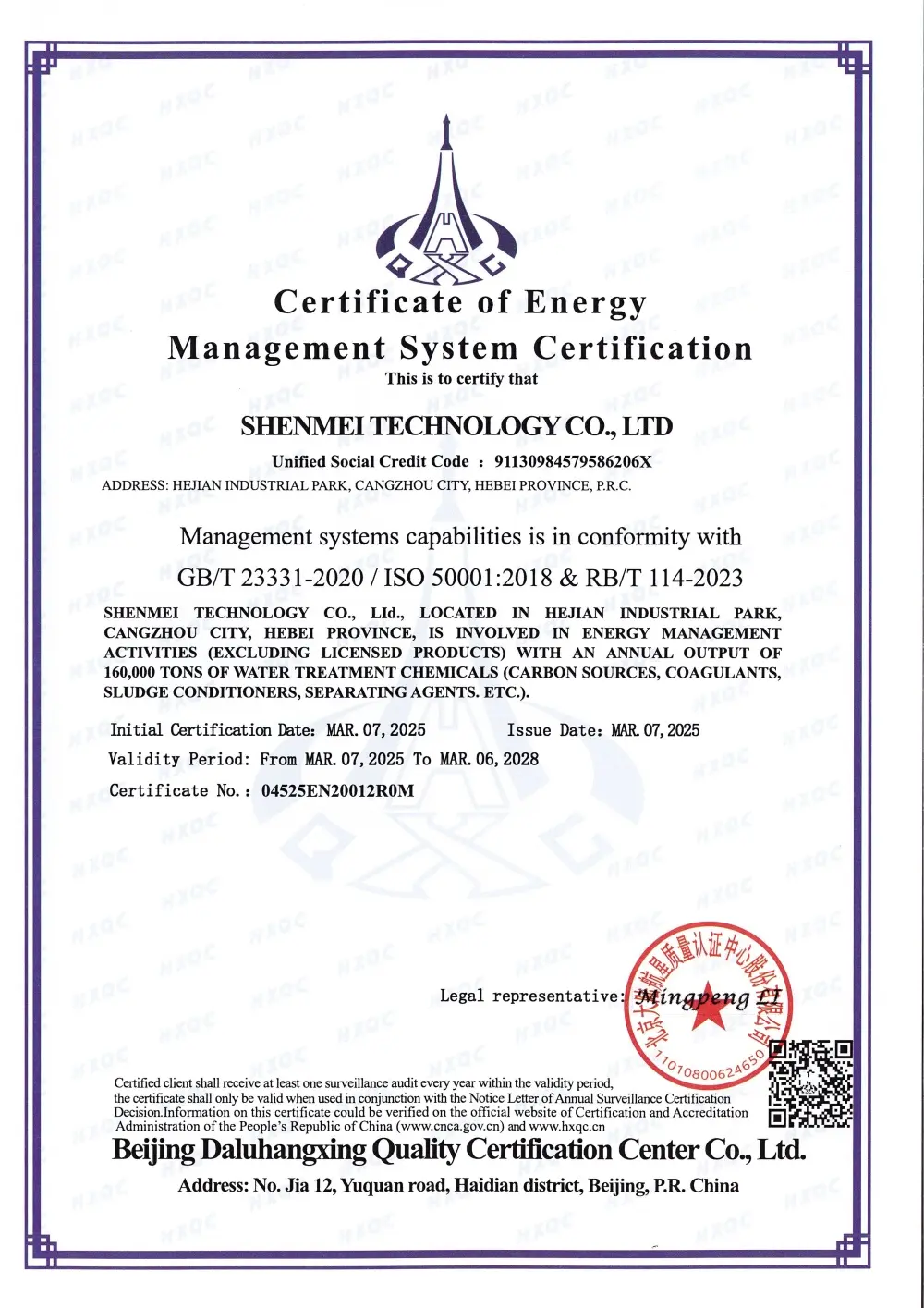
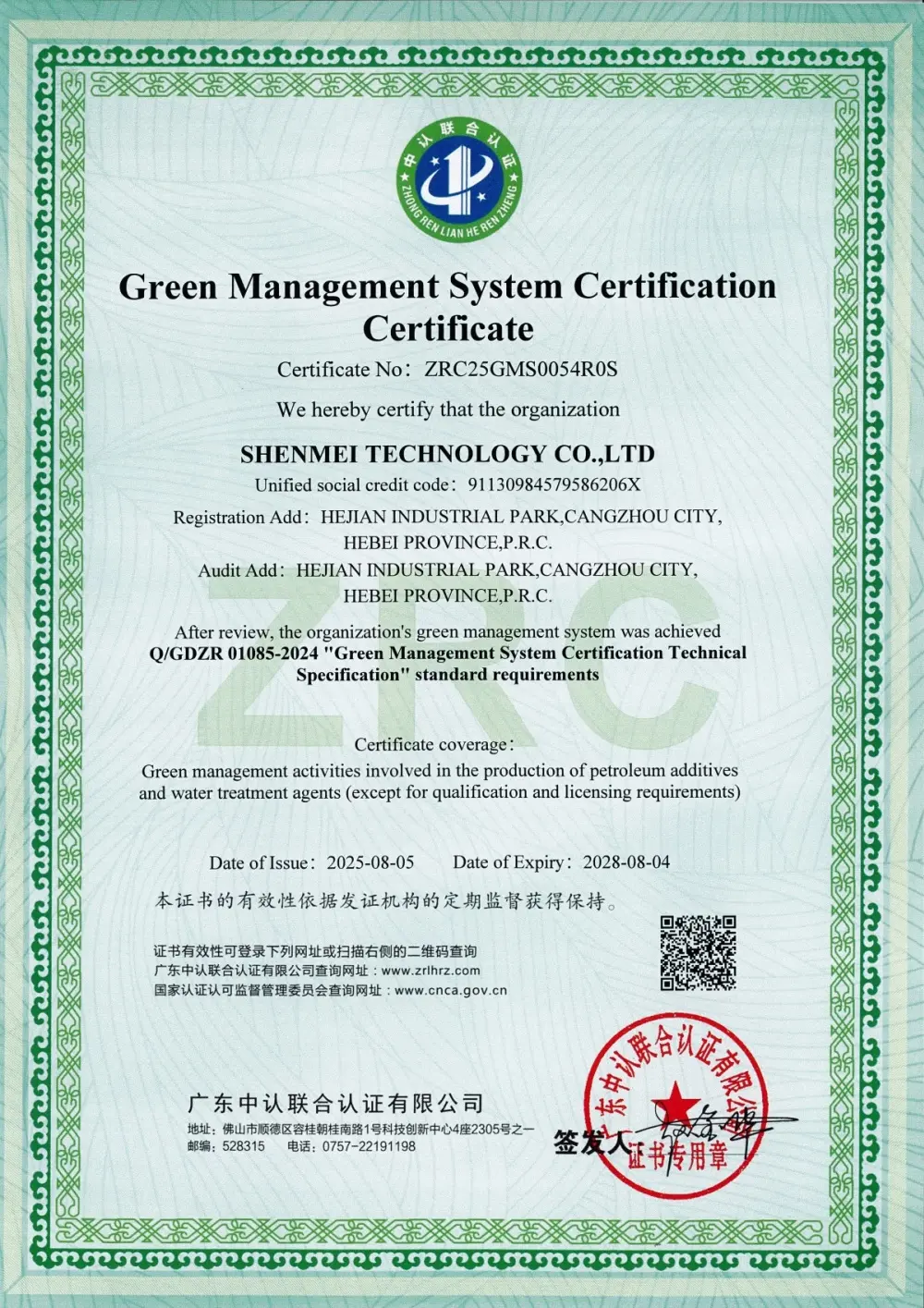
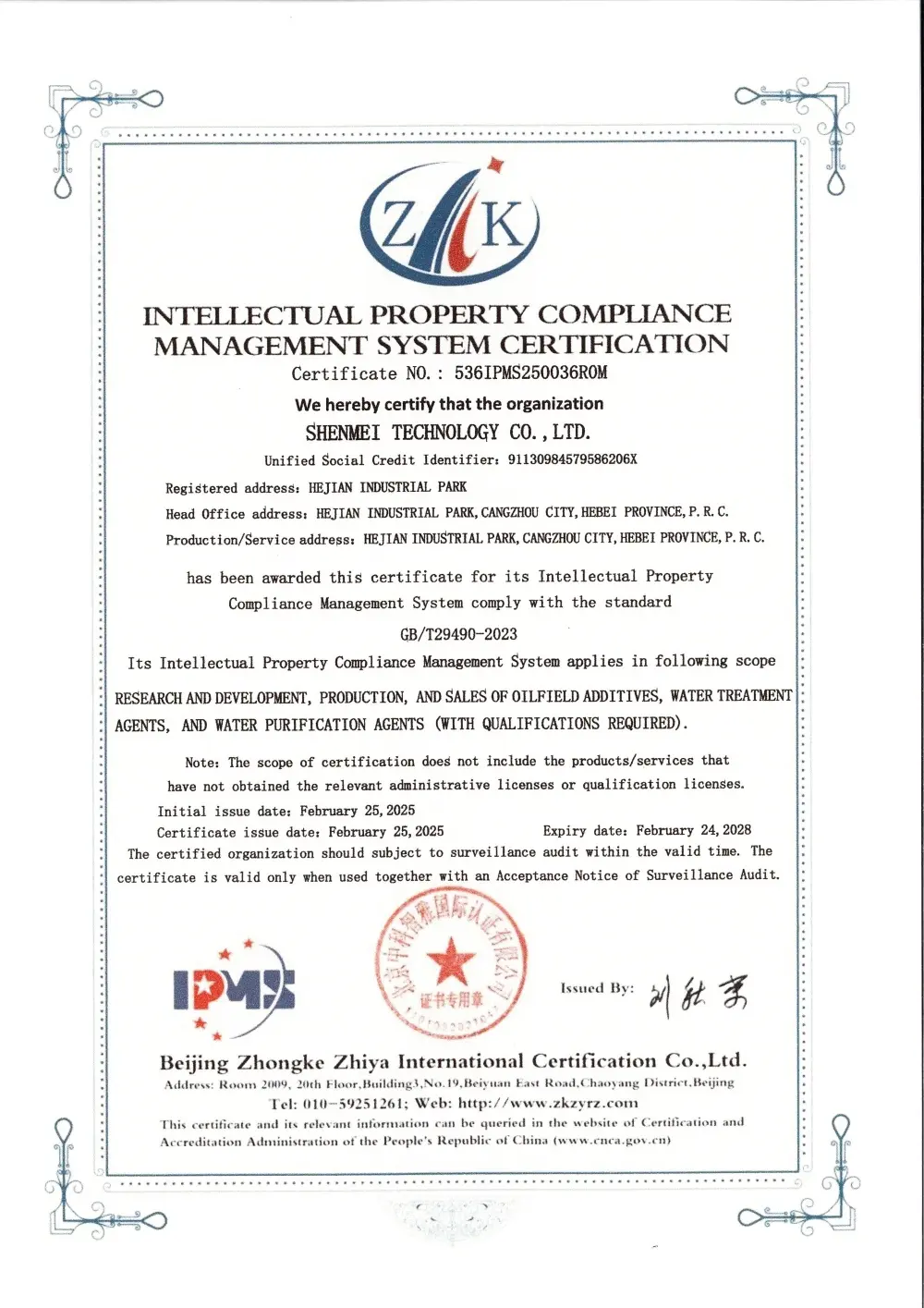
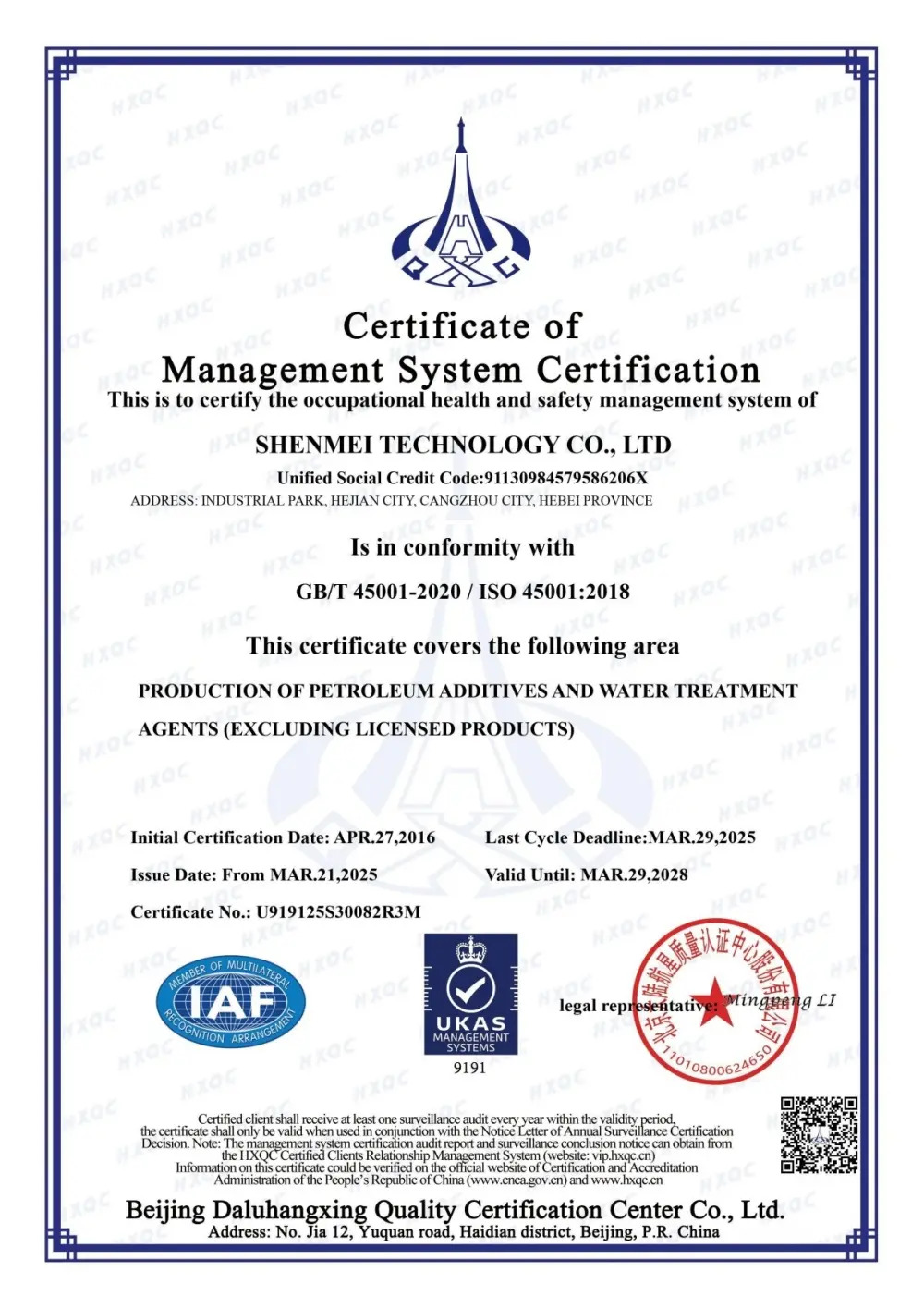
Rigorous quality control and regulatory compliance certified by leading global and domestic verification bodies.
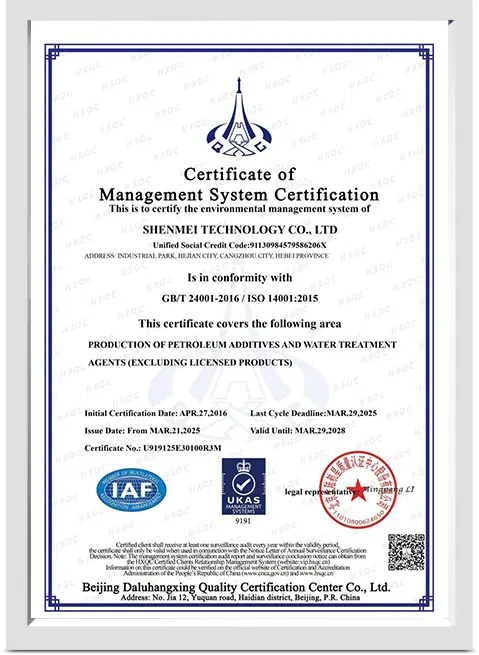
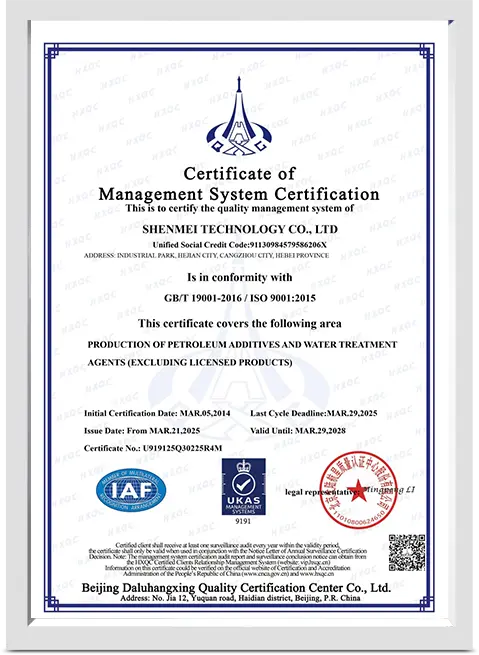
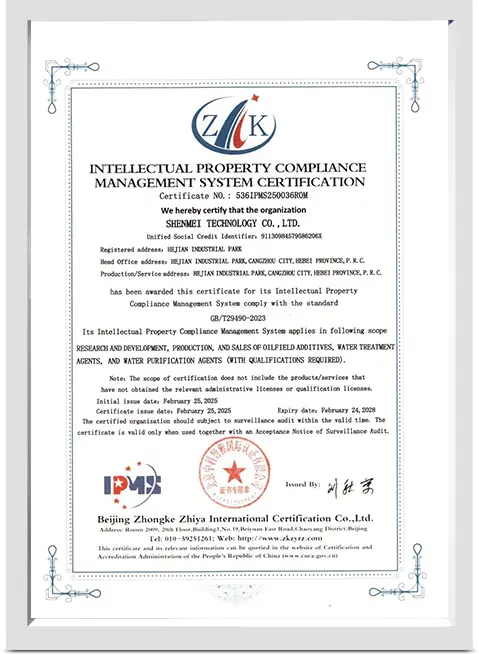
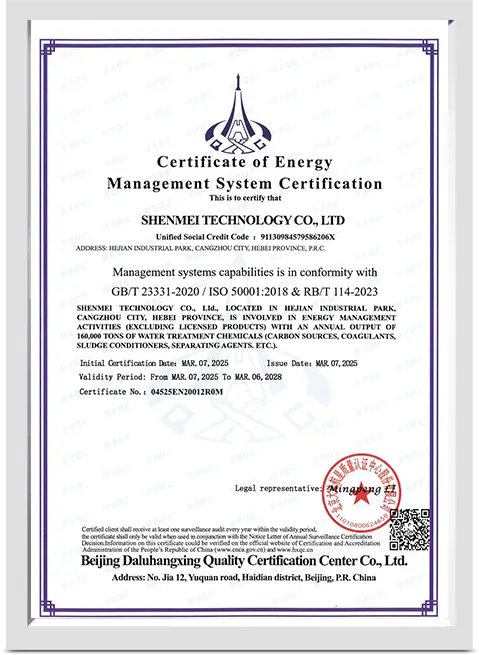
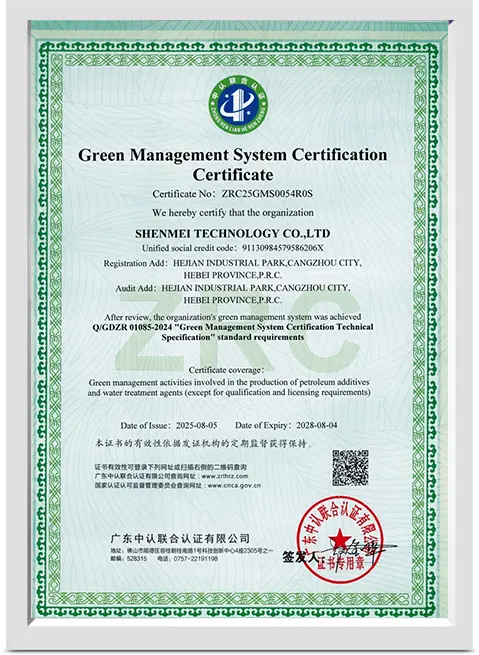
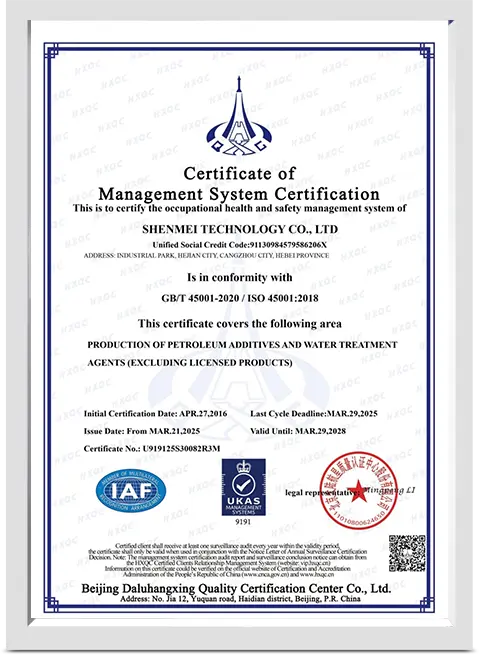
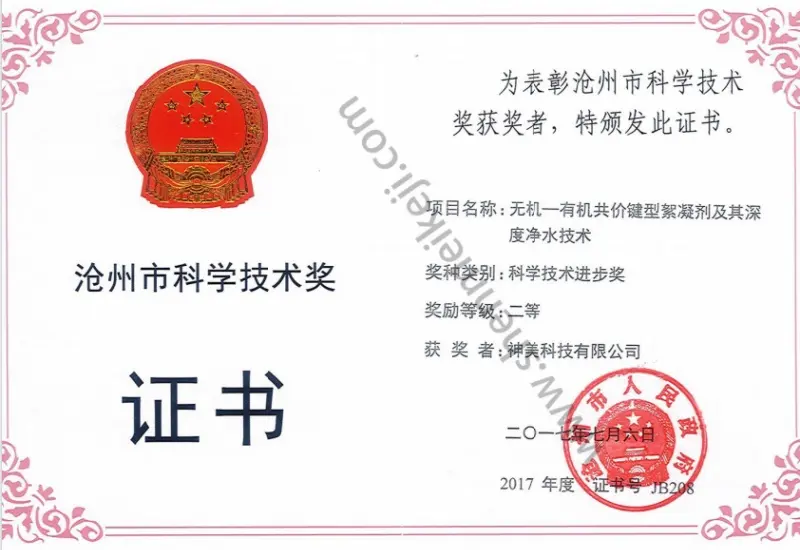
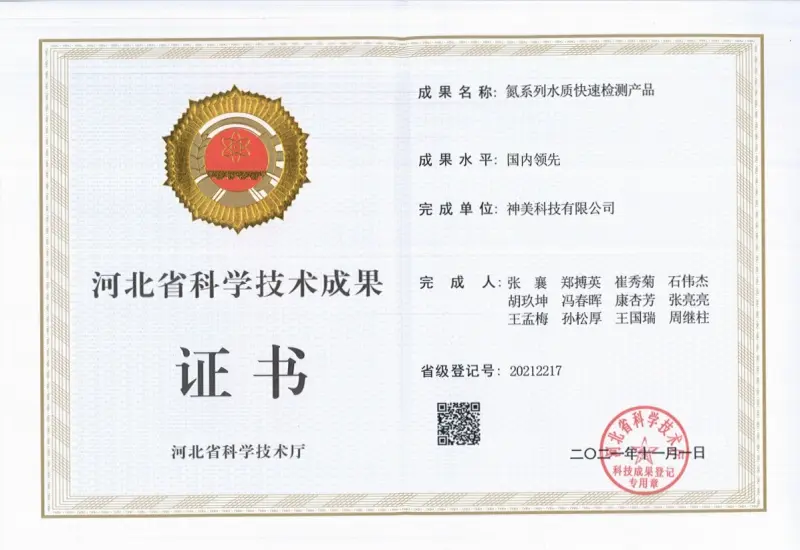
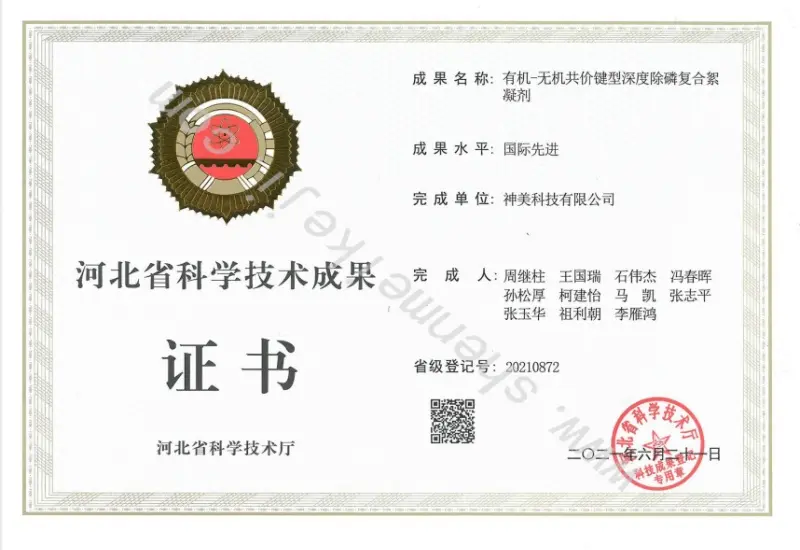
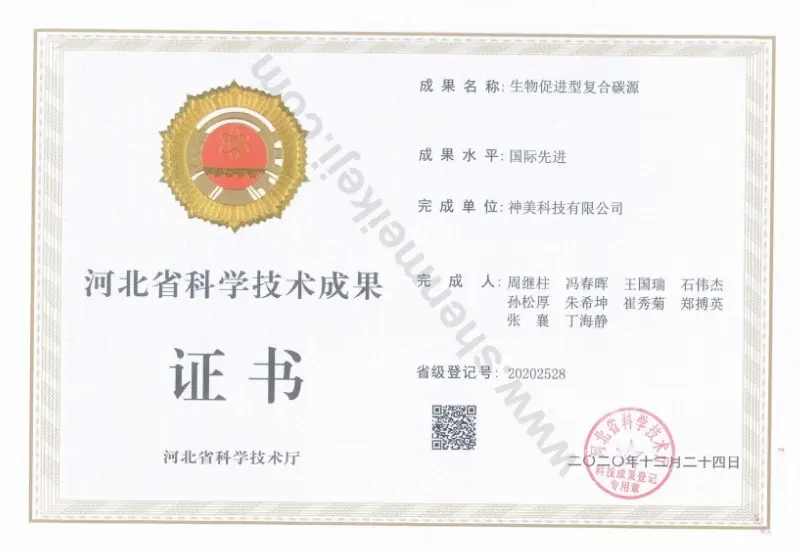

Ensuring supply chain reliability, customized dosing systems, and end-to-end regulatory adherence for our international partners.
Exporting chemical agents worldwide requires a deep understanding of regional regulations and logistics requirements. Smedic Technology has built a robust international compliance team that handles all import and export requirements, including SDS authoring under the Globally Harmonized System (GHS), TSCA registrations in the United States, and REACH compliance in Europe. Our partner warehouses in coastal transport hubs ensure quick dispatch and reliable logistics, minimizing lead times for critical industrial plants.
Beyond product delivery, our technical field teams provide support for trials, dosing optimization, and system integration. Our joint laboratory networks with Tsinghua University and Shandong University offer comprehensive wastewater analysis, helping international clients determine the optimal blend of coagulants, scale inhibitors, and defoamers for their specific processes. This end-to-end support helps minimize chemical consumption and improve overall plant efficiency.
Every shipment undergoes batch testing and comes with COA documentation traced directly back to raw material lots. This ensures consistent performance and compliance with customer specifications.
Our multiple manufacturing facilities across China are supported by regional warehouses. This distribution network ensures reliable product availability and resilient delivery timelines, even during periods of high demand.
Our collaborative projects with research universities allow us to rapidly translate scientific findings into industrial-scale chemical solutions, keeping our product portfolio at the forefront of environmental technology.
Technical answers to frequently asked questions regarding OEM/ODM wastewater chemicals, dosing optimization, and application guidelines.
Standard coagulants rely on basic charge neutralization and adsorption to remove suspended solids, but struggle with dissolved heavy metal ions, especially when organic complexes are present. Smedic's ODM Heavy Metal Removal Agents feature multi-branched polymeric chelating chains that actively bond with heavy metal ions (such as Cu²⁺, Ni²⁺, Pb²⁺, Cd²⁺) to form highly insoluble, shear-resistant precipitates. This allows industrial facilities to meet strict metal discharge limits without requiring extensive changes to their existing clarifier setups.
The choice of PAM depends on the surface charge of the suspended solids in your wastewater. Anionic Polyacrylamide (APAM) is typically used for inorganic mineral slurries, metallurgical waste, and coal washing streams because these particles carry positive surface charges. Cationic Polyacrylamide (CPAM) is suited for organic sludge dewatering in municipal and food processing plants, where particles have negative surface charges. Non-ionic Polyacrylamide (NPAM) is preferred under highly acidic conditions or in complex organic-inorganic mixtures where charge-based attraction is less effective.
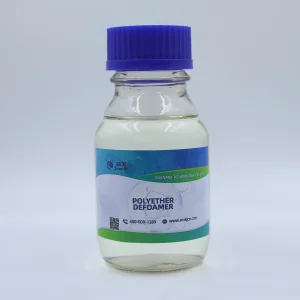
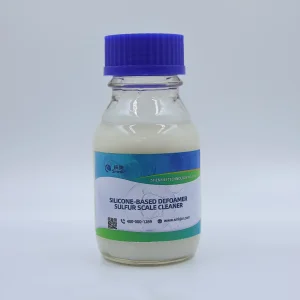
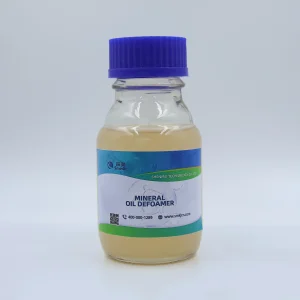
Industrial defoamers must remain effective across a wide range of temperatures, pH levels, and shear conditions. Smedic's ODM formulations combine high-stability polyether glycols with modified polydimethylsiloxanes (organic silicone). This combination lowers surface tension and allows the defoamer to quickly disperse across foam interfaces. The resulting formulation remains stable and active in hot biological aerators, high-shear pumping loops, and highly alkaline chemical baths, helping to prevent carryover issues.
Biological denitrification converts nitrate (NO₃⁻) into nitrogen gas (N₂) via denitrifying bacteria, which require an organic carbon source to fuel this metabolic process. Sodium acetate is highly bioavailable and easily metabolized by denitrifying bacteria. Compared to methanol, it is non-toxic and safer to store and handle. Compared to glucose or complex starches, it reacts quickly and produces less biological sludge, making it an excellent choice for municipal and industrial plants facing strict total nitrogen (TN) limits.
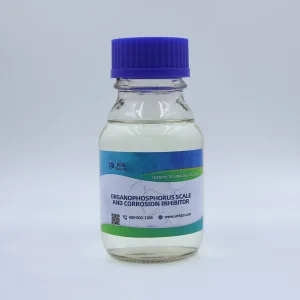
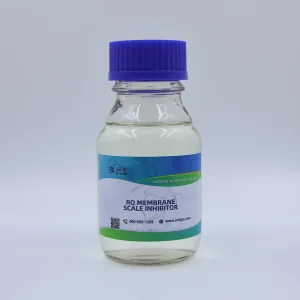
Reverse osmosis (RO) systems run the risk of mineral scaling (such as calcium carbonate, calcium sulfate, and barium sulfate) as dissolved salts concentrate along the membrane surface. Our Organophosphorus Scale and Corrosion Inhibitors work through threshold inhibition, crystal distortion, and dispersion mechanisms. They bind with scaling cations, disrupting their crystal lattice growth and keeping them suspended in the reject stream. This prevents scale deposition on the membrane surface, helping to maintain stable flux rates, lower cleaning frequencies, and extend membrane life.
Explore our full range of wastewater chemical products exported globally to meet complex industrial effluent standards.
 Smedic Tech