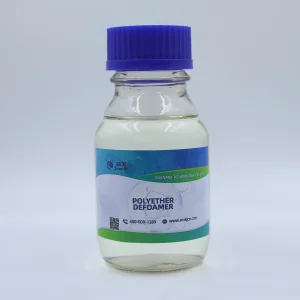
Explore our premium grade chemical agents formulated for high-performance flocculation, scale inhibition, foam control, and heavy metal adsorption.
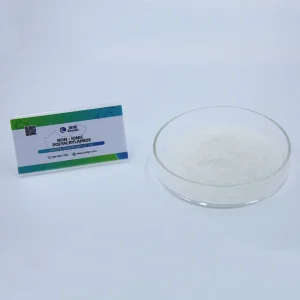
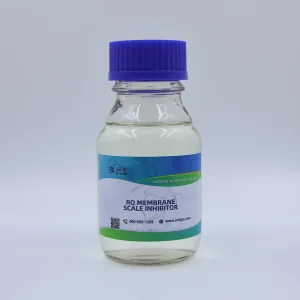
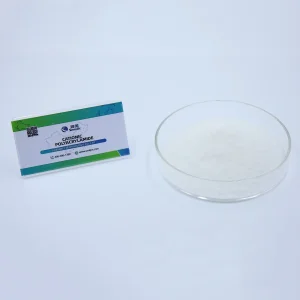
Global environmental preservation standards are experiencing unprecedented escalation. Regulatory mandates like the European Union's Zero Liquid Discharge (ZLD) directive, the US EPA's stringent effluent limitation guidelines (ELGs), and China’s "Double Carbon" goals have forced heavy industries and municipal facilities to upgrade their ecological footprints. Conventional municipal sewage systems and outdated treatment reagents no longer suffice.
As a leading ODM waste water removal supplier and exporter, Smedic Technology is at the forefront of this industrial transformation. We do not merely manufacture reagents; we design chemical ecosystems that optimize wastewater treatment. Our proprietary formulations reduce sludge volumes, eliminate recalcitrant heavy metal ions, and inhibit organic scale formation in critical membrane separation assemblies. Through advanced chemical synthesis, we deliver significant Information Gain and operational cost advantages to international engineering enterprises, municipal plants, and oilfield developers.
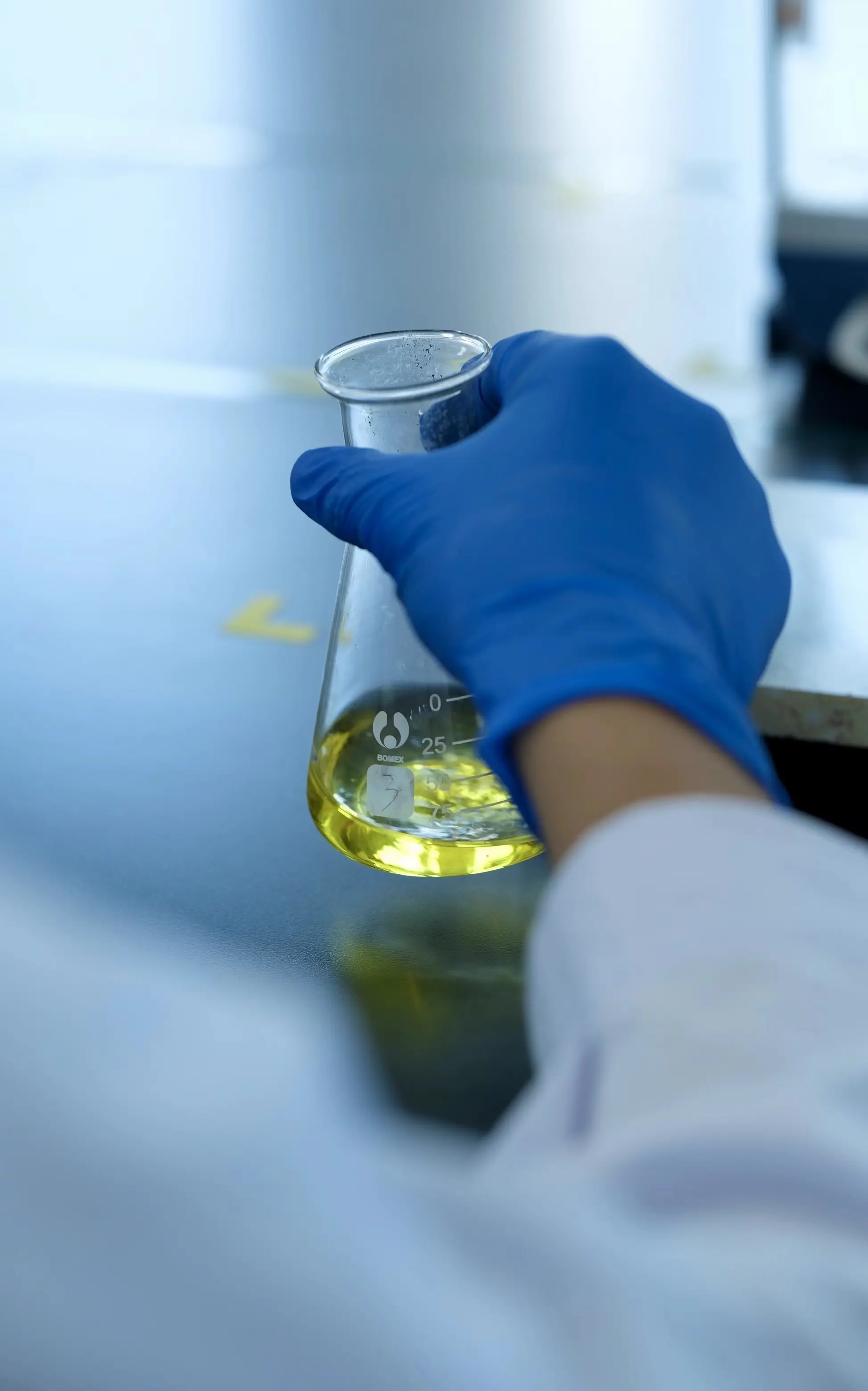
A comprehensive environmental protection agent solution provider integrating R&D, production, sales, and engineering-related technical services since 2011.
Established in 2011 and headquartered in Beijing, Smedic Technology Co., Ltd. has grown to become a dominant force in China’s environmental chemical sector. Our network spans multiple wholly-owned production bases in Hebei, Guizhou, and Shanxi, alongside ten OEM partner factories and regional warehousing hubs across Shandong, Anhui, Guangxi, and Sichuan. We cater to over 600 urban sewage treatment facilities and 1,000+ industrial enterprise clients, managing an aggregate daily purification capacity exceeding 20 million tons.
Our solutions cater directly to municipal sewage processing, oilfield recovery enhancements, mineral beneficiation, and industrial cooling cycles. With an annual capacity surpassing 1 million tons across 80 different agent configurations, we ensure that global supply chain interruptions do not affect your operations.
Company Established
Environmental Protection Agents
Annual Capacity (Tons)
Daily Treatment Capacity (Tons)
Our ongoing R&D projects focus on green chemistry, advanced polymerization architectures, and intelligent dosing automation.
We are pioneering the synthesis of inorganic-organic covalent bond flocculants. This technology bridges the efficiency gaps of traditional coagulants by merging the high charge-neutralization capability of inorganic polyferric/polyaluminum cores with the customizable bridging capacity of organic polyacrylamides.
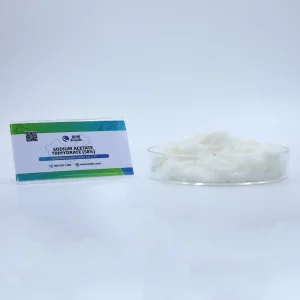
By using renewable plant resources, we have formulated bio-enhanced compound carbon sources. These alternatives exhibit faster microbial adaptation kinetics and lower chemical oxygen demand (COD) footprints compared to standard sodium acetate or methanol.
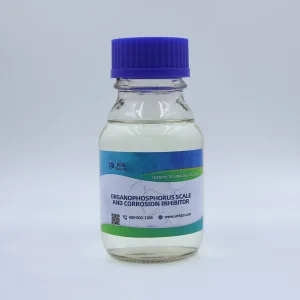
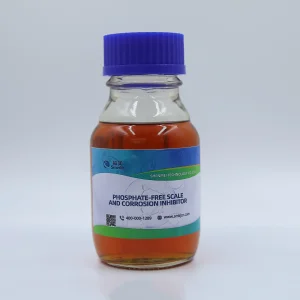
To combat eutrophication in receiving waters, our labs have formulated green, biodegradable, phosphate-free scale inhibitors. These utilize multi-carboxyl copolymer backbones that successfully prevent calcium carbonate and sulfate scaling in RO systems without feeding algae blooms.
Delivering tailored chemical strategies across primary global industries to ensure maximum water reuse efficiency.
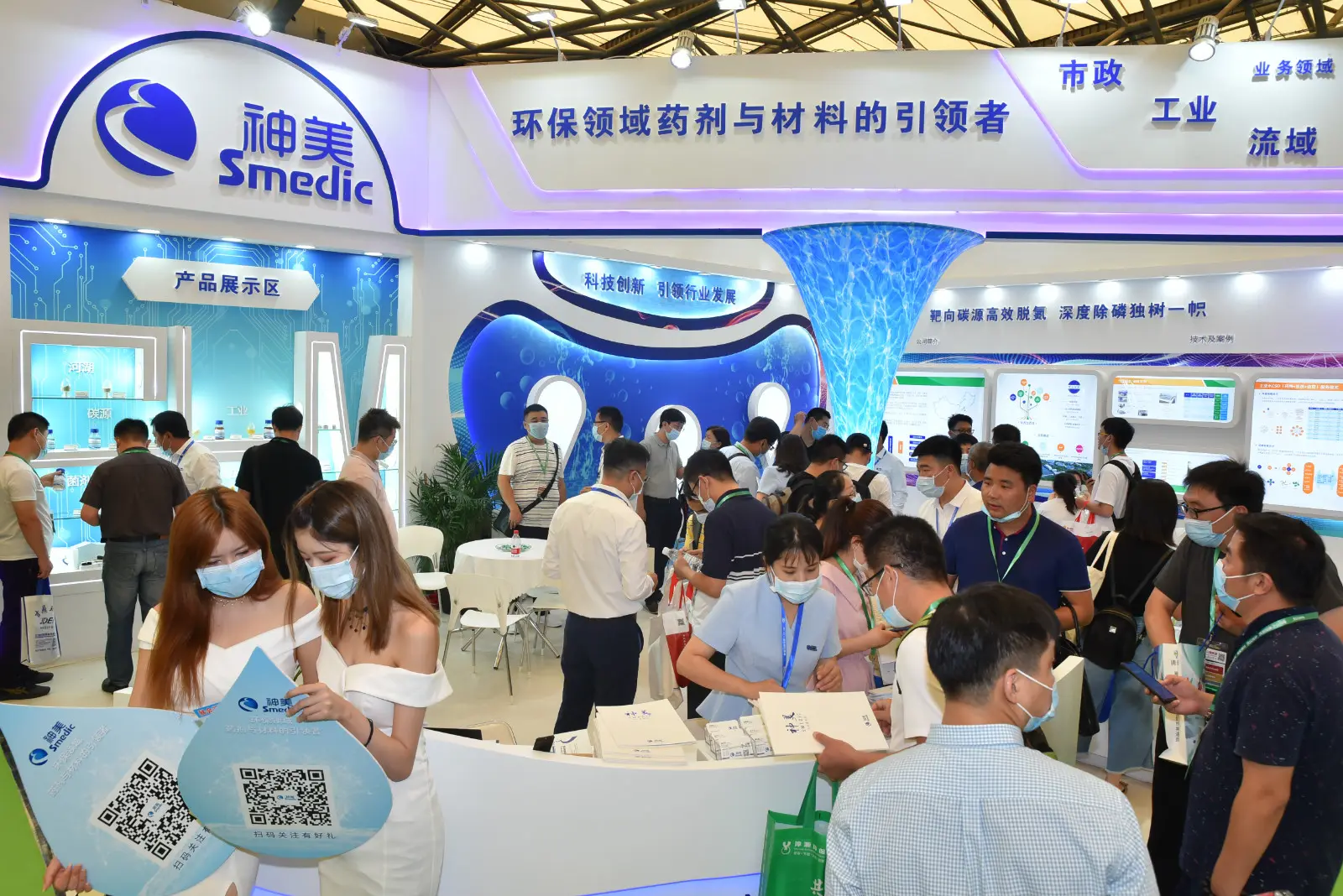
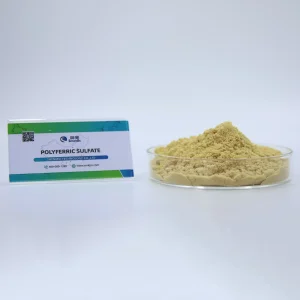
Smedic supplies bio-enhanced carbon sources, polyferric sulfate (PFS), and anionic/cationic polyacrylamides to remove phosphorus, ammoniacal nitrogen, and suspended solids from municipal wastewater. Our solutions lower sludge production and chemical overheads, ensuring compliance with strict regional regulations.
In upstream oilfield operations, our non-ionic polyacrylamides (NPAM) are engineered to withstand high shear forces, high temperatures, and high salinity. By controlling water mobility, our agents optimize oil sweep efficiency while clarifying produced water for safe environmental discharge or well re-injection.
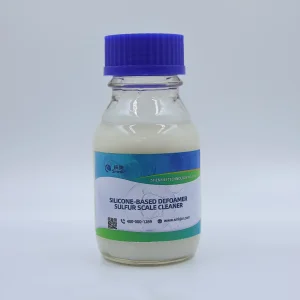
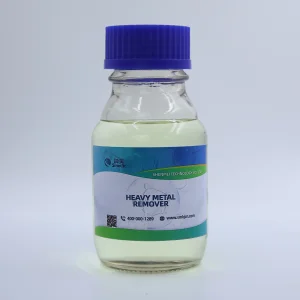
For mineral processing, dye works, and metal finishing industries, Smedic offers highly specialized heavy metal removal agents and organic silicone defoamers. These chemicals break emulsions and isolate complexed copper, nickel, lead, and zinc ions, preventing downstream ecological accumulation.
Combining automated production, smart logistics, and localized raw material access to secure global supply chains.
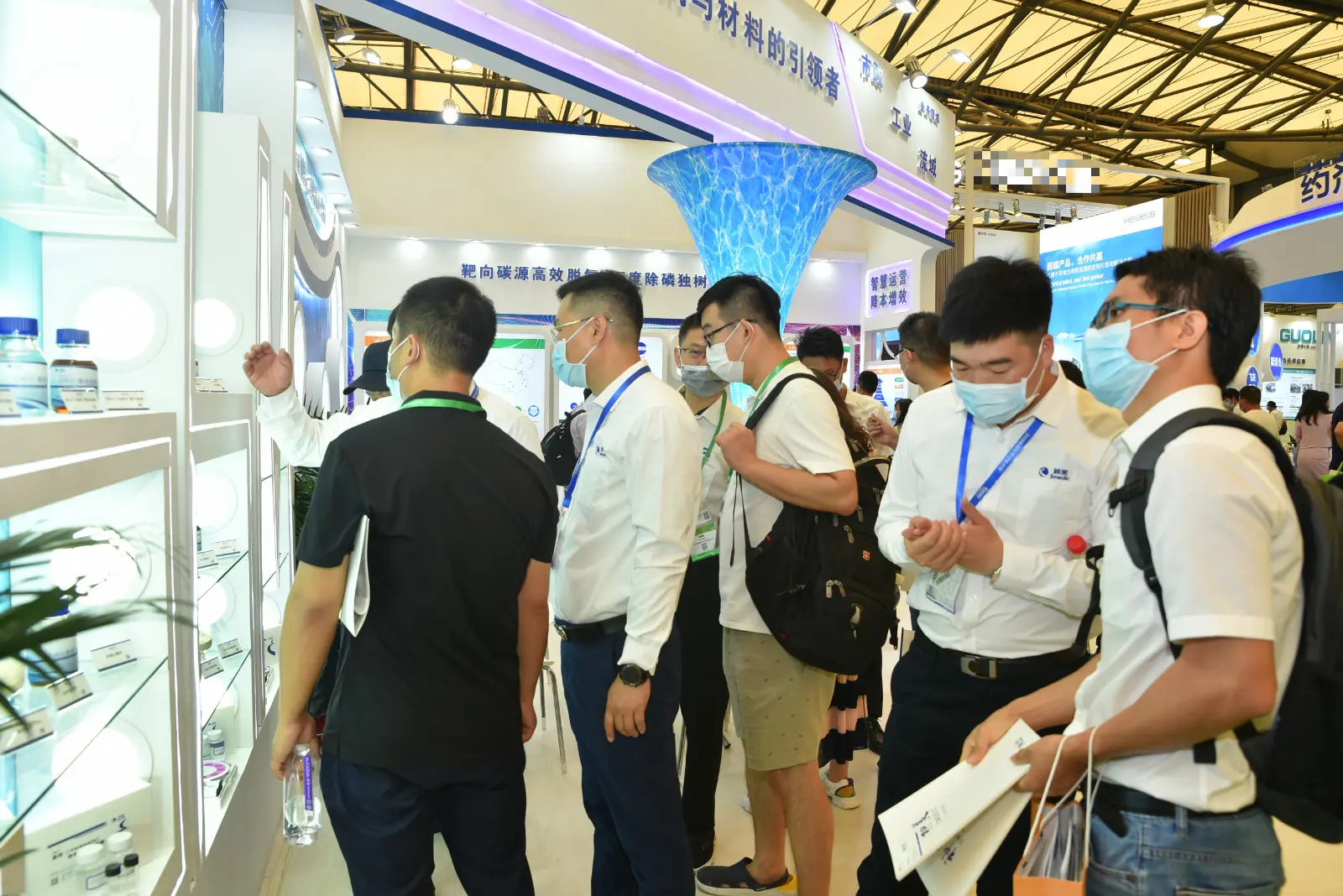
Operating a diverse network of wholly-owned bases across Hebei, Guizhou, and Shanxi alongside partner facilities, Smedic maintains an annual production capacity exceeding 1 million tons. Our facilities utilize DCS automation to control polymerization reactions, molecular weight distributions, and neutralization levels in real time. This digital framework guarantees batch-to-batch consistency for all exported chemicals.
Our close proximity to coal chemical hubs, salt resources, and oilfields in Northern and Western China ensures access to vital raw materials like acetic acid, acrylamide, and iron ores. Smedic leverages this network to minimize upstream cost fluctuations, providing global partners with stable pricing and reliable bulk shipping schedules, even during periods of market instability.
Spectroscopic screening of monomers, acids, and metal salts before processing.
Computerized polymerization, temperature profile tracking, and viscosity monitoring.
Uniform particle sizing to ensure rapid dissolution and dust reduction.
Final testing for active content, residual monomers, insoluble residue, and heavy metal concentrations.
Real-time GPS dispatch to major Chinese container ports like Tianjin and Qingdao.
Ensuring cross-border compliance, chemical safety registrations, and technical application support in target markets.
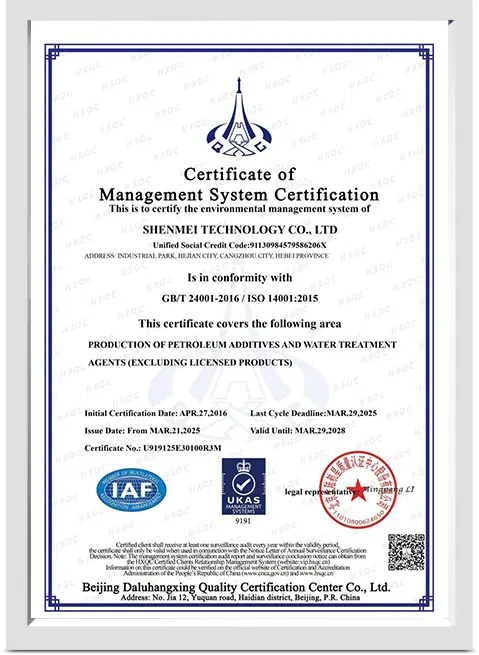
Exporting water treatment agents requires strict compliance with international chemical regulatory frameworks. Smedic maintains full compliance with EU REACH registrations for our polyacrylamides and defoamers. Our products meet or exceed the heavy metal thresholds defined by the United States EPA, the European Chemicals Agency (ECHA), and other regional authorities.
We provide comprehensive multi-lingual Safety Data Sheets (SDS) in accordance with the Globally Harmonized System of Classification and Labelling of Chemicals (GHS). Smedic's technical teams offer on-site jar testing and lab validation for international projects, helping EPC contractors select optimal chemical ratios for local source waters.
A look at the key milestones that established Smedic as a pioneer in advanced water purification chemistry.
Smedic was founded in Beijing, focusing on core R&D for municipal wastewater chemical reagents.
The company established a complete product portfolio for municipal wastewater treatment chemicals.
Recognized as a key national high-tech enterprise, expanding into heavy industrial applications.
A production base for water treatment chemicals in Guiyang was established to support South-Central China.
Production bases in Hebei, Shandong, and Guizhou were completed and expanded, with total production capacity exceeding 1 million tons.
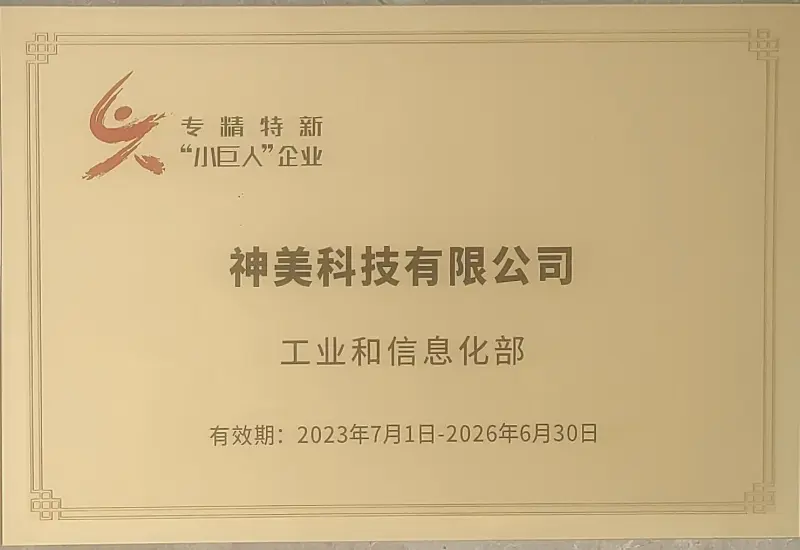
Recognized as a National Specialized, Refined, Unique and Innovative "Little Giant" Small and Medium-sized Enterprise.
Established a provincial-level R&D platform in Hebei, facilitating joint laboratories with Tsinghua and Beijing University of Technology.
Recognized as a National Intellectual Property Advantage Enterprise with over sixty patents in active protection.
A joint venture company was established with the Chengdu Institute of Mineral Comprehensive Utilization, China Geological Survey to produce advanced mineral processing reagents.
A core technical team of academicians, experts, and senior engineers driving standard-setting innovations.
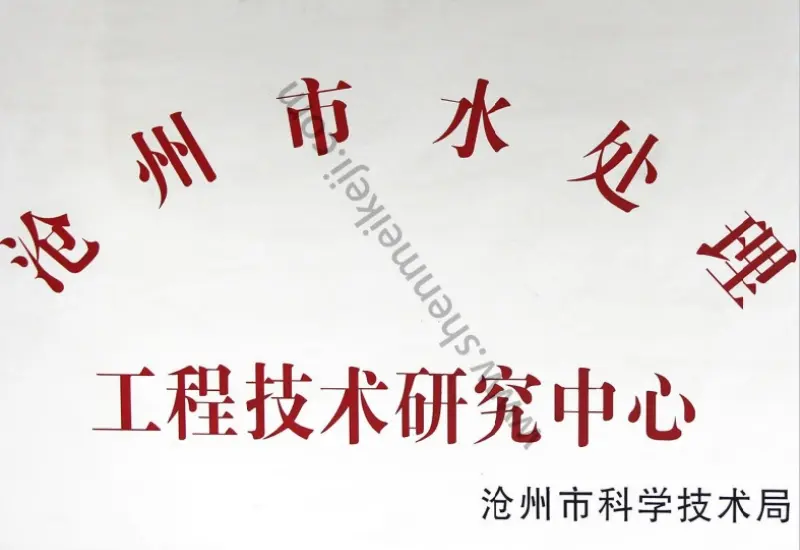
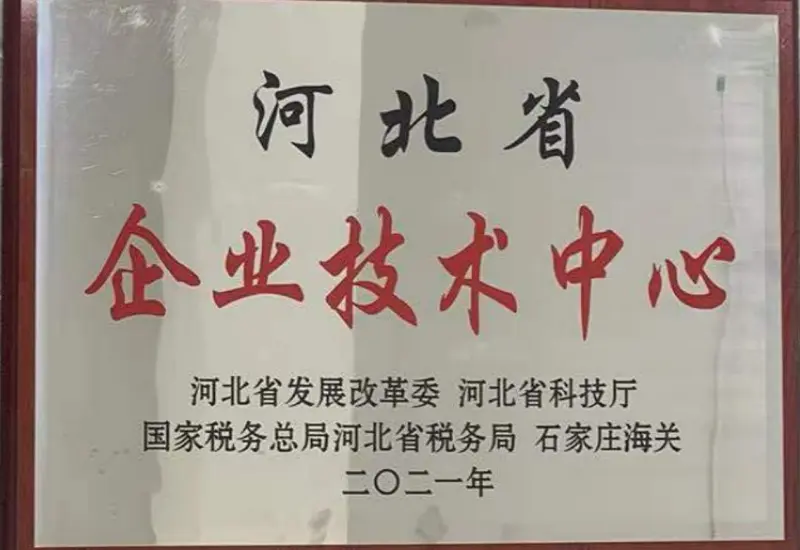
We believe in chemical development backed by academic research. Smedic has established an R&D framework centered around one academy, three research institutes, and five bases. This includes the Hebei Provincial Enterprise Technology Center, the Advanced Water Treatment Chemicals Technology Innovation Center, and a dedicated expert workstation created with the Tsinghua University Association of Senior Scientists and Technicians.
We serve as a commercialization partner for the research achievements of Tsinghua, Peking University, Shandong University, Beijing University of Technology, and Tianjin University. These partnerships allow us to continuously refine our formulations and scale technologies from lab experiments to industrial-scale production.
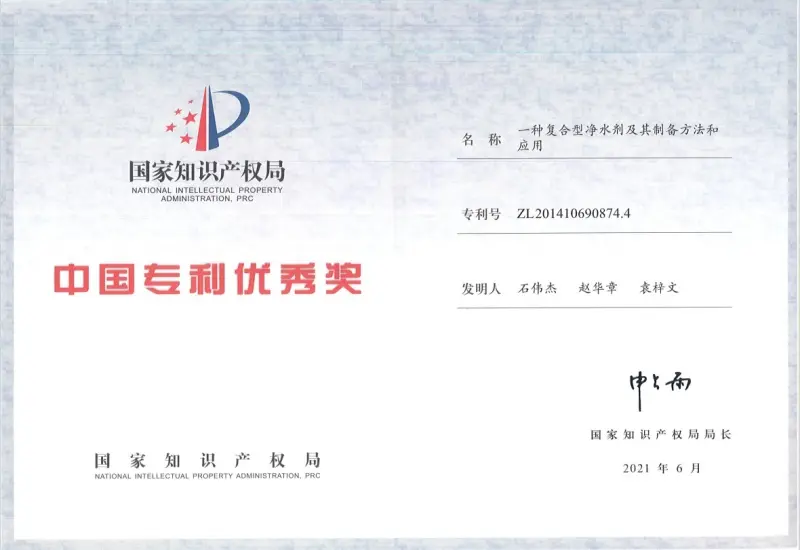
Smedic holds over 60 Chinese patents, including 40+ invention patents and 20+ utility model patents. We have spearheaded the drafting of over 10 national and industry standards covering:
Providing strategic centralized procurement options and long-term chemical supply pipelines for major water infrastructure operations.
Global procurement teams need suppliers that offer competitive pricing, steady supply, and transparent quality control. Smedic serves as a key supplier for major ecological groups, including Shouchuang Ecological and Environmental Group, Yangtze River Ecological and Environmental Group, Beijing Enterprises Water Group, OriginWater, and China Water Environment Group.
Whether you require raw, bulk powders or customized liquid emulsions, our ODM/OEM framework supports tailored molecular weights, monomer densities, and custom packaging. We offer full compliance paperwork, chemical stability testing, and batch-retention verification to simplify the audit processes for your procurement department.
Our custom synthesis and toll manufacturing services are designed to meet specific engineering criteria:
Reviewing target water chemistry, mechanical dewatering systems, temperature parameters, and regulatory limitations.
Adjusting charge density, molecular weight, polymer configurations, and hydrophobic/hydrophilic balances.
Running pilot tests on select lines, followed by automated bulk production with batch-specific Certificates of Analysis (COA).
Direct answers from our engineering team regarding formulation choice, storage, and application optimization.
Browse our second group of performance chemicals, designed for specialized water treatment, oilfield operations, and cooling towers.
 Smedic Tech