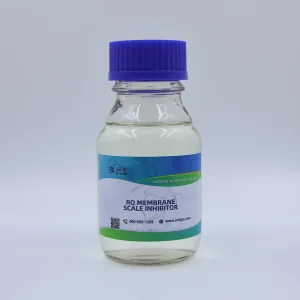
Explore our flagship ODM/OEM range designed for demanding municipal, industrial, mining, and oilfield applications. Sourced straight from our state-of-the-art Chinese manufacturing bases.
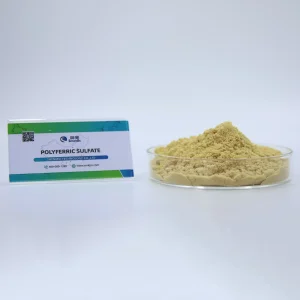
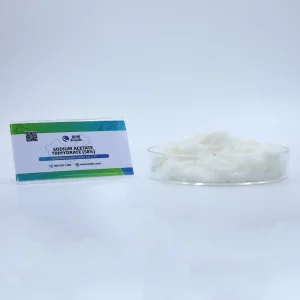
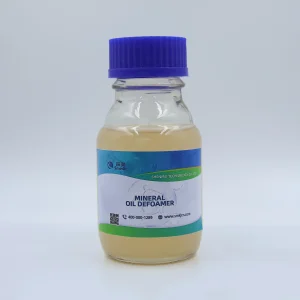
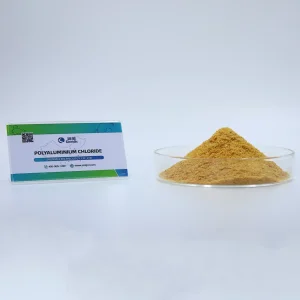
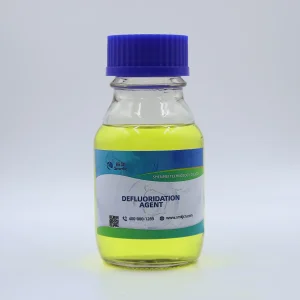
In the modern era of stringent environmental protocols, wastewater purification has transitioned from a utility function to a core element of corporate compliance and sustainable manufacturing. Smedic Technology Co., Ltd. (established in 2011) has positioned itself at the absolute forefront of this paradigm shift. As a premier ODM wastewater flocculant manufacturer, we integrate deep academic research with large-scale industrial synthesis to serve municipal authorities and major multinational corporations.
Our core mission revolves around solving complex flocculation, coagulation, and chemical separation challenges. Across municipal sewage systems, complex heavy-metal-laden industrial outflows, and delicate RO membrane pre-treatments, our tailored chemical portfolios ensure maximum particulate separation with optimized operational expenditure (OPEX). We leverage a proprietary network of research centers and production facilities, generating an annual capacity exceeding 1 million tons of specialty chemicals.
Headquartered in the political and technology hub of Beijing, Smedic operates a deeply resilient, vertically integrated supply network across China. To guarantee continuous material supply to global markets, we run wholly-owned production bases in key raw-material hubs, including Hebei, Guizhou, and Shanxi.
In addition to our primary manufacturing hubs, we have established over ten OEM partner facilities and strategic logistical storage centers in the provinces of Shandong, Shanxi, Anhui, Guangxi, and Sichuan. This localized distribution topology allows Smedic to support over 600 municipal sewage plants and more than 1,000 global industrial end-users, ensuring next-day supply availability and reducing carbon transport footprints.
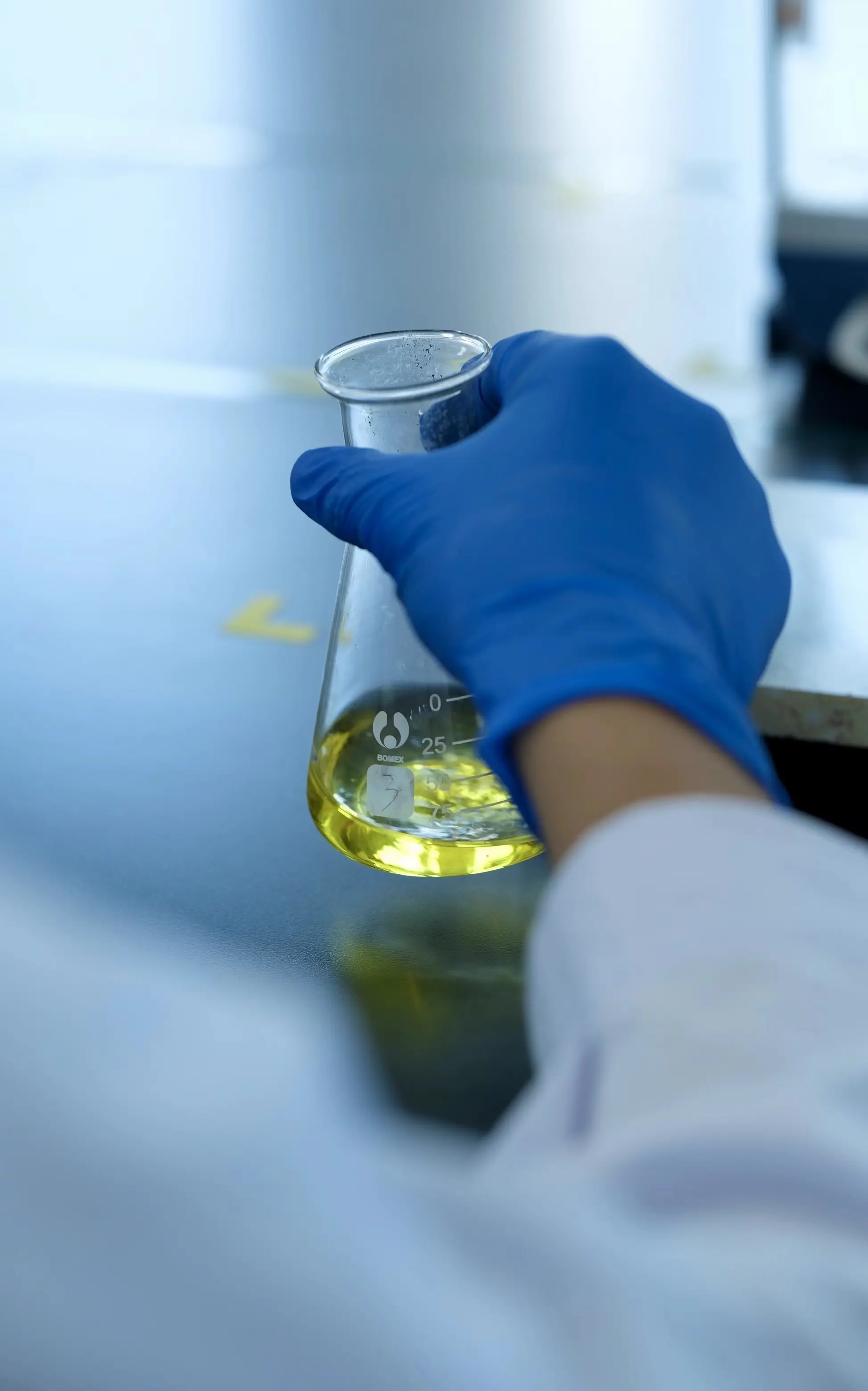
Custom chemical pathways addressing specific water chemistry matrices. From heavy metal precipitation to biological feedstocks, we optimize the physical-chemical dynamics of your treatment processes.
Utilizing high-purity solid Sodium Acetate and custom liquid carbon sources to accelerate the nitrification and denitrification cycles in municipal systems. Optimizes biological chemical oxygen demand (BOD) to nitrogen ratios.
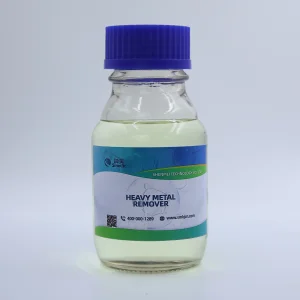
Proprietary inorganic-organic covalent bond flocculants and advanced metal removal chelators to precipitate arsenic, cadmium, lead, and fluorides out of specialized industrial effluents, meeting strict discharge thresholds.
Tailored mineral oil, polyether, and organic silicone defoamers designed to eliminate aeration-induced foaming in bioreactors, paints, and polymer coatings, preserving biological and physical process integrity.
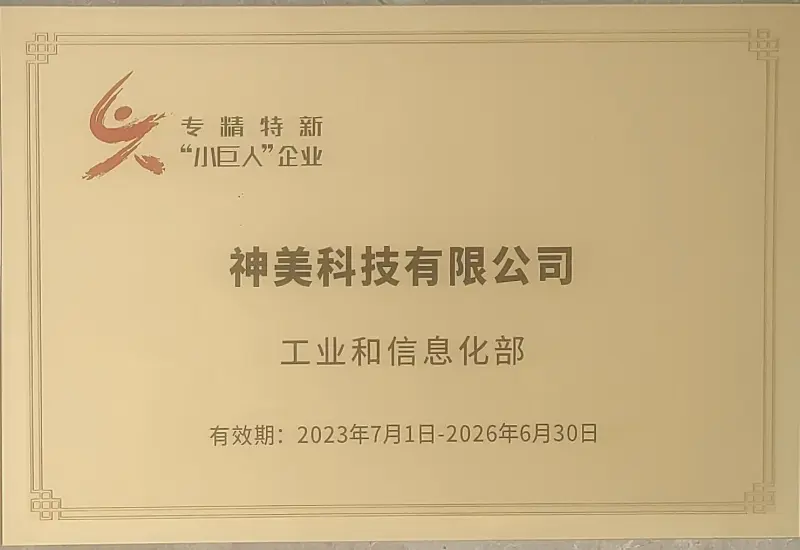
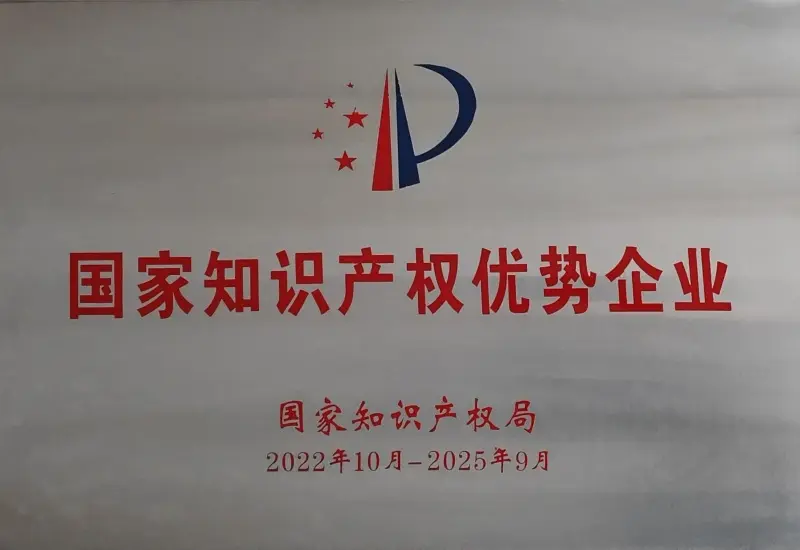
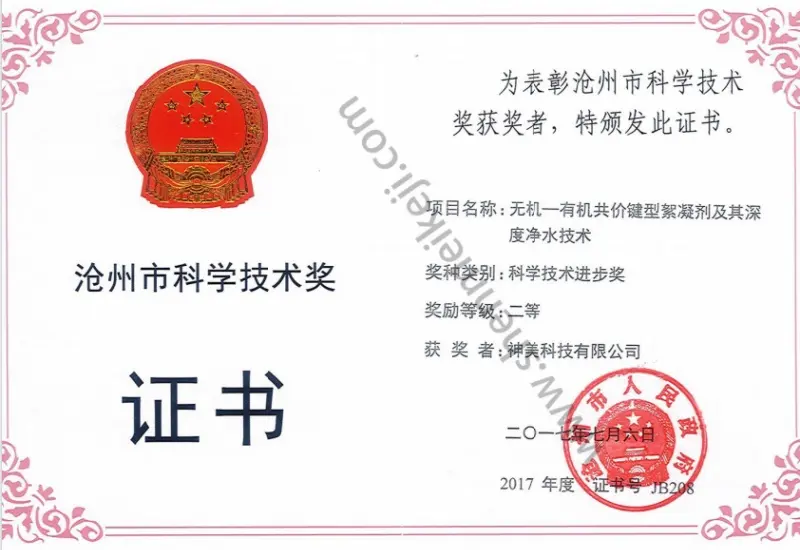
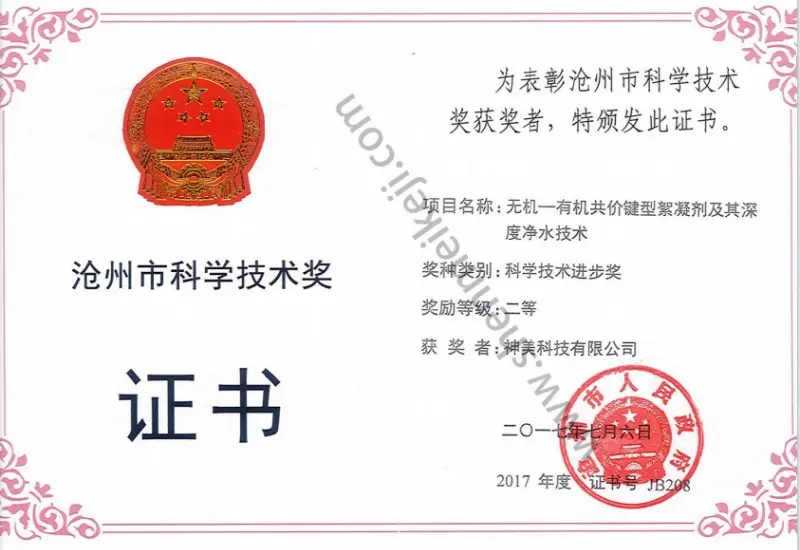
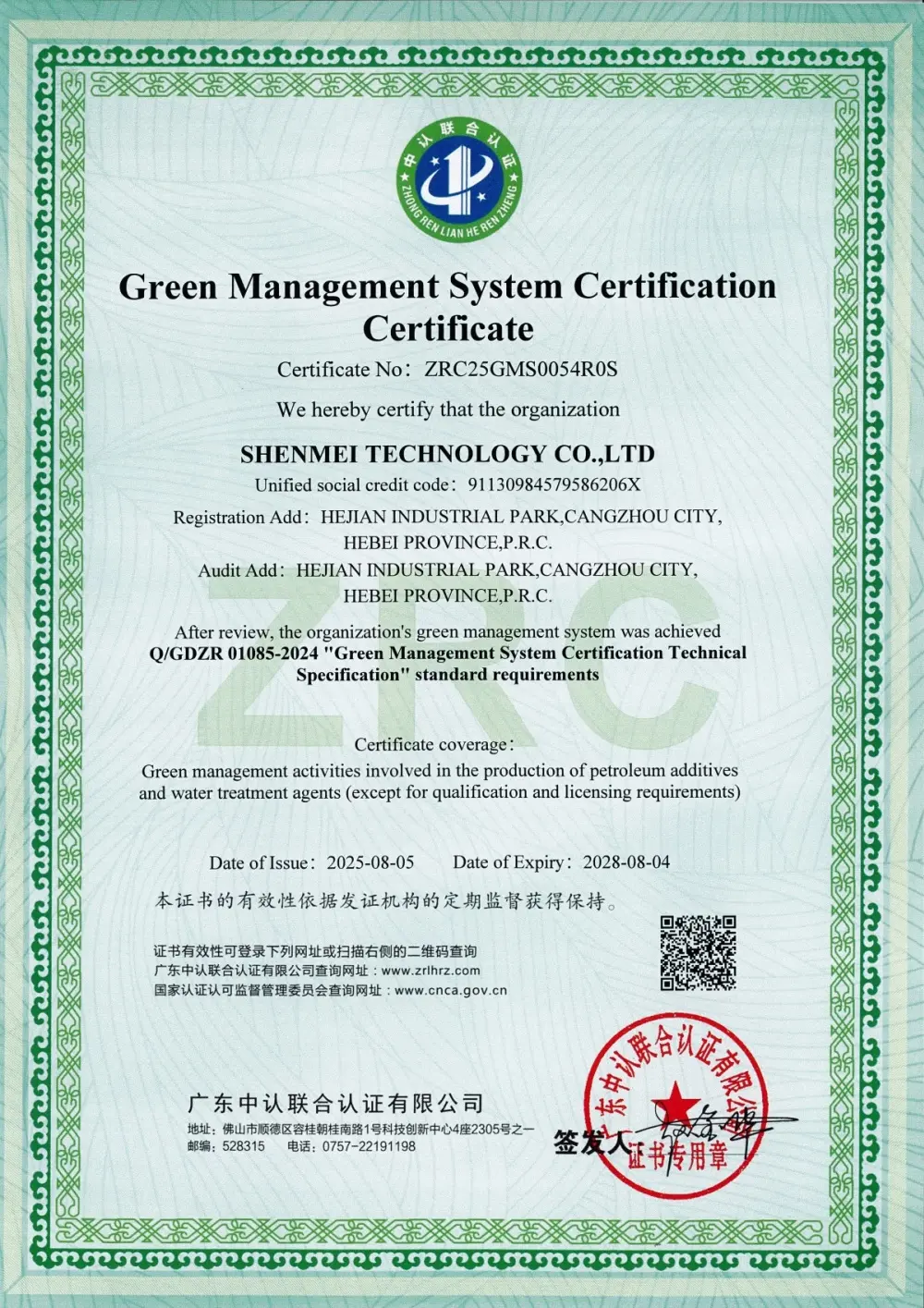
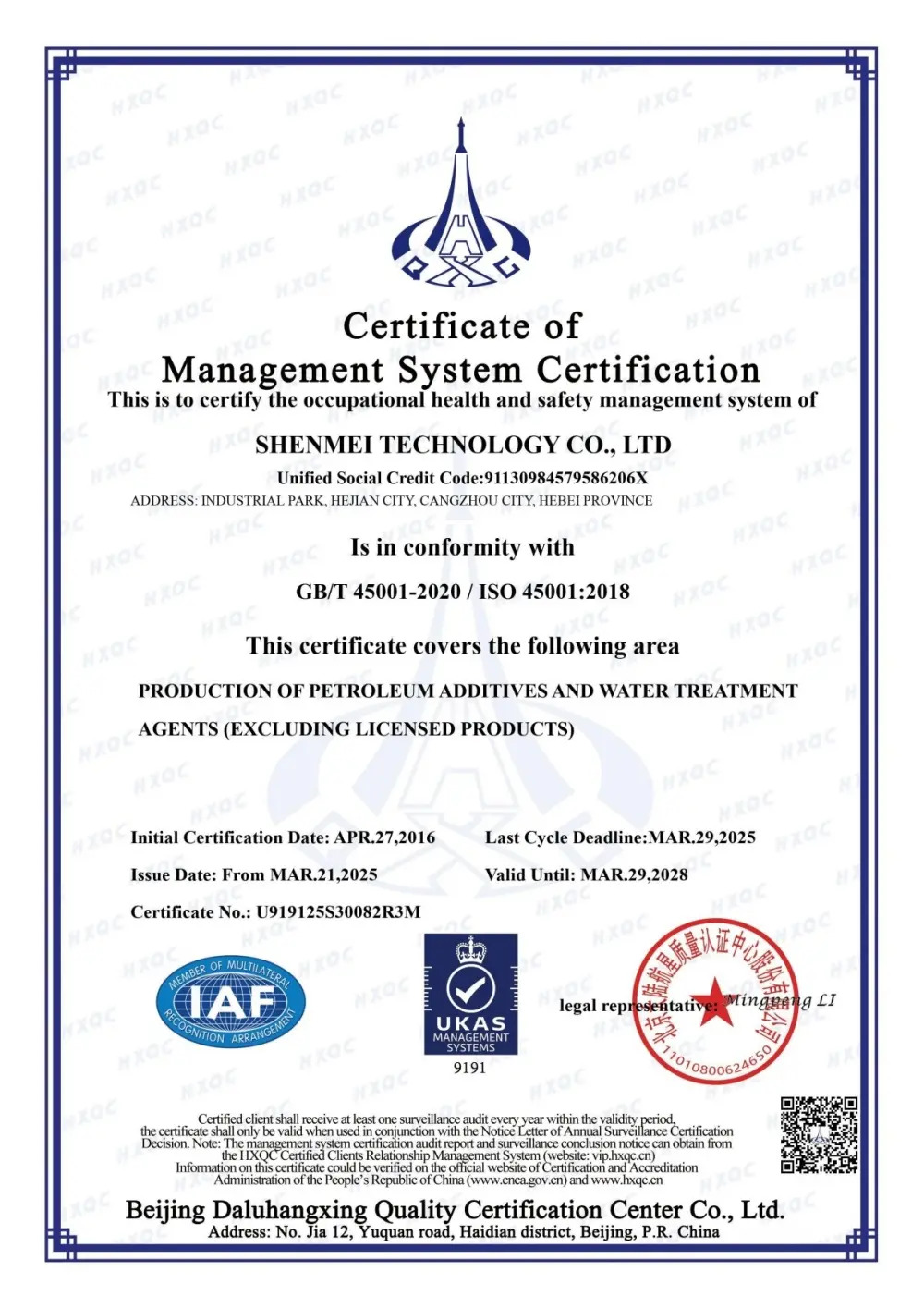
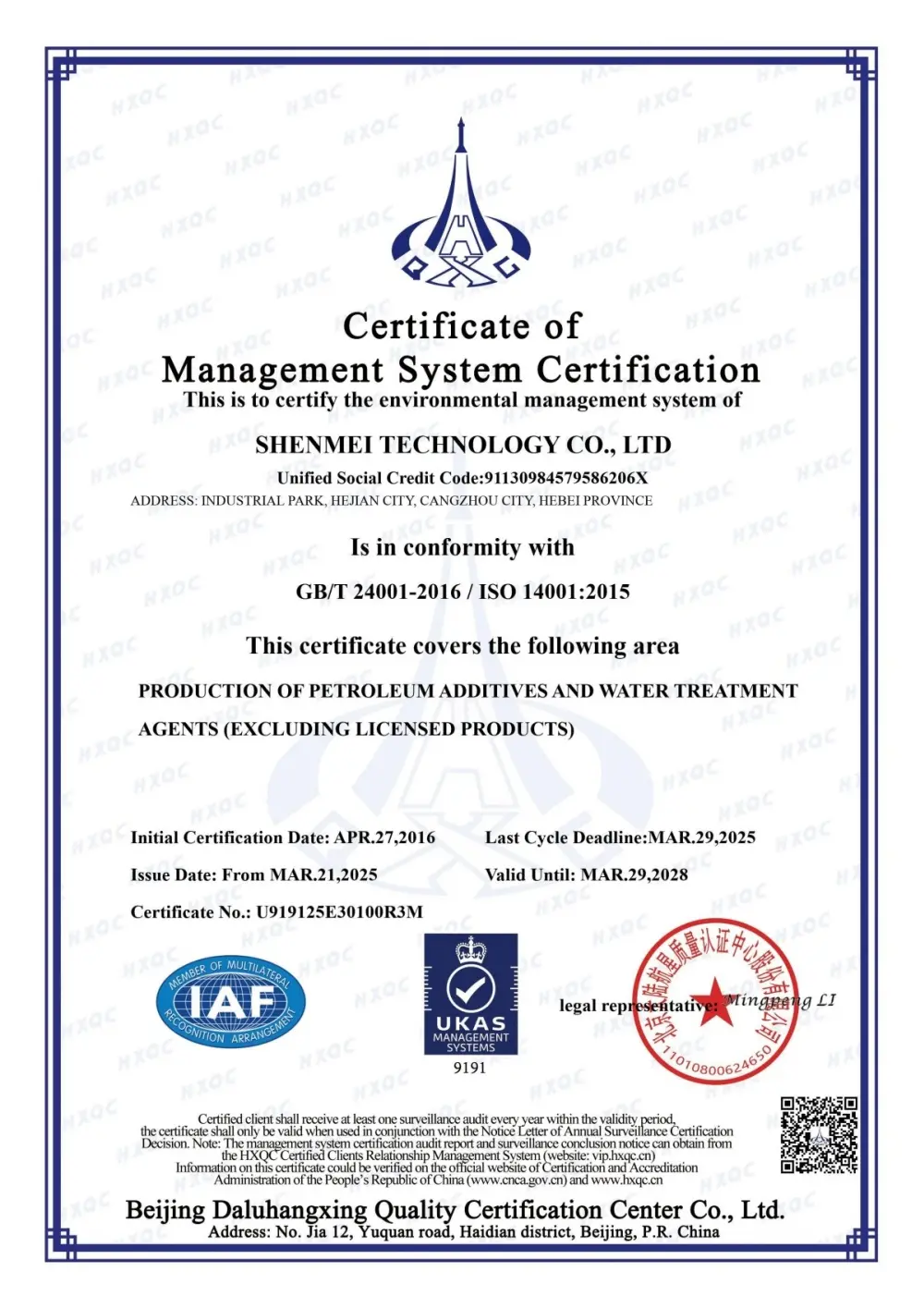
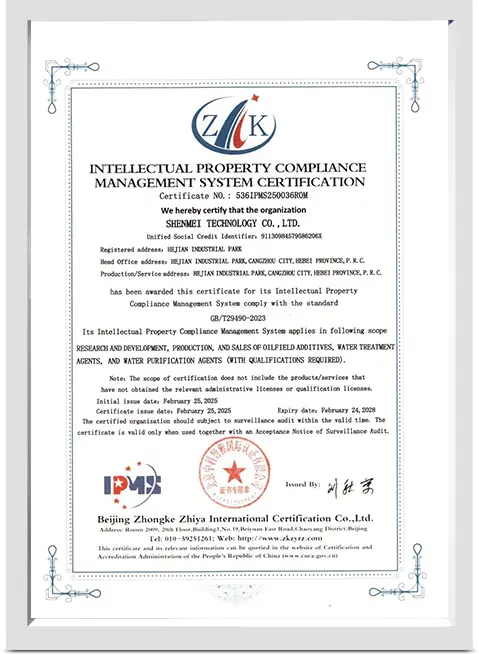
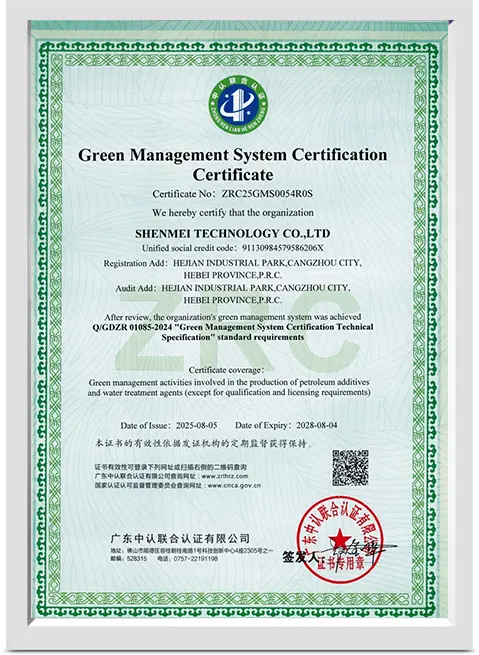
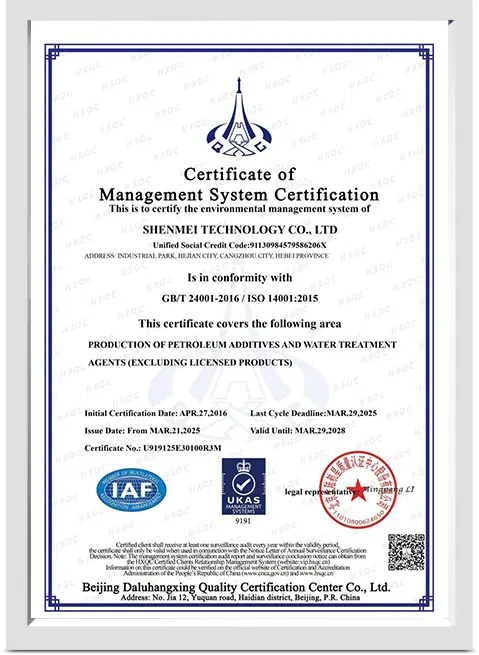
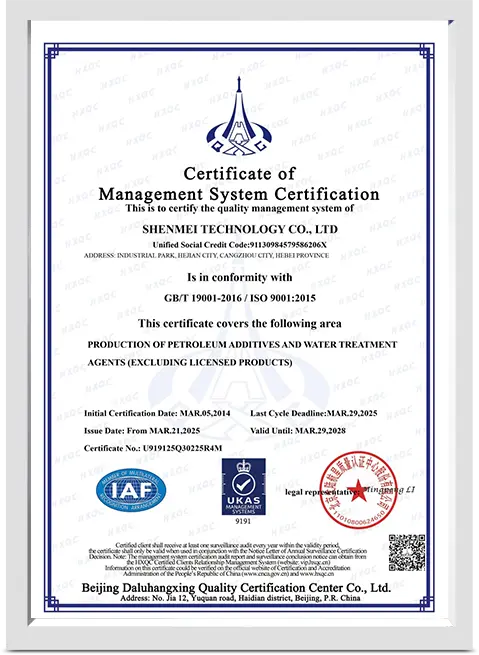
True expertise in environmental engineering requires verifiable scientific validation. Smedic has been honored as a National Specialized, Refined, Unique and Innovative "Little Giant" Enterprise and a recognized Hebei Province Green Factory. We do not just mix chemicals; we invent them.
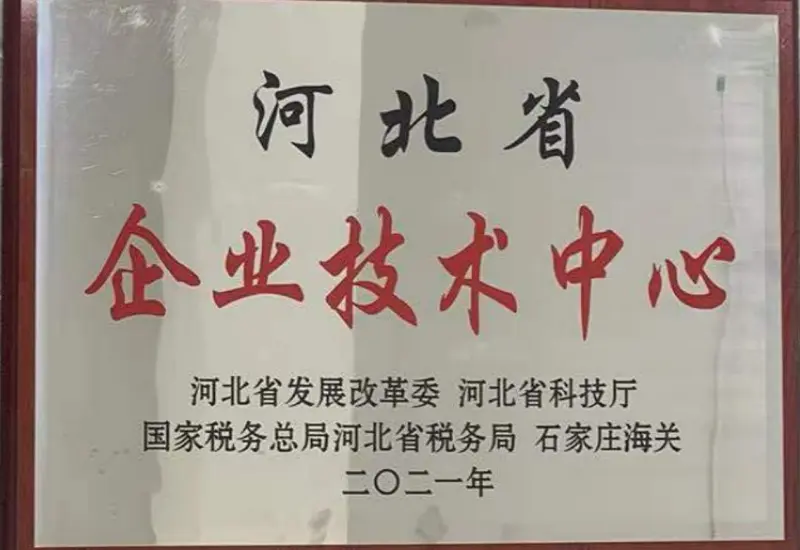
Our core development infrastructure is built around "one academy, three research institutes, and five bases." Through established Expert Workstations with the Tsinghua University Association of Senior Scientists and Technicians, and joint R&D laboratories at Shandong University and the Beijing University of Technology, we maintain a robust industry-academia-research pipeline.
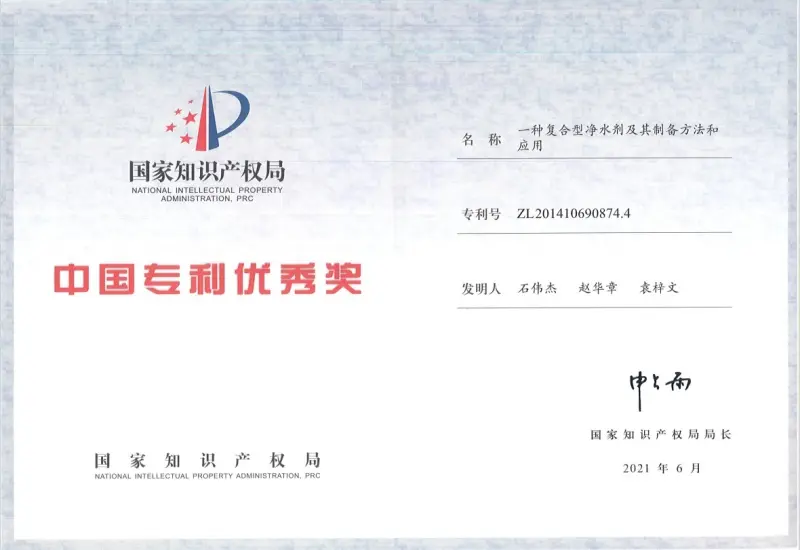
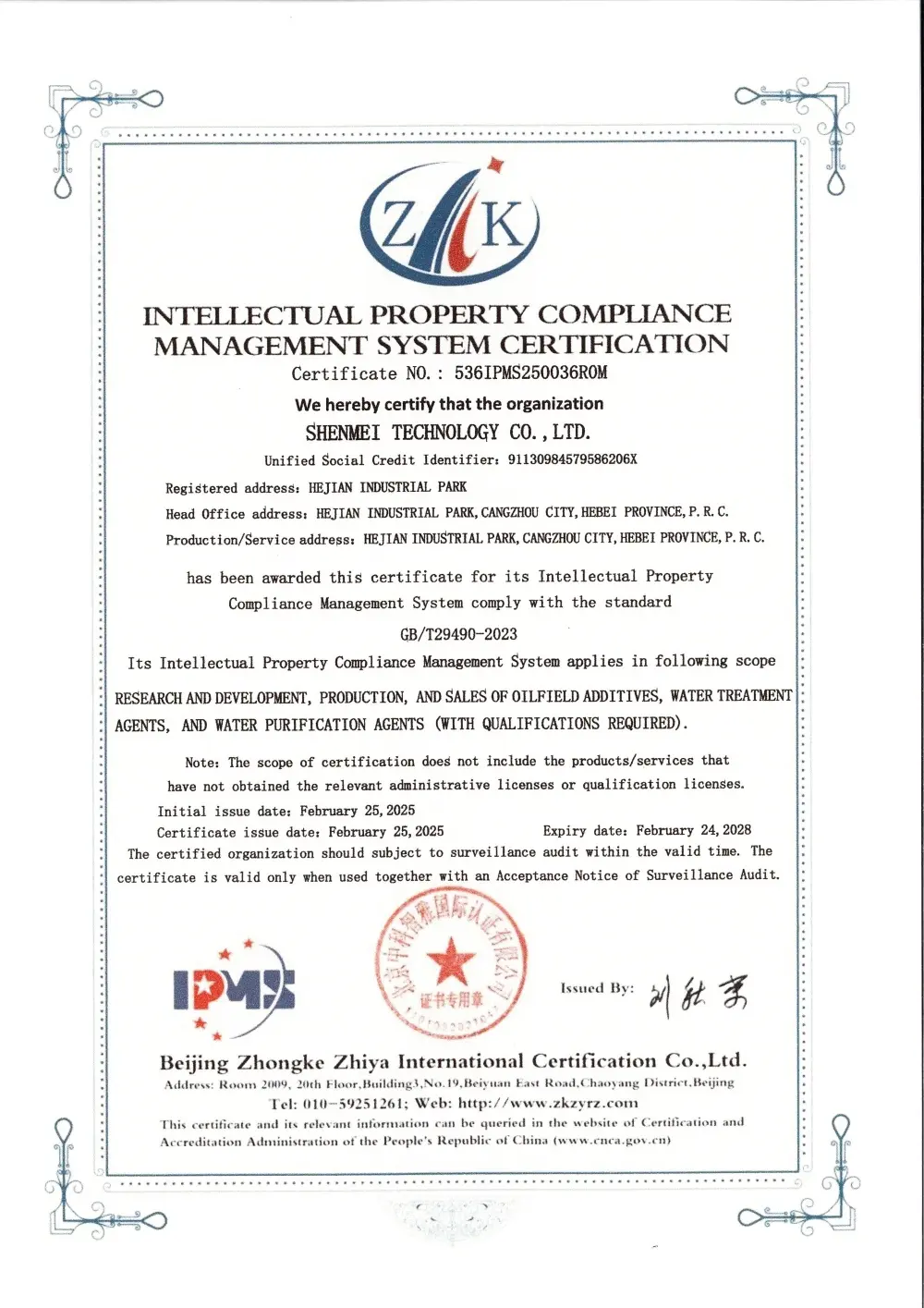
With over sixty Chinese patents (including forty invention patents) and primary authorship of more than ten national and industry standards (including composite carbon sources and nitrifying bacterial agents), Smedic dictates the chemical requirements for municipal wastewater treatment across China and regional export markets.
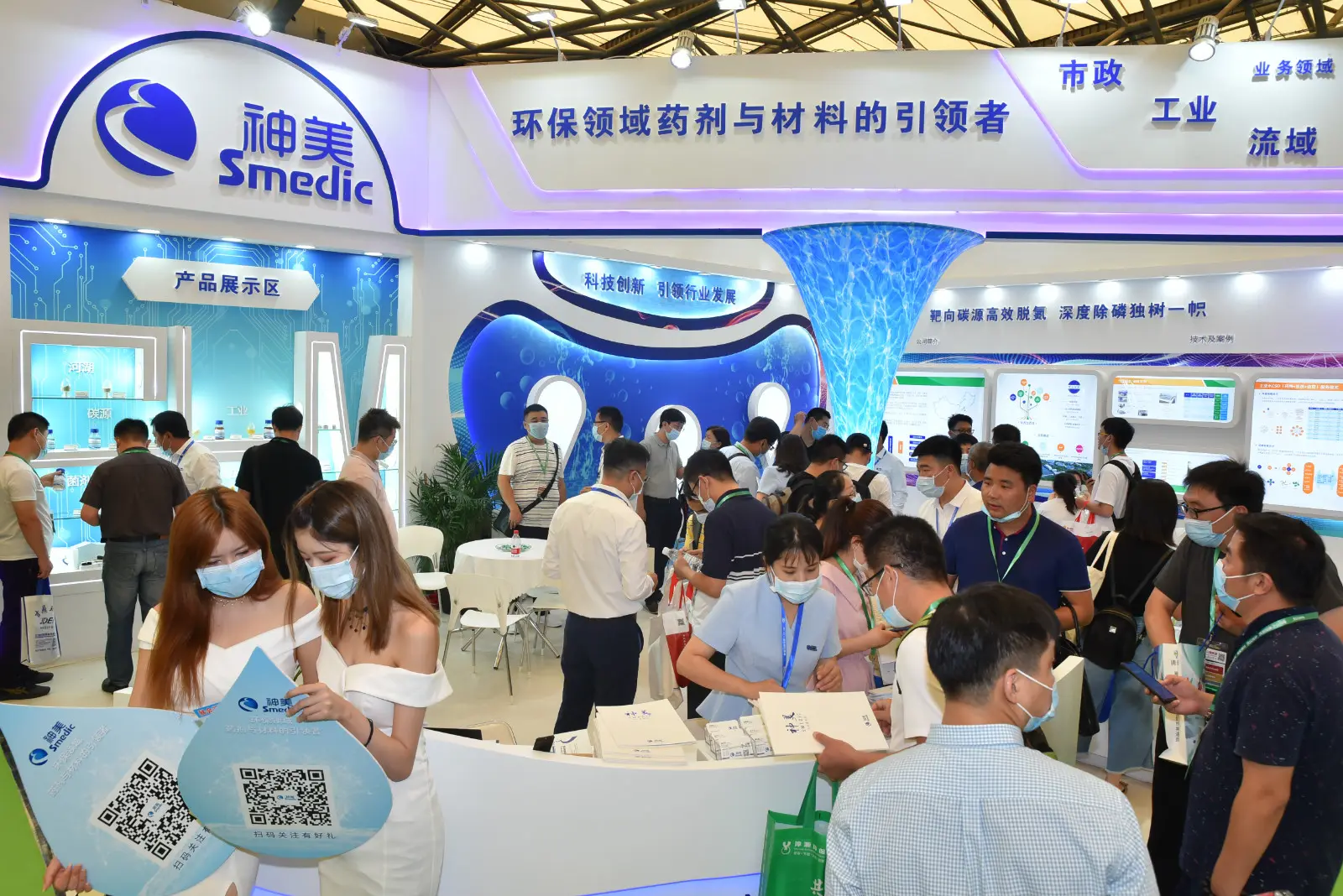
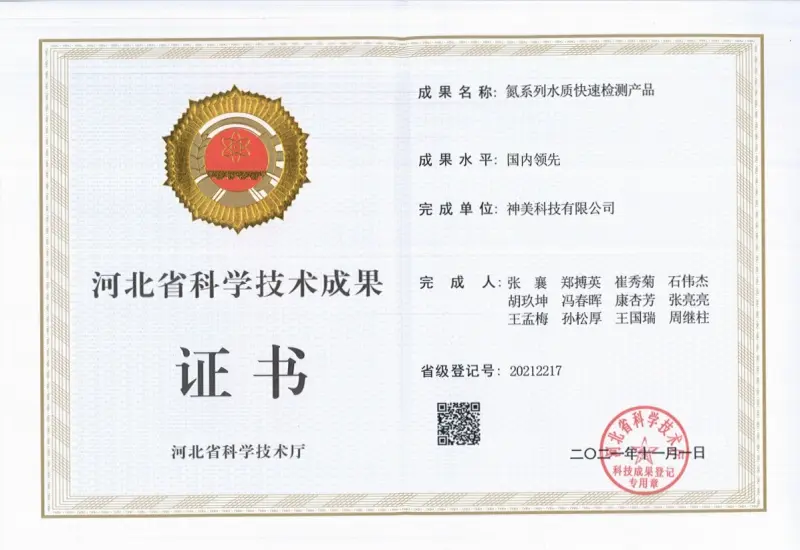
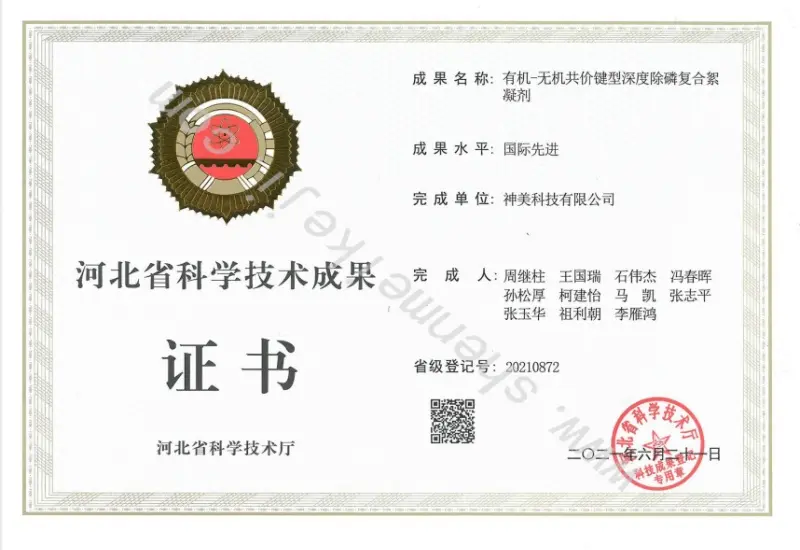
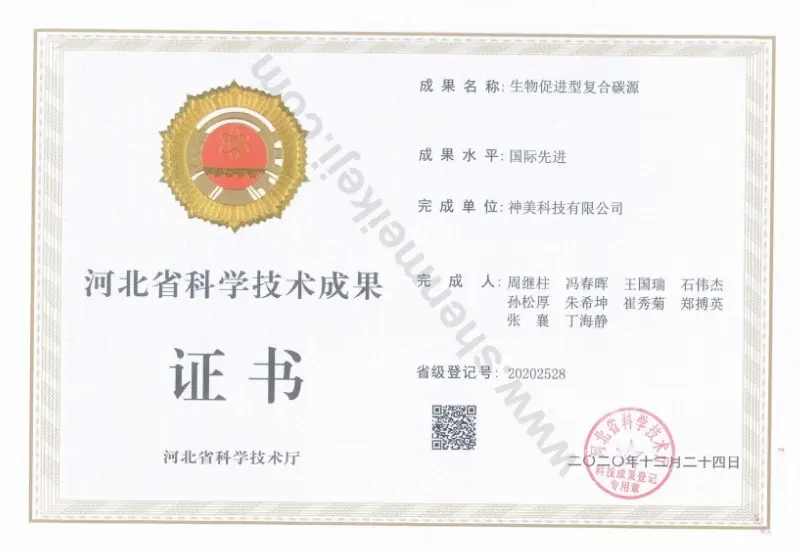
Smedic's breakthroughs, including our Inorganic-Organic Covalent Bond Flocculant and Deep Multi-Nuclear Phosphorus Removal Agent, have been officially certified as "internationally advanced" by the Science and Technology Department of Hebei Province, filling vital domestic gaps in advanced purification technology.
We maintain Tier-1 supplier procurement statuses with major environmental conglomerates, including **Shouchuang Ecological and Environmental Group, Yangtze River Ecological and Environmental Group, and Beijing Enterprises Water Group (BEWG)**.
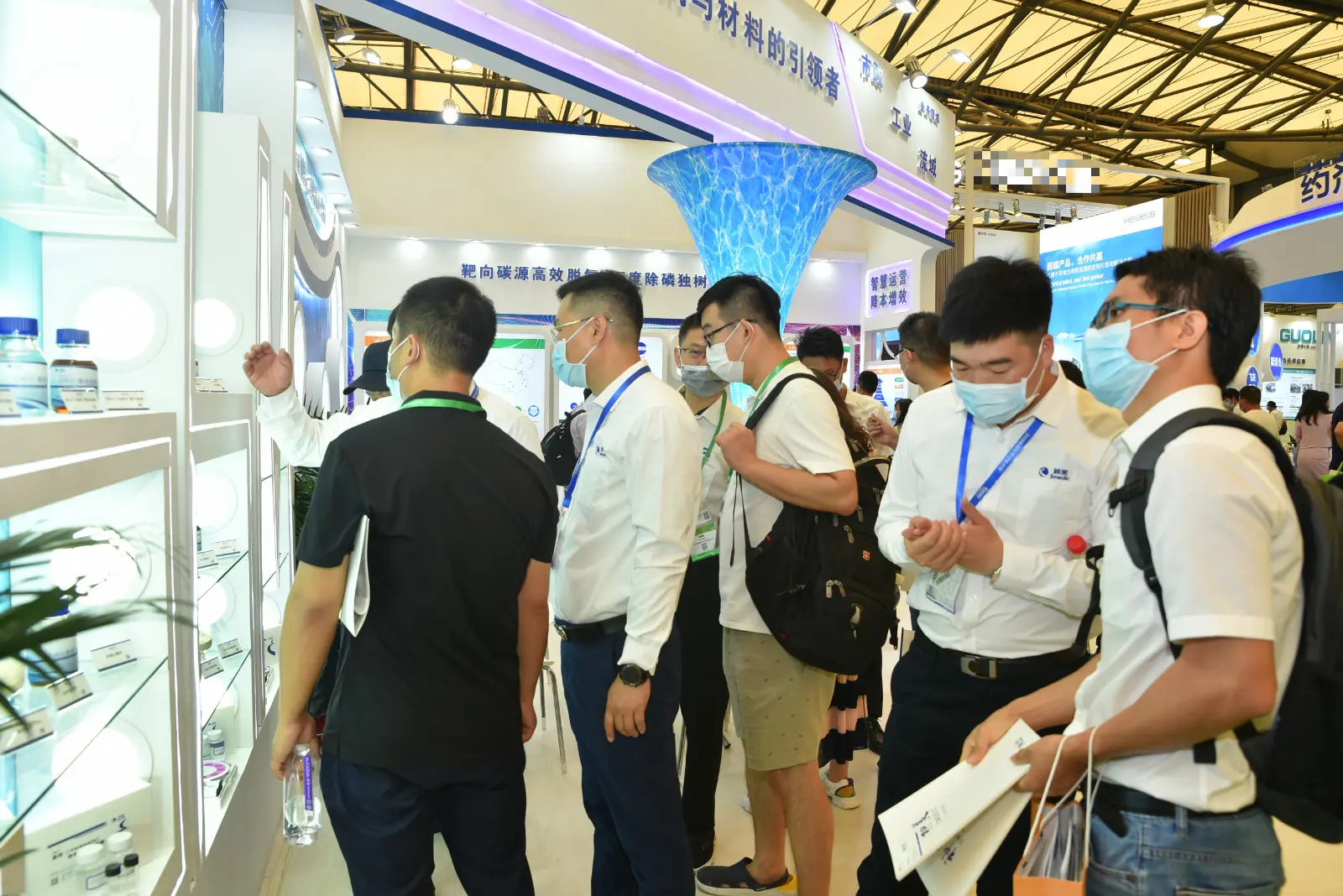

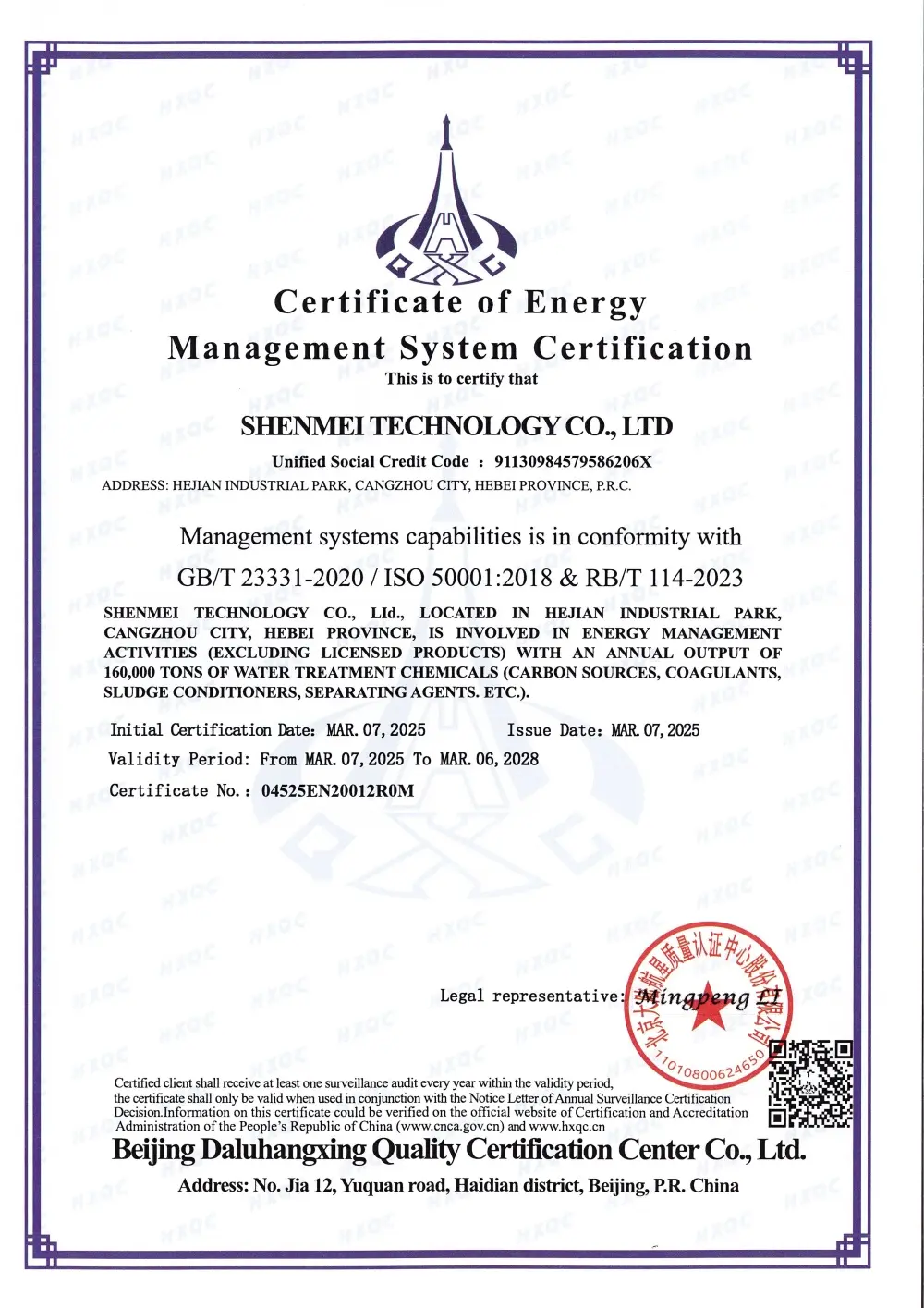
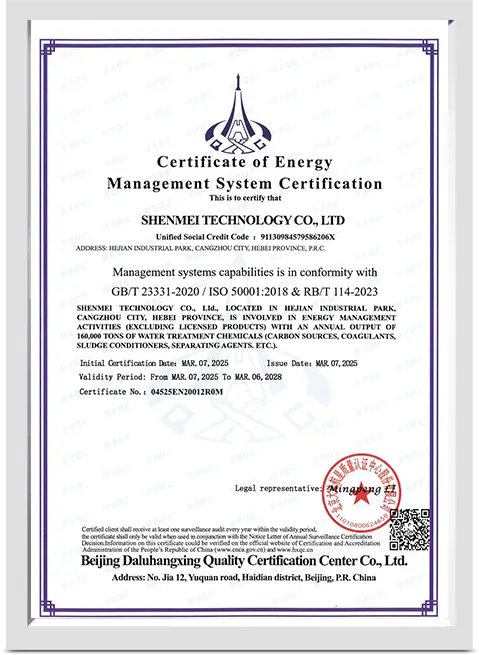
Operating at an annual capacity threshold exceeding one million metric tons requires profound engineering infrastructure. Smedic's manufacturing facilities are modeled on **Industry 4.0 paradigms**, incorporating closed-loop Distributed Control Systems (DCS) for chemical synthesis. This automated control maintains critical reactant temperature, pressure, and catalyst ratios within a margin of 0.05%, guaranteeing batch-to-batch consistency.
By localizing production near domestic sources of essential reagents (such as iron ore for PFS synthesis and high-grade acetate salts), we minimize input cost fluctuations. This translates directly to financial value for our international ODM and OEM partners. Even during periods of geopolitical and logistics volatility, Smedic's deep regional storage depots in Shandong, Anhui, and Guizhou act as supply buffers, assuring steady product delivery with short lead times.
The water purification sector is shifting rapidly toward circular resource recovery and non-hazardous chemical formulations. At Smedic, our R&D roadmap is heavily focused on three primary frontiers of wastewater chemical engineering:
To serve international procurers, a flocculant manufacturer must align with strict chemical standards, logistical packaging formats, and safety regulations.
We supply in bulk liquid tanker format, 1,000L IBC totes, or double-walled 25kg PE bags on heat-treated pallets to match diverse chemical dosing layouts globally.
Leveraging deep supply chains in proximity to primary Chinese shipping ports (Tianjin, Qingdao, Shanghai), we ensure standard export documentation is generated within 48 hours.
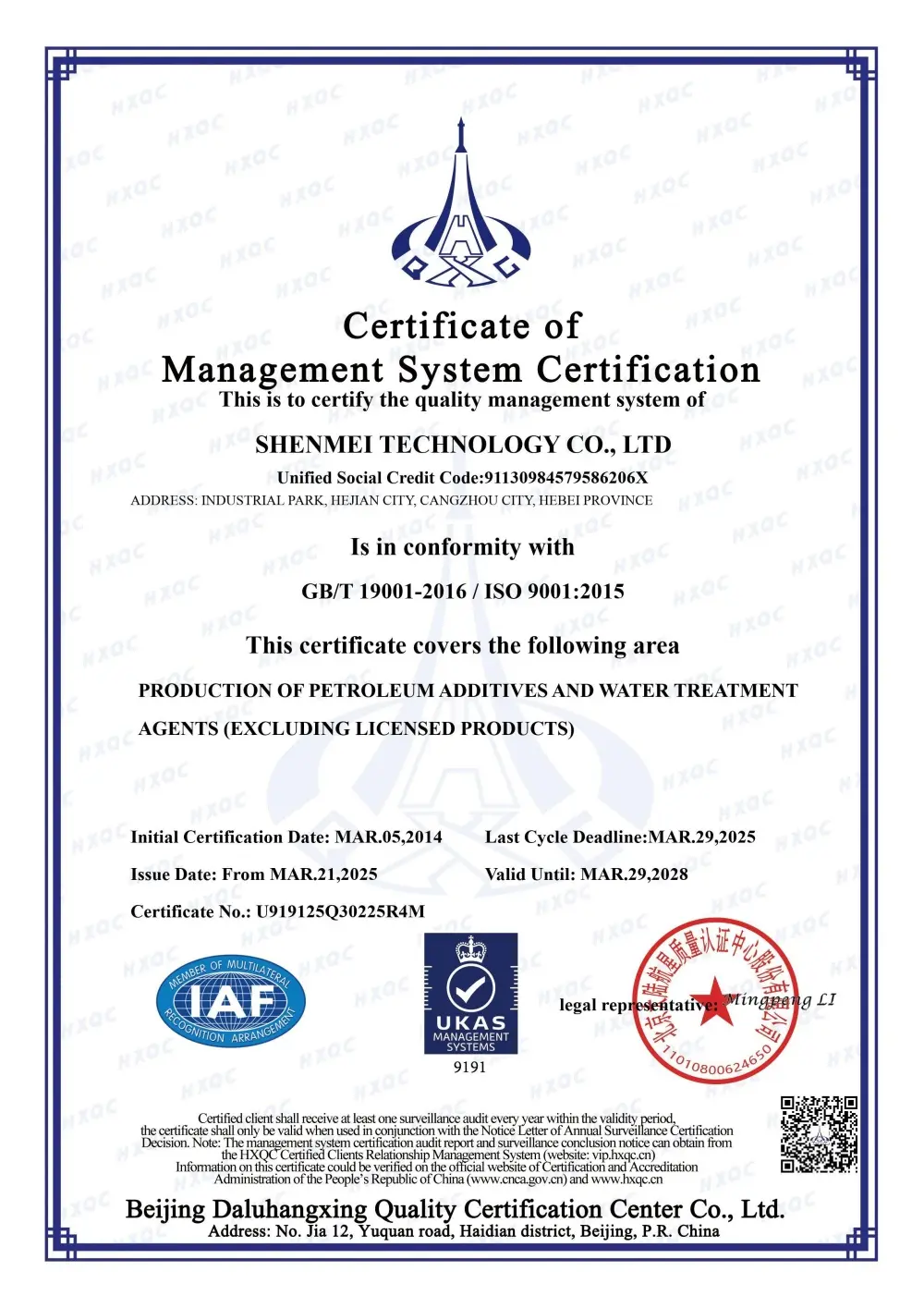
Every single batch undergoes automated ICP-OES and FTIR spectroscopy testing before release. Certificates of Analysis (COAs), GHS-compliant SDS, and RoHS declarations are standard.
For more than a decade, Smedic has continuously set standards in China's municipal and industrial environmental chemical sector. Here is our growth timeline:
In-depth technical answers addressing common chemical engineering and procurement queries on flocculant selection and performance metrics.
PFS offers distinct advantages over PAC in municipal and organic industrial sludges. Because PFS contains high-charge ferric polymer chains, it generates heavier, denser flocs that settle significantly faster. Additionally, PFS is highly efficient at removing hydrogen sulfide and phosphorus complexes. PAC is generally preferred for low-turbidity raw water where color removal is paramount without increasing iron content.
The choice depends on the zeta potential of the wastewater suspension. Anionic PAM (APAM) is typically used for inorganic suspensions, metallurgical wastes, and mineral processing where particles carry positive surface charges. Cationic PAM (CPAM) is highly effective for negatively charged organic particles, municipal biological activated sludge, and organic food processing waste.
Sodium Acetate is a non-hazardous, highly soluble salt that provides an immediate, easily metabolized carbon source for denitrifying bacteria. Unlike Methanol, it does not pose explosion hazards, is safer to store, and does not require a prolonged biomass adaptation phase. This makes it highly efficient for rapid startup and temperature drop recovery in municipal plants.
We enforce strict quality control over our raw chemical inputs. During our reaction phase, trace heavy metal contaminants (such as arsenic, lead, and cadmium) are actively precipitated out using targeted sulfides and mechanical filtration. The final product conforms strictly to national standards, ensuring it is safe for municipal drinking water pre-treatment.
Access technical documentation and customize your orders with our engineering team for high-volume supply contracts.
 Smedic Tech