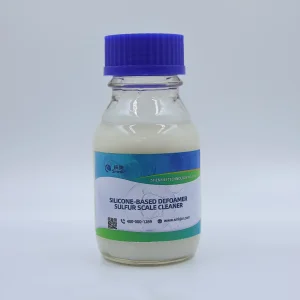
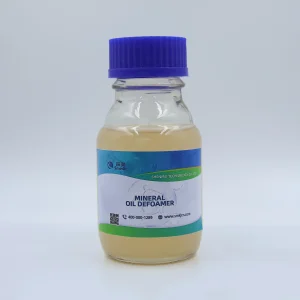
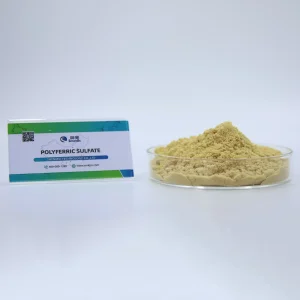
Effective odor control within industrial and municipal wastewater management systems is no longer merely a public relation requirement; it is a fundamental pillar of environmental, social, and governance (ESG) compliance. Volatile Organic Compounds (VOCs), Hydrogen Sulfide (H₂S), organic mercaptans, and ammonia gas generated during biological decomposition processes pose significant environmental toxicity and structural corrosion risks to municipal drainage systems.
As premier ODM wastewater odor control chemicals manufacturers, Smedic Technology integrates specialized chemical synthesis with site-specific microbial inhibitors. By deploying advanced chemical scavengers, multi-nuclear metallic coagulants, and highly specialized organic-inorganic covalent flocculants, we target odor problems at the raw molecular level rather than applying superficial scent-masking coverups.
"To truly eliminate industrial odors, chemical interventions must fundamentally alter the oxidation-reduction potential (ORP) of the sludge matrix, rendering volatile compounds non-gaseous and biologically inert."
Industrial buyers from petro-refineries, chemical production plants, and municipal conglomerates demand tailored chemistries, supply security, and verified environmental safety. Smedic serves these multi-regional procurement needs.
Customization is critical. Varying parameters such as COD/BOD profiles, pH ranges, dissolved oxygen, and local temperature variations mean off-the-shelf formulas rarely suffice. Smedic optimizes compound concentrations to specific influent stream types.
Processing thousands of tons of wastewater per hour requires massive, dependable chemical supply chains. With manufacturing capacities surpassing 1 million tons annually, Smedic guarantees delivery continuity to global enterprises.
Modern procurement groups operate under rigorous ESG mandates. Every wastewater formulation from Smedic is designed to yield zero secondary toxic byproducts, minimizing environmental impact while protecting processing machinery.
Established in 2011, Smedic Technology Co., Ltd. is a comprehensive environmental solutions provider integrating technical research and development, scale production, marketing, and engineering services. We formulate environmental solutions spanning municipal sewage treatment, industrial wastewater purification, high-efficiency mineral processing, and specialized oilfield chemicals.
Operating a network that covers over 20 provinces across China, our projects involve more than 600 urban sewage treatment plants and over 1,000 industrial end-customers. Our treatment footprint supports over 20 million tons of daily wastewater processing.
Wastewater odor remediation requires targeting specific chemical compounds. The table below outlines how Smedic's core chemical families address different volatile odor compounds:
| Odor Class | Key Compound | Chemical Treatment Mechanism | Smedic Product Intervention |
|---|---|---|---|
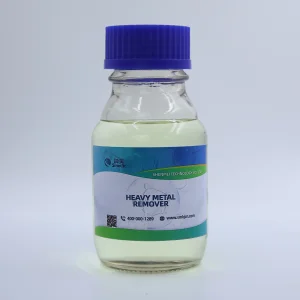
| Inorganic Sulfides | Hydrogen Sulfide (H₂S) | Oxidation via metallic multi-nuclear complexes & precipitation of insoluble metal sulfides. | Polyferric Sulfate (PFS) & Heavy Metal Removal Agents |
| Organic Sulfides | Methyl Mercaptan, Dimethyl Sulfide | Catalytic oxidation & polymer chain encapsulation to lower vapor pressure. | Custom Cationic Polyacrylamides (CPAM) & Organic Silicone Defoamers |
| Nitrogenous Bases | Ammonia (NH₃), Trimethylamine | Biological nitrogen conversion pathway optimization via carbon source replenishment. | Bio-enhanced Denitrification Carbon Source (Sodium Acetate Compound) |
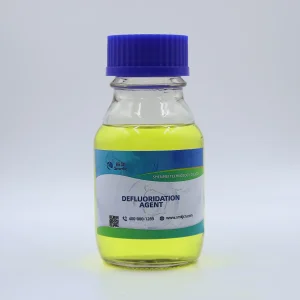
| Fluorinated Gases | Fluoride/HF Volatiles | Adsorption & chemical co-precipitation within the sludge flocs. | High-Performance Fluoride Removal Agent |
Smedic's chemical roadmap balances immediate odor neutralization with biological treatment system health. By employing inorganic-organic covalent bond flocculants, we achieve floc formation and rapid sedimentation. This minimizes the anaerobic pockets within sludge beds that generate odor-causing hydrogen sulfide gas.
Smedic Technology maintains production facilities in Hebei, Guizhou, and Shanxi, alongside regional storage and logistics hubs in provinces such as Shandong, Shanxi, Anhui, Guangxi, and Sichuan. This distributed production model allows for reliable national and international supply chains.
Our research and development program is built upon partnerships with academic institutions, including joint R&D laboratories with Shandong University and Beijing University of Technology. Smedic also serves as the commercialization partner for water treatment research from Tsinghua University, Peking University, and Tianjin University.
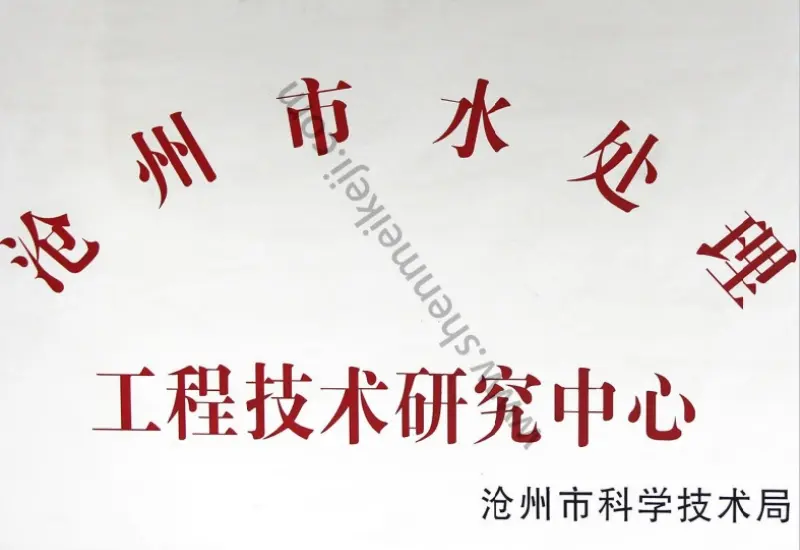
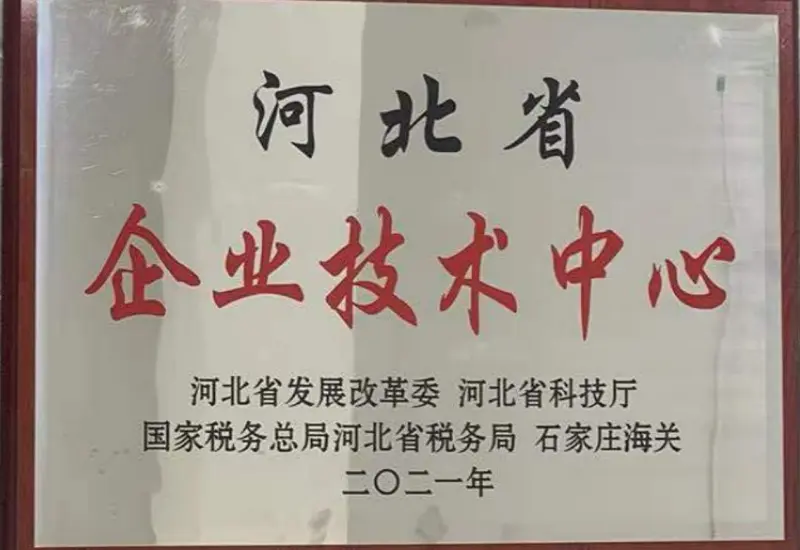
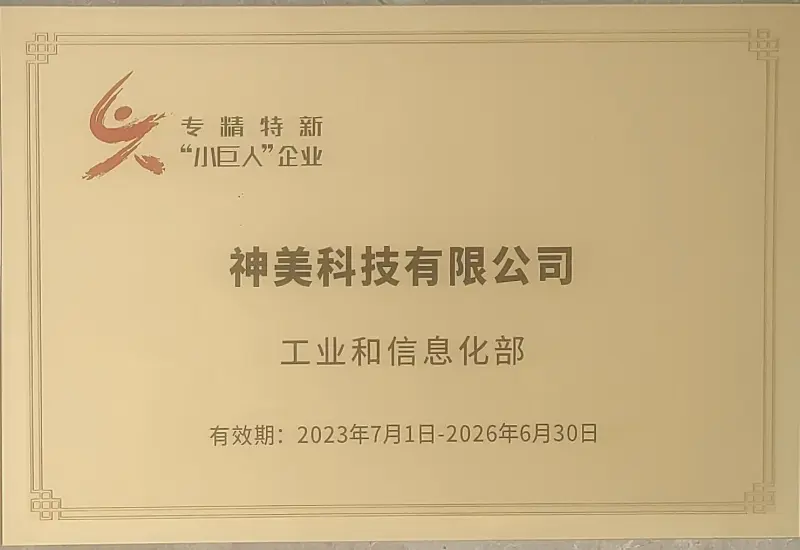
Smedic is recognized as a National High-tech Enterprise and a National Specialized, Refined, Unique and Innovative "Little Giant" Enterprise, reflecting our commitment to advanced water treatment research.
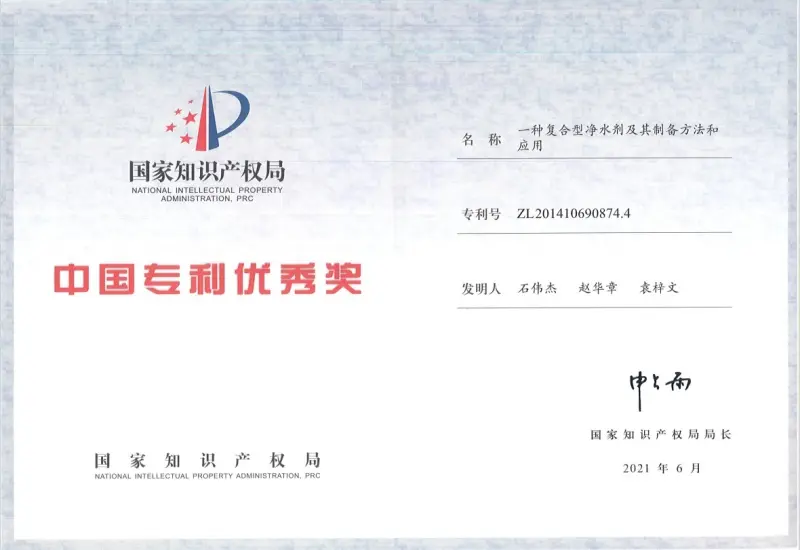
Smedic holds over sixty Chinese patents, including more than forty invention patents and over twenty utility model patents. We have also led the drafting of ten national and industry standards covering composite carbon sources, composite coagulants, sodium acetate, and nitrifying/denitrifying bacterial agents.
Smedic Technology was founded, focusing on the research, development, and manufacture of specialized environmental protection agents.
Established a municipal wastewater treatment chemical portfolio, entering major municipal sewage treatment projects.
Opened a dedicated water treatment chemical production base in Guiyang, expanding our regional service network.
Completed expansion of bases in Hebei, Shandong, and Guizhou, pushing our total annual production capacity beyond 1 million tons.
Recognized as a National Specialized, Refined, Unique and Innovative Small and Medium-sized Enterprise.
Awarded National Intellectual Property Advantage Enterprise status with over 60 active patents.
Formed a joint venture with the Chengdu Institute of Mineral Comprehensive Utilization, China Geological Survey, expanding into high-efficiency mineral processing reagents.
Wastewater management operations are subject to regional environmental laws, discharge limits, and chemical safety rules. Smedic ensures compliance for global operations by aligning with international standards:
Our manufacturing centers operate under certified quality, environmental, and occupational health management systems. Each batch undergoes rigorous QA testing, from raw material procurement to final packaging and delivery.
Our odor control chemicals are designed to minimize secondary environmental hazards. They target and neutralize sulfur and nitrogen volatiles without introducing chlorinated or heavy metal residues into the output sludge.
We provide localized technical assistance and logistics management. This supports stable chemical inventory control and reliable supply chains, especially during peak seasonal odor challenges.
 Smedic Tech