Engineered solutions designed to target specific colloid charges, accelerate solid-liquid separation, and optimize effluent quality.
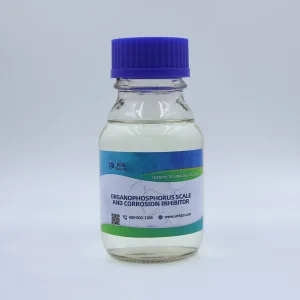
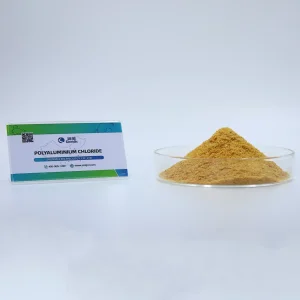
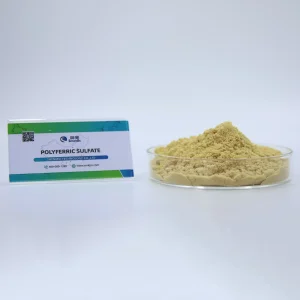
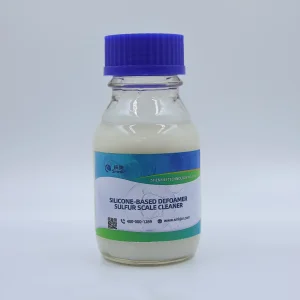
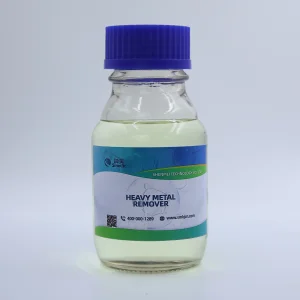
Smedic Technology Co., Ltd. was established in 2011 as a comprehensive solution provider specialized in environmental protection agents, integrating R&D, production, sales, and engineering-related technical services. We are dedicated to providing customers with customized chemical products, technical solutions, and services. Smedic produces environmental protection agents covering multiple sectors such as municipal sewage, industrial wastewater, and tap water treatment, as well as mineral processing agents, and oilfield chemicals. We offer more than 80 different environmental protection products, with an annual production capacity exceeding 1 million tons.
Our corporate headquarters is located in Beijing, we have multiple wholly-owned production bases in Hebei, Guizhou, Shanxi, and other regions, and have set up more than ten OEM partner factories and regional warehousing and logistics bases in Shandong, Shanxi, Anhui, Guangxi, and Sichuan provinces. Our business and service network covers over 20 provinces across China, involving more than 600 urban sewage treatment plants and over 1,000 end customers in industrial wastewater treatment, mineral processing, and oilfield chemicals. The total sewage treatment capacity involved in the projects exceeds 20 million tons per day, establishing us as a leading company in the high-end environmental protection chemicals market.
Understanding the molecular science, charge dynamics, and geographic demand driving modern cationic polymer applications.
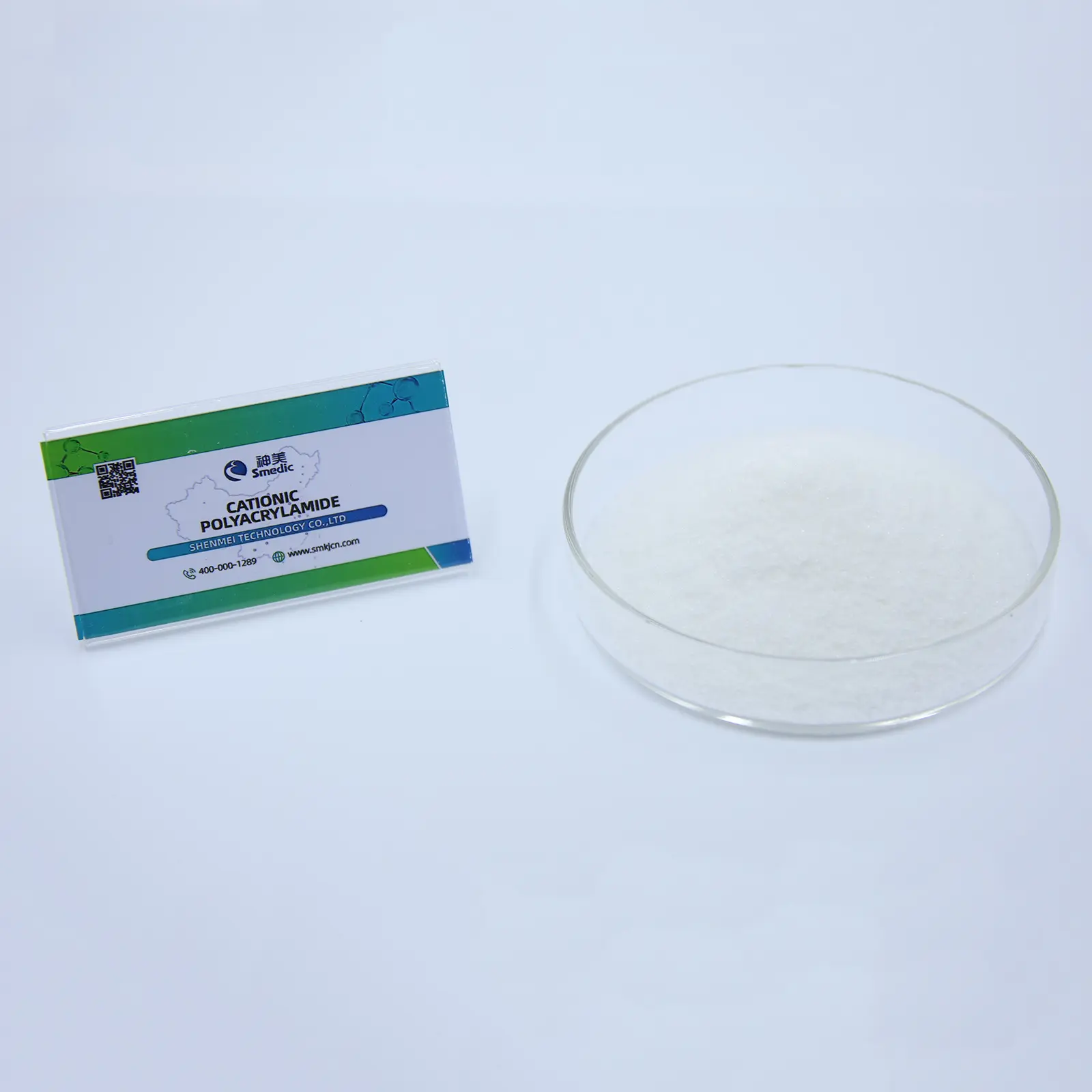
Cationic polymers, most notably Cationic Polyacrylamide (CPAM), represent a vital class of synthetic water-soluble polyelectrolytes. The functional mechanisms of these agents are defined by their charge density and molecular weight. Unlike anionic or non-ionic counterparts, cationic polymers carry a net positive charge along their macromolecular backbone. This structural property makes them highly reactive with negatively charged colloidal particles (such as organic sludge, clays, silica, and metallic complex ions) typically suspended in raw process water and industrial effluents.
The flocculation mechanism occurs primarily through two parallel processes:
Around the world, industrial development, municipal expansion, and strict regulatory frameworks drive the demand for cationic polymers. In North America and Europe, stringent EPA and EEA regulations regarding sludge disposal and phosphorus release require heavy use of high-charge cationic polymers to minimize landfill volumes and reduce water content in dewatered cake. Meanwhile, in dry regions like the Middle East and parts of North Africa, industries prioritize advanced flocculant systems to enable maximum water recycling and reuse within closed-loop systems.
| Region | Primary Application Drivers | Dominant Polymer Specifications | Regulatory Constraints |
|---|---|---|---|
| North America & EU | Municipal Sludge Dewatering, Papermaking Retention Aids | High-Molecular Weight CPAM (quaternary ammonium salts) | Very strict limits on residual acrylamide monomers (<250 ppm) |
| APAC (Asia-Pacific) | Mining Tailings Management, Heavy Chemical Effluents, Municipal Wastewater | Medium-to-High Charge CPAM, Liquid PolyDADMAC | Rapidly tightening discharging parameters and zero-liquid-discharge (ZLD) mandates |
| Middle East | RO Pretreatment, Desalination, Oilfield Wastewater Remediation | Low-viscosity organic coagulants, Emulsion polymers | Extremely high salinity tolerance and temperature resistance requirements |
Combining vertical integration, massive capacity, and academic collaboration to secure global chemical supply chains.
Purchasing agents and industrial water managers globally choose Chinese manufacturers for their capacity, process stability, and cost-efficiency. Smedic Technology Co., Ltd. demonstrates these advantages through its large-scale production setup and strong R&D structure.
Smedic operates multiple proprietary chemical production bases in Hebei, Guizhou, and Shanxi, along with over ten joint-venture factories across China. Supported by regional warehousing and logistics hubs in provinces such as Shandong, Shanxi, Anhui, Guangxi, and Sichuan, we maintain a secure supply chain even during raw material price fluctuations. Our annual output capacity exceeds 1 million tons of water treatment agents. This scale helps mitigate logistics disruptions and raw material shortages, providing international buyers with reliable lead times and consistent product availability.
Smedic has earned recognition as a National Specialized, Refined, Unique and Innovative "Little Giant" Enterprise and a National High-tech Enterprise. These credentials reflect our ongoing investment in research and development. Rather than relying on standard commercial recipes, we work to optimize polymer performance for challenging applications through our dedicated research network:
Formally recognized by the Chinese state for leadership in specialized, high-tech industrial chemical research and manufacturing.
Collaborative workstations alongside top-tier universities, transforming academic research into industrial-grade chemical solutions.
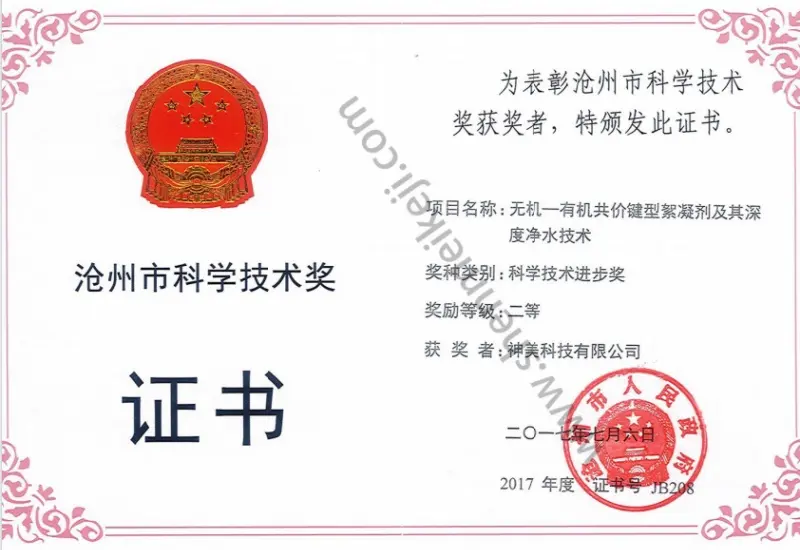
Proprietary polymer chemistry, including the 22nd China Patent Award-winning "Inorganic-Organic Covalent Bond Flocculant".
How cationic polymers perform in field conditions to improve solid-liquid separation and process efficiency.
In municipal wastewater plants, sludge dewatering is a significant operational cost. Raw biological sludge contains bound water held by organic cellular structures. Applying high-molecular weight cationic polyacrylamide (CPAM) destabilizes these biological suspensions. By selecting the appropriate charge density (typically 30% to 60% cationic degree), operators can form larger, stronger flocs that release bound water easily under mechanical pressure in belt presses, centrifuges, or screw presses.
Oilfield produced water contains stable oil-in-water emulsions, suspended solids, and dissolved organic compounds. Smedic's cationic polymers help break these emulsions by neutralizing the negative charge on oil droplets. This allows them to coalesce and float to the surface for removal. Our products are formulated to remain stable under high salinity, high temperature, and variable pH conditions, helping to protect downstream reverse osmosis membranes.
Mineral processing generates high volumes of slurry tailings that require rapid solid-liquid separation. In partnership with the Cheng成都矿产综合利用研究所 (Chengdu Institute of Mineral Comprehensive Utilization, China Geological Survey), Smedic designs specialized cationic polymers that accelerate sedimentation in thickeners. This improves water recovery rates and helps produce high-density tailings cake suitable for dry stacking or safe disposal.
In paper manufacturing, cationic polymers serve as retention aids and drainage accelerators. They bind fine cellulose fibers and inorganic fillers (such as calcium carbonate or clay) to the paper web. This reduces fiber loss in the white water system, increases drainage speed on the forming wire, and improves the overall dry strength of the paper sheet.
A technical guide for procurement directors to evaluate polymer quality, handle shipments, and maintain specification consistency.
Procuring cationic polymers on an OEM basis requires careful verification of physical and chemical parameters. Selecting the right product based only on unit price can lead to poor performance, higher overall consumption, and increased operational costs.
Cationic polyacrylamides are hygroscopic. Damp storage conditions can cause the product to lump and degrade. Smedic package designs use multi-wall paper bags with interior PE liners, sealed plastic drums, or heavy-duty IBC containers for liquid configurations. Solid CPAM has a typical shelf life of 24 months when stored in a cool, dry warehouse. Liquid emulsions should be used within 6 months and stored with gentle agitation to prevent phase separation.
Our commitment to quality, verified by international standards and national patents.

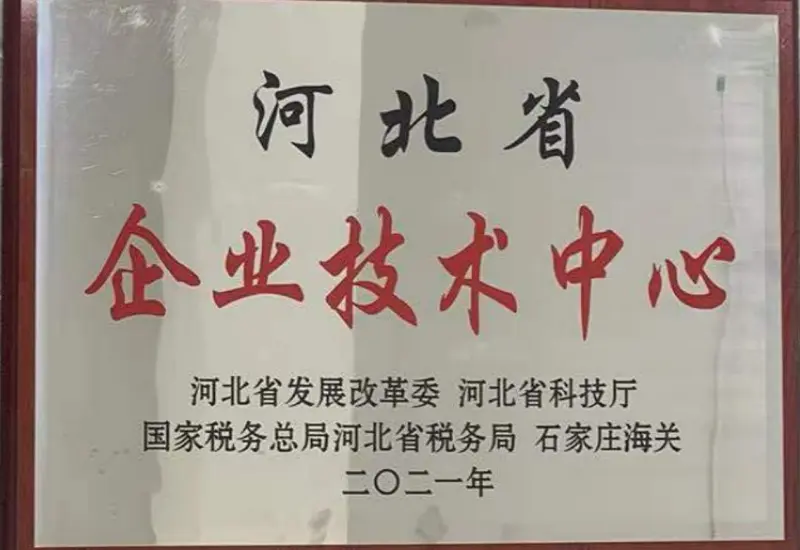
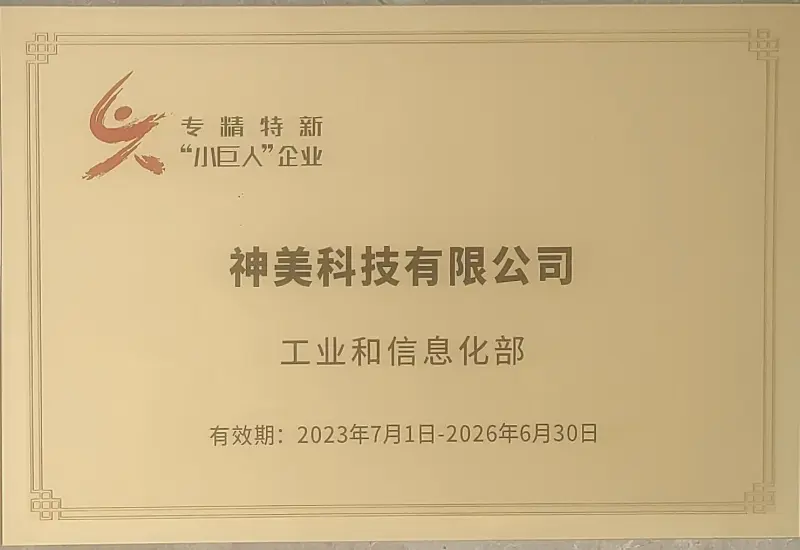
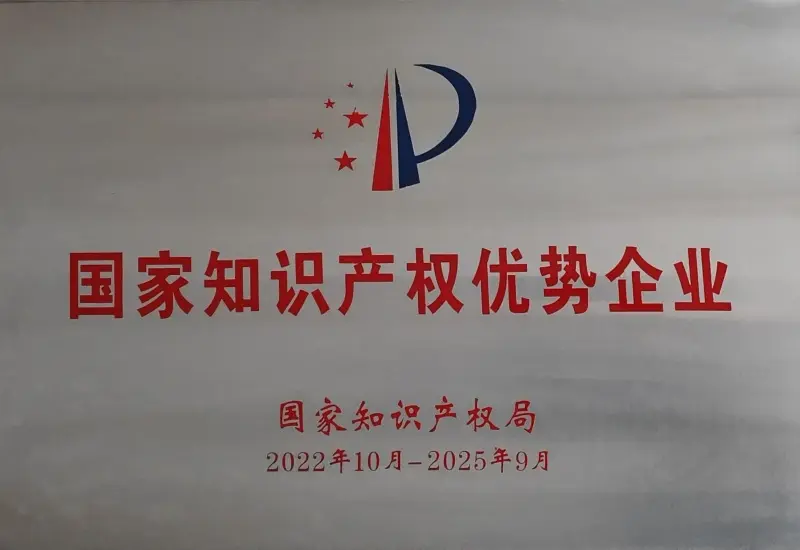
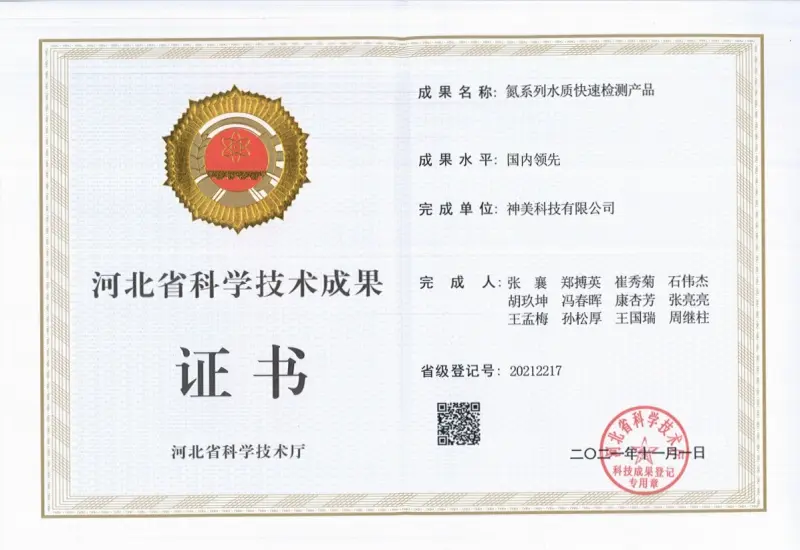
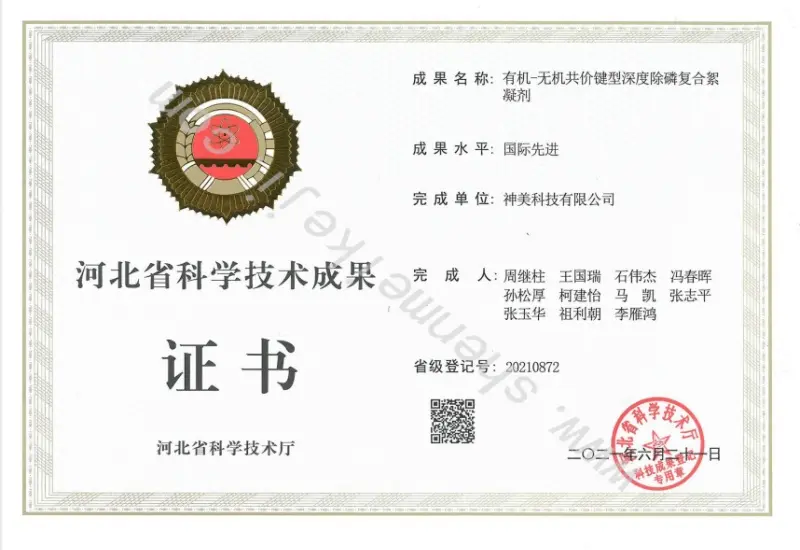
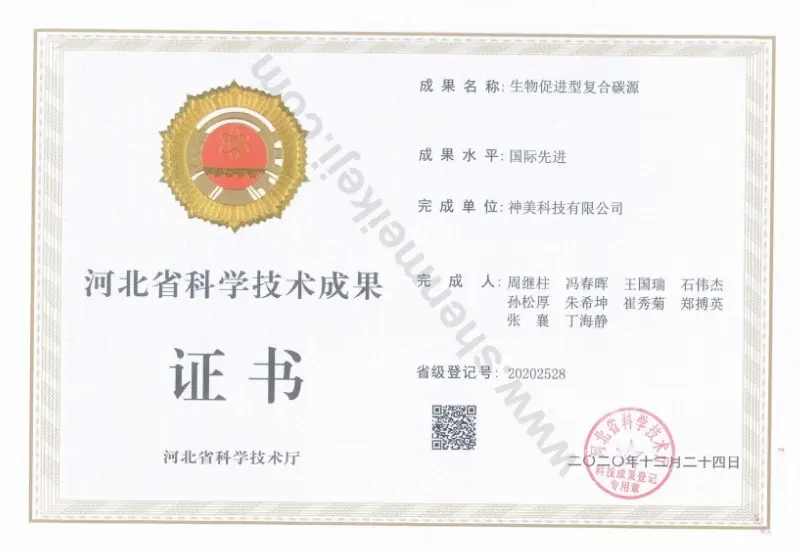
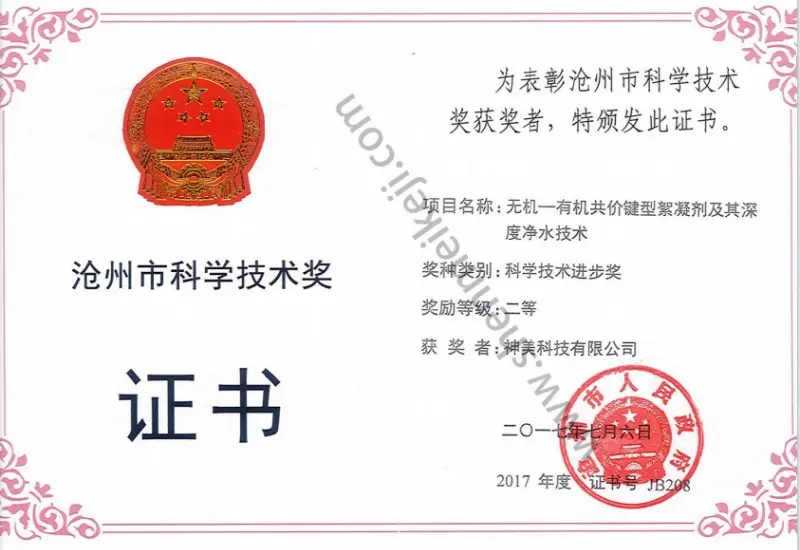
Recognized as a reliable brand in the high-end municipal and industrial wastewater sector.
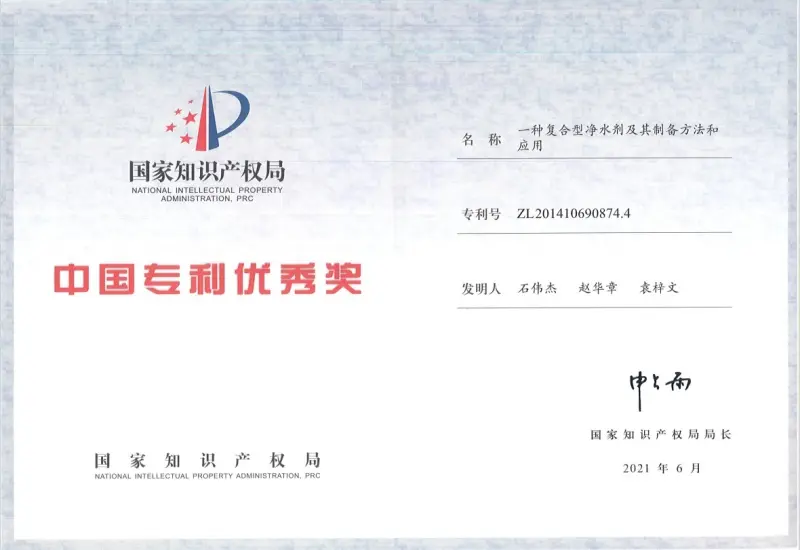
Our bio-enhanced denitrification carbon sources and deep multi-nuclear phosphorus removal agents have passed scientific and technological evaluations in Hebei Province, where they were appraised as "internationally advanced". Additionally, our independently developed "Inorganic-Organic Covalent Bond Flocculant and Its Advanced Water Purification Technology" won the 22nd China Patent Award and the First Prize for Technological Invention from the China Petrochemical Industry Association.
Over the past four years, Smedic has been named the "Leading Brand of Advanced Wastewater Treatment Chemicals" and the "Most Valuable Water Treatment Chemicals Brand" by China Water Network and the E20 Environmental Platform. We maintain long-term strategic supplier relationships with major water groups, including Shouchuang Ecological and Environmental Group, Yangtze River Ecological and Environmental Group, Beijing Enterprises Water Group, OriginWater, and China Water Environment Group.
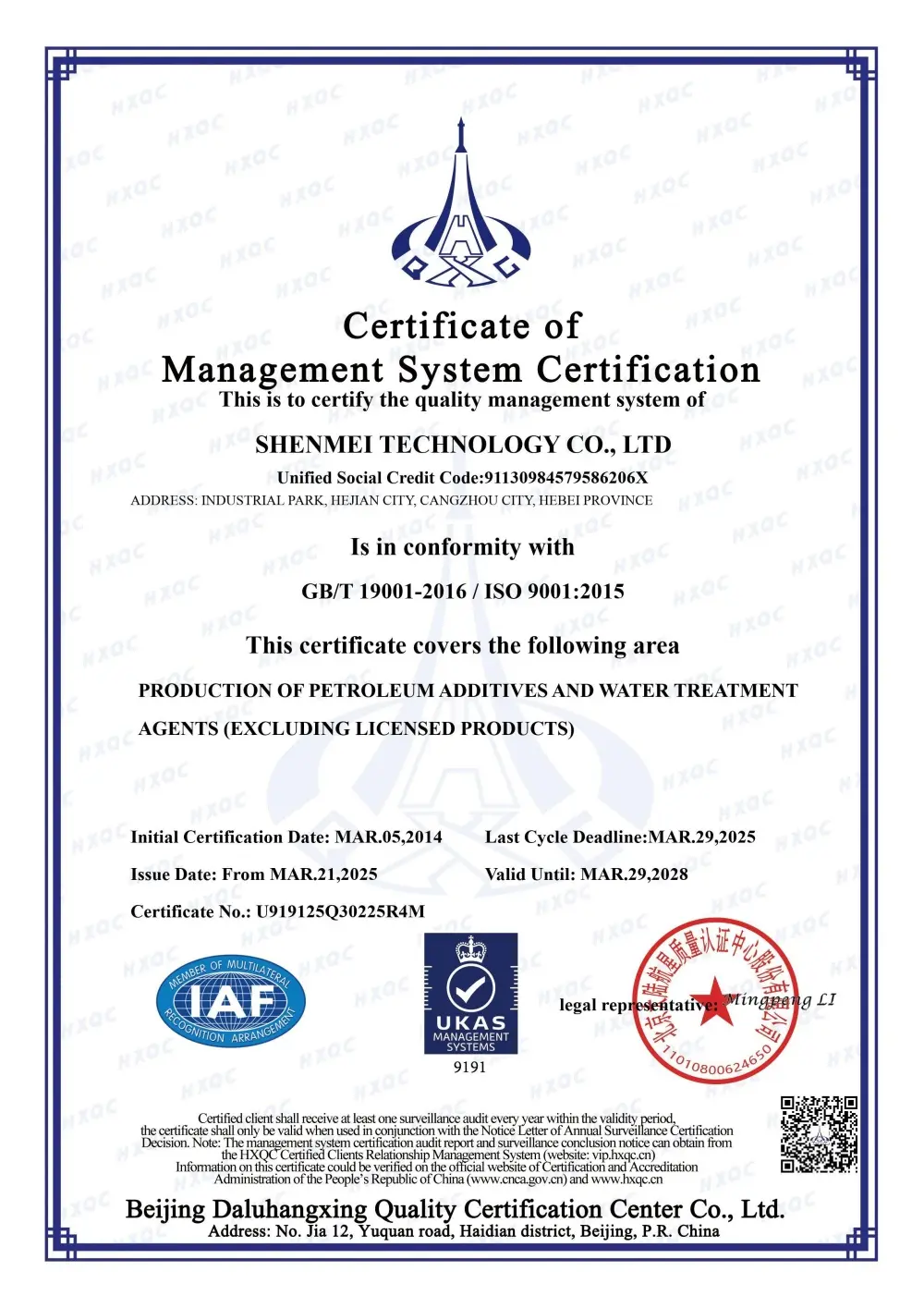
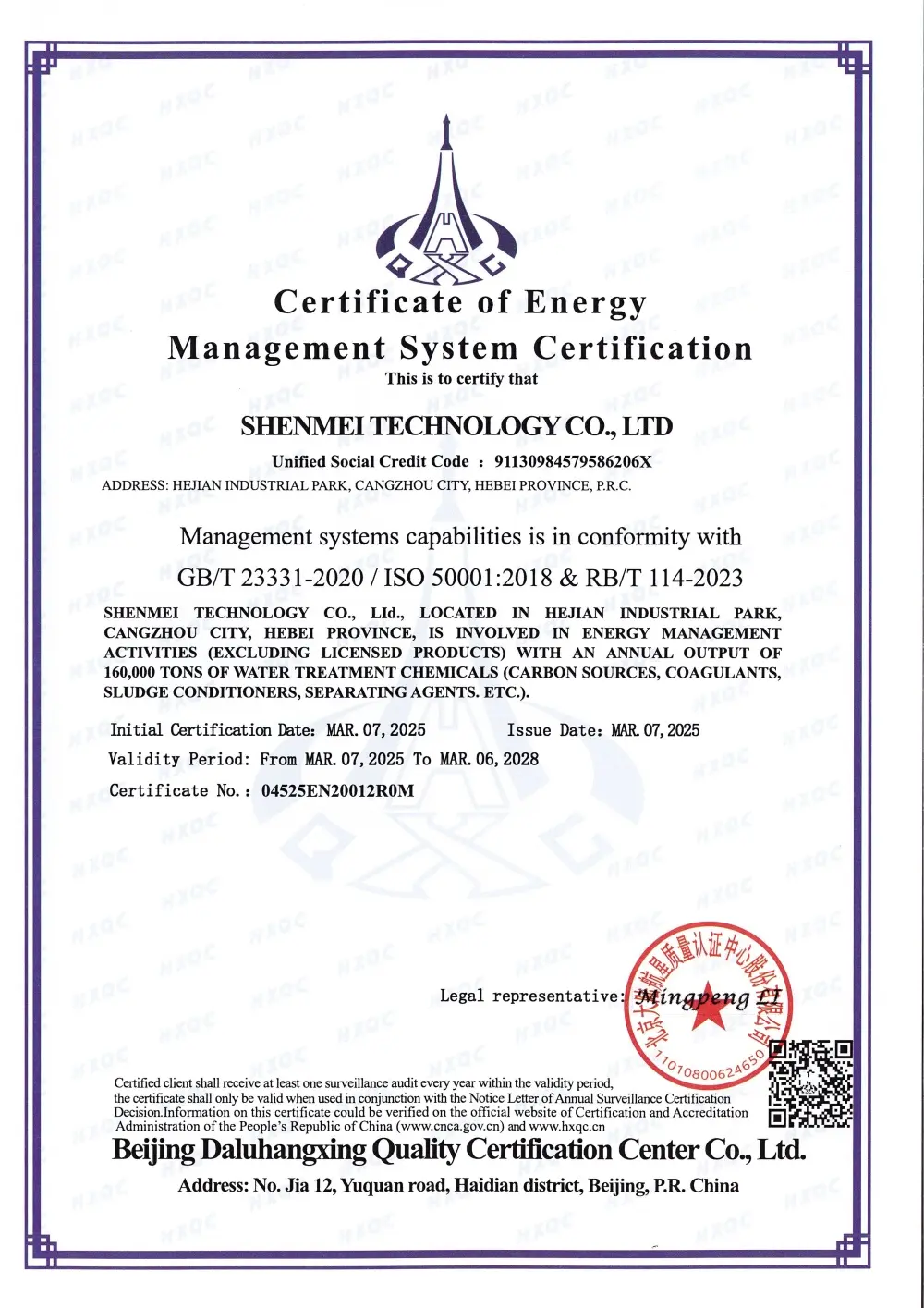
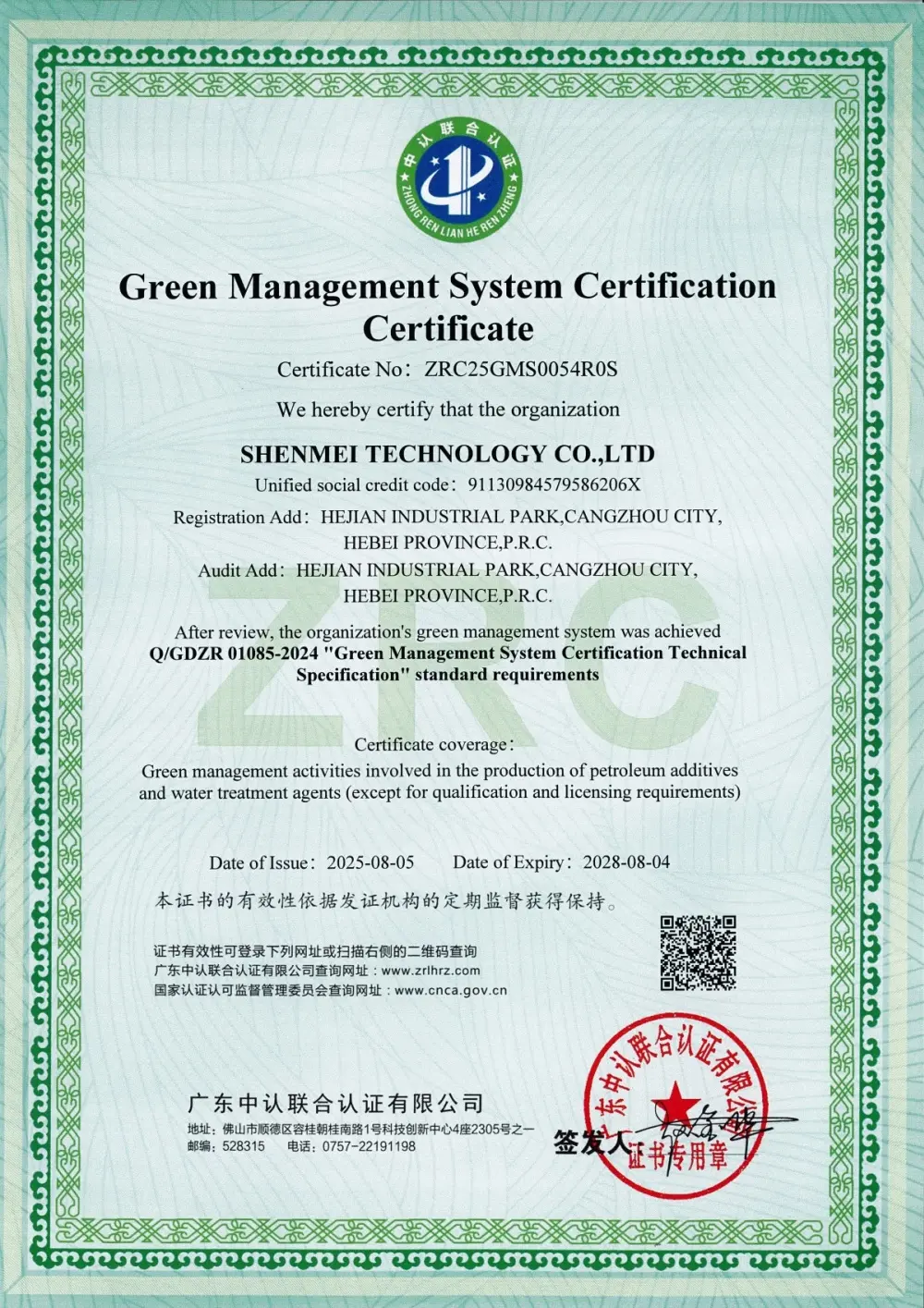
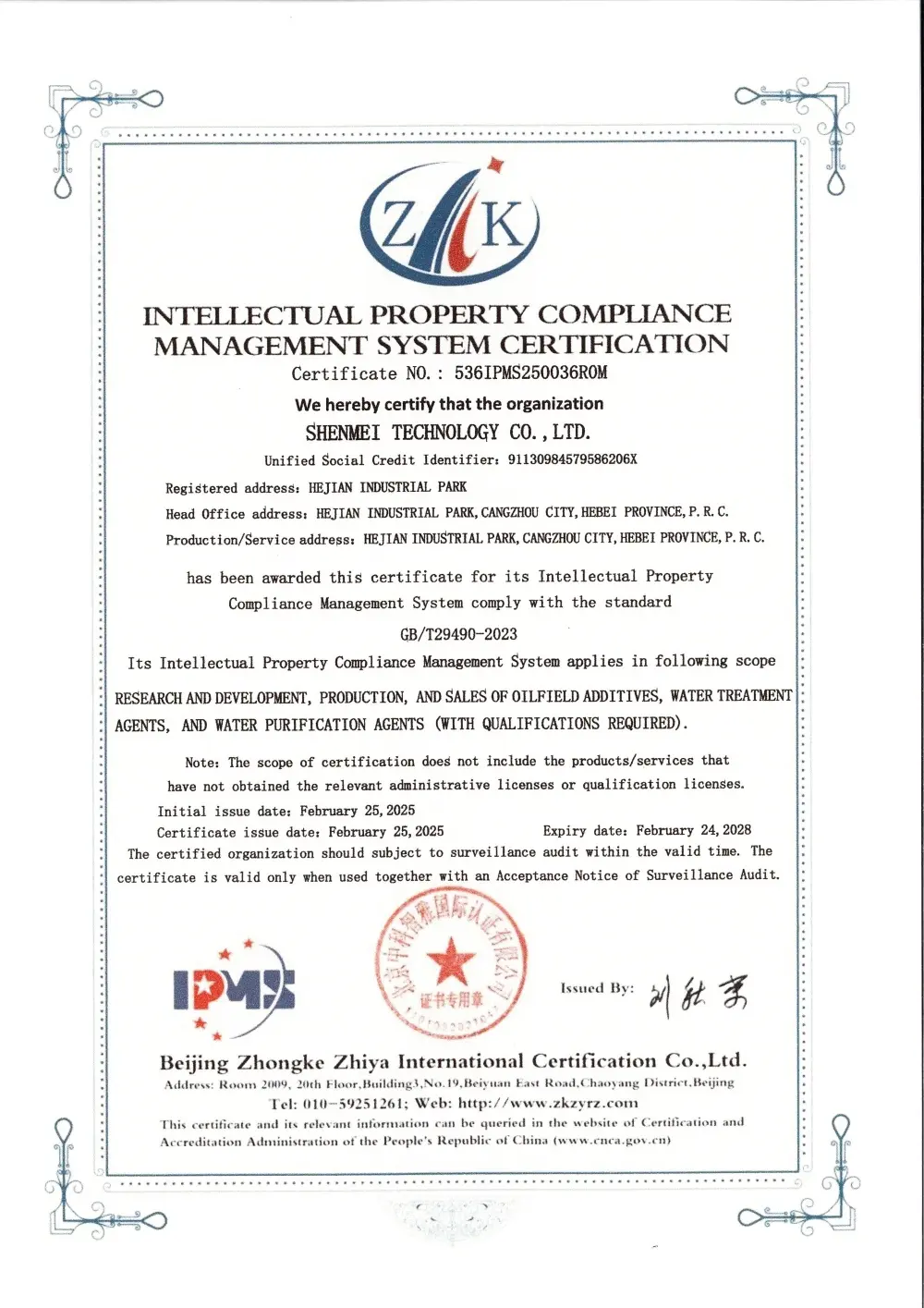
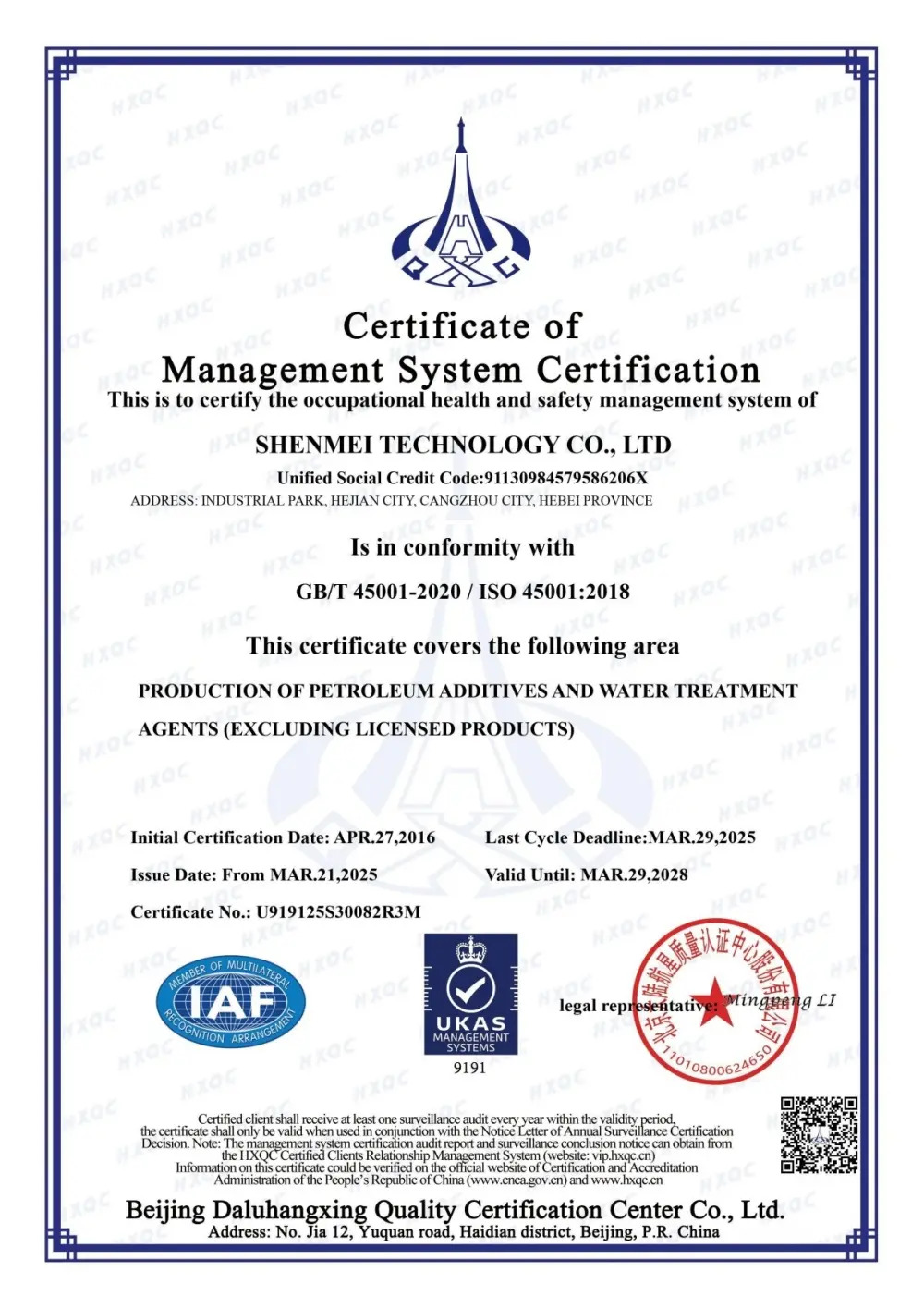
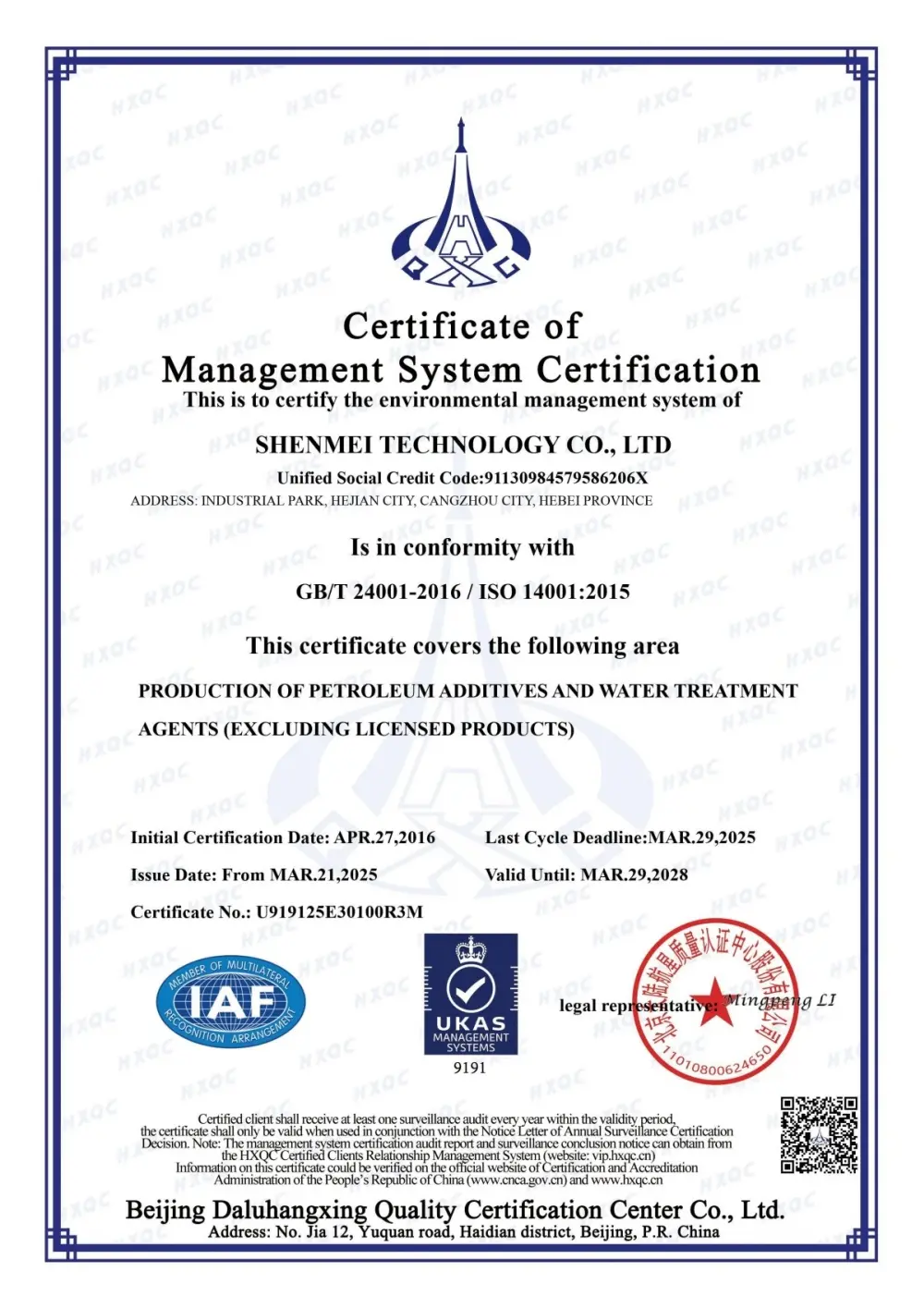
More than a decade of development in specialized industrial chemical formulations.
Key R&D trends shaping the next generation of industrial water treatment chemicals.
The industrial water treatment sector is shifting toward environmentally friendly formulations that offer higher charge density, reduced environmental impact, and improved process efficiency.
Due to concerns regarding the environmental persistence of synthetic polymer backbones, research is expanding into bio-based alternatives. Natural polymers like chitosan, starch derivatives, and modified cellulose are being functionalized through graft copolymerization to introduce cationic quaternary ammonium groups. While synthetic CPAM remains the industry standard for high-shear sludge dewatering, bio-derived alternatives are increasingly used in drinking water clarification and primary wastewater filtration.
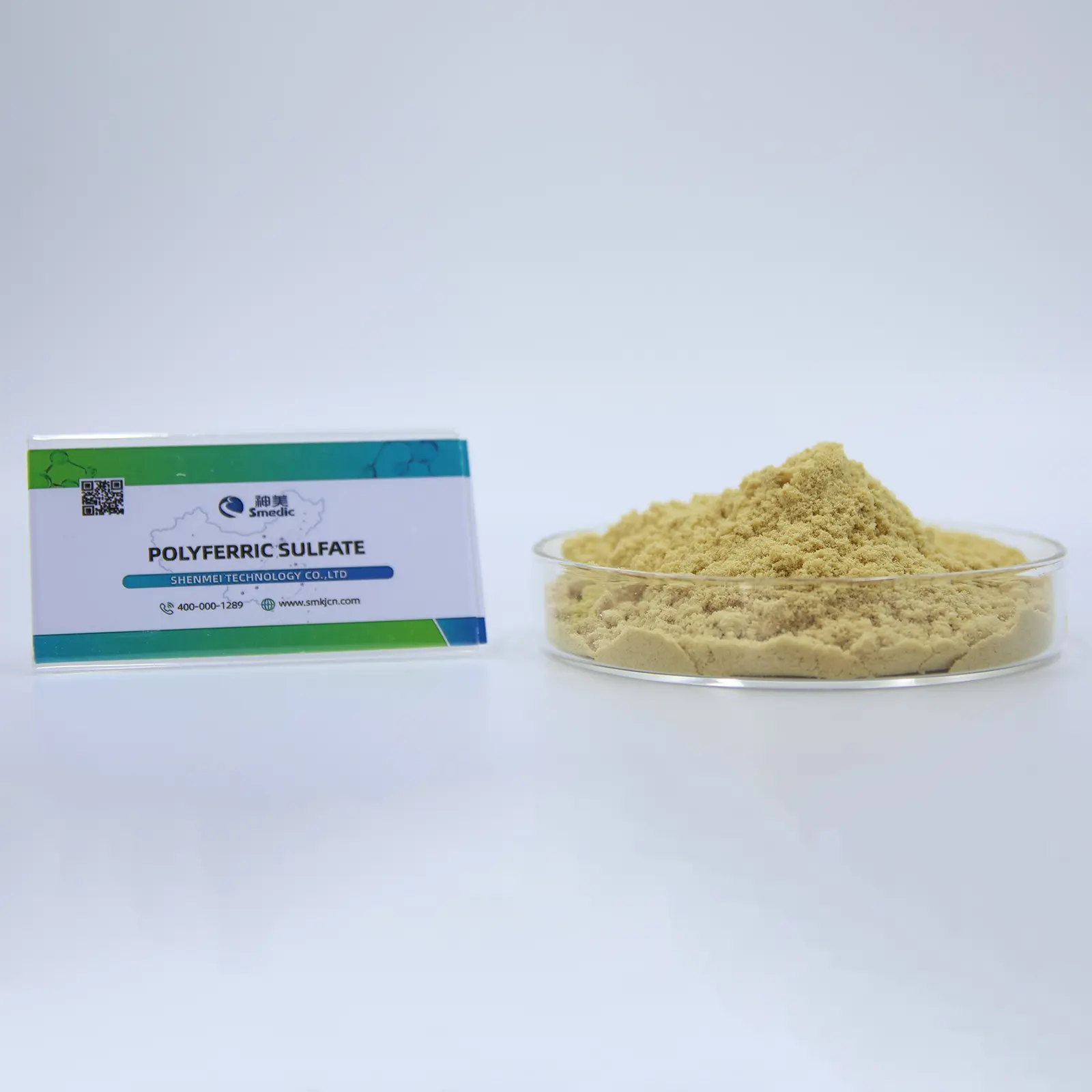
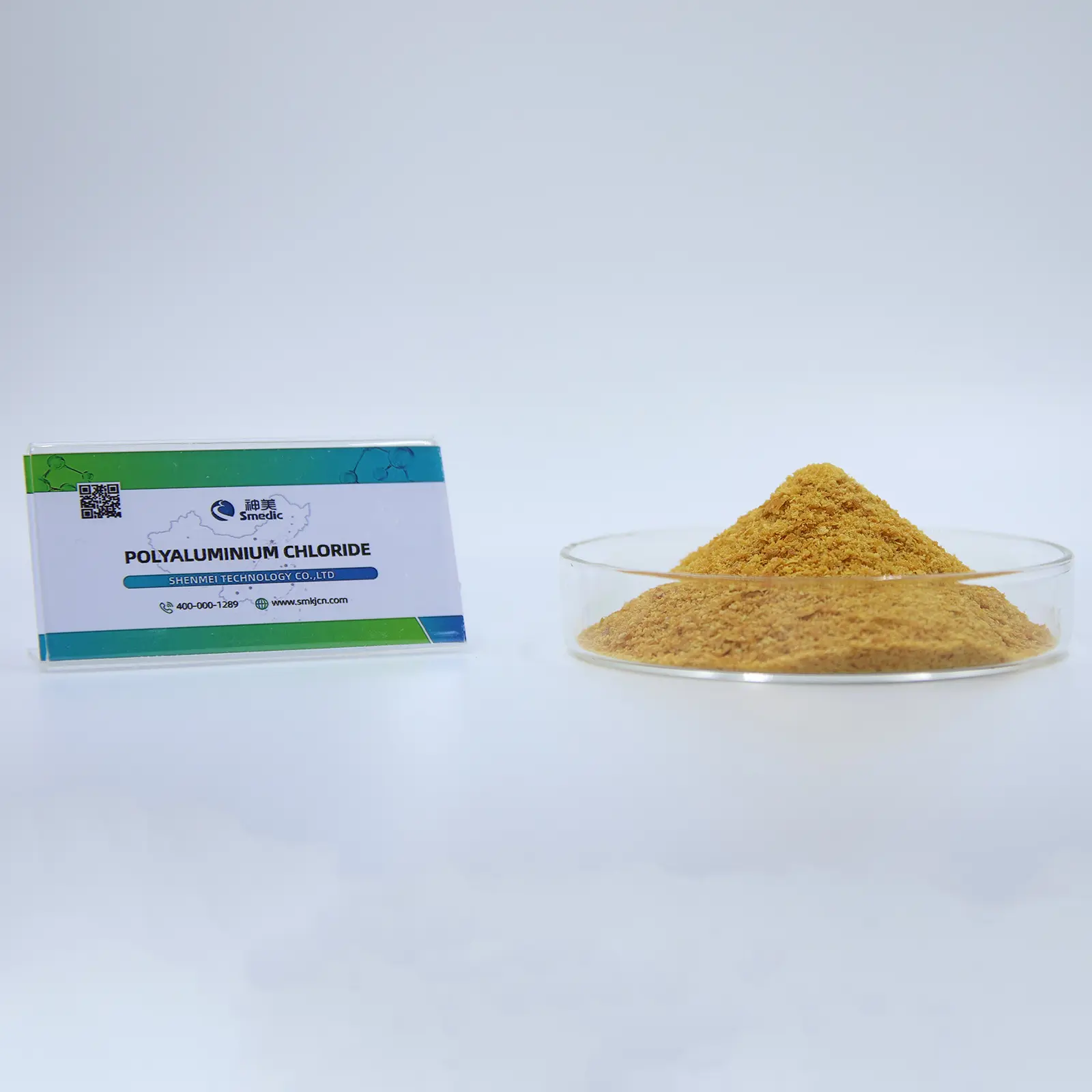
Traditional dual-dosing systems apply an inorganic coagulant (like PAC or PFS) followed by an organic flocculant (like CPAM) in separate steps. Research into inorganic-organic composites seeks to combine these components into a single product. These covalent composite flocculants achieve charge neutralization and polymeric bridging in a single step, simplifying dosing systems and reducing overall chemical consumption.
Industrial processes generate highly complex wastewater streams containing surfactants, dissolved organic carbon, and heavy metals. Standard cationic polyacrylamides can struggle to break these stable emulsions. Developing high-density liquid polymers, such as PolyDADMAC and Polyamine formulations, provides the high cationic charge required to destabilize these emulsions without significantly increasing dosage volume.
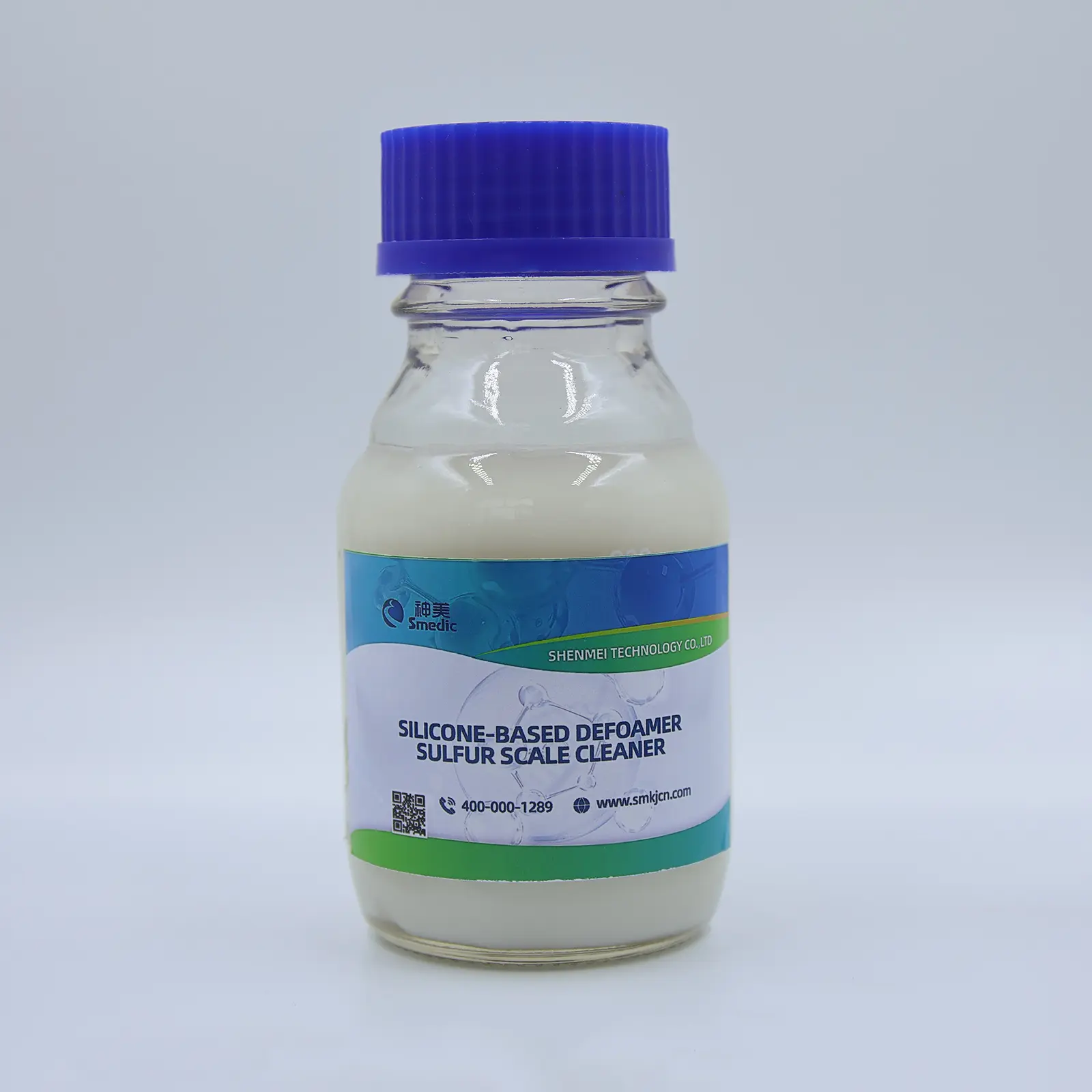
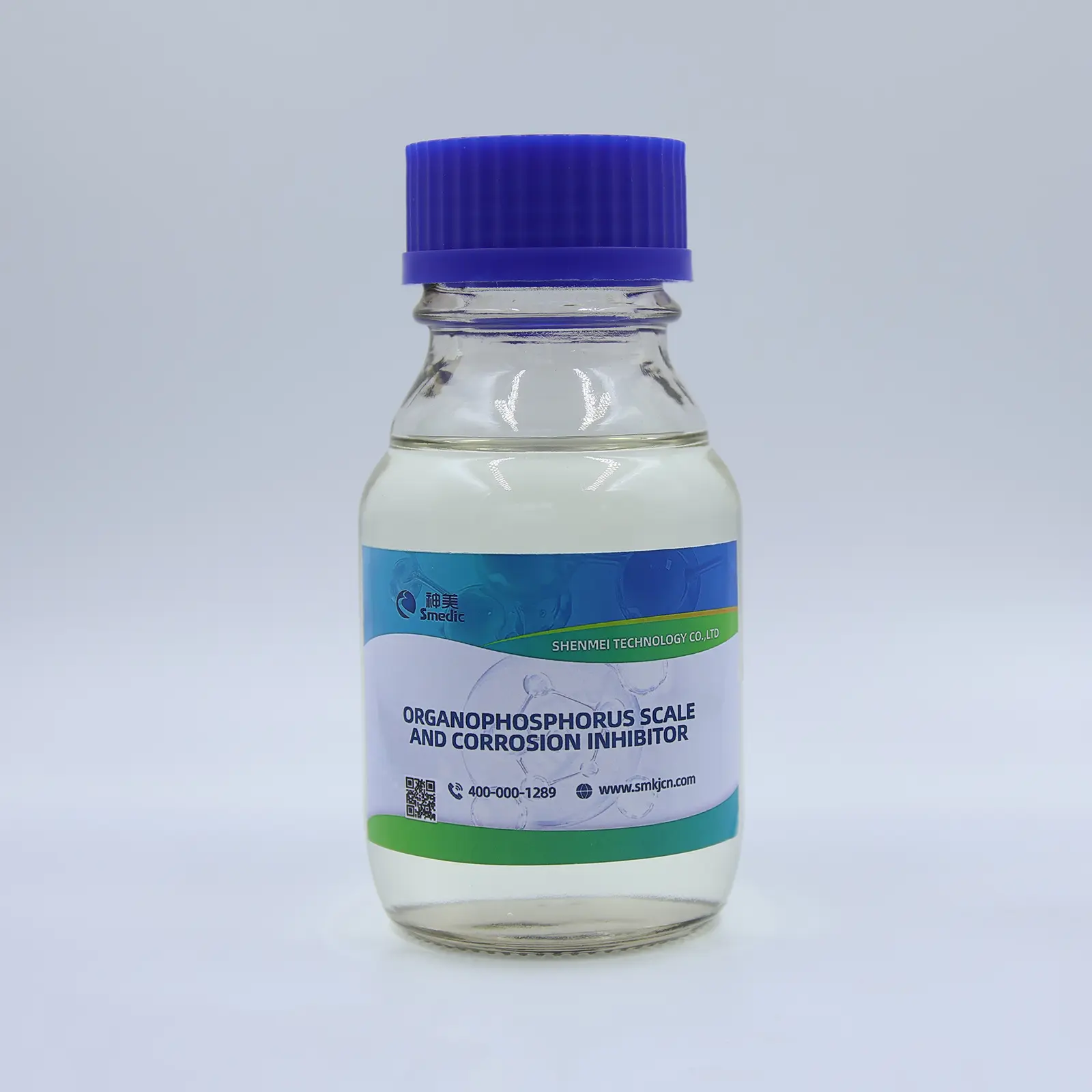
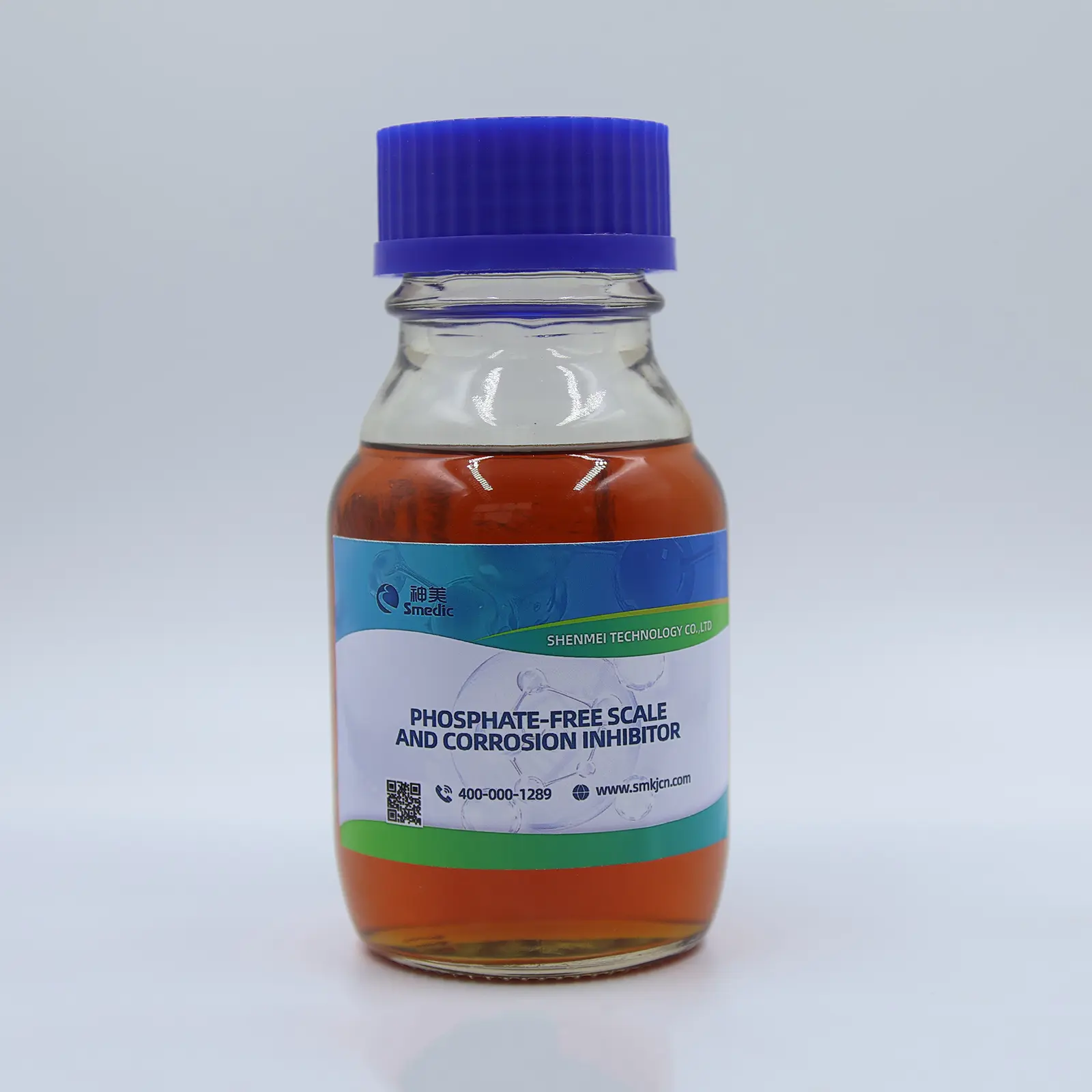
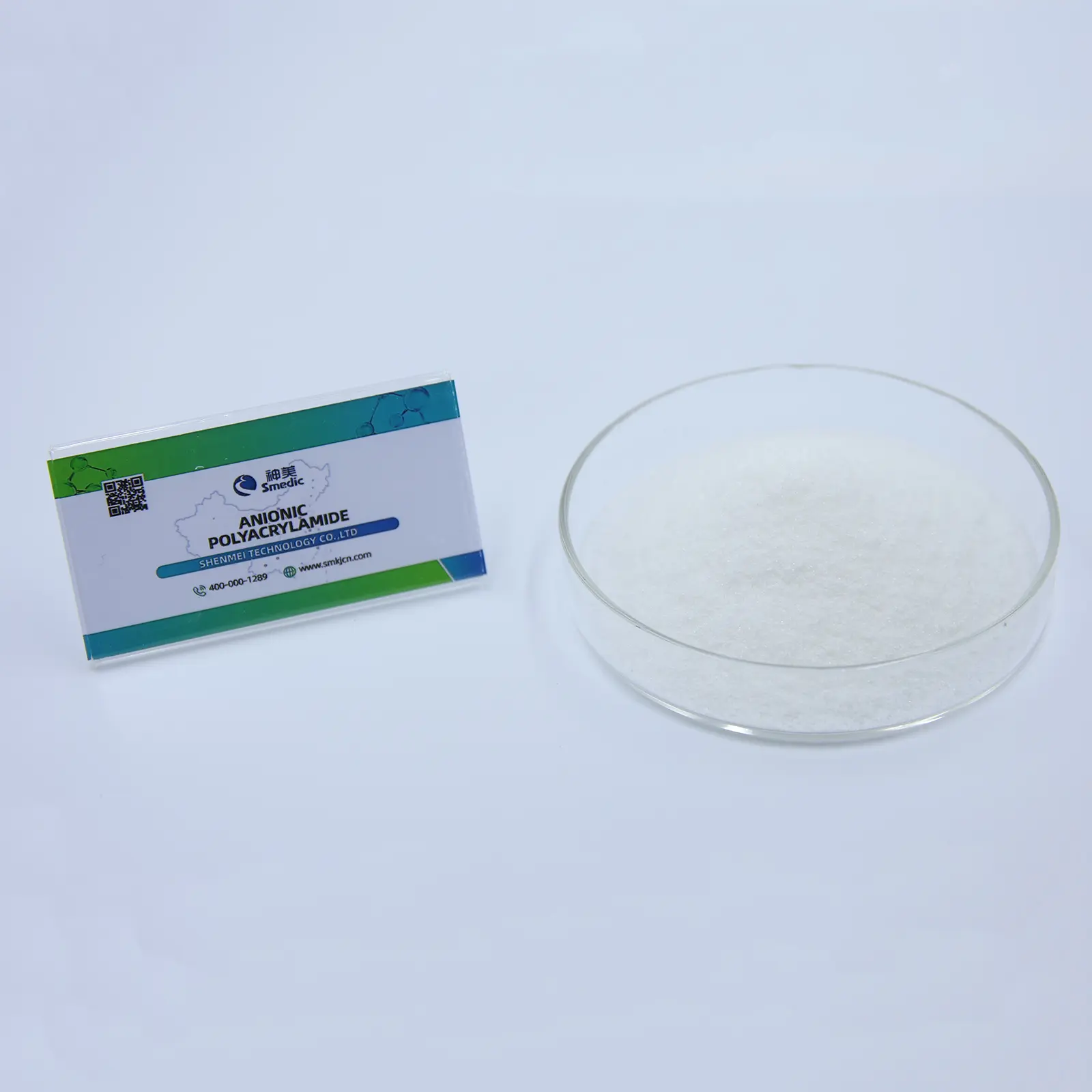
Browse our complete catalog of industrial water treatment agents, scale inhibitors, defoamers, and heavy metal removal chemicals.
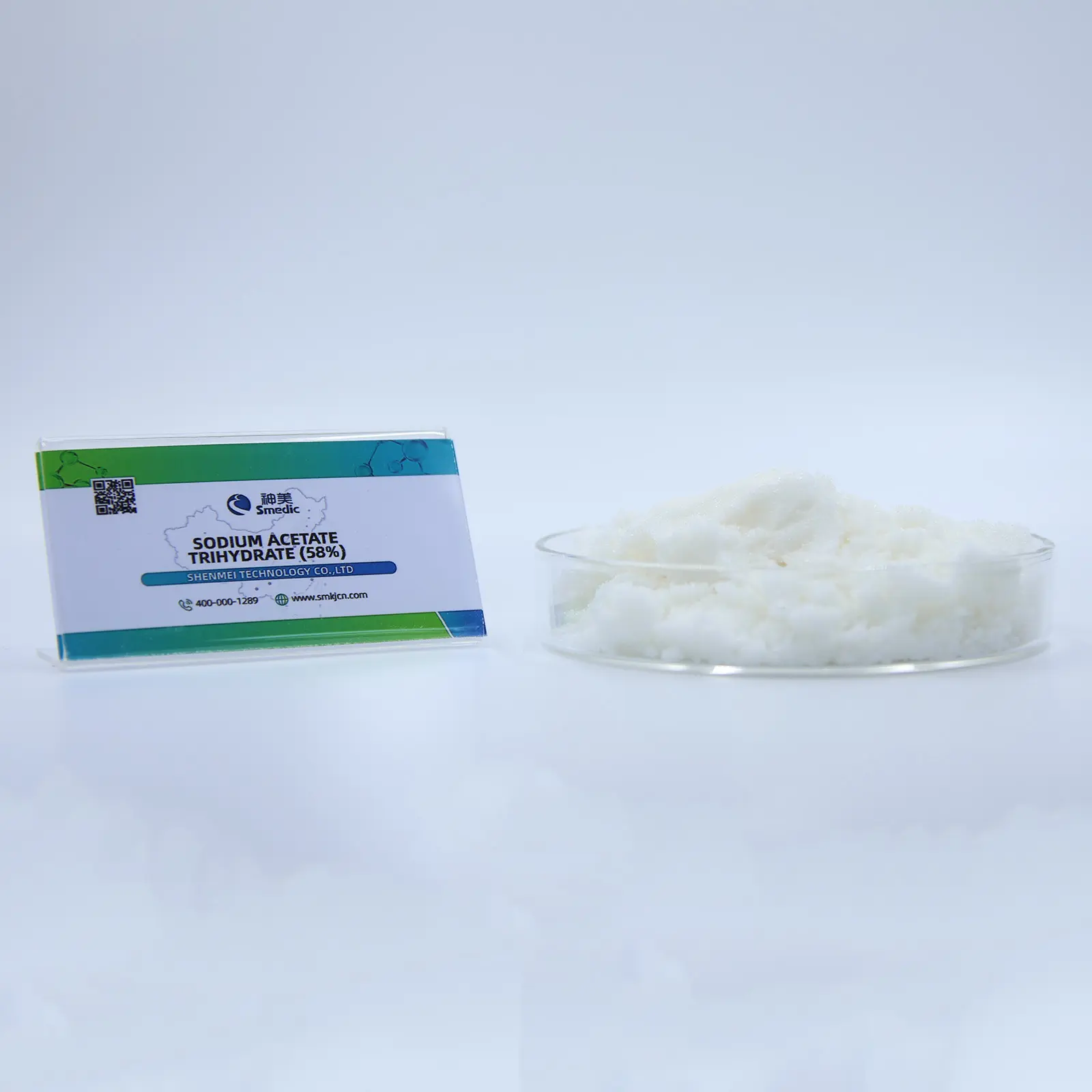
Technical guidance to assist with product selection, application troubleshooting, and supply chain logistics.
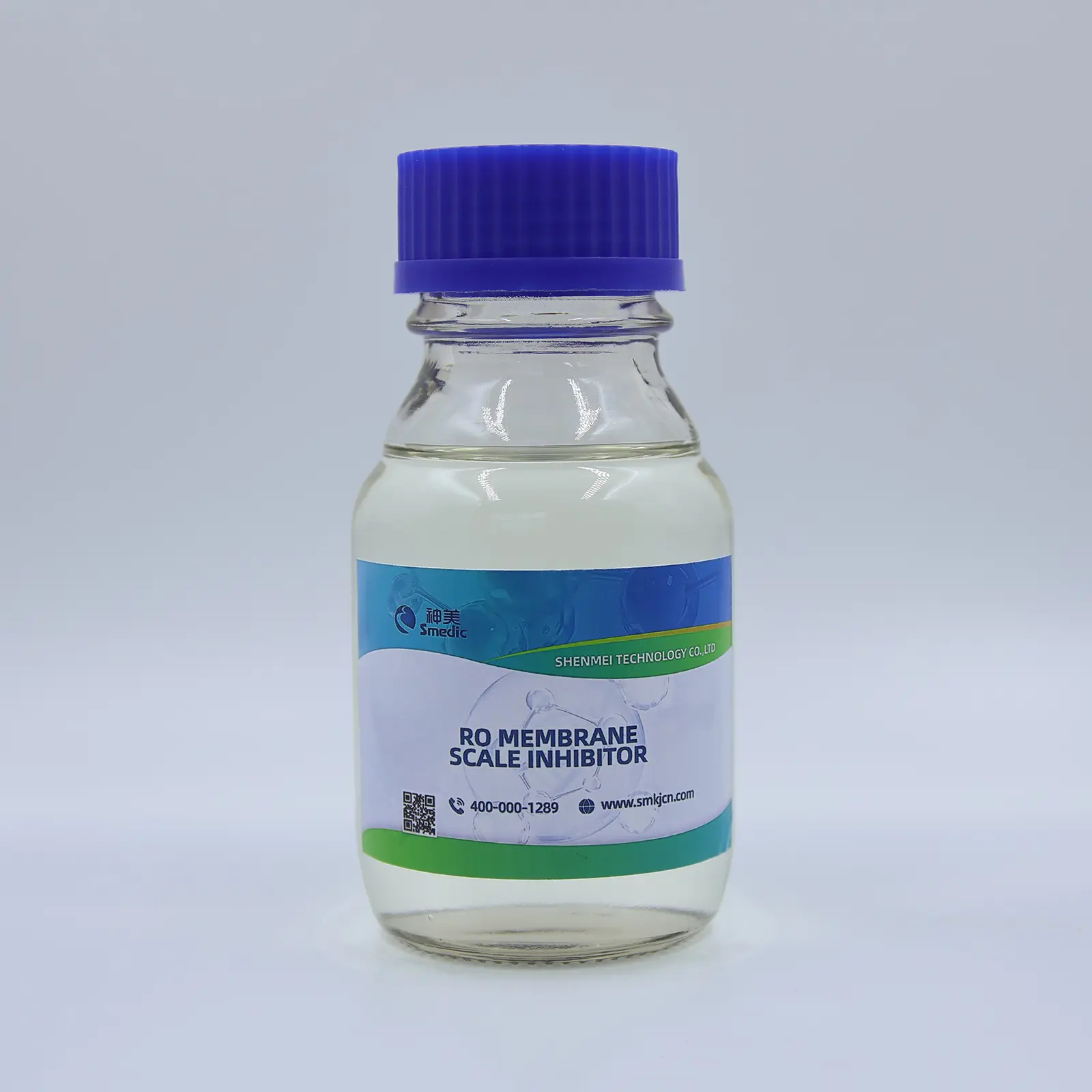
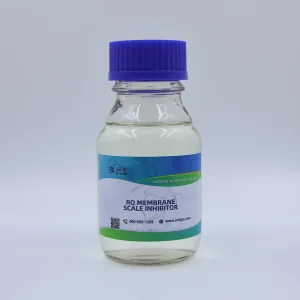
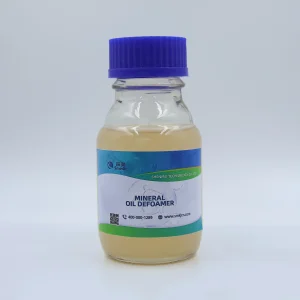
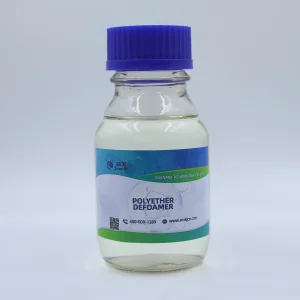
Explore our targeted chemical formulations, including defoamers, membrane scale inhibitors, and metal removal agents.
 Smedic Tech