The global regulatory consensus demands highly selective, stable, and cost-efficient processes for the remediation of free and complexed cyanides.
The traditional pathway utilizing chlorine gas or sodium hypochlorite under highly alkaline conditions (pH > 10) to oxidize toxic cyanide (CN-) first to cyanate (CNO-) and subsequently to harmless nitrogen (N2) and carbon dioxide (CO2).
Deploying Fenton's reagent, ozone (O3), or hydrogen peroxide (H2O2) combined with UV radiation. This creates highly reactive hydroxyl radicals capable of destroying extremely stable transition metal-cyanide complexes.
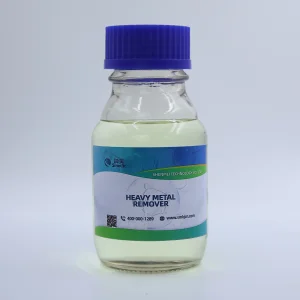
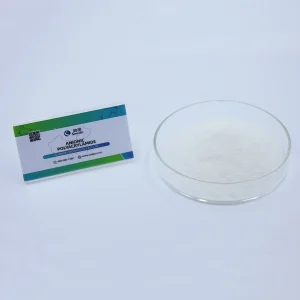
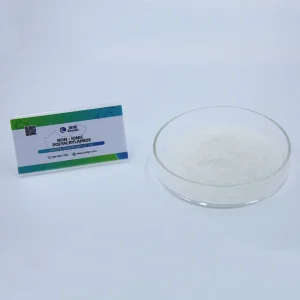
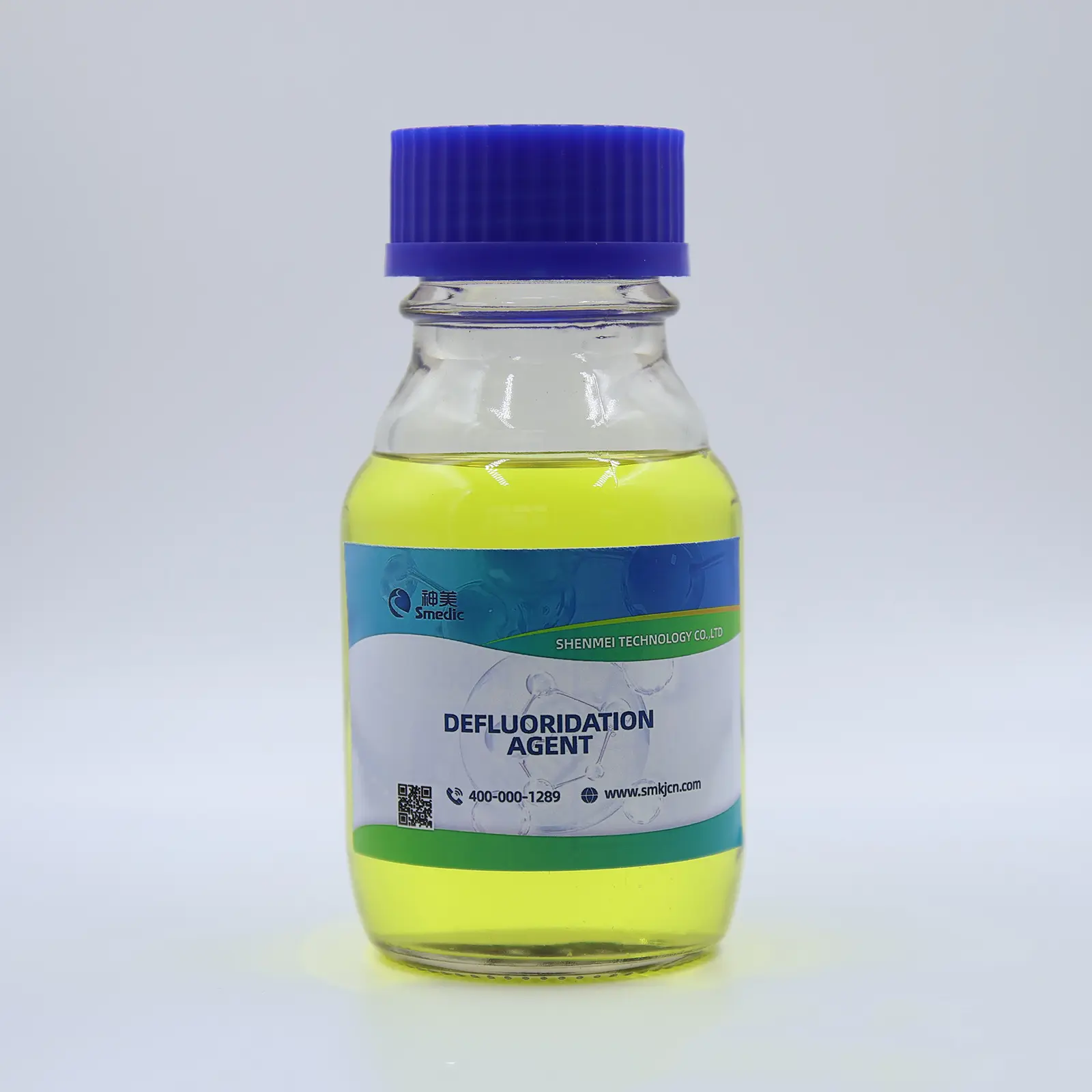
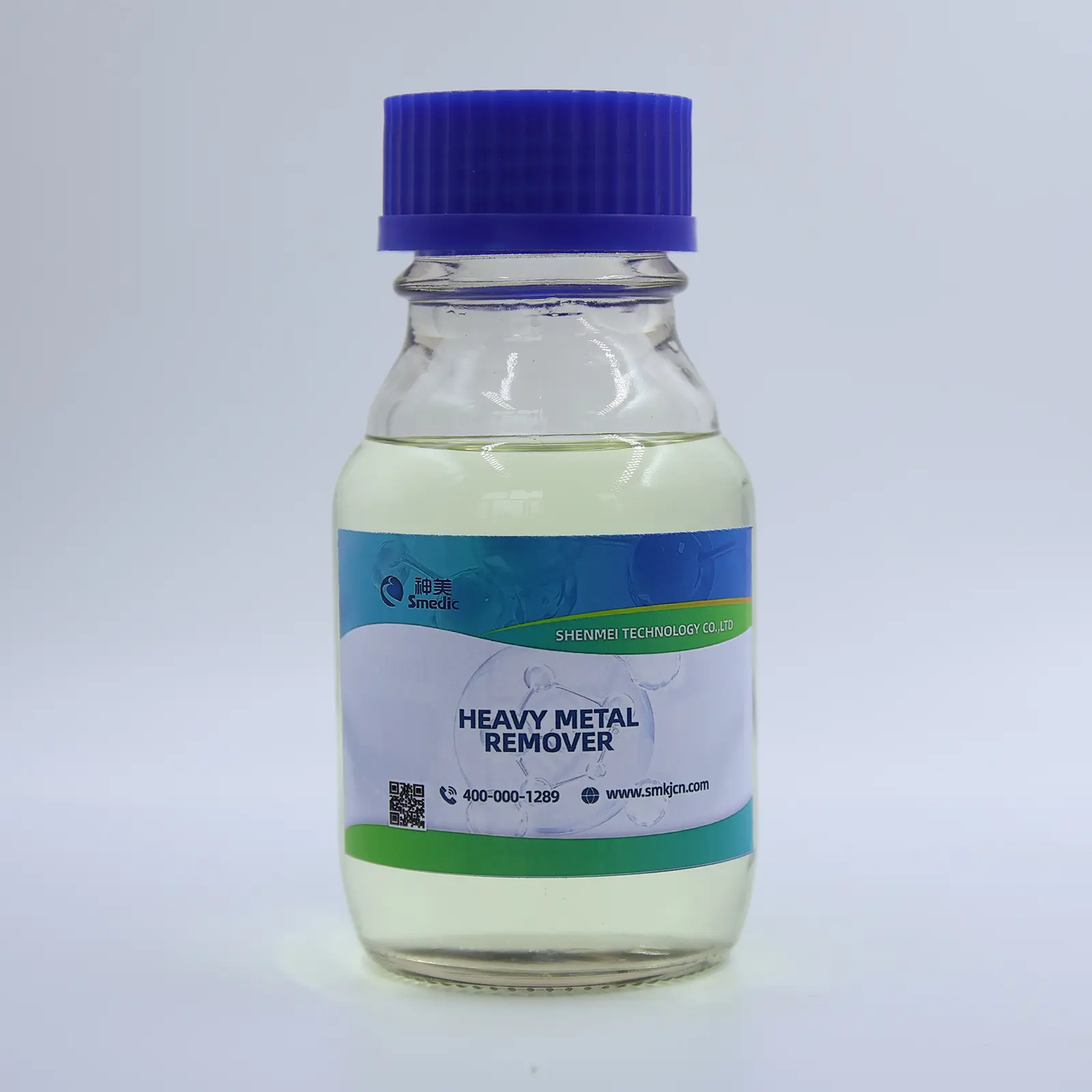
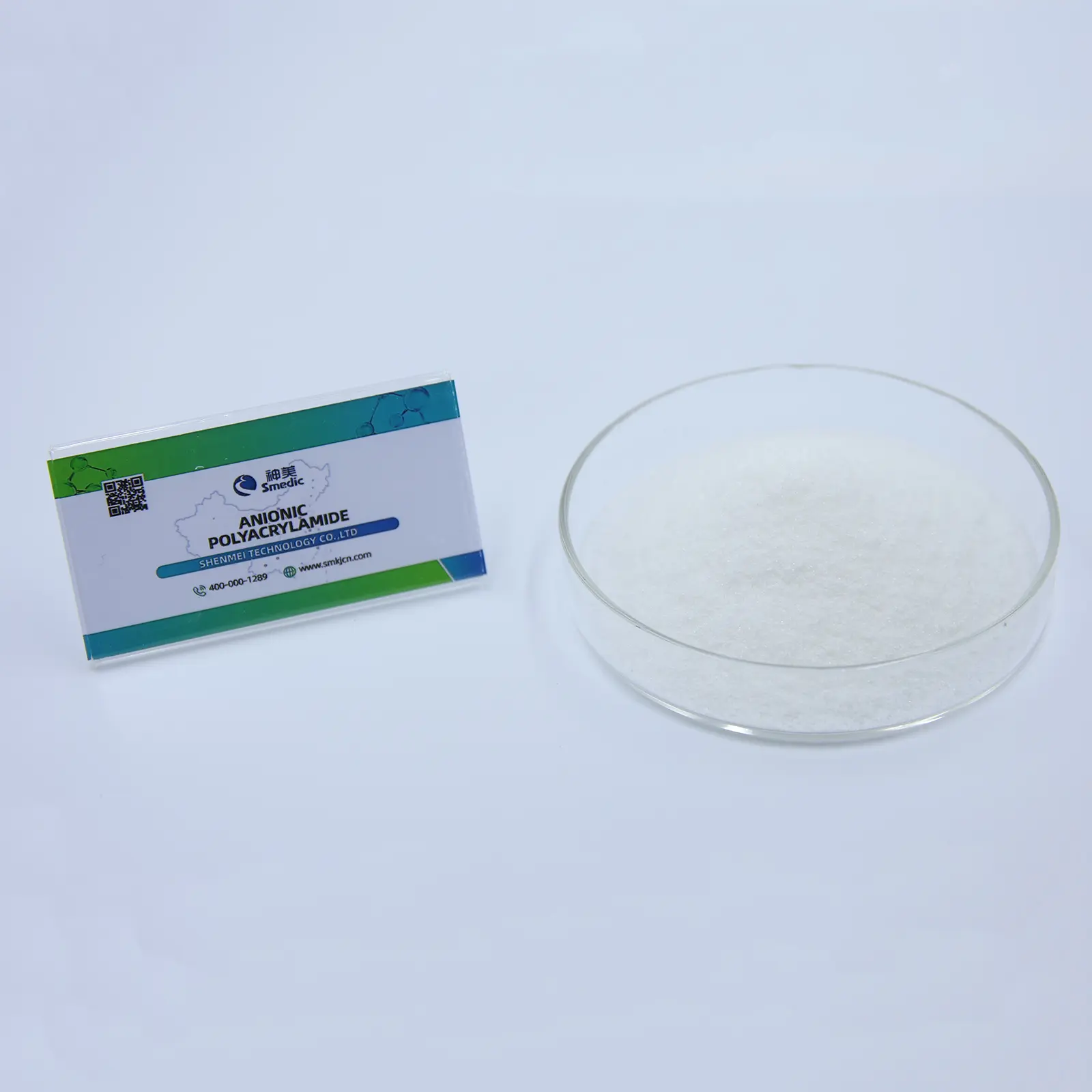
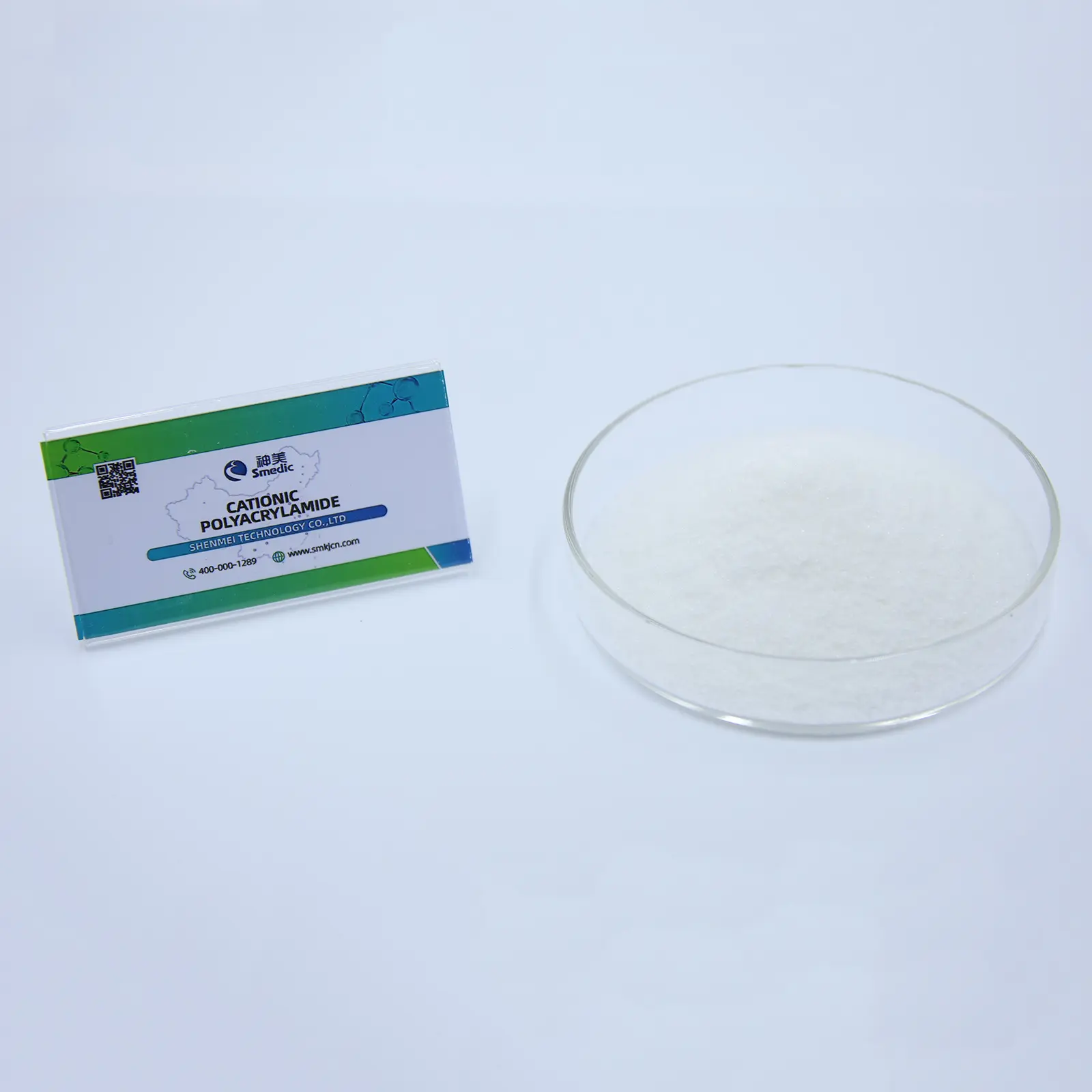
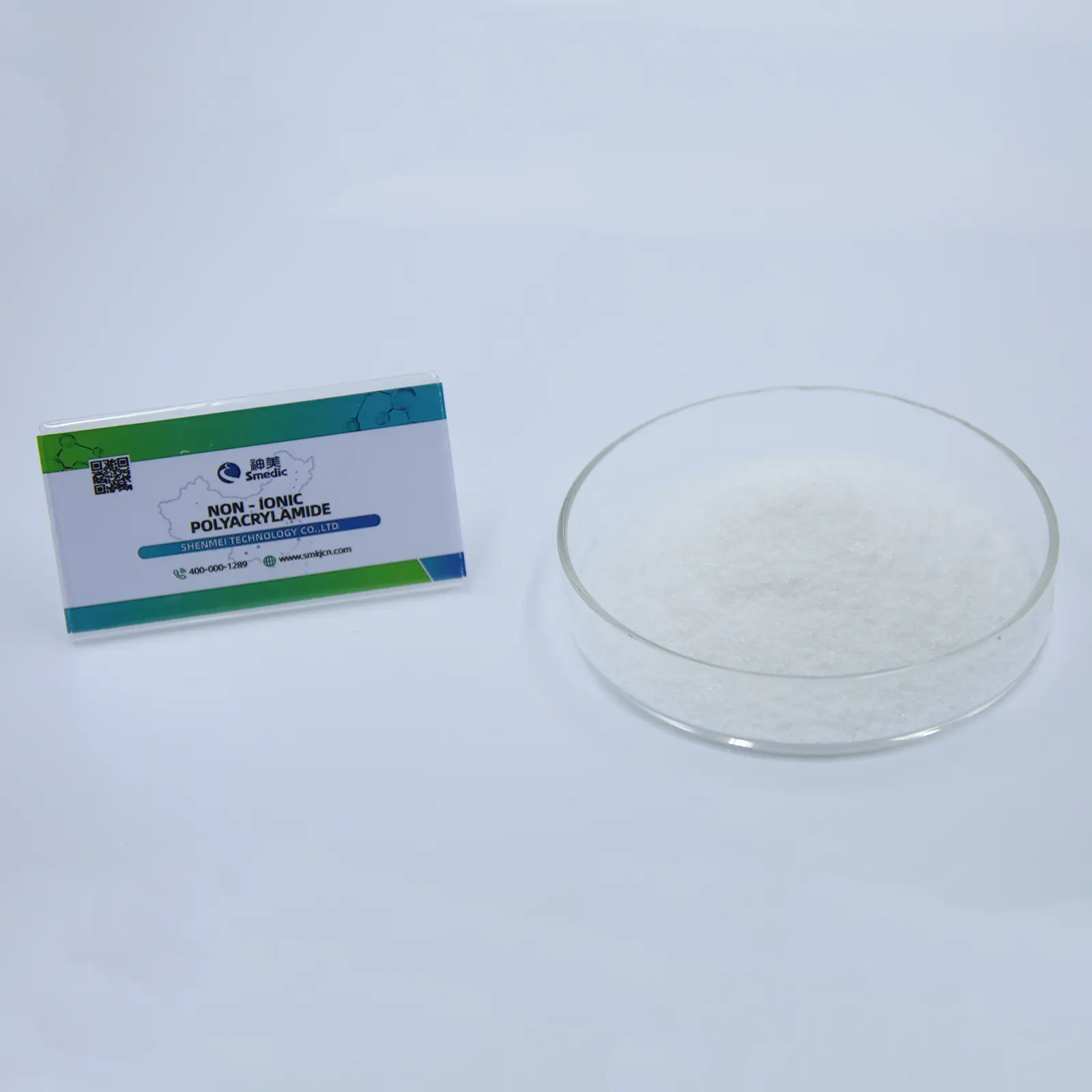
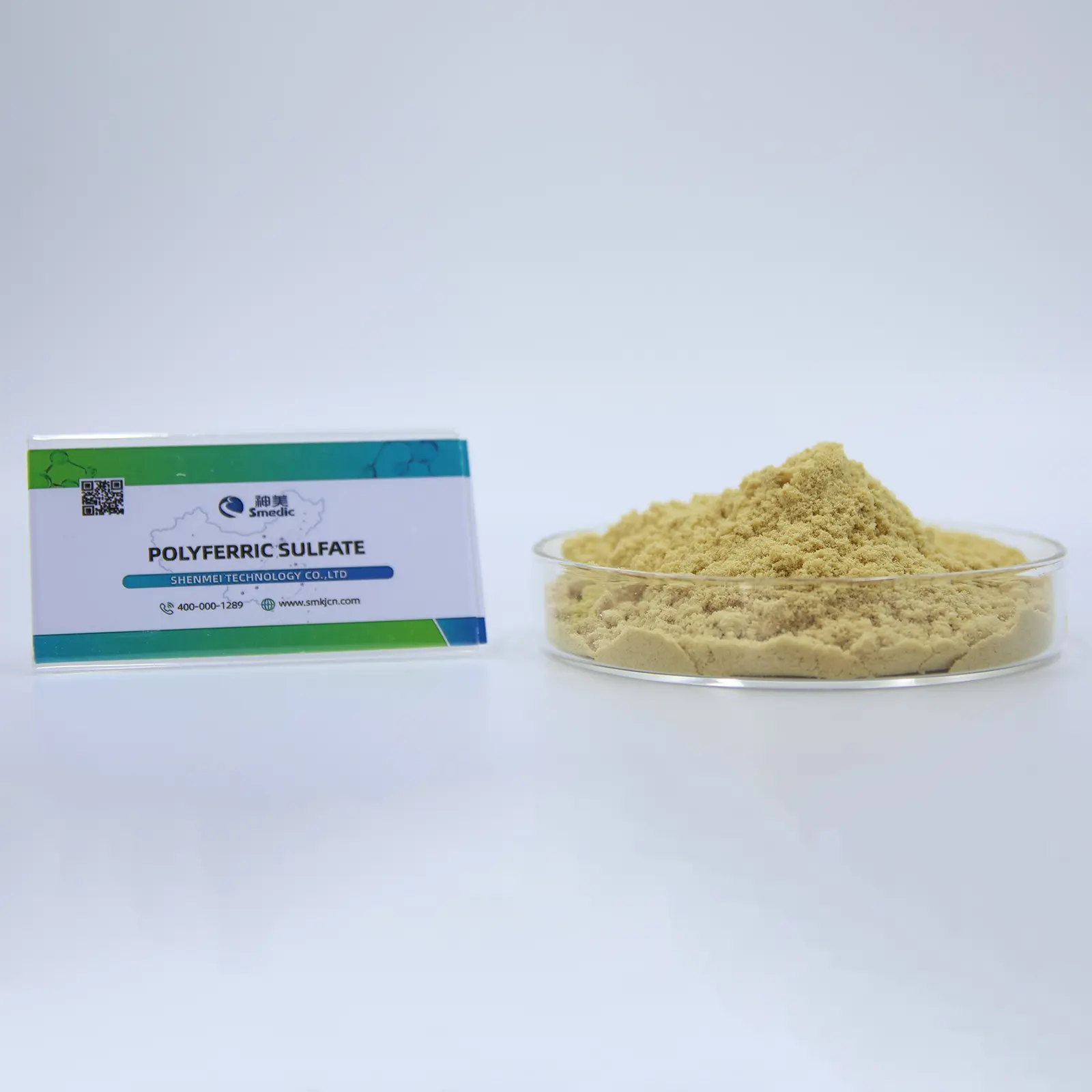
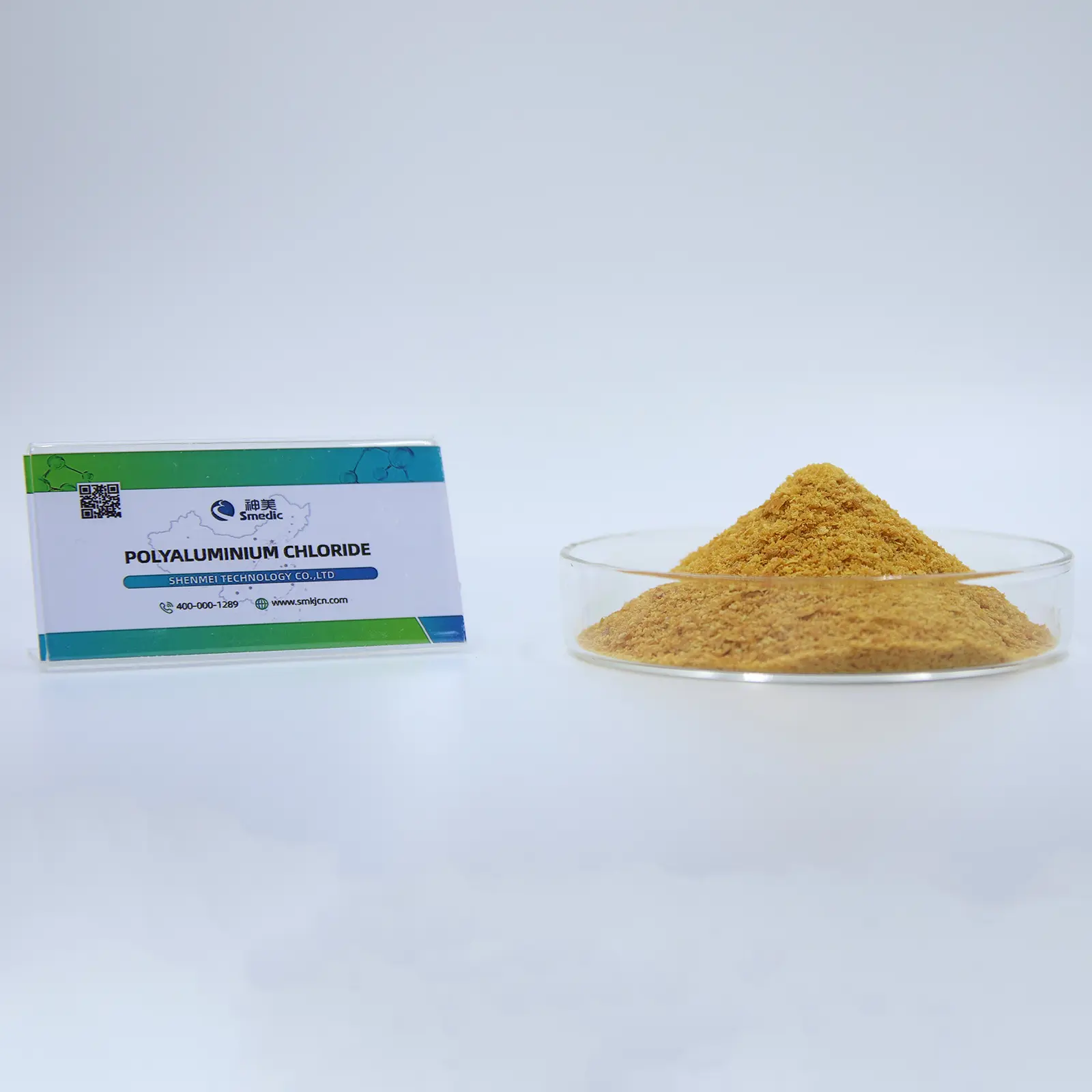
Applying specialized organic-inorganic covalent-bond heavy metal removal agents and high-performance polyacrylamide flocculants to selectively bind, aggregate, and precipitate complexed cyanides from the liquid phase.
Smedic Technology Co., Ltd. is a comprehensive environmental chemical supplier integrating R&D, production, sales, and localized technical services.
Established in 2011, Smedic Technology Co., Ltd. has developed into a leading enterprise in the high-end environmental protection chemicals market within China and globally. We specialize in custom municipal sewage agents, industrial wastewater treatments, tap water purification agents, mineral processing chemicals, and oilfield agents.
With our corporate headquarters situated in Beijing, we operate multiple wholly-owned production bases across key industrial regions including Hebei, Guizhou, and Shanxi. Our service network has expanded to encompass over 20 provinces. By establishing more than ten OEM partner factories and regional warehousing hubs, we ensure rapid logistics and highly secure supply lines across East and South-East Asia, the Middle East, and the Americas.
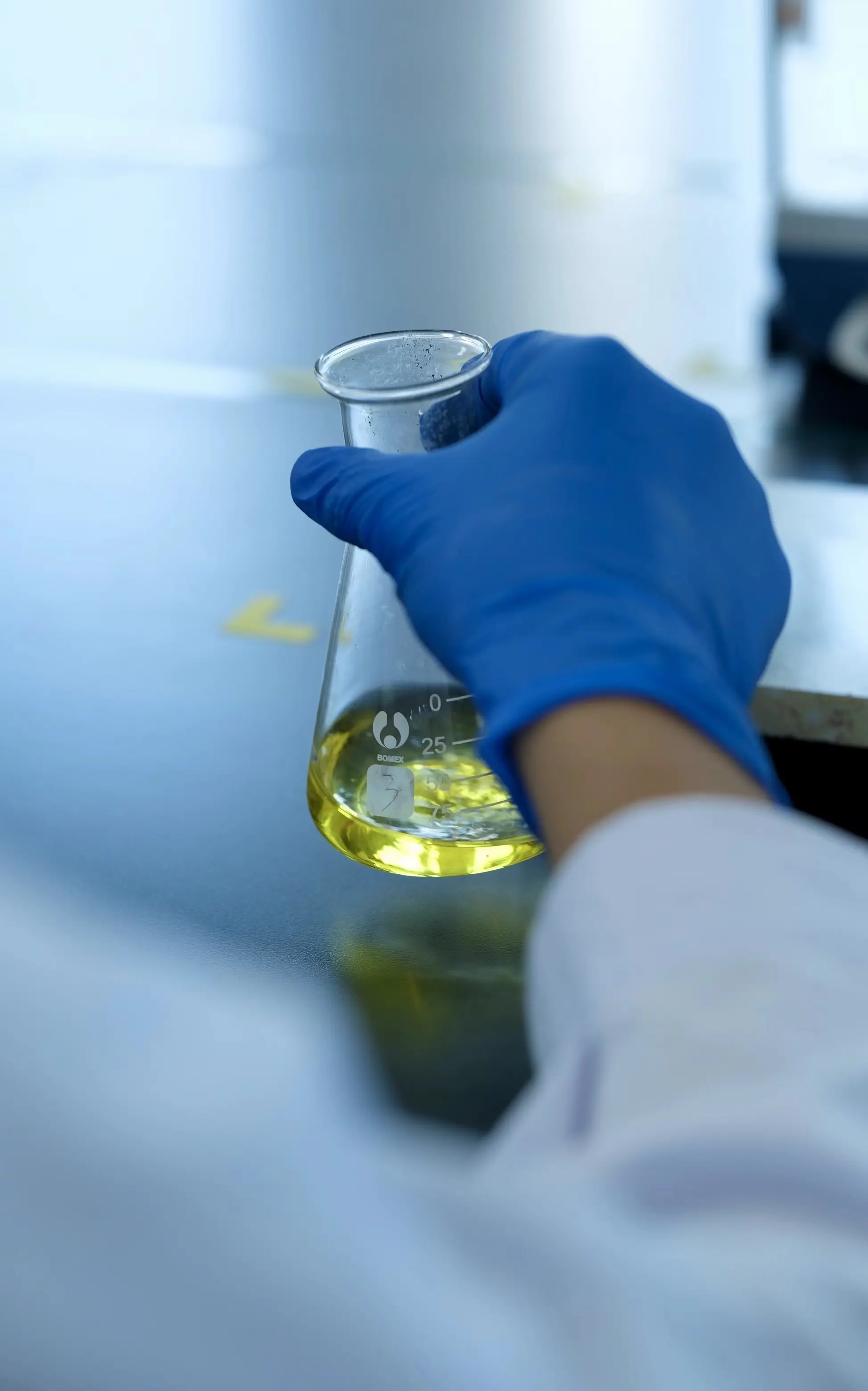
Empowering wastewater treatment with scientific rigor, top-tier academic collaborations, and proprietary chemical engineering.
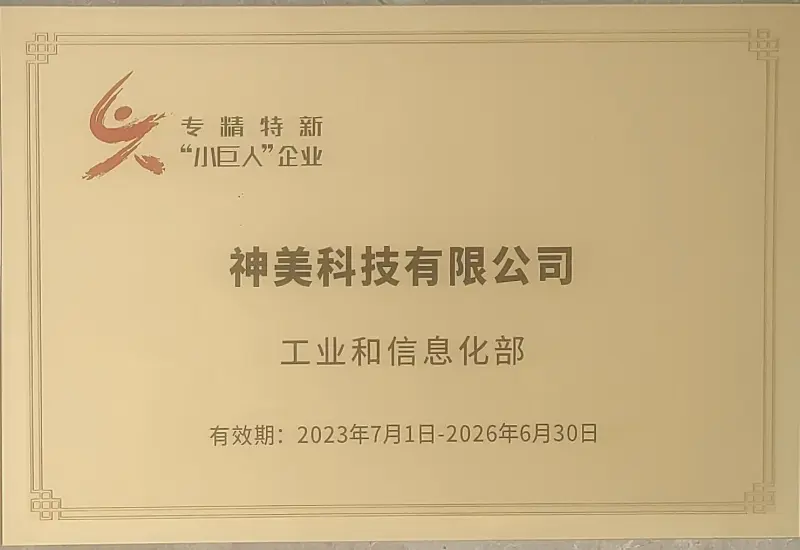
We have obtained esteemed qualifications including National High-tech Enterprise, National Specialized, Refined, Unique and Innovative "Little Giant" Enterprise, National Key-Supported Specialized, Refined, Unique and Innovative "Little Giant" Enterprise, Hebei Province Specialized, Refined, Unique and Innovative "Little Giant" Demonstration Enterprise, Hebei Province Green Factory, and China's Science and Technology-based Innovative Small and Medium-sized Enterprise.
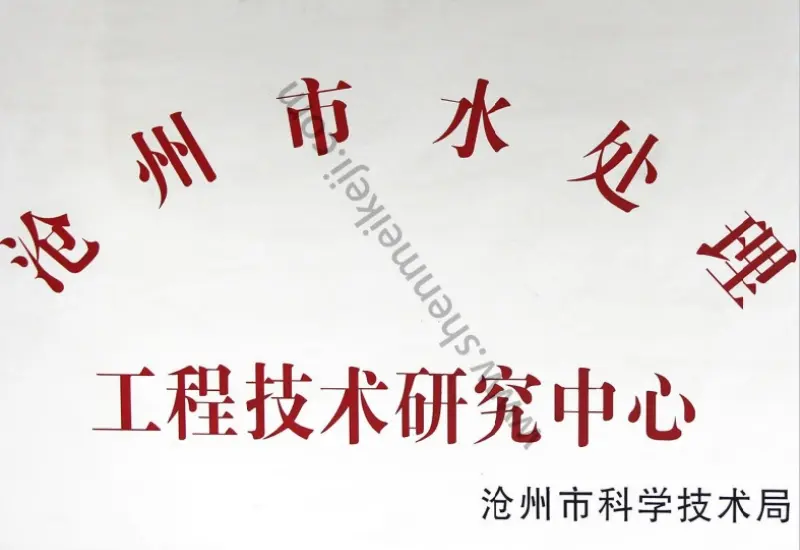
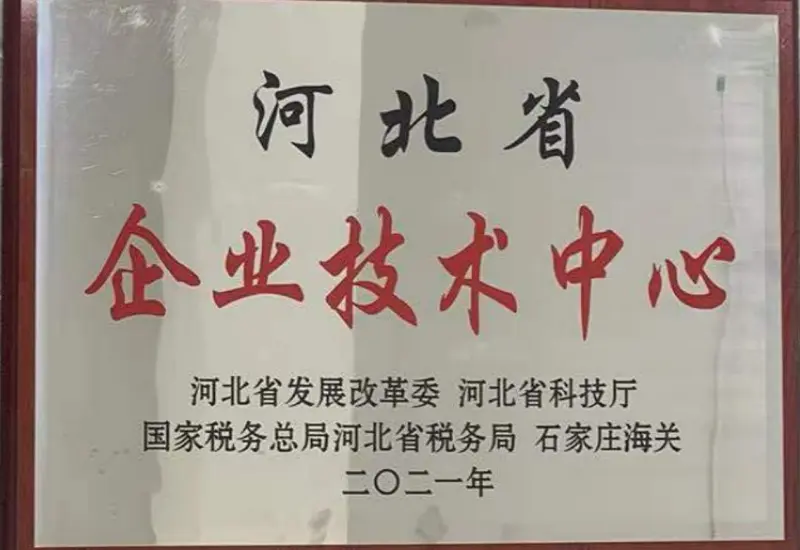
Our development is driven by our R&D system consisting of one academy, three research institutes, and five bases. We host the Hebei Provincial Enterprise Technology Center, the Hebei Provincial Advanced Water Treatment Chemicals Technology Innovation Center, and the Cangzhou Water Treatment Engineering Technology Research Center. We have also established joint R&D laboratories with Shandong University, Beijing University of Technology, and have active academic commercialization partnerships with Tsinghua University Senior Scientists Association, Peking University, and Tianjin University.
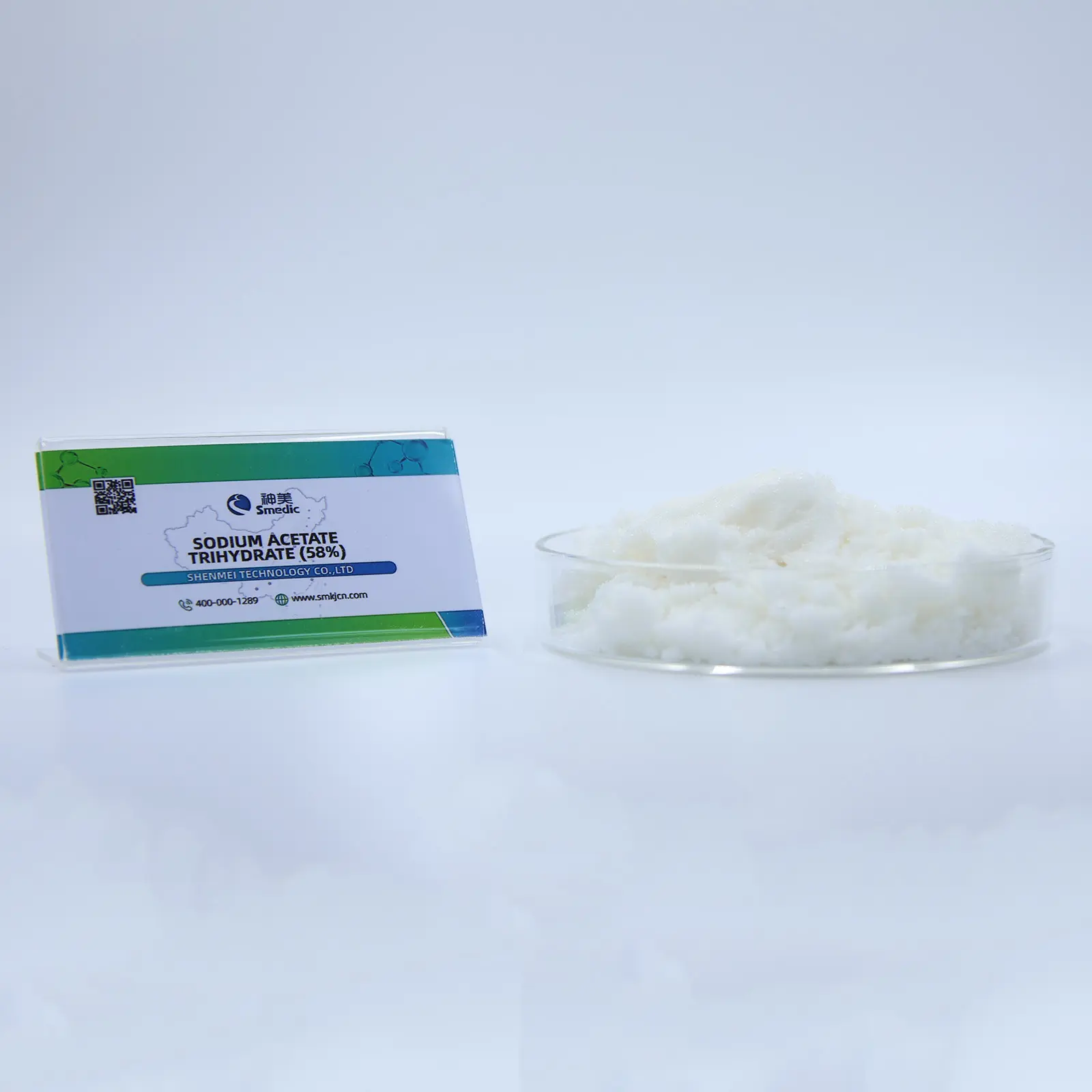
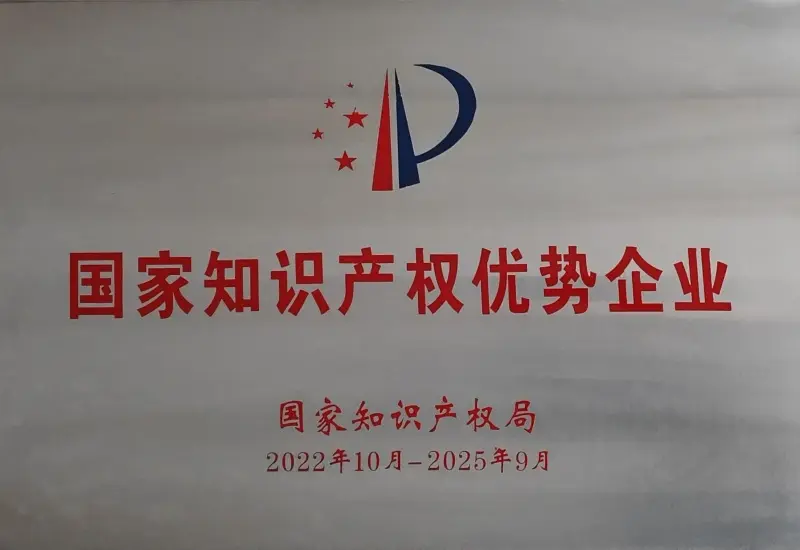
Our commitment to intellectual property and independent engineering is reflected in over sixty Chinese patents, including more than forty invention patents and over twenty utility model patents. We have drafted more than ten national and industry standards, including those for composite carbon sources, composite coagulants, sodium acetate, and nitrifying and denitrifying bacterial agents.
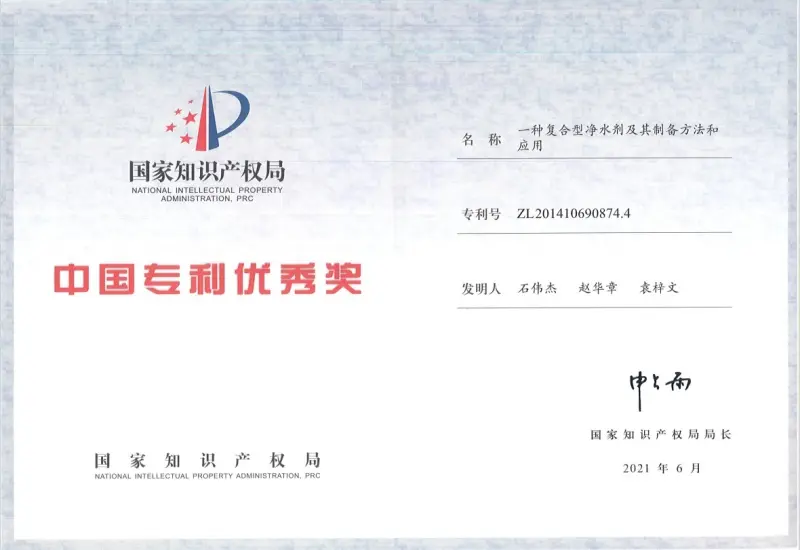
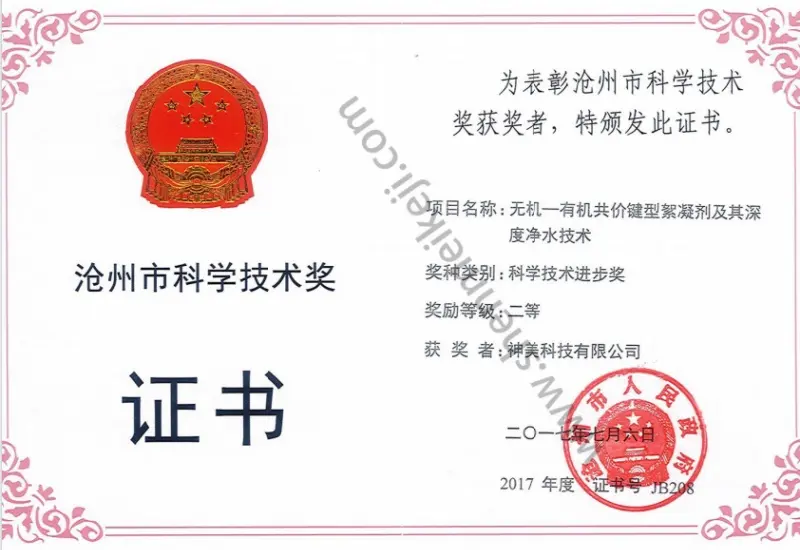
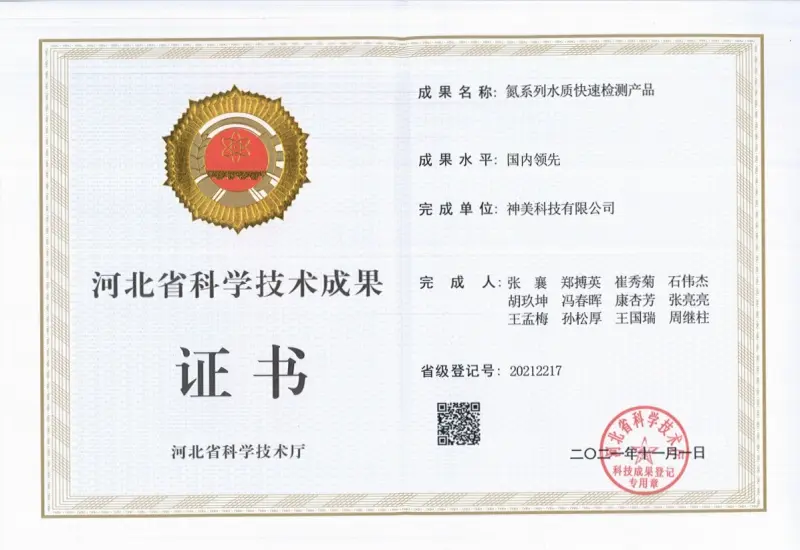
Our proprietary technologies, such as the bio-enhanced denitrification carbon source and the deep multi-nuclear phosphorus removal agent, have passed scientific evaluation by the Science and Technology Department of Hebei Province, and were appraised as "internationally advanced," effectively filling domestic gaps. Smedic's independently developed "Inorganic-Organic Covalent Bond Flocculant and Its Advanced Water Purification Technology" won the 22nd China Patent Award and the First Prize for Technological Invention from the China Petrochemical Industry Association.
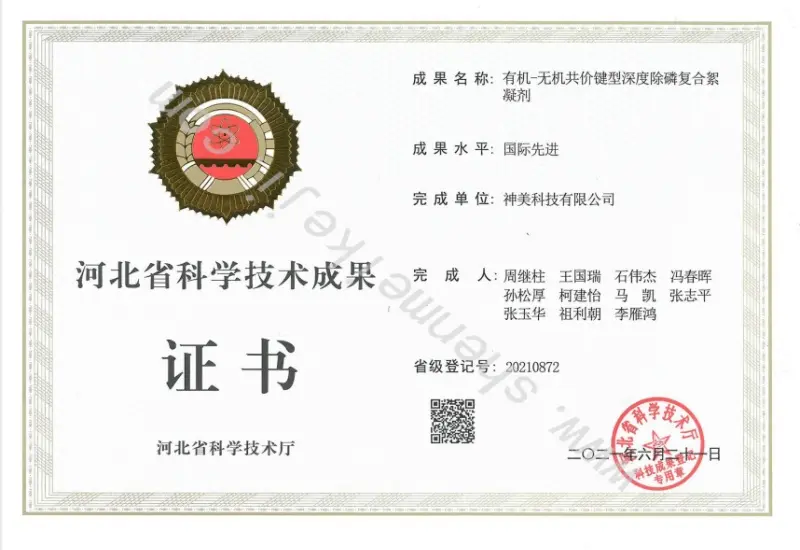
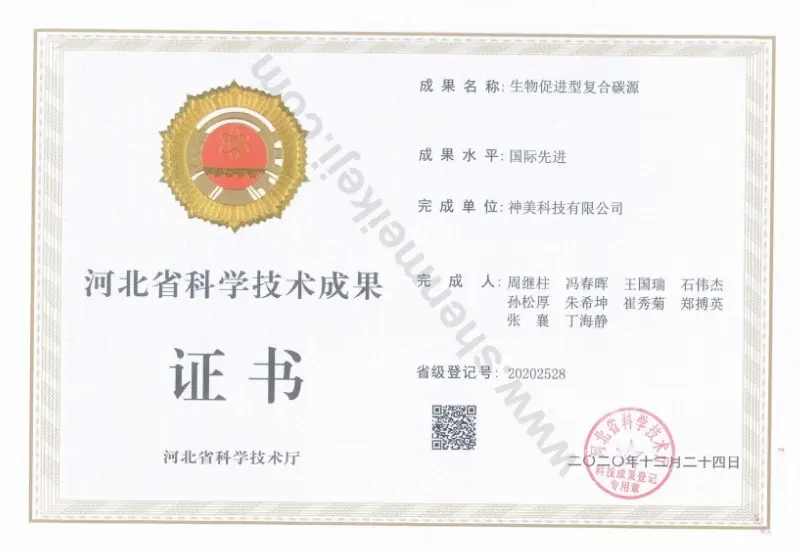
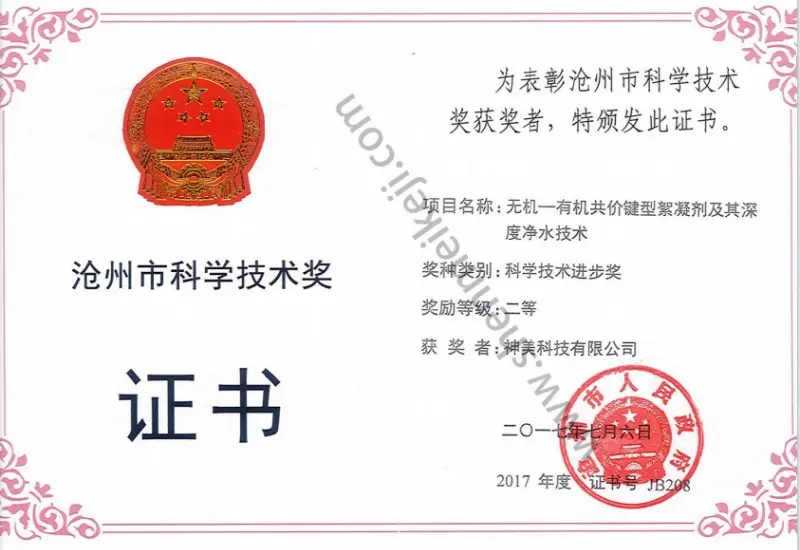
Enabling high-performance operations across diverse geographical climates, regulatory bodies, and vertical markets.
Cyanide extraction remains the global benchmark for gold recovery. Smedic's customized treatment solutions handle tailing pond detoxification (destructing free cyanide and weak acid dissociable WAD cyanides) in harsh climates, from high-altitude South American mines to arid Central Asian regions.
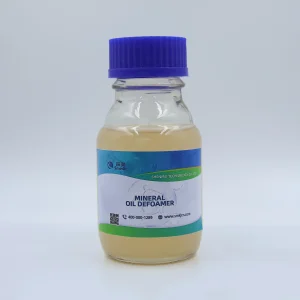
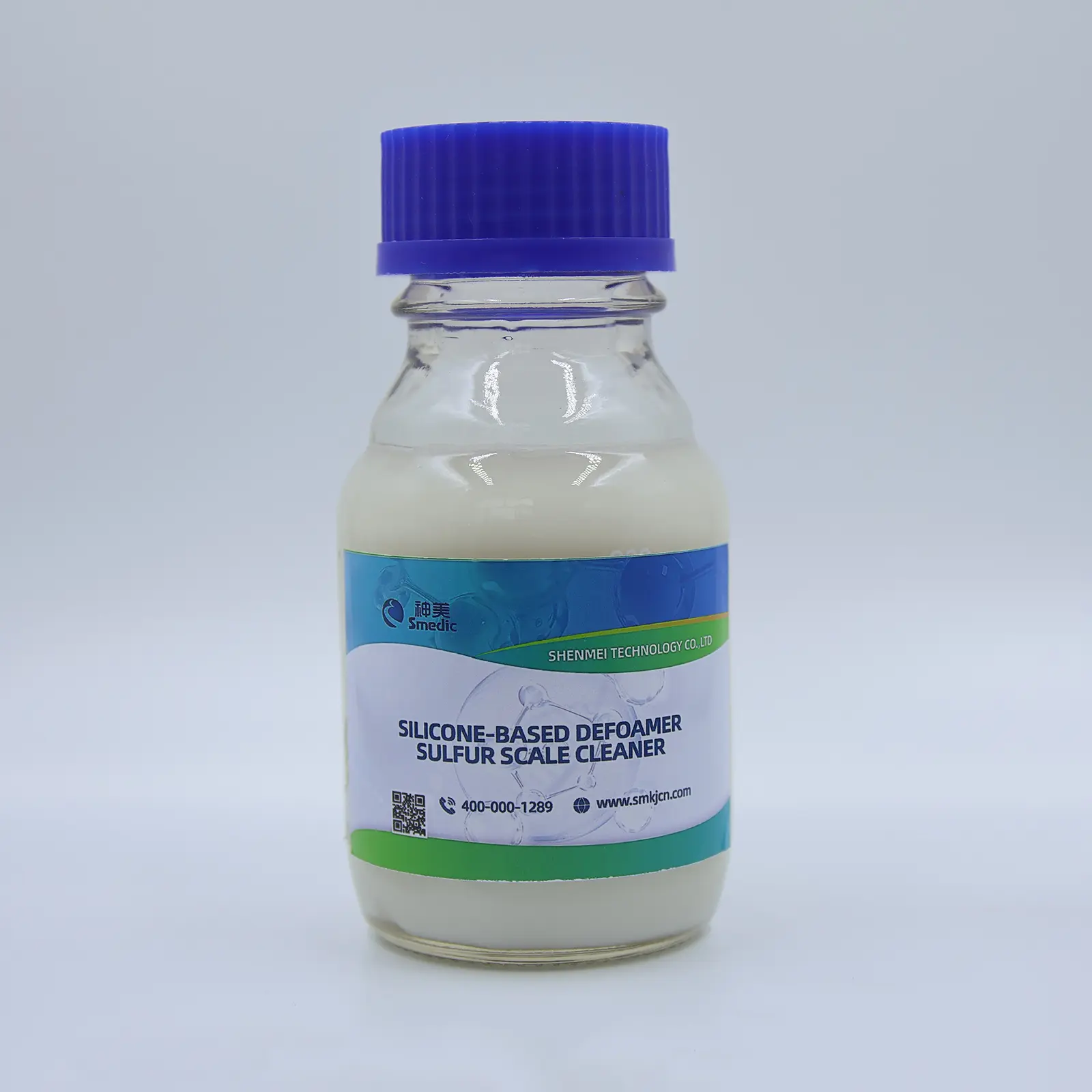
Industrial metal plating uses complex cyanide-rich copper, zinc, and gold baths. Smedic supplies high-efficiency heavy metal removal agents and defoamers to destroy the complex cyanides and precipitate residual copper/nickel ions down to parts-per-billion levels.
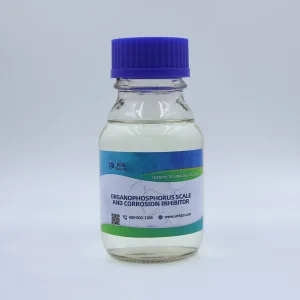
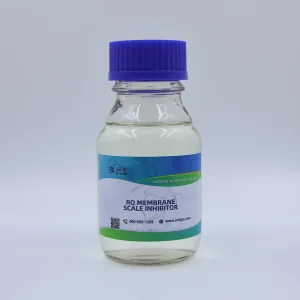
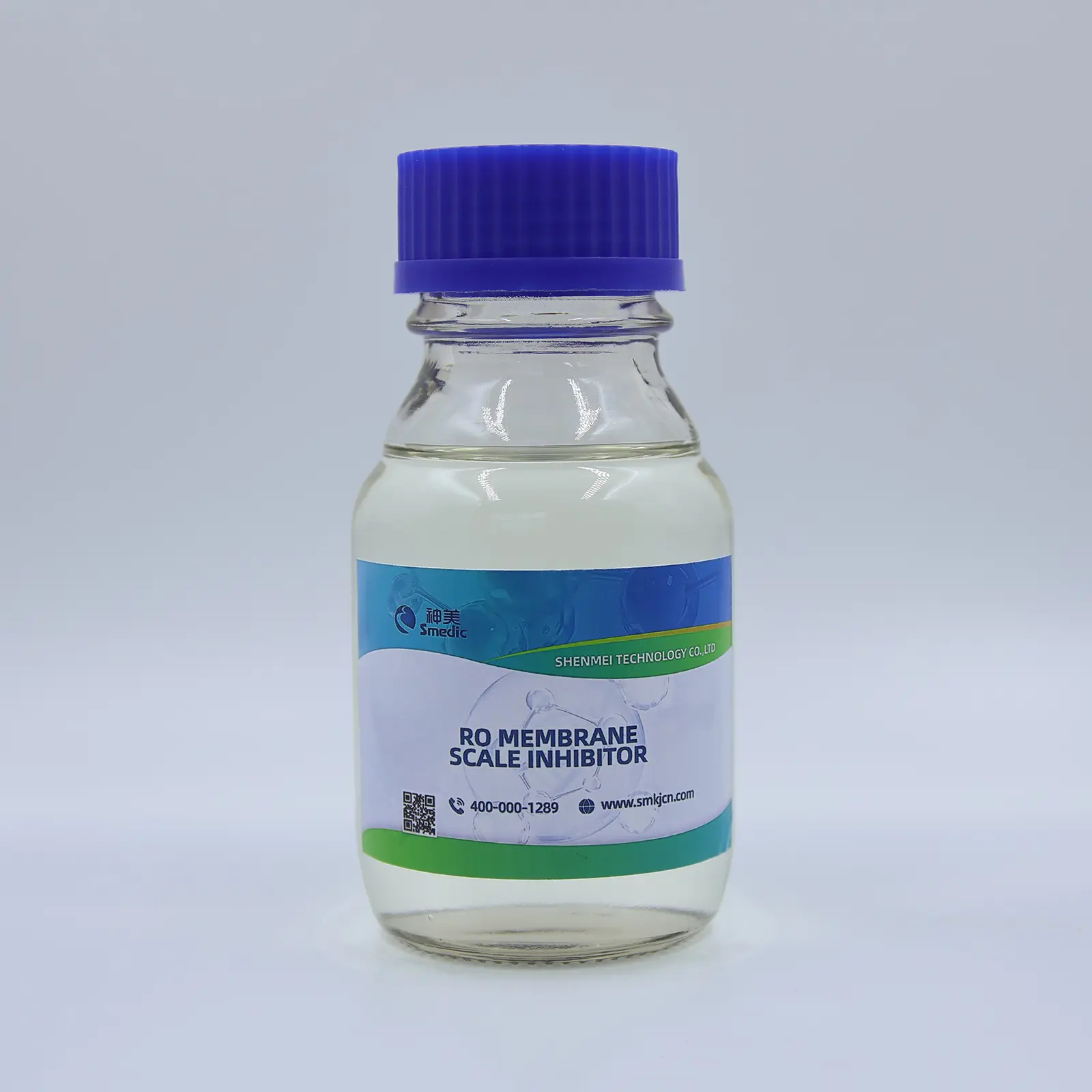
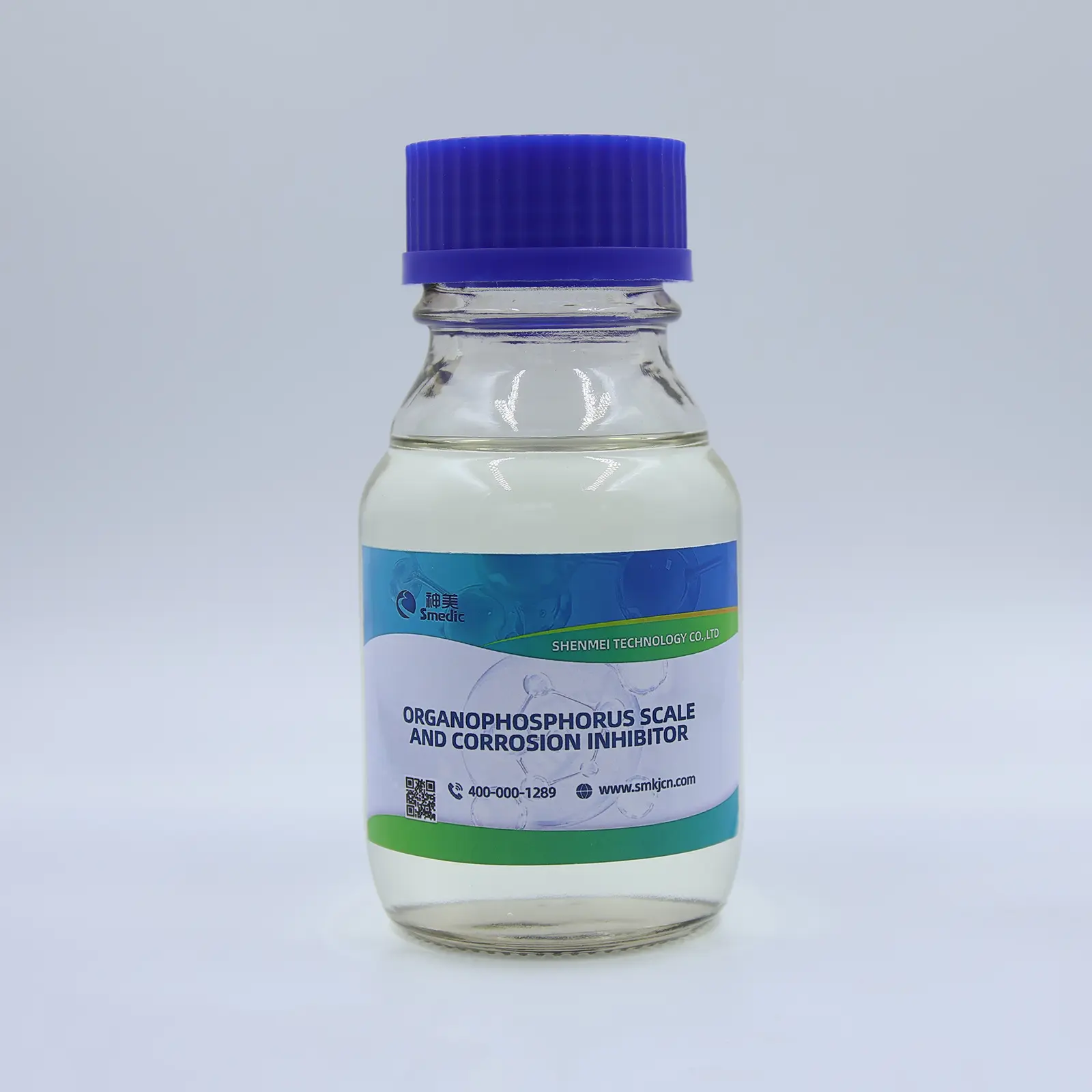
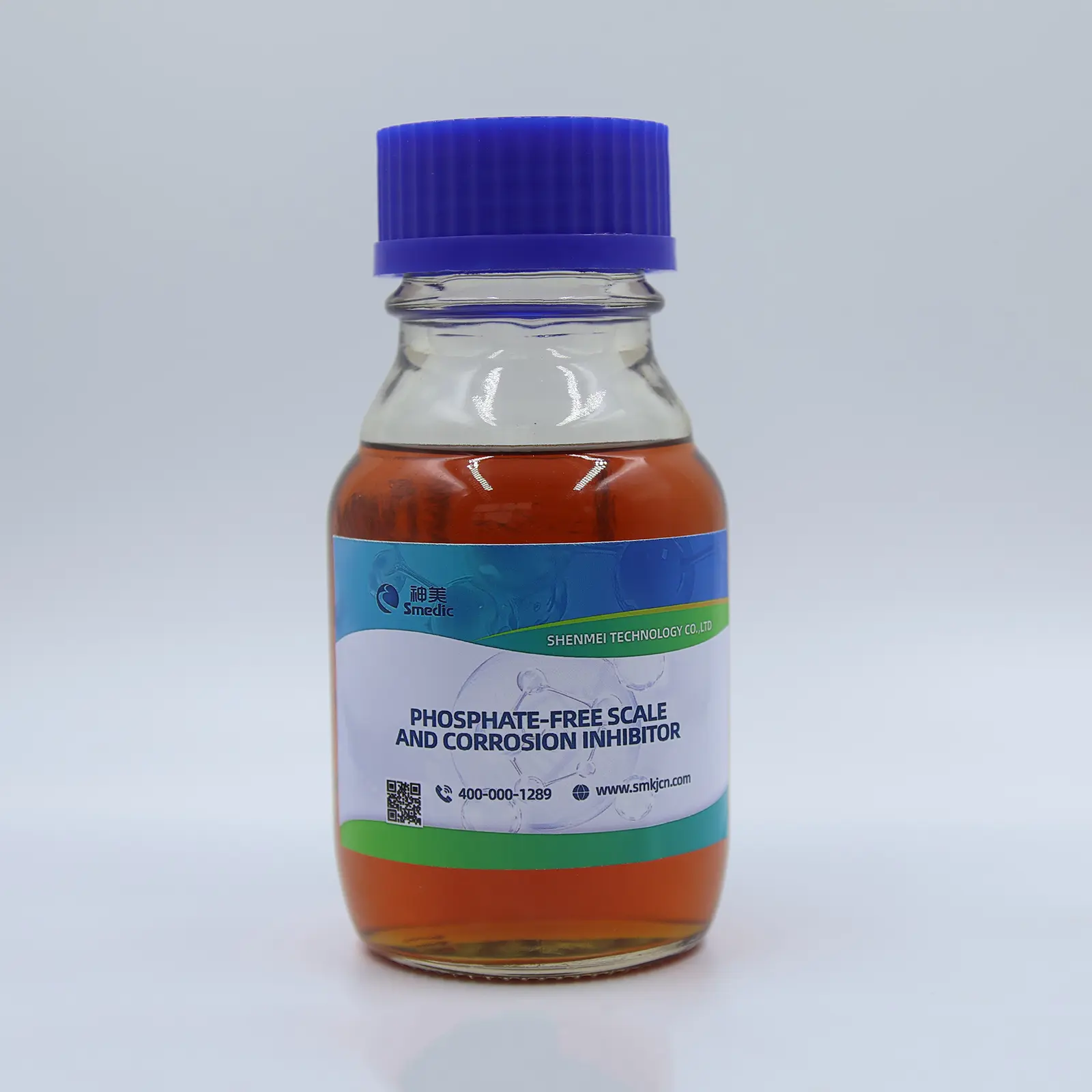
High-temperature coal processing yields highly toxic wastewater containing phenol, ammonia, and complex cyanides. Smedic provides combined advanced oxidation reagents, RO scale inhibitors, and organic defoamers to guarantee safe recycling loops inside zero-liquid-discharge (ZLD) configurations.
As a leading supplier and exporter, Smedic enforces the strict regulations of international safety authorities. We comply fully with the International Cyanide Management Code (ICMC) guidelines for the manufacture, transport, and use of cyanide-destroying agents. Our localized logistics network includes specialized hazardous chemical storage facilities, real-time tracking, and emergency-response protocols to guarantee that chemical agents are delivered safely to international ports and mine sites.
Harnessing AI-driven chemical dosing and eco-friendly polymer synthesis to pioneer the next generation of industrial water treatment.
Integrating IoT sensors and machine learning algorithms to continuously measure influent COD, heavy metals, and free cyanide levels. Our systems dynamically adjust coagulant and oxidant dosages, minimizing chemical waste by up to 25% while maintaining regulatory compliance.
R&D is currently focused on marrying organic bio-polymers with inorganic active nuclei. These hybrid macromolecular complexes achieve faster flocculation and target heavy metal complexes with significantly higher affinity, leaving less residual sludge.
Developing processes that allow the recovery of valuable transition metals (such as gold, silver, copper, and nickel) directly from the precipitated cyanide sludge, transforming waste management costs into valuable secondary resource pipelines.
Over a decade of rapid expansion, technological breakthroughs, and award-winning environmental achievements.
We are honored as the "Leading Brand of Advanced Wastewater Treatment Chemicals" and the "Most Valuable Water Treatment Chemicals Brand" by China Water Network and the E20 Environmental Platform for four consecutive years.
Over the years, we have forged strategic supply agreements and long-term procurement partnerships with major global and local environmental conglomerates, including Shouchuang Ecological and Environmental Group, Yangtze River Ecological and Environmental Group, Beijing Enterprises Water Group, OriginWater, and China Water Environment Group. Smedic products are key parts of their global chemical procurement programs.
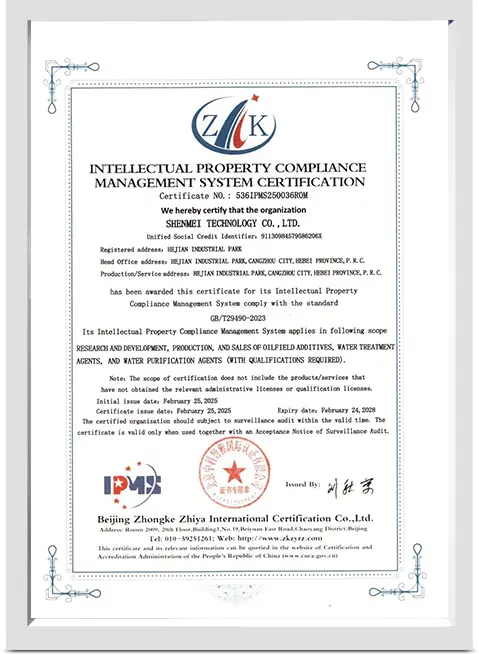
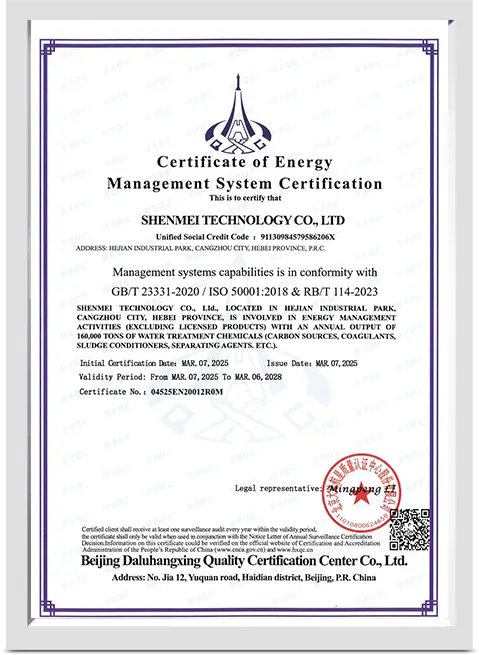
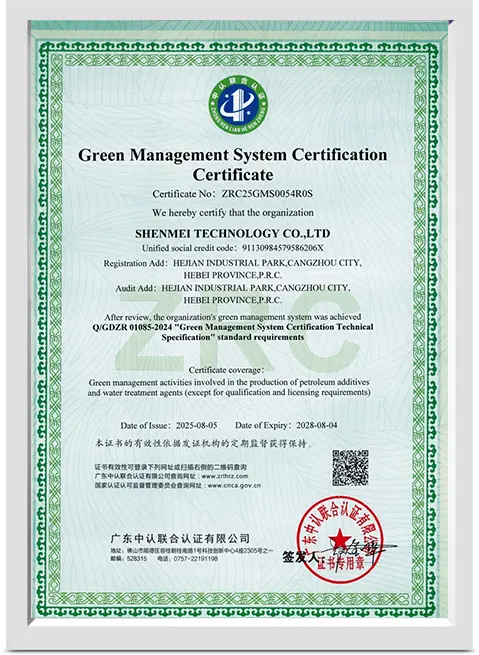
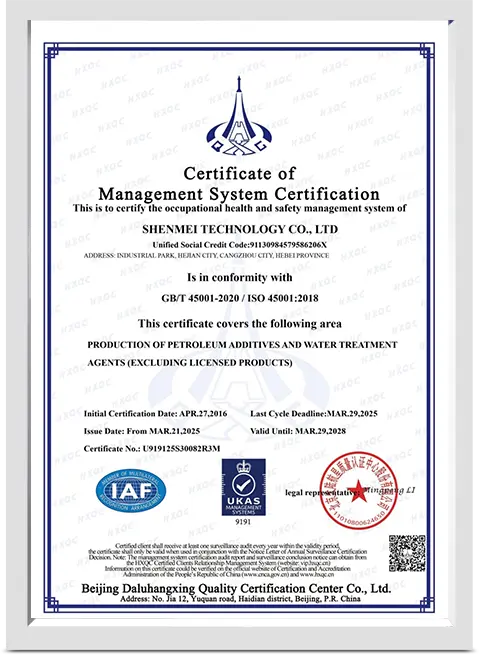
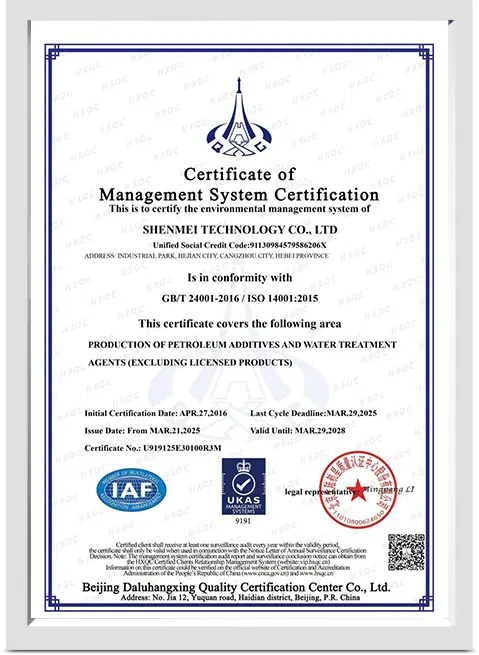
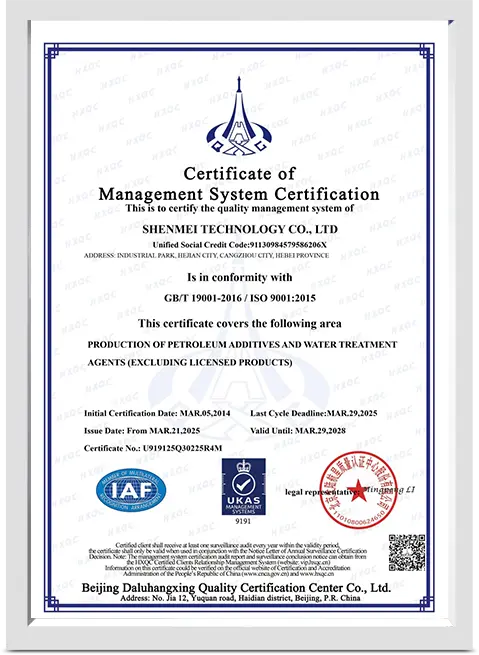
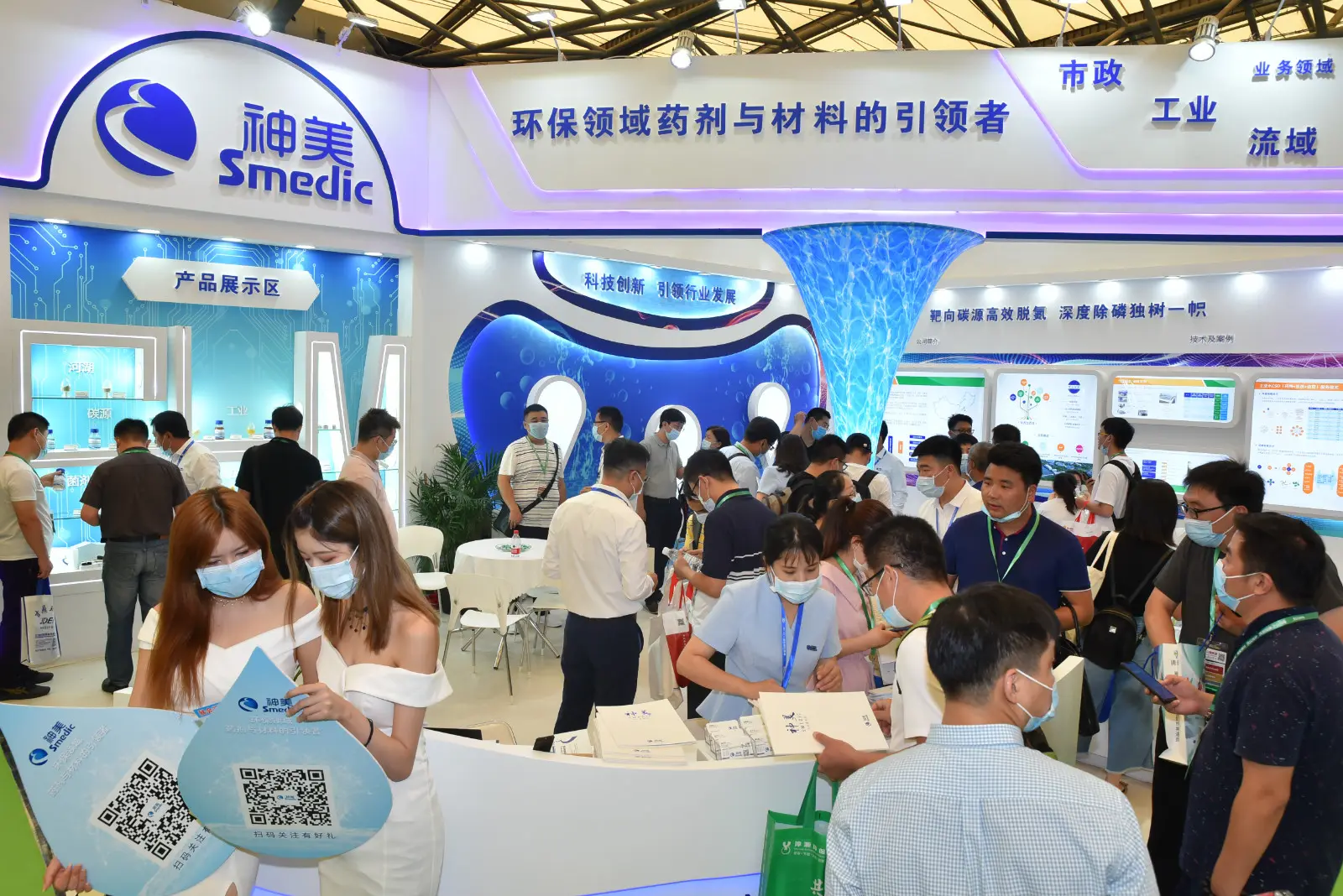
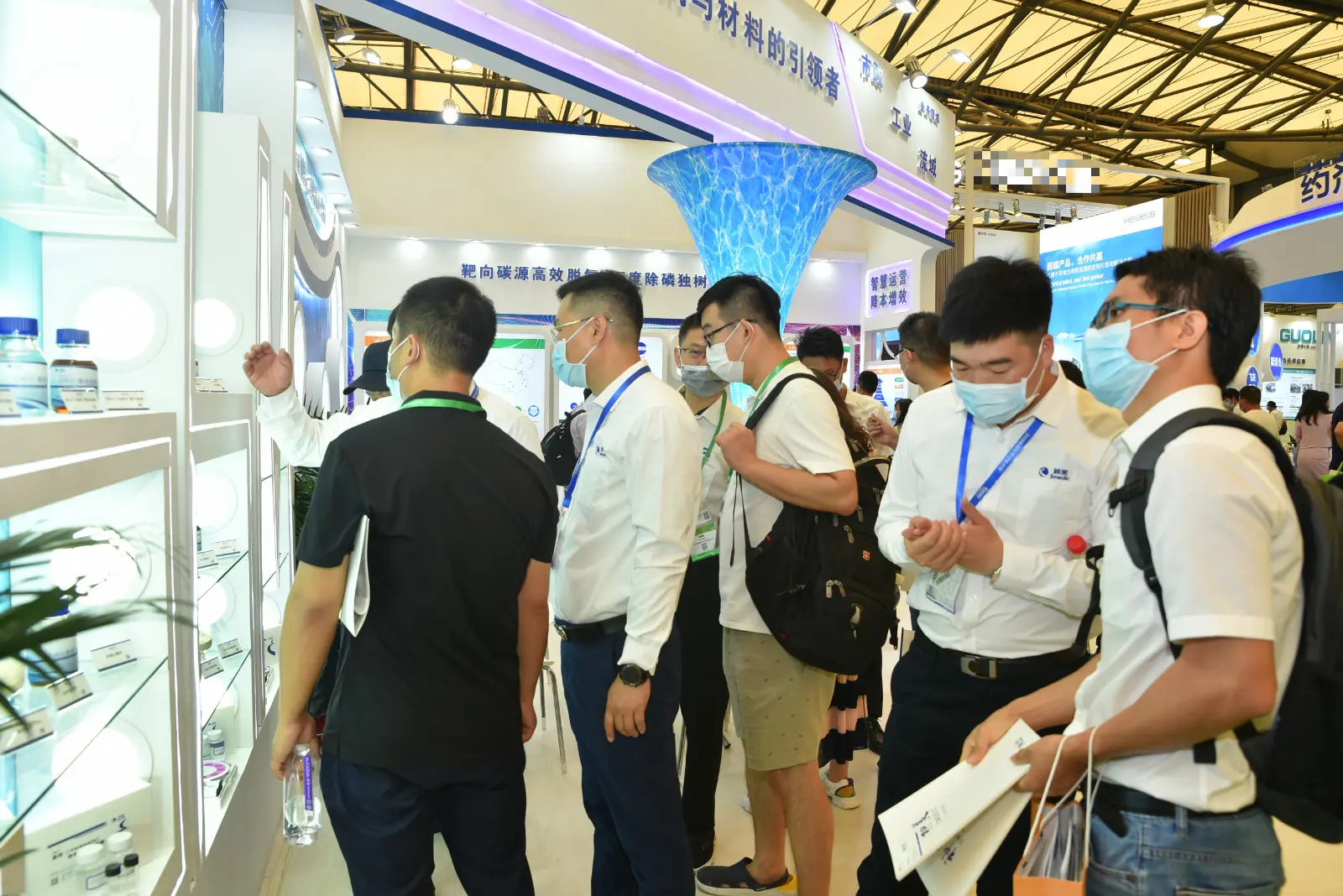
Every batch of environmental protection agents undergoes raw material acceptance testing, active ingredient analysis, and performance verification prior to packaging and dispatch.
Expert technical answers regarding chemistry, safety, dosage controls, and industrial design parameters.
Discover our comprehensive range of specialized eco-friendly treatment agents.
 Smedic Tech