High-purity chemical auxiliaries engineered for coagulating, defoaming, and high-performance scale inhibition in critical process waters.
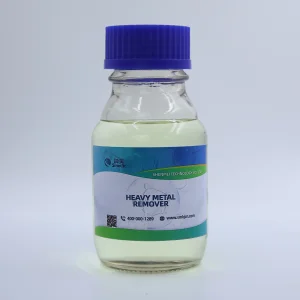
In modern industrial and municipal water treatment, the elimination of active free chlorine and chloramines is paramount. While chlorine serves as a potent disinfectant, its residual concentration poses extreme toxicity risks to aquatic ecosystems and triggers irreversibly destructive oxidation of downstream processing elements such as Reverse Osmosis (RO) membranes.
As a leading OEM Dechlorination Chemicals Manufacturer and Supplier, Smedic Technology designs and blends chemical agents engineered to reduce free chlorine (hypochlorous acid and hypochlorite ions) into harmless chloride ions. These reduction reactions occur almost instantaneously, preventing chemical degradation and ensuring strict regulatory compliance for municipal discharges and sensitive refinery intakes.
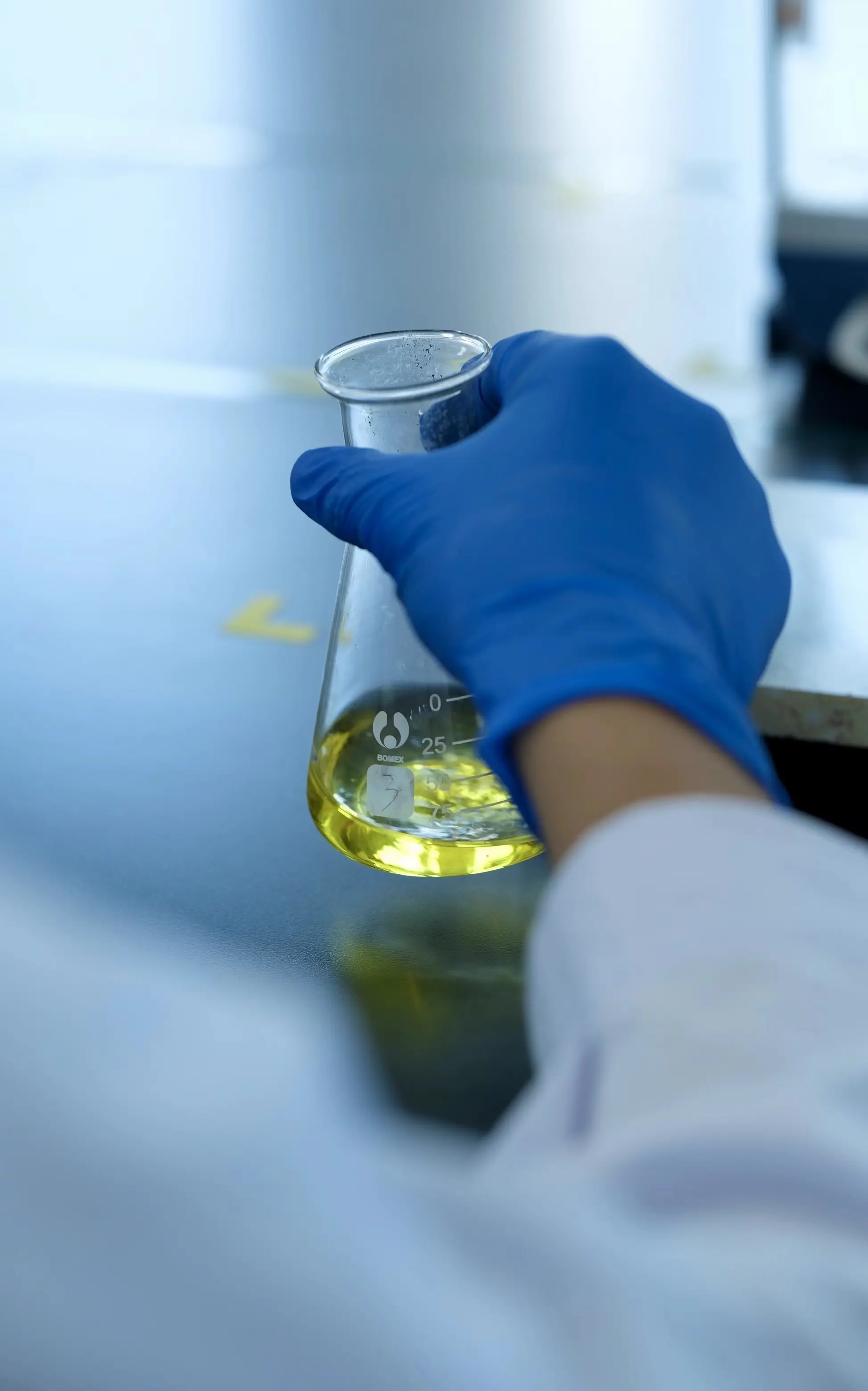
Selecting the correct OEM chemical formulation depends on water chemistry, dissolved oxygen limitations, and targeted application. Below is a comprehensive breakdown of primary reduction agents:
| Chemical Compound | Reduction Stoichiometry (approx) | pH Influence | Best Application Profile | Key Performance Limiters |
|---|---|---|---|---|
| Sodium Metabisulfite (SMBS) | 1.34 mg per 1.0 mg Cl2 | Moderately Acidic | RO Membrane protection, industrial cooling loops | High oxygen depletion; requires ventilation |
| Sodium Bisulfite (SBS) | 1.46 mg per 1.0 mg Cl2 | Acidic (Depresses pH) | Municipal wastewater discharge, municipal drinking water | High dosing levels require tight pH monitoring |
| Sodium Thiosulfate | 0.56 to 1.0 mg per 1.0 mg Cl2 | Neutral / Minimal | Pulp & Paper processing, rapid pond neutralization | Higher material cost; leaves residual sulfur compound |
| Sulfur Dioxide (Gas) | 0.90 mg per 1.0 mg Cl2 | Significant Acidification | Mega-scale municipal plant discharge | High toxicity risk in storage; requires gas monitoring |
An integrated research-to-production giant in high-end wastewater treatment, municipal sewage, and advanced environmental protection agents.
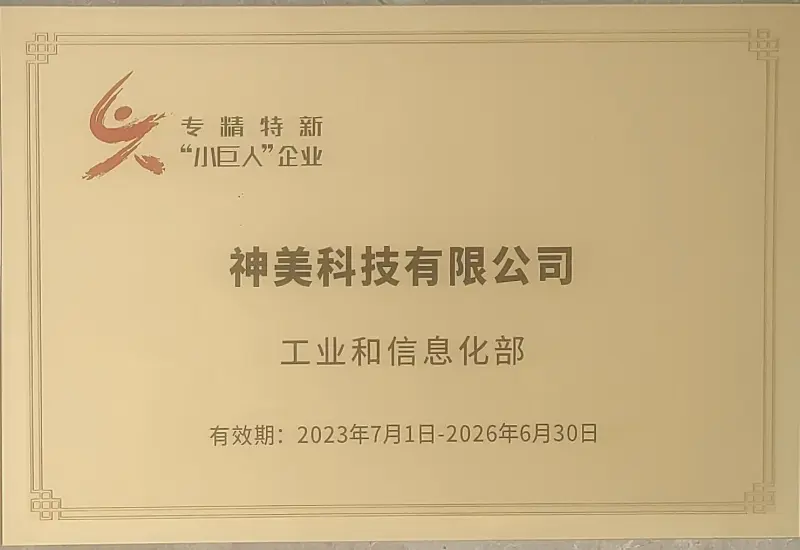
Smedic Technology Co., Ltd. stands as a National Specialized, Refined, Unique and Innovative "Little Giant" Enterprise. With corporate headquarters in Beijing and multiple wholly-owned production bases spanning Hebei, Guizhou, and Shanxi, Smedic maintains a sophisticated regional logistics grid. Operating more than ten OEM partner factories and regional warehousing assets across Shandong, Shanxi, Anhui, Guangxi, and Sichuan provinces, we serve over 600 urban sewage treatment plants and 1,000+ industrial wastewater end customers.
Why global sourcing procurement relies on Smedic’s scale, regional logistics network, and vertical integration.
Our annual production capacity exceeding one million tons grants us unparalleled purchasing leverage on raw materials (like sulfur, sodium carbonate, and specialty minerals). This guarantees global procurement teams stable pricing, shielding them from localized market volatility.
Smedic operates distribution warehouses in five distinct provinces, including Shandong, Anhui, and Sichuan. This grid ensures that sea shipments via Qingdao, Tianjin, and Shanghai ports are expedited with minimal overland delay, mitigating international lead times.
Unlike standard chemical suppliers, our R&D center modifies active concentration, solution stability in extreme climates, and composite dosing profiles (e.g., merging dechlorinating agents with specialized biocides or scale inhibitors) to customer-specified target configurations.
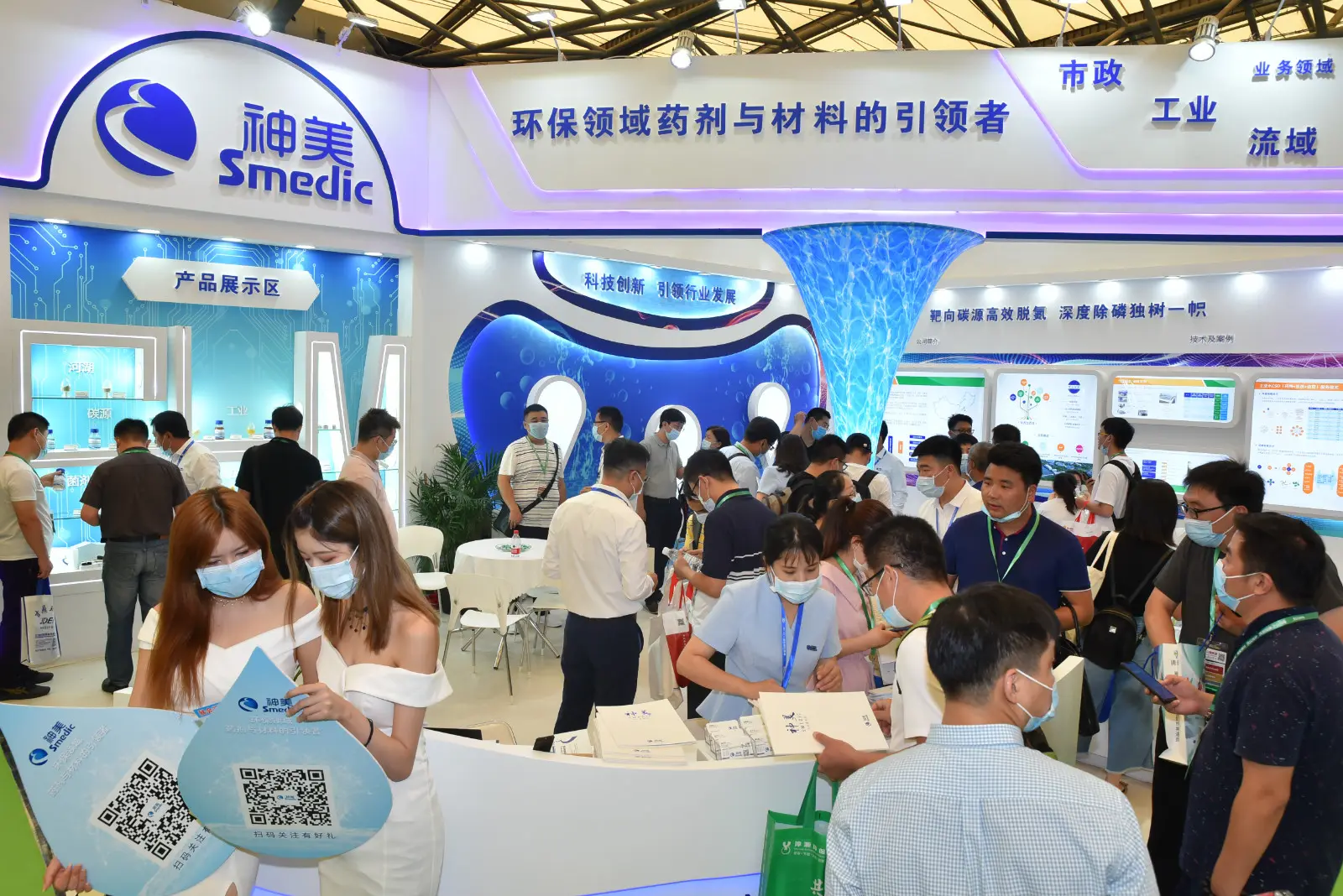
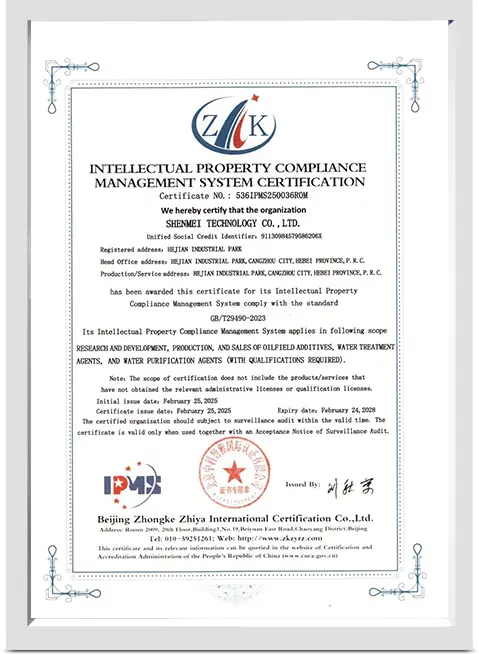
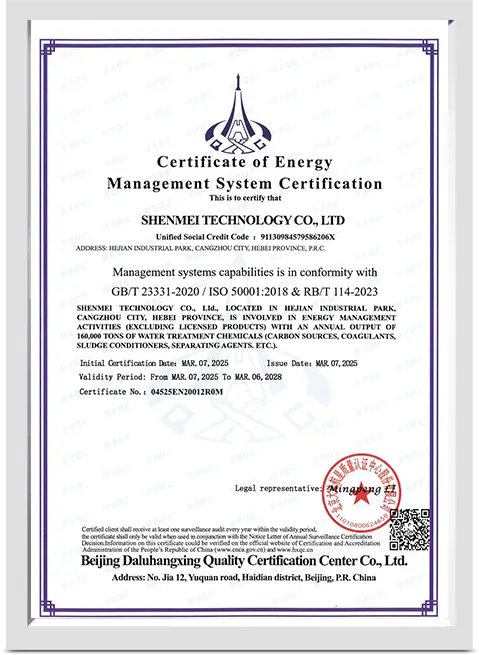
Navigating global regulatory landscapes requires a manufacturer with strict quality controls. Our OEM dechlorination chemicals are formulated in compliance with international drinking water safety and toxic discharge standards. Smedic's manufacturing facilities operate in strict adherence to:
We provide global partners with comprehensive localization support, extending localized technical documents, Bilingual Safety Data Sheets (SDS), and custom packaging (from 25kg bags with moisture-proof PE linings to 1250kg heavy-duty IBC totes and bulk road-tanker tankers).
From membrane defense to effluent compliance, our OEM chemical formulations solve critical water processing issues across multiple sectors.
Thin-film composite (TFC) RO membranes display minimal tolerance to active chlorine. Dosing our high-purity OEM Sodium Metabisulfite (SMBS) directly upstream of the membrane arrays reduces residual chlorine to undetectable levels, extending membrane lifespans by up to 300%.
Municipal treatment plants must reduce residual chlorine before discharging water into sensitive lakes and rivers to protect aquatic life. Smedic’s specialized reducing formulations neutralize chlorine instantly at high flow rates, meeting stringent environmental protection agency demands.
In textile and pulp bleaching operations, excess chlorine or chlorine dioxide must be completely eliminated following chemical bleaching cycles. Our bulk chemical agents provide quick dechlorination, ensuring downstream biological treatment processes are not disrupted by chlorine biocidal activity.
Condenser cooling loops utilize shock chlorination to disrupt biofouling. Smedic's dechlorination solutions neutralize the once-through cooling tower discharges, maintaining regulatory compliance without compromising cooling system heat transfer performance.
The shift towards automation, eco-toxicological safety, and carbon-reduction initiatives in chemical manufacturing.
Global environmental regulatory boards are systematically restricting bisulfite residuals in local discharge waters due to their oxygen-consuming attributes. The trend is moving toward catalytic and composite dechlorination options. These hybrid mixtures require substantially lower dose ratios, producing fewer sulfate residuals while eliminating the risk of oxygen depletion in receiving aquatic ecosystems.
Modern water utility designs are moving away from manual, static dosing configurations. Real-time feedback networks utilizing ORP (Oxidation-Reduction Potential) and online residual chlorine sensors integrate seamlessly with our proprietary fluid chemical formulations, ensuring exact, localized dosing levels to handle volatile chlorination spikes dynamically.
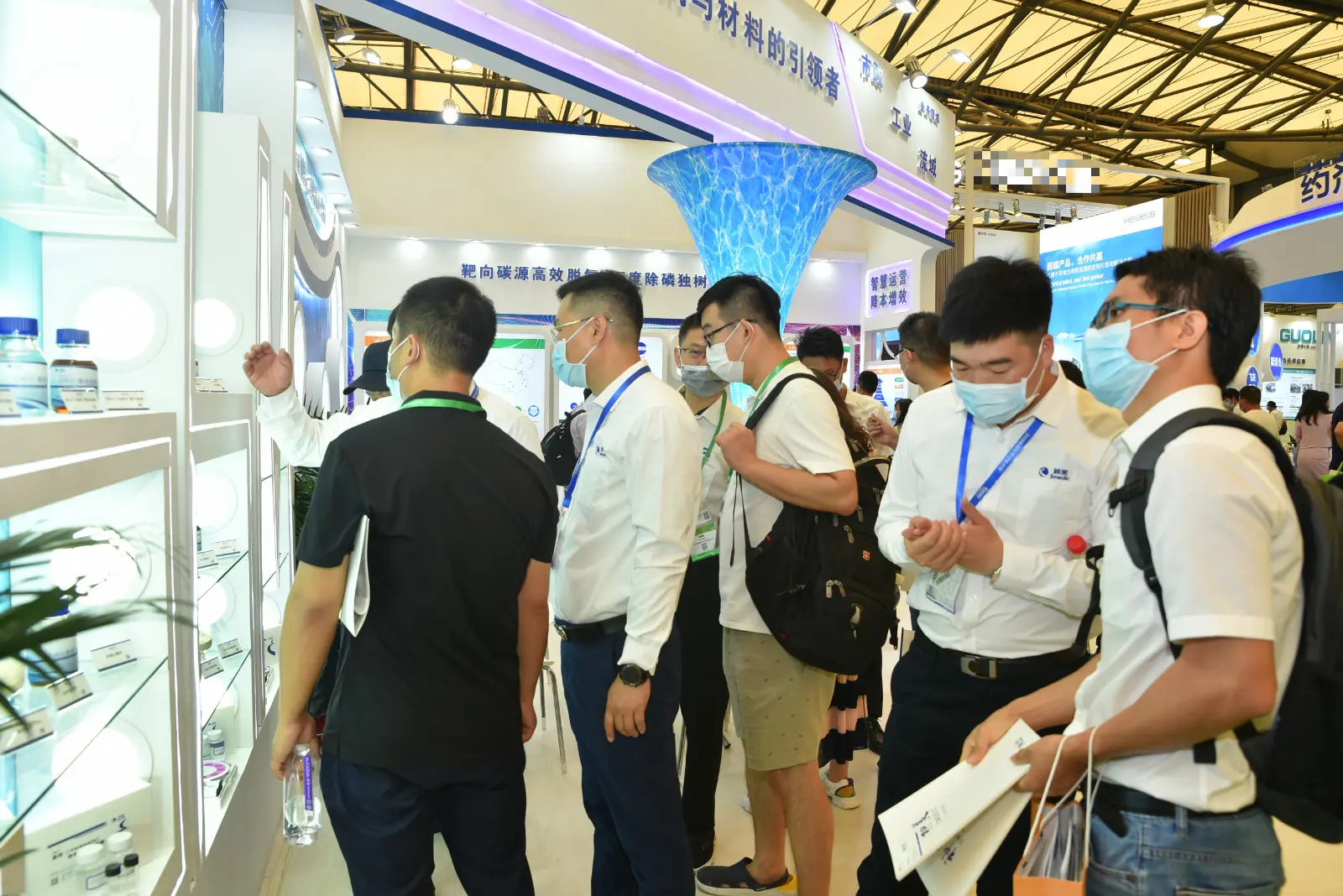
Our deep-seated R&D infrastructure translates academic-grade chemistry into scale manufacturing realities.
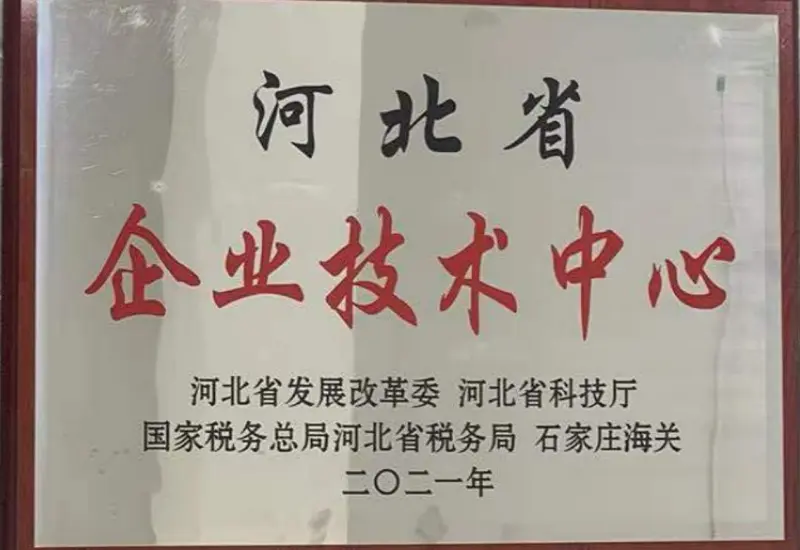
Smedic operates an academician-led technical framework featuring a R&D setup built around one academy, three research institutes, and five production bases. We maintain the Hebei Provincial Enterprise Technology Center, the Hebei Provincial Advanced Water Treatment Chemicals Technology Innovation Center, and the Cangzhou Water Treatment Engineering Technology Research Center.
Our long-term academic partnerships include joint research laboratories with Shandong University and the Beijing University of Technology, as well as an expert workstation supported by the Tsinghua University Association of Senior Scientists and Technicians. Smedic acts as a commercialization partner for chemical technology innovations coming from Peking University and Tianjin University.
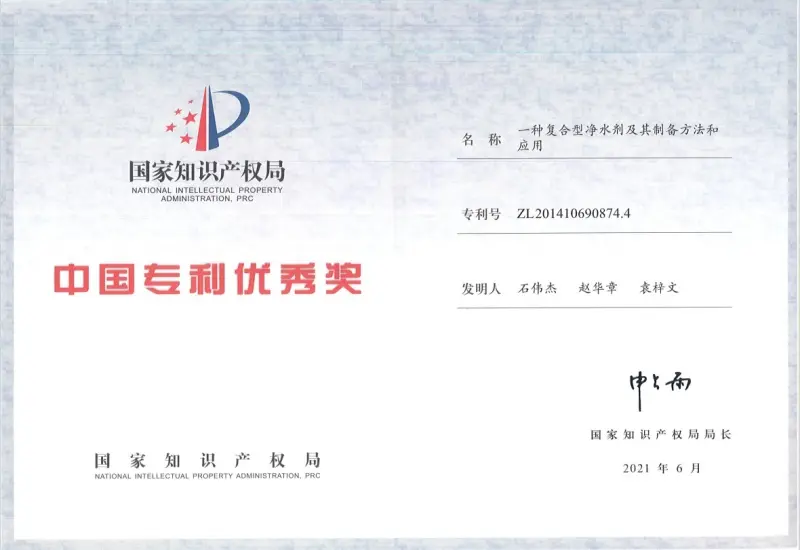
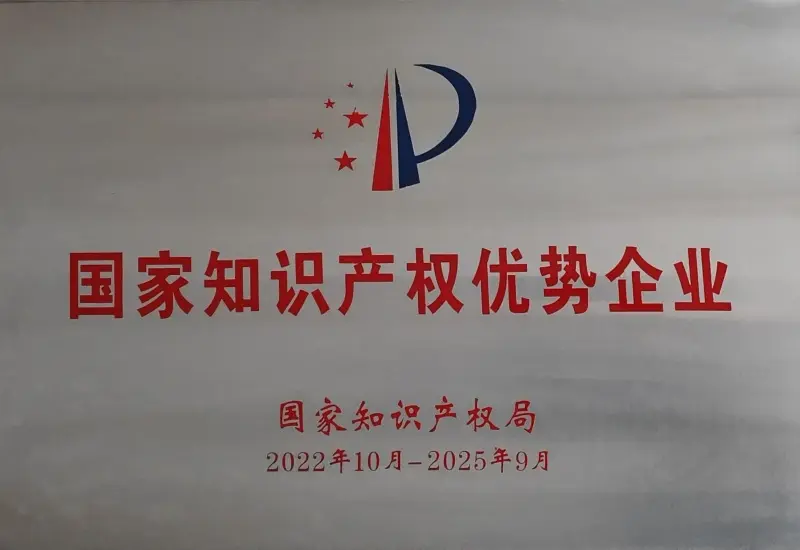
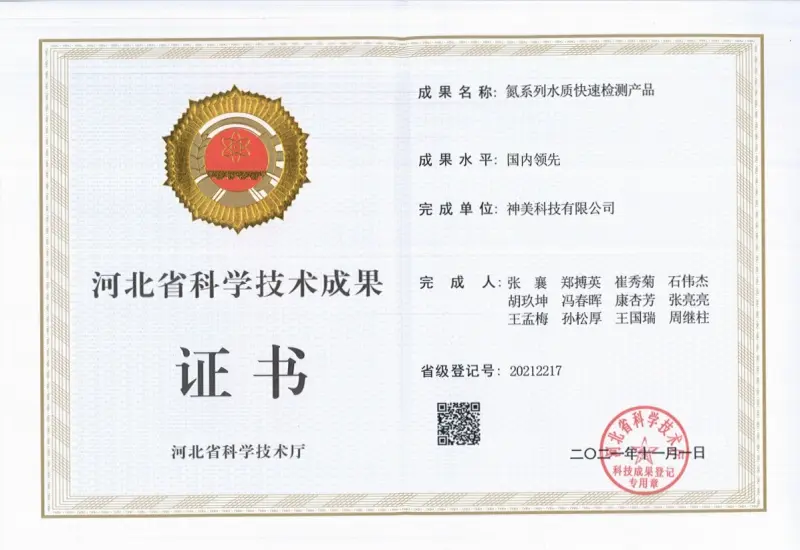
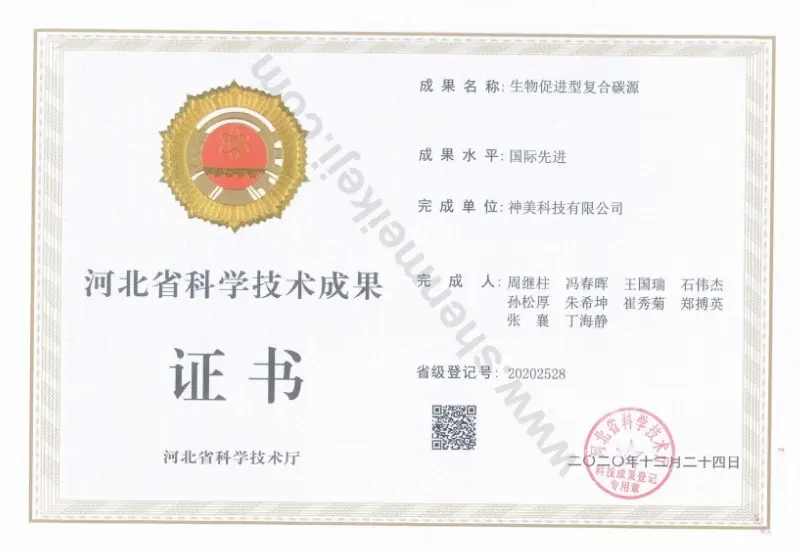
We hold over sixty Chinese patents, including forty-plus invention patents and more than twenty utility model patents. Smedic has also drafted more than ten national and industry standards for key chemical agents like composite carbon sources, composite coagulants, sodium acetate, and nitrifying bacterial systems.
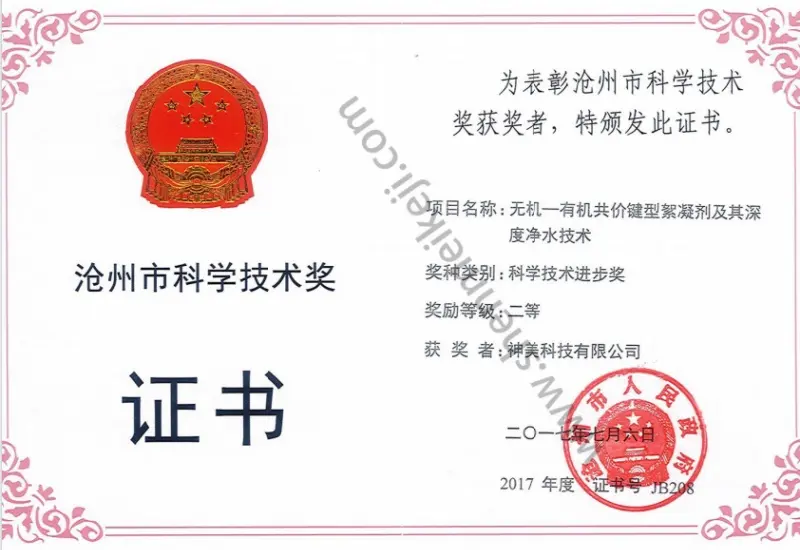
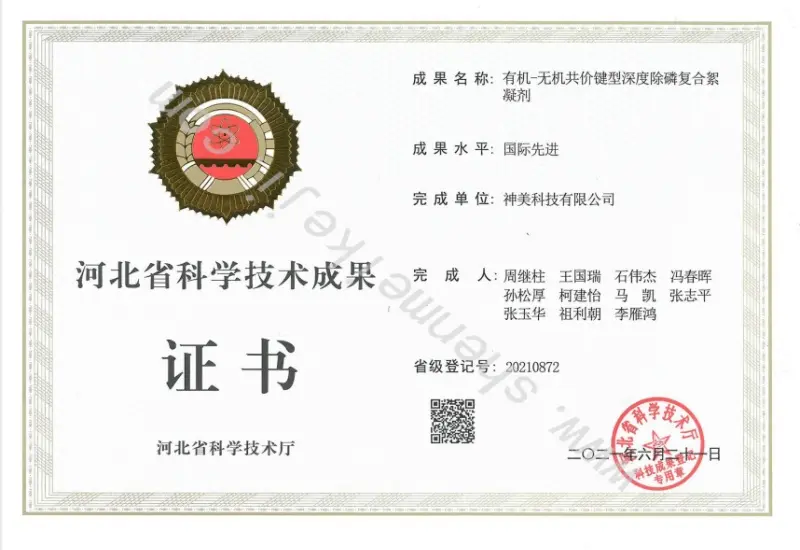
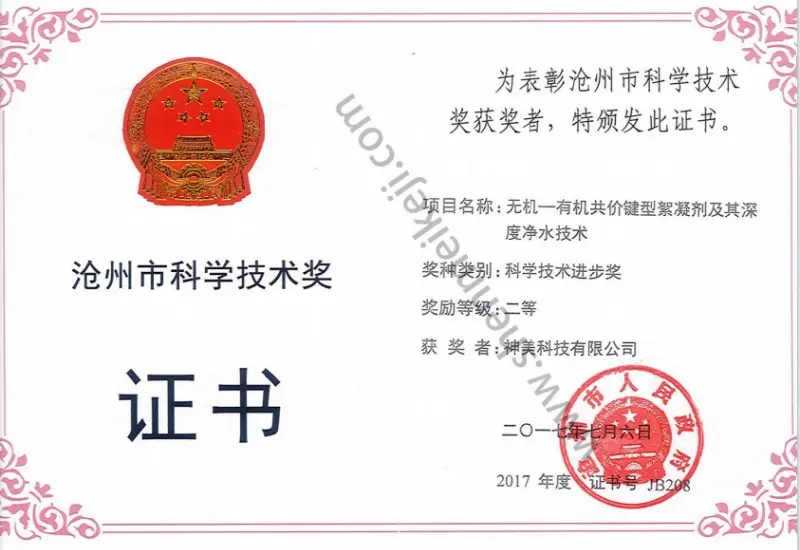
Our independently designed Inorganic-Organic Covalent Bond Flocculant and Active Oxygen Compound Disinfectant have earned recognition from the Ministry of Housing and Urban-Rural Development as well as the 22nd China Patent Award.

Technical expertise answers to common questions asked by industrial procurement managers and chemical engineering teams.
Stoichiometrically, it requires approximately 1.34 mg of solid Sodium Metabisulfite (98% purity) to neutralize 1.0 mg of free chlorine in pure water. However, in wastewater systems containing dissolved organic carbon, suspended solids, and other oxidizing compounds, the practical dosing ratio typically ranges from 1.5 to 2.0 times the chlorine concentration. We recommend running a pilot test to determine the exact dosage for your specific water chemistry.
Dechlorination reactions are highly efficient and occur within seconds at normal operating temperatures (15°C to 30°C). When temperatures drop below 10°C, the reaction kinetics slow down significantly. In cold-weather environments, we suggest increasing contact times or adjusting the injection points upstream to ensure complete dechlorination before the water reaches sensitive areas.
Sodium Bisulfite and Sodium Metabisulfite are strong reducing agents that react with dissolved oxygen (DO) as well as chlorine. Overdosing these chemicals will deplete the dissolved oxygen levels in your effluent, which can violate environmental discharge permits. For applications where DO levels must remain high, we recommend using precise automatic feedback loops or opting for alternative dechlorinating agents.
Liquid Sodium Bisulfite solutions (typically 38-40% concentration) are prone to crystallization when temperatures fall below 0°C. They can also gradually oxidize if exposed to atmospheric oxygen. We recommend storing liquid products in UV-resistant, vented fiberglass or polyethylene storage tanks. Keep storage temperatures between 10°C and 30°C to achieve a stable shelf life of 6 to 9 months.
Yes. Most modern RO membranes are made of polyamide, which degrades rapidly when exposed to oxidizers like chlorine (even at concentrations below 0.1 ppm). Dosing a dechlorination agent like SMBS upstream of the RO membranes neutralizes these oxidizers, protecting the polymer matrix and maintaining the membrane's salt rejection efficiency.
Generally, no. The reaction byproducts of bisulfite-based dechlorination are sulfate ions, which are typically non-toxic to biological treatment systems. In fact, removing toxic free chlorine is critical to protecting biological wastewater systems, as chlorine can sterilize the active microbial biomass in your bioreactors.
We employ a multi-phase quality control protocol that covers raw material validation, in-process checking, and final product release testing. Each production batch undergoes testing via ion chromatography, ICP-OES elemental analysis, and wet chemical titrations to verify purity. Smedic provides a Certificate of Analysis (COA) with every shipment to ensure trace compliance.
Smedic provides extensive custom blending services. We can customize concentration levels, add scale inhibitors or defoamers, and adjust the pH to suit your specific application. Our packaging options can also be customized with private labels, custom languages, and specific packaging sizes to meet your local distribution requirements.
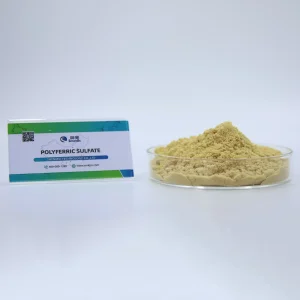
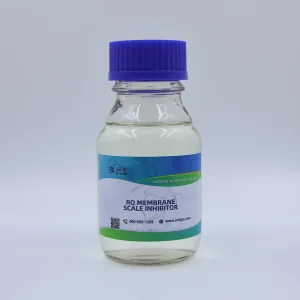
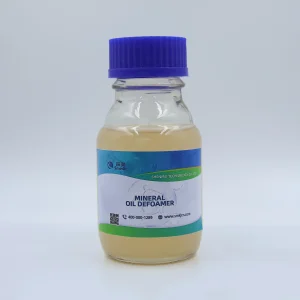
A complete suite of fluoride removal agents, advanced coagulants, scale inhibitors, and foam suppressants.
 Smedic Tech