As a cornerstone of modern industrial and municipal chemical sedimentation, Ferric Chloride (FeCl₃) operates through complex hydrolysis dynamics. When introduced to aqueous environments, the trivalent iron ion (Fe³⁺) undergoes rapid hydration, forming aquo-complexes which subsequently deprotonate into various mononuclear and polynuclear iron hydroxo-species. These positively charged complexes neutralize the negative zeta potential characteristic of stable colloidal suspensions, initiating rapid micro-floc aggregation.
Unlike traditional aluminum-based coagulants, Ferric Chloride maintains supreme coagulation kinetics across a broader operational pH band (typically 4.5 to 11). Its heavy density flocs accelerate sedimentation velocities, which dramatically reduces the footprint required for clarifiers and settling basins. Furthermore, FeCl₃ functions as an exceptional chemical precipitant for orthophosphates ($PO_4^{3-}$), forming insoluble ferric phosphate ($FePO_4$) matrix complexes, enabling municipal installations to effortlessly meet stringent environmental phosphorus discharge limitations.
| Parameters | Liquid FeCl₃ (37% - 42%) | Anhydrous FeCl₃ (> 98%) |
|---|---|---|
| Active Fe³⁺ Content | 12.7% - 14.4% | ≥ 33.8% |
| Insoluble Impurities | ≤ 0.1% | ≤ 0.5% |
| Optimal pH Range | 4.5 - 11.0 | 4.5 - 11.0 |
| Free Acid (as HCl) | ≤ 0.5% | N/A |
| Density (20°C) | 1.42 - 1.45 g/cm³ | 2.90 g/cm³ (bulk) |
Established in 2011, Smedic Technology Co., Ltd. has evolved into a premier, comprehensive developer and supplier of environmental protection agents. We integrate R&D, sophisticated synthesis, scale manufacturing, and engineering field validation. Driven by scientific rigor, Smedic delivers bespoke environmental formulations covering municipal sewage, complex industrial effluent, hyper-saline oilfield wastewater, and mining floatation agents.
Headquartered in the political and technological center of Beijing, Smedic maintains direct ownership of multi-hectare chemical production complexes situated across Hebei, Guizhou, and Shanxi. To streamline global and local supply chains, we have established over ten strategic OEM manufacturing partners and fully managed regional warehouses in Shandong, Shanxi, Anhui, Guangxi, and Sichuan. This highly distributed supply configuration enables rapid mobilization of raw materials, buffering global clients against regional disruptions and reducing delivery times.
Currently, Smedic's business and tech-support infrastructure spans over 20 provinces. Our chemical treatment programs are integrated within more than 600 municipal sewage treatment plants and support over 1,000 global corporate giants. We stand as an undisputed leader in the high-end environmental agent segment, offering reliable logistics, chemical purity, and continuous process optimization.
Our manufacturing operations are designed in accordance with Industry 4.0 standards, emphasizing automation, continuous chemical synthesis, and environmental safety. Smedic's production facilities feature advanced Distributed Control Systems (DCS) to monitor reaction kinetics, temperatures, and raw material stoichiometry in real time. This micro-level process oversight guarantees that every batch of OEM Ferric Chloride meets tight chemical tolerances.
Continuous chlorination reactors and automated concentration systems eliminate human error, maintaining product consistency and chemical safety across high production runs.
Through partnerships with chemical producers in close proximity to our facilities, we ensure a stable, year-round supply of high-grade hydrochloric acid and iron matrices, buffering production from raw material shortages.
Equipped with closed-loop scrubbing systems, acid mist capture units, and zero-effluent technologies, Smedic's production bases operate in compliance with modern eco-regulations.
Water purification is not a one-size-fits-all process. Smedic's OEM Ferric Chloride formulations are tailored to address the unique chemical challenges of diverse heavy industries:
Optimized for large-scale phosphate removal, sludge conditioning, and H₂S control. Helps plants meet strict local phosphorus standards by precipitating ortho-phosphates into dense, easily filtered ferric phosphate flocs.
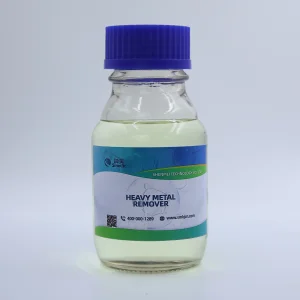
Engineered to co-precipitate heavy metals (arsenic, selenium, chromium, and lead) from complex mining effluents. Works in tandem with Smedic’s specialized heavy metal removal agents for complete discharge compliance.
High-purity anhydrous ferric chloride serves as a precise etchant for copper, copper alloys, and steel in printed circuit board (PCB) fabrication, providing clean micro-grooves and minimized ion impurities.
Effectively breaks emulsions in oily wastewaters. Our formulations aggregate emulsified hydrocarbons and organic suspended solids, ensuring smooth downstream API separation and dissolved air flotation (DAF) operations.
Acts as a de-colorizing agent. The hydrolytic iron complexes bind with anionic dyes (reactive, acid, and direct dyes) to form insoluble dye-iron complexes, removing high chemical oxygen demand (COD) and color.
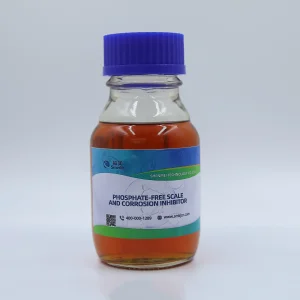
Helps control scaling and fouling in open recalculating cooling loops by cleaning intake waters. Designed to integrate seamlessly with Smedic's scale and corrosion inhibitors.
Innovation at Smedic is driven by our R&D platform, which operates through one academy, three research institutes, and five production bases. Recognized as a National Specialized, Refined, Unique and Innovative "Little Giant" Enterprise, Smedic hosts a core technical team of academicians, environmental professors, and senior chemical engineers.
Our provincial-level R&D platforms—including the Hebei Provincial Enterprise Technology Center and the Hebei Provincial Advanced Water Treatment Chemicals Technology Innovation Center—collaborate with leading research institutions. We operate joint R&D laboratories with Shandong University and the Beijing University of Technology, and serve as a commercialization partner for Tsinghua University, Peking University, and Tianian University.
Smedic holds over sixty patents (including 40+ invention patents) and has led the drafting of more than ten national and industry standards for water treatment chemicals. This deep commitment to R&D ensures that our OEM products are backed by strong technical expertise and quality control.

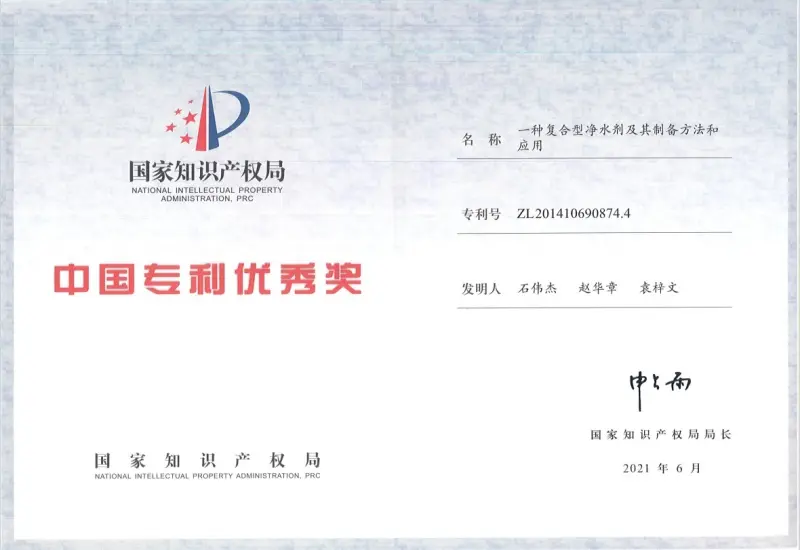
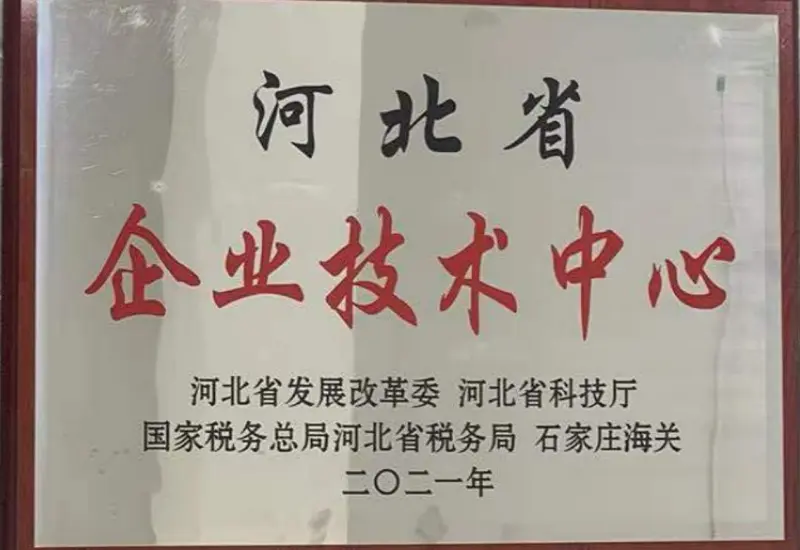
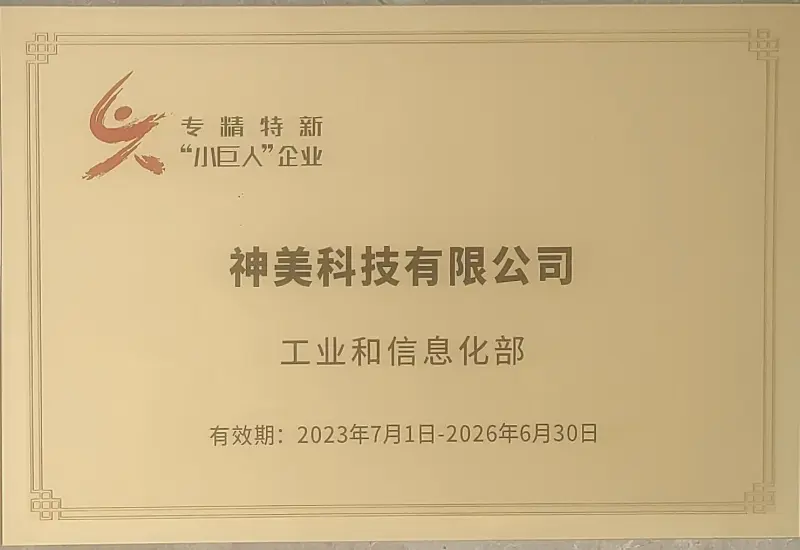
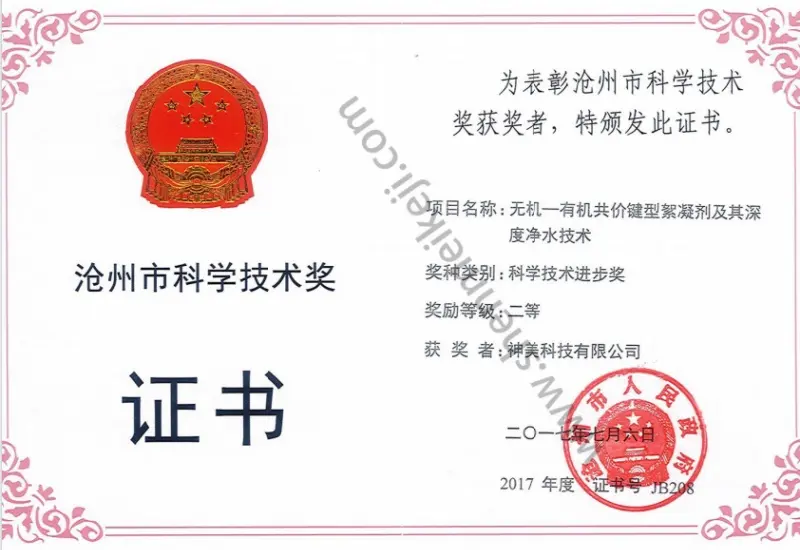
From a regional agent manufacturer in 2011 to a key participant in national environmental chemical standards, Smedic has continuously expanded its production capacity and technical capabilities.
Smedic Technology was founded, establishing its core environmental chemistry engineering team.
Recognized as a National High-Tech Enterprise following the expansion of our municipal product portfolios.
Completed construction of our automated production bases in Hebei and Guizhou, pushing capacity past 1 million annual tons.
Formally recognized as a National Specialized, Refined, Unique and Innovative "Little Giant" Enterprise.
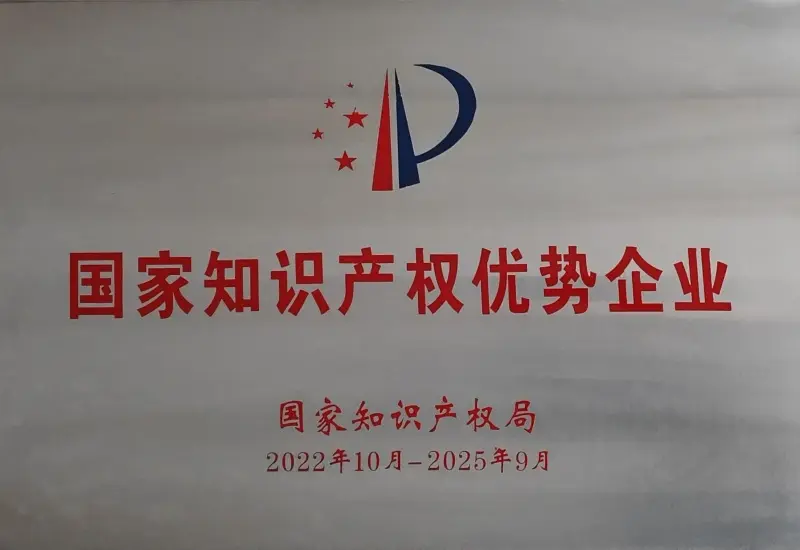
Awarded National Intellectual Property Advantage Enterprise status with over 60 active patents filed.
Established a joint venture with the Chengdu Institute of Mineral Comprehensive Utilization, China Geological Survey, expanding our chemical solutions into advanced mineral processing.
Liquid Ferric Chloride is classified as a Class 8 Corrosive Substance (UN 2582 for solutions, UN 1773 for anhydrous solid), requiring careful packaging, transport, and storage management. Smedic operates under strict international safety frameworks, ensuring all shipments comply with GHS SDS requirements, IMDG sea shipping regulations, and ADR road safety directives.
For global municipal water applications, our chemicals comply with NSF/ANSI Standard 60, certifying their safety for drinking water treatment. Smedic supports European partners with full REACH compliance dossiers, addressing regulatory hurdles prior to port entry.
To prevent crystallization during transport (concentrated 40% FeCl₃ solutions can crystallize below -12°C), we offer custom concentration adjustments and trace-inhibitor additions. Our packaging options include 1.4-ton heavy-duty IBC totes, bulk road tankers, and hermetically sealed drums, all designed to maintain product stability during long-distance transit.
Smedic is continuously developing advanced coagulation formulations to meet evolving industry needs. Our R&D roadmap focuses on:
We are designing molecular hybrids that combine ferric iron centers with high-molecular-weight organic polymers (such as polyacrylamide). These hybrid agents perform charge-neutralization and particle bridging simultaneously, reducing total chemical usage by up to 30%.
To extend the service life of dosing pumps, concrete tanks, and pipelines, our team is developing modified ferric formulations that reduce chemical corrosivity toward metals and concrete without affecting coagulation performance.
In line with circular economy principles, we are exploring methods to regenerate coagulants from iron-rich clarifier sludges. This helps municipal systems minimize landfill waste and lower their operational carbon footprint.
Answering common technical questions from water engineers, utility operators, and procurement specialists.
Unlike aluminum-based coagulants which have a narrow optimal pH range (typically 6.0 to 7.8), Ferric Chloride is effective across a wider pH range of 4.5 to 11.0. At lower pH levels (4.5 to 6.0), coagulation is driven primarily by charge neutralization of colloidal particles. At higher pH levels, sweep flocculation takes over as insoluble iron hydroxide complexes precipitate out of solution, trapping suspended organic matter.
Ferric ions react directly with dissolved orthophosphates to form insoluble ferric phosphate (FePO₄) precipitates:
Fe³⁺ + PO₄³⁻ → FePO₄↓
In practice, additional iron is added to react with alkalinity, forming ferric hydroxide flocs that help adsorb and sweep suspended particulate phosphorus out of suspension.
Because FeCl₃ solutions are highly acidic and corrosive, storage tanks must be constructed from corrosion-resistant materials such as fiberglass-reinforced plastic (FRP), titanium, or polyethylene-lined steel. Storage areas should be bunded to contain spills, and temperature controls may be needed to prevent crystallization in cold climates (typically keeping temperatures above -10°C for a 40% solution).
We source our raw iron and hydrochloric acid inputs from select industrial partners and subject them to pre-synthesis purification. Our factories utilize inline inductively coupled plasma (ICP) analysis to monitor heavy metal levels (such as arsenic, lead, and cadmium) throughout production, ensuring compliance with drinking water safety standards.
Yes. Combining Ferric Chloride with anionic or cationic polyacrylamides (PAM) can improve coagulation efficiency. FeCl₃ acts as the primary coagulant to neutralize charges and form micro-flocs, while the organic polymer acts as a flocculant aid, bridging the micro-flocs into larger, faster-settling aggregates.
 Smedic Tech