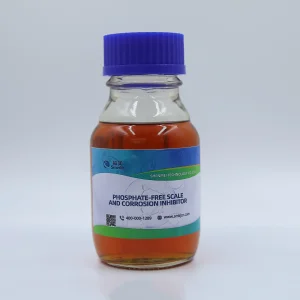
Industrial water security and effluent treatment technologies are undergoing an unprecedented paradigm shift. Driven by stricter global environmental standards, such as zero-liquid discharge (ZLD) directives and micro-pollutant removal thresholds, conventional coagulant applications are yielding to multi-functional, engineered polymeric chains.
As a leading, state-level high-tech enterprise, Smedic Technology Co., Ltd. sits at the forefront of this industrial transformation. Since our foundation in 2011, we have built a fully integrated ecosystem spanning research, synthesis, field application testing, and custom chemical tailoring (OEM/ODM). By pioneering molecular-weight optimization and developing customized covalent bond polymer technologies, we enable global municipalities and heavy industries (including petrochemicals, mining, and oil extraction) to drastically lower their chemical consumption while maximizing pollutant separation.
Modern procurement managers face high supply chain volatility and tightening compliance audits. The search for a reliable chemical partner requires validation of technical capability, scale of manufacturing, and verifiable product safety certificates.
Empirical validation of our domestic footprint and massive manufacturing capability.
With our corporate headquarters centrally located in Beijing, Smedic Technology has strategically placed production nodes and logistics storage depots. We run fully-owned advanced manufacturing centers across Hebei, Guizhou, and Shanxi, alongside ten collaborative OEM manufacturing sites and regional hubs spanning Shandong, Anhui, Guangxi, and Sichuan.
This distributed warehouse networks guarantees rapid supply dispatch and ensures we maintain uninterrupted delivery pathways across more than 20 provinces domestically, while offering responsive export channels for our global clients. Over 600 municipal sewage networks and 1,000+ industrial wastewater partners depend directly on Smedic's dynamic supply network daily.
Providing municipal-scale sewage treatment and purification.
Serving petrochemical, oilfield extraction, and metallurgy plants.
Strategic analysis of industry shifts, highlighting structural, ecological and operational optimizations.
Global regulatory bodies are enforcing stricter standards regarding residual monomers (such as free acrylamide content in polymers). Advanced R&D concentrates on biodegradable backbone configurations and low-toxicity inorganic alternatives.
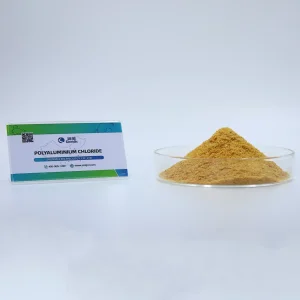
Pioneering the synthesis of multi-nuclear metal complexes in PAC and PFS coagulants. Higher concentration of active Al13 and Al30 polymeric species yields rapid charge neutralization and larger, fast-settling micro-flocs.
Traditional precipitation fails to meet stricter discharge limits (e.g., <0.1 ppm for copper and nickel). Cationic macromolecular chelants form stable, insoluble covalent complexes with multivalent heavy metals.
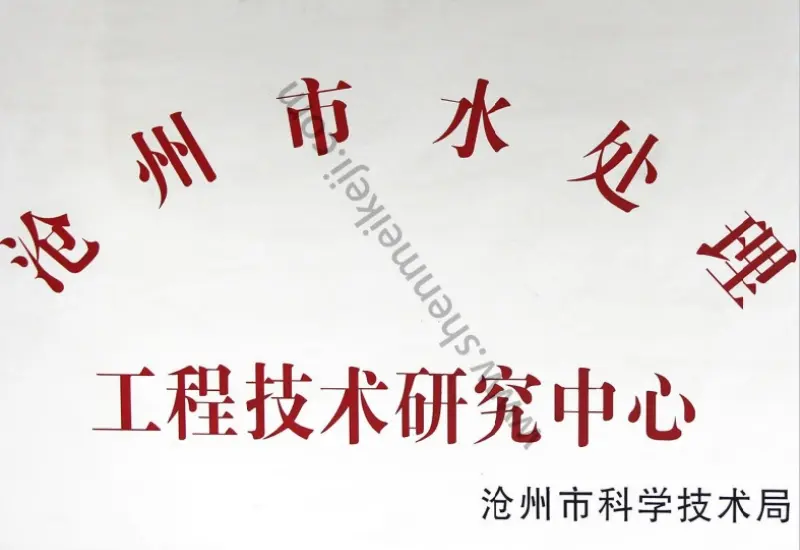
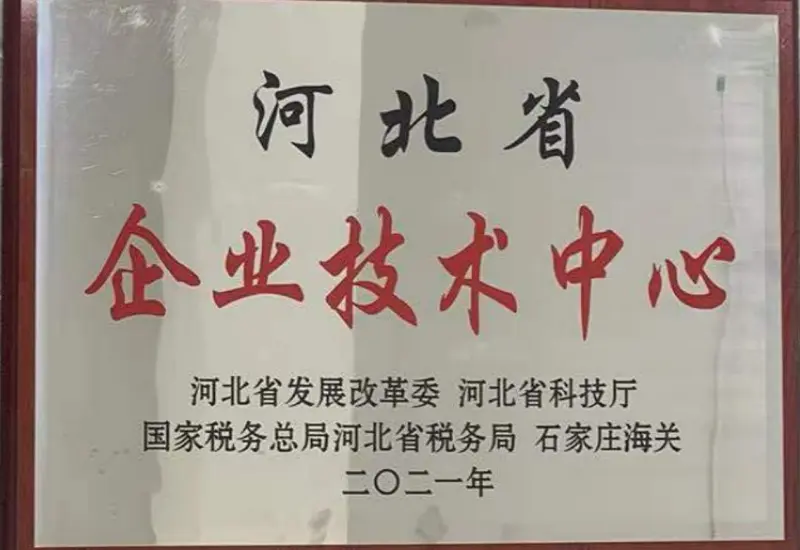
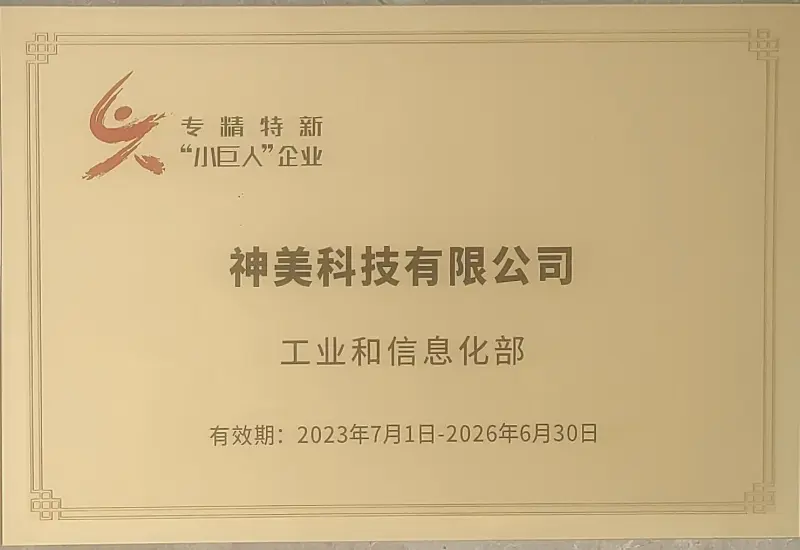
Smedic Technology is recognized as a National High-tech Enterprise and an elite Specialized, Refined, Unique and Innovative "Little Giant" Enterprise. Our R&D network consists of "One Academy, Three Research Institutes, and Five Production Bases", alongside dedicated provincial engineering centers (Hebei Advanced Water Treatment Chemicals Technology Innovation Center, Cangzhou Water Treatment Engineering Technology Research Center).
We drive standardizations and run advanced laboratories in collaboration with Tsinghua University Association of Senior Scientists and Technicians, Shandong University, and Beijing University of Technology, serving as the commercialization partner for pioneering breakthroughs from Peking University and Tianjin University.
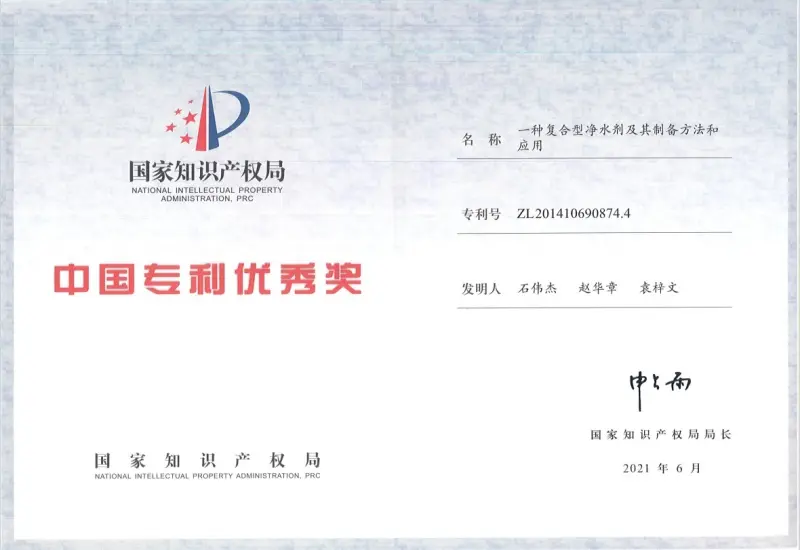
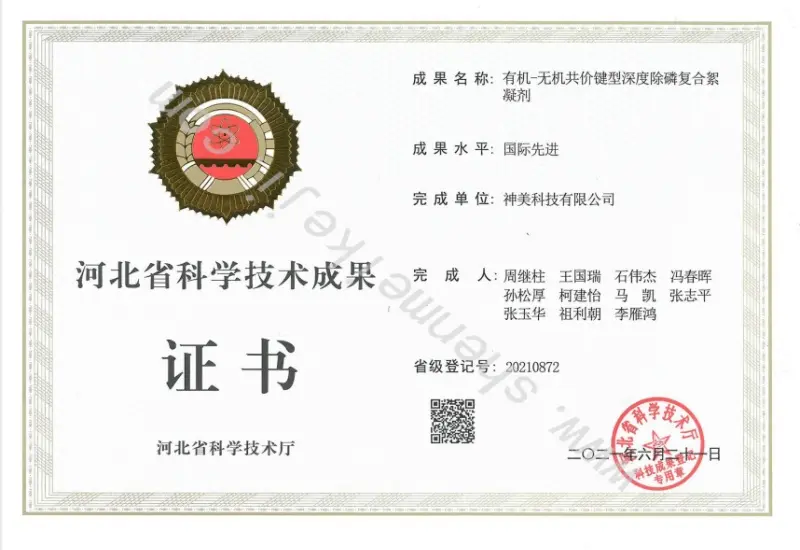
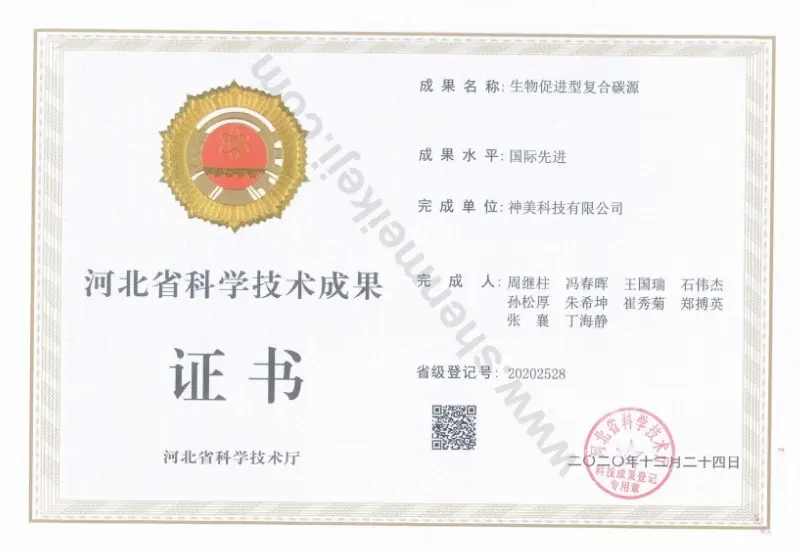
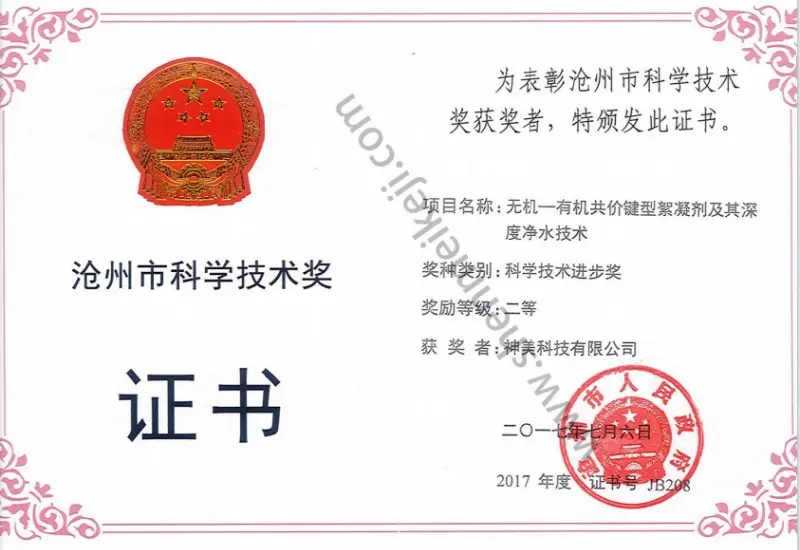
"Smedic has secured over sixty patents (including forty invention patents) and spearheaded the drafting of more than ten national and industry standards for composite carbon sources, composite coagulants, sodium acetate, and bacterial agents."
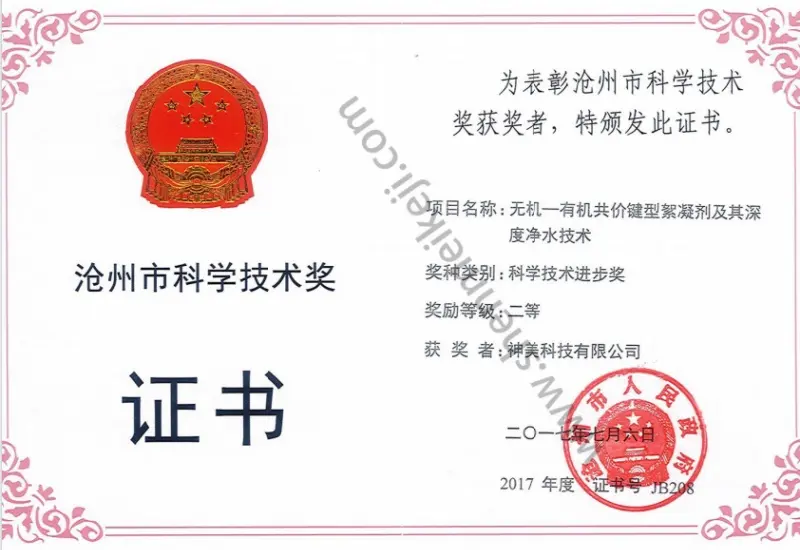
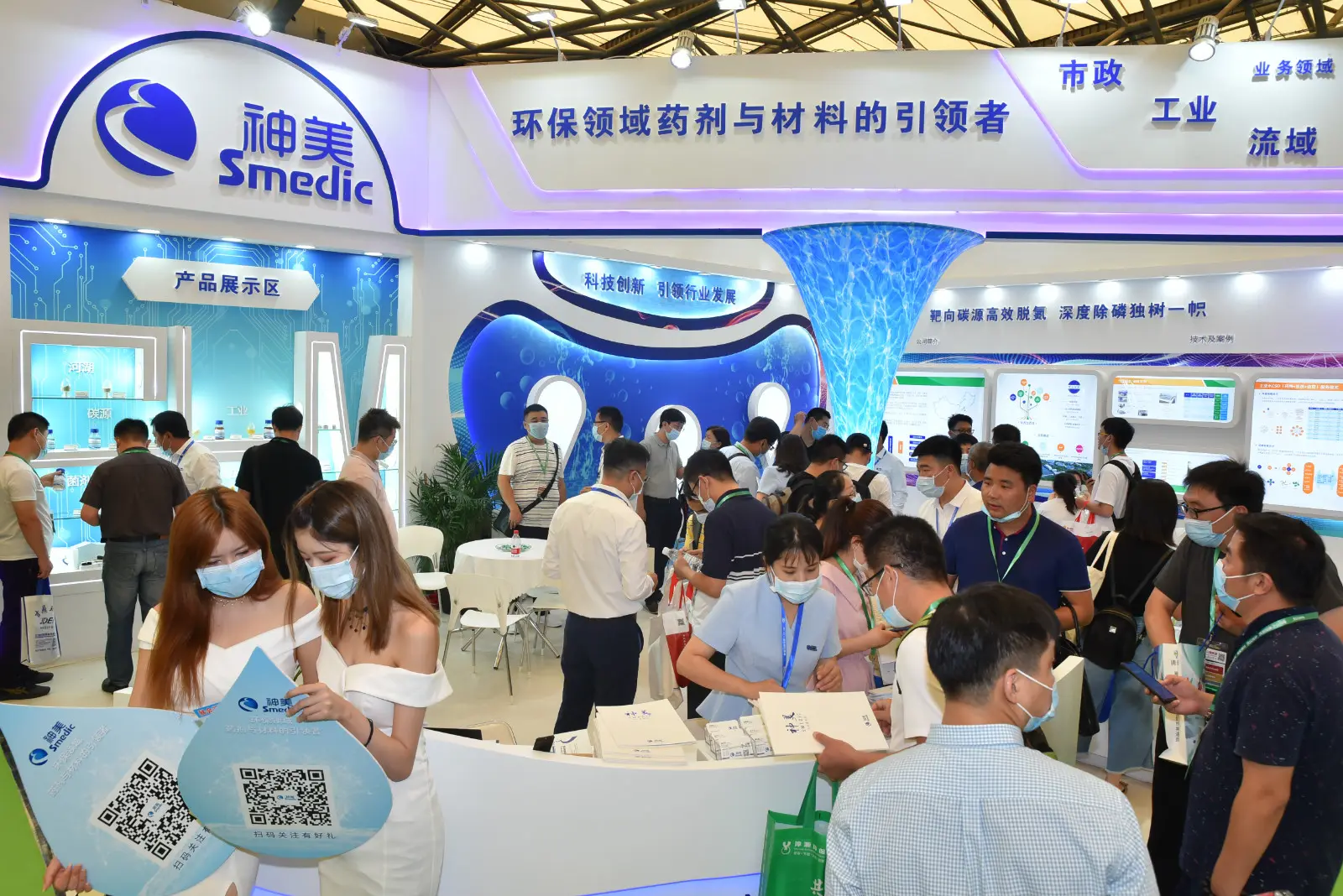 Award Winning Innovations
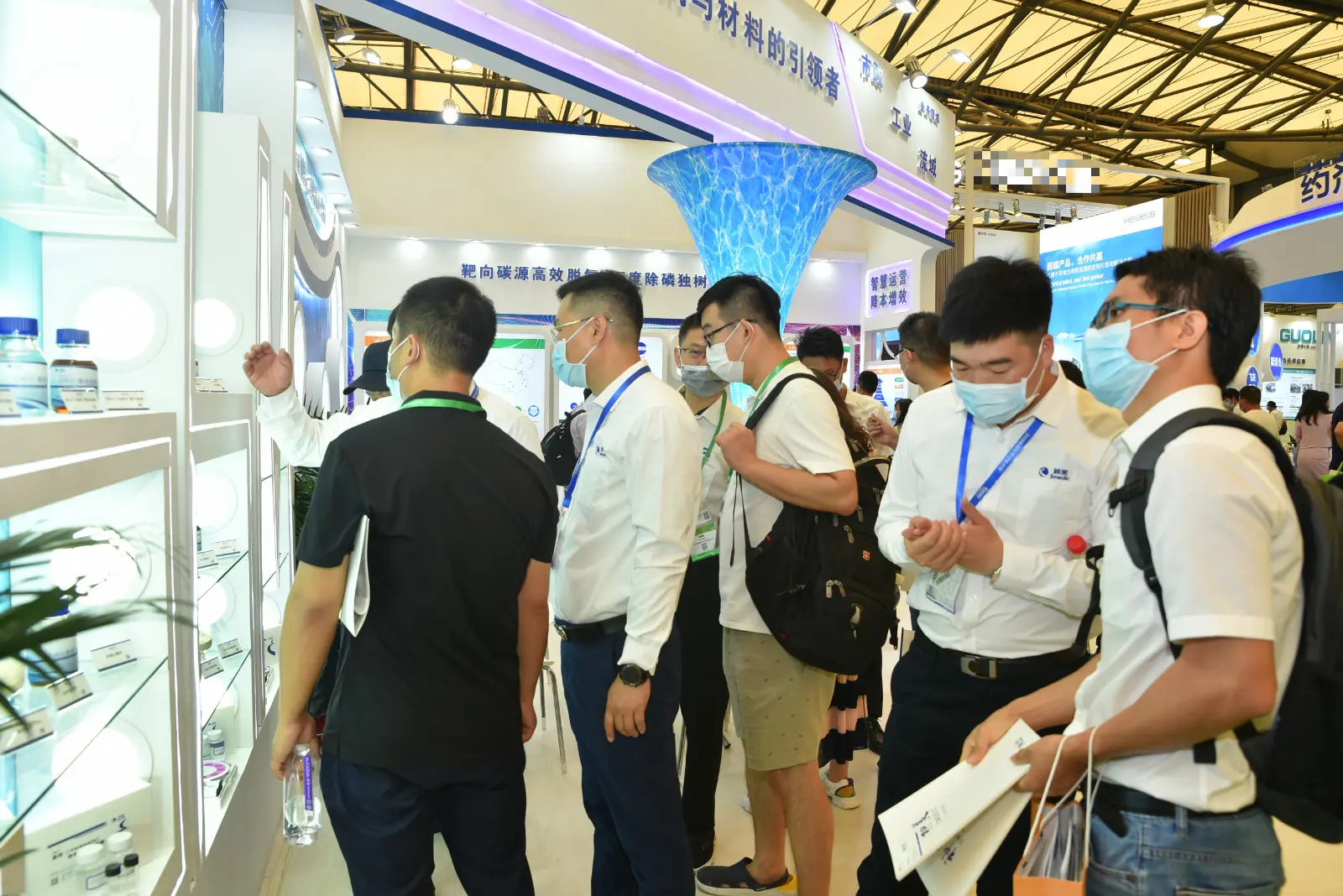 E20 Leading Brand Honors
A decade-long commitment to engineering high-quality water purification solutions.
Smedic Technology Co., Ltd. was established to specialize in water treatment agents research.
Established complete portfolio of carbon sources, coagulants, and polyacrylamide formulations for municipal wastewater plants.
Formally recognized as a National High-Tech Enterprise, acknowledging our state-of-the-art laboratory innovations.
Strategic expansion in South-West China with the commission of the Guiyang production facility.
Expansion across Hebei, Shandong, and Guizhou production lines, raising annual aggregate capacity past 1,000,000 tons.
Acknowledged as a National Specialized, Refined, Unique and Innovative Small & Medium Enterprise.
Established the Hebei Province Advanced Water Treatment Chemicals Technology Innovation Center.
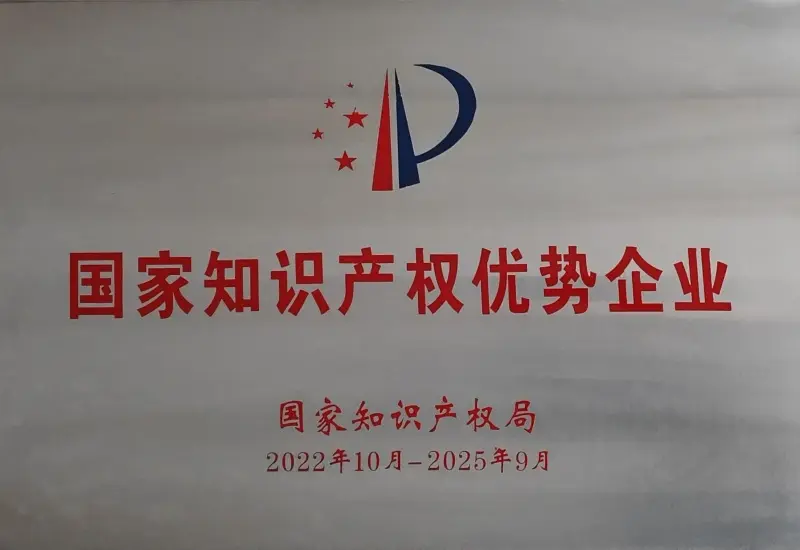
Formally designated as a National Intellectual Property Advantage Enterprise.
Founded joint venture with Chengdu Institute of Mineral Comprehensive Utilization, China Geological Survey, to synthesize complex mineral reagents.
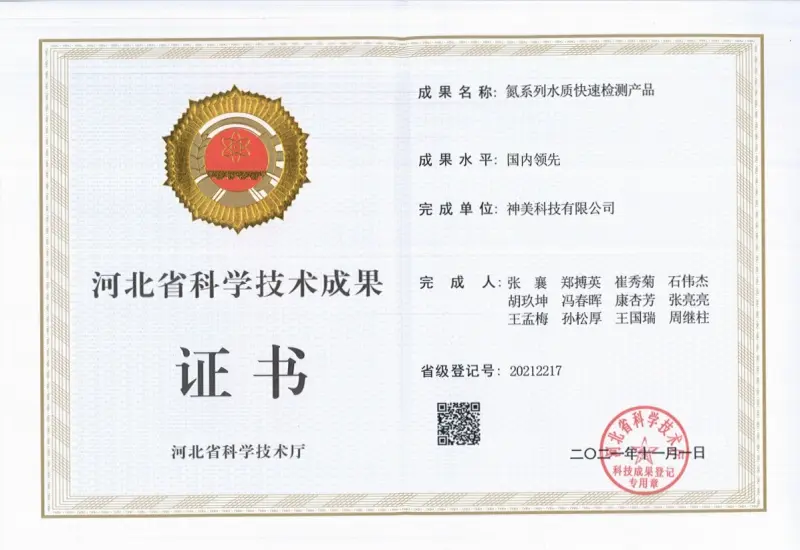
Independent scientific breakthroughs evaluated as "internationally advanced" by the Science & Technology Department.
A structural comparison of flocculation kinetics and selection guide for water treatment operators.
| Chemical Class | Molecular Action / Mechanism | Key Parameter Customization | Primary Target Impurities |
|---|---|---|---|
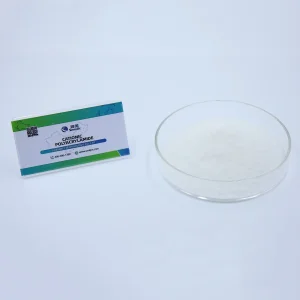
| Cationic Polyacrylamide (CPAM) | Electrostatic charge neutralization & polymeric bridging. | Ionization degree (10% - 80%), MW (8M - 15M Dalton). | Organic sludges, municipal primary/activated sludge dewatering. |
| Anionic Polyacrylamide (APAM) | Long-chain polymer adsorption and micro-floc aggregation. | Hydrolysis degree (10% - 40%), MW (12M - 25M Dalton). | Inorganic wastewater, mineral wash, coal tailings processing. |
| Polyaluminum Chloride (PAC) | Precipitation of micro-colloidal matter and metal phosphates. | Basicity (Al/OH ratio 40% - 90%), active Al2O3 percentage. | Turbidity, dissolved suspended solids, inorganic phosphorus. |
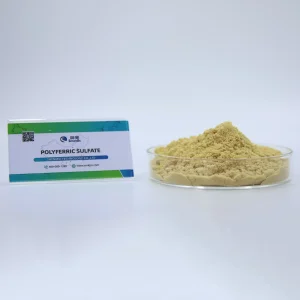
| Polyferric Sulfate (PFS) | Rapid hydrolysis forming multi-core hydroxyl complex ions. | Fe3+ concentration, basicity index, stability modifiers. | Soluble orthophosphate, heavy metals, COD reduction in pulp mills. |
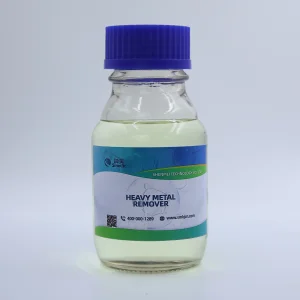
| Specialized Chelating Agents | Covalent bonding forming stable chelating ring precipitates. | Active functional group density, molecular weight tuning. | Cu2+, Ni2+, Cd2+, Pb2+ complexes in electroplating washwater. |
Direct answers from Smedic's senior R&D and chemical application engineers addressing system optimization, polymer selection, and dosing protocols.
At Smedic Technology, our core commitment is to ensure batch-to-batch chemical reliability. We maintain full traceability on every chemical shipment: starting with incoming monomer purity testing, moving to reactor pressure monitoring, and concluding with gel-permeation chromatography (GPC) to verify precise molecular weights.
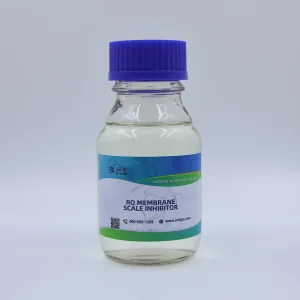
For export markets, we understand the critical nature of compliance. Every batch of our organic flocculants, RO membrane scale inhibitors, and carbon sources undergoes standard leachability and heavy-metal screening. Smedic's field engineering team provides pre-shipment jar tests and laboratory diagnostics to determine optimal chemical combinations, ensuring hassle-free onsite implementation.
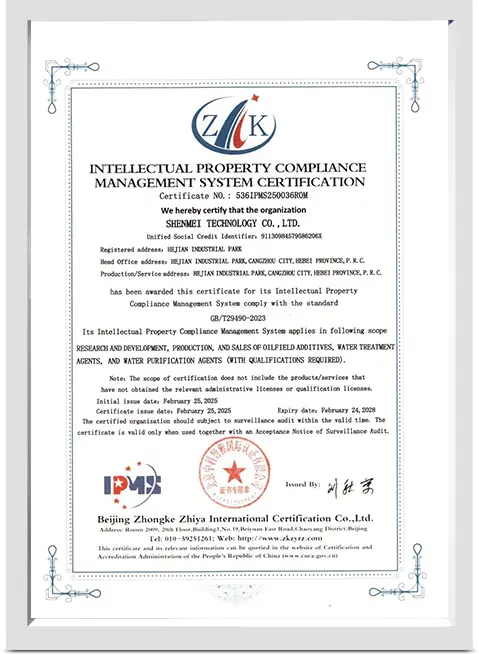
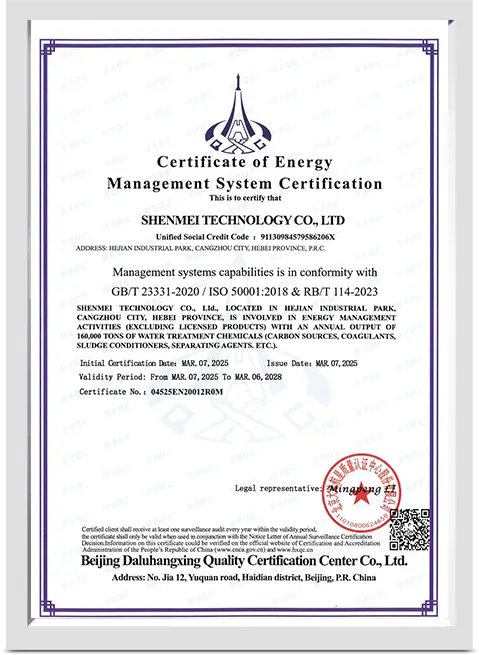
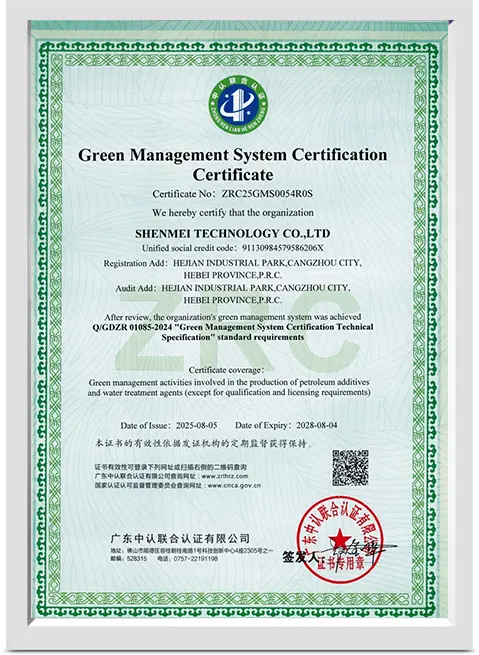
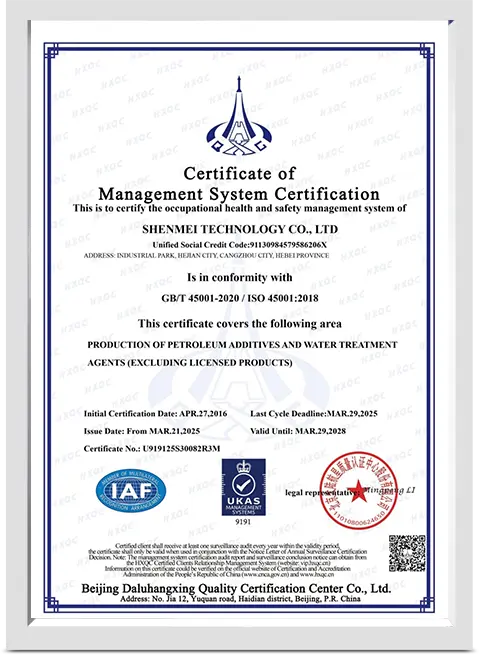
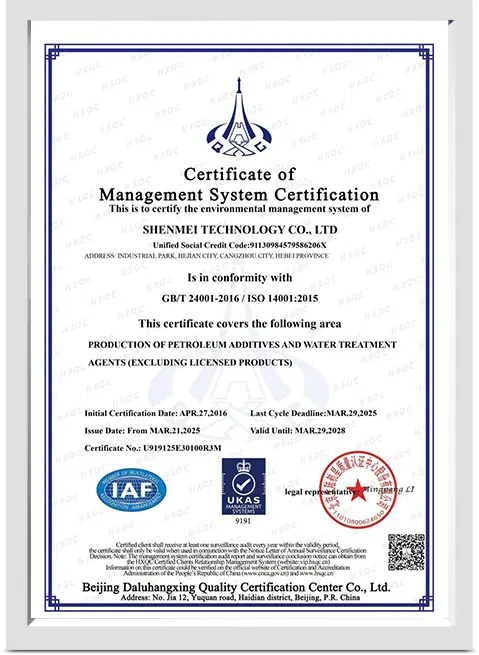
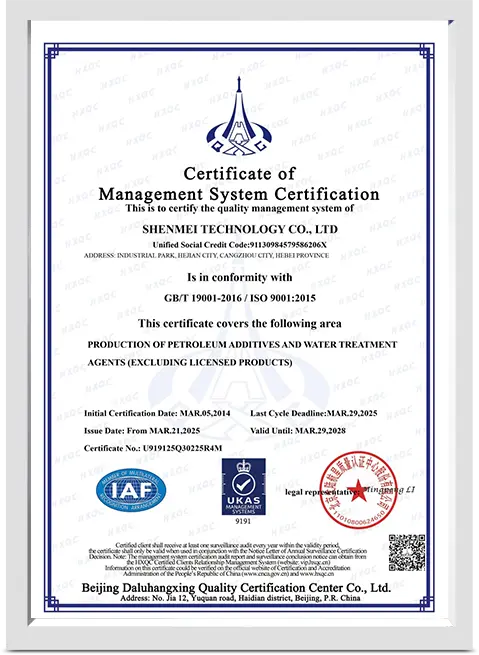
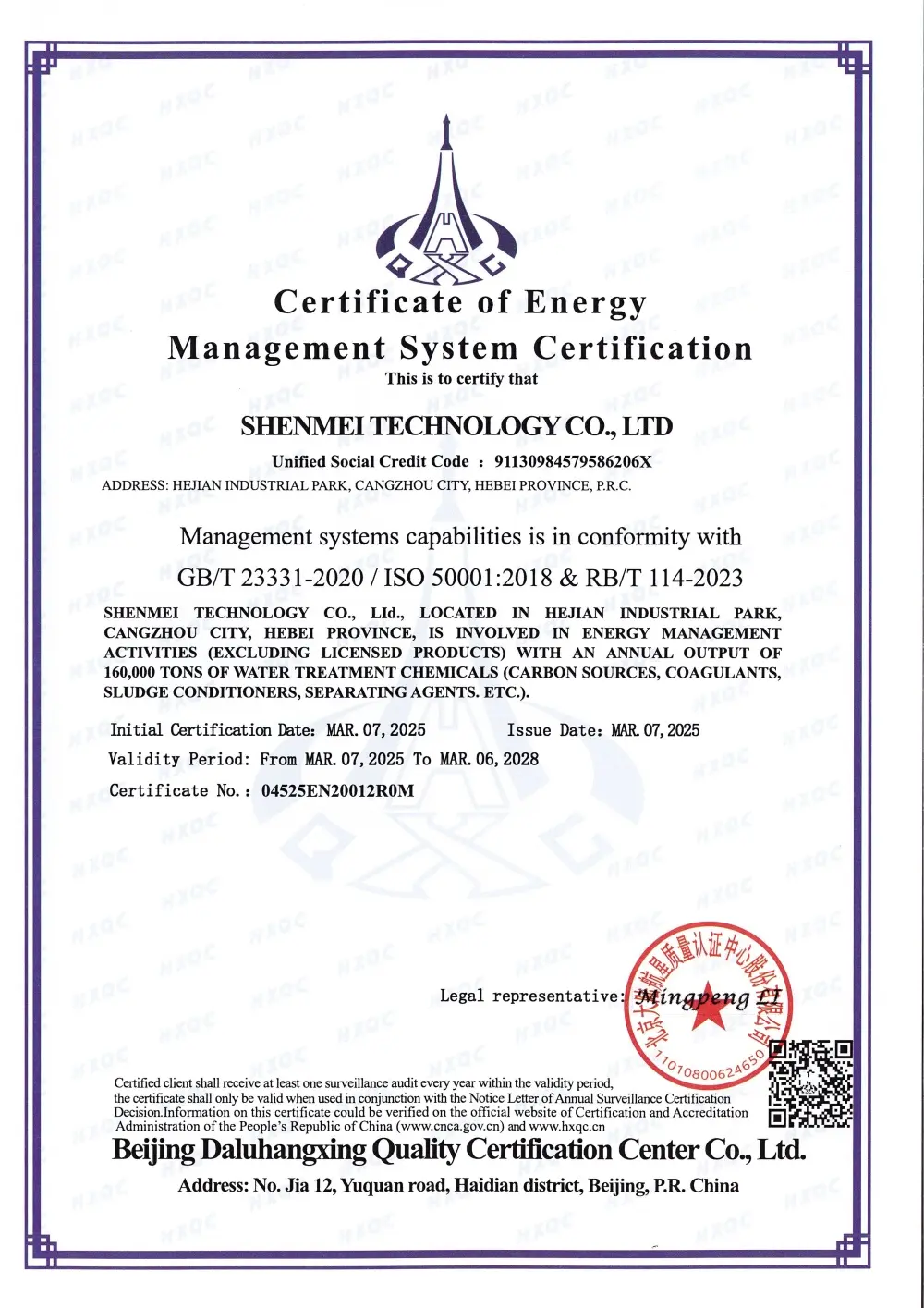
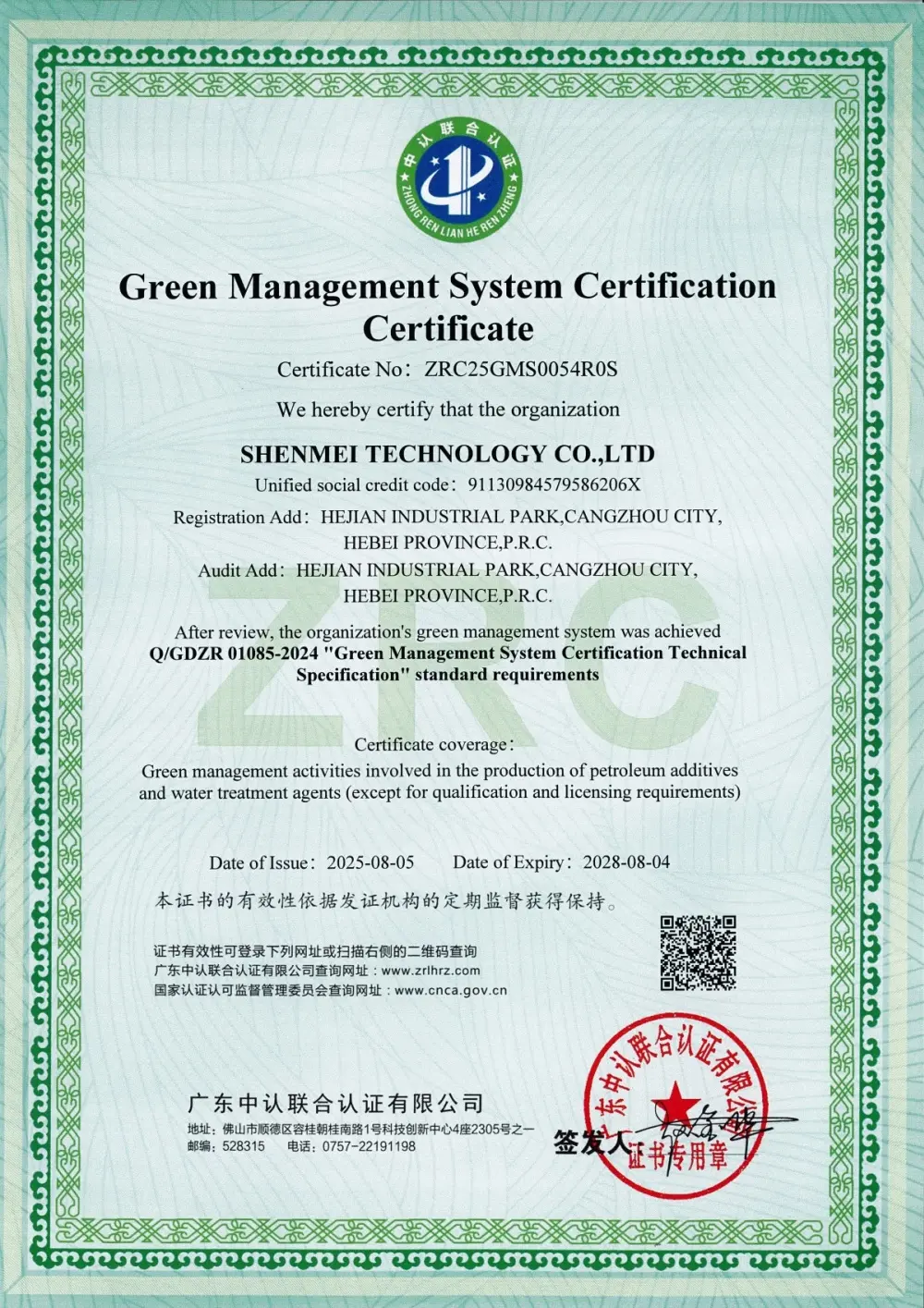
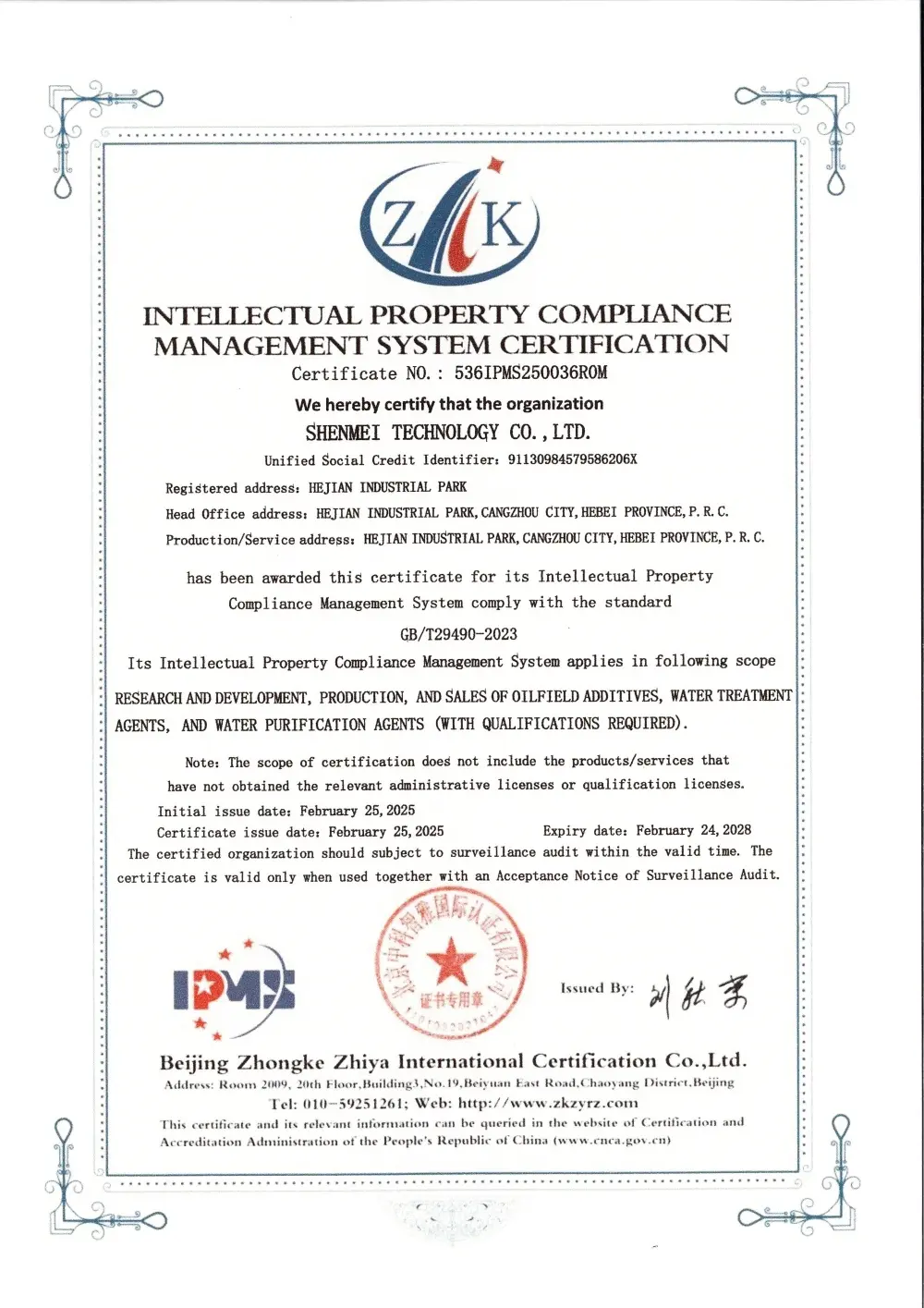
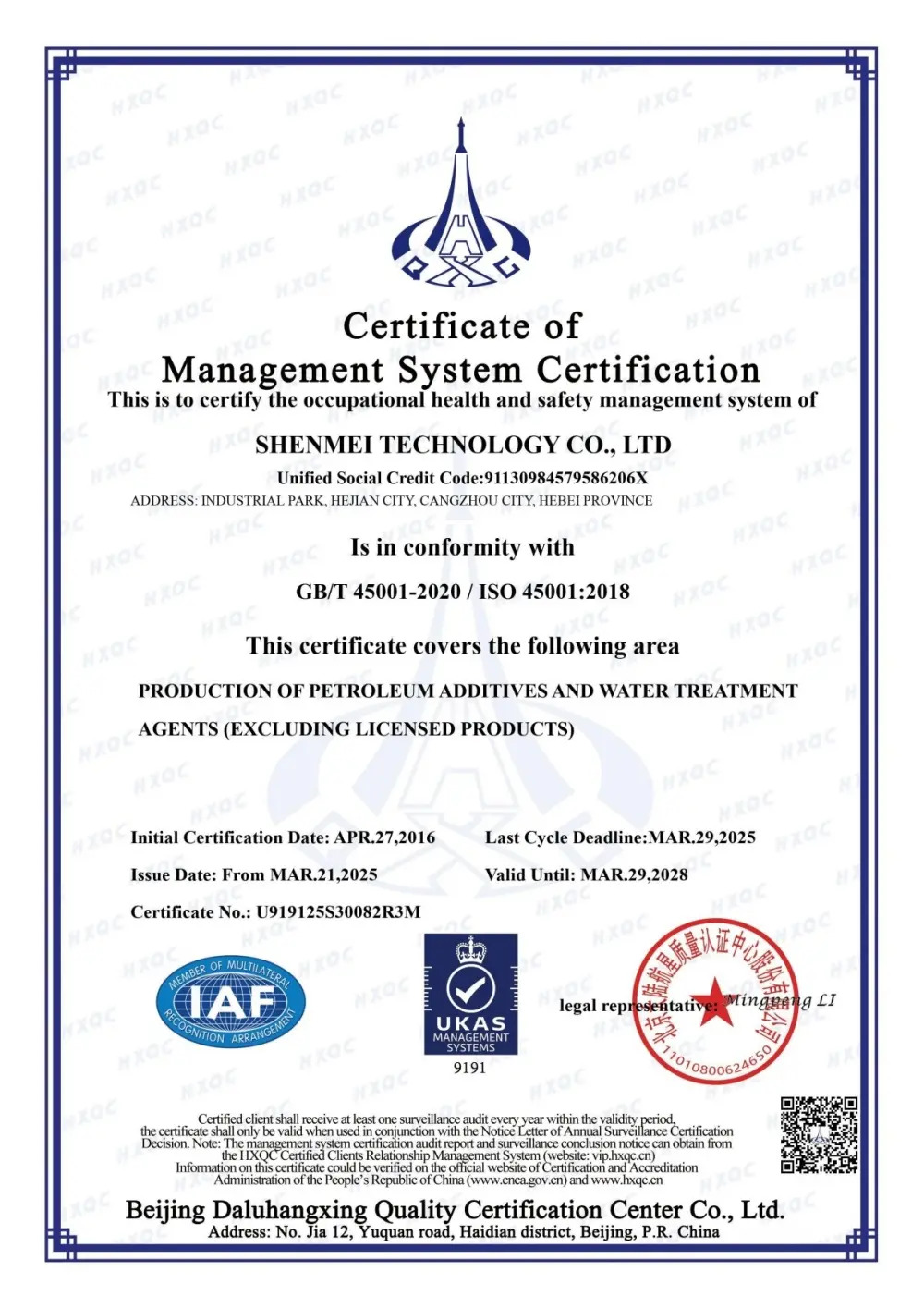
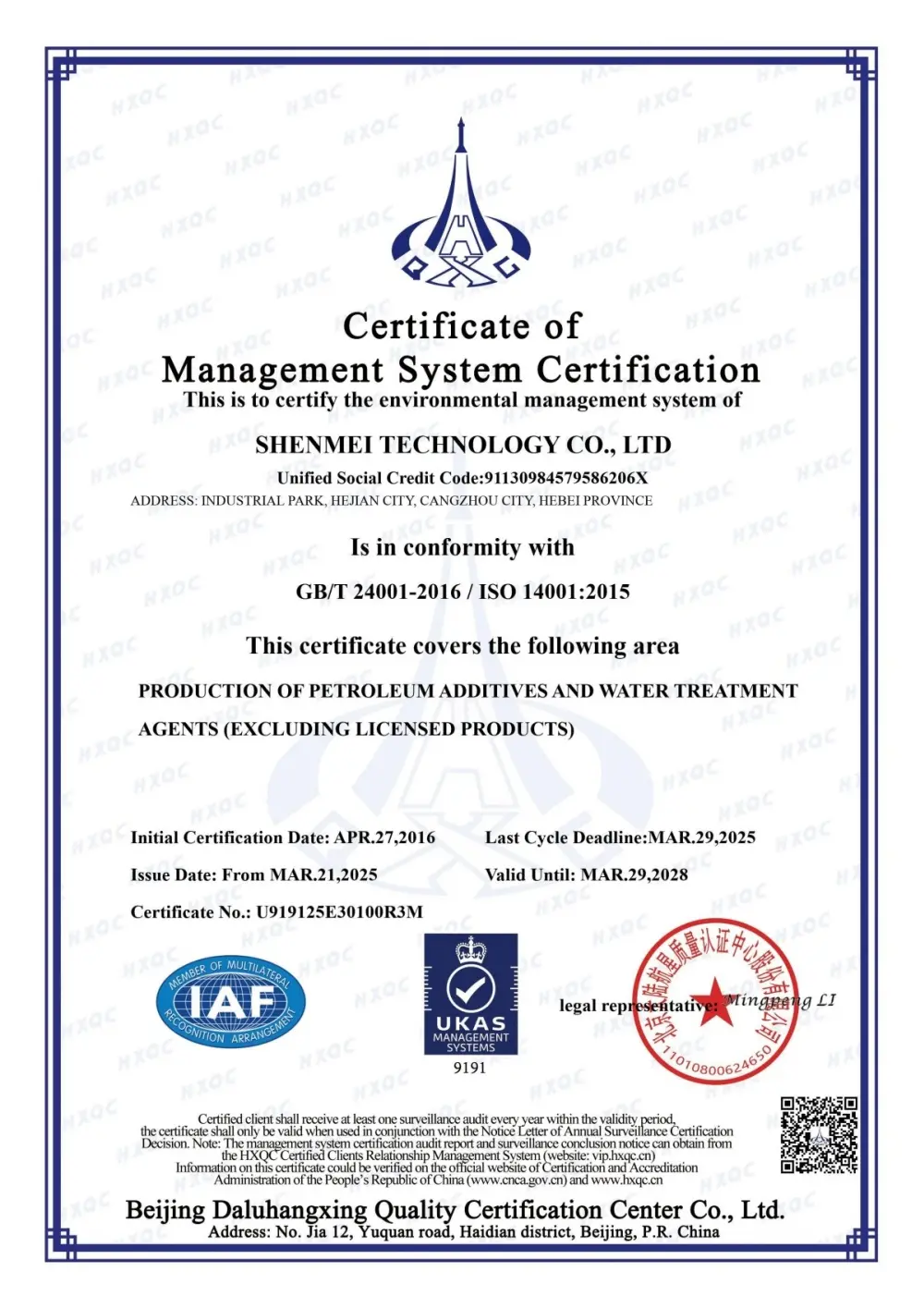
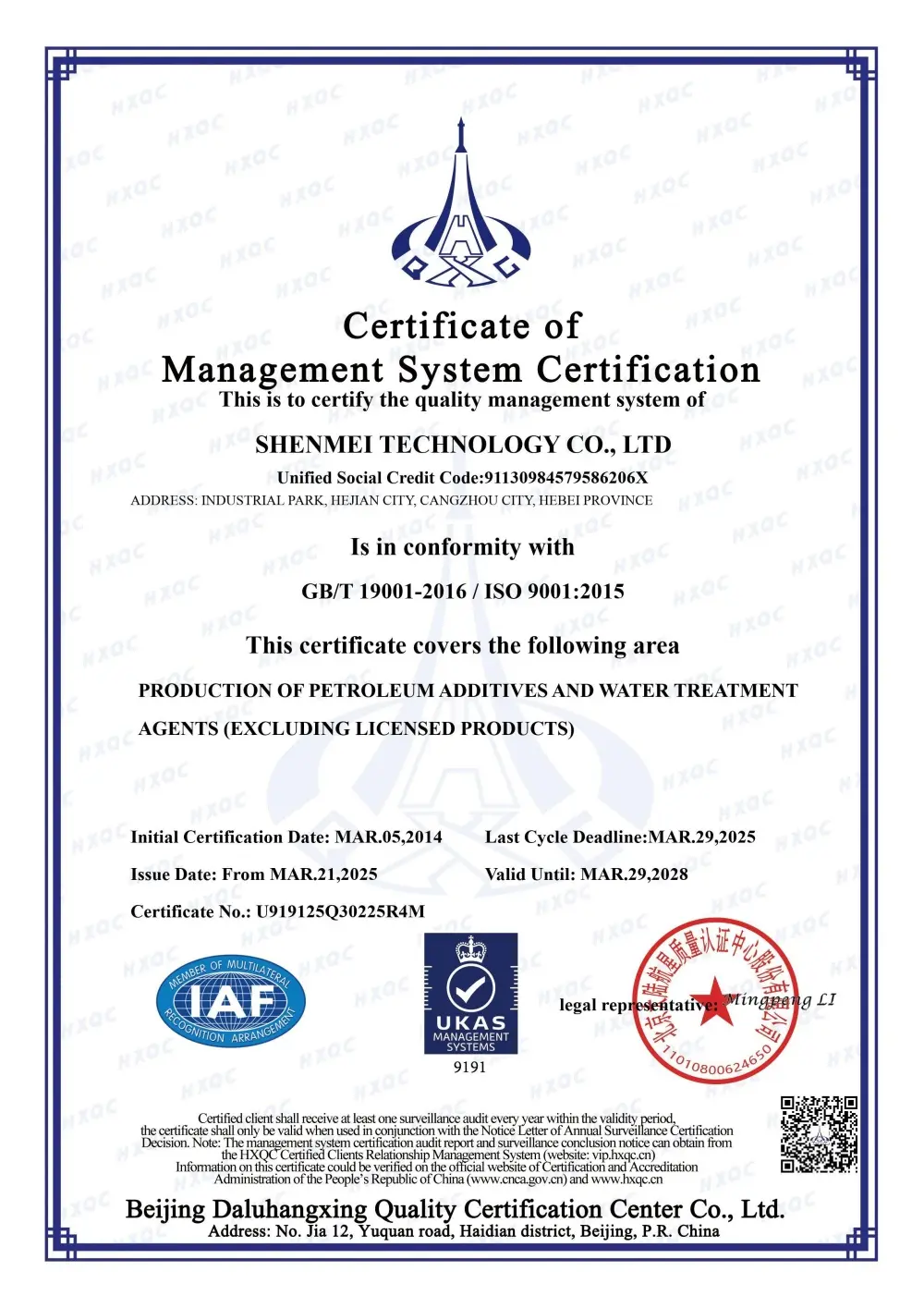 Smedic Quality Testing Laboratory Certificate
 Smedic Tech